

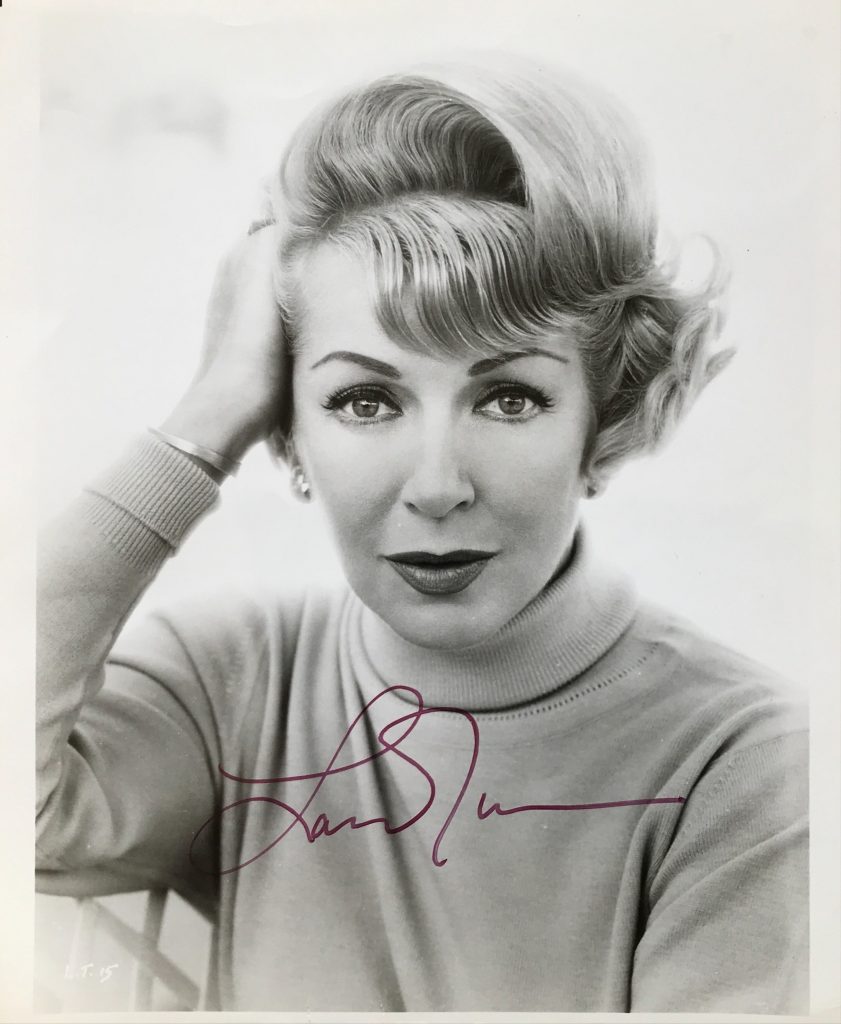
Lana Turner had an acting ability that belied the “Sweater Girl” image MGM thrust upon her, and even many of her directors admitted that they knew she was capable of greatness (check out The Postman Always Rings Twice (1946)). Unfortunately, her private life sometimes overshadowed her professional accomplishments.
Lana Turner was born Julia Jean Mildred Francis Turner in Wallace, Idaho. There is some discrepancy as to whether her birth date is February 8, 1920 or 1921. Lana herself said in her autobiography that she was one year younger (1921) than the records showed, but then this was a time where women, especially actresses, tended to “fib” a bit about their age. Most sources agree that 1920 is the correct year of birth. Her parents were Mildred Frances (Cowan) and John Virgil Turner, a miner, both still in their teens when she was born. In 1929, her father was murdered and it was shortly thereafter her mother moved her and the family to California where jobs were “plentiful”. Once she matured into a beautiful young woman, she went after something that would last forever: stardom. She wasn’t found at a drug store counter, like some would have you believe, but that legend persists. She pounded the pavement as other would-be actors and actresses have done, are doing and will continue to do in search of movie roles.
In 1937, Lana entered the movie world, at 17, with small parts in They Won’t Forget (1937), The Great Garrick (1937) and A Star Is Born (1937). These films didn’t bring her a lot of notoriety, but it was a start. In 1938 she had another small part in Love Finds Andy Hardy (1938) starring Mickey Rooney. It was this film that made young men’s hearts all over America flutter at the sight of this alluring and provocative young woman–known as the “Sweater Girl”–and one look at that film could make you understand why: she was one of the most spectacularly beautiful newcomers to grace the screen in years. By the 1940s Lana was firmly entrenched in the film business. She had good roles in such films as Johnny Eager (1941), Somewhere I’ll Find You (1942) and Week-End at the Waldorf (1945). If her career was progressing smoothly, however, her private life was turning into a train wreck, keeping her in the news in a way no one would have wanted.
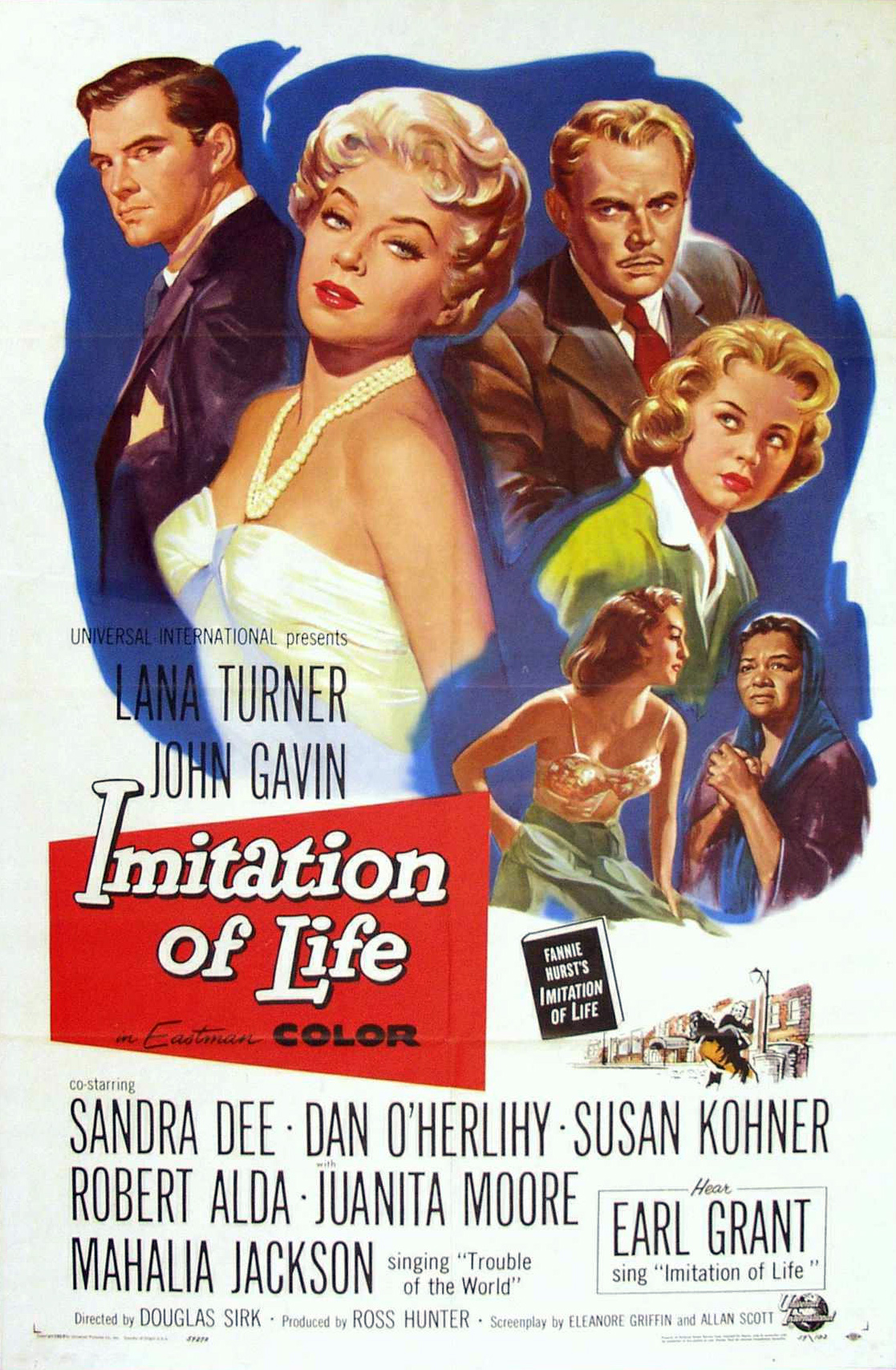
Without a doubt her private life was a threat to her public career. She was married eight times, twice to Stephen Crane. She also married Ronald Dante, Robert Eaton, Fred May, Lex Barker, Henry Topping and bandleader Artie Shaw. She also battled alcoholism. In yet another scandal, her daughter by Crane, Cheryl Crane, fatally stabbed Lana’s boyfriend, gangster Johnny Stompanato, in 1958. It was a case that would have rivaled the O.J. Simpson murder case. Cheryl was acquitted of the murder charge, with the jury finding that she had been protecting her mother from Stompanato, who was savagely beating her, and ruled it justifiable homicide. These and other incidents interfered with Lana’s career, but she persevered. The release of Imitation of Life (1959), a remake of a 1934 film (Imitation of Life (1934)), was Lana’s comeback vehicle. Her performance as Lora Meredith was flawless as an actress struggling to make it in show business with a young daughter, her housekeeper and the housekeeper’s rebellious daughter. The film was a box-office success and proved beyond a doubt that Lana had not lost her edge.
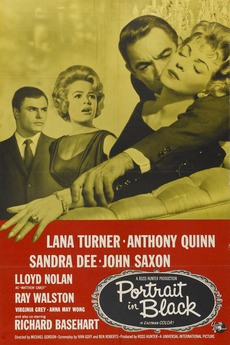
By the 1960s, however, fewer roles were coming her way with the rise of new and younger stars. She still managed to turn in memorable performances in such films as Portrait in Black (1960) and Bachelor in Paradise (1961). By the next decade the roles were coming in at a trickle. Her last appearance in a big-screen production was in Witches’ Brew (1980). Her final film work came in the acclaimed TV series Falcon Crest (1981) in which she played Jacqueline Perrault from 1982-1983. After all those years as a sex symbol, nothing had changed–Lana was still as beautiful as ever.
She died on June 25, 1995, in Culver City, California, after a long bout with cancer. She was 74 years old.
-IMDB
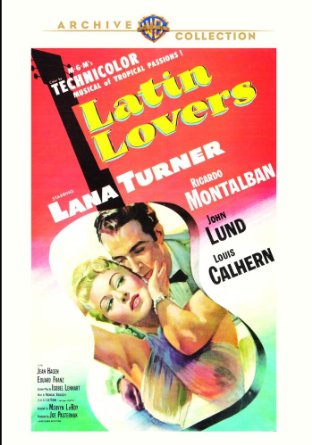
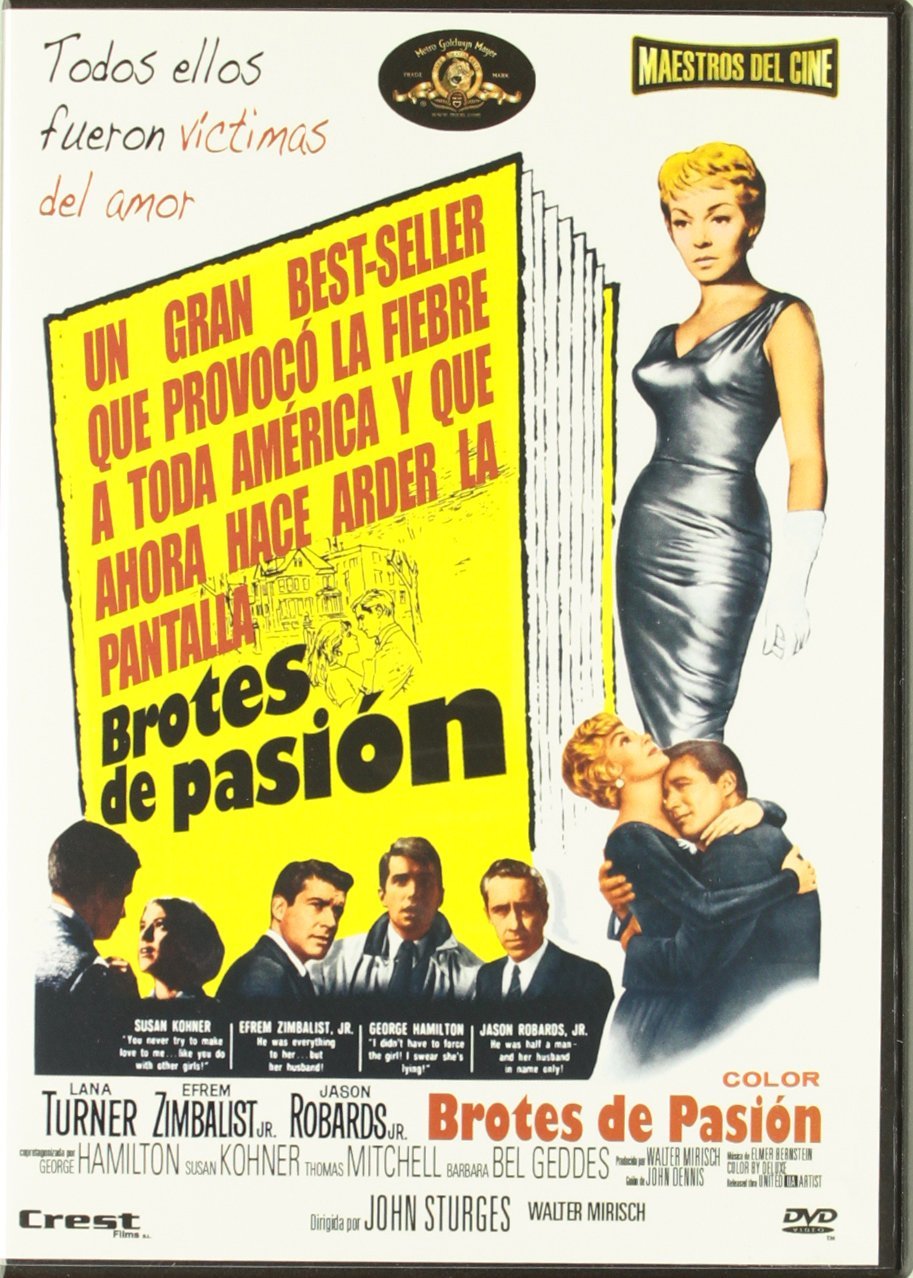
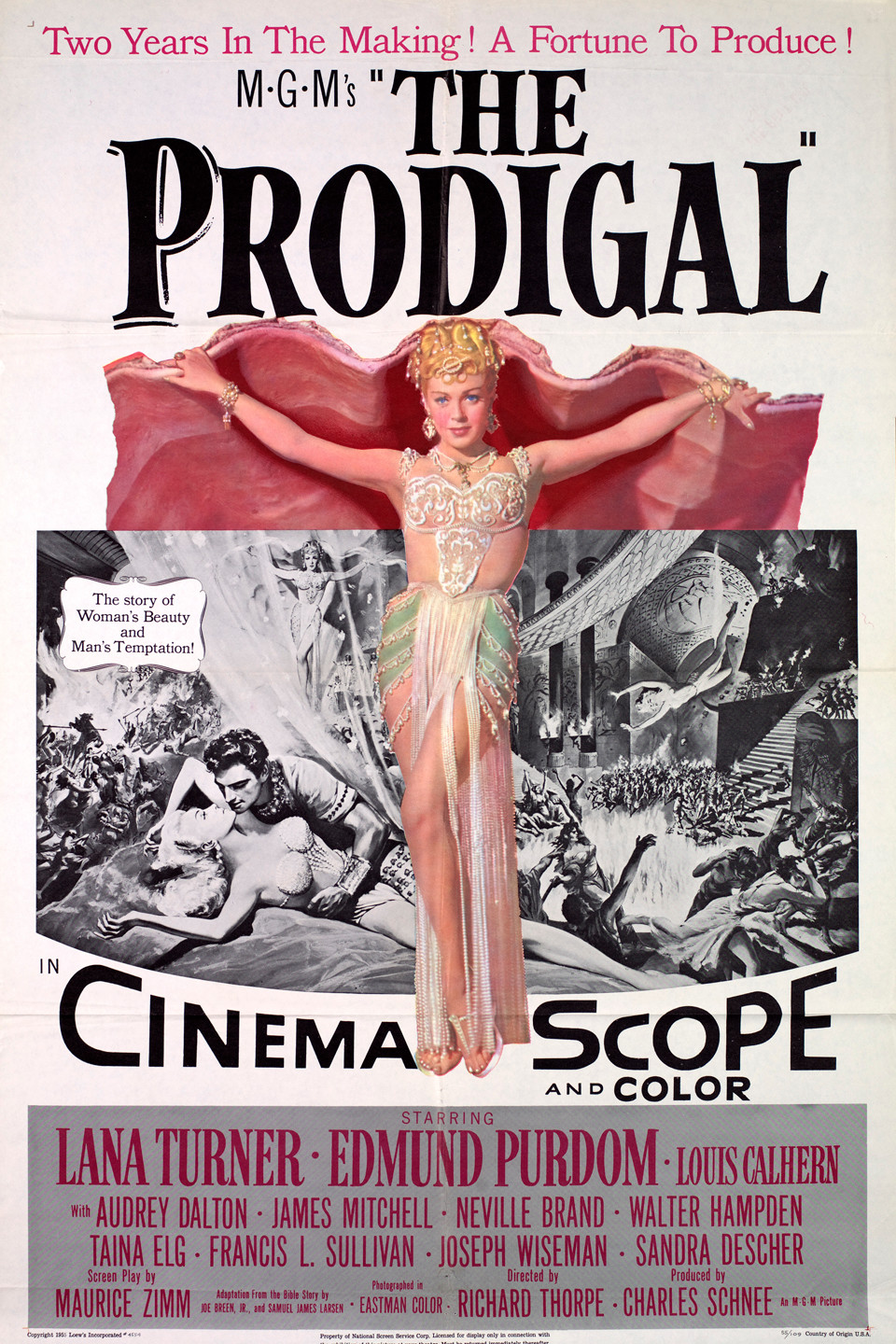
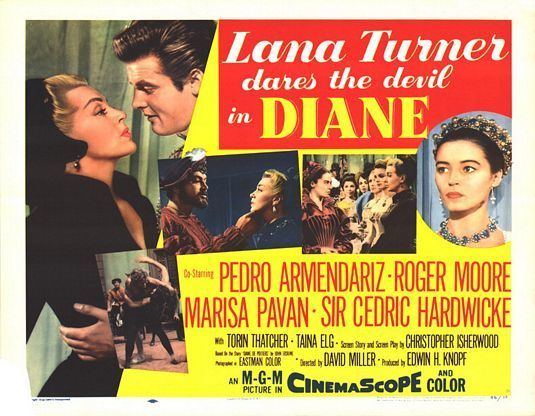
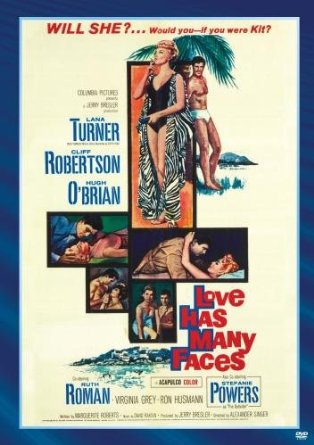
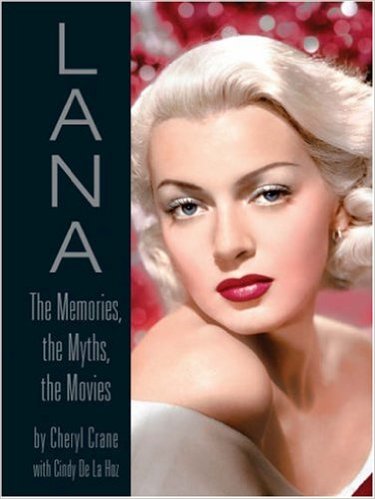
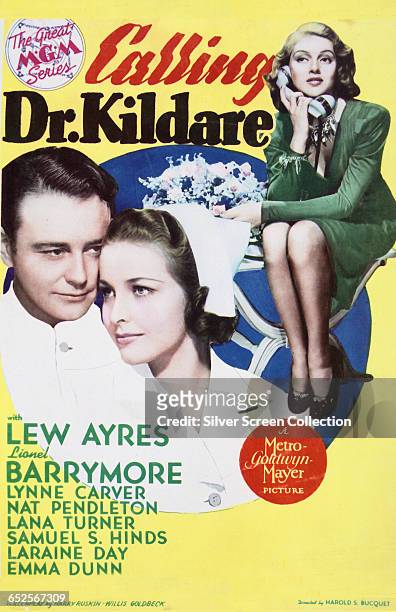
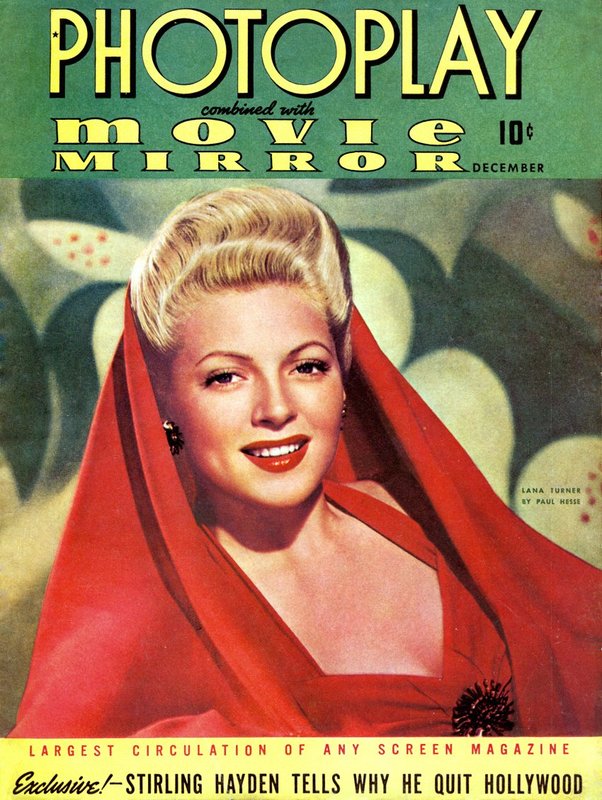
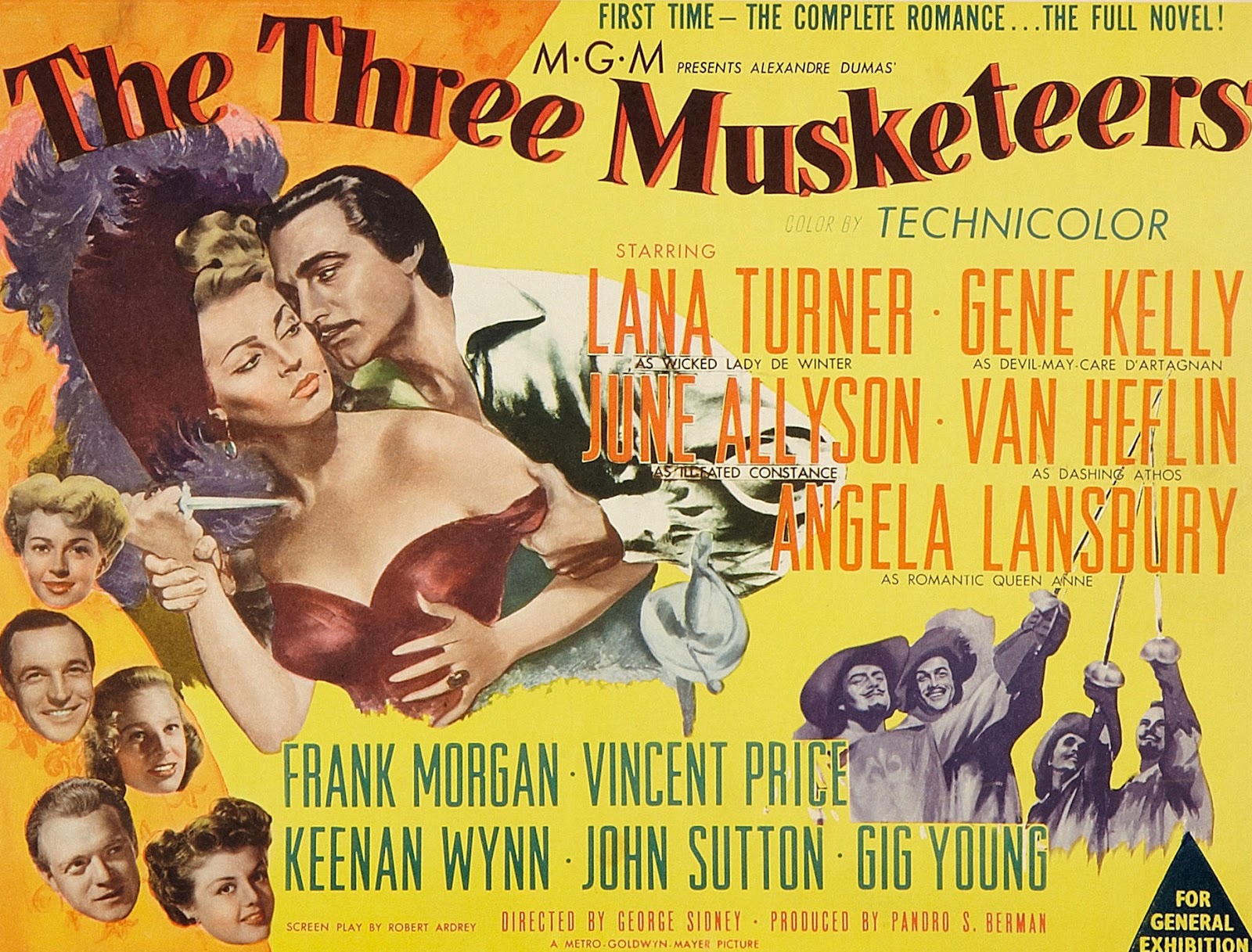
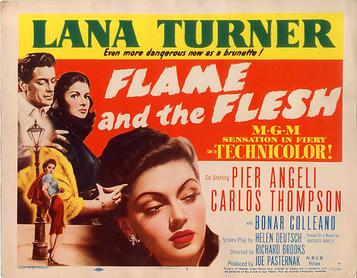
Lana Turner (1921–1995) was the ultimate “Studio Era” creation. Known as the “Sweater Girl” and later as the high-priestess of the MGM melodrama, her career is a fascinating intersection of manufactured glamour and raw, survivalist talent. While her private life often threatened to overshadow her work, a critical analysis reveals an actress who possessed a unique “emotional transparency” and an uncanny ability to navigate the transition from youthful pin-up to the definitive “Suffering Woman” of the 1950s.
1. Career Arc: The “Sweater Girl” to the “MGM Queen”
The Discovery (1937): According to Hollywood legend, she was discovered at a soda fountain. Her debut in They Won’t Forget (1937), where she walked across the screen in a tight-fitting sweater, created an immediate, visceral impact on the American public.
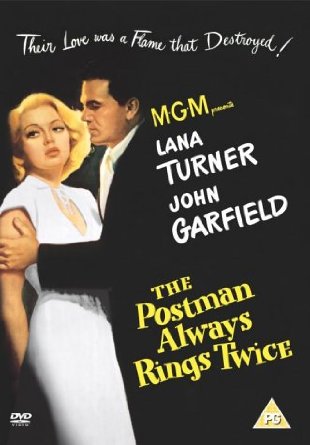
The Noir Transition (1946): After a series of light “MGM musicals” and comedies, she proved her dramatic worth in The Postman Always Rings Twice. This role redefined her as a “Femme Fatale” with lethal, ice-cold ambition.
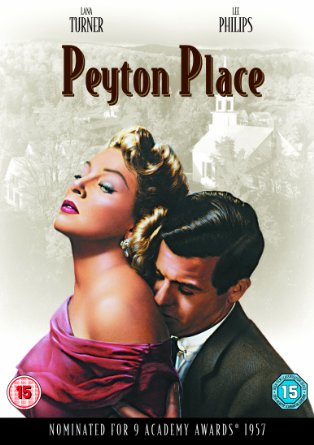
The Melodrama Peak (1950s): Under the direction of masters like Douglas Sirk and Vincente Minnelli, Turner became the face of the “Glossy Melodrama.” She earned an Oscar nomination for Peyton Place(1957).
The Standoff with Reality (1958): Following the real-life scandal involving her daughter and Johnny Stompanato, Turner returned to the screen in Imitation of Life (1959). Critically, she used her real-life trauma to fuel the most successful performance of her career.
2. Critical Analysis of Key Performances
The Postman Always Rings Twice (1946) – The White-Clad Predator
As Cora Smith, the bored wife who plots to kill her husband for his diner.
Analysis: This performance is a masterclass in symbolic costuming and controlled sensuality. Dressed almost entirely in white, Turner’s Cora was visually pure but morally decayed. She utilized a “breathless” vocal style that suggested a woman perpetually on the edge of a breakdown.
Critique: Critics point to the first shot of Turner—her lipstick rolling across the floor—as one of the most iconic entrances in film history. She avoided the “hard” edge of Barbara Stanwyck or Joan Crawford, opting instead for a soft, seductive lethargy that made her character’s eventual descent into murder feel like an inevitable nightmare.
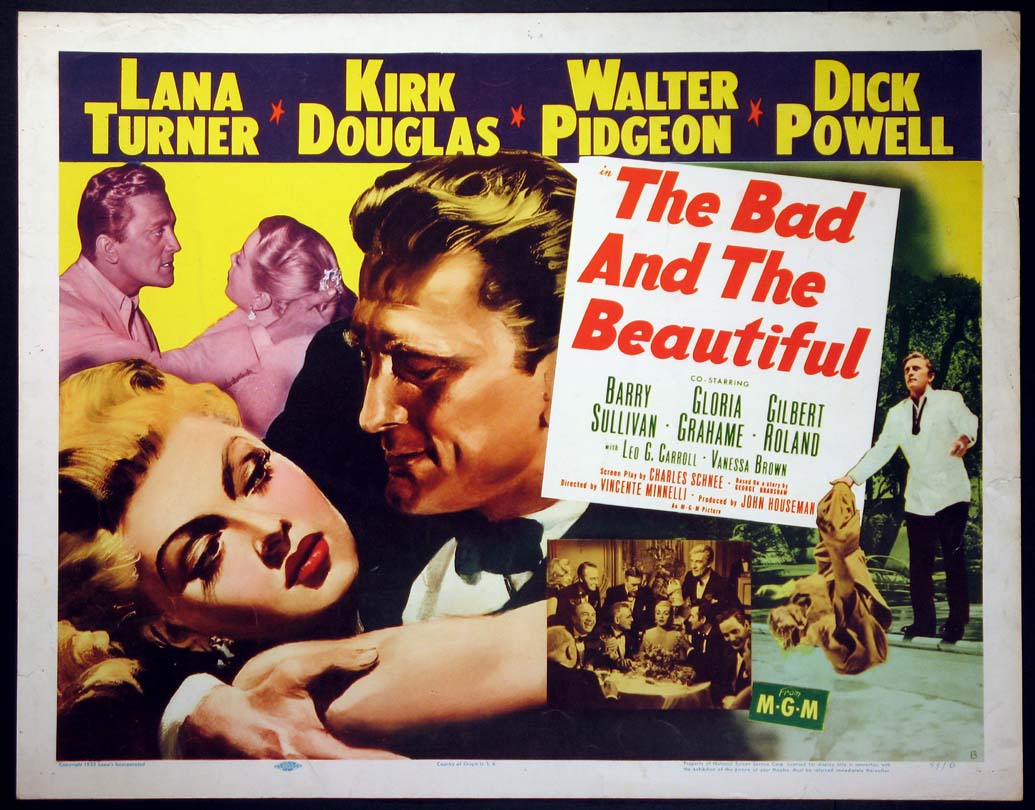
The Bad and the Beautiful (1952) – The Meta-Star
As Georgia Lorrison, an alcoholic actress manipulated by a ruthless producer (Kirk Douglas).
Analysis: This was Turner playing a version of herself. She utilized her own reputation as a “studio product” to give the character a fragile, hollow-eyed intensity.
Critique: The scene where Georgia has a nervous breakdown while driving is often cited as her best individual piece of acting. She shed the “MGM polish” for a moment of raw, unhinged hysteria that proved she was capable of high-stakes dramatic realism.
Imitation of Life (1959) – The Technicolor Martyr
As Lora Meredith, an aspiring actress who prioritizes her career over her daughter.
Analysis: Working with director Douglas Sirk, Turner became a visual icon of the 1950s. Her performance is characterized by a specific kind of “mannered” grief. She played Lora as a woman who treats her own life like a movie set, making the film’s critique of superficiality much sharper.
Critique: While some contemporary critics found the performance “stiff,” modern film historians view it as a brilliant subversion. Turner played the character’s vanity with a terrifying lack of vanity. She allowed herself to be the “uncaring mother,” tapping into the public’s perception of her own life to create a performance of profound, uncomfortable honesty.
3. Style and Legacy: The “Cinematic Surface”
Lana Turner’s acting style was defined by emotional receptivity rather than intellectualized “Method” acting.
| Attribute | Critical Impact |
| The “Camera Love” | Turner had a preternatural understanding of light; she moved in a way that maximized the glamour of the lens, turning herself into a “living sculpture.” |
| Vocal Contrast | She possessed a light, somewhat “girlish” voice that created a fascinating contrast with the “heavy” adult themes (infidelity, murder) of her films. |
| Transparency | Unlike Davis or Crawford, who “attacked” a scene, Turner “received” the scene. Her face was a screen upon which the audience could project their own emotions. |
The “Star” vs. The “Actress”
The critical debate surrounding Turner often centers on whether she was a “great actress” or simply a “great star.” Modern analysis tends to reject this binary. Her “stardom” was her craft. She understood the power of the MGM iconography and used it as a tool to tell stories about the high cost of American beauty and the entrapment of the domestic ideal.
Critical Note: Lana Turner was the High Priestess of the Close-Up. She proved that glamour was not just a costume, but a dramatic language. She was the only actress who could make a “weepy” feel like an epic, and she remains the definitive symbol of a Hollywood era where the line between a woman’s public image and her private soul was permanently blurred