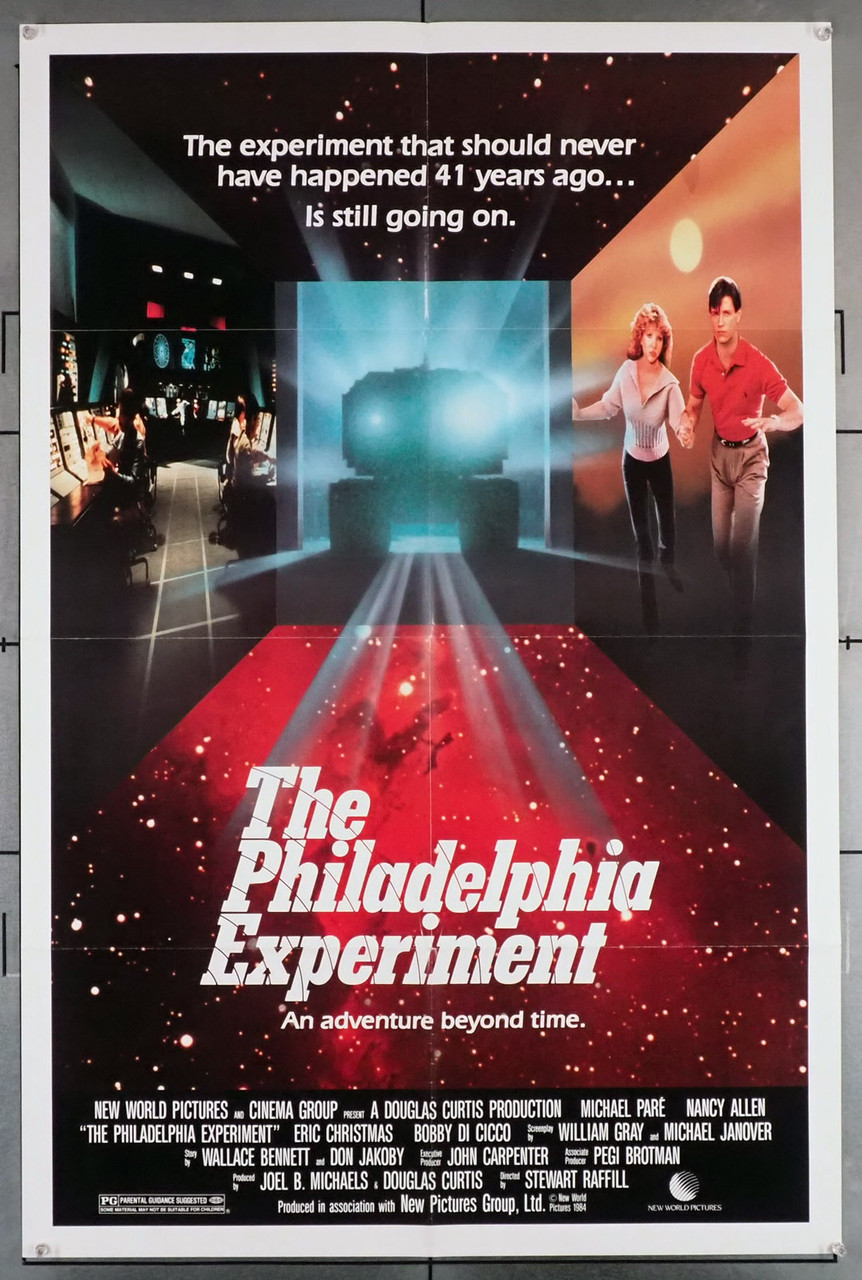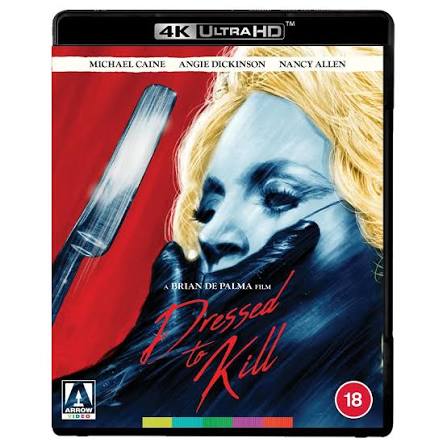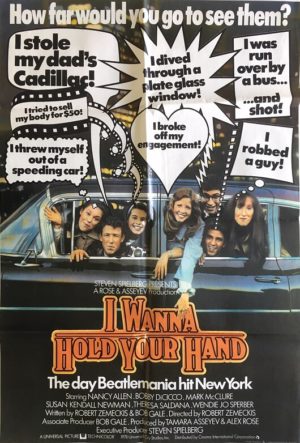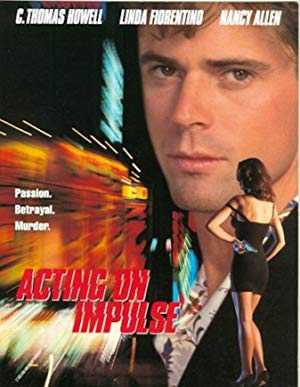

Nancy Allen

Nancy Allen
Nancy Allen

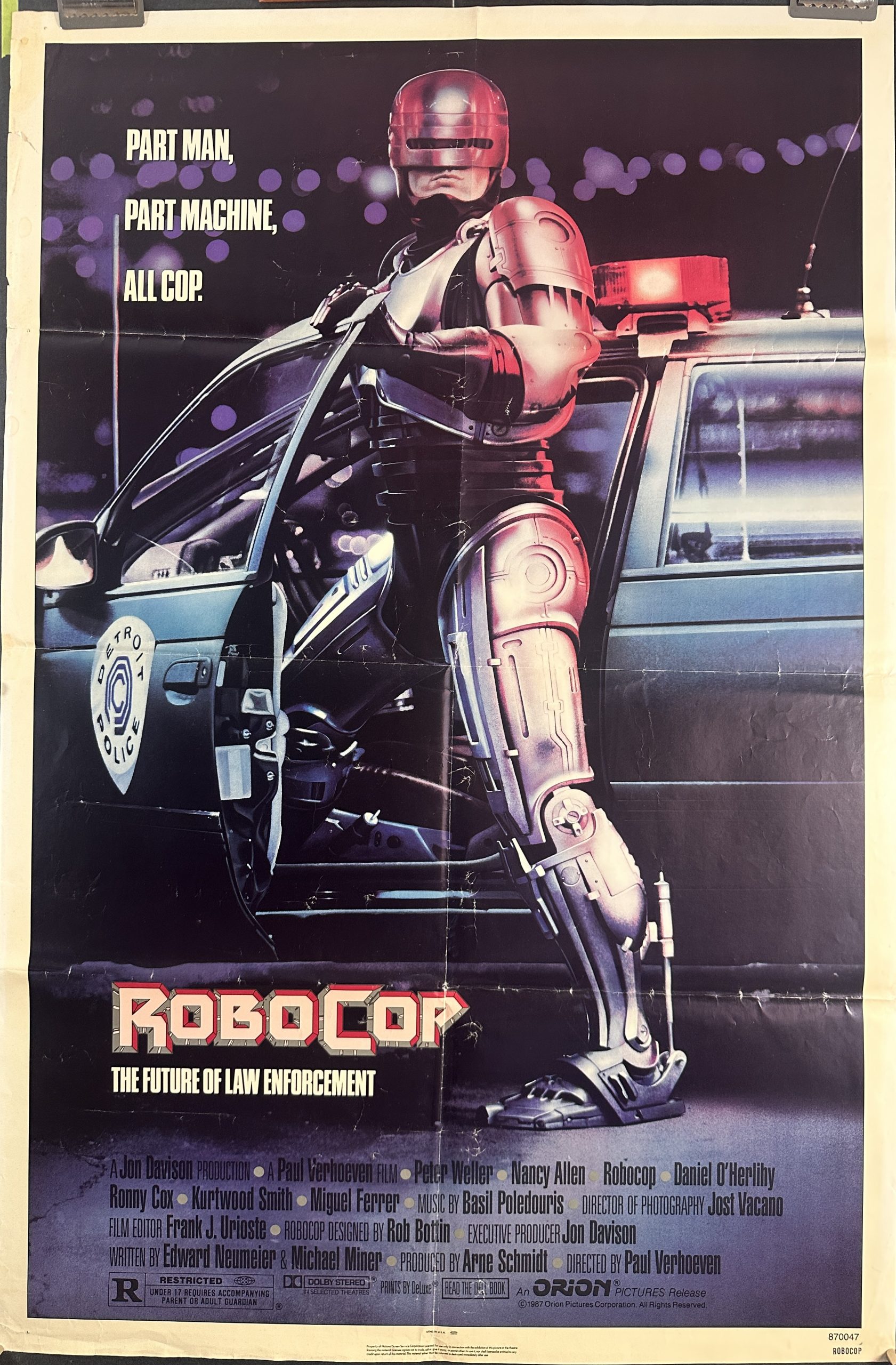
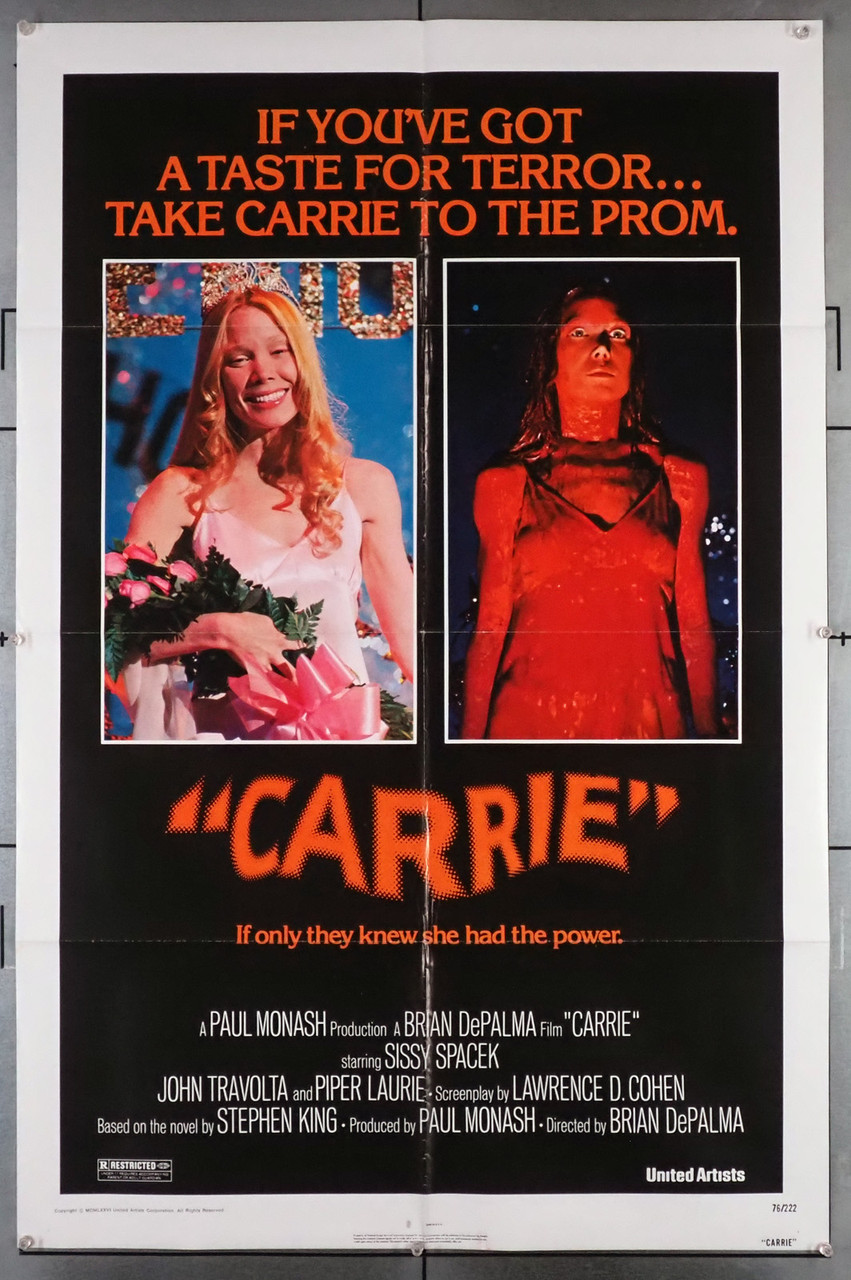
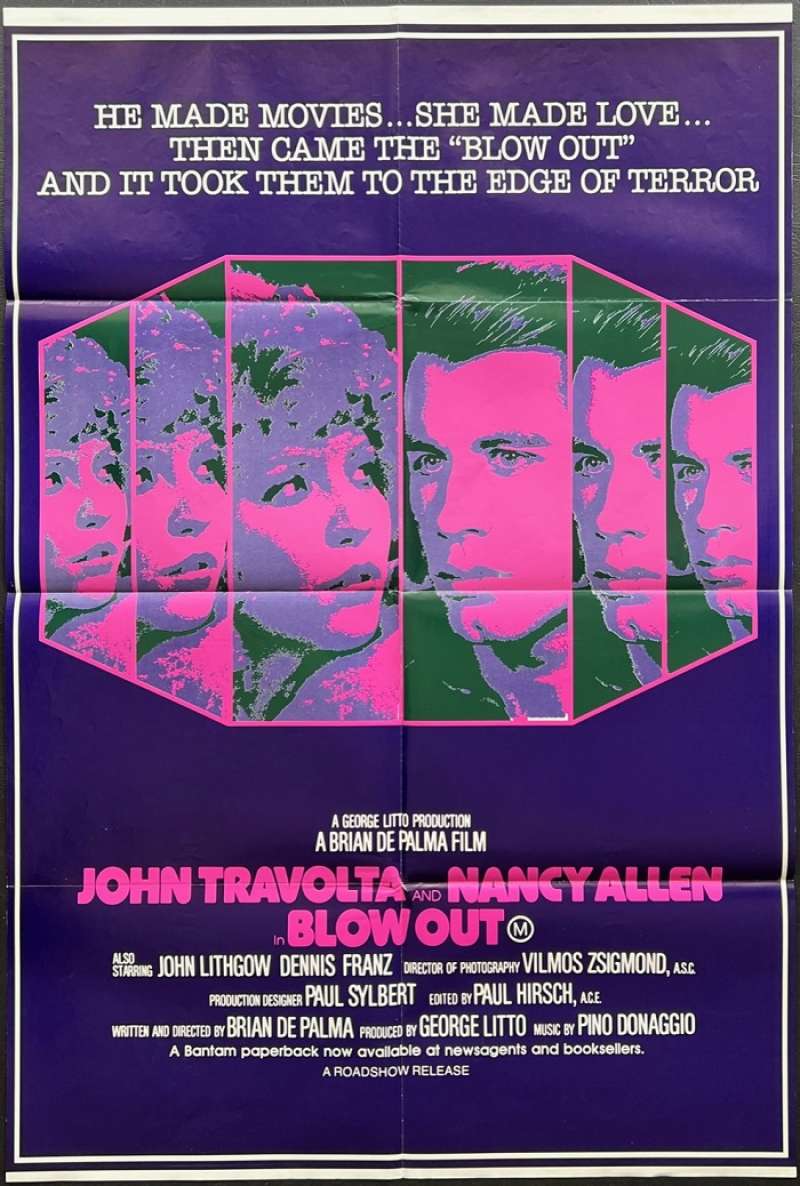
Nancy Allen was born in 1950 in New York City.   She made her film debut in a small role opposite Jack Nicholson in “The Last Detail” in 1973.   Other films  included “I Wanna Hold Your Hand” in 1978 and three excellent roles in Brian De Palma’s movies, “Carrie” in 1976, “Dressed to Kill” with Angie Dickinson in 1980 and “Blow Out”.   She also starred in “Robocop” with Peter Weller.

IMDB entry:

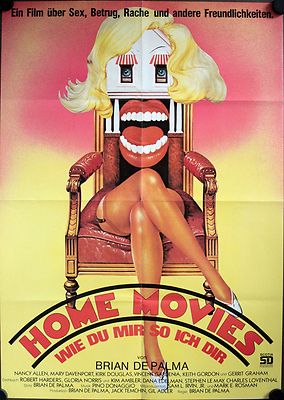
Nancy Anne Allen was the daughter of a police lieutenant from Yonkers, New York. At a young age, she trained for a dancing career at the High School of Performing Arts, and then attended Jose Quintano’s School for Young Professionals. In dozens of television commercials from the age of 15, Nancy made her first film appearance in The Last Detail(1973) with Jack Nicholson. Three years later, she set the standard for all future “bitch-goddess teenagers” as Chris Hargensen in Stephen King‘s Carrie (1976), taken to the big screen by director Brian De Palma. Nancy then married De Palma in 1979. She next appeared in Steven Spielberg‘s I Wanna Hold Your Hand (1978); for the next few years, she appeared only in De Palma’s films: Home Movies (1980), Dressed to Kill (1980), and she starred with John Travolta in Blow Out (1981).

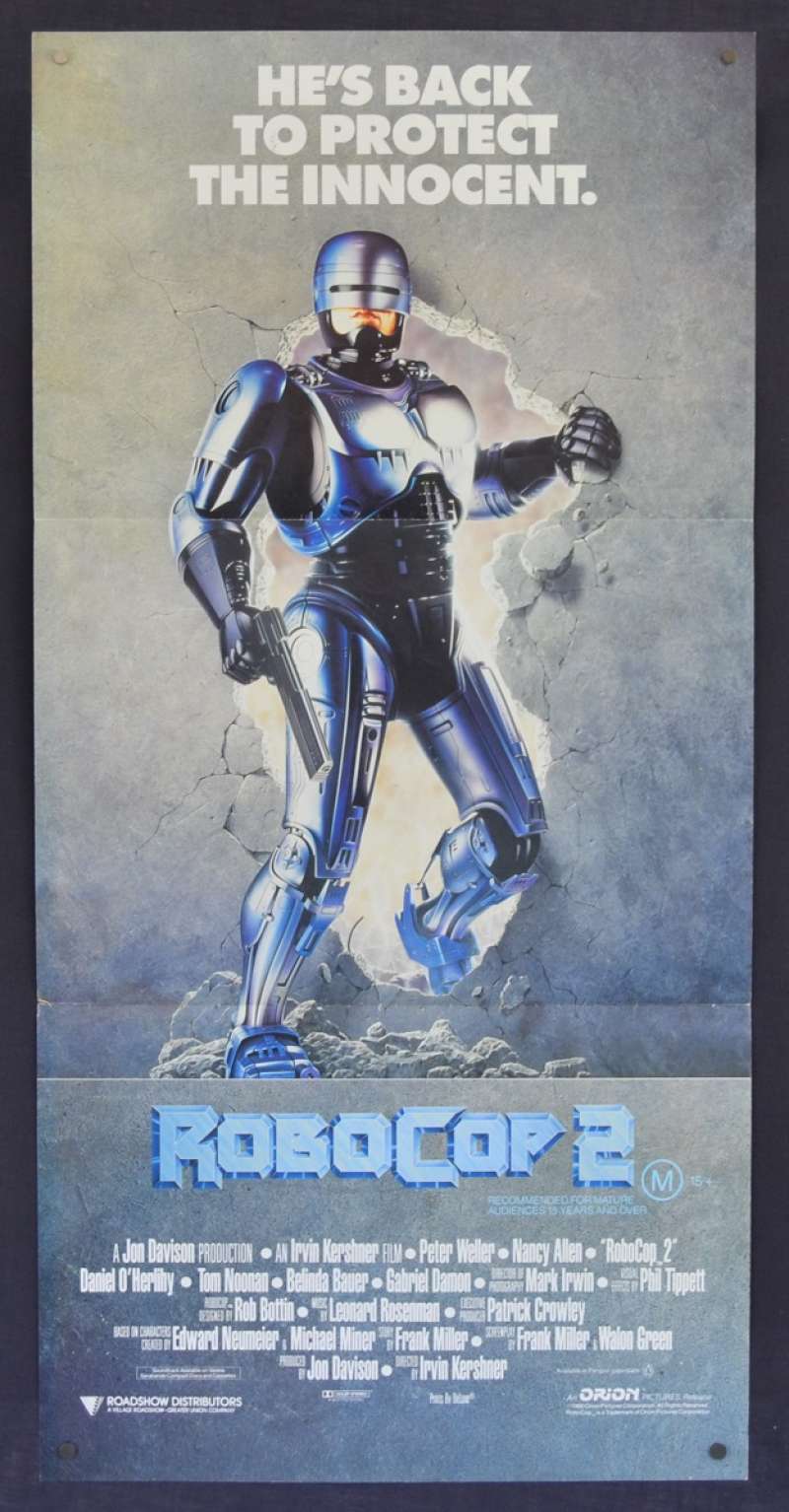
After her divorce from De Palma in 1984, Nancy’s film opportunities were supposedly narrowed, but then she surprised the whole world in 1987 when she performed as Officer Anne Lewis in the sci-fi cult film RoboCop (1987), along with Peter Weller. Here, she set another standard as a tough but at the same time feminine policewoman, whose sex would not interfere with her actions. After the success of RoboCop, she performed as Patricia Gardner in the second sequel in the Poltergeist series. She came back inRoboCop 2 (1990) and in order to get more involved with the character Nancy Allen learned martial arts and police training for real. She returned again in RoboCop 3 (1993), though her co-star Peter Weller did not this time. In 1993, Nancy joined several other veteran stars in Acting on Impulse (1993), and married co-star Craig Shoemaker, in the same year. A few years later, she divorced Craig and some time after she married again.

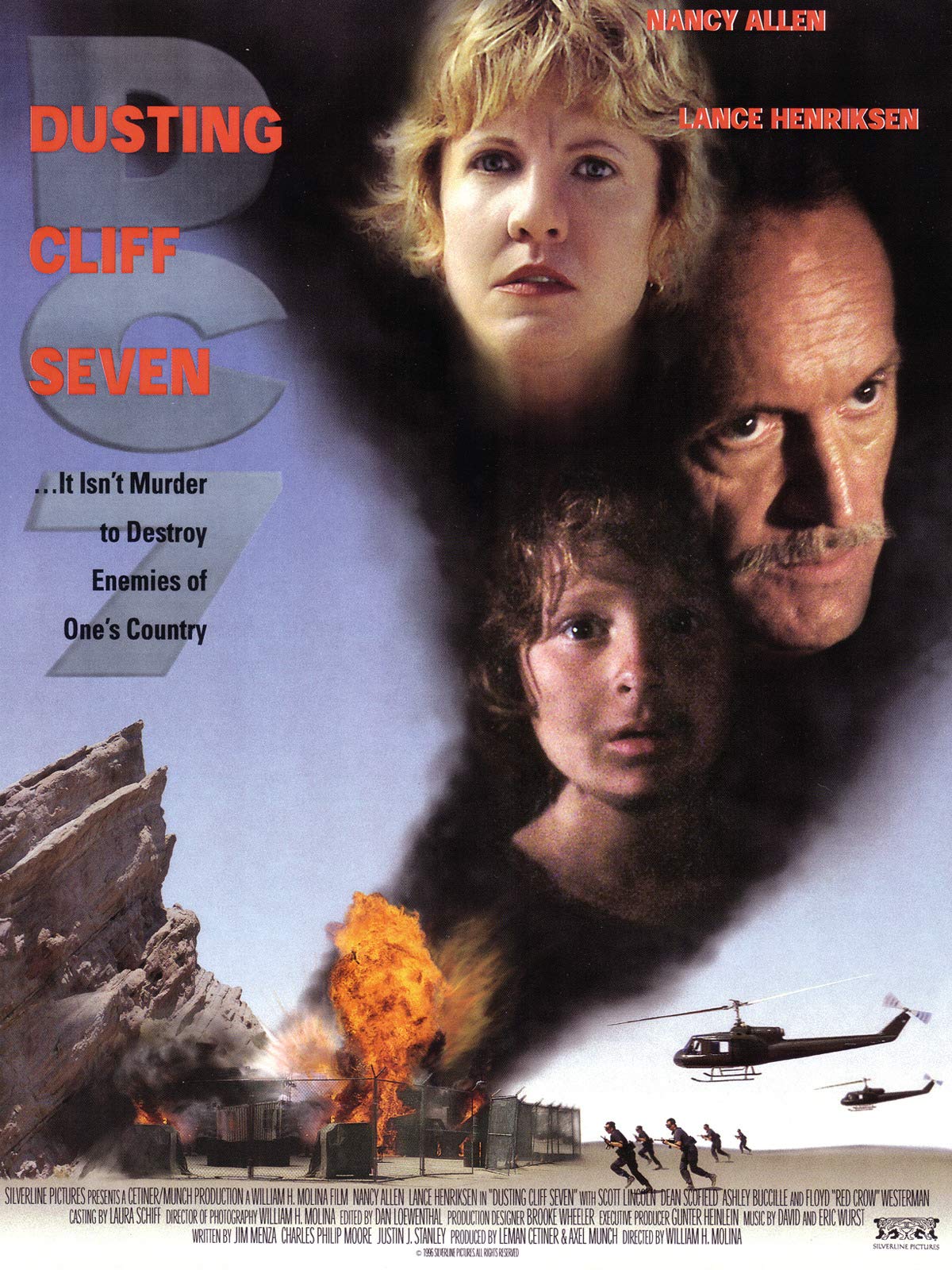
Later, she appeared in some diverse films: Dusting Cliff 7 (1997) Secret of the Andes(1999), Circuit (2001), and she had a guest appearance in Steven Soderbergh‘s Out of Sight (1998). Her last performance was for the television series Law & Order: Special Victims Unit (1999), in the episode “Escape” aired on December 2, 2003. Allen has recently appeared in several documentaries about her most famous films: Acting ‘Carrie’(2001), _DVD BackStory: RoboCop (2001)_, The Making of ‘Dressed to Kill’ (2001), DVD _ET True Hollywood Stories: The Curse of Poltergeist (2002)_.

Interested in projecting the image of a strong but at the same time feminine woman, she managed to get away from the victim roles she was always offered, she also was able to get away from the stereotype of the beautiful but dumb woman in most action films. She is an environmentalist that traded her Volvo car for an Hybrid car in order to set the example. She is also an activist against breast Cancer along with her friend actress Wendie Jo Sperber, who created the foundation WeSpark. Her last appearance on television was on the Inside E! story of her co-star John Travolta and the A&E Biography of Travolta – both appearances in 2004. Nowadays, Nancy Allen lives a quiet life along with her family and friends somewhere in the United States.

– IMDb Mini Biography By: Eva Dalila Rojano, thanks to Derek Hazell nancy_tribute@hotmail.com

The above IMDB entry can also be accessed online here.
Nancy Allen (born 1950) is one of the most significant faces of the “New Hollywood” thriller. While she possessed the delicate, doll-like features of a silent film star, her acting was defined by a street-smart toughness and a willingness to inhabit morally complex, often polarizing characters.

Her career is inextricably linked to the stylized, voyeuristic cinema of Brian De Palma, but she successfully pivoted into one of the most iconic “tough-cop” roles in sci-fi history, proving her range extended far beyond the “femme fatale.”


Career Overview: From Sissy Spacek’s Foil to Detroit’s Finest

1. The Breakout Villainess (1976)

Allen’s first major impact was as Chris Hargensen, the cruel high-school bully in “Carrie.” She brought a terrifying, petty realism to the role that made her the perfect antagonist for Sissy Spacek’s vulnerable protagonist.

2. The De Palma Muse (1980–1981)

During her marriage to director Brian De Palma, Allen delivered her most critically discussed work. She played the savvy sex worker Liz Blake in “Dressed to Kill” (1980) and the doomed Sally Bedina in the sonic-noir “Blow Out” (1981) opposite John Travolta.

3. The Sci-Fi Icon: RoboCop (1987–1993)

Allen underwent a total physical and tonal transformation to play Officer Anne Lewis in Paul Verhoeven’s RoboCop. She stripped away her glamour to play a character defined by competence and platonic loyalty, a role she reprised in two sequels.

4. The Character Veteran (1990s–2000s)

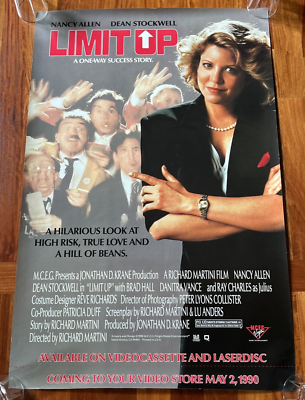
She continued to work in character-driven pieces, including the cult thriller Limit Up (1989) and Steven Soderbergh’s Out of Sight (1998), before shifting her focus toward cancer activism and the Ronald McDonald House.


Detailed Critical Analysis: The “Tough Ingenue”

1. The “Street-Wise” Survivor in Dressed to Kill

In Dressed to Kill, Allen played a character that could have easily been a stereotype: the “hooker with a heart of gold.”

  • Analysis: Allen subverted the trope by playing Liz Blake as a pragmatic entrepreneur. Critics praised her for her “un-sentimentalized” performance; she was a woman who witnessed a murder and immediately began calculating how to survive the police and the killer.

  • Technical Detail: She used a high-energy, fast-talking delivery that suggested a mind constantly working two steps ahead of everyone else. She made “vulnerability” look like a tactical error, which gave the film its gritty, urban groundedness.

2. The Tragic “Sound” of Blow Out

In Blow Out, Allen’s character is essentially a pawn in a political conspiracy, but she imbues her with a heartbreaking naivety.

  • Critical Insight: This performance is a masterclass in vocal performance. Because the film is about sound recording, Allen’s screams and whispers are central to the plot. Critics noted the “innocence” she brought to Sally—a sharp contrast to her role in Dressed to Kill. She managed to make a “dim-witted” character feel profoundly sympathetic, turning the film’s nihilistic ending into a genuine emotional gut-punch.

3. De-Gendering the Action Hero: RoboCop

When Allen was cast as Anne Lewis, she famously cut her hair short and hid her figure under a bulky police uniform.

  • Technical Analysis: Allen’s performance is notable for its lack of romantic subtext. In an era where female leads in action movies were often forced into love stories, Allen and Peter Weller maintained a relationship of “professional soul-bonding.” Critics hailed her for her unflinching physicality; she moved like a cop, thought like a cop, and provided the “human” heartbeat to the metallic protagonist.

4. The “Mean Girl” Archetype in Carrie

As Chris Hargensen, Allen created the blueprint for the “modern high school bully.”

  • Critical View: Allen didn’t play Chris as a “cartoon villain.” She played her as a girl driven by a vicious sense of entitlement. Critics noted that Allen’s “doll-like” beauty made her cruelty seem even more sociopathic. She utilized a sharp, mocking laugh and a predatory gaze that made her scenes with Spacek genuinely uncomfortable to watch.


Key Credits & Critical Milestones

Year Title Role Significance
1976 Carrie Chris Hargensen Defined the “Socio-Pathic Teen” archetype.
1978 I Wanna Hold Your Hand Pam Mitchell Showcased her comedic “manic” energy.
1980 Dressed to Kill Liz Blake Won a Golden Globe nomination for New Star.
1981 Blow Out Sally Bedina Widely considered her most sensitive performance.
1987 RoboCop Officer Anne Lewis A landmark role for women in sci-fi cinema.

Nancy Allen possessed a rare ability to be visually fragile while projecting an internal core of pure iron. Whether she was dodging a razor-wielding killer or patrolling the streets of a dystopian Detroit, she brought a fearless honesty to her work that elevated the “genre” film into something more human and complex

The collaboration between Nancy Allen and Brian De Palma (who were married from 1979 to 1984) is one of the most creatively potent director-muse partnerships in the history of the modern thriller. Across four films, De Palma used Allen’s specific blend of “porcelain beauty” and “street-smart grit” to explore his favorite themes: voyeurism, the loss of innocence, and the mechanical nature of cinema itself.


The De Palma Quartet: A Critical Breakdown

1. Carrie (1976): The Cruel Catalyst

In their first collaboration, De Palma didn’t cast Allen as a victim, but as the ultimate predator: Chris Hargensen.

  • The Vision: De Palma used Allen’s “all-American” blonde looks to subvert the audience’s expectations. He filmed her with the same soft-focus glow as the heroines, but used her performance to anchor the film’s grounded, human evil.

  • Critical Analysis: Critics noted that while the film dealt with the supernatural, Allen’s performance was terrifyingly realistic. De Palma directed her to be the “engine of the plot”—without her petty, relentless cruelty, the supernatural climax wouldn’t have its emotional weight.

2. Home Movies (1979): The Experimental Satire

In this low-budget, meta-comedic exercise, Allen played Kristina, a woman caught in a bizarre “film therapy” session.

  • The Vision: This was De Palma’s “rehearsal” for Allen as a leading lady. He allowed her to experiment with a broader, more comedic range.

  • Critical Analysis: While the film is a minor entry in De Palma’s canon, it proved Allen could handle the absurdist tone required for his more stylized work. It served as the bridge between her “mean girl” roles and her “survivor” roles.

3. Dressed to Kill (1980): The “Hard-Boiled” Witness

As the high-end call girl Liz Blake, Allen delivered what many consider the quintessential “De Palma Woman.”

  • The Vision: De Palma utilized Allen’s natural charisma to create a character that the audience would immediately root for, despite her “transgressive” profession. He placed her in Hitchcockian set-pieces (like the legendary elevator/museum sequences) where her physical reactions—the widening of the eyes, the sharp intake of breath—carried the suspense.

  • Critical Analysis: Critics praised Allen for bringing a pragmatic intelligence to a genre often defined by female helplessness. She wasn’t just a witness; she was a collaborator in the investigation. This film solidified her as the face of 1980s neo-noir.

4. Blow Out (1981): The Tragic Muse

In their final major collaboration, Allen played Sally Bedina, a woman caught in a political assassination conspiracy.

  • The Vision: De Palma moved away from Allen’s “toughness” and focused on her vulnerability. The film is a love letter to the process of filmmaking (specifically sound), and Allen’s voice becomes a literal plot point.

  • Critical Analysis: This is widely viewed as their most profound collaboration. De Palma used Allen’s character as the emotional “sacrificial lamb.” The final scene—where John Travolta’s character uses Sally’s genuine scream of terror for a horror movie—is a chillingly meta commentary on their own relationship as director and actress. Critics hailed Allen for making Sally’s “dim-witted” kindness the most tragic element of the film

Leave a Reply

Your email address will not be published. Required fields are marked *