

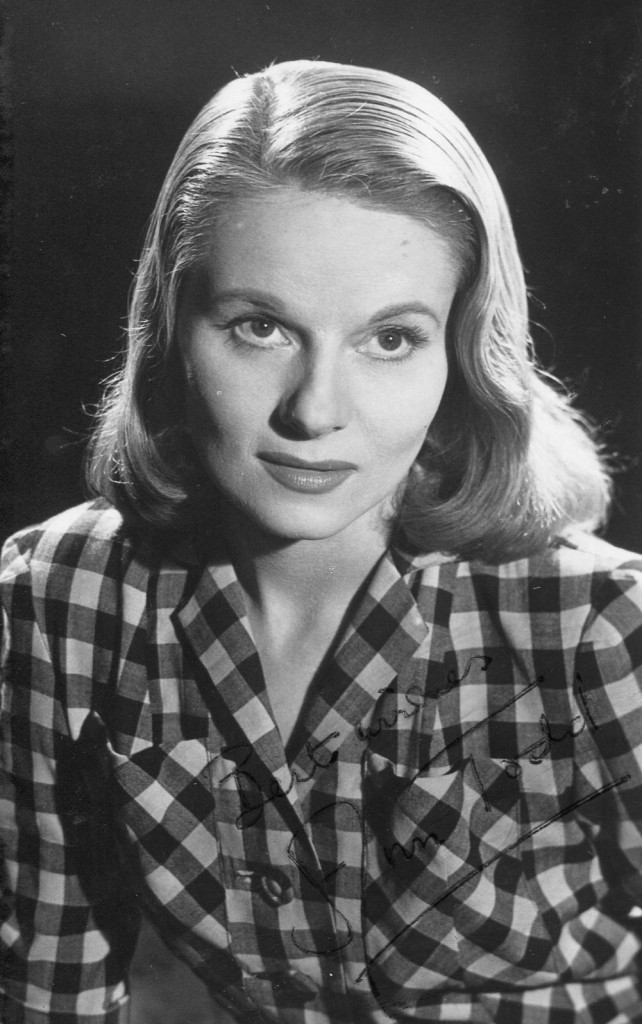


Ann Todd obituary in “The Independent” in 1993.
Ann Todd, actress: born Hartford, Cheshire 24 January 1909; married 1933 Victor Malcolm (one son), 1939 Nigel Tangye (one daughter), 1949 David Lean (died 1991; marriage dissolved 1957); died London 6 May 1993.
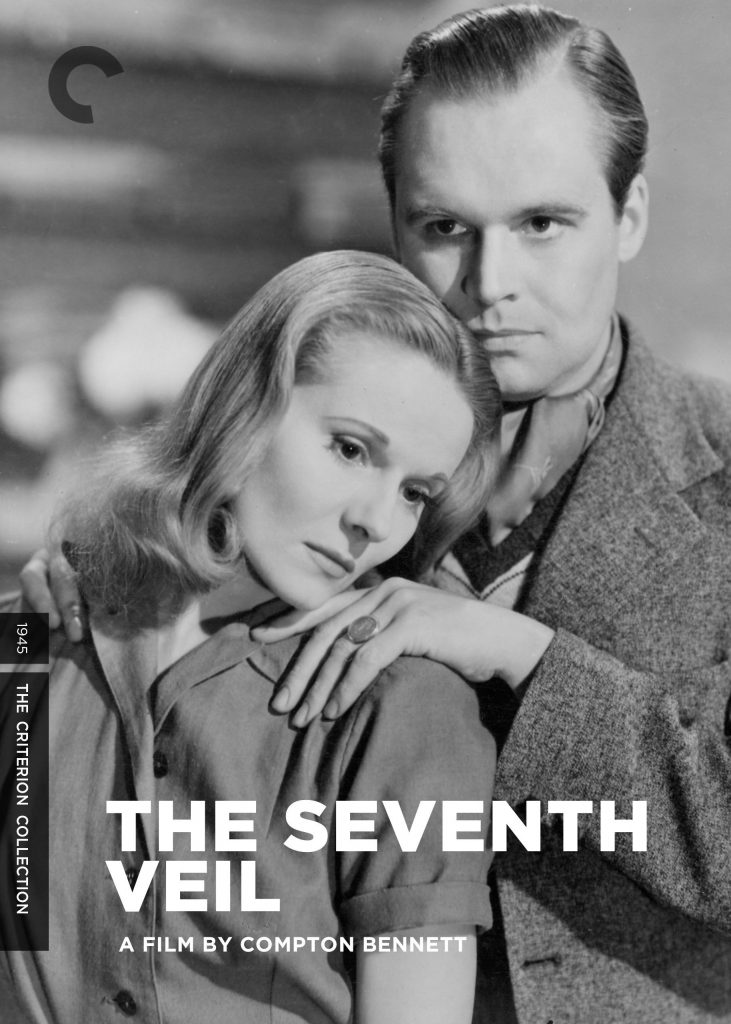
The Seventh Veil (1945) was the perfect film for its time; a heady brew of psychiatry, classical music and a long-suffering heroine who finally has to choose from four handsome leading men, it was an epitome of the Hollywood melodramas being turned out for stars like Bette Davis and Joan Crawford. Enormously popular all over the world, it made Todd an international box-office name and consolidated James Mason’s status. The scene in which he smashes his cane down upon the keyboard at which Todd sits (‘Well, Francesca, if you won’t play for me you shan’t play for anyone else ever again’) has become one of the most famous in film history.
Born in 1909 in Hartford, Cheshire, Todd studied at the Central School of Speech Training and Dramatic Art with the intention of becoming a teacher of elocution and fencing, but after being asked to play a ‘Faery Child’ in WB Yeats’s The Land of Heart’s Desire at the Arts Theatre, London, in 1928, she decided to be an actress. She made her film debut in Keepers of Youth (1931) but during the next decade spent more time on the stage (including roles in The Middle Watch, Cynara, When Ladies Meet, No More Ladies, Flood Tide and The Man in Half Moon Street) than in films. Screen appearances included The Ghost Train (1931), The Water Gypsies (1932) The Return of Bulldog Drummond (1934), Things to Come (1936) and The Squeaker (1937).



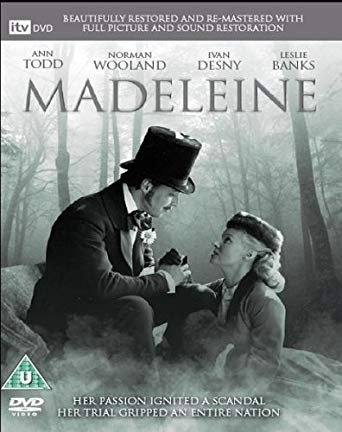


The first of three films in which she was directed by David Lean, The Passionate Friends (1949, updated by Eric Ambler from HG Wells’s novel) had excellent performances by Todd, Trevor Howard and particularly Claude Rains as wife, lover and husband. (It was retitled One Woman’s Story in the US, where the Production Code forbade the use of ‘passionate’ in a title). After its completion, Todd and Lean were married and he acceded to her request to portray Madeleine Smith on screen.
She made a strong impression as Ralph Richardson’s neurotic wife in South Riding (1937), in one sequence riding her horse up a mansion staircase before beating Richardson with her riding crop, then played a sensitive ingenue in Poison Pen (1939) and a seductive singer (her voice dubbed) in Ships with Wings (1941) before returning to the London stage to play the title roles of Peter Pan (1942) and Lottie Dundass (1943). She wanted to make a film version of the latter, but the producer Alexander Korda told her that she was not yet ready to play a murderess on the screen.
Todd’s next West End role was that of Madeleine Smith, the enigmatic suspected murderess in The Rest is Silence (1944). Todd became fascinated with the real-life character and conceived an ambition to play her on screen. She returned to films with the small but effective role of Robert Donat’s understanding nurse in Perfect Strangers (1945) and this led to her casting in The Seventh Veil.
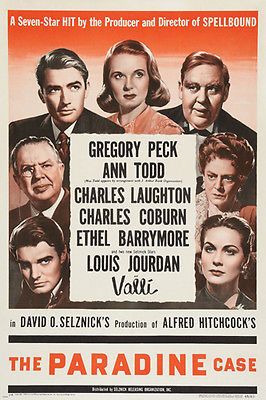
An international star with the film’s success, Todd made Gaiety George and the bleak Daybreak (both 1946) before journeying to Hollywood, where her experience was to be no happier than that of Margaret Lockwood, Phyllis Calvert and Patricia Roc before her. Hitchcock’s The Paradine Case (1947) gave her the thankless role of Gregory Peck’s wife in a static thriller which put its emphasis on the accused murderess played by Alida Valli, while Lewis Allen’s So Evil, My Love (made in England) was a darkly brooding film noir which was not popular.


Though not a commercial success (the public awareness that the story ended with a ‘not proven’ verdict and the question of guilt undetermined was doubtless a deterrent), Madeleine (1950) remains one of Lean’s most impressive works in which he makes brilliant use of the glacial blonde Todd’s cool, Garboesque quality, allowing the viewer to read a myriad of emotions and motives into her sphinx-like features.
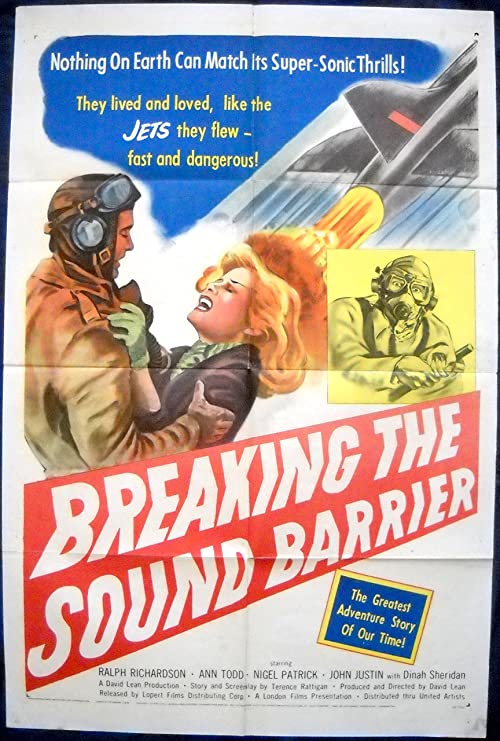
Todd next performed in a stage version of The Seventh Veil, which was not successful, and starred in Lean’s The Sound Barrier (1952) as the wife of the test pilot Nigel Patrick.
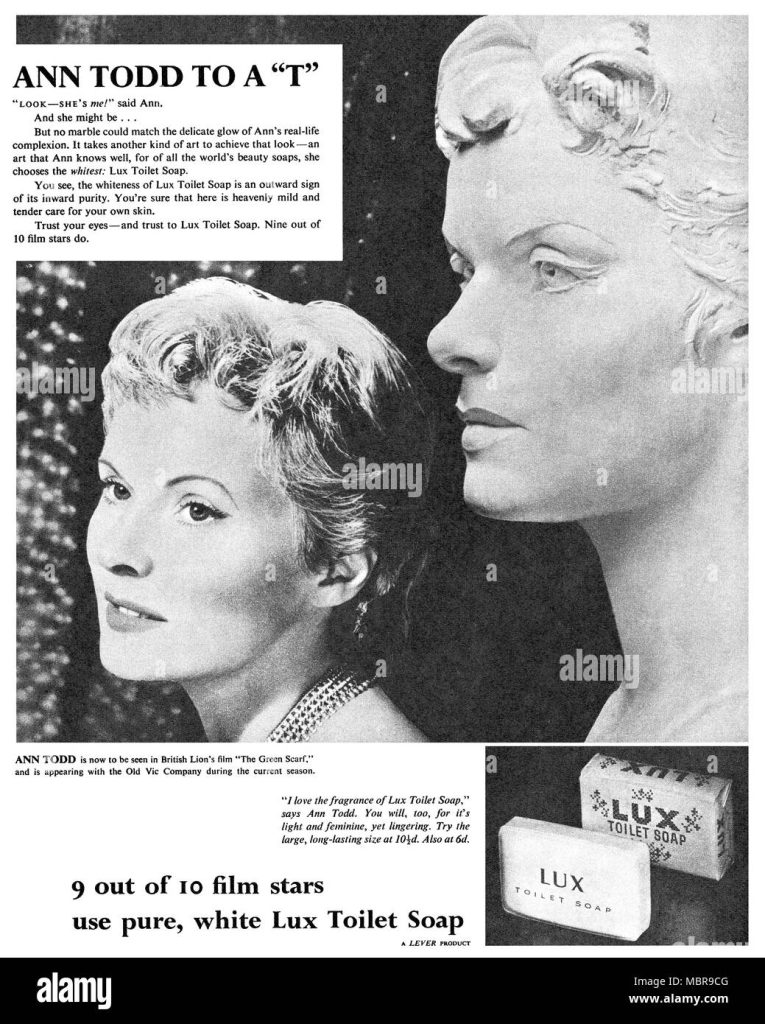
The theatre again began to dominate her acting life: a period with the Old Vic Company (1954-55) featured her as Lady Macbeth, Katharine and other Shakespeare heroines, and was followed by a revival of The Doctor’s Dilemma (1956) and her debut on Broadway in The Four Winds (1957)
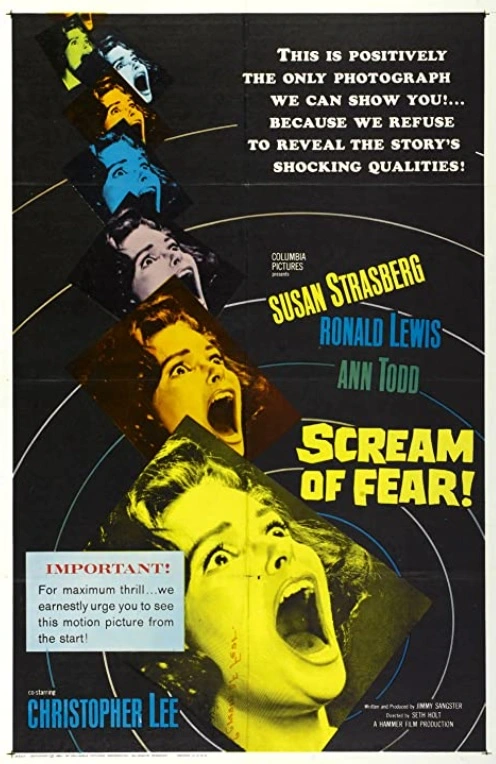
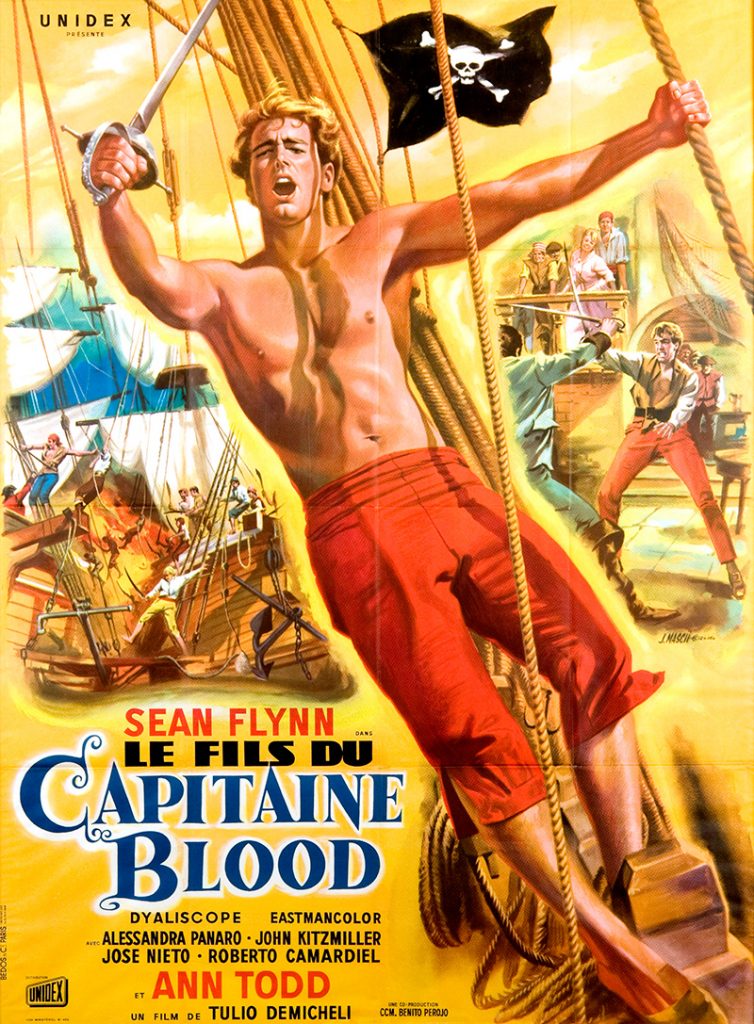
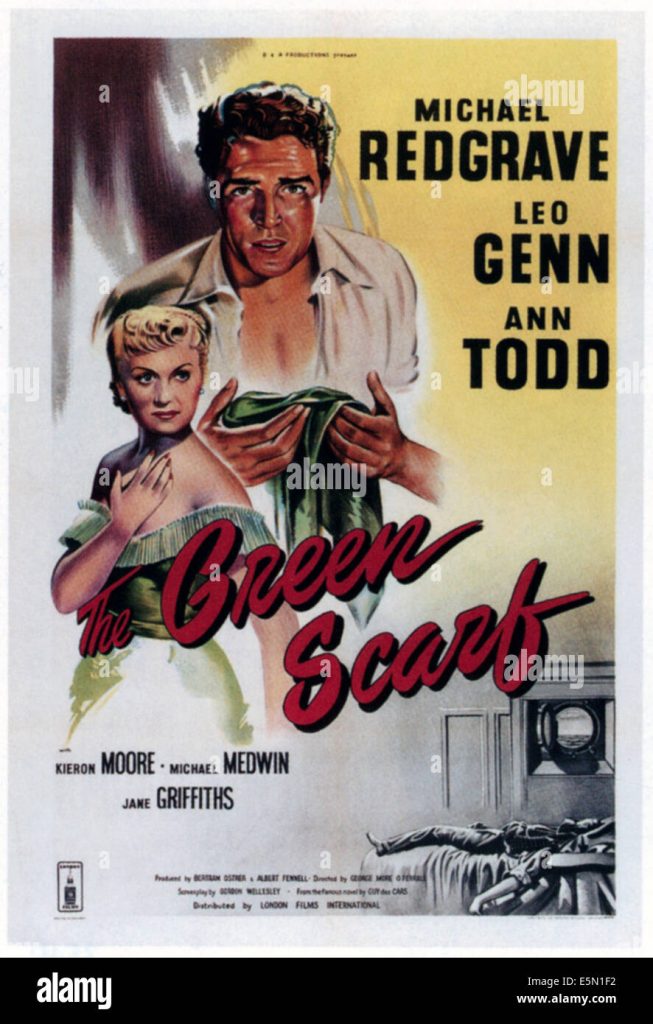
. The following year she took over from Claire Bloom in the London production of Duel of Angels. Her sporadic films, The Green Scarf (1954), Joseph Losey’s Time Without Pity (1957), Taste of Fear (1961), The Son of Captain Blood (1962), 90 Degrees in the Shade (1965), The Fiend (1971),
The Human Factor (1979, a dull thriller despite being a Grahame Greene story, adapted by Tom Stoppard and directed by Otto Preminger) and The McGuffin (1985) were not impressive.
Divorced from Lean in 1957, Todd became a film-maker herself with two well-regarded documentaries Thunder of the Gods (1966) and Thunder of the Kings (1967).
She also wrote her autobiography The Eighth Veil (1980), and continued to make occasional television appearances. Last year she was featured on television (looking extremely frail) in an episode of Maigret.
Her obituary in “The Independent” can be accessed here.