

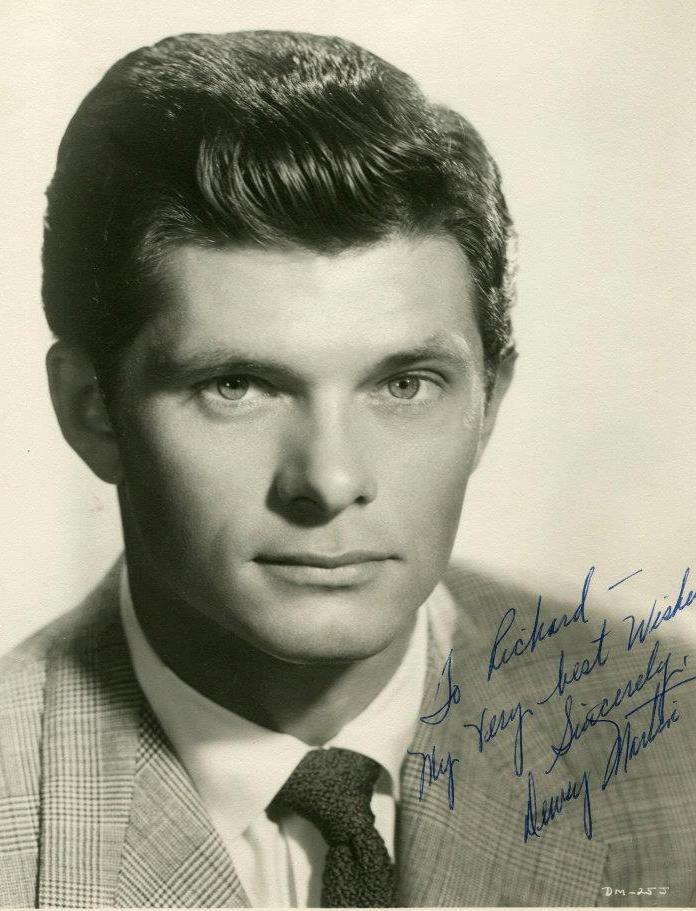
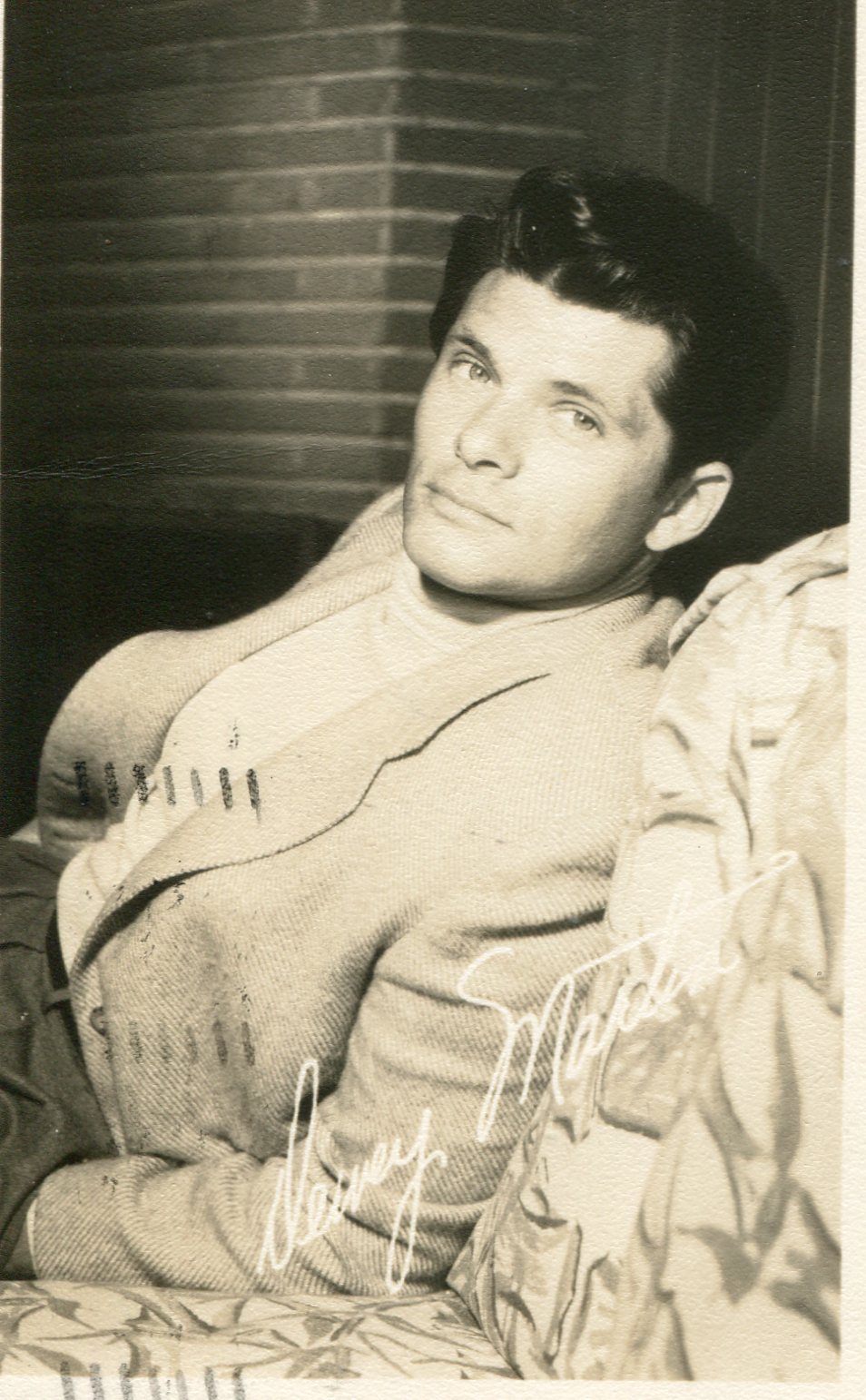
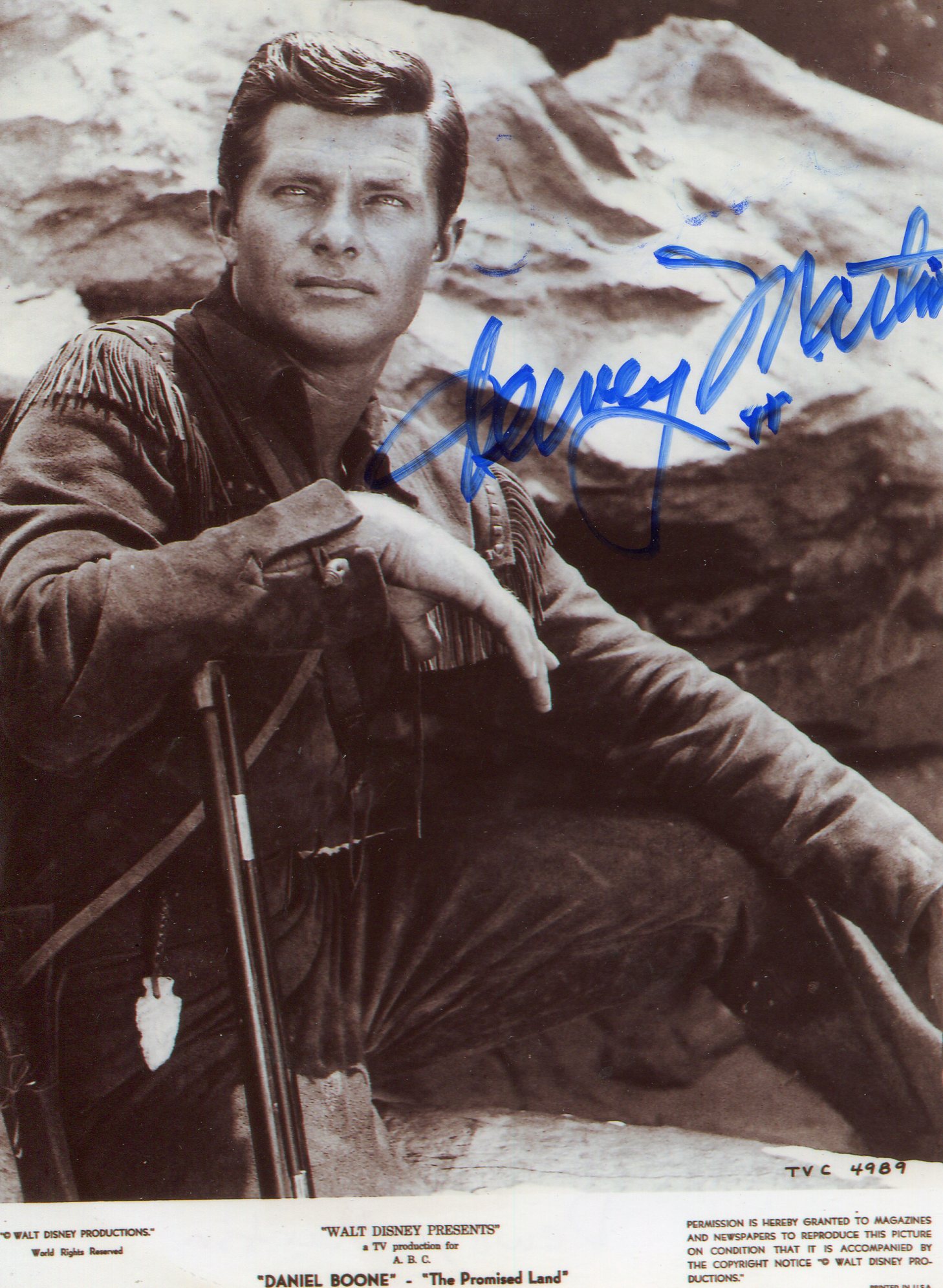
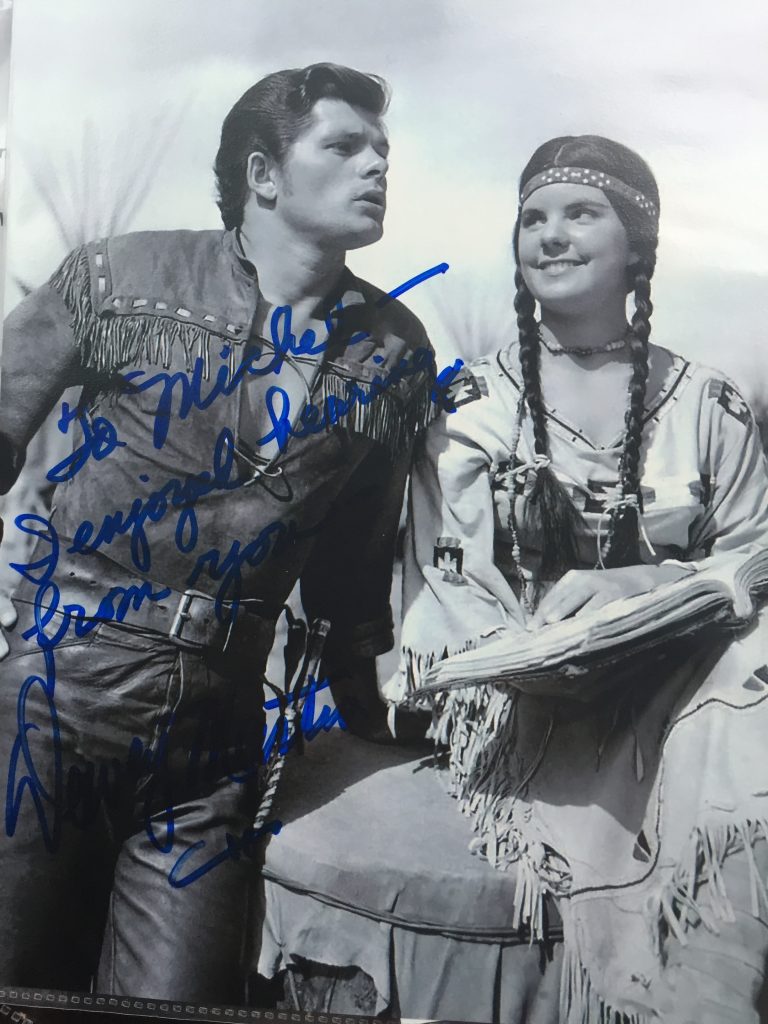
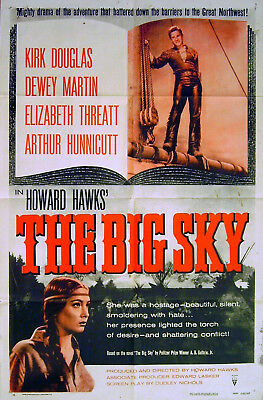
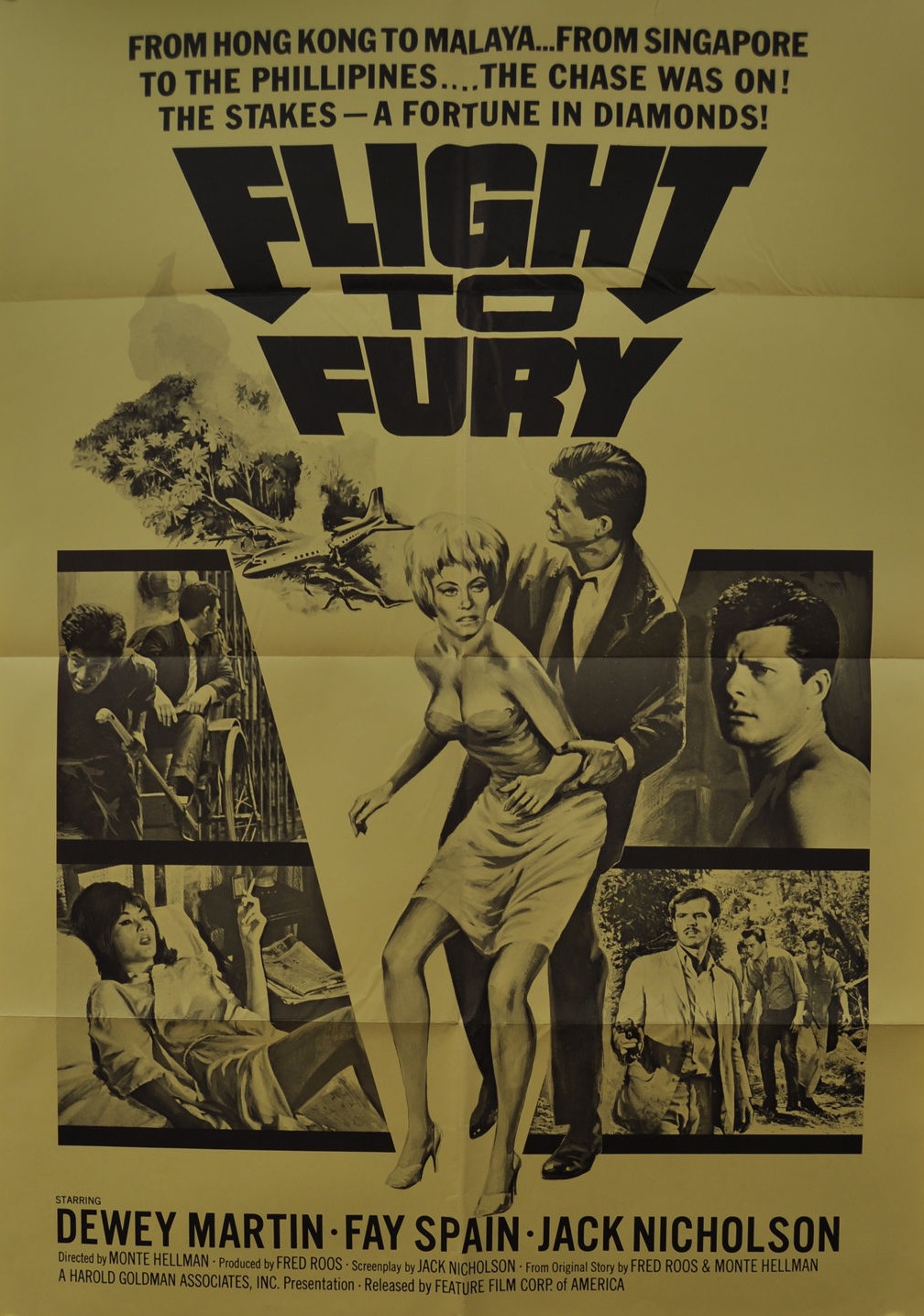
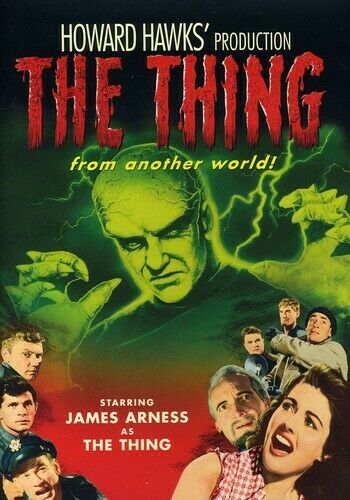
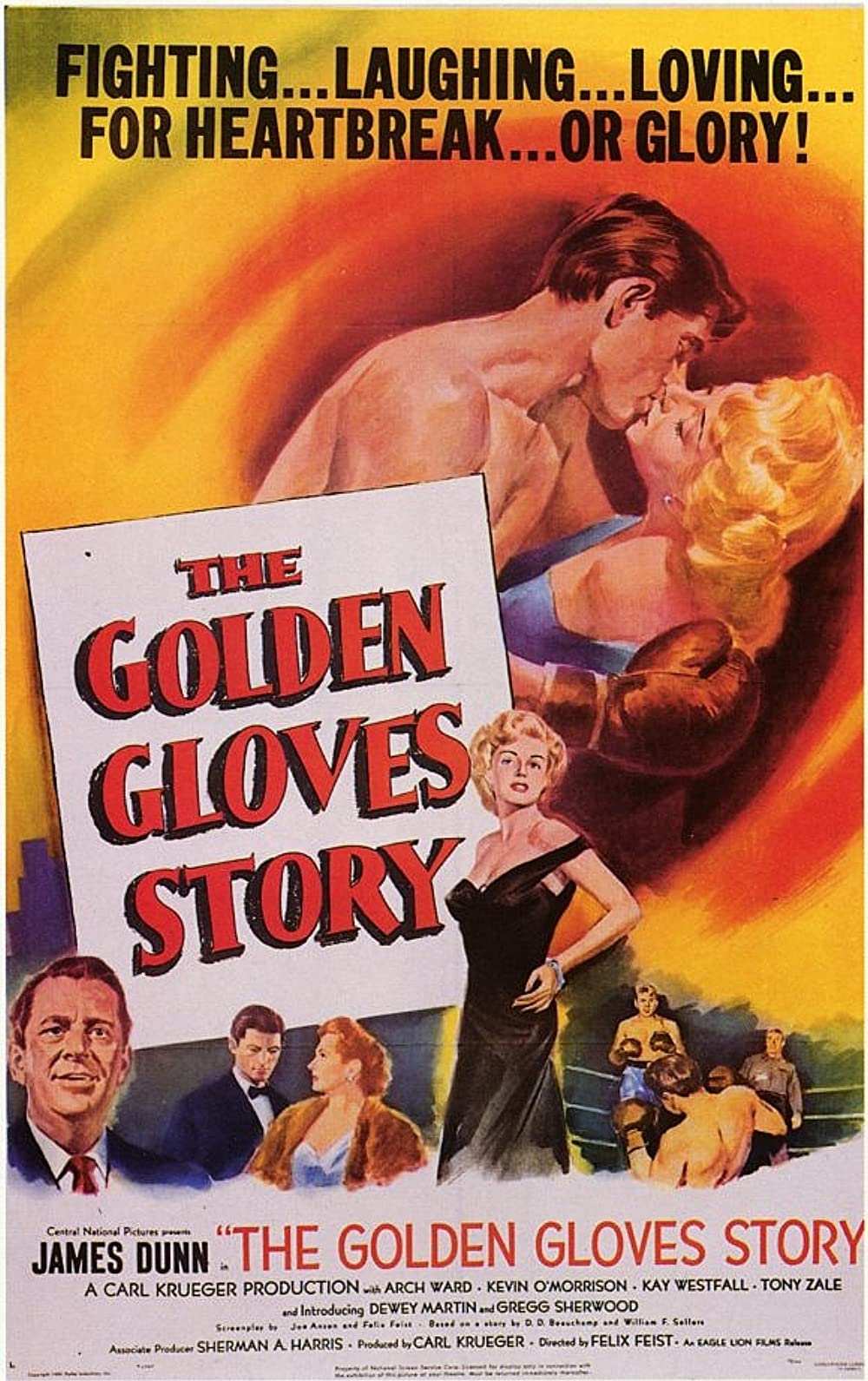
American juvenile leading man. A native of Texas, Martin entered the theatre in 1946 and within three years was tapped to play one of the young toughs in Knock on Any Door (1949). After minor roles in several minor films, he was given a larger role in The Thing from Another World (1951) by producer Howard Hawks. Hawks followed this with one of the two lead roles in his great Western The Big Sky (1952). Despite this and a few other prominent parts in big pictures, Martin’s appearances became more and more infrequent and less and less stellar. He did, however, become a familiar face on television into the 1970s. He was married to singer Peggy Lee in the late 50s.
Dewey Martin died in 2018 at the age of 94.
Career Overview
Early life and background
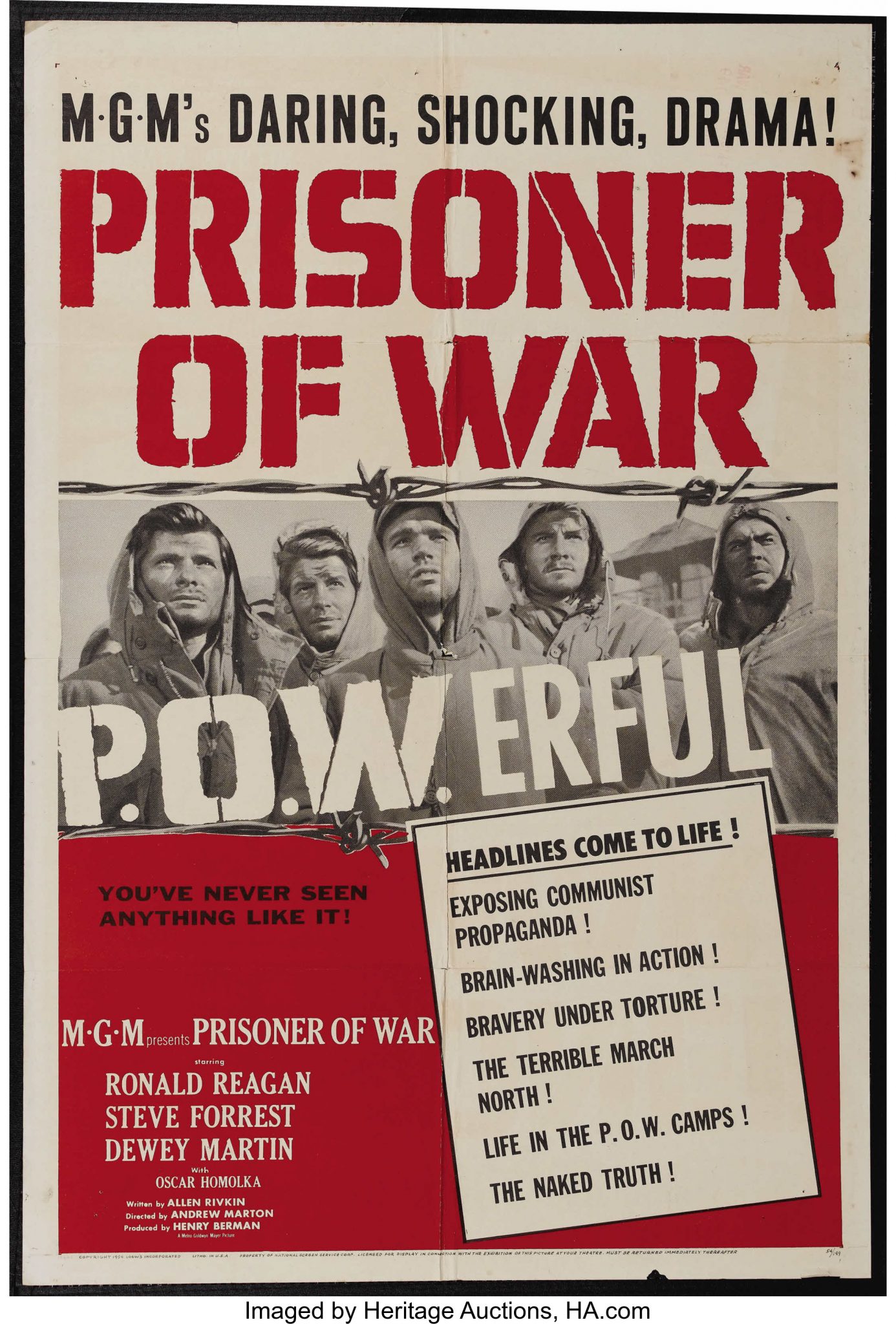
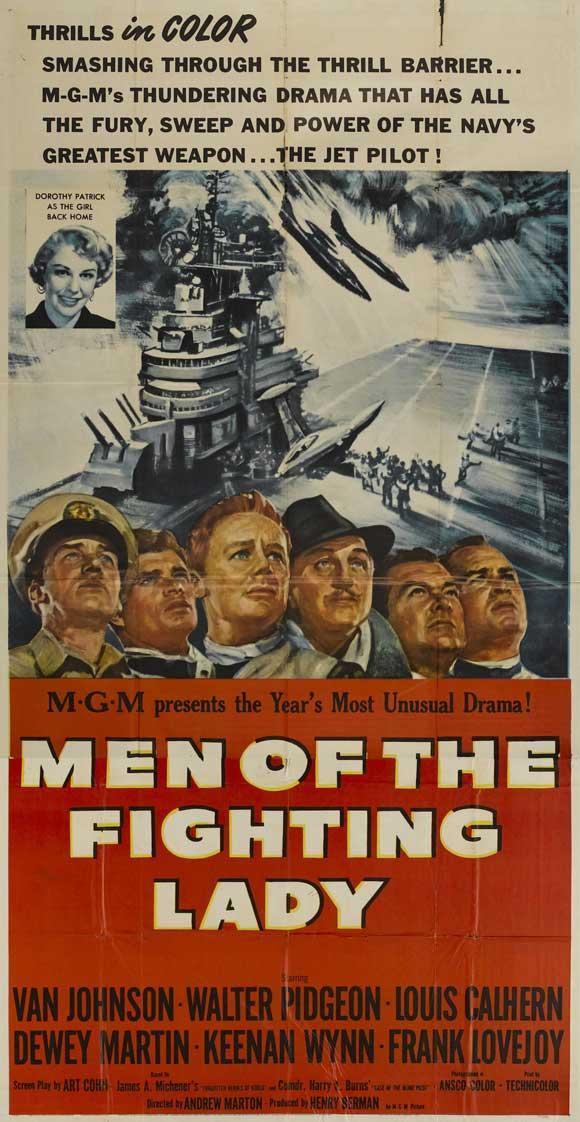
Dewey Dallas Martin was born December 8 1923 in Katemcy, Texas, and raised in Alabama. Before acting, he lived an extraordinary early life: joining the U.S. Navy in 1940 and becoming a fighter pilot in the Pacific Theater, flying F4F Wildcats and F6F Hellcats. Shot down twice, he endured several months as a prisoner of war in Japan before liberation at the war’s end
en.wikipedia.org
.
Returning home, he took up stage acting in regional theatres and New York before heading west. Howard Hawks discovered him in the late 1940s and gave him his first significant screen roles
imdb.com
.
Hollywood rise (1949 – 1955)
Martin debuted onscreen in Knock on Any Door (1949) and was quickly promoted to leads by producer‑director Howard Hawks, who valued his laconic discipline and “no‑nonsense” authenticity
hollywood-elsewhere.com
.
Key early films:
The Thing from Another World (1951) – as the pragmatic Air Force crewman who faces off against the alien invader, now recognized as a landmark of 1950s sci‑fi.
The Big Sky (1952) – co‑starred with Kirk Douglas in Hawks’s expansive western; Martin’s reserved integrity balanced Douglas’s volatility.
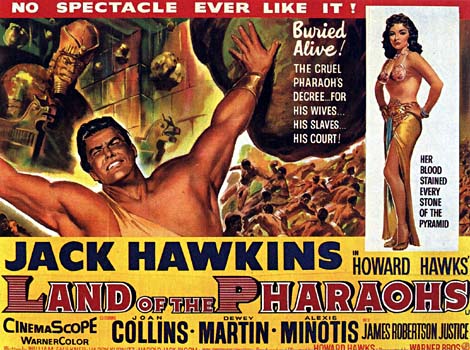
Land of the Pharaohs (1955) – Hawks’s historical epic; Martin played the young adventurer Senta, giving him a prestigious international showcase.
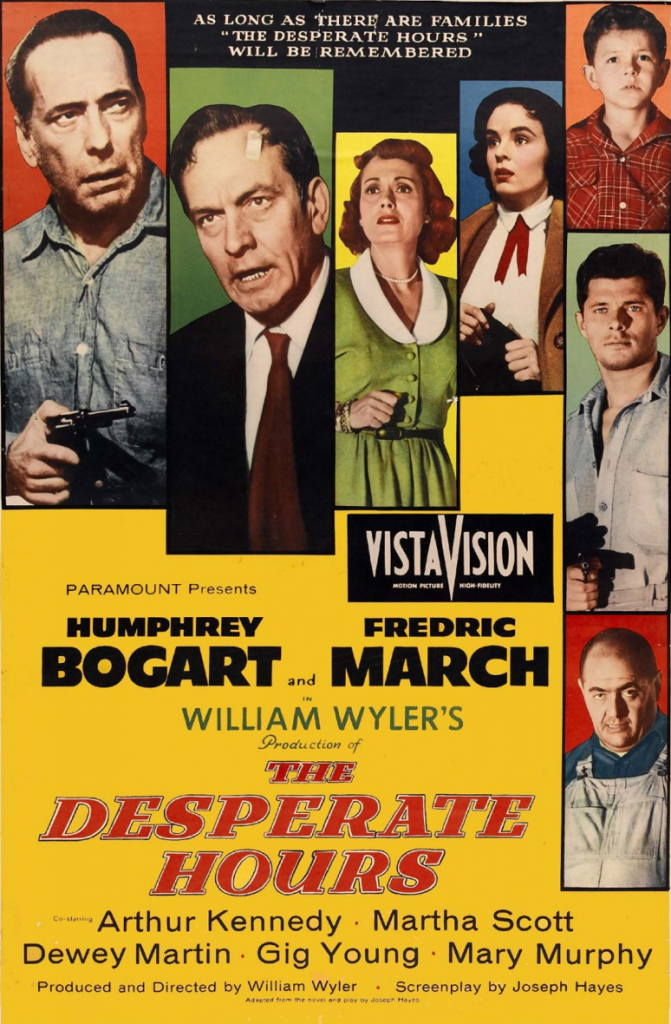
The Desperate Hours (1955, William Wyler)** – opposite Humphrey Bogart as his younger, unstable criminal accomplice; critics noted the tension between Bogart’s control and Martin’s coiled unpredictability.
This five‑year run established him as a dependable masculine lead in adventure and action films—the kind Hawks admired. Film historians often remark that Hawks viewed Martin as a kind of protégé‑figure or “son he never had,” though once Hawks took a directorial hiatus after Land of the Pharaohs, Martin’s film opportunities markedly declined
hollywood-elsewhere.com
.
Shifting fortunes (1956 – 1970)
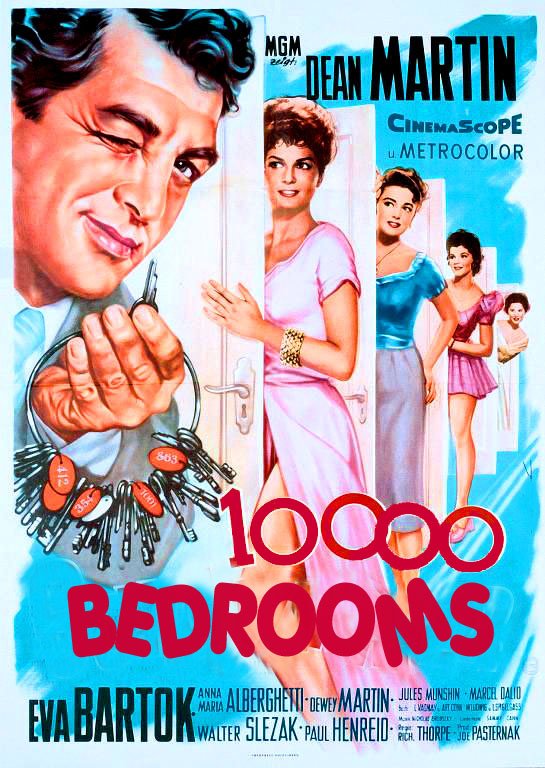
After supporting turns in Meet Me in Las Vegas (1956), The Proud and the Profane (1956), and Ten Thousand Bedrooms (1957, opposite Dean Martin), his big‑screen visibility waned. By the early 1960s he found steadier work in television.
Highlights include:
The Twilight Zone episode “I Shot an Arrow Into the Air” (1960) — a psychological portrait of survival and paranoia that remains among the series’ most acclaimed.
The Outer Limits (“The Premonition,” 1965).
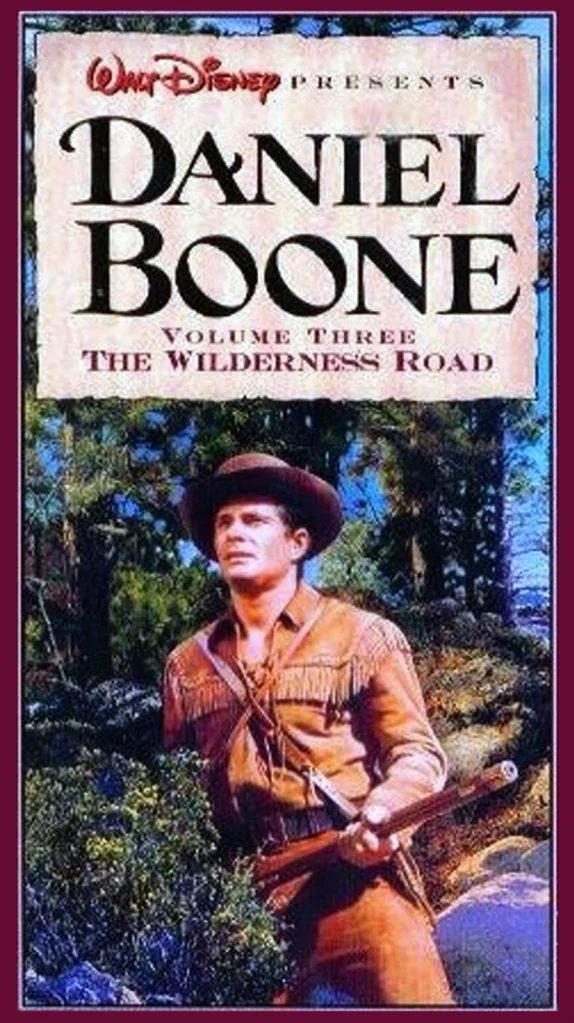
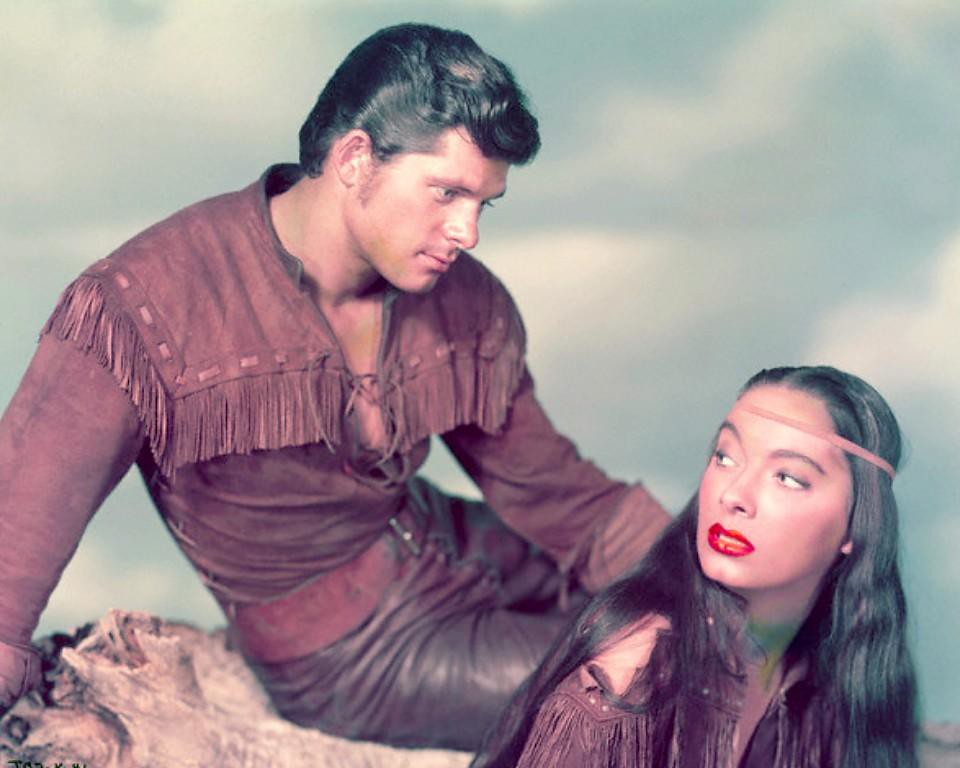
Four appearances as Daniel Boone on Walt Disney Presents.
A supporting role as Sgt. Wilder in The Longest Day (1962) was shot but reportedly trimmed to two short scenes
imdb.com
. Through the 1960s he worked on network adventure and western series (Laramie, Wagon Train, Bonanza), maintaining a modest household‑name reputation in television circles.
Later years and retirement
By the early 1970s Martin’s on‑screen work had slowed considerably, his final screen appearances coming around 1978
en.wikipedia.org
. While little was publicly known of his post‑acting life — he guarded his privacy — friends described him as genial and outdoors‑oriented. He lived quietly in Southern California until his death in San Pedro on April 9 2018 at age 94
hollywood-elsewhere.com
.
Critical Analysis
1. Acting style and screen persona
Dewey Martin exemplified a particular strain of early‑1950s American masculinity: self‑contained, modest, wary of sentiment. Unlike the Method actors rising on the coasts, Martin projected a wartime pragmatism—his authority on screen came from bearing, silence, and physical credibility rather than introspection.
In The Big Sky and The Thing, that stoicism translated into quiet realism; he seemed like a genuine soldier or guide rather than a studio creation. Critics compared him favorably to the younger Gary Cooper type—laconic, attractive, fundamentally decent.
His limitation, however, was a lack of volatility. Where other actors of his generation (Brando, Clift, Dean) built fame on visible emotional struggle, Martin’s restraint could read as opacity. Hollywood’s turn toward neurotic or rebellious male leads left his steadiness looking old‑fashioned by the late 1950s.
2. Collaboration with Howard Hawks
Martin’s best work came under Hawks, whose ensemble ethos matched his discipline. Hawks prized camaraderie and technical competence; Martin fit perfectly, embodying what the director called his “professional code of behavior.” The Big Sky and The Thing display this rapport most clearly. Their partnership helped define the macho professionalism typical of Hawks’s mid‑century cinema, but once Hawks stepped away, Martin lost a key advocate and his career momentum faltered
hollywood-elsewhere.com
.
3. Television craftsmanship
In television Martin discovered a more flexible arena. His performances in anthology dramas showed that his quiet sincerity could carry smaller‑scale storytelling. The Twilight Zone episode “I Shot an Arrow Into the Air” arguably features his most complete characterization: a believable moral unraveling achieved through subtle physical and vocal shifts. It demonstrated that, despite being labeled “solid” rather than “brilliant,” he possessed genuine dramatic instincts.
4. Legacy and reassessment
Seen today, Dewey Martin stands as a supporting‑star archetype of 1950s Hollywood — emblematic of the dependable, working‑actor hero who briefly bridges classical and modern eras. His career reminds us how shifts in cultural taste (from stoic heroism to psychological vulnerability) could render talents obsolete overnight.
What endures is the understated authenticity he brought to genre cinema, particularly Hawks’s blend of adventure and camaraderie. Fans of classic sci‑fi and westerns continue to note his contribution to The Thing from Another World and The Big Sky as examples of unforced masculine grace on screen.
Summary Timeline
Period Career Focus Representative Works Notes
1949–1955 Hollywood ascent under Hawks The Thing from Another World (1951), The Big Sky (1952), The Desperate Hours (1955), Land of the Pharaohs (1955) Breakout as quiet, disciplined adventure lead.
1956–1962 Mid‑career decline Ten Thousand Bedrooms (1957), The Longest Day (1962) (trimmed) Waning film interest post‑Hawks; contracts lapse.
1960–1970 Television era Twilight Zone, Outer Limits, Walt Disney Presents Reinvents himself as steady episodic actor.
1971–1978 Final screen years Various TV guest roles Gradual withdrawal from industry.
Post‑1978 Private life — Lived quietly in California until death in 2018.
In essence:
Dewey Martin’s career encapsulates the fate of many understated talents of 1950s Hollywood. Grounded, credible, and loyal to craft rather than celebrity, he gave substance to key works by Howard Hawks and William Wyler before fading as the industry reinvented its male archetype. His filmography — compact but durable — remains a snapshot of professionalism, discipline, and the vanishing ideal of the quiet American hero