




Dictionary of Irish biography
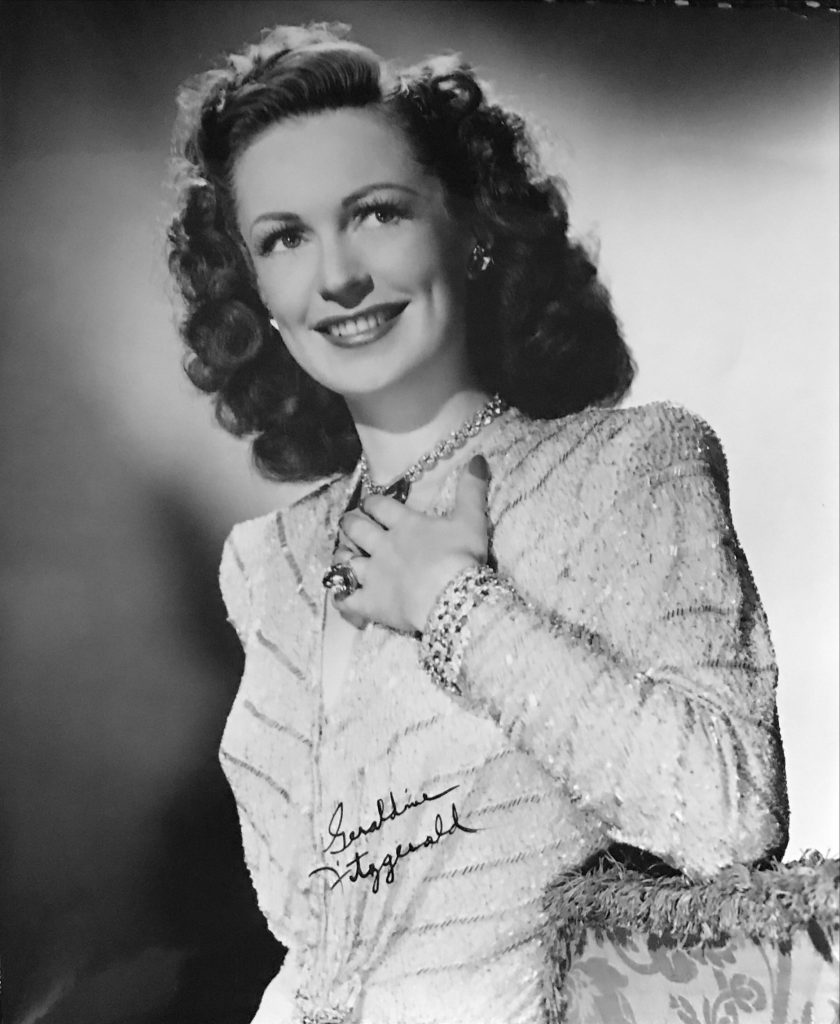
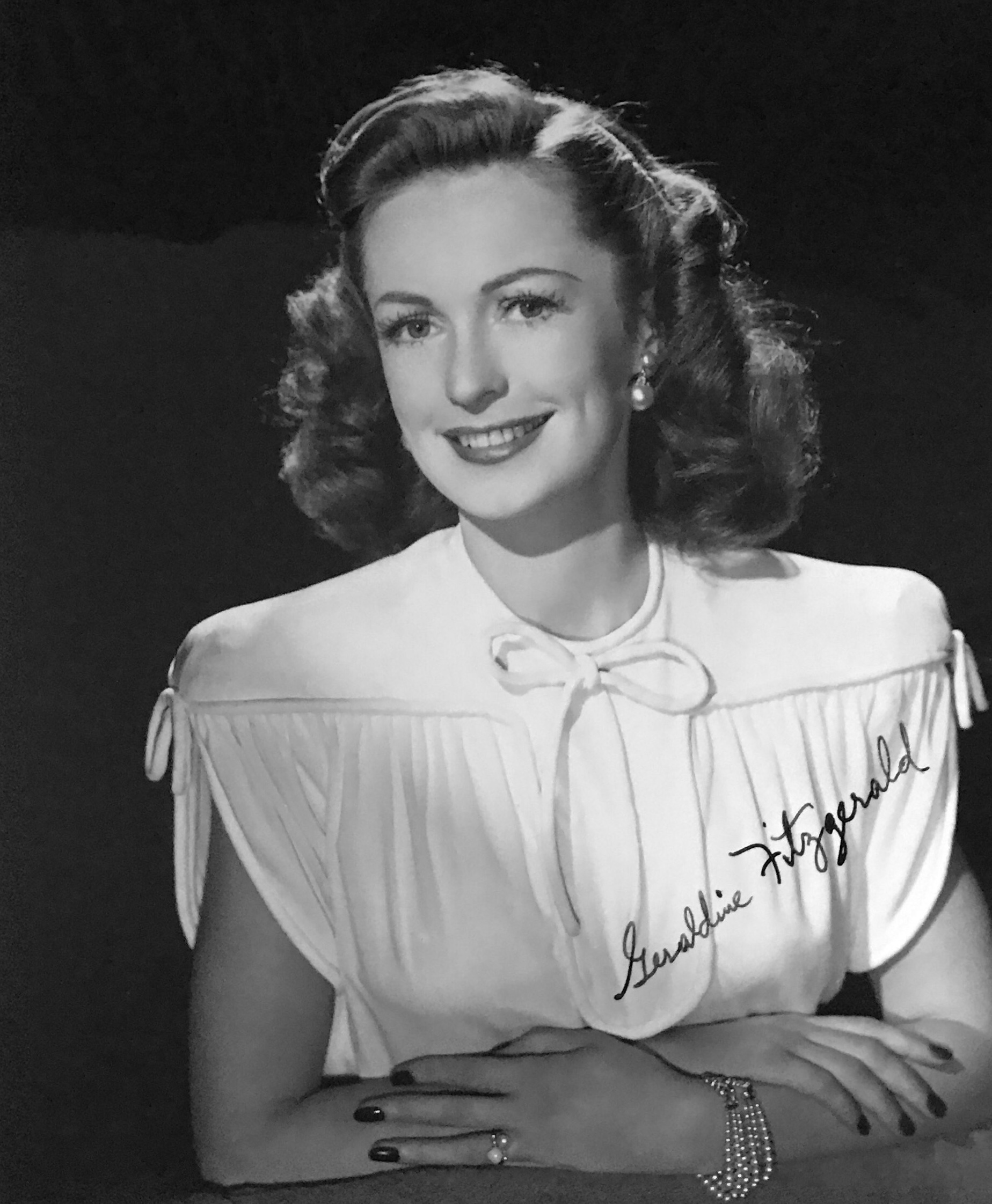
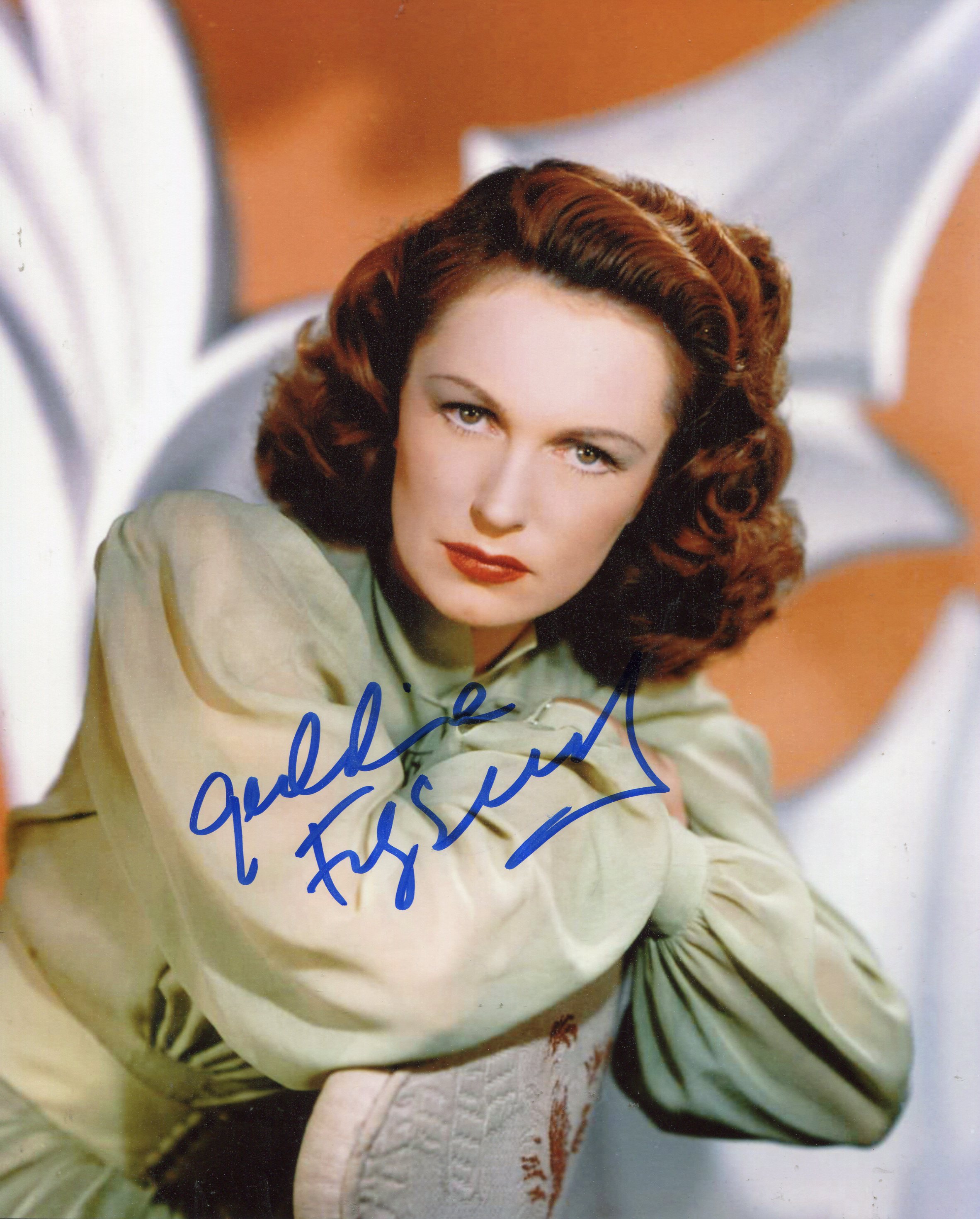
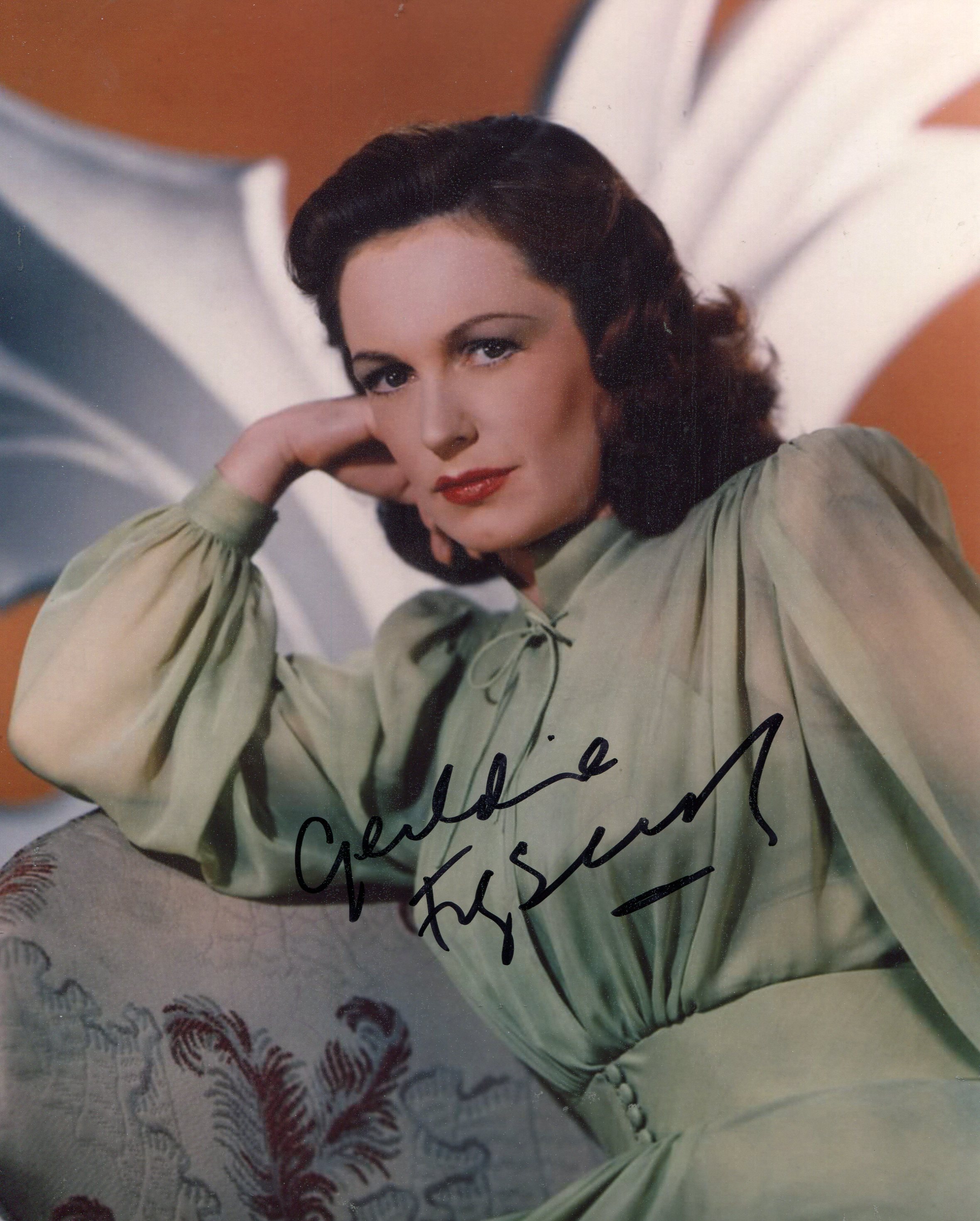
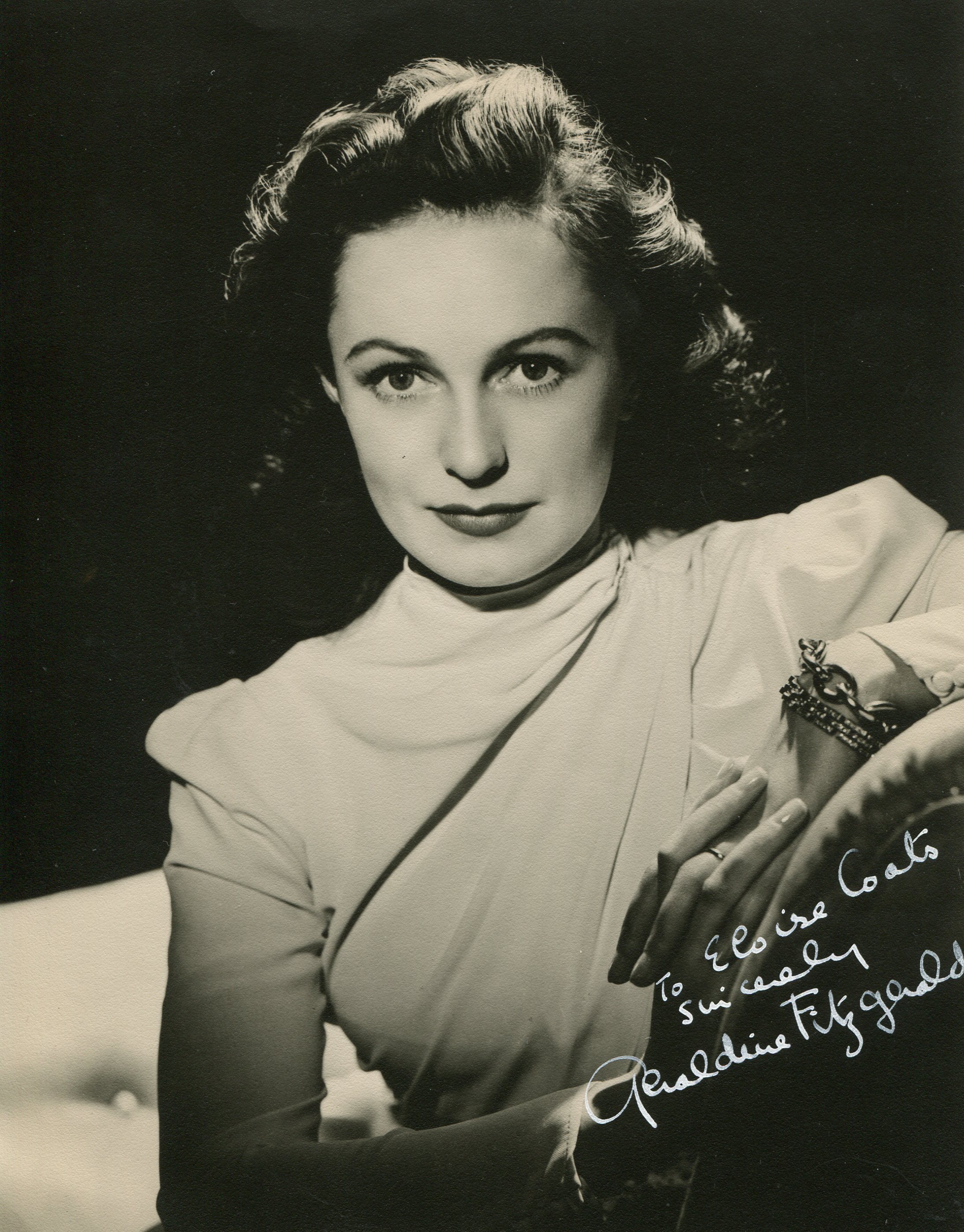
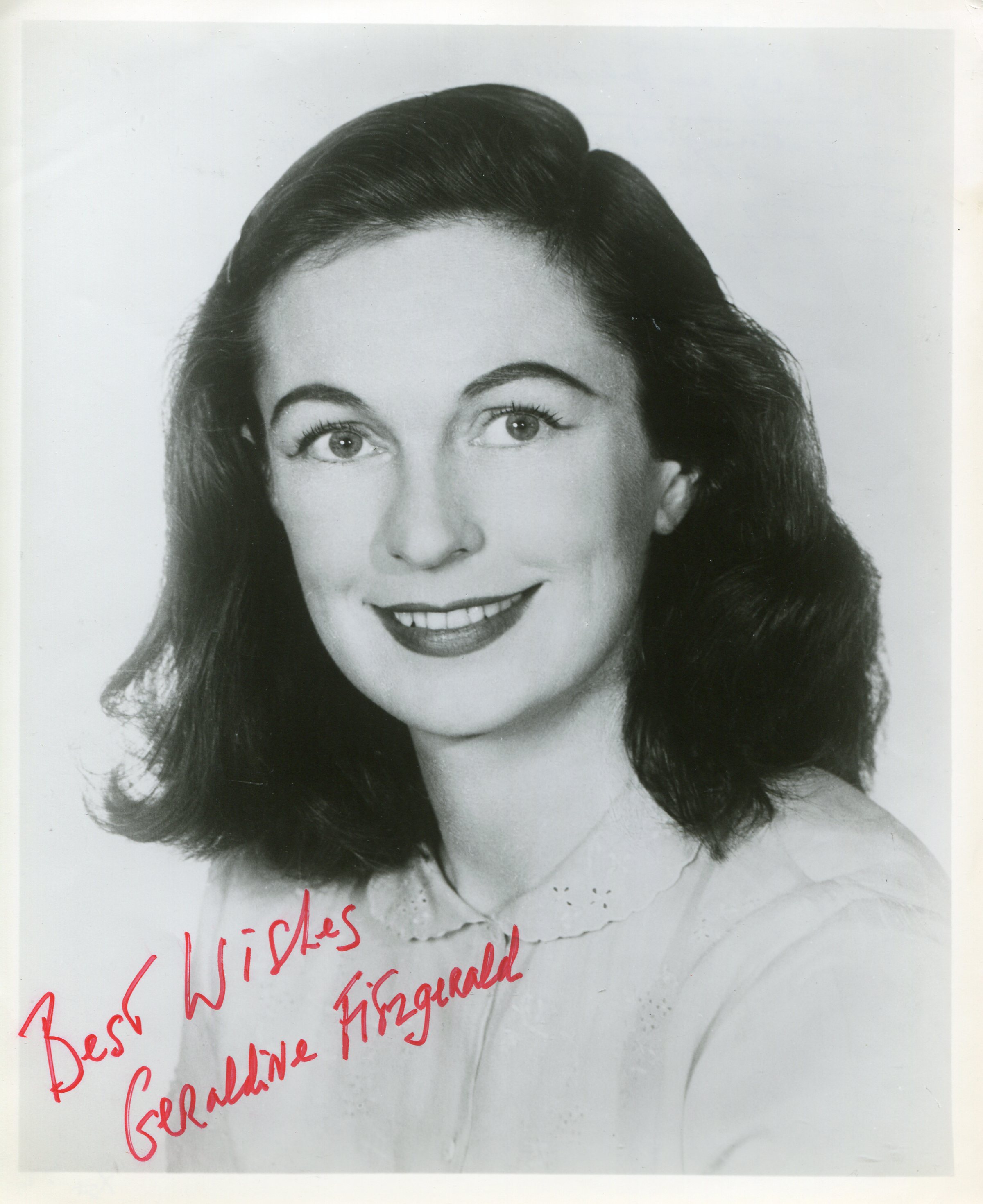
Fitzgerald, Geraldine Mary Wilma (1913–2005), actress and stage director, was born 24 November 1913 at 85 Lower Leeson Street, Dublin, one of two daughters and two sons of Edward Martin Fitzgerald (1886–1965), a lawyer, who was Roman catholic, and his wife Edith Marie (née Richards) (c.1890–1963), a protestant. The family later lived in Greystones, Co. Wicklow. Her father, called to the Irish bar in 1907, served in the British military in the first world war, practised as a barrister in London, then returned to Ireland and joined the prominent family firm of solicitors (D. and T. Fitzgerald, mentioned in Ulysses by James Joyce (qv)), eventually becoming senior partner.
EARLY STAGE AND SCREEN CAREER
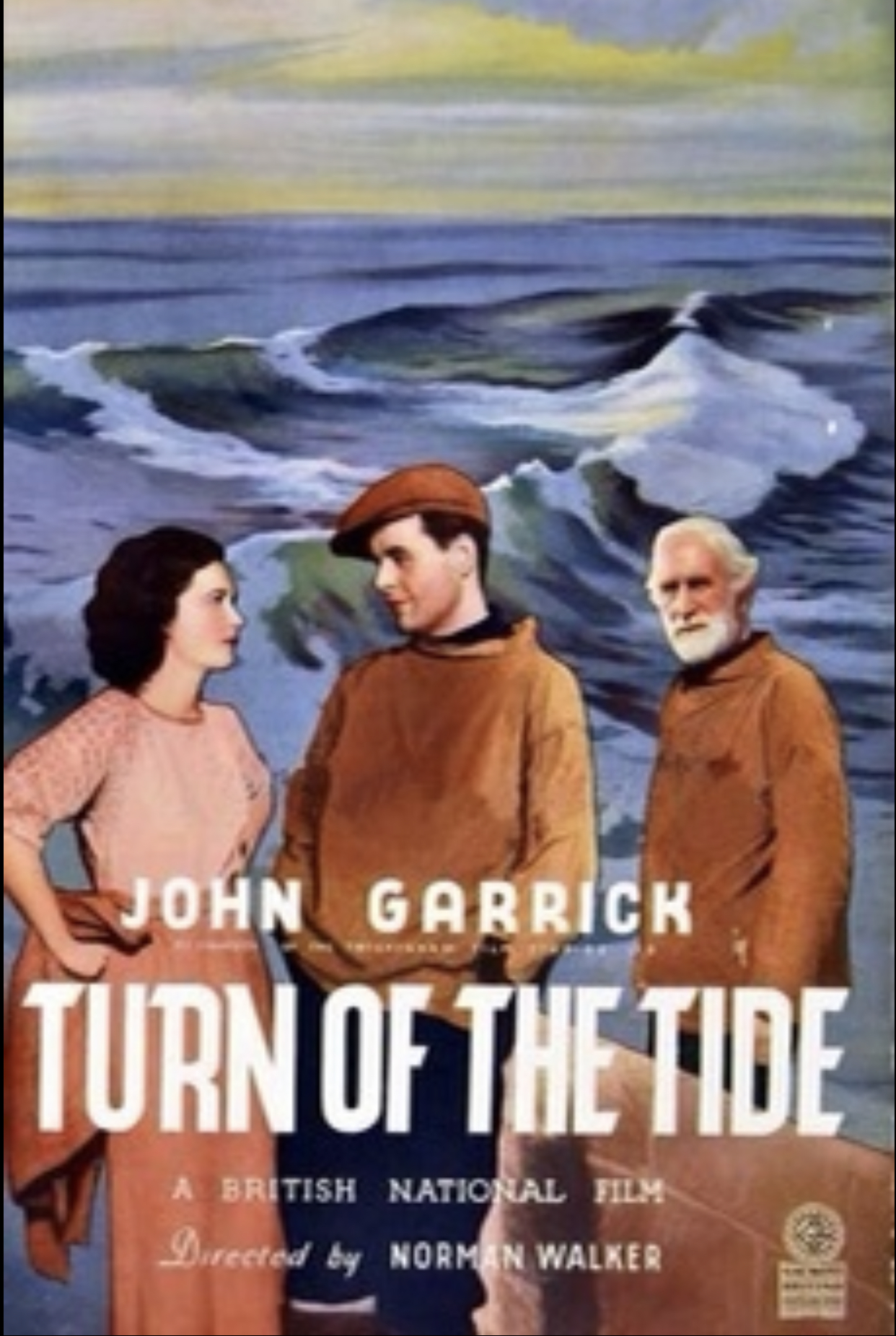
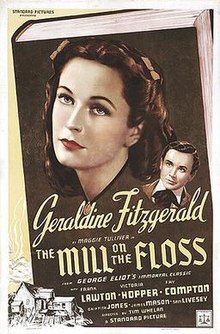
Educated at convent schools (probably in both England and Ireland), Geraldine studied for three years at the Dublin Metropolitan School of Art, before turning to acting, coached in technique by her maternal aunt, the actress Shelah Richards (qv). Appearing in eight plays in the 1933/4 season of the Dublin Gate Theatre, she was praised for ‘a quality of poise which is not usually found in combination with her youth and charm’ (Hobson, 50). Her most substantial Gate role was that of Isabella Linton in a stage adaptation of ‘Wuthering Heights’, starring Micheál MacLiammóir (qv) as Heathcliff; she also played the high-spirited Ilse in ‘Children in uniform’, the controversial crypto-lesbian drama by Christa Winsloe. Moving to London in 1934, she began acting in films, and was well-reviewed in Turn of the tide (1935), about two feuding Yorkshire fishing families, and as the heroine, Maggie Tulliver, in The mill on the Floss (1937). She infatuated the writer Patrick Hamilton – who stalked her obsessively and was enraged by her rebuffs – and inspired the character of the venomous and ill-fated Netta Longdon in his grim novel of pre-war Earl’s Court, Hangover Square (1941).
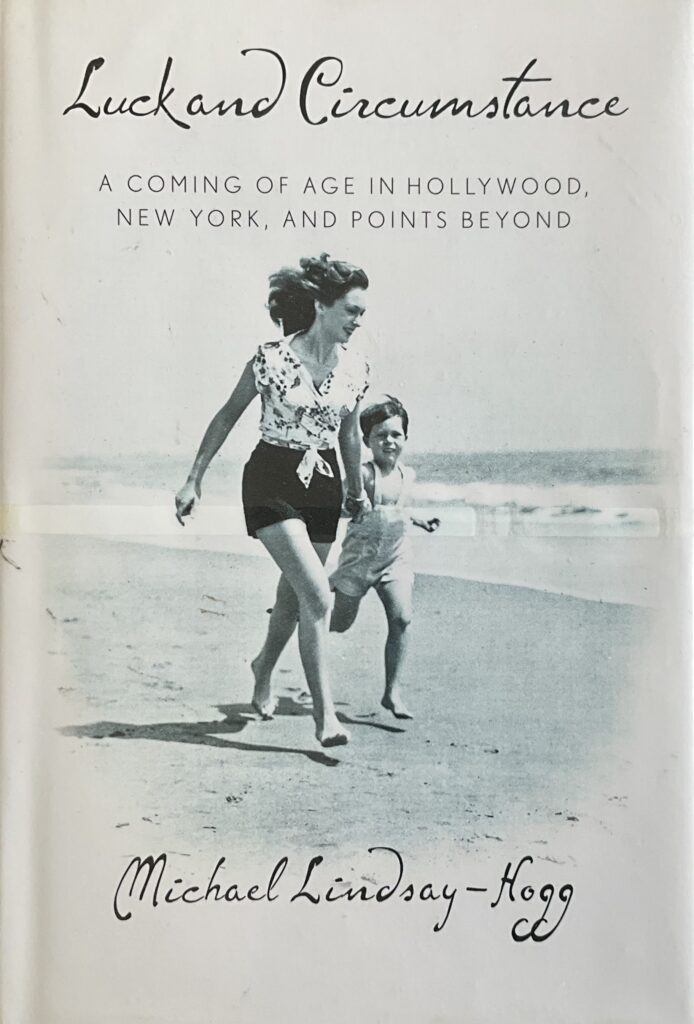
Fitzgerald married (1936) Edward William Lindsay-Hogg (1910–99), who latterly succeeded as 4th baronet of Rotherfield Hall (1987), a gentleman horse-racing enthusiast and dilettante playwright; the marriage was dissolved in 1946. They had one son, Michael Edward Lindsay-Hogg (b. 1940), 5th baronet, a theatre, film, and television director (whose credits include music videos, the Beatles documentary Let it be (1970), the Grenada television series Brideshead revisited (1981), and two films of Irish interest: Frankie starlight (1995) and, in the Gate Theatre’s ‘Beckett on film’ series, Waiting for Godot (2001)). Hoping to further her husband’s songwriting ambitions, Fitzgerald moved with him to New York in 1938, and soon appeared on Broadway in the ingénue role of Ellie Dunn in the Mercury Theatre production of ‘Heartbreak House’ by George Bernard Shaw (qv), directed by and starring another Gate Theatre alumnus, Orson Welles. The play’s producer, John Houseman, remembered the unannounced arrival of ‘an unbelievably lovely young woman with dark-red Irish hair’, and was ‘stunned by her beauty’ (Houseman (1973), 349). Fitzgerald, who had an affair with Welles, in later years described his charisma as akin to a lighthouse: ‘when you were caught in its beam, you were bathed in its illumination; when it moved on, you were plunged into darkness’ (quoted in Callow (1995), 364). (Fitzgerald, it would seem, was bathed repeatedly in the light of Welles’s rotating beam: rumours persist that he fathered her son; and Welles’s eldest daughter, Chris, describes his sharing a Santa Monica beach house with Fitzgerald in spring 1947 – several months after her second marriage – on terms of easy familiarity with the neighbouring household of Chris, her mother (Welles’s first wife), and her mother’s second husband: an arrangement markedly libertine, even by Hollywood standards.)
HOLLYWOOD REBEL
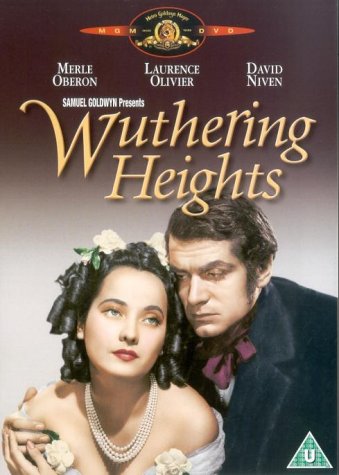
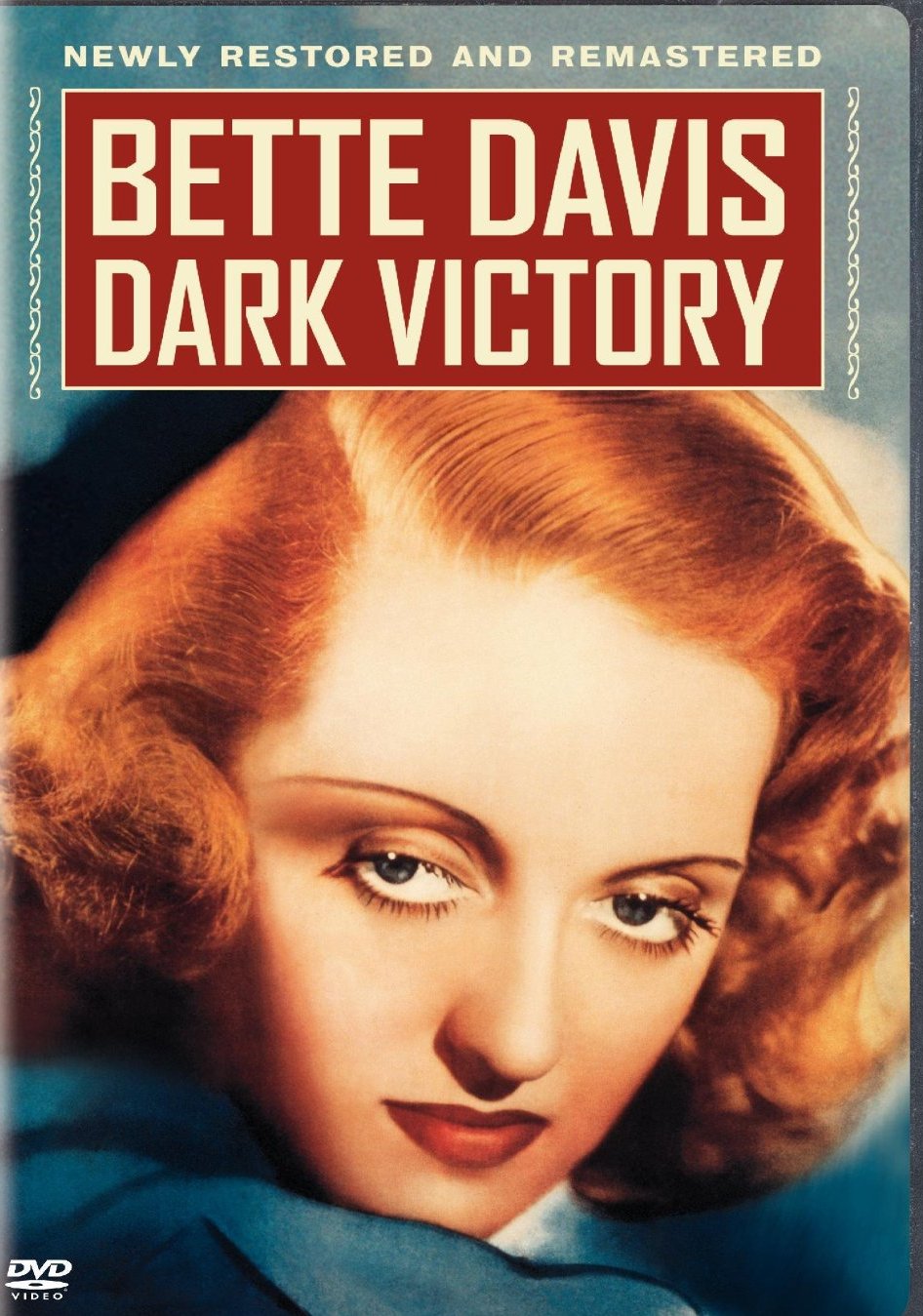
Signed to a seven-year contract by Warner Brothers Pictures, Fitzgerald insisted on a clause (conceded reluctantly by the studio) that allowed her perform in theatre for six months every year. Her first two Hollywood films, released in the same month (April 1939), were both box-office smashes. In the Warners melodrama Dark victory she gave a ‘sentient and touching portrayal’ (New York Times, 21 April 1939) as the responsible, devoted friend of a vibrant but wilful socialite (played by Bette Davis, who remained a lifelong personal friend) doomed by a malignant brain tumour; the cast also included George Brent, Humphrey Bogart and Ronald Reagan. On loan to the Goldwyn studio, she reprised her Gate Theatre role as Isabella Linton in Wuthering Heights (dir. William Wyler), opposite Laurence Olivier in his breakthrough cinematic role as Heathcliff, with Merle Oberon and David Niven. Fitzgerald received an Oscar nomination for best supporting actress. One British film historian has written that she was the only actor in the film who ‘looked as if she’d read the book’ (Irish Times, 23 July 2005), and Olivier, disowning the film in later years, said that Fitzgerald ‘was the only thing that still holds up’ (Washington Post, 20 July 2005).
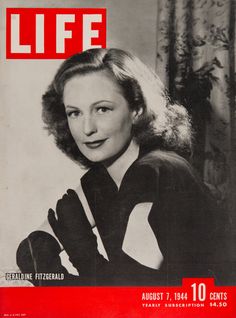
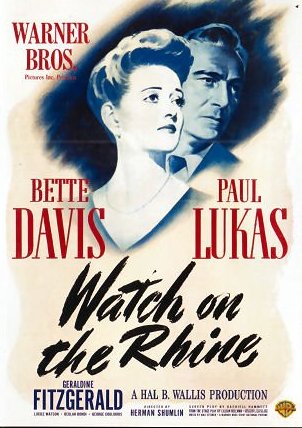
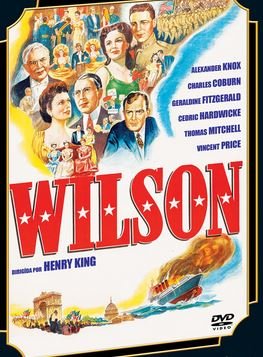
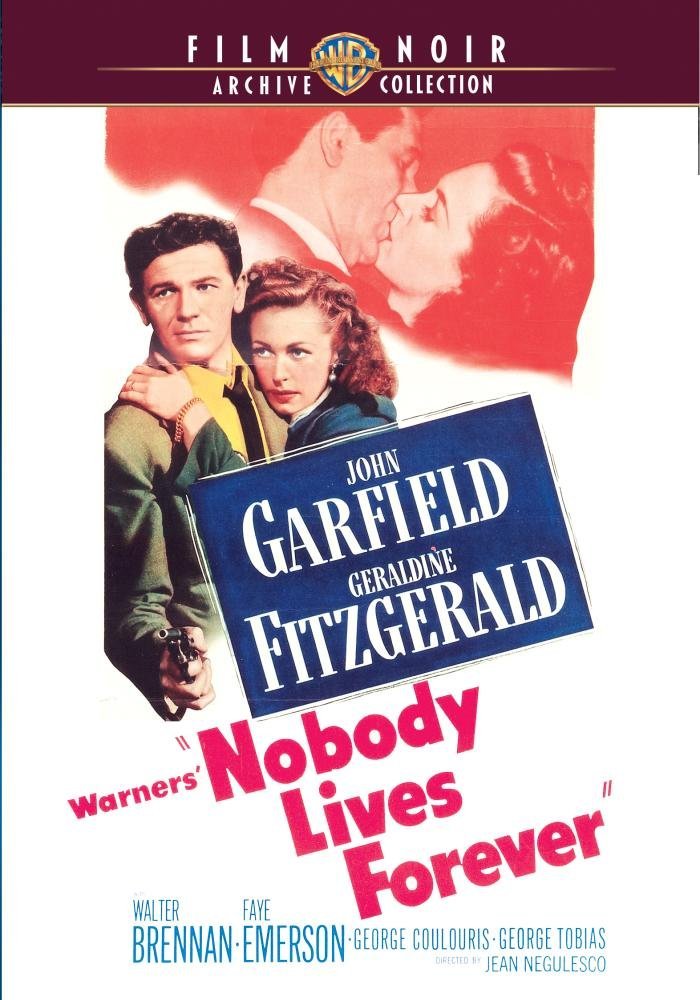
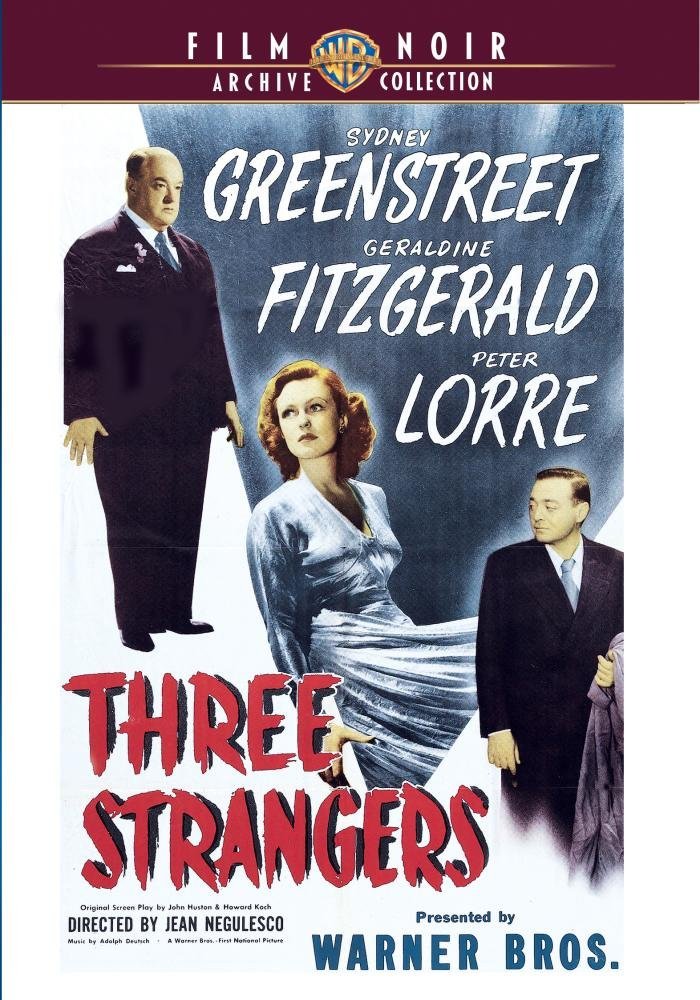
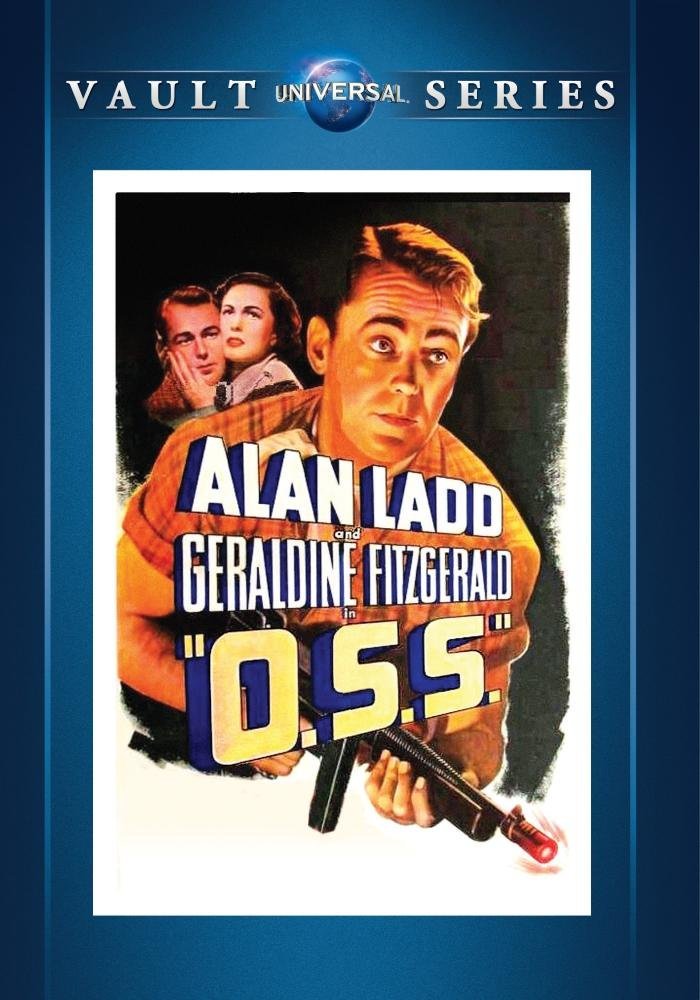
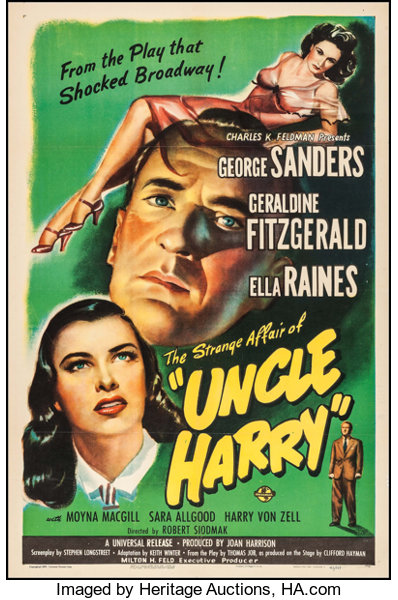
Despite these promising debuts, Fitzgerald’s Hollywood career rapidly foundered. Over the next seven years, she made twelve more films, her co-stars including Alan Ladd, John Garfield, Peter Lorre, Sidney Greenstreet, Barbara Stanwyck and Loretta Young. She either refused or was denied by studio executives (sources differ) the lead femme fatale role of Brigid O’Shaughnessy in The Maltese falcon, and refused the part of Melanie Hamilton (played by Olivia de Havilland) in Gone with the wind. Her values moulded by the lofty artistic standards of the Gate and Mercury companies, she disdained Hollywood commercialism, aspired only to make worthy films with solid scripts, and defied the rigid strictures of the studio system by her undaunted commitment to live theatre (acting regularly in stage plays in the Los Angeles area), and spirited refusals of what she deemed inferior roles. Warners retaliated by confining her to B pictures and second female leads, and regularly suspended her for insubordination, or loaned her to rival studios. She supported Davis again in Watch on the Rhine (1943; screenplay by Dashiell Hammett from the play by Lillian Hellman), as the dissatisfied wife of an aristocratic Nazi agent. After appearing in Wilson (1944) as Edith, the eponymous American president’s resolute second wife, she was featured glamorously in a Life magazine cover story (7 August 1944). In the weirdly compelling thriller The strange affair of Uncle Harry(1945), she played the neurotically (perhaps incestuously) possessive spinster sister of the title character (played by George Sanders).
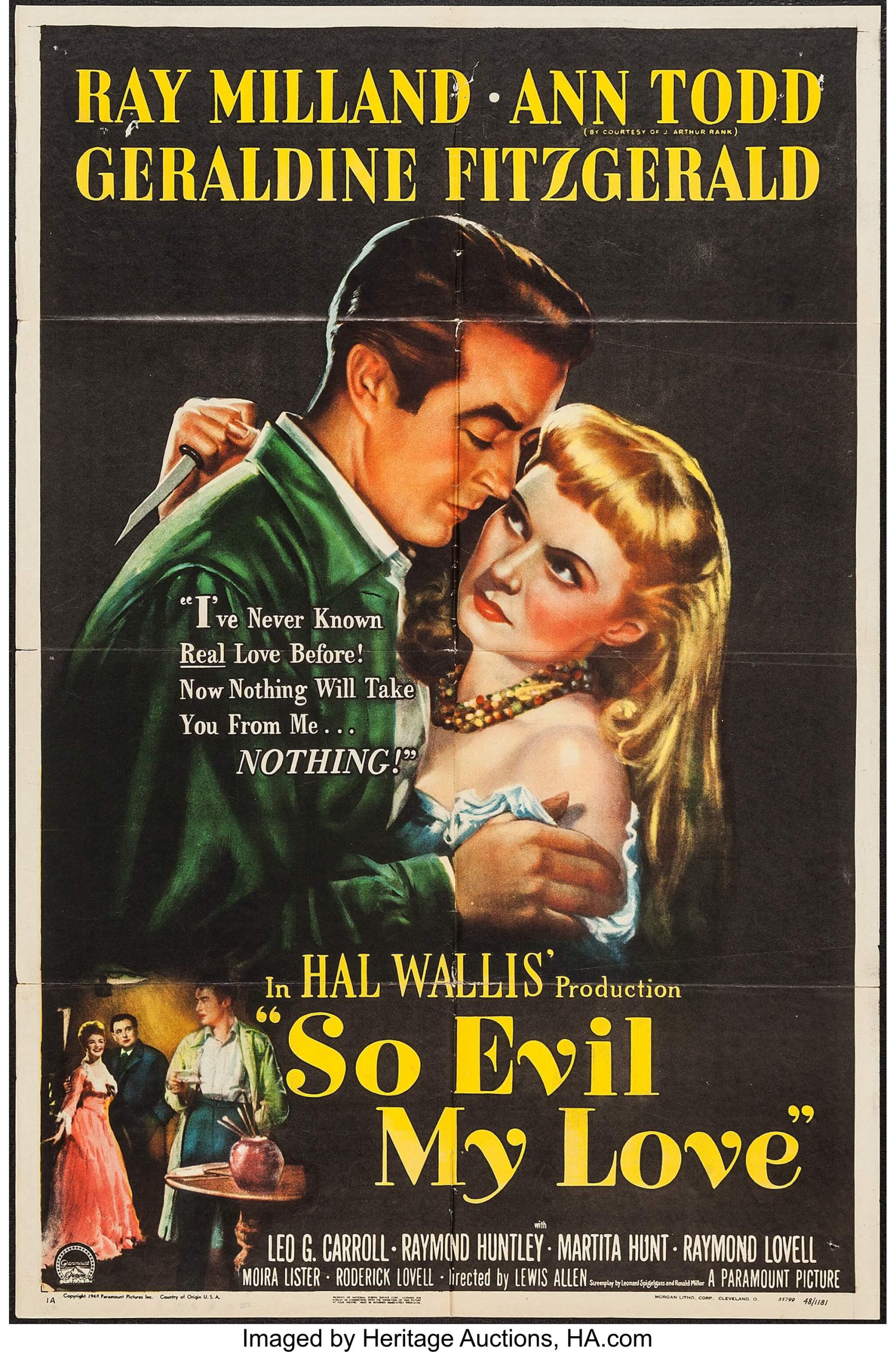
Directed by Max Reinhardt (in his last professional undertaking), Fitzgerald returned triumphantly to the Broadway stage in ‘Sons and soldiers’ (1943), opposite Gregory Peck; one critic lauded her performance as the finest he had ever seen. Fitzgerald married secondly (1946) Stuart Scheftel (1910/11–1994), a wealthy New York businessman, heir to the Macy’s department store fortune, patron of the arts, civic leader and occasional political aspirant; their one daughter, Susan, became a clinical psychologist. On leaving Hollywood, Fitzgerald resided permanently in New York, on Manhattan’s Upper East Side. She made two films in Britain, both with dark Victorian settings: So evil my love (1948), with Ray Milland, and The late Edwina Black (1952), with Roland Culver. In the early 1950s she concentrated on television work, appearing in many anthology drama series.
STAGE ACTING AND DIRECTING
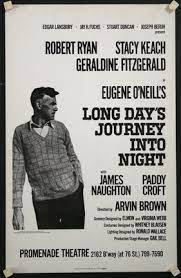
Resuming her stage career in the mid 1950s, Fitzgerald appeared widely in classical and contemporary drama, performing many of the leading female roles of the twentieth-century repertoire. She played Jennifer Dubedat in Shaw’s ‘The doctor’s dilemma’ (1955); was directed by and acted opposite Orson Welles as Goneril in his controversial Broadway production of ‘King Lear’ (1956); and was directed by John Houseman as Gertrude in ‘Hamlet’ (1958) in the American Shakespeare Festival Theatre, Stratford, Connecticut. Appearing as the Queen in ‘The cave dwellers’ (1961) by William Saroyan, she was directed by her son Michael Lindsay-Hogg. Her interpretations of Eugene O’Neill were especially distinguished. She played Essie Miller in ‘Ah, wilderness!’ at Ford’s Theatre, Washington, DC (1969), and at the Long Wharf Theatre, New Haven, Connecticut (1974); the latter production, directed by Arvin Brown, transferred to Broadway’s Circle in the Square Theatre (1975), and was filmed for television by the Public Broadcasting Service (PBS) (1976). Her most critically acclaimed role was in another O’Neill play, as Mary Tyrone in ‘Long day’s journey into night’ (1971), directed by Brown in an off-Broadway production, with Robert Ryan, James Naughton and Stacy Keach. She reprised the role with the Philadelphia Drama Guild (1975) (where she also played Amanda Wingfield in ‘The glass menagerie’ by Tennessee Williams). She was Nora Melody in O’Neill’s ‘A touch of the poet’ (1977), opposite Jason Robards and Milo O’Shea (qv).
Her long association with Arvin Brown and the Long Wharf included the part of Juno Boyle in ‘Juno and the Paycock’ (1973) by Sean O’Casey (qv); she also starred, opposite Milo O’Shea, in Brown’s revival of a long-neglected musical version of the play, staged initially at the Williamstown Theatre Festival (1974), and (under the title ‘Daarlin’ Juno’) at Long Wharf (1976); Fitzgerald collaborated in adapting the original score, lyrics and book, by Marc Blitzstein and Joseph Stein. She performed twice, in separate roles, in Thornton Wilder’s ‘Our town’, as Mrs Webb with American Shakespeare Theatre (1975), and as the Stage Manager in Williamstown (1976). She played Felicity, a dying hospice resident, in ‘The shadow box’ (1977), the Pulitzer Prize and Tony Award winning drama by Michael Cristofer, which opened at the Long Wharf, then transferred to Broadway’s Morosco Theatre. While concentrating on stage direction (both plays and musicals) in the 1980s, she acted in ‘I can’t remember anything’, the opening play in Arthur Miller’s diptych ‘Danger: memory!’ (1987).
Believing that theatre and other arts should be purged of elitism and accessible to all sectors of society, Fitzgerald was actively involved with public arts programmes, and served on the arts councils of New York city and state. Amid the social and political convulsions of the period, in 1969 she co-founded Everyman, a community theatre company that produced plays in deprived areas of the city, often with amateur casts recruited locally; she wrote, acted, and directed for the company, and helped initiate the inaugural Everyman Community Street Theater Festival at Lincoln Center (1971). For her work with Everyman, Fitzgerald was awarded the Handel Medallion by the city of New York, the municipality’s highest cultural award, the first actress so honoured (1973).
On the basis of two off-Broadway productions, Fitzgerald won the 1981 Outer Critics Circle’s Lucille Lortel award for outstanding new director: for ‘Mass appeal’ (1980), a dramatic comedy about the conflicts between an aging, genial, but complacent, parish priest (Milo O’Shea), and a radical, firebrand seminarian (Eric Roberts); and for an Everyman production of ‘Long day’s journey into night’, with an all-black cast (1981). She returned to Dublin to direct the European premiere of ‘Mass appeal’ in the Olympia Theatre, starring Niall Tóibín and Barry Lynch (summer 1981), then directed the play on a successful Broadway run (1981–2), with O’Shea and Michael O’Keefe; one of the first women to direct on Broadway, she received both Tony and Drama Desk nominations for best director. (In 1982, another play with a catholic religious theme, ‘Agnes of God’, began a lengthy Broadway run, directed by Michael Lindsay-Hogg, the first occasion ever that a mother and son were directing separate Broadway plays at the same time.) She wrote the lyrics and book, and directed an off-Broadway production of ‘Sharon’ (1993), a musical based on the play ‘Sharon’s grave’ by John B. Keane (qv).
BIG SCREEN, SMALL SCREEN AND SONG
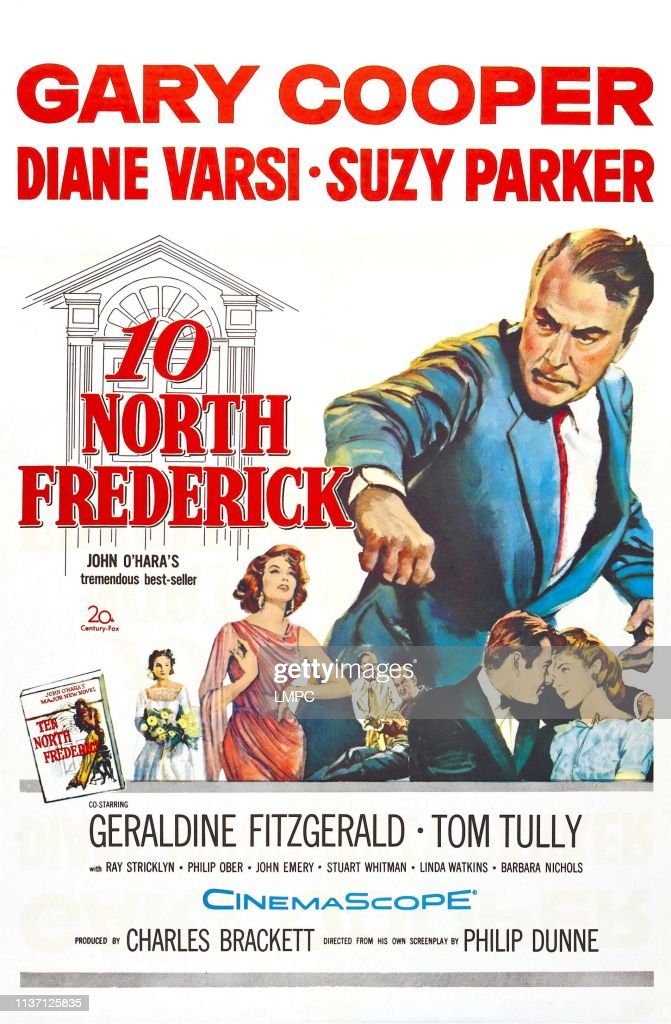
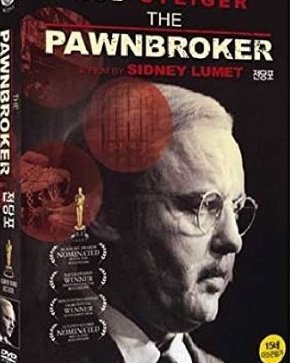
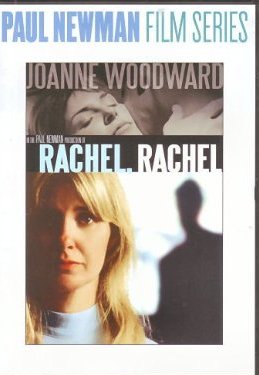
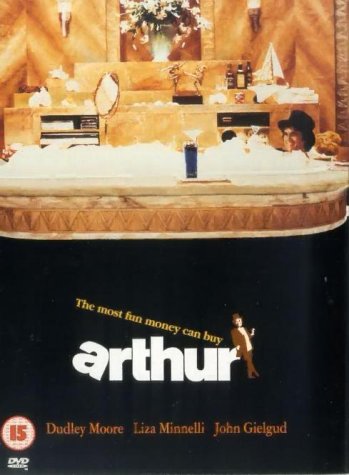
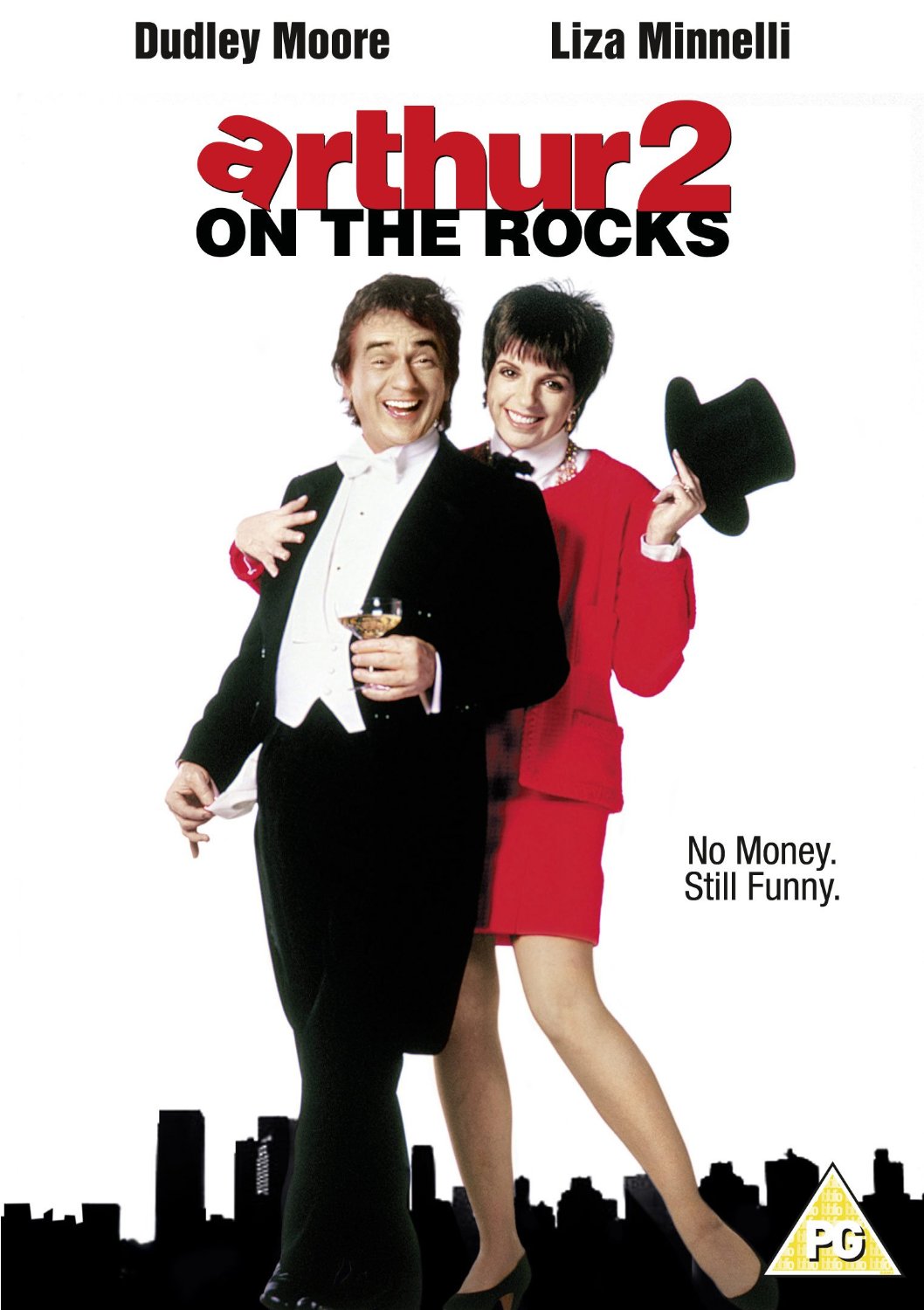
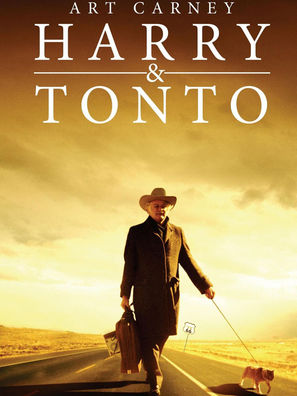
Fitzgerald’s versatility was evident in the varied character roles that she played in film and television. She was a goading, socially ambitious small-town attorney’s wife in Ten North Frederick(1958), opposite Gary Cooper; a widowed social worker who seeks to befriend a lonely concentration-camp survivor (Rod Steiger) in The pawnbroker (1964; dir. Sidney Lumet); a crazed revivalist preacher in Rachel, Rachel (1968), supporting the Golden Globe-winning Joanne Woodward in Paul Newman’s directorial debut; and the fetching but memory-impaired old flame rediscovered by a displaced pensioner (the Oscar-winning Art Carney) during his cross-country travels in Harry and Tonto (1974; dir. Paul Mazursky). She received a best actress nomination from the Australian Film Institute for The mango tree (1977), and played the harebrained, sherry-tippling, billionaire grandmother of the title character (Dudley Moore) in the hit comedy Arthur (1981), with Liza Minnelli, and in the ill-received sequel, Arthur II: on the rocks(1988), her last feature film.
Her television work included a worthy adaptation of The moon and sixpence (1959), from the novel by Somerset Maugham, playing the abandoned bourgeois wife of a Gauguin-like stockbroker-turned-artist (Laurence Olivier), with Cyril Cusack(qv), Denholm Elliott, and Jessica Tandy. She made guest appearances in such television series as Naked city, The nurses, The defenders, Lou Grant, Trapper John, M. D., Cagney and Lacey and St Elsewhere. For her performance in ‘Rodeo Red and the runaway’ (1978) in the after-school series NBC special treat, she won a 1979 Daytime Emmy award for outstanding individual achievement by a performer in children’s programming. She played the redoubtable matriarch Rose Kennedy, opposite E. G. Marshall as Joseph Kennedy, and supporting Martin Sheen in the title role, in the award-winning television mini-series Kennedy(1983). She twice guested, in separate roles, on The golden girls, her first appearance (1988) receiving a Primetime Emmy nomination for outstanding guest performer in a comedy series.
After taking singing lessons in her mid fifties, Fitzgerald began singing in nightclubs and Everyman stage productions, and played the part of Jenny in ‘The threepenny opera’ (1972). For many years she toured in a full-length, one-woman cabaret show, ‘Streetsongs’, incorporating songs and connecting narration; during a lengthy off-Broadway run in 1979 the show was televised by the Public Broadcasting Service (PBS). Her repertory of ‘winning songs, where the person transcends the bad moment’, performed in a deep, gravelly, ‘honey on sandpaper’ voice, (Irish Times, 23 July 2005), and notable for novel interpretations, ranged among Irish popular ballads, music hall and Tin Pan Alley standards, Percy French (qv), Noel Coward, Vera Lynn, Edith Piaf and The Beatles. A live recording of a 1981 performance at the Great Lakes Theatre Festival, Cleveland, Ohio, was released as an LP, Geraldine Fitzgerald in Streetsongs (1983).
A consistently compelling performer of great authenticity and distinctive presence, Fitzgerald was witty, forthright, idealistic and intelligent. Standing 5ft 3in (1.6m) in height, she possessed a ‘cerebral beauty’ (Washington Post, 20 July 2005). She is honoured by a pavement star in the Hollywood Walk of Fame. Incapacitated by Alzheimer’s disease from the mid 1990s, she died at her home 17 July 2005, and was buried in Woodlawn cemetery in the Bronx. Relatives in the theatrical profession include the Irish stage director Caroline Fitzgerald (niece), Irish actress Susan Fitzgerald(qv), and British actress Tara Fitzgerald (grand-niece).
General Register Office (birth cert.); Gate Theatre programmes, 1933–4 (National Library of Ireland, Ir 3919 D2); Bulmer Hobson (ed.), The Gate Theatre Dublin (1934), 50, 138; New York Times, 21 Apr. 1939; 11 Aug. 1976; 11 Dec. 1983; 9 Feb., 8 Mar. 1987; 21 Jan. 1994 (Scheftel obit.); 19 July 2005; Micheál MacLiammóir, All for Hecuba: an Irish theatrical autobiography (1961 ed.); Irish Law Times and Solicitors’ Journal, xcix, no. 5117 (6 Mar. 1965), 89; John Houseman, Run-through: a memoir (1973); Irish Times, 18 July 1981 (profile); 23 July 2005 (obit.); John Houseman, Unfinished business: a memoir (1986); Christopher Fitz-Simon, The boys (1994); Simon Callow, Orson Welles, i: The road to Xanadu (1995); ii: Hello Americans (2006); Kenneth Ferguson (ed.), King’s Inns barristers 1868–2004 (2005); Independent (London), 19 July 2005; Guardian, 20 July 2005; San Francisco Chronicle, 20 July 2005; Washington Post, 20 July 2005; Daily Telegraph, 27 July 2005; Don B. Wilmeth (ed.), Cambridge guide to American theatre (2007 ed.); Chris Welles Feder, In my father’s shadow: a daughter remembers Orson Welles(2010); Observer, 31 Jan. 2010; ‘Taking it out of doors’, Playbill Arts (8 July 2010), www.playbillarts.com/; Internet Movie Database, www.imdb.com; Internet Broadway Database, www.ibdb.com; Lortel Archives: The Internet Off-Broadway Database, https://lortel.org/; Film Reference, www.filmreference.com; Irish Theatre Institute: Irish Playography, www.irishplayography.com; Primetime Emmy Award Database, www.emmys.com; ‘About us: show archive’, Long Wharf Theatre, www.longwharf.org; ‘Background and history’, Great Lakes Theater Festival, www.greatlakestheater.org; ‘Production archives’, Williamstown Theatre Festival, www.wtfestival.org; Noir of the Week, www.noiroftheweek.com; Find a Grave, www.findagrave.com(websites accessed Mar.–Apr. 2011
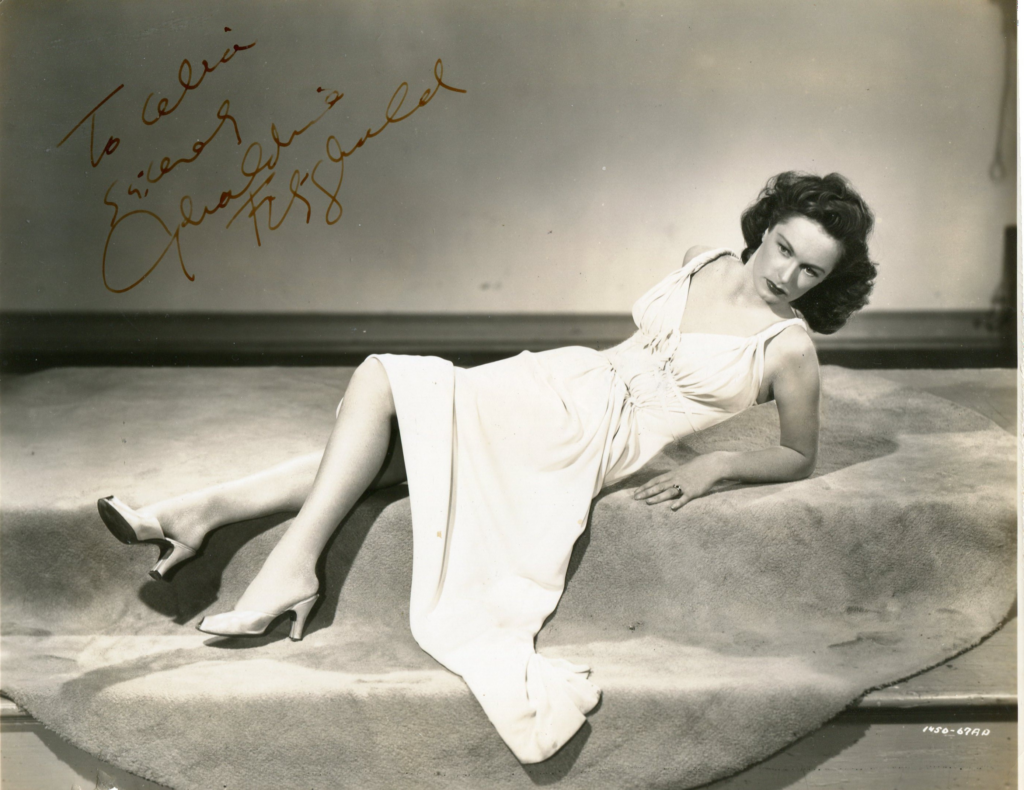
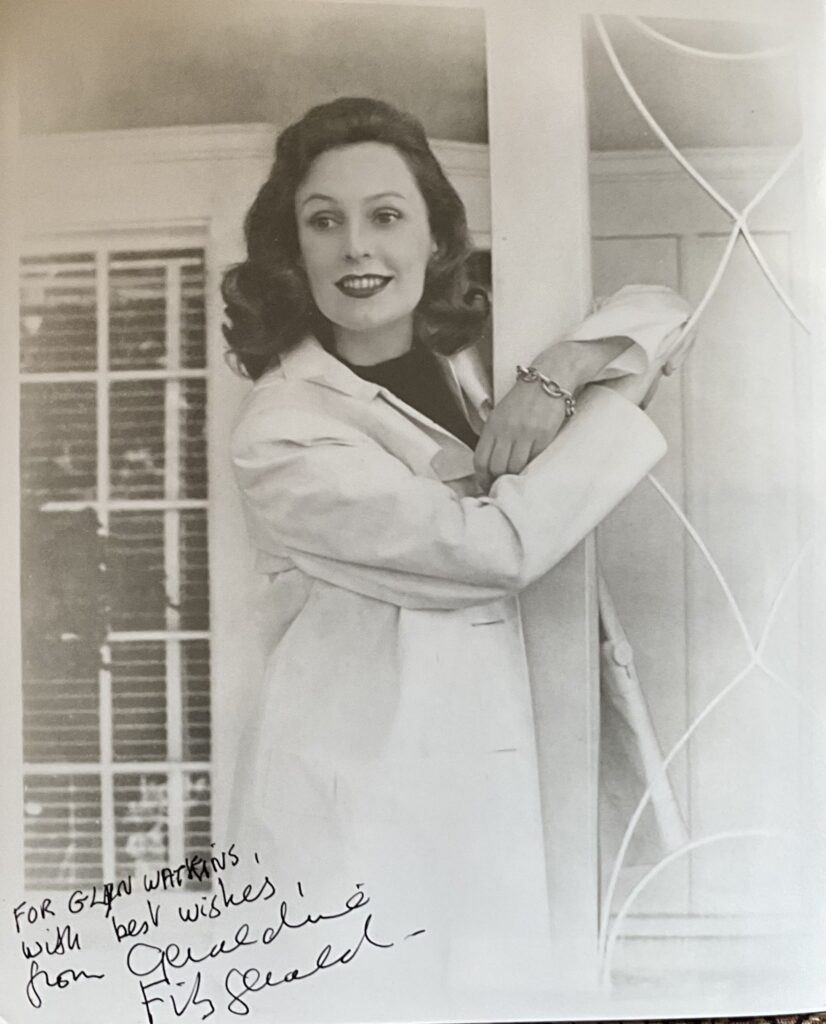
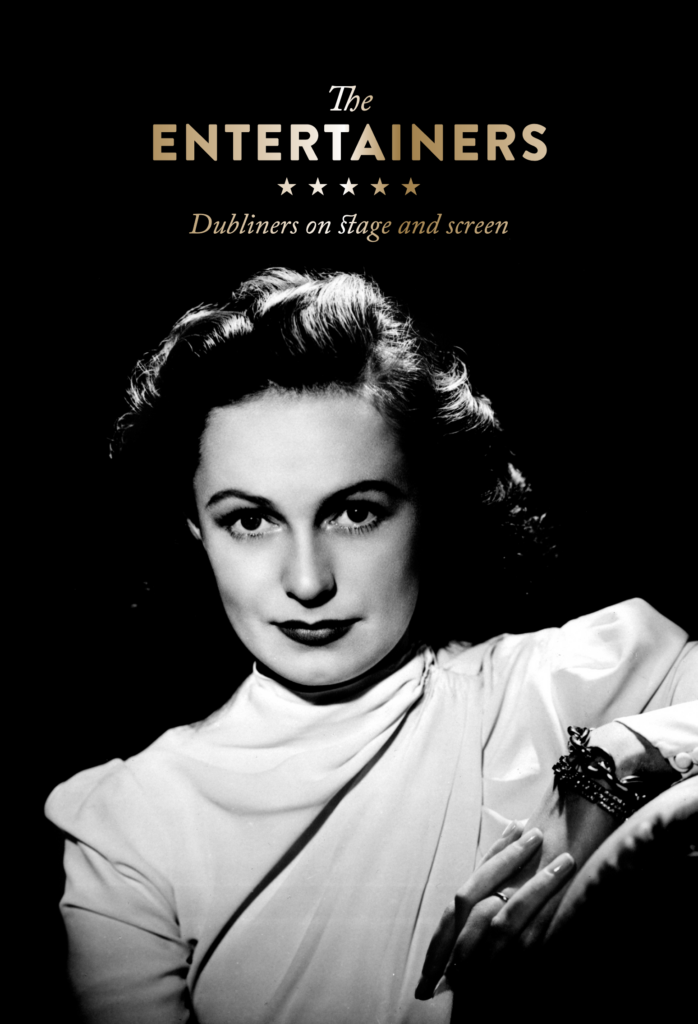
Geraldine Fitzgerald (1913–2005) was an actress of fierce intelligence and a famously uncompromising spirit. One of the few Irish actresses to achieve top-tier stardom during Hollywood’s Golden Age, she is often remembered as much for her off-screen battles with the studio system as for her luminous, emotionally raw performances.
Career Overview
Fitzgerald’s career was a journey from the prestigious theaters of Dublin to the heights of Hollywood, followed by a remarkably creative third act as a director and singer.
The Dublin and London Roots (1932–1937): She began her career at the Gate Theatre in Dublin, working alongside Orson Welles. After a string of successful British films, she moved to New York, joining Welles’s Mercury Theatre for their production of Heartbreak House.
The Hollywood Ascent (1939–1946): 1939 was her “miracle year.” She delivered two iconic performances: Isabella Linton in Wuthering Heights (earning an Oscar nomination) and Ann King in Dark Victory opposite Bette Davis. She became a major star at Warner Bros., appearing in prestige dramas like The Strange Affair of Uncle Harry (1945).
The “Blacklist” and Independence: Fitzgerald’s refusal to take roles she deemed inferior led to frequent suspensions by Jack Warner. This effectively stalled her film career in the late 1940s, leading her back to the stage and early television.
The Renaissance (1960s–1980s): She reinvented herself as a formidable character actress in films like The Pawnbroker (1964) and Harry and Tonto (1974). She also became a pioneer in “Street Theater” in New York and launched a successful cabaret career with her show Streetsongs.
Detailed Critical Analysis
1. The “Thinker’s” Ingenue
Critically, Fitzgerald is noted for bringing a cerebral, modern quality to the 1940s “leading lady” template.
Psychological Depth: In Wuthering Heights, she took the role of Isabella—often played as a shallow victim—and infused it with a palpable, tragic desperation. Critics praised her ability to show the intellectual rot of a woman trapped in a toxic obsession.
The Peer to Bette Davis: In Dark Victory, she performed the rare feat of sharing the screen with Bette Davis without being overshadowed. While Davis was “the fire,” Fitzgerald was “the light”—providing a calm, rational, yet deeply empathetic counterpoint that grounded the film’s melodrama.
2. The Cost of Integrity
Fitzgerald’s career is a primary example of the friction between artistic agency and the Studio System.
The “Difficult” Label: Because she turned down “boilerplate” scripts, the industry labeled her “difficult.” Modern film historians view this not as temperament, but as a sophisticated understanding of her own craft. She refused to be a “decoration,” which likely prevented her from reaching the same commercial heights as Greer Garson, but preserved her critical longevity.
The Transition to Noir: Her performance in The Strange Affair of Uncle Harry is a masterclass in suppressed incestuous jealousy. Critics point to this as evidence that she was moving toward a darker, more complex “Noir” style that the studios were hesitant to let her fully explore.
3. Street Theater and Social Advocacy
In the 1970s, Fitzgerald co-founded the Everyman Street Theatre in New York City.
The Democratization of Art: This was a radical shift from her Hollywood persona. Critically, this period is viewed as her most impactful. She took theater to underserved neighborhoods, using her classical training to empower local communities.
The “Streetsongs” Voice: Her cabaret work was noted for its “Irish Soul”—a raw, gravelly, and deeply authentic singing style that rejected the polished “Broadway” sound in favor of storytelling.
4. The Matriarch of Modernity
In her later film roles, such as Arthur (1981), she played Martha Bach with a dry, unsentimental wit.
Subverting the “Grandmother” Role: Even in her 70s, she avoided the “sweet old lady” tropes. She maintained a sharp, slightly dangerous edge that reminded audiences of the “intellectual rebel” she had been in the 1940s.
Major Awards & Notable Credits
| Achievement | Project | Significance |
| Academy Award Nom. | Wuthering Heights(1939) | Nominated for Best Supporting Actress. |
| Tony Award Nom. | A Touch of the Poet | Nominated for Best Direction (one of the first women so honored). |
| Emmy Award | Streetsongs | Won for the television broadcast of her cabaret show. |
| Essential Film | The Pawnbroker (1964) | A searing performance in a landmark of Holocaust cinema. |
The “battle of the scripts” between Geraldine Fitzgerald and Jack Warner is a classic Hollywood legend that illustrates the era’s tension between a studio’s commercial interests and an actor’s artistic integrity. While she was under contract at Warner Bros., she was suspended nearly half a dozen times.
The “Suspension Letters”: What She Refused
Fitzgerald famously said, “I don’t mind being a character, but I won’t be a stick.” The roles she turned down were often “the girl” in action movies or decorative wives in B-unit dramas.
The The Maltese Falcon (1941) Rumor: There is long-standing debate among film historians that Fitzgerald was considered for the role of Brigid O’Shaughnessy. While she didn’t formally turn it down on paper, her “difficult” reputation with Jack Warner reportedly led the studio to stop considering her for top-tier Noir leads, eventually casting Mary Astor.
The “Wife” Roles: She rejected several scripts where the female lead was merely a reactive character to a male action star. Jack Warner’s internal memos often referred to her as “ungrateful” because she was turning down roles that other starlets would have died for.
The Consequence: Because of these refusals, Warner Bros. “loaned” her out to other studios for less prestigious projects or simply kept her off the screen for months at a time. This is why her filmography has significant gaps between 1941 and 1944.
A Comparative Analysis: Fitzgerald vs. Bette Davis
It is helpful to look at Fitzgerald in the context of her frequent co-star and friend, Bette Davis. Both women fought the studio, but with different results.
| Feature | Geraldine Fitzgerald | Bette Davis |
| Strategy | Refusal to play “thin” characters; preferred theater. | Legal battles; demanding better “star” vehicles. |
| Studio Reaction | Sidelined as a “character actress.” | Promoted as a “prestige star” (after winning her battles). |
| Acting Theory | Based in the Irish “Gate Theatre” classical style. | Based in American high-melodrama. |
| Legacy | Seen as a “intellectual rebel” and pioneer. | Seen as the “Queen of Warners.” |
Critical Insight: The “Everyman” Evolution
Fitzgerald’s transition from the “Isabella Linton” archetype to a street-theater pioneer in the 1970s is one of the most drastic shifts in Hollywood history.
The Rejection of Glamour: Critics point out that by the late 1960s, Fitzgerald had entirely shed the “Hollywood mask.” In The Pawnbroker (1964), her performance is noted for its lack of vanity. She allowed herself to look tired, aging, and “ordinary,” which made her one of the few Golden Age stars to successfully transition into the “New Hollywood” realism of the 70s.
The Director’s Ear: When she moved into directing (earning a Tony nomination for A Touch of the Poet), critics noted that her productions were “actor-centric.” She spent more time on psychological motivation than on staging, a direct result of her years feeling “processed” by the studio system.
Her Literary Voice
Fitzgerald was also a highly articulate observer of her own industry. In her later interviews, she provided a “critical autopsy” of the studio system, famously remarking:
“In Hollywood, they didn’t want you to be a person. They wanted you to be a ‘type’ of person. I wanted to be everyone
Geraldine Fitzgerald’s work with the Everyman Street Theatre (and later the First All Children’s Theatre) represents one of the most radical “second acts” in acting history. She took the elitism out of classical performance and used it as a tool for urban social reform in the 1960s and 70s.
The Everyman Street Theatre (1968–1975)
In the wake of the civil rights movement and urban unrest in New York City, Fitzgerald co-founded this company with Brother Jonathan Ringkamp. Her goal was to bring high-quality theater to the “doorsteps” of those who would never step foot in a Broadway house.
The “Truck” Stage: The company famously performed on the back of flatbed trucks parked in vacant lots in Brooklyn, the Bronx, and Harlem.
The Repertory: She didn’t “dumb down” the material. She staged Shakespeare and Greek tragedies, but with a critical twist: she cast local youth alongside professional actors.
The Critical Impact: Critics of the time, including those from the New York Times, noted that Fitzgerald’s presence added a layer of “classical legitimacy” to what could have been dismissed as a mere social program. She proved that the themes of Macbeth or Antigone were deeply resonant with the lived experiences of inner-city teenagers
Geraldine Fitzgerald’s Streetsongs was more than a cabaret; it was a curated theatrical autobiography. When she premiered the show at the Roundabout Theatre in 1976 (and later took it to PBS), critics were stunned by the transition. The “porcelain” actress of Wuthering Heights had become a gritty, salt-of-the-earth storyteller.
The “Streetsongs” Narrative Structure
The show was designed to trace the evolution of the “street singer” from the lanes of 19th-century Ireland to the pavement of modern New York.
The Set List Strategy: She blended traditional Irish folk with contemporary pop and musical theater. A typical performance included:
“Danny Boy” & “The Kerry Dance”: Performed not as sentimental ballads, but as raw, often harsh cries of the displaced.
“Working Class Hero” (John Lennon): She was one of the first “Golden Age” stars to cover Lennon, using his lyrics to bridge the gap between her Hollywood past and her socialist present.
“Under the Bridges of Paris”: A nod to the global nature of the “street” experience.
The “Anti-Glamour” Aesthetic: She performed in a simple dark dress, often with a shawl, under stark lighting. There were no “Vegas” flourishes. Critics noted that she looked like a woman who had just walked off a Dublin pier or a Brooklyn subway.
Detailed Critical Analysis: The Voice
1. The “Crack” in the Instrument
By the mid-1970s, Fitzgerald’s singing voice was no longer “pretty” in a conventional sense.
Vocal Realism: Critics compared her to Lotte Lenya or Edith Piaf. She used a “parlando” style (half-spoken, half-sung), prioritizing the meaning of the word over the purity of the note.
The Emotional Percussion: She used her voice to mimic the sounds of the street—shouts, whispers, and rhythmic chants. It was an “acted” musicality that made every song feel like a three-minute play.
2. The Repudiation of Isabella Linton
For critics who had followed her since 1939, Streetsongs was an act of artistic rebellion.
Class Deconstruction: In Hollywood, she was often cast as the “lady” (Isabella Linton, the wealthy Ann King). In Streetsongs, she reclaimed her “Everyman” roots.
Socialist Subtext: The show was a tribute to the “anonymous” people of history. By singing their songs, she was critically re-evaluating her own career—moving from the “exceptional” individual of the movie screen to the “collective” voice of the street.
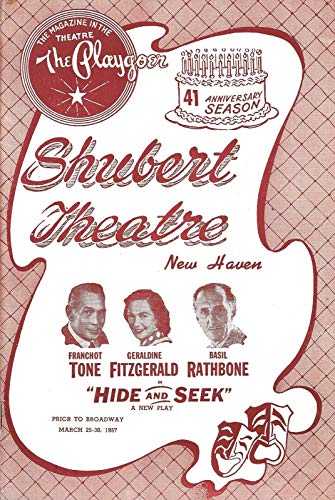
The Everyman Street Theatre Playbills
The playbills for her street performances in the 70s were often simple, mimeographed sheets handed out to passersby. They reflected a “People’s Theatre” philosophy.
| Production | Location | Critical Focus |
| Everyman | Bedford-Stuyvesant, Brooklyn | Modernizing the medieval morality play for an urban audience. |
| The Threepenny Opera | Lincoln Center (Outdoors) | Highlighting Brechtian themes of poverty and corruption. |
| The First All Children’s Theatre | Harlem / Upper West Side | Focusing on “original” musicals written by and for city kids. |