

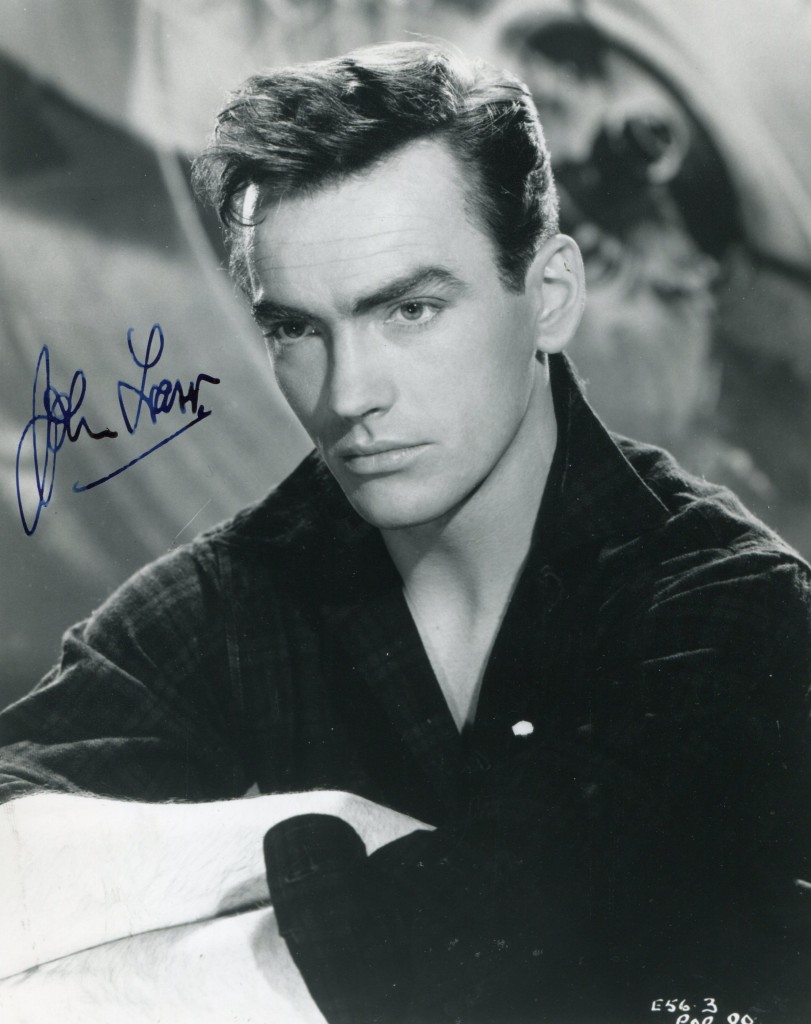
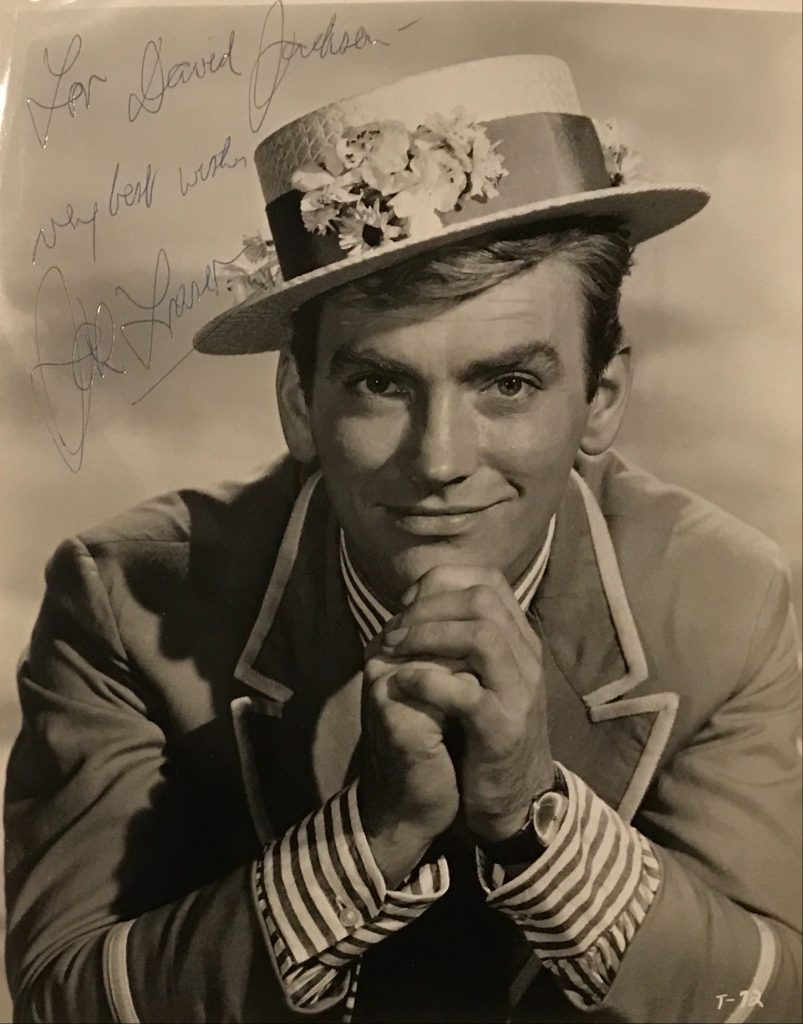
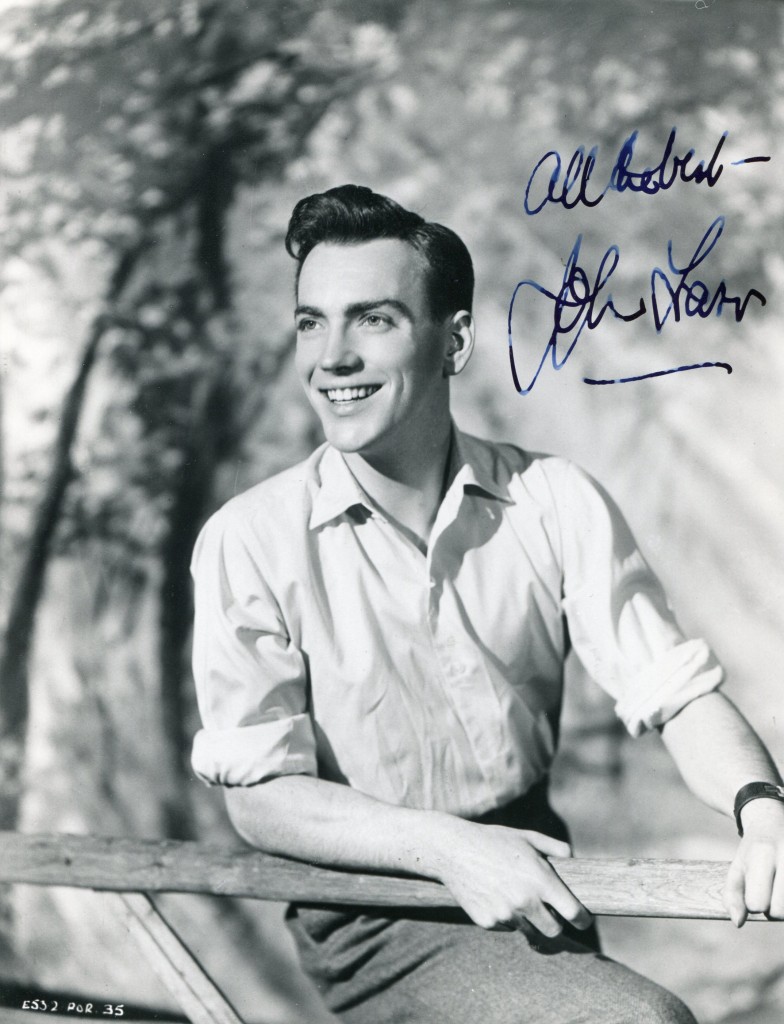
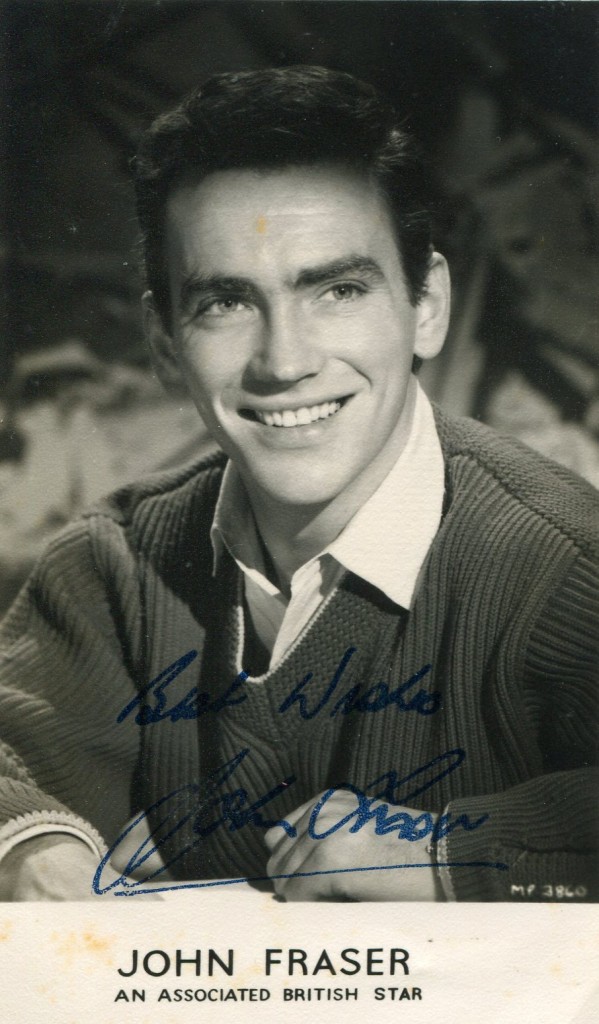
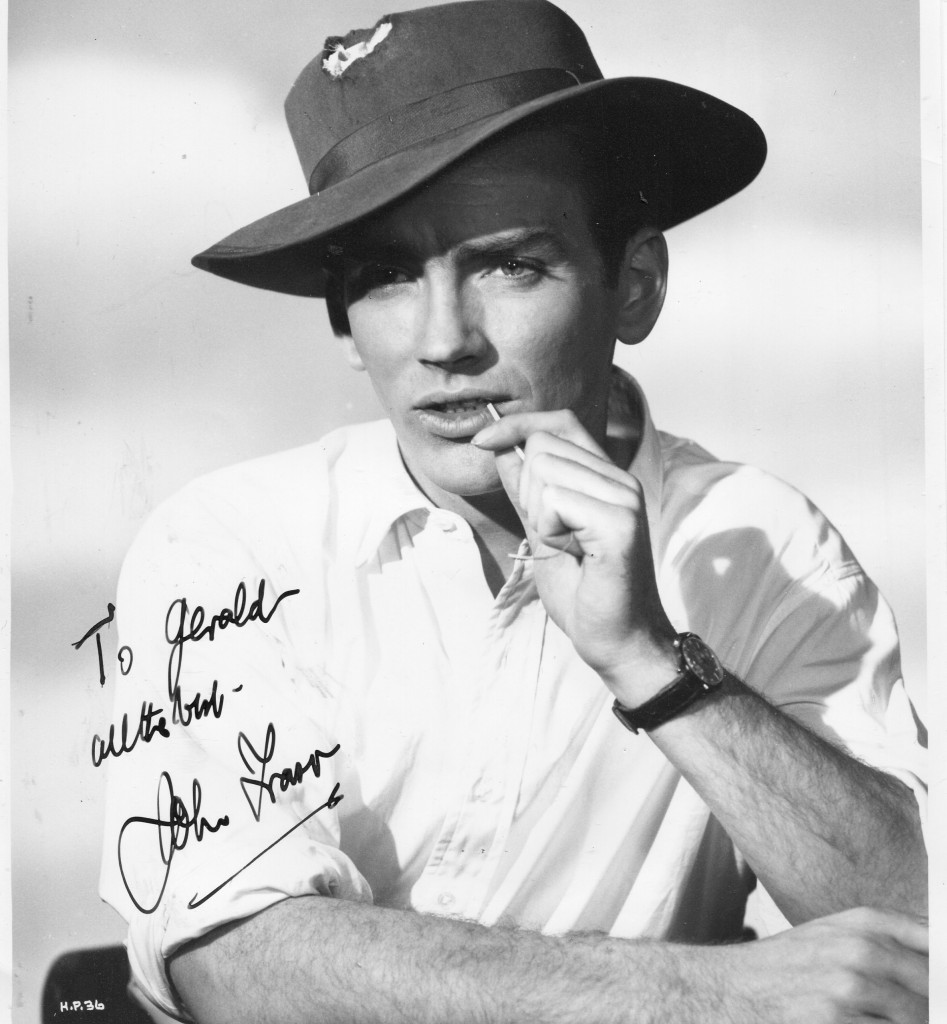
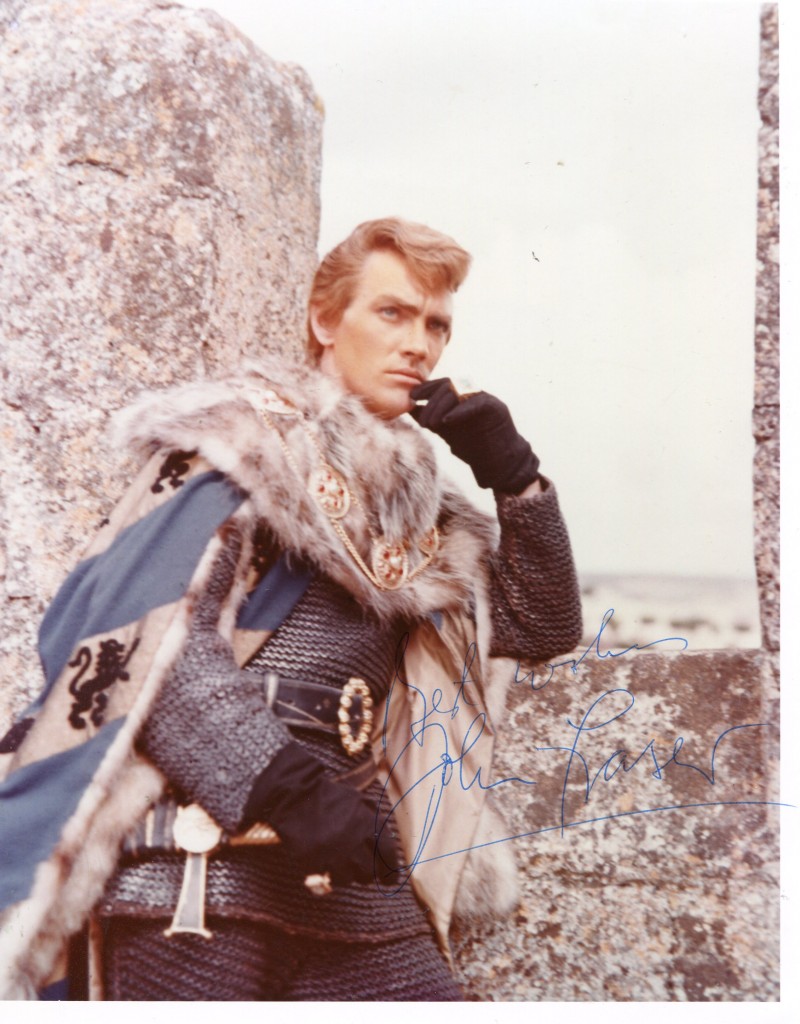
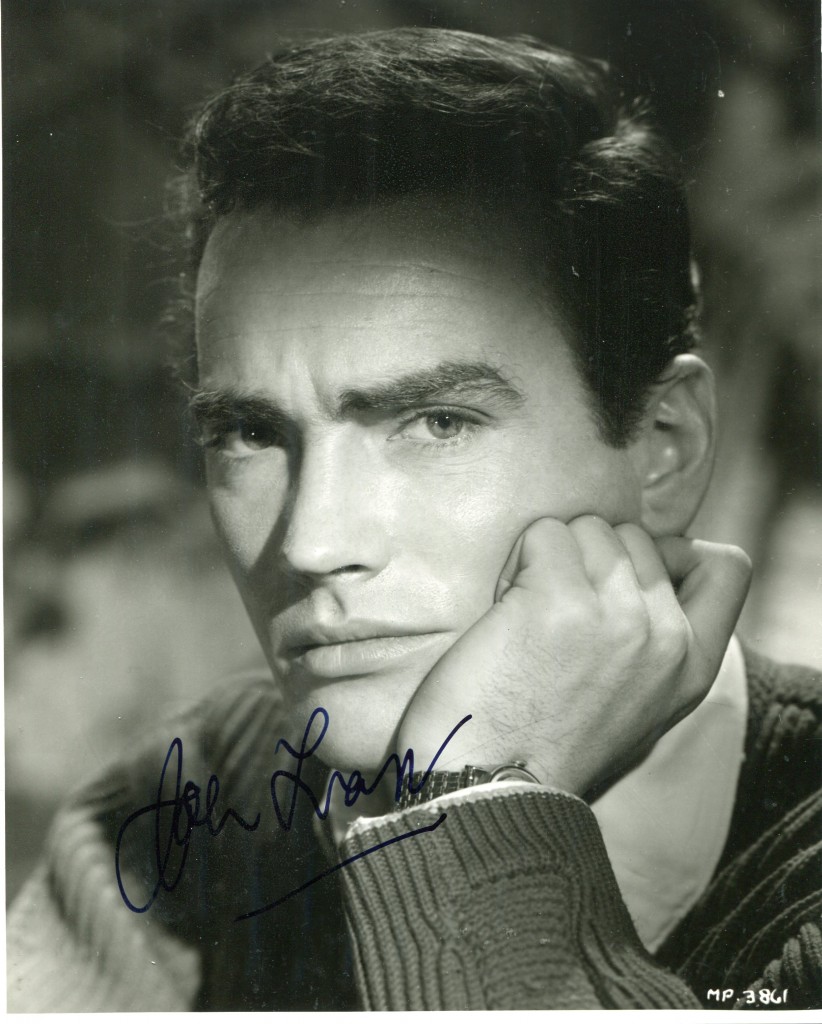
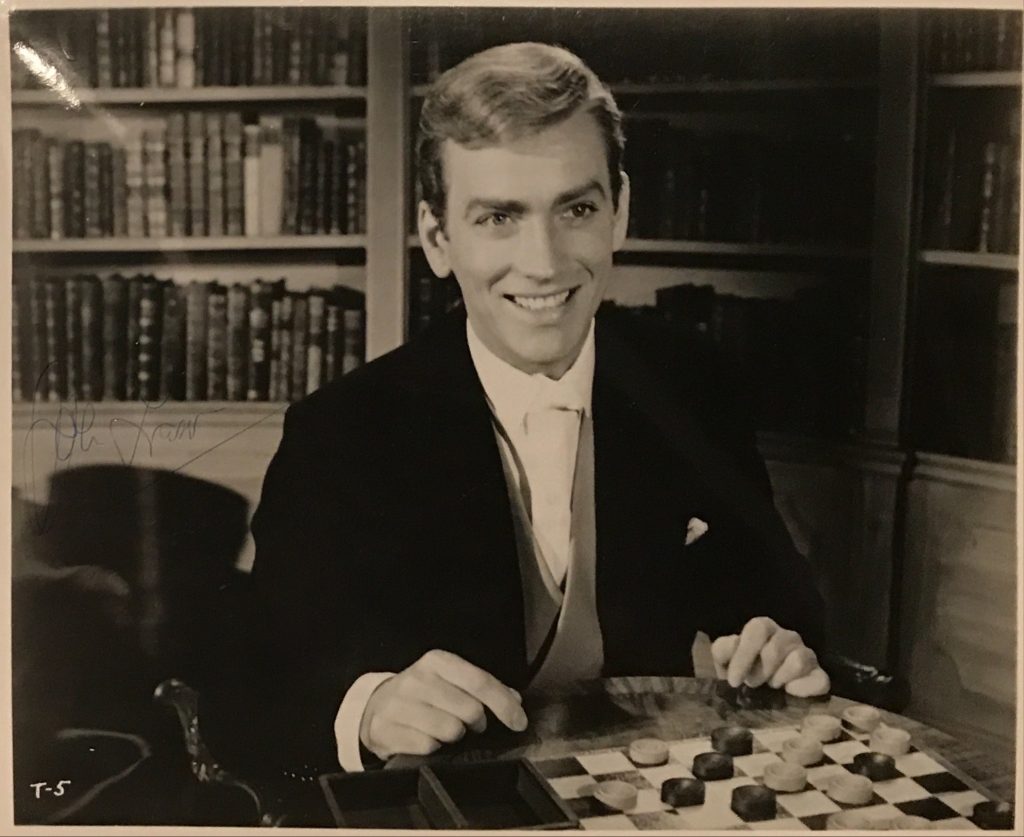
JOHN FRASER OBITUARY IN ”THE INDEPENDENT” IN 2020.
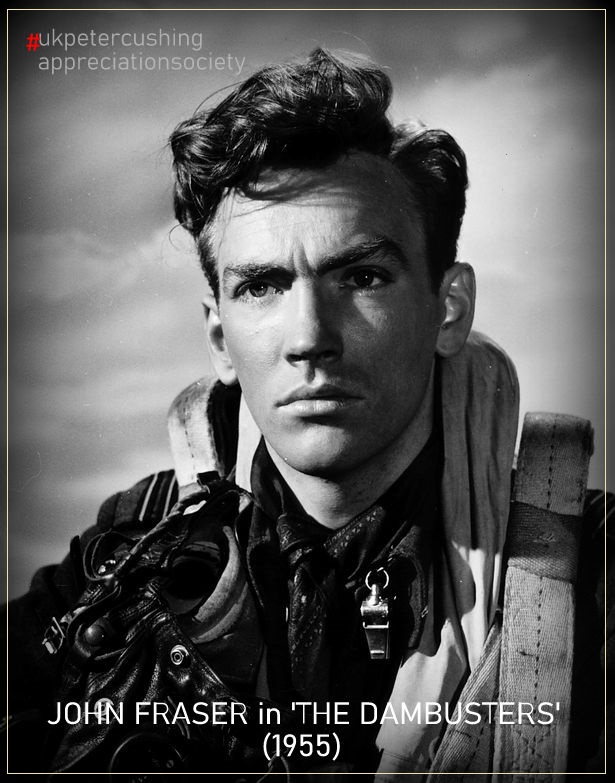
John Fraser, who has died aged 89, was a British film star who captured the public’s imagination when he appeared in The Dam Busters as Flight Lieutenant JV “Hoppy” Hopgood, taking part in a daring Second World War RAF operation – and offering a pint of beer to the beloved dog of his wing commander
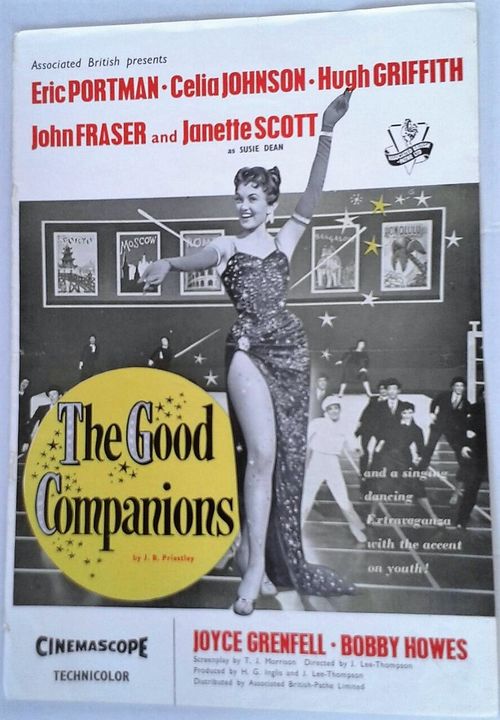
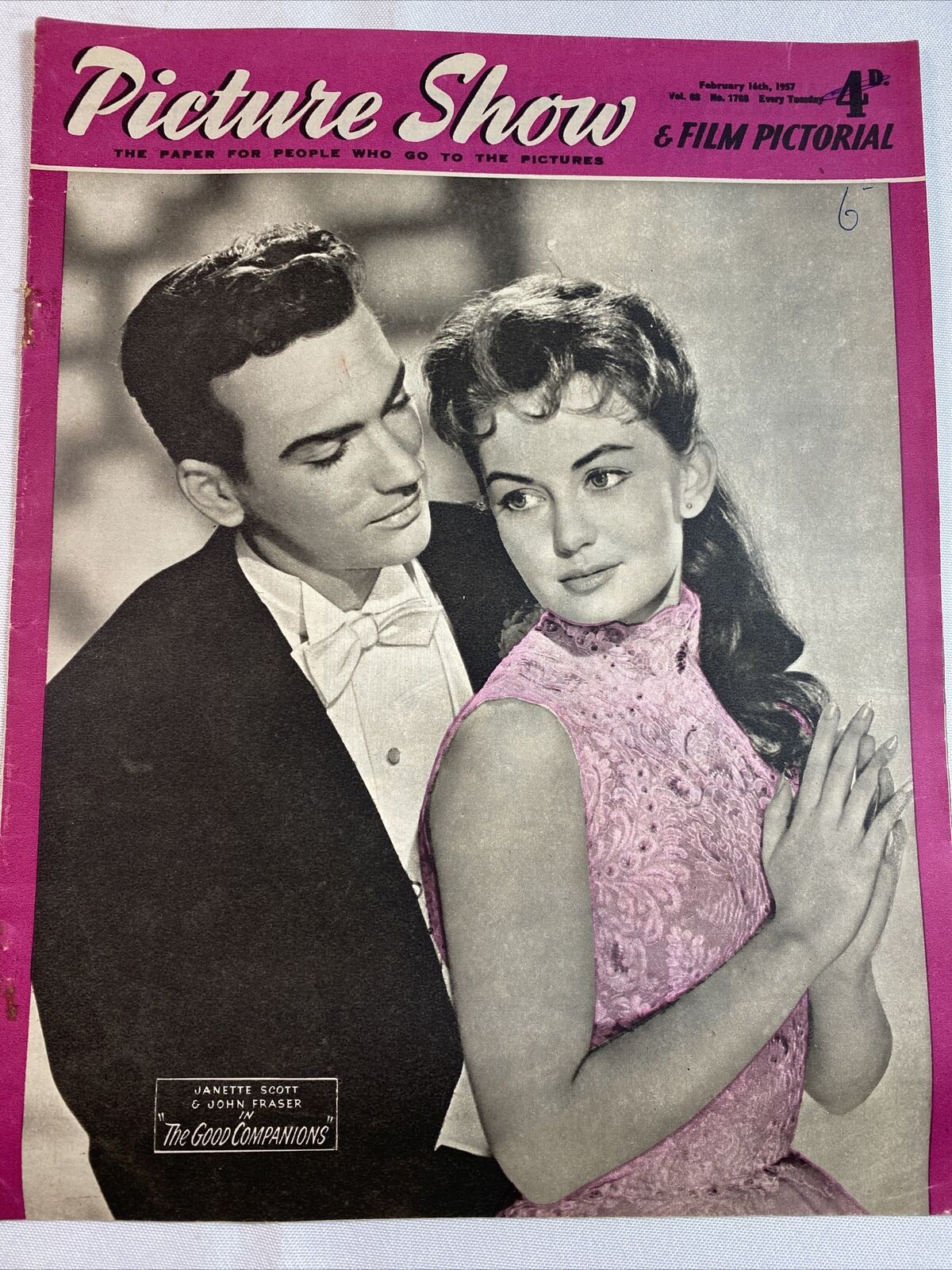
He followed the 1955 box-office hit two years later by taking the role of Inigo Jollifant in The Good Companions, a screen musical version of the JB Priestley play. He and Janette Scott acted the romantic leads, with his schoolteacher-turned-songwriter joining her in a touring variety troupe.
The film, an attempt to compete with American musicals, flopped with cinemagoers but helped to give Fraser heart-throb status and launch a brief singing career. He released “Bye Bye Love” in 1957, but it failed to chart – in a year when several other versions were released, notably the Everly Brothers’ first hit.
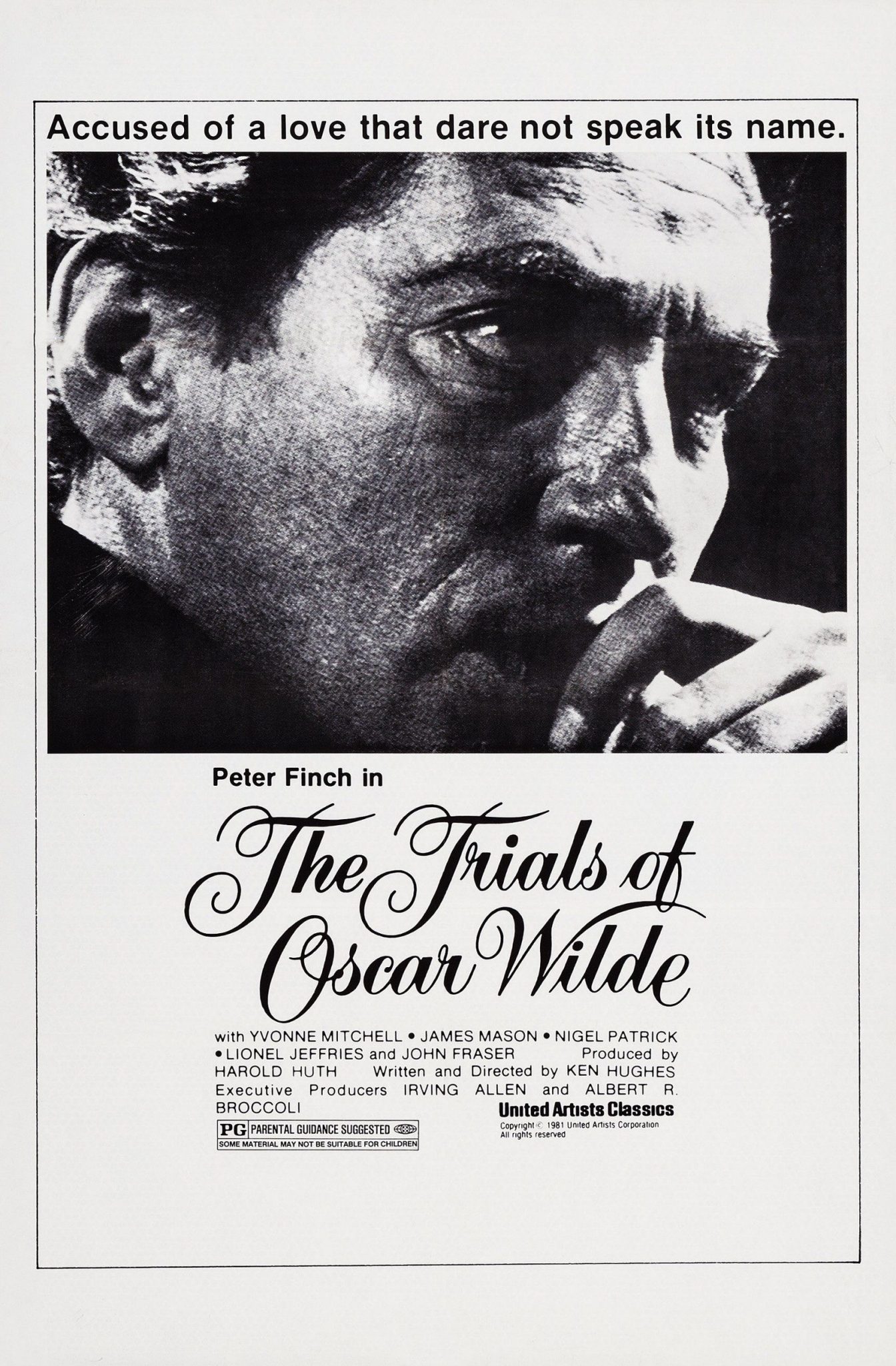
Fraser’s star was on the rise again when he appeared in the biopic The Trials of Oscar Wilde (1960) as Lord Alfred Douglas, known as “Bosie”, poet lover of Peter Finch’s title character. One critic praised his “suitably vain, selfish, vindictive and petulant” portrayal of the Marquis of Queensberry’s son.
Fraser, who acted opposite Hollywood legends such as Sophia Loren over the years, believed his own homosexuality held back his career in an industry where discretion was paramount during the days when it was illegal.
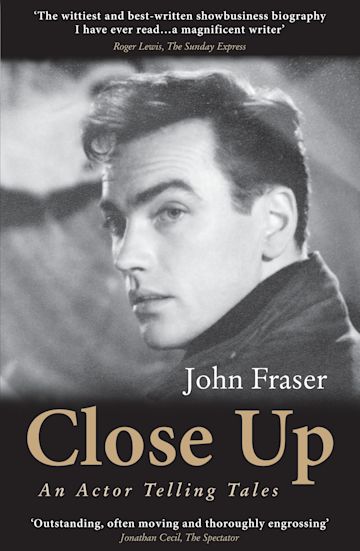
In Close Up: An Actor Telling Tales, his 2004 autobiography, Fraser spilled the beans on his own sexual exploits and those of some of the film world’s most famous names.
He had a six-week fling with Russian ballet dancer Rudolf Nureyev that ended only when his agent told him: “If you don’t stop this madness instantly, your career will be over!”
Producer Jimmy Woolf had “taken a serious shine” to Fraser, according to the actor’s memoirs, and showered him with presents while considering who to cast in the title role of Lawrence of Arabia (1962), the epic directed by David Lean. He resisted the advances and Woolf gave the part to Peter O’Toole.
Meanwhile, he wrote, Woolf was known to be the lover of Laurence Harvey, who “kept marrying to further his career”.
Living a lie like this made Fraser want to shun Hollywood and, while promoting The Good Companions in Los Angeles, he turned down an offer by an American producer to further his career.
He observed how having different private and public personas affected one major star’s life when, in the late 1950s, he was invited to supper at the mansion of Dirk Bogarde, who kept out of the public eye his long-term relationship with Tony Forwood, whom he simply described as his business manager.
“Do you and Tony still make love?” Fraser asked Bogarde, who replied: “We’ve been together a long time. Now, we’re like brothers.” So Fraser asked what the star did for sex – embark on casual affairs, perhaps? “God, no,” said Bogarde. “How could I possibly in my position? I can’t go anywhere without being recognised.”
Then, Bogarde took Fraser to the loft to reveal his pride and joy, a Harley-Davidson motorcycle standing on a plinth – his substitute for sex.
Fraser confronted his own sexuality by visiting a brothel and consulting a psychiatrist with the idea of changing his sexual orientation but eventually resigned himself to being what was then described euphemistically as a “confirmed bachelor”.
He saw his career out in television and brought his intelligent insights to print as the author of several novels and autobiographical books.
John Alexander Fraser’s life began in poverty on a Glasgow council estate in 1931. At the age of 11, he was sexually abused by a soldier.
Two years later, the death of his father, John, an alcoholic who ran an engineering business until being hospitalised, was followed within six months by that of his mother, Christina (née MacDonald). He and his two sisters were brought up by an aunt.
On leaving Glasgow High School aged 16, he joined the city’s Park Theatre company as an assistant stage manager and was soon landing acting parts.
Following national service as a lieutenant in the Royal Corps of Signals on the Rhine, he became a member of the new Pitlochry Festival Theatre company, set up by the director of the Park Theatre after its closure.
In 1952, Fraser made his television debut by starring as David Balfour in a BBC serialisation of Kidnapped.
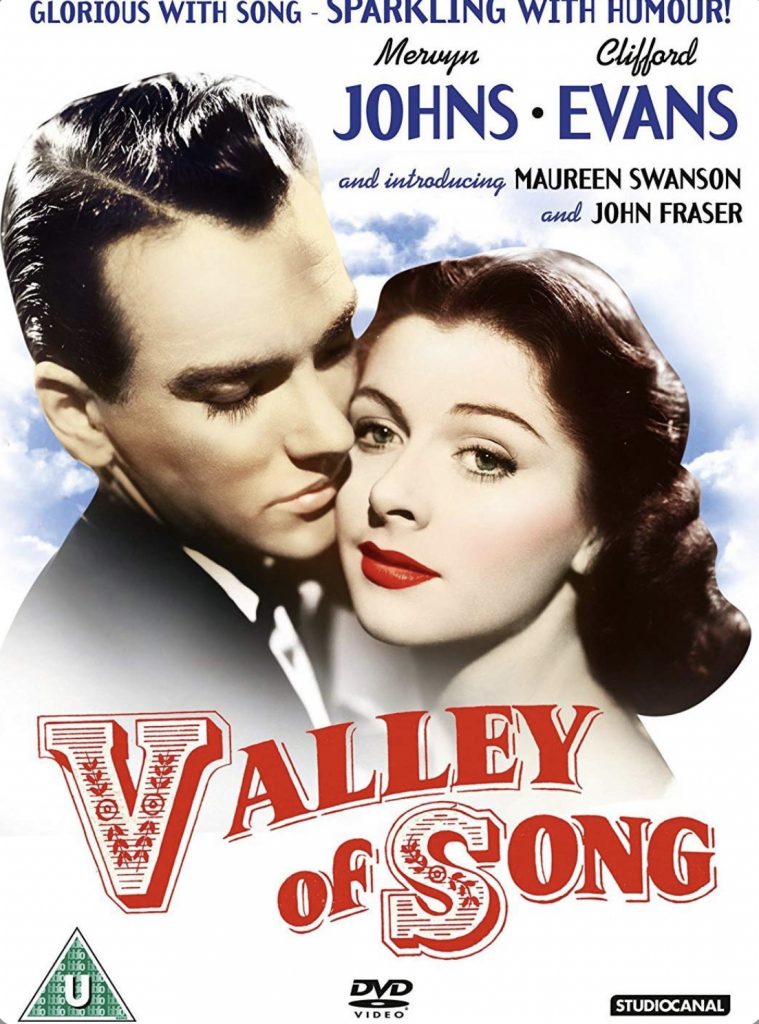
It led to a seven-year contract with the Associated British Picture Corporation, which thrust him into the spotlight in Valley of Song (1953), romancing Maureen Swanson, a fellow Glaswegian who later became a lord’s wife.
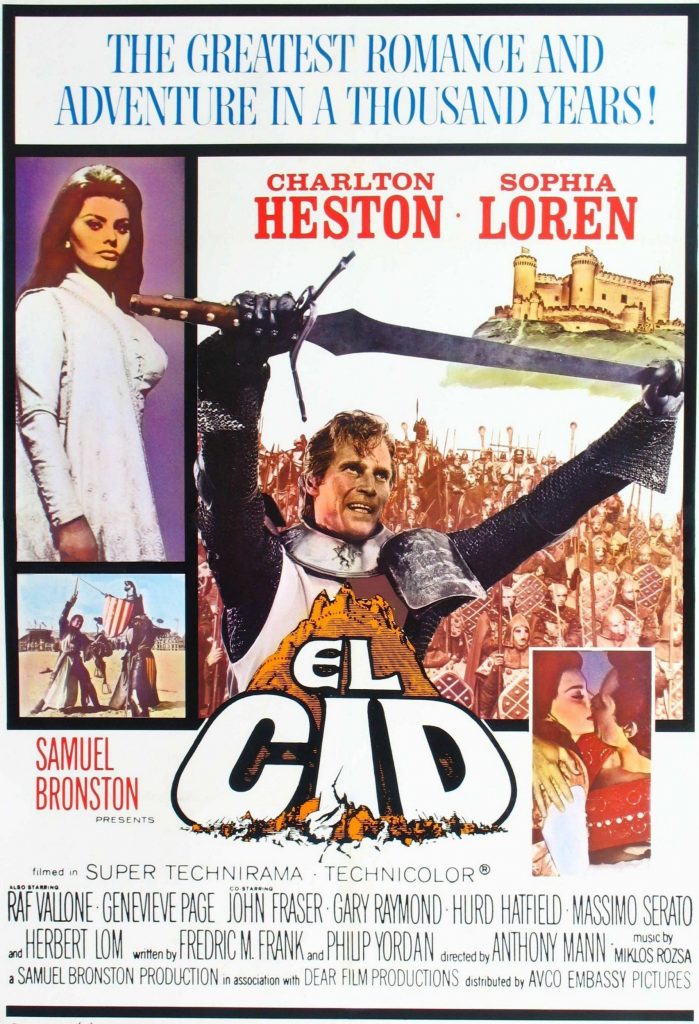
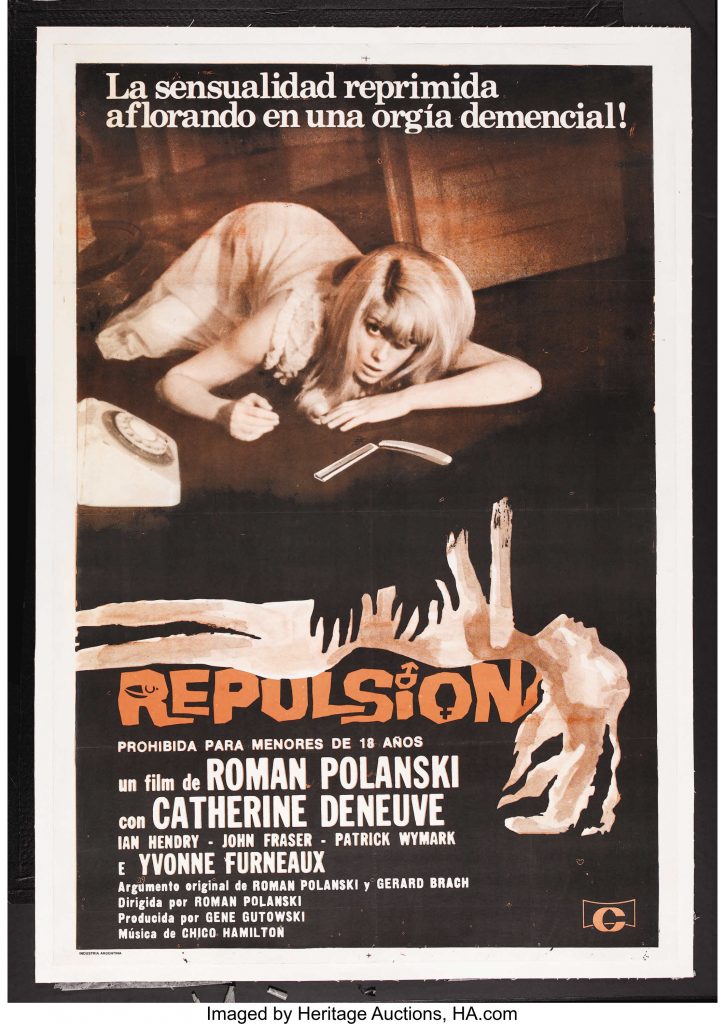
Fraser’s other significant film roles included a Scottish piper in Tunes of Glory (1960), alongside Alec Guinness and John Mills; Prince Alfonso in El Cid (1961); and Catherine Deneuve’s ill-fated suitor in the psychological thriller Repulsion (1965), directed by Roman Polanski.
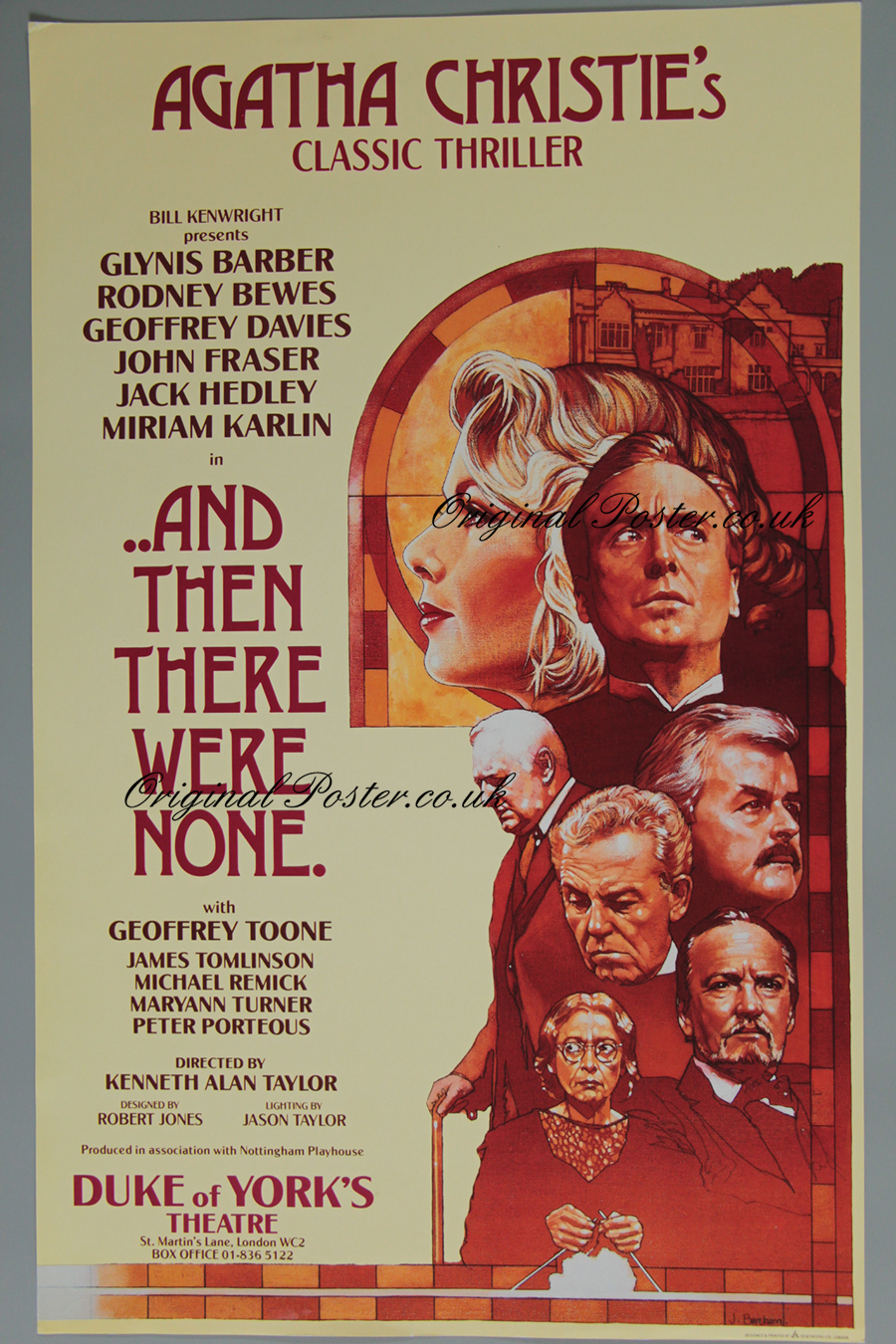
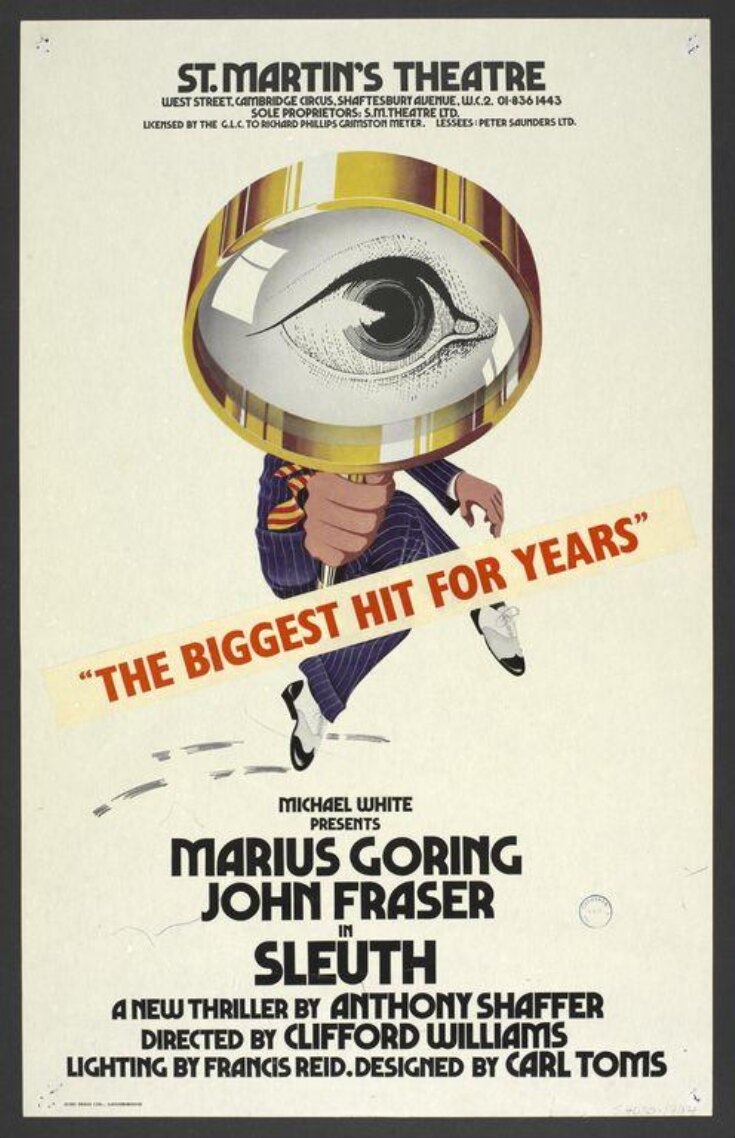
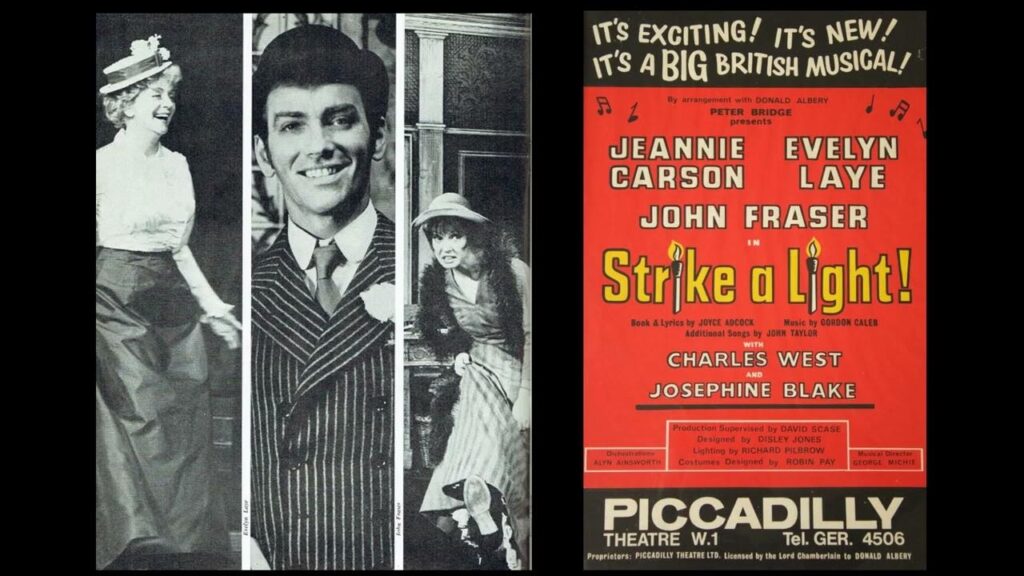
On stage, he gained valuable experience in the classics during two seasons at the Old Vic, London (1955-57), with parts that included Claudio in Much Ado About Nothing.
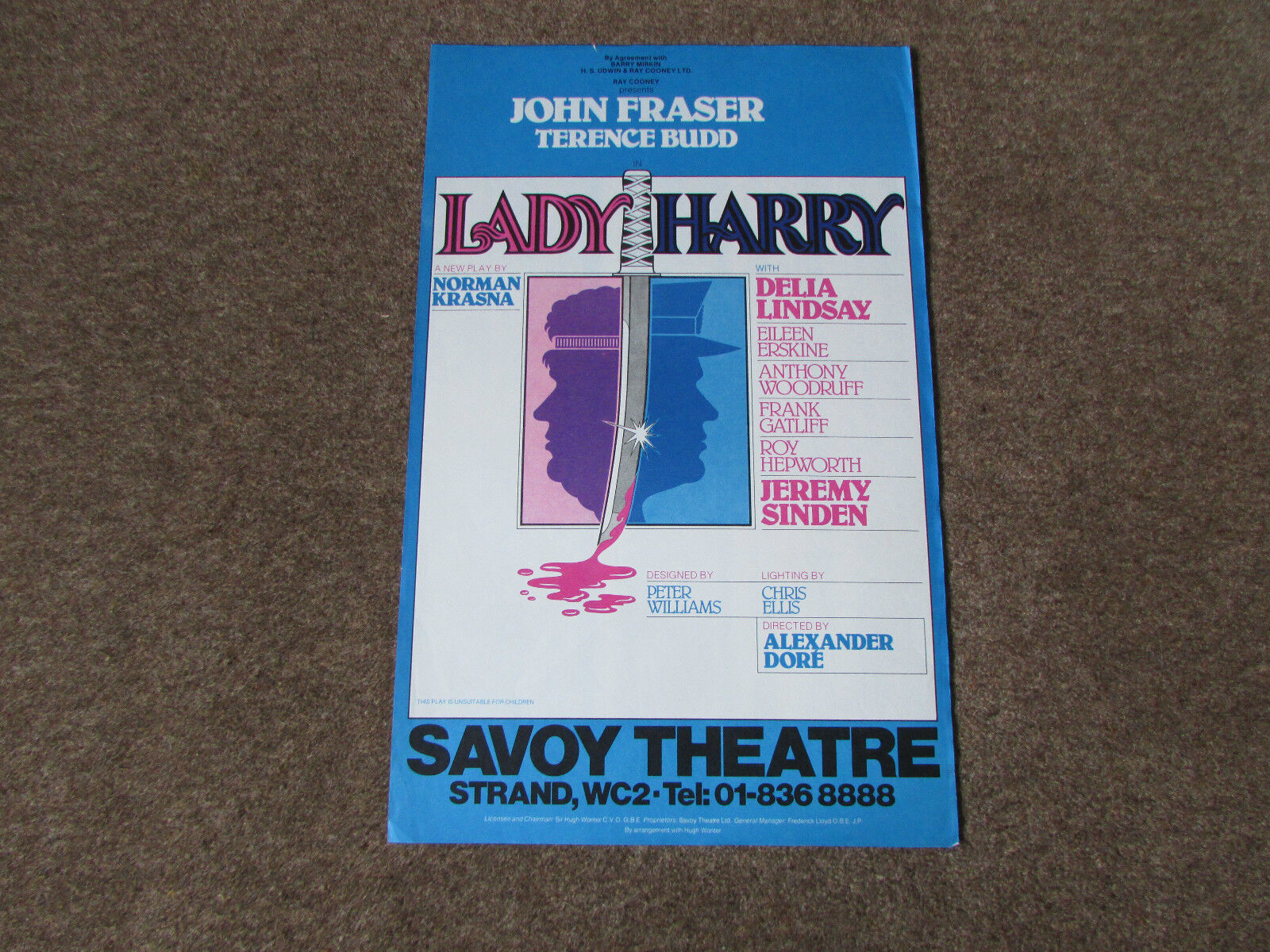
There were also starring roles in the West End, but Shakespeare became his lasting love. In 1976, he was a founder member of the London Shakespeare Group, directing the actors on annual tours abroad, funded by the British Council.
His 1978 book The Bard in the Bush recounted a tour of Africa, when costumes and props for five plays were typically carried in one trunk, which doubled as the set.
Fraser also devised his own one-man stage show, JM Barrie: The Man Who Wrote Peter Pan, performed at the National’s Olivier Theatre in 1998.
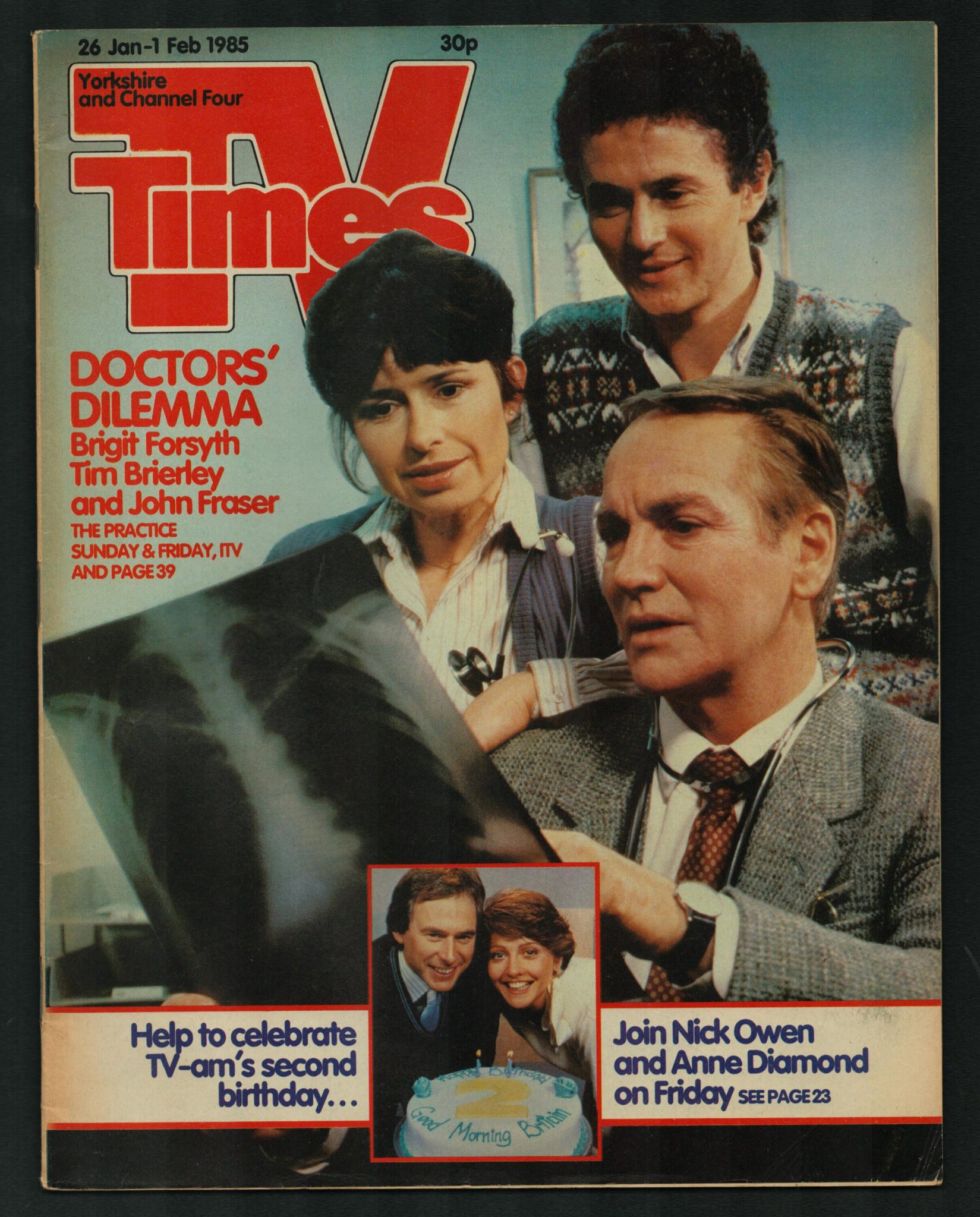
His TV roles included Julius von Felden in A Legacy (1975), Lieutenant Commander “Monty” Morgan in Thundercloud (1979) and Dr Lawrence Golding in The Practice (1985-86).
By the middle of the 1990s, he had retired to Tuscany and La Contadina, the 10-room mountain-top house near Cortona that he bought in 1971, having fallen in love with Italy while playing Hedy Lamarr’s young lover in the 1954 film L’Amante di Paride (Loves of Three Queens).
“I loved the paintings, the towns, the soupy music of Puccini and Verdi and, above all, the people,” he said.
Fraser, who returned permanently to the UK in 2010, is survived by Rodney Pienaar, an artist and his partner of 42 years.
John Fraser, actor and author, born 18 March 1931, died 7 November 2020
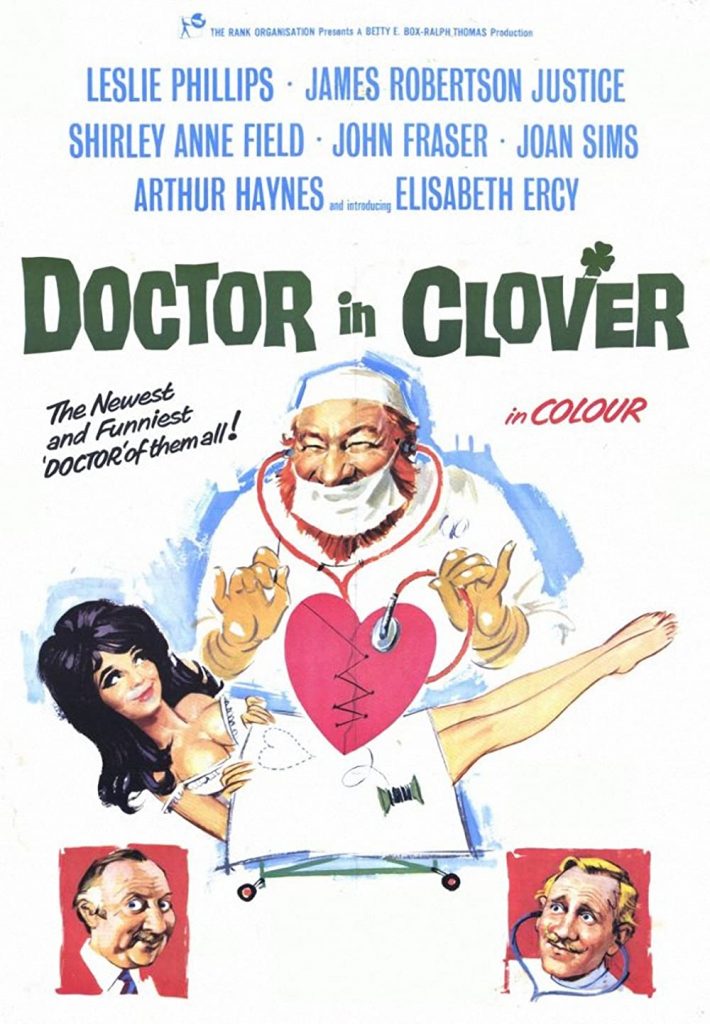
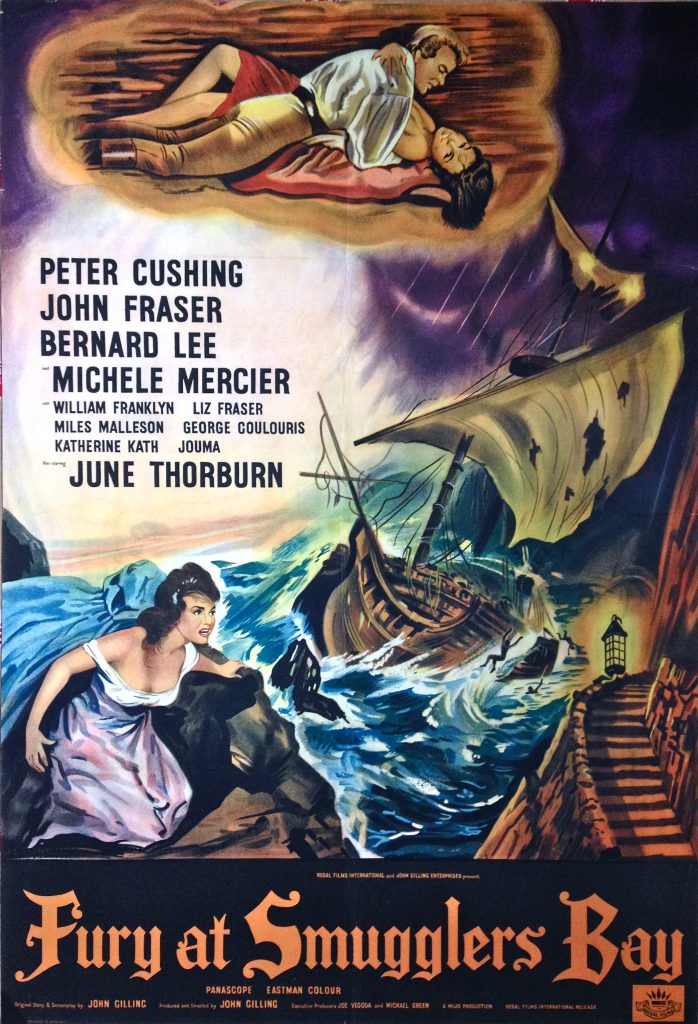
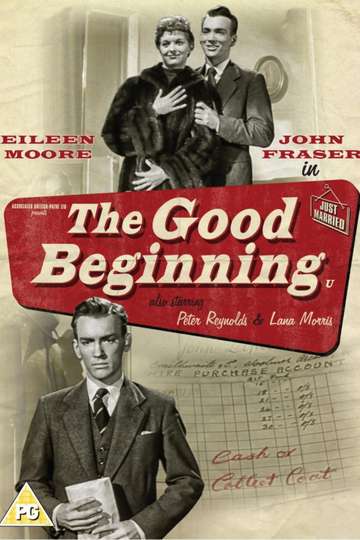

Career overview
John Fraser (1931–2020) was a Scottish actor whose career spanned more than five decades, moving from 1950s British cinema into television, theatre, and writing. Though not quite a household name, Fraser carved out a distinctive place in postwar British film—often playing sensitive, conflicted young men in an era when British masculinity was being re‑examined—and later became a respected stage performer and memoirist.
Early life and emergence
Born in Glasgow, Fraser trained at the Royal Academy of Dramatic Art (RADA) and began acting professionally in the early 1950s. Like many RADA graduates of that generation, he entered the industry at a moment when British cinema was opening to realism and youth. His early work combined stage refinement with a naturalistic screen presence, and his looks and serious demeanor made him a regular choice for romantic or idealistic leads.
He made early screen appearances in films such as The Good Die Young (1954) and The Dam Busters (1955), often in supporting parts that highlighted wholesome decency. By the late 1950s he had become a regular leading man in British films, especially those made within the Rank Organisation’s stable of handsome young actors.
Breakthrough and 1960s prominence
Fraser’s breakthrough came with The Trials of Oscar Wilde (1960), in which he played Lord Alfred “Bosie” Douglas opposite Peter Finch’s Wilde. The part required a daring blend of romantic charm and destructive narcissism; Fraser’s performance, at a time when homosexuality was still illegal in Britain, was remarkably restrained and sympathetic. Many critics regard it as his finest film work, and it remains one of the earliest nuanced treatments of same‑sex relationships in mainstream British cinema.
Other significant films from this period included The Warrior Empress (1960), El Cid (1961) — where Fraser appeared alongside Charlton Heston and Sophia Loren — and Repulsion (1965), in which Roman Polanski cast him as Colin, the amiable would‑be suitor to Catherine Deneuve’s traumatized heroine. In Repulsion, Fraser’s combination of empathy and frustration added human realism to a nightmarish scenario. Critics singled out his performance as one of the film’s emotional anchors.
Throughout the 1960s Fraser showed a knack for supporting roles that offset the extravagance of bigger cinematic gestures: he grounded melodrama in psychology. He also made regular television appearances and kept a stage presence, performing in West End and touring productions of both classical and modern plays.
Stage work and later screen career
Fraser’s stage career was extensive and often underrated. He performed in Shakespeare, Ibsen, and modern works, including stints with the National Theatre and regional repertory companies. His stage work reflected his versatility: equally comfortable in drawing‑room comedy, psychological drama, or character pieces.
He remained visible on screen through the 1970s and 1980s, shifting naturally into character roles. Notable later credits include Isadora (1968), The Tamarind Seed (1974), and television series such as The Professionals, Doctor Who, Midsomer Murders, and The Bill. Fraser brought the same dignified restraint to these appearances that marked his earlier leads, turning supporting parts into memorable character studies.
Author and advocate
Outside acting, Fraser became known for his 2004 memoir Close Up, an unusually candid and witty reflection on his career and on being a gay man in mid‑century British cinema. It offered one of the most insightful first‑hand accounts of the hypocrisies and limitations of the old “star system” and an era of social repression. His cultural contribution extends beyond performance; he helped document, with intelligence and humor, the shifting cultural terrain that actors of his generation navigated.
Acting style and on‑screen qualities
- Sensitivity and restraint: Fraser rarely overplayed emotion; his power lay in understatement. Even when characters were naïve or tormented, he played them with quiet dignity.
- Moral intelligence: He projected intelligence and decency, making him ideal for sympathetic roles in moral dramas.
- Versatility within range: Though sometimes pigeonholed as “earnest,” he could convincingly portray villains, lovers, or tragic figures thanks to precise vocal control and subtle expressivity.
Critics admired his credibility—he always seemed truthful within the frame. In period pieces he offered modern emotional realism, and in realism he lent a touch of poetic gravity.
Limitations and career challenges
Fraser himself reflected that good looks and middle‑class diction, though assets early on, made producers hesitant to cast him in rougher or more varied parts. The rise of grittier, working‑class antiheroes in the late 1960s reduced demand for his type of polished sensitivity. Unlike contemporaries such as Albert Finney or Tom Courtenay, he did not reinvent himself as a radical “New Wave” figure.
Nevertheless, he maintained career longevity by moving across media—film, television, and theatre—demonstrating professional adaptability if not superstardom.
Legacy and evaluation
John Fraser’s career encapsulates the quiet professionalism of mid‑century British acting: refined, emotionally intelligent, and committed to craft over celebrity. His early performances in The Trials of Oscar Wilde and Repulsion remain touchstones of subtle and courageous screen work. Later, his memoir ensured his place as both witness and participant in a major cultural transition—from closeted conservatism to greater openness in the arts.
He may not have reached the fame of contemporaries like Dirk Bogarde or Laurence Harvey, but his longevity, honesty, and finely tuned performances earned him deep respect among peers and critics. In retrospect, Fraser stands as a representative of a generation of actors who bridged classic postwar cinema and modern psychological realism, leaving behind a body of work marked by integrity, thoughtfulness, and quiet daring.