

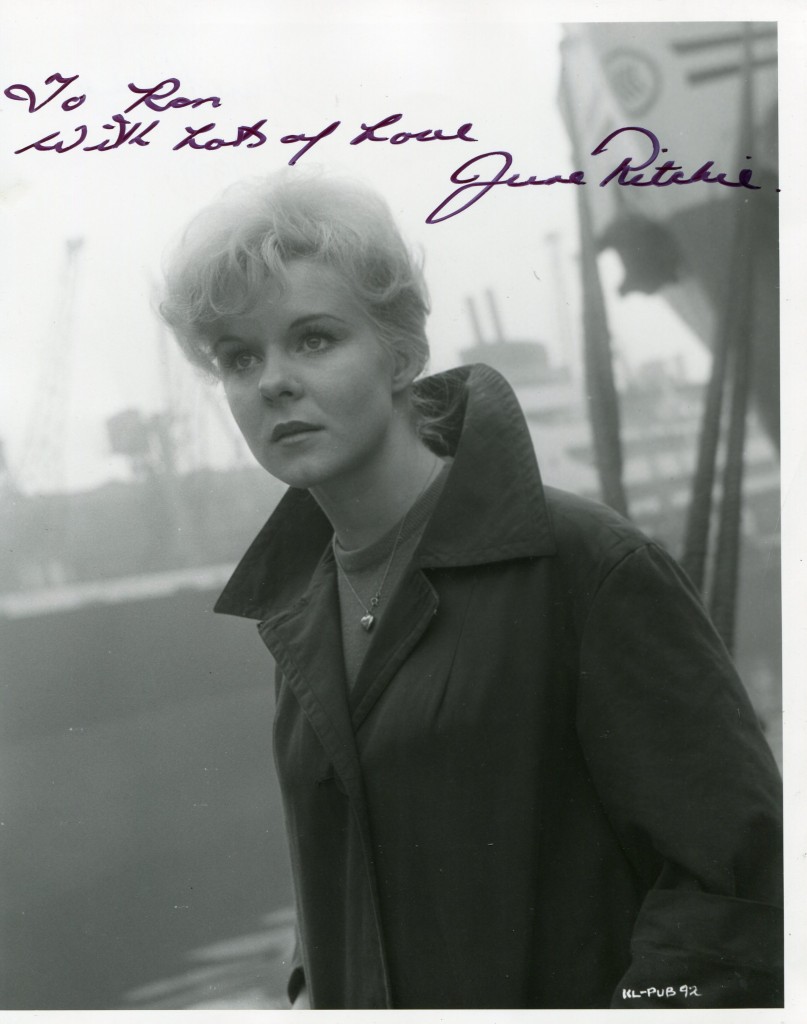
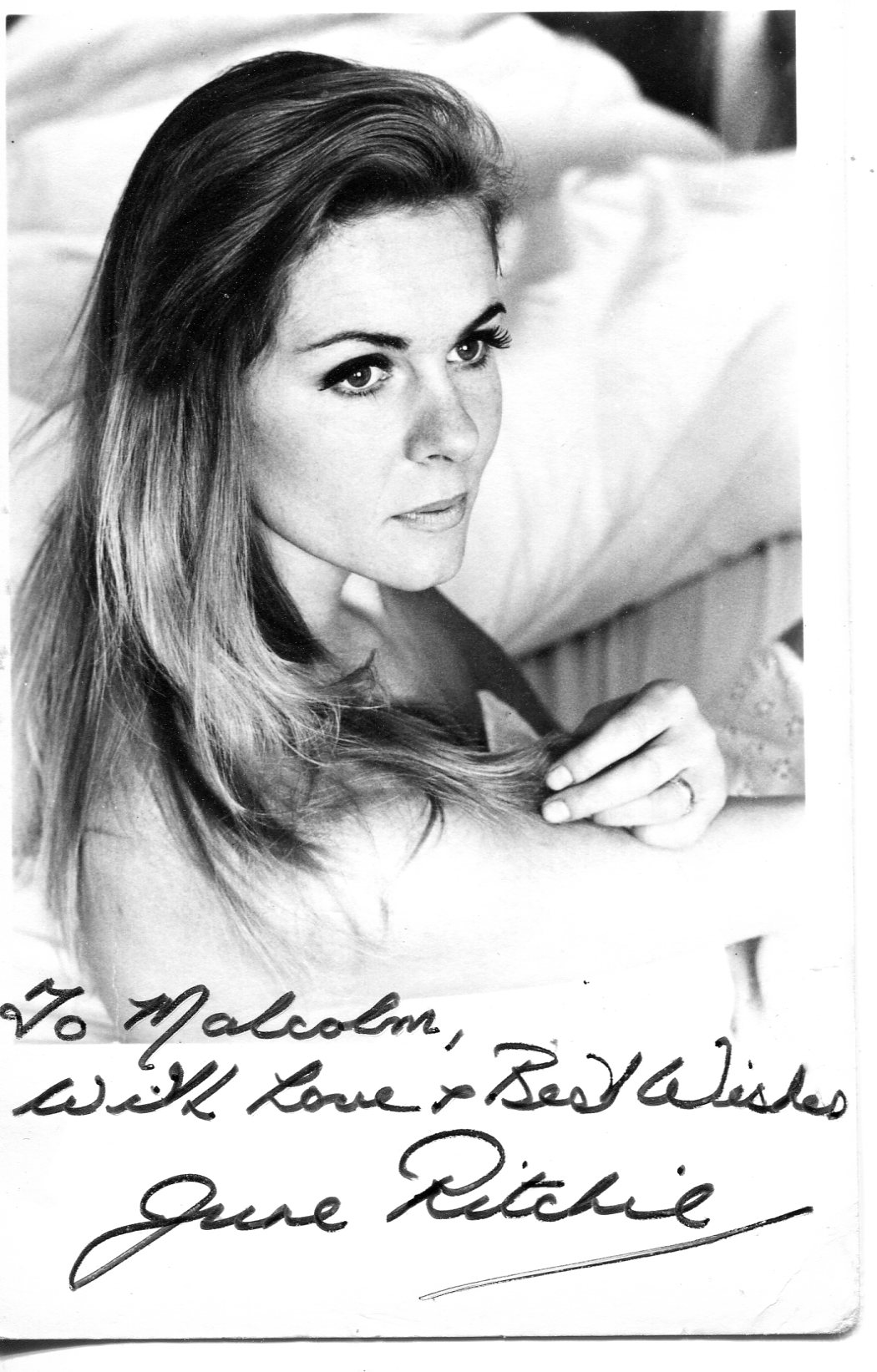
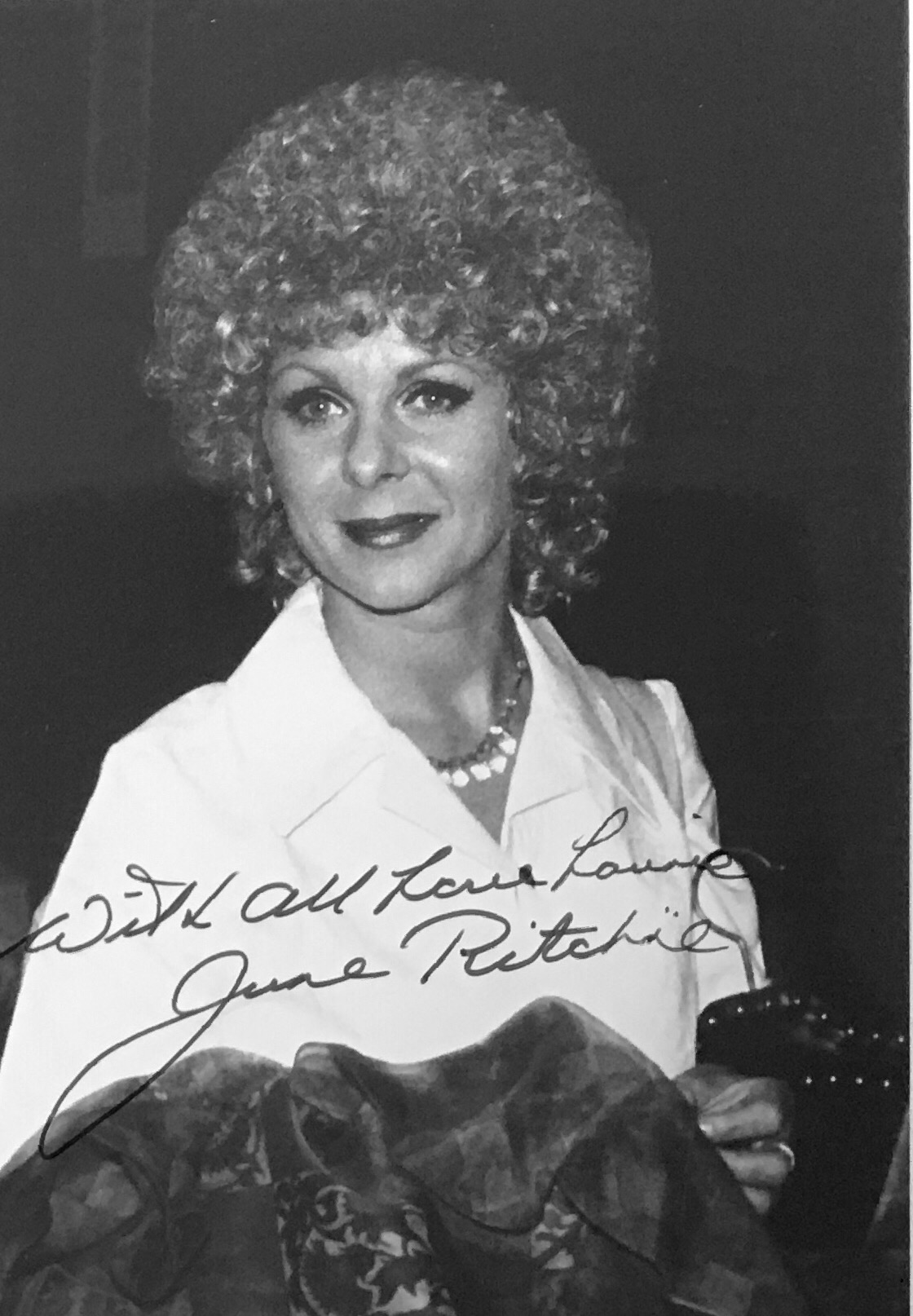
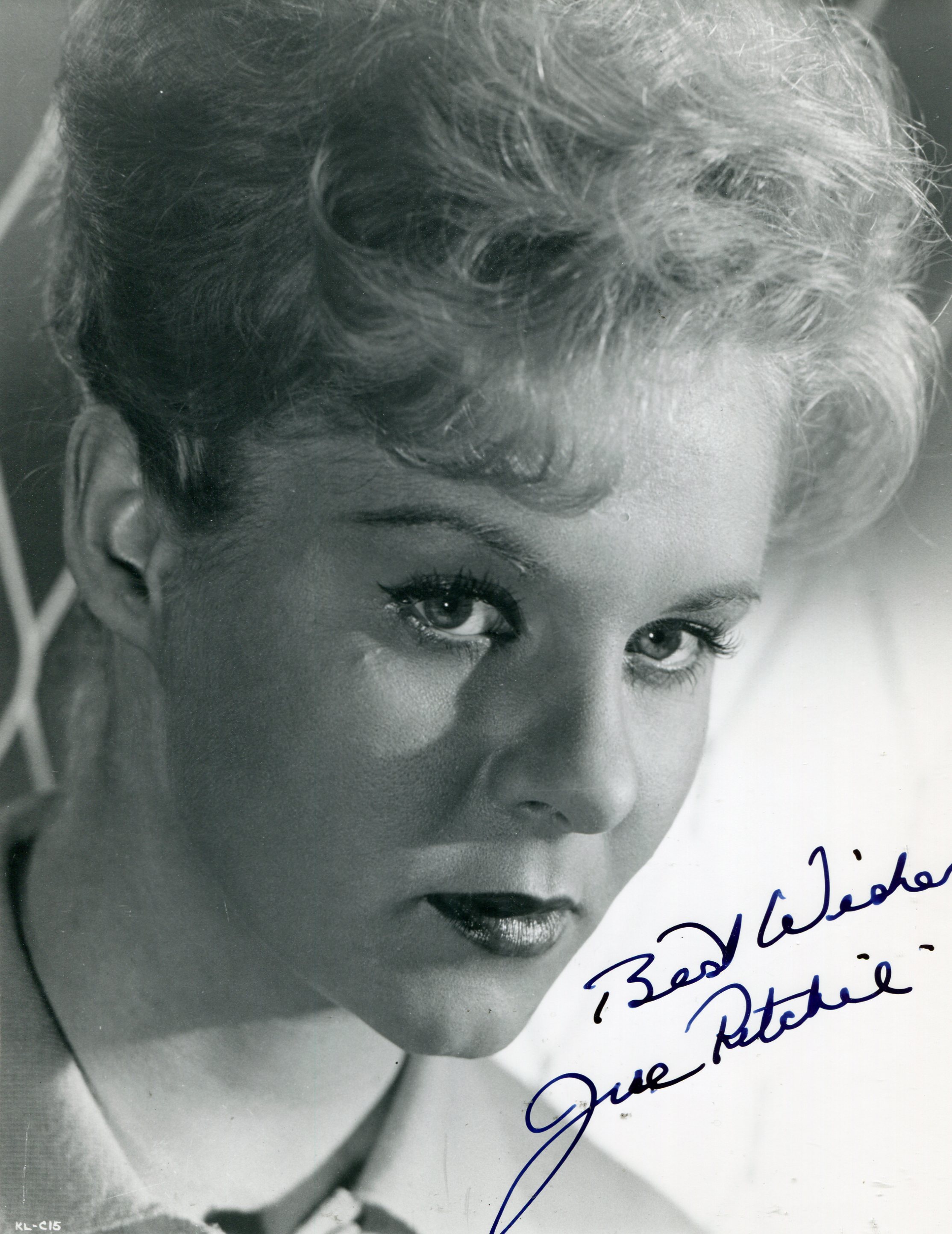
June Ritchie has one great role on film to her credit – ‘Ingrid’ opposite Alan Bates in “A Kind of Loving” in 1962. She was born in 1938 in Manchester. Her other films include “Live Now – Pay Later” and “Man in the Moon”. .
She attended Stretford Children’s Theatre from the age of nine. She left school in Manchester, aged 16, to train as a secretary, working for the Manchester Ship Canal Company. Her parents lived in Shrewsbury Street and King’s Crescent in Old Trafford.
Ritchie trained at RADA, where she graduated in 1961, having won the Emile Littler Award for Most Promising Actress and the Ronson Award for the outstanding female student.
She came to prominence after starring in the role of Ingrid Rothwell opposite Alan Bates in the 1962 film adaptation of A Kind of Loving.
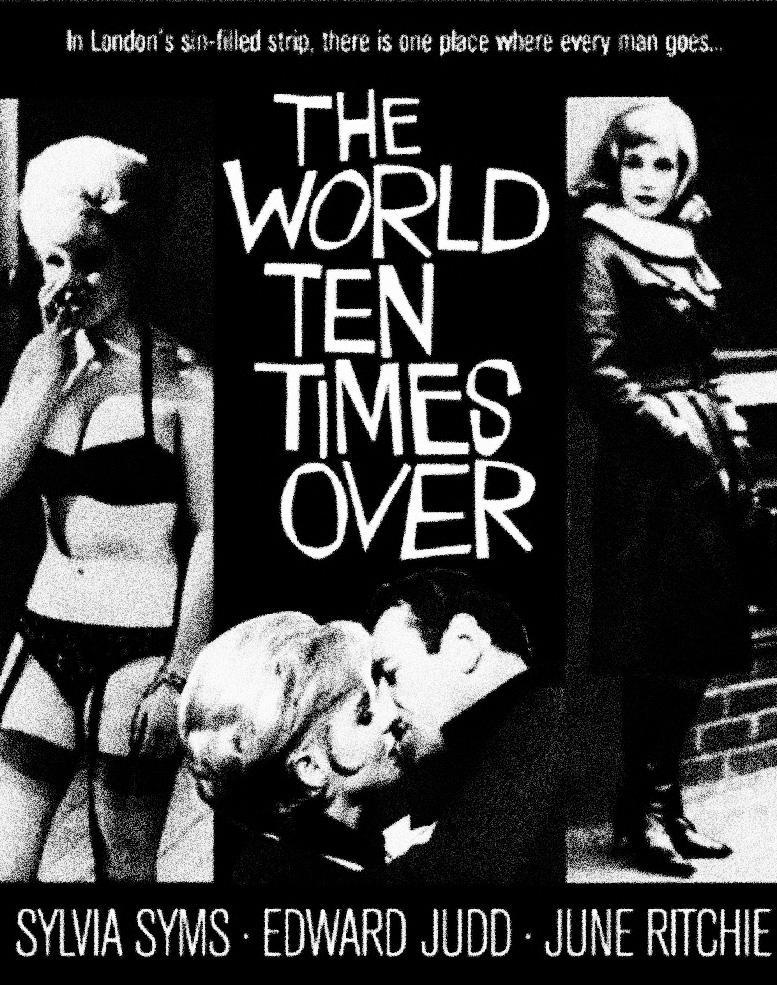
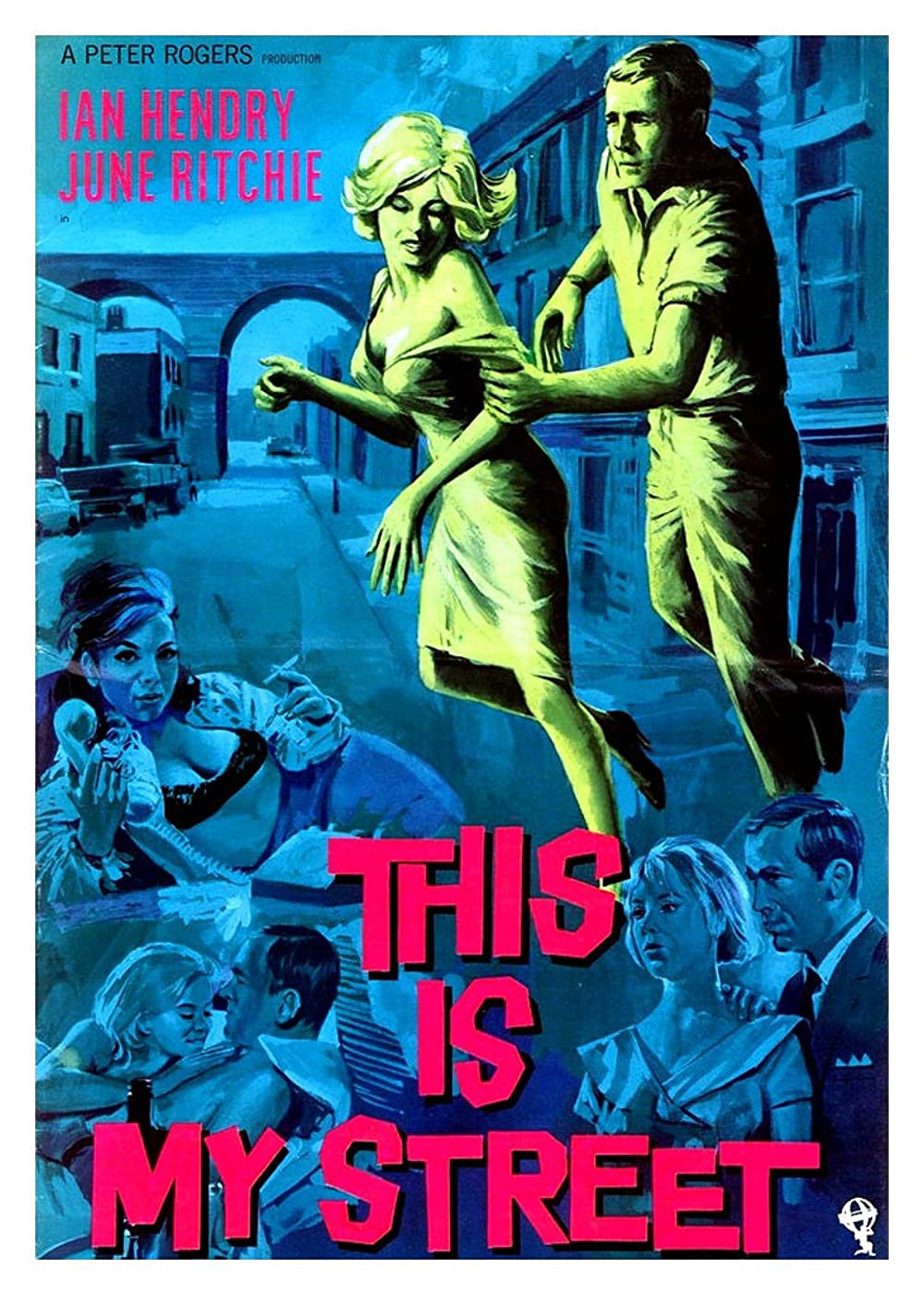
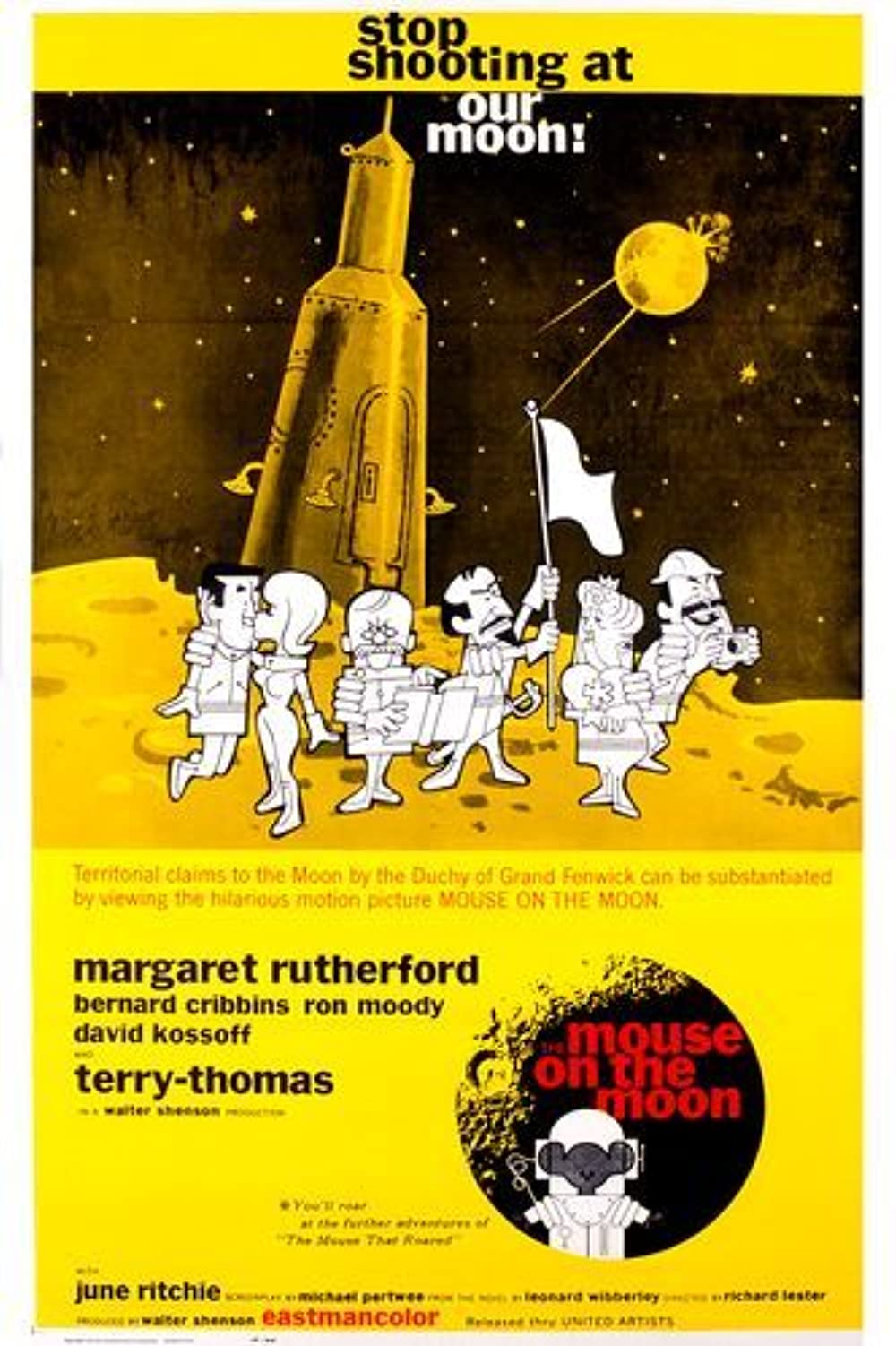
In 1963, she starred with Margaret Rutherford in the comedy The Mouse on the Moon and appeared as a ‘dance hostess’ with Sylvia Syms in The World Ten Times Over. She also made two movies with Ian Hendry at around the same time, Live Now, Pay Later and This is My Street..
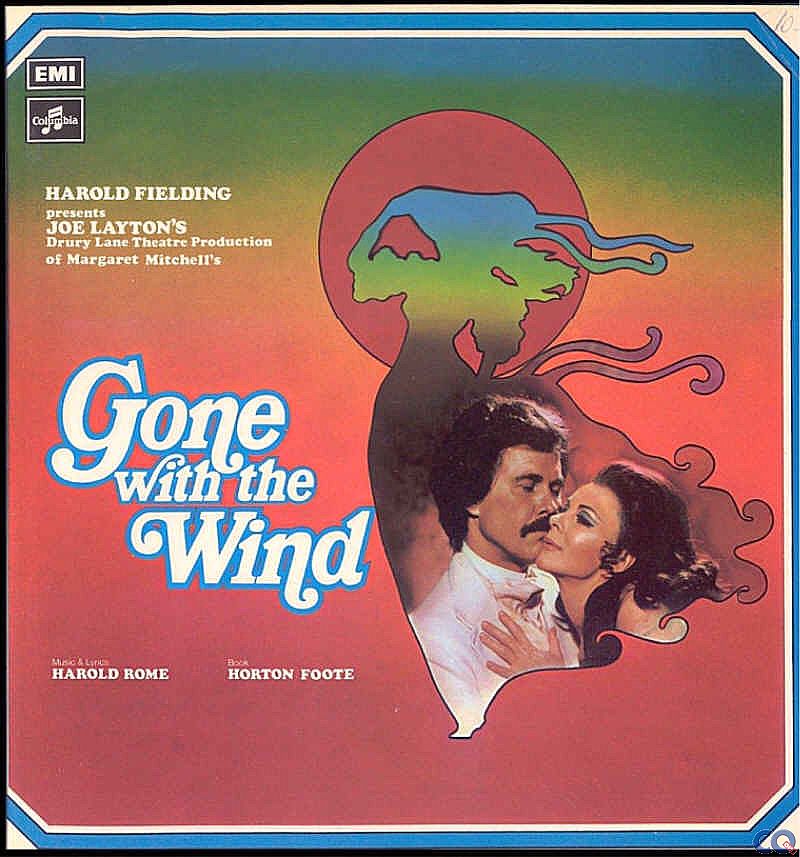
After marrying and starting a family, she cut back on her acting roles, but later made a successful comeback on stage (most memorably in a high-profile musical adaptation of Gone with the Wind in London), and appeared in many British television dramas including The Mallens, The Saint, The Baron, Minder, Tales of the Unexpected, and Père Goriot.
In 1966 Ritchie starred in The Saint (S5,E10 ‘Little Girl Lost’) as Mildred, a fake hostage attempting and failing to get the better of Simon Templar (The Saint).
In 1975, Ritchie joined Ray Davies and the Kinks on their album, Soap Opera, having played the same role in the 1974 single drama, Starmaker, on which the album was based. She sang the role of “Andrea” (“Norman”‘s wife).

June Ritchie (born 1938) is a pivotal figure in the history of British cinema, specifically representing the transition from the “prim and proper” era of the 1950s to the gritty, socially conscious British New Wave (or “Kitchen Sink Realism”) of the early 1960s.
A critical analysis of her work reveals an actress who possessed a unique “earthy sophistication”—a combination of working-class authenticity and a luminous, screen-commanding beauty that allowed her to hold her own against the era’s most explosive leading men.
1. Career Arc: The Face of the “New Wave”
The RADA Foundation: Like many of her contemporaries, Ritchie was classically trained at the Royal Academy of Dramatic Art. This gave her a technical precision that grounded her later, more naturalistic film roles.
The Breakthrough (1962): Ritchie became an overnight sensation with her film debut in A Kind of Loving. She was immediately positioned as the female face of the North of England’s cinematic rebellion.
The Transition to Variety and Stage (mid-1960s–1980s): Unlike some of her “Kitchen Sink” peers who struggled when the trend faded, Ritchie successfully pivoted to international films (The Threepenny Opera), musical theater, and a prolific career in British television dramas.
The Stage Veteran: In later years, she became a mainstay of the West End and regional theater, noted for her range in both classical revivals and modern comedies.
2. Critical Analysis of Key Performances
A Kind of Loving (1962) – The Realist Ingenue
As Ingrid Rothwell, a young woman who enters a “forced” marriage after an unplanned pregnancy.
Analysis: Playing opposite Alan Bates, Ritchie had to portray a character who was both the object of desire and, eventually, a source of domestic entrapment.
Critique: Critics at the time praised Ritchie for her “unadorned honesty.” She avoided the melodramatic tropes of the “fallen woman.” Instead, she played Ingrid with a touch of suburban vanity and a heartbreaking desire for a conventional “happy ever after” that the film’s bleak setting wouldn’t allow. She represented a specific 1960s reality: the struggle between burgeoning sexual liberation and the crushing weight of traditional morality.
The Threepenny Opera (1963) – The Brechtian Stylist
As Polly Peachum in the film adaptation of the Brecht/Weill classic.
Analysis: This role required a complete shift from the naturalism of her debut to a more stylized, theatrical performance.
Critique: Ritchie was lauded for her ability to handle the “acidic” tone of the material. She used her vocal training to deliver the iconic songs with a mixture of innocence and cynicism. Critically, this showed her versatility; she wasn’t just a “Kitchen Sink” girl, but a performer capable of high-concept, avant-garde European cinema.
The World Ten Times Over (1963) – The Urban Survivor
As Gilda, a nightclub hostess navigating the seedier side of London.
Analysis: This film is often cited as a rare early 60s look at female friendship and independence.
Critique: Ritchie’s performance is noted for its resilient “cool.” She and co-star Sylvia Syms played women who were not defined by their relationships with men, but by their survival in a patriarchal city. Ritchie utilized a more “knowing” gaze and a sharper verbal delivery here, signaling her growth into more mature, cynical roles.
3. Style and Legacy: The “Grounded” Star
June Ritchie’s style was defined by a rejection of artifice.
| Attribute | Critical Impact |
| Naturalistic Beauty | She looked like someone you could meet on a bus, yet she had the “light” of a movie star; this made the social realism of her films feel deeply personal to the audience. |
| Subtextual Vulnerability | Even when playing “tough” characters, Ritchie allowed the audience to see the character’s fear of being unloved or socially discarded. |
| Linguistic Authenticity | She was a master of regional nuances, using her voice to establish class and geography without ever slipping into caricature. |
The “Kitchen Sink” Legacy
Critically, June Ritchie is the essential counterpart to the “Angry Young Man” archetype. If actors like Alan Bates and Tom Courtenay represented the restless male ego, Ritchie represented the quietly enduring female experience of the same era. She provided the emotional gravity that kept those films from becoming purely intellectual exercises in social anger.
Critical Note: June Ritchie was the “Quiet Radical.” She didn’t have to shout to change the way women were portrayed on screen. By simply existing as a recognizable, flawed, and deeply human woman in a landscape of industrial smoke and cramped flats, she helped dismantle the “glamour” requirement of British stardom
In 1972, June Ritchie took on the monumental task of playing Scarlett O’Hara in the world premiere of the stage musical Gone with the Wind at the Theatre Royal, Drury Lane in London. This was a significant moment in theater history, as it was a massive, high-stakes adaptation of Margaret Mitchell’s novel, featuring music and lyrics by Harold Rome.
A critical analysis of her performance in this role reveals a fascinating intersection of her “Kitchen Sink” realism roots and the demands of a high-glamour, epic musical.
1. The Challenge of the “Leigh Shadow”
By 1972, Vivien Leigh’s 1939 film performance was so deeply ingrained in the public consciousness that any actress playing Scarlett faced an uphill battle.
The Approach: Ritchie consciously avoided a Leigh imitation. She leaned into a more mercurial and vocally robust interpretation.
Critique: Critics noted that Ritchie brought a “British steeliness” to the Southern belle. While some missed the flirtatious “flutter” of the film version, others praised Ritchie for making Scarlett’s survivalist instincts feel more visceral and modern.
2. Vocal and Physical Demands
The production was famously “gargantuan,” featuring a revolving stage, a cast of dozens, and even live horses.
Analysis: Ritchie, primarily known as a dramatic film actress, surprised critics with her mezzo-soprano power. She had to carry nearly every scene in a three-hour show, transitioning from a pampered teenager to a hardened war survivor.
Critique: Her performance of the song “Scarlett” was cited as a highlight. She utilized her RADA training to maintain a consistent Southern accent while singing—a technical feat that added to the production’s “prestige” feel. Critics lauded her physical stamina, noting that she managed to remain the eye of the storm in a production that often threatened to overwhelm its performers with spectacle.
3. Critical Reception and Impact
While the musical itself received mixed reviews—some found it overblown—Ritchie’s performance was largely regarded as a personal triumph.
| Critical Element | Impact on Ritchie’s Career |
| Versatility | It proved she could “command the house” in a 2,000-seat theater, effectively ending any “typecasting” as a small-scale realist actress. |
| Star Power | Carrying a West End “mega-musical” solidified her status as a bankable leading lady in the British theater industry. |
| Psychological Depth | She was praised for bringing a “shrewd intelligence” to Scarlett, emphasizing the character’s business acumen and resilience over her romantic whims. |
4. Legacy of the Role
Ritchie’s Scarlett O’Hara remains a landmark of 1970s London theater. It bridged the gap between the traditional book musical and the “spectacle” musicals that would dominate the 1980s. For Ritchie, it was the ultimate “pivot” role; after playing one of the most famous characters in fiction on such a grand scale, she was no longer seen as just the girl from the “Kitchen Sink” era, but as a theatrical titan in her own right.
Critical Note: Ritchie’s Scarlett was a “Modernized Myth.” She didn’t play for sympathy; she played for respect. By emphasizing Scarlett’s grit and iron will, she aligned the character with the more liberated, independent female roles emerging in the 1970s