

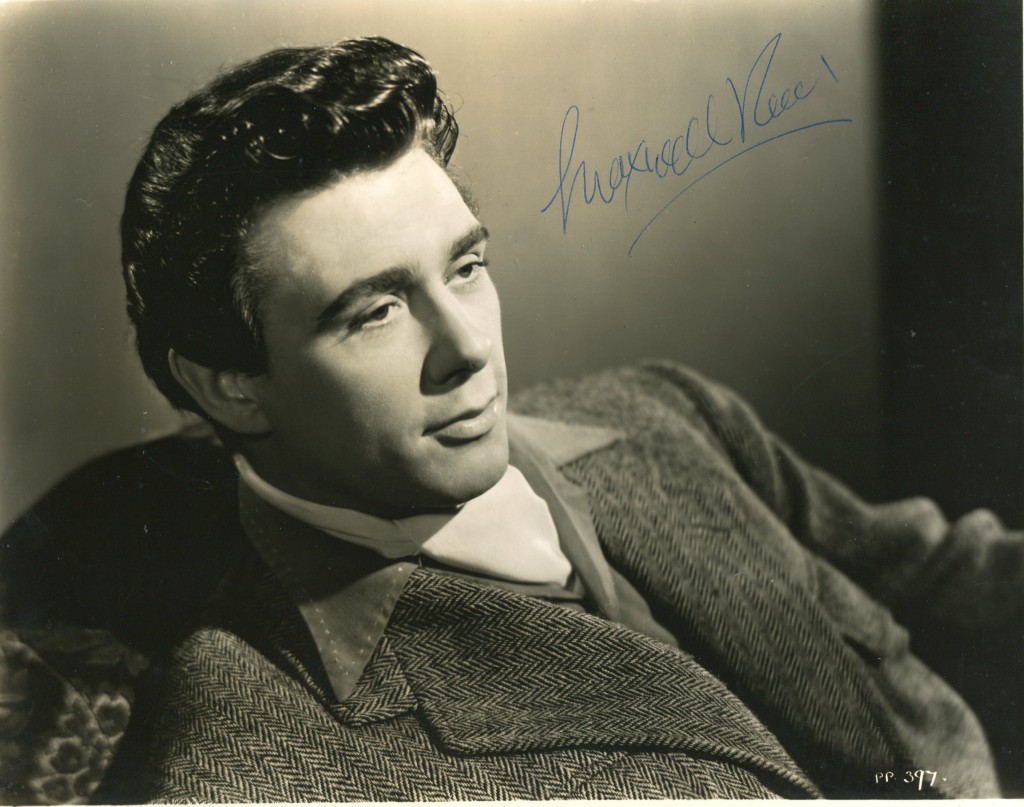
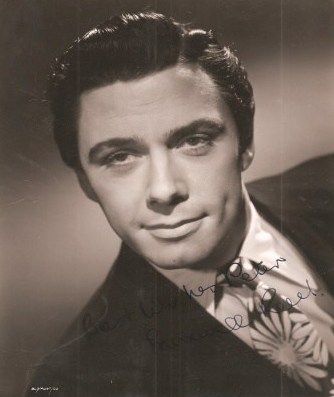

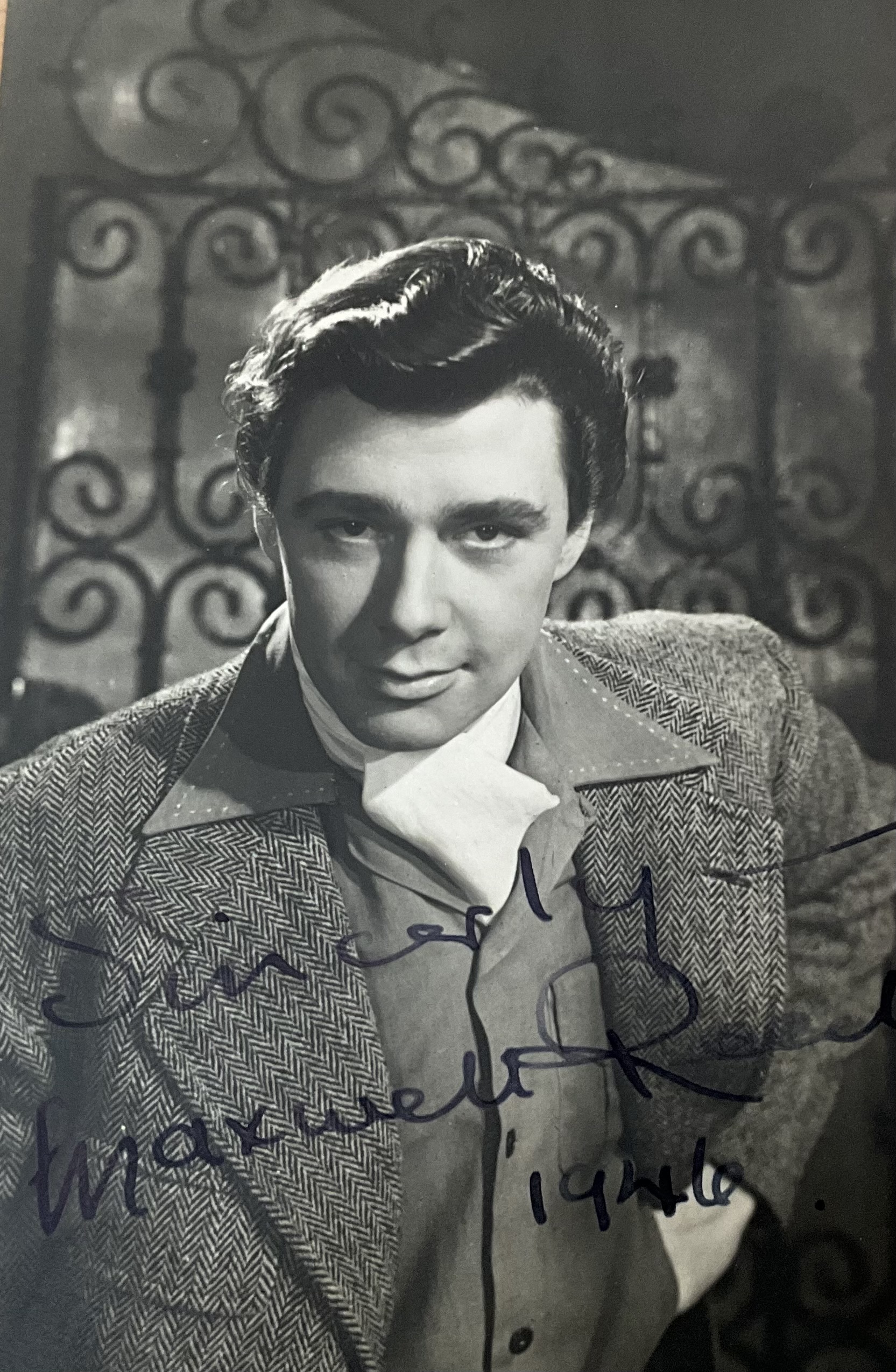
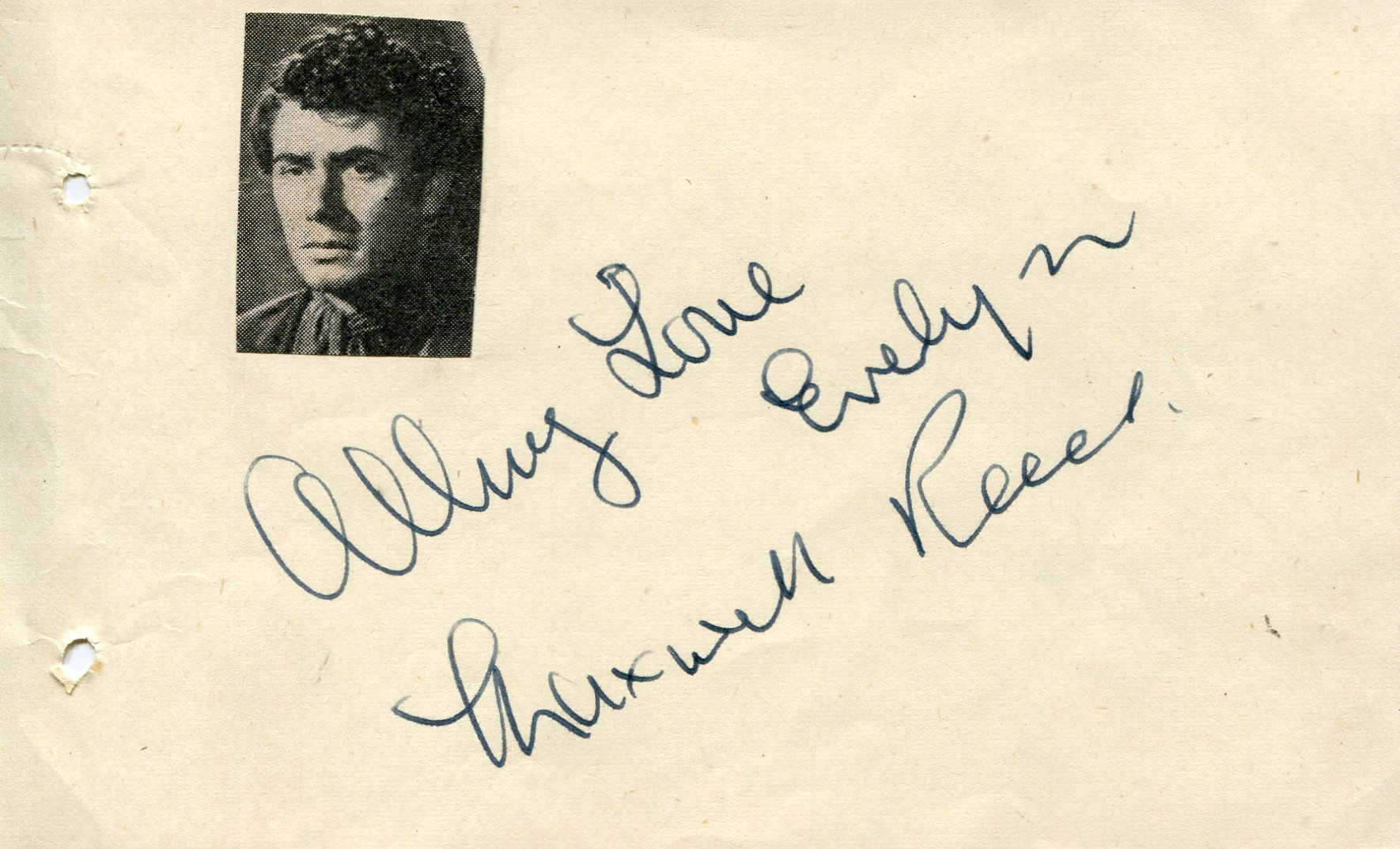
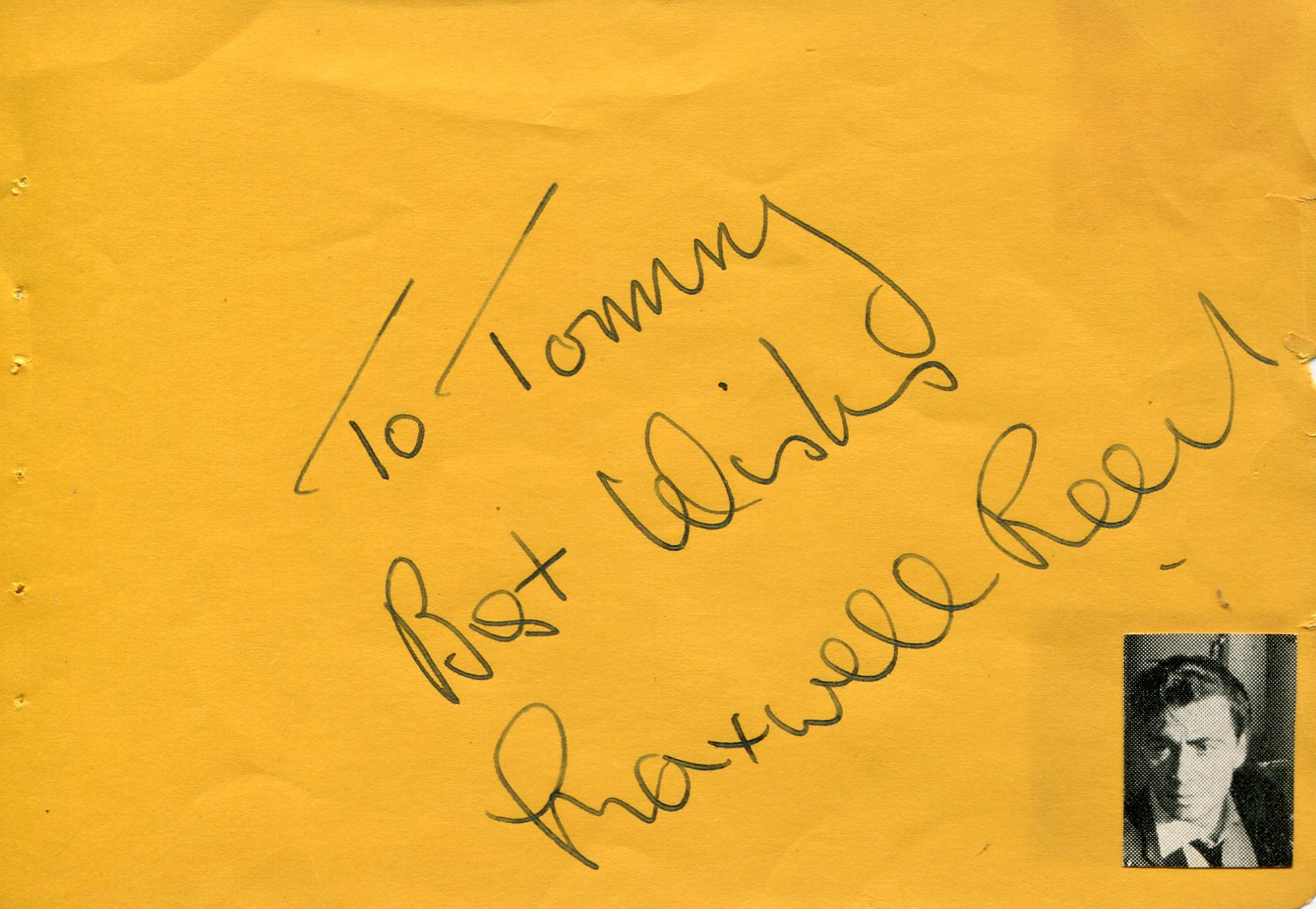
Maxwell Reed (2 April 1919 – 31 October 1974) was a Northern Irish actor who became a matinee idol in British films during the 1940s and 1950s
Reed was born in Larne. He left school aged fifteen to work on ships, including as a blockade runner. He wanted to act and ended up studying at RADA for a year. During World War II he served in the RAF and then the Merchant Navy. After demobilisation he worked as an extra and in repertory. He did a screen test for Riverside Studios at Rank and joined The Company of Youth at the age of 27. Reed made his film debut in The Years Between (1946) and then appeared in Gaiety George (1946), both in uncredited roles.
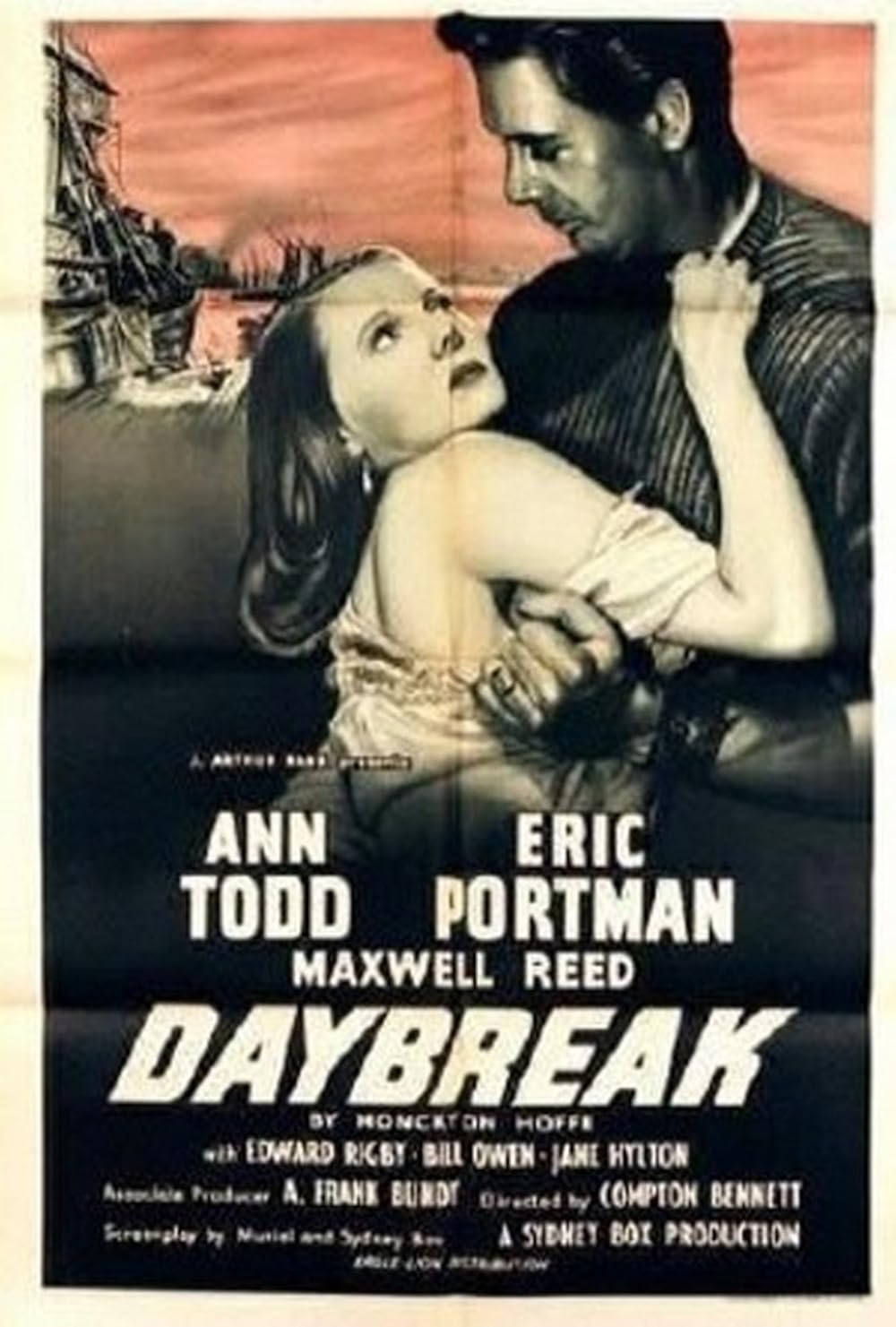
Producer Sydney Box thought Reed had star potential and promoted him to leading man status for Daybreak, a film noir which Box produced and co-wrote with his wife Muriel; Reed played an employee of Eric Portman‘s character Eddie who lusts after Eddie’s wife, played by Ann Todd. The film was made in 1946, but not released until 1948 because of censorship issues.
Box then cast Reed opposite Patricia Roc as one of the leads in a film made immediately after but released before Daybreak: The Brothers (1947).
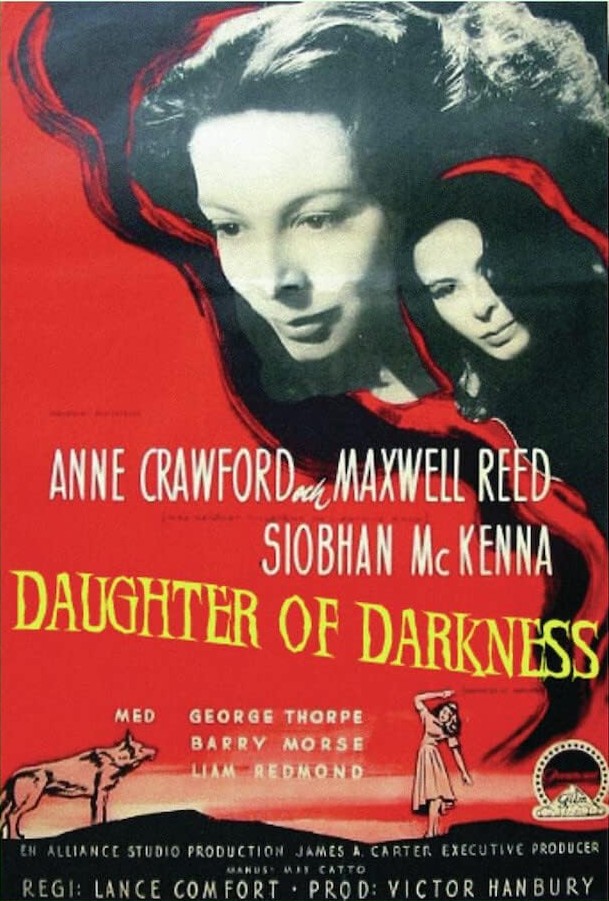
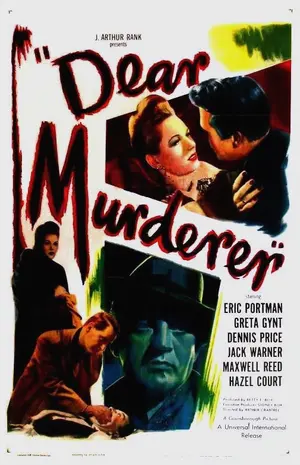
Reed followed it with a rare sympathetic character in Dear Murderer (1947), from a script by Box, which again starred Portman. He then made two films opposite Anne Crawford, Night Beat (1947) and Daughter of Darkness (1948), where he was back to playing his usual scoundrels. He had the lead in a film called Streets Paved with Water but this was abandoned during filming.
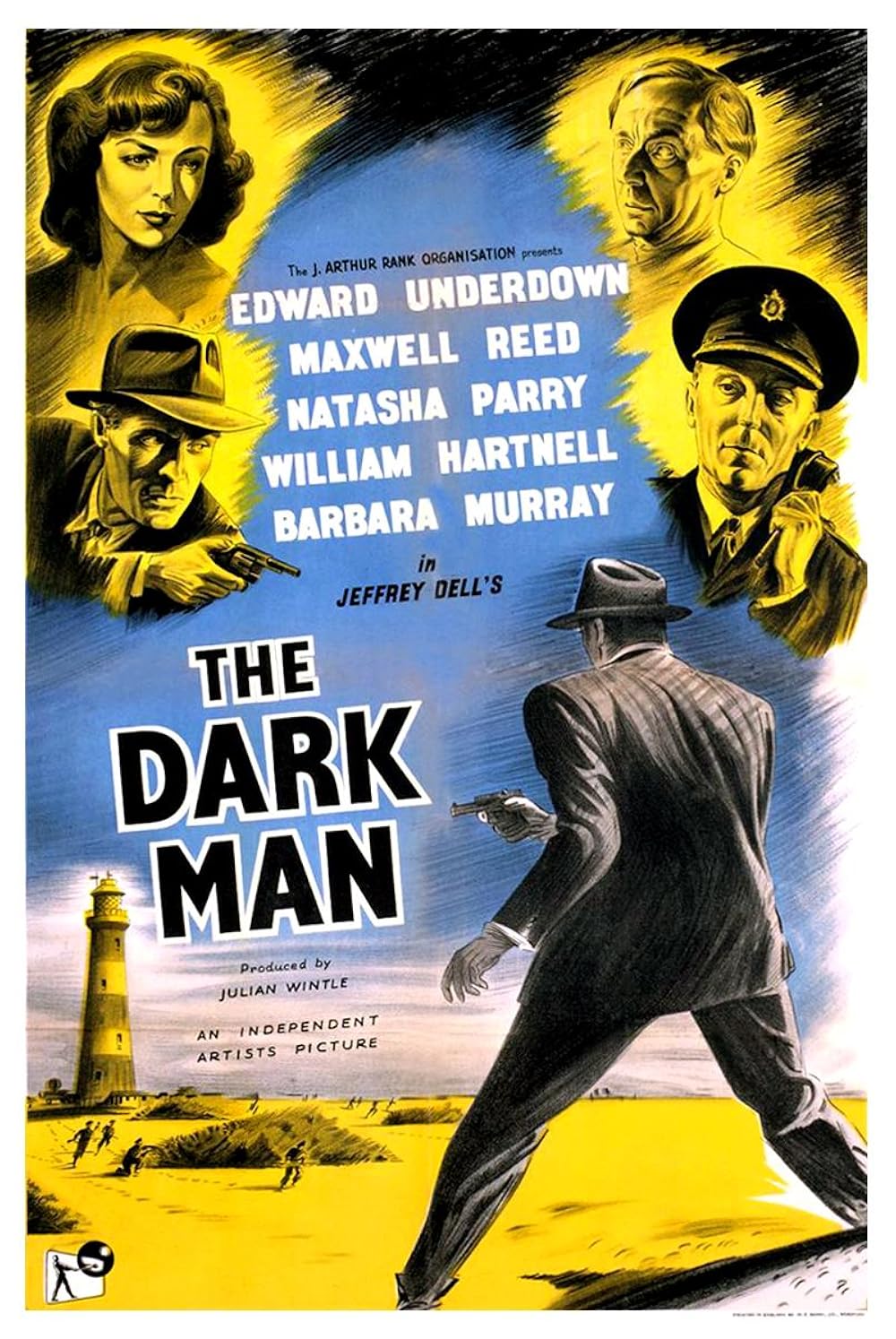
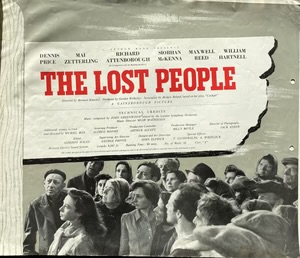
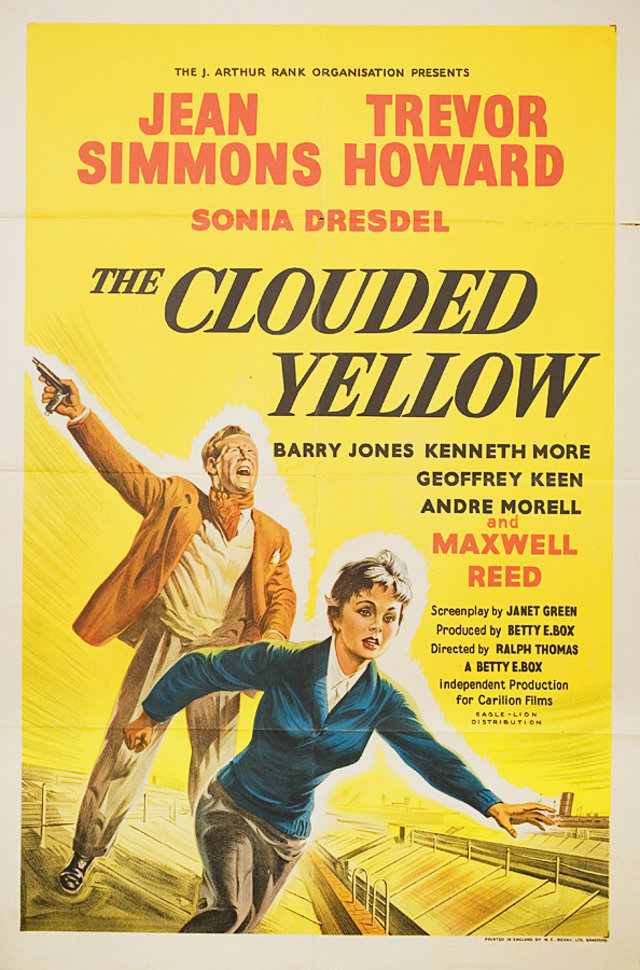
Reed had more of a support role in The Lost People (1949), co-directed by Muriel Box, and Madness of the Heart (1949), starring Margaret Lockwood. After his initial late 1940s success he then starred in his first B movie, Blackout (1950). This was followed by a supporting role in The Clouded Yellow (1950) with Jean Simmons and Trevor Howard, then the lead in some more B pictures, The Dark Man (1950) and There Is Another Sun (1951). Reed said in June 1950 that “they tried to make me a star too soon.”
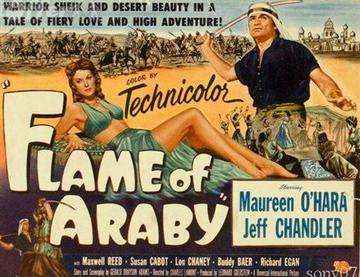
Reed moved to the U.S. to make Flame of Araby (1952), starring Maureen O’Haraand Jeff Chandler. He returned to Britain to play the villain opposite Yvonne de Carlo and Rock Hudson in the Anglo-American production Sea Devils (1953); he was also part of the ensemble cast of Ealing Studios‘ The Square Ring (1953).
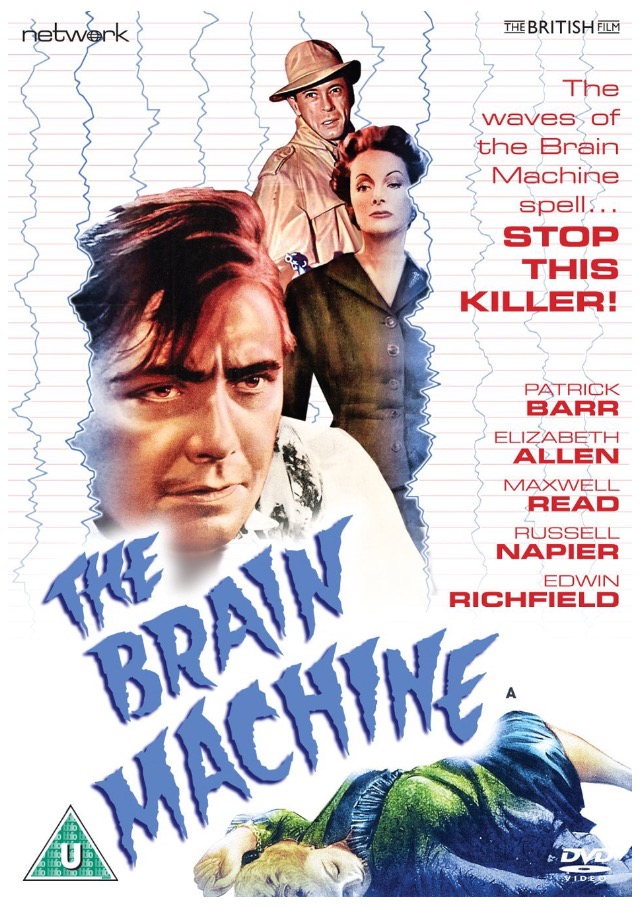
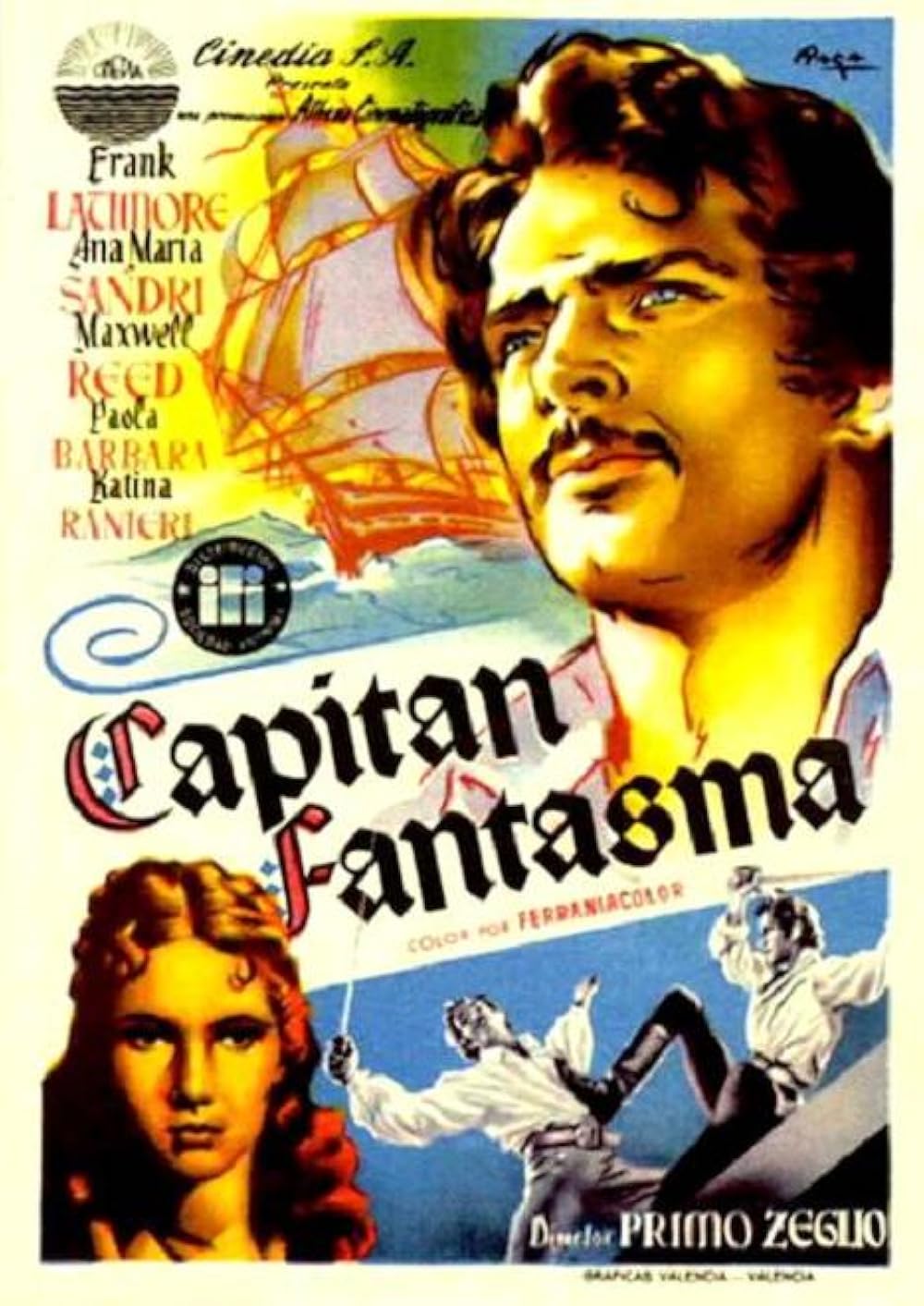
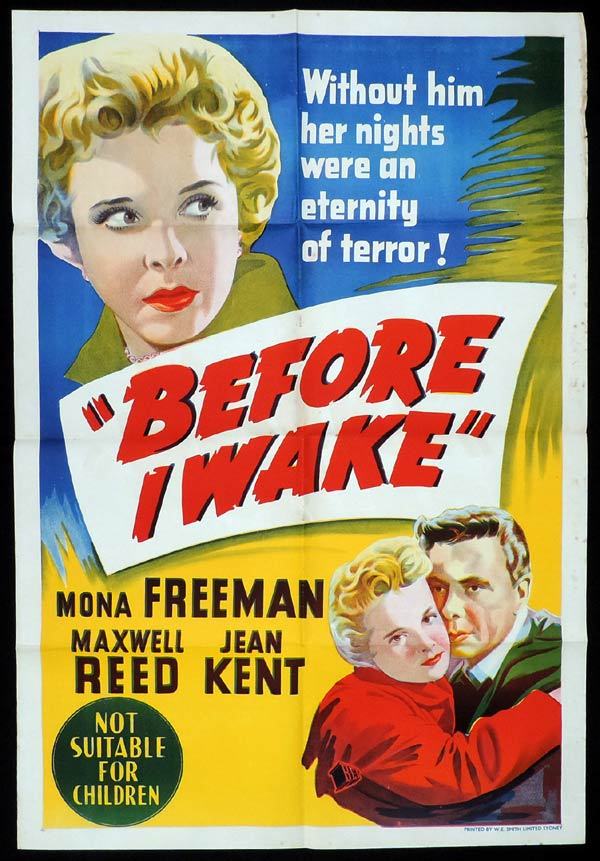
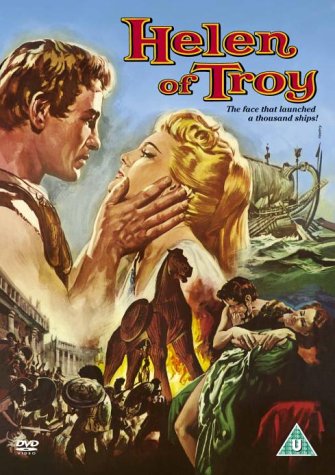
After making Captain Phantom (1953) in Italy, Reed starred in more British B movies, Marilyn (1953), Before I Wake (1955) and The Brain Machine (1956). He had a small role in Helen of Troy (1956)
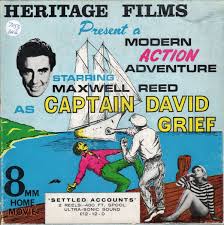
Reed moved to Hollywood permanently in the late 1950s and guest starred on TV shows like Celebrity Playhouse and The Betty Hutton Show. He landed the title role in the 1950s television series Captain David Grief, based on short stories by Jack London. It ran for two seasons in syndication, and was the first television series made on location in Hawaii; the first nine episodes were shot on Maui before production moved to southern California.[9]
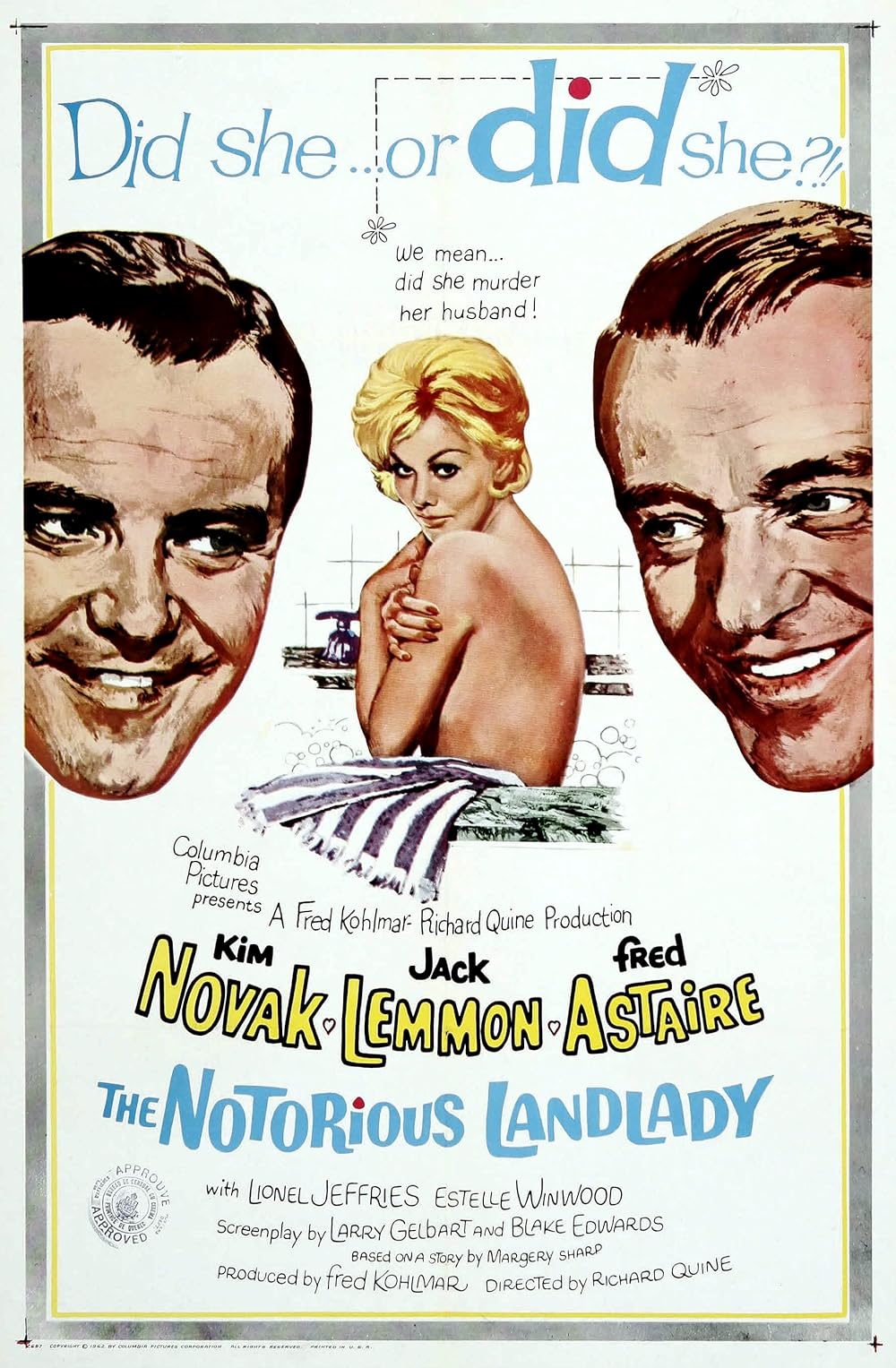
Reed had support roles in films like The Notorious Landlady (1962) and appeared as a guest star in television series such as Bonanza, Kraft Mystery Theater, The Beachcomber, The Lloyd Bridges Show, The Great Adventure, Perry Mason and Daniel Boone.[10][11]
His last feature film was Picture Mommy Dead (1966).
His last acting role was back in Britain, the BBC‘s Sherlock Holmes episode The Dancing Men in 1968
Maxwell Reed was at one time married to Joan Collins in the 1950s.
The career of Maxwell Reed (1919–1974) is a striking example of the “Beefcake” era of British cinema. While his contemporaries like Stewart Granger or James Mason found longevity through versatility, Reed’s career was defined by a rugged, brooding physicality that made him the quintessential “Tall, Dark, and Handsome” lead of the post-war years.
He was a central figure in the Gainsborough Melodramas and the burgeoning British Film Noir scene, though his off-screen life—including a tumultuous marriage to Joan Collins—often overshadowed his professional output.
Career Overview: The “Sullen” Leading Man
Reed’s path to stardom was as rugged as his screen persona; he was a merchant seaman and a boxer before a chance encounter led him to the stage and then to the Rank Organisation’s “Company of Youth” (the famous “Charm School”).
The Noir Breakout (1940s): He made an immediate impact in gritty, urban dramas. His role in The Years Between (1946) and the controversial Good-Time Girl (1948) established him as a dangerous, “rough trade” alternative to the polished gentlemen of the era.
The Gainsborough Heavy: He was frequently cast as the primary romantic or antagonistic force in lavish melodramas like The Brothers (1947) and Jassy (1947), where his height (6’3″) and dark features were used to great atmospheric effect.
Hollywood and Decline (1950s): Reed attempted a Hollywood transition with films like The Clouded Yellow (1950) and Helen of Troy (1956). However, as the industry shifted toward more “sensitive” leading men, Reed’s stoic, muscle-bound archetype began to fall out of fashion.
The Final Act: His later career was characterized by guest spots in television (such as The Saint and The Baron) before his relatively early death in 1974.
Detailed Critical Analysis: The “Brute” Aesthetic
1. The Masculine Counterpoint
In the 1940s, British cinema was dominated by the “gentleman” hero. Reed provided a primal counterpoint.
Analysis: Critics often described his screen presence as “glowering.” Unlike Phyllis Calvert’s light or Margaret Lockwood’s fire, Reed brought a heavy, grounded sexuality. In The Brothers, set in a remote Scottish fishing community, his physicality felt authentically “wild,” suggesting a man who was a product of nature rather than society.
2. The Noir “Anti-Hero”
Reed was at his best when playing characters on the wrong side of the law.
Critical Insight: In Good-Time Girl, he played the charismatic but ultimately destructive criminal. He used a minimalist acting style—lowered brows and a slow, deliberate way of speaking—that conveyed a sense of latent violence. Critics noted that he didn’t need to “act” tough; his sheer physical mass did the work for him, allowing him to focus on the psychological “stillness” of the predator.
3. The “Stiff” Critique
One of the recurring critical knocks against Reed was a perceived lack of emotional range.
Technical Analysis: While he was a master of the “smoldering look,” he struggled with more dialogue-heavy, intellectual roles. His voice, while resonant, lacked the lyrical flexibility of a James Mason. This limited him to roles that required presence over pathos. When the “Angry Young Men” movement arrived in the late 50s, Reed’s brand of “tough guy” felt too much like a Hollywood construct compared to the gritty realism of Albert Finney or Richard Harris.
4. The “Company of Youth” Legacy
Reed was one of the first major successes of the Rank “Charm School.”
Critical View: Historians often point to Reed as the prototype for the “manufactured star.” His career was a triumph of casting and cinematography—directors knew exactly how to light his jawline and frame his shoulders. His legacy is a testament to an era where “star quality” was often measured by how well an actor occupied the frame rather than how well they navigated a monologue.
Key Filmography & Comparison
| Year | Title | Role | Note |
| 1946 | The Years Between | Lumsden | His introduction to the British public. |
| 1947 | The Brothers | Fergus Macrae | His most critically acclaimed “rugged” role. |
| 1947 | Jassy | Nick Helmar | Paired with Margaret Lockwood and Patricia Roc. |
| 1948 | Good-Time Girl | Jimmy | A landmark of British post-war “Social Problem” noir. |
| 1950 | The Clouded Yellow | Hick | Supporting a young Jean Simmons and Trevor Howard. |
Maxwell Reed was the “Dark Knight” of the Gainsborough era. He provided the necessary shadow and physical danger that allowed the studio’s female stars to shine with greater intensity. While he may not have possessed the dramatic depth of his peers, his contribution to the visual language of British masculinityremains a significant chapter in film history