

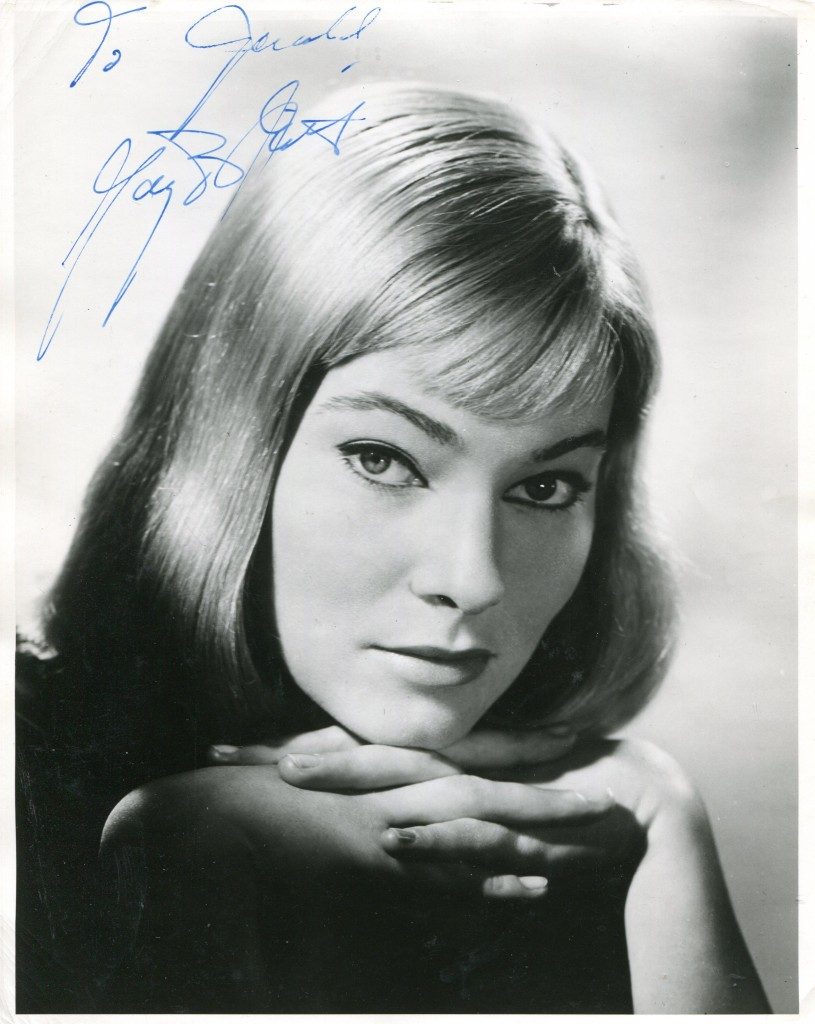
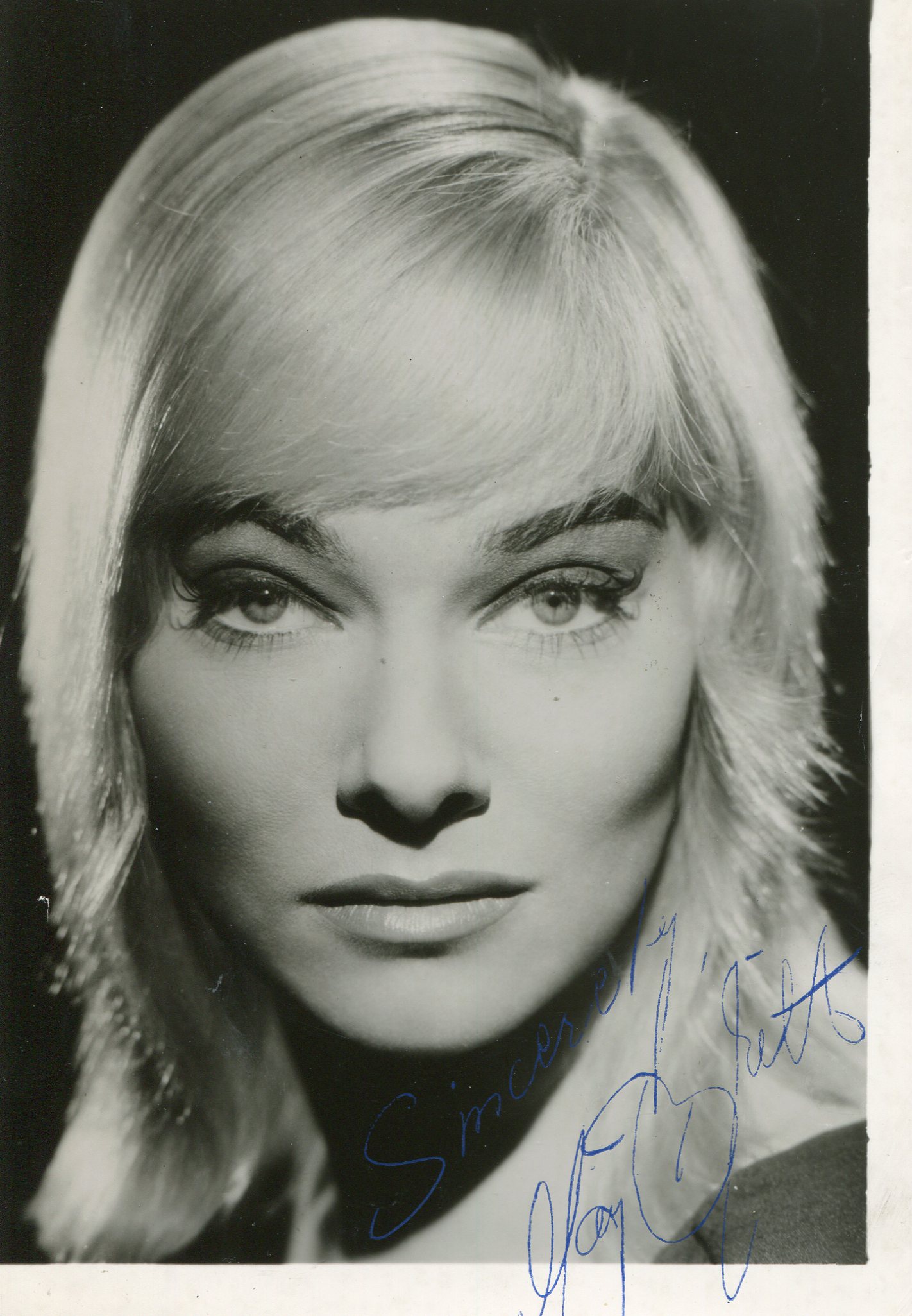
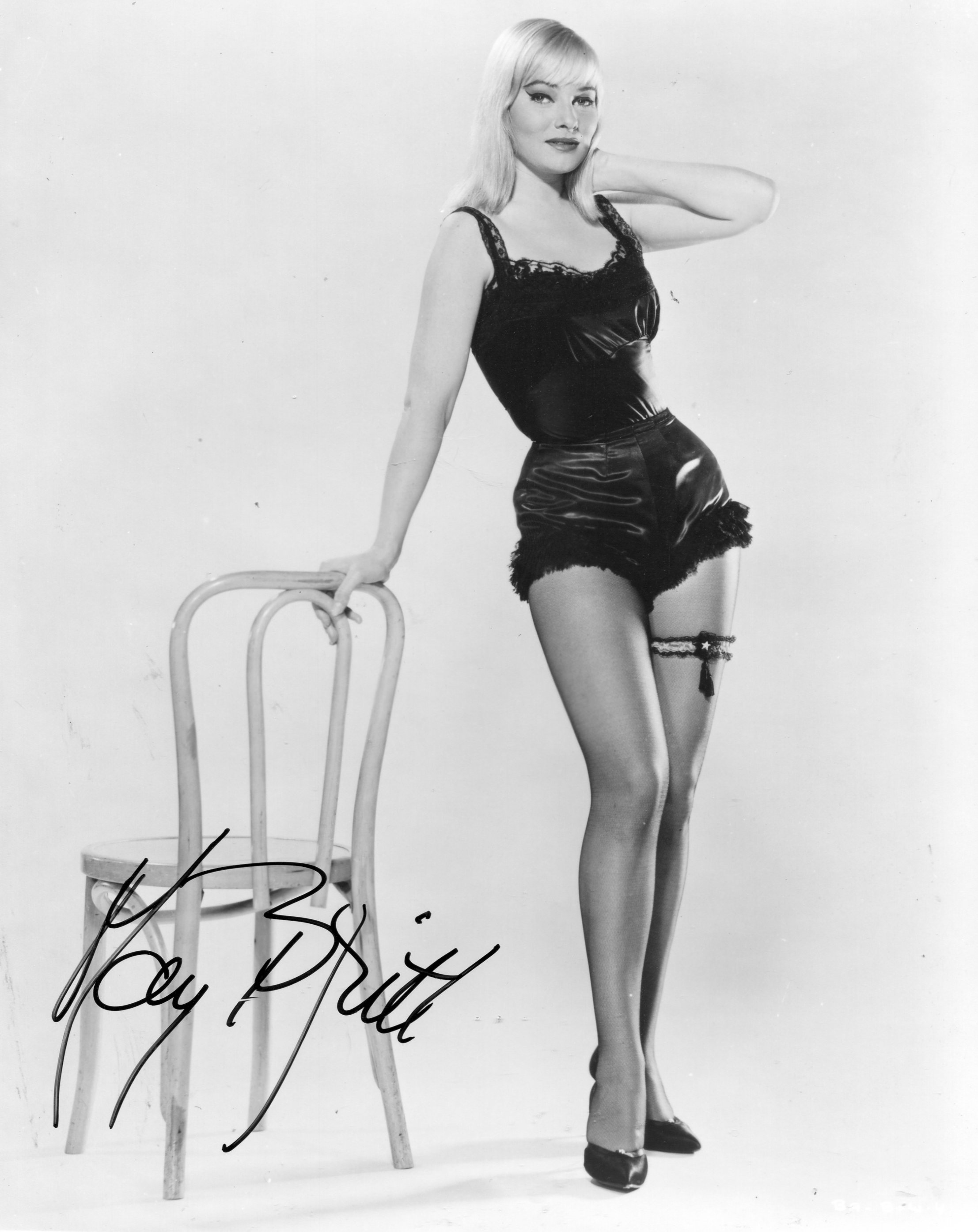
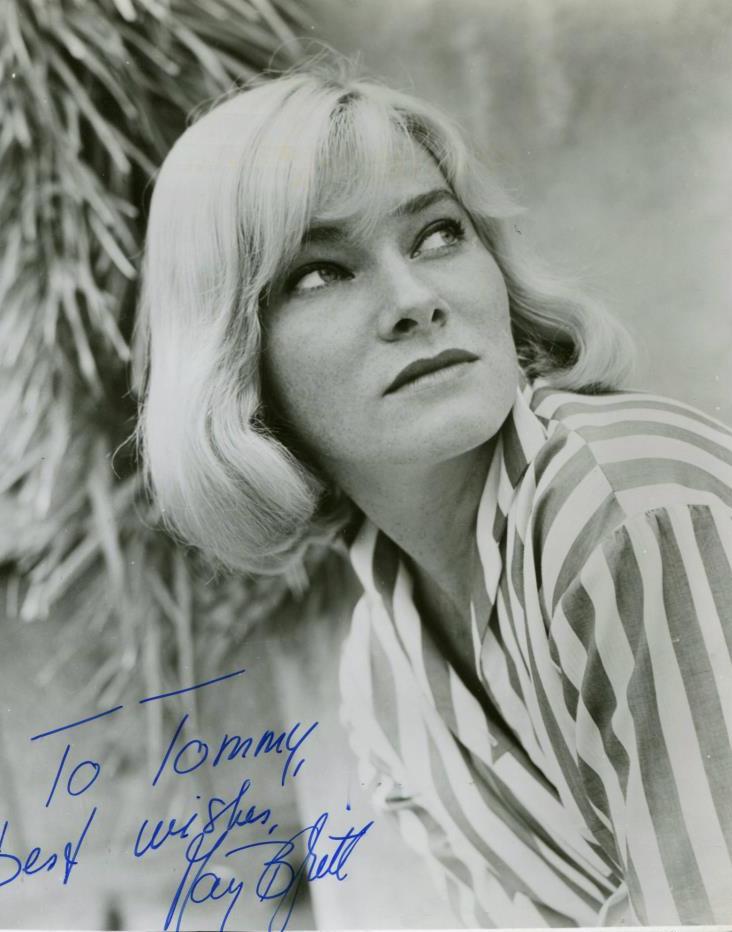
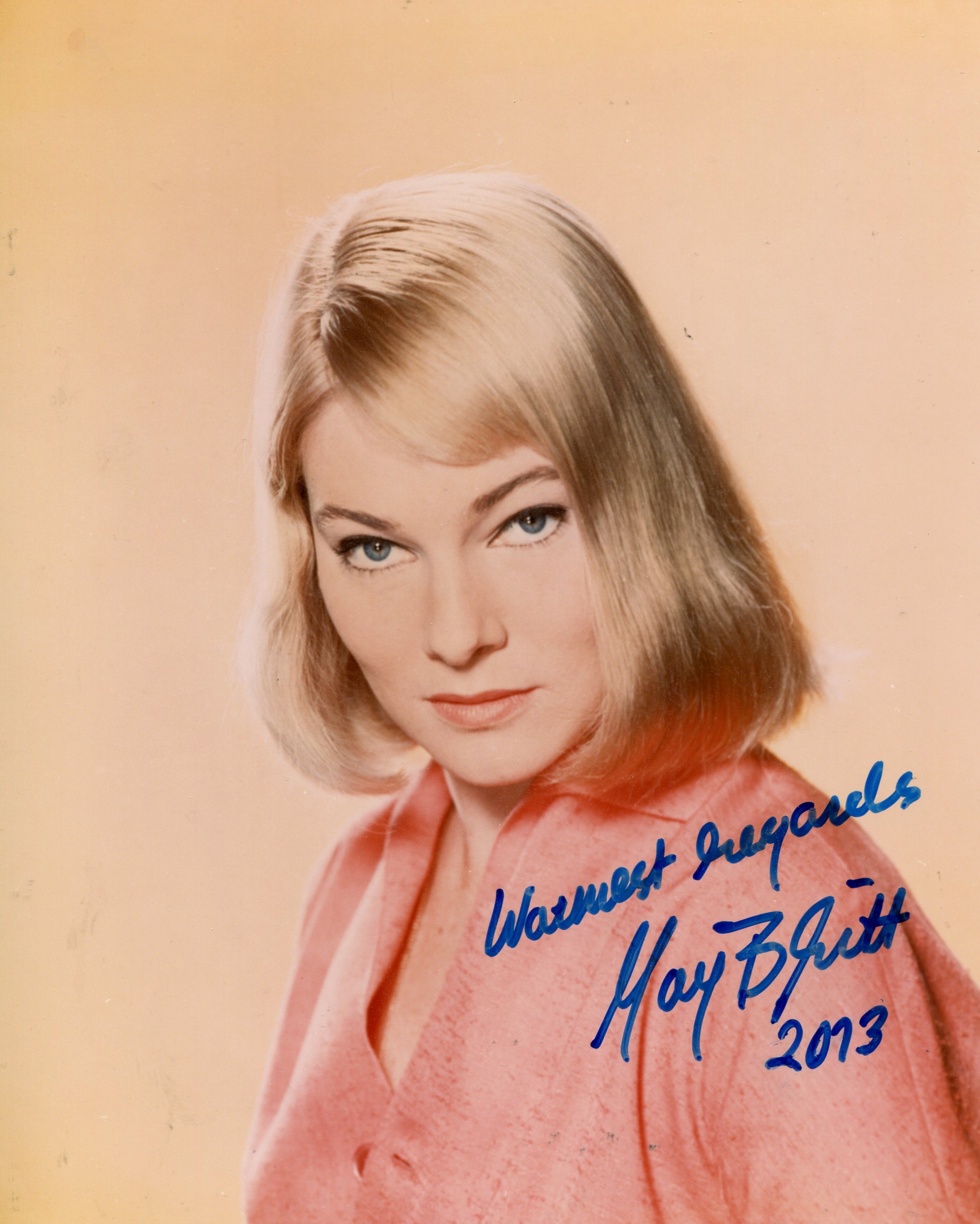
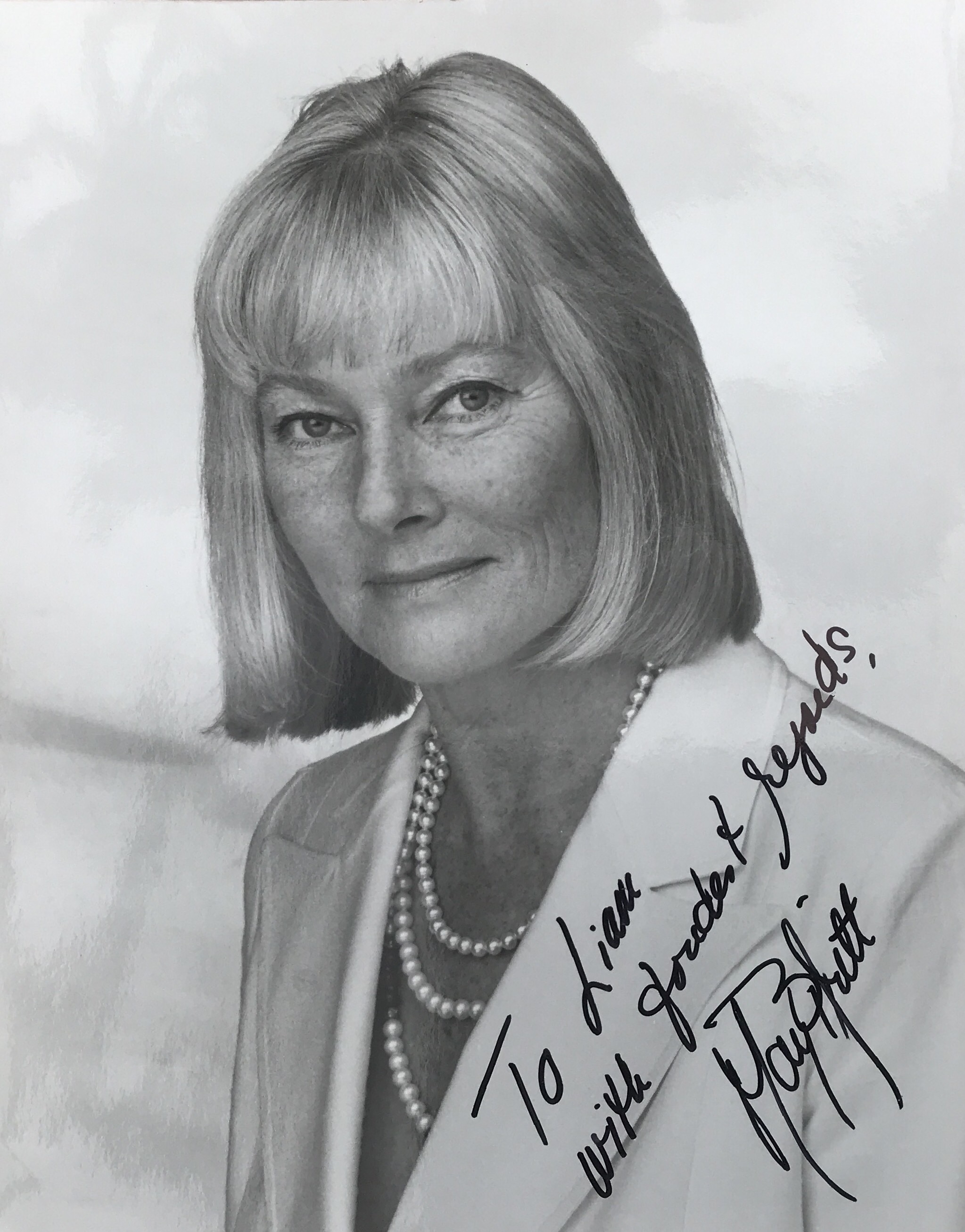
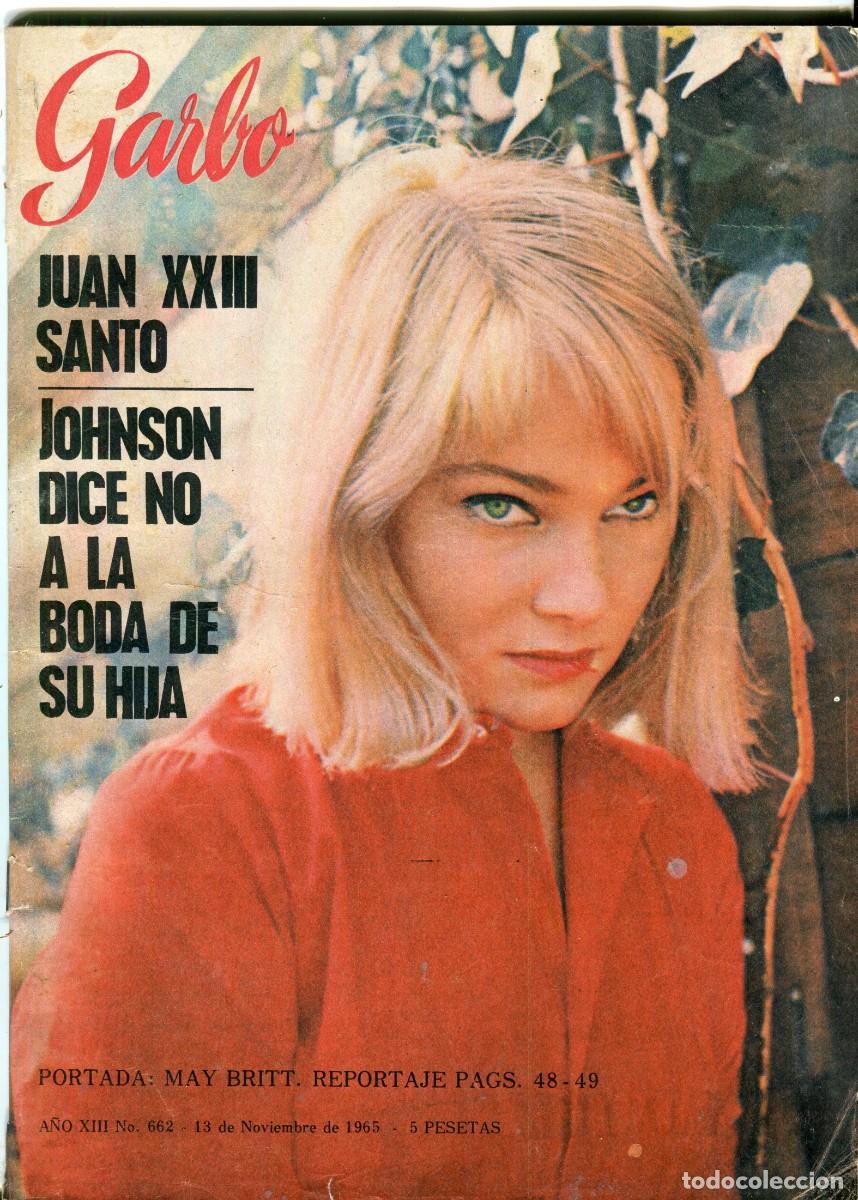
May Britt was born in 1933 in Sweden. She began her career in the 1950’s in Italian films. In 1956 she had a featured role as the friend of Audrey Hepburn’s Natasha in “War and Peace”. She moved to Hollywood when she obtained a contract with 20th Century Fox. Among her films were “The Young Lions” with Marlon Brando, “The Hunters” with Robert Mitchum and “The Blue Angel” with Curt Jurgens. She retired from acting on her marriage to Sammy Davis Jnr.
After their divorce she resumed her career for a very short time.
Her last appearance been in 1988. She resides in California and has become a talented painter.
May Britt died aged 91 in 2025.
Her IMDB entry:
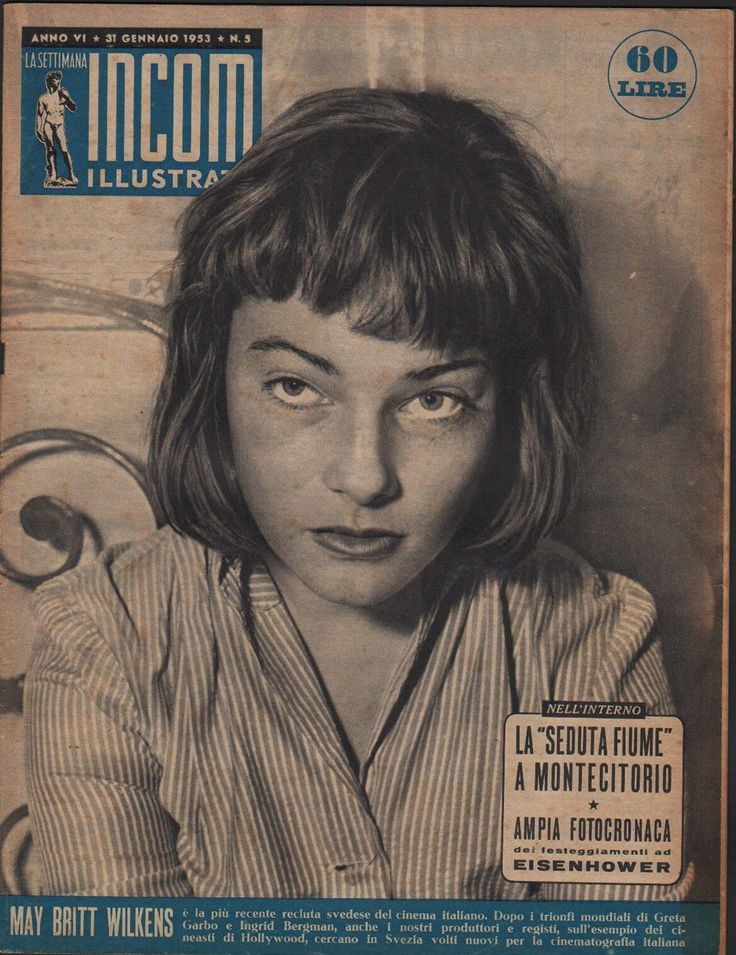
She was only 18 years old and working as a photographer’s assistant in Stockholm when two Italians showed up. Producer Carlo Ponti and director Mario Soldati were there to see pictures of beautiful models, searching for a blonde girl for a movie.
They picked her instead and soon she found herself in Rome.
She quickly made a number of movies, almost all of them forgotten, where all she had to do was look beautiful.
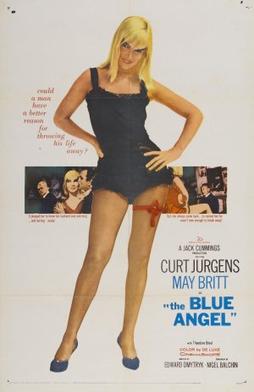
She was offered a contract with 20th Century Fox and came to Hollywood, where her part in The Blue Angel (1959) got pretty good reviews.
But she got tired of always playing the femme fatale and after marrying Sammy Davis Jr.she left the movies to take care of her children instead.
– IMDb Mini Biography By: Mattias Thuresson

The guardian Obituary in 2025.
May Britt, the Swedish actor whose marriage to Sammy Davis Jr in 1960 was the subject of controversy due to US attitudes towards interracial marriage, has died at 91.
Her son Mark Davis confirmed the news to the Hollywood Reporter, saying his mother died on 11 December of natural causes at Providence Cedars-Sinai Tarzana medical center in Los Angeles.
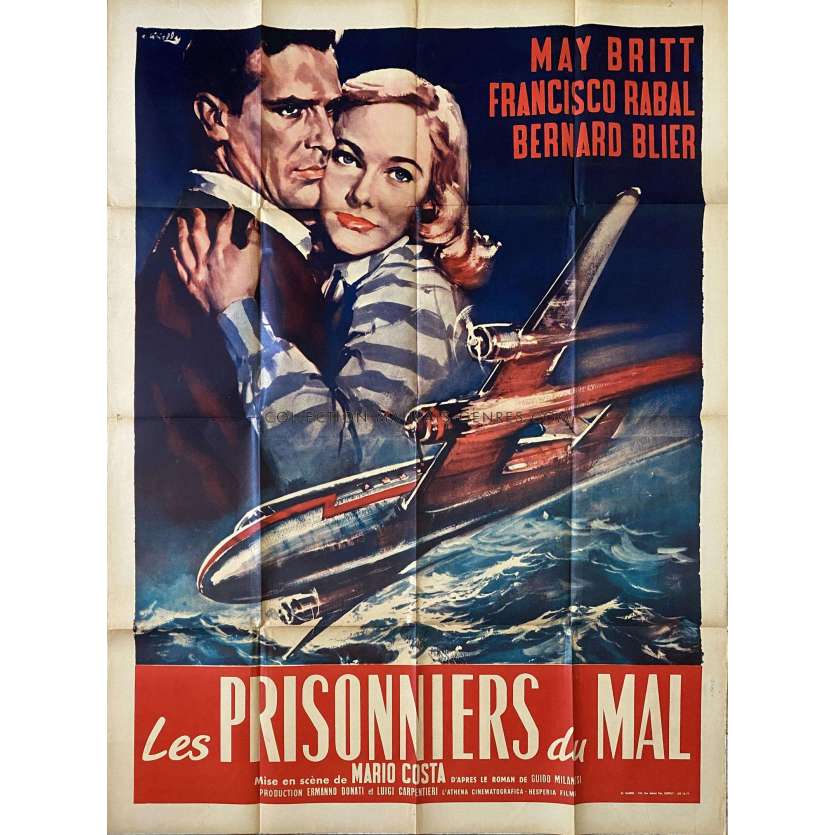
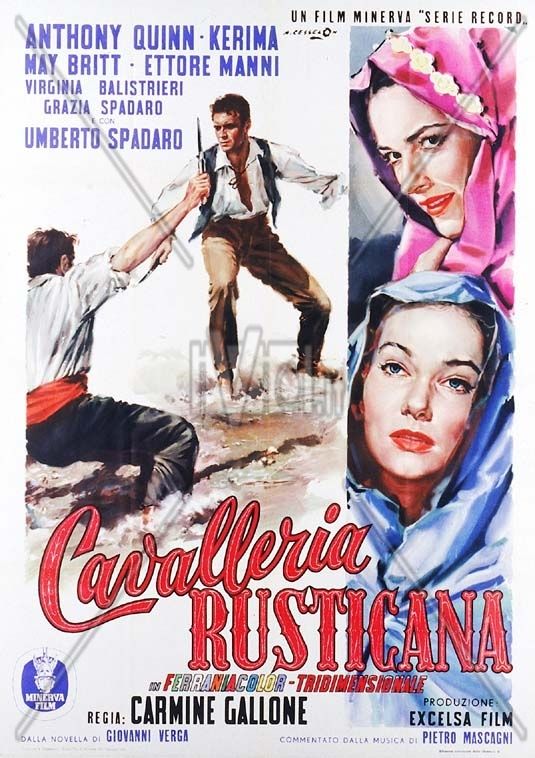
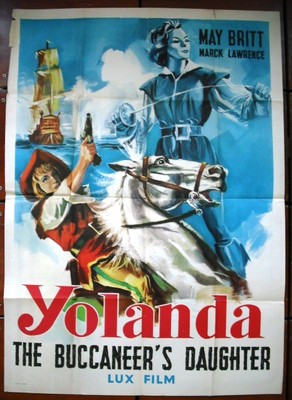
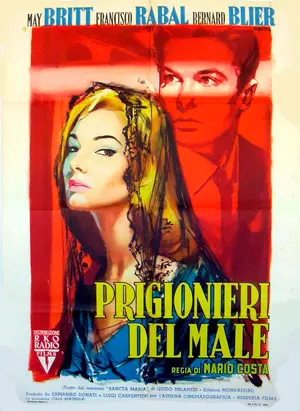
Born Maj-Britt Wilkens in Sweden in 1934, Britt fell into acting by chance: while working as a photographer’s assistant in Stockholm, she was scouted by Italian film-makers Carlo Ponti and Mario Soldati and cast as the lead in the 1953 Italian adventure movie Jolanda, the Daughter of the Black Corsair. A string of Italian films followed, until she landed a part in King Vidor’s lavish 1956 screen adaptation of War and Peace, starring Audrey Hepburn.
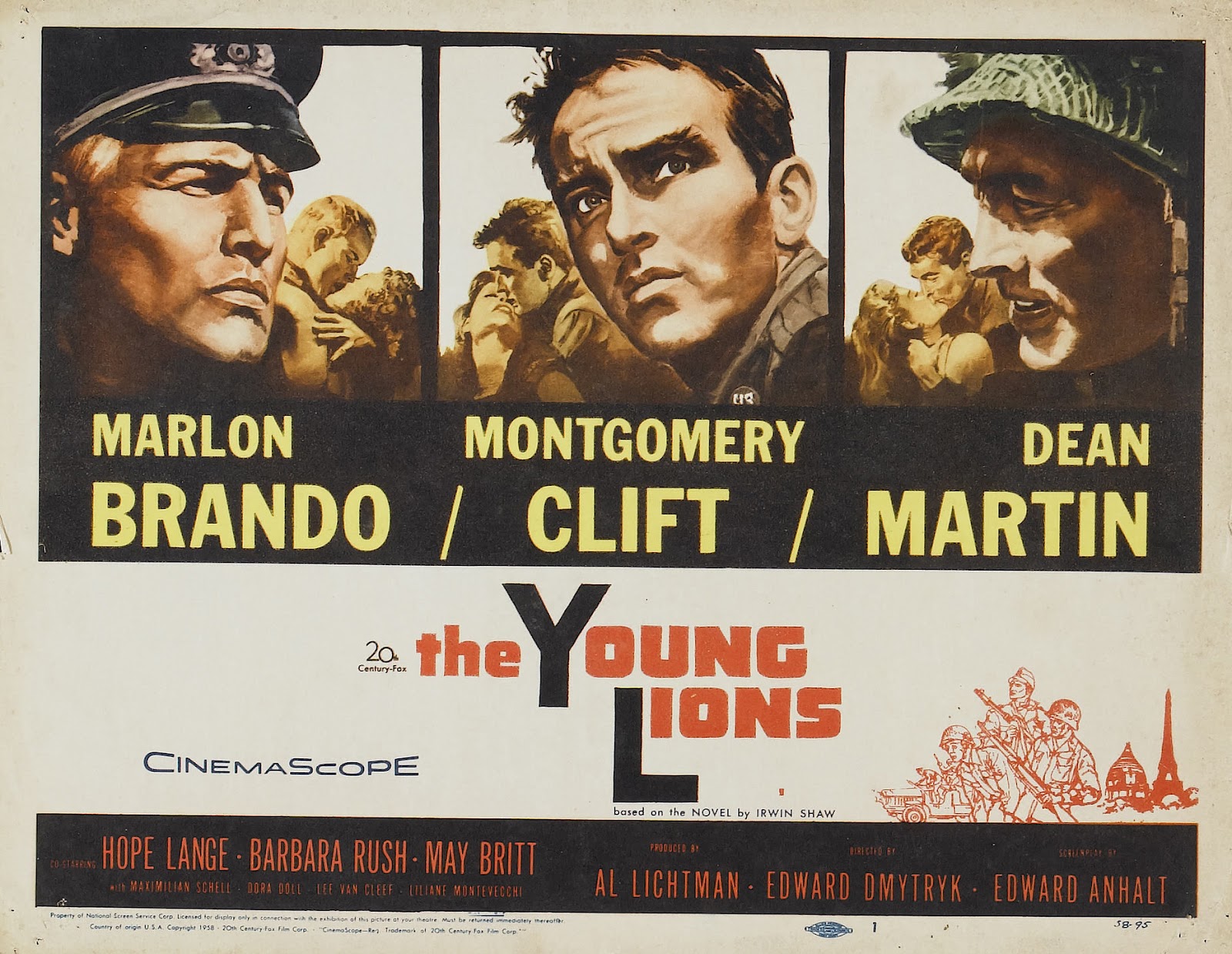
Her performance caught the eye of the head of 20th Century Fox, Buddy Adler, and a contract with the studio followed. Britt emigrated to the US in the late 1950s and starred opposite Marlon Brando in war movie The Young Lions, and Robert Mitchum in The Hunters, before landing her breakthrough role as the young cabaret entertainer Lola-Lola in 1959’s The Blue Angel.
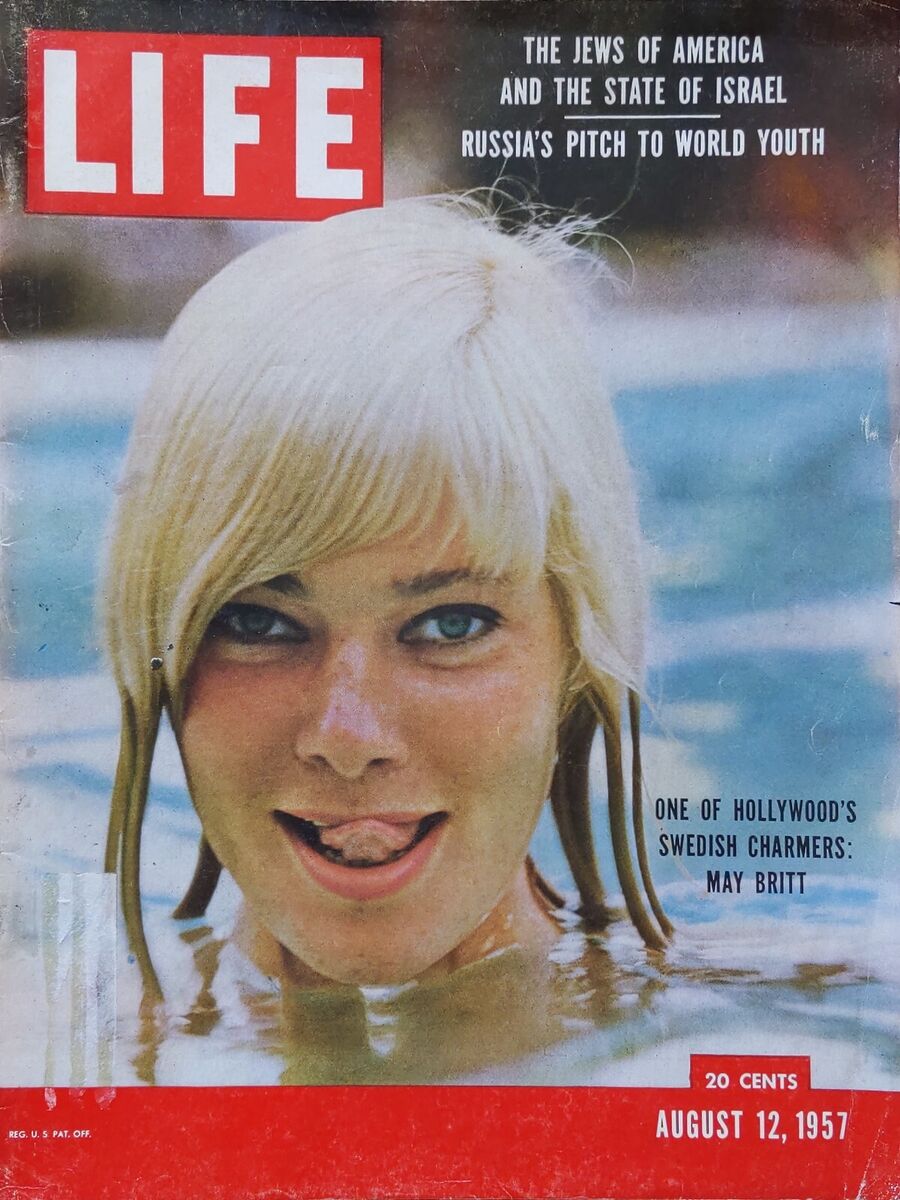
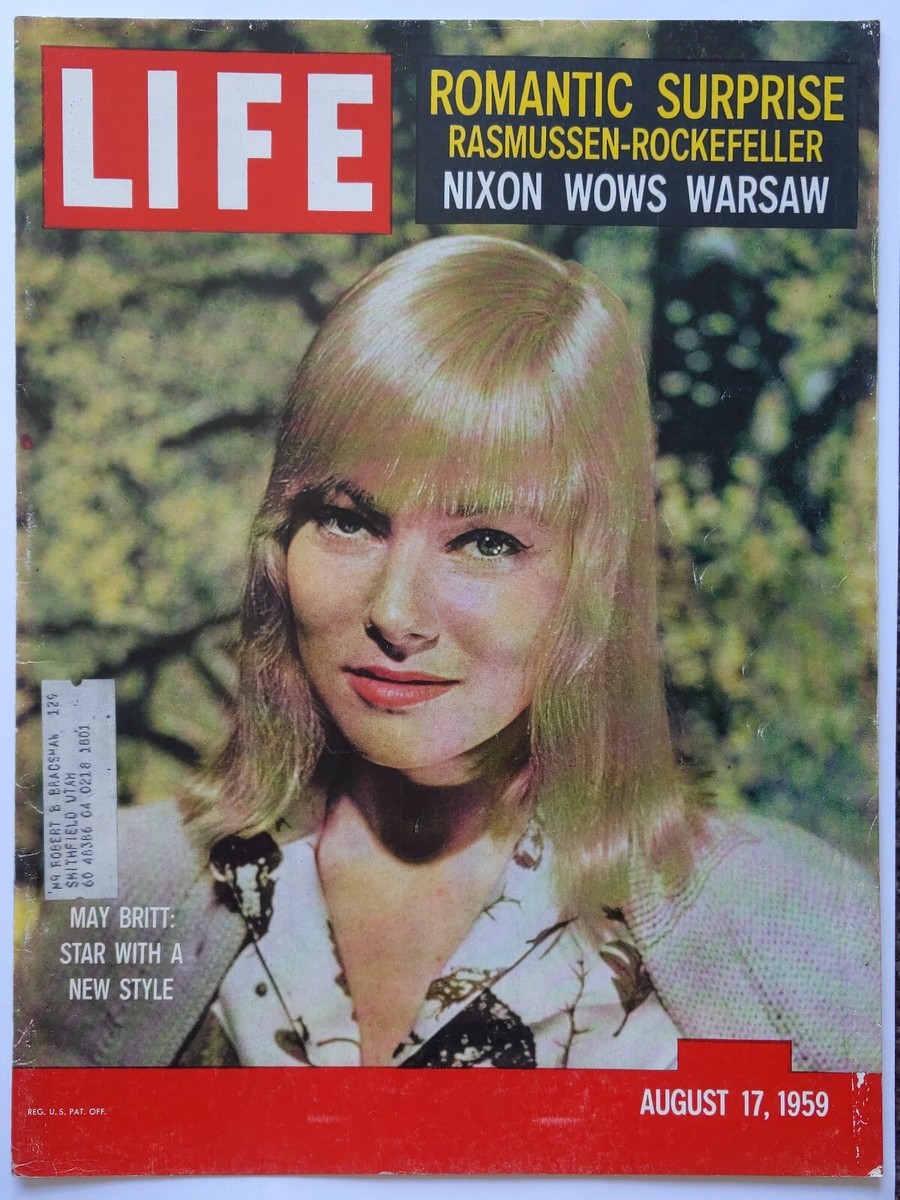
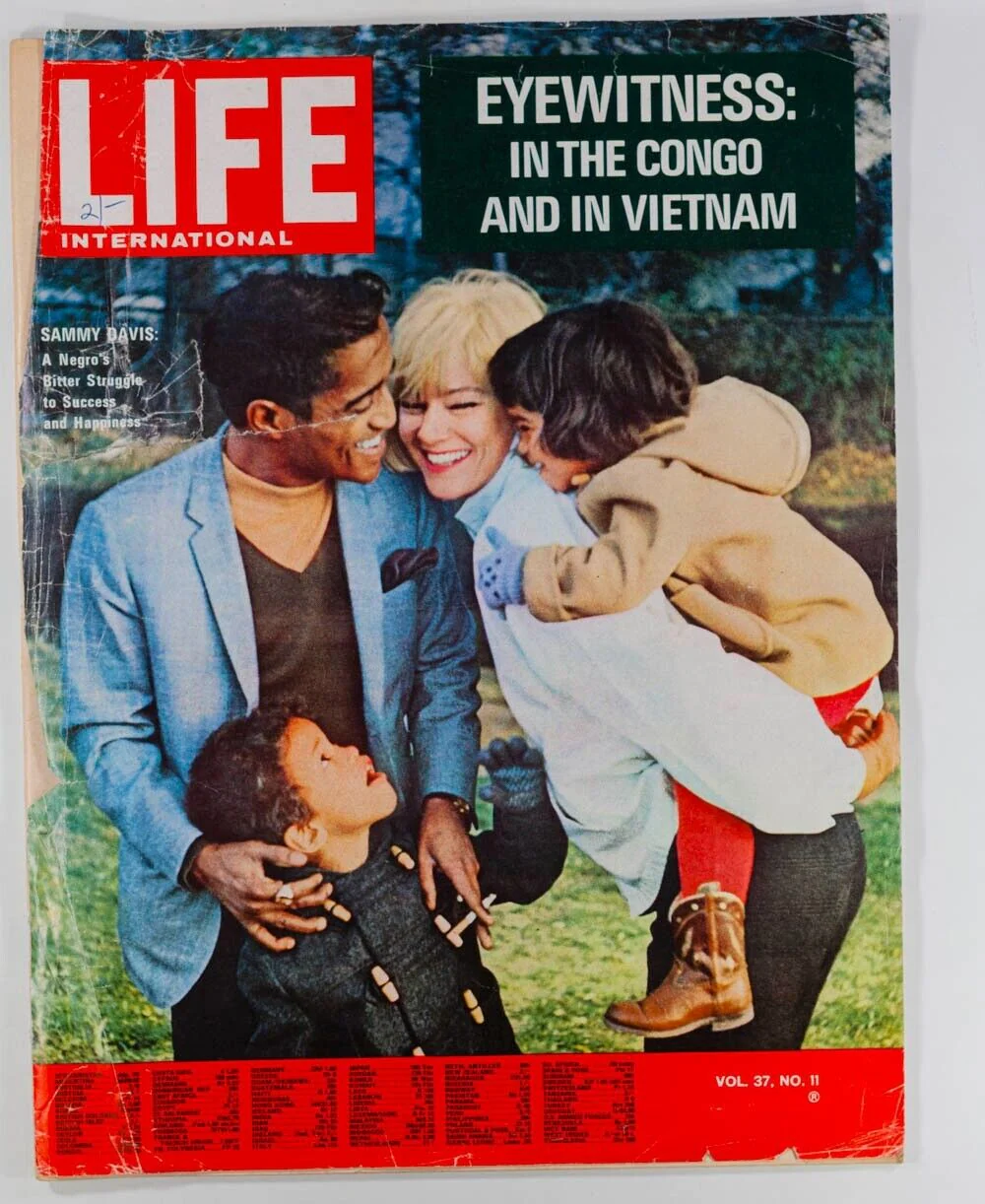
The same year, she appeared on the cover of Life magazine, with the headline “May Britt: Star With a New Style”.
Britt married her first husband, the real estate scion Edwin Gregson, in 1958, but the marriage was short-lived and the couple separated in late 1959.
She met Sammy Davis Jr the same year, and the couple were married in November 1960, Britt converting to Judaism ahead of the wedding. At the time, interracial marriage was still banned in the majority of US states, and the couple received negative press, harassment and death threats.
Davis, who campaigned for presidential hopeful John Kennedy in 1960, had agreed to postpone his wedding to Britt until after the 1960 election in order to not stoke controversy. The newly married couple were subsequently disinvited from the inauguration gala in 1961, Kennedy not wanting to alienate conservative congressmen.
Reflecting on the backlash to her parents’ relationship, their daughter, Tracey Davis, told CBS in 2014: “It was very difficult … there were death threats, there were bad words written on our car, they looked for bombs, we had armed guards.”
After the marriage, Britt stopped acting. 20th Century Fox declined to renew her contract, and her studio career ended. “She threw herself into her family,” Tracey told CBS, “but it was difficult for my mom, because what she did for a living came to an end
. Britt and Davis were together for seven years, and besides their daughter Tracey, born 1961, they had two adoptive sons, Mark and Jeff. Tracey said “there was a lot of love in the house” growing up.
The two separated in 1967 and divorced in 1968, amid rumours of an affair between Davis and dancer Lola Falana.
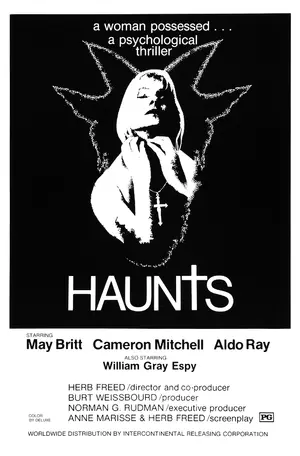
After her marriage to Davis ended, Britt resumed acting, taking smaller roles in episodes of The Danny Thomas Hour, Mission: Impossible, The Most Deadly Game and The Partners, and starring in the 1976 horror movie Haunts. Per IMDb, her final role was in 1988, in an episode of the sci-fi and detective series Probe.
In 1993 she married Lennart Ringquist, an entertainment executive and horse breeder. He died in January 2017.
In addition to her sons, Britt is survived by her sister, Margot, and her grandchildren, Andrew, Ryan, Sam, Montana, Greer and Chase. Her daughter, Tracey, died in November 2020 at the age of 59
May Britt (born Maybritt Wilkens, 1934) is an actress whose career serves as a poignant intersection of European arthouse cinema, the rigid Hollywood studio system, and the seismic cultural shifts of the 1960s. While her filmography is brief, her impact—both as a performer and a cultural figure—remains a subject of significant study.
Career Overview
Britt’s trajectory was defined by a rapid ascent from a Swedish discovery to a Hollywood “ice queen,” followed by a voluntary departure that prioritized her personal life over a stifling industry.
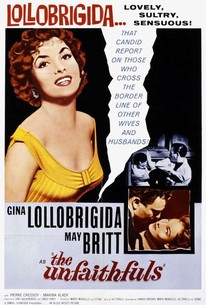
The European Discovery (1951–1956): Working as a photographer’s assistant in Sweden, she was discovered by Italian filmmakers Carlo Ponti and Mario Soldati. She moved to Rome and starred in several Italian “neorealist-lite” films, most notably The Unfaithfuls (1953) and the epic War and Peace (1956), where she played Sonya.
The Hollywood “Goddess” Phase (1957–1959): Signed by 20th Century Fox to compete with the likes of Marlene Dietrich and Grace Kelly, she was cast in high-profile dramas. She starred in The Young Lions (1958) alongside Marlon Brando and Montgomery Clift, and The Hunters (1958) with Robert Mitchum.
The Blue Angel Risk (1959): Her most controversial professional move was starring in the remake of The Blue Angel. Taking on the iconic role of Lola-Lola (originally played by Dietrich) was a critical gamble that defined her professional standing in the late 50s.
Marriage and Retirement (1960): At the height of her fame, Britt married entertainer Sammy Davis Jr. In an era of rampant segregation and “anti-miscegenation” sentiment, the marriage led to the termination of her contract with 20th Century Fox. She largely retired from acting to raise their children, making only sporadic television appearances decades later.
Detailed Critical Analysis
1. The “Cool” Aesthetic and the Dietrich Comparison
Critically, Britt was often analyzed through the lens of her predecessors. 20th Century Fox marketed her as the “Swedish Sensation,” emphasizing a detached, aristocratic beauty.
Technical Precision: Unlike the more emotive American stars of the era, Britt’s acting style was rooted in restraint. Critics noted that she possessed a “cinematic face”—one that communicated internal thought through subtle shifts in gaze rather than grand gestures.
The Blue Angel Burden: Critics were divided on her Lola-Lola. While some praised her modern, “sleek” interpretation of the character, others felt she lacked the “earthy vulgarity” that Dietrich brought to the original. Retrospective analysis suggests Britt was attempting a more psychological, rather than purely sexual, portrayal of the femme fatale.
2. Performance in The Young Lions
In what many consider her finest dramatic work, Britt played Gretchen Hardenberg, the wife of a Nazi officer.
Subverting the “Wife” Trope: She brought a chilling, weary pragmatism to the role. Critics praised her ability to portray the domestic side of war—the moral compromise and the hardening of the spirit—without resorting to melodrama.
Chemistry of Contrast: Her scenes with Marlon Brando are frequently studied for their “temperature.” Her “cool” Swedish reserve acted as a perfect foil to Brando’s “hot” Method intensity, creating a unique onscreen tension.
3. The Socio-Political “Exit”
Perhaps the most significant “critical” aspect of Britt’s career isn’t a role she played, but her defiance of the studio system’s social codes.
The End of the “Contract”: When she married Sammy Davis Jr., she became a target of intense racial vitriol. The studio’s decision to drop her was a clear indication of the era’s limitations.
Symbol of Modernity: Britt is now viewed by cultural historians as a pioneer. Her willingness to sacrifice an A-list career for a “forbidden” marriage transformed her from a movie star into a symbol of the burgeoning Civil Rights era. Her “performance” in the real-world theatre of social change eclipsed her work on the silver screen.
4. Artistic Legacy and Later Years
When Britt returned to the screen in the 1970s (notably in the film Haunts), critics noted that the “ice queen” persona had softened into something more vulnerable.
The Painter’s Eye: In her long retirement, she became an accomplished painter. Critics have noted that her artwork mirrors her acting style—focused on color, light, and a specific kind of atmospheric stillness