

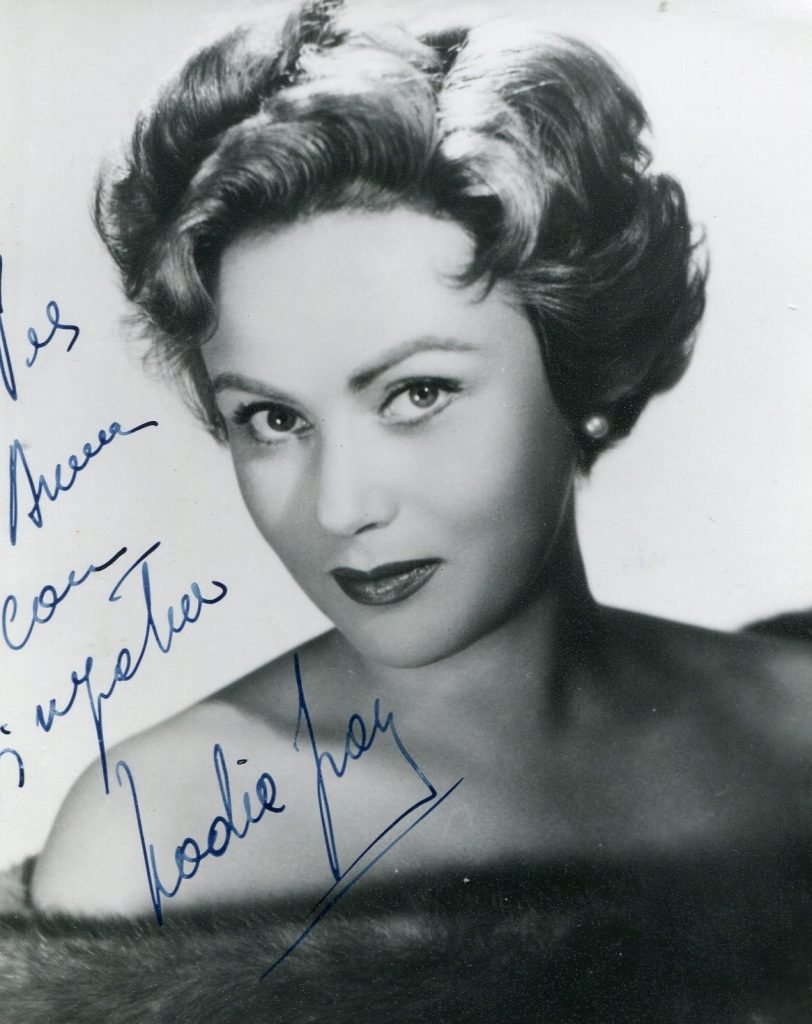
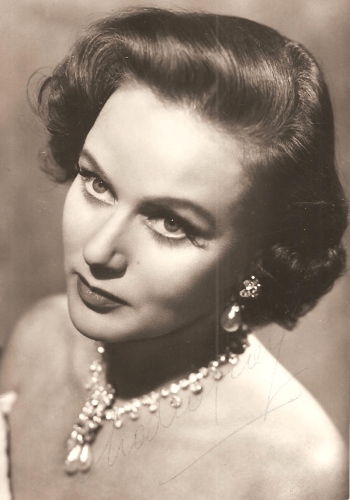
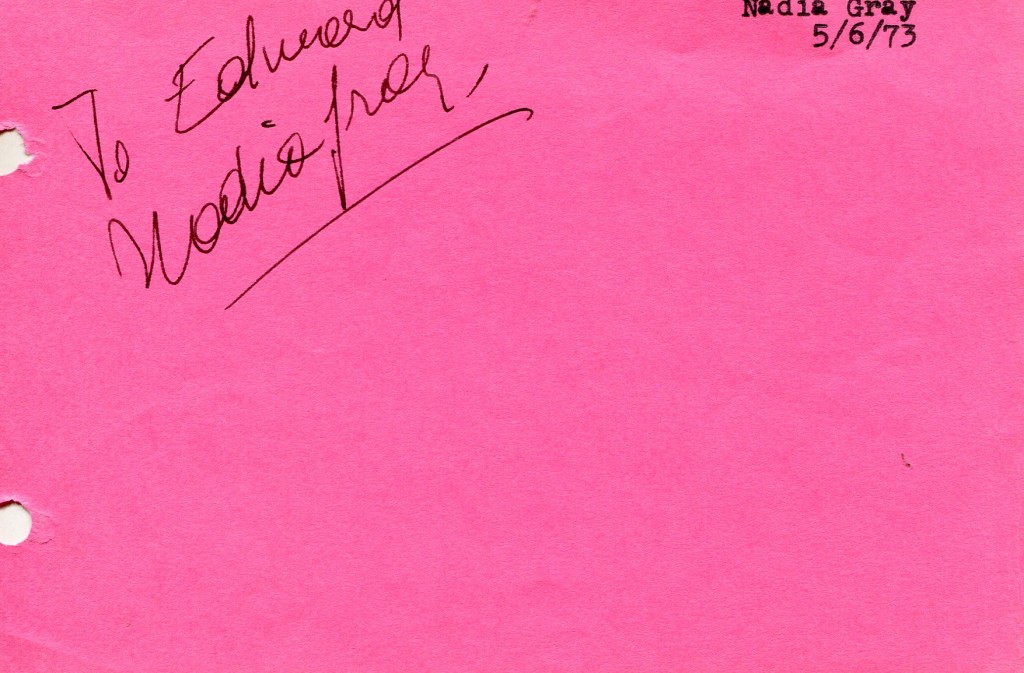
Born Nadia Kujnir-Herescu in Bucharest, Romania, on November 23, 1923, to a Russian father and a Bessarabian mother, the future actress Nadia Gray was raised there. She met first husband Constantin Cantacuzino (1905-1958), a Romanian aviator and noted WWII fighter ace, while she was a passenger on one of his commercial air flights. The couple fled the country during the Communist takeover of Romania in the late 1940s and emigrated to Paris. There Nadia enjoyed a vast international career as a Cosmopolitan lead and second lead on stage and in films. The couple eventually settled in Spain.
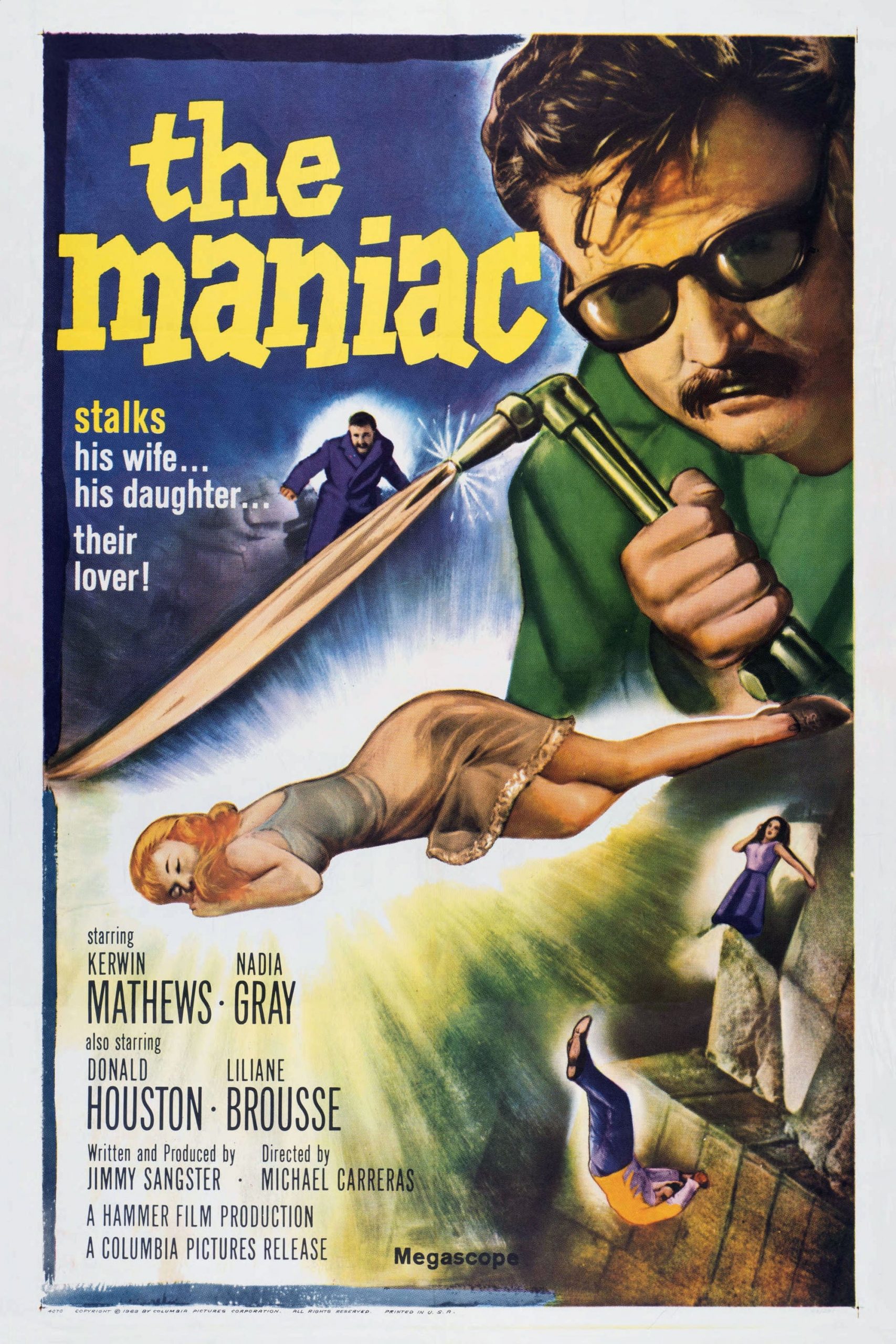
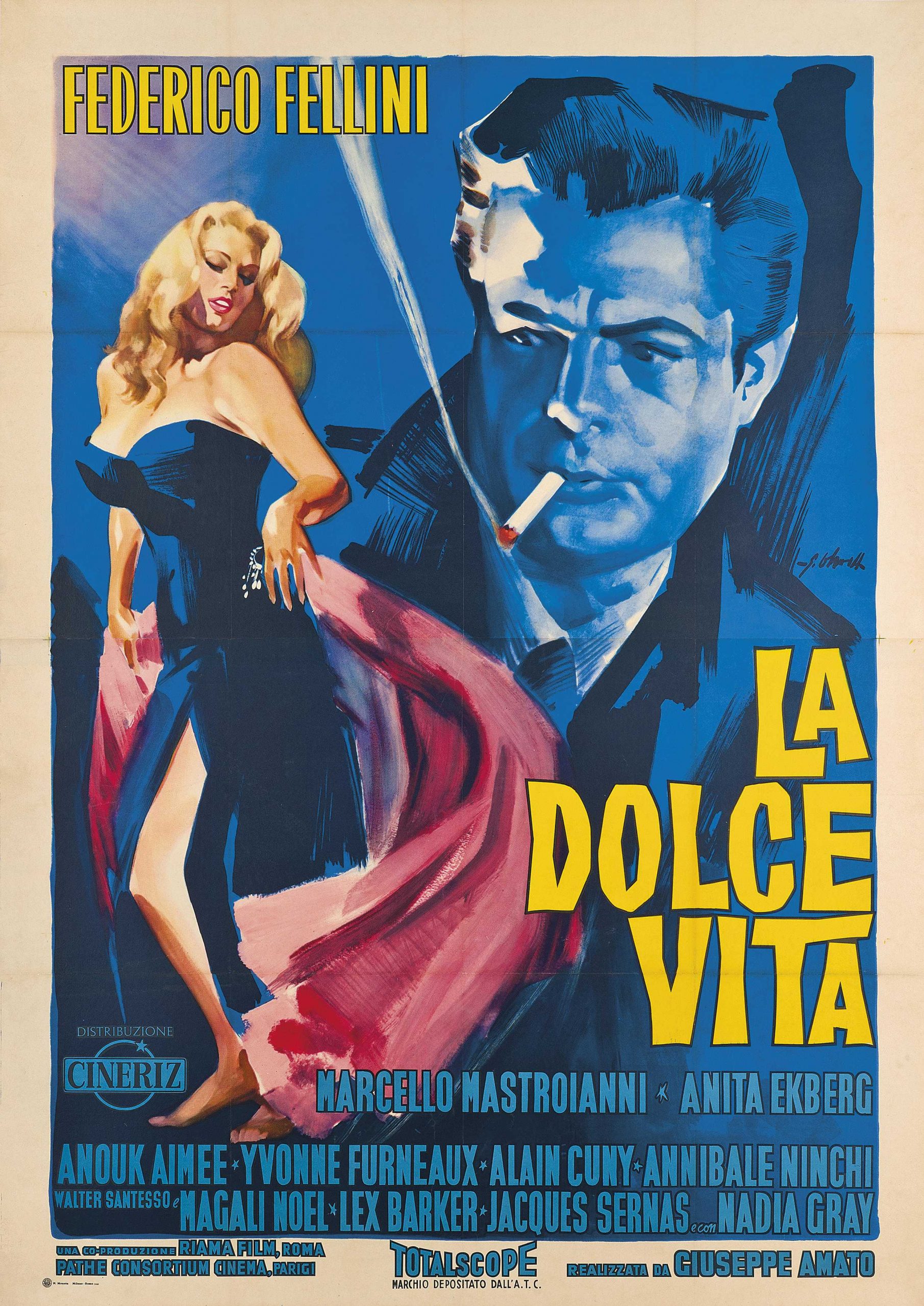
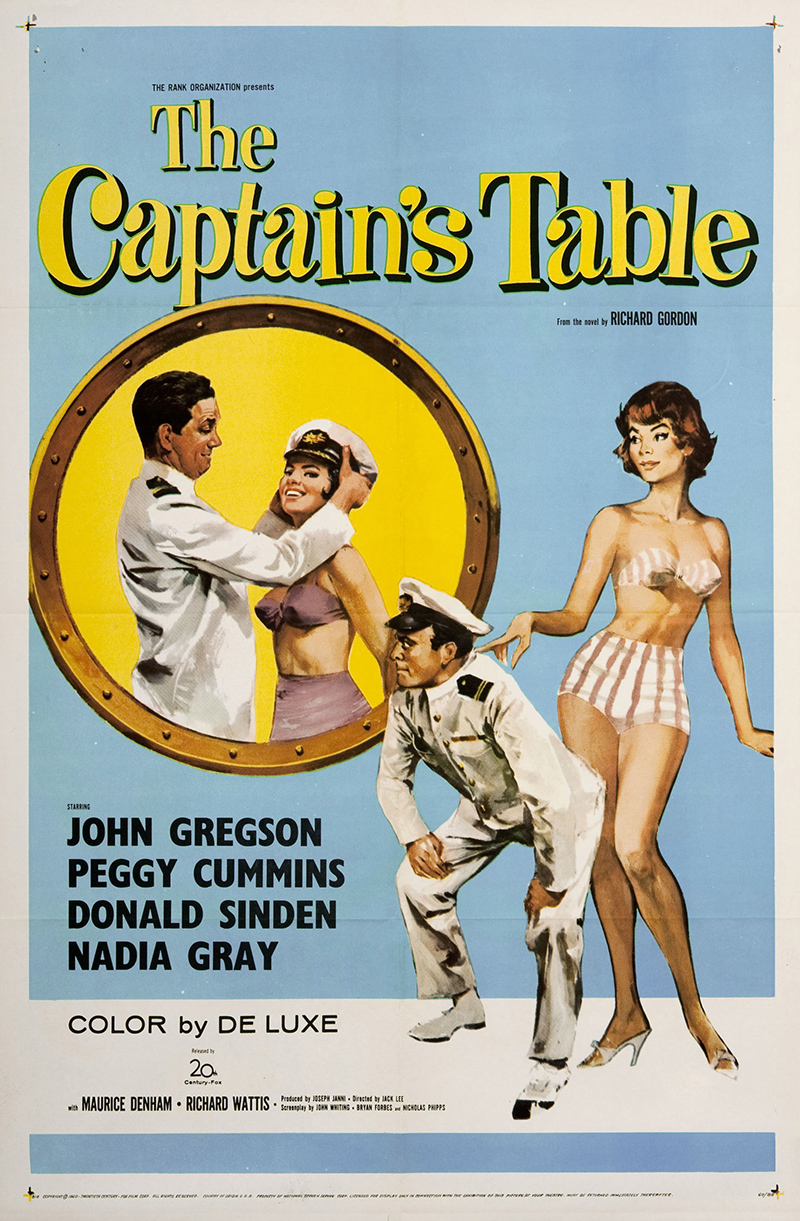
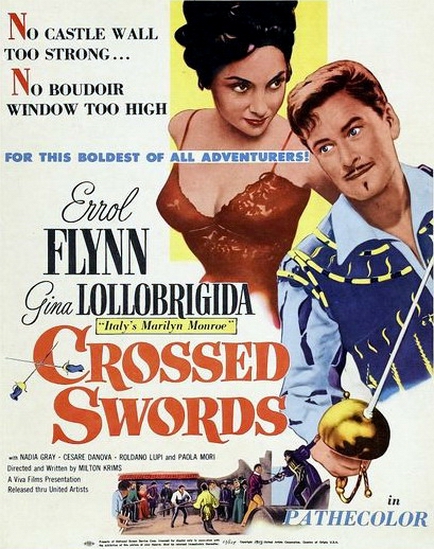
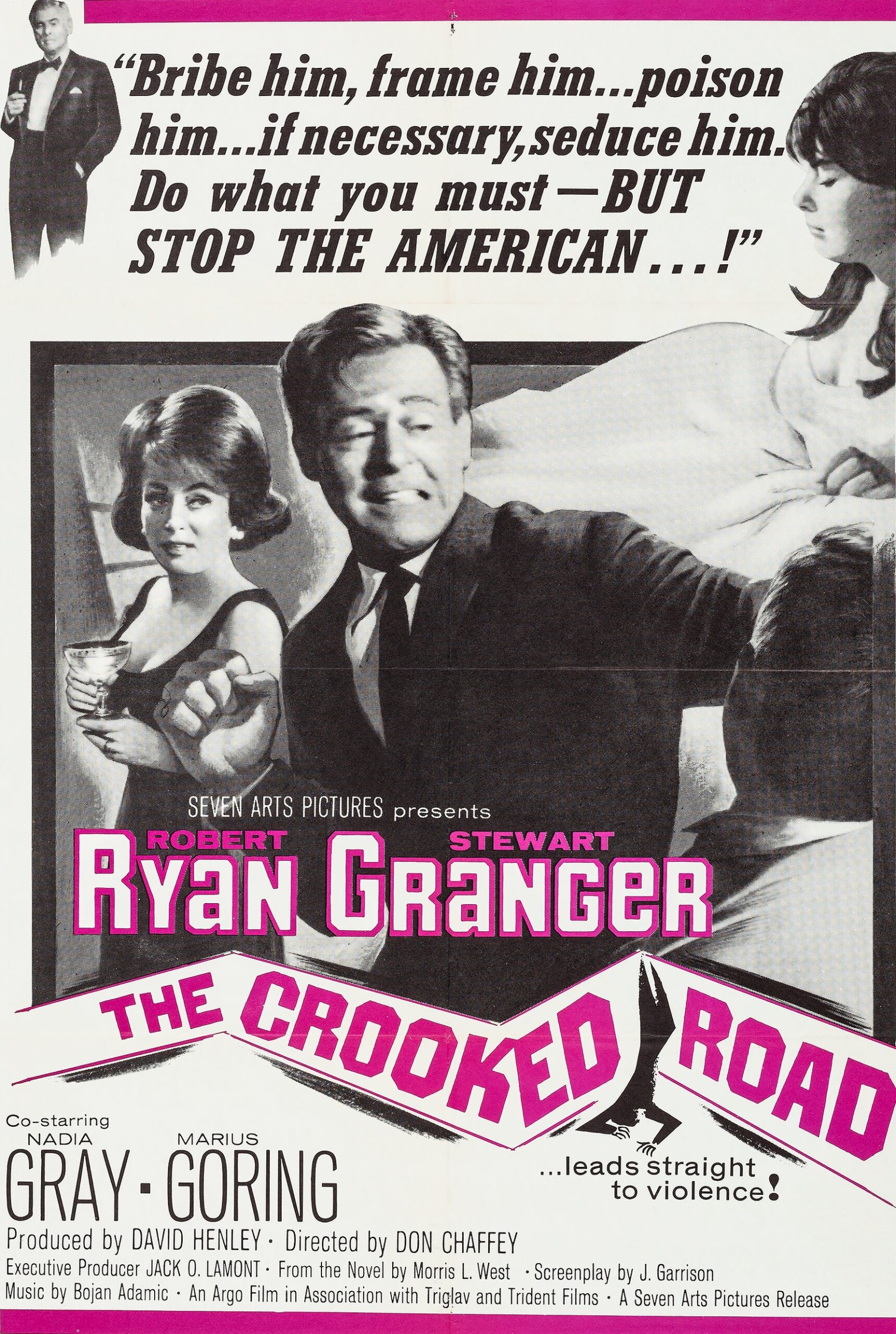
She made her film debut in a leading role as a young waitress who yearns to be a star in the French-Austrian co-production of L’inconnu d’un soir (1949) and went on to essay a number of more mature, sophisticated, glamorous patricians in European films, often a continental jet setter or bourgeoisie type. Earlier roles that led to European stardom included her countess in Monseigneur (1949), the woman in love with a thief in The Spider and the Fly (1949), and the role of Cristina Versini in the Italian technicolor biopic of the composer Puccini (1953). Her roster of continental male co-stars went on to include such legendary stalwarts as Marcello Mastroianni, ‘Vittorio de Sica’, Rossano Brazzi, Errol Flynn, Maurice Ronet and Gabriele Ferzetti. Among her scattered appearances in English-speaking productions were a mixture of adventures, dramas, comedies and horrors including Valley of Eagles (1951) with John McCallum and Jack Warner, Night Without Stars (1951) opposite David Farrar, The Captain’s Table (1959) starring John Gregson and Donald Sinden, Mr. Topaze (1961) starring Peter Sellers, Maniac (1963) co-starring Kerwin Mathews, The Naked Runner (1967) starring Frank Sinatra and a supporting role in the classic Albert Finney/Audrey Hepburn romance Two for the Road (1967). Nadia is most famous, however, for her cameo role toward the end of Federico Fellini’s masterpiece La dolce vita (1960) as a bored and wealthy socialite who celebrates her divorce by performing a memorable mink-coated striptease during a jaded party sequence in her home.
Following the death of her first husband in Spain in 1958 (he was only 52), Nadia continued to film and settled permanently in America in the late 60s after meeting and marrying second husband Herbert Silverman, a New York lawyer. She retired from films completely in 1976 and began headlining as a singing cabaret star. The trend-setting Russian-Romanian beauty died of a stroke in Manhattan on June 13, 1994 at age 70 and was survived by her second husband and two stepchildren.


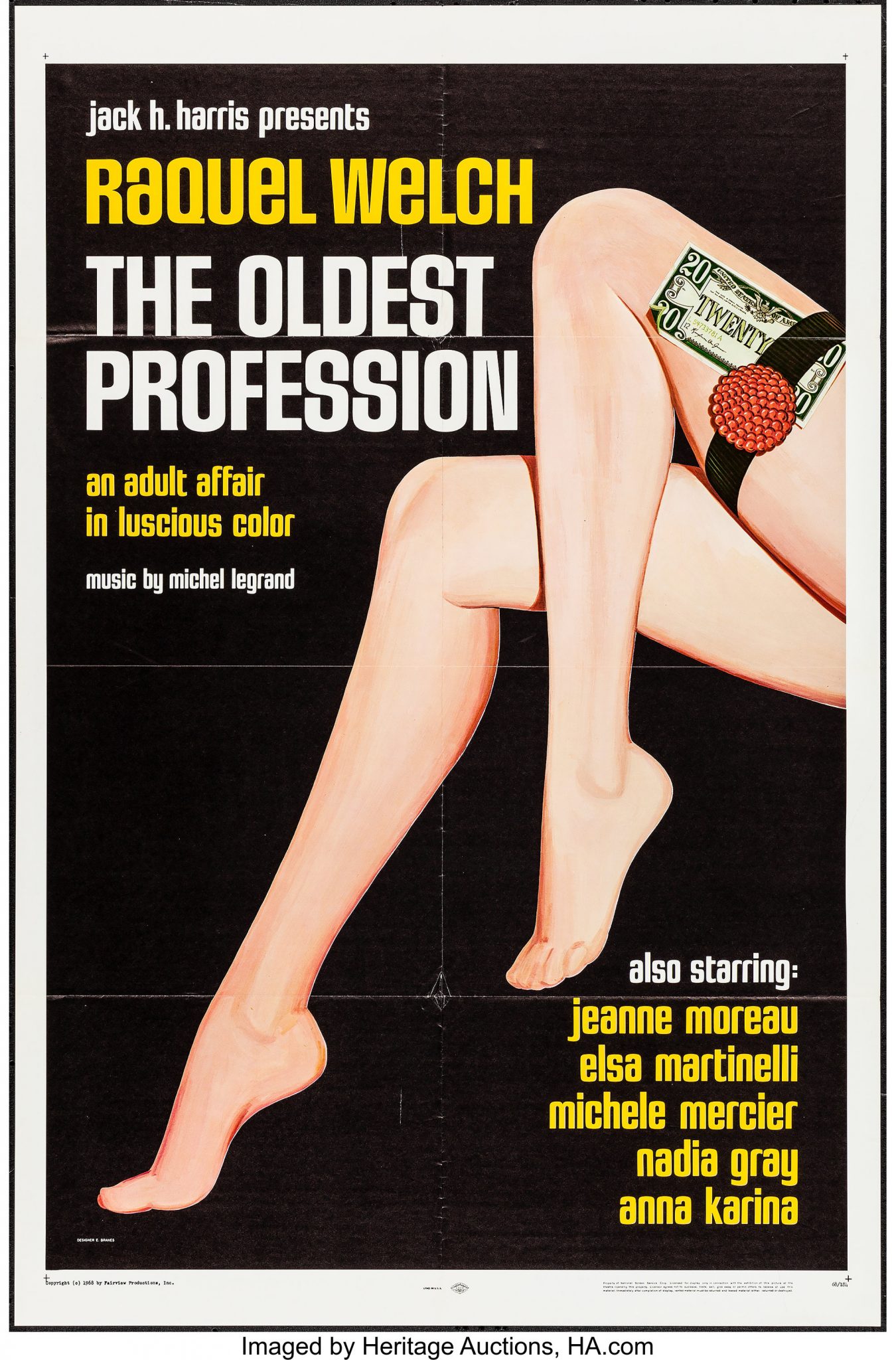
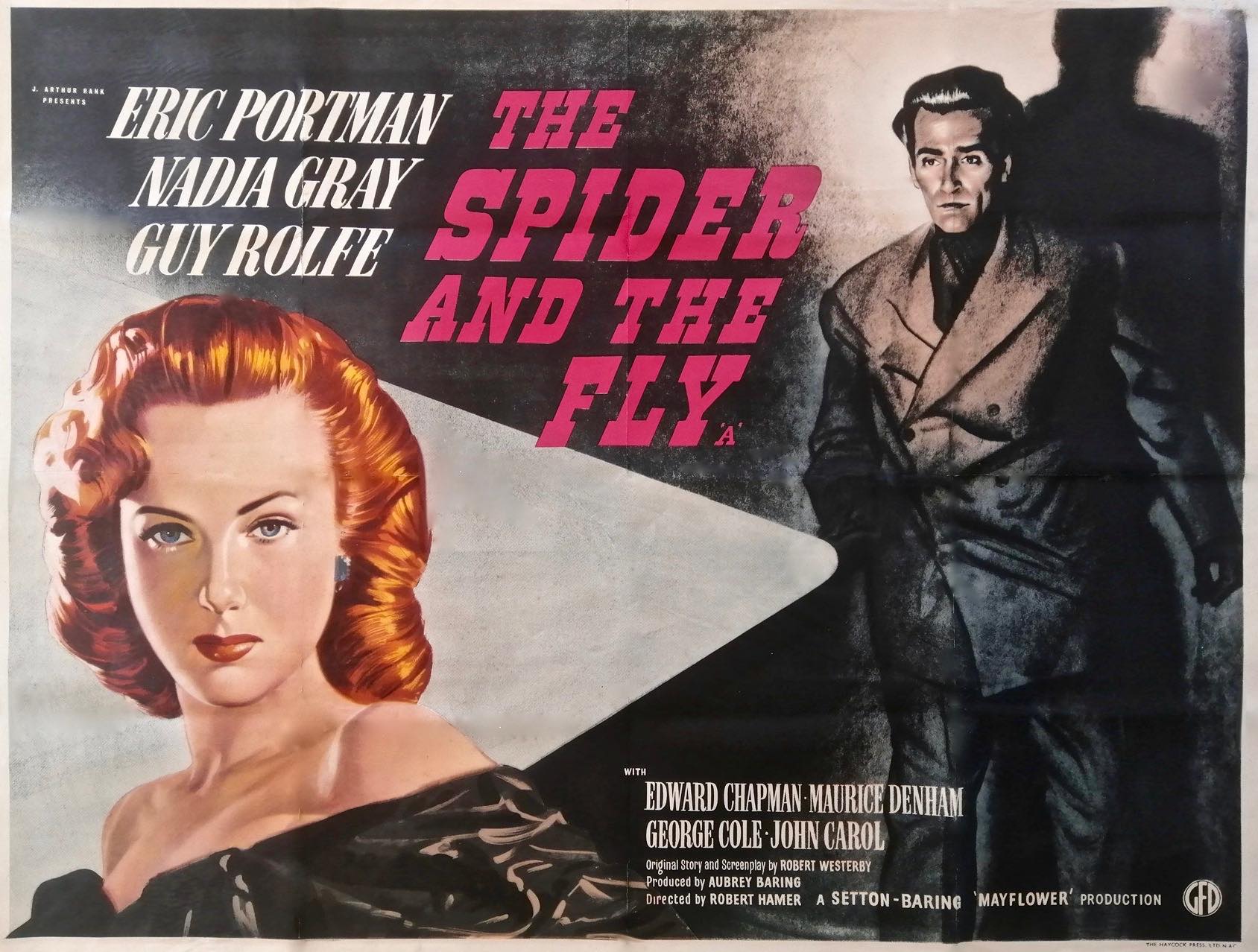
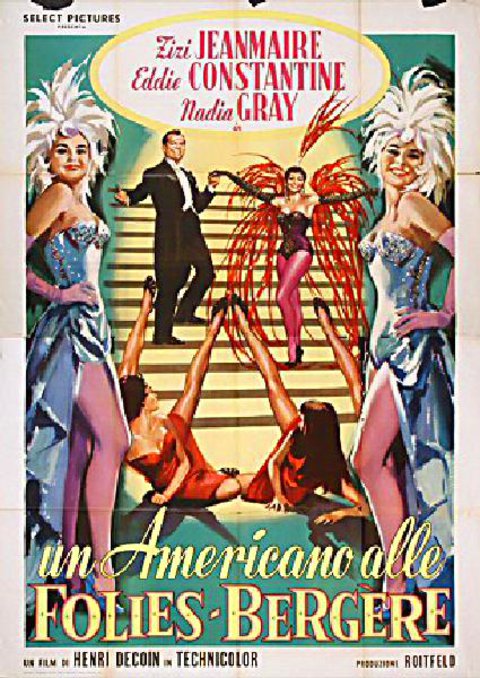
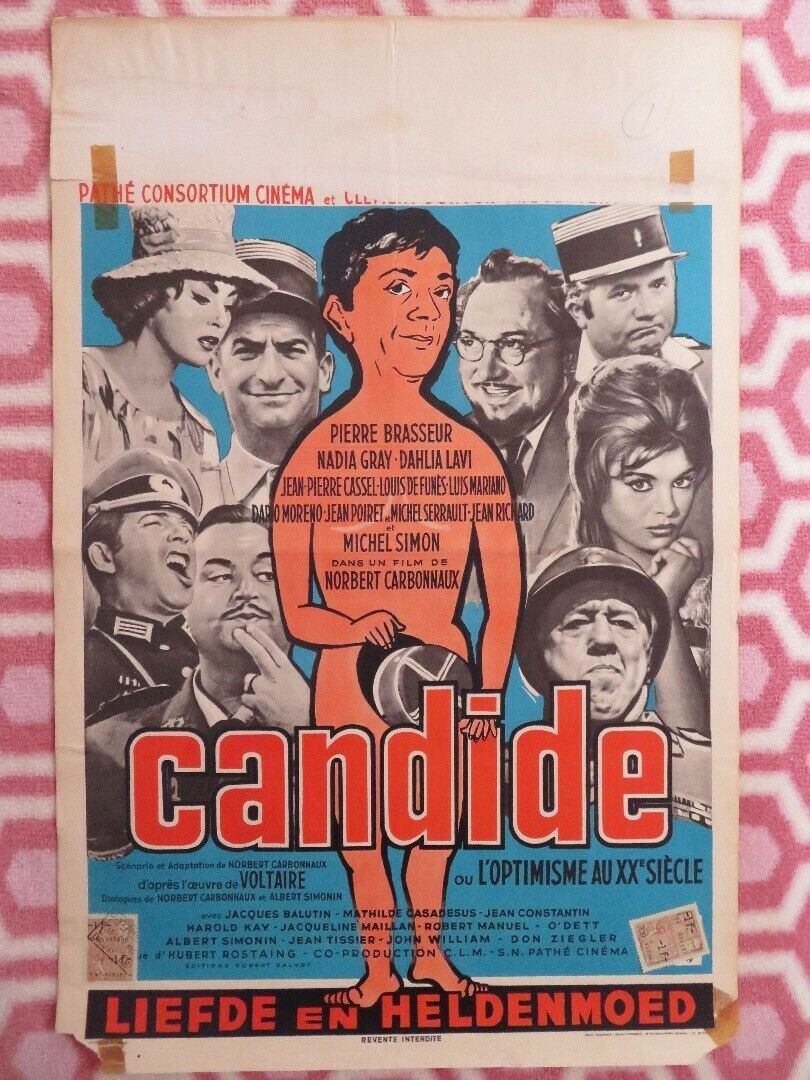
Nadia Gray (1923–1994) was an actress of international, polyglot sophistication. A critical analysis of her work reveals a performer who served as the “Continental Bridge”—a woman whose regal, slightly detached beauty allowed her to move seamlessly between the Post-War British Thriller, the French Melodrama, and the Italian Avant-Garde.
In the context of the 1950s European Noir and the 1960s “New Wave” you appreciate, Gray represents the “Enigmatic Aristocrat”—the woman who possesses a “Security Blanket” of high-class poise but harbors a “Searching Integrity” that questions the very society she inhabits.
I. Career Overview: From Bucharest to Fellini
1. The Continental Debut (1940s–1952)
Born Nadia Kujnir-Herescu in Romania, she escaped the communist takeover to become a staple of French and British cinema.
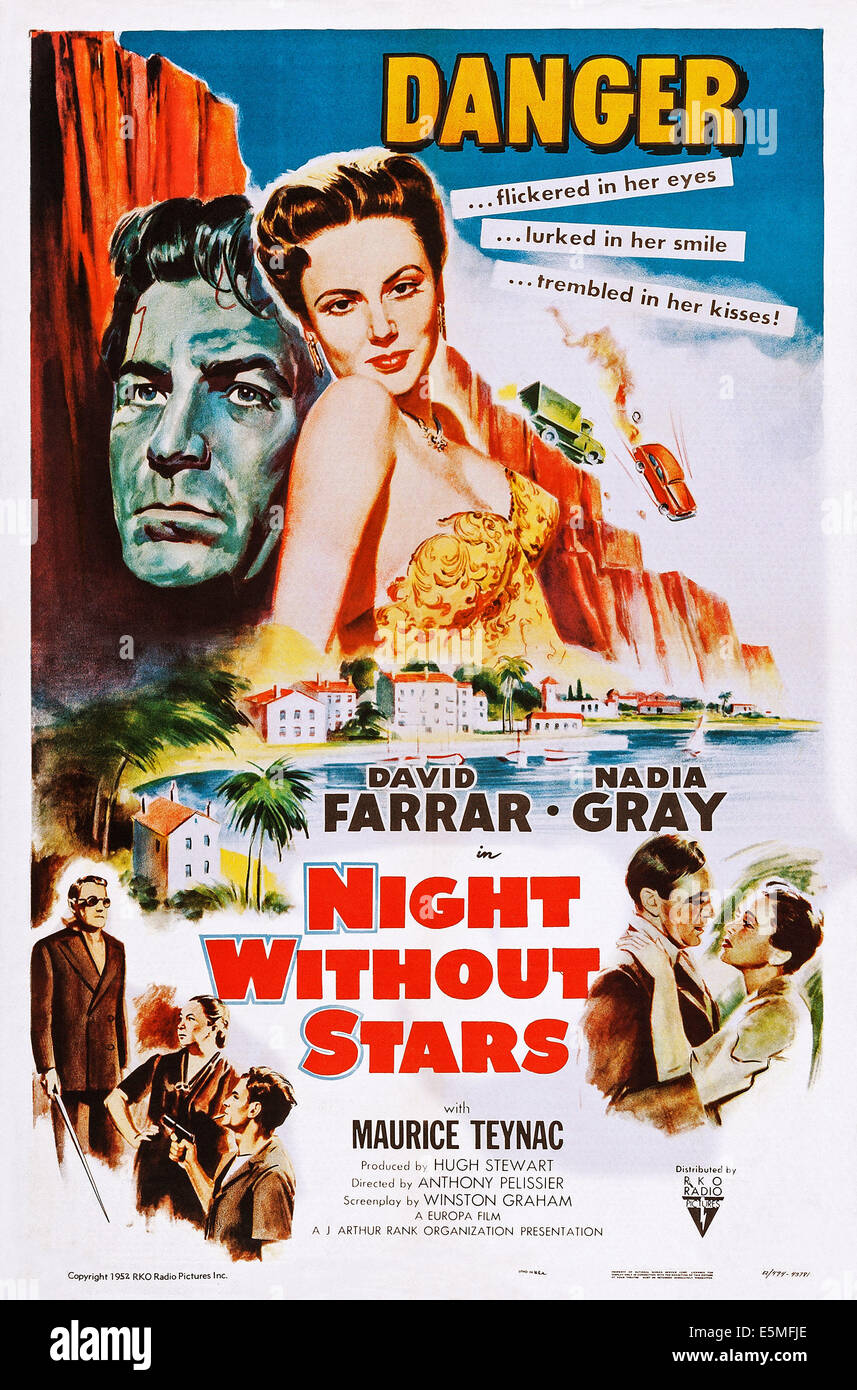
The “Enigma” Debut: In the British thriller Night Without Stars (1951), she played opposite David Farrar. Critically, she was praised for her “Shaded Naturalism.” Unlike the more exuberant starlets of the era, Gray brought a “Noir-tinged” mystery to her roles; she didn’t just walk into a room, she “occupied” it with a silent, watchful intelligence.
2. The Golden Age of the “International Socialite” (1953–1960)
Gray became the definitive face of the European woman of the world.
The Captain’s Table (1959): In this British comedy, she played the elegant Mrs. Judd. Analysts note her “Symmetric Balance” of wit and glamour; she was the “Fixed Point” of sophistication in an otherwise chaotic farce.
La Dolce Vita (1960): In Federico Fellini’s masterpiece, she played a fictionalized version of herself. Her famous “striptease” scene is analyzed not as mere titillation, but as a “Baroque Performance of Boredom.” She represented the “Cynical End” of the aristocracy—a woman so wealthy and beautiful she had run out of things to feel.
3. The Genre Specialist and “Cult” Status (1960s–1976)
As cinema became more experimental, Gray adapted her “Classical Poise” to fit the “New Wave.”
Two for the Road (1967): Playing Marianne, she provided the “Savoury” contrast to Audrey Hepburn’s more youthful energy.
The Prisoner (1967): Like Georgina Cookson, she appeared in the cult series (the episode “The Chimes of Big Ben”). She played Nadia, bringing a “High-Stakes Ambiguity” to the role of the escapee. Was she a victim or a plant? Her ability to play “The Double Game” with a steady eye made her a perfect fit for the show’s “Noir” paranoia.
II. Detailed Critical Analysis
1. The “Architecture” of the Gaze
Critically, Gray is analyzed for her Physical Stillness. She possessed a “sculptural” face that required very little movement to convey complex internal states.
The “Internal” Noir: In her thrillers, she often played women with a past. Analysts point out that she used her eyes as a “Documentary Evidence” of survival. She didn’t “emote” in the traditional sense; she allowed the camera to “find” the story in her silence. She was the “Major Dundee” of the Salon—a veteran of social wars who kept her cards close to her chest.
2. The “Polyglot” Technique
Gray spoke five languages fluently, and this “Linguistic Sophistication” informed her acting style.
The Acoustic Precision: Her voice had a low, “velvet” resonance. Critics note that she used her accent not as a limitation, but as a “Musical Tool.” She could shift her tone to fit the “Kitchen Sink” grit of a British drama or the “High-Gloss” artifice of a French romance. She provided the “Acoustic Integrity”that made international co-productions feel authentic.
3. The “Method” of Disillusionment
In her later 1960s work, Gray practiced a form of “Reflective Cynicism.”
The Truth in the Glamour: She understood that “Style” was a mask. Her characters often seemed to be looking past the luxury of their surroundings. This “Searching Integrity” aligned with the 1960s shift toward realism. She showed the “work” it took to be a “Lady,” turning her performances into a “Savoury” critique of the upper class.
Iconic Performance Highlights
| Work | Role | Year | Critical Achievement |
| La Dolce Vita | Nadia | 1960 | Created an “Icon of Disillusioned Glamour.” |
| The Prisoner | Nadia | 1967 | A masterclass in “High-Poise Ambiguity.” |
| Night Without Stars | Alix Deland | 1951 | Defined the “Post-War Continental Enigma.” |
| The Captain’s Table | Mrs. Judd | 1959 | Showcased her comedic ability |