



Richard Ney obituary in “The Guardian”
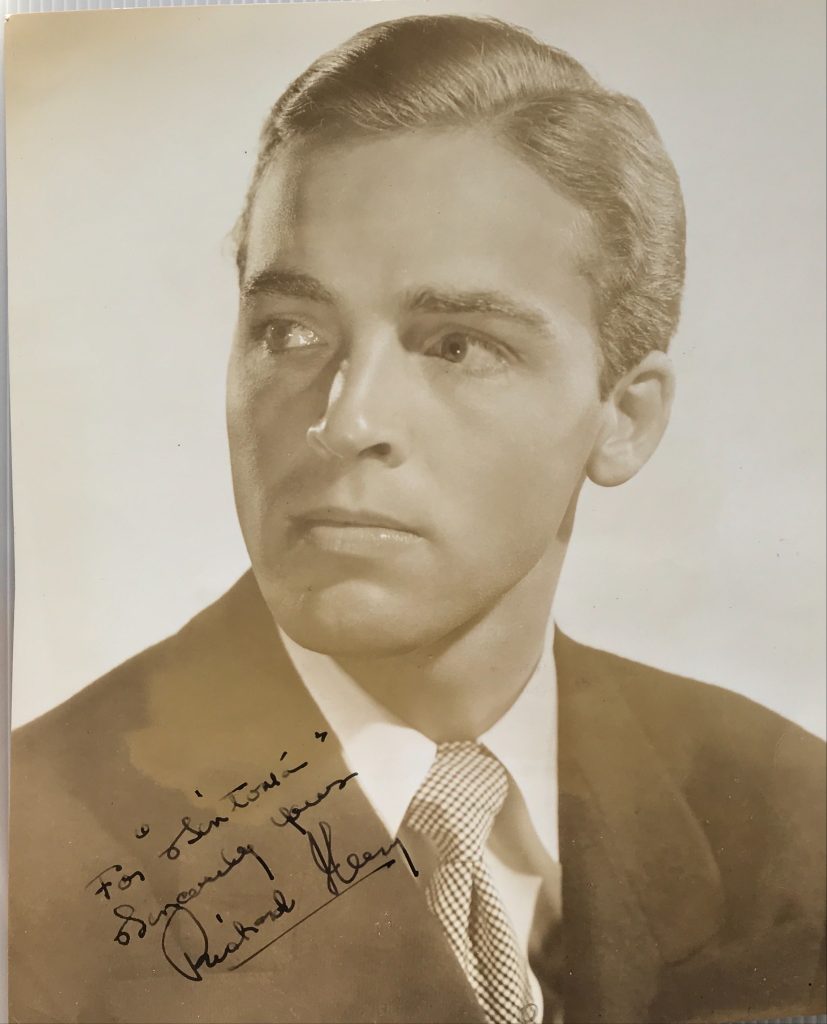
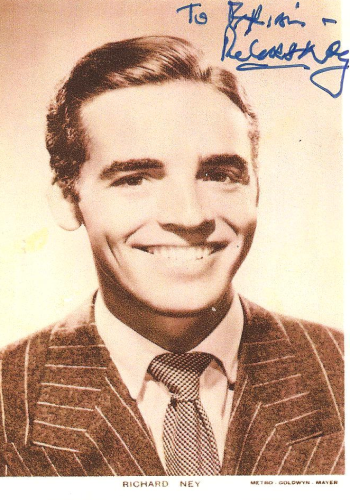
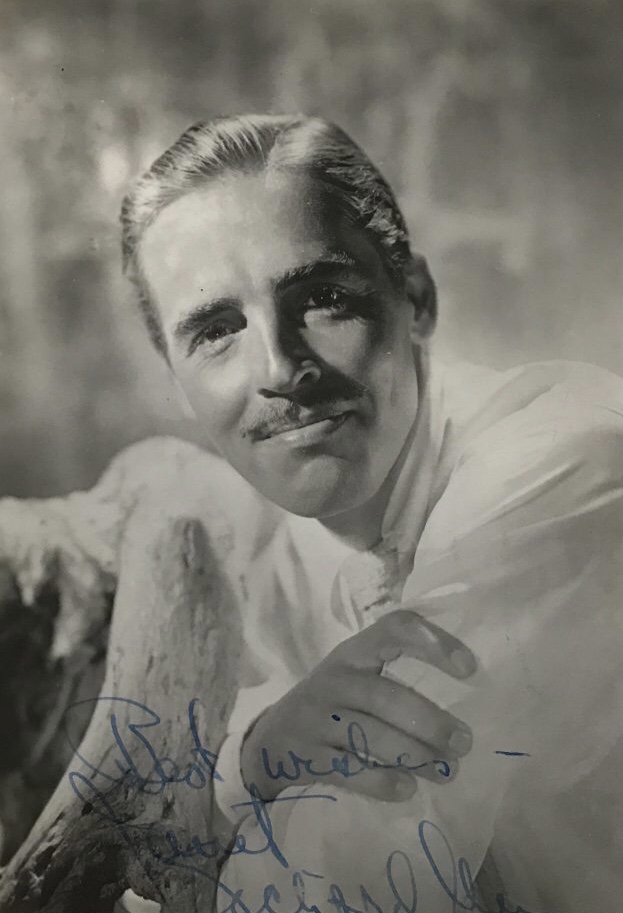
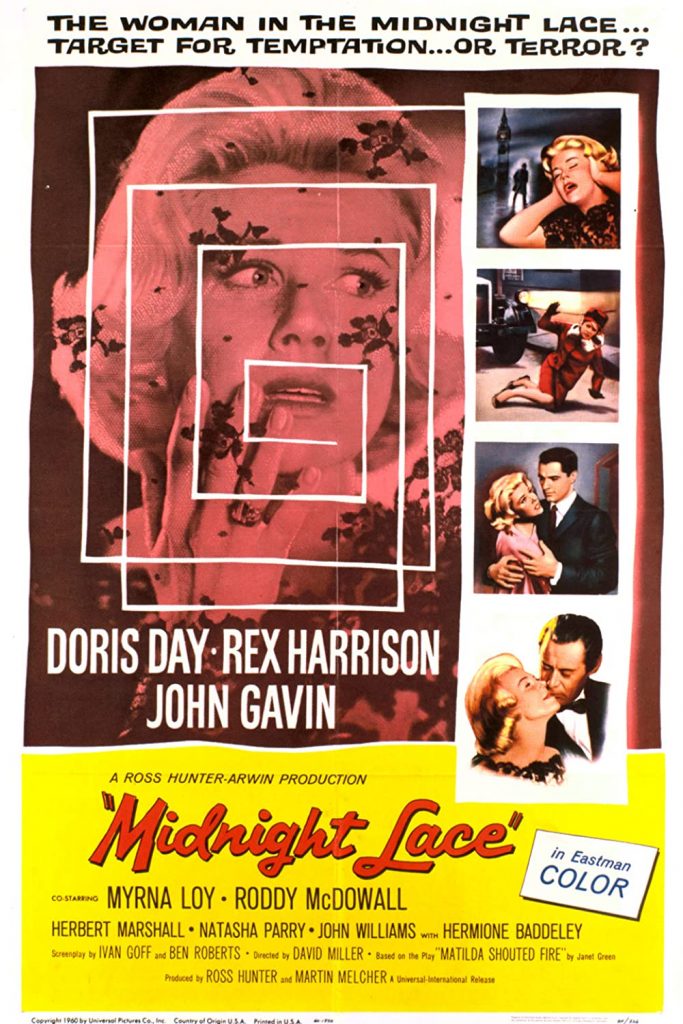
Richard Ney was an American actor who became an investment counsellor. He was born in 1916 in New York City. His best remembered role was as Vin Miniver the son of Walter Pidgeon and Greer Garson in the classic World War Two drama “Mrs Miniver”. Among his other film credits are “Midnight Lace” with Doris Day and “The Premature Burial” with Ray Milland and Hazel Court. He then became an investment counsellor and wrote three books on the subject. He died in 2004 at the age of 88.
The “Guardian” obituary by Christopher Reed:
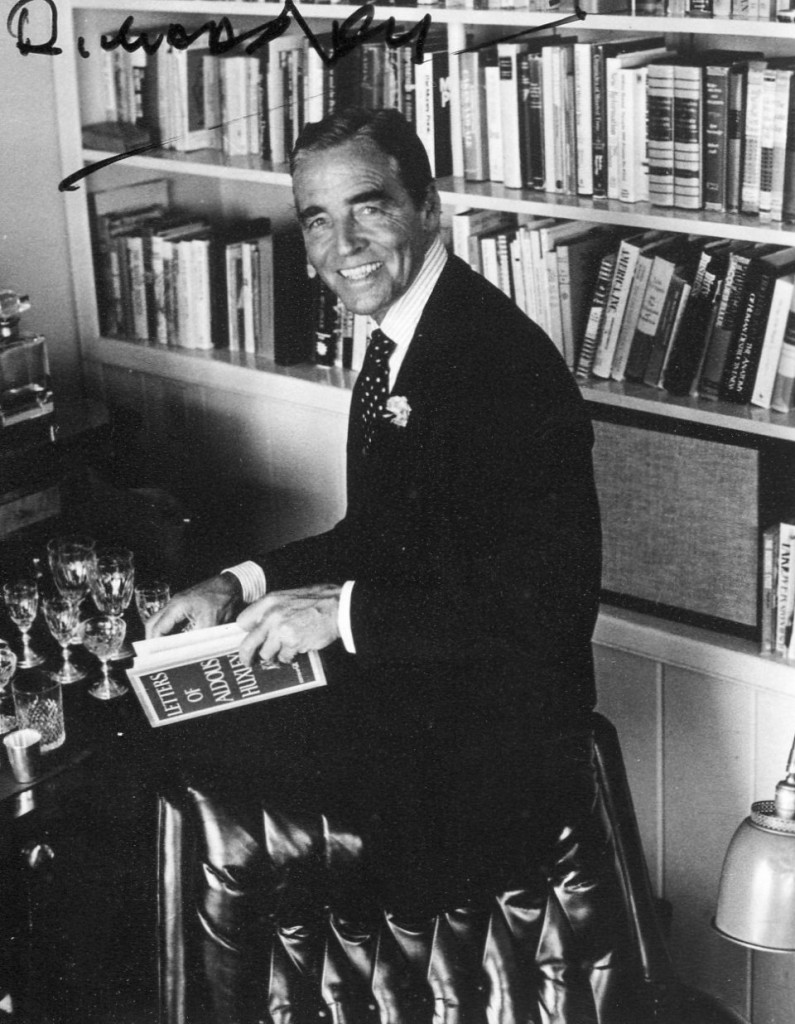
In 1970, the actor-turned-writer and investment expert Richard Ney, who has died aged 87, published his acclaimed The Wall Street Jungle. Its theme, that there was “more sheer larceny per square foot” on the floor of the New York stock exchange “than any place else in the world,” so scandalised the New York Times that it never reviewed the book, despite its 11 months on the newspaper’s bestseller list.



Ney’s The Wall Street Gang (1974) and Making It In The Market (1975) followed. Together with his fortnightly Ney Report (1976-99), personal investments and managing portfolios, he did not regret leaving Hollywood in 1961, after a dazzling debut almost 20 years earlier.
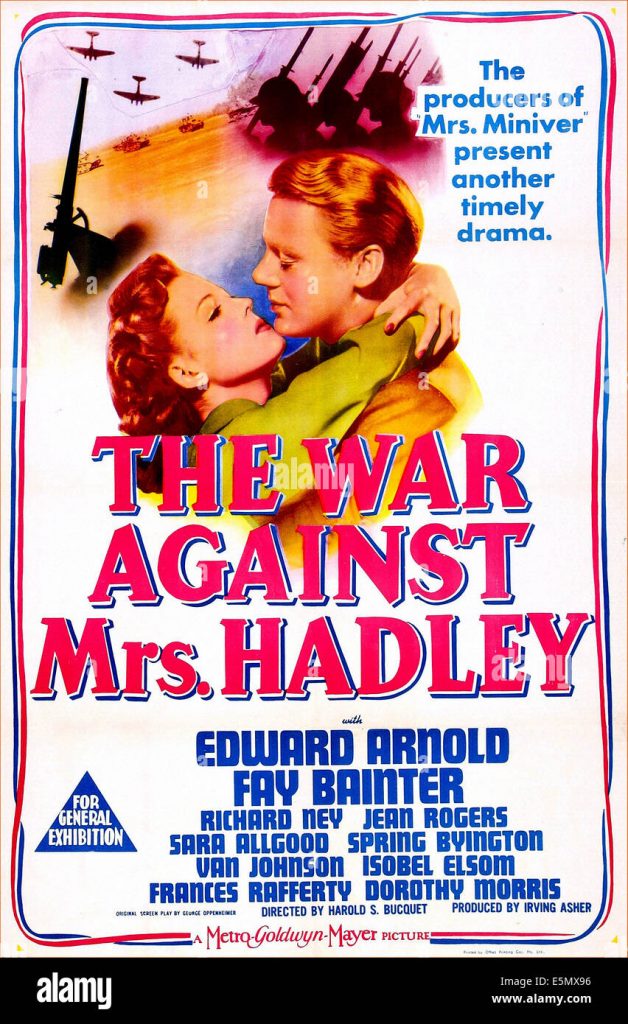
Ney was chosen to play Greer Garson’s son Vin in the Oscar-winning Mrs Miniver (1942). The following year he married Garson, who was 11 years older. Ney made 13 more films, including Lady Windermere’s Fan (1949) and Midnight Lace, a London murder mystery (1960). The Secret Of St Ives (1949) was the only one in which he starred.
His 1947 divorce from Garson made him more famous than he wished. The press portrayed him as an impertinent upstart insulting the Anglo-Irish cool queen of Hollywood. He said he went into finance “to be left alone,” but he was well known in Beverly Hills, where he lived and drove a midnight blue and ivory coachbuilt Rolls-Royce.
Almost immediately after leaving Hollywood, Ney featured in Time magazine thanks to his forecast earlier that year of the financial crash of 1962. It had been while working in a Beverly Hills brokerage that the activities of floor specialists caught his notice. An official report after the crash confirmed his suspicions about their manipulations.
Born in New York’s Bronx, the son of a first world war pilot turned insurance salesman, and a secretary, Ney read economics at Columbia University, paying his fees by modelling. He was fired from a New York play after a year for demanding a raise, but, on a trip to LA, a friend took him along to a film studio appointment. Ney wandered into a room where several men were talking. One looked at him and exclaimed: “My god, it’s Vin Miniver.” His film career was interrupted by naval war service in the Pacific.
Ney’s books may have dated, but are still regarded as definitive works on the mysteries of the stock exchange, where “the money stolen from the many is divided among few”. Ney is survived by his fourth wife, Mei-Lee, and a stepdaughter from his third marriage.
“The Guardian” obituary can also be accessed online here.
Career overview
Richard Ney (1916 – 2004) was an American actor whose brief Hollywood career in the 1940s intersected memorably with one of the era’s signature films, Mrs. Miniver (1942), before he abandoned acting to become a best‑selling financial writer and investment counselor. His trajectory—from promising leading man and tabloid curiosity to outspoken critic of Wall Street—offers a study in both the volatility of stardom and the reinvention of an intelligent performer in mid‑century America.
Early life and education
Born Richard Maximilian Ney in New York City, Ney was the son of an insurance salesman and a wartime navy yeoman. He grew up in modest circumstances and studied economics at Columbia University, financing his tuition through modeling ( ). The combination of scholarly training and striking looks would mark both halves of his career: intellectual curiosity allied to a matinee‑idol presence.
Hollywood breakthrough: Mrs. Miniver (1942)
Director William Wyler cast Ney as Vin Miniver, the idealistic son of Greer Garson’s wartime British matron. The film became Hollywood’s definitive home‑front drama, winning six Academy Awards including Best Picture and Best Actress. Ney’s performance, though a supporting one, conveyed young moral conviction without sentimentality and positioned him as a sympathetic everyman amid the ensemble .
Off screen, however, the film would define him for another reason: in 1943 he married his on‑screen mother, Greer Garson, who was more than a decade older. The public’s fascination with Garson’s dignified persona turned the marriage—and its 1947 divorce—into a public‑relations hazard, clouding Ney’s professional momentum .
Film work and decline in Hollywood prospects (1943–1960)
Though MGM initially groomed him for leading roles, the Garson scandal and a changing studio climate curtailed his ascent. He found occasional work of quality:
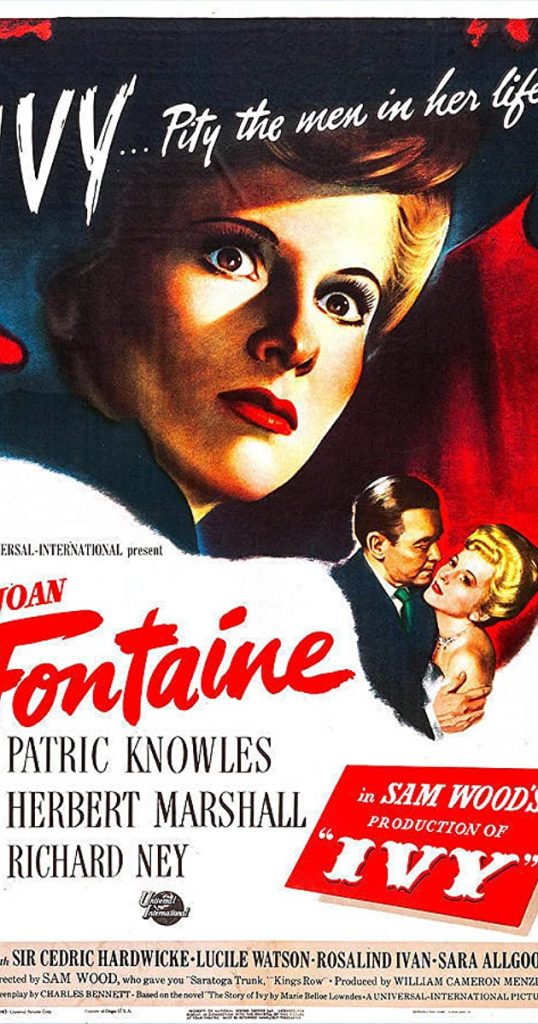
- Ivy (1947) and The Late George Apley (1947) displayed his urbane charm within literary material.
- The Fan (1949) and Joan of Arc (1948) kept him visible in prestige pictures.
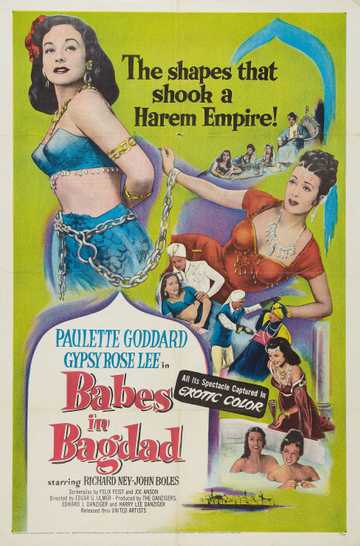
Yet by the early 1950s he was relegated to uninspired vehicles such as Babes in Bagdad (1952), a widely derided Arabian‑Nights pastiche.
Like many fading contract actors, Ney pivoted to television, working in Studio One, General Electric Theater, Peter Gunn, Have Gun – Will Travel, and The Outer Limits . His final screen roles came in B‑movies such as Roger Corman’s The Premature Burial (1962). By 1961 he left acting entirely, later remarking that he entered finance “so people would leave me alone” .
Second career: financial writing and controversy
Armed with his Columbia economics degree, Ney joined a Beverly Hills brokerage firm and soon began publishing The Ney Report, analyzed on Wall Street for its skepticism of market practices . His first book, The Wall Street Jungle (1970), spent 11 months on The New York Timesbest‑seller list despite the paper’s refusal to review it, scandalized by his claim that there was “more sheer larceny per square foot” on the Exchange floor than anywhere else. Follow‑ups—The Wall Street Gang (1974) and Making It in the Market (1975)—cemented his reputation as the financial world’s gadfly.
Ney’s prescient prediction of the 1962 stock‑market crash had already earned him national notoriety . While unrepentantly capitalist—he owned a Rolls‑Royce with “WAKE UP” plates—he attacked insider manipulation and championed computerized, transparent trading decades before it became standard practice .
Acting style and screen persona
- Earnest intelligence: On film he projected cerebral sincerity; critics noted a quiet confidence rather than flamboyant charisma.
- Romantic restraint: Handsome and well‑spoken, he played gentlemen‑protagonists rather than brooding anti‑heroes; his refinement sometimes read as aloofness.
- Underused sensibility: Possessing both intellect and looks, he might have flourished in post‑war sophisticated comedies or literate dramas but was stranded between the fading studio‑system melodrama and the rougher naturalism of emerging post‑war acting styles.
Critical appraisal
Strengths
- Distinct moral gravitas and intellect uncommon among contract players.
- Early performances (Mrs. Miniver, Ivy) show delicate emotional truth filtered through genteel discipline.
- Demonstrated curiosity and analytical rigor that ultimately found a truer outlet in his later writing.
Limitations
- His urbane reserve limited range within Hollywood’s romantic‑adventure formula.
- The Garson marriage controversy permanently tainted his image with studio executives.
- He exited before television’s so‑called “Golden Age” could offer psychological roles that might have suited him.
Legacy
As an actor, Richard Ney remains a footnote to Mrs. Miniver—a capable performer whose career succumbed to publicity and timing. As a writer and economic commentator, however, he achieved a second and more enduring identity. His trilogy of exposés on market manipulation (The Wall Street Jungle, The Wall Street Gang, Making It in the Market) transformed him into one of the few Hollywood expatriates to win credibility in financial journalism. Together they reveal the same qualities visible in his acting: analytical intelligence, moral conscience, and articulate conviction.
In sum: Richard Ney’s artistic legacy lies more in integrity than volume. He epitomizes the intelligent contract player stymied by Hollywood’s constraints yet reborn through an inquisitive mind elsewhere—a rare instance where a once‑famous screen face became a serious critic of another kind of performance: the theatre of Wall Street.