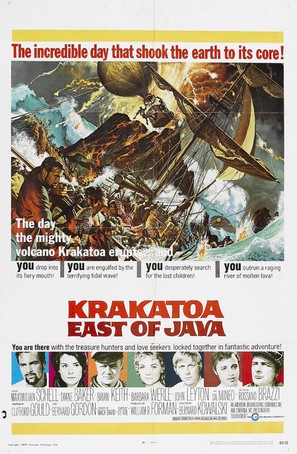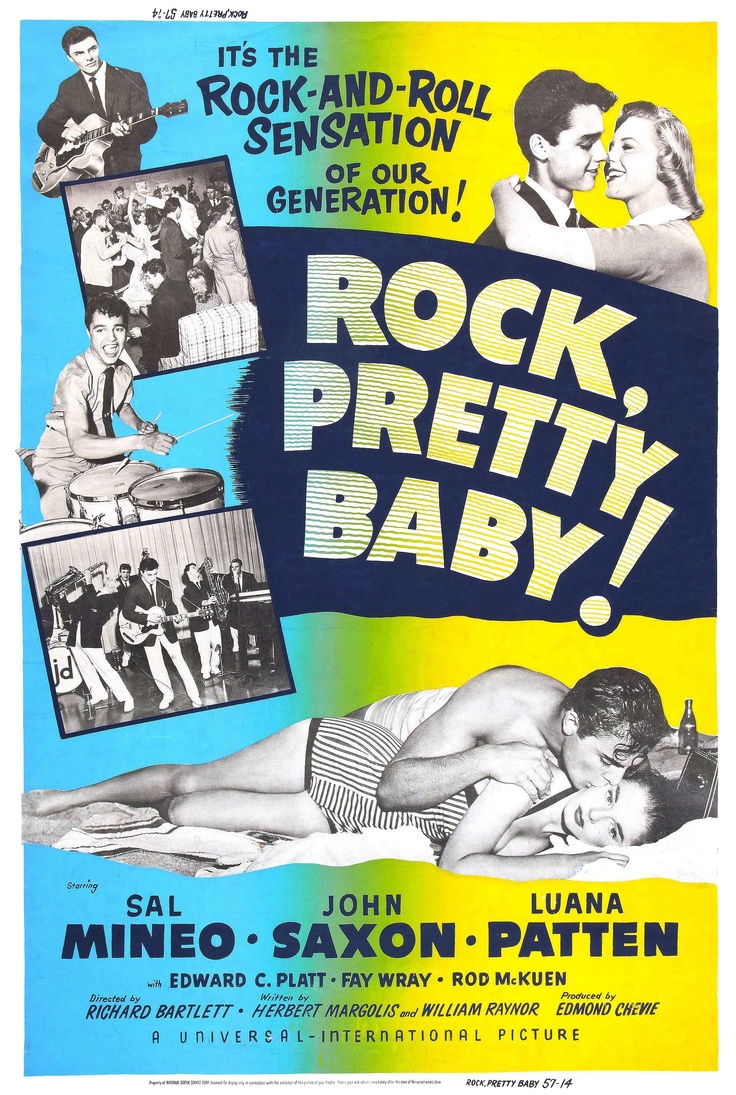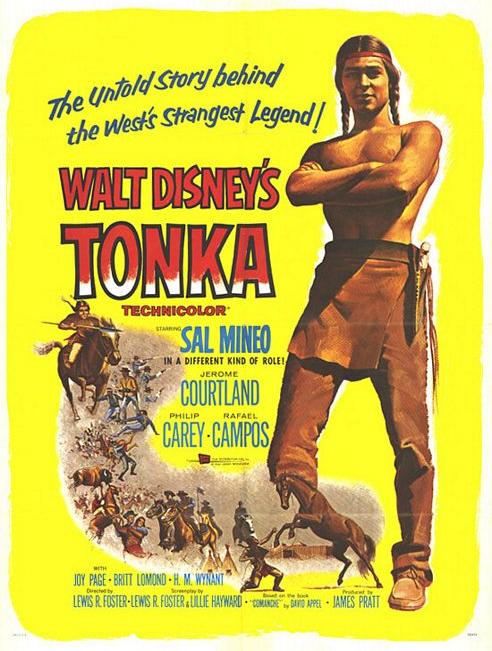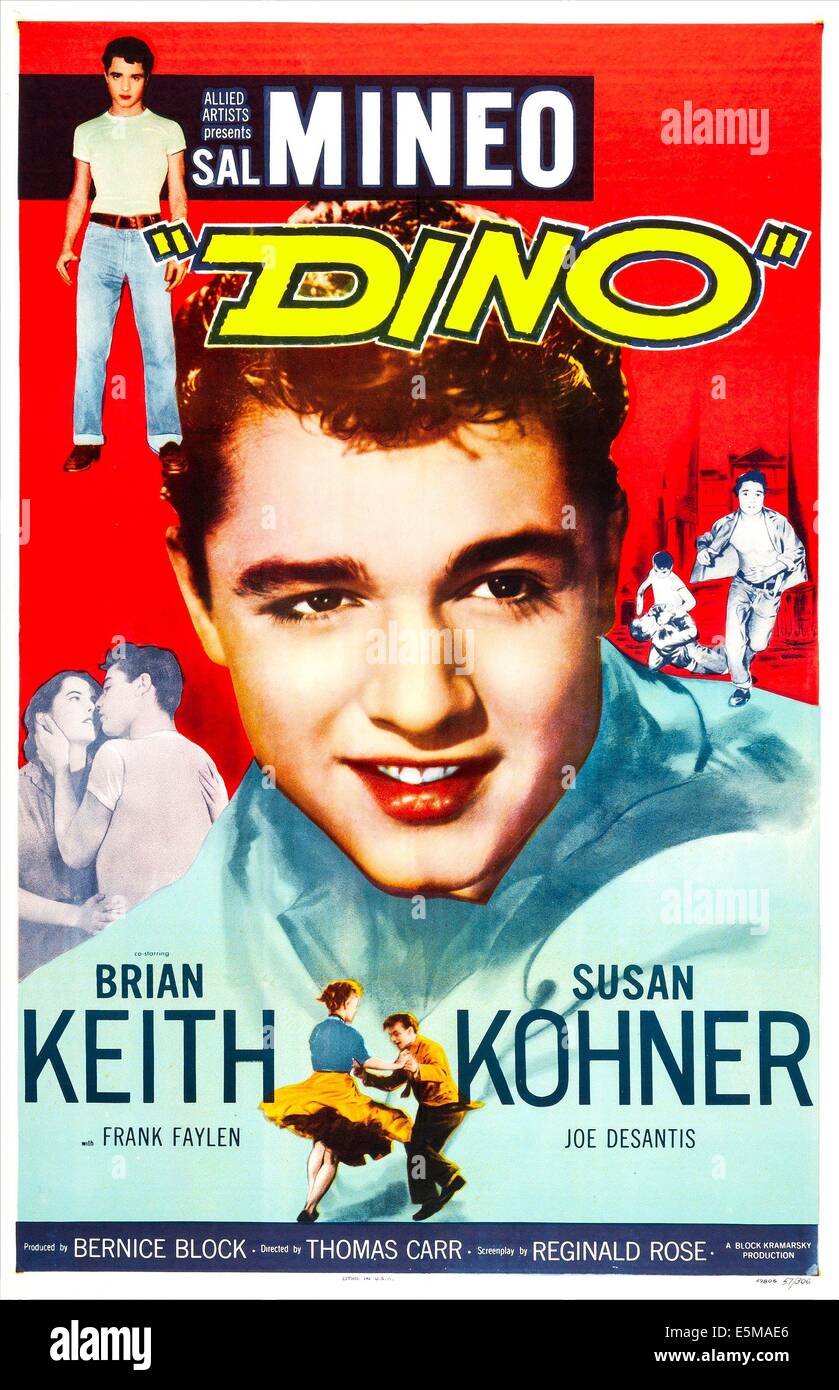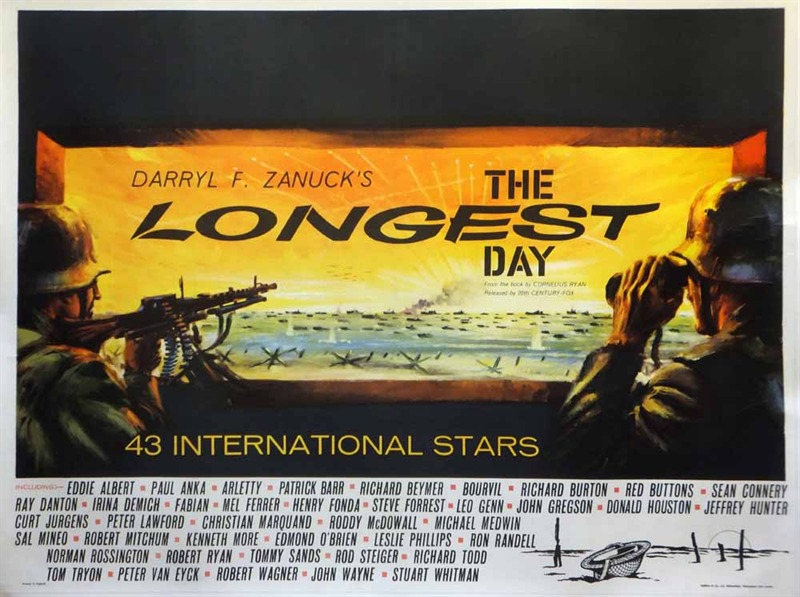


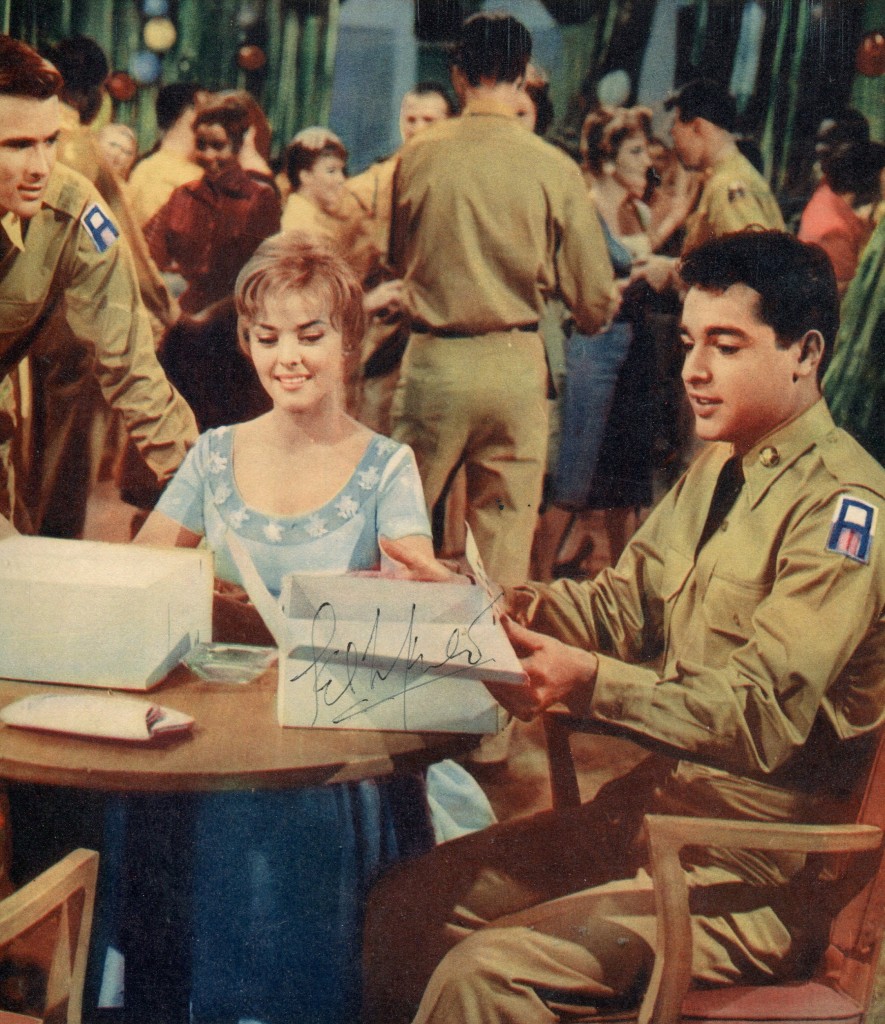
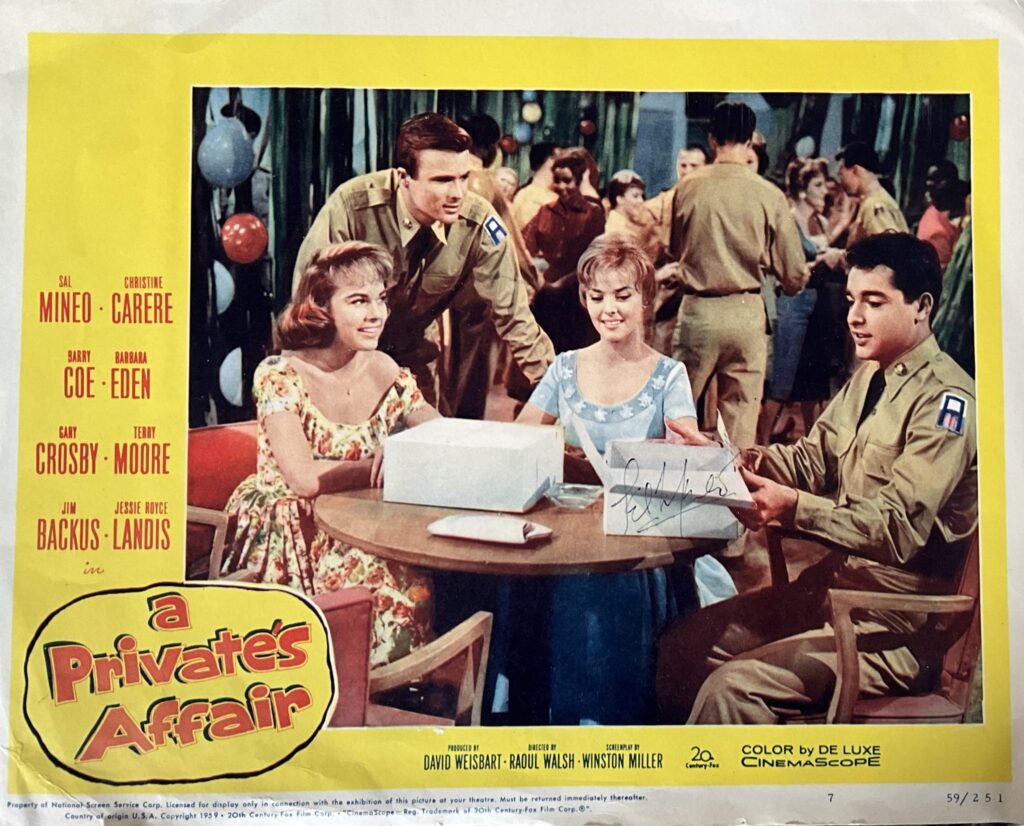
Sal Mineo

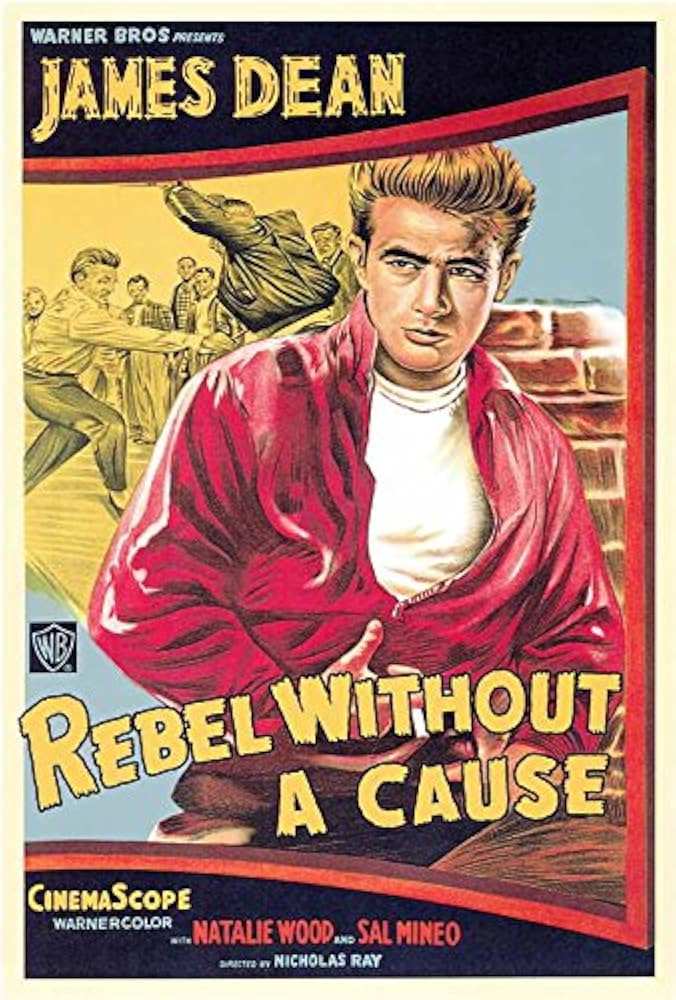
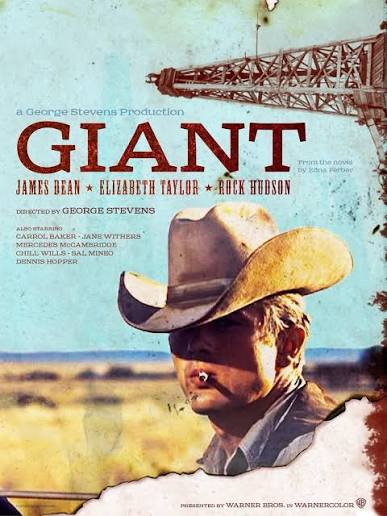
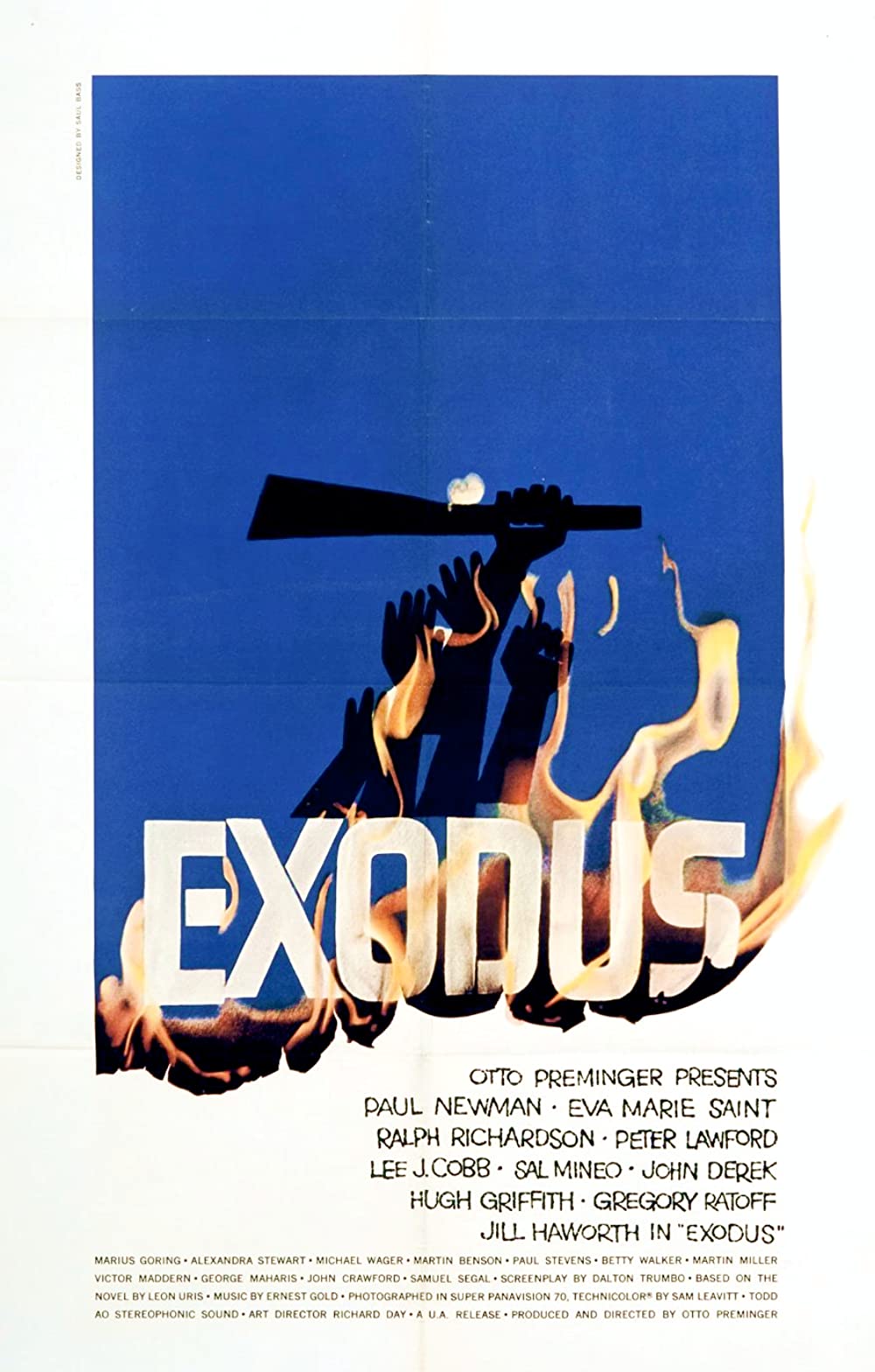
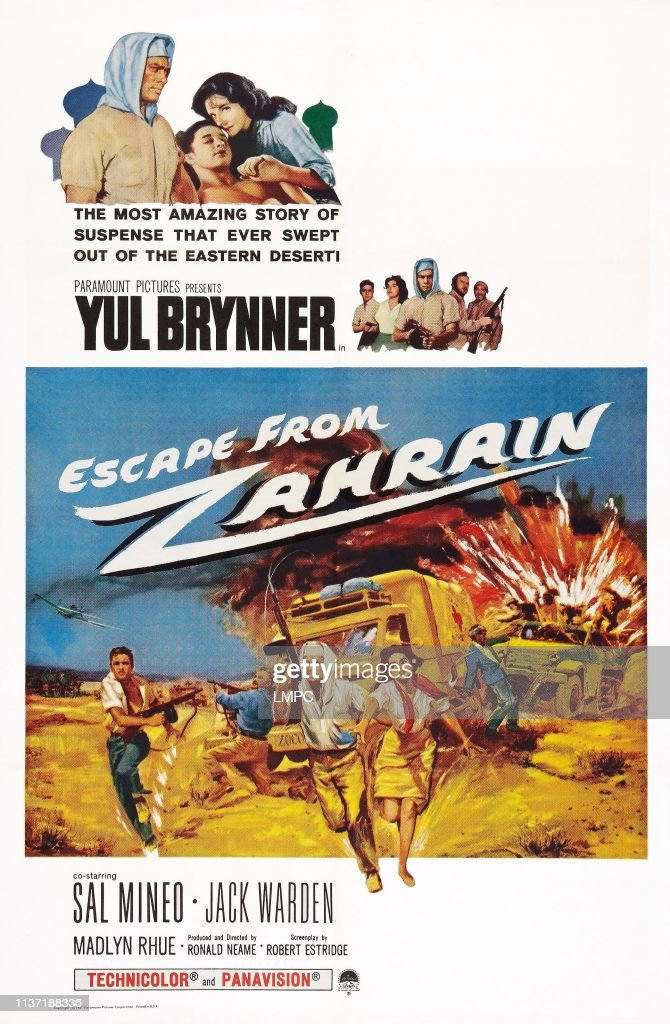
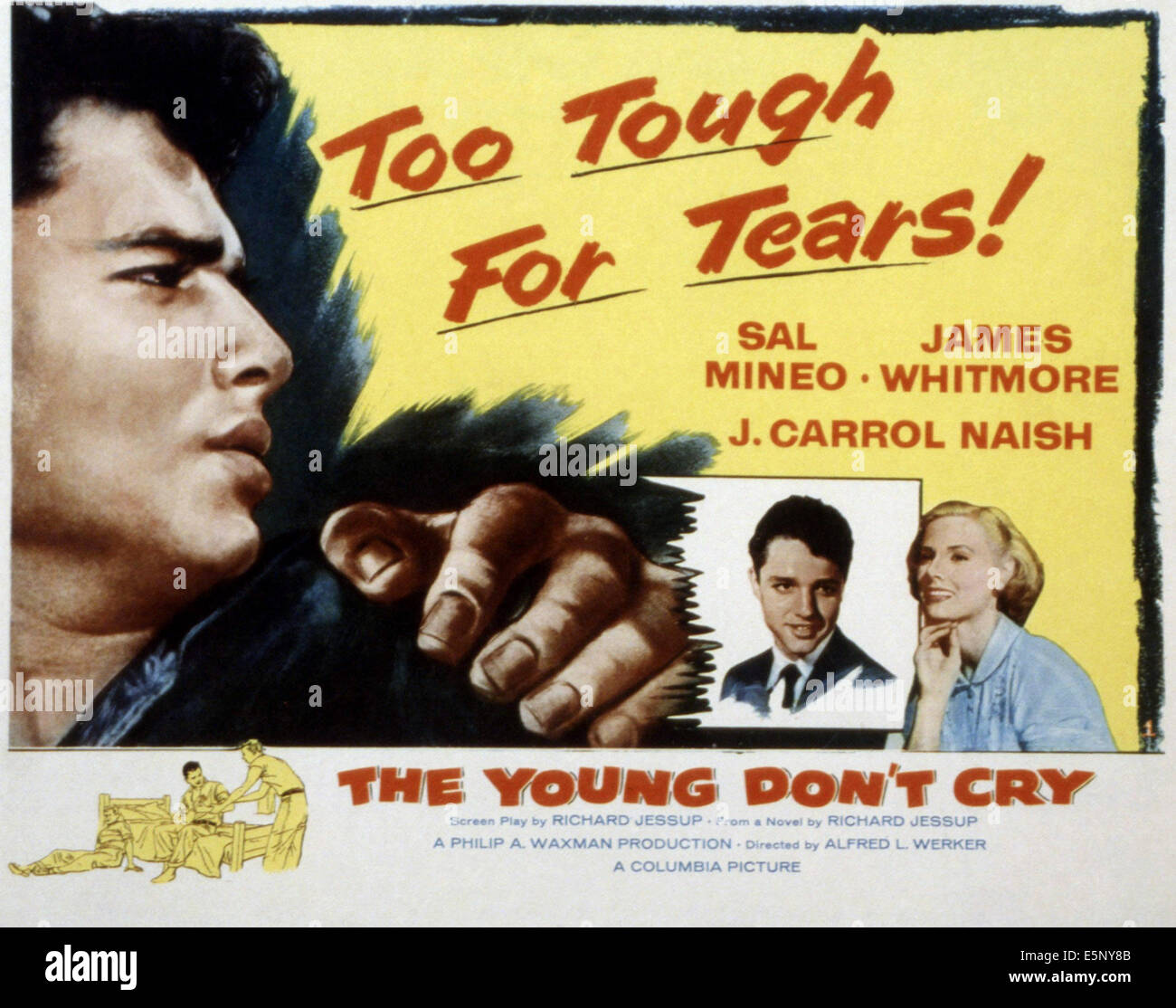
Sal Mineo was born in the Bronx in New York in 1939.   As a child he acted on Broadway in”The Rose Tattoo” and “The King and I” with Yul Brynner.   In 1955 he was terrific in “Rebel Without a Cause” with James Dean and Natalie Wood and the following year  he played a young Mexican in “Giant”.   Throughout the late 50’s and early 60’s he was a major played on film.   Career highlights include “Exodus” and “The Gene Krupa Story”.   His film career seemed to wane by the late 60’s and he turned to the stage and television.   He was a victim of a savage attack and died as a result in California in 1976.   A website dedicated to Sal Mineo can be accessed here.

Salvatore (Sal) Mineo Jr. was born to Josephine and Sal Sr. (a casket maker), who emigrated to the U.S. from Sicily. His siblings were Michael, Victor and Sarina. Sal was thrown out of parochial school and, by age eight, was a member of a street gang in a tough Bronx neighborhood. His mother enrolled him in dancing school and, after being arrested for robbery at age ten, he was given a choice of juvenile confinement or professional acting school.

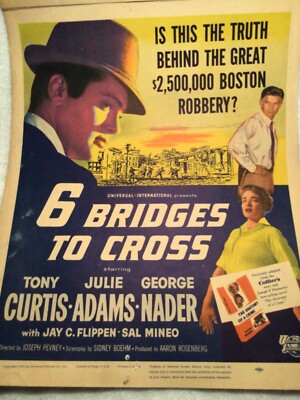
He soon appeared in the theatrical production “The Rose Tattoo” with Maureen Stapletonand Eli Wallach and as the young prince in “The King and I” with Gertrude Lawrence andYul Brynner. At age 16 he played a much younger boy in Six Bridges to Cross (1955) withTony Curtis and later that same year played Plato in James Dean‘s Rebel Without a Cause (1955). He was nominated for Best Supporting Actor for his performance in this film and again for his role as Dov Landau in Exodus (1960).

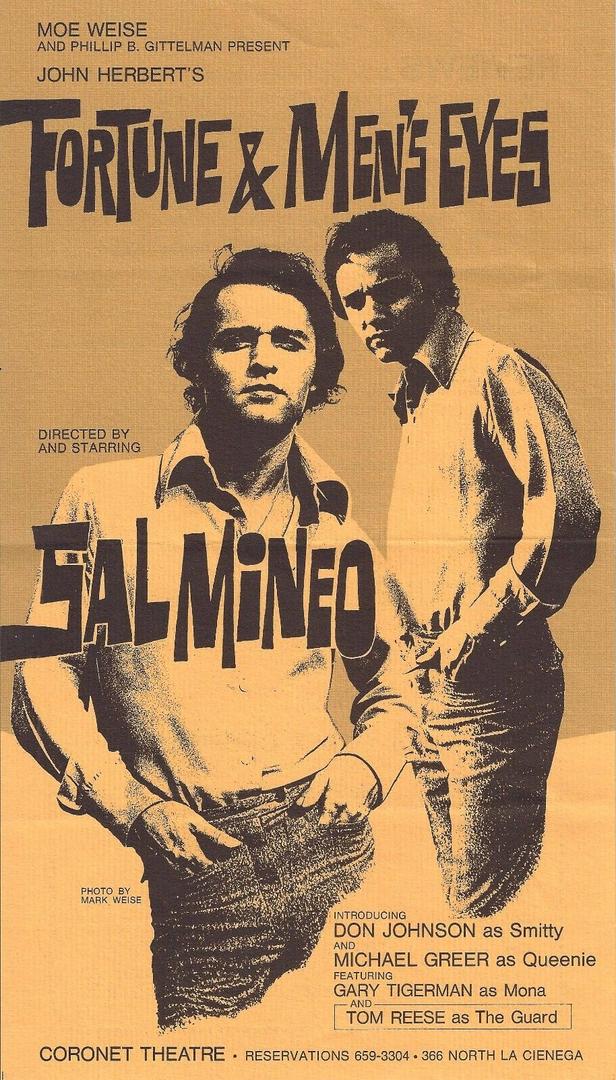
Expanding his repertoire, Mineo returned to the theatre to direct and star in the play “Fortune and Men’s Eyes” with successful runs in both New York and Los Angeles. In the late 1960s and 1970s he continued to work steadily in supporting roles on TV and in film, including Dr. Milo in Escape from the Planet of the Apes (1971) and Harry O (1973). In 1975 he returned to the stage in the San Francisco hit production of “P.S. Your Cat Is Dead”. Preparing to open the play in Los Angeles in 1976 with Keir Dullea, he returned home from rehearsal the evening of February 12th when he was attacked and stabbed to death by a stranger. A drifter named Lionel Ray Williams was arrested for the crime and, after trial in 1979, convicted and sentenced to life in prison for the murder. Although taken away far too soon, the memory of Sal Mineo continues to live on through the large body of TV and film work that he left behind.

– IMDb Mini Biography By: Anthony Wynn

Sal Mineo (1939–1976) was the “Switchblade Kid” of the 1950s—an actor whose career became a definitive study in the power and the peril of the “teen idol” archetype. While his early fame was astronomical, a critical analysis of his work reveals a sophisticated performer who successfully pioneered queer subtext in Hollywood and, in his later years, became a daring director of “transgressive” theater.


I. Career Overview: The Meteoric Rise and the “Typecast” Trap

Act 1: The Child Prodigy (1951–1954)

Mineo began as a disciplined stage actor. At age 12, he debuted in Tennessee Williams’s The Rose Tattoo and later played the young prince in The King and I opposite Yul Brynner. This classical foundation gave him a technical advantage over other “teen” actors who relied purely on look or attitude.

Act 2: The “Plato” Era (1955–1960)

His performance as John “Plato” Crawford in Rebel Without a Cause (1955) earned him an Oscar nomination at age 17. He became the face of the “sensitive delinquent.” He followed this with a string of hits, including Giant (1956) and Exodus (1960), the latter earning him a Golden Globe and a second Oscar nomination.

Act 3: The Creative Pivot and Tragedy (1961–1976)

As his “baby-faced” looks faded, the Hollywood machine struggled to cast him in adult roles—a struggle compounded by rumors of his sexuality. Mineo responded by taking control, directing the acclaimed, controversial prison drama Fortune and Men’s Eyes (1967). His career was cut short when he was tragically murdered in 1976 while returning from a rehearsal for the stage play P.S. Your Cat Is Dead.

II. Critical Analysis: The Vulnerable Rebel

1. The Architecture of “Plato”: The First Gay Teenager

In Rebel Without a Cause, Mineo’s performance is now analyzed as a landmark in queer cinema.

  • The Technique: Mineo used “puppy-dog” adoration and physical proximity to James Dean to convey a deep, unspoken romantic longing. At the direction of Nicholas Ray, he looked at Dean “the way a girl looks at a boy.”

  • Analysis: Critics note that Mineo didn’t play Plato as a “sissy” caricature. He played him with a desperate, hollowed-out loneliness. He was the first actor to show that the “juvenile delinquent” wasn’t always a thug; sometimes, he was just a kid looking for a family in the wrong places.

2. The “Switchblade Kid” vs. The Character Actor

Mineo was often pigeonholed into “ethnic” or “troubled” roles, yet he brought a distinct dignity to each.

  • Exodus (1960): As Dov Landau, a survivor of the Holocaust, Mineo delivered a performance of raw, vibrating trauma. His confession scene is cited by critics as a masterclass in “Method” intensity, stripping away his “heartthrob” persona to reveal a jagged, broken core.

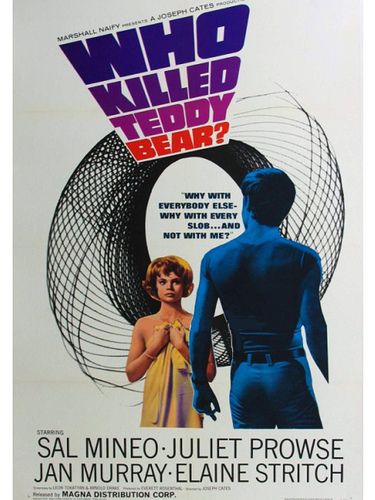
  • Who Killed Teddy Bear? (1965): In this cult neo-noir, Mineo played a disturbed stalker. Critically, this is seen as his attempt to “kill” his clean-cut image. He utilized his physical fitness (he was an avid bodybuilder) to create a sense of menacing physicality that shocked audiences who still saw him as the boy from Rebel.

3. The Directorial Vision: Fortune and Men’s Eyes

Mineo’s work as a director was remarkably ahead of its time.

  • The “Gritty” Aesthetic: His production of Fortune and Men’s Eyes dealt explicitly with homosexuality and sexual assault in prison.

  • Critical View: Theater critics praised his “unblinking” direction. He moved away from the “coded” language of his film years and embraced a visceral, confrontational realism. It proved that Mineo was not just a performer, but a sophisticated analyst of social power dynamics.


III. Major Credits and Cultural Impact

WorkRoleContextSignificance
Rebel Without a CausePlatoFilmThe foundational performance of the “Sensitive Delinquent.”
Giant (1956)Angel Obregón IIFilmA subtle critique of the “American Dream” for minorities.
Exodus (1960)Dov LandauFilmGolden Globe Winner; proved his adult dramatic range.
Fortune and Men’s EyesDirectorStageA pioneer of explicit queer/transgressive theater.
Escape from the Planet of the ApesDr. MiloFilmA rare, late-career turn in a major sci-fi franchise.

Final Reflection

Sal Mineo was an actor who refused to stay in the box Hollywood built for him. He transitioned from a “teen idol” to a theatrical revolutionary, proving that his talent was far more durable than his youthful fame. He remains a symbol of the “Lost Generation” of actors—those who were too early for the total freedom of modern Hollywood but too brave to stay silent

Leave a Reply

Your email address will not be published. Required fields are marked *