

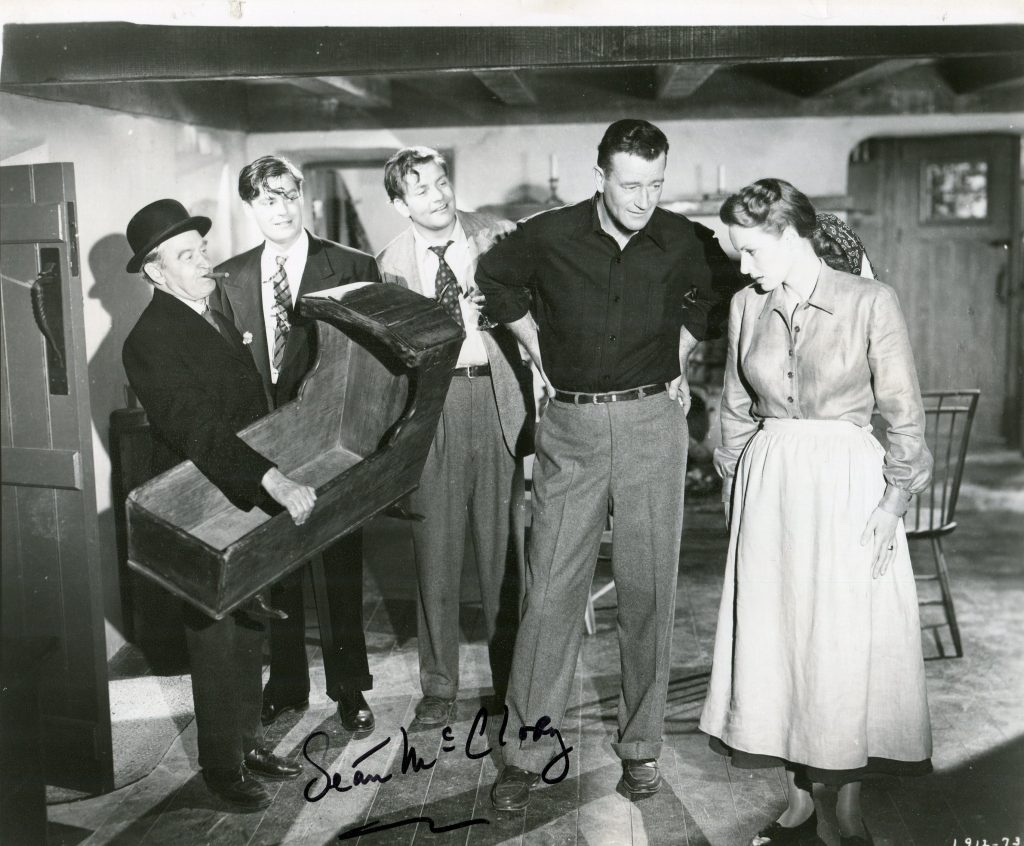
Sean McClory obituary in “The Los Angeles Times”
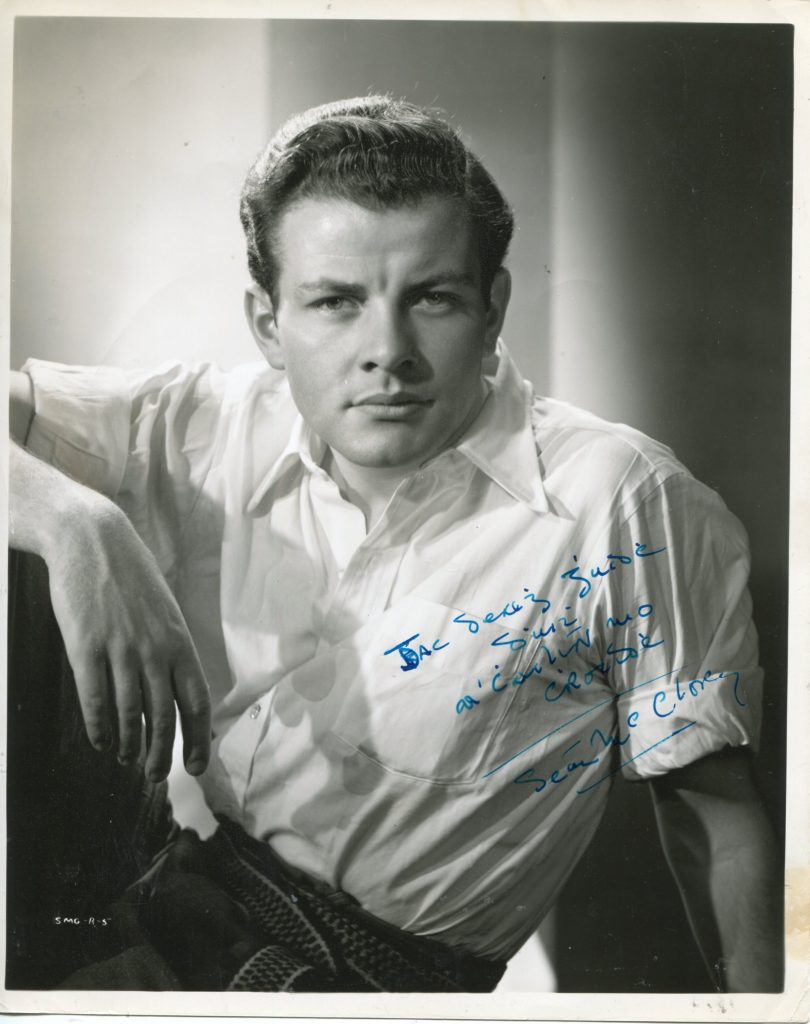
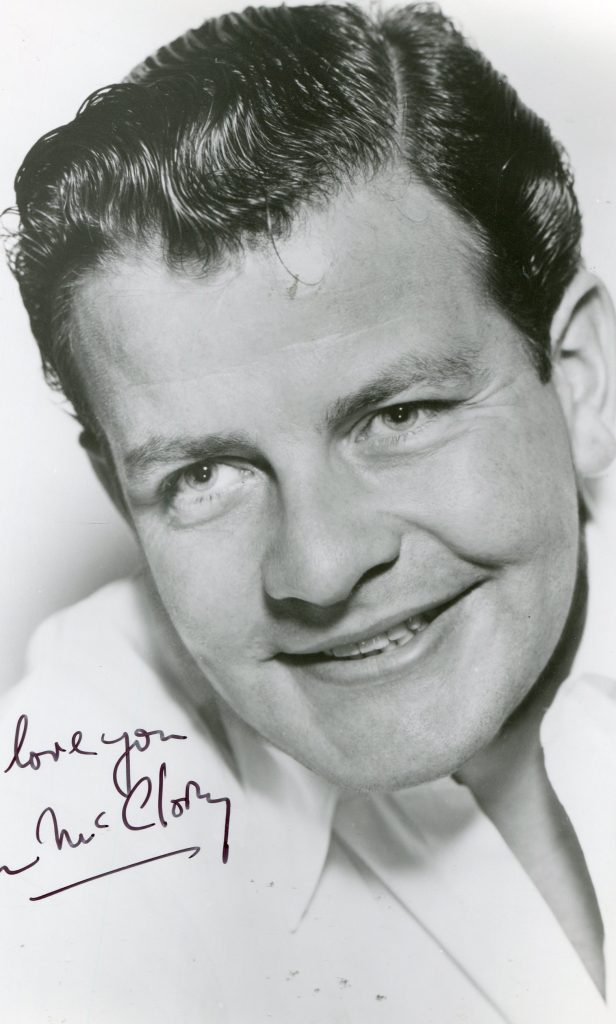
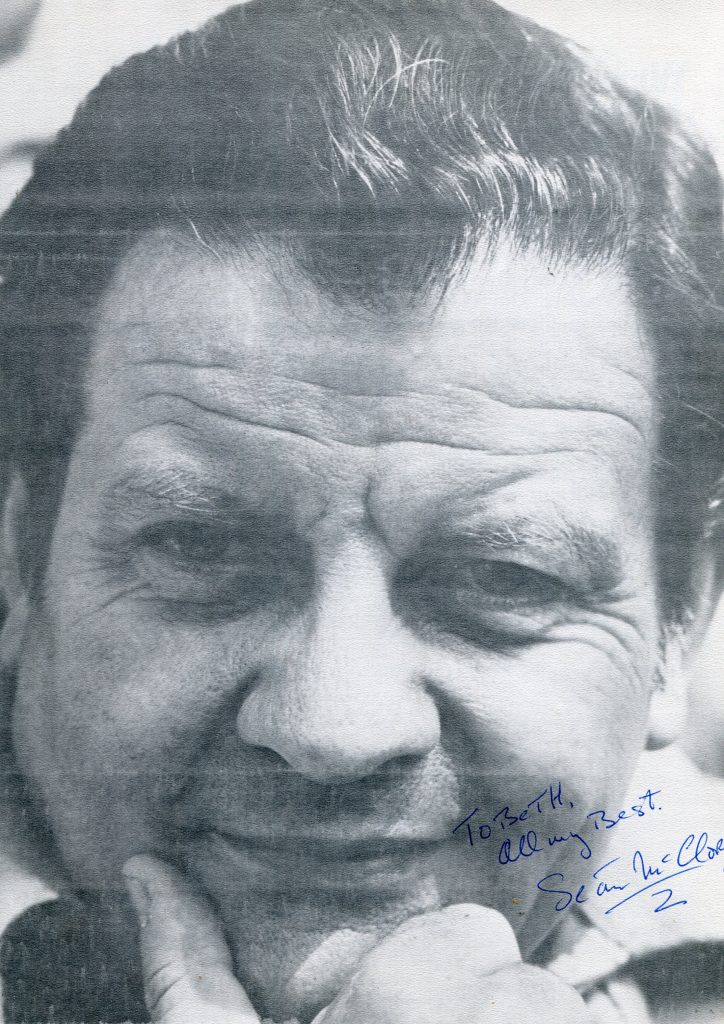
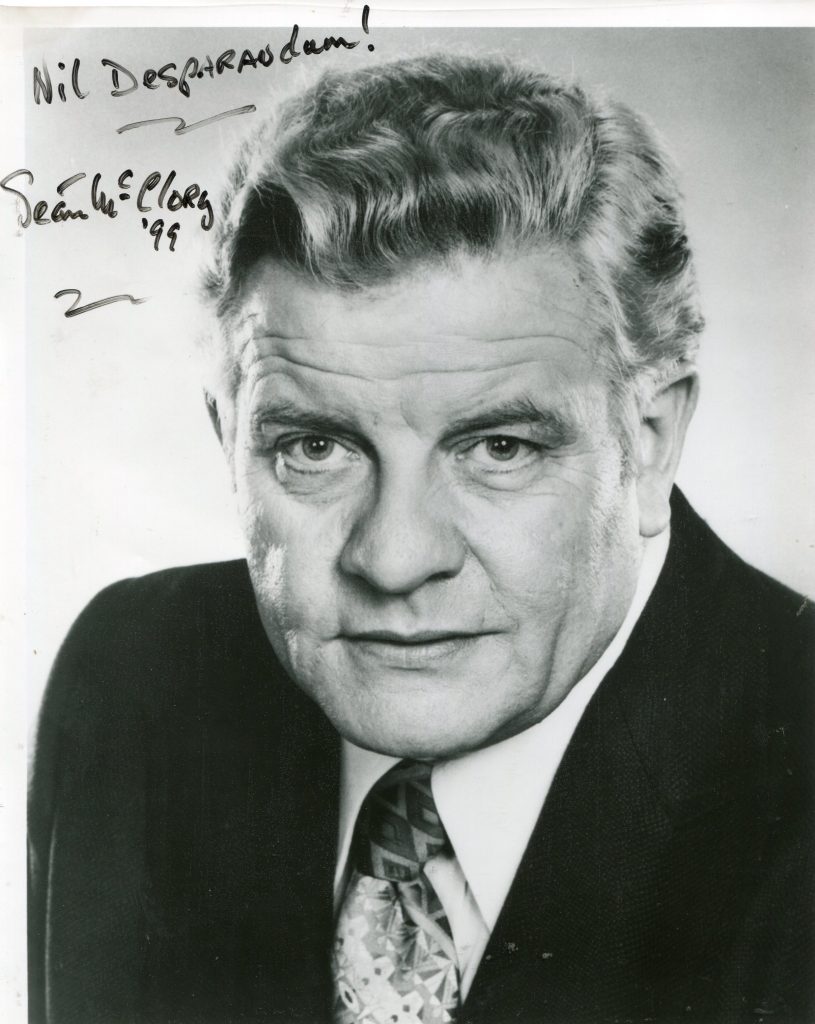
This great Irish actor is from the Claddagh in Galway and started his career in the the Abbey Theatre but was in Hollywood by the late 1940’s.
He came back to Galway in 1951 to make John Ford’s “The Quiet Man” and continued his career in the U.S. in movies and television. He was seen to great effect in “The Ring of Fire” and as Mr Grace in “The Dead”.
“Los Angeles Times” obituary:
Sean McClory, 79, an Irish-born actor who appeared in dozens of films and innumerable television shows, died Wednesday at his home in the Hollywood Hills, said his wife, Peggy Webber McClory.
The actor, who had a heart condition, died at home after being hospitalized for several months, she said. McClory began his acting career in Galway, Ireland, and was a member of the famous Abbey Theatre in Dublin. He was brought to the United States by RKO studios.
Among his many roles were those of Owen Glynn in director John Ford’s “The Quiet Man” (1952), which starred Maureen O’Hara and John Wayne; and homicidal maniac Dublin O’Malley in “Ring of Fear” (1954).
In the late 1950s, he played storekeeper Jack McGivern in the television series “The Californians.”
The above “Los Angeles Times” obituary can also be accessed online here.
A website on Sean McClory can be accessed here.
Directory of Irish biography
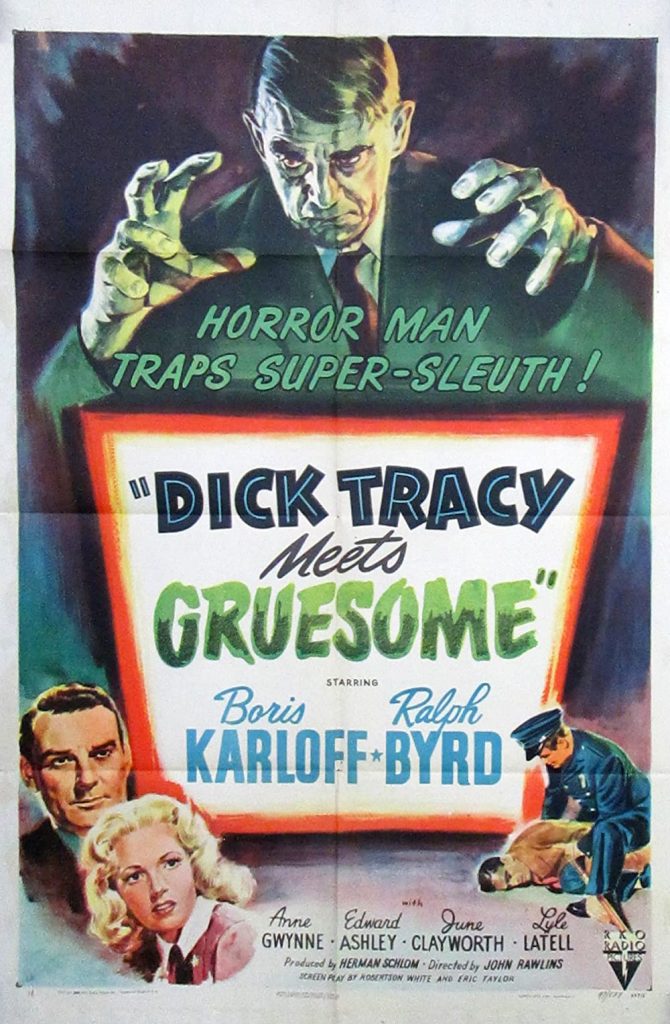
McClory, Sean (1924–2003), actor, was born 8 March 1924 in a nursing home at 18 Goldsmith Street, Dublin, son of Hugh Patrick McClory, farmer, of Kilmore, Ballygar, Co. Roscommon, and his wife, Mary Anne Margaret (née Ball), a former model. Reared in Galway city, where his father practised as an architect and civil engineer, he began acting while a schoolboy at An Taibhdhearc, the city’s Irish‐language theatre, and became a member of the theatre’s resident company. He studied medicine for three years at UCG, but determined upon acting as a career. Joining the Abbey theatre company in Dublin (mid 1940s), he performed mainly in Irish‐language productions (as Sean Mac Labhraidh), often with Siobhán McKenna (qv), including the Abbey’s first‐ever Irish‐language Christmas pantomime (1945), and a translation of ‘Cathleen ni Houlihan’ by W. B. Yeats (qv). In 1946 he moved to Hollywood aspiring to break into film acting. His first, uncredited movie roles were as Irish cops in two Dick Tracy films for RKO (1947). Soon he was securing small roles in feature films, including The glass menagerie (1950), Lorna Doone (1951), and The Desert Fox(1951). He also obtained stage work in Los Angeles, other California locations, and elsewhere on the Pacific coast, and appeared in the first Broadway production (February 1951) of ‘The king of Friday’s men’ by M. J. Molloy (qv).
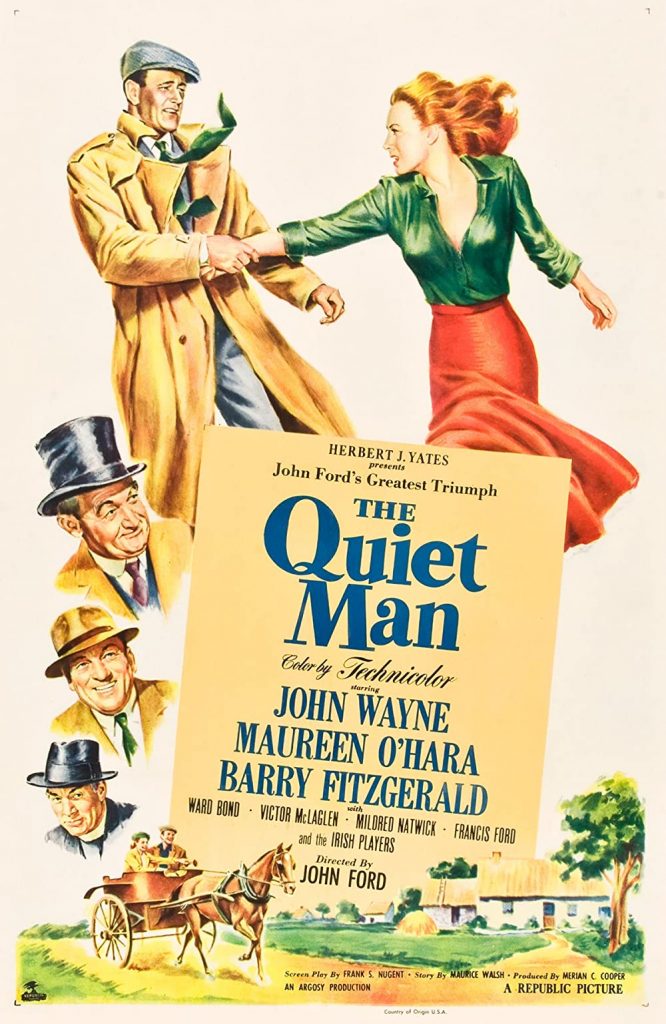
His break came when he was cast by John Ford (qv) in The quiet man (1952), in the small but conspicuous part of Owen Glynn, a pipe‐smoking, leisurely loquacious, tweed‐bedecked country gentleman. His character appears throughout the film in tandem with Hugh Forbes (played by Charles FitzSimons (1924–2001), younger brother of the film’s co-star Maureen O’Hara (qv)). As McClory did not travel to Ireland for location shooting, he only appears in scenes, or segments of scenes, that were shot in Hollywood. Thus, his presence in any shot is a technical marker, indicating that the footage was a Hollywood studio shot; this includes the climactic fight scene between John Wayne and Victor McLaglen, which was edited from footage shot in both Ireland and Hollywood. McClory’s character is also central to a game played by devotees of the film, in which participants must take a drink whenever Glynn himself either has a drink or utters a line.
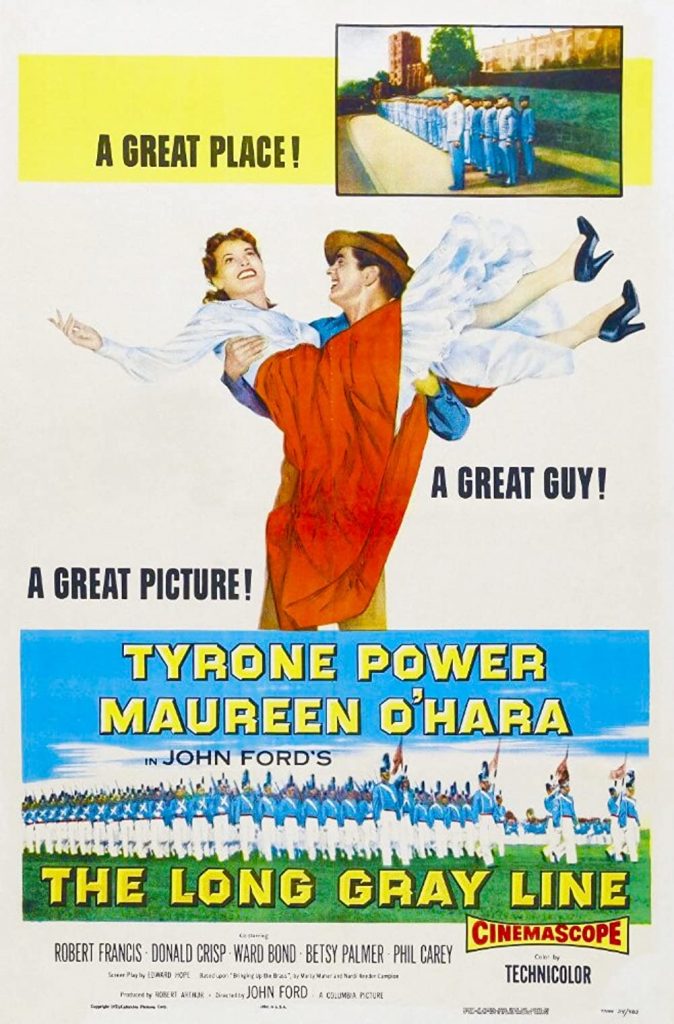
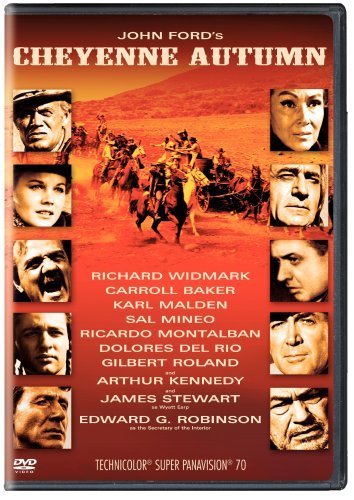
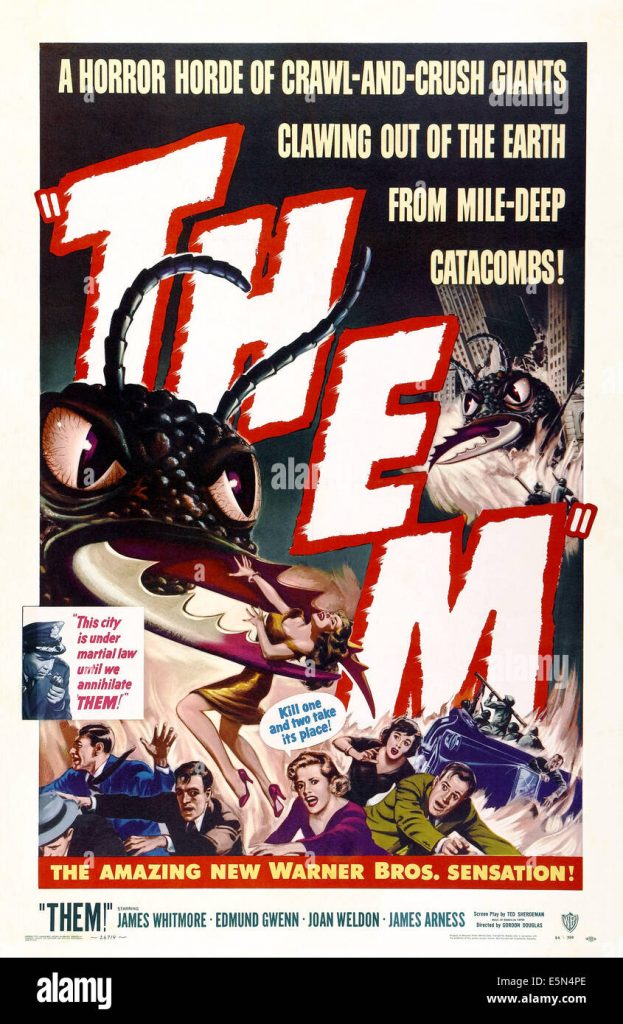
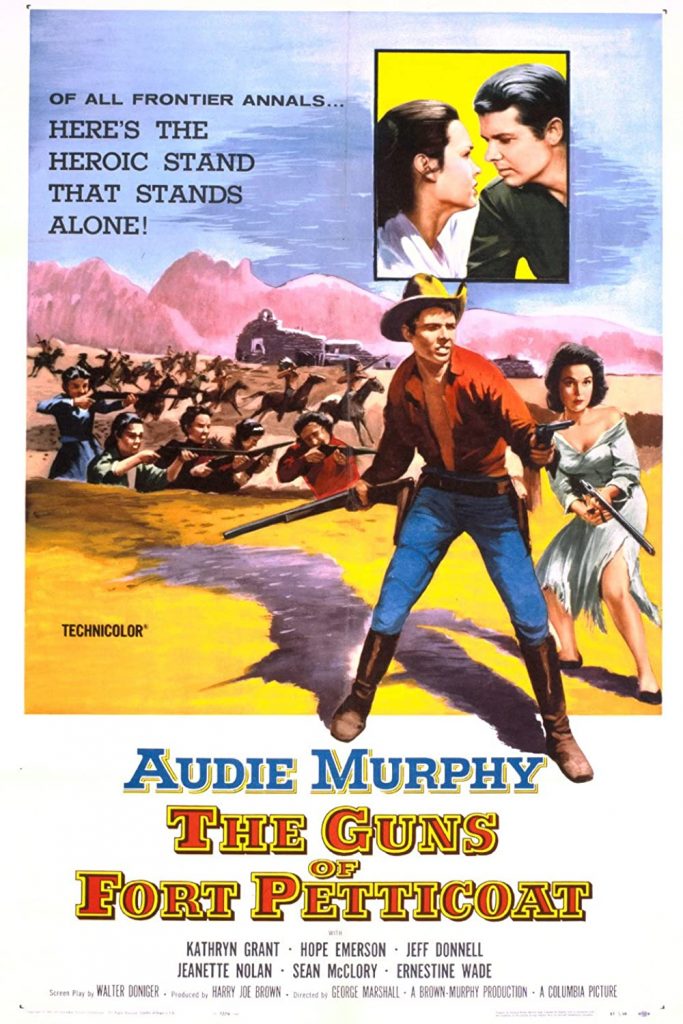
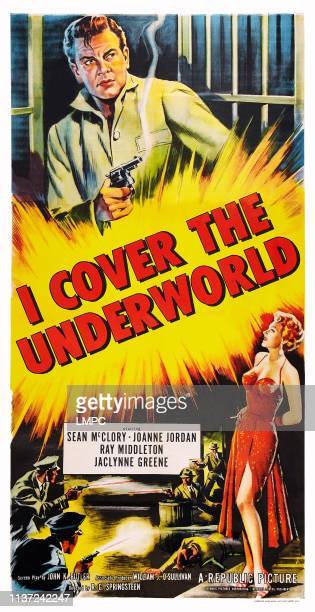
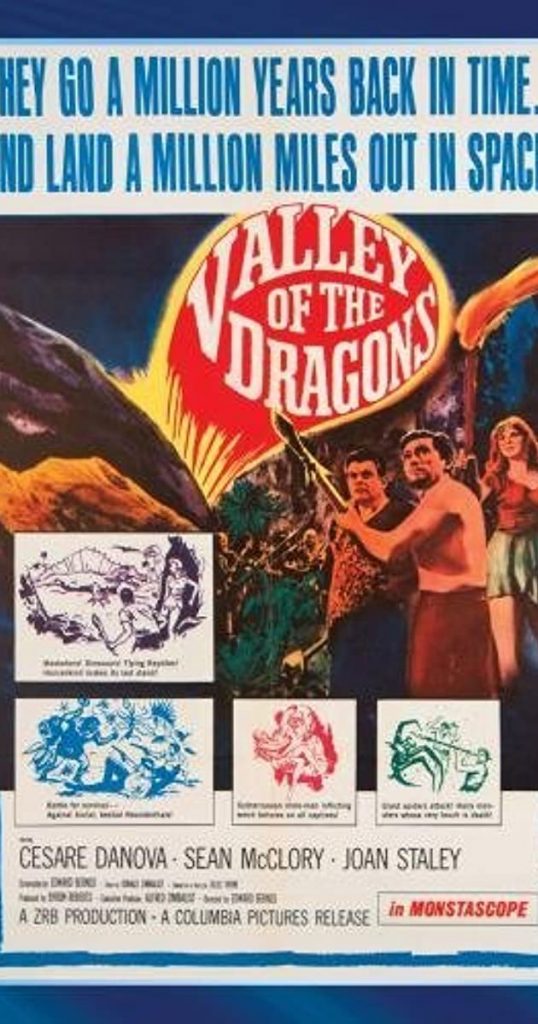
A member of Ford’s stock company, McClory appeared in three of the director’s other films: the war movie What price glory? (1952); The long grey line (1955), set at West Point; and the elegiac, revisionist western Cheyenne autumn (1964). Ford wanted him for other movies, but McClory was too busy with film and television work. He gave an impressive performance, opposite Glenn Ford, as a sinister archaeologist, sporting white‐tinted crewcut and dark glasses, in Plunder of the sun (1953), directed by John Farrow, and shot on location in Mexico. He was John Wayne’s co‐pilot in Island in the sky (1953), about a transport plane that crash lands on the remote wintry tundra of Labrador. In the Mickey Spillane thriller Ring of fear (1954) he played Dublin O’Malley, a homicidal villain escaped from a psychiatric institution and terrorising the Clyde Beatty Circus.
From the mid 1950s McClory concentrated increasingly on television, working regularly in the medium into the 1980s. He appeared in instalments of several 1950s anthology drama series, including ‘Fireside theater’, ‘Cavalcade of America’ (as President Andrew Johnson), ‘General Electric theater’, ‘Four star playhouse’, and ‘Alfred Hitchcock presents’; on ‘Matinee theater’ he played Hindley in an adaptation of ‘Wuthering Heights’ (1955). He had a starring role in the first season (1957–8) of ‘The Californians’, playing a vigilante storekeeper in lawless, gold‐rush‐era San Francisco. Throughout the 1960s he was a ubiquitous presence on American television screens. With his face more familiar to viewers than his name (for he never attained star status), he appeared in episodes of numerous series, often as the featured guest actor, especially in westerns (a particularly popular genre of the decade). These included ‘The adventures of Jim Bowie’, ‘Have gun–will travel’, ‘Wanted: dead or alive’, ‘Overland trail’ (as The O’Mara), ‘Stagecoach west’ (as Finn McColl), ‘The rifleman’, ‘Bonanza’, and ‘Death Valley days’. He had smaller parts in the long‐running westerns ‘Wagon train’, ‘Rawhide’, ‘The Virginian’, and ‘Gunsmoke’. In other genres he appeared in series as diverse as ‘One step beyond’, ‘The untouchables’, ‘Lassie’, ‘Perry Mason’, ‘My favorite Martian’, and ‘Lost in space’; the 1970s saw him in ‘Mannix’ and ‘Little house on the prairie’. He played recurring characters in two short‐lived series: as a retired policeman who is father and assistant of the eponymous lawyer in ‘Kate McShane’ (1975), and as a hotelier in the Far East adventure series ‘Bring ’em back alive’ (1982–3).
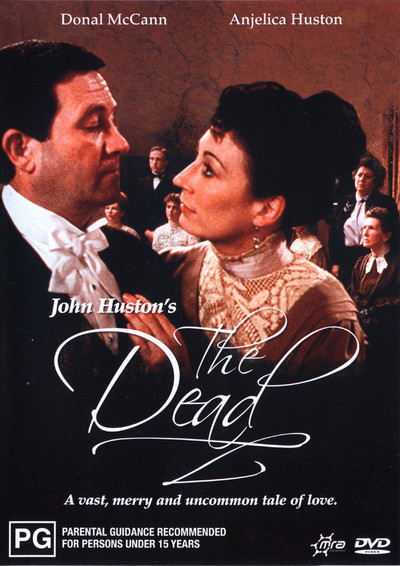
In his last film McClory returned to an Irish setting as part of the ensemble cast of The dead (1987), directed by John Huston (qv) from the story by James Joyce (qv). His character, Mr Grace, a university lecturer, does not appear in Joyce’s text, but was created by screenwriter Tony Huston (the director’s son), and was given one of the film’s most poignant and memorable moments, when he recites to the hushed, rapt assemblage an English translation by Lady Gregory (qv) of the Irish lyric ‘Donal Óg’ (‘The grief of a girl’s heart’).
A reliable Hollywood supporting actor for some forty years, McClory performed in over forty feature films and nearly a hundred television series. Usually cast as an Irishman, often of boisterous or menacing mien, he was not limited to such roles. Over six feet in height, and heavy set, he had a round face and rugged good looks. His first two marriages ended in divorce. His third wife, Sue Alexander, died in 1979. He married fourthly (1983) Peggy Webber, an actress and producer, who survived him. He had two sons and one daughter. Suffering from a heart condition, he died 10 December 2003 in Hollywood Hills, California