Career overview of Sigrid Gurie
Sigrid Gurie (1911–1969) is one of the most intriguing “almost stars” of Golden Age Hollywood: an actress who was heavily promoted by the studio system as an exotic European beauty, briefly pushed toward stardom, and then largely sidelined after a short, uneven screen career. Her story is less about a developed body of work than about studio construction, miscasting, and the limits of image-driven stardom.
She is often remembered not for sustained artistic achievement, but for how clearly her career illustrates the mechanics—and failures—of Hollywood’s attempt to manufacture international glamour.
Early career: discovery and studio fabrication (late 1930s–early 1940s)
Gurie was born in Brooklyn to Norwegian parents and spent part of her youth in Norway. She was “discovered” by Hollywood and quickly promoted as a Nordic beauty, with Paramount Pictures shaping her public identity.
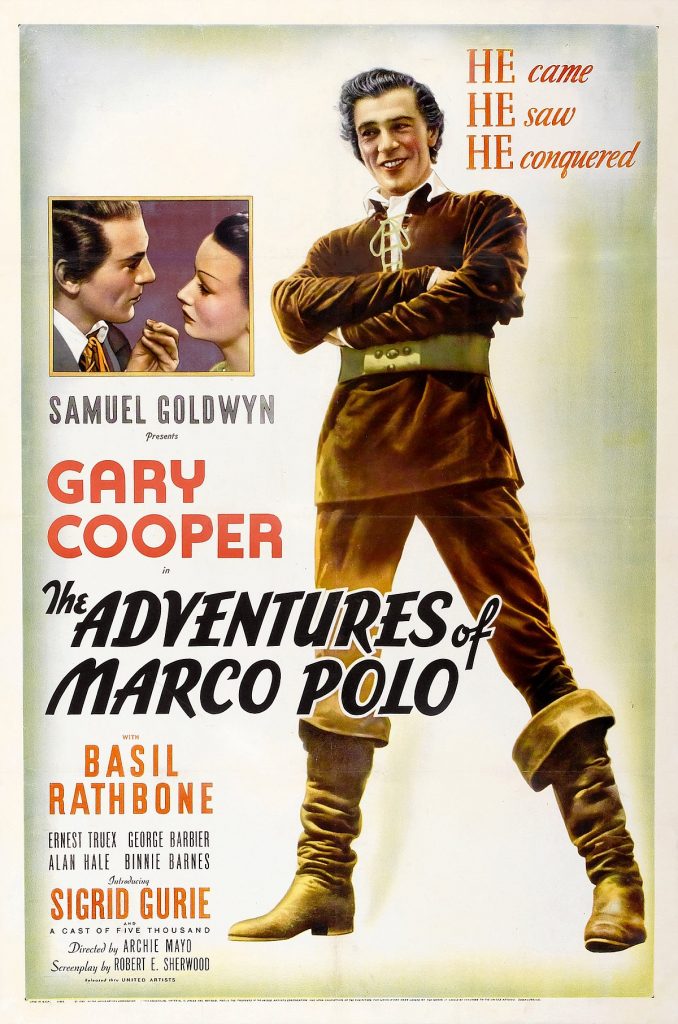
Early key film:
- The Adventures of Marco Polo (with Gary Cooper)
Critical analysis: the “manufactured exotic”
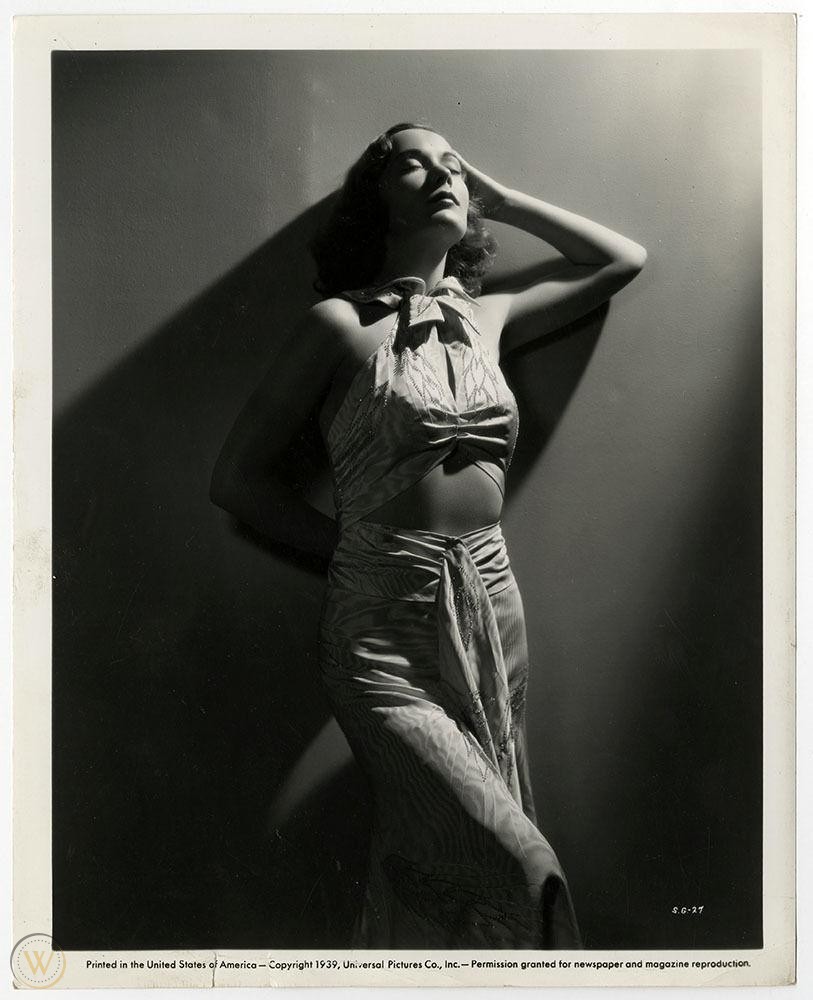
- Gurie was marketed as:
- Mysterious
- European
- Ethereal and aristocratic
However, this image often outpaced her actual screen function.
Performance traits:
- Limited emotional range on screen
- Strong visual presence but restrained expressiveness
- A somewhat rigid, stylised delivery in early Hollywood roles
Key insight:
Gurie is a textbook example of a studio-era phenomenon:
an actress cast first as an image, and only second as a performer.
Hollywood career: limited roles and rapid decline (1940s)
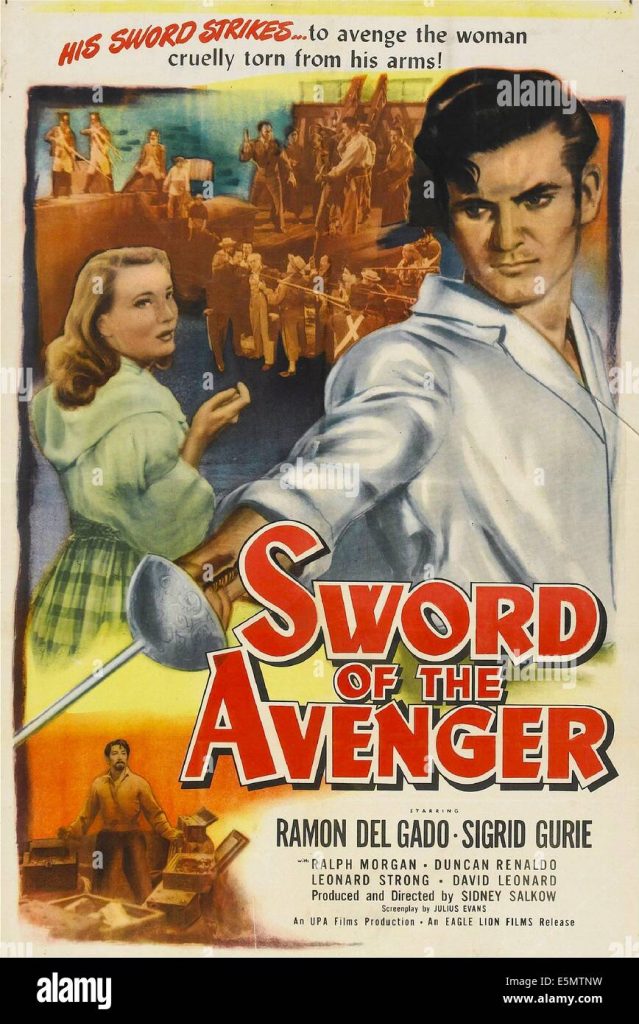
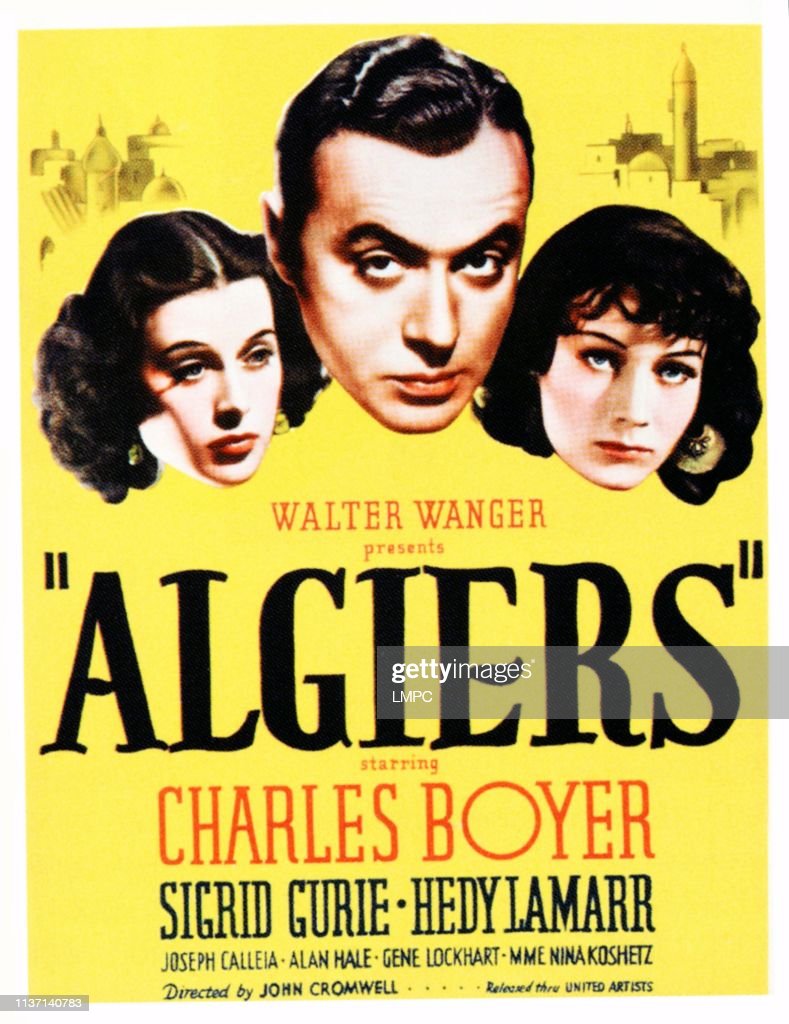
Despite early promotion, Gurie did not sustain leading-lady status. Her film appearances became less frequent and less prominent.
Notable films include:
Critical analysis: misalignment of image and performance
Hollywood attempted to position Gurie within:
- Romantic exotic leads
- Adventure narratives
- Decorative but central female roles
But several problems emerged:
- Her screen presence lacked the flexibility expected of major stars
- She struggled to convey emotional immediacy in dialogue-heavy scenes
- Directors often found her more effective in static, visual moments than in sustained dramatic arcs
Key insight:
Her career exposes a structural issue in studio casting:
visual appeal alone could not sustain narrative centrality without adaptive performance range.
Post-Hollywood phase: European work and fading visibility (late 1940s–1950s)
After her Hollywood period, Gurie worked intermittently in European cinema and lower-profile productions, but never re-established significant screen prominence.
Critical observation:
- Her later career is characterised by:
- Irregular appearances
- Lack of strong auteur collaboration
- Gradual disappearance from major film circuits
Unlike some European contemporaries who transitioned into art cinema, Gurie did not find a stable second career phase.
Acting style and screen persona
Gurie’s acting is defined by:
- Strong visual presence rather than emotional dynamism
- Composed, sometimes distant screen energy
- Limited variation in vocal or physical expressiveness
Her persona, as constructed by studios, emphasised:
- Nordic mystique
- Elegance
- Emotional restraint bordering on opacity
Critical analysis of her career
1. Studio system image construction
Gurie exemplifies how Hollywood could:
- Manufacture an international star image
- Invest heavily in visual identity
- But fail to develop sustainable acting careers
Insight:
Her career shows that branding without narrative adaptability is unstable.
2. The limits of “exotic” casting
She was repeatedly cast as:
- Foreign aristocrat
- Mysterious romantic figure
- Decorative narrative presence
Limitation:
- These roles rarely demanded deep psychological development
- They constrained her ability to expand range
3. Performance rigidity vs. cinematic demand
As Hollywood shifted toward more dialogue-driven and psychologically nuanced acting in the 1940s–50s:
- Gurie’s style appeared increasingly static
Key insight:
She was shaped for an older mode of screen presence:
visual aura over interpretive depth
4. Comparison with contemporaries
Compared to actresses like:
- Ingrid Bergman
- Hedy Lamarr
Gurie differs significantly:
- Bergman: psychological realism and emotional clarity
- Lamarr: iconic glamour combined with sharper screen intelligence
- Gurie: primarily studio-constructed visual identity with limited evolution
5. Career collapse as structural, not personal
It is important to note:
- Gurie’s decline was not simply “lack of talent”
- It reflects:
- Shifting Hollywood aesthetics
- Changing expectations for female leads
- The end of pure “exotic typecasting” as a sustainable career model
Overall evaluation
Strengths:
- Strong visual screen presence
- Effective in static, atmospheric roles
- Embodiment of studio-era glamour construction
- Important example of transatlantic casting practices
Limitations:
- Limited expressive range in dialogue-heavy roles
- Difficulty sustaining leading dramatic performances
- Lack of successful reinvention in later career phases
Conclusion
Sigrid Gurie’s career is best understood not as a failed star narrative, but as a case study in studio-era star manufacturing and its limits:
- She was elevated primarily for her image
- Briefly positioned as an international leading lady
- Ultimately displaced by evolving performance expectations in Hollywood cinema
In the broader history of film:
Gurie represents the fragility of star systems built on visual identity alone—where the image is powerful, but not sufficiently adaptable to sustain long-term artistic or industrial survival