

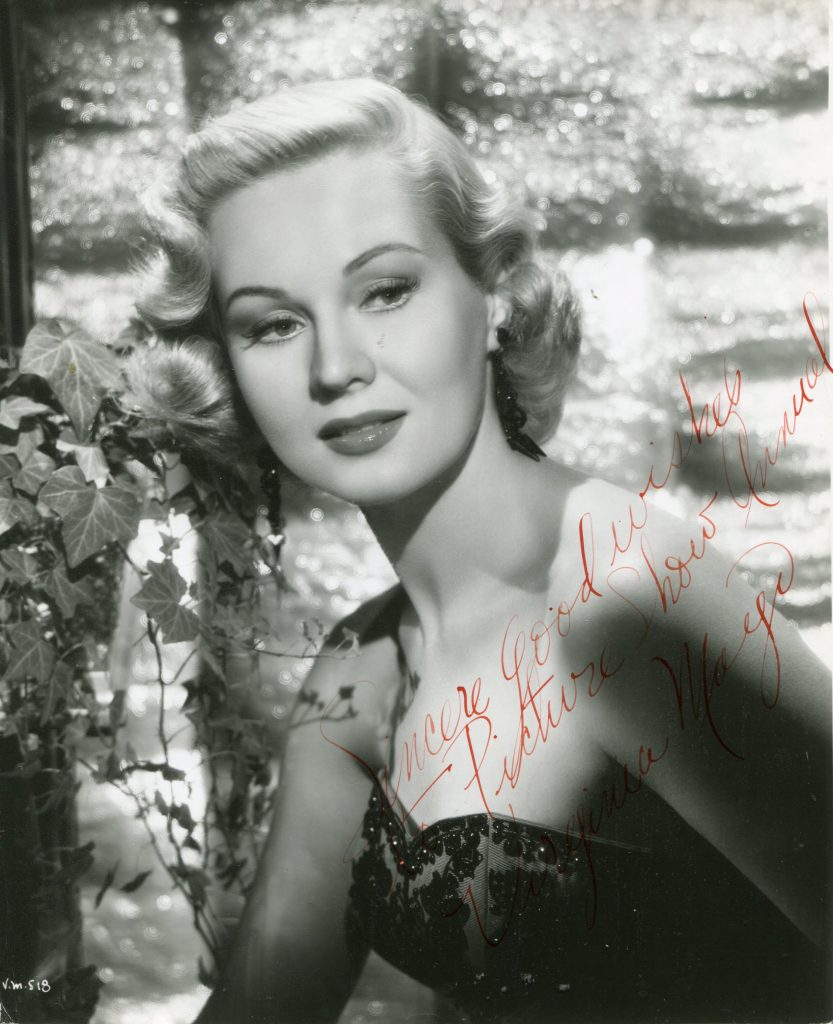
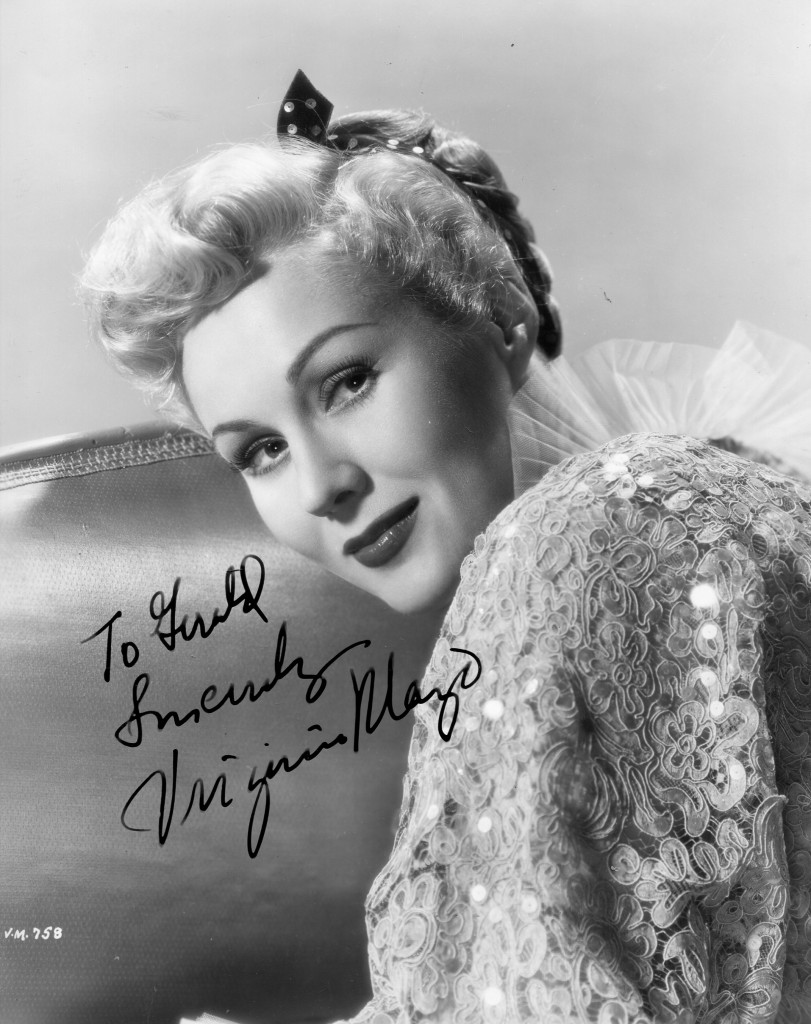
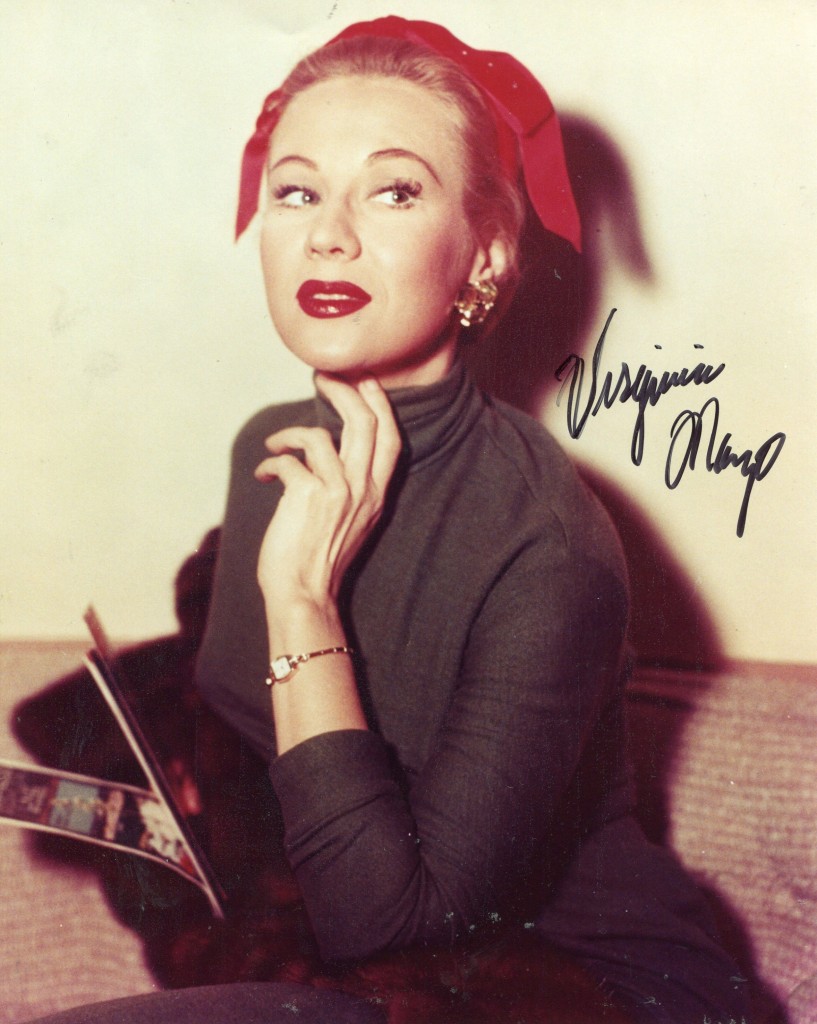
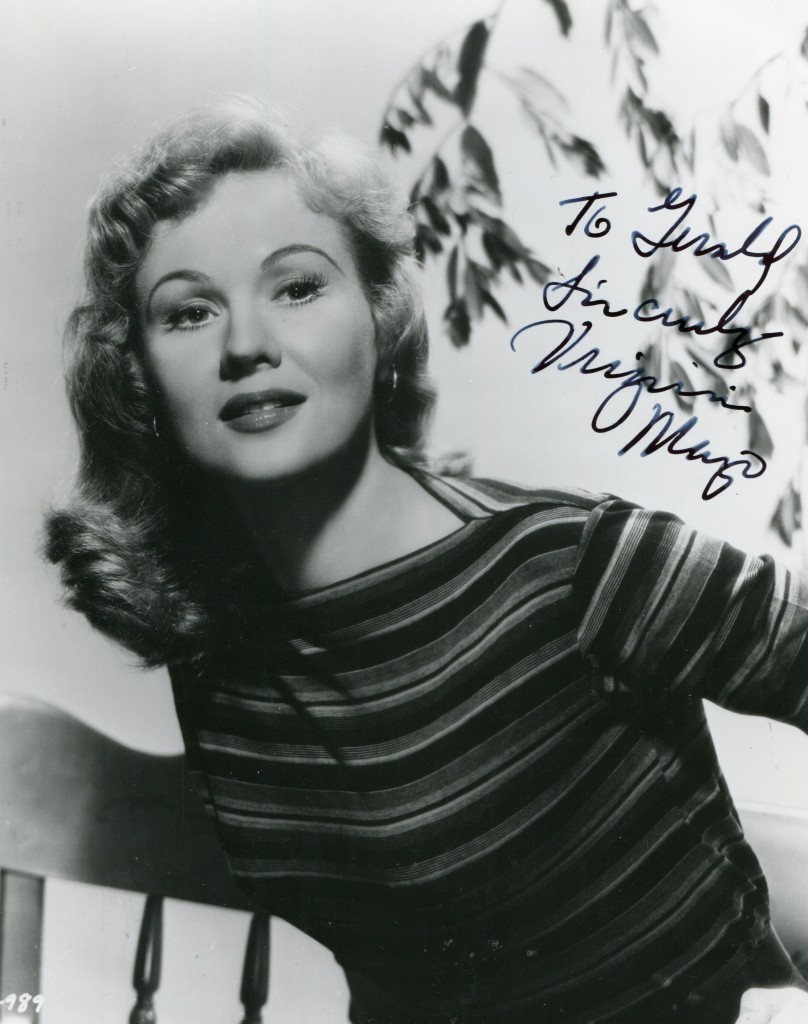
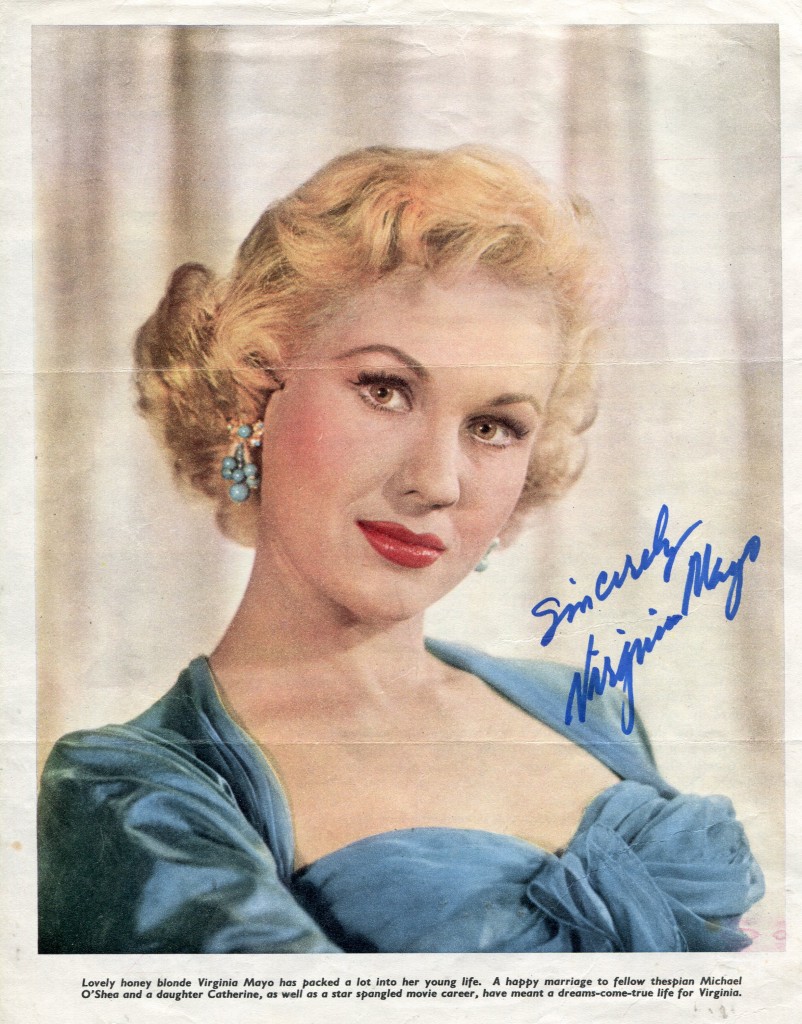
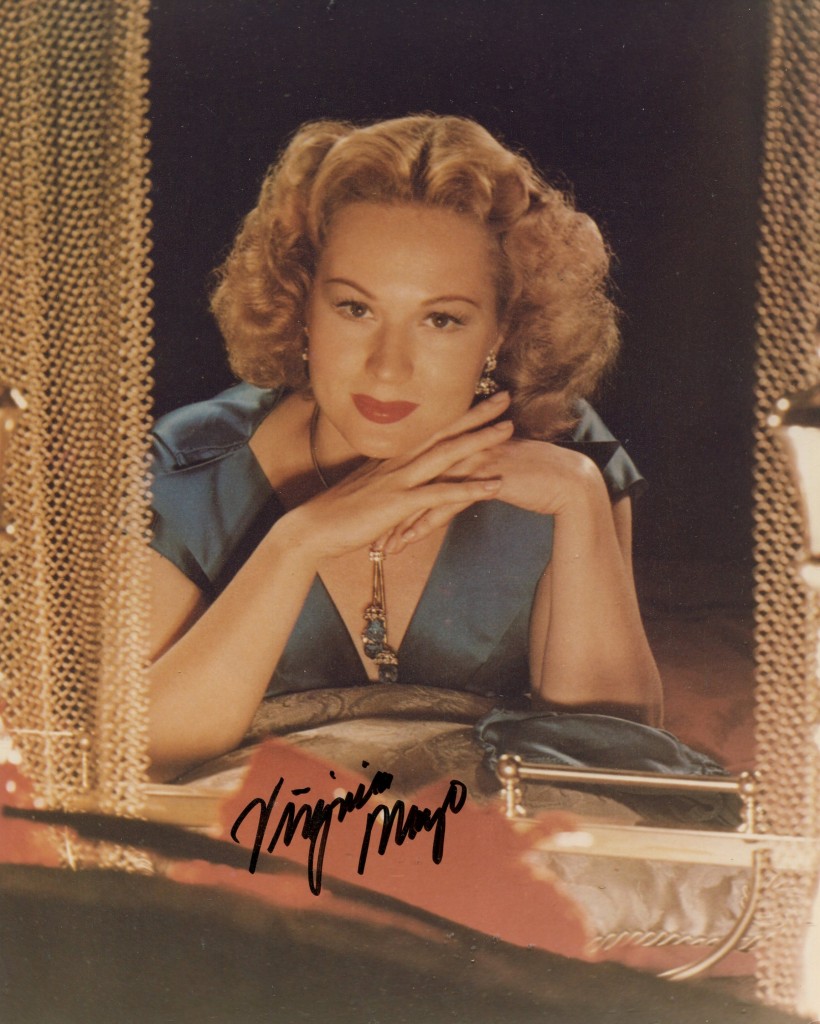
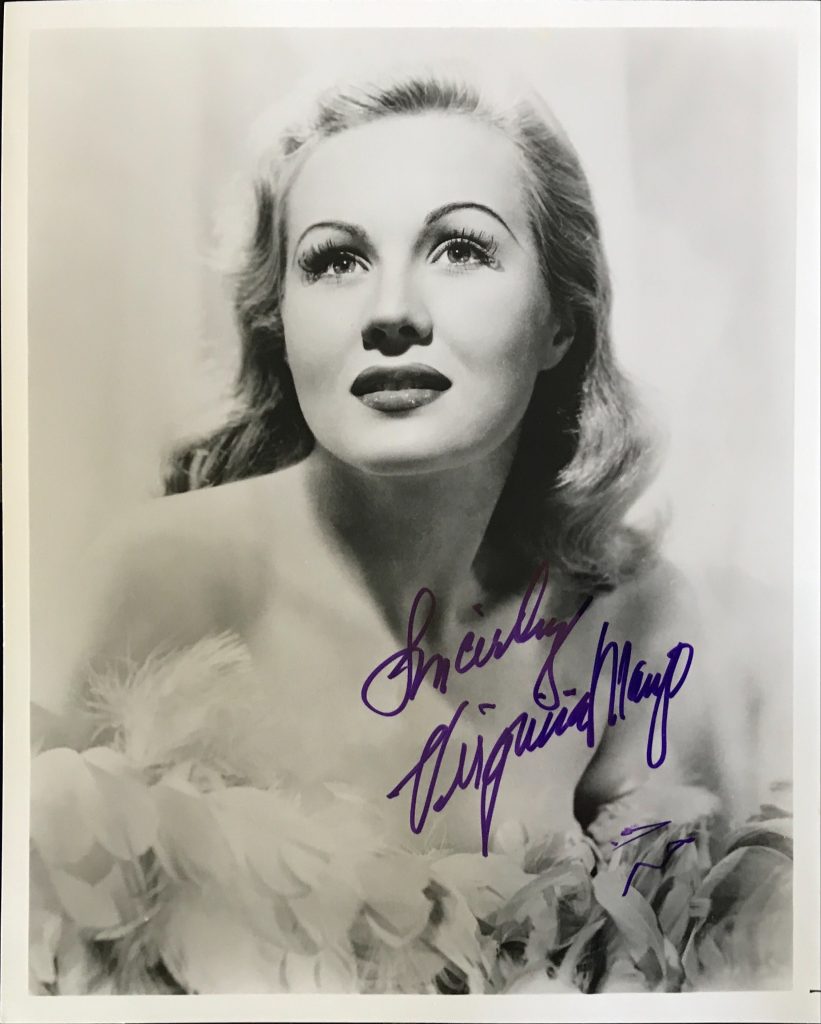
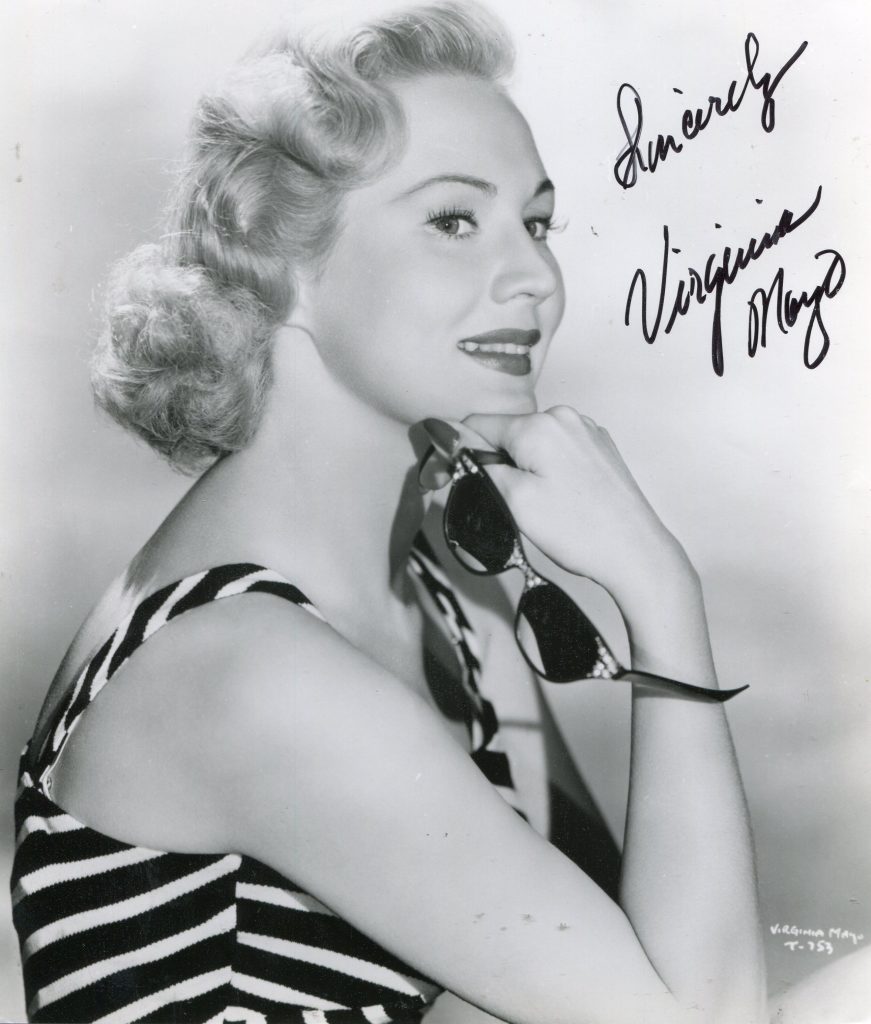
Virginia Mayo obituary in “The Guardian” in 2005.
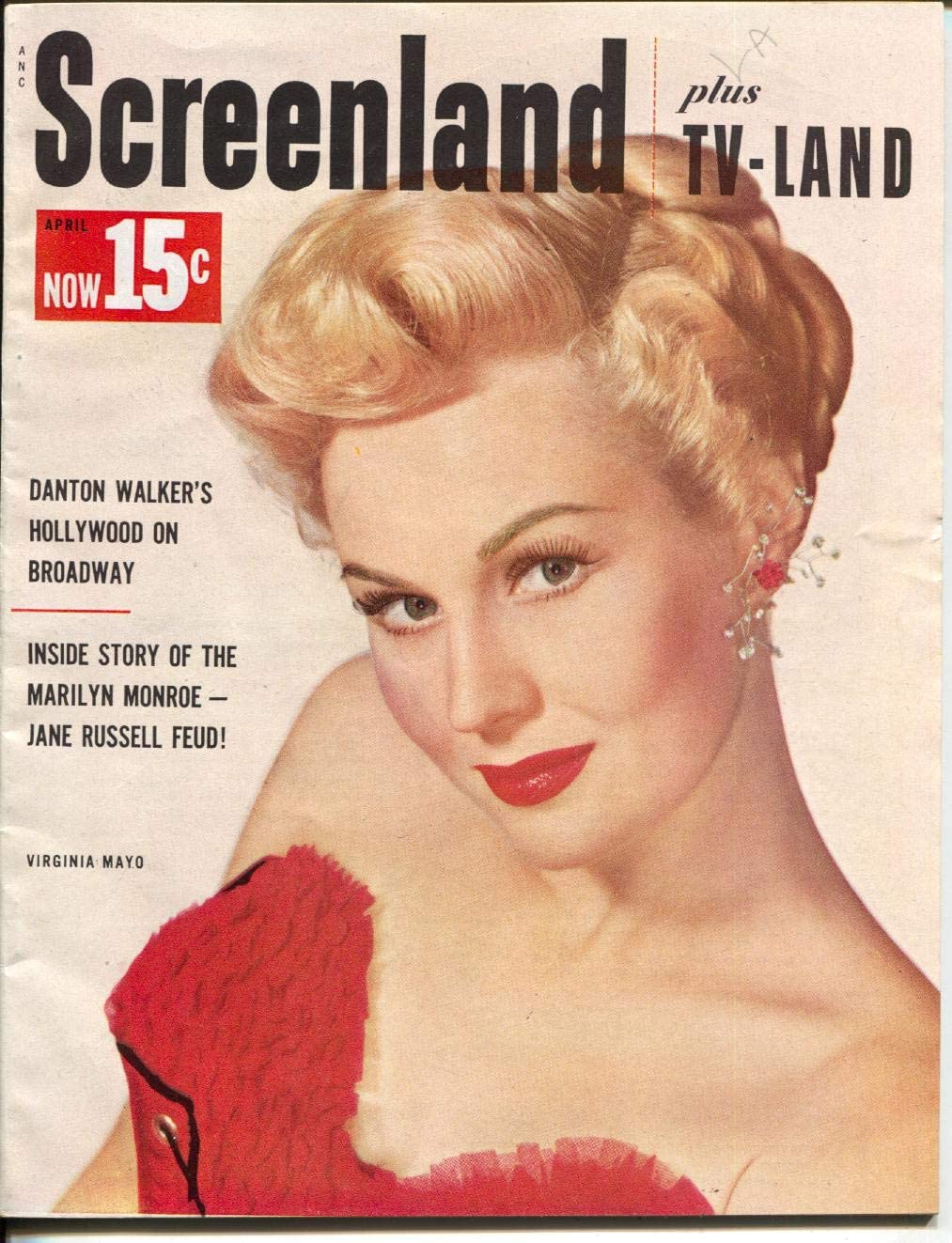
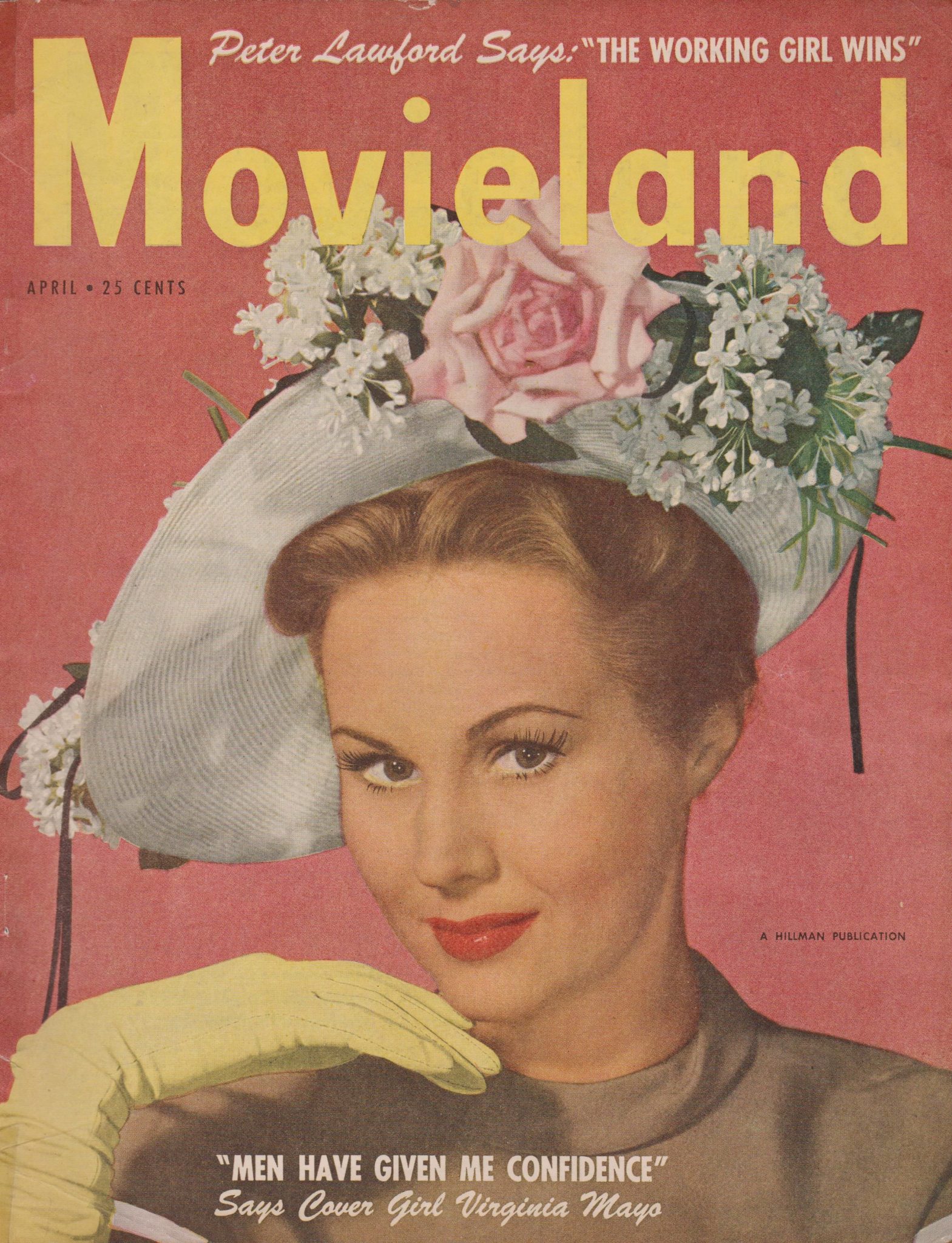
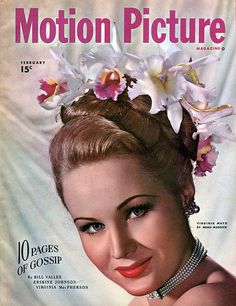
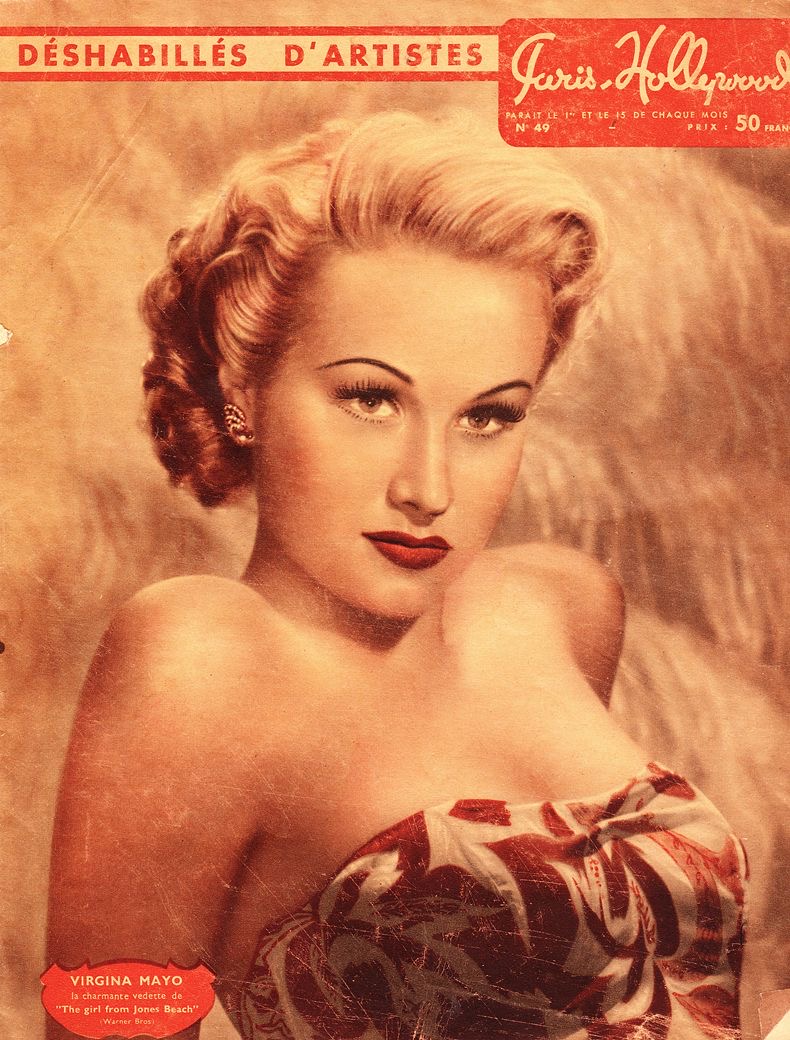
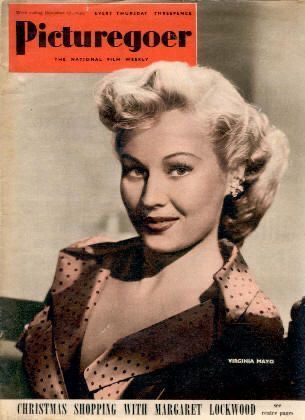
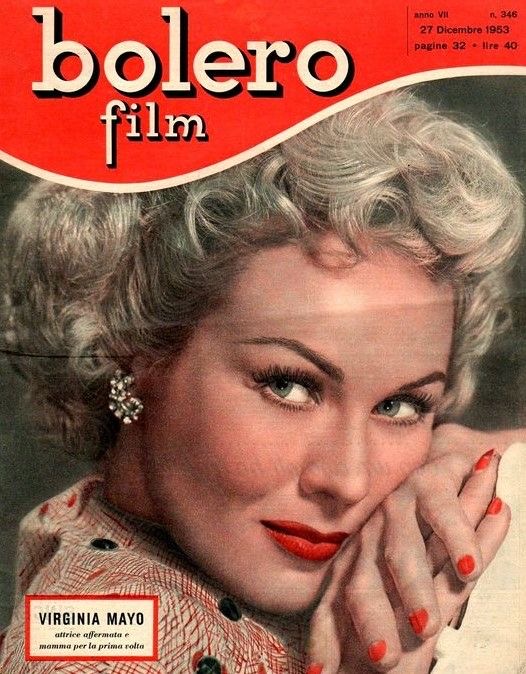
Virginia Mayo who has died aged 84, was the picture of All-American blonde prettiness, despite a slight squint. She was Danny Kaye’s dream girl in four Samuel Goldwyn Technicolored musicals in the 1940s, and, at Warners in the 1950s, she starred in tepid but tuneful trivia, in which she entertained in a limited but decorative way. Her dancing was unmemorable and her singing always dubbed.
However, there was more to Mayo than met the eye. When given the chance to act, she was superb, as in two of Raoul Walsh’s best films, the gangster drama White Heat, and the western Colorado Territory (both 1949). In that year, six of her films were released, and she continued to be a popular star for a further 10 years in a variety of genres. Perhaps She’s Working Her Way Through College (1952), in which Mayo plays Hot Garters Gertie, a burlesque star with ambitions to be a serious actress, who enrols in a drama course, was somewhat autobiographical.
She was born Virginia Clara Jones in St Louis, Missouri. One of her ancestors fought in the American Revolution and later founded the city of East St Louis, Illinois. Her aunt, sister to Virginia’s journalist father, ran a dance studio, where Virginia took lessons from the age of six.
· Virginia Mayo (Virginia Clara Jones), actor, born November 30 1920; died January 17 2005
After graduating from high school in 1937, she became a member of the corps-de-ballet of the St Louis Municipal Opera. She then became a show girl in a Broadway revue, where she was spotted by an MGM talent scout.
David O Selznick gave her a screen test, but decided not to sign her up. Goldwyn saw her potential, making her one of his Goldwyn Girls, as well as immediately giving her a small speaking part in Jack London (1943), which starred the uncharismatic Michael O’Shea in the title role. O’Shea and Mayo were married four years later, the marriage lasting until his death in 1973. (Their daughter, Mary, survives her.)
Mayo soon graduated from the ranks of the Goldwyn Girls to be Bob Hope’s co-star in The Princess And The Pirate (1944), in which she looked ravishing in colour and had good comic timing. At the end, Hope loses Mayo to Crosby, who appears in a cameo for a few seconds. “How do you like that!” responded Hope, “I knock myself out for nine reels and some bit player from Paramount comes over and gets the girl. That’s the last film I do for Goldwyn.” So it was
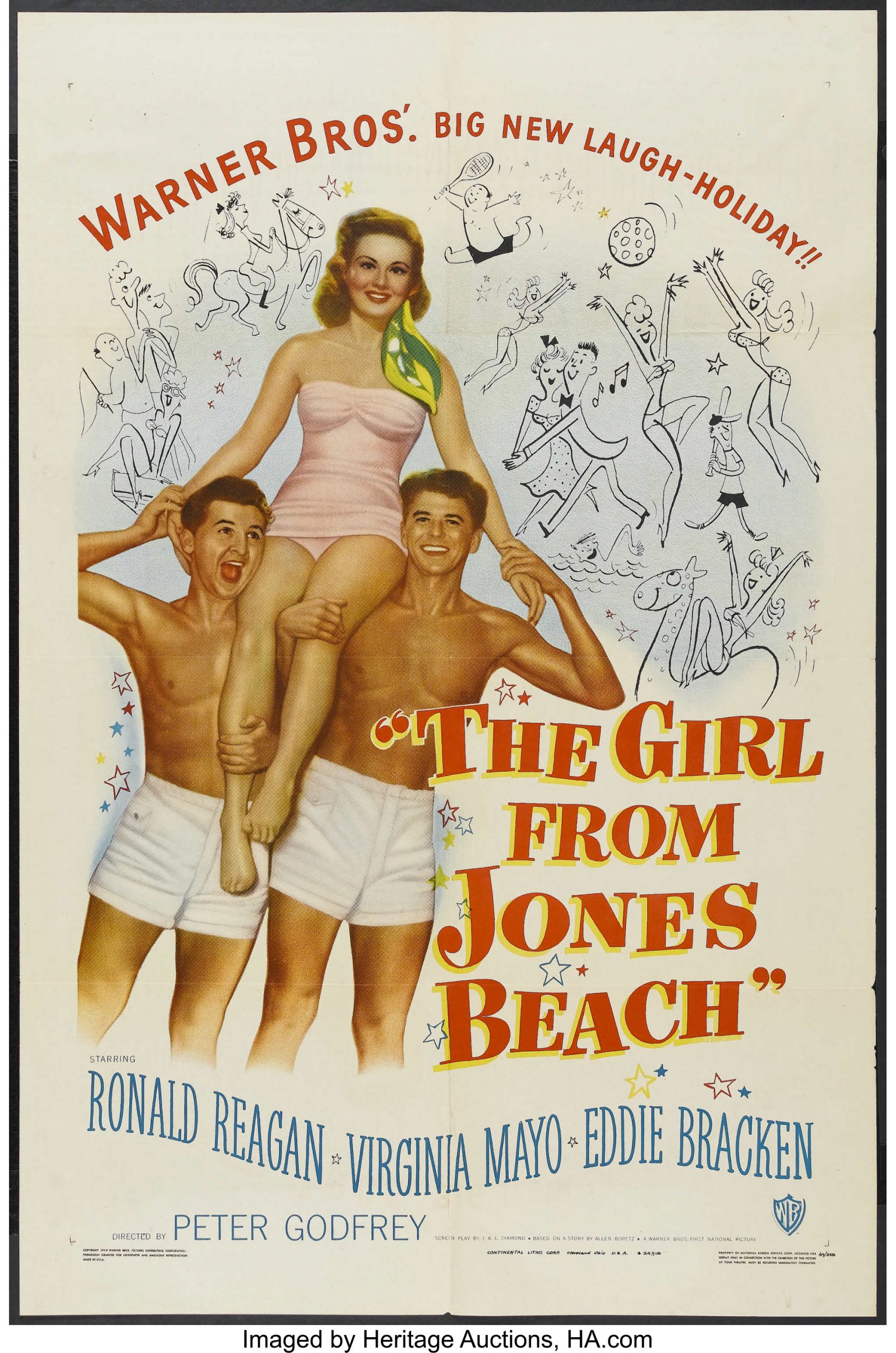
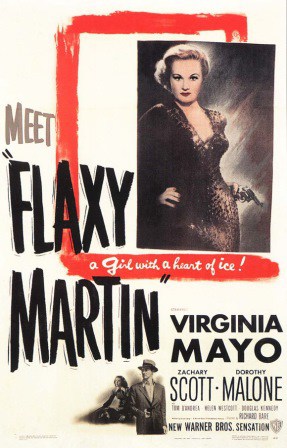
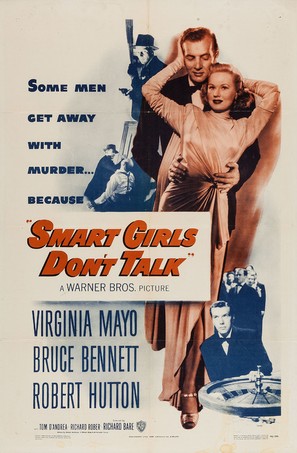
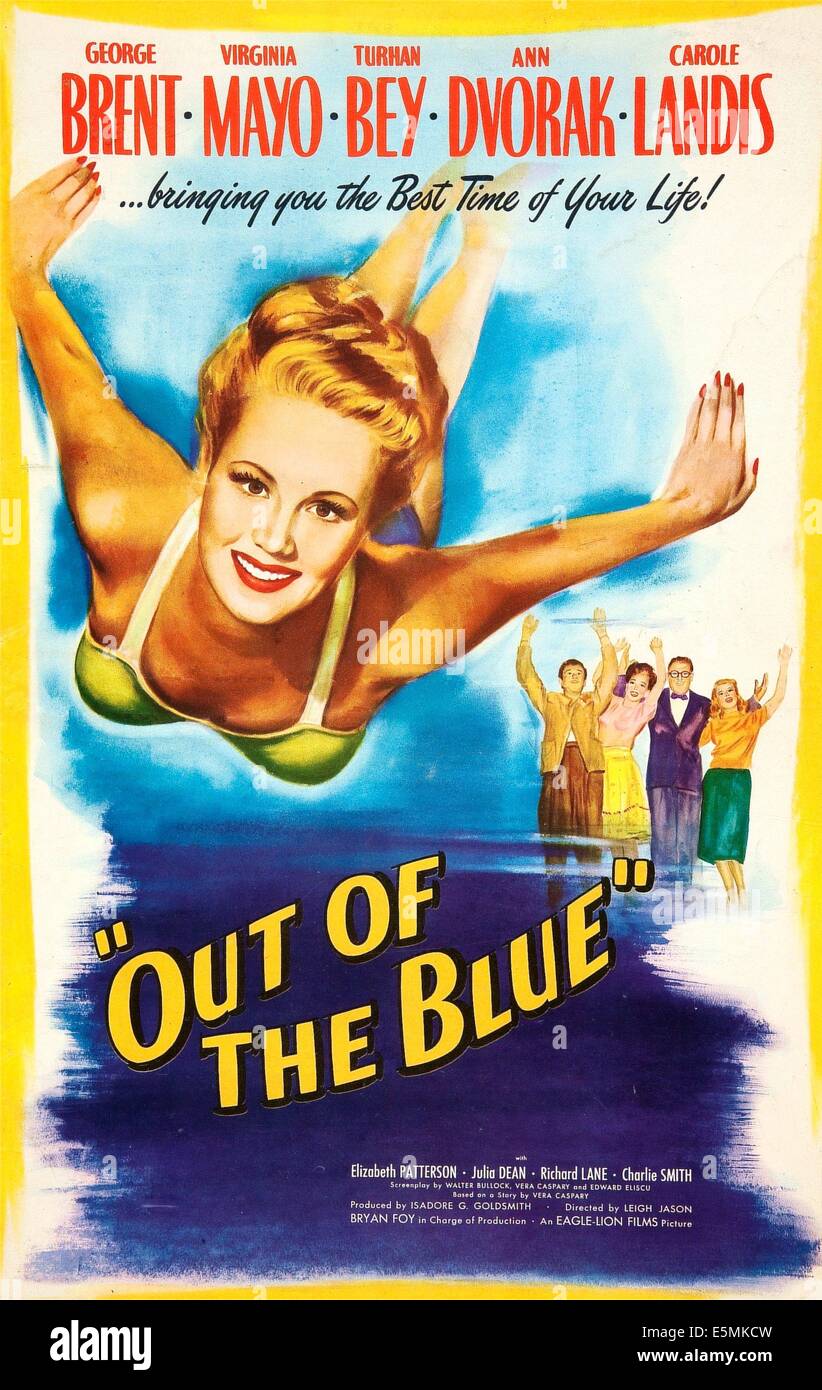
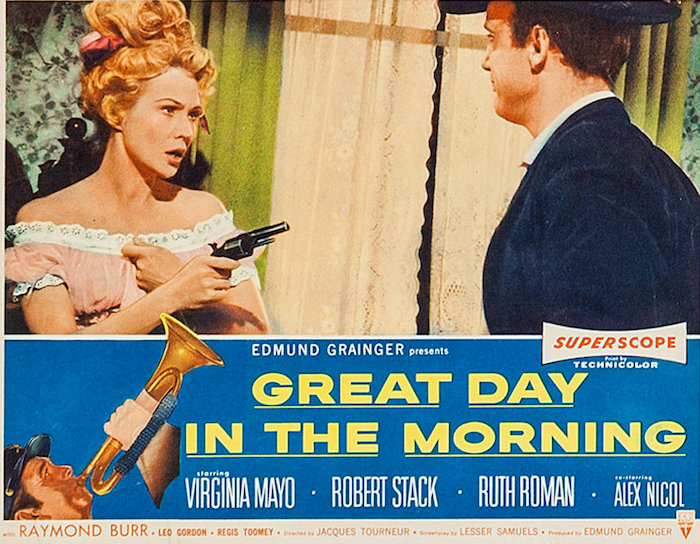
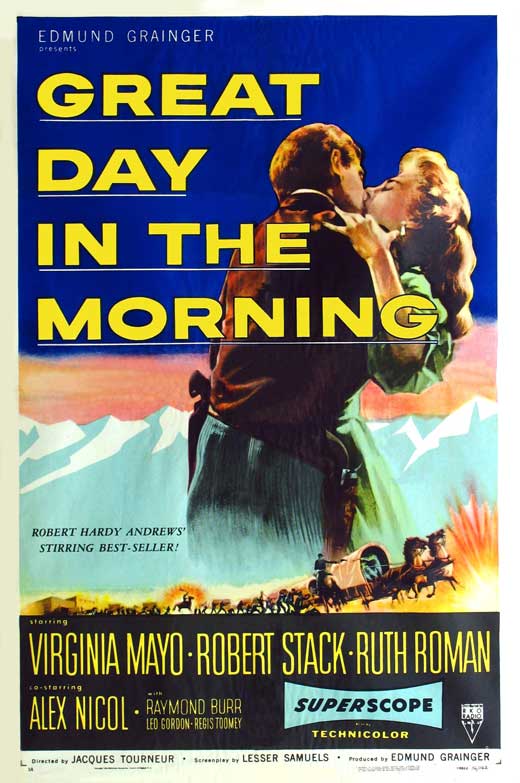
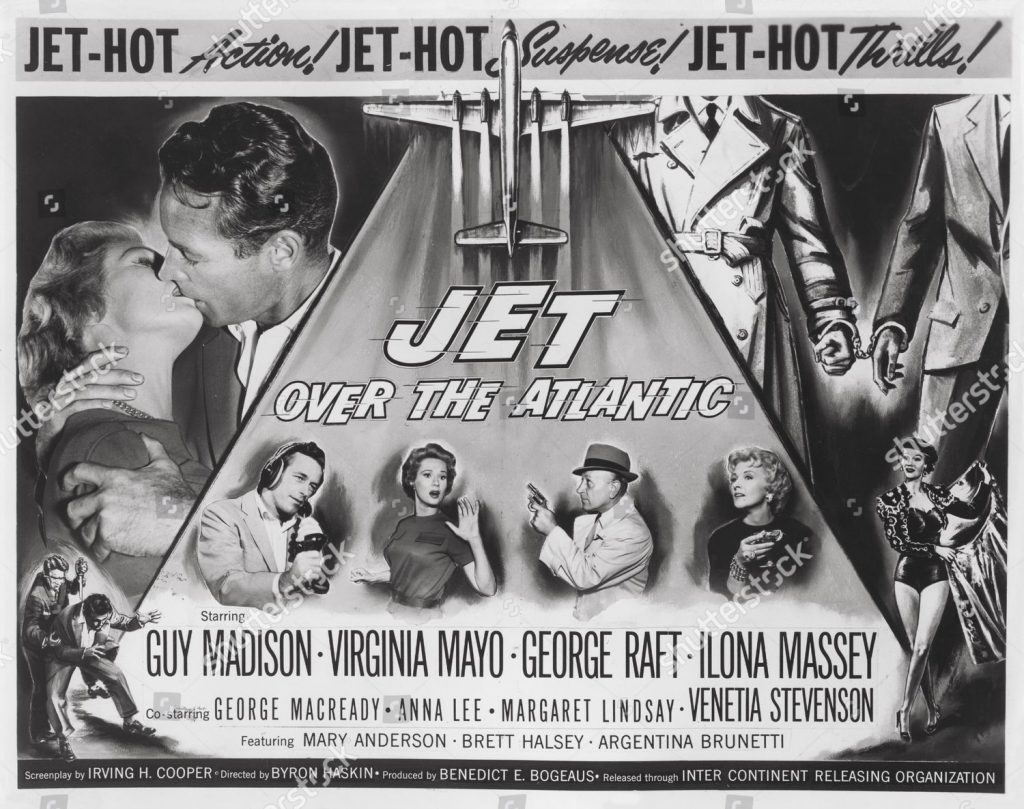
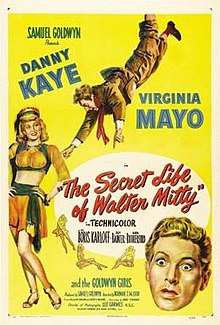
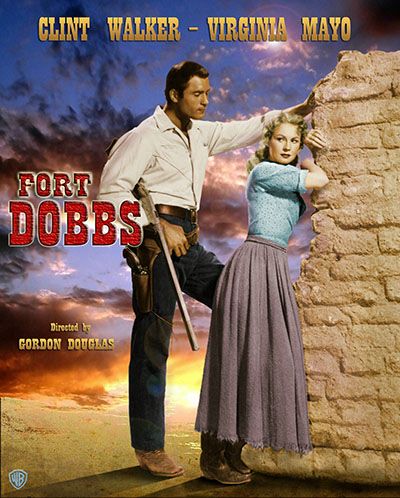
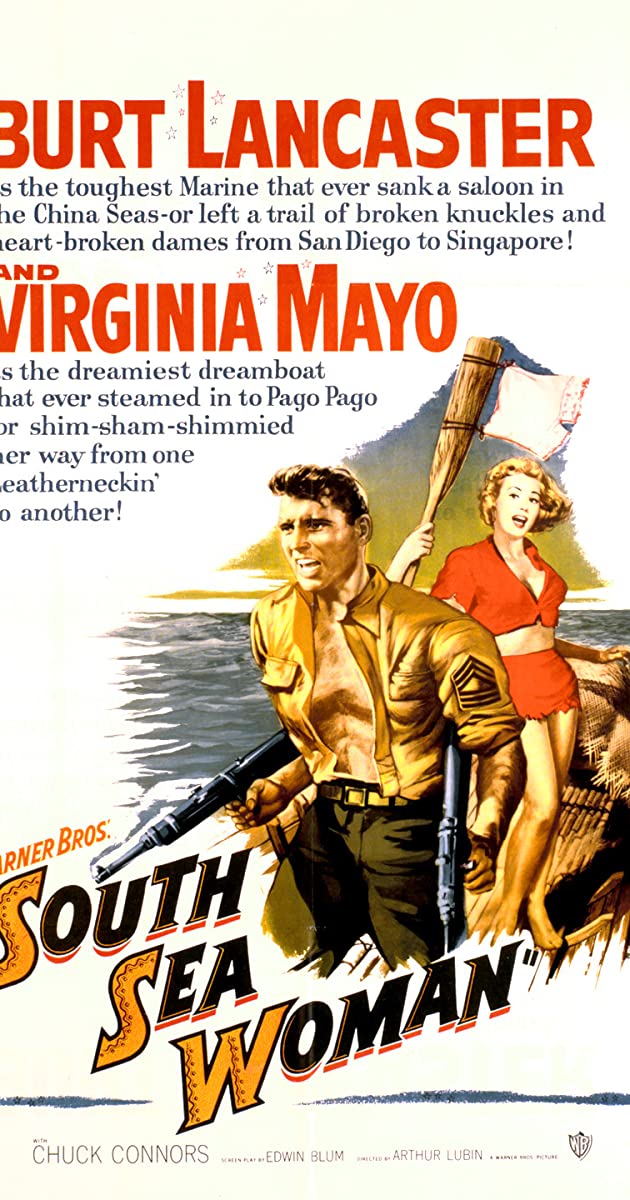
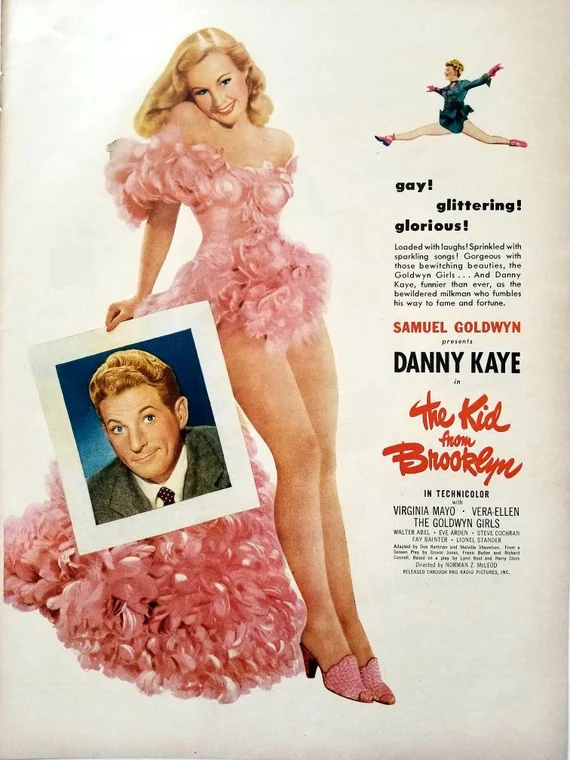
Goldwyn then cast his two favourites, Mayo and Danny Kaye, in Wonder Man (1944), in which she was a sweet librarian to his bookworm with a gangster twin brother. In The Kid From Brooklyn (1946), cream puff milkman Kaye wins Mayo and the middleweight boxing championship of the world. She appears in Kaye’s daydreams in The Secret Life Of Walter Mitty (1947), and, later in Mitty’s life, in need of rescuing from evil Boris Karloff. By that time, “leggy Mayo with her voluptuous body and creamy skin” was part of many male filmgoers’ fantasies. According to the Sultan of Morocco, Mayo was “tangible proof for the existence of God”.
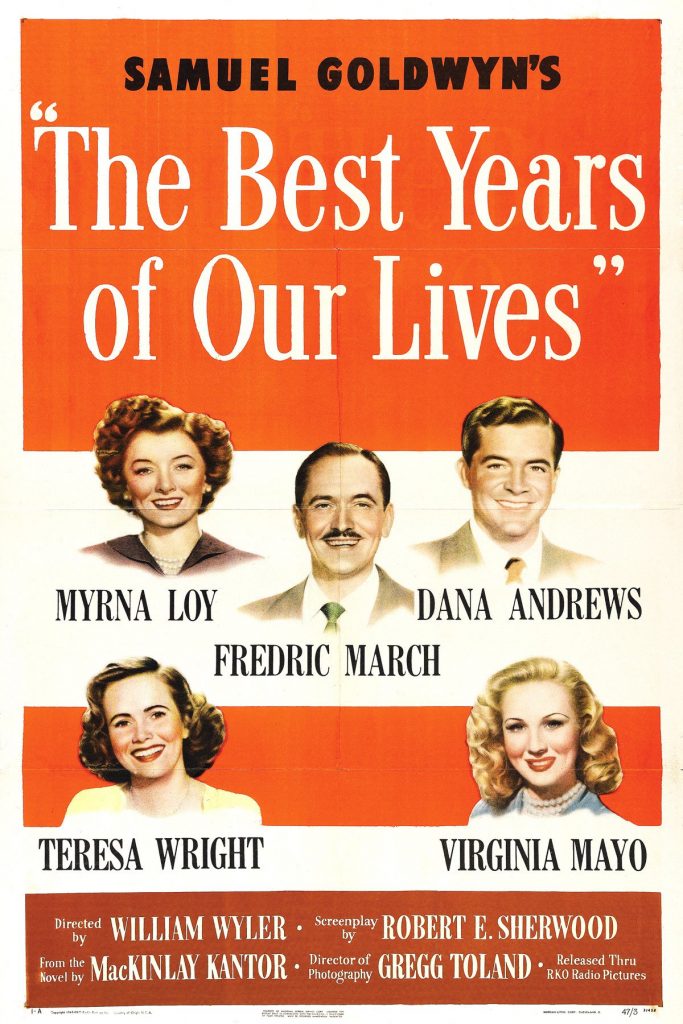
So it was brilliant casting against type when she took the role of Dana Andrews’s unsympathetic, sluttish wife in William Wyler’s multiple Oscar-winner, The Best Years Of Our Lives (1946), about returning war veterans.
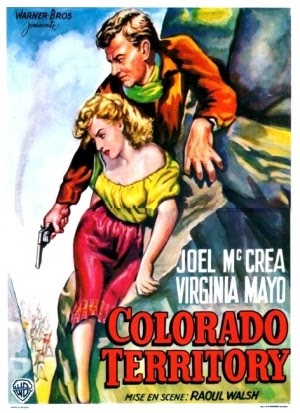
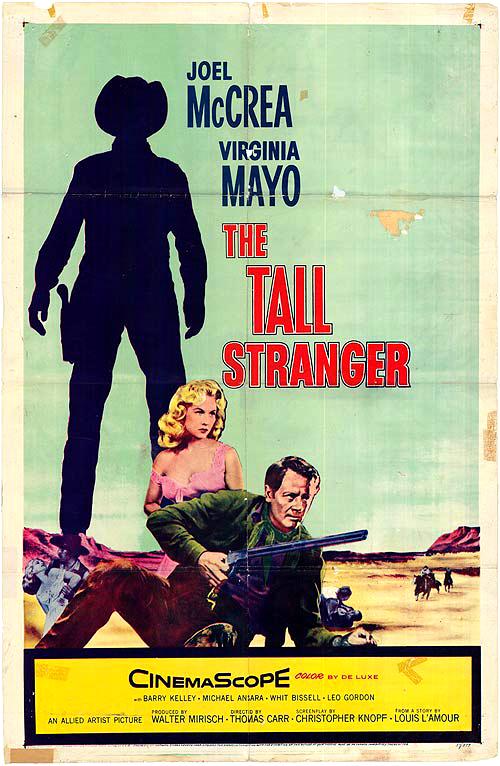
Mayo then brought her new veritas to the role of the sensuous saloon singer on the run with escaped convict Joel McCrea in Raoul Walsh’s Colorado Territory, an intense tale of doomed love. The ending, as the lovers choose to die together in the barren rockscape, is one of the great western climaxes.
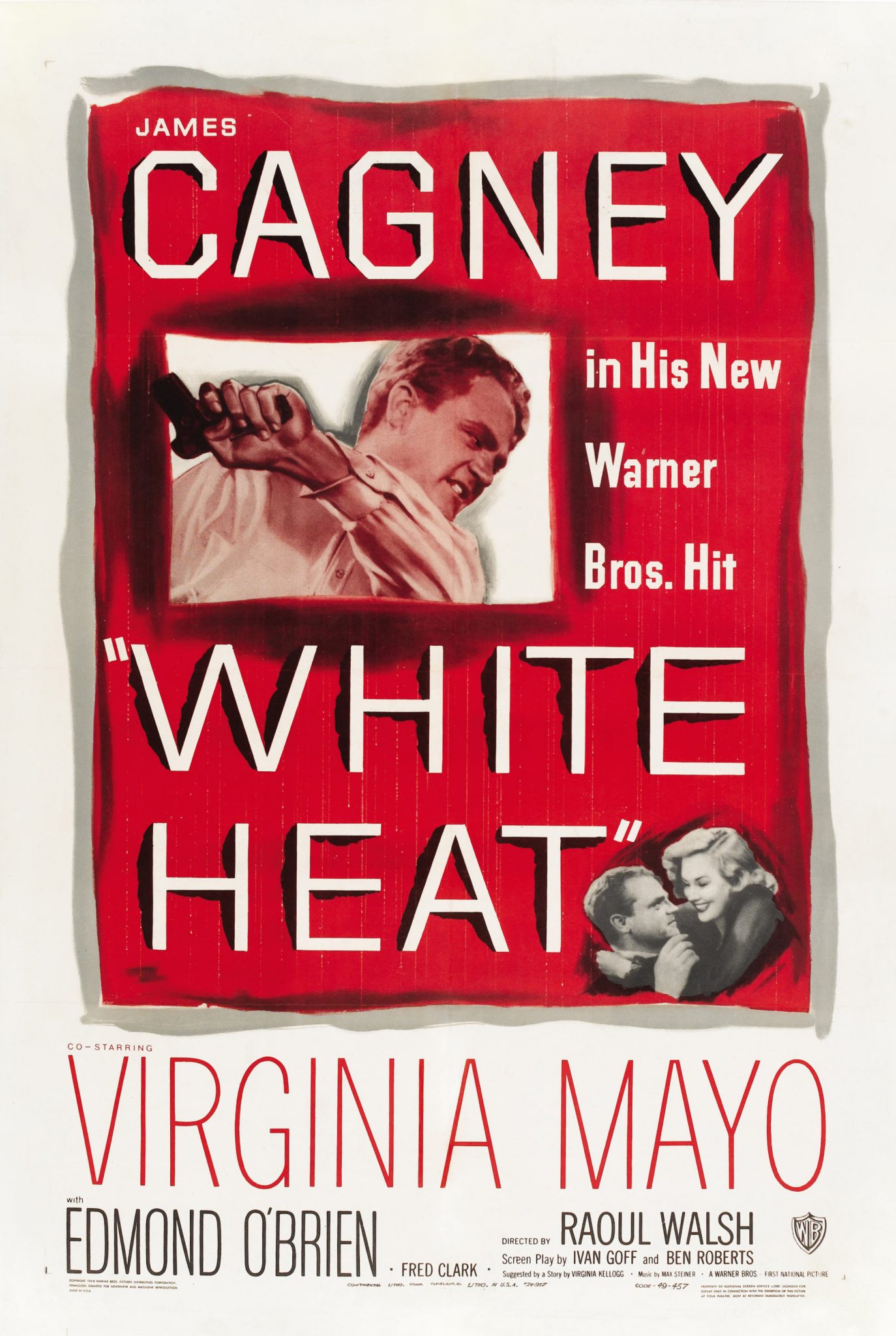
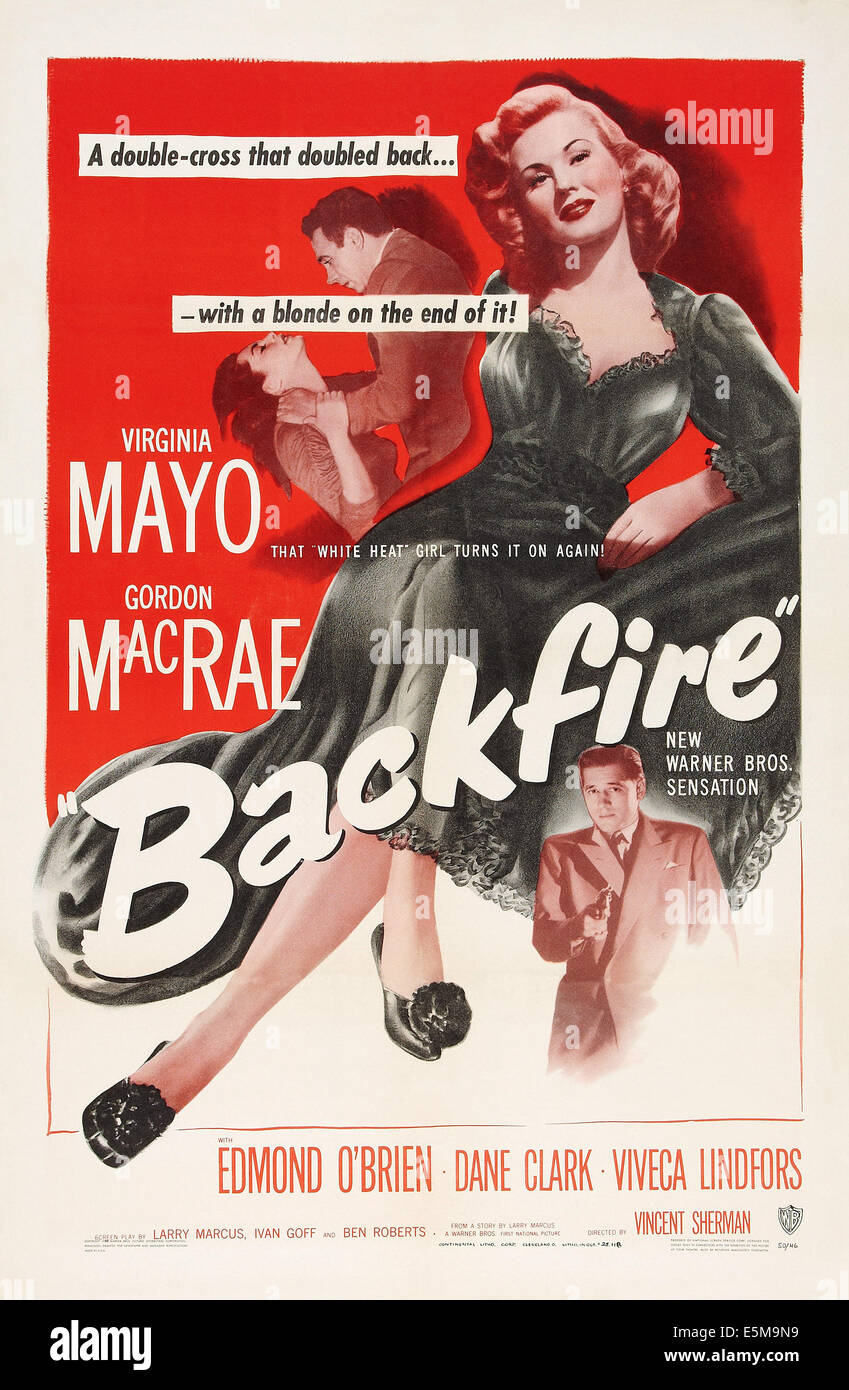
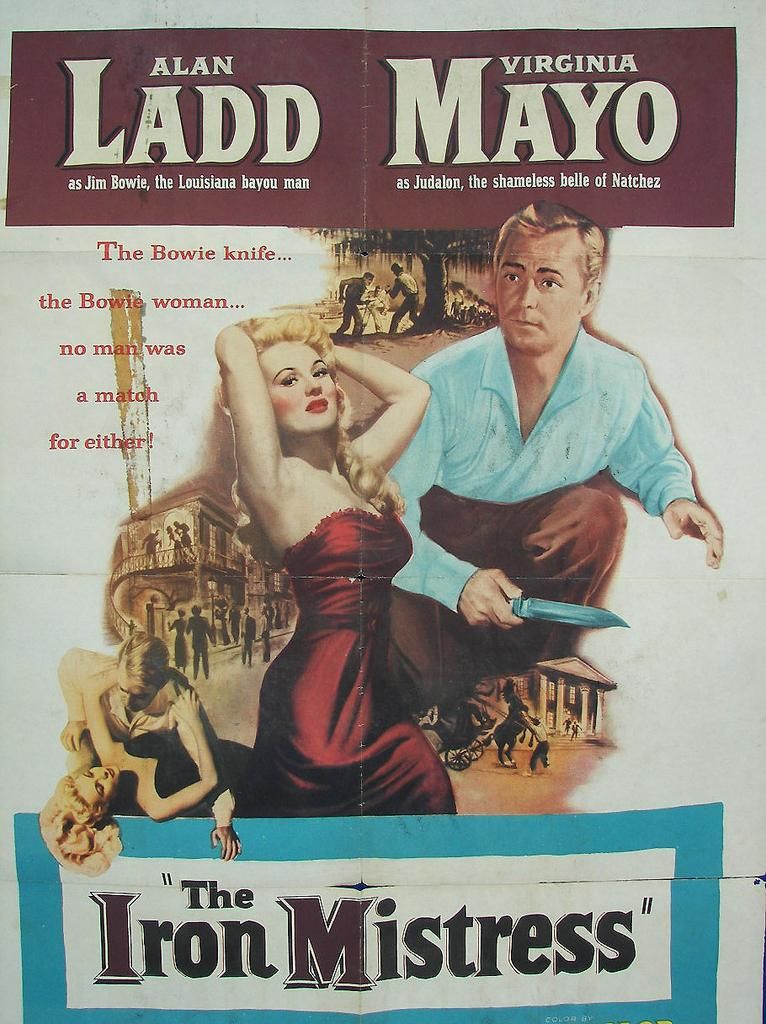
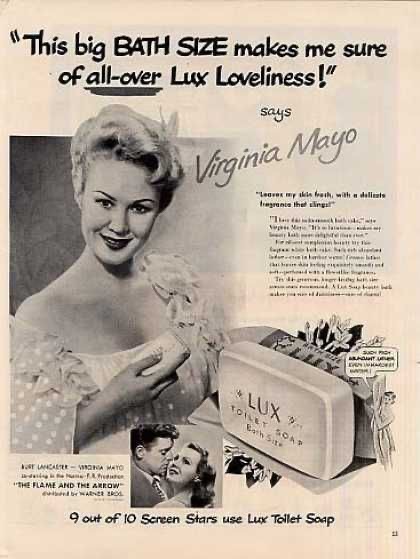
Walsh again got the best out of her in White Heat, a classic gangster movie, in which she was the flighty wife of psychopath James Cagney, competing with his mother for his affection. In 1950 she danced gleefully with Cagney in The West Point Story. She was also a spirited heroine in period pieces, opposite Burt Lancaster in The Flame And The Arrow (1950), Gregory Peck in Captain Horatio Hornblower (1951), and Alan Ladd in The Iron Mistress (1952).
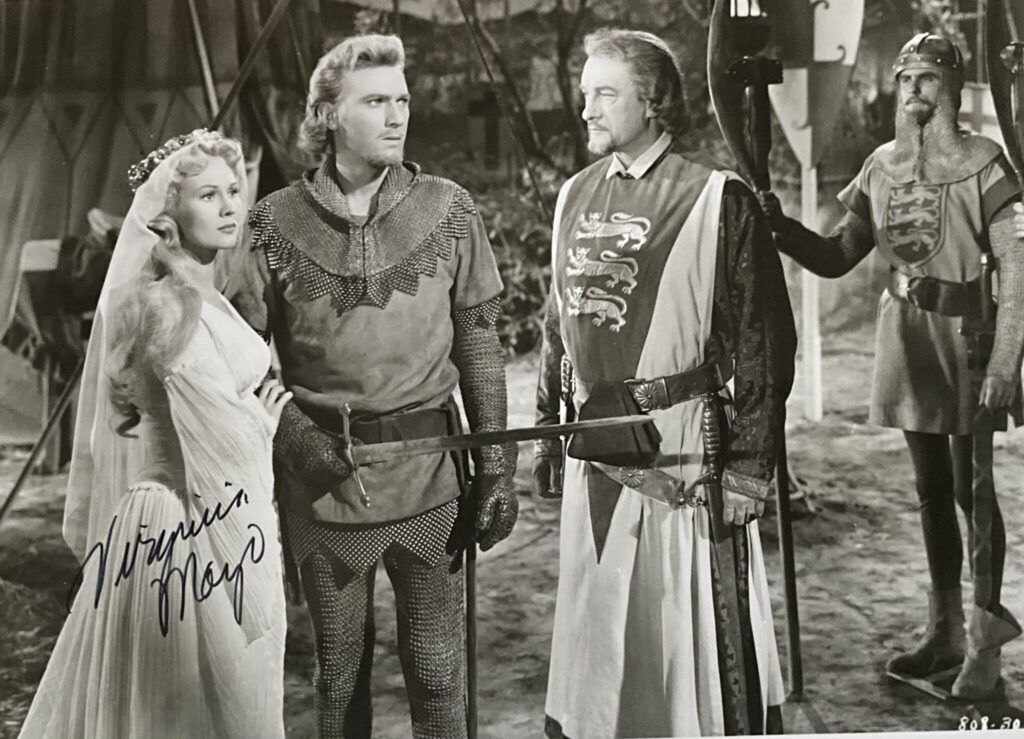
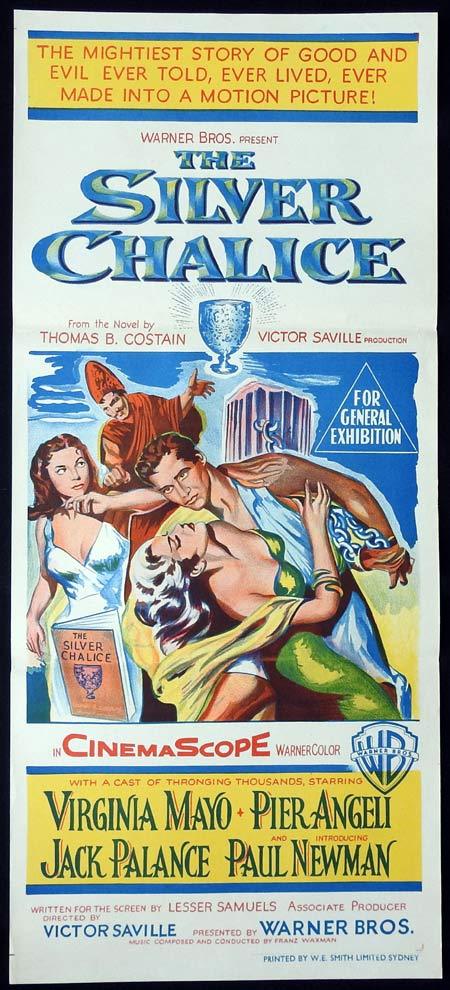
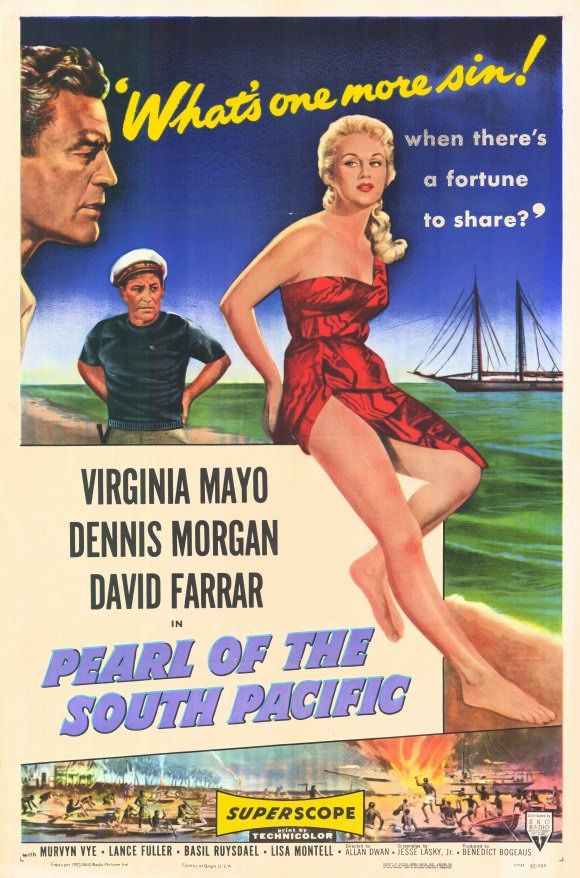
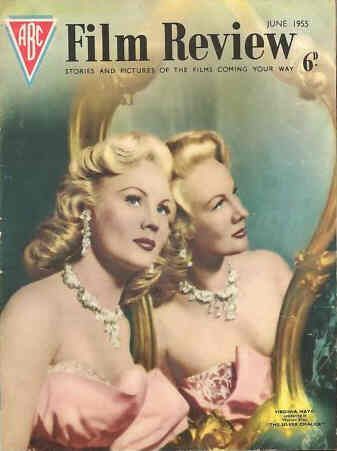
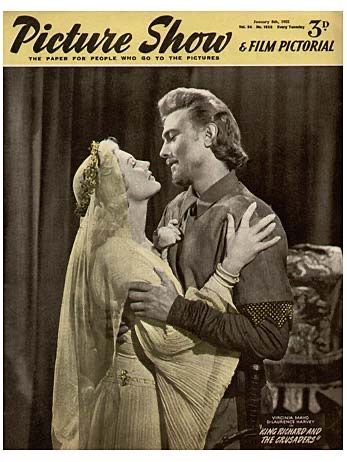
She could do little to enliven King Richard And The Crusades (1954), in which, as Lady Edith, she has the line: “Fight, fight, fight! That’s all you think of, Dick Plantagenet!”; nor The Silver Chalice (1955), where she dallies with Paul Newman in his film debut; nor as Cleopatra in The Story Of Mankind (1957), possibly the most foolish film of the decade.
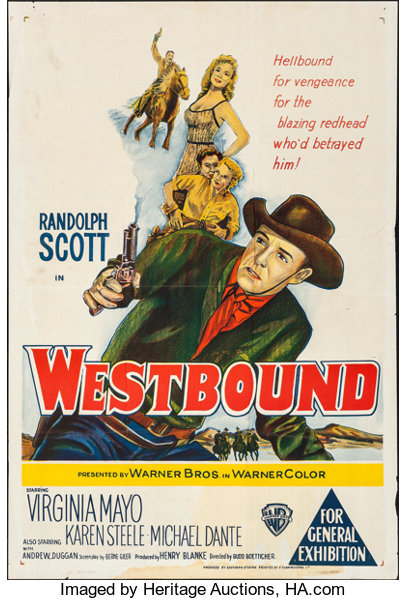
From the mid-1950s, Mayo was at her best in westerns, often assertive until she changed her tight-fitting riding breeches for something more feminine. Walsh allowed her, as a rustler’s daughter, to be more than a match for Kirk Douglas in Along The Great Divide (1951). In Devil’s Canyon (1953), she was a provocatively dressed woman among 500 men in a prison compound. Mayo’s last good horse opera was Westbound (1959), starring Randolph Scott, tightly directed by Budd Boetticher
Walsh again got the best out of her in White Heat, a classic gangster movie, in which she was the flighty wife of psychopath James Cagney, competing with his mother for his affection. In 1950 she danced gleefully with Cagney in The West Point Story. She was also a spirited heroine in period pieces, opposite Burt Lancaster in The Flame And The Arrow (1950), Gregory Peck in Captain Horatio Hornblower (1951), and Alan Ladd in The Iron Mistress (1952).
She could do little to enliven King Richard And The Crusades (1954), in which, as Lady Edith, she has the line: “Fight, fight, fight! That’s all you think of, Dick Plantagenet!”; nor The Silver Chalice (1955), where she dallies with Paul Newman in his film debut; nor as Cleopatra in The Story Of Mankind (1957), possibly the most foolish film of the decade.
From the mid-1950s, Mayo was at her best in westerns, often assertive until she changed her tight-fitting riding breeches for something more feminine. Walsh allowed her, as a rustler’s daughter, to be more than a match for Kirk Douglas in Along The Great Divide (1951). In Devil’s Canyon (1953), she was a provocatively dressed woman among 500 men in a prison compound. Mayo’s last good horse opera was Westbound (1959), starring Randolph Scott, tightly directed by Budd Boetticher
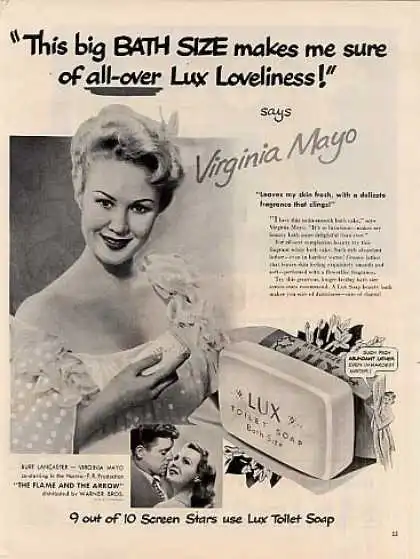
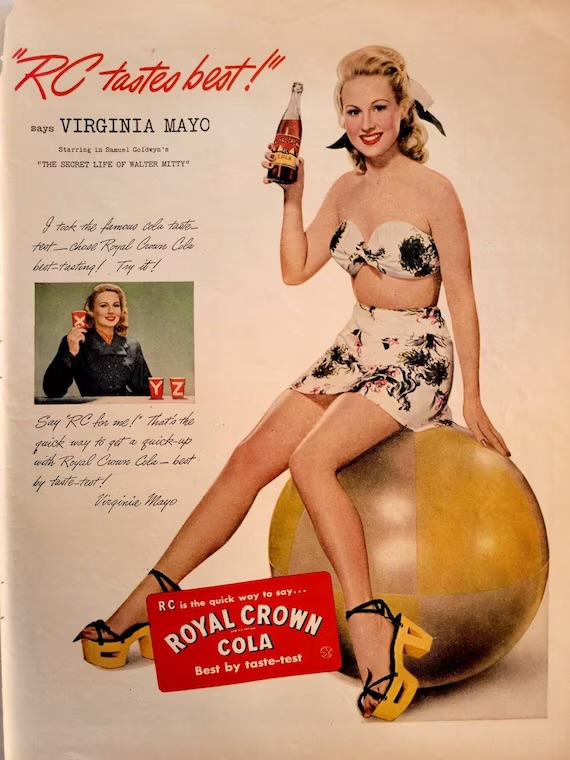
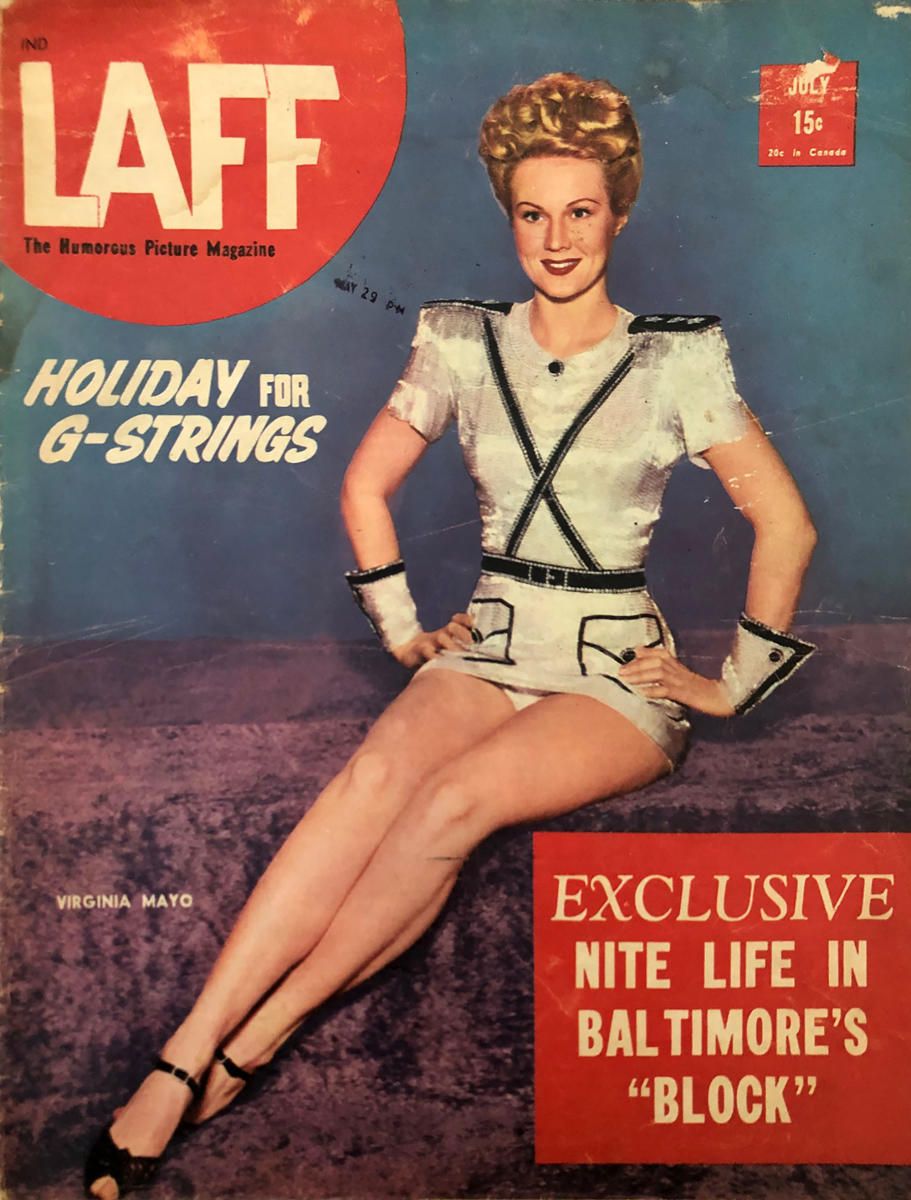
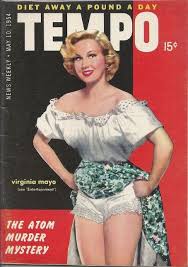
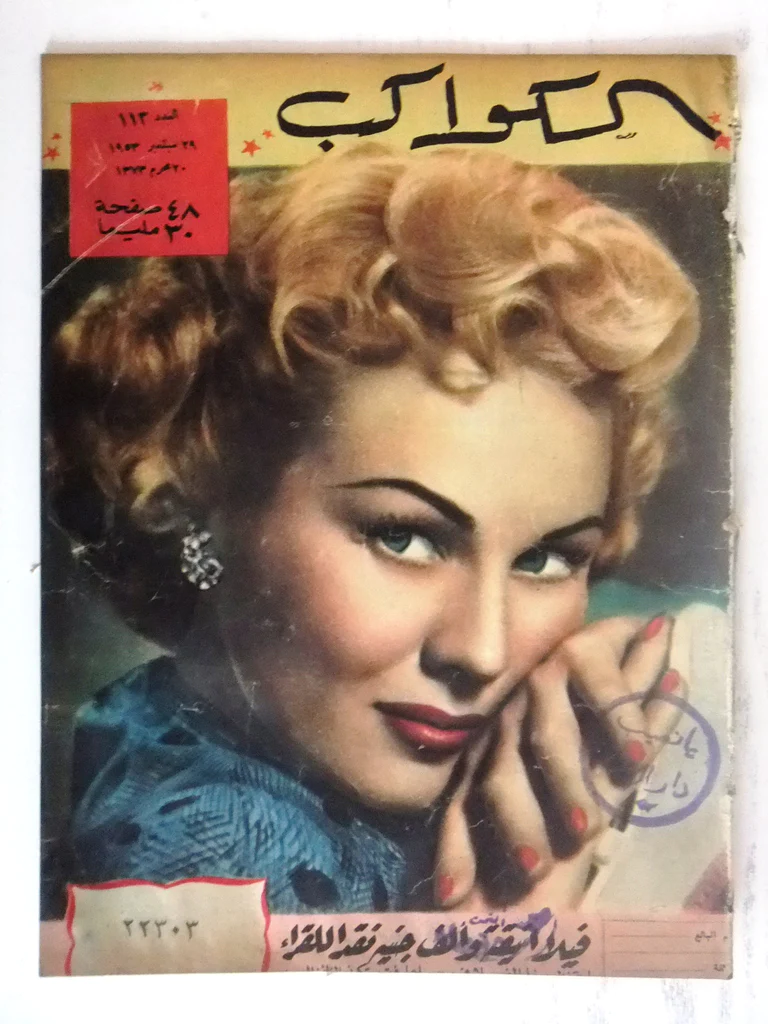
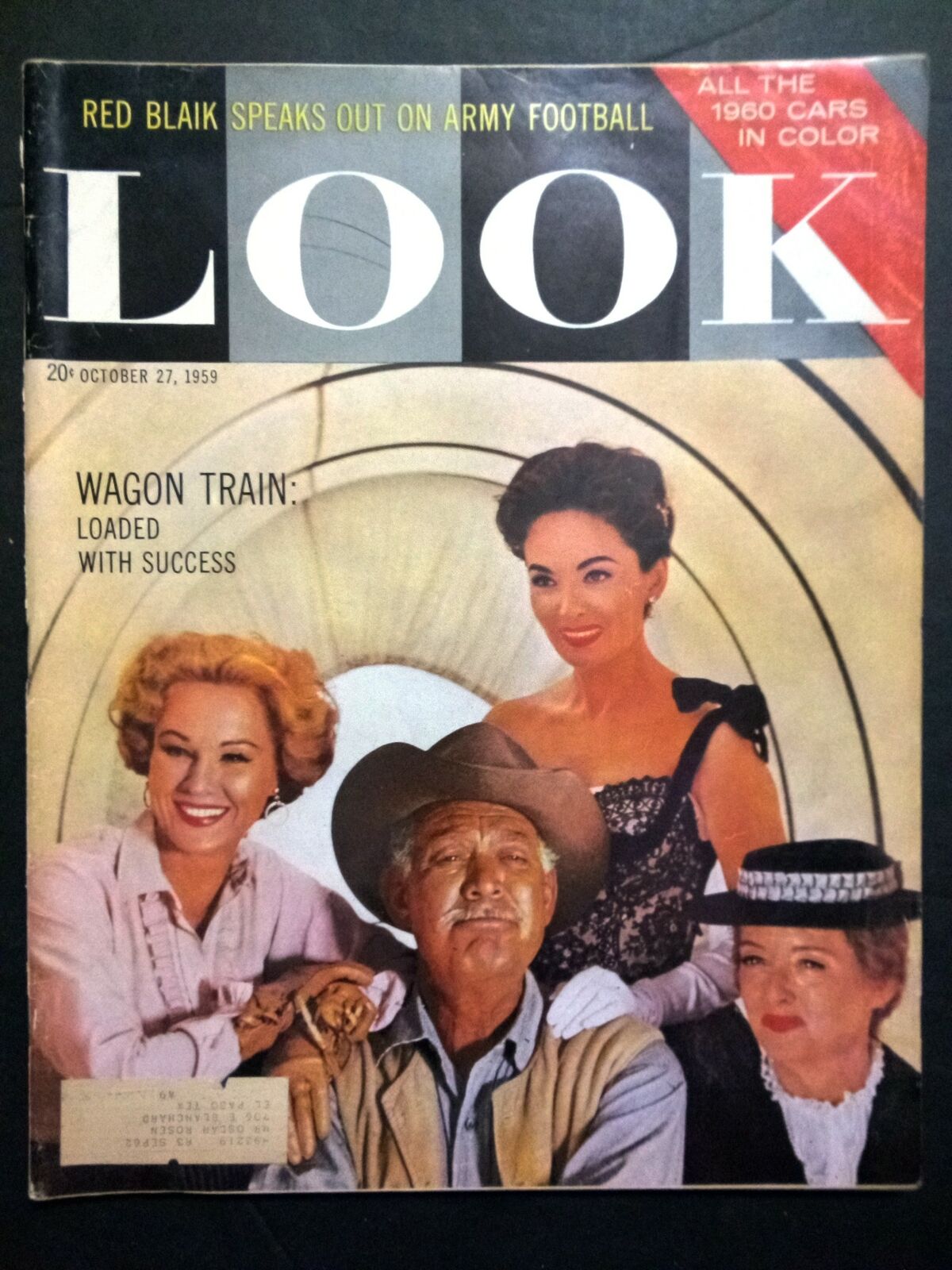
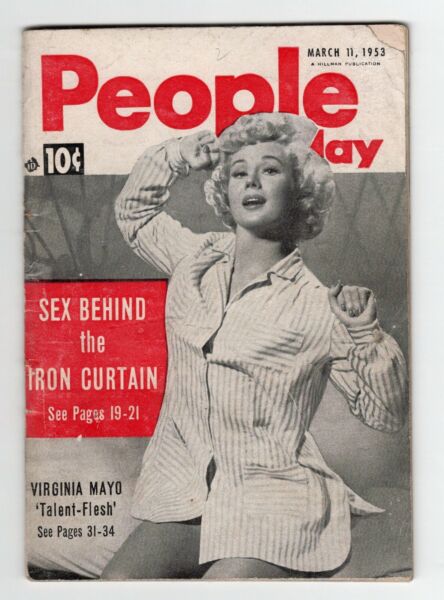
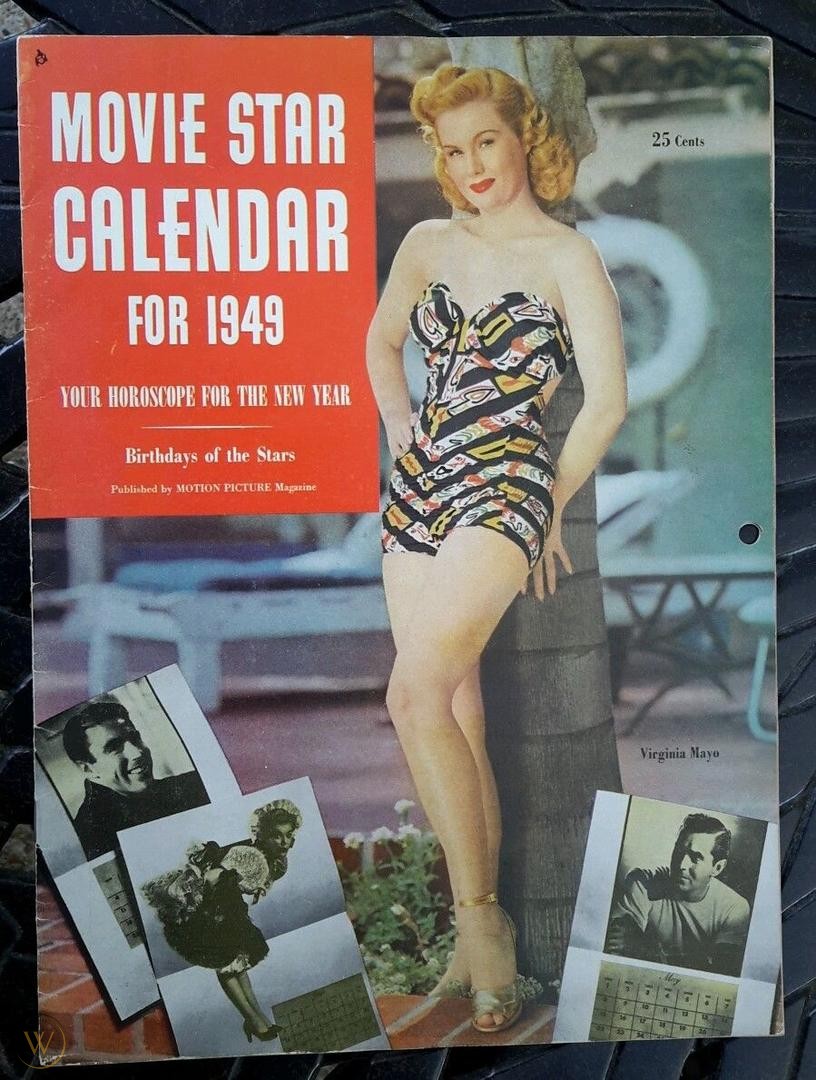
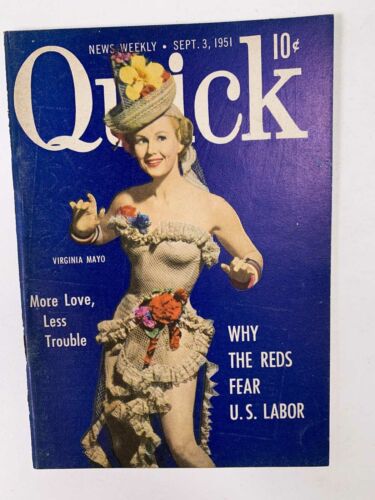
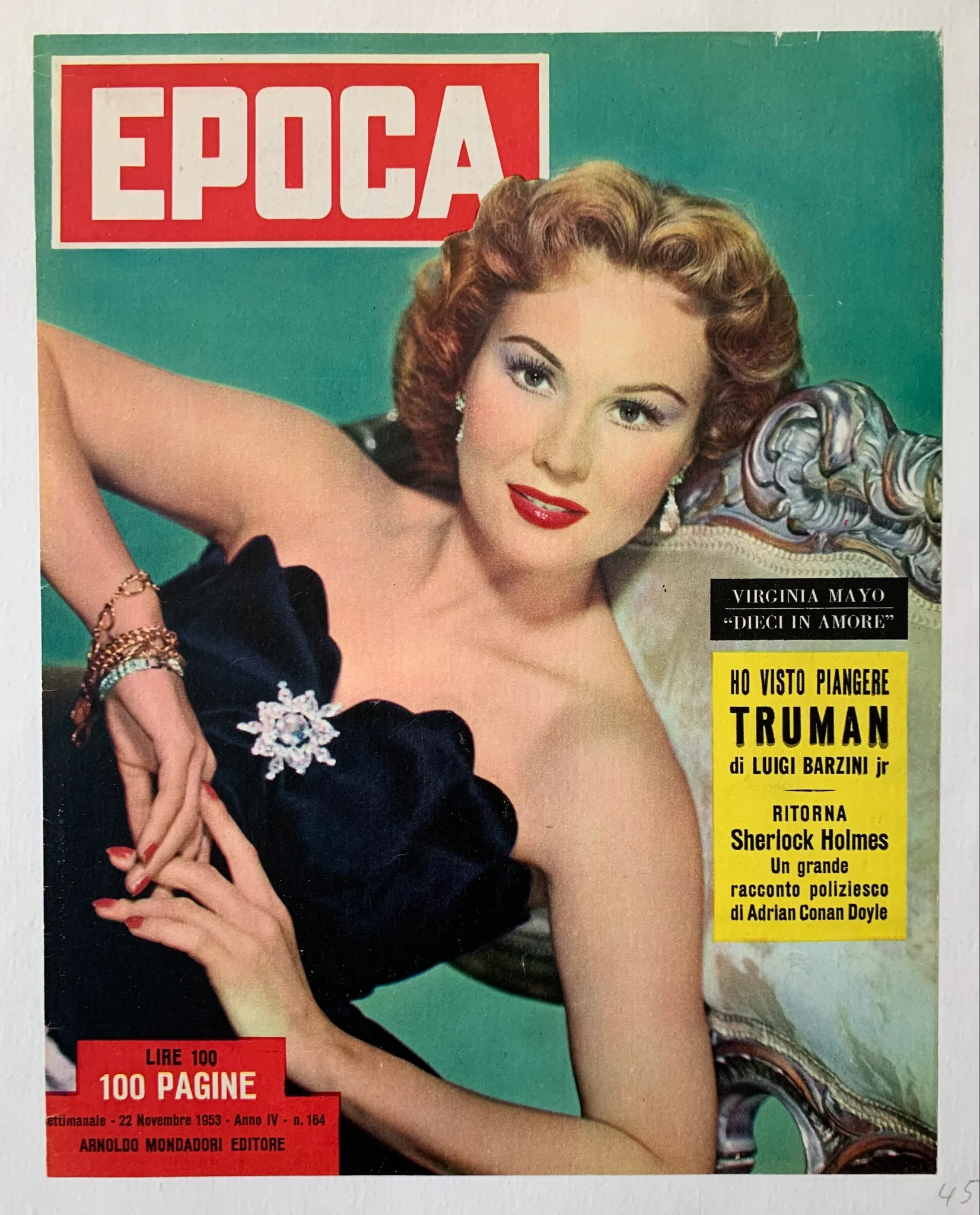
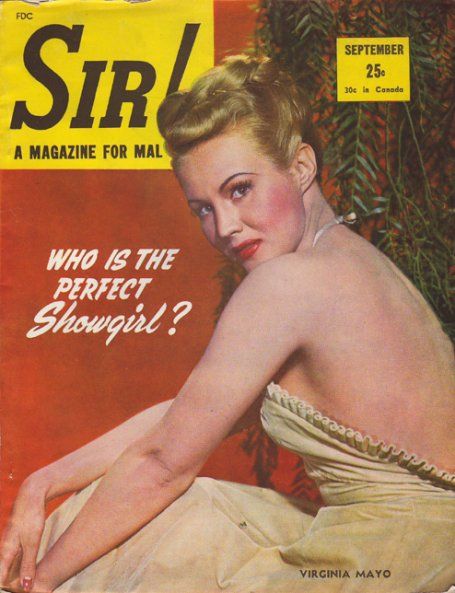
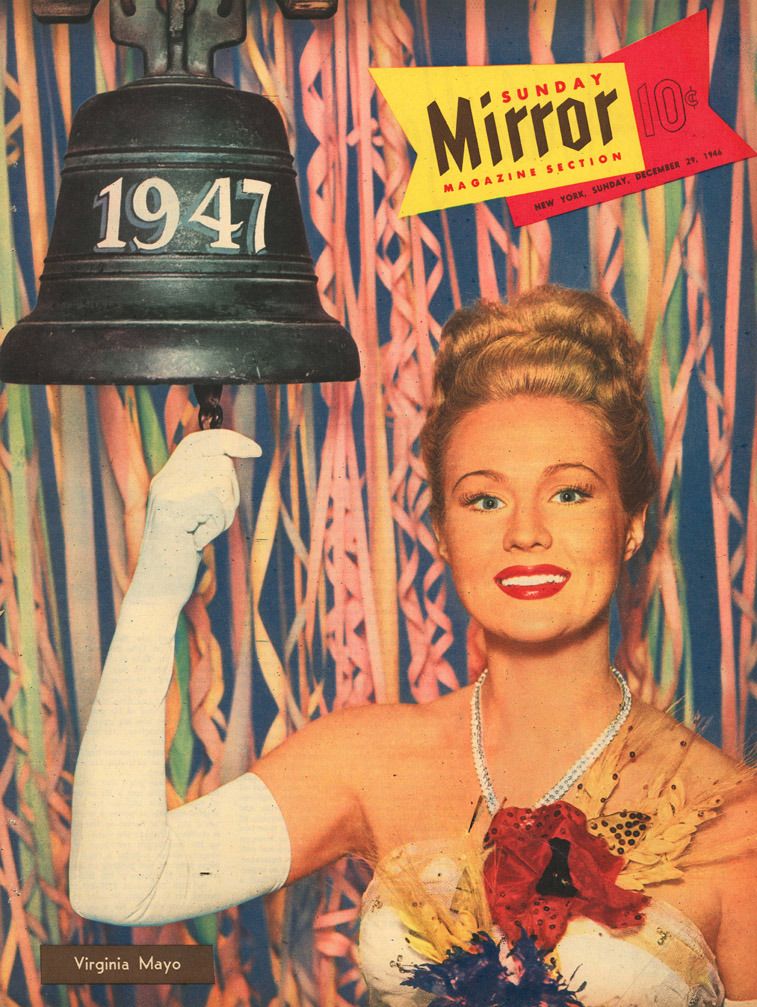
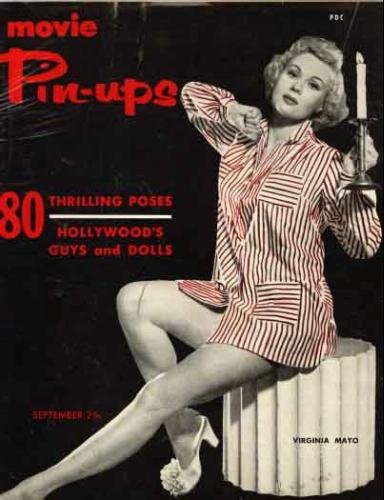
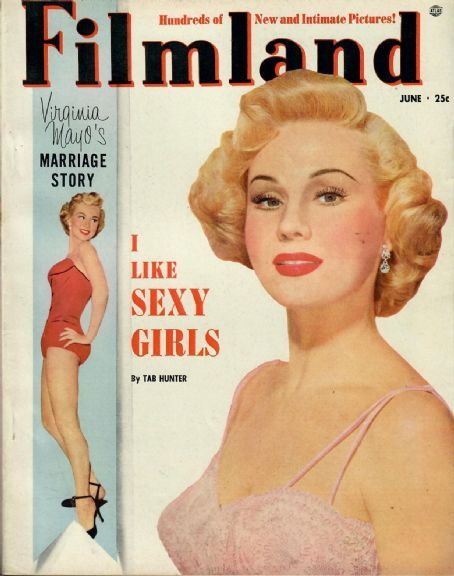
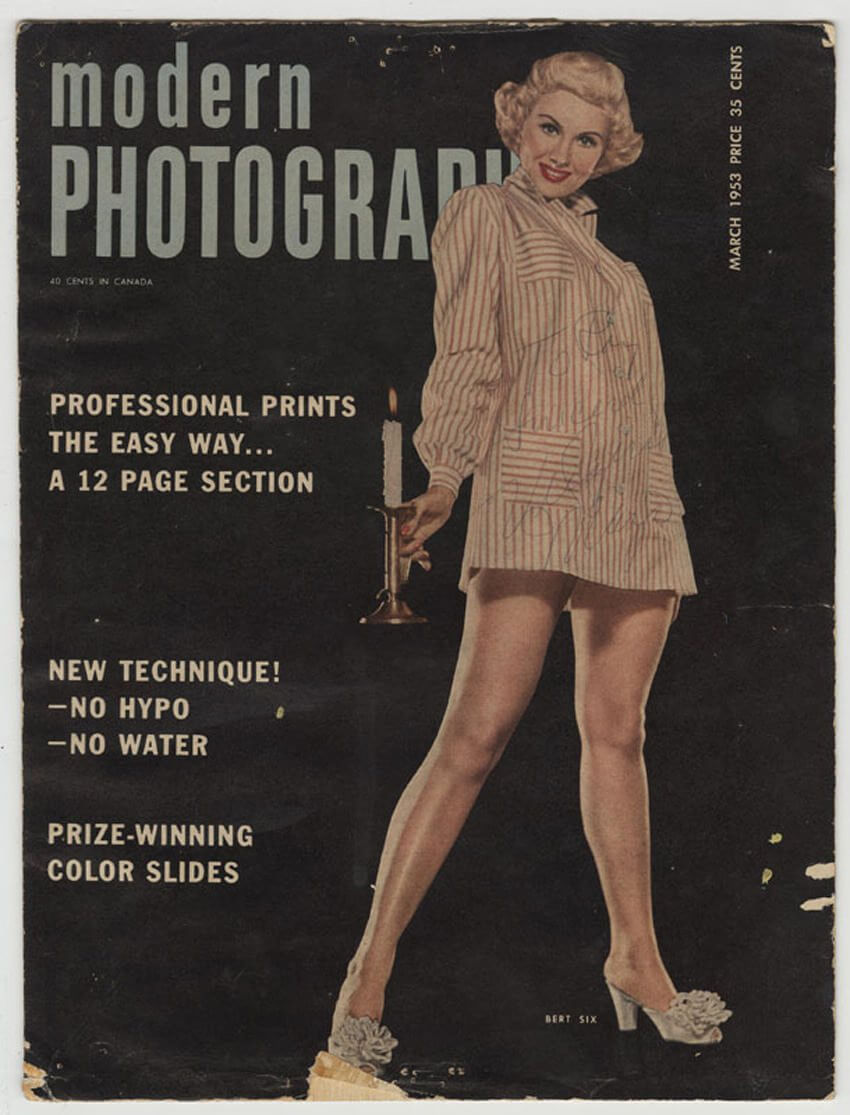
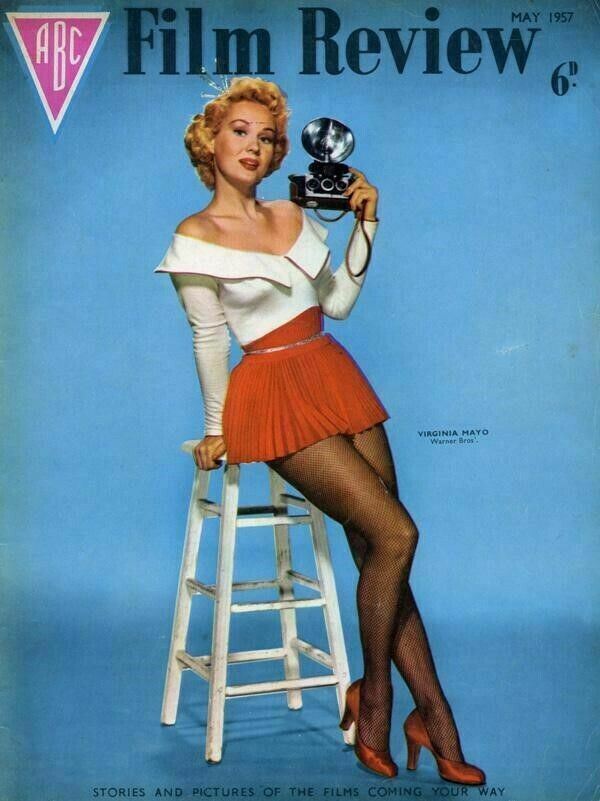
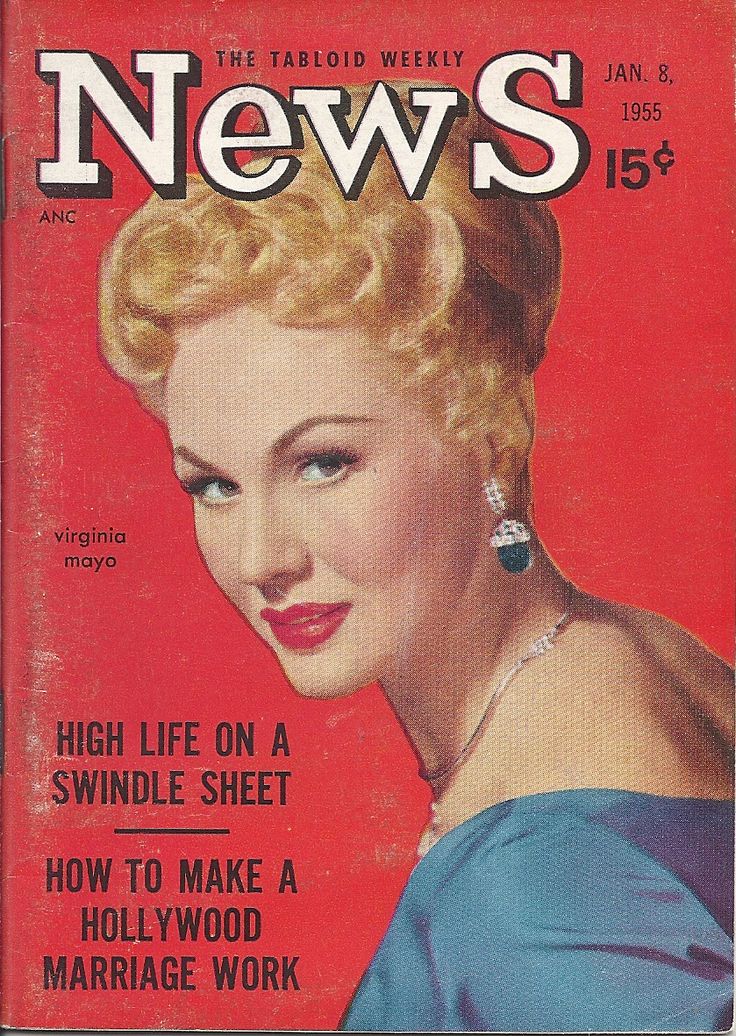
Mayo had been retired for over a decade when she was tempted to return to the screen in a horror picture, French Quarter (1978). She made another, Evil Spirits (1991). The glamour girl, who had not aged much, thanks to plastic surgery, substantiated the idea that blondes have more fun. – Guardian newspaper
Virginia Mayo (1920–2005) was the “Sultry Workhorse” of the 1940s and 50s. While often remembered as the quintessential “Technicolor Blonde,” a critical analysis of her work reveals an actress of meticulous technical disciplinewho bridged the gap between the vaudeville tradition and the grit of Post-War Hollywood.
She was the definitive “Versatile Ornament,” specializing in women who possessed a high-status, statuesque beauty but were frequently grounded by a sharp, blue-collar pragmatism.
1. The Goldwyn Girl and the Comedic Foil (1944–1947)
Mayo’s career was launched by Samuel Goldwyn, who saw her as the perfect visual match for his biggest comedic stars.
The Princess and the Pirate (1944) & The Secret Life of Walter Mitty (1947): Opposite Danny Kaye.
Detailed Critical Analysis: Critics noted that Mayo possessed a “deadpan radiance.” In a film of manic energy like Walter Mitty, she utilized a “anchoring stillness.”
Technique: She mastered the “straight-man” rhythm. She didn’t try to out-clown Kaye; instead, she provided the “reality” that made his fantasies work. Critics lauded her for being a “Technicolor Dream” who moved with the rhythmic precision of a dancer (harkening back to her days in a vaudeville horse act).
2. The Dramatic Breakthrough: The Best Years of Our Lives (1946)
This Academy Award-winning masterpiece proved that Mayo was a formidable dramatic presence, capable of playing nuanced, often unsympathetic characters.
The Role: Marie Derry, the shallow, unfaithful wife of a returning veteran (Dana Andrews).
Detailed Critical Analysis: This is widely considered her finest work. Critics view it as a study in “Domestic Disconnect.”
The “Surface” Acting: Mayo utilized a “glossy hardness.” She played Marie as a woman who was physically “put together” but emotionally hollow.
Technique: In her scenes with Andrews, she used a “distracted intimacy”—applying makeup or looking in a mirror while he spoke of his trauma. It was a brave, unflinching portrayal of selfishness that provided the film with its most realistic social friction.
3. The Noir and Western Peak (1949–1955)
As the studio system shifted toward darker themes, Mayo’s “blonde” archetype was weaponized into something more dangerous and complex.
White Heat (1949): Directed by Raoul Walsh.
Detailed Critical Analysis: Playing Verna Jarrett, the treacherous wife of Cody Jarrett (James Cagney). Critics highlight this as a peak of “Hard-Boiled Vitality.” * The “Lethal Gamine”: Mayo replaced her “Goldwyn Girl” softness with a “snarling, street-wise survivalism.” She matched Cagney’s explosive energy with a “cat-like alertness.” Her performance proved that her beauty was not a shield, but a weapon.
Colorado Territory (1949): * Analysis: As a “half-breed” outlaw. This role showcased her “Physical Grittiness.”Critics noted her comfort with “muscular action”—she rode and fought with a conviction that made her one of the most credible female leads in the “New Western” genre.
Detailed Critical Analysis: Style and Technique
The “Technicolor Intelligence”
Mayo was one of the most successful “color” actresses because she understood the saturation of the frame. Technically, she used her costume and lighting as emotional tools. Critics describe her style as “Highly Calibrated”—she knew exactly how to stand to catch the key light, using her physical “glow” to contrast with the dark, psychological scripts of her 1950s work.
The “Dancer’s Economy”
Coming from a vaudeville background, Mayo’s acting was defined by “The Clean Line.” She didn’t waste movement. This “Physical Economy” made her incredibly effective in suspenseful scenes. When she was on screen, you didn’t look at the scenery; you looked at her controlled, rhythmic presence.
Subverting the “Dumb Blonde”
Critically, Mayo is respected for never playing the “victim.” Even when her characters were morally compromised (like in White Heat), they were intellectually active. She played women who “knew the score,” using a dry, cynical vocal delivery to signal that they were the smartest people in the room.
Key Career Milestones
| Work | Year | Role | Significance |
| The Princess and the Pirate | 1944 | Princess Margaret | Established her as the premier “Goldwyn Beauty.” |
| The Best Years of Our Lives | 1946 | Marie Derry | Proved her “Dramatic Weight” in a social-realist classic. |
| White Heat | 1949 | Verna Jarrett | A landmark performance in the history of Film Noir. |
| Colorado Territory | 1949 | Colorado Mary | Redefined her as a rugged, “Action-Ready” Western star. |
| The Silver Chalice | 1954 | Helena | A peak of her “Epic Glamour” phase at Warner Bros. |
Legacy Summary: Virginia Mayo was the “Sovereign of the Radiant Realist.” She was a performer of “Technical Fluidity” who proved that a woman could be both a studio-manufactured icon and a deeply human, often flawed, character actress. Critics admire her for her unflinching dramatic courage, her athletic grace, and her ability to bring a sense of “Pragmatic Strength” to the grandest fantasies of Hollywood.
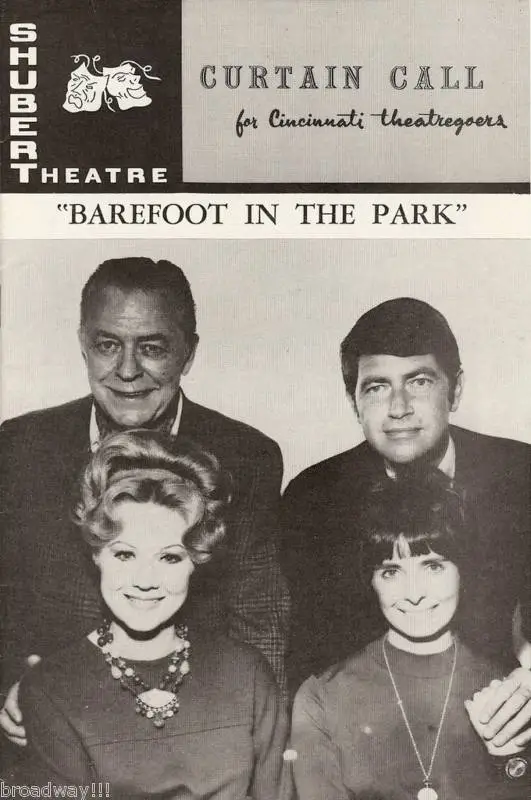
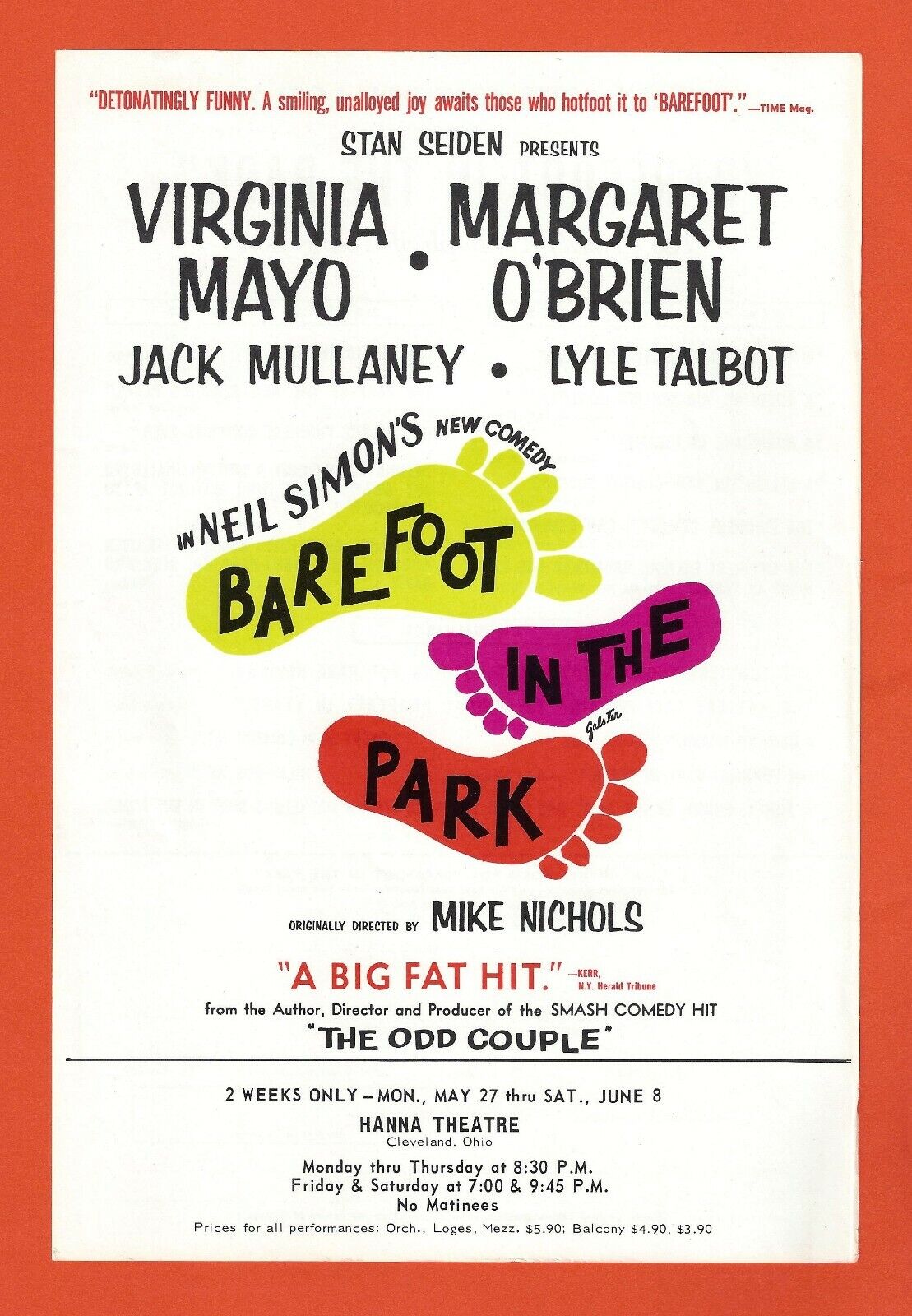
By the late 1960s and into the 1970s, as the Hollywood studio system that birthed her crumbled, Virginia Mayo transitioned into what many critics called her “Summer Stock Renaissance.” Unlike many of her contemporaries who retired into obscurity, Mayo utilized her vaudevillian roots to become a tireless and highly disciplined stage performer. Her theater work during this period is a study in “Star-Power Professionalism”—the ability to carry a production through sheer charisma and a deeply ingrained sense of “show business” timing.
1. The Dinner Theater Circuit (1960s–1970s)
Mayo became a staple of the American dinner theater and regional circuit, a grueling environment that required an actor to perform eight shows a week while maintaining a “glamorous” approachable persona for the audience.
Detailed Critical Analysis: Critics who saw her during this era noted her “vocal projection and clarity.”While some film stars struggled to “fill the room,” Mayo’s early training in live performance allowed her to command the stage.
The “Radiant Matriarch”: She often played the sophisticated, slightly cynical woman of the world.
Technique: She utilized a “self-deprecating elegance.” She was aware that the audience came to see “Virginia Mayo the Movie Star,” and she played into that by leaning into her high-fashion past while delivering lines with a dry, mid-western wit.
2. Notable Stage Roles
Mayo gravitated toward comedies and musicals that allowed her to showcase her rhythmic precision and “good sport” attitude.
Hello, Dolly! (Touring/Regional):
Analysis: Playing Dolly Levi, Mayo replaced the usual “brashness” of the character with a “mischievous sophistication.” Critics lauded her for her “dance-inflected movement.” Even in her 50s, her background in horse acts and dance troupes gave her a grace that made the “Grand Descent” down the stairs feel authentic.
Forty Carats:
Detailed Critical Analysis: This was perhaps her best fit for the era. Playing a woman involved with a younger man, Mayo utilized her “Technicolor Intelligence.” * Technique: She played the role with a “non-judgmental sensuality,” proving that she remained a credible romantic lead well past the age Hollywood usually allowed. Critics admired her for not “playing young,” but for playing “timeless.”
No, No, Nanette:
Analysis: In this nostalgic revival, Mayo tapped into the “Vaudeville Memory.” She treated the material with a rhythmic reverence, helping to anchor the “campier” elements of the show with her seasoned professionalism.
3. The Final Act: Moving On (1980s)
Mayo continued to perform well into her 60s, often appearing in touring productions of Goodbye Charlie and Butterflies Are Free.
The “Legacy” Performance: By this stage, critics viewed her theater work as a “living history of Hollywood.” * Detailed Critical Analysis: Her late-career technique was defined by “The Wink.” She had a way of looking at the audience that suggested a shared secret—a recognition of the artifice of theater and the glory of the “Old Hollywood” era. This “meta-theatrical warmth” made her one of the most beloved figures on the regional circuit.
Key Theater Milestones
| Production | Role | Context | Significance |
| Hello, Dolly! | Dolly Levi | National Tour | Proved her “Triple-Threat” (Acting/Singing/Dancing) longevity. |
| Forty Carats | Ann Stanley | Regional Theater | Showcased her “Modern Mature” romantic appeal. |
| No, No, Nanette | Lucille Early | Regional Tour | A return to her “Rhythmic Roots” and vaudeville timing. |
| Cactus Flower | Stephanie | Dinner Theater | Highlighted her “Cynical-yet-Kind” comedic persona. |
Critical Analysis: Style and Legacy
Mayo’s transition to the stage was a tactical triumph.
The “Working Actor” Ethic: Critically, she was respected for her lack of ego. She worked the “bus and truck” tours with as much commitment as she gave a Goldwyn blockbuster.
Physical Discipline: She maintained the “Dancer’s Posture” until her final performances, which allowed her to look “star-like” even in low-budget regional settings.
The Bridge: She served as a bridge for 1970s audiences, connecting them back to the “Craft of Glamour” that she had mastered in the 1940s.
Legacy Summary: Virginia Mayo’s theater work was the “Sovereign of the Second Act.” She proved that a “studio beauty” could evolve into a “technical theater pro,” using her Hollywood aura to keep the tradition of live American comedy alive for a new generation