

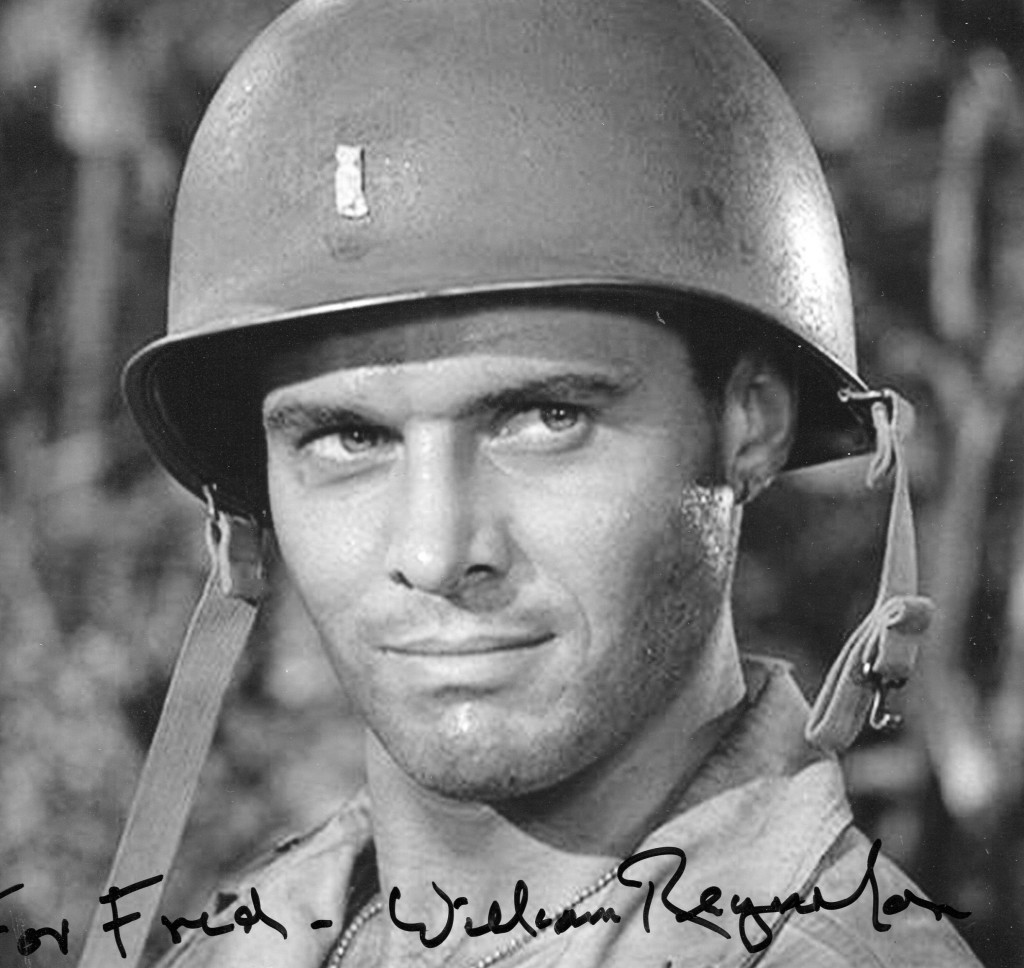
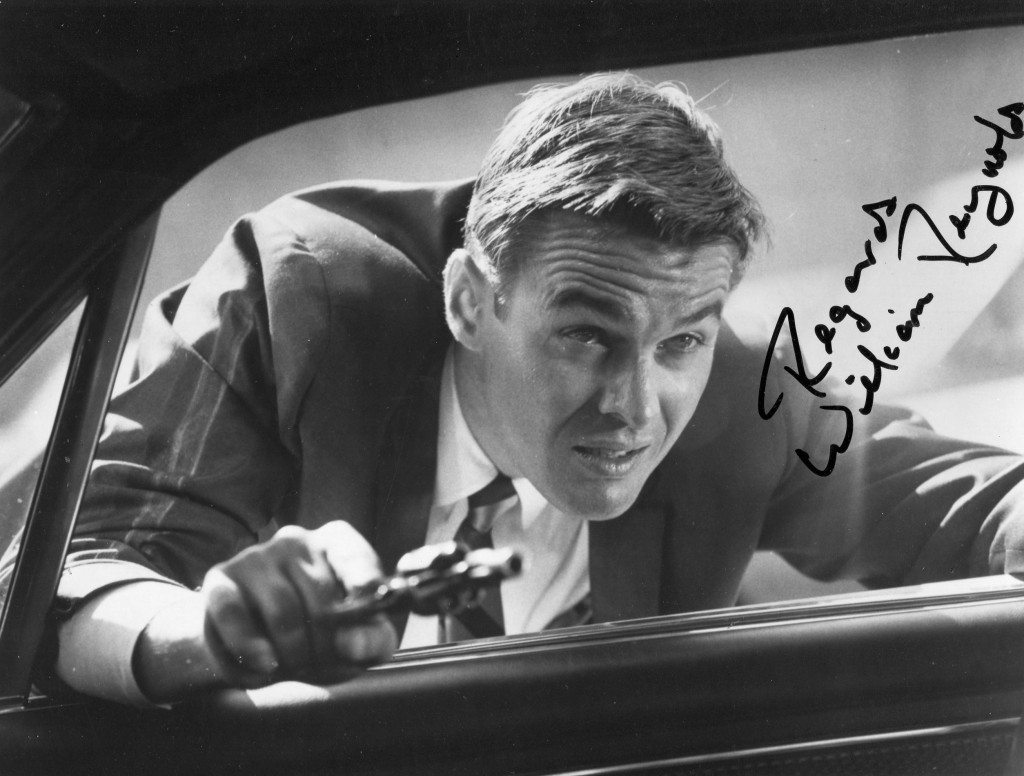
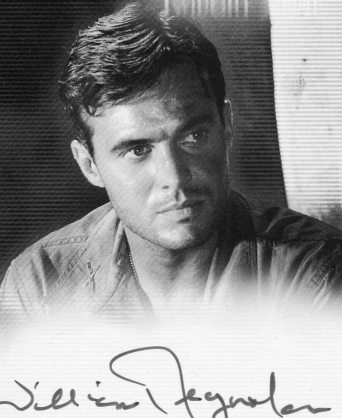
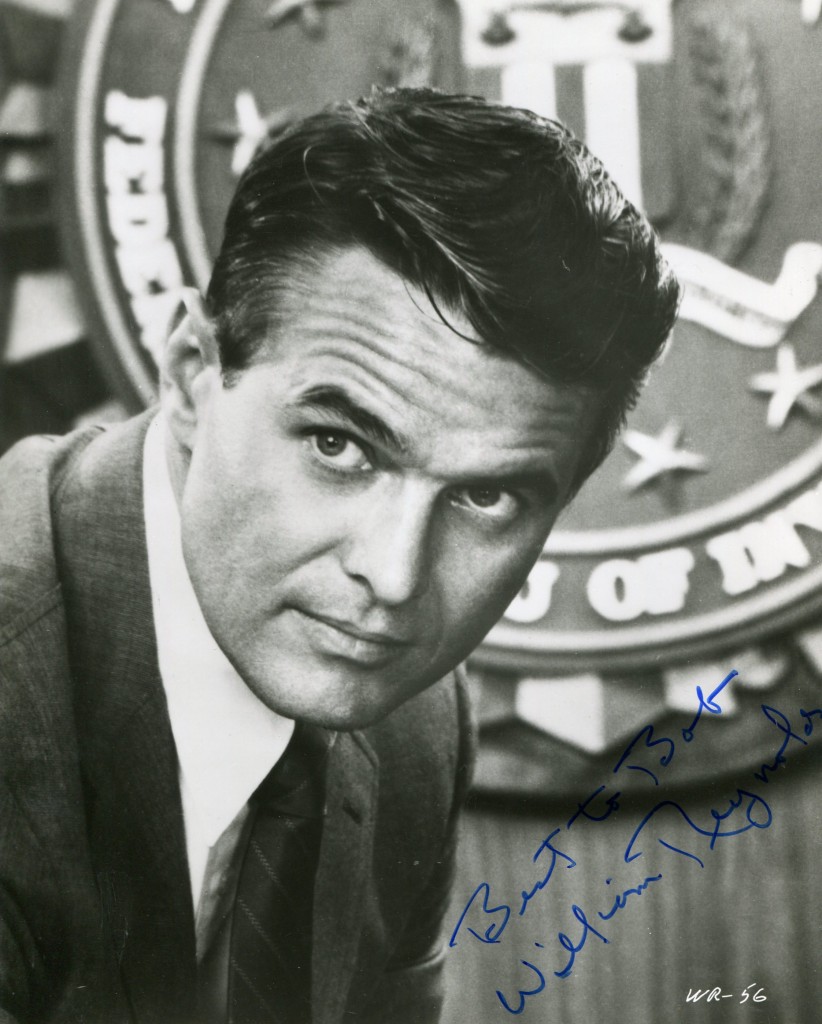
William Reynolds, who portrayed Special Agent Tom Colby for six seasons on the television series The F.B.I., died August 24 from non-Covid pneumonia complications, his son Eric Regnolds confirms. He was 90.
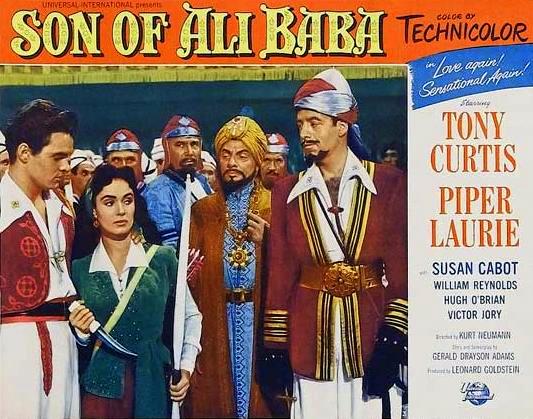
Born William de Clercq Regnolds on December 9, 1931, in Los Angeles, he began his career under contract to Universal Pictures and had credits in Carrie (1952), as Laurence Olivier’s son, and The Son of Ali Baba, where he was Tony Curtis’ best friend. For 20th Century Fox, he portrayed Rommel’s son opposite James Mason in The Desert Fox
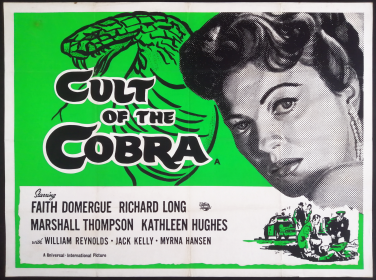
Following his military service in Japan during the Korean War, Reynolds co-starred in Cult of the Cobra (1955). In 1959, he starred as trumpeter Pete Kelly in the television series Pete Kelly’s Blues. In 1960-1961, he starred as air charter entrepreneur and adventurer Sandy Wade on the The Islanders, while also appearing as a World War II officer in Rod Serling’s acclaimed Twilight Zoneepisode “The Purple Testament”.
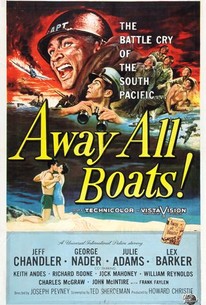
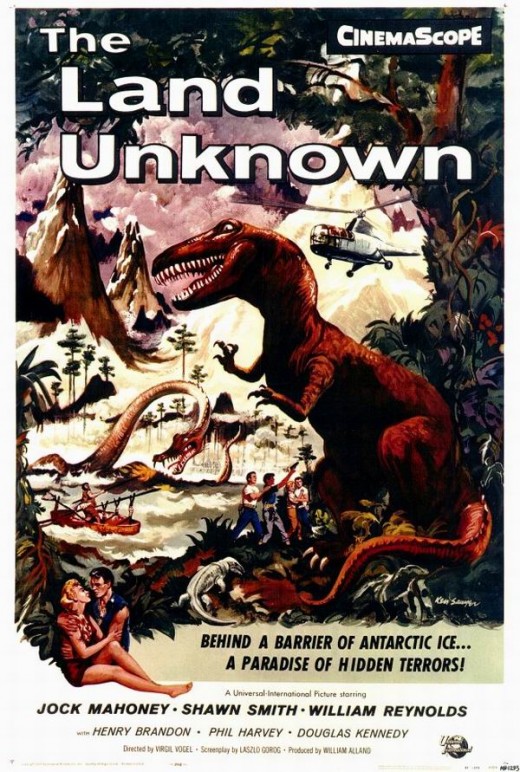
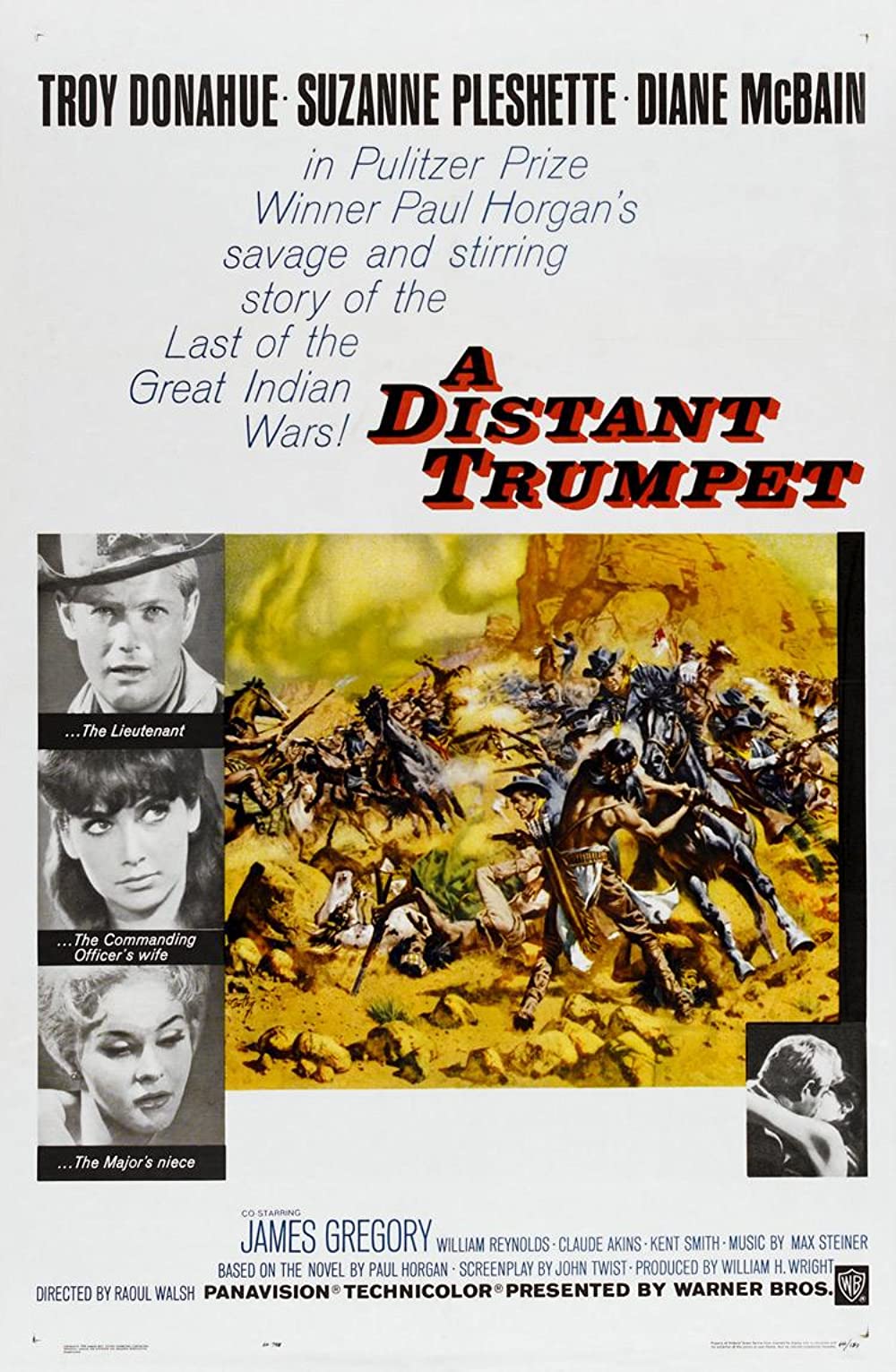
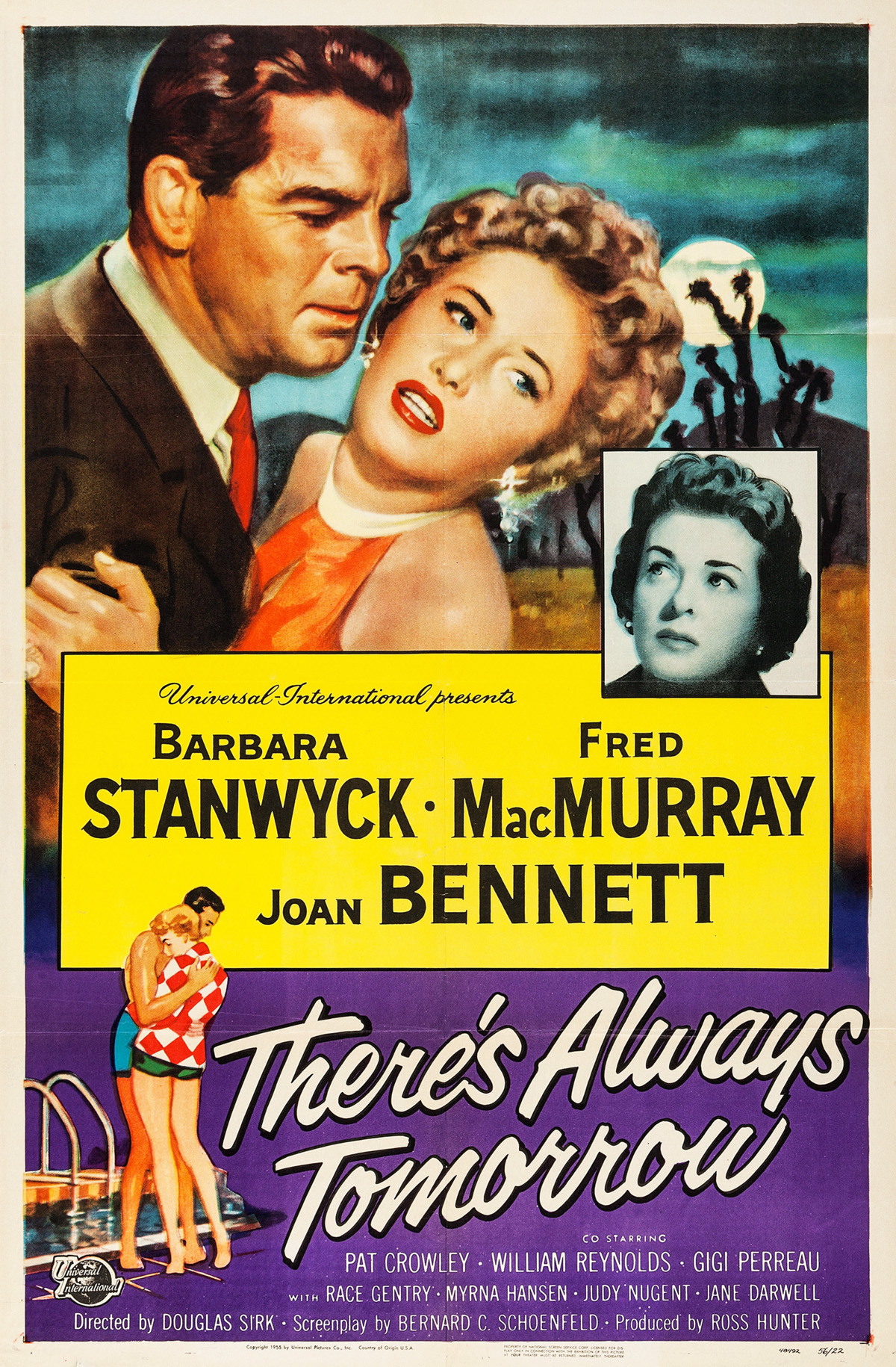
Other film credits include The Battle at Apache Pass, Francis Goes to West Point, The Mississippi Gambler, Gunsmoke, There’s Always Tomorrow, Away All Boatsand The Land Unknown. Television work included roles in Bronco, Wagon Train, The Roaring 20s, Cheyenne, Dragnet and Maverick.
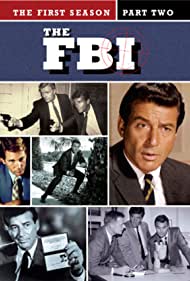
After making guest appearances on the first two seasons of The FBI, Reynolds won the big break of his career, taking on the part of stalwart and heroic Agent Colby, opposite Efrem Zimbalist’s Inspector Erskine, for six seasons on the hit ABC series.
Reynolds quit Hollywood after his role on The F.B.I. and became a businessman. He was married for 42 years to actress Molly Sinclair, until her passing in 1992. The couple had two children, Carrie Regnolds Jones (Brian Jones) and Eric Regnolds (Nikki Camello), two grandchildren, Anthony Regnolds Jones and Nicholas Camello Regnolds, and one great grandchild, Gianni Camello Regnolds.
William Reynolds (1931–2022) was the quintessential “Silver Age” television lead—an actor of clean-cut, dependable charisma who became a staple of the 1960s and 70s procedural. While he never sought the transformative “Method” intensity of his contemporaries, a critical analysis of his work reveals an actor who mastered technical precision and the art of the “Reliable Professional.”
He is best remembered as Special Agent Tom Colby on The FBI, a role that defined the mid-century American ideal of law enforcement: stoic, disciplined, and unfailingly loyal.
1. The Universal Contract Era (1952–1959)
Reynolds began his career as a contract player for Universal Pictures, serving as a versatile leading man in the studio’s high-output genre machine.
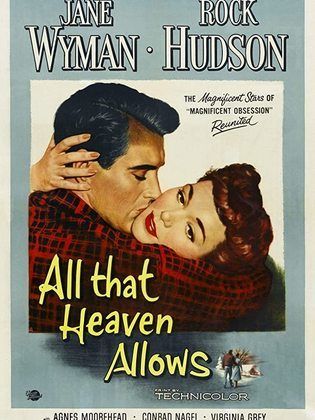
Carrie (1952) and All That Heaven Allows (1955): Directed by Douglas Sirk.
Critical Analysis: In Sirk’s lush melodramas, Reynolds played the “son” or the “young suitor.” Critics noted his “unblemished sincerity.” He provided a vital contrast to the more complex, tortured leads (like Rock Hudson), representing the stable, traditional family values that Sirk’s films often subtly critiqued.
The Land Unknown (1957): As Commander Alan Roberts.
Analysis: This cult sci-fi film showcased Reynolds’ ability to anchor a “high-concept” plot with grounded authority. Even when acting against primitive special effects (dinosaurs), he maintained a “straight-man” dignity that allowed the audience to suspend their disbelief.
2. The Warner Bros. Television Pivot (1960–1966)
As the studio system collapsed, Reynolds successfully transitioned to the burgeoning world of television, becoming a favored leading man for Warner Bros.
The Islanders (1960–1961): * Analysis: Critics praised Reynolds for his physicality. Playing an adventurer in the South Pacific, he utilized a “breezy, rugged charm” that suggested he could have been a major film star had the studio system remained intact.
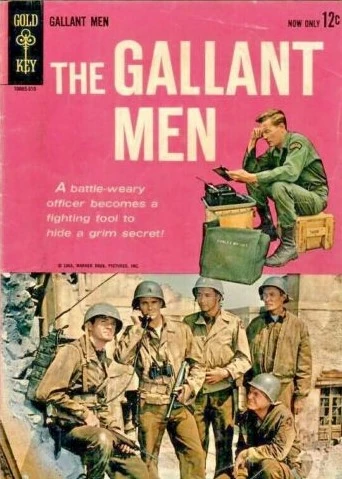
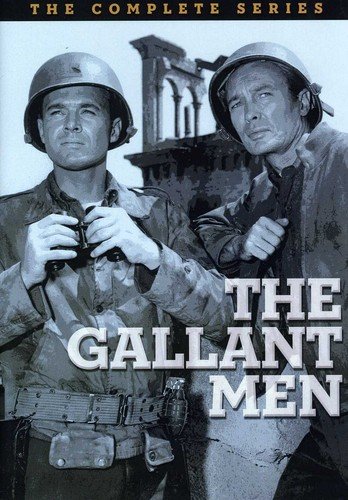
The Gallant Men (1962–1963): As Captain Jim Benedict.
Critical Note: In this gritty WWII drama, Reynolds found his definitive “Officer” persona. Critics lauded his “vocal command”—he had a way of delivering orders that felt earned rather than performed. He became the face of the “Compassionate Commander.”
3. The Definitive “G-Man”: The FBI (1967–1974)
Reynolds achieved his greatest fame when he joined the long-running series The FBI during its third season, replacing Stephen Brooks.
The Role: Special Agent Tom Colby, partner to Efrem Zimbalist Jr.’s Lewis Erskine.
Detailed Critical Analysis: Reynolds’ performance is a masterclass in “Ego-less Support.” * The “Colby” Technique: He understood that the show was built on institutional authority. He played Colby with a minimalist, steady-state energy. He didn’t seek “big moments”; instead, he focused on the chemistry of the partnership.
Institutional Grace: Critics point out that Reynolds provided the “youthful vigor” to Zimbalist’s “elder wisdom.” Together, they created a portrait of the FBI as a flawless, synchronized machine. Reynolds’ ability to wear a suit and carry a weapon with unconscious professionalism made him the era’s ideal of the Federal Agent.
Detailed Critical Analysis: Style and Persona
The “Non-Neurotic” Lead
Reynolds’ primary asset was his transparency. Unlike the “Angry Young Men” of the 1950s (Brando, Dean), Reynolds projected a sense of mental and emotional health. This made him the perfect television protagonist; he was someone audiences felt safe inviting into their living rooms every week.
Economic Performance
Critically, Reynolds is noted for his spatial intelligence. On The FBI, he was a master of “blocking”—knowing exactly how to stand, move, and react to maximize the efficiency of a scene. This “workmanlike” approach to acting made him a favorite of directors like Douglas Sirk and Quinn Martin, who valued reliability and clarity over theatrical flourishes.
The Archetype of the “Silent Partner”
Reynolds redefined the “sidekick” role. He wasn’t a comic relief or a subordinate; he was a peer. His work on The FBI created a blueprint for the “Partner Procedural” that influenced decades of television, from Miami Viceto Law & Order. He proved that you could be a “No. 2” while maintaining the presence of a “No. 1.”
Key Career Milestones
| Work | Year | Role | Significance |
| Carrie | 1952 | George Hurstwood Jr. | His high-prestige debut in a classic drama. |
| The Land Unknown | 1957 | Cmdr. Alan Roberts | Established his “Man of Action” sci-fi credentials. |
| The Gallant Men | 1962 | Capt. Jim Benedict | Defined his “Authoritative Leader” persona. |
| The FBI | 1967–74 | Tom Colby | His most iconic and culturally significant contribution. |
Legacy Summary: William Reynolds was the “Steady Hand of the Small Screen.” He represented a specific era of American masculinity that valued duty, composure, and quiet competence. While he eventually retired from acting to pursue a successful career in business, he remains a cornerstone of television history for his ability to make the “Standard Hero” look effortless and authentic