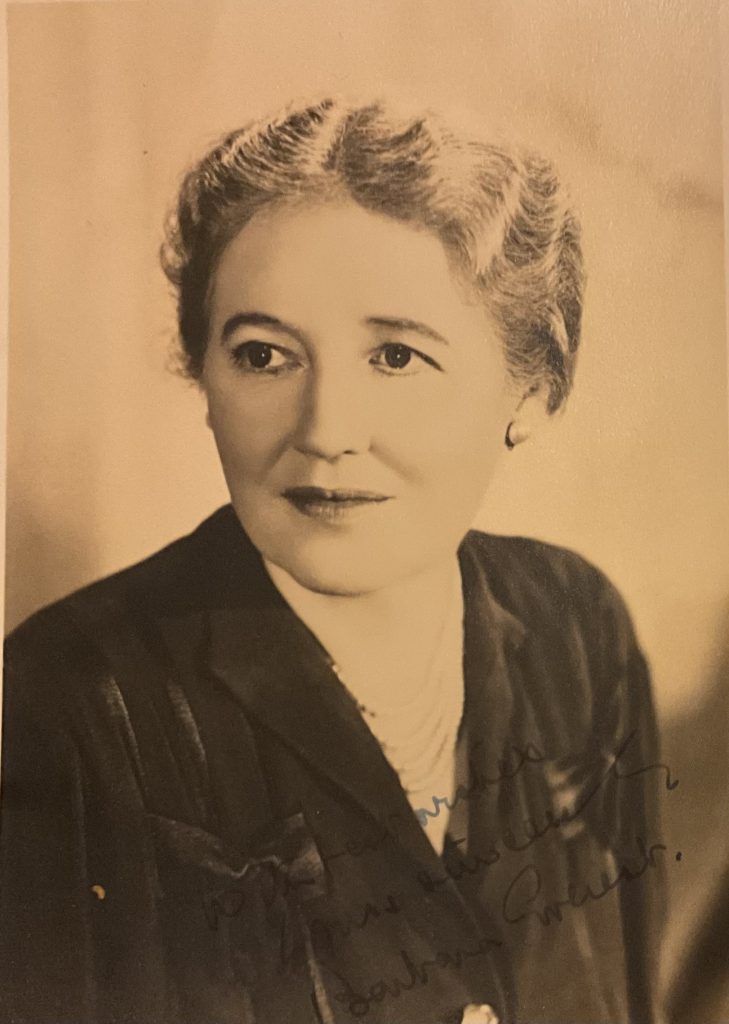
Barbara Everest (1890–1968) was a cornerstone of the British acting establishment, a “character actress” in the truest sense whose career spanned over fifty years and bridged the gap between Victorian-era stage traditions and the grit of the 1960s British New Wave.
While she never sought the leading-lady limelight, her presence was often the ballast that grounded some of cinema’s most heightened melodramas and thrillers.
Career Overview
The London Stage Origins (1912–1930s)
Everest began her career on the London stage, making her debut in The Voysey Inheritance (1912). She became a respected fixture in the West End, specializing in maternal figures, stern matriarchs, and historical personages.
Viceroy Sarah (1935): Her portrayal of Queen Anne was considered a masterclass in transformative acting. Critics noted how she used padding and distinct vocal affectations to convey a “petulant, abysmally stupid” yet oddly sympathetic monarch.
+1
The Hollywood Years & WWII (1941–1945)
Like many British actors during the war, Everest found a second wind in Hollywood. Her refined accent and “reliable” presence made her invaluable for MGM and Paramount’s wartime productions.
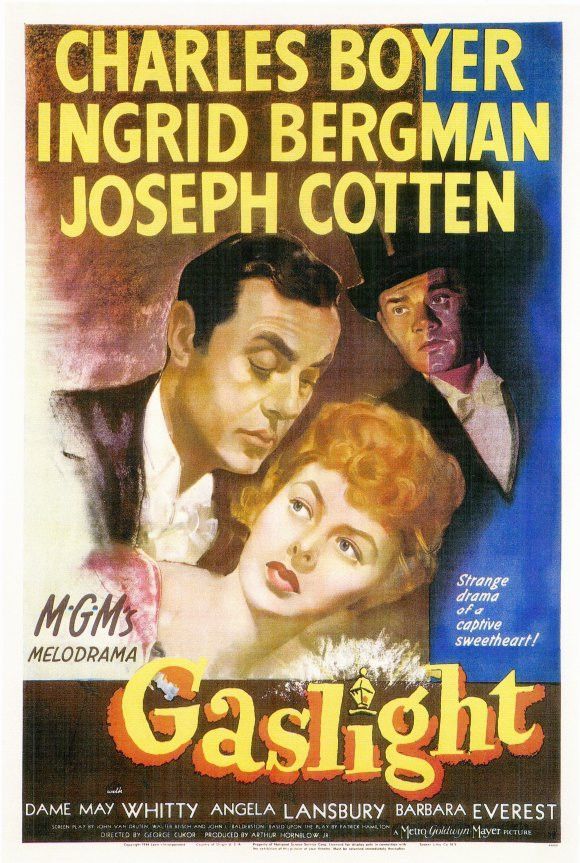
Gaslight (1944): Her most enduring role is Elizabeth, the deaf and observant cook. Amidst the psychological intensity of Ingrid Bergman and Charles Boyer, Everest provided a crucial sense of domestic reality (and subtle tension).
+1
The Uninvited (1944): She played Lizzie Flynn in this seminal ghost story, helping to establish the “creepy but grounded” tone that defined 1940s supernatural cinema.
+1
Jane Eyre (1943): She appeared as Lady Ingram, showcasing her ability to play high-society disdain with surgical precision.
The British Return & Final Years (1946–1968)
Everest returned to England post-war, continuing to work with top-tier directors until her death. She transitioned seamlessly into the “kitchen sink” and sci-fi eras of the 60s.
Madeleine (1950): Directed by David Lean, this gave her a chance to work within the rigorous visual style of one of Britain’s greatest auteurs.
The Damned (1962): In this cult sci-fi/thriller directed by Joseph Losey, her presence as Miss Lamont showed she hadn’t lost her edge in darker, more avant-garde material.
Critical Analysis
1. The Art of “Transformative Domesticity”
Everest’s greatness lay in her ability to make “servant” or “mother” roles feel like lived-in biographies rather than plot devices. In Gaslight, her deafness isn’t played for laughs or cheap pity; it’s a character trait that heightens the isolation of the household. She excelled at playing characters who knew more than they were saying, using subtle facial cues to suggest a complex inner life.
2. Physicality and Presence
One of the most praised aspects of her stage work—particularly as Queen Anne—was her physical commitment. She was known for her “actress’s magic,” contriving to appear physically different (larger, frailer, or more imposing) purely through posture and costuming choices. This translated to film as a “weightiness”; when Everest entered a scene, the reality of the setting felt reinforced.
3. The “Stiff Upper Lip” Subverted
While she often played the archetype of the reliable British woman, Everest was adept at subverting it. In her later roles, such as in The Damned, she leaned into a more unsettling, colder energy that proved she was more than just the “kindly aunt” figure she had played for Hollywood in the 40s.
4. Legacy: The “Reliable” Artist
Critically, Everest is often grouped with actresses like Gladys Cooper or May Whitty—women who provided the essential “Britishness” required by international cinema. However, Everest was arguably more versatile than her peers, moving between broad comedy (Old Mother Riley), historical drama, and psychological thrillers with a chameleon-like ease that kept her working steadily for 56 years.