

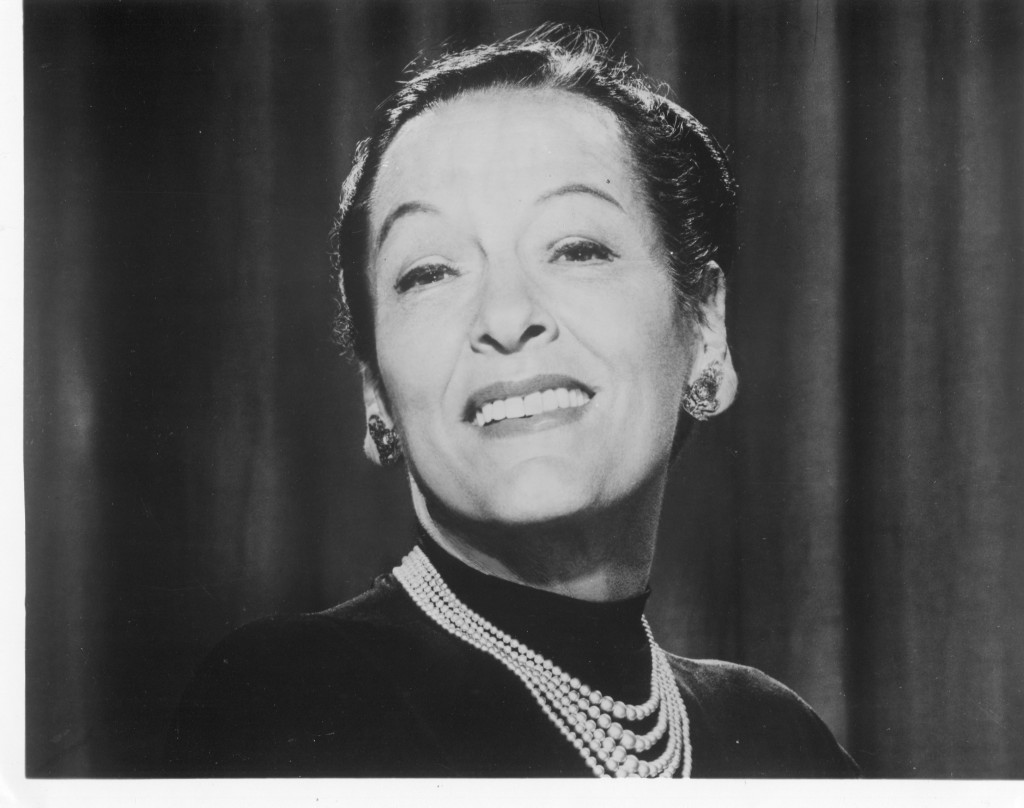
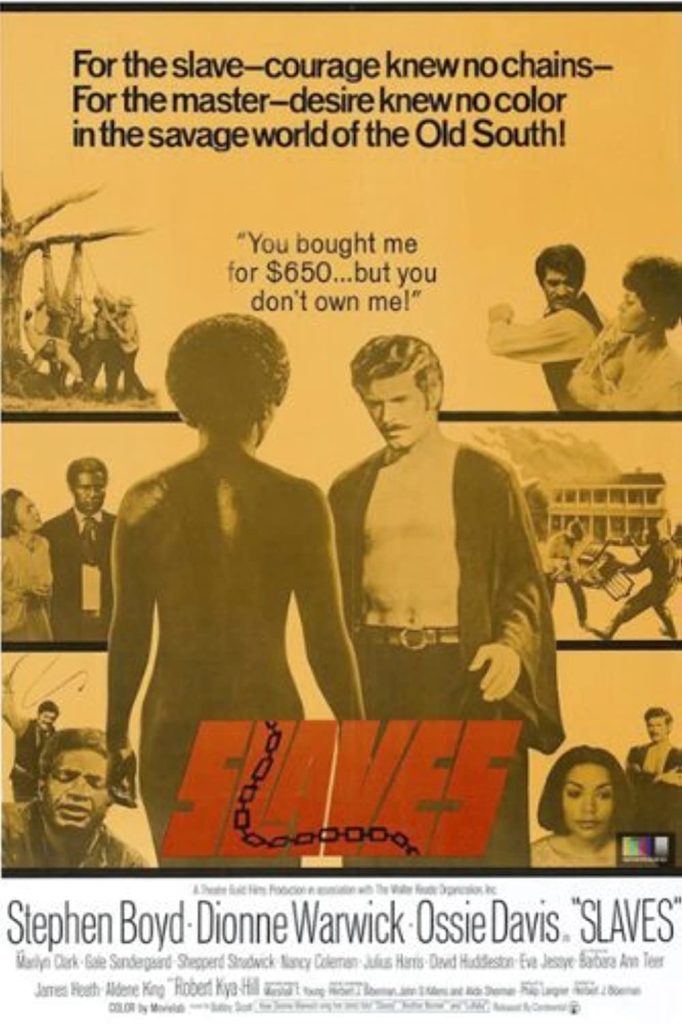
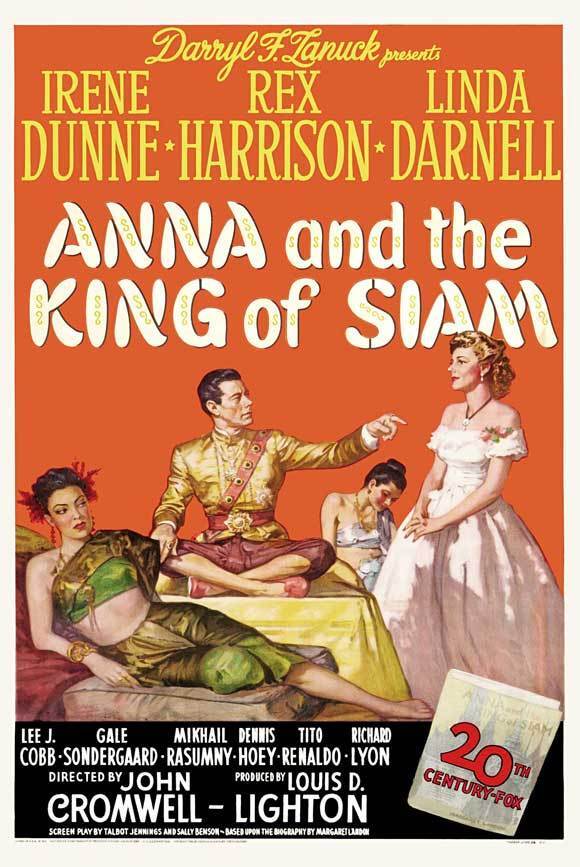
Gale Sondergaard was born in 1899 in Minnesota to parents of Dutch origin. She won an Oscar for her first appearance on film in “Anthony Adverse” in 1936 and had a very successful movie career until the early 50’s when it was stalled by the Hous of Un-American Activities Committee. In the 40’s she made such classic movies as “The Life of Emile Zola”, “The Letter” and “Anna and the King of Siam”. In the 50’s she returned to New York and the stage only returning to films in 1969 in “Slaves”. She was acting up to shortly before her death in 1985.
IMDB entry:
Sly, manipulative, dangerously cunning and sinister were the key words that best described the roles that Gale Sondergaard played in motion pictures, making her one of the most talented character actresses ever seen on the screen. She was educated at the University of Minnesota and later married director Herbert J. Biberman. Her husband went to find work in Hollywood and she reluctantly followed him there. Although she had extensive experience in stage work, she had no intention of becoming an actress in film. Her mind was changed after she was discovered by director Mervyn LeRoy, who offered her a key role in his film Anthony Adverse (1936); she accepted the part and was awarded the very first Academy Award as Best Supporting Actress. LeRoy originally cast her as the Wicked Witch in The Wizard of Oz (1939), but she felt she was not right for that role. Instead, she co-starred opposite Paul Muni in The Life of Emile Zola (1937), a film that won Best Picture in 1937. Sondergaard’s most-remembered role was that of the sinister and cunning wife of a husband murdered by Bette Davis‘ character in The Letter(1940). Sondergaard continued her career rise in films such as Juarez (1939), The Mark of Zorro (1940), The Black Cat (1941), and Anna and the King of Siam (1946). Unfortunately, she was blacklisted when she refused to testify during the McCarthy-inspired “Red Scare” hysteria in the 1950s. She eventually returned to films in the 1960s and made her final appearance in the 1983 film Echoes (1982). Gale Sondergaard passed away of an undisclosed illness at the Motion Picture and Television Hospital in Woodland Hills, California, at the age of 86.
– IMDb Mini Biography By: Blythe379@cs.com
The above IMDB entry can also be accessed online here.
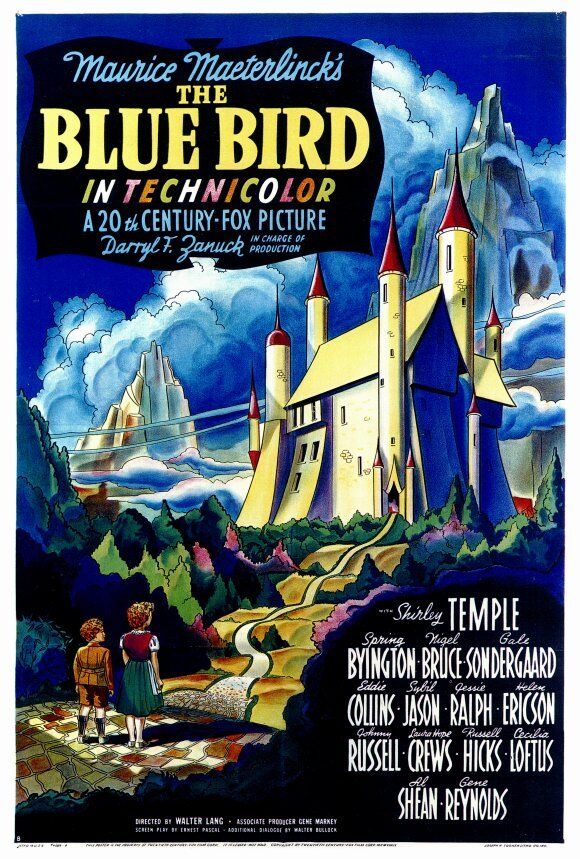
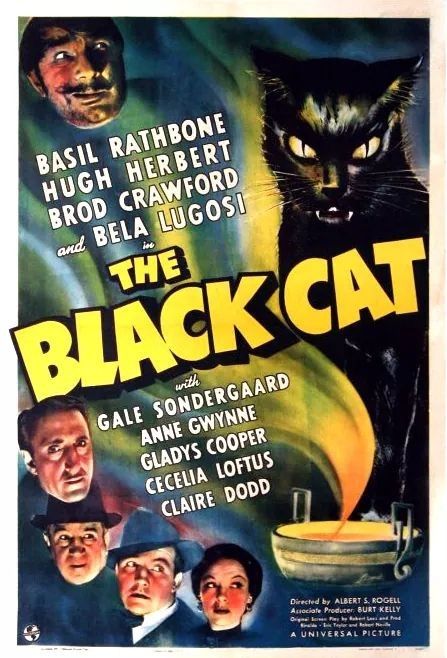
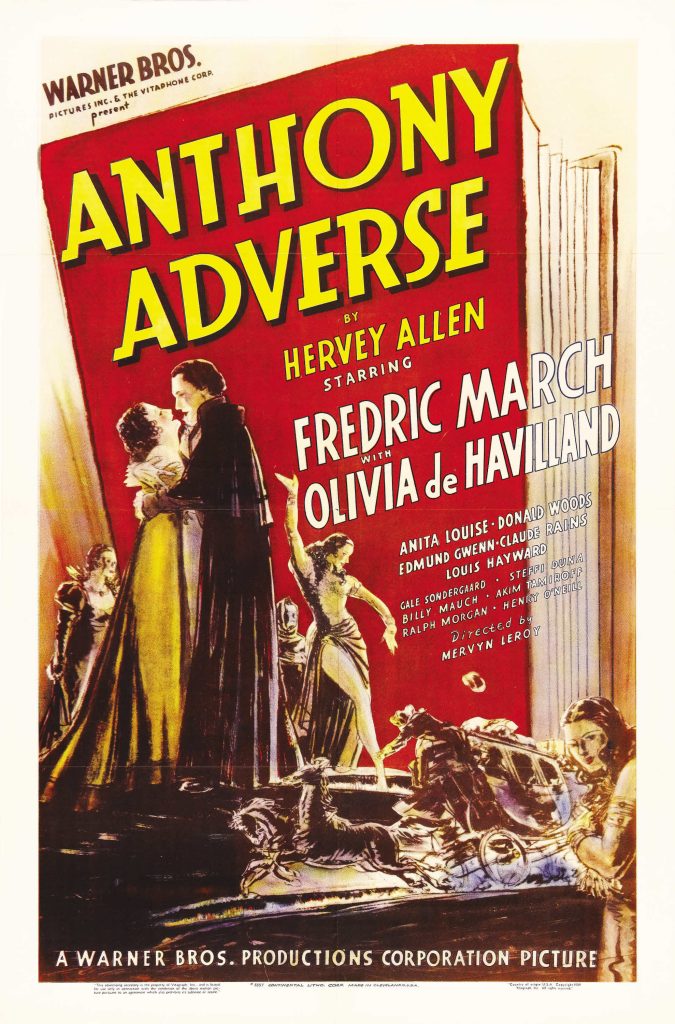
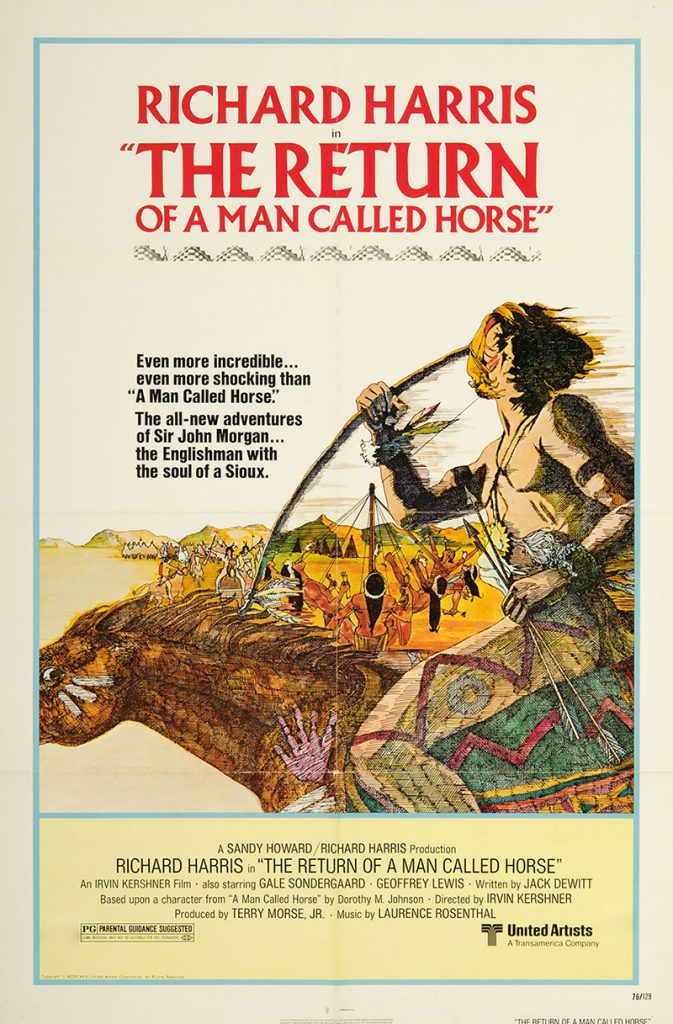
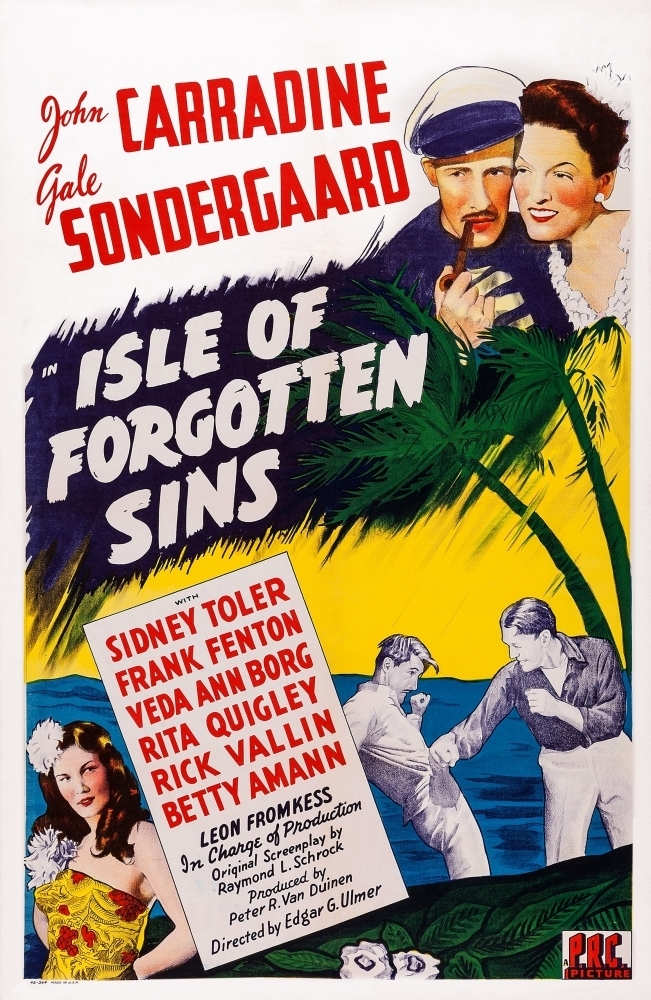
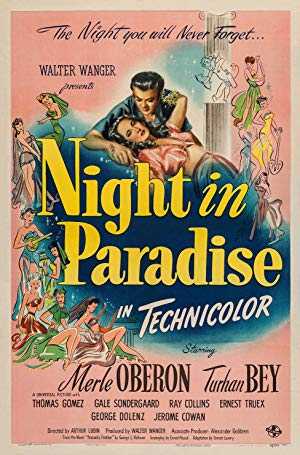
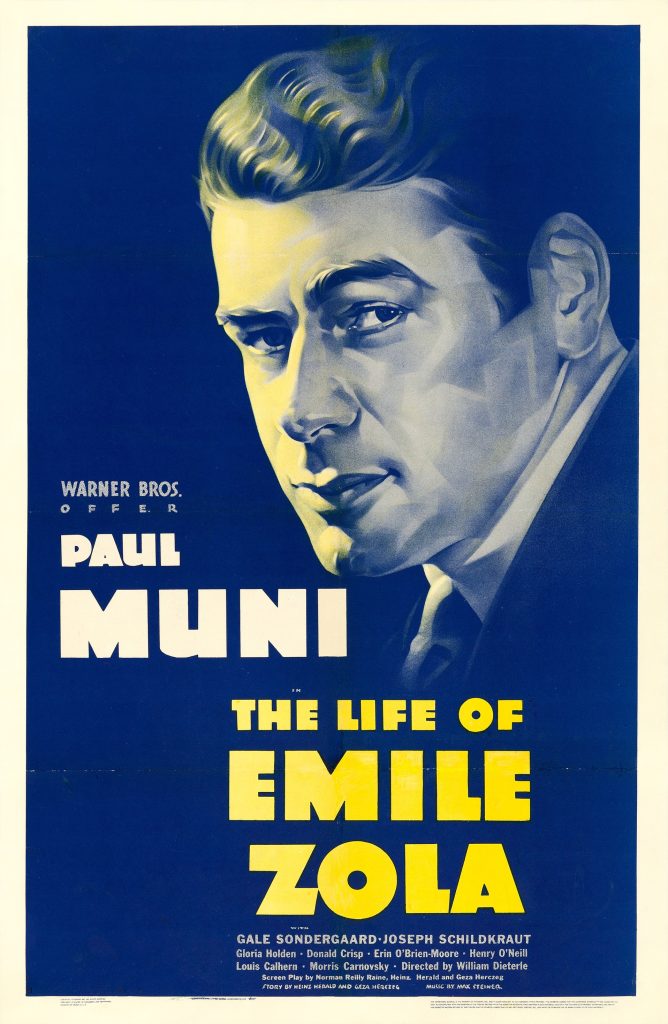
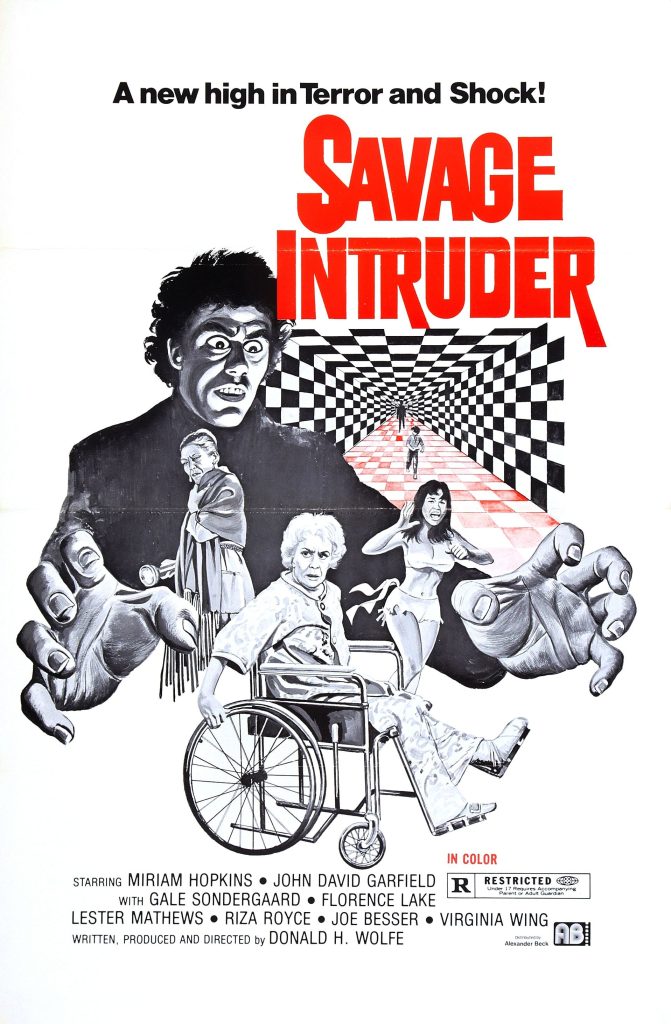
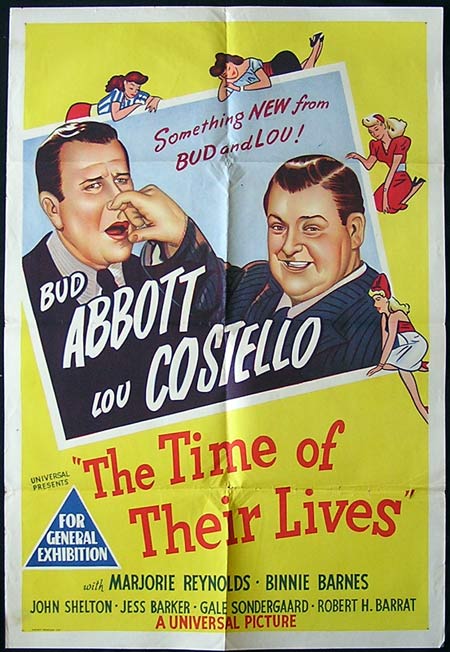
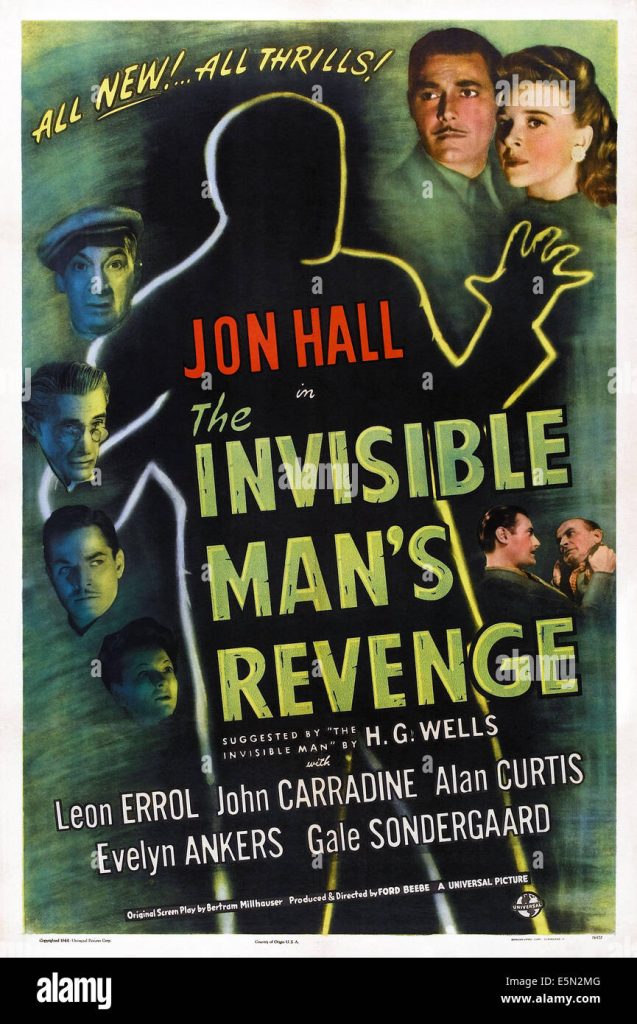
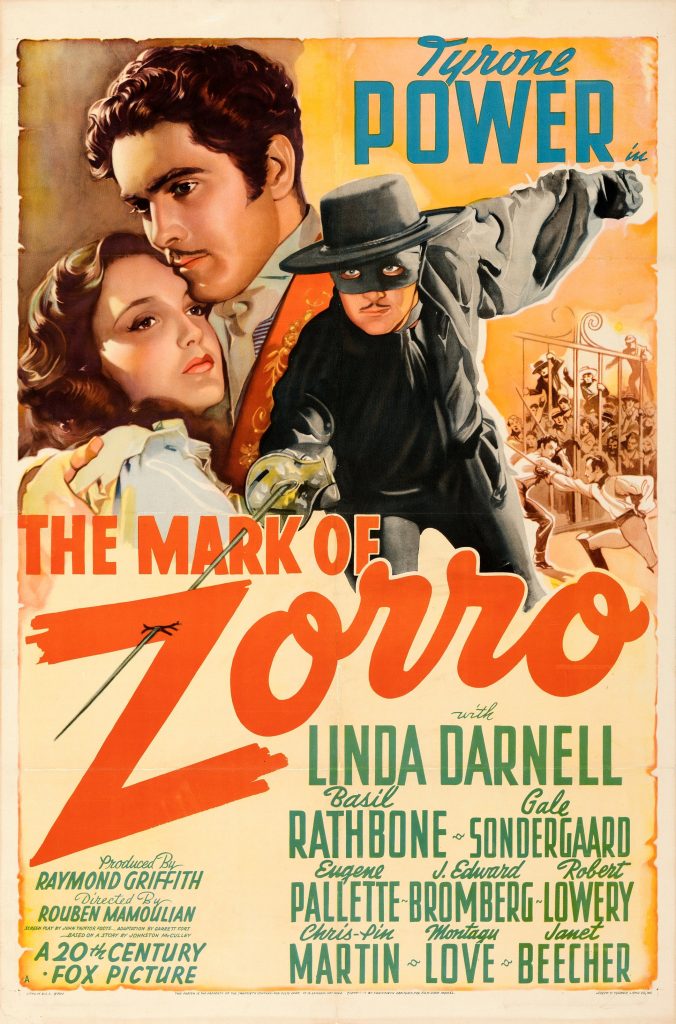
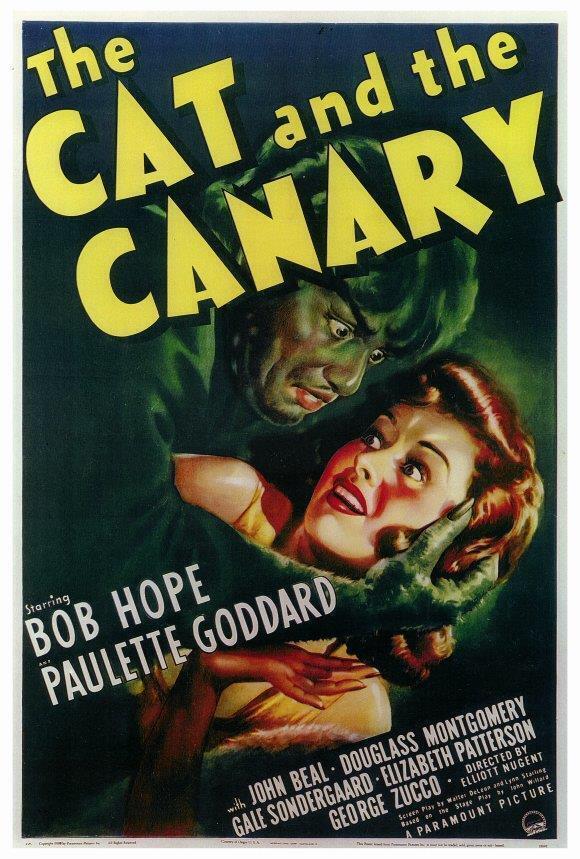
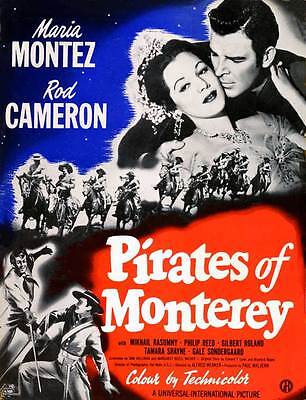
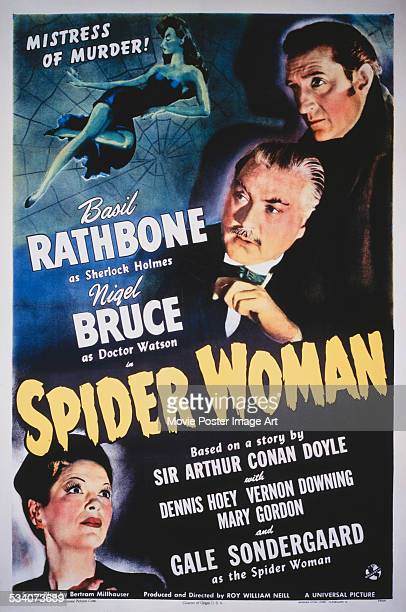
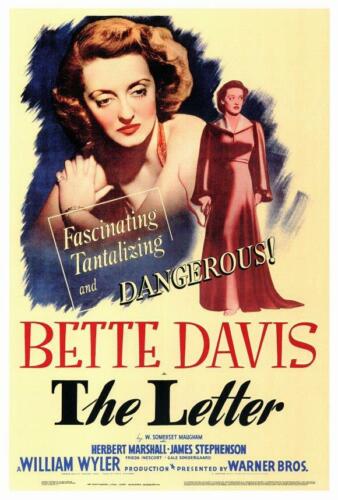
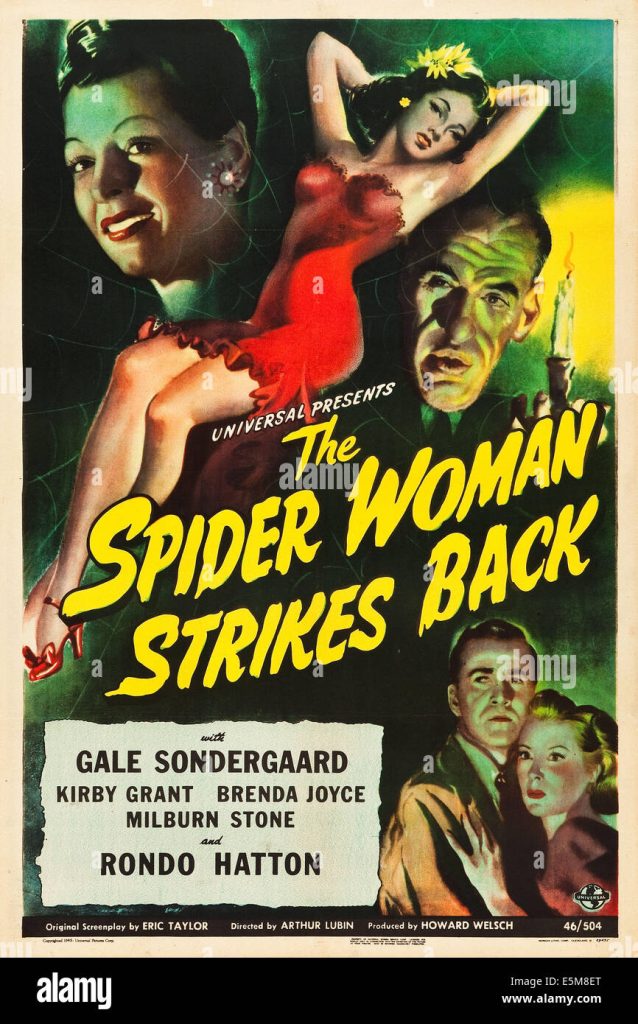
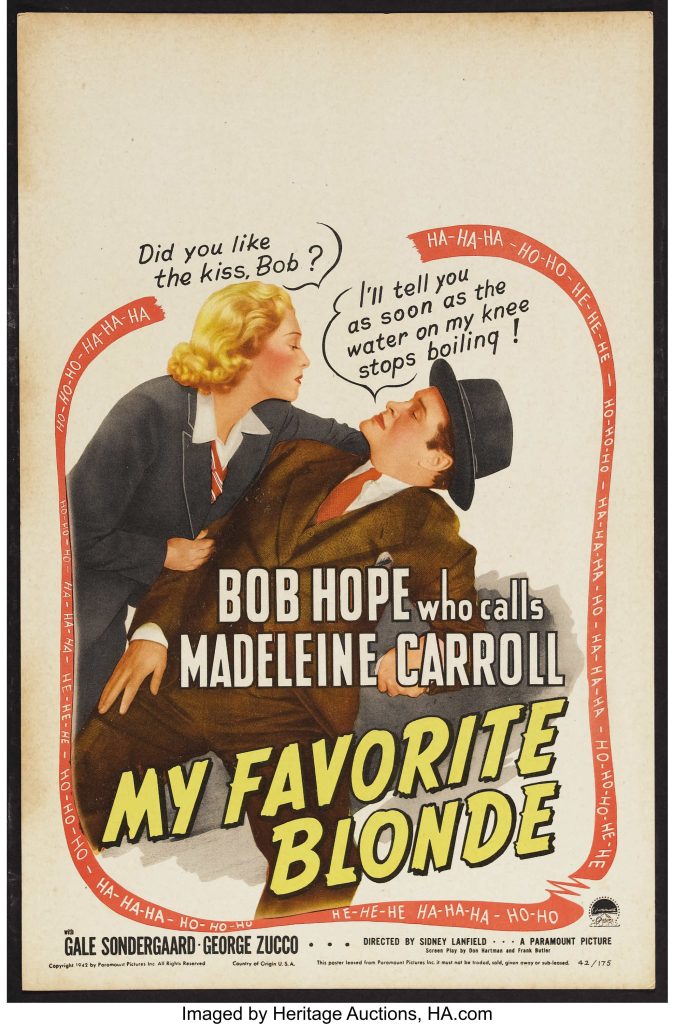
Gale Sondergaard (1899–1985) was an actress of singular, sharp-featured intensity whose career serves as both a testament to the “prestige” villainess and a somber case study of the Hollywood Blacklist. Known for her “cobra-like” gaze and a voice that could cut like a silk-wrapped blade, she was the first-ever recipient of the Academy Award for Best Supporting Actress.
Career Overview
Sondergaard’s career is defined by a decade of total dominance in character roles followed by twenty years of forced professional silence.
-
The Oscar Debut (1936): After years in theater, Sondergaard made a stunning film debut in The Anthony Adverse. Her performance as the manipulative Faith Paleologus won her the inaugural Best Supporting Actress Oscar, immediately establishing her as Hollywood’s premier “woman of mystery.”
-
The “Dragon Lady” Archetype (1937–1946): She became the go-to actress for sinister aristocrats and calculating housekeepers. She was famously the original choice for the Wicked Witch in The Wizard of Oz(but left when the studio decided to make the witch ugly rather than glamorous). Her most iconic roles of this era include the sinister Mrs. Hammond in The Letter (1940) and the title role in The Spider Woman(1944).
-
The Blacklist (1949–1969): As the wife of director Herbert Biberman (one of the “Hollywood Ten”), Sondergaard refused to testify before the House Un-American Activities Committee (HUAC). She was effectively blacklisted for two decades, disappearing from the screen at the height of her powers.
-
The Return (1969–1983): She made a dignified return to acting in her later years, appearing in films like A Man Called Horse and guest-starring on television (Ryan’s Hope), though she never regained the momentum of her early career.
Detailed Critical Analysis
1. The “Stillness” of the Antagonist
Critically, Sondergaard is analyzed for her physical and vocal economy. Unlike the melodramatic villains of the silent era, Sondergaard’s menace was rooted in a terrifying, motionless composure.
-
The Mask-Like Face: Critics often noted that she used her high cheekbones and hooded eyes to create a “statuesque” villainy. In The Letter, she barely speaks, yet her silent presence as the wronged Eurasian wife dominates every scene she is in.
-
Vocal Texture: Her voice was low, rhythmic, and devoid of “flutter.” She didn’t shout; she purred. This made her characters feel intellectually superior to the protagonists they were undermining.
2. Subverting the “Housekeeper” Trope
In films like The Cat and the Canary (1939), Sondergaard took the “spooky servant” trope and elevated it to high art.
-
Dignified Menace: She brought a sense of tragic history to her “help” roles. Critics point out that she never played a servant as subservient; she played them as the true keepers of the house’s secrets, often appearing more “noble” than the families she served.
-
The Spider Woman (1944): Playing Adelle Courtney (Sherlock Holmes’ female foil), she created the blueprint for the “Female Moriarty.” Critics praised her for being a villain who was motivated by pure, cold logic—a rarity for female roles in the 40s.
3. The “Wizard of Oz” That Never Was
One of the most analyzed “what-ifs” in film history is Sondergaard’s casting as the Wicked Witch.
-
Glamorous Evil: Sondergaard wanted to play the witch as a sleek, beautiful “Sultana” of evil (akin to the Evil Queen in Snow White). When MGM insisted on green skin and a prosthetic nose, she walked away.
-
Critical Insight: Historians argue that had she stayed, the film would have been a psychological thriller rather than a fantasy musical. Her refusal to be “ugly” for a role speaks to her critical view of herself as a sophisticated, cerebral performer rather than a character “hag.”
4. The Blacklist as Professional Erasure
Critically, the twenty-year gap in her resume is viewed as a massive loss to American cinema.
-
The “Hitchcock” Potential: Film scholars often lament that Sondergaard was unavailable during Hitchcock’s peak years in the 1950s. Her brand of “repressed, icy authority” would have been the perfect fit for his psychological thrillers.
-
The Return to Theater: During her exile, she returned to the stage. Critics who saw her during this period noted that her voice had deepened and her “stillness” had become even more profound—a reflection of the personal and political stoicism she maintained throughout her blacklisting.
Major Credits & Recognition
| Project | Role | Significance |
| Anthony Adverse (1936) | Faith Paleologus | Won the first-ever Best Supporting Actress Oscar. |
| The Letter (1940) | Mrs. Hammond | A masterclass in “silent” dramatic presence opposite Bette Davis. |
| The Spider Woman | Adelle Courtney | Defined her as a “top-tier” cinematic mastermind. |
| Anna and the King of Siam | Lady Thiang | Earned her a second Oscar nomination for a complex, sympathetic role. |
Gemini said
The personal and political writings of Gale Sondergaard, particularly those following her 1951 refusal to testify before the House Un-American Activities Committee (HUAC), reveal a woman who viewed her silence not as a void, but as an active moral choice. While the Blacklist cost her two decades of her prime career, her critical reflections suggest she saw the “role” of the dissenter as the most important one she ever played.
The “Cobra” and the Constitution
Sondergaard’s justification for her silence was rooted in a very specific interpretation of American civil liberties. Unlike some who took the Fifth Amendment (protection against self-incrimination), she and her husband, Herbert Biberman, often emphasized the First Amendment—the right to free speech and, crucially, the right to not speak.
-
The “Script” of the Witness: Sondergaard critically analyzed the HUAC hearings as a form of “bad theater.” She wrote that the committee demanded a specific performance: the “repentant sinner” who names names. By refusing to play that part, she felt she was maintaining her integrity as a professional who only “performed” when the script was honest.
-
The Loss of the “Face”: In her private letters, she expressed a cold fury that her “mask”—the very face that won an Oscar—was being used by the press to depict her as a “subversive.” She argued that a performer’s political beliefs should be as private as their internal character preparations.
Critical Analysis: The Performance of Defiance
1. The 1951 Testimony
When Sondergaard finally appeared before the committee, she didn’t cower; she utilized the “stillness” that made her a star.
-
Acoustic Defiance: Observers noted that she used her “stage voice”—deep, resonant, and perfectly modulated—to deliver her refusals. She made the committee look like the “heavies” in one of her own melodramas.
-
The “Lady Thiang” Defense: She often referenced her role in Anna and the King of Siam (for which she was Oscar-nominated), noting that she had played a woman of dignity who stood up to a King. She saw her real-life defiance as a natural extension of the “strong, principled women” she sought to portray on screen.
2. The “Independent” Years (1951–1968)
During the Blacklist, Sondergaard was essentially erased from the Hollywood map. However, her writings from this era show a shift from “movie star” to “cultural activist.”
-
The Salt of the Earth (1954): Her husband directed this landmark independent film about striking miners. Sondergaard helped behind the scenes. She wrote that this was “real drama,” comparing the polished artifice of Hollywood to the “unvarnished truth” of independent political filmmaking.
-
The Monologue as Survival: To keep her craft alive, she developed a one-woman show. Critically, these performances were described as “distilled Sondergaard.” Without the studio lighting or costumes, she relied entirely on her vocal control and that famous, steady gaze.
The “Dignified” Return
When she finally returned to the screen in the late 1960s, the “villainess” label had been replaced by a “matriarchal” gravitas.
| Period | Critical Persona | Industry Status |
| 1936–1948 | The “Spider Woman”; Lethal Sophistication. | Academy Award Winner; A-List Character Lead. |
| 1949–1968 | The “Political Leper”; Silent Dissenter. | Blacklisted (Professional Exile). |
| 1969–1985 | The “Elder Stateswoman”; Haunted Authority. | Respected Veteran; Career Achievement Symbol. |
Final Critical Legacy
Gale Sondergaard is often cited by film historians as the “conscience of the character actors.” Her career overview is a reminder that the very qualities that made her a great villain—unwavering focus, lack of sentimentality, and a refusal to be “pleasant” for the sake of the audience—were the same qualities that allowed her to survive one of the darkest periods in American entertainment history
The imprisonment of Herbert Biberman as one of the Hollywood Ten transformed Gale Sondergaard from a Hollywood “Dragon Lady” into a strategist of survival. When Biberman was sentenced to six months in federal prison in 1950 for Contempt of Congress, the family’s world collapsed—not just financially, but socially.
The “Hollywood Ten” Crisis (1947–1950)
The Hollywood Ten were a group of screenwriters and directors who refused to answer HUAC’s questions regarding their affiliation with the Communist Party. Biberman was among the most vocal.
-
The Financial Eviction: As soon as the “Ten” were cited for contempt, the major studios enacted the Waldorf Statement, which formalized the Blacklist. Sondergaard, despite her Oscar and immense bankability, was immediately stripped of her contract. The couple had to sell their home and move into much humbler accommodations, essentially becoming “personae non gratae” in the hills of Hollywood.
-
The Social Stigma: Sondergaard wrote poignantly about the “shunning.” Friends they had hosted for years would cross the street to avoid them. She noted with her characteristic dry wit that the “villains” she played on screen were often more honorable than the colleagues who abandoned them in real life.
Survival Strategies: The “Independent” Years
While Biberman was in the Federal Correctional Institution in Texarkana, Sondergaard became the sole pillar of the family, managing their two children and their dwindling resources.
1. The “Salt of the Earth” Campaign
After Biberman’s release, he remained unhireable. In a defiant move, he directed Salt of the Earth (1954), a film about a zinc miners’ strike in New Mexico.
-
Sondergaard’s Role: She didn’t act in the film (it used mostly non-professional actors), but she acted as its unofficial producer and morale officer.
-
The Sabotage: The film was suppressed by the industry; projectionists’ unions refused to show it, and the lead actress was deported. Sondergaard spent years helping to distribute the film “underground,” viewing it as a crusade for artistic truth.
2. The One-Woman Show as Sustenance
To keep the family afloat, Sondergaard utilized her most portable asset: her voice. She toured the country with a one-woman show titled Woman!.
-
The Critical Pivot: She performed excerpts from classical theater (Shakespeare, Ibsen) alongside contemporary political poetry. Critics who saw her in small town halls—rather than movie palaces—noted that her “menace” had evolved into a “granite-like strength.” She wasn’t playing a spider woman anymore; she was playing the archetype of the resilient survivor.
Critical Analysis: The Psychological Toll
Historians who have studied the Biberman-Sondergaard letters note a fascinating psychological shift in Gale during the 1950s.
-
The Loss of “Beauty”: In Hollywood, she was a glamorous enigma. During the Blacklist, she stopped prioritizing her appearance for the camera. By the time she returned to the screen in the 1960s, she looked significantly older than her peers who had spent those decades in the “studio spa.”
-
The “Honorary” Exile: She reportedly felt a sense of pride in her husband’s imprisonment. She wrote that being “rejected by a corrupt system was the highest award the industry could give.” This stoicism became her defining character trait for the rest of her life.
Legacy Table: The Blacklist Impact
| Category | Before the Blacklist | During/After the Blacklist |
| Living Standard | Luxury Estate; A-List Social Circle. | Modest living; Community of political outcasts. |
| Artistic Output | High-budget Studio Melodramas. | Independent films; Political Theater. |
| Public Image | The “Dangerous” Sophisticate. | The “Principled” Dissenter. |
| Relationship | The Power Couple of the Left. | Survivors of Federal Prosecution. |
Sondergaard and Biberman remained married until his death in 1971. Her return to Broadway in the late 60s was met with a standing ovation—less for a specific role, and more as a critical acknowledgment of a woman who had “outstayed” the system that tried to break
The return of Gale Sondergaard to the stage in the late 1960s was less a standard “opening night” and more a collective act of cultural atonement by the New York theater community. After twenty years in the professional wilderness, her 1967 appearance in the Off-Broadway play Kicking the Castle Down and her 1969 return to the posh world of the Playhouse Theatre were met with reviews that analyzed her as a living monument.
The Critical “Absolution” (1967–1969)
When Sondergaard stepped onto the stage at the Village South Theatre in 1967, the atmosphere was electric. The critics, many of whom had been children when she won her Oscar, treated her with a reverent curiosity.
-
The “Unchanged” Voice: The New York Times critic Dan Sullivan noted that the most striking thing about her return was that her voice—that famous, “dark-velvet” instrument—had lost none of its authority. He described her as having a “commanding, stylized dignity” that made the younger actors on stage look “blurred” by comparison.
-
The “Granite” Matriarch: Critics began to use architectural metaphors for her. She was no longer described as “serpentine” or “lethal” (her 1940s descriptors). Instead, she was “monolithic,” “granite,” and “unshakeable.” The press recognized that the Blacklist had etched a new kind of gravity into her features.
-
The Standing Ovation: In 1969, when she appeared in The Goodbye People, the audience reportedly stood and cheered for several minutes before she could speak her first line. This was critically interpreted as a public apology for the industry’s two-decade silence.
Detailed Critical Analysis: The “Second Act” Style
1. Transition from “Villain” to “Conscience”
In her later roles, such as the mother in Kicking the Castle Down, Sondergaard played characters who were difficult and austere, but fundamentally principled.
-
Refining the Menace: Critics noted that she had successfully “weaponized” her age. She used her stillness not to suggest a hidden dagger, but to suggest a hidden, painful truth.
-
The “Method” vs. The “Classic”: By the late 60s, the “Method” (Brando, Dean) had become the standard. Sondergaard’s highly controlled, precise, and classical technique felt “new” again. Critics praised her “technical brilliance,” noting that she could hold an audience’s attention just by the way she adjusted a shawl.
2. The Television “Validation”
Her return to the screen came via the soap opera Ryan’s Hope and guest spots on shows like Police Story.
-
Elevating the Material: Even in daytime drama, Sondergaard refused to “phone it in.” Critics remarked that she brought a “Lady Macbeth-like intensity” to suburban storylines. She treated every script with the same technical rigor she had applied to The Letter or Anthony Adverse.