

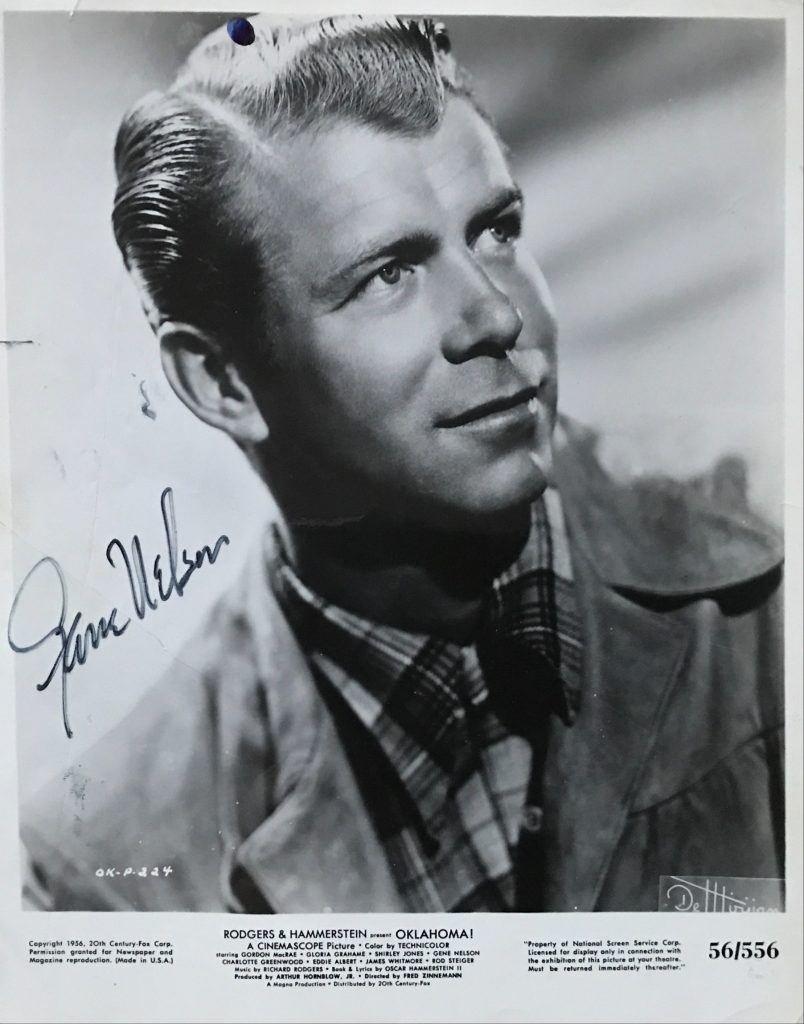
Gene Nelson was born in Oregon in 1920. He served in the Army during World War Two and then began appearing on Broadway. On film he alternated between musicals where he was a talented dancer and gritty noir dramas. His films include “The Daoughter of Rosie O’Grady” in 1950, “Painting the Clouds With Sunshine”, “Oaklaholmaa, and “Crime Wave”. In 1971 he was in the cast on Broadway of Stephen Sondheim’s “Follies” with Alexis Smith and Yvonne de Carlo. He also directed films and television shows in his later years. Gene Nelson died in 1996 at the age of 76.
His IMDB entry:
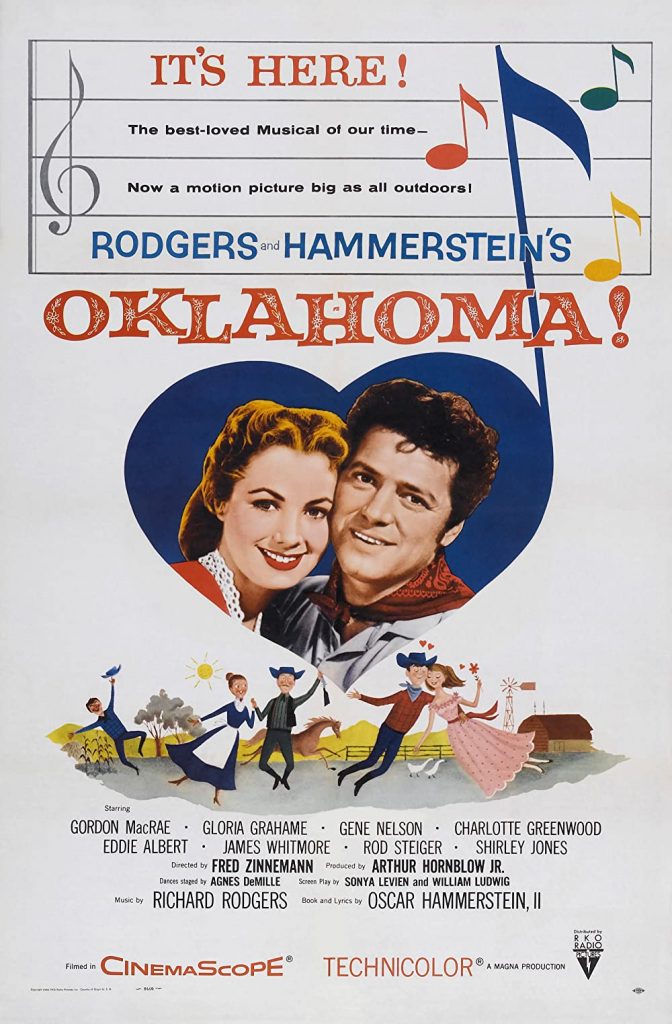
Gene Nelson was barely a teen when he saw the Fred Astaire movie Flying Down to Rio(1933), which would change his life. It was then that he decided he would be a dancer. After graduating from high school, Nelson joined the Sonja Henie Ice Show and toured for 3 years before joining the Army in World War II. After he was discharged, he appeared in a handful of movies before 1950. He worked with Debbie Reynolds in The Daughter of Rosie O’Grady (1950), Doris Day in Tea for Two (1950) and Virginia Mayo in She’s Working Her Way Through College (1952). He would be best known for his role of cowboy Will Parker in Oklahoma! (1955), where he would twirl the lasso to the tune of “Kansas City”.
After his dancing days ended he turned to directing TV and films, including two Elvis Presley movies, Kissin’ Cousins (1964) and Harum Scarum (1965). For television he directed episodes of I Dream of Jeannie (1965), Star Trek (1966), The Rifleman (1958),The Donna Reed Show (1958) and many others.
– IMDb Mini Biography By: Tony Fontana <tony.fontana@spacebbs.com> (qv’s & corrections by A. Nonymous)
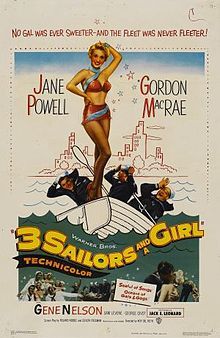
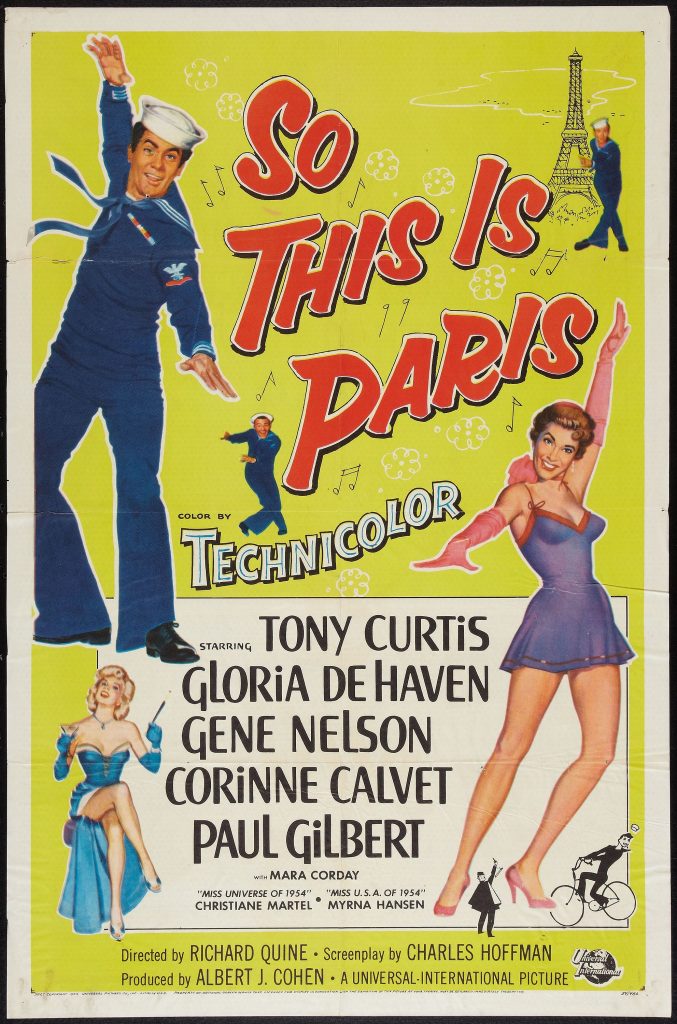
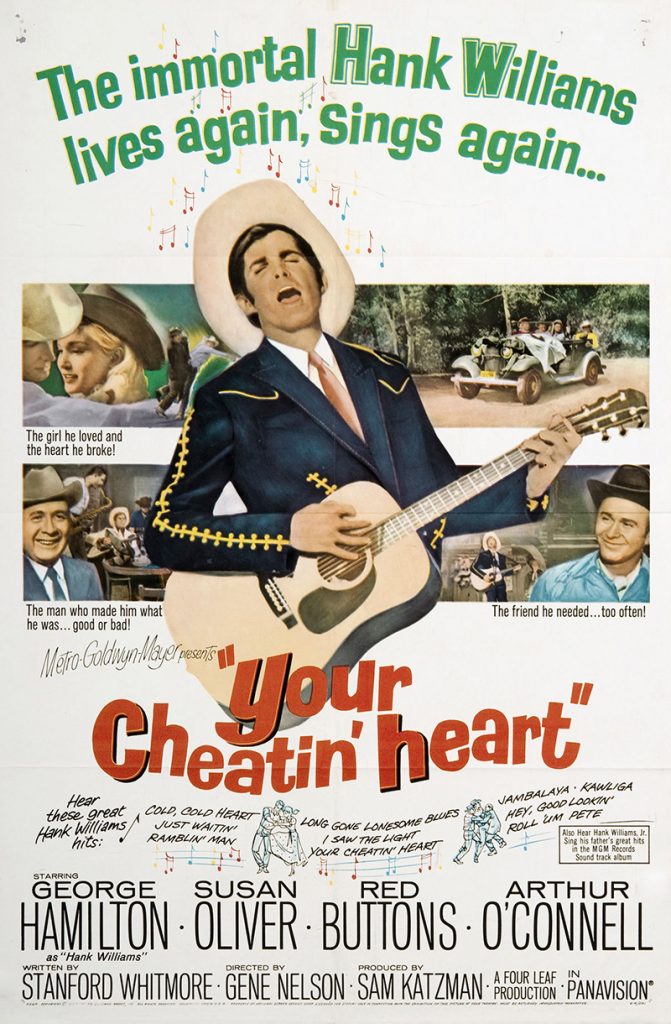
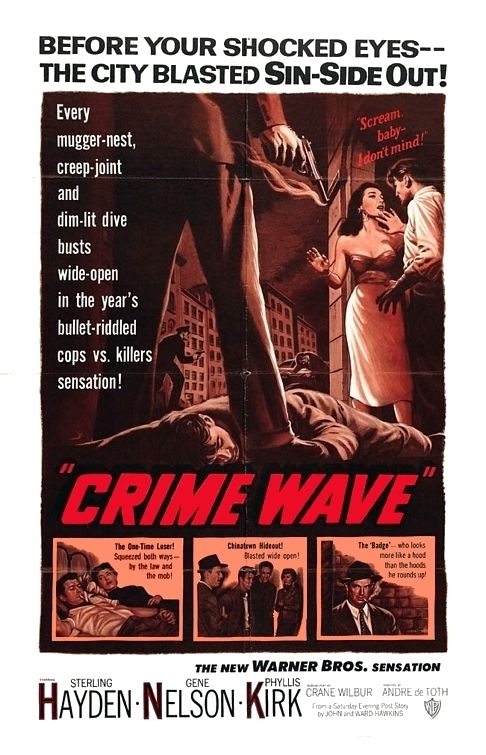
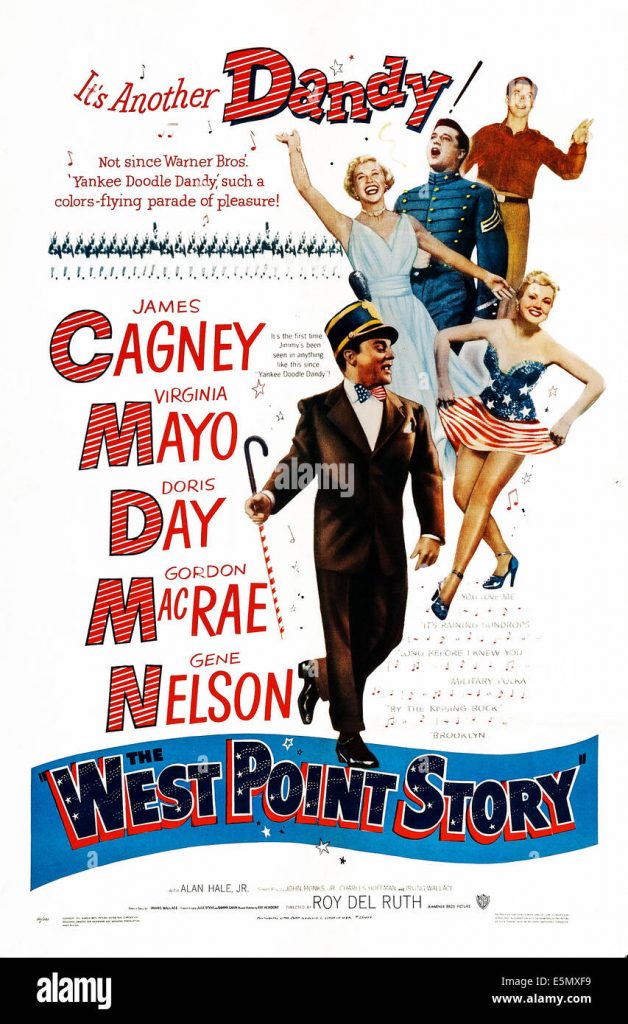
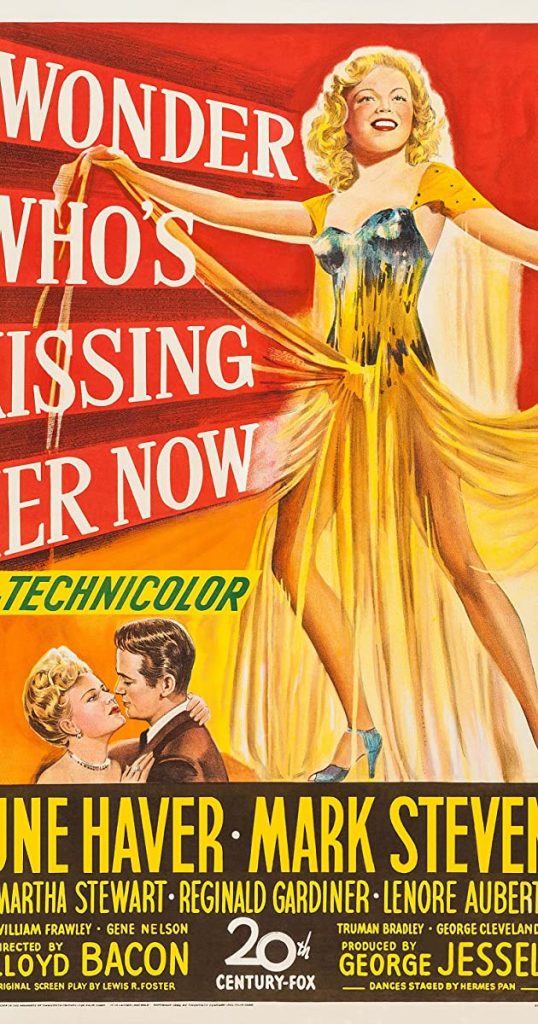
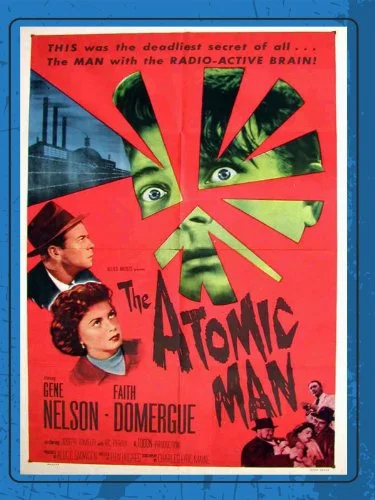
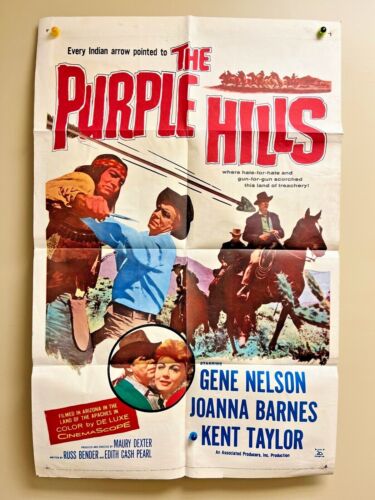
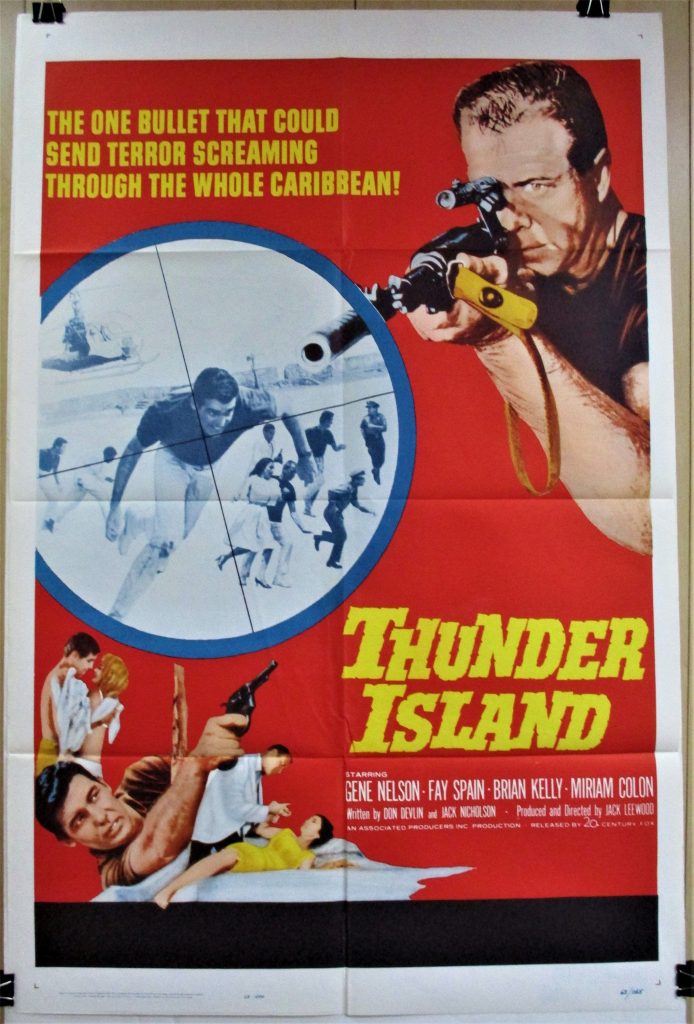
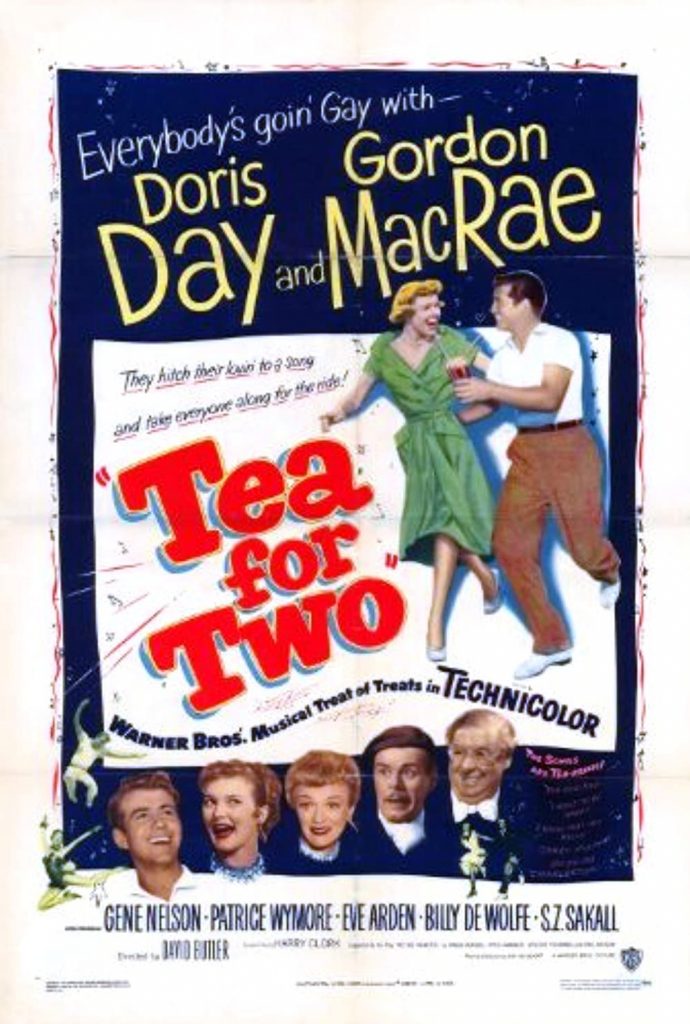
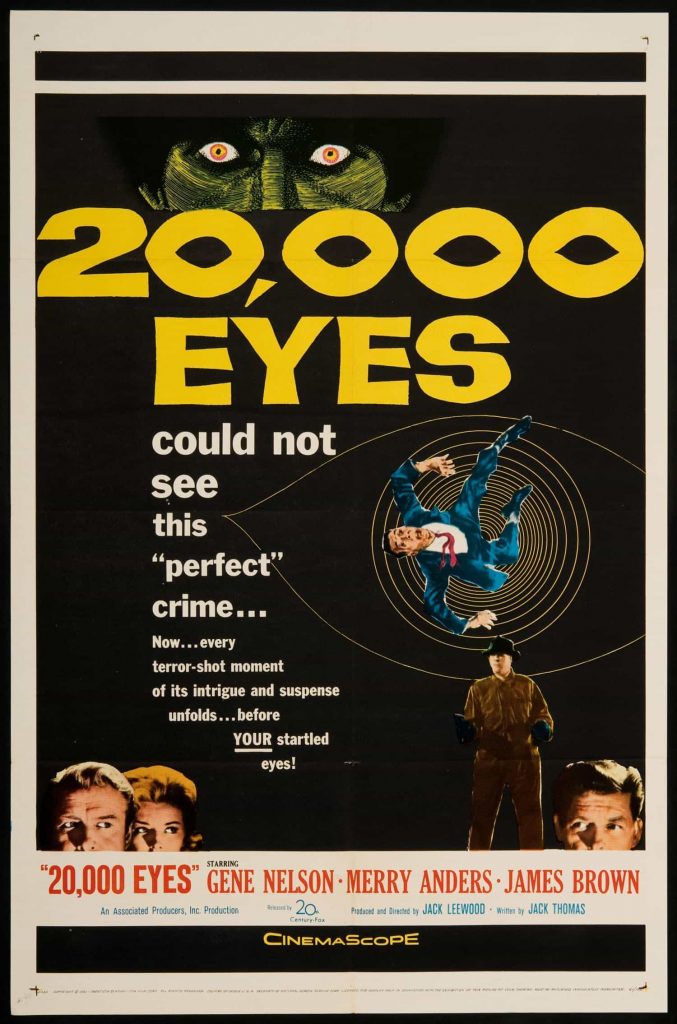
Gene Nelson (1920–2008) was a performer who bridged the gap between the sophisticated “weighted” tap of Fred Astaire and the aggressive, grounded “street” style of Gene Kelly. While often categorized as a “secondary” musical star at Warner Bros., a critical analysis of his work reveals a dancer of extraordinary acrobatic geometry and a director of pragmatic, high-speed efficiency.
He was the definitive “Boy Next Door with a Secret Motor,” specializing in characters who possessed an unassuming exterior but exploded into centrifugal, high-stakes movement.
1. The Warner Bros. Musical Peak (1950–1953)
After a stint in the “Stars and Stripes” revue during WWII, Nelson became the primary male dancer for Warner Bros., often paired with Doris Day.
-
Tea for Two (1950) & Lullaby of Broadway (1951):
-
Detailed Critical Analysis: Critics noted that Nelson brought a “gymnastic crispness” to the Hollywood musical. Unlike Kelly, who used dance to tell a story, Nelson often used dance as a pure display of physics.
-
Technique: He utilized “Vertical Precision.” Nelson was famous for his ability to leap onto tables or over chairs with zero visible preparation (no “wind-up”). Critics lauded his “silent landings”—a technical feat that suggested a defiance of gravity. He treated the environment not as a stage, but as an obstacle course to be conquered with grace.
-
2. The Masterpiece of Americana: Oklahoma! (1955)
In the first film shot in the grand Todd-AO 70mm process, Nelson delivered his most enduring cinematic contribution.
-
The Role: Will Parker, the simple-hearted cowboy returning from “Kansas City.”
-
Detailed Critical Analysis: This is viewed as a study in “Rhythmic Cowboyism.”
-
The “Kansas City” Sequence: Critics highlight this as a peak of “Prop-Based Tap.” Nelson integrated the lasso, the train platform, and the moving locomotive into his choreography.
-
Technique: He utilized “High-Velocity Legwork.” Because the 70mm frame was so wide, Nelson had to “fill” more space. He did this through extended lateral leaps and a blur of taps that maintained their clarity even in a sprawling outdoor setting. He successfully translated the “theatrical” Will Parker into a visceral, cinematic force.
-
3. The Transition to Directing (1960–1970s)
As the Hollywood musical faded, Nelson pivoted into directing, bringing his rhythmic sense of timing to the camera.
-
The Elvis Collaborations: Kissin’ Cousins (1964) and Harum Scarum (1965).
-
Detailed Critical Analysis: Critics often view these as Nelson’s “Pragmatic Management” phase. He was tasked with filming Elvis Presley on incredibly short schedules and low budgets.
-
The “Editor’s Eye”: Because he was a dancer, Nelson directed with a “metronomic cut.” He understood the “beat” of a scene, ensuring that even mediocre scripts moved with a certain momentum. He provided Elvis with a structured, professional environment that prioritized the star’s natural charisma over complex blocking.
-
-
The Donna Reed Show & I Dream of Jeannie:
-
Analysis: Nelson became a prolific TV director. Critics point out that his episodes often had a “breezy, physical comedy” that other directors lacked. He treated the sitcom set like a choreography map, moving actors with a fluid, kinetic logic.
-
Detailed Critical Analysis: Style and Technique
The “Skater’s” Flow
Nelson began his professional career as a featured skater in “It Happens on Ice.” This influenced his floor-work significantly. Technically, he used “long-arc sliding”—he could travel across a stage faster than almost any other dancer by using the momentum of his hips. Critics describe his style as “Aerodynamic,”emphasizing his lack of wasted motion.
Acrobatic Tap
While Astaire was about the “line” and Kelly was about the “muscle,” Nelson was about the “flip.” He was one of the few leading men who could incorporate full backflips and handsprings into a tap routine without losing the musical beat. This “Acoustic Acrobatics” made his work feel more “modern” and “dangerous” to audiences of the early 50s.
The “Friendly” Authority
Critically, Nelson is viewed as the “Ego-less Virtuoso.” He never appeared to be “showing off,” even when performing impossible physical feats. He maintained a relaxed, sunny disposition that made his technical brilliance feel accessible. He was the “Everyman” who happened to have superhuman coordination.
Key Career Milestones
| Work | Year | Role | Significance |
| Tea for Two | 1950 | Tommy Trainor | Established him as Warner Bros.’ premier dancer. |
| Oklahoma! | 1955 | Will Parker | His definitive role; a masterclass in “Open-Air” dance. |
| Kissin’ Cousins | 1964 | Director | Showcased his ability to manage high-pressure star vehicles. |
| The Perils of Pauline | 1967 | (Various) | A late-career display of his comedic-directorial range. |
| Follies | 1971 | Buddy | (Stage) A Broadway comeback; proved his “Dramatic Depth.” |