

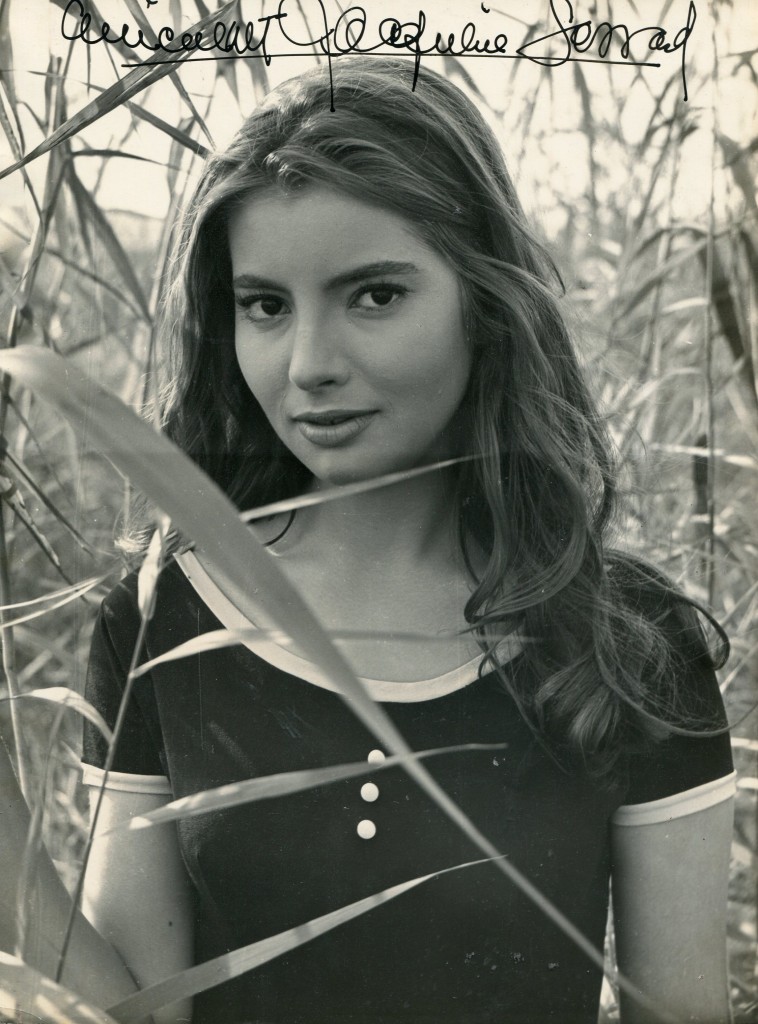
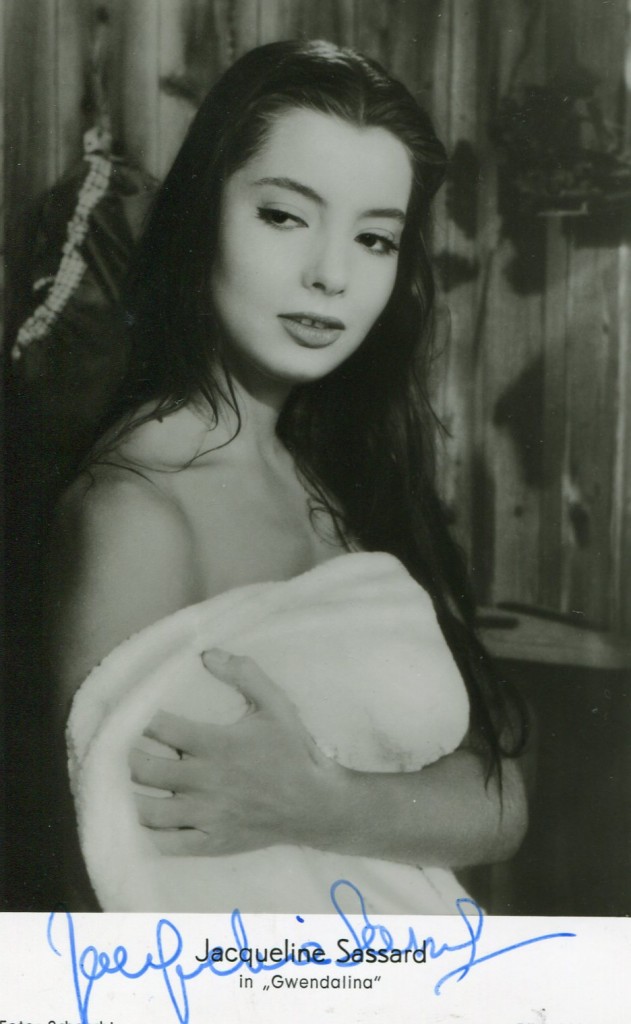
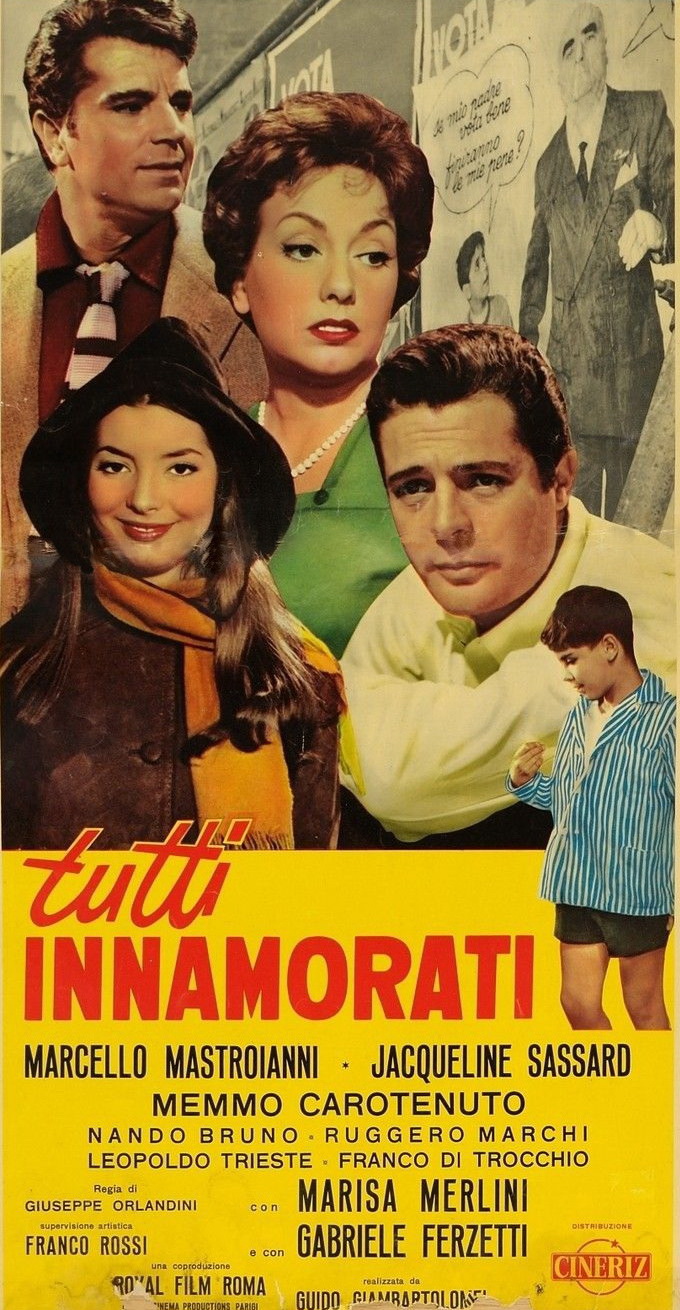
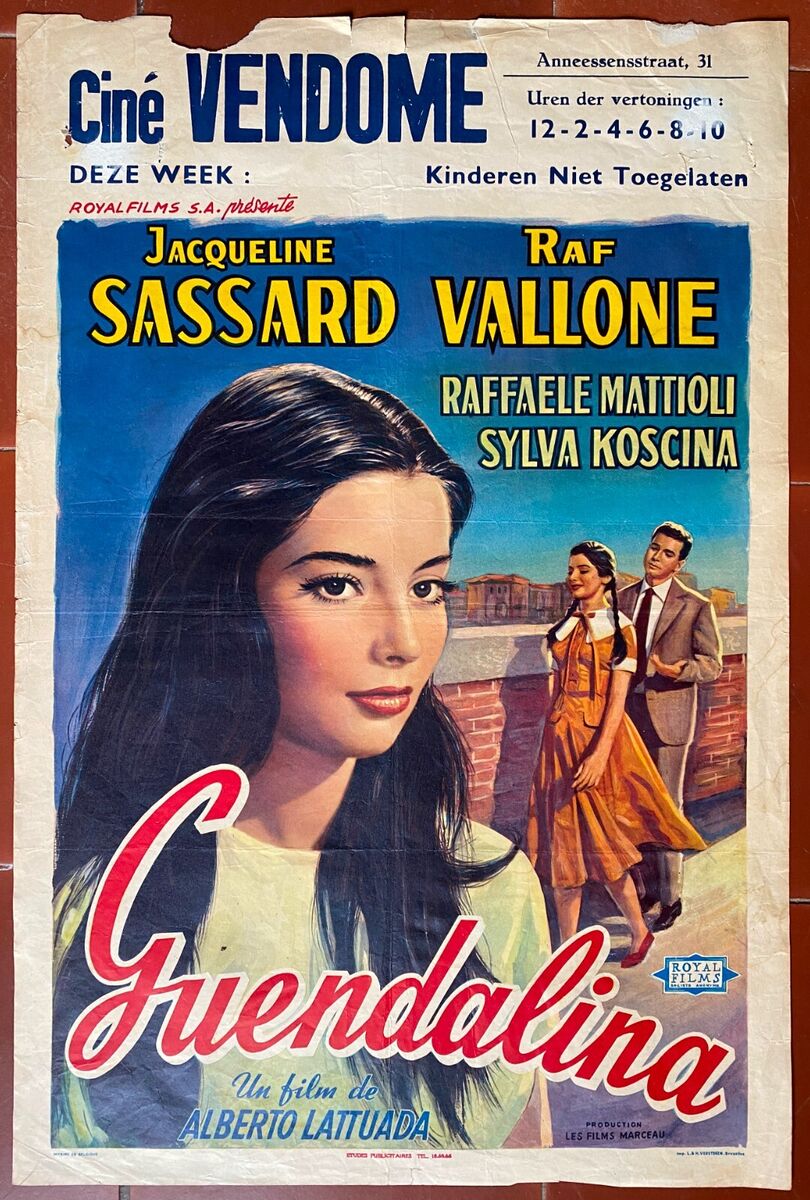
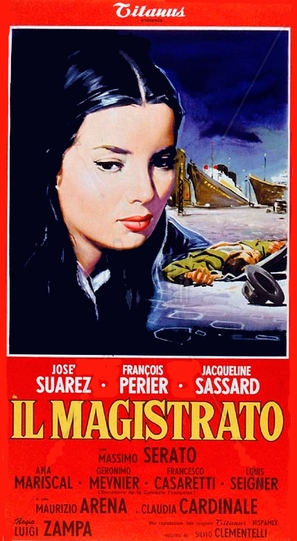
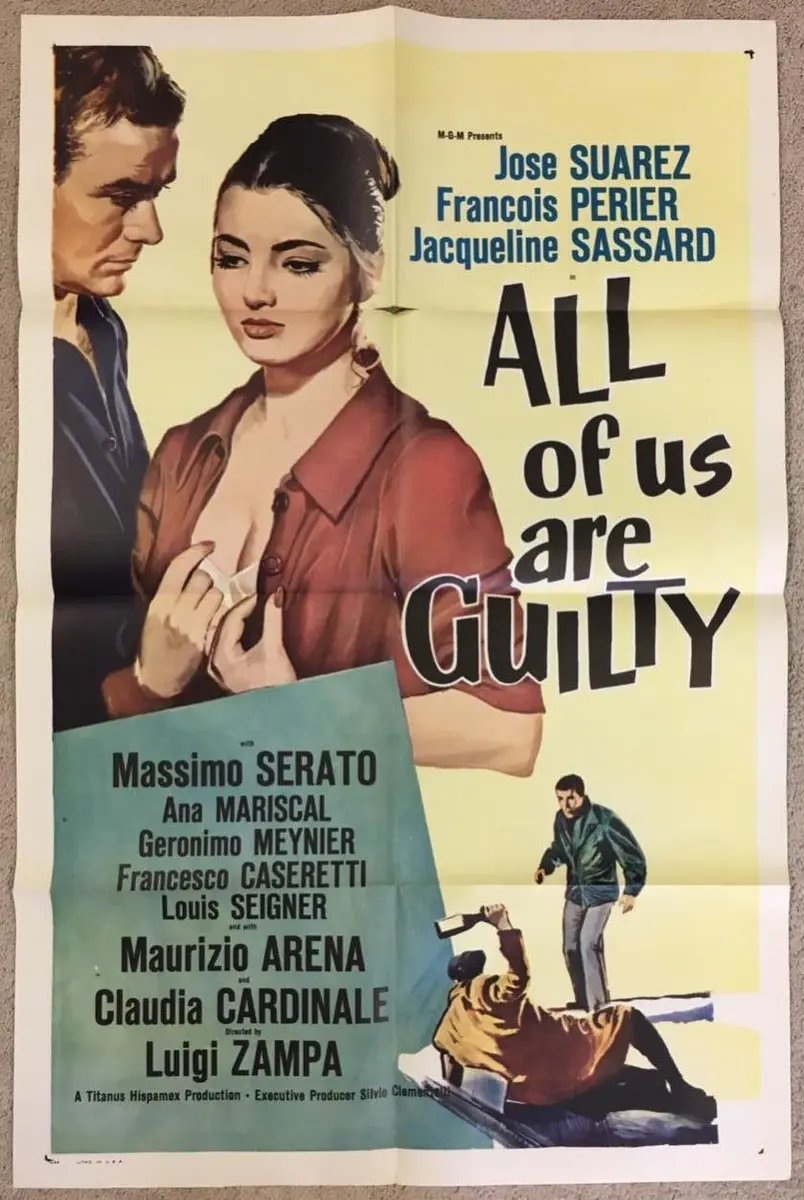
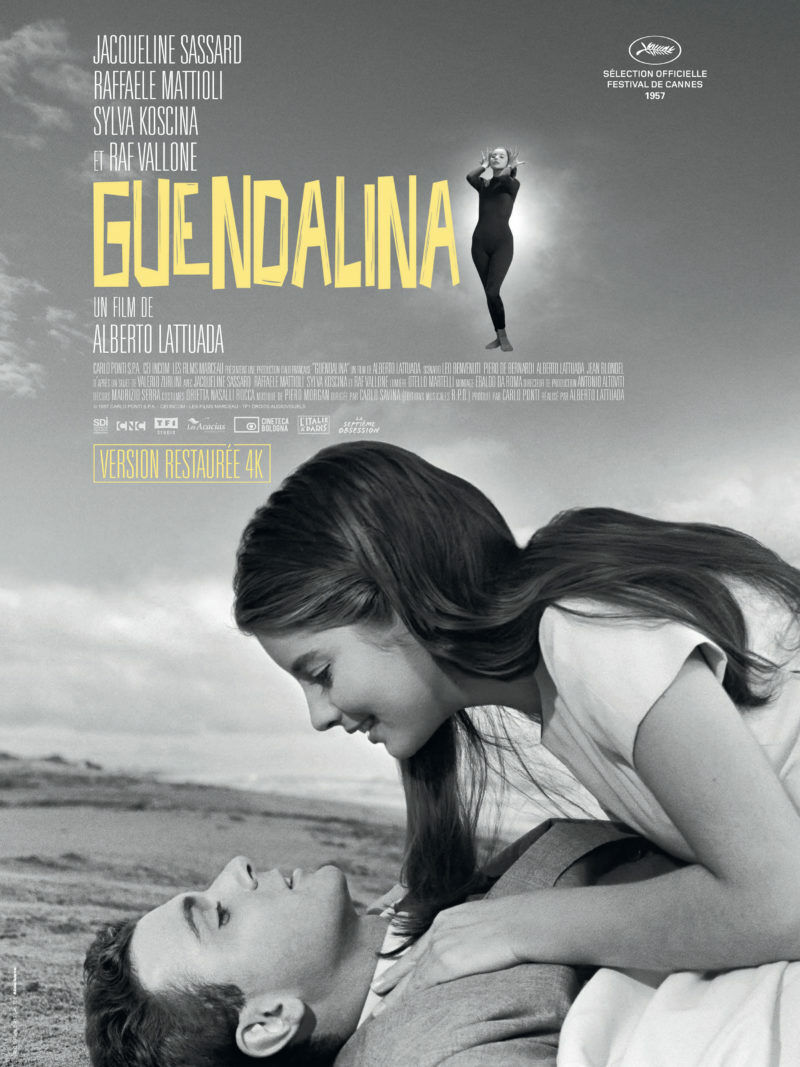
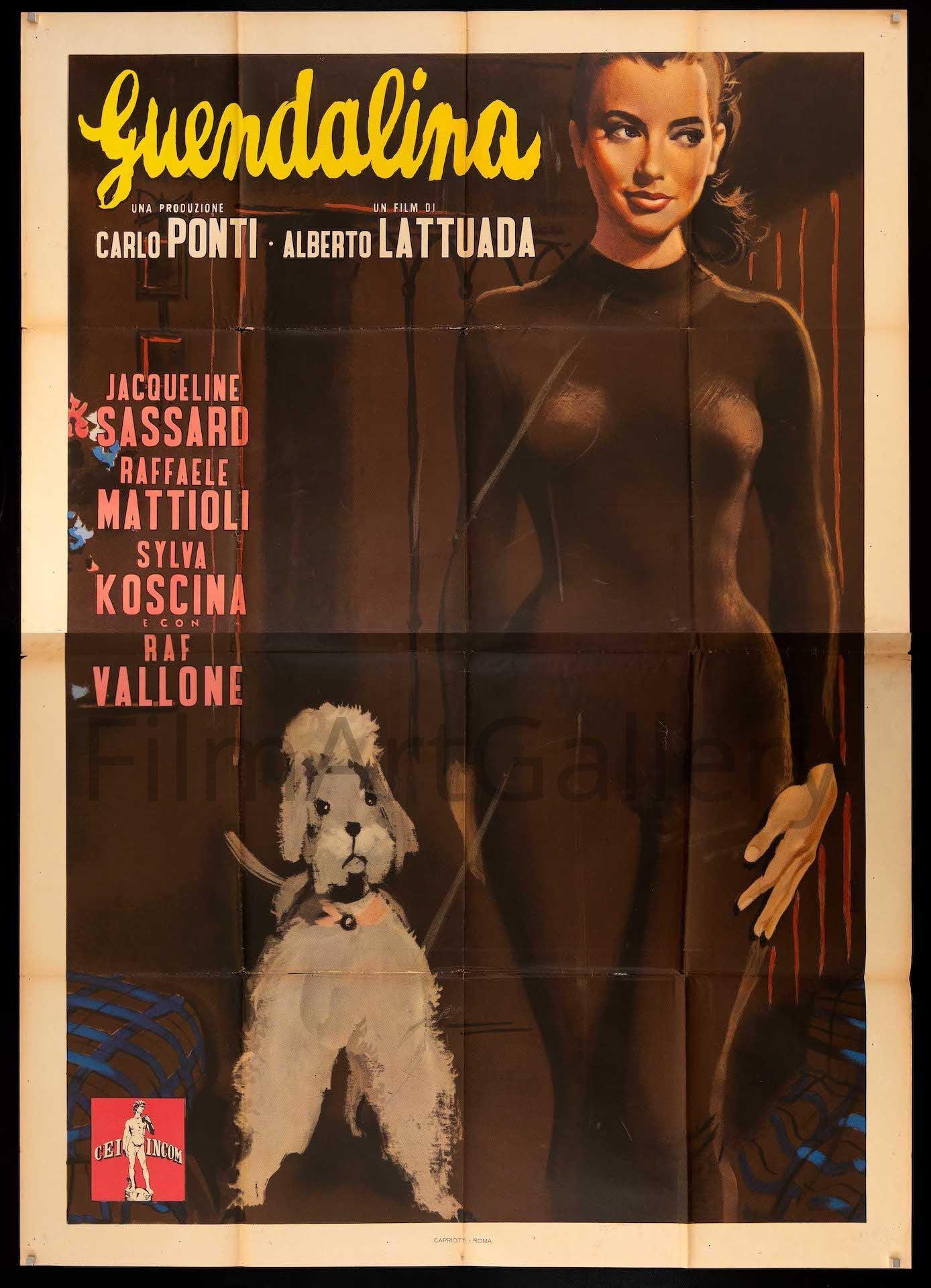
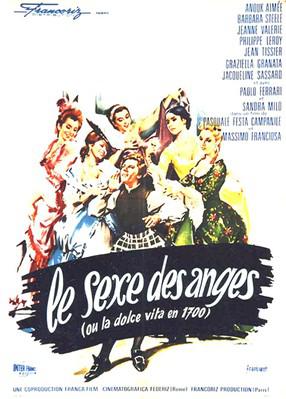
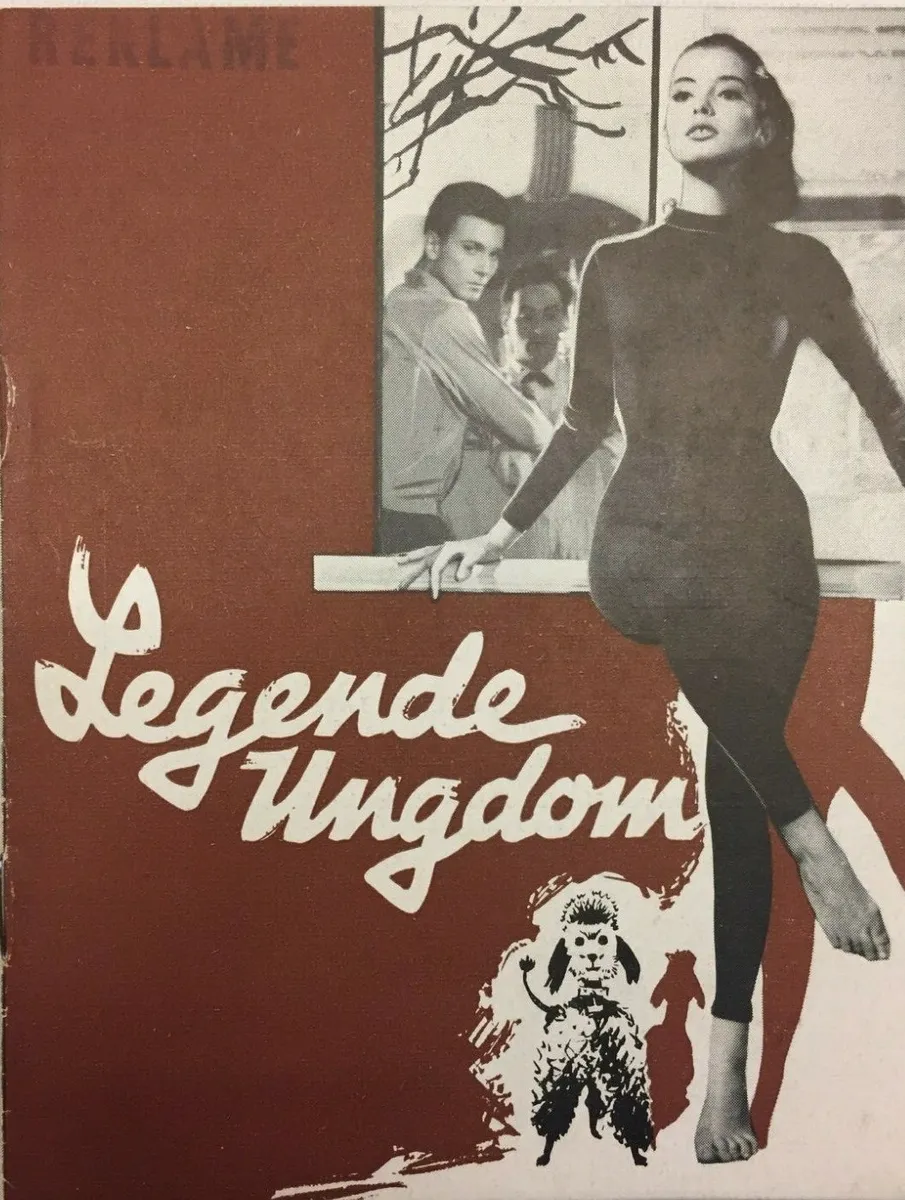
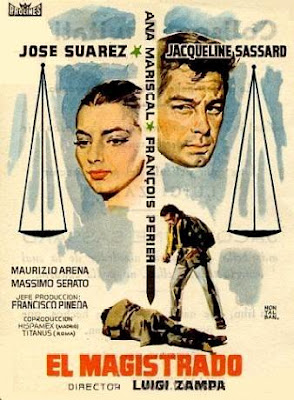
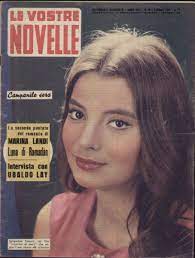
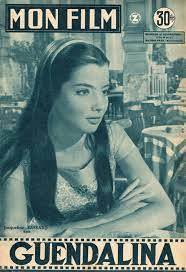
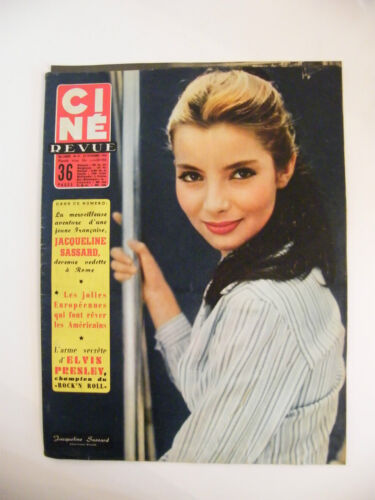
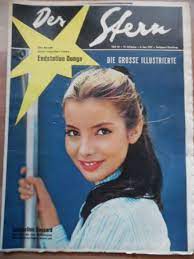
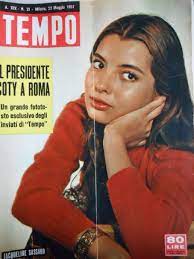
Jacqueline Sassard (13 March 1940 – 17 July 2021) was a French actress who appeared in Italian films such as Guendalina directed by Alberto Lattuada, a young woman with family and financial troubles in Luigi Zampa‘s Il Magistrato and Valerio Zurlini‘s Violent Summer (1959), in which her character was left by Jean-Louis Trintignant.
In 1959 she also played in Italy the role of an English journalist on a business trip to the Kingdom of Naples in the comedy film Ferdinando I °, Re di Napoli(Ferdinand the 1st, King of Naples) starring the brothers Eduardo, Peppino and Titina De Filippo.
Neapolitan leading figures of Italian theater. In the cast were also other glorious names of Italian comedy such as Aldo Fabrizi, Vittorio De Sica, Renato Rascel as well as a young Marcello Mastroianni.
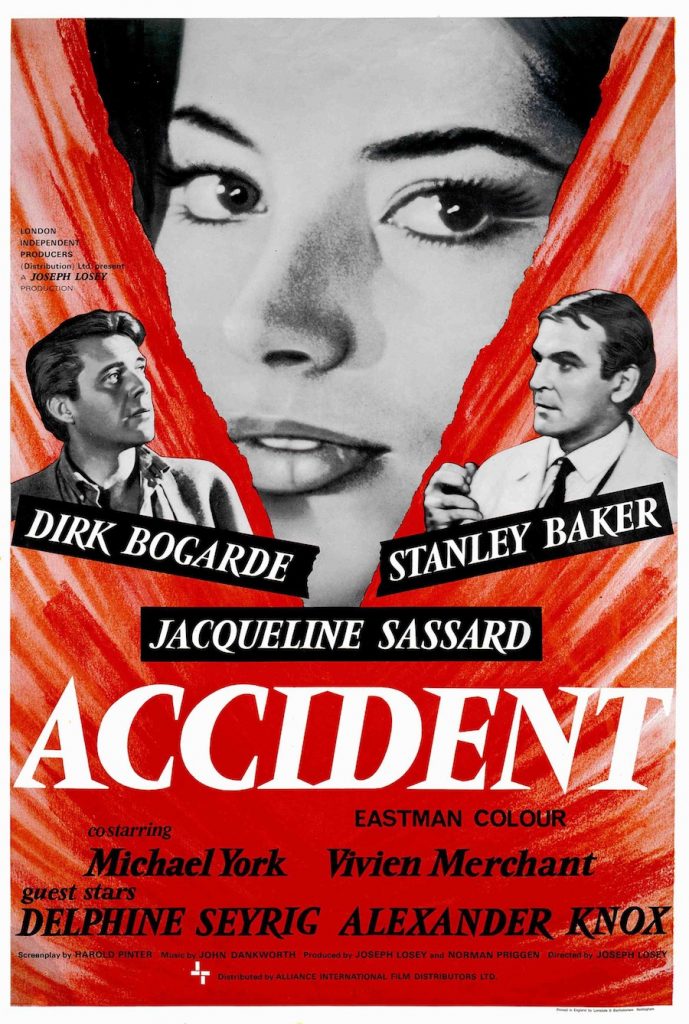
Her best remembered role was in Joseph Losey‘s Accident, with a script by Harold Pinter (1967), where she played an Austrian princess. Her final screen appearance was in Le voleur de crimes (Crime Thief), directed by Nadine Trintignant in 1969.
She left the film industry on her marriage to Gianni Lancia. They lived for a number of years in Brazil before returning to live in Alpes-Maritimes in the south of France. They had a son, Lorenzo Lancia. Gianni Lancia died in 2014.
Sassard died on 17 July 2021, at the age of 81
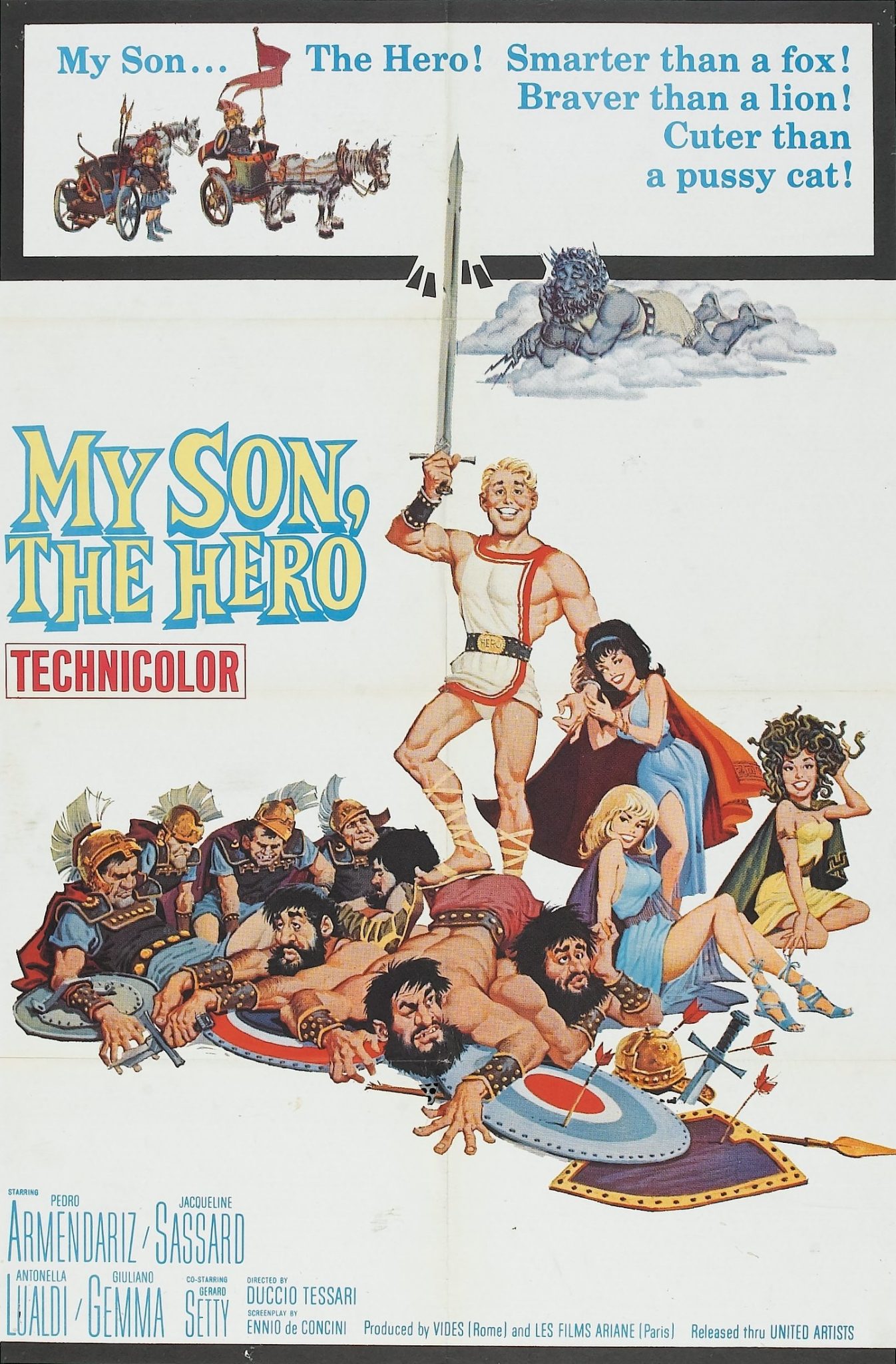
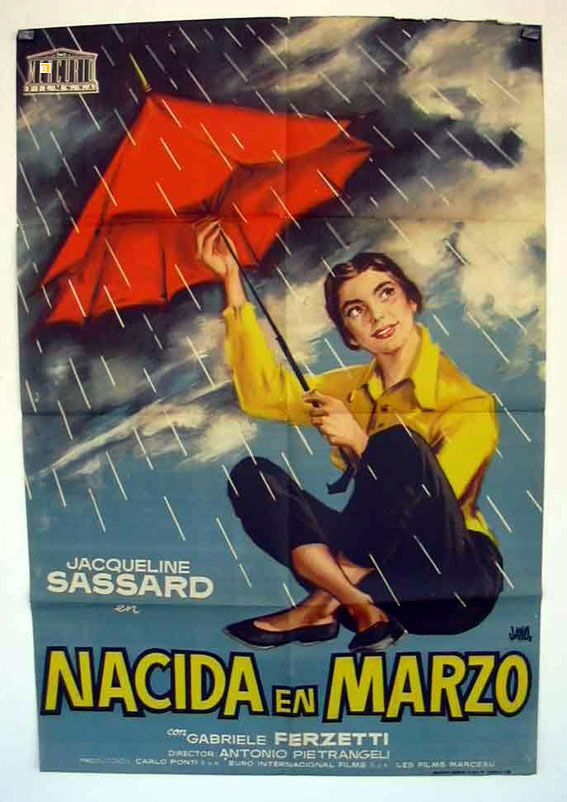
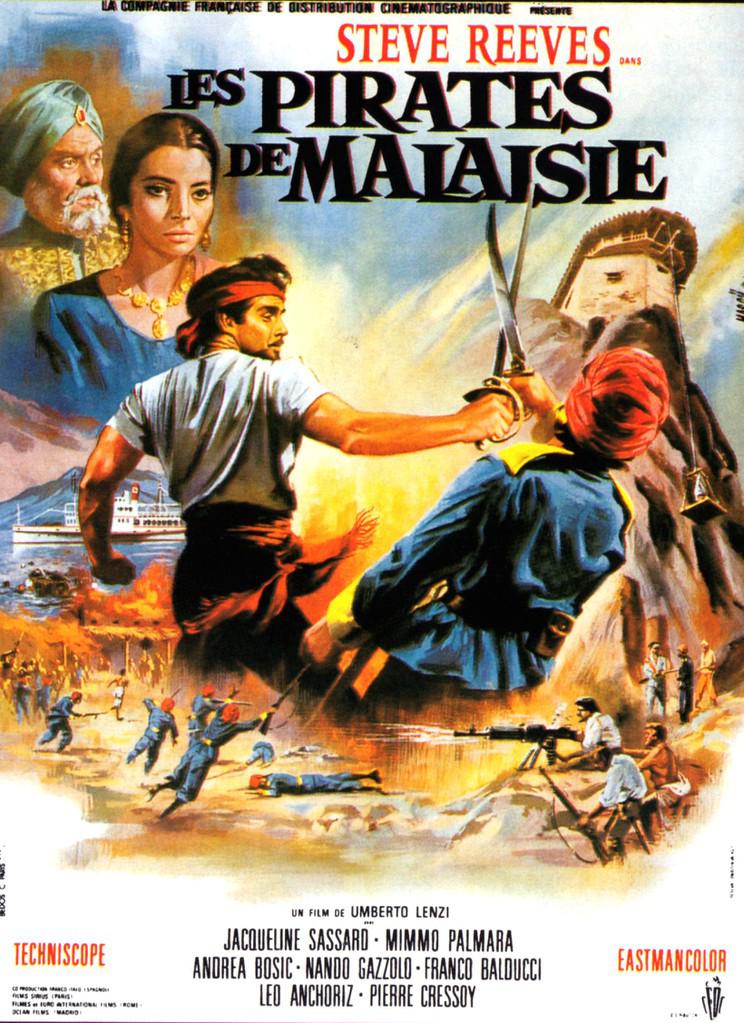
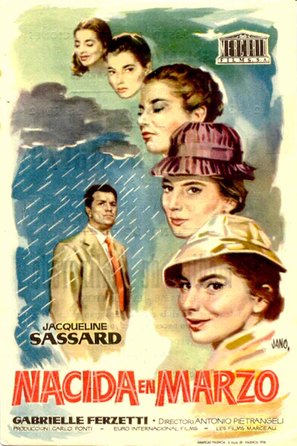
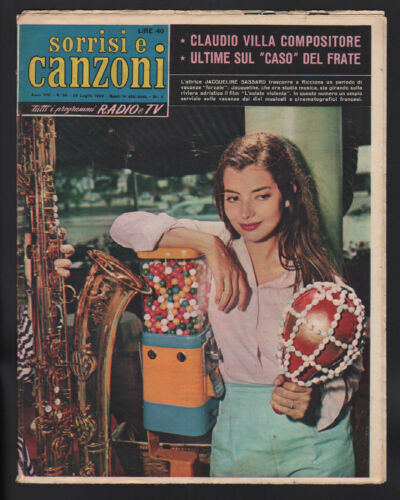
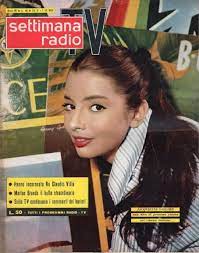
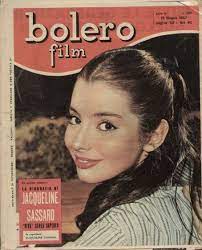
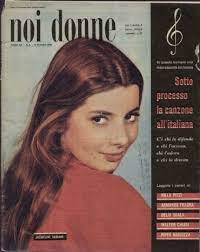
Career Overview
Career Overview
Early life and entry into film
Jacqueline Sassard was born 13 March 1940 in Nice, France, and began acting as a teenager in the mid‑1950s, a period when Italian cinema was an international magnet for young European performers. Her film debut came with the French thriller Je plaide non coupable (Guilty?) directed by Edmond Gréville in 1956
24femmespersecond.wordpress.com
.
Rise through Italian cinema (1957 – 1959)
Sassard found significant early success in Italy:
Guendalina (Alberto Lattuada, 1957) — her first starring role, warmly received for its natural charm and emotional transparency.
Nata di marzo (Born in March) (1958, Antonio Pietrangeli) — brought her the Zuletta Prize at the 1958 San Sebastián Film Festival.
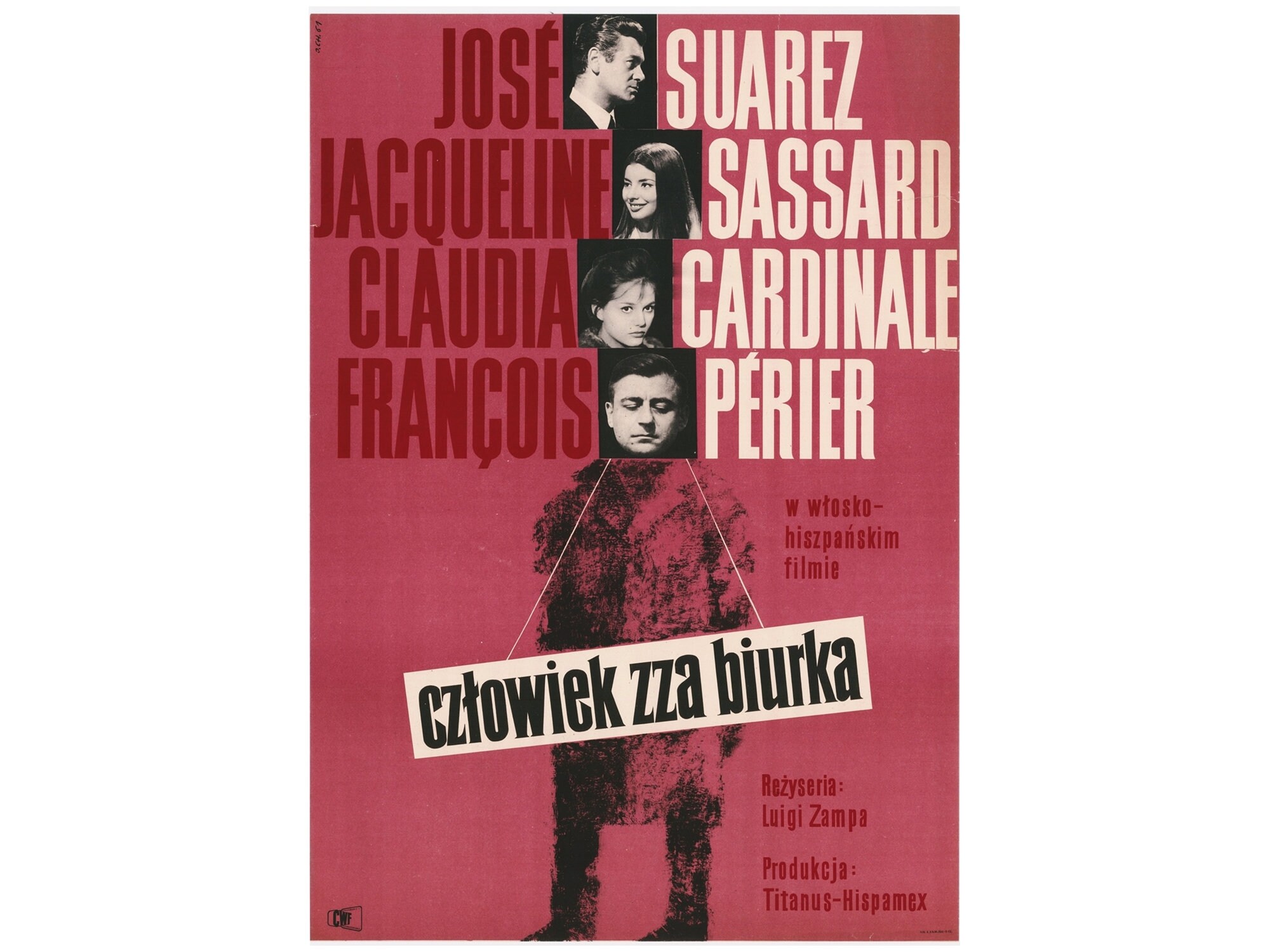
Il Magistrato (The Magistrate) (1959, Luigi Zampa) — a Franco‑Italian‑Spanish co‑production in which she played a young woman facing economic hardship.
Estate violenta (Violent Summer) (1959, Valerio Zurlini) — a subtle, melancholy role opposite Jean‑Louis Trintignant that remains one of her finest early performances
en.wikipedia.org
.
These films aligned Sassard with post‑neorealist Italian cinema’s new focus on middle‑class malaise, romantic disillusionment, and quiet realism. Critics noted her unforced acting style — poised yet emotionally present.
International exposure (1959 – 1963)
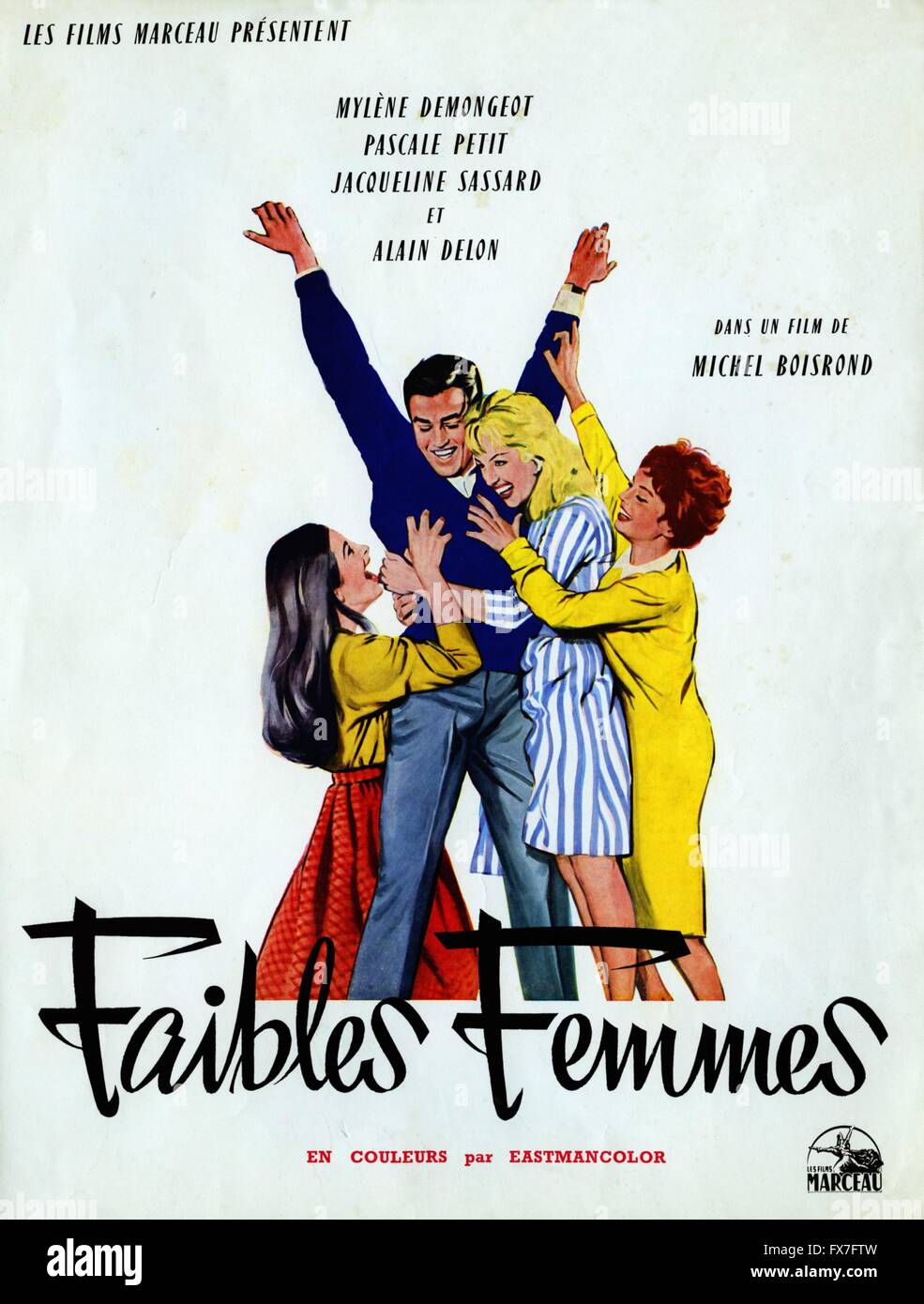
By the late 1950s she appeared in broader European productions: the Neapolitan comedy Ferdinando I, re di Napoli (1959) alongside famed De Filippo siblings and Vittorio De Sica; Faibles femmes (Three Murderesses) (1959) with Alain Delon and Mylène Démongeot; and the Italian peplum Arrivano i Titani (The Titans) (1962). She even joined Steve Reeves.
These projects displayed her versatility — moving from intimate drama to light comedy and adventure — though critics generally valued her more in contemporary psychological roles than in costume spectacle.
Peak modernist work (1966 – 1968)
Sassard’s most artistically significant period came with mid‑1960s European auteur cinema:
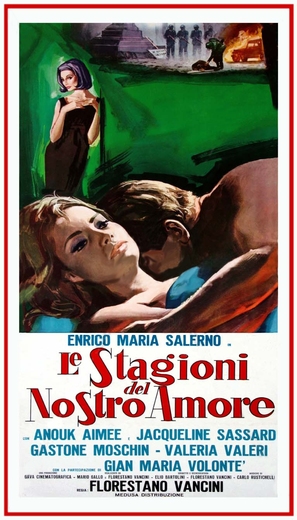
Le stagioni del nostro amore (Seasons of Our Love) (Florestano Vancini, 1966), as a reflective figure in a complex, time‑spanning narrative.
Accident (1967, Joseph Losey; screenplay by Harold Pinter) — her best‑known film internationally, in which she portrayed Anna, an Austrian princess whose quiet ambiguity anchors the story’s moral unease. Her restraint and control perfectly suited Losey and Pinter’s elliptical style
Les Biches (1968, Claude Chabrol) — as Frédérique’s reserved companion, she contributed to Chabrol’s cool psychological study of female desire and power dynamics.
These films revealed Sassard’s facility with suggestion and silence: she could express erotic tension or existential uncertainty with the smallest inflection, fitting the era’s taste for opaque, introspective acting.
Retirement and later life
Her final credited appearance was Le voleur de crimes (Crime Thief) (1969) directed by Nadine Trintign
. Soon after, she left the industry upon marrying industrialist Gianni Lancia, heir to the Lancia automobile company. The couple lived in Brazil and later in southern France, where Sassard led a private life until her death in Lugano, Switzerland, on 17 July 2021
Critical Analysis
1. Acting style and screen persona
Sassard’s performances are marked by modesty, inwardness, and intelligence. She had neither the overt sensuality of Brigitte Bardot nor the theatricality of Jeanne Moreau; instead, her magnetism came from economy — an almost Bressonian naturalism. In Violent Summer, she conveys suppressed feeling through contemplative stillness, embodying the emotional discipline of postwar Italian realism.
In Accident, her controlled detachment mirrored Pinter’s fragmented dialogue: she becomes the mystery around which the film’s male intellectuals orbit, representing both erotic object and silent moral mirror. Losey later said that her understated performance “held the film together” — testament to how she could dominate a scene without assertive action.
2. Cultural position
Though French by birth, Sassard’s career flourished within Italy’s cosmopolitan production environment of the late 1950s. Her multilingualism and pan‑European mobility typified the period’s cross‑border actress — professionals who bridged industries (e.g., Anouk Aimée, Elsa Martinelli). Her work linked Italy’s fading neorealism to 1960s modernist alienation, marking a shift toward intellectualized female characters.
3. Range and recurring themes
Her best roles explored young women negotiating moral or social transformation: characters caught between innocence and modern self‑awareness. Even in genre pieces like Three Murderesses or The Titans, Sassard brought a thoughtful complexion to otherwise formulaic plots. The emotional reticence that once limited her commercial success has since become central to the appeal of her performances.
4. Legacy and reappraisal
Sassard’s small but refined body of work rewards re‑examination. Modern critics see her as part of the 1960s European “aesthetic of ambiguity,” alongside actors like Monica Vitti and Delphine Seyrig. Her Accident and Les Biches performances remain benchmarks for minimalist acting: intelligence expressed through gesture, stillness, and gaze rather than dialogue.
Though she retired young, her influence endures in the ongoing appreciation of female interiority in European art cinema — an antidote to the glamor‑star model of the same era.
Summary Timeline
Period Focus Representative Works Notes
1956–1959 French and Italian debuts Je plaide non coupable, Guendalina, Nata di marzo, Violent Summer Establishes radiant, thoughtful ingénue image.
1960–1963 Genre expansion Ferdinando I re di Napoli, The Titans, Sandokan the Great Transnational projects; broader European visibility.
1964–1968 Modernist maturity Seasons of Our Love, Accident, Les Biches Peak artistic acclaim; collaboration with Losey, Chabrol.
1969–1970 Final film & retirement Le voleur de crimes Withdrew from cinema after marriage to Gianni Lancia.
In essence:
Jacqueline Sassard’s career, though brief, illustrates the transformation of European screen acting from postwar realism to late‑1960s modernism. Her strength lay in eloquent restraint — the ability to suggest inner depth through understated behavior. With only very few key roles, she left a body of work prized for its quiet intelligence and enduring sense of mystery.