

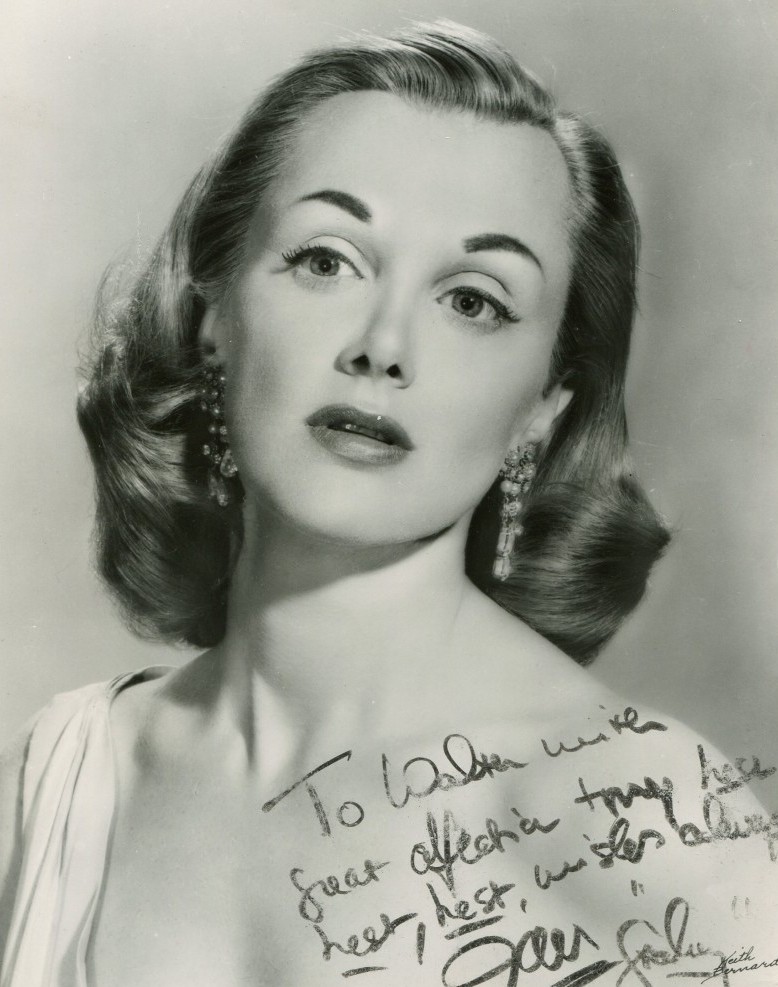
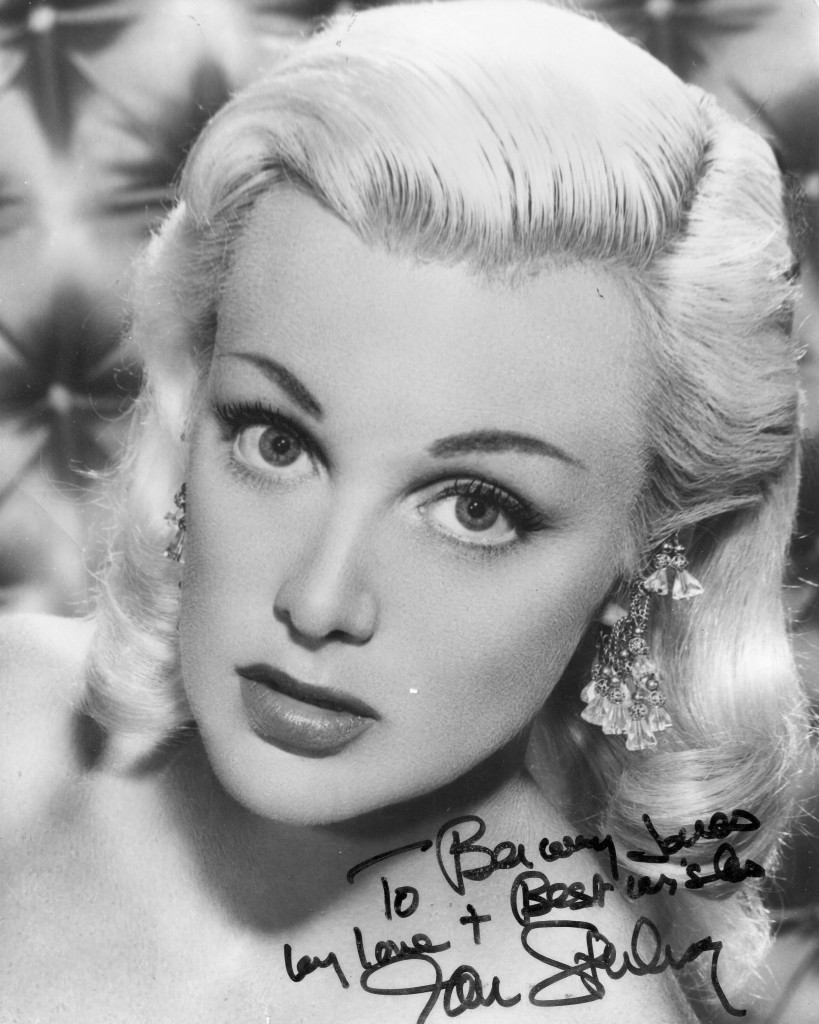
The times obituary in 2004.
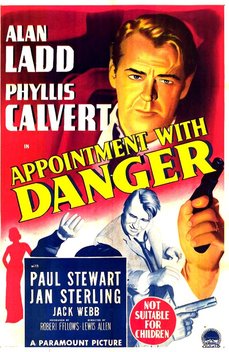
JAN STERLING came from a distinguished New York family. She was reputedly descended from the second US President, John Adams, and was privately and expensively educated in Europe. But it was as gangsters’ molls, blowsy prostitutes and tough, hard-bitten women that the busty blonde made her mark in the Fifties, in a string of films noir such as Appointment with Danger and such sensational titles as Women’s Prison, The Female Animal and High School Confidential!
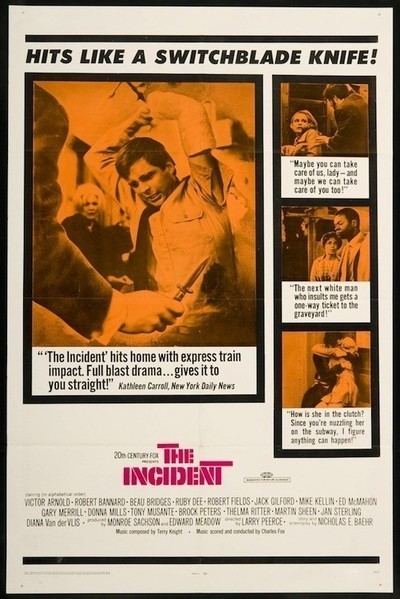
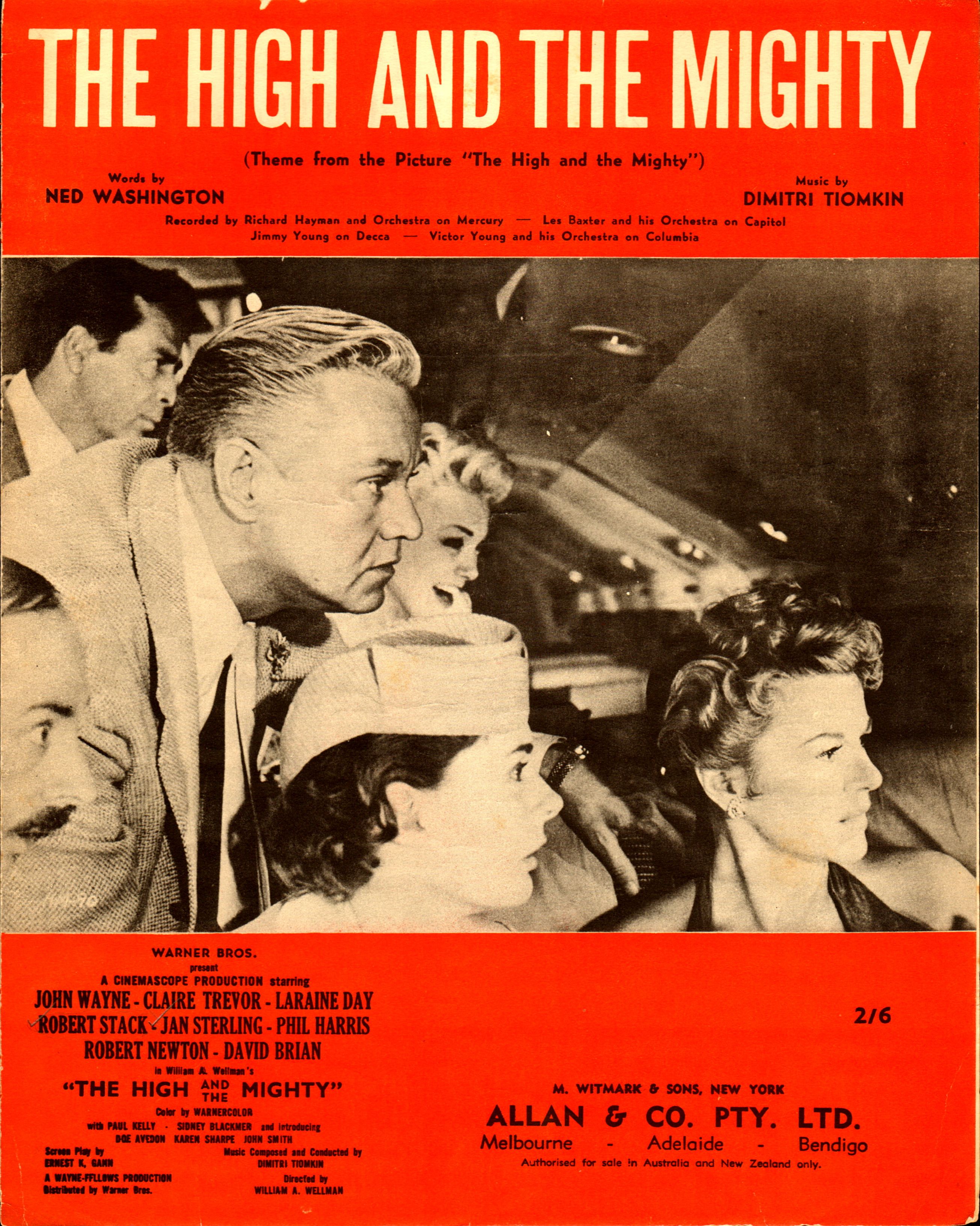
She won an Oscar nomination as a terrified passenger in the John Wayne airborne drama The High and the Mighty (1954), but her best film was probably Ace in the Hole (1951), in which Kirk Douglas’s has-been reporter plays with the life of a man trapped underground, spinning out his predicament to get his big story. He meets his match in cynicism in the man’s wife, played by Sterling, who will do almost anything for publicity and a quick buck, though she refuses to be photographed praying. “Kneeling bags my nylons,” she explains. She has another of film noir’s great lines when she says: “I’ve seen a lot of hard-boiled eggs in my time, but you, you’re 20 minutes.”
In his autobiography, The Ragman’s Son, Douglas recalled that in one scene he had to choke Sterling with a fur stole. Sterling had to signal if it was too much. Douglas carried on strangling her until she turned blue, but there was never any signal. He released her and she dropped to the ground. But it was not from dedication to the task that she had not signalled. “I couldn’t,” she told him. “You were choking me.”
The critics Julie Kirgo and Elizabeth Ward praised Sterling in the book Film Noir:“In contrast to Douglas’s ‘big’ performance, Sterling’s is quiet and subtle, conveyed by the obsequious look of her saucer eyes, in the twist of her pouting mouth and in the brassy tone of her voice.”
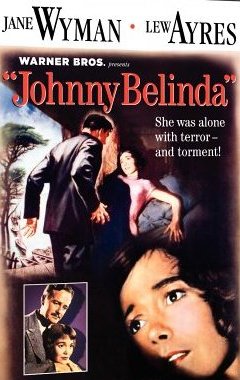
She was born Jane Sterling Adriance in 1921, and acted on the London stage and on Broadway, playing posh English women, before going to Hollywood, where she appeared as Jane Adrian. But she had opted for Jan Sterling by the time she won her first significant film role, as the wife of a man who rapes a deaf mute girl in Johnny Belinda (1948).
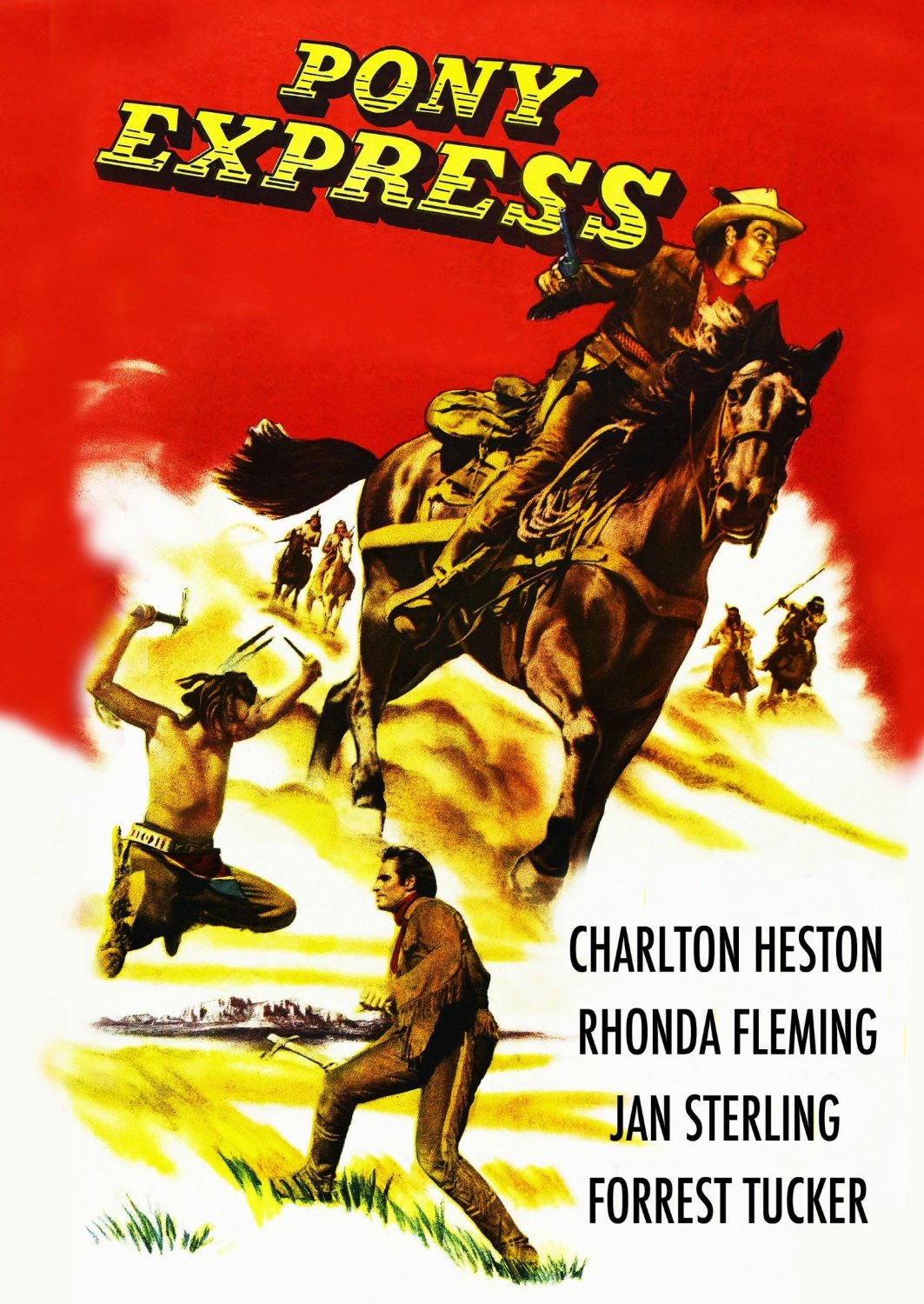
During the Fifties she worked with some of cinema’s biggest stars, including William Holden in Union Station, Charlton Heston in Pony Express, Robert Mitchum in Man with the Gun and Humphrey Bogart in The Harder They Fall.
In later decades she turned up only very occasionally in films, including First Monday in October (1981), in which she played Walter Matthau’s wife. She continued to appear regularly on television throughout the Sixties and Seventies, on such programmes as The Untouchables, Bonanza, Naked City, Hawaii Five-O and Little House on the Prairie. She was married to the actors John Merivale, in the Forties, and Paul Douglas, throughout the Fifties.
After Douglas’s death, she was the longtime companion of Sam Wanamaker, until his death in 1993. Her son Adams Douglas, named after her famous ancestors, died a few months ago.
Jan Sterling, actress, was born on April 3, 1921. She died on March 26, 2004, aged 82.
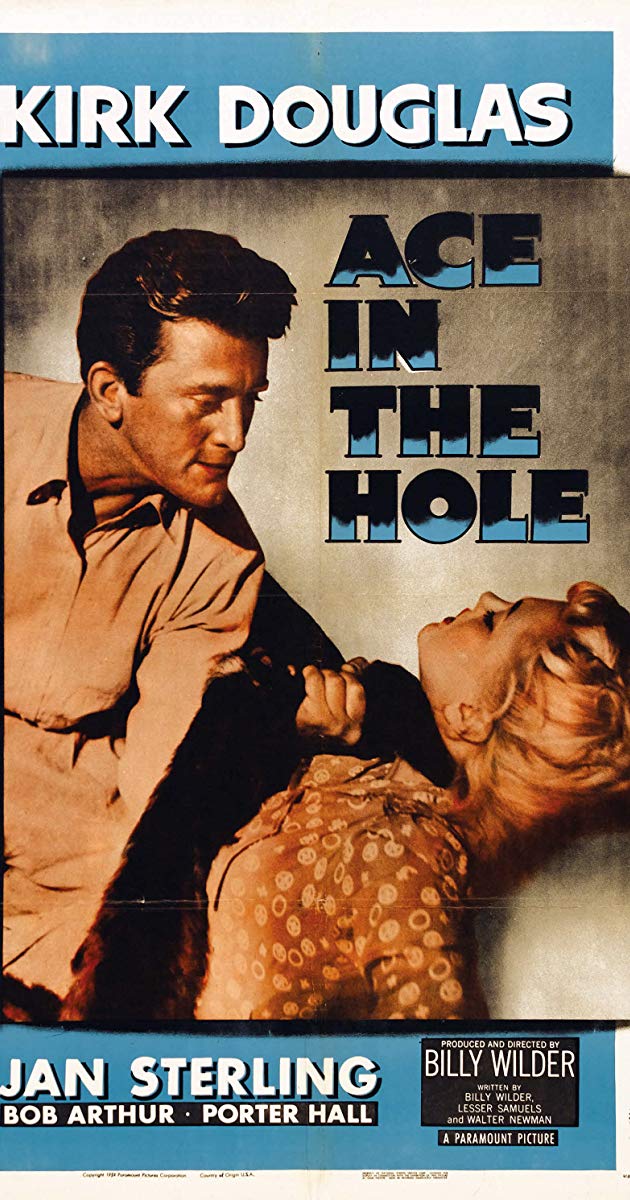
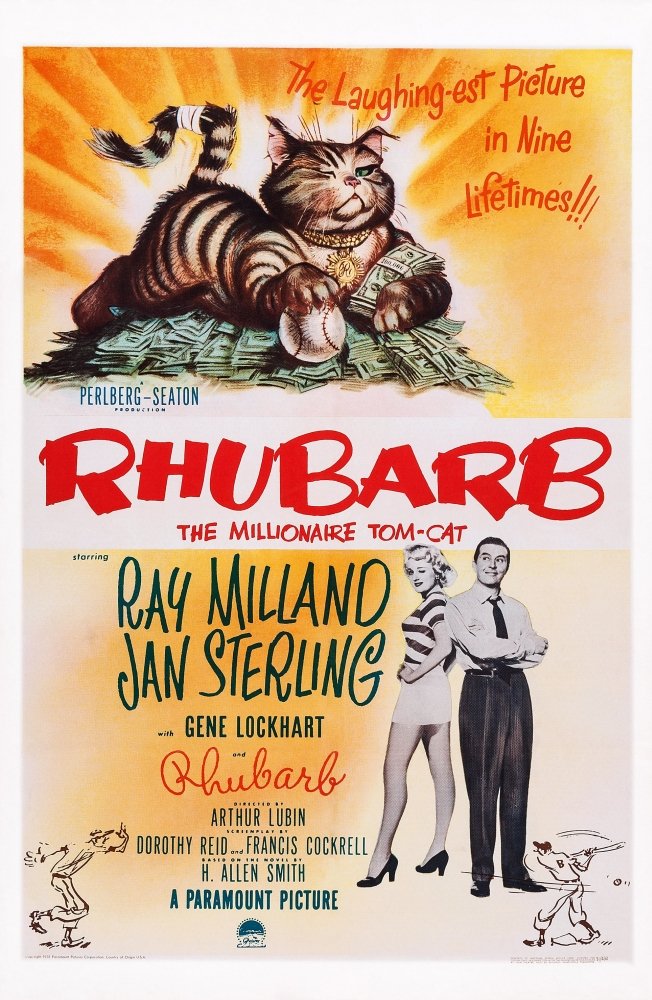

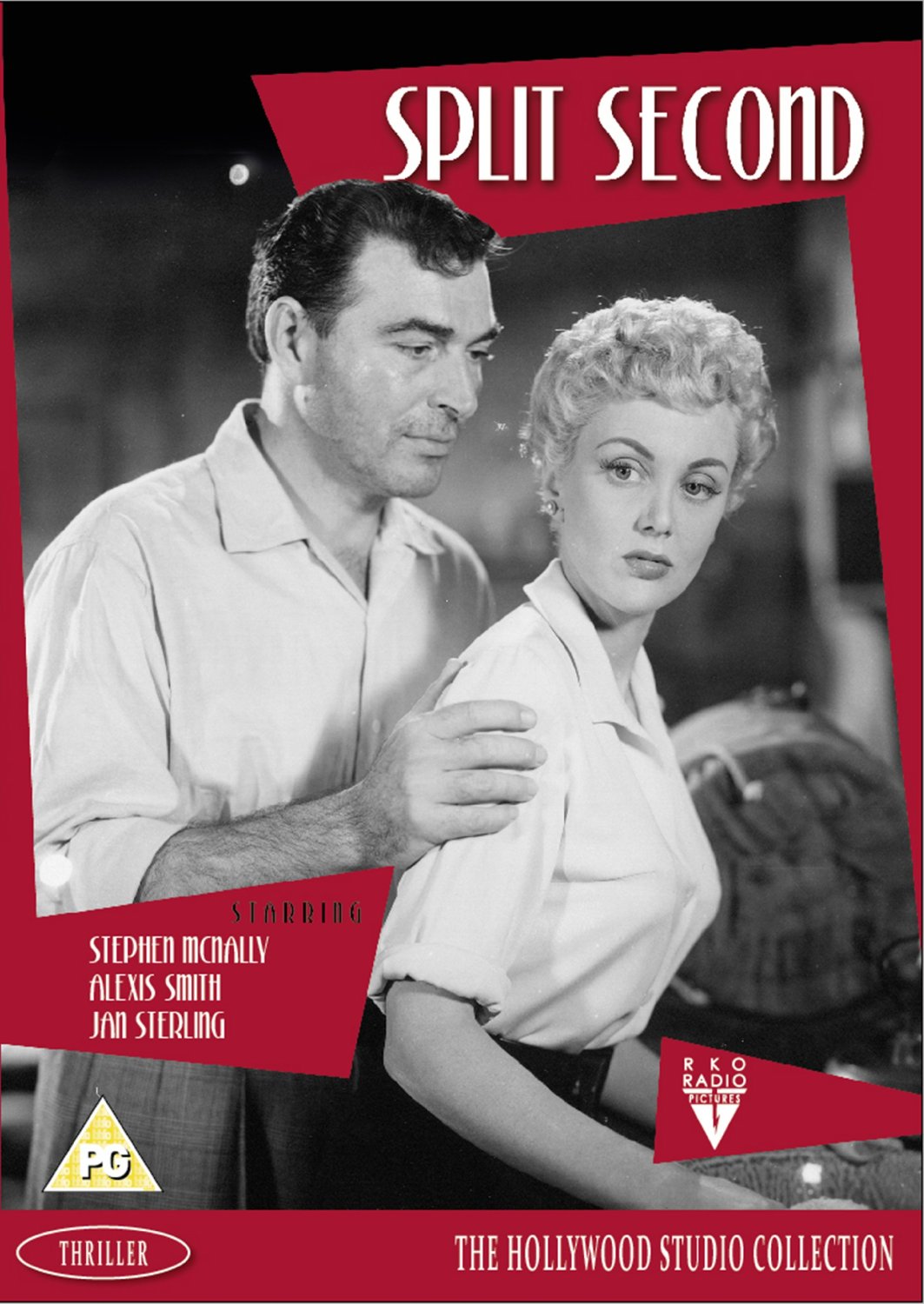
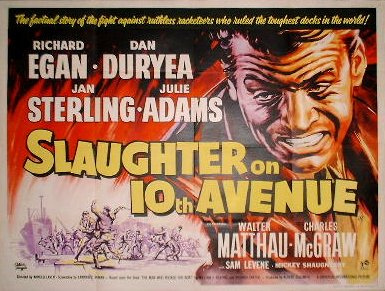
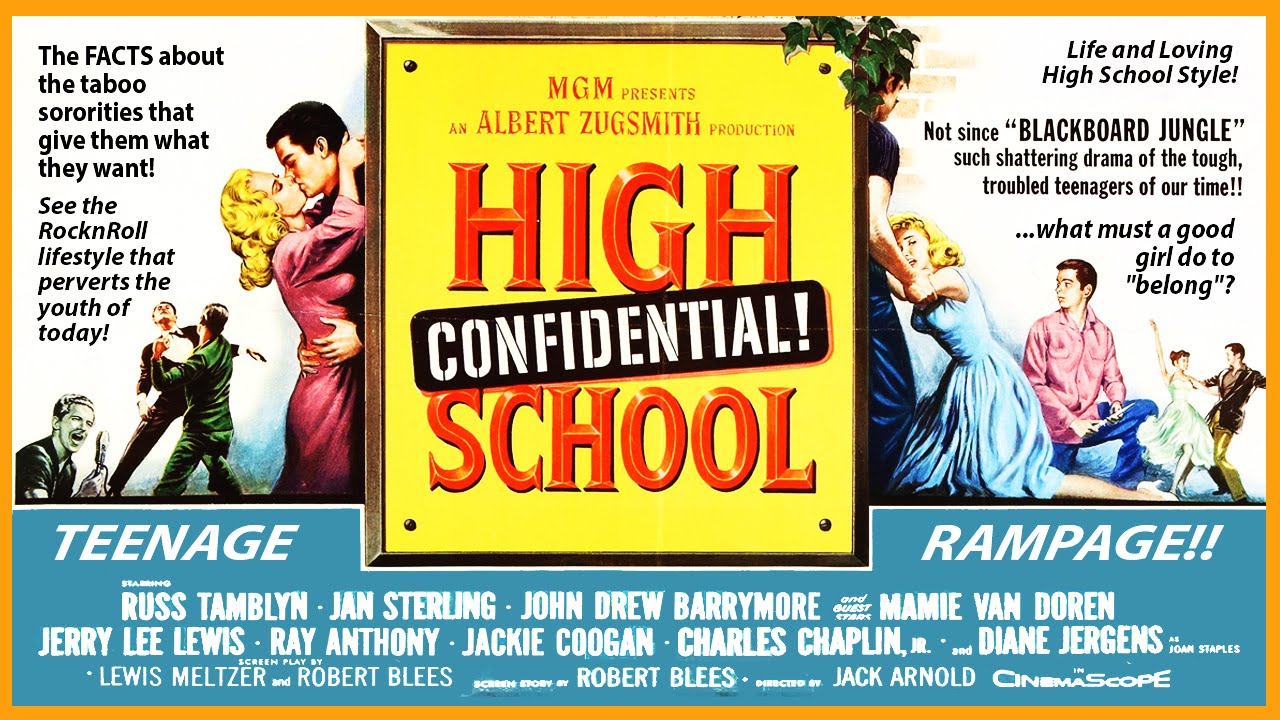
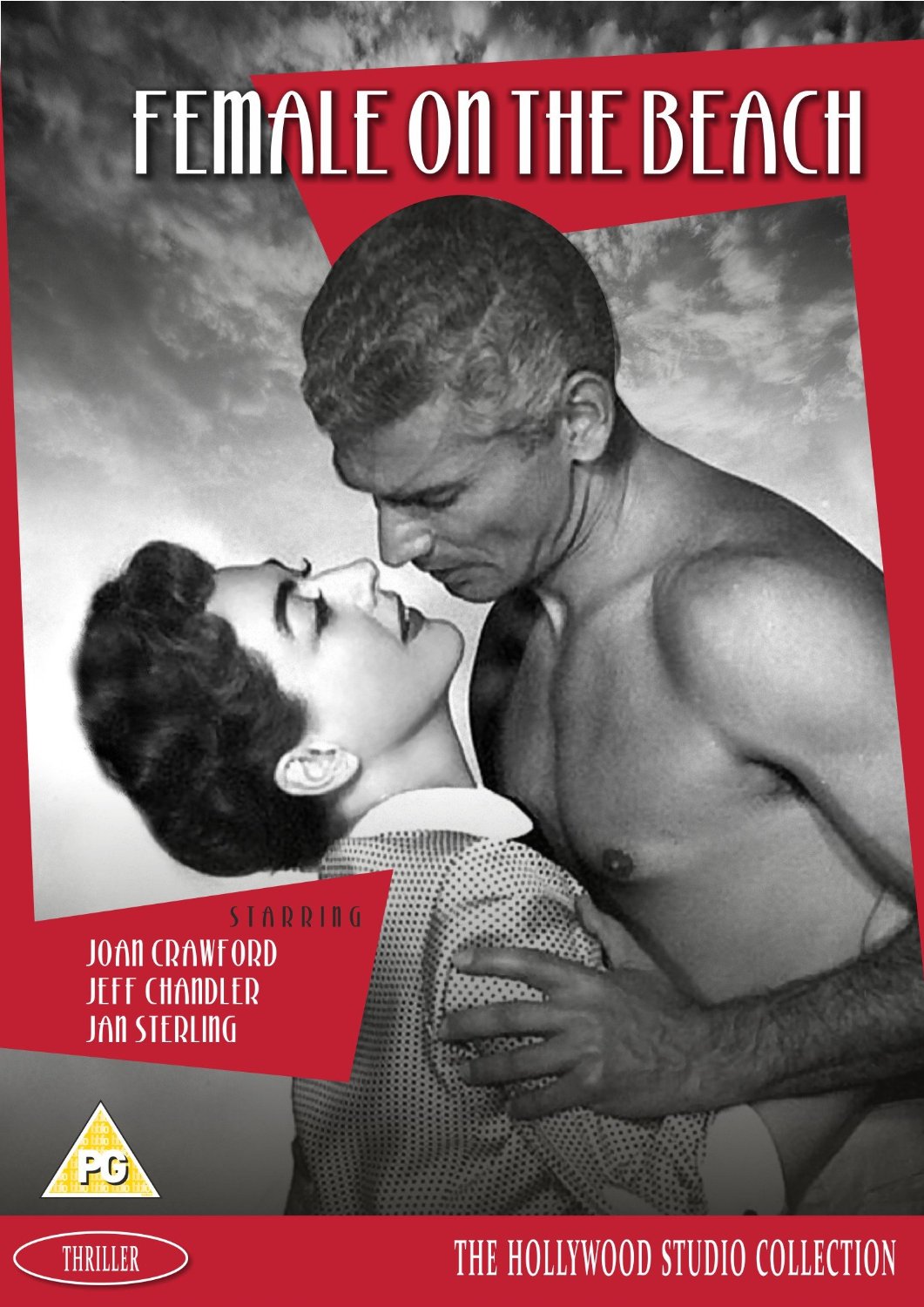
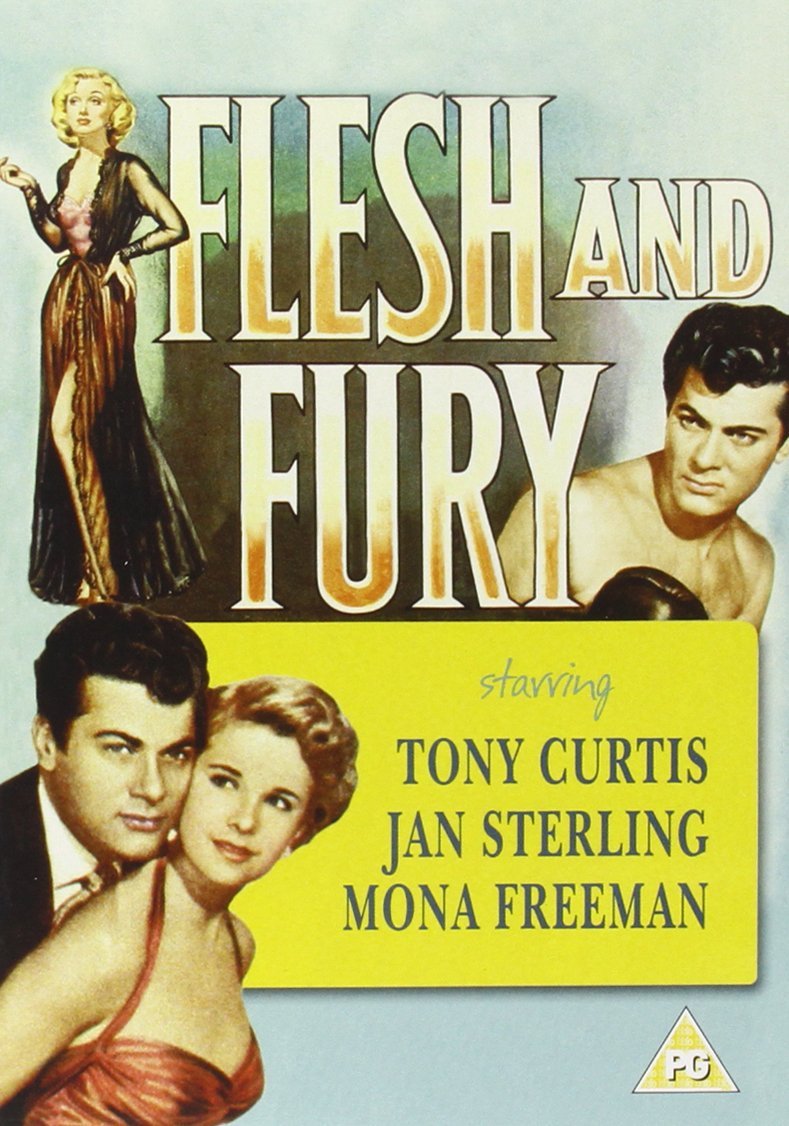
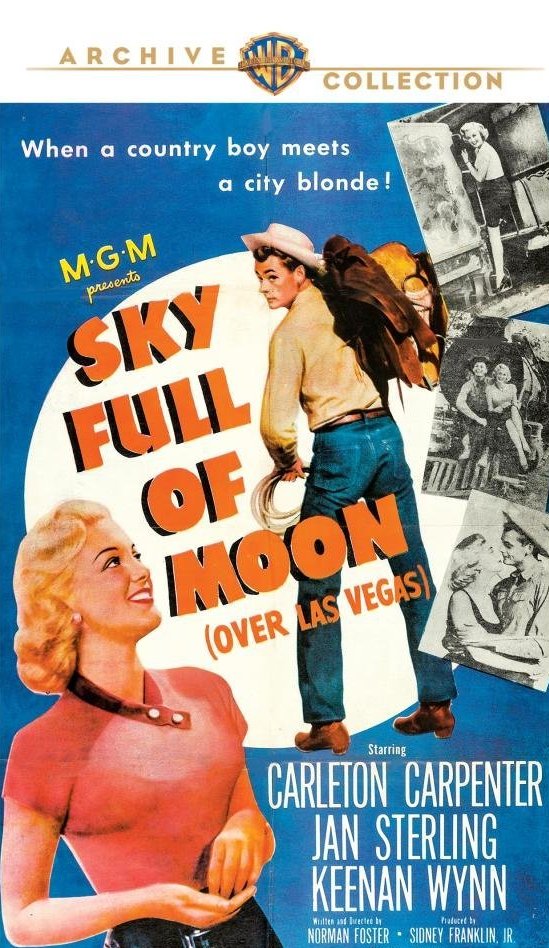
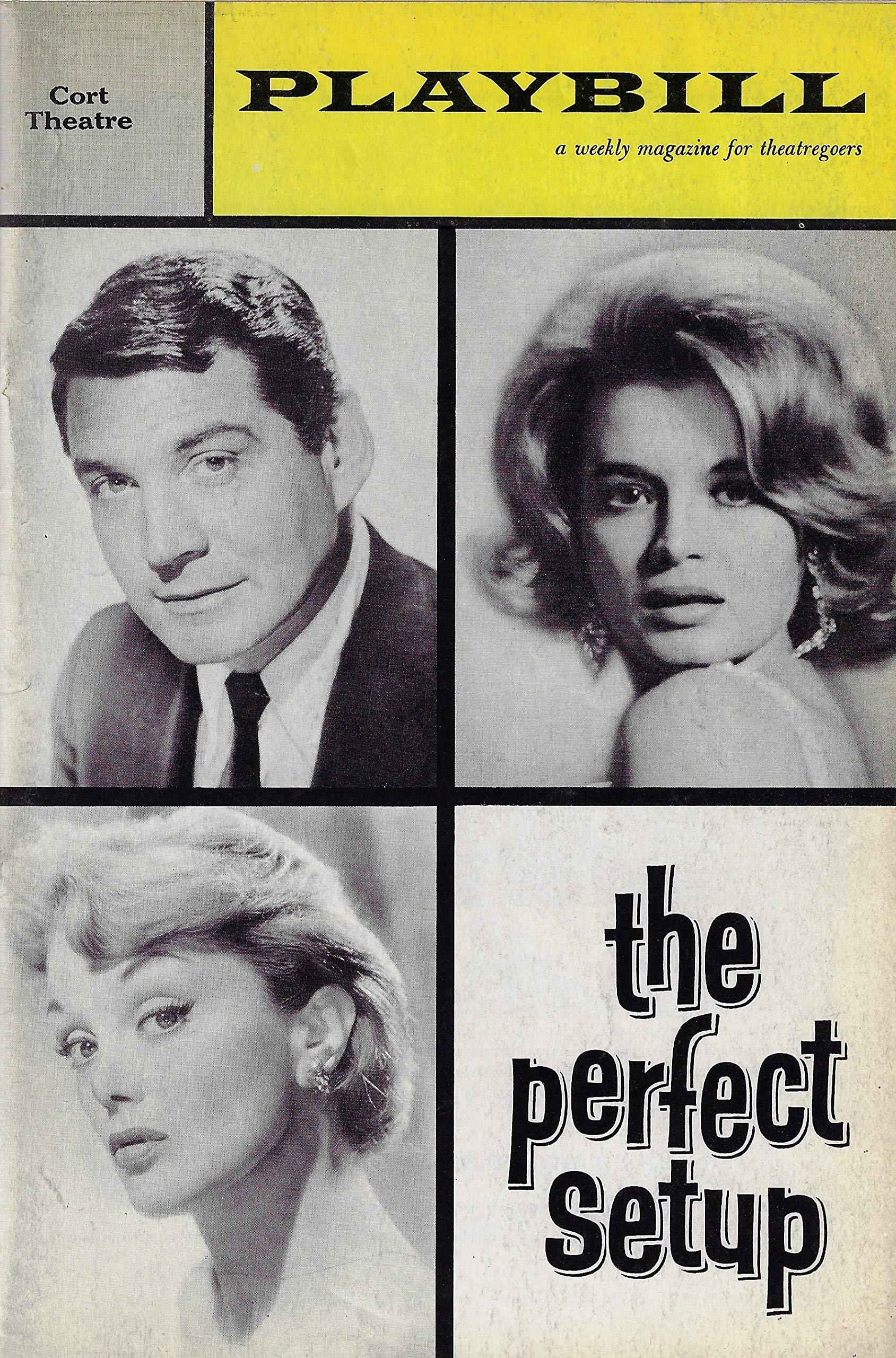
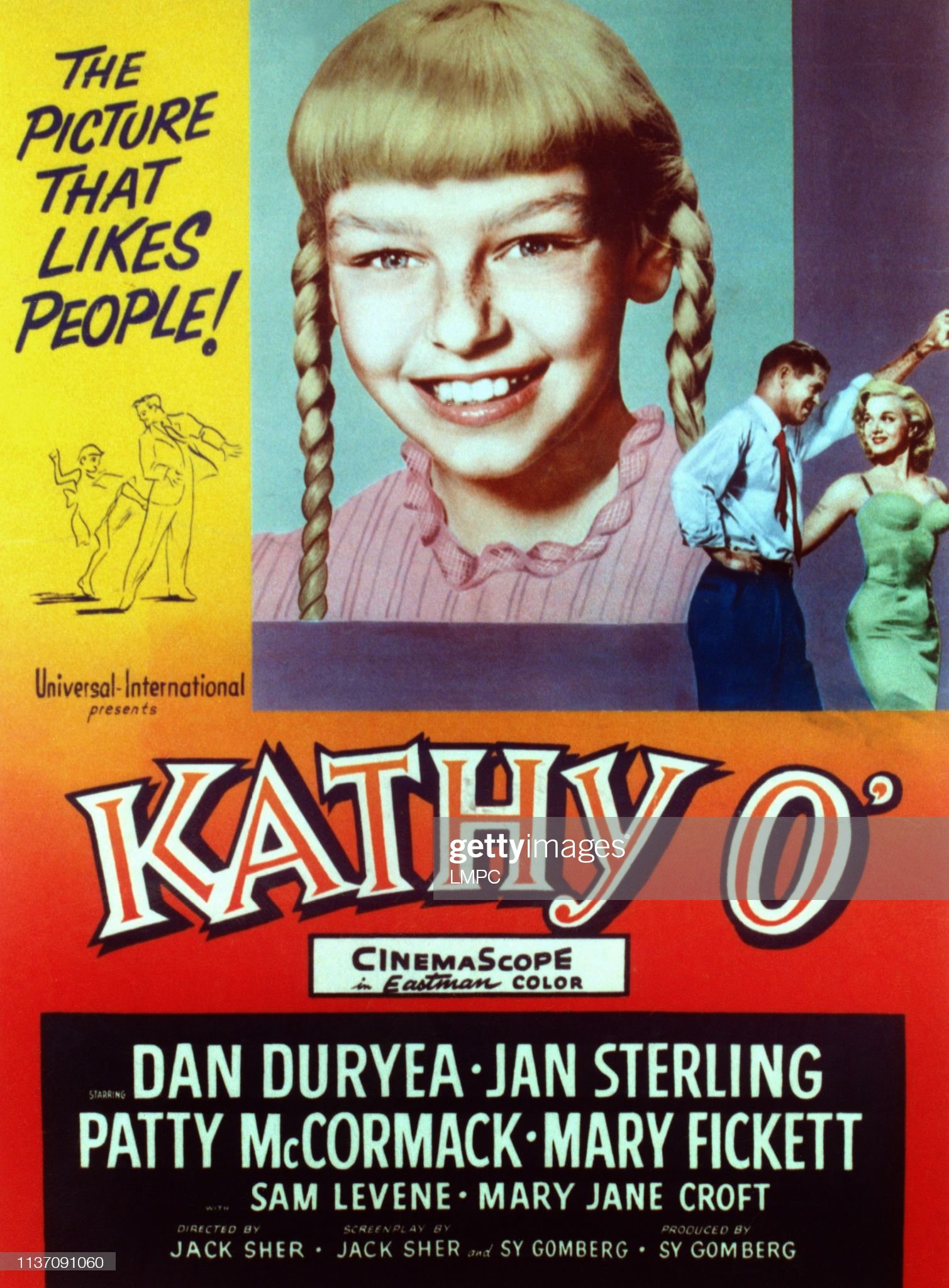
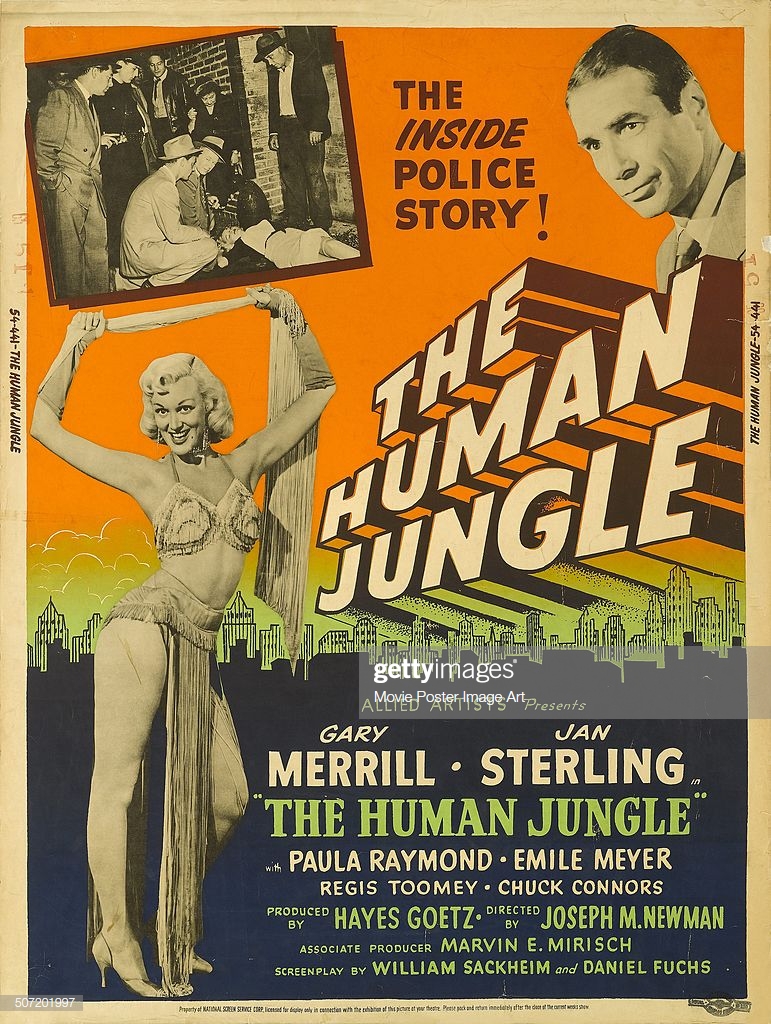
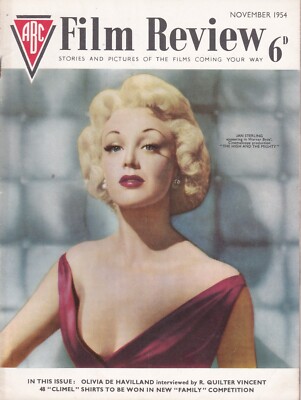
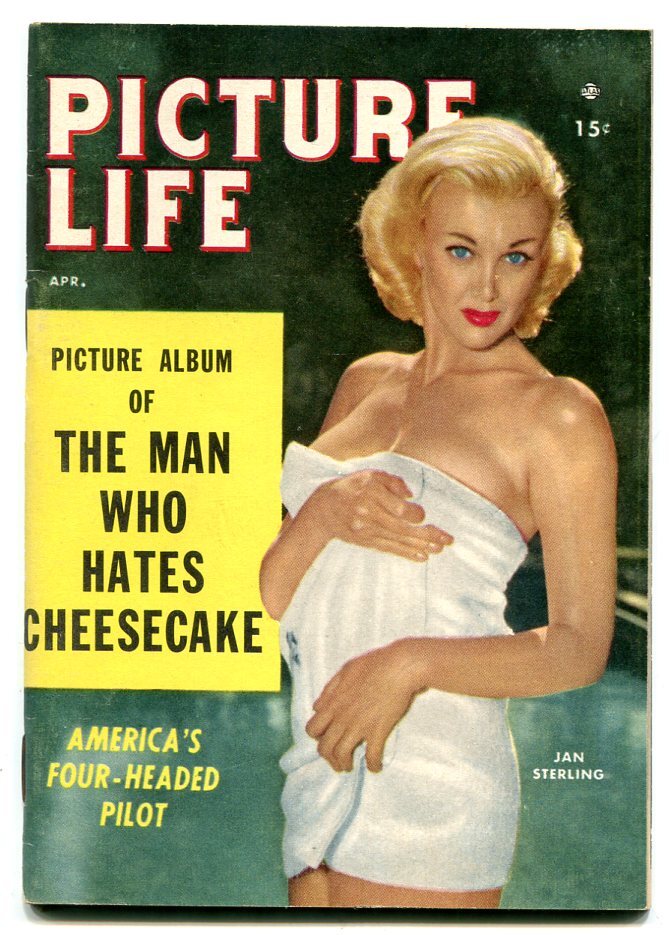
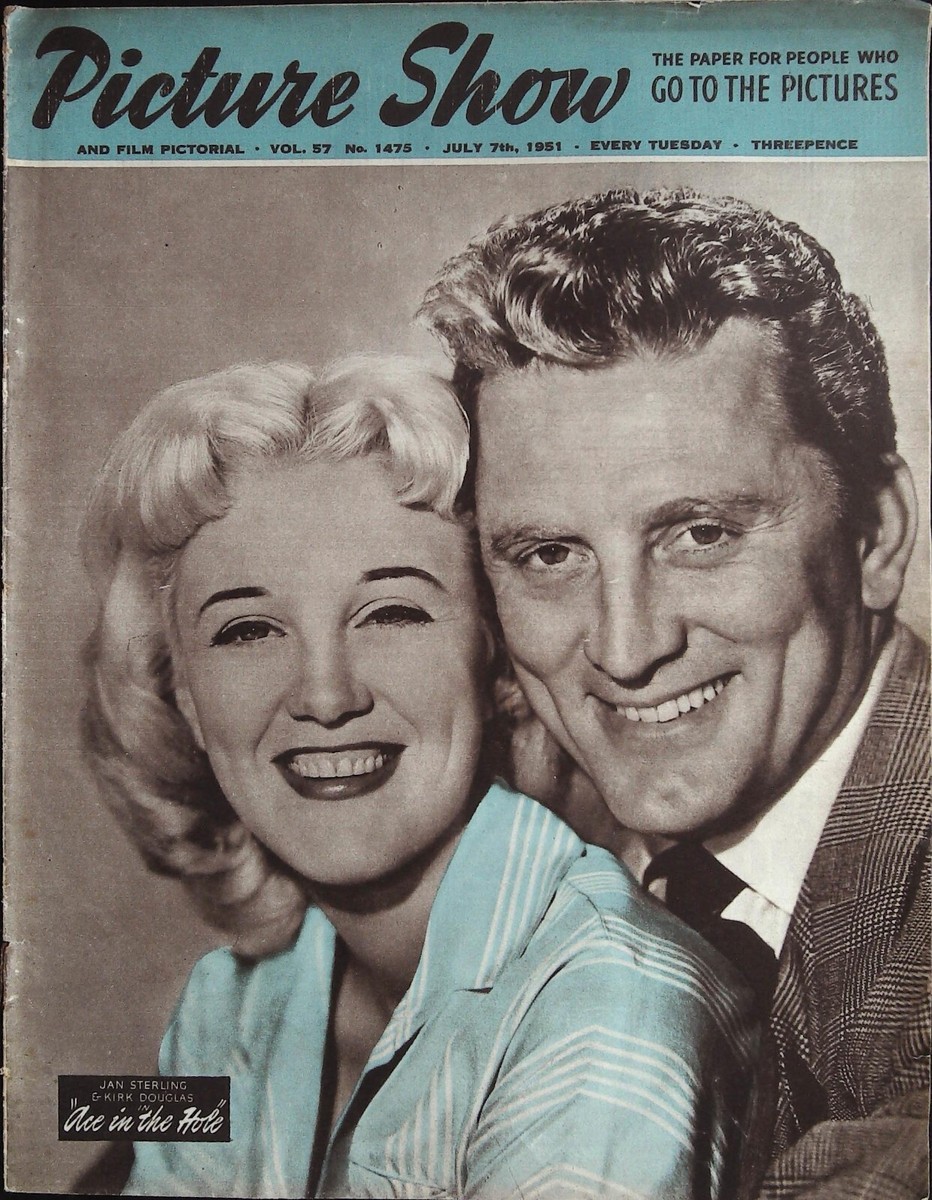
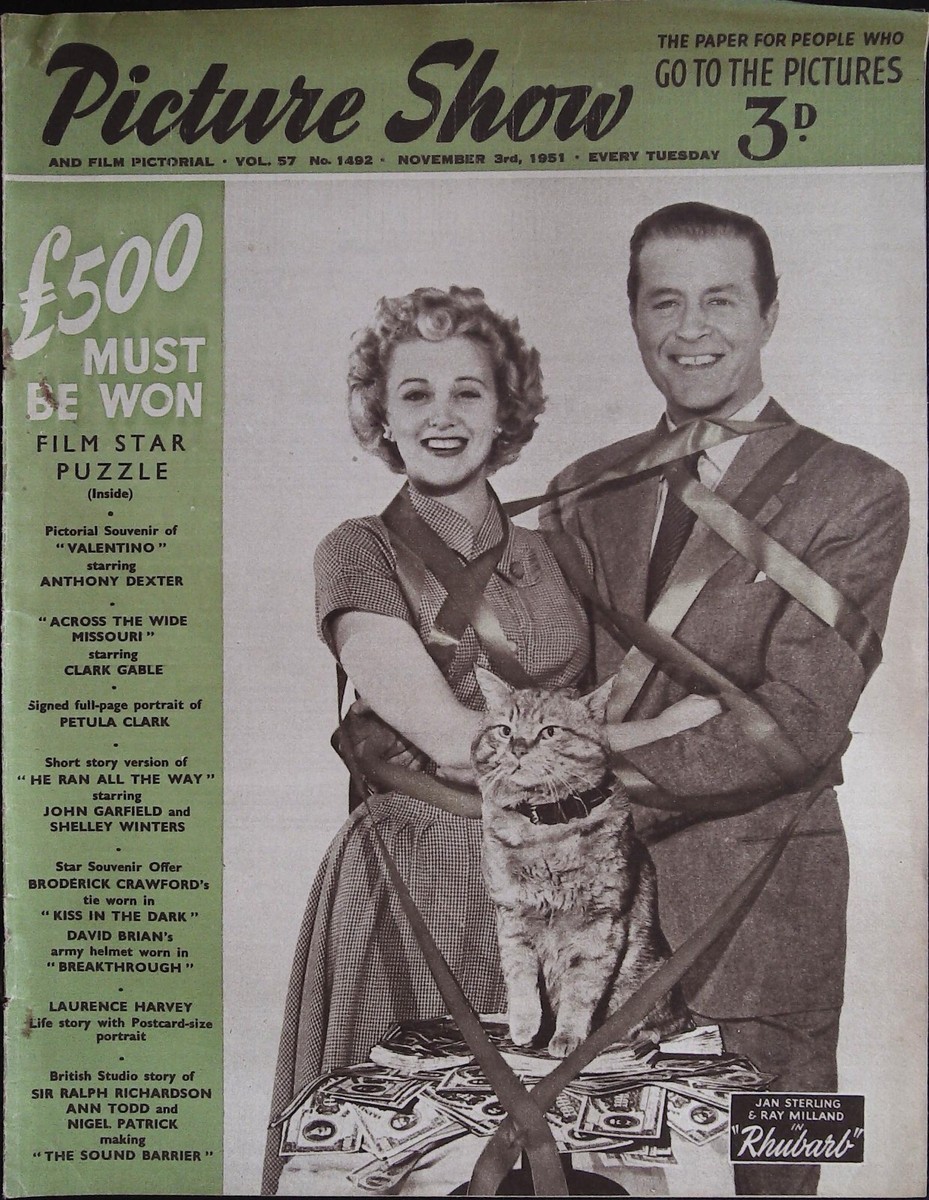
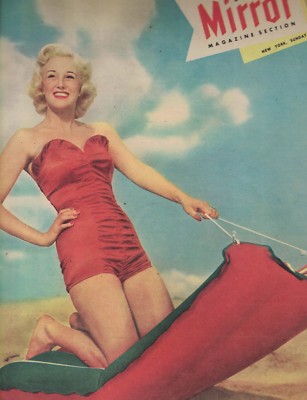
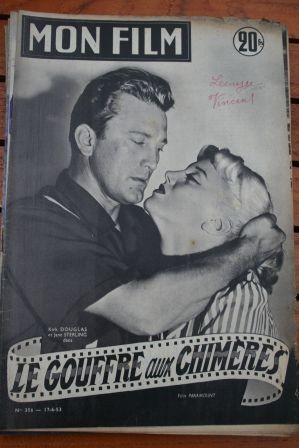
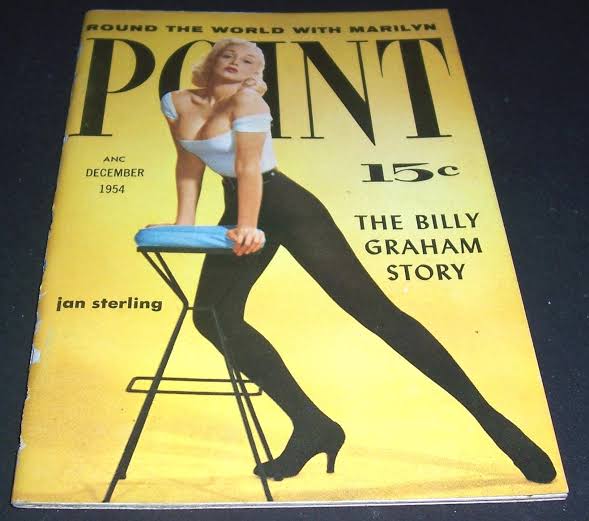
While many of her 1950s contemporaries were marketed as either the “girl next door” or the “glamourous siren,” Jan Sterling (1921–2004) occupied a far more interesting and gritty space. She was the cinema’s premier “Hard-Luck Heroine.” With her icy blonde hair, sharp features, and a voice that carried a weary, cynical rasp, she became the go-to actress for playing women who had seen too much and expected too little.
Career Overview: From Park Avenue to Poverty Row
Sterling’s background was an ironic contrast to her screen persona; she was born into a wealthy family and educated in private schools in Europe. However, her acting was defined by a total lack of artifice.
The Broadway Foundation (1940s): She was a seasoned stage veteran before she ever stepped in front of a camera, appearing in hits like Born Yesterday. This gave her a technical “toughness” that Hollywood directors immediately noticed.
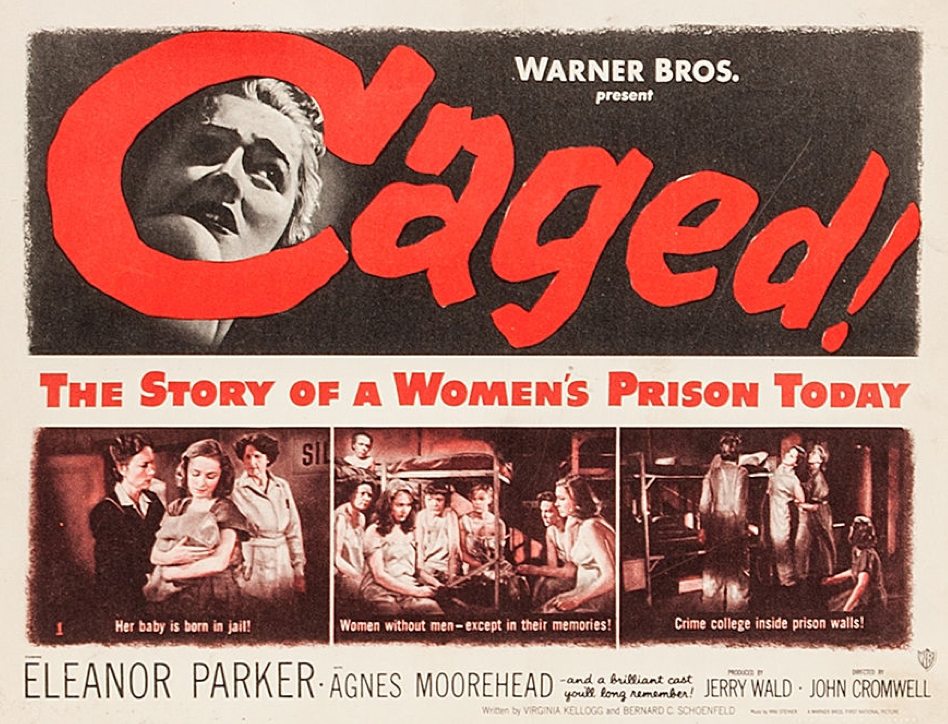
The Noir Queen (1950–1955): She became a staple of the Golden Age of Film Noir. Whether playing a manipulative “femme fatale” or a desperate victim, she brought a psychological depth to films like Union Station (1950) and Caged (1950).
The Career Peak: Ace in the Hole (1951): Under the direction of Billy Wilder, she delivered one of the most chillingly unsentimental performances in film history as Lorraine Minosa.
The Oscar Recognition: The High and the Mighty (1954): Playing a passenger facing death on a crippled airplane, she earned an Academy Award nomination for Best Supporting Actress, proving she could hold her own in a massive star-studded ensemble.
The Later Shift: Like many of her peers, she transitioned seamlessly into television during the 1960s and 70s, appearing in everything from The Alfred Hitchcock Hour to Guiding Light.
Detailed Critical Analysis: The “Brittle” Aesthetic
1. The Subversion of the Blonde Bombshell
In the era of Marilyn Monroe, Sterling represented the “Anti-Marilyn.” Where Monroe was soft and inviting, Sterling was sharp and defensive.
Analysis: Critics often praised Sterling for her “brittle” quality. She played women who used their sexuality as a shield rather than a lure. In Caged, as a hardened inmate, she used her physicality to show the dehumanizing effects of the prison system. She didn’t “soften” for the camera, which made her performances feel dangerously real to audiences used to studio-mandated charm.
2. The Masterclass in Misanthropy: Ace in the Hole
In Billy Wilder’s cynical masterpiece, Sterling plays the wife of a man trapped in a cave. Instead of the grieving spouse, she plays a woman who sees her husband’s plight as a meal ticket.
Critical Insight: Sterling’s performance is notable for its total lack of “pleading” for the audience’s sympathy. When she famously tells Kirk Douglas, “I don’t go to church… kneeling bags my nylons,” she delivers the line with a flat, devastating pragmatism. Critics hailed her for creating a character who was “pure ice,” representing the dark side of the American Dream.
3. The “Everywoman” of Anxiety
In films like The High and the Mighty, Sterling showcased her ability to play internalized terror.
Technical Analysis: Sterling was a master of the “tight” performance. She conveyed stress through the set of her shoulders and the stillness of her face. In an ensemble film, she managed to stand out by doing less than those around her. Her character’s realization of her own aging and faded beauty provided the film with its most poignant emotional beat.
4. The Vocal Texture of Experience
Sterling’s voice was one of her most potent tools. It wasn’t the melodic voice of a leading lady; it was the voice of a realist.
Critical View: Her vocal delivery was often described as “staccato” and “smoky.” She used her dialogue to cut through the sentimentality of a scene. This made her the perfect “Noir” protagonist—someone who could deliver a cynical one-liner with the weight of a life lived in the shadows.
Key Filmography & Critical Milestones
| Year | Title | Role | Note |
| 1950 | Caged | Jemma | A searing performance in a landmark “women in prison” film. |
| 1951 | Ace in the Hole | Lorraine Minosa | Her most critically acclaimed and iconic role. |
| 1954 | The High and the Mighty | Sally McKee | Academy Award Nomination for Best Supporting Actress. |
| 1955 | Female on the Beach | Amy Rawlinson | Showcased her “sophisticated noir” range opposite Joan Crawford. |
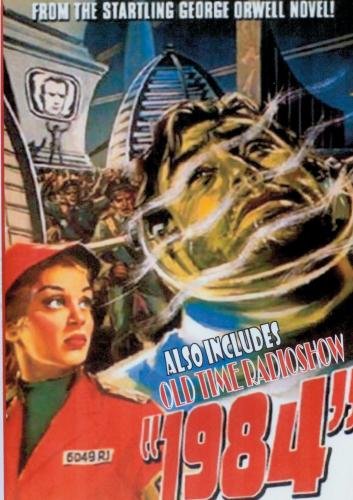
| 1956 | 1984 | Julia | A rare, intelligent lead in an early sci-fi classic. |
Jan Sterling brought a high-society intelligence to the roles of waitresses, convicts, and weary wives, proving that “toughness” was often just a mask for deep-seated vulnerability. While she never became a “superstar” in the traditional sense, her work remains a gold standard for unsentimental acting, and she is remembered as one of the most honest faces of 1950s cinema.
Jan Sterling’s “Prison” Legacy
Sterling was the first actress to make the “prison blonde” a figure of intellectual resistance. She didn’t play her inmates as “bad girls” for the sake of rebellion; she played them as rational actors responding to an irrational and cruel system.
Critics have noted that Sterling’s work in this genre was “un-glamourous” in a way that was revolutionary for the time. She allowed herself to be filmed in harsh, overhead lighting with messy hair and no makeup, prioritizing the authenticity of the cage over the vanity of the star