




The independent obituary in 1994
Janet Margolin, actress, born New York City 25 July 1943; married Ted Wass (one son, one daughter); died Los Angeles 17 December 1993.
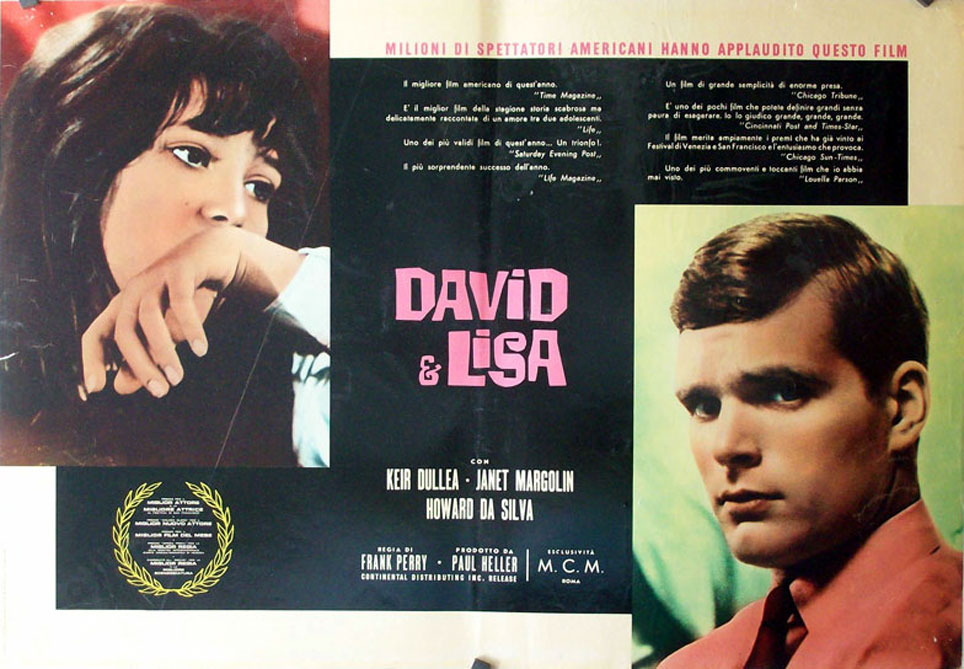
THOUGH forgotten now, David and Lisa (1962) was one of the first American ‘art’ movies, financed independently and shown in cinemas which usually programmed foreign films. Its subject was not the sort the studios favoured: the faltering steps towards love of a teenage couple in a mental home. The boy, Keir Dullea, was neurotic about any physical contact; the girl behaved like a wild thing except when speaking, which she tended to do in verse. She was played by Janet Margolin, who was chosen by Frank and Eleanor Perry after seeing her in a similar role in Daughter of Silence on Broadway.
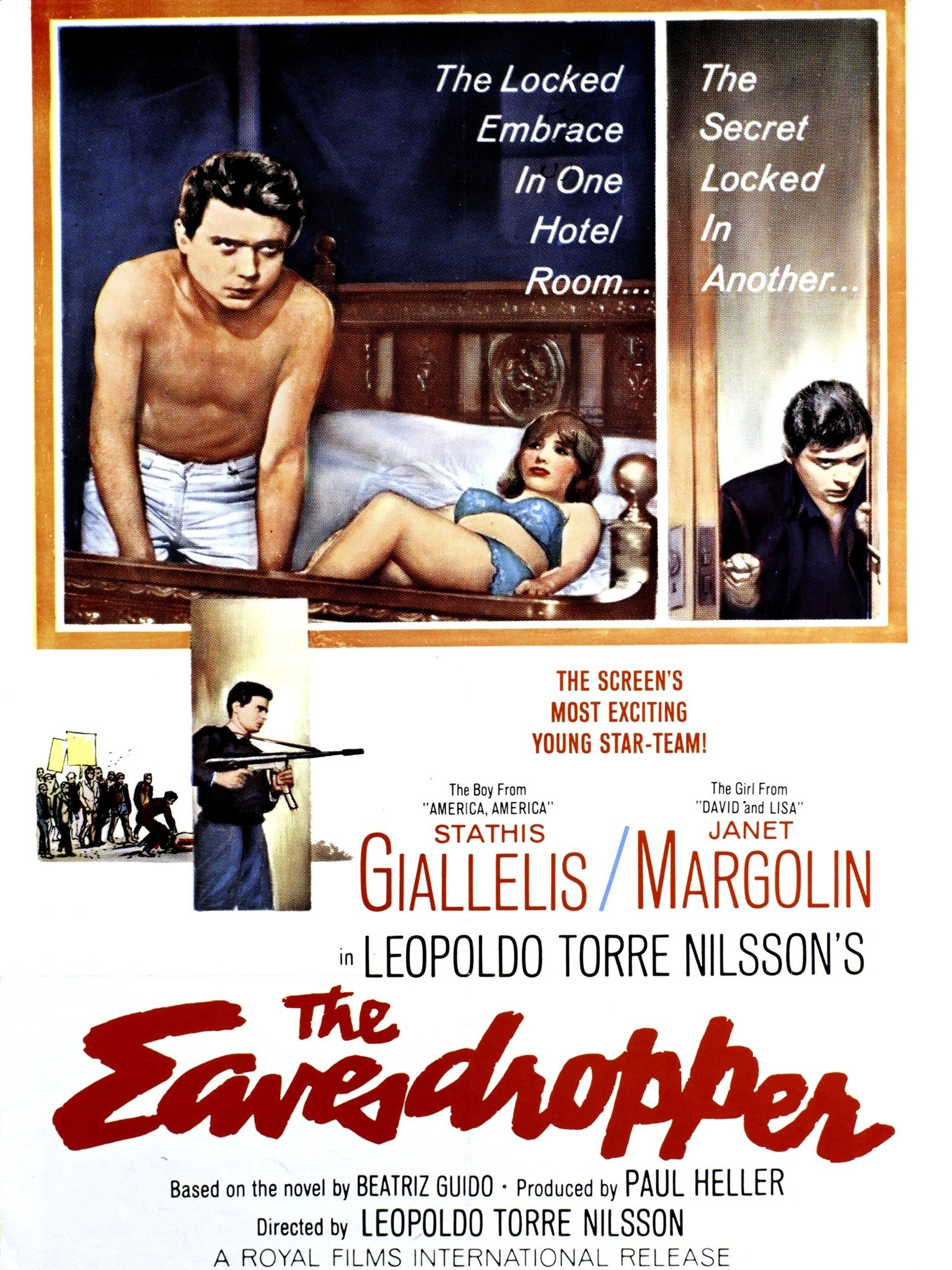
Margolin won the Best Actress award at the San Francisco festival, drawing Hollywood’s attention. Indeed, the American reception for the film – if not equalled abroad – presaged major careers for all concerned. Margolin, however, hesitated, and went to Argentina to play the childhood friend of a young Fascist terrorist. This was El Ojo de la Cerradura (The Eavesdropper, 1964), made by another husband-and-wife director-writer team, Leopoldo Torte Nilsson and Beatriz Guido. It too is forgotten, but in this case unjustly: Torre Nilsson was an uneven director who at his best could combine artifice, corruption, obsession and claustrophobia in a way that was uniquely his – when compared, even, to Bunuel.
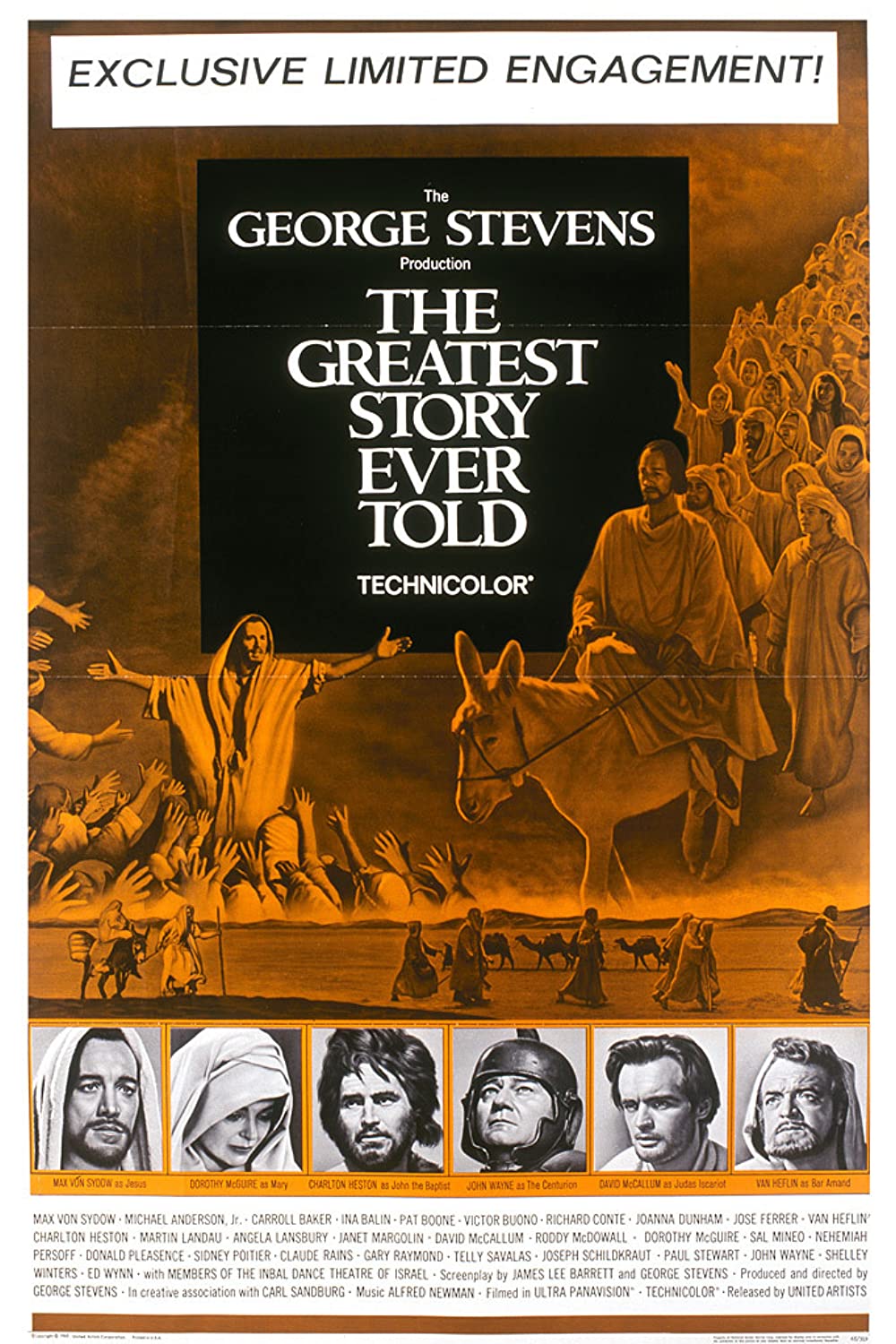
Arriving at last in Hollywood, Margolin was one of the many names in George Stevens’s The Greatest Story Ever Told (1965), Mary to the Martha of Ina Balin and the Jesus of Max Von Sydow. The film’s reception was not what had been hoped for, and as much may be said of Morituri or The Saboteur: Code Name Morituri, as it was renamed after flopping initially. The star was Marlon Brando, proving to be fallible as a member of the Gestapo on a German cargo-ship bound for Tokyo in 1942. Margolin, as a Jewish prisoner, had her finest screen chance but was not controlled by the director, Bernhard Wicki.
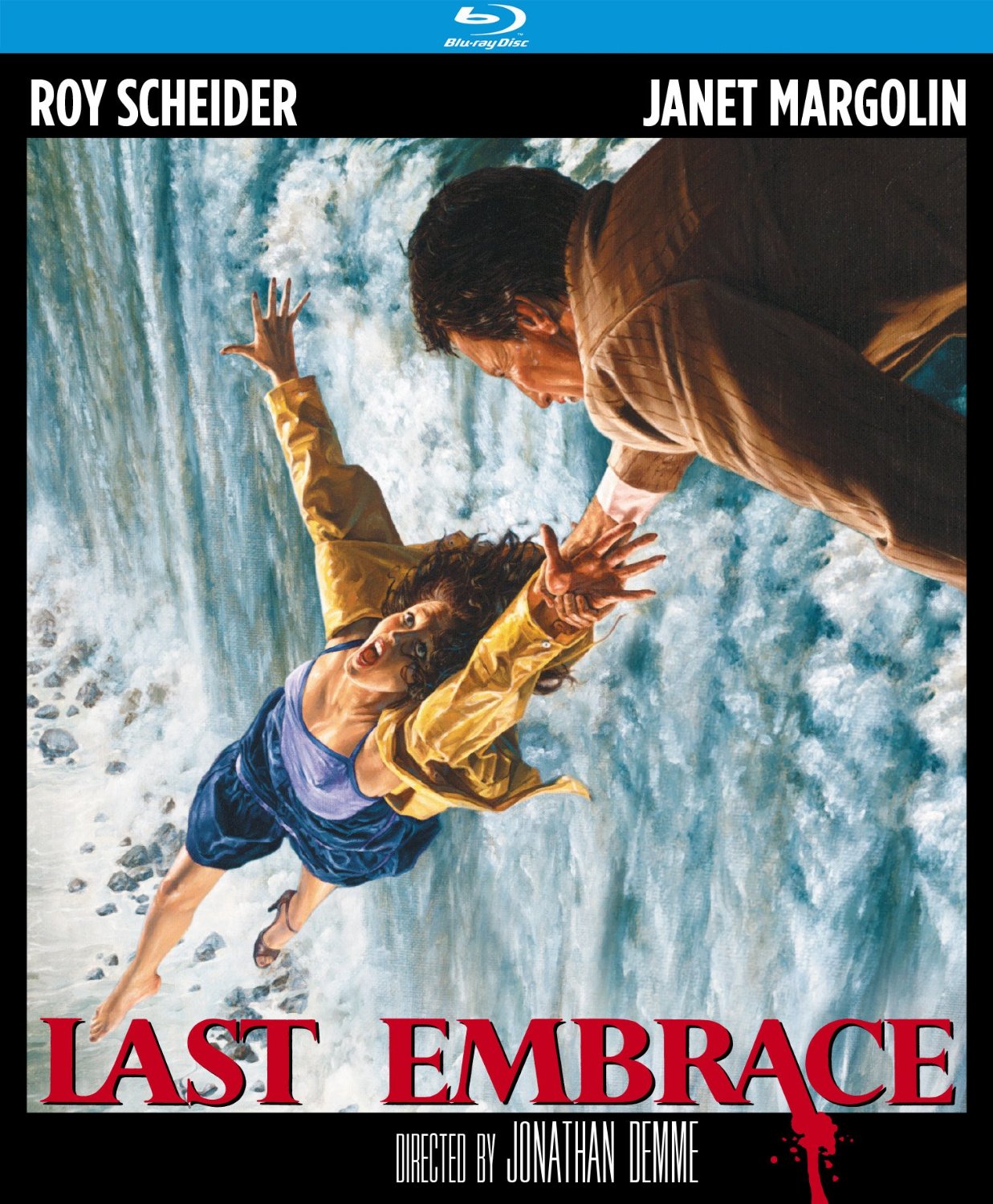
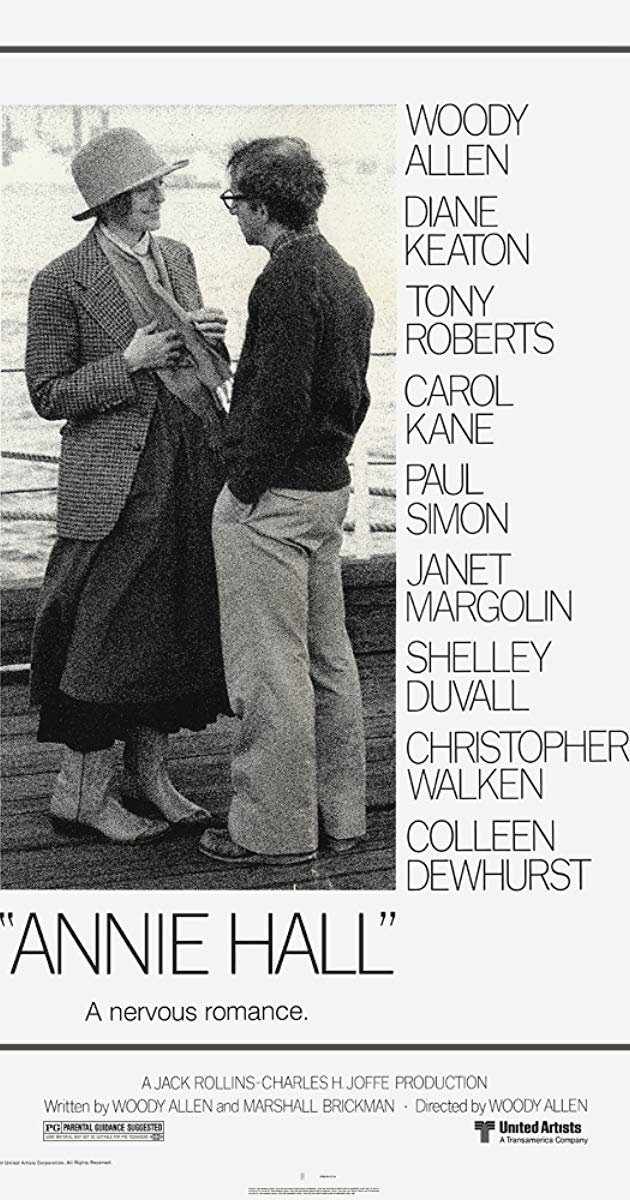
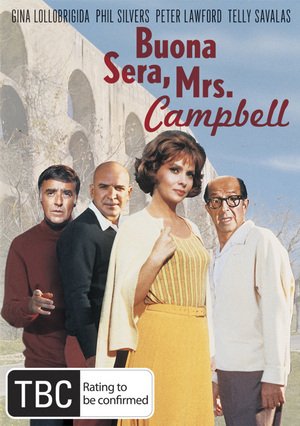
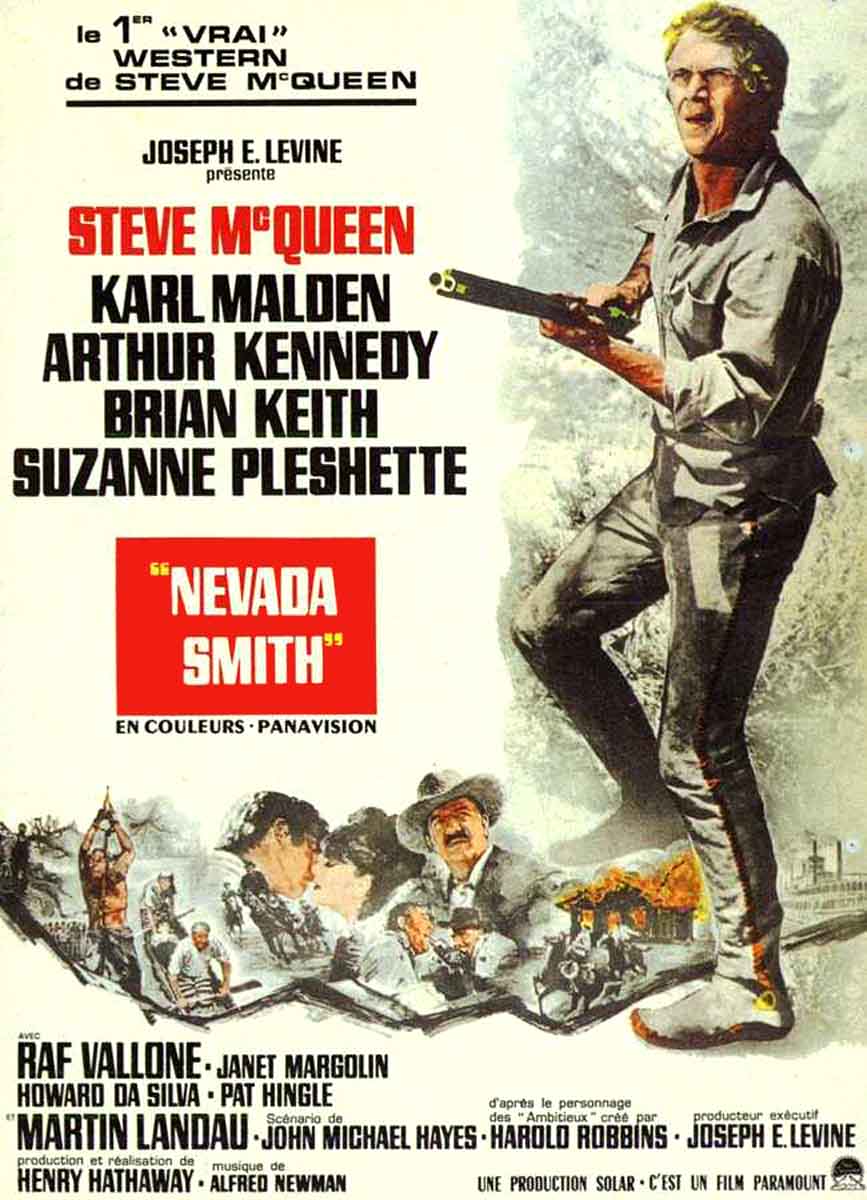
Had she been – to judge her from her sensitive performances in her first two films – she might have become a star. The failure of these two didn’t help, and she was to make only just under a dozen in all – for the cinema, that is, since she was active in television. She may be remembered for Nevada Smith (1966), as an Indian girl nursing Steve McQueen back to health; Buona Sera, Mrs Campbell (1968), as the Neapolitan daughter of Gina Lollobrigida and any one of the three ex-GIs from whom she is claiming maintenance; and, notably, as the anthropology student who is a delight and then a danger to Roy Scheider in Jonathan Demme’s clever thriller Last Embrace (1979), surprising both us and him by her whore’s make-up and suspender-belt in reel seven. She was also Woody Allen’s wife in Take the Money and Run (1969), but when he sent for her again she was a woman who had only briefly featured in his life. This was Annie Hall (1977), the semi-autobiographical account of his affair with Diane Keaton, who starred
The career of Janet Margolin (1943–1993) is often described by critics as a study in “luminous fragility.” While she possessed the classic beauty of a leading lady, she consistently chose roles—or was drawn to characters—defined by deep psychological complexity, neurosis, and a haunting, wide-eyed vulnerability.
Career Overview: From the Actors Studio to Woody Allen
Margolin was a true New York actress, discovered at age 18 while attending the High School of Performing Arts.
The Meteoric Start (1962): Her film debut in Frank Perry’s David and Lisa was a cultural touchstone. Playing a schizophrenic girl who can only be touched if she is spoken to in rhyme, Margolin became an overnight sensation and earned a Golden Globe nomination.
The Continental Era (1960s): Following her debut, she became a favorite of international directors. She played the daughter of a Jewish survivor in Sidney Lumet’s The Pawnbroker (1964) and appeared in the biblical epic The Greatest Story Ever Told (1965).
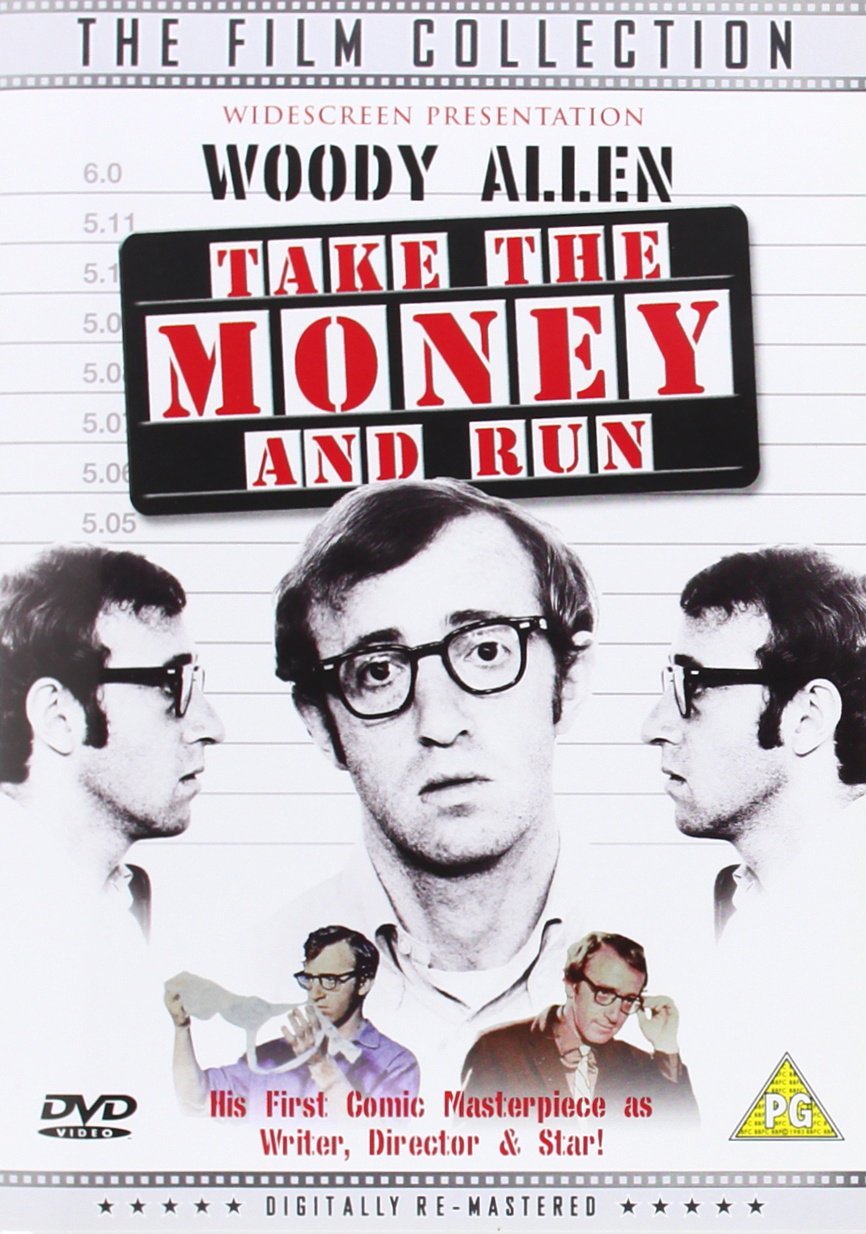
The Woody Allen Muse (1969–1977): Margolin found a second wave of fame as a comedic foil to Woody Allen. She starred in his directorial debut Take the Money and Run (1969) and later played his trend-obsessed, intellectual ex-wife in the Oscar-winning Annie Hall (1977).
Final Years: She worked steadily in television and film (notably Ghostbusters II) before her untimely death from ovarian cancer at age 50.
Detailed Critical Analysis: The “Broken” Ingenue
1. The Architecture of Silence
Margolin’s greatest strength was her ability to convey a character’s entire history through her eyes. In David and Lisa, she manages to make “Lisa” feel like a person rather than a medical condition.
Analysis: Critics noted that Margolin didn’t play “crazy” with the usual Hollywood tics. Instead, she used a withdrawn stillness. Her performance was revolutionary for the time because it invited empathy rather than pity, helping to shift the 1960s cinematic portrayal of mental health toward a more humanistic lens.
2. The Moral Compass in The Pawnbroker
In Sidney Lumet’s harrowing study of Holocaust trauma, Margolin plays a social worker trying to reach Rod Steiger’s numbed protagonist.
Critical Insight: She serves as the film’s “emotional light.” Against Steiger’s brutal, locked-down performance, Margolin provides a soft, persistent humanity. Critics praised her for not being “syrupy”—she played the character with a professional intelligence that made her eventual failure to reach him all the more tragic.
3. Subverting the “Love Interest” in Comedy
In Take the Money and Run, Margolin plays Louise, a laundress who falls for a bumbling bank robber.
Analysis: What makes this performance critically interesting is her sincerity. In a film filled with slapstick and absurdism, Margolin plays the romance completely straight. By being the “grounding wire” for Woody Allen’s neurosis, she allowed the comedy to feel rooted in reality. This “earnest-vs-absurd” dynamic became a staple of 1970s romantic comedies.
4. The “Intellectual Satire” of Annie Hall
As Robin in Annie Hall, Margolin delivered a brief but razor-sharp performance as a New York intellectual obsessed with cultural status and “the journal.”
Analysis: This role displayed a range her earlier “victim” roles hadn’t allowed. She proved she could play sharp, cold, and satirically funny. She captured the specific “uptown” pretension of the era with such accuracy that the character remains a standout in an ensemble filled with heavyweights