

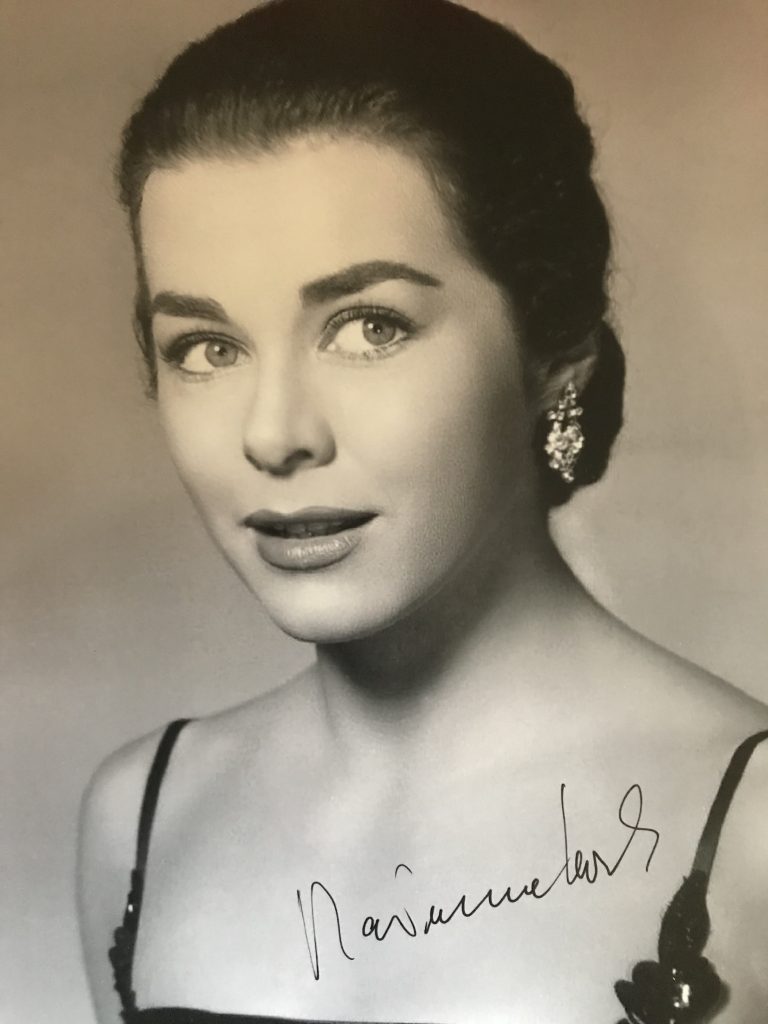
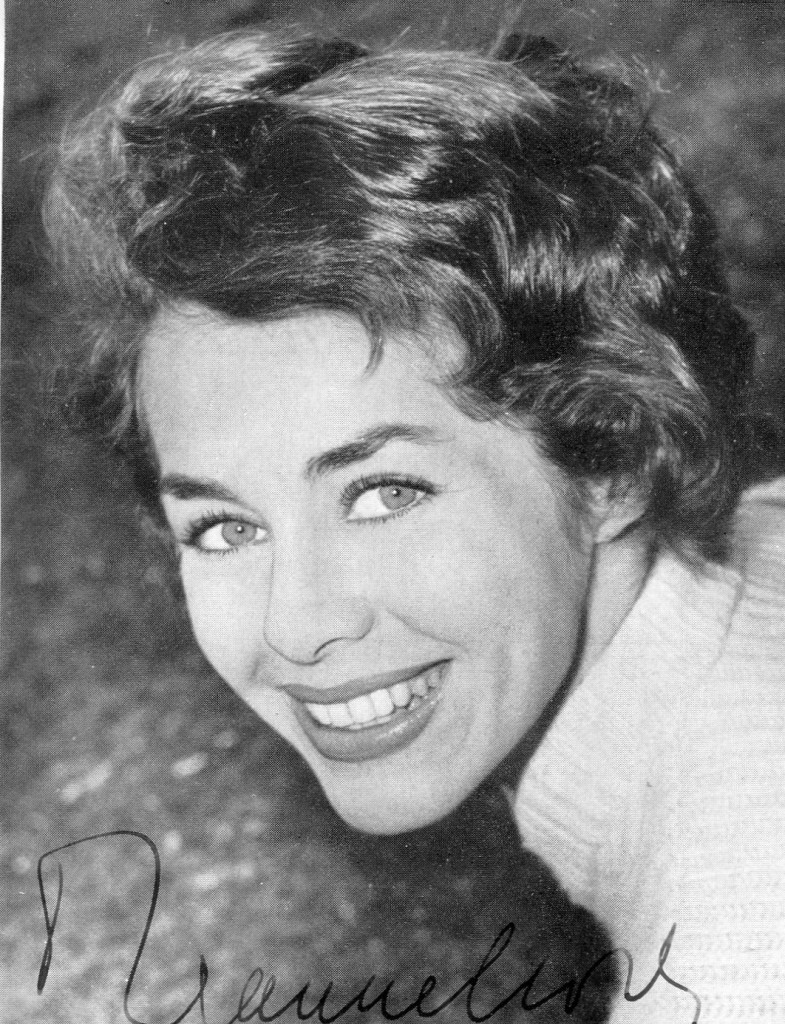
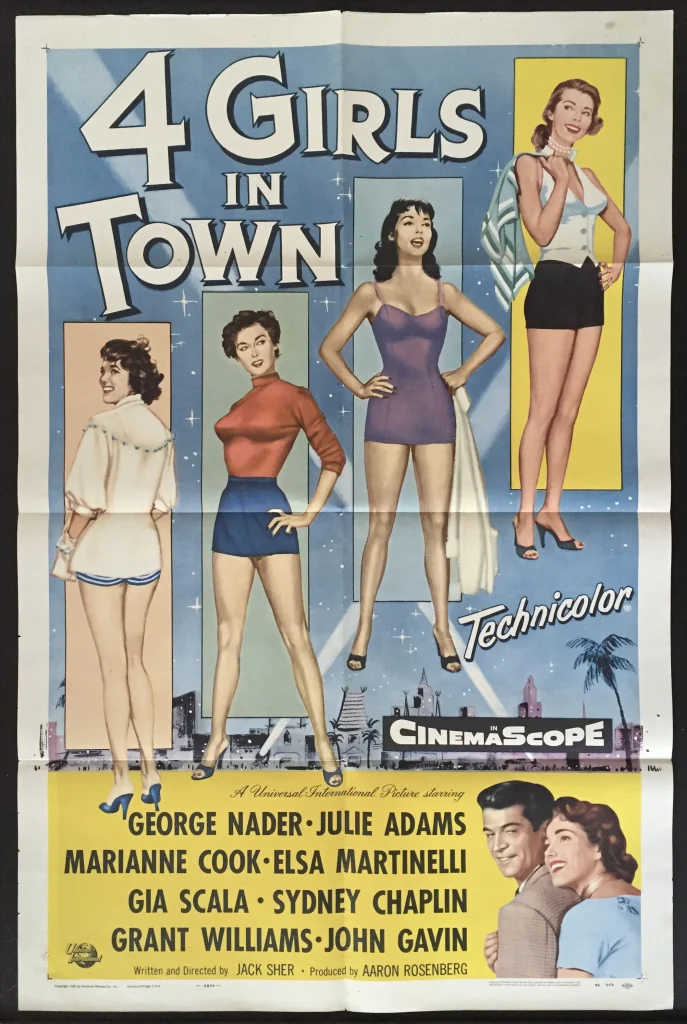
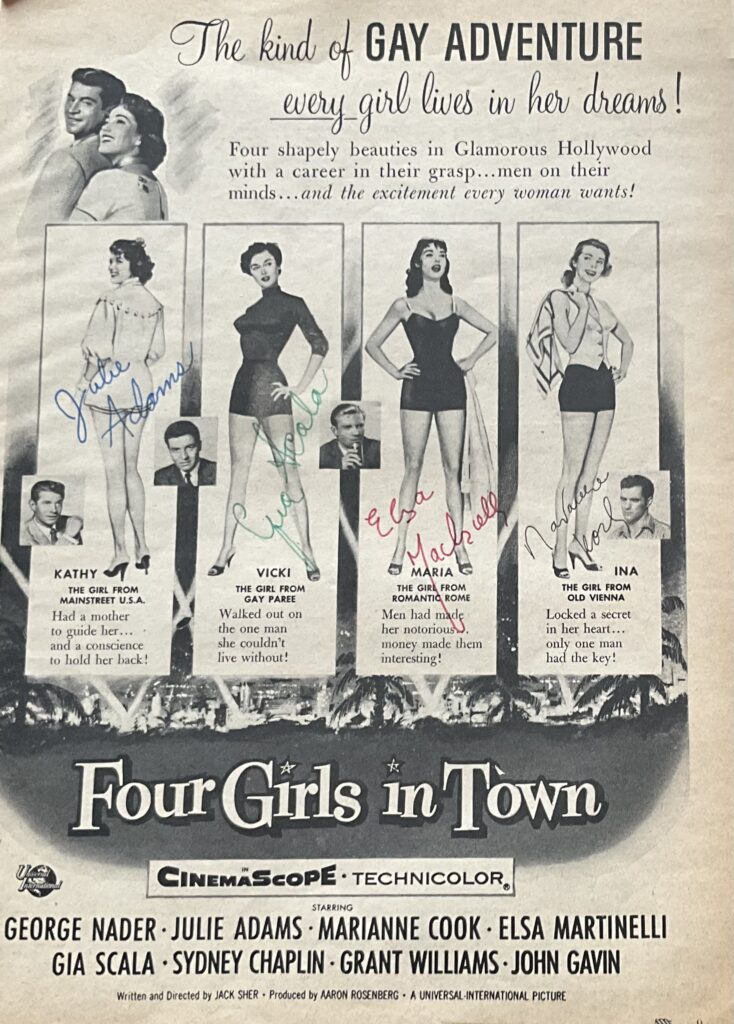
Marianne Koch was born in 1930 in Munich, Germany. She made her film debut in Germany in 1950 in “The Man Who Wanted to Live Twice”. In 1957 she travelled to Hollywood to join Elsa Martinelli, Julie Adams and Gia Scala in “Four Girls in Town” for Universal Studios. She did not stay in the U.S> but resumed her career in Europe. She starred with Rosanno Brazzi and June Allyson in “Interlude” and with Clint Eastwood in “A Fistful of Dollars”. She retired from acting to return to study to be a medical doctor and she practised that occupation for many years.
Marianne Koch (born 1931) is a German actress, TV personality, and later physician whose brief but busy film career spanned the 1950s and 1960s before she left the screen for medicine and broadcasting. She is best known internationally for her role in Sergio Leone’s A Fistful of Dollars, but she had already been a leading lady in German and European cinema for more than a decade, and her work combines the polish of mid‑century studio style with the emerging moral unease of the spaghetti‑western era.
Early career in German and European cinema
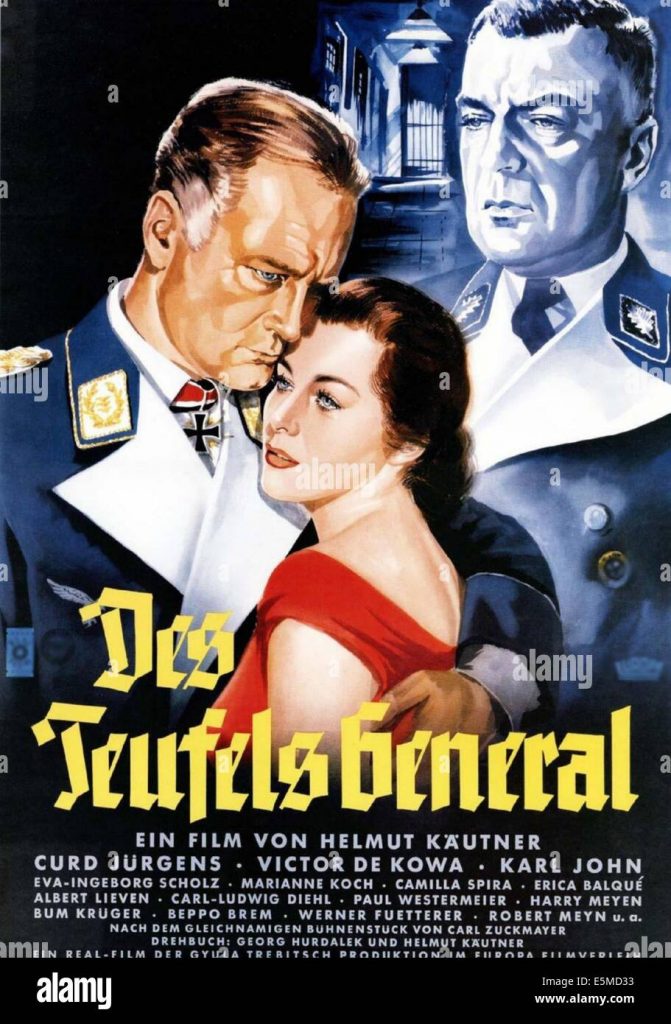
Koch began acting in 1950 and quickly became a familiar face in West German postwar films, often in light‑to‑dramatic roles that reflected the country’s cautious return to bourgeois‑respectable entertainment. Her early credits include My Friend the Thief (1951), The Chaste Libertine (1952), and Dark Clouds Over the Dachstein (1953), all of which cast her as a young, often romantic or troubled woman caught in social or emotional conflict.
By the mid‑1950s she was starring in more substantial dramas, including … und nichts als die Wahrheit (1958), a courtroom‑style morality story, and Die Landärztin (1958), where she played a doctor, a role that later echoed her real‑life medical career. These parts show her leaning toward intelligent, morally centered women who serve as emotional anchors in family‑centred narratives, a pattern that would recur in her later work.
Hollywood and transatlantic roles
Though based in Germany, Koch also appeared in American or American‑linked productions, giving her an unusual cross‑Atlantic profile for a Continental actress of her generation. Her first major English‑language role was in the 1954 espionage thriller Night People, starring Gregory Peck, where she played a supporting part that critics and retrospectives often describe as “haunting” and understatedly intense.
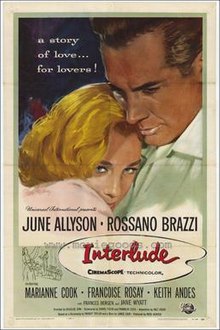
She later appeared in the Hollywood‑style dramas Four Girls in Town (1957) and Interlude(1957), both of which follow a cluster of women in morally complex situations and showcase her ability to project both glamour and emotional restraint. In these films she functions less as a conventional starlet and more as a thoughtful, sometimes vulnerable woman whose presence underlines the emotional stakes of the plot, a mode that critics later see as a bridge between classical‑style Hollywood and the more psychological European film drama she would move toward.
International breakthrough: A Fistful of Dollars
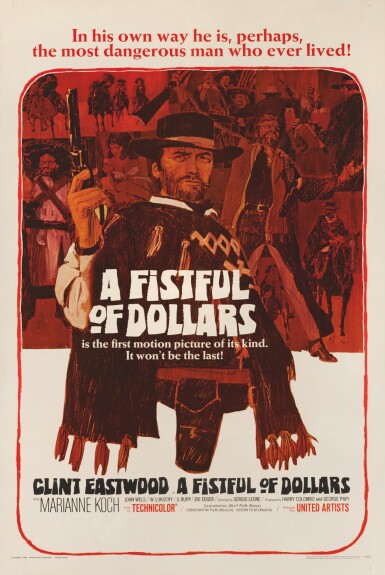
Koch’s best‑known role is Marisol, the tormented villager in Sergio Leone’s A Fistful of Dollars (1964), a breakthrough spaghetti western that helped redefine the genre and made Clint Eastwood an international star. She plays a woman held captive by one of two feuding gangs, torn between her captive husband and child and the predatory men around her, until Eastwood’s “Man with No Name” intervenes.
Critically, her performance is often praised for its quiet, unsentimental suffering: she brings a genuine sense of terror and exhaustion to the role, avoiding histrionics despite the film’s exaggerated violence and melodrama. Her Marisol is less a “virtuous captive” in the traditional Western mould and more a civilian casualty of a brutal, morally bankrupt frontier, aligning her with the film’s darker, more cynical outlook. Feminist‑oriented readings sometimes note that her body and family are treated as bargaining chips between male gangs, but that her performance still manages to suggest a woman trying to preserve what dignity and agency she can, even when she has almost no power.
Because the film became a classic and one of the highest‑rated entries in her filmography, many overviews treat this role as the peak of her acting career, even though she had already been a leading lady for years. Yet, viewed alongside her earlier work, A Fistful of Dollars can be read as a culmination of her typecasting as the “moral center” of a morally compromised world: the woman who bears the emotional cost of the male‑driven action while staying emotionally credible and restrained.
Later 1960s films and genre work
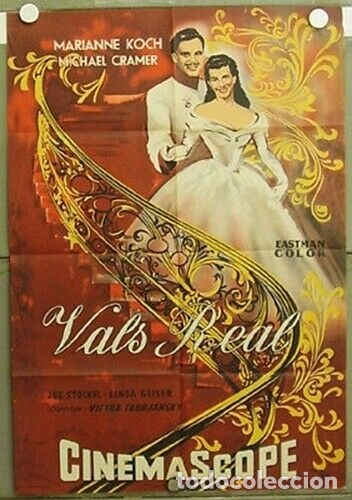
After A Fistful of Dollars, Koch continued to appear in a mix of German‑centric and European‑co‑production genre films, often adventure, crime, or melodrama. Titles such as Spotlight on a Murderer (1961), Blind Justice (1961), Napoleon II, the Eagle (1961), Die Fledermaus (1962), and several African‑set or exotic‑location features show her moving between courtroom drama, historical costume, operetta, and colonial‑era adventure.
In these films her critical profile is more background: reviewers rarely single her out as the main draw, but they often describe her as “reliable” and “convincing,” especially in parts where she plays doctors, aristocrats, or rational women navigating chaotic or corrupt worlds. In pictures like The Black Panther of Ratana, Death Drums Along the River, and Sandy the Seal, she embodies the educated, often medical professional who represents European order on the frontier, a figure that carries both authority and complicity in the colonial context. Her presence in such roles tends to humanize the genre material, giving it a touch of emotional realism that critics note without always granting her full auteur‑or‑star‑type prominence.
Television, talk‑show hosting, and retirement from acting
In Germany, Koch’s fame was just as much tied to television as to film. For many years she was a regular panelist on Was bin ich?, the German version of What’s My Line?, which ran from the 1950s to 1廿88 and at its peak reached enormous audience shares. Her association with this beloved game show made her one of the best‑known, most trusted faces on German TV, cementing her image as an intelligent, poised, and good‑humoured public figure.
In 1971 she retired from acting, having appeared in more than 65 films between 1950 and 1971, and returned to her interrupted medical studies. She earned her medical degree in 1974 and practiced as an internal‑medicine specialist in Munich until 1997, while also working as a TV host—including on the early German talk show 3 nach 9, for which she won a Grimme‑Preis, one of the country’s top television awards. This second career underlines that her public persona was never limited to glamour; she became a cultural figure known for competence, seriousness, and social responsibility.
Critical reputation and performance style
Critically, Marianne Koch is generally regarded as a versatile, respectable character actress whose work sits at the intersection of mainstream German cinema, international adventure films, and the early spaghetti‑western boom. Her acting style is marked by emotional restraint, clear diction, and a subtle, watchful expressiveness: she rarely overplays, and her reactions convey moral judgment and psychological complexity without needing monologues.
Her career is often read as an example of an actress who successfully navigated several modes—romantic melodrama, courtroom and social‑issue films, colonial‑era adventure, and finally the genre‑bending spaghetti‑western—without ever becoming a purely typecast “sexy lead.” At the same time, she never quite broke into the very top tier of international stardom, and her legacy is now more that of a quietly significant figure in 1950s–60s European cinema than of a widely studied auteur‑favourite in the way some of her contemporaries are.
In sum, Marianne Koch’s career is best understood as that of an intelligent, adaptable leading lady who moved from German‑language drama into transatlantic and genre work, leaving her most indelible mark in A Fistful of Dollars while maintaining a broader, more grounded presence in European popular cinema and television