

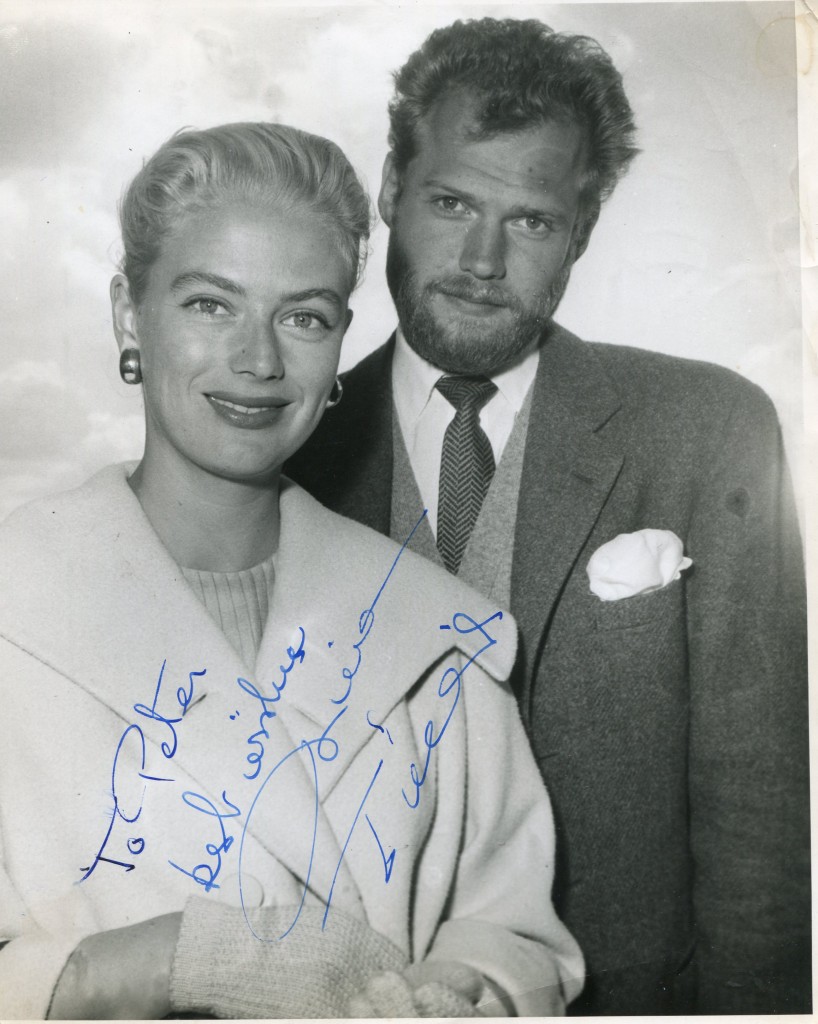
Nina Van Pallandt

Nina Van Pallandt & Frederick

Nina & Frederick

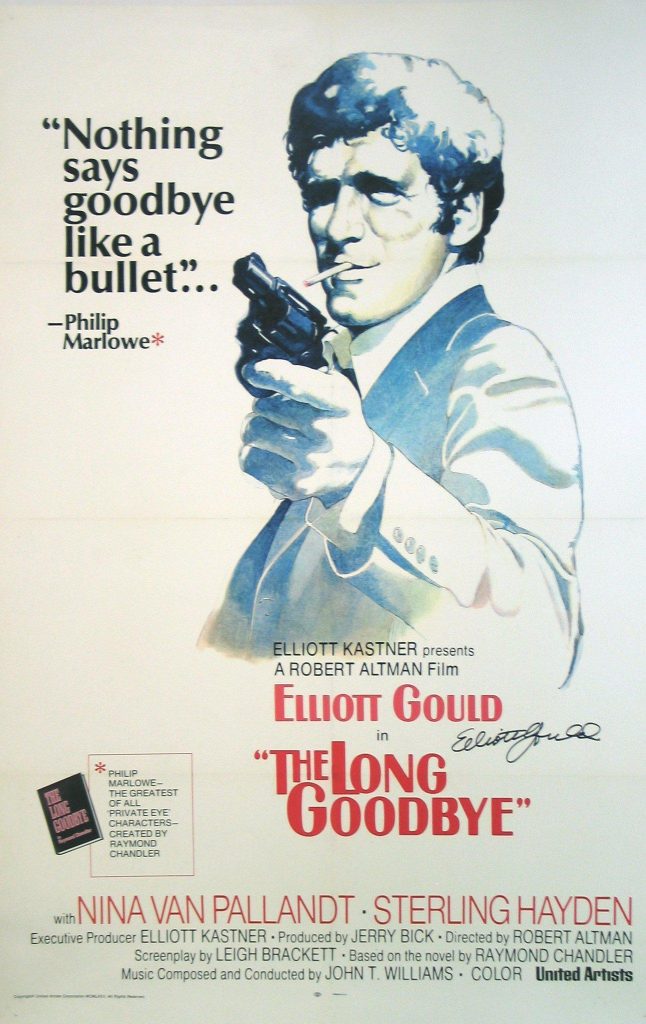
Nina Van Pallandt was born in 1932 in Denmark. She and her husband were a famous folk duo in the early 1960’s and were known as ‘Nina and Frederick’. She had a leading role in 1973 in Robert Altman’s Philip Marlowe Private Eye’s “The Long Goodbye” with Elliot Gould. She also starred with Paul Newman in “Quintet” in 1979 and “American Gigolo” opposite Richard Gere in 1980.

IMDB Entry:
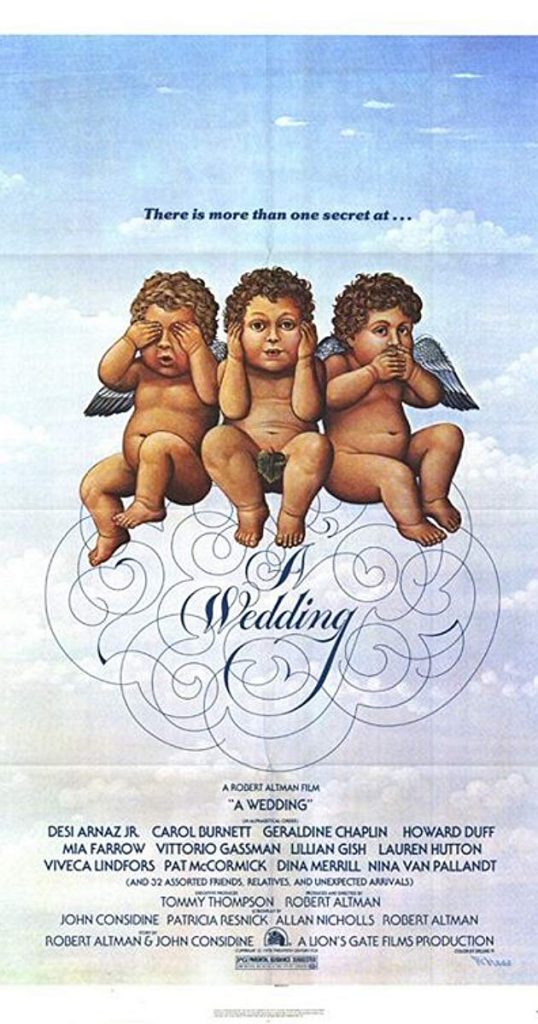
Nina Van Pallandt became famous in the United States in the early 1970s as the mistress of hoaxer Clifford Irving, who went to jail when his biography of Howard Hughes, allegedly written with Hughes’ co-operation, proved to be a fake when Hughes himself came out of seclusion to repudiate the work. Van Pallandt helped expose Irving’s fraud by revealing that he was vacationing with her in Mexico at the time he was allegedly interviewing Hughes. She appears, as herself, in Orson Welles‘ non-fiction film “F For Fake” (F for Fake (1973)). Van Pallandt was known in Europe as a singer of folk songs before her involvement with Irving and subsequent film career, having been married to her fellow folk singer, Baron Frederik van Pallandt, with whom she toured Europe and had many hit records as “Nina & Frederik”. The height of Van Pallandt’s film career was her appearance in four Robert Altman movies: The Long Goodbye (1973), A Wedding (1978), Quintet (1979) and O.C. and Stiggs (1985).

– IMDb Mini Biography By: Guy Lazarus

Frederick obituary from 1994 in “The Independent”:
Frederik had not performed together for nearly 30 years. But the death of Frederik van Pallandt in what police in the Philippines have described as a mysterious professional killing, brings to a final end an era of sweet, slightly folk-tinged singing that, in their heyday, placed van Pallandt and his then wife Nina at the top of the international popular music tree, with sell-out Royal Albert Hall concerts, and at least five chart entries (one song twice) between 1959 and 1961.
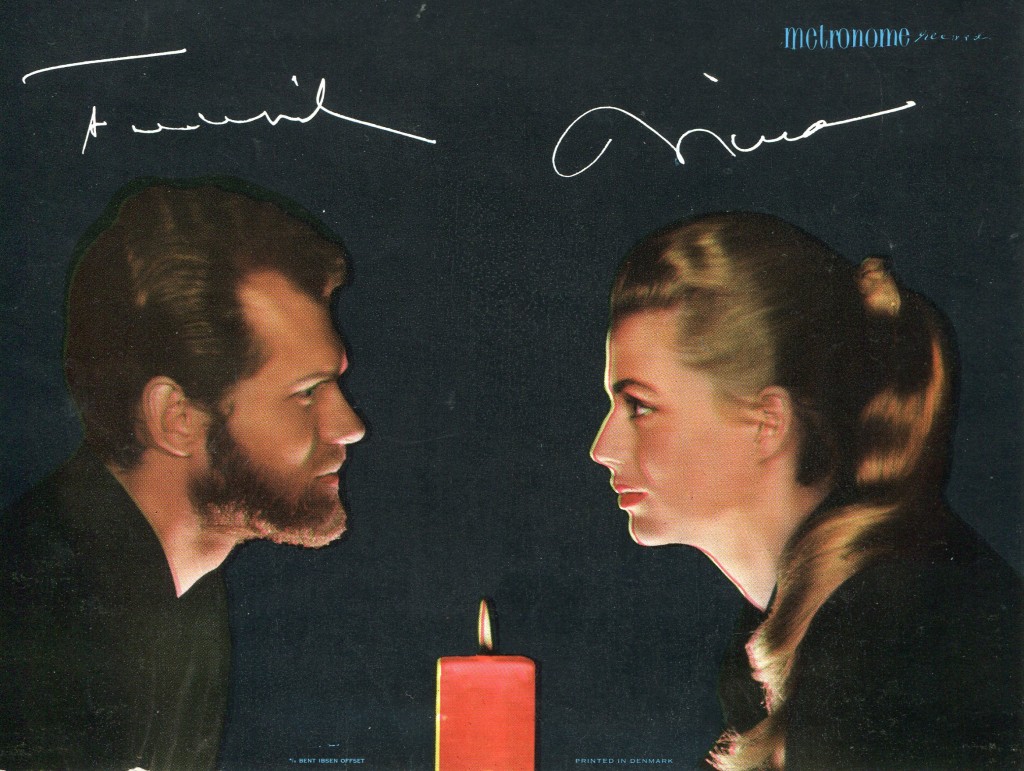
Nina & Frederick
Nina & Frederick

They first made their mark in Britain at Christmas 1959 with a revival of ‘Mary’s Boy Child’, which had been a hit for Harry Belafonte two years earlier, followed by another religious song, ‘Little Donkey’, which was in the charts for 10 weeks between November 1960 and February 1961. It reached No 3. They released two different albums called Nina and Frederik, the first of them reaching the Top 10 for albums in February 1960, and the second No 11 in April/May 1961.
Much was made of their aristocratic origins. Frederik was a baron, and the son of a former Ambassador for the Netherlands to Denmark, and Nina had simliar connections with the Danish and American social registers. Though they principally used material from the Third World – like another Belafonte hit, ‘Long Time Boy’, in September 1961, and ‘Sucu Sucu’ the following month – they were really part of the soft underbelly of folk, represented by a number of such duos – one thinks immediately of the Israeli Ofarim, who had a similarly glamorous woman partner with a pretty-boy male counterpart – whose hegemony was decisively put to an end by the tongue-in-cheek antics of Sonny and Cher, as well as the more carefully crafted tones of Peter Paul and Mary.
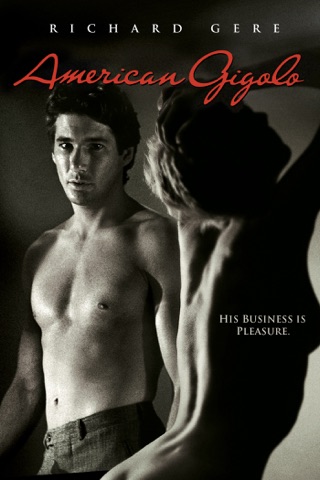
But it was not a shift in musical tast that dislodged them from their brief pinnacle of fame. Never particularly fond of the spotlight that success shone upon their lives, Frederik broke up the partnership by insisting that they retire, though Nina carved out a solo career for herself thereafter, followed by acting roles in films such as Robert Altman’s The Long Goodbye (1973) and A Wedding (1979), and Paul Schrader’s American Gigolo (1980).

Frederik invested his chart profits in a number of ventures, farming for a while in Ibiza – where Nina was a close neighbour – and becoming owner of Burke’s Peerage for a short time in 1979.
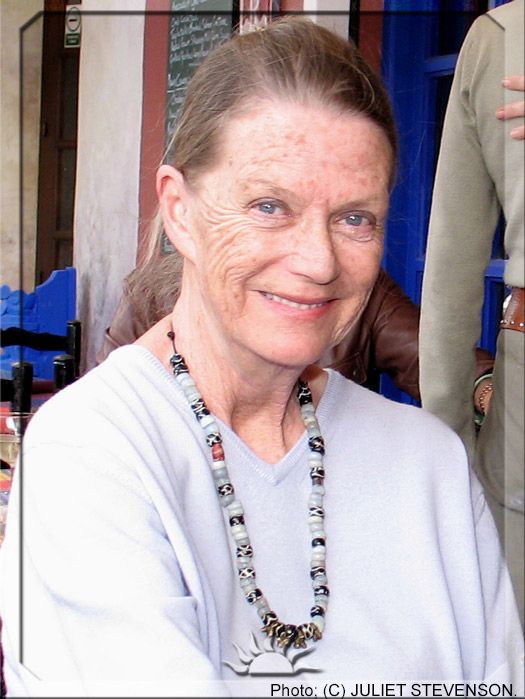
Though the couple separated and eventually divorced in 1976, they remained friends until Frederik’s death, from gunshot wounds, along with his second wife, Susannah. It was a measure of their continuing closeness that Nina flew out to the Philippines to bring his body home to Europe.

The above “Independent” obituary can also be accessed online here.
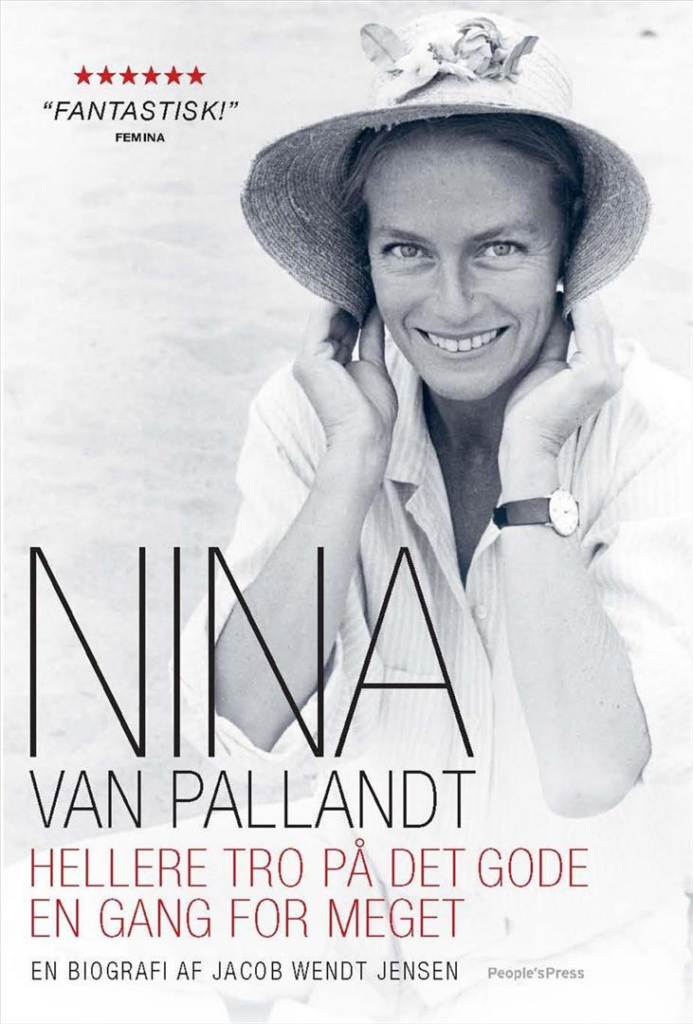
Career overview

Early life and music career

Born Nina Magdelena Møller in Copenhagen on July 15, 1932, Nina van Pallandt first gained renown not as an actress but as a singer. In the late 1950s she formed the duet Nina & Frederik with her then‑husband, the Dutch baron Frederik van Pallandt. Their easy‑listening blend of folk, calypso, and light pop—songs such as Little Donkey (1959) and Sucu Sucu (1961)—became chart successes in Britain and Europe. The duo’s sophisticated “Continental” image—cosmopolitan clothes, mellow harmonies, and gentle wit—made them regulars on European variety 

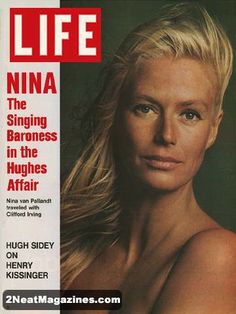
After separating from Frederik in the late 1960s, van Pallandt’s life took an unexpected turn when she became romantically involved with the writer Clifford Irving, who infamously forged a “Howard Hughes autobiography.” Her testimony—revealing that she was on holiday with Irving at the very time he claimed to be meeting Hughes—helped expose the fraud. The scandal paradoxically launched her into American public awareness; a 1972 Life magazine profile called her the “radiant survivor of the Hughes hoax.” She subsequently wrote a memoir and resumed performing in nightclubs 

Film career

The publicity led director Robert Altman to cast van Pallandt in The Long Goodbye (1973). As the ethereal, ambivalent Mrs. Wade, married to Sterling Hayden’s tormented writer, she brought ironic glamour and real emotional shading to what might have been a schematic “trophy‑wife” role. Critics—Pauline Kael among them—noted that when “Nina van Pallandt thrashes in the ocean, her pale‑orange butterfly sleeves rising above the surf, the movie becomes a rhapsody on romance and death” 

Altman cast her again in A Wedding (1978), Quintet (1979) and O.C. and Stiggs (1985), valuing her urbane intelligence and understated humor. She also appeared in Paul Schrader’s American Gigolo (1980), where her poised elegance contrasted with the film’s moral decadence. Television work (e.g. Ellery Queen, Tales of the Unexpected) and smaller international films continued into the late 1980s 

Later life

By the early 1990s van Pallandt had largely retired from acting. She remains based in Europe and is occasionally interviewed about both her musical career and the Irving affair.

Acting style and screen persona

Aristocratic ease and sly humor: On screen she projected what Pauline Kael called “aristocratic” allure—Nordic composure mixed with curiosity and wit. She could undercut cliché “glamour” with self‑deprecating timing.

Naturalism within stylization: Without formal dramatic training, she nonetheless possessed instinctive camera sense. Her performances in Altman’s films—where overlapping dialogue and improvisation reigned—benefited from her musicality and relaxed .

Critical analysis

Strengths

Screen presence tied to authenticity: Coming to acting late, van Pallandt appeared unforced; her idiosyncratic combination of Continental polish and natural empathy lent credibility to Altman’s ensemble worlds.

Musical sensibility: Her rhythmic instincts carried into dialogue delivery—phrases flow like musical phrases, creating an undercurrent of calm even in tension.

Adaptability: She moved convincingly between satire (A Wedding), dystopian allegory (Quintet), and glossy American noir (American Gigolo), bringing coherence through tone rather than technique.

Limitations

Niche casting: Producers often used her as shorthand for cultured European elegance, curtailing chances to explore broader emotional registers.

Reliance on persona over range: Her career thrived when directors like Altman framed her irony and restraint; in conventional dramas she could seem cool or elusive.

Late start and brevity: Beginning screen work in her forties, she built only a handful of major film credits, leaving her a cult, not canonical, figure.

Legacy and significance

A quintessential Altman collaborator: Her contributions to The Long Goodbye and A Wedding helped define the director’s mosaic approach: improvisational realism anchored by characters who suggest entire off‑screen lives.

Embodiment of trans‑Atlantic sophistication: Van Pallandt bridged European cabaret civility and New Hollywood irony—the poised outsider turning her own notoriety into art.

Cultural curiosity and resilience: Her trajectory—from chart‑topping singer to inadvertent whistle‑blower to respected character actress—mirrors post‑1960s shifts in fame and self‑invention.

Representative works to watch

1. The Long Goodbye (1973) – definitive film performance; ironic yet poignant.

2. A Wedding (1978) – ensemble satire showcasing her sharp comic timing.

3. Quintet (1979) – fragmentary but atmospheric late‑Altman role.

4. American Gigolo (1980) – icy elegance opposite Richard Gere.

5. Archival concert footage of Nina & Frederik (1959‑63) – reveals the musical poise that later informed her cinematic rhythm.

Summary

Nina van Pallandt’s career—spanning folk‑pop celebrity, tabloid scandal, and subtle 1970s film work—exemplifies how charisma, self‑possession, and humor can outweigh formal training. In music she was the embodiment of Continental chic; in film, she turned that same poise into ironic self‑commentary. Though her acting résumé is selective, her performances—particularly in The Long Goodbye—stand as models of how personal history, elegance, and understatement can fuse

Leave a Reply

Your email address will not be published. Required fields are marked *