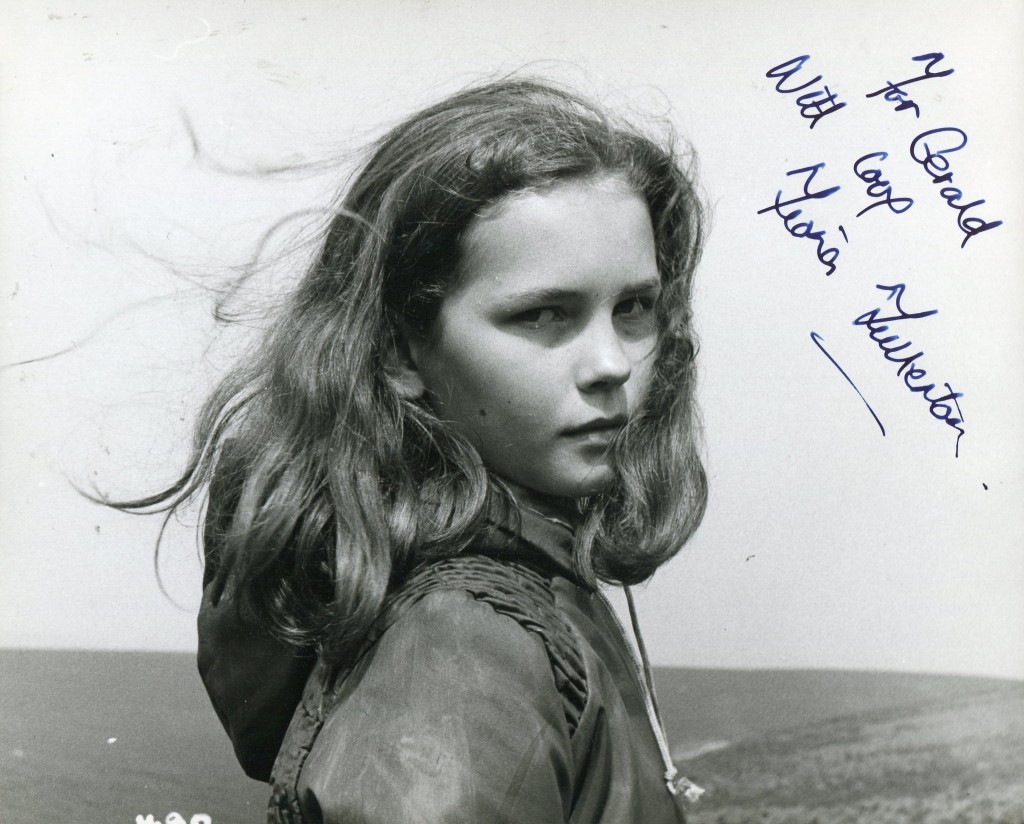
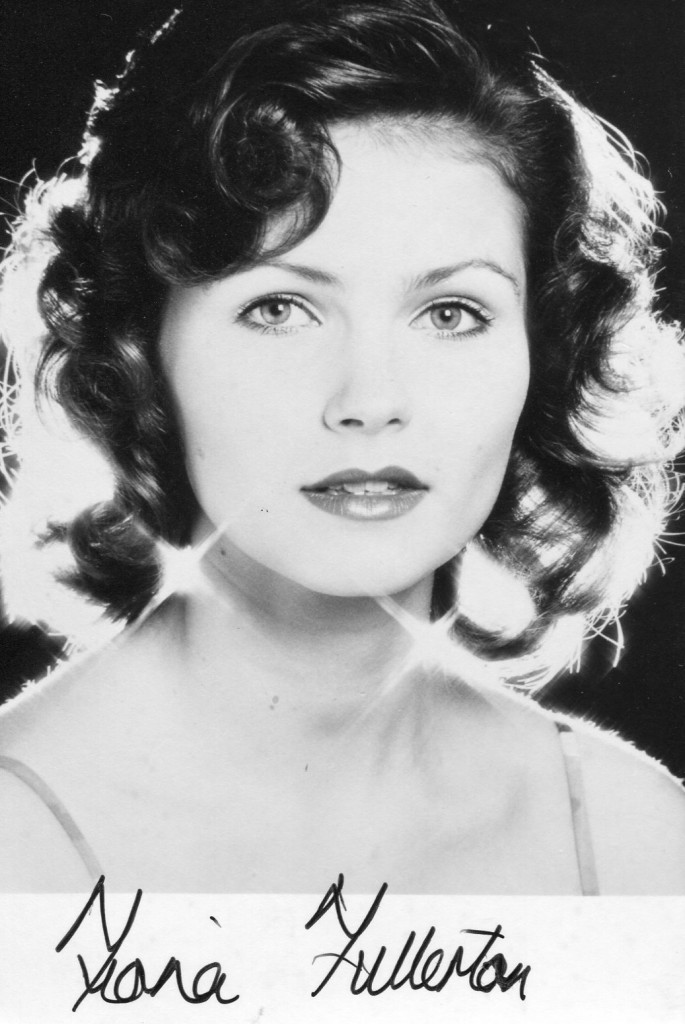
Fiona Fullerton (born 1956) is an actress whose career represents a quintessential arc of the British “Rose”: beginning as a prodigious child star, transitioning into a celebrated stage lead, and ultimately becoming a sophisticated fixture of international cinema and television. A critical analysis of her work reveals a performer of immense technical discipline and a “luminous” screen presence that often masked a sharp, pragmatic intelligence.
I. Career Overview: From Wonderland to High Espionage
1. The Prodigy (1969–1972)
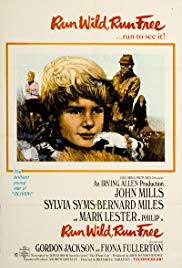
Fullerton’s ascent was remarkably rapid. Discovered at age 12, she made her film debut in Run Wild, Run Free (1969).
-
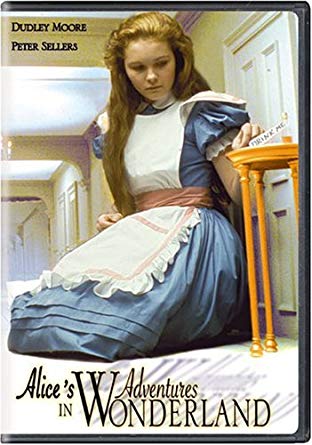
The Breakthrough: Her most iconic early role was the title character in Alice’s Adventures in Wonderland (1972). Opposite an all-star cast including Peter Sellers and Dudley Moore, the 15-year-old Fullerton provided the film’s essential, grounded center.
-
The “Ingenue” Label: This period established her as the definitive “English Girl”—fair, articulate, and possessing an ethereal quality that made her a favorite for period adaptations.
2. The West End and Television Maturity (1975–1984)
As she moved into adulthood, Fullerton successfully avoided the “child star” trap by pivoting to the stage and long-form television drama.
-
Musical Theatre: She became a major star of the West End, notably playing Guinevere in Camelot and appearing in Barnum.
-
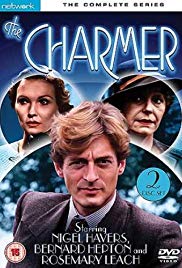
The BBC Period: She starred in the lavish BBC adaptation of The Charmer (1987) and played the lead in the nurse drama Angels. These roles allowed her to shed her “Wonderland” innocence for more complex, socially relevant narratives.
3. The Bond Era and International Fame (1985–1990)
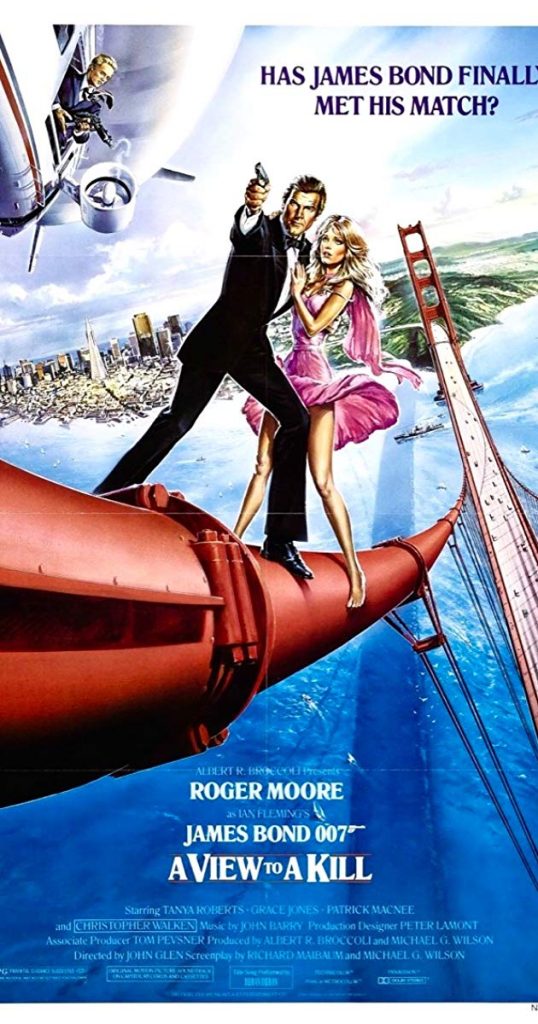
Fullerton achieved global recognition when she was cast as Pola Ivanova in the James Bond film A View to a Kill (1985).
-
The Soviet Spy: Playing a KGB agent, she provided a sophisticated, “Euro-chic” counterpoint to Roger Moore’s Bond.
-
The “Shifting” Image: Following Bond, she became a frequent guest on international TV and a successful businesswoman, eventually moving into property investment and writing.
II. Detailed Critical Analysis
1. The “Observer” in Wonderland
Critically, Fullerton’s performance in Alice’s Adventures in Wonderland is analyzed for its reactive strength.
-
The Anchor of Absurdity: In a film filled with grotesque, “over-the-top” performances by comedic legends, Fullerton stayed remarkably still. Analysts point out that she played Alice with a Victorian “sense and sensibility” that allowed the audience to experience the madness through her eyes. She wasn’t just a child in a costume; she was the film’s moral and logical barometer.
2. Subverting the “Bond Girl” Trope
Fullerton’s turn as Pola Ivanova in A View to a Kill is often cited as one of the more “intelligent” Bond roles of the 80s.
-
The Professional Equal: Unlike the “damsel” archetypes of the era, Pola was a professional spy. Fullerton utilized a “playful yet guarded” performance style. Critics noted that she managed to convey a sense of KGB ruthlessness beneath her glamorous exterior. The hot-tub scene with Bond is frequently analyzed as a masterclass in “seduction as espionage,” where Fullerton’s character is clearly playing the same game as Bond himself.
3. The “Polished” Naturalism
Fullerton possessed a specific acting style that can be described as “Polished Naturalism.” * Vocal Precision: Her RADA-trained voice was one of her greatest assets. She had a way of delivering dialogue with a “crisp, effortless clarity” that made her perfect for both the stage and high-end TV drama.
-
The “Luminous” Quality: Cinematographers often commented on Fullerton’s ability to “hold the light.” She had a face that suggested a certain aristocratic distance, but her acting was always grounded in a very human vulnerability. This duality made her a perfect fit for characters who had to maintain a social facade while dealing with internal turmoil.
4. The Transition to Reality
In later years, Fullerton’s appearance on Strictly Come Dancing (2013) was critically viewed as a continuation of her “disciplined” persona. Even in a reality setting, she maintained the grace and poise of a classic leading lady, reminding audiences of the technical rigour that defined her generation of actors.
Iconic Performance Comparison
| Character |
Work |
Year |
Critical Legacy |
| Alice |
Alice’s Adventures in Wonderland |
1972 |
The definitive “Grounded” Alice for the 70s generation. |
| Pola Ivanova |
A View to a Kill |
1985 |
Redefined the “KGB Spy” as a glamorous, intellectual peer to Bond. |
| Clarice |
The Charmer |
1987 |
Showcased her ability to play high-stakes psychological drama. |
| Guinevere |
Camelot (Stage) |
1982 |
Established her as a premier leading lady of the British Musical. |
Fiona Fullerton was the “Graceful Professional” of her era. She managed to bridge the gap between the whimsical world of children’s literature and the high-stakes world of international thrillers without ever losing her singular, sophisticated identity. Her legacy is one of “Versatile Elegance”—an actress who could command the West End stage and the Hollywood screen with the same unshakeable, luminous poise.