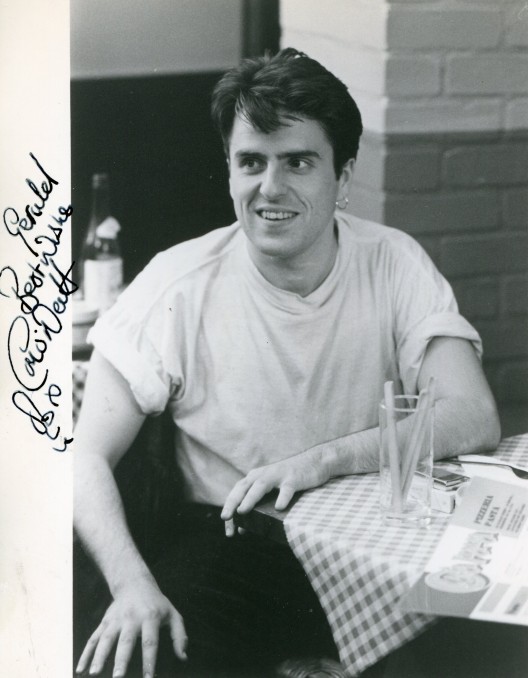
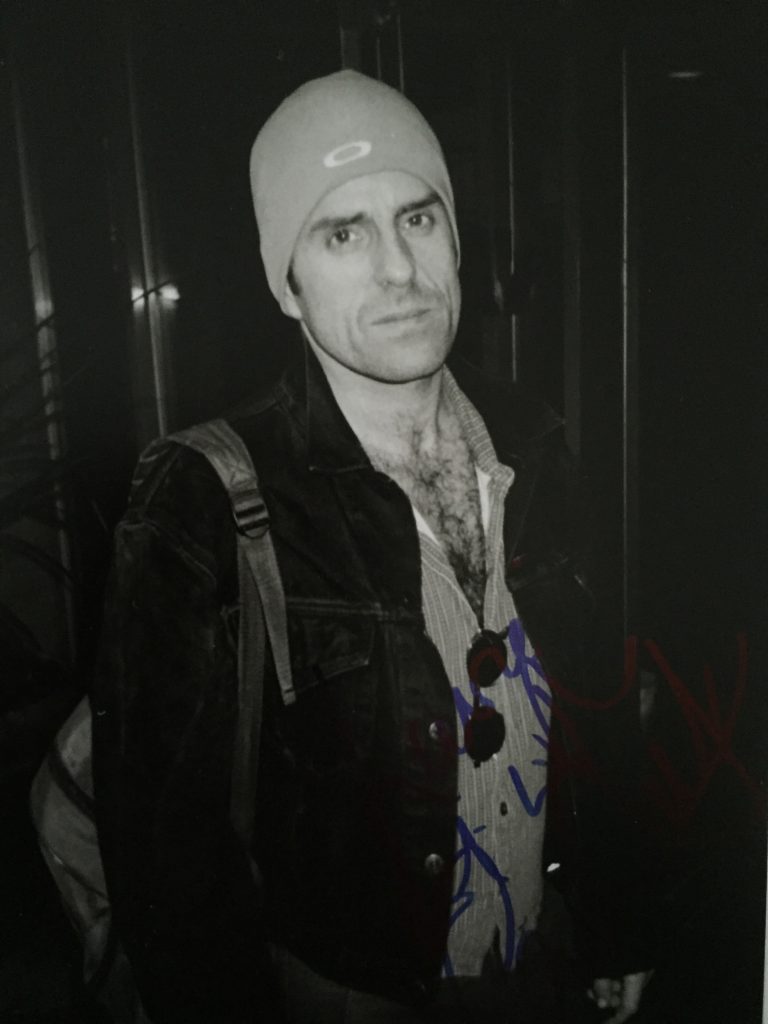
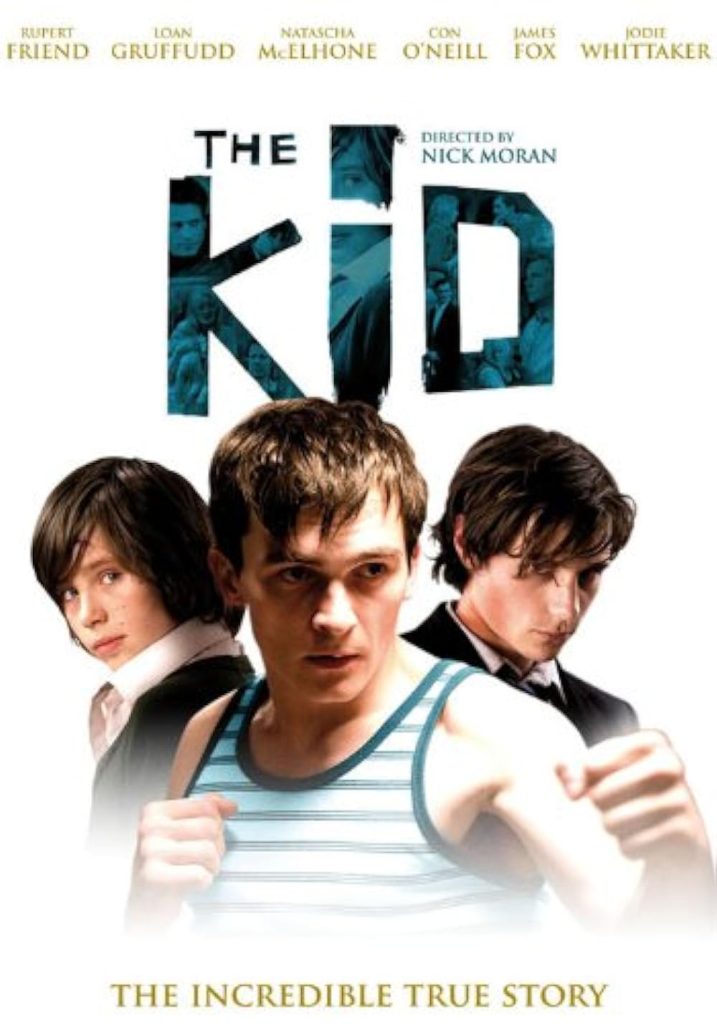
Con O’Neill (born 15 August 1966, Weston‑super‑Mare) has built one of the most quietly distinguished acting careers in British theatre, film, and television. Known for his intensity, elasticity of temperament, and distinctive rasping voice, O’Neill has never been a tabloid figure but enjoys high esteem among peers and critics. Over four decades he has evolved from electrifying musical performer to nuanced dramatic character actor—mastering both the visceral energy of stage performance and the detailed psychology of contemporary screen acting.
Early Training and Stage Breakthrough (1980s)
O’Neill grew up in Dingle, Liverpool, and trained at the Everyman Theatre—an incubator for socially conscious naturalism associated with contemporaries like Pete Postlethwaite, Julie Walters, and Jonathan Pryce. His early work in regional theatre revealed a performer of unusual emotional directness; he combined the wiry volatility of a punk with a classical actor’s sensitivity to rhythm and language.
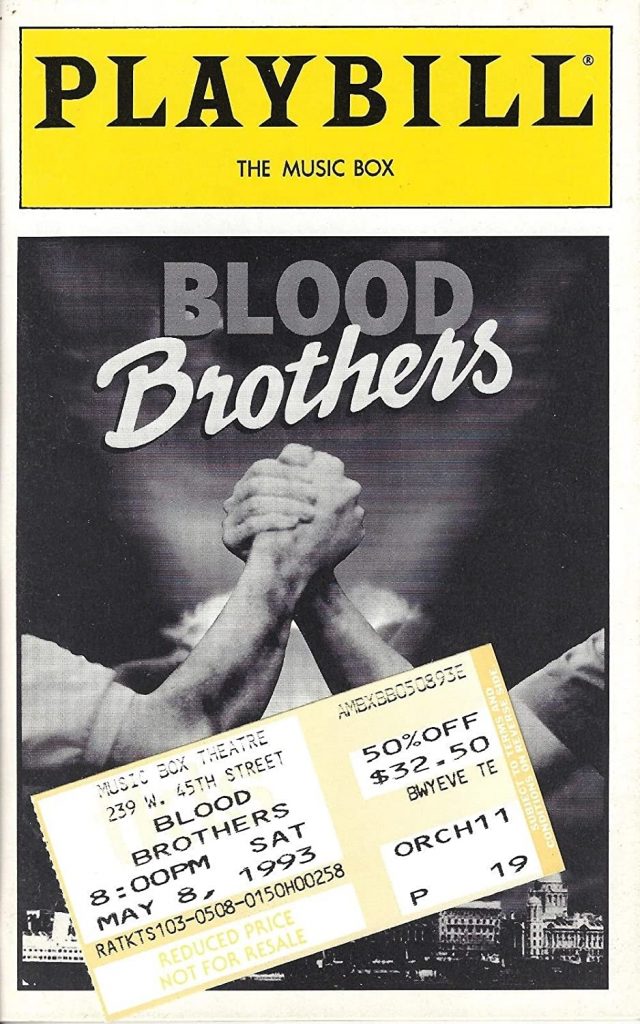
His professional launch came through Willy Russell’s Blood Brothers. Cast first as Mickey Johnstone, the Liverpudlian working‑class twin, he premiered the part in the 1983 Liverpool production, touring with it before its 1988 London revival. O’Neill’s interpretation—raw, musical, and tragic—earned unprecedented acclaim:
- Olivier Award, 1988 (Best Actor in a Musical)
- Tony Award nomination, 1993 for the role on Broadway
Critics praised the performative totality of his Mickey: he embodied the character’s arc from cheeky youth to broken adult with a fierce, unvarnished realism that transcended musical theatre clichés.
“Mr. O’Neill acts the songs rather than singing them,” wrote Frank Rich in The New York Times, “using a rock lyric attack that grows gradually into heartbreaking desperation.”
This performance remains a template for psychologically truthful musical acting on the British stage.
Transition to Straight Drama (1990s)
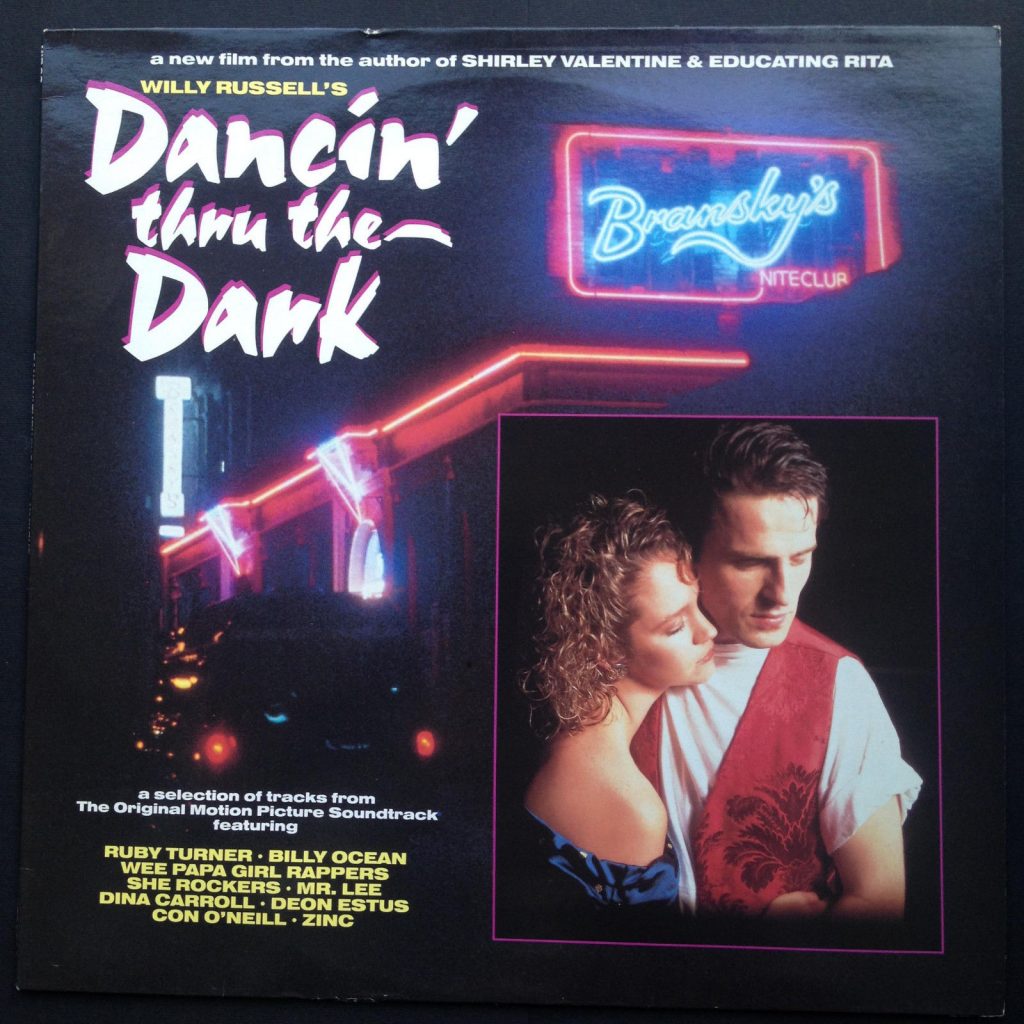
By the early 1990s O’Neill deliberately stepped away from musical stardom, undertaking serious dramatic work. His screen debut in Dancin’ Thru the Dark (1990)—Russell’s film adaptation of Stags and Hens—showcased his ease with camera intimacy and speech rhythms rooted in working‑class realism. Critics likened his vitality to early Albert Finney or Malcolm McDowell: charismatic, unpredictable, but coursing with empathy.
On stage he became a fixture at the Royal Exchange, Manchester, and London’s Donmar Warehouse. Notable credits include:
- Shakespeare – Mercutio (Romeo and Juliet), Iago (Othello, 1997, West Yorkshire Playhouse)
- Modern realism – John (Closer, UK regional premiere); roles in A View from the Bridge, Under the Blue Sky, Festen
His stage presence mixes feral energy with precision: critics often describe him “boiling over while barely moving.” This tension—contained combustibility—became his hallmark.
Television and Film Crossover (2000s–2010s)
While remaining active in theatre, O’Neill transitioned smoothly into screen work as British drama entered its “quality television” phase. He brought stage intensity into the medium of the close‑up without overstatement.
Key Television Performances
- Frank Mackey’s father, Our Friends in the North (1996) – early evidence of his ability to evoke years of moral collapse within limited screen time.
- Chernobyl (2019, HBO) – as plant manager Viktor Bryukhanov, O’Neill’s meticulous restraint depicted bureaucratic denial shading into horror. Critics singled him out for humane understatement: “a bureaucrat who gradually drowns in his own obedience.”
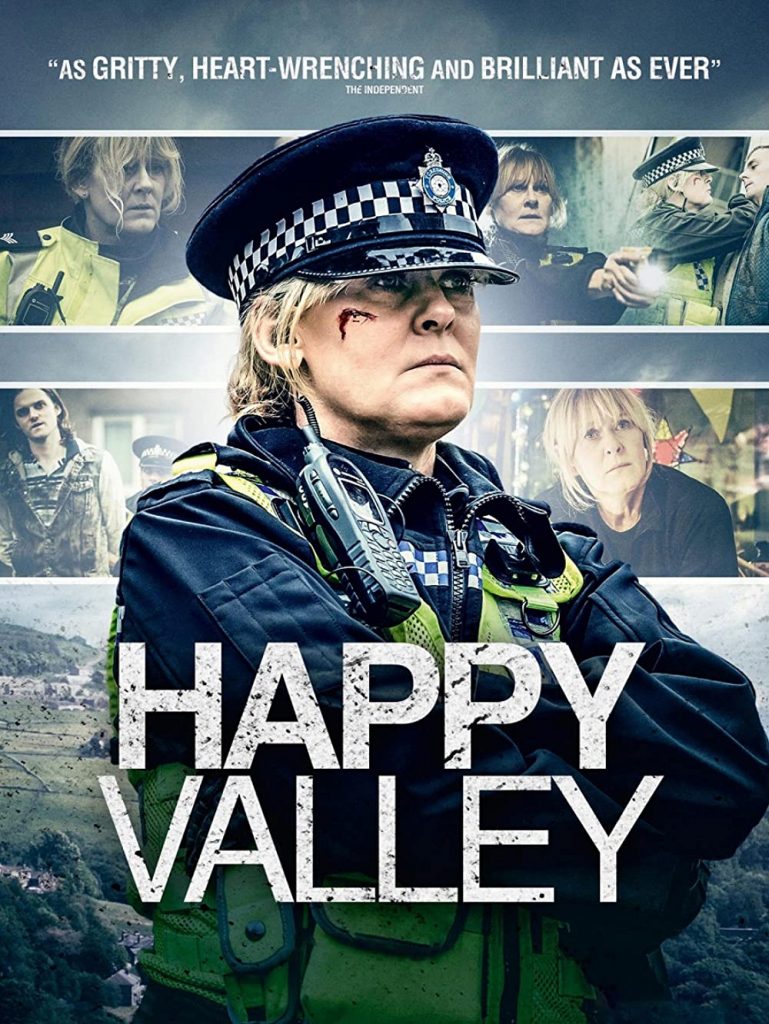
- Happy Valley (2014–2023) – as Neil Ackroyd, O’Neill rooted the show’s moral universe. Creator Sally Wainwright relies on his specific empathy—flawed, kind, brutally honest—to anchor the high stakes of crime drama.
- Unforgotten (2015), Vera, Cucumber, The Fall – recurring work essential to the texture of British television realism.
Film Highlights
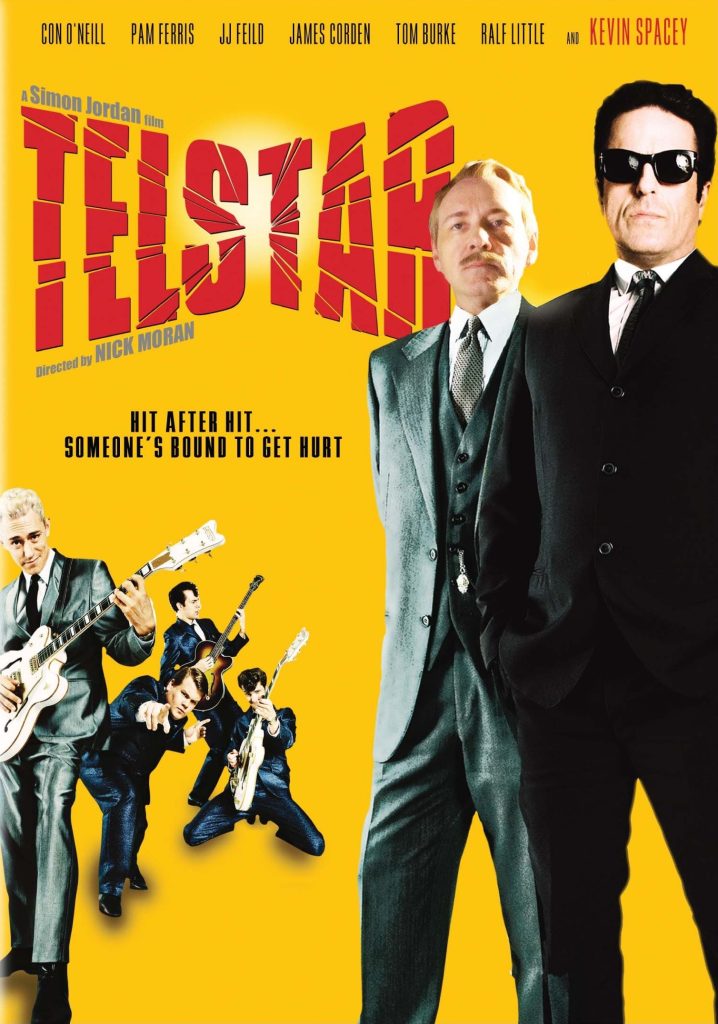
- Telstar: The Joe Meek Story (2008)* – as record producer Joe Meek, he delivered one of his most complex screen performances, playing manic creativity against loneliness. Reviewers deemed it “a shattering study of artistic paranoia.”
- Supporting turns in The Last Seduction II (1999), Mike Bassett: England Manager (2001), and The Mistress of Spices (2005) reveal his adaptability: equally at home in broad comedy, noir, or stylized melodrama.
Across media, O’Neill demonstrates the same signature qualities—control of rhythm, emotional transparency, and attention to working‑class cadence. He transforms ordinary dialogue into moral inquiry.
Return to Prominence: Stage and Streaming (2015–Present)
The 2010s brought renewed visibility. In addition to television acclaim, O’Neill reinvigorated his stage credentials:
- “The Risen People” (2013, Abbey Theatre, Dublin) – Critics hailed the “weight of lived experience” he brought to political drama.
- “The Ferryman” (2018, West End & Broadway)** – In Jez Butterworth’s epic, O’Neill replaced Paddy Considine as family patriarch Quinn Carney. His performance balanced lyrical warmth and eruptive violence; The Guardiandescribed him as “a man whose decency is slowly, agonizingly crushed by history.”
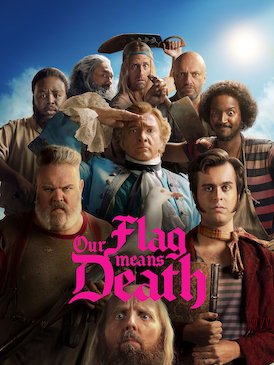
- Our Flag Means Death (2022– ) – In Taika Waititi’s queer pirate comedy, O’Neill’s Izzy Hands became a cult phenomenon: sardonic, tormented, and unexpectedly tender. Fans and critics alike praised his ability to turn dark slapstick into genuine pathos, with The Atlantic calling him “the show’s moral gravity disguised as its monster.”
These later performances show an actor refining contradictions—authority and vulnerability, rage and compassion—into a complex emotional vocabulary.
Acting Style and Critical Analysis
1. Vocal and Rhythmic Musicality
A remnant of his musical theatre origins, O’Neill treats dialogue like melody. His voice—grainy, elastic—can swing from whisper to growl within a line, lending speech a lived, musical pulse.
2. Emotional Precision within Chaos
He excels at portraying men on the verge—damaged souls whose intelligence can’t save them from impulse. Rather than explode arbitrarily, his volatility feels patterned, almost choreographed. Comparisons often cite early Daniel Day‑Lewis for intensity, but O’Neill’s energy tends to implode into feeling rather than erupt outward.
3. Working‑Class Intelligence
Rooted in Liverpool sensibility, O’Neill embodies social truth without sentimentality. His characters think as fast as they feel. Cultural critics frequently note that he “speaks for ordinary people with tragic articulacy,” a quality reminiscent of the Royal Court social realists.
4. Transformative Subtlety on Camera
On television he pares his technique down to micro‑expression: minute muscle shifts conveying oceans of moral conflict. Chernobyl and Happy Valley demonstrate how stillness can be expressive authority.
5. Moral Ambiguity and Empathy
O’Neill’s defining trait is empathy for flawed men: from Bryukhanov’s denial to Izzy Hands’s masochism. He reveals the emotional logic behind their damage, refusing villainy or sainthood.
Critical Standing and Legacy
Within the British acting community, O’Neill is regarded as a “painter’s actor”—a craftsman who layers pigment subtly until character emerges whole. Though never marketed as a leading film star, he has achieved what might be called artistic centrality: directors and co‑stars routinely cite his ability to raise a project’s emotional intelligence.
- The Telegraph (2019) called him “one of the unsung titans of contemporary British acting: fearless, ferocious, and incapable of dishonesty.”
- Theatre reviewers liken his realism to that of Tom Courtenay or Stephen Rea—actors who merge political consciousness with emotional generosity.
- His late‑career resurgence, especially through Our Flag Means Death, has introduced his artistry to international audiences, connecting British psychological realism to global audiences drawn to complex, morally queer characters.
Representative Roles
| Year |
Work |
Role |
Key Qualities Noted by Critics |
| 1988 |
Blood Brothers (stage) |
Mickey Johnstone |
Emotional range, working‑class authenticity |
| 1990 |
Dancin’ Thru the Dark |
Dave |
Energetic realism, bittersweet charm |
| 2008 |
Telstar |
Joe Meek |
Psychological intensity, tragic vulnerability |
| 2014–23 |
Happy Valley (BBC) |
Neil Ackroyd |
Integrity, subtle emotional warmth |
| 2019 |
Chernobyl (HBO) |
Viktor Bryukhanov |
Bureaucratic tragedy conveyed through restraint |
| 2022– |
Our Flag Means Death |
Izzy Hands |
Dark comedy, unexpected tenderness, fandom icon |
Conclusion
Con O’Neill’s career demonstrates how sustained craft outlasts fashion. From the musical expressivity of Blood Brothersto the austere minimalism of Chernobyl and the anarchic wit of Our Flag Means Death, he has continually redefined emotional truth for new mediums. His strength lies in contrasts—ferocity and grace, humour and despair—held in the same breath.
In an industry that rewards visibility over depth, O’Neill stands as a late‑twentieth‑ and early‑twenty‑first‑century exemplar of integrity in performance: the actor as artisan, transformer, and quiet moral instrument of British storytelling