

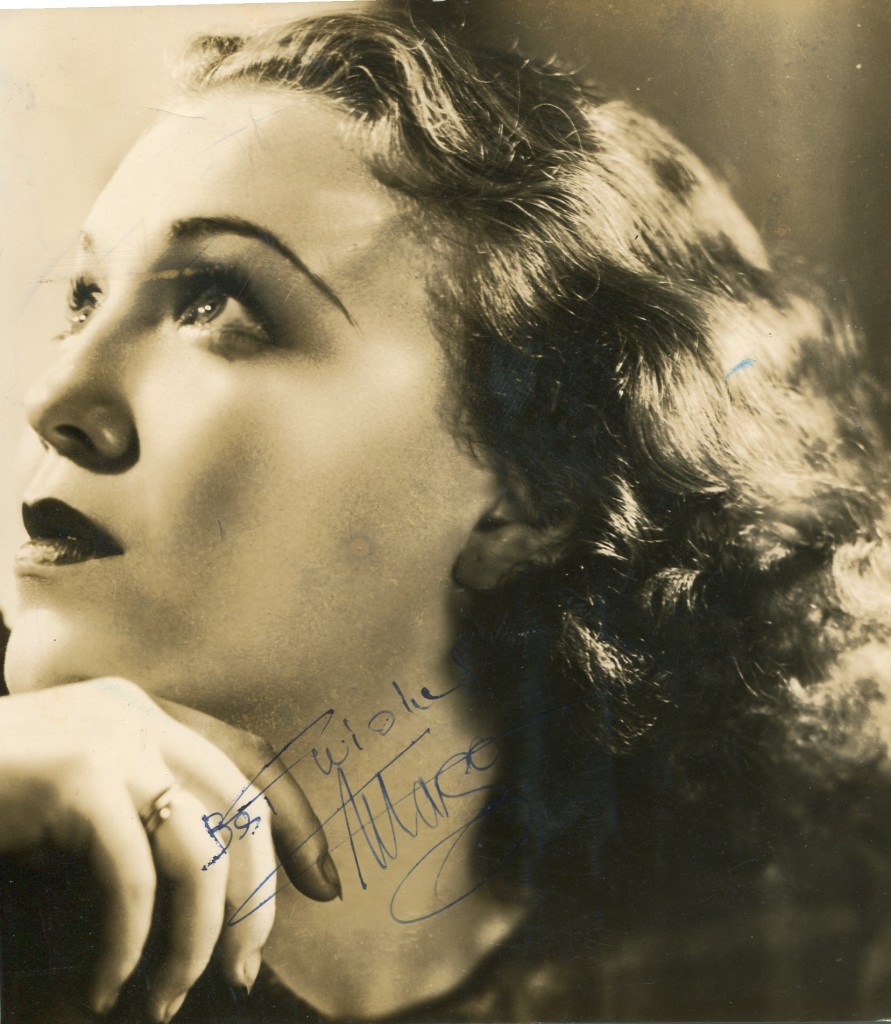

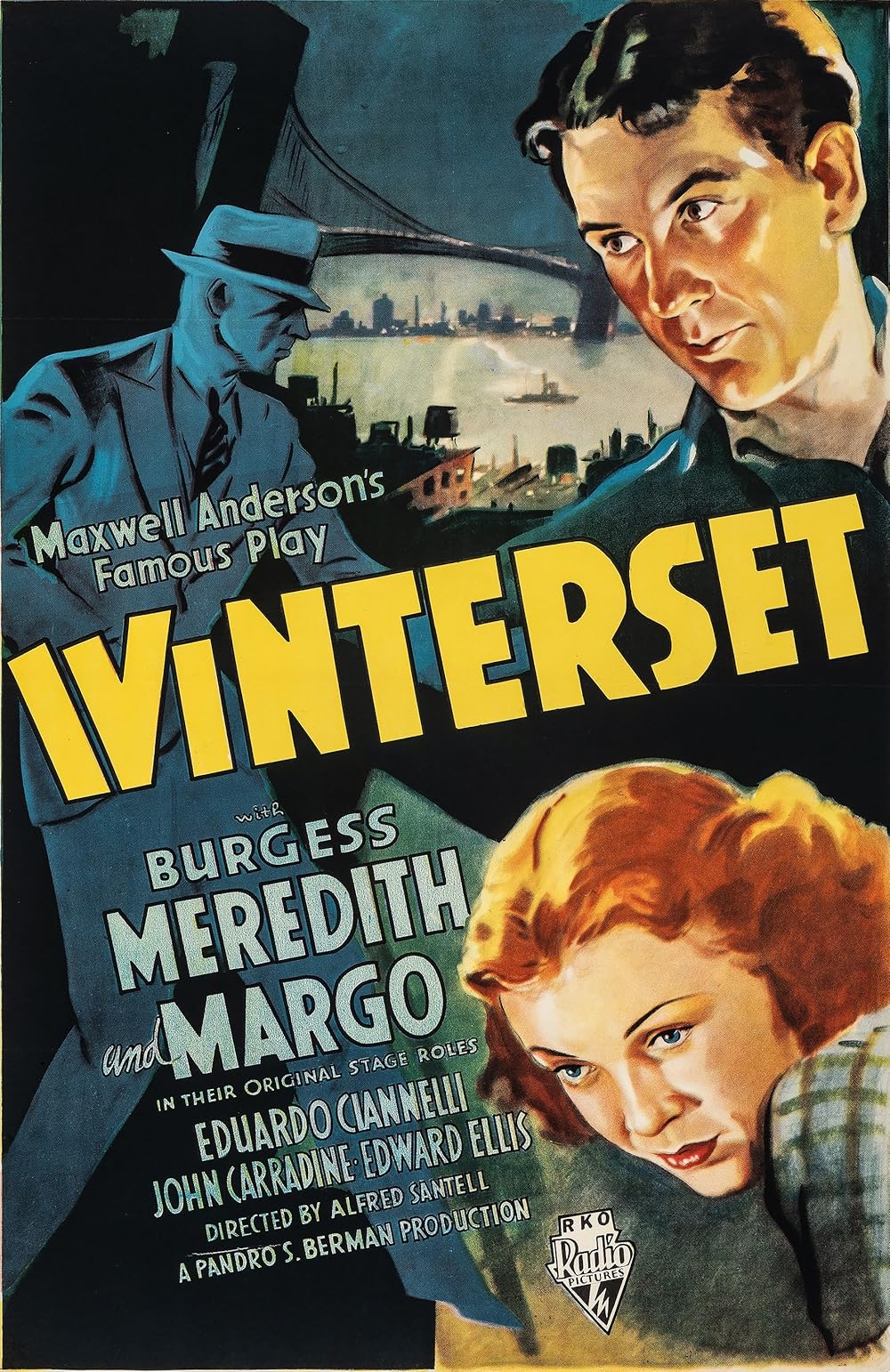
The daughter of a Mexican surgeon, Maria Margarita Guadalupe Teresa Estella Castilla Bolado y O’Donnell was born in Mexico City. As a niece to famous bandleader Xavier Cugat, she performed with his orchestra from the age of nine as a specialty dancer in nightclubs, and, later, on the Starlight Roof of the hotel Waldorf Astoria in New York. When she was fifteen years old, she was head-hunted by writers Ben Hecht and Charles MacArthur, who saw her dance and cast her in the Claude Rains drama Crime Without Passion (1934). Her debut as Rains’ ex-lover who ends up being murdered by him, was well-received, critic Mordaunt Hall describing her performance as ‘excellent’. Margo was best-known, however, for her role as the slum girl Miriamne Esdras in both stage and screen version of Maxwell Anderson’s play Winterset (1936) and for her poignant performance as the young girl leaving Shangri-La (to her detriment) in Lost Horizon (1937). She also appeared on Broadway in ‘Masque of Kings’ (1937) and ‘The World We Make’ (1939) and had another small screen role in The Leopard Man (1943).
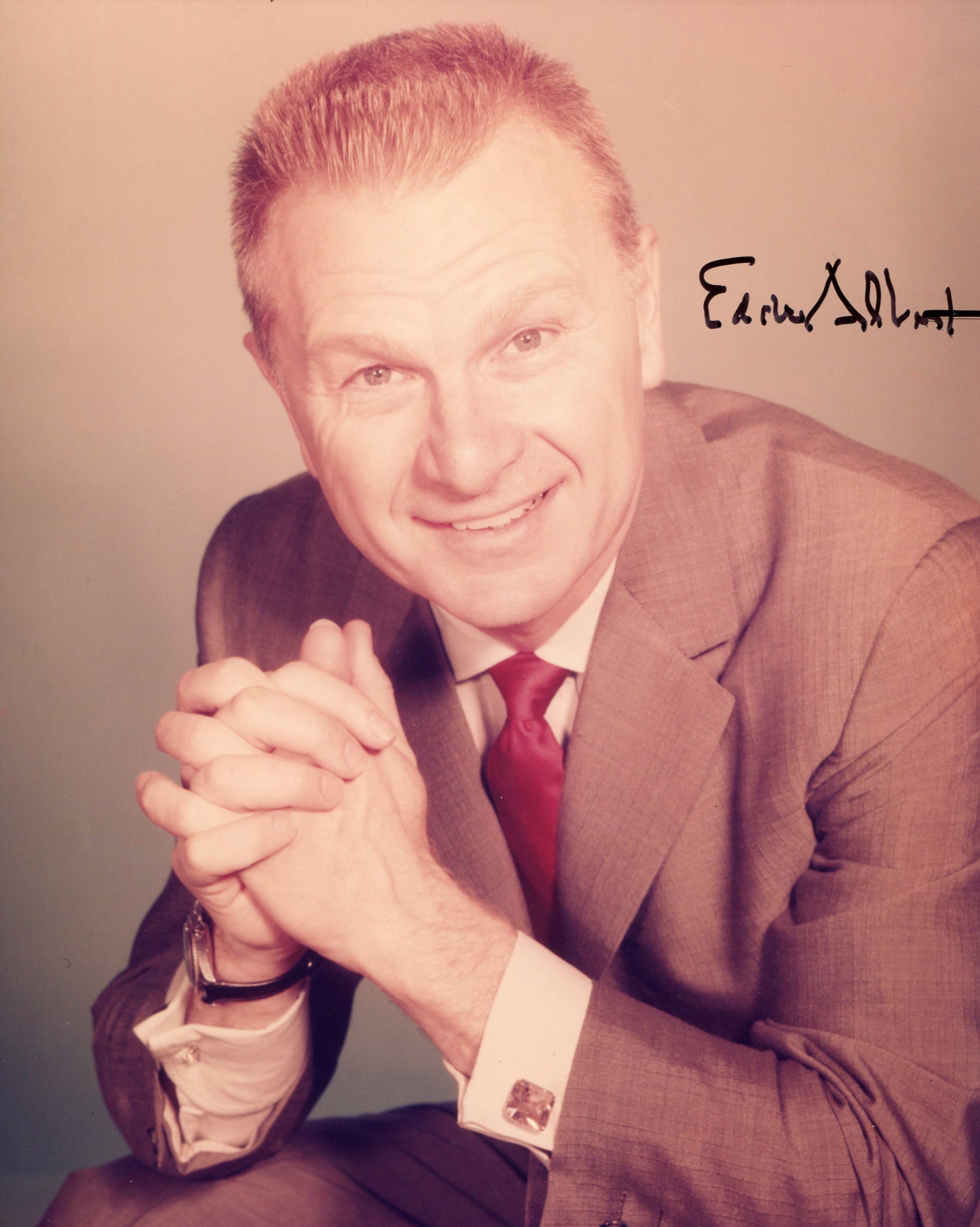
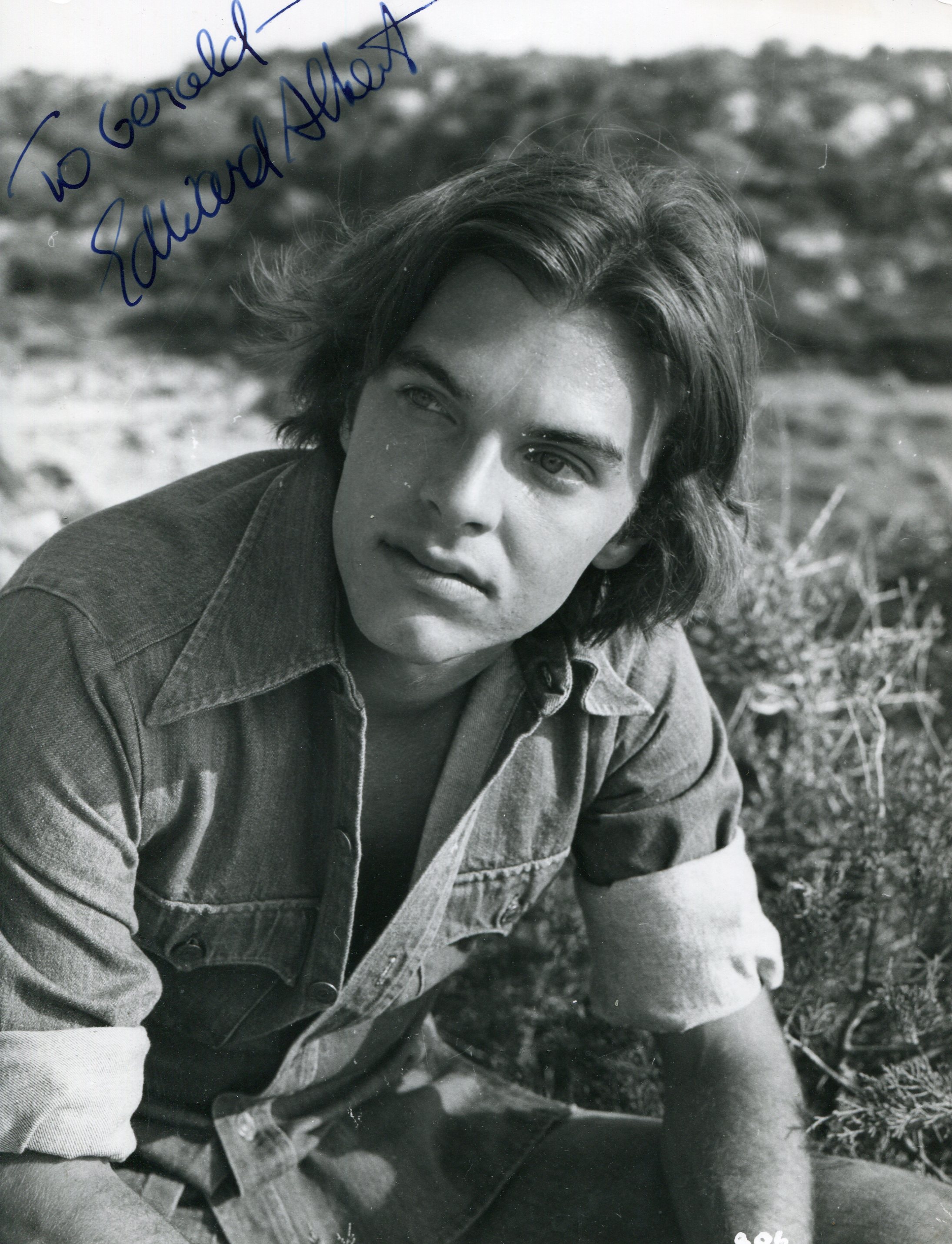
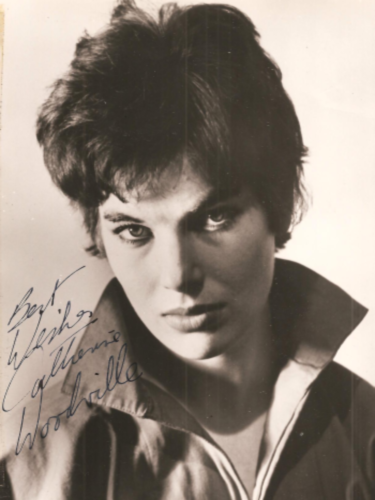
Margo was married for 39 years to the actor Eddie Albert, residing in Pacific Palisades, California. Their son was the actor Edward Albert. Edward Albert was married to the `British actress Kate Woodville. In later years, she became involved in the public sector, in 1974 becoming Commissioner for Social Services in Los Angeles.
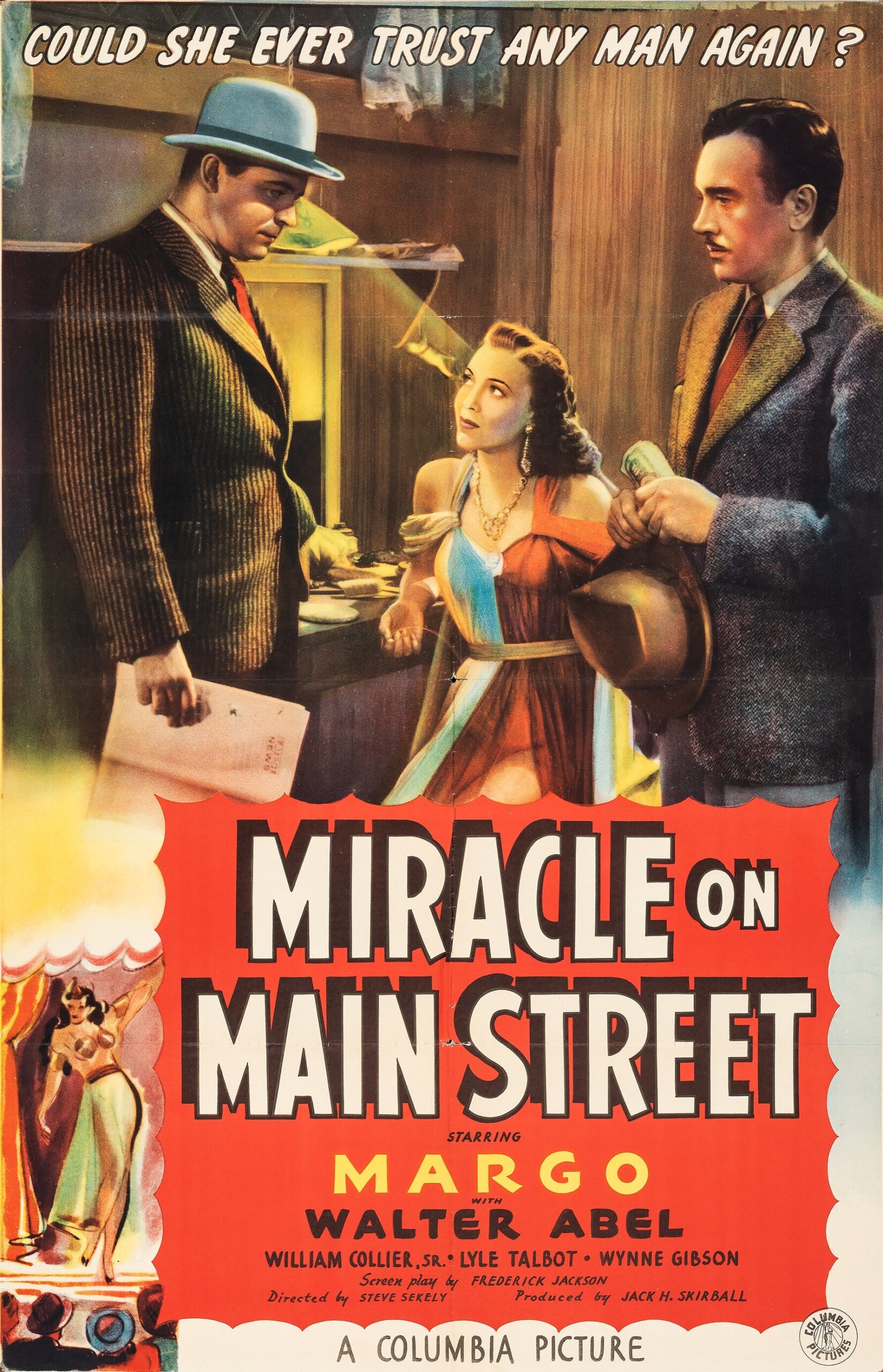
The career of the actress known simply as Margo (born María Marguerita Guadalupe Boldao y Castilla, 1917–1985) is a significant chapter in the history of Latin American representation in Hollywood. She was a woman of immense sophistication who refused to be confined to the “spitfire” stereotypes of her era, instead carving out a legacy as a haunting, ethereal dramatic presence and a fierce advocate for the arts.
Career Overview: From Cugat to Cocteau
Margo’s career began not in front of a camera, but on the dance floor.
The Prodigy: At just 12 years old, she was a professional dancer in her uncle Xavier Cugat’s orchestra. Her precision and poise caught the eye of film scouts at New York’s Waldorf-Astoria.
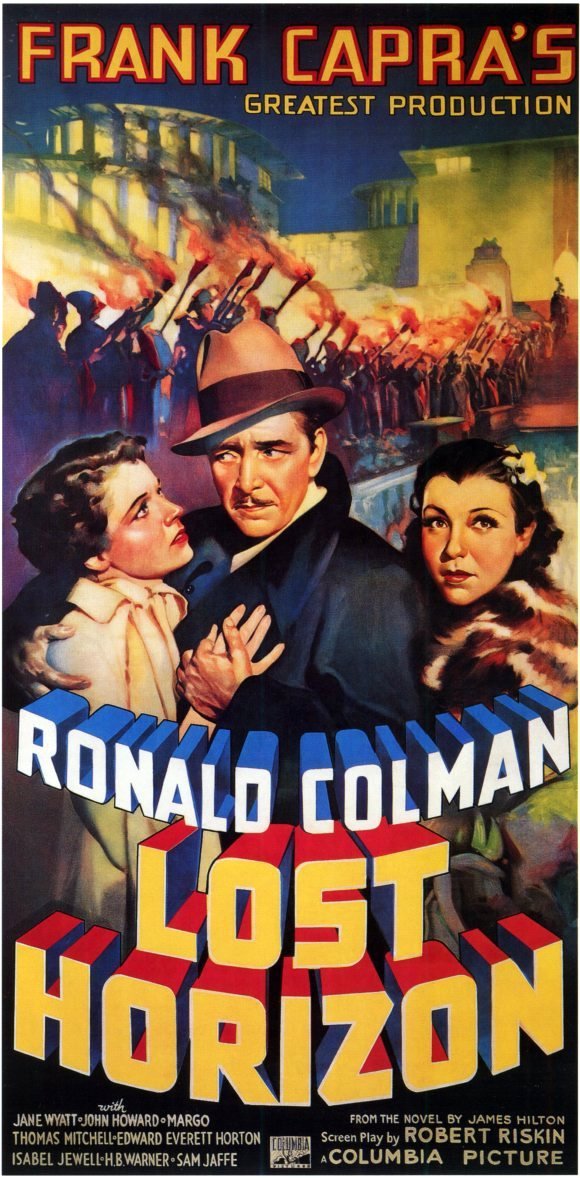
The Breakthrough: She made a sensational film debut in Crime Without Passion (1934), but her immortality was secured in 1937 when she played Maria in Frank Capra’s “Lost Horizon.” * The Blacklist and Beyond: Despite her talent, her career was stifled in the 1950s due to the Hollywood Blacklist (stemming from her progressive political leanings). She pivoted to the stage and later married actor Eddie Albert.
Civic Legacy: In her later years, she co-founded Plaza de la Raza in East Los Angeles, a cultural center that remains a vital hub for Chicano art and education today.
Detailed Critical Analysis: The “Interior” Performance
1. The Subversion of the “Exotic”
In the 1930s, Hollywood typically cast Latina actresses as either the “Tragic Mulatto” or the “Fiery Vamp.” Margo defied both.
Analysis: Her screen presence was noted for its stillness and melancholy. In Lost Horizon, she plays a woman who literally withers away when she leaves the mystical Shangri-La. Critics praised her ability to convey a “timeless fragility.” She didn’t rely on accented histrionics; she used a minimalist, internal approach that felt modern compared to the theatricality of her peers.
2. The Master of the “Gothic” Atmosphere
Margo had a unique ability to elevate genre films into psychological studies.
Critical Insight: In the Val Lewton-produced horror classic The Leopard Man (1943), she plays a castanet dancer haunted by a perceived curse. Rather than playing the “scream queen,” she portrayed a woman paralyzed by existential dread. Her performance is often cited by film historians as the emotional anchor of the movie, turning a B-movie premise into a noir masterpiece.
3. The “Lost Horizon” Paradox
Her role as Maria remains one of the most debated “aging” sequences in cinema history.
Technical Analysis: Without the benefit of modern CGI, Margo had to convey the transition from a young woman to a withered hag through posture, gait, and sheer facial intensity. Critics at the time called it “terrifyingly effective,” noting that her performance made the supernatural elements of the film feel biologically real.
4. Activism as Art
Margo’s most “critical” work may have occurred off-camera. After being graylisted, she transformed her frustration into cultural architecture.
Legacy Analysis: By founding Plaza de la Raza, she shifted the narrative of Latin American art from “Hollywood commodity” to “community identity.” Critics of Chicano studies often point to Margo as a pivotal figure who bridged the gap between the “Golden Age” of Hollywood and the grassroots Chicano Movement of the 1970s.
Key Filmography & Stage Credits
| Year | Title | Role | Note |
| 1934 | Crime Without Passion | Carmen Brown | Her film debut; directed by Hecht and MacArthur. |
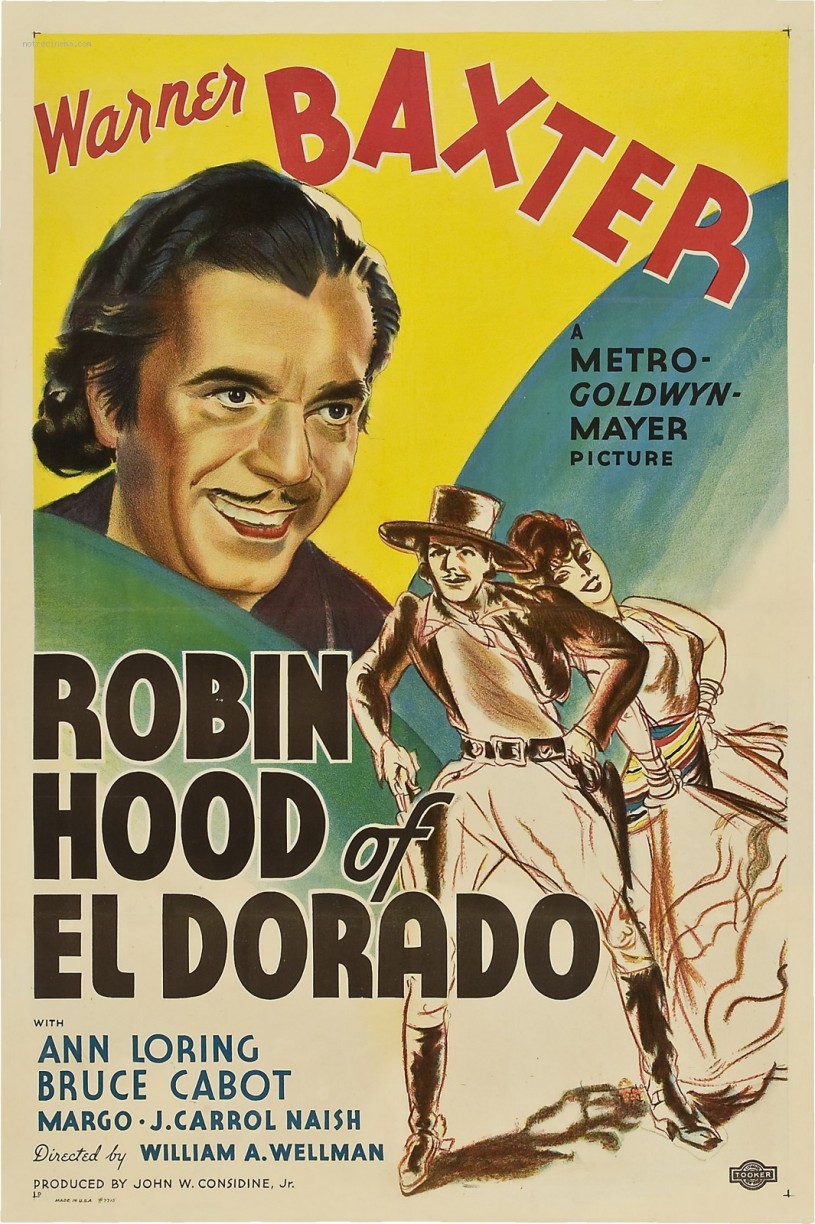
| 1935 | Winterset | Miriamne | Reprised her acclaimed Broadway role. |
| 1937 | Lost Horizon | Maria | The role that defined her career. |
| 1943 | The Leopard Man | Clo-Clo | A masterclass in suspense and atmospheric acting. |
| 1952 | Viva Zapata! | Soldadera | A rare later film role directed by Elia Kazan. |
Margo was an actress who possessed “the face of a thousand years.” She was a pioneer who chose integrity over industry compliance, proving that a career isn’t just measured by a box office total, but by the cultural institutions one leaves behind