Career Overview and Critical Analysis of the Work of Rossana Podestà
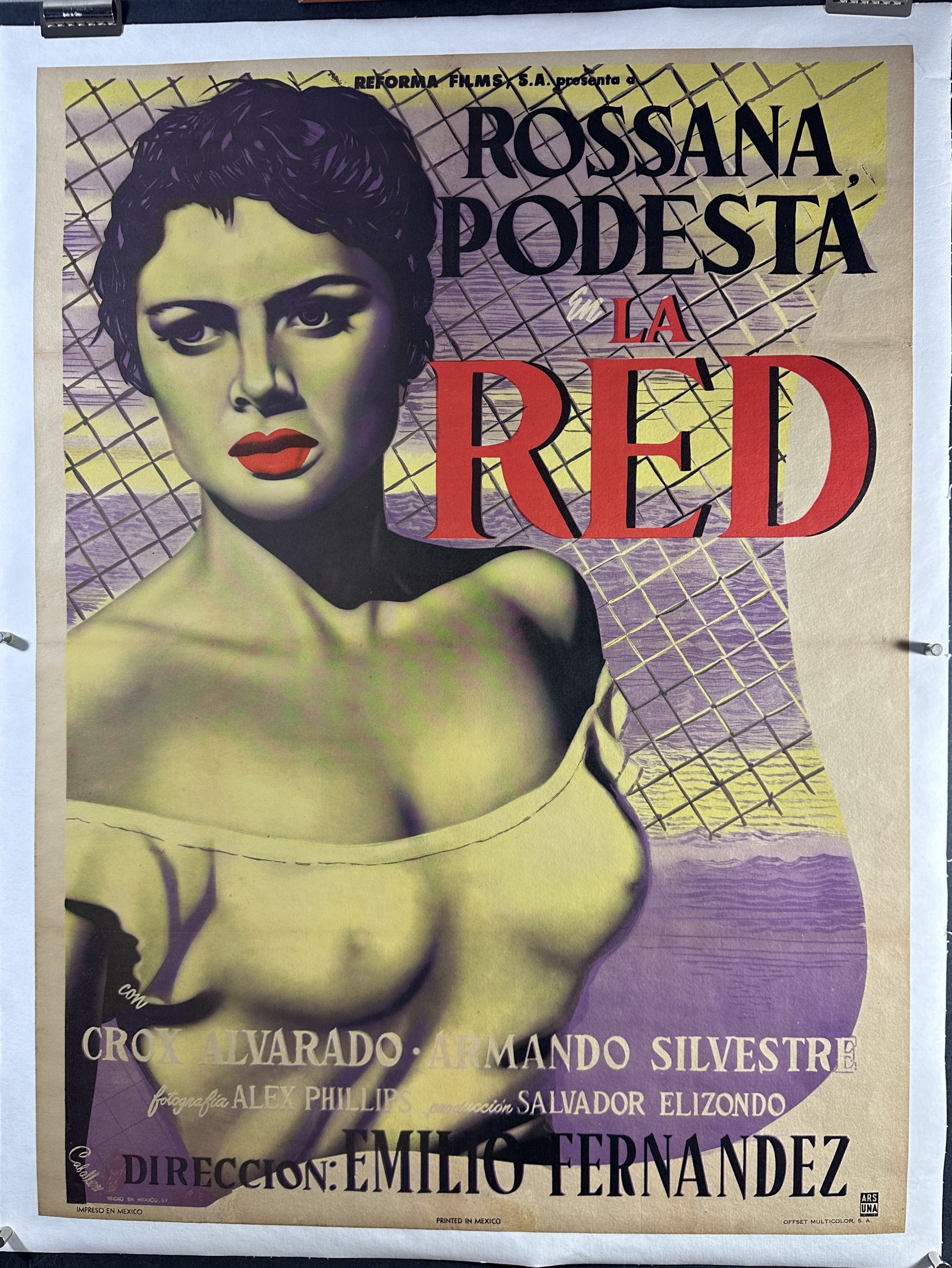
Rossana Podestà (1934–2013) was an Italian film actress who achieved international fame in the 1950s and 1960s, particularly in historical epics, adventure films, and European co-productions. Renowned for her striking beauty and screen presence, she became one of the recognizable faces of postwar Italian cinema. While her roles often emphasized visual spectacle rather than psychological complexity, Podestà developed a distinctive style that balanced classical beauty with an understated emotional sincerity.
Her career illustrates both the opportunities and limitations faced by actresses working in the large-scale epic and adventure films that dominated European cinema during the mid-20th century.
Early Life and Entry into Cinema
Rossana Podestà was born in Tripoli, then part of Italian Libya, and later moved with her family to Rome. She entered the Italian film industry in the early 1950s, at a time when Italian cinema was transitioning from the realism of the immediate postwar period toward more commercial genres such as historical epics and international adventure films.
Her early screen appearances quickly attracted attention due to her photogenic qualities and natural ease before the camera.
Early acting characteristics
From the beginning of her career Podestà displayed several qualities that shaped her screen persona:
- expressive physical presence
- youthful vitality
- understated dialogue delivery
Unlike many contemporaries who relied on theatrical gestures, Podestà tended to perform with a natural simplicity that suited the cinematic style of European epics.
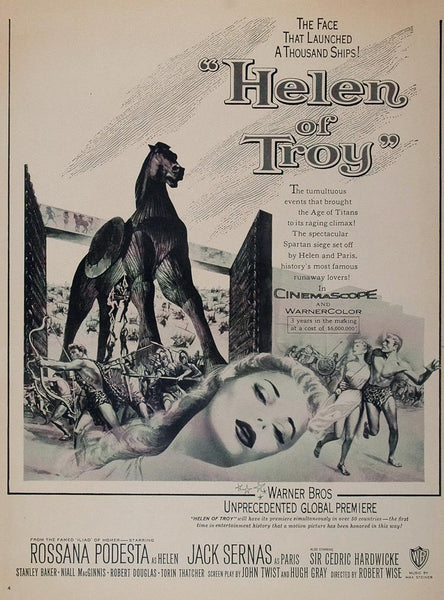
International Breakthrough: Helen of Troy
Podestà achieved international fame through the title role in:
Directed by Robert Wise, the film was a large-scale adaptation of the Trojan War legend.
Critical analysis of the performance
The role of Helen required Podestà to embody one of the most famous mythological figures in Western literature. Her portrayal emphasizes:
- serene beauty
- emotional innocence
- romantic sincerity
Rather than presenting Helen as a manipulative seductress, Podestà plays the character as a young woman caught in political and emotional circumstances beyond her control.
This interpretation reflects a mid-century cinematic tendency to soften classical myths in order to create sympathetic protagonists.
Visual acting
Much of Podestà’s performance relies on visual presence rather than extended dialogue. Her expressive face and poised physicality communicate emotion through:
- lingering close-ups
- subtle shifts in posture
- gentle vocal tone
The result is a performance that functions effectively within the visual spectacle of the epic genre.
European Historical and Adventure Films
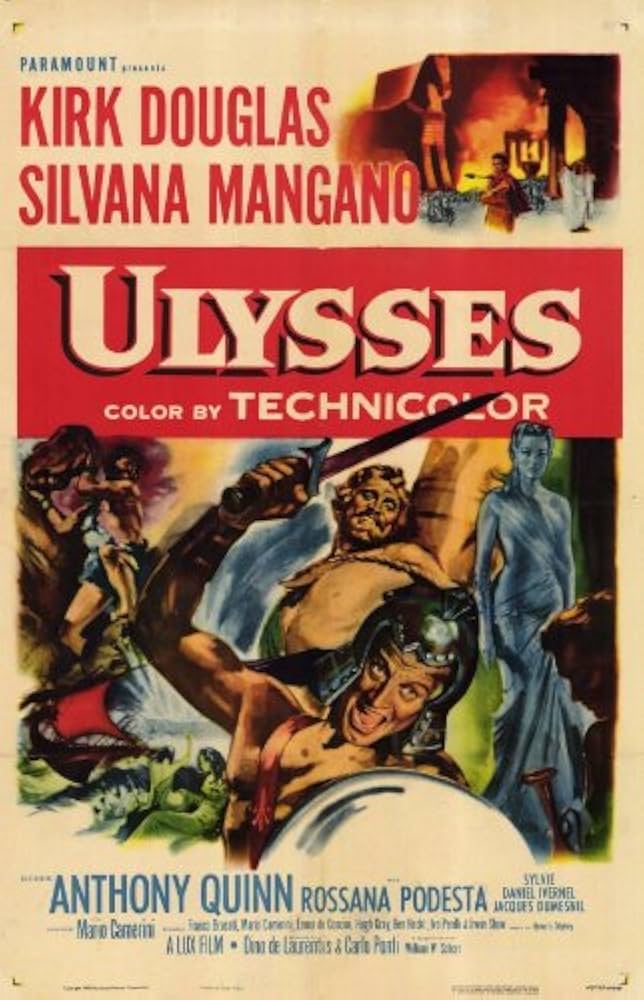
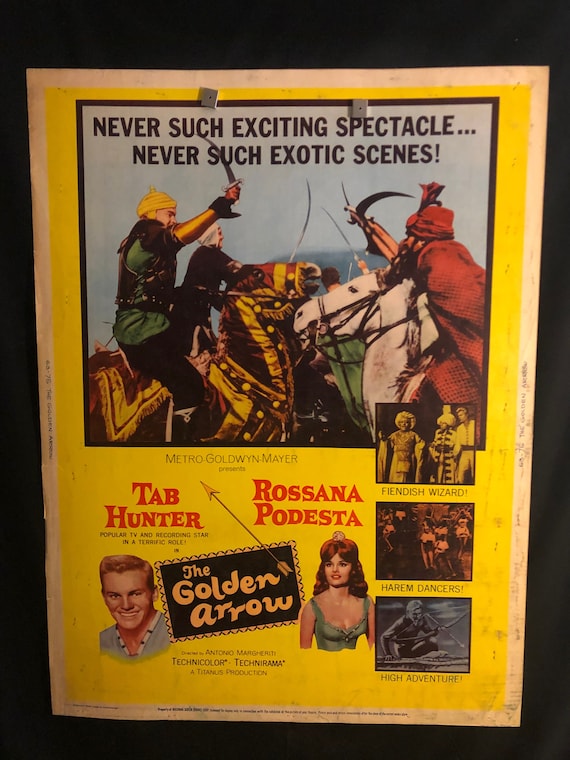
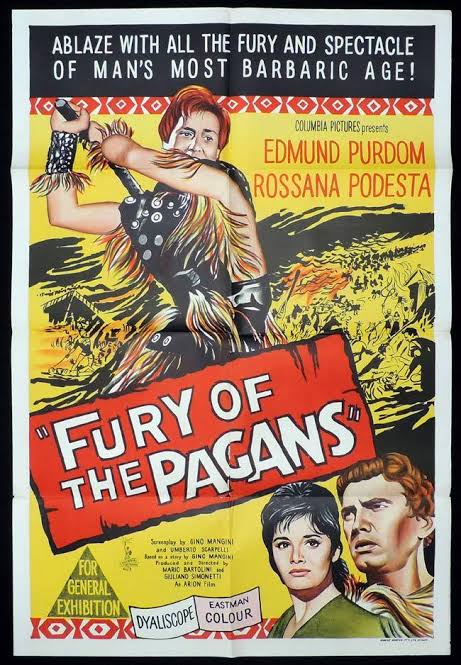
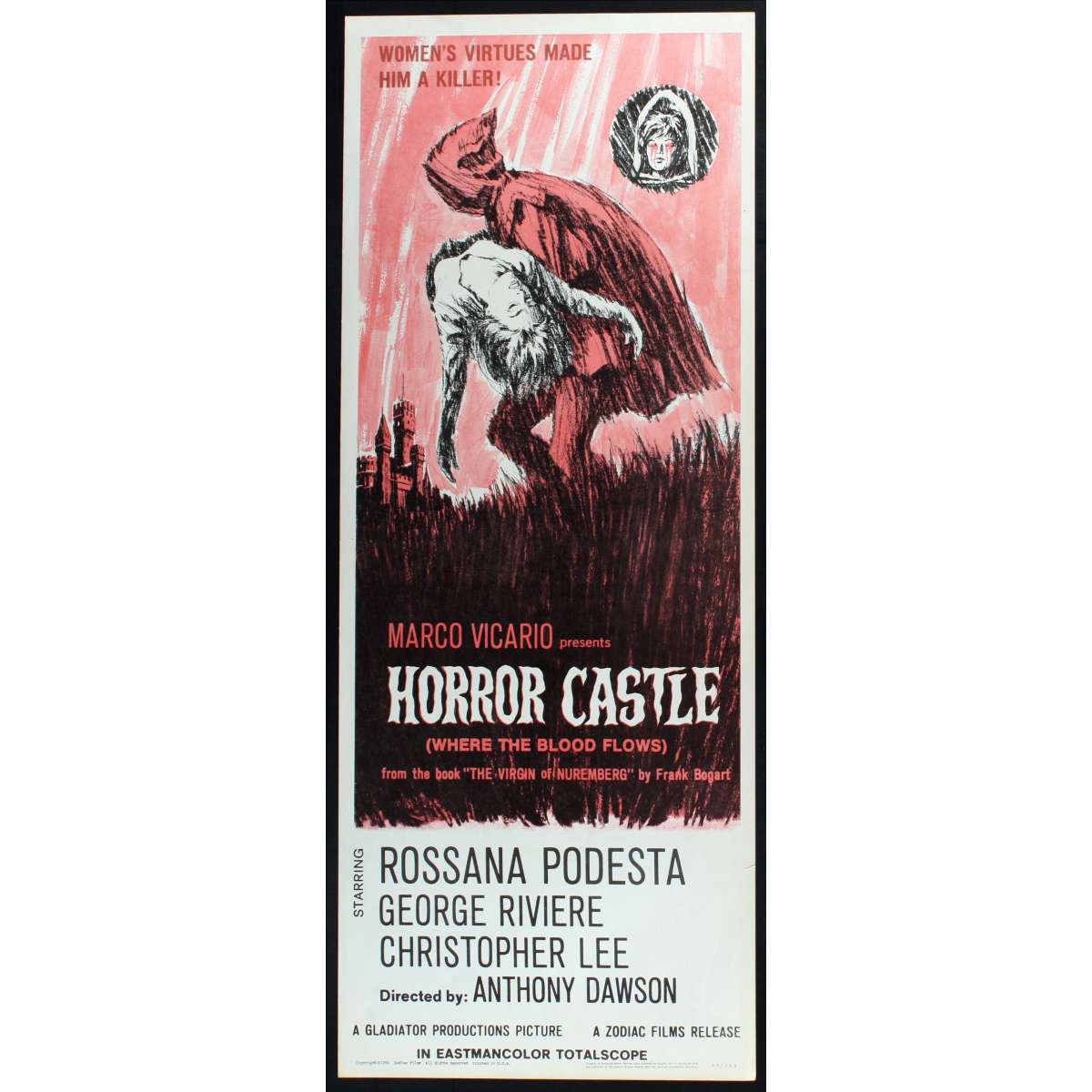
Following Helen of Troy, Podestà became a prominent figure in European historical and adventure films during the late 1950s and 1960s.
These productions were often international co-productions designed to appeal to global audiences. Podestà’s classical beauty and Mediterranean background made her particularly suited to roles in stories set in ancient or exotic settings.
One example is:
In this biblical epic she portrayed Sharah, a character involved in the dramatic narrative of the doomed cities.
Critical interpretation
Podestà’s performance reflects the conventions of epic cinema:
- dignified emotional expression
- moral seriousness
- visually striking costume and staging
Although the scripts rarely provided deep psychological characterization, Podestà conveyed sincerity and emotional clarity that helped ground the larger spectacle.
Italian Cinema and Genre Diversity
While she is often remembered for international epics, Podestà also appeared in a variety of Italian productions, including war films, adventure stories, and dramas.
One notable film is:
Set during the Second World War in occupied Marseille, the film allowed Podestà to play a character in a more realistic dramatic setting.
Critical evaluation
In films like Seven Thunders, Podestà demonstrates a more intimate acting style. Her performance relies less on visual glamour and more on emotional nuance, suggesting that she possessed greater dramatic range than her epic roles typically allowed.
However, the international success of historical spectacles meant that she was frequently cast in visually oriented roles that prioritized appearance over complex characterization.
Acting Style
Visual expressiveness
Podestà’s acting style is closely linked to visual storytelling. She communicates emotion primarily through facial expression and body language rather than elaborate dialogue.
This quality made her particularly effective in widescreen epics, where visual composition plays a central role.
Naturalistic restraint
Unlike some performers in epic cinema who adopted theatrical acting styles, Podestà often appeared natural and understated. Her restrained delivery creates a sense of sincerity even in highly stylized narratives.
Romantic sincerity
Many of her characters embody romantic idealism. Podestà conveys genuine emotional warmth and vulnerability, which helps audiences empathize with characters placed within grand historical or mythological contexts.
Recurring Character Types
Throughout her career Podestà frequently portrayed:
- mythological or historical heroines
- noble women caught in political conflict
- romantic protagonists in adventure narratives
These roles reflected the cinematic tastes of the 1950s and 1960s, when epic storytelling dominated international film production.
Cultural and Historical Context
Podestà’s career must be understood within the broader landscape of postwar European cinema.
During the 1950s and early 1960s, Italian studios and international partners produced large-scale epics designed to compete with Hollywood productions. These films required actors whose appearance and screen presence could carry visually spectacular narratives.
Podestà became one of the recognizable faces of this genre, contributing to the international popularity of Mediterranean actresses during this period.
Later Life and Career
In the later stages of her life Podestà gradually withdrew from acting and focused on personal pursuits. Her career remained closely associated with the golden age of European epic cinema.
She later married the renowned mountaineer and explorer Walter Bonatti, a relationship that drew public attention in Italy.
Legacy
Rossana Podestà remains an important figure in the history of European historical epics. Although her roles often emphasized visual spectacle, she brought sincerity and emotional warmth to characters that might otherwise have appeared purely decorative.
Her legacy rests on:
- her iconic portrayal of Helen in Helen of Troy
- her contributions to the international epic film genre
- her distinctive combination of beauty, elegance, and understated acting
Summary
Rossana Podestà’s career exemplifies the role of the actress within the grand historical spectacles of mid-20th-century cinema. Rising to fame with Helen of Troy, she became one of the defining faces of European epic films. Although the genre often limited the psychological depth of her characters, Podestà’s naturalistic restraint and expressive visual presence allowed her to create performances that remain memorable within the visually rich tradition of international epic filmmaking