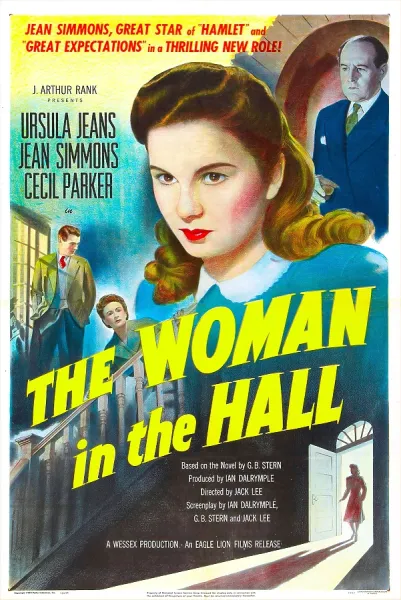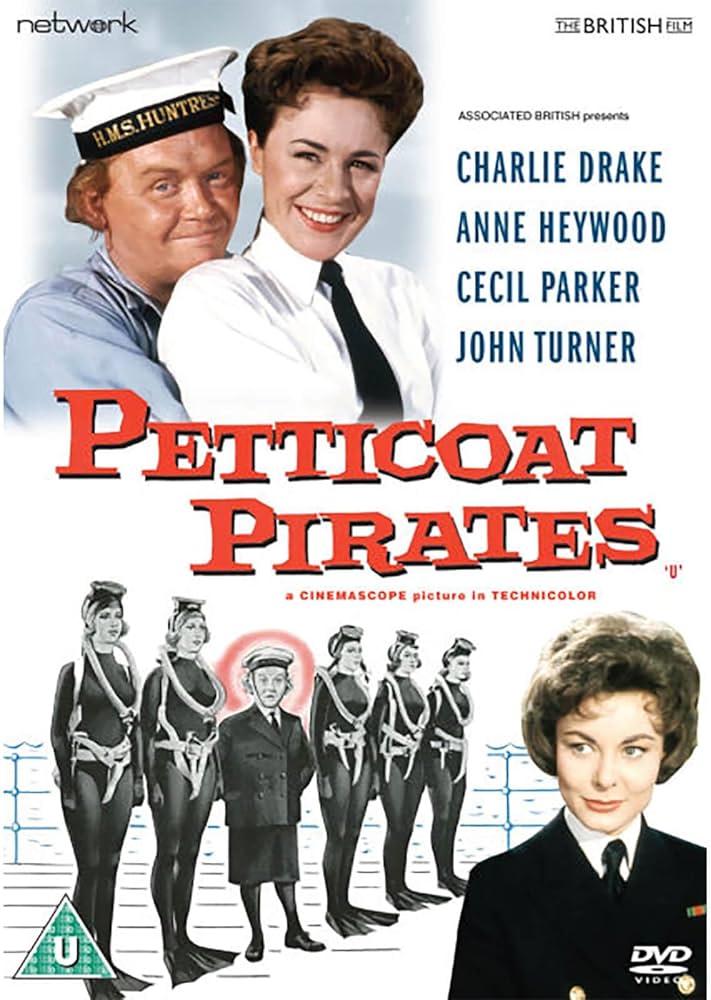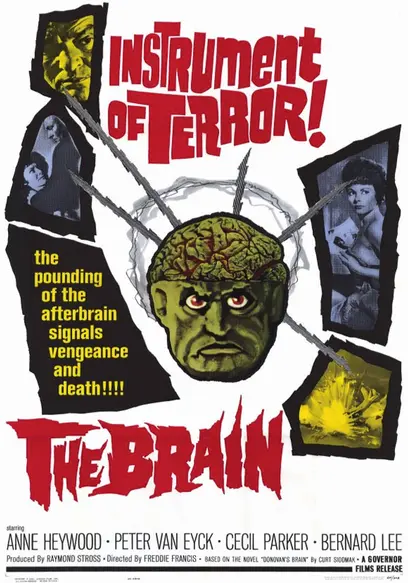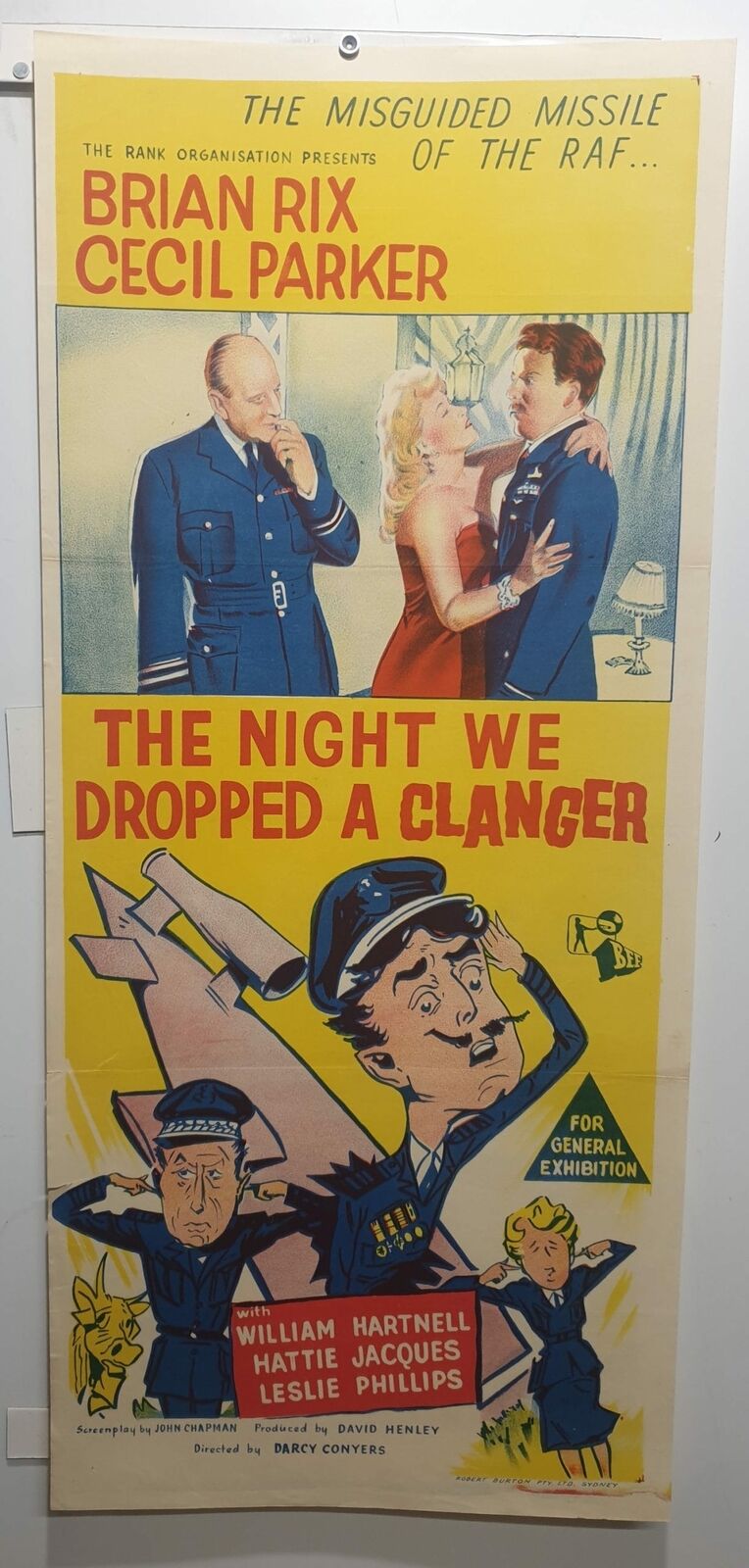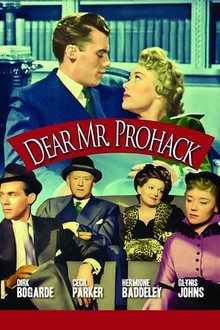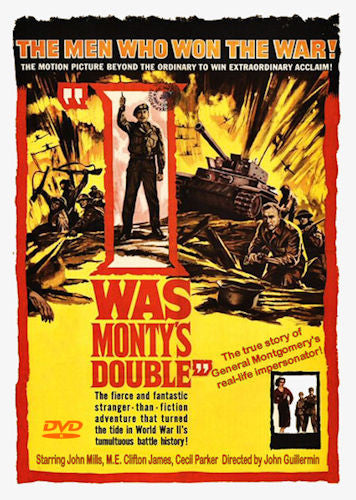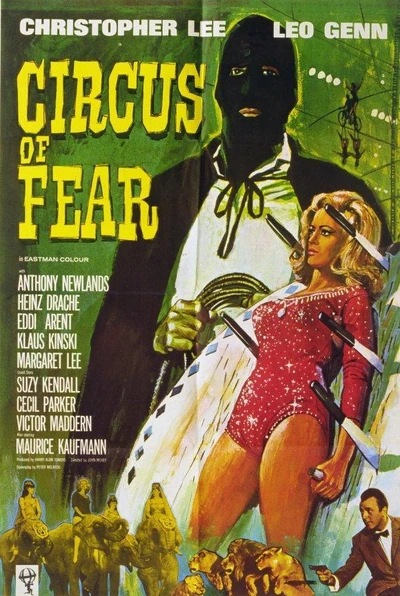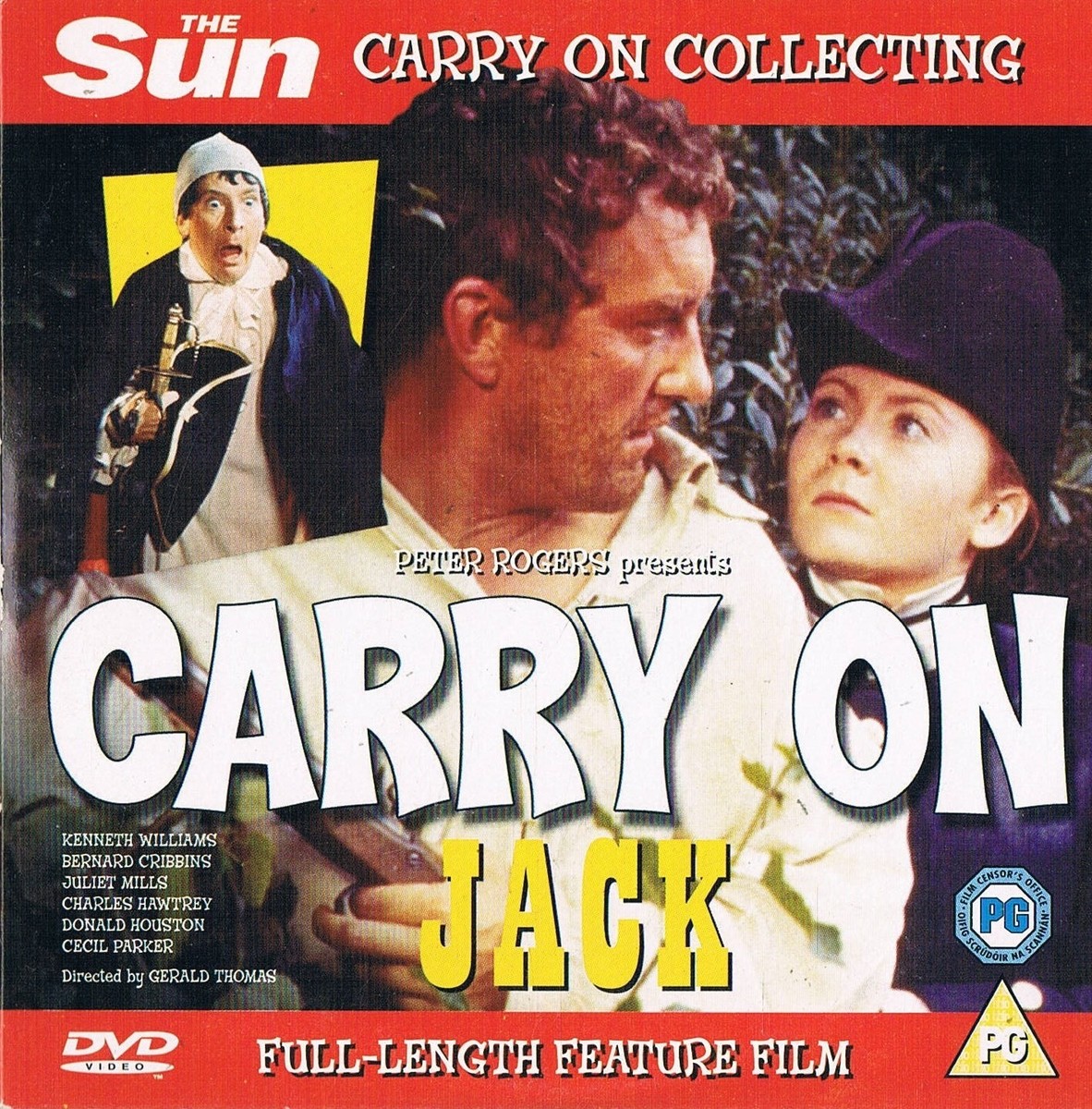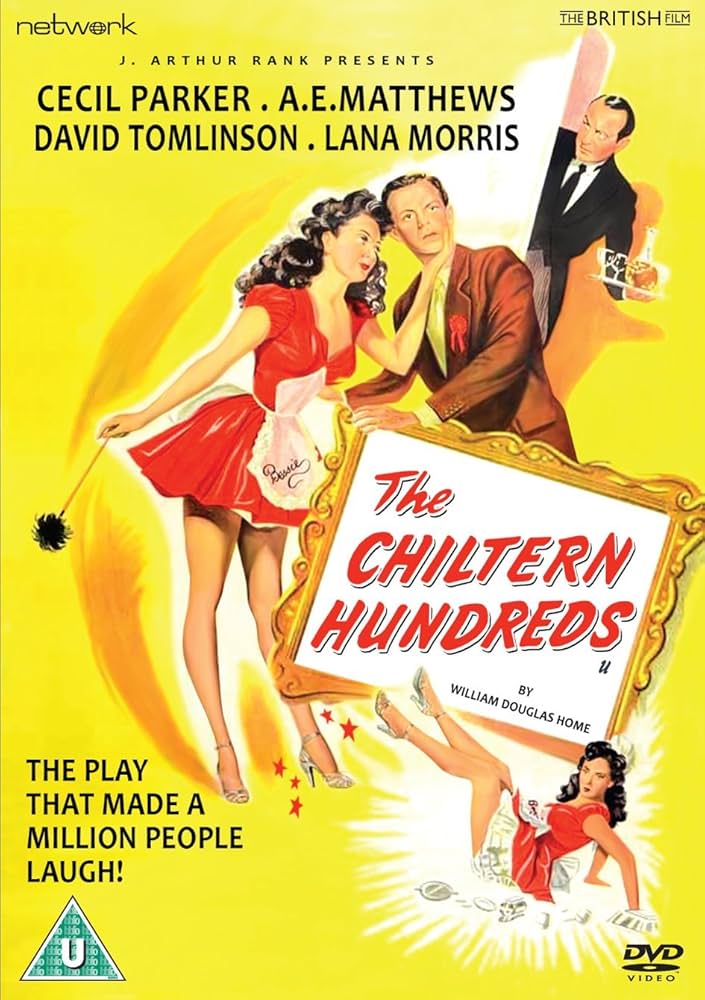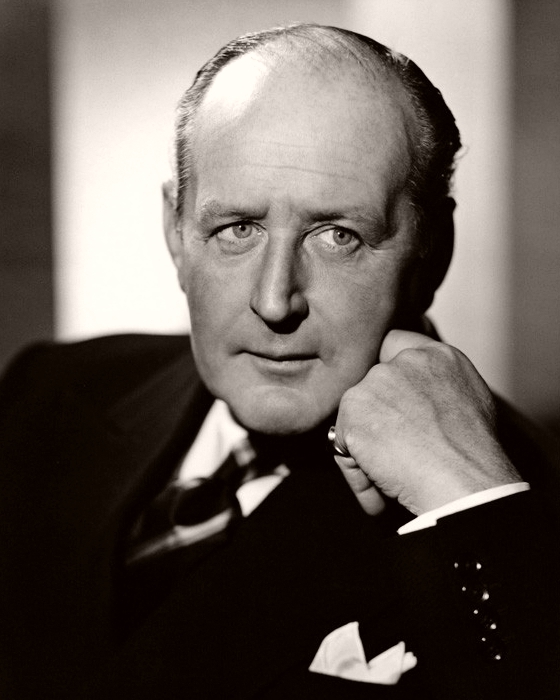

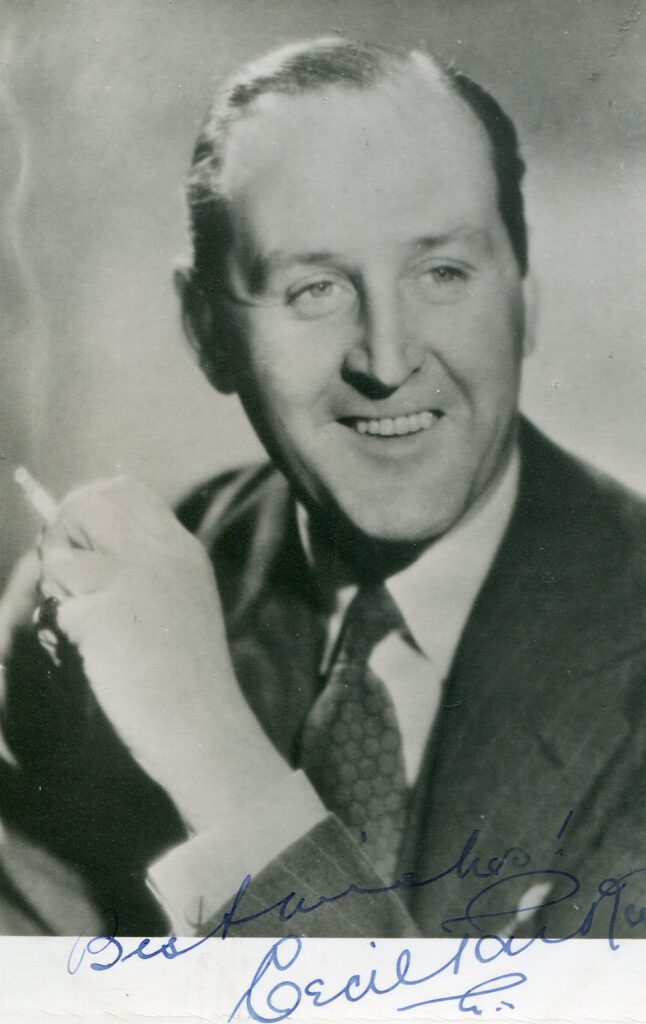
Cecil Parker (1897–1971) was the quintessential “Incompetent Aristocrat” of British cinema. With his distinctive world-weary sigh, a perfectly groomed mustache, and a voice that sounded like shifting gravel in a velvet bag, Parker became the definitive screen representation of the British establishment in a state of perpetual, polite confusion.
While he rarely played the romantic lead, a critical analysis of his work reveals an actor of impeccable structural timing who provided the essential “high-status” foil for the greatest comedians of the 20th century.
1. The “Polished Villain” and Hitchcock (1938–1945)
Parker’s early career was defined by his ability to play men who were dangerous precisely because they were so well-bred.
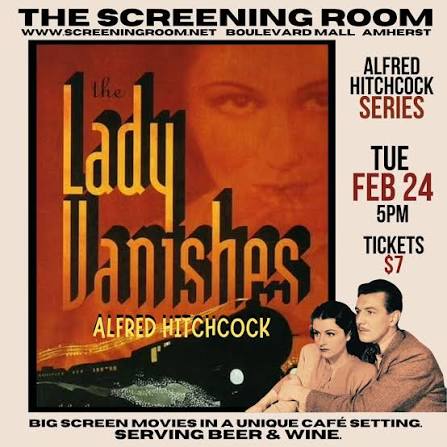
The Lady Vanishes (1938): Directed by Alfred Hitchcock. Parker played the adulterous Dr. Hartz (though often remembered for his role as the magician in other contexts, his early Hitchcockian work established his “shifty” elegance).
Critical Analysis: Hitchcock utilized Parker’s emotional opacity. Critics noted that Parker could project a chilling lack of empathy while maintaining a pleasant, upper-class exterior. He represented the “banality of evil” within the British gentlemanly code.
2. The Ealing Comedy Peak: The “Stuffy Foil” (1951–1955)
Parker found his truest calling in the post-war Ealing Comedies, where he perfected the role of the man whose dignity is his own undoing.
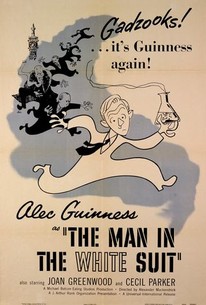
The Man in the White Suit (1951): Playing the mill owner, Sir John Kierlaw.
Analysis: In a film about industrial stagnation, Parker represented the “Petrified Establishment.”Critics praised his ability to make corporate greed look like a refined, almost bored, sense of duty. He provided the necessary “weight” against which Alec Guinness’s manic inventor could collide.
The Ladykillers (1955): As “The Major,” a con man posing as a musician.
Detailed Analysis: This is widely considered Parker’s comedic masterpiece. Critics highlight the “nervous pomposity” he brought to the role. As the “muscle” of the gang who is secretly terrified of an old lady, Parker utilized his large frame to great effect, shrinking physically as his character’s dignity evaporated. His performance was a masterclass in “status-dropping.”
3. The “Ambassador of Absurdity” (1956–1965)
As the 1950s progressed, Parker became the go-to actor for playing high-ranking officials (Generals, Bishops, Diplomats) who were utterly out of their depth.
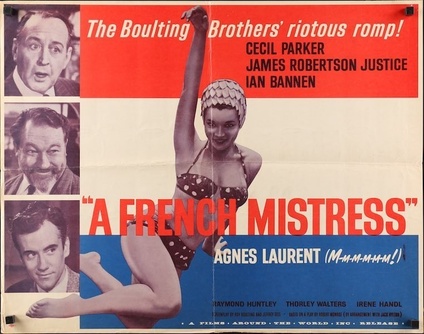
27 Rue de la Paix and A French Mistress:
Analysis: During this period, critics noted that Parker had developed a “Vocal Eye-Roll.” He could convey a character’s total exasperation with the modern world through a single “Hmph” or a tightening of the jaw. He became a satirical symbol of a British Empire that had lost its power but kept its manners.
I’m All Right Jack (1959): Playing the corrupt executive, Personnel Piper.
Critical Note: Parker showed a darker side of his persona here, playing a man who used his “gentlemanly” status to mask corporate espionage. It proved his versatility in social satire.
Detailed Critical Analysis: Style and Technique
The “Double-Take” without the Take
Parker’s greatest technical asset was his restraint. Unlike many comedic actors who rely on “mugging” or broad physical comedy, Parker reacted to absurdity by becoming more rigid. Critics often referred to his “frozen-face” technique—the funnier the situation became, the more Parker looked as though he were smelling something slightly unpleasant.
The “Aperture” of the Voice
His voice was a precision instrument. He used a constricted throat technique that made him sound like he was perpetually holding back a secret or a reprimand. This vocal quality allowed him to dominate a scene without ever raising his volume, making him the perfect antagonist for “shouting” comedians.
The Archetype of the “Decaying Pomp”
Critically, Parker is studied as a social historian of British film. He captured the specific transition of the pre-war gentleman into the post-war bureaucrat. He made the “Stiff Upper Lip” look not like a sign of strength, but like a symptom of constipation. By satirizing the British elite, he helped define the “Golden Age” of British satire.
Key Performance Highlights
| Work | Year | Role | Significance |
| The Lady Vanishes | 1938 | Mr. Todhunter | Early peak of his “Establishment Mystery” persona. |
| Caesar and Cleopatra | 1945 | Britannus | Showcased his ability to handle Shavian wit. |
| The Man in the White Suit | 1951 | Sir John Kierlaw | Defined his role as the “Antagonist of Innovation.” |
| The Ladykillers | 1955 | The Major | His most beloved and technically perfect comic turn. |
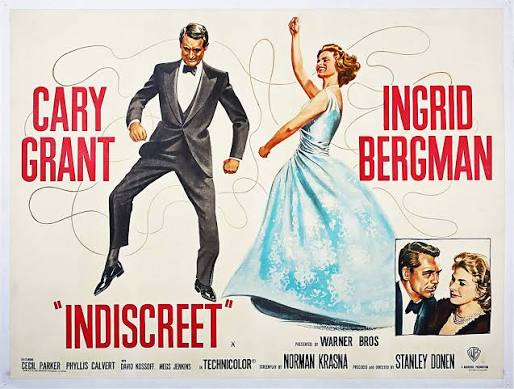
| Indiscreet | 1958 | Alfred Munson | Proved he could hold his own in a high-gloss Hollywood rom-com. |
Legacy Summary: Cecil Parker was the “Sovereign of the Sigh.” He provided the essential friction that made British comedy work. Without his unwavering, ridiculous dignity, the rebels and eccentrics of 1950s cinema would have had nothing to fight against. He remains the gold standard for “High-Status Comedy,” an actor who proved that being a bore could be an art form