







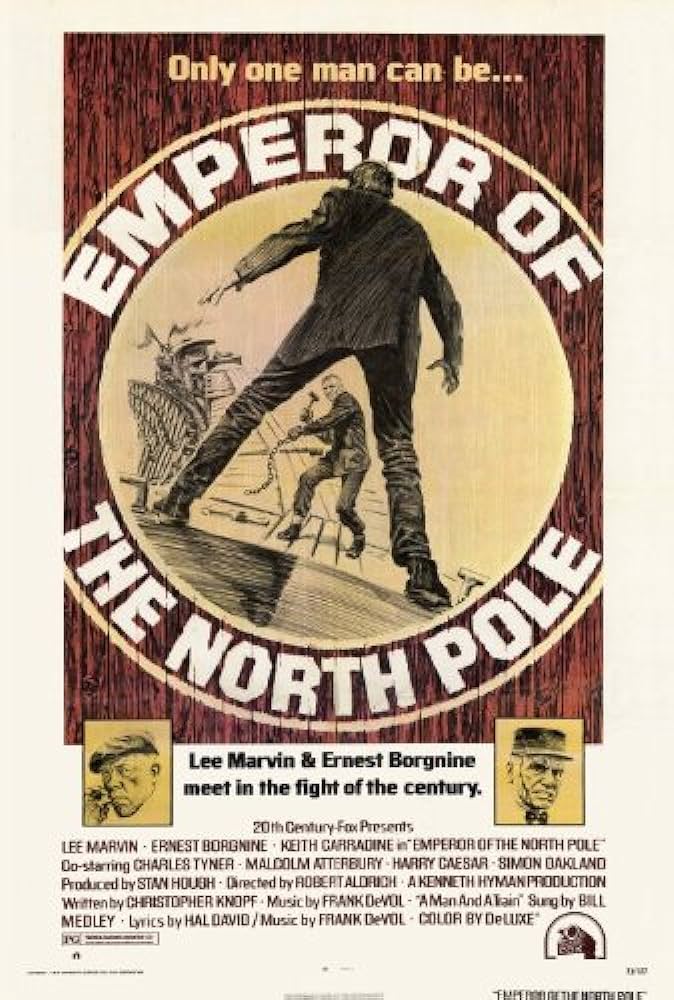





Keith Carradine
TCM overview:
Like his brothers David, Robert and Bruce and half-brother Michael Bowen, Keith Carradine followed in the footsteps of his father, John Carradine, and became an actor in the early 1970s. He enjoyed considerable success in that decade thanks to performances in independent-minded films like “Nashville” (1975), “Welcome to L.A.” (1976) and “Pretty Baby” (1978). Carradine branched into Hollywood features in the 1980s, but found more success on Broadway in the following decade, most notably with his Tony-nominated turn as American humorist Will Rogers in “The Will Rogers Follies” (1991). Carradine later divided his time between features and television, often in Western roles which benefited from his laconic presence, particularly as Wild Bill Hickok on David Milch’s brilliant revisionist series, “Deadwood” (HBO, 2004-07). By the time he played a formidable FBI agent hunting down the titular serial killer in “Dexter” (Showtime, 2006- ), Carradine had proven himself to be a highly-sought and versatile actor comfortable in both leading and supporting roles.
Born on Aug. 8, 1949 in San Mateo, CA, Carradine was raised in a show business home headed by his actor father, John, and his actress mother, Sonia Sorel. Carradine’s father had made a name for himself in Hollywood for his performances in films by John Ford and Cecil B. DeMille, among many others. After Sorel gave birth to his brothers Robert and Christopher, Carradine’s parents split when he was 6; she later married artist Michael Bowen and gave birth to Carradine’s half-brother Michael Bowen Jr. A protracted custody battled followed, but his father eventually claimed custody of his three sons, who joined their half-brothers, David and Bruce, in the sprawling clan. Meanwhile, Carradine began acting in high school and later attended Colorado State University as a theater major. But he found collegiate life stifling and dropped out after three months to pursue acting fulltime. After returning to Los Angeles in 1968, Carradine joined the Broadway production of “Hair” the following year; ironically, it was David who auditioned for the role and brought Carradine along to accompany him on piano. The producers preferred Carradine over David and cast him in the role of “tribal leader” Claude. During his tenure with the show, he and co-star Shelley Plimpton had a daughter, Martha, who later became an acclaimed stage and film actress of her own.
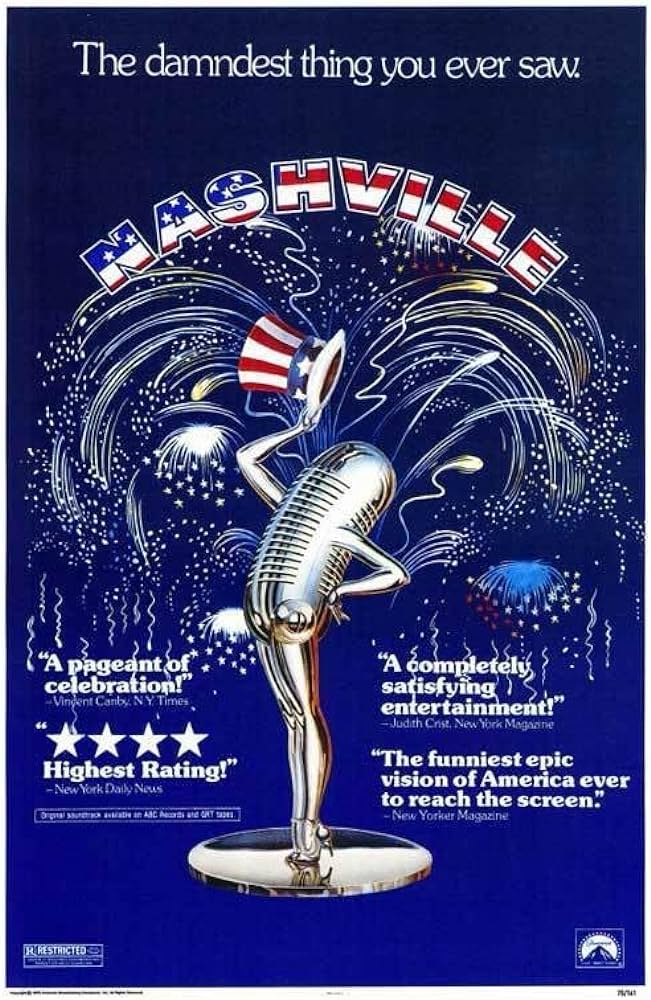
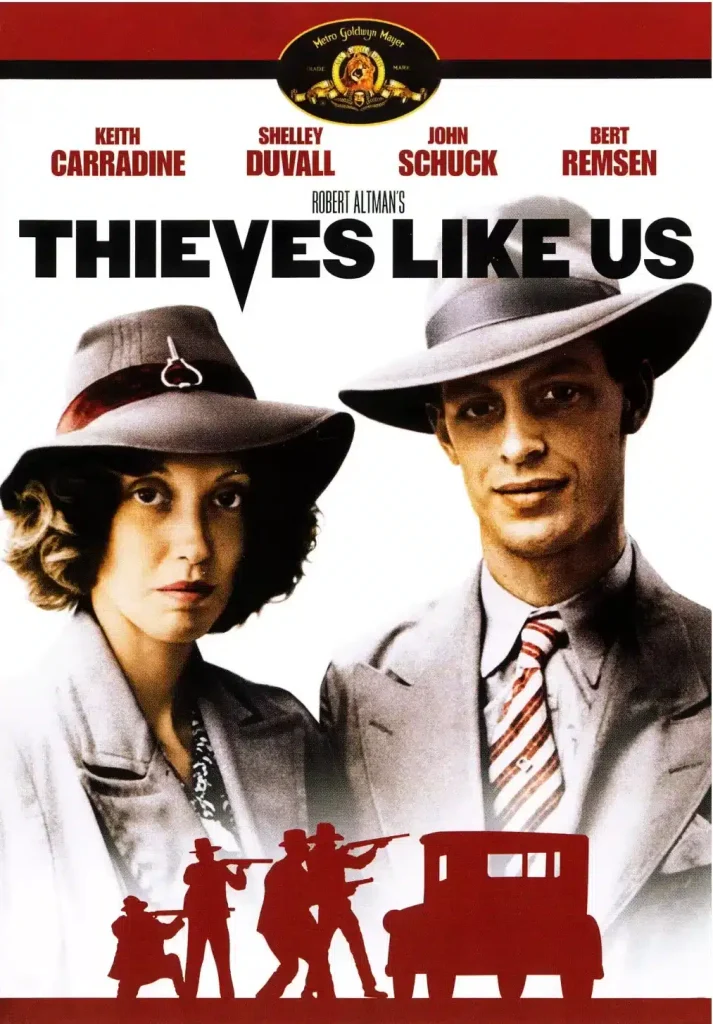
A 1970 stage production of “Tobacco Road” with his father preceded his first onscreen appearance in the downbeat Western “A Gunfight” (1971) with Kirk Douglas and Johnny Cash. Director Robert Altman liked his performance and cast Carradine as a cowpoke in his revisionist Western, “McCabe and Mrs. Miller” (1971), a film that marked the first of several acclaimed collaborations between the actor and director over the next half-decade. He bolstered his resume with several television appearances, including a guest shot on David’s hit series “Kung Fu” (ABC, 1972-75), in which he played the teenage version of Caine in flashbacks. Carradine began delivering impressive dramatic performances in a series of independent features, as well as the occasional Hollywood title. He was best used in mildly sensuous roles, like the Depression Era bank robber who complicates the life of a small town girl (Shelley Duvall) by falling in love with her in Altman’s “Thieves Like Us” (1974), or the folk singer who carries on multiple affairs with fellow musicians in “Nashville.” Carradine’s composition for the film, “I’m Easy,” earned him a 1976 Oscar and Golden Globe for Best Original Composition, and even ushered in a brief spell as a pop star when the song reached #17 on the Billboardcharts.
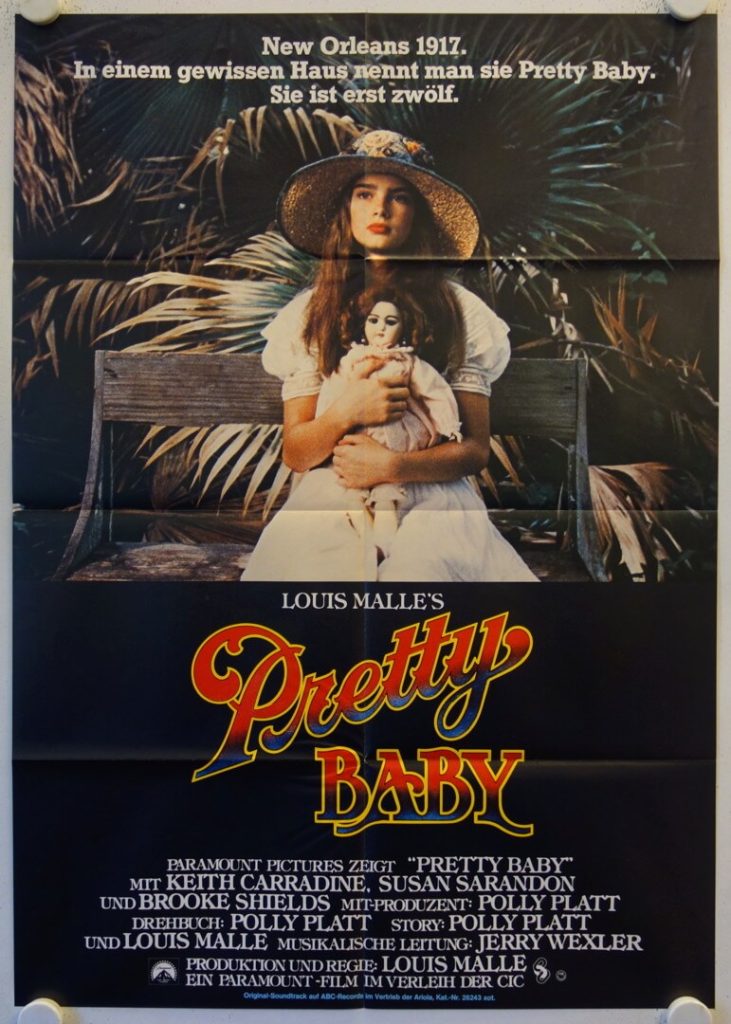
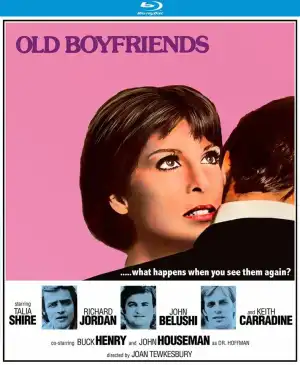
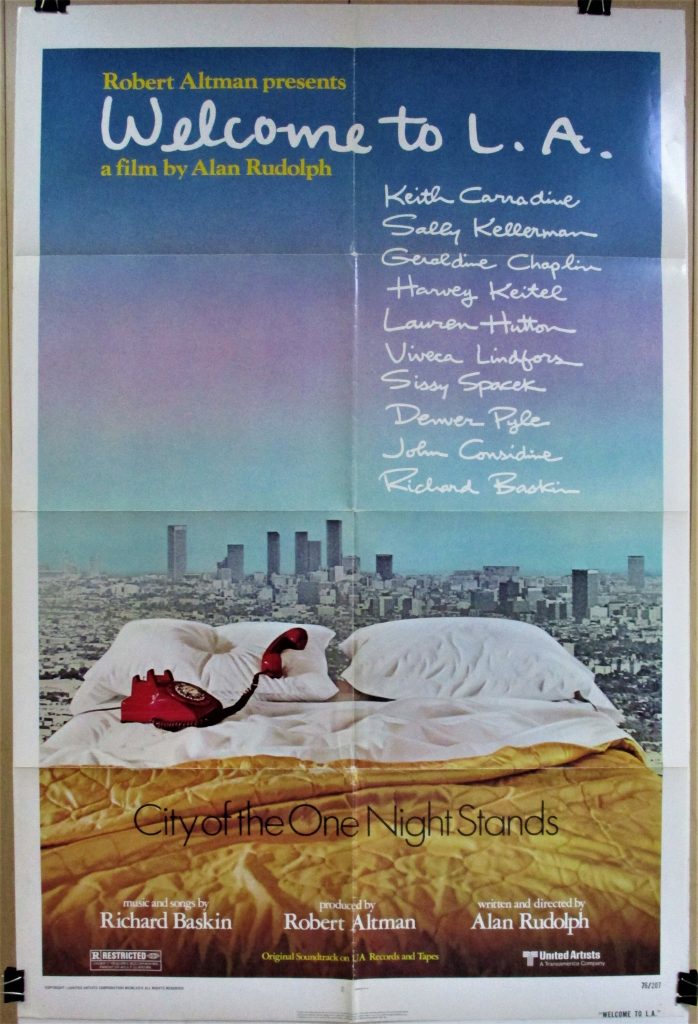
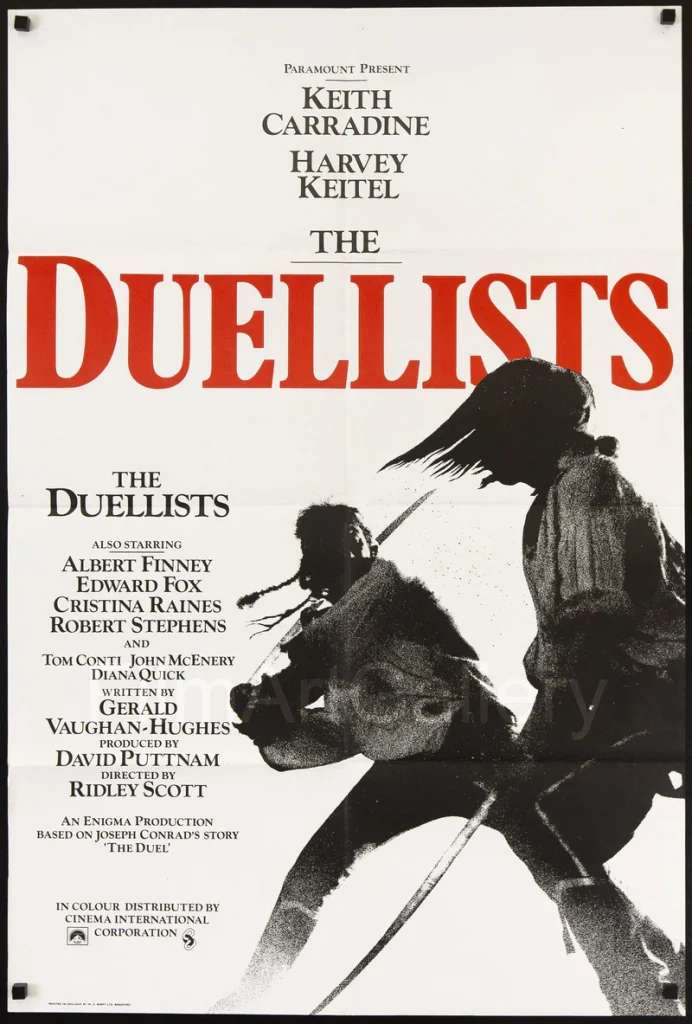
Carradine’s offbeat romantic qualities were also put to excellent use in “Welcome To L.A.” (1976), an early effort by Robert Altman’s protégé Alan Rudolph, and in Joan Tewkesbury’s “Old Boyfriends” (1979). The terminal point for these types of roles came in Louis Malle’s controversial “Pretty Baby,” which cast him as a dissolute 19th century photographer who falls in love with a 12-year-old New Orleans prostitute (Brooke Shields). Carradine also scored as a French officer entangled in a bitter struggle over respect in Ridley Scott’s “The Duellists” (1976) and Walter Hill’s Western “The Long Riders” (1980), which found him co-starring with brothers David and Robert as notorious outlaws the Younger brothers.
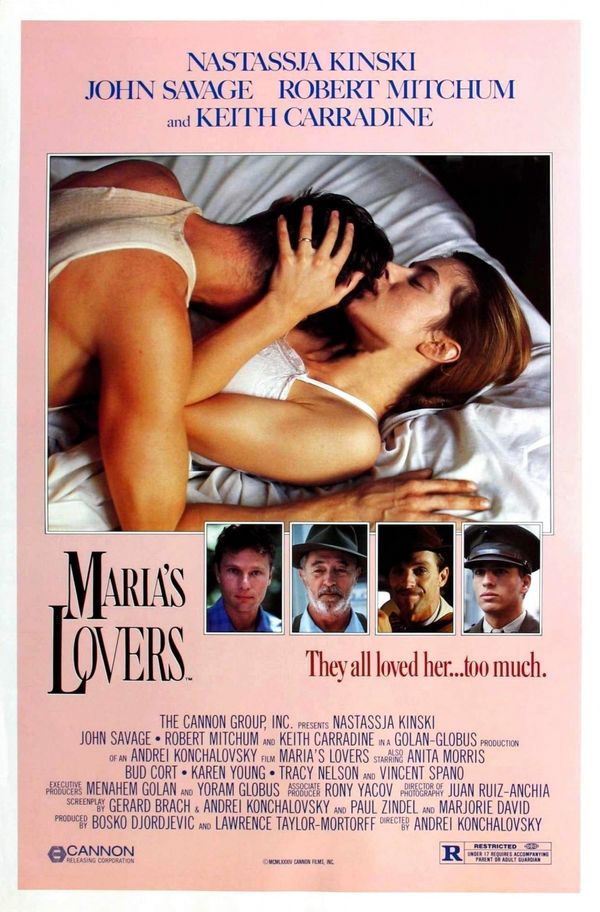
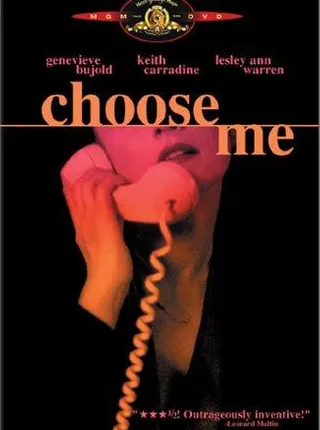
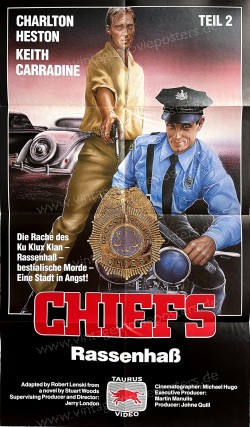
Eventually, Carradine’s involvement in arthouse-minded efforts began to yield fewer positive returns – features like Rudolph’s “Choose Me” (1984) and Andrei Konchalovsky’s “Maria’s Lovers” (1984) received critical praise, but were seen by relatively few moviegoers. Around this time, he began to shift his interests to television, where he found rewarding work in television movies and miniseries like “A Rumor of War” (CBS, 1980), “Chiefs” (CBS, 1983), which earned him an Emmy nomination for playing a Southern serial killer, and “A Winner Never Quits” (1986), in which he played one-armed baseball pitcher Pete Gray. His most widely seen television appearance of the decade, however, was undoubtedly Madonna’s music video for “Material Girl” (1984), which cast him as a Golden Age Hollywood director who is smitten by the singer after seeing her in a production number inspired by “Gentlemen Prefer Blondes” (1953).
Carradine made a return to Broadway opposite the legendary Hume Cronyn and Jessica Tandy in “Foxfire” (1982), which brought him an Outer Critics Circle Award. He reprised the role in Los Angeles in 1985 while racking up praise for his turns in “Another Part of the Forest” (1983) and “Detective Story” (1984). His greatest stage success, however, came with “The Will Rogers Follies” (1991), which required him to not only sing and dance, but show off some impressive rope tricks and deliver quips on the day’s headlines at each show. For his ingratiating turn as the American humorist, Carradine earned a Tony Award nomination and a Drama Desk Award that same year.
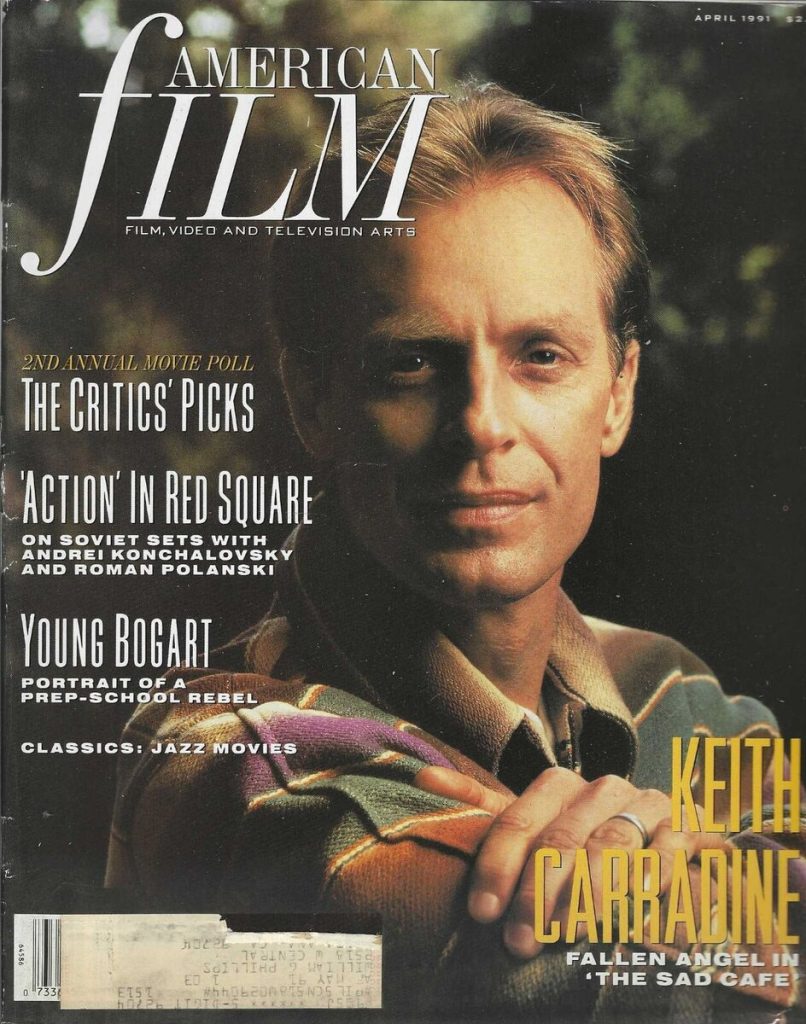
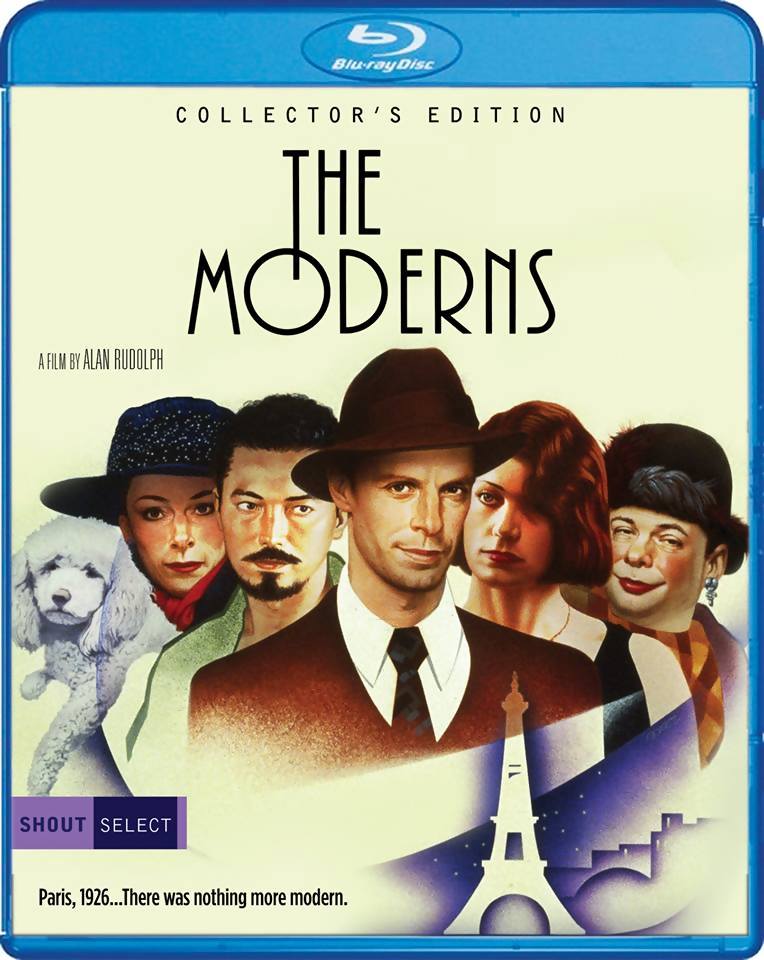
Carradine’s film career continued to blaze an independent path during the late 1980s and early 1990s. He remained faithful to director Alan Rudolph, enjoying a richly florid role as a wildly coiffured killer in “Choose Me” (1986), before he tackled playing an American ex-patriate painter in “The Moderns” (1988) and reprising Will Rogers for a cameo in “Mrs. Parker and the Vicious Circle” (1994). Carradine also displayed a talent for art by creating the painting that served as the one-sheet for “The Moderns.” Most of his big-screen efforts, however, were viewed by limited audiences, though not for lack of quality. He was Vanessa Redgrave’s ex-husband in Simon Callow’s fine film version of “The Ballad of the Sad Café” (1991) for producers Merchant Ivory, but few saw managed to see it, as was the case for “CrissCross” (1992) and the dark Southern comedy “Daddy’s Dyin’, Who’s Got the Will?” (1990). Carradine had his biggest hit in theaters during the 1990s with “Andre” (1994), a genial true story about a Maine family who nurses a baby seal back to health and later adopts the animal when it returns to their home after trying to set him free. Carradine also marked the decade by claiming his star on the Hollywood Walk of Fame in 1993.
Carradine kept busy throughout the late 1990s and into the new millennium in numerous features and television projects, as well as occasional turns to the stage. Among the better received stage efforts was a fine take on George W. Bush in a 2005 production of David Hare’s “Stuff Happens,” which concerned the political thinking behind the invasion of Iraq. He also made his debut as a series regular for the Showtime series “Fast Track” (1997), a short-lived drama from Larry Gelbart about the world of professional stock car racing. Meanwhile, “Complete Savages” (ABC, 2004-05), Carradine’s foray into family comedy, met a similar fate. But he received outstanding notices as Wild Bill Hickok in the first season of “Deadwood” (HBO, 2004-06), despite only surviving the series for its initial four episodes. In playing the weary gunslinger, Carradine imbued the often misunderstood figure with depth and nuance, turning a typically caricatured persona into a highly complex human being. His identification with the Old West later brought him to the hosting duties for the History Channel technology series “Wild West Tech” (2003-05) and the Stephen Spielberg-produced miniseries “Into the West” (TNT, 2005), where he played misguided Native American policymaker and educator Richard Henry Pratt.
In 2006, Carradine returned to Broadway in the sparkling comedy “Dirty Rotten Scoundrels.” The production preceded his joining the cast of Showtime’s darkly comic thriller, “Dexter” (2006- ); Carradine played Special Agent Lundy, who is tasked by the FBI to track down the Bay Harbor Butcher, also known as the series’ titular serial killer (Michael C. Hall). Off-screen, however, he was associated with a real-life criminal case when his first wife, Sandra Will Carradine, was convicted on two counts of perjury for her false testimony in the wiretapping trial of celebrity detective Anthony Pellicano. After divorcing Carradine in 1993, she hired Pellicano to place wire taps on her ex-husband’s phone, as well as that of his girlfriend and eventual second wife, Haley DuMond. Carradine’s ex-wife later complicated her involvement by becoming romantically involved with Pellicano. Meanwhile, Carradine appeared in an episode of “Criminal Minds” (CBS, 2005- ), which he followed by voicing a character in the Grapes of Wrath segment of “Novel Reflections on the American Dream” (PBS, PBS, 2007), a documentary look at how novelists have portrayed the idea of the American Dream.