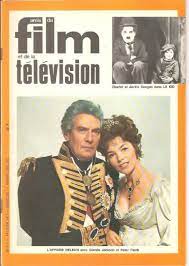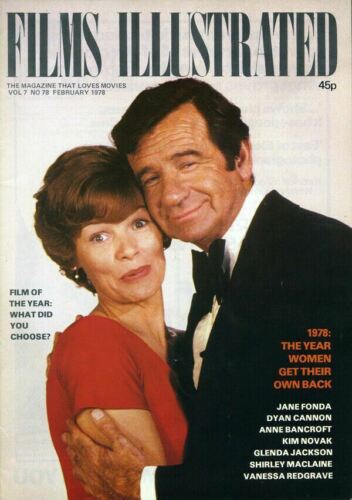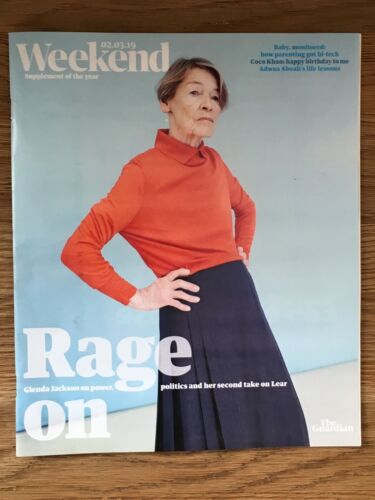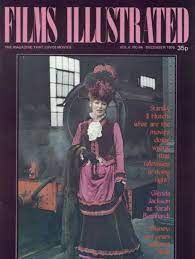

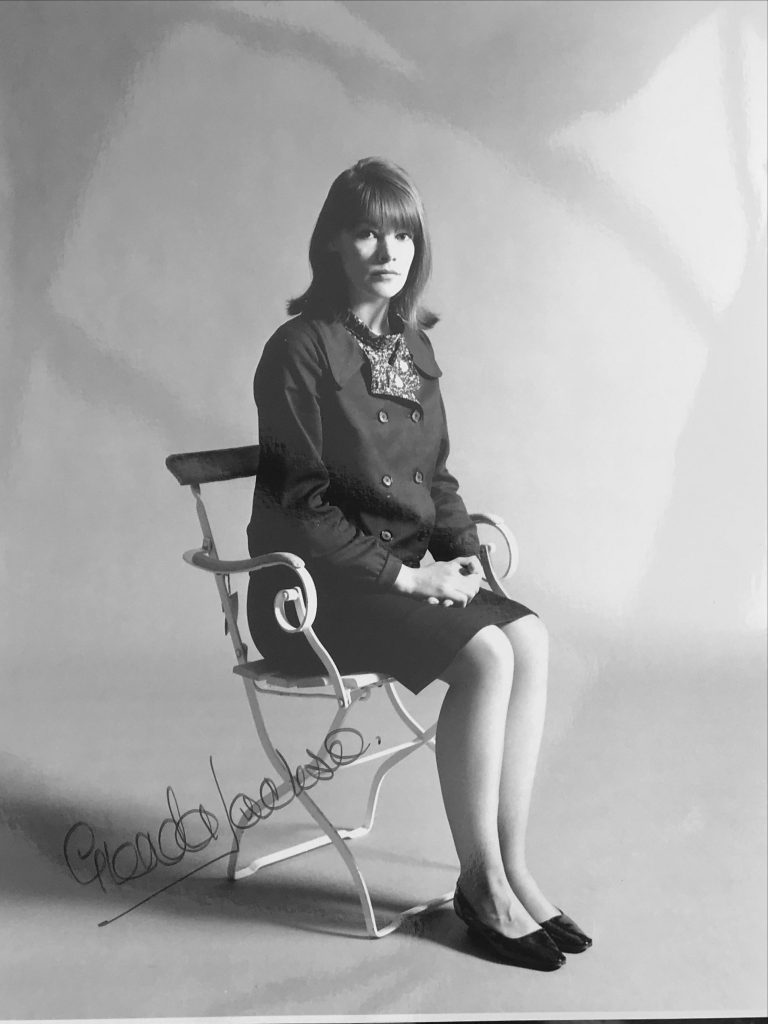
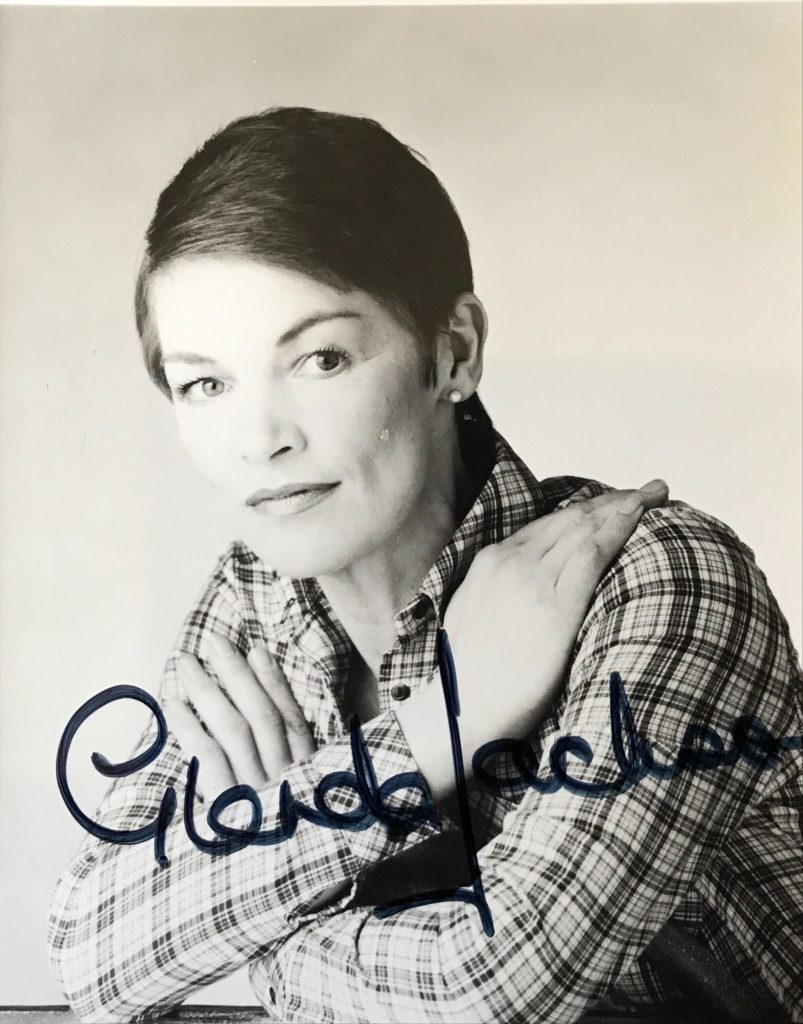
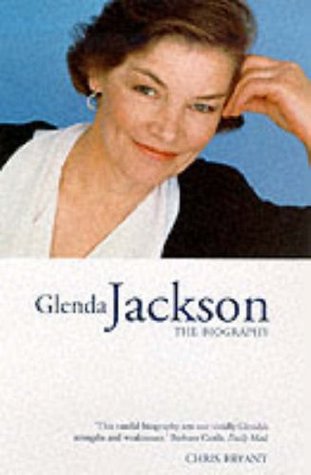
Glenda Jackson

RADA-trained Glenda Jackson was shaped by her work with the Royal Shakespeare Company which she joined in 1964 and specifically by director Peter Brook’s experimental Theatre of Cruelty season that year and its Antoine Artaud-influenced improvisational games. She won acclaim for her chilling performance as an asylum inmate portraying Danton’s murderer Charlotte Corday in the 1965 London and New York productions of “Marat/Sade”, staged by Brook. And although she made a brief screen appearance as an extra in “This Sporting Life” (1963), her first significant film work was reprising the role of Corday in Brook’s 1967 screen version of “Marat/Sade”, perhaps auguring the many neurotics she has so brilliantly portrayed on stage and film.

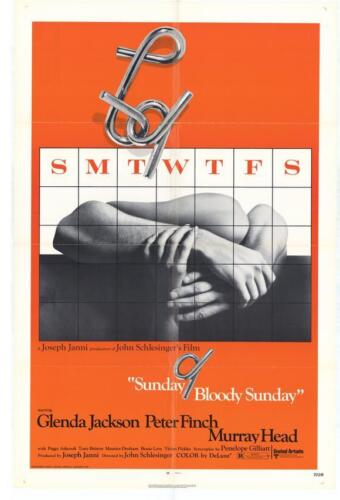
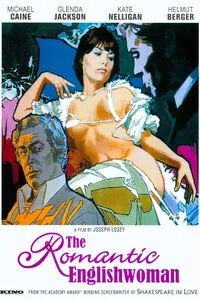
Plain-featured but striking looking, with a gift for conveying blistering disgust or contempt with her curled lip, her clipped, almost spitting delivery and her cold stare, Jackson has nonetheless played a wide range of roles from queens, romantics, seductresses and sensualists to independent women and intellectuals; she has excelled at portraying high-strung, strong-willed and sexually rapacious women in notable films by such directors as Ken Russell (“The Music Lovers” 1971), John Schlesinger (“Sunday, Bloody Sunday” 1973) and Joseph Losey (“The Romantic Englishwoman” 1975).
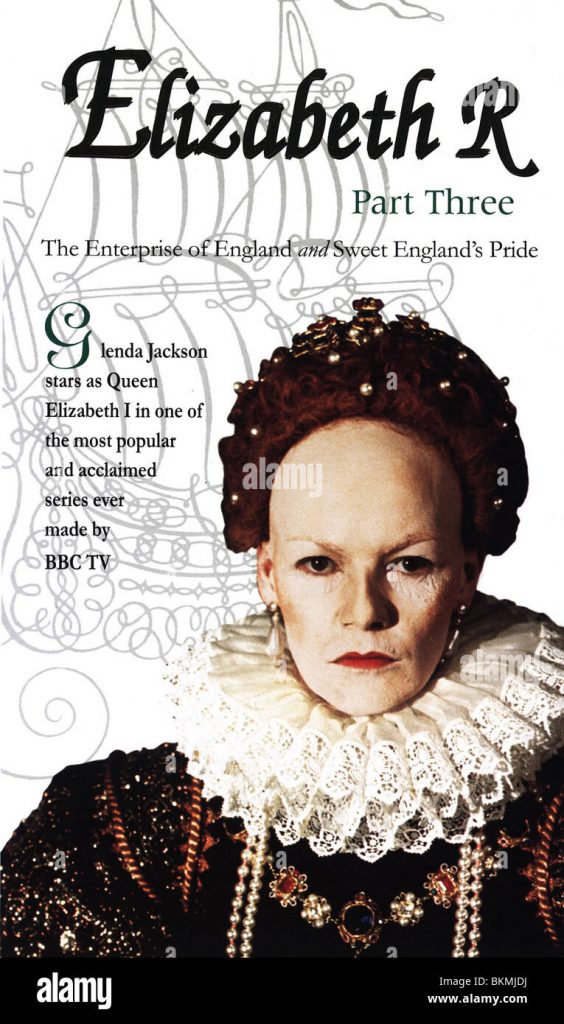
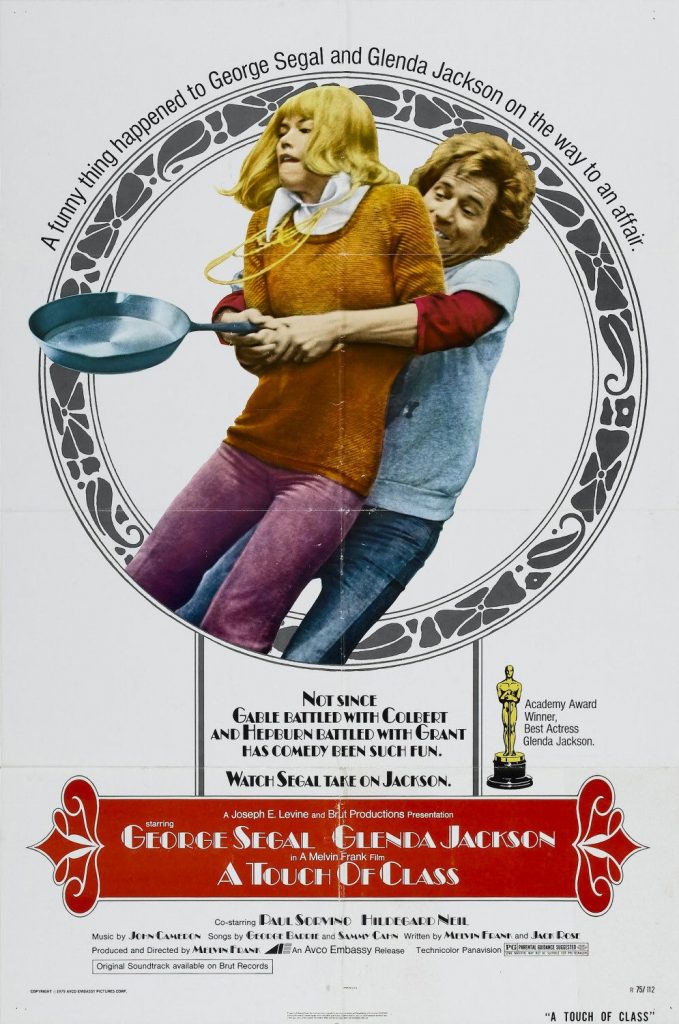
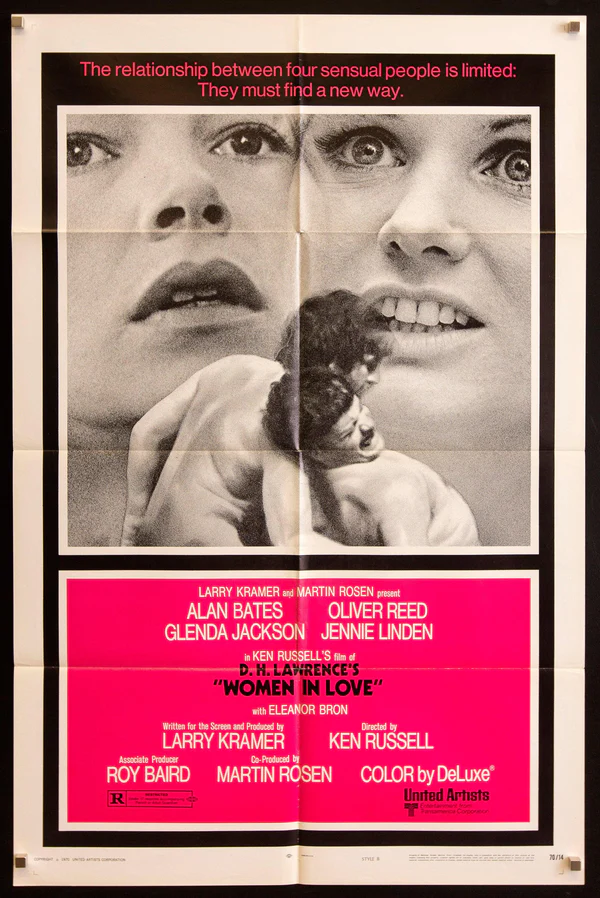
Jackson won two Best Actress Oscars, for her roles in Russell’s D.H. Lawrence adaptation, “Women in Love” (1970) and for her change of pace performance in Melvin Frank’s light romantic comedy “A Touch of Class” (1973). She also won two Emmys for her portrait of Queen Elizabeth I from youth to old age on the series “Elizabeth R” (shown in the USA on PBS in 1972).

Jackson made an assured switch to middle-aged roles in the mid-1970s, beginning with the Hepburn-Tracy style comedy, “House Calls” (1978), opposite Walter Matthau. In 1992, Jackson won a seat in the British Parliament as a member of the Labour Party and retired from acting.

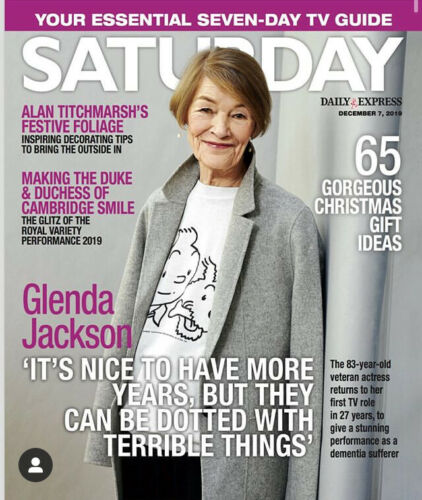
In 2019 she made a comeback to acting. Sadly Glenda Jackson died in June 2023.

Guardian obituary in 2023:

Glenda Jackson has died at the age of 87 after “a brief illness” at her home in London.

In a statement, her agent, Lionel Larner, said: “Glenda Jackson, two-time Academy Award-winning actress and politician, died peacefully at her home in Blackheath, London, this morning after a brief illness with her family at her side.”

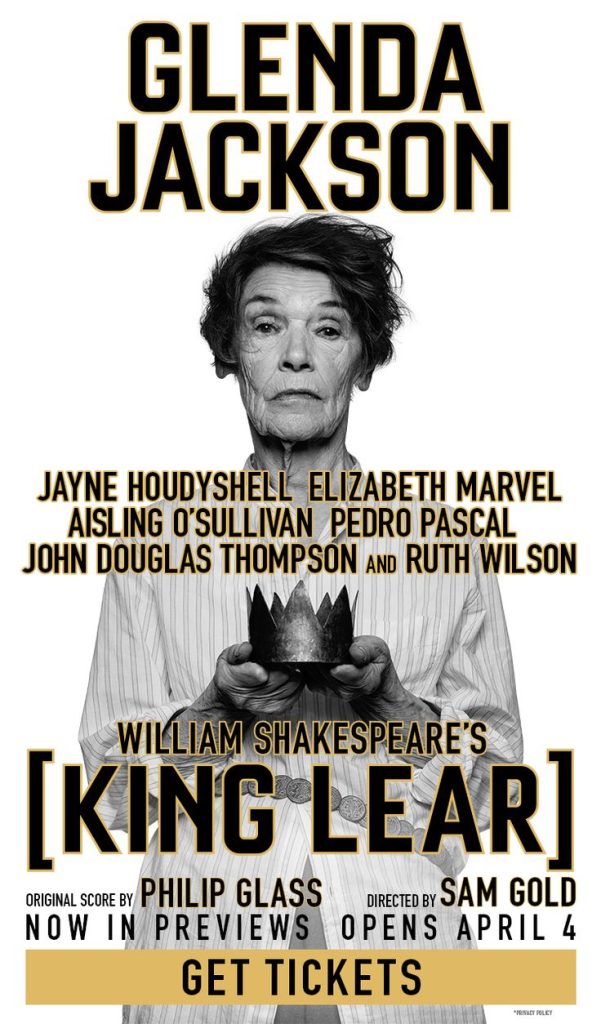
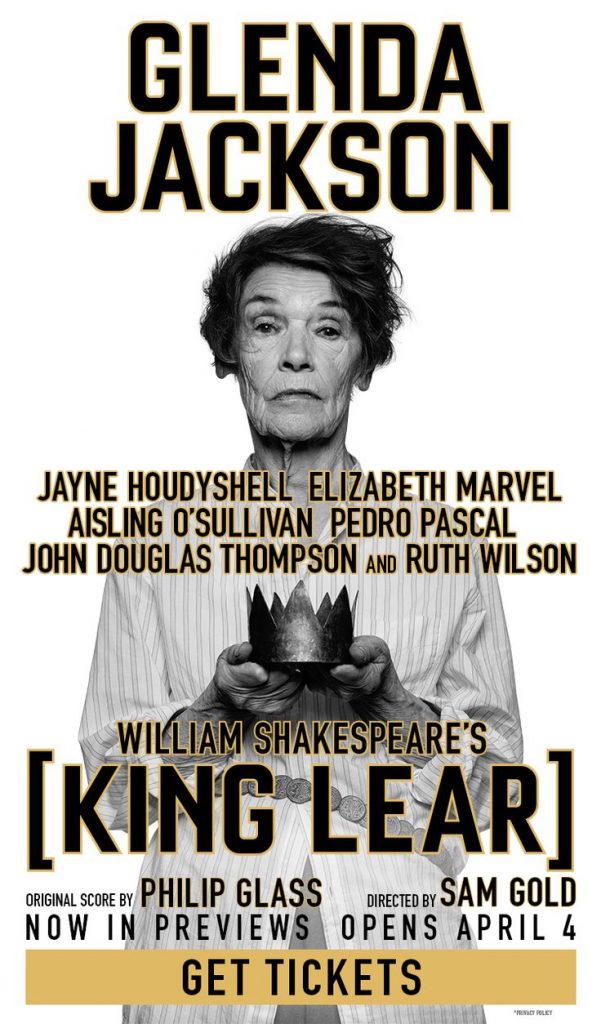
Jackson bestrode the narrow worlds of stage and screen like a colossus over six decades. Though such a Shakespearean tribute would undoubtedly have had the famously curmudgeonly actor reaching for her familiar catchphrase: “Oh, come on. Good God, no,” nothing less will do for a star who emerged from a 23-year career break to play King Lear at the age of 82.

Peter Bradshaw

Not only did she win an Evening Standard theatre award for that performance, but she brought the audience to its feet by playing up to her ferocious reputation with an attack on the awards’ sponsor. For decades, the newspaper had scorned her as an actor, opposed her as an MP, she said, “so I’m left thinking what did I do wrong?”

Jackson began life in Birkenhead, Merseyside, in 1936, the first of four daughters born to a bricklayer father and a mother who worked as a cleaner. Her early dreams of becoming a dancer were thwarted when she grew too tall, and she left West Kirby grammar school for girls at 15 for a job on the shop floor of Boots.
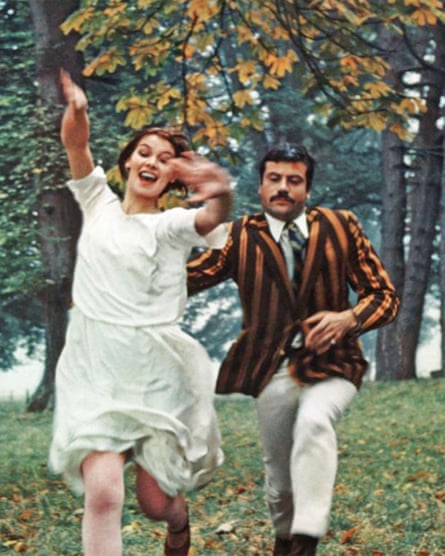
Glenda Jackson as Gudrun Brangwen and Oliver Reed as Gerald Crich in Women in Love (1969).
Glenda Jackson as Gudrun Brangwen and Oliver Reed as Gerald Crich in Women in Love, 1969. Photograph: Pictorial Press Ltd/Alamy

Discovering that she liked acting, after being persuaded by a friend to join the local Townswomen’s Guild drama group, she applied to the one drama school she had heard of, Rada, with the proviso that she could only afford to go if she won a scholarship. She duly did. She was still a student there when she made her professional stage debut in the seaside town of Worthing in 1957, in a two-parter by Terence Rattigan, Separate Tables.

Six years as a jobbing actor and stage manager in repertory theatres around the country eventually brought her to the attention of the RSC, which she joined in 1964 just as the director Peter Brook was making a mark with a season entitled Theatre of Cruelty. He cast her in Peter Weiss’s Marat/Sade, as a prisoner assigned to play Marat’s assassin, Charlotte Corday, a performance that was recalled years later by the playwright David Edgar as one of the best he had ever seen, in a production that “changed British theatre for ever”.

She went on to reprise the role on film in 1967, by which time she had already made a fleeting screen debut in Lindsay Anderson’s This Sporting Life. Her film career began in earnest two years later, when her performance as the abrasively sexual Gudrun, in Ken Russell’s adaptation of the DH Lawrence novel Women in Love, won her the first of two best actress Oscars, neither of which she turned up to receive. She later said she had bequeathed her statuettes to her mother, whose ferocious polishing soon rubbed the gilt away.
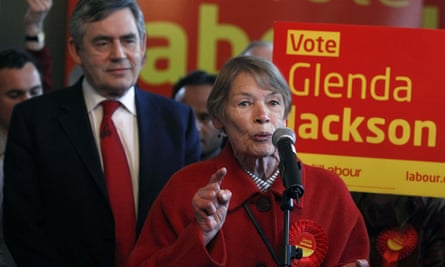
Jackson campaigning in her north London constituency with Gordon Brown in the 2010 general election campaign.
Jackson campaigning in her north London constituency with Gordon Brown in the 2010 general election campaign. Photograph: Andrew Winning/PA Archive/PA Images

By the time she finished making Women in Love she was six months pregnant with her son, Dan, the only child of an 18-year marriage to fellow actor turned antique dealer Roy Hodges. But far from slowing down for a while, two years later she was back, in a rollercoaster of roles. Her achievements in 1971 included Tchaikovsky’s nymphomaniac wife in another Russell film, The Music Lovers; Queen Elizabeth I, in an influential TV six-parter Elizabeth R which won her two Emmys, and a mouthy, placard-wielding Cleopatra in the first of a series of comedy turns for the BBC’s Morecambe and Wise Show. In 1973 she won her second Oscar as sparring lover Vicki in the romantic comedy A Touch of Class.

Though she was outspoken about the lack of good parts for women, she continued to find them into her 50s, at which point she made the startling decision to give it all up and run for parliament. From her election in 1992 to her resignation in 2015, she turned her back on her previous stardom, devoting herself to representing the constituents of Hampstead and Kilburn in London as a Labour MP.
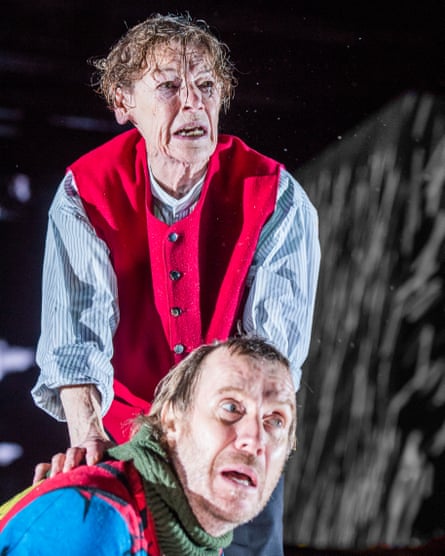
Jackson as King Lear with Rhys Ifans’ Fool in 2016.
Jackson as King Lear with Rhys Ifans’ Fool in 2016. Photograph: Tristram Kenton/The Guardian

Any ambitions she may have had for a lead role in government were banjaxed by her outspoken opposition to the Iraq war. Grandstanding opportunities were limited to occasions such as the death of Margaret Thatcher, when she cut through sentimental parliamentary etiquette with her own salty verdict on an ideology of “greed, selfishness, no care for the weaker, sharp elbows, sharp knees”.

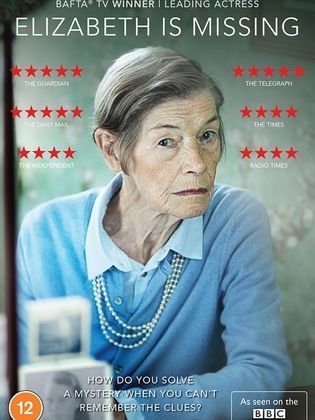
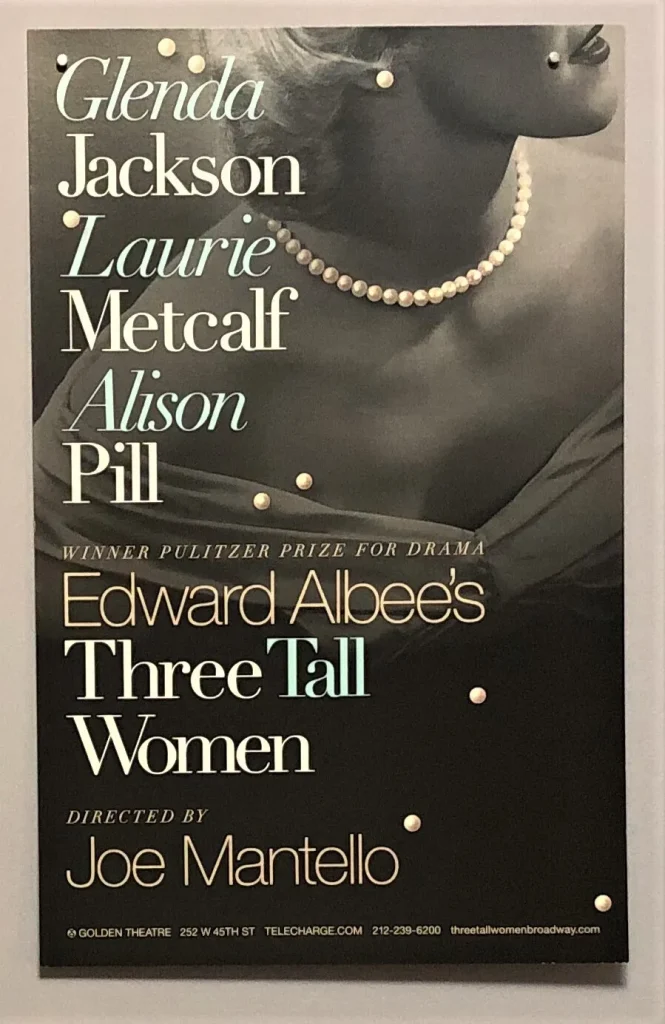
She followed her triumphal return to the theatre as King Lear with another award-winning performance, as the shuffling, vituperative 92-year-old widow A, in a Broadway revival of Edward Albee’s Three Tall Women, and as Maud, the Alzheimer’s-struck protagonist of Elizabeth Is Missing (of which Guardian TV critic Lucy Mangan wrote that she was “wonderful, in that vanishingly rare way that can come only from next-level talent as razor-sharp as it ever was plus 40 years of honing your technique, whetting both blades on 80 years of life experience.”)

She forsook her north London stronghold in her later years for a basement flat in the south London home of her son, Dan Hodges – now a political columnist whose views were markedly different from her own – where she gardened, watched her grandson growing up, and continued to pour the finest sort of scorn on any passing folly or hypocrisy
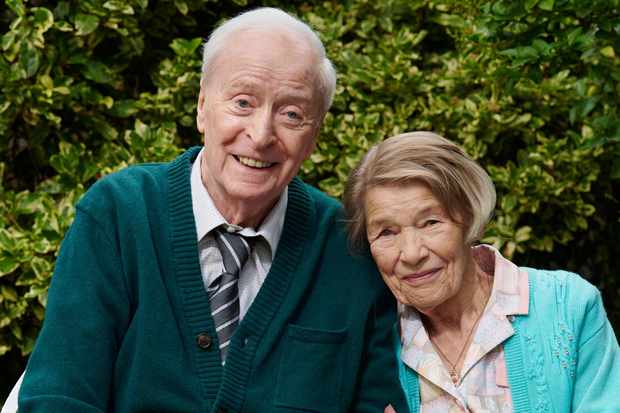

Glenda Jackson (1936–2023) stands among the most formidable figures in 20th-century British acting. Over a career spanning six decades, she redefined the image of female strength, intelligence, and sensuality in modern drama. Her work—both on screen and stage—was marked by psychological fearlessness, intellectual rigor, and an unflinching refusal to soften her characters’ complexities. Jackson’s later career, which included a remarkable 23-year detour into politics as a Labour MP, only deepened the aura of integrity and intensity surrounding her performances.

Early Formation and Stage Breakthrough (1957–1968)

Born in Birkenhead, Merseyside, Jackson was the daughter of a bricklayer and grew up far from artistic privilege. After studying at RADA, she made her stage debut in All Kinds of Men (1957) and soon joined the Royal Shakespeare Company (RSC). Her breakthrough came in Peter Brook’s 1964 production of Marat/Sade, playing Charlotte Corday—a role she later repeated on Broadway and in the 1967 film adaptation .

In these early years, Jackson’s acting was strikingly modern: emotionally volcanic but controlled by fierce intellect. Her Corday’s stillness seemed to contain madness rather than exhibit it—a signature Jackson quality that would recur throughout her career. Critics noted her “fire and ice” duality: volcanic passion bound by stern discipline.

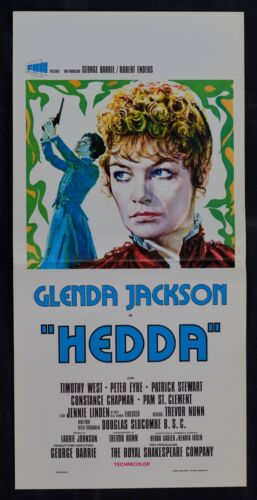
Even within the classical canon—her Ophelia in Peter Hall’s Hamlet (1965), or Hedda Gabler (1975)—she was unromantic and confrontational, using her sharp diction and angular presence to expose rather than soothe emotion.


Cinematic Mastery and Radical Realism (1969–1982)

Jackson’s film ascendancy coincided with the more sexually and psychologically open British cinema of the late 1960s and 1970s. Her debut as Gudrun Brangwen in Ken Russell’s Women in Love(1969) exploded the screen’s convention of feminine decorum. For this performance she won her first Academy Award, embodying a woman both cruel and yearning, possessive and emancipated—a complex depiction of female subjectivity unprecedented in British film .

Her subsequent roles consolidated her as the era’s sharpest chronicler of adult female experience:

  • Sunday Bloody Sunday (1971) – As Alex Greville, the middle-aged professional engaged in a polyamorous affair, Jackson offered an unsentimental, quietly devastating portrait of loneliness and modern sexual freedom. The performance earned her the BAFTA Award for Best Actress.
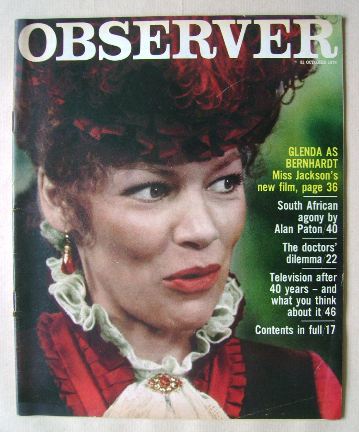
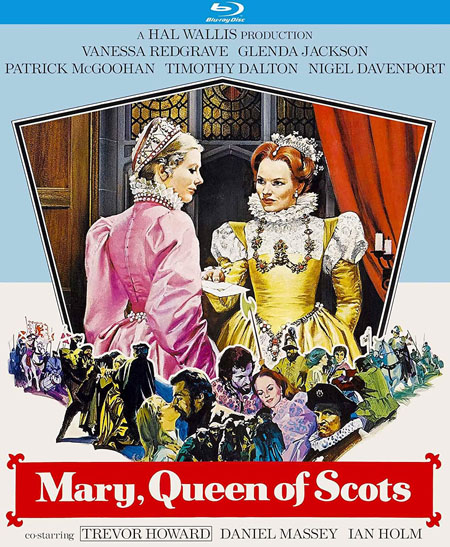
  • Mary, Queen of Scots (1971) and Elizabeth R (BBC, 1971) – Her Elizabeth I remains definitive: intellectual, imperious, and exhausted by power. The role’s blend of erotic ferocity and political isolation captured Jackson’s fascination with control and vulnerability. She won two Emmy Awards for the television series.
  • A Touch of Class (1973) – Winning her second Oscar, Jackson revealed a rare aptitude for comedy without sacrificing honesty. Her brisk wit and emotional precision elevated a romantic farce into a study of autonomy and compromise.
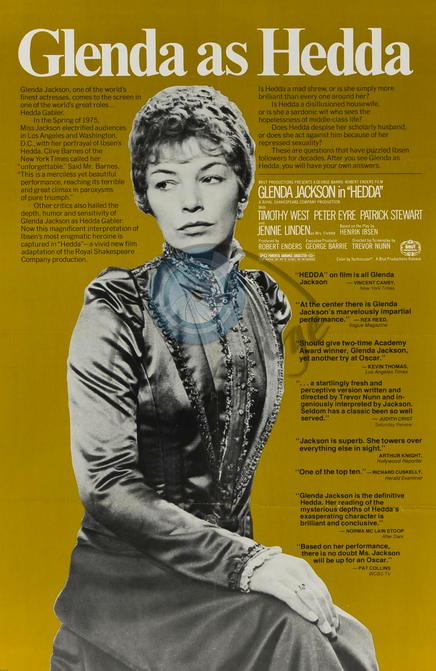
  • Hedda (1975) – In Trevor Nunn’s film of Hedda Gabler, Jackson pared down Ibsen’s textual ironies into something raw and existential. She played Hedda as both victim and executioner—a woman crushed by social formality yet complicit in her doom.

Across these films, Jackson’s performances rejected glamour for truth. She gave physical shape to emotional contradiction: her posture was tense, her voice cutting, her gaze accusatory. As Entertainment Weekly later observed, she “led a new wave of female characters who were not defined by men” .


Stage and Television Range (1970s–1980s)

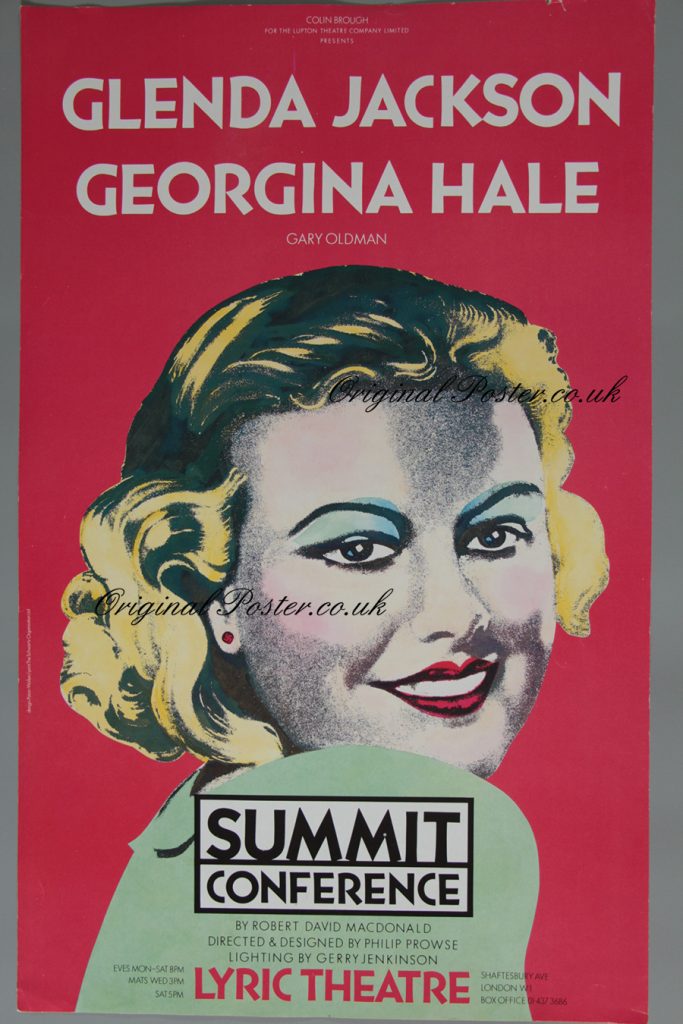
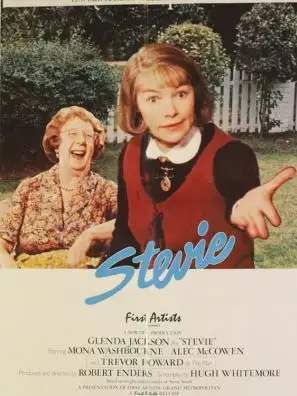
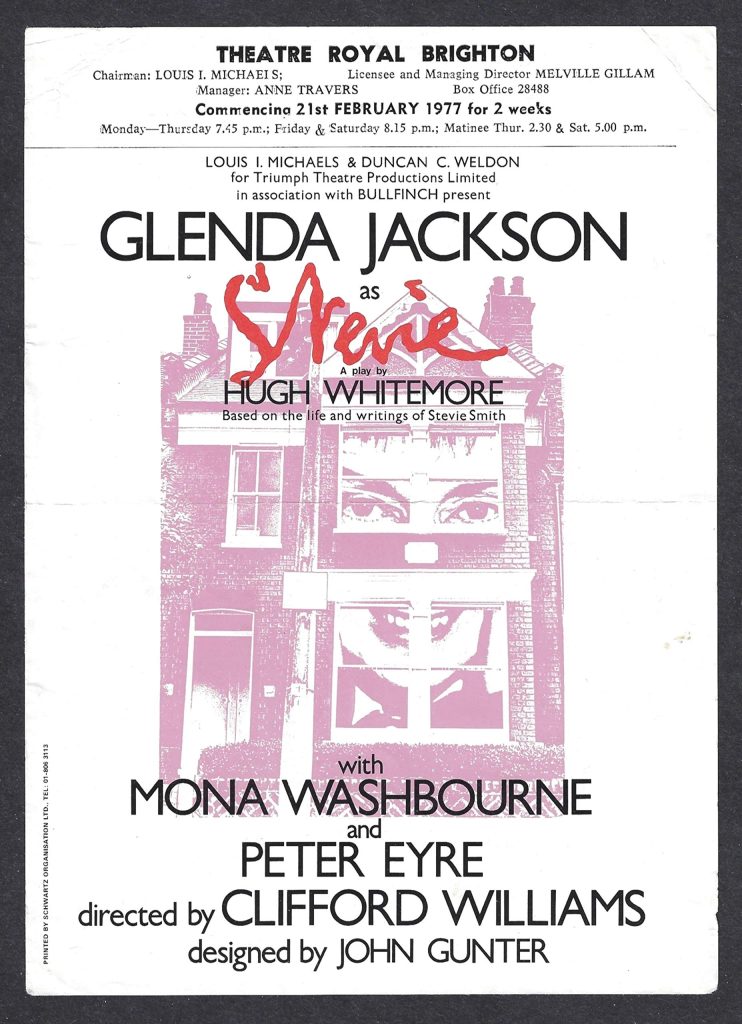
Jackson never abandoned theatre. Her Stevie (1977)—as poet Stevie Smith—was introspective and crystalline, earning acclaim in both London and New York. In Antony and Cleopatra (1978) and Strange Interlude (1984), she fused cerebral clarity with sensual despair, pushing female roles toward tragic universality.

Her television work, from The Patricia Neal Story (1981) to A Murder of Quality (1991), demonstrated a commitment to psychologically realistic storytelling across media. Even when scripts were uneven, her authority raised the material.


Political Career (1992–2015)

In a remarkable midlife transformation, Jackson left acting to serve as Labour MP for Hampstead and Highgate (later Hampstead and Kilburn) from 1992 to 2015 . She was a junior transport minister from 1997 to 1999 in Tony Blair’s government, often taking outspoken, independent stances—mirroring the forthright moral intelligence of her stage persona. As the BFI observed, “the screen’s loss was politics’ gain” .


Triumphant Return and Late Recognition (2015–2023)

Jackson’s late return to acting at nearly 80 was an artistic event of rare magnitude. Her King Lear(2016, Old Vic) stunned critics—not only for its authority but for its physical fearlessness. Her Lear fused vulnerability and absolute control, reframing the role’s patriarchal rage through a female body and sensibility.

She followed this with Three Tall Women on Broadway (2018), winning her Tony Award for Best Actress, and gave a career-crowning performance in Elizabeth Is Missing (2019), which won both BAFTA and International Emmy Awards for her portrayal of dementia with piercing empathy .

These late works confirmed her as a performer who never relied on nostalgia—each role a renewal of intellectual audacity.


Critical Assessment

Acting Style

Jackson’s performances were marked by:

  • Vocal precision and rhetorical intelligence – Her delivery carried Shakespearean clarity even in modern dialogue.
  • Physical containment – She conveyed enormous power through restraint, often using stillness as a weapon.
  • Psychological ferocity – Her emotional range encompassed grandeur, cruelty, wit, and pain but always under control.

Her characters were rarely “sympathetic” in conventional terms; instead, she compelled empathy through authenticity. Whether aristocrat or housewife, Jackson refused to sentimentalize female suffering, locating agency even in degradation.

Cultural Impact

Jackson was part of a generation—alongside Jane Fonda and Ellen Burstyn—that dismantled the submissive archetype of the on-screen woman. Her union of intellect, sexuality, and authoritymade her a model for successors like Judi Dench, Cate Blanchett, and Tilda Swinton. As BFI Screenonline observed, her “blazing intelligence, sexual challenge, and abrasiveness” shaped British acting’s transition into psychological modernity.


Legacy

Glenda Jackson’s career embodies the rare fusion of art and principle. She achieved the “Triple Crown of Acting”—two Oscars, two Emmys, and a Tony—then left it all to serve her country, returning decades later to prove her mastery undiminished.

Her screen and stage work remains a touchstone for truthful, unsparing performance: an actress who refused complacency, who turned rage into eloquence, and who, until her death in 2023, exemplified the fierce independence of the modern artist

Leave a Reply

Your email address will not be published. Required fields are marked *