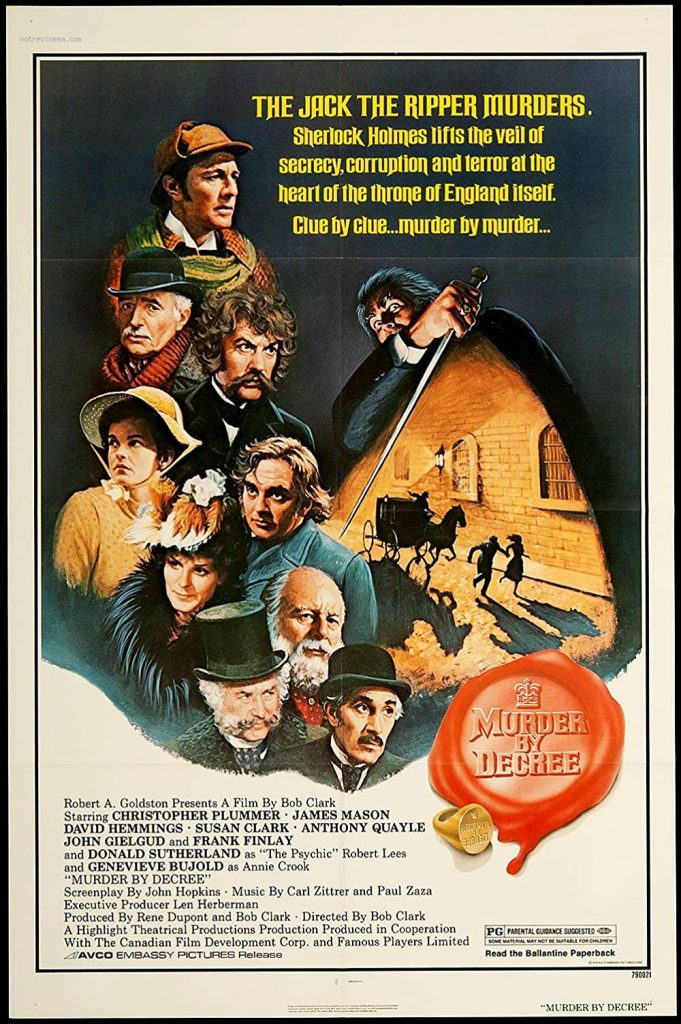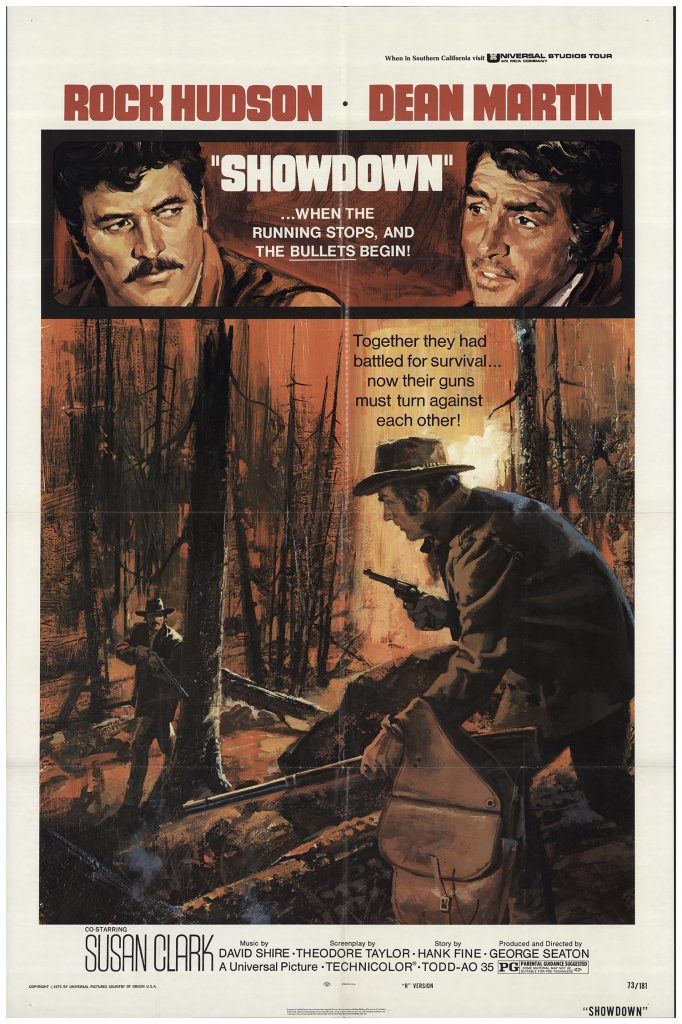

Susan Clark

Susan Clark
Susan Clark


IMDB Entry:

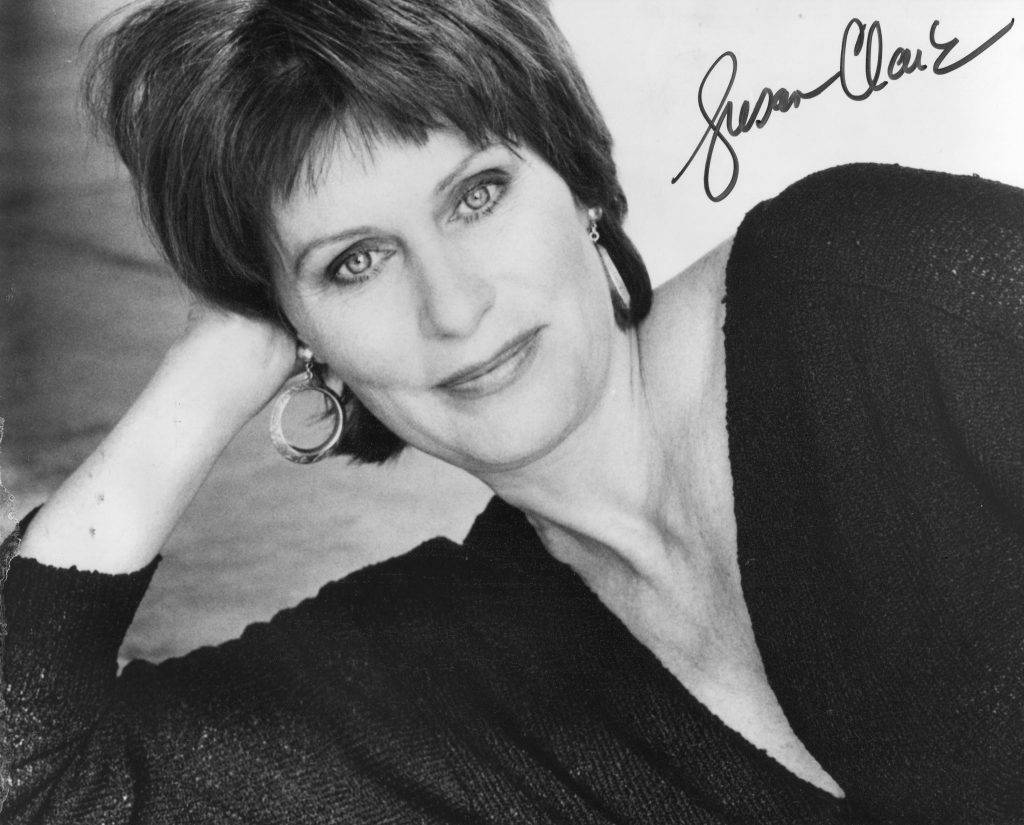
Award-winning Canadian actress Susan Clark, born on March 8, 1940, took up acting at an early age (12) in her hometown of Sarnia, Ontario. Her family moved to Toronto around that period of time and she joined the Toronto Children’s Players Theatre. Her first professional curtain call took place on the musical stage in a 1955 production of “Silk Stockings” which starred veteran actor Don Ameche.

The “acting bug” bit hard and a very determined Susan pressed her family to allow her to study at London’s prestigious Royal Academy of Dramatic Arts. She gained valuable experience in repertory, making her London debut in “Poor Bitos” in the early 1960s. She even got a taste of on-camera work when she won multiple roles on a 1965 episode ofThe Benny Hill Show (1957). Returning to Canada, however, due to the illness of her father, she subsequently decided to trek, instead, to Los Angeles to continue her professional career. In search of on-camera work, she attracted notice in some guest roles on TV and this eventually led to a Universal contract. The ten-year contract was one of the last of its kind as Hollywood was witnessing the demise of the studio contract system.

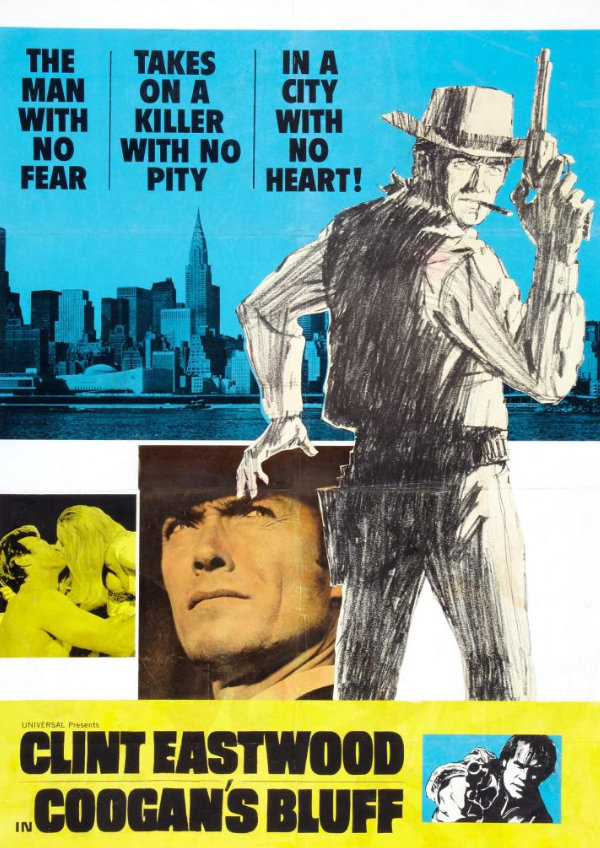
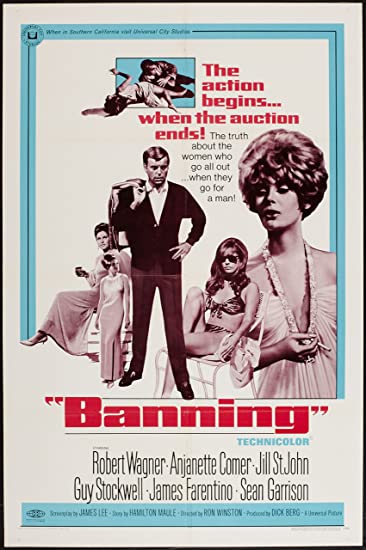
After gaining some exposure on episodes of The Virginian (1962) and Run for Your Life(1965), Susan’s first screen assignment for Universal was as the second female lead in the soap-styled drama Banning (1967) starring Robert Wagner, in one of his typical jet-setting playboy parts, and the scintillating Jill St. John, who would wed her “Banning” leading man two decades later. From there, Susan only grew in stature. Playing the second female lead again in the critically-praised crimer Madigan (1968) starring Richard Widmark and Inger Stevens, she finally earned top female billing opposite Clint Eastwoodin Coogan’s Bluff (1968) playing a sexy parole officer and enjoying romantic clinches with the up-and-coming film icon on film.

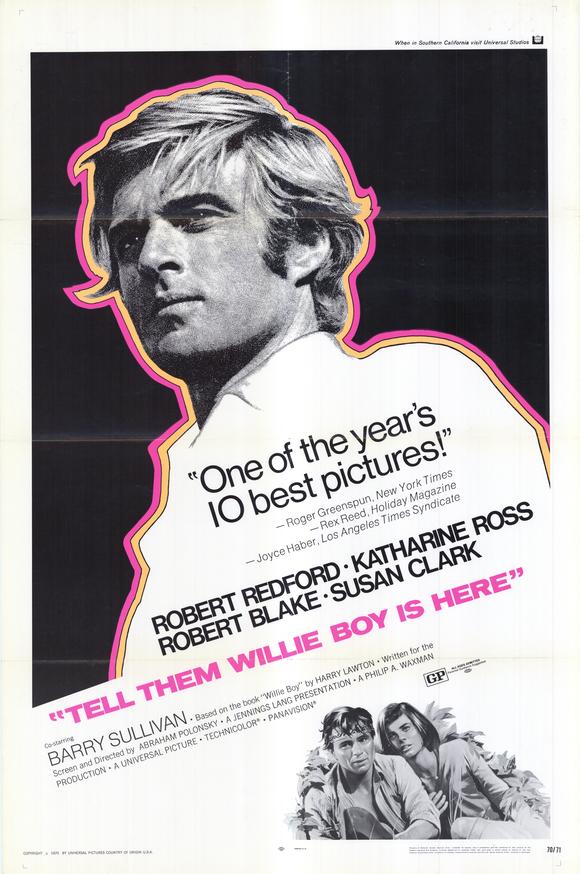
Tall and willowy with incandescent blue eyes, Susan continued to impress on celluloid with roles in Tell Them Willie Boy Is Here (1969), Valdez Is Coming (1971) and, in particular,Skin Game (1971). It was 70s TV-movies, however, that would take full advantage of Susan’s vibrant, intelligent acting talents. First came the tender-hearted mini-movieSomething for a Lonely Man (1968). While a vehicle for Bonanza’s Dan Blocker, co-star Susan made a strong, spunky impression as his small-town romantic interest. This was followed by choice roles in The Challengers (1970) and The Astronaut (1972).

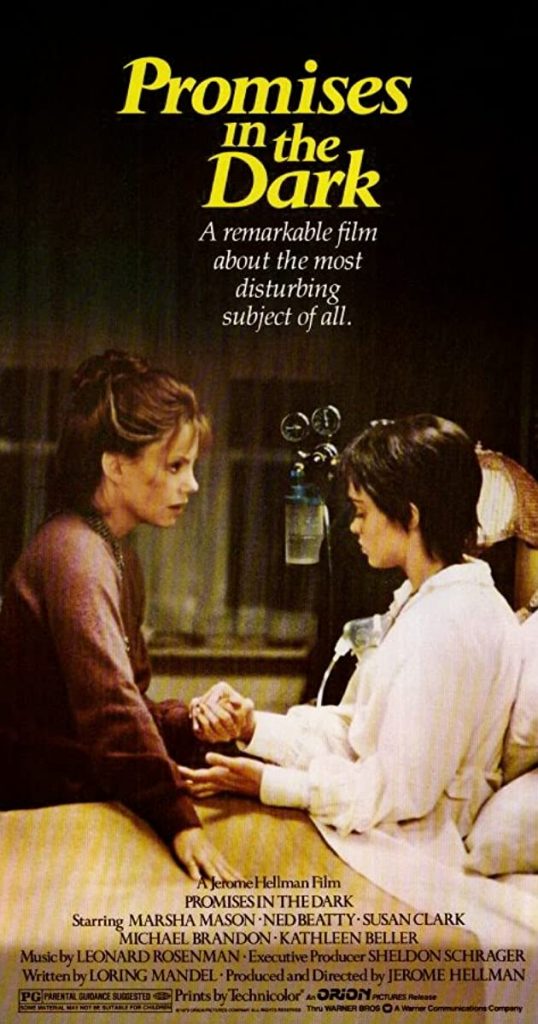
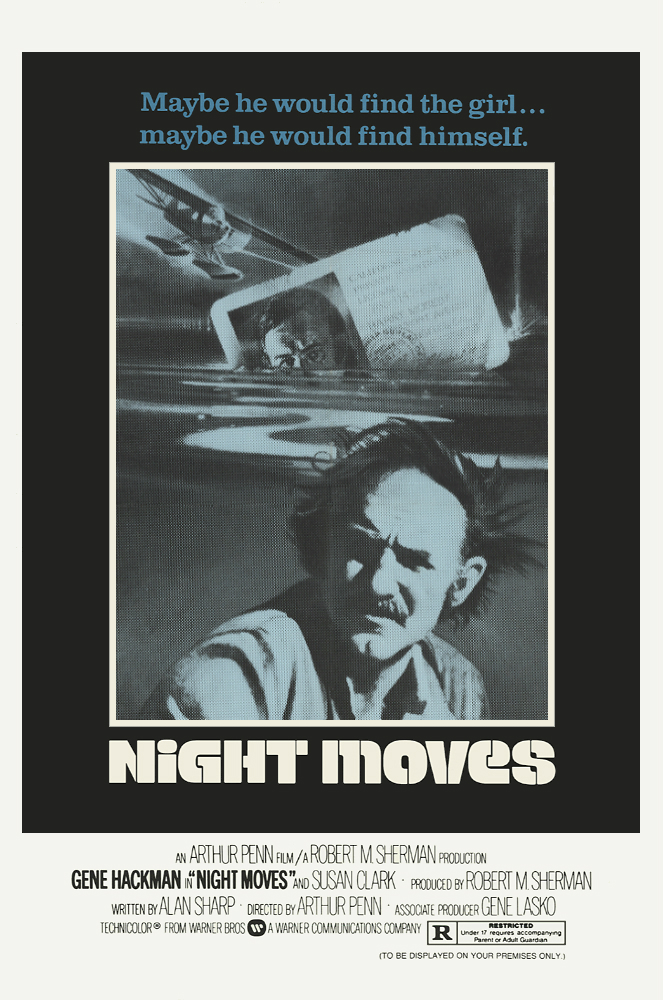
1975 was a banner year for Susan who not only provided a couple of excellent scenes asGene Hackman‘s wife in the film-noir Night Moves (1975) but, made a resounding, Emmy-winning impression on TV audiences as feminist track-and-field Olympian-turned-golf starBabe Didrikson Zaharias, who is later felled by cancer, in the TV mini-bio Babe (1975). This was a pronounced victory for Susan both professionally and personally for it was on this set that she met her second husband, co-star Alex Karras, who played Babe’s spouse George. Susan was in immediate demand and was quickly cast as another feisty, ill-fated heroine, this time in the form of famed aviatrix Amelia Earhart (1976). Predictably, Susan was wonderful and earned a second Emmy nomination for her efforts (she didn’t win).

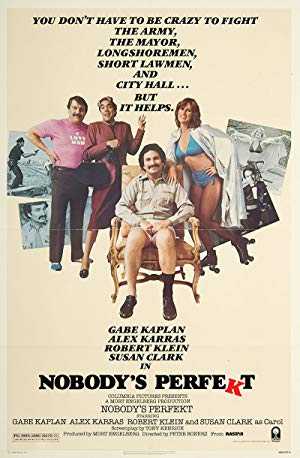
She and Karras (who had a child, Katie, in 1980) went on to jointly act in and/or produce various film and TV projects, including the TV movies Jimmy B. & André (1980), and Maid in America (1982), and the films Nobody’s Perfekt (1981) and Porky’s (1981). This culminated in their biggest collaborative effort with the sitcom series Webster (1983) wherein both were unmercifully upstaged by the hopelessly cute antics of its tyke starEmmanuel Lewis. While the series hardly tested the couple’s acting mettle and the plot was pretty much a “Diff’rent Strokes” rehash, the show proved quite popular on its own and put Clark and Karras firmly on the TV map between 1983 to 1988. Susan, herself, earned a Golden Globe nomination for “Best Actress in a Comedy Series”.

Following the sitcom’ demise, Susan relinquished the limelight a bit and found contentment on the local Southern California stage. Relishing acting challenges in such wide-ranging plays as “Meetin’s on the Porch” (1990) with Patty Duke and Carrie Snodgress, “Afterplay” (1998), “Bicoastal Women” (2003) and “The Importance of Being Earnest” (2004) (as Lady Bracknell), she eventually became a dedicated member of the Rubicon Theater Company in Los Angeles, gracing such plays there as “The Glass Menagerie”, “Dancing at Lughnasa”, “The Devil’s Disciple” and, most recently, “A Delicate Balance”.

– IMDb Mini Biography By: Gary Brumburgh / gr-home@pacbell.net
Career overview of Susan Clark

Susan Clark (born 1943) represents a particularly interesting case in screen history: an actress who achieved sustained visibility without ever fully consolidating into major film stardom, yet built a critically respected career across television, cinema, and stage. Her trajectory reflects both the opportunities and constraints facing actresses in the post-studio, television-dominated era.


Early career: transatlantic training and television entry (1960s)

Clark was born in Canada but trained at the Royal Academy of Dramatic Art (RADA) in London, giving her a more formal acting foundation than many North American TV contemporaries. She began with guest roles in British and American television, including appearances in:

  • The Saint
  • The Avengers

Critical observation:
Her early work shows a classically trained restraint, with careful diction and composure. However, this polish sometimes reads as slightly detached, particularly in fast-paced television formats that favour immediacy over theatrical control.


Film career: intermittent prominence (late 1960s–1970s)

Clark transitioned into film with roles in:

  • Coogan’s Bluff (opposite Clint Eastwood)
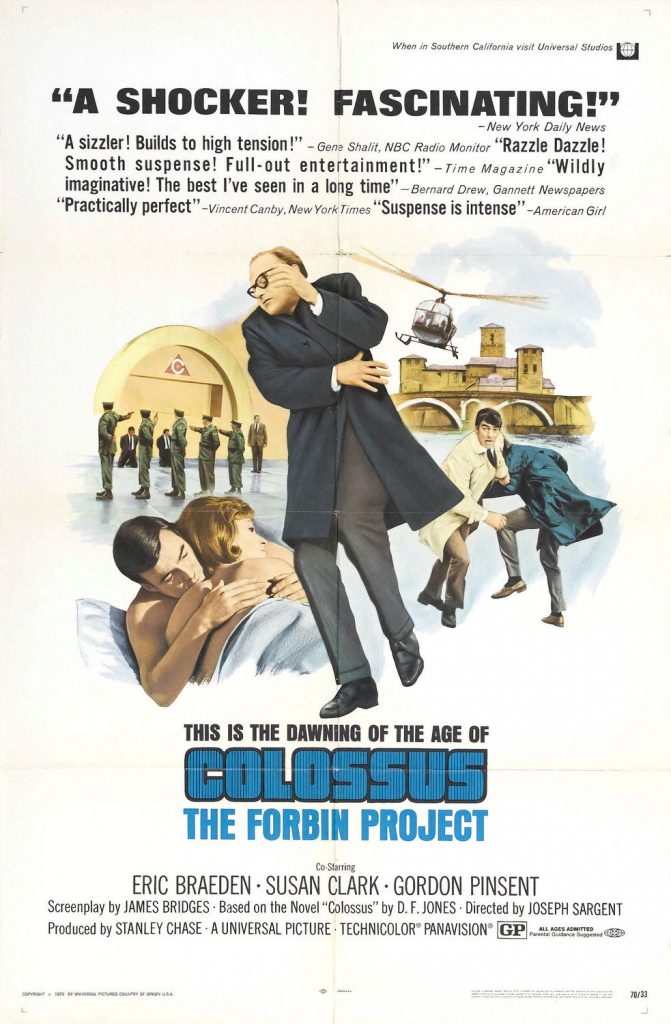
  • Colossus: The Forbin Project
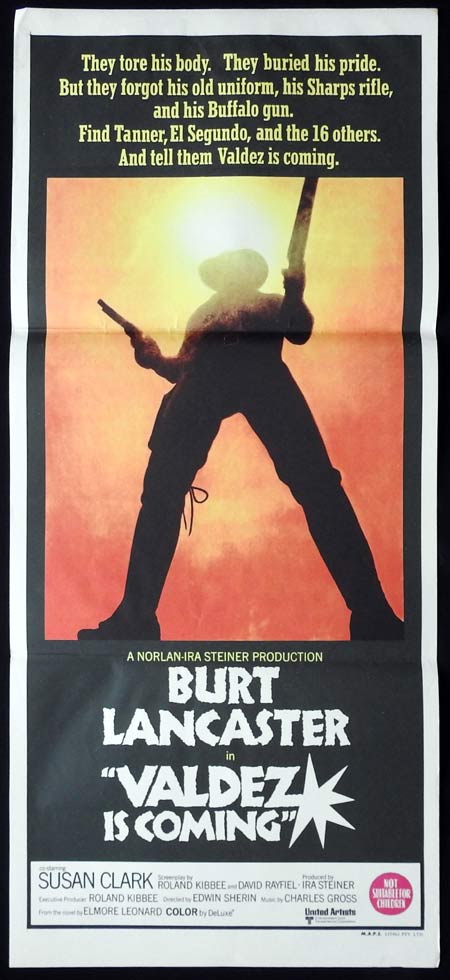
  • Valdez Is Coming

Critical analysis:

  • In Colossus: The Forbin Project, Clark contributes to the film’s intellectual tone, but her role is structurally secondary to the central (male) conflict.
  • In Westerns like Valdez Is Coming, she again occupies supportive narrative space, reflecting ongoing gender asymmetries in genre cinema.

Key limitation:
Despite working in high-quality productions, Clark rarely received roles that allowed her to drive narrative or define thematic direction, which constrained her cinematic impact.


Television breakthrough and acclaim (1970s)

Clark’s most significant recognition came from television, particularly:

  • Babe

Her portrayal of Babe Didrikson Zaharias earned her an Emmy Award.

Critical analysis of performance:

  • Clark’s performance balances physical embodiment and psychological nuance, convincingly portraying both Zaharias’s athletic dominance and personal vulnerability.
  • Unlike many biographical portrayals of the time, she avoids pure heroization, instead presenting a complex, driven, and sometimes abrasive figure.

Key insight:
This role reveals Clark’s full range, suggesting that her relative underuse in cinema was not due to lack of ability but limitations in role availability.


Long-form television success: Webster (1980s)

Clark achieved widespread popular recognition through:

  • Webster (1983–1989)

She starred alongside her husband, Alex Karras.

Critical observation:

  • Her role as a parental figure emphasizes warmth, authority, and emotional accessibility
  • The sitcom format required a consistent, stabilizing presence, which Clark delivered effectively

However:

  • The role is less demanding dramatically than her earlier work
  • It reinforces her image as a dependable rather than transformative performer

Later career and stage work

Clark continued working intermittently in television and theatre, gradually reducing her screen presence.

Critical observation:
Her later career reflects selectivity rather than decline, though she did not pursue the kind of late-career reinvention seen in some contemporaries.


Critical analysis of her artistic profile

1. A tension between training and medium

Clark’s RADA background gave her:

  • Technical precision
  • Controlled emotional delivery

But much of her career unfolded in television, where:

  • Speed and naturalism are prioritised
  • Subtle technique can be underutilised

This creates a recurring tension: her skill often exceeds the demands of her roles.


2. Strength in biographical and character-driven roles

Her work in Babe demonstrates that Clark excels when:

  • Given a well-defined character arc
  • Allowed to explore psychological complexity

Critical insight:
She is more effective in contained, character-centric narratives than in genre films where she serves supporting functions.


3. Structural limitations and gender

Clark’s career reflects broader industry patterns:

  • Limited access to leading roles in major films
  • Frequent positioning as supportive or relational characters

Even in strong films, her roles rarely control the narrative, reinforcing her status as a secondary rather than central cinematic figure.


4. Television as both opportunity and constraint

Television provided:

  • Visibility
  • Award-winning opportunities
  • Long-term stability

But it also:

  • Reduced her association with “prestige cinema”
  • Framed her as a domestic or maternal figure in later years

5. Under-recognised versatility

Clark’s filmography reveals more range than her reputation suggests:

  • Science fiction (Colossus)
  • Westerns
  • Biographical drama
  • Sitcom

Yet this versatility is not widely acknowledged, largely because she lacked:

  • A sustained film career at the highest level
  • Auteur-driven collaborations

Overall evaluation

Strengths:

  • Technically skilled, classically trained performer
  • Strong in character-driven and biographical roles
  • Successful transition across multiple media

Limitations:

  • Lack of consistently central film roles
  • Career shaped by television rather than cinema prestige
  • No single iconic performance widely embedded in popular memory (despite Babe)

Conclusion

She stands as:

  • highly competent and occasionally exceptional actress
  • Whose best work emerges when given substantive material
  • But whose legacy is shaped by structural constraints rather than artistic shortcomings

Leave a Reply

Your email address will not be published. Required fields are marked *