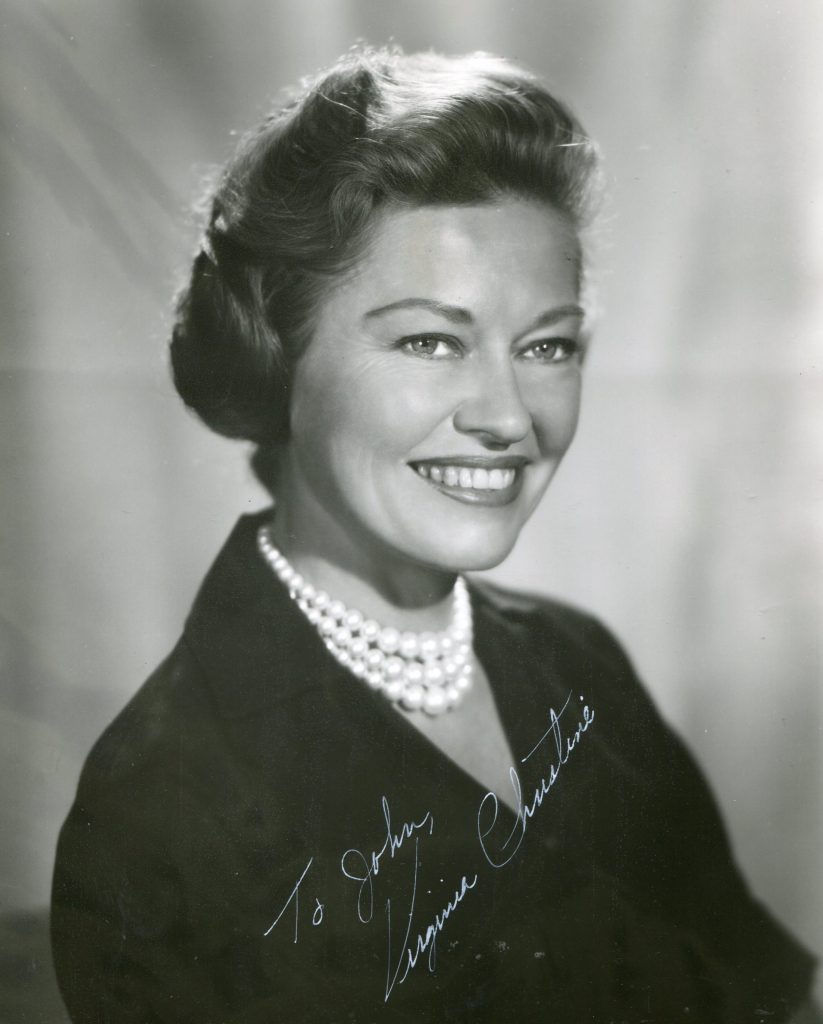
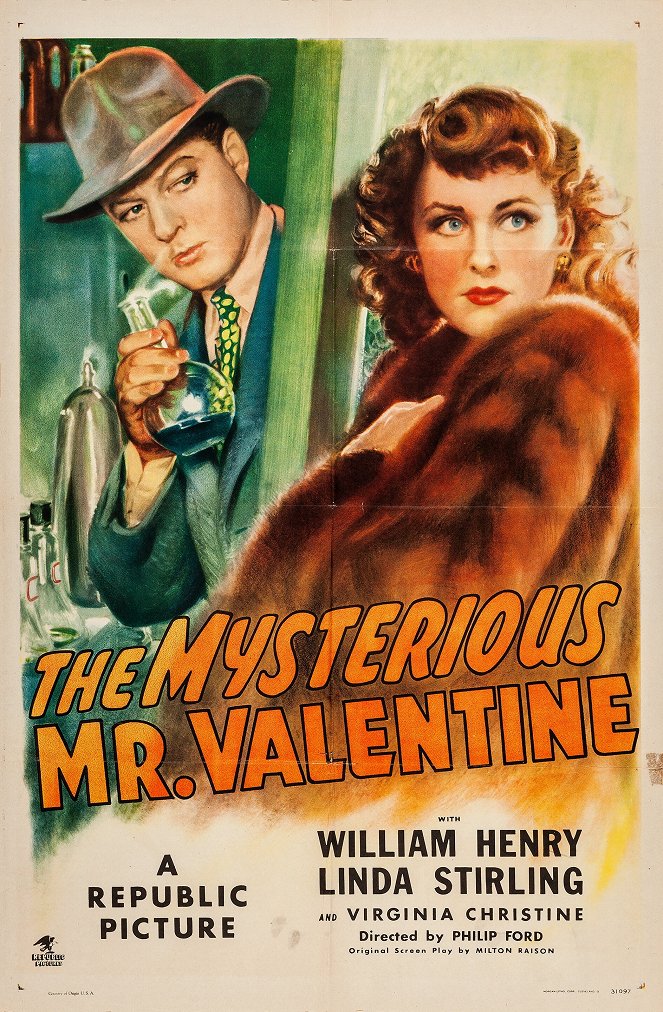
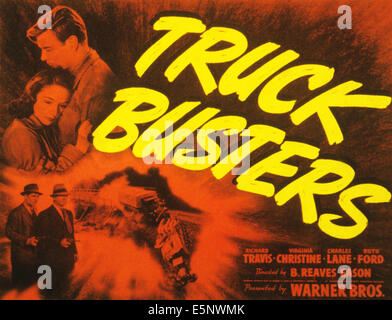
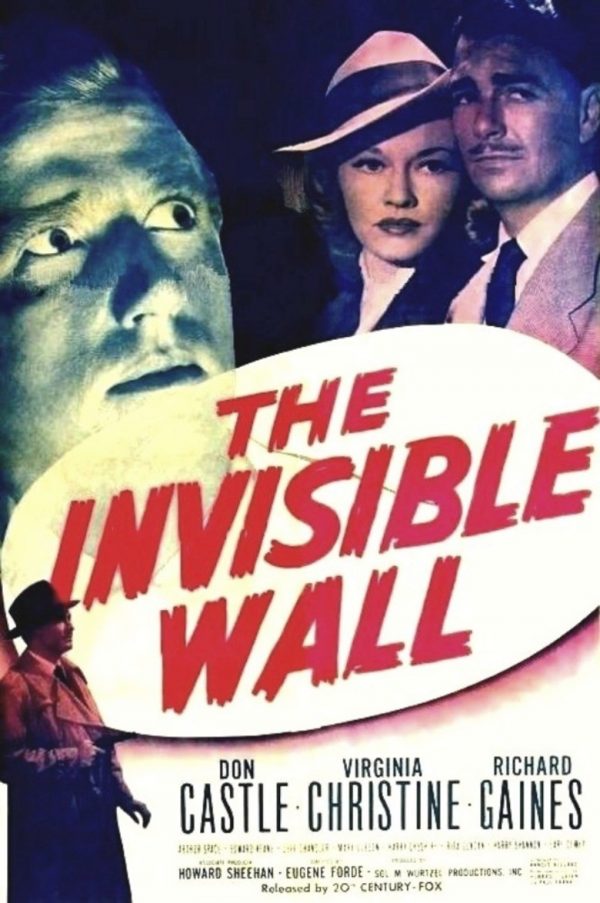
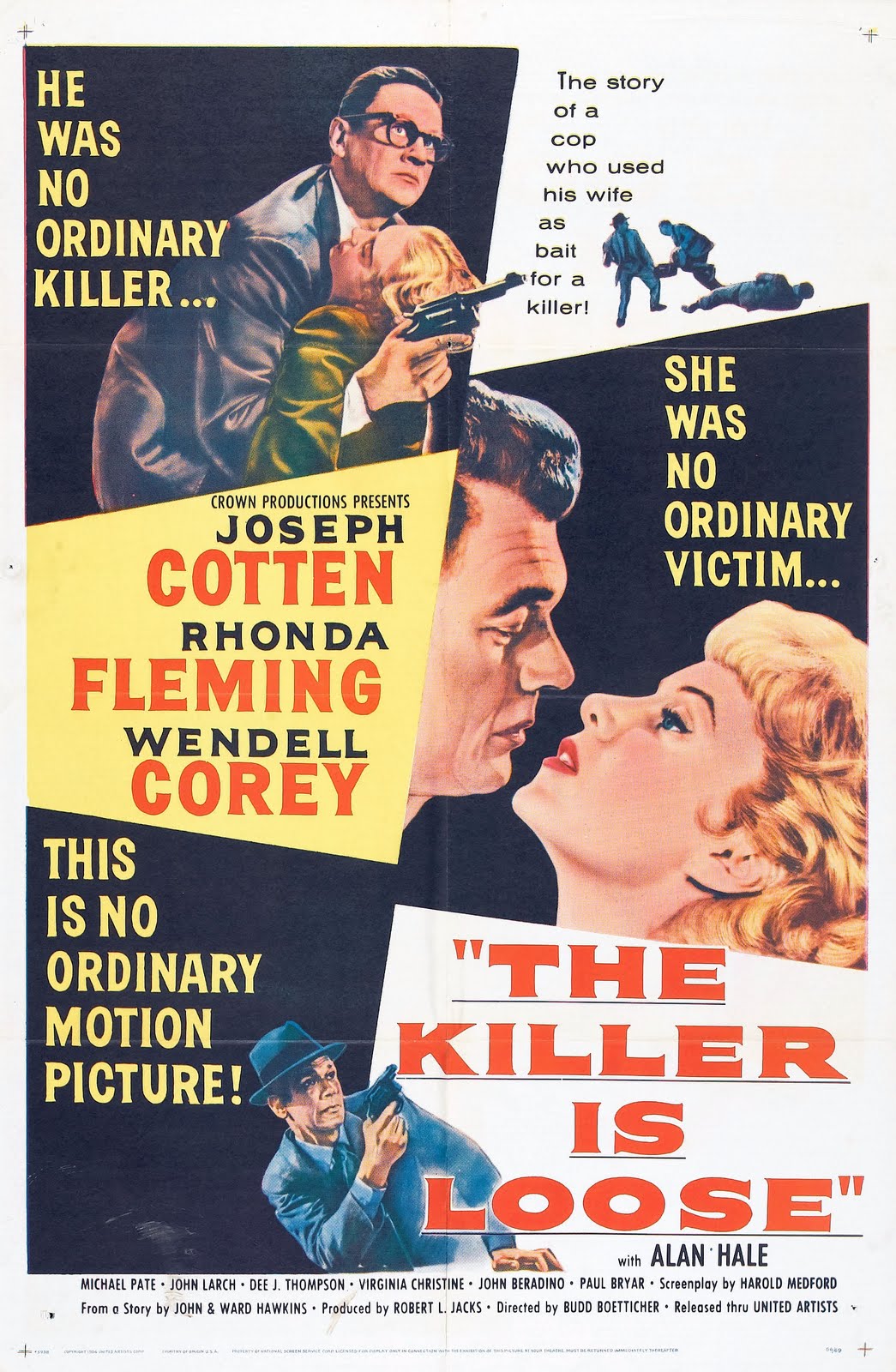
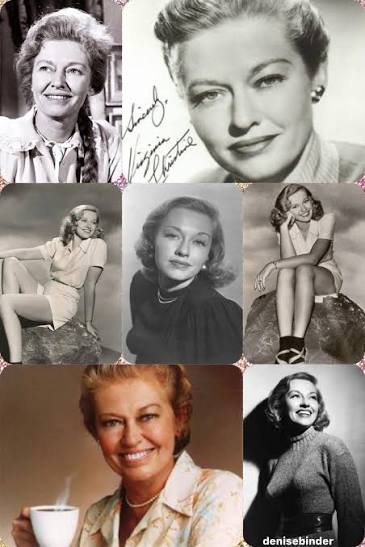
Virginia Christine (1920 – 1996) was one of mid‑century Hollywood’s most respected character actresses—a performer whose career ranged across film noir, prestige drama, westerns, and early television before she became an indelible pop‑cultural figure as “Mrs. Olson” in Folgers Coffee commercials. Her work demonstrates how a classically trained, intelligent actress could sustain artistic integrity within the infrastructure of the studio system and later across the shifting landscape of television advertising. Subtle, self‑possessed, and technically assured, Christine’s acting career illustrates the depth and professionalism of Hollywood’s supporting players—often underestimated but vital to the emotional texture of American storytelling.
Early Life and Training
Born Virginia Christine Kraft in Stanton, Iowa, an intensely Swedish‑Lutheran farming community, she retained throughout her life a gentle Midwestern gravity that translated into screen warmth and sincerity. After high‑school theater and local radio, she studied drama in Los Angeles at Pasadena Playhouse College of Theatre Arts, one of the key training grounds for classical American actors of her generation (notable alumni include Gene Hackman, Charles Bronson, and Dustin Hoffman).
During World War II she began stage work with regional theatre and was hired by Fritz Lang, who recognized in her an expressive precision ideal for the chiaroscuro world of his American films. Lang’s tutelage—his insistence on purposeful gesture and psychological attention—was formative: Christine carried his lessons of controlled intensity and spatial awareness throughout her subsequent career.
The Lang Years and Noir Apprenticeship (1943–1950)
Ministry of Fear (1944) – small uncredited debut
Christine’s screen presence immediately attracted notice; even in a brief role she exhibited a compelling attentiveness that drew the camera’s focus.
House by the River (1950, dir. Fritz Lang)*
Her first substantial credited role. As Emily Gaunt, wife of a murdered maidservant’s brother (Louis Hayward), she conveyed a moral steadfastness and tragic empathy that anchored Lang’s gothic cynicism. Critics at the time singled her out for “a rare stillness amid hysteria.” Her combination of natural speech rhythms and Langian formality created emotional realism rarely found in studio horror.
The noir milieu suited her: she could hint at violence beneath composure, giving otherwise conventional supporting parts psychological dimension. Lang himself said decades later, “Virginia Christine was an actress who could play conscience without becoming dull.”
Versatility Within the Studio System (1950s)
The 1950s became Christine’s most prolific decade. She secured steady work from all major studios, distinguishing herself by adaptability—slipping easily from melodrama to western to light comedy without altering her grounded authenticity.
Cyrano de Bergerac (1950)
Supporting José Ferrer’s Oscar‑winning performance, she played Sister Martha—the nun who tends Cyrano in the final scene. Her quiet compassion lent the climax emotional credibility; critics praised her restraint, noting that her minimalist reaction shots intensified Ferrer’s death scene.
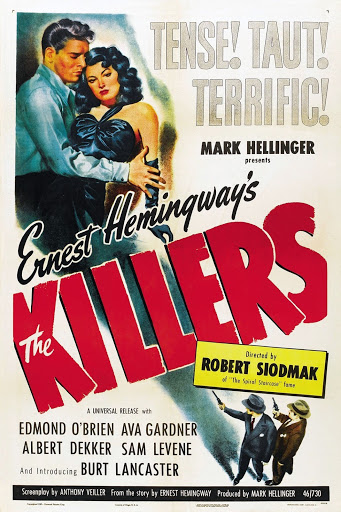
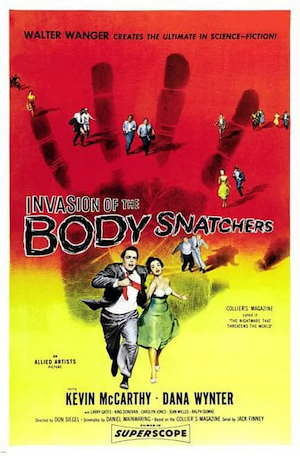
The Killer That Stalked New York (1950), Invasion of the Body Snatchers (1956)*
As one of the first victims in Don Siegel’s allegorical sci‑fi classic, Christine helped establish its atmosphere of suburban unease: healthy surface concealing corruption. Her small role—a motherly figure losing her individuality—signaled how she could invest brief appearances with haunting normalcy, giving apocalyptic material immediate human stakes.
The Catered Affair (1956, dir. Richard Brooks)*
A high point in dramatic credibility. Frank Capra found in network television the model for intimate domestic realism, but Brooks’s film anticipated that movement. As the Bronx neighbor opposite Bette Davis and Ernest Borgnine, Christine embodies ordinary decency, contrasting the emotional turmoil around her. Critics admired her refusal of caricature in a role that could have been comic relief.
Gun Fury (1953), The Lawless Breed (1952)*
Westerns offered her sympathetic moral‑support figures—a wife, sister, or frontier moral witness—roles easily flattened in lesser hands. Christine brought conviction to these archetypes, her posture and vocal control conveying quiet resilience amid violence.
Critical Observation:
Across genres, Christine avoids theatricality. She builds performances from behavioral detail—folding a handkerchief meticulously, pausing slightly before a line—gestures expressing interior life. Scholars of acting technique see her as part of a transitional generation bridging classical studio diction and spontaneous psychological realism.
Television and Film Symbiosis (1950s–1960s)
Television granted Christine sustained visibility. She guest‑starred in anthologies like Schlitz Playhouse of Stars, Dragnet, Gunsmoke, Perry Mason, Alfred Hitchcock Presents, and Bonanza. Each appearance demonstrated her ability to invest archetypes—nurse, mother, suspect—with dimension. Industry colleagues often called her “the scene‑steadying presence.”
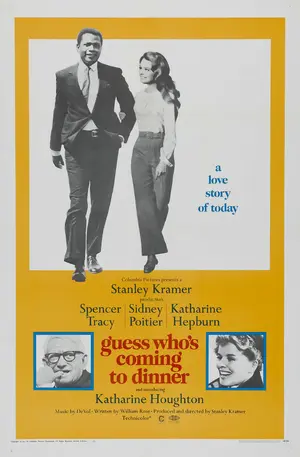
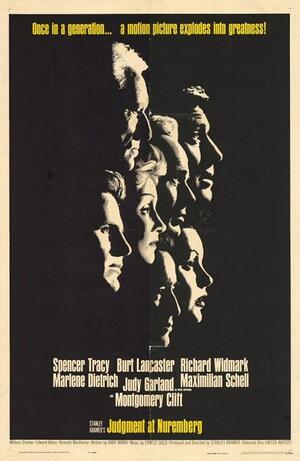
Judgment at Nuremberg (1961, Stanley Kramer)*
Though her role was modest, she again represented moral gravity against moral collapse; viewers noted the maturity that lent the courtroom spectacle emotional continuity.
Critics frequently grouped her with performers such as Beulah Bondi or Mildred Dunnock: actresses whose realism grounded male‑oriented narratives. In these character parts Christine’s excellence lay in transparency—choosing understatement so truthful it almost disappears.
The “Mrs. Olson” Years: Popular Iconography and Subtext (1965–1985)
In 1965, Christine accepted what she thought would be a brief commercial series: playing a kindly Swedish‑American neighbor dispensing advice (and coffee) to harried housewives in Folgers ads. The campaign lasted twenty years across hundreds of spots, making her one of the most recognizable faces on American television.
Cultural Significance
While critics initially lamented that such a serious actress had moved into advertising, the persona of “Mrs. Olson” proved complex. Christine infused a potentially patronizing stereotype with warmth, self‑irony, and genuine empathy. Advertising scholars later noted that her maternal reassurance redefined televised domestic femininity: she portrayed female solidarity rather than subservience.
Analytically, the role can be read as adaptive continuity: the moral centeredness she brought to Lang’s and Brooks’s films repurposed into populist intimacy. Audiences sensed authenticity behind the commercial conceit precisely because of the integrity she had built in earlier work.
Artistic Implication
Her decision reflected professionalism rather than capitulation. With film opportunities for middle‑aged women dwindling, she turned limited options into long‑term agency, maintaining public affection and economic independence. The Folgers campaign thus belongs to her artistic narrative—a case study in how Hollywood-trained actors migrated into new media while preserving craft.
Acting Style and Technique: Critical Analysis
| Dimension |
Assessment |
| Voice |
Distinctive mezzo timbre—clear diction tempered by Midwestern lilt—conveyed credibility. She could tighten vowels to signal anxiety or relax phrasing for reassurance. |
| Gesture and Stillness |
Lang’s disciplining influence evident: economy of motion; she often let the camera “find” emotion rather than announce it. |
| Psychological Range |
Specialized in quiet strength; excelled at moral conscience roles but capable of ambivalence (see The Killer That Stalked New York). |
| Screen Persona |
Embodied trust, compassion, and integrity—the archetypal “decent woman” without sentimentality. |
| Professional Adaptability |
Moved across noir, western, melodrama, television, and advertising without loss of authenticity—model of pragmatic artistry. |
Thematic Through‑Lines in Her Career
- Moral Witness: Christine frequently served as the viewer’s identification point within stories of conflict, grounding stylized material in human insight.
- Femininity and Competence: She redefined supportive female roles by making them active agents of empathy and intelligence rather than passive decoration.
- Rural‑Urban Duality: Her Swedish‑Iowan background lent both rustic sincerity and cultured poise; directors exploited this to convey Americana’s ethical core.
- Continuity through Media Change: Christine exemplified the actor’s ability to transition from classical film to television and advertising without diminishing craft.
Representative Performances
| Year |
Title |
Medium |
Role |
Significance |
| 1950 |
Cyrano de Bergerac |
Film |
Sister Martha |
Subtle grace in climactic tragedy |
| 1950 |
The Killer That Stalked New York |
Film |
Health‑Department Worker |
Realistic moral urgency in procedural noir |
| 1953 |
Gun Fury |
Film |
Donna Fugate |
Credible frontier endurance |
| 1956 |
Invasion of the Body Snatchers |
Film |
Townswoman |
Domestic sincerity within allegorical horror |
| 1961 |
Judgment at Nuremberg |
Film |
Czech Witness |
Gravitas amid ensemble cast |
| 1965–85 |
Folgers Coffee ads |
Television |
“Mrs. Olson” |
Pop‑cultural reinterpretation of maternal neighborliness |
Critical Reception and Legacy
While rarely the subject of major critical studies during her lifetime, retrospective appraisals—particularly by film historians analyzing mid‑century noir and genre cinema—acknowledge her importance. Her performances anticipate later American naturalism: the emotional understatement of actors like Frances McDormand and Holly Hunter resonates with Christine’s grounded realism.
Film scholar Janine Basinger describes her as “one of the quiet architects of American honesty on screen—never false, never self‑pitying.” Contemporary reviews often concluded with phrases such as “adds class and reality to her scenes,” shorthand for the qualities that made her indispensable but not headline famous.
Her long association with the Folgers character paradoxically ensured immortality: audiences who never knew her film work nevertheless remembered her as the face of warmth and integrity, confirming her lifelong gift for genuine connection.
Summary: Evaluation
| Strengths |
Limitations |
| Exceptional control of tone and nuance; authenticity across genres |
Few star roles; much work uncredited or underpublicized |
| Ability to make moral seriousness compelling without didacticism |
Public perception reduced to commercial persona |
| Adaptable professionalism; pioneering shift from classical film to television realism |
Limited archival recognition; lack of auteur collaborations |
Conclusion
Virginia Christine’s career exemplifies the unsung artistry of Hollywood’s supporting actors—craftspeople who transformed archetypes into believable lives. From Lang’s shadowy noirs to 1950s domestic drama and ultimately the televised kitchen of “Mrs. Olson,” she maintained continuity of truth, grace, and moral empathy. Her characters rarely demanded attention; they earned it. In the mosaic of twentieth‑century American performance, Virginia Christine stands as a model of integrity—proof that subtlety, consistency, and genuine humanity can create a career both durable and quietly profound