

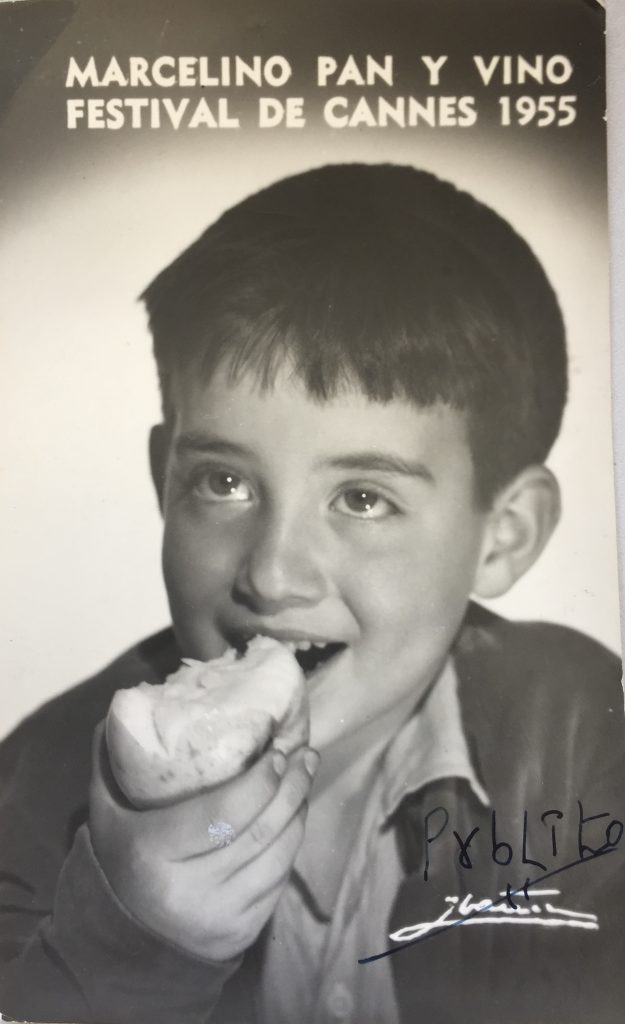
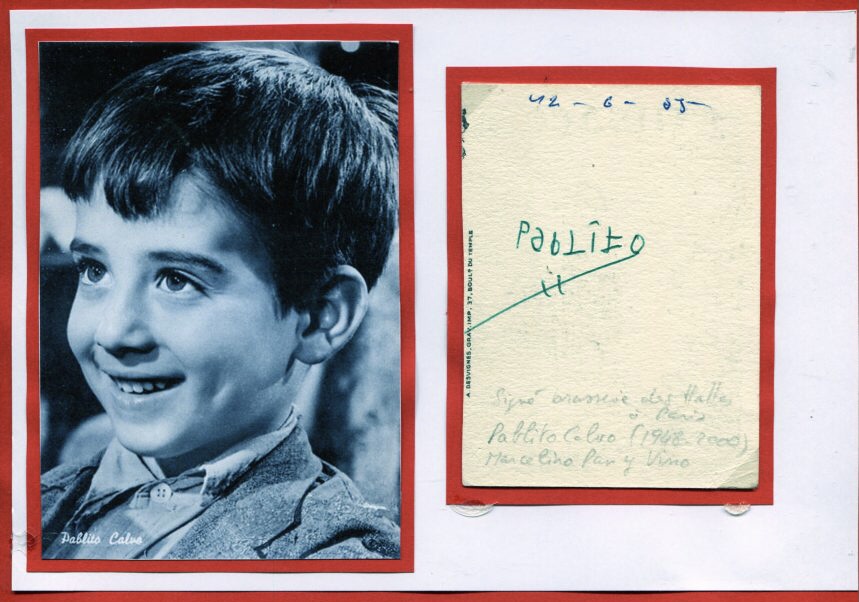
Pablito Calvo (real name Pablo Calvo Hidalgo) (16 March 1948 – 1 February 2000) was a Spanish child actor. After the international success of Marcelino, pan y vino, where he won a Cannes Film Festival award (1955), he became Spain’s most famous child actor. He did five more films, even in Italy, with Totò.
Retired from acting at the age of 16 to become an industrial engineer later, he worked in tourism and promoting buildings in Torrevieja.
.In 1976 he married Juana Olmedo, with whom in 1979 he had a son, Pablito Jr. He died aged 52 of an aneurysm.
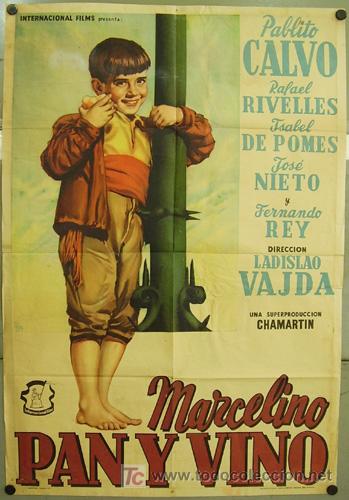
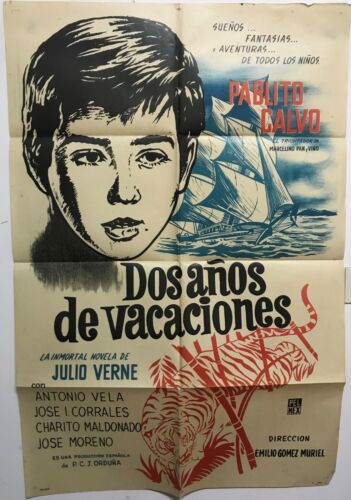
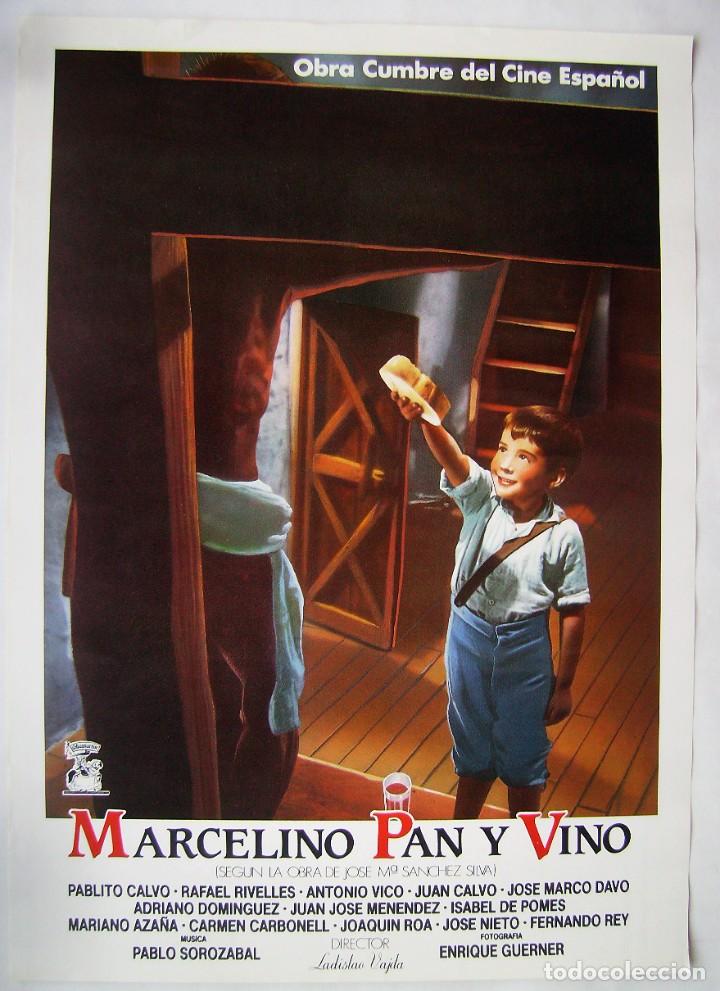
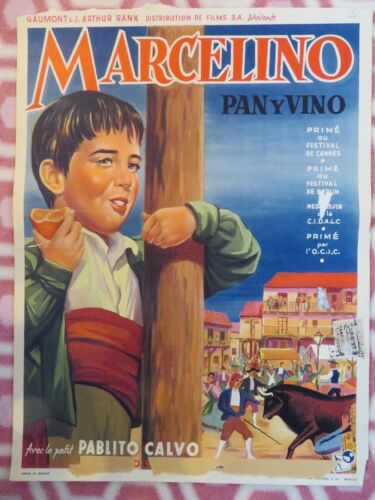
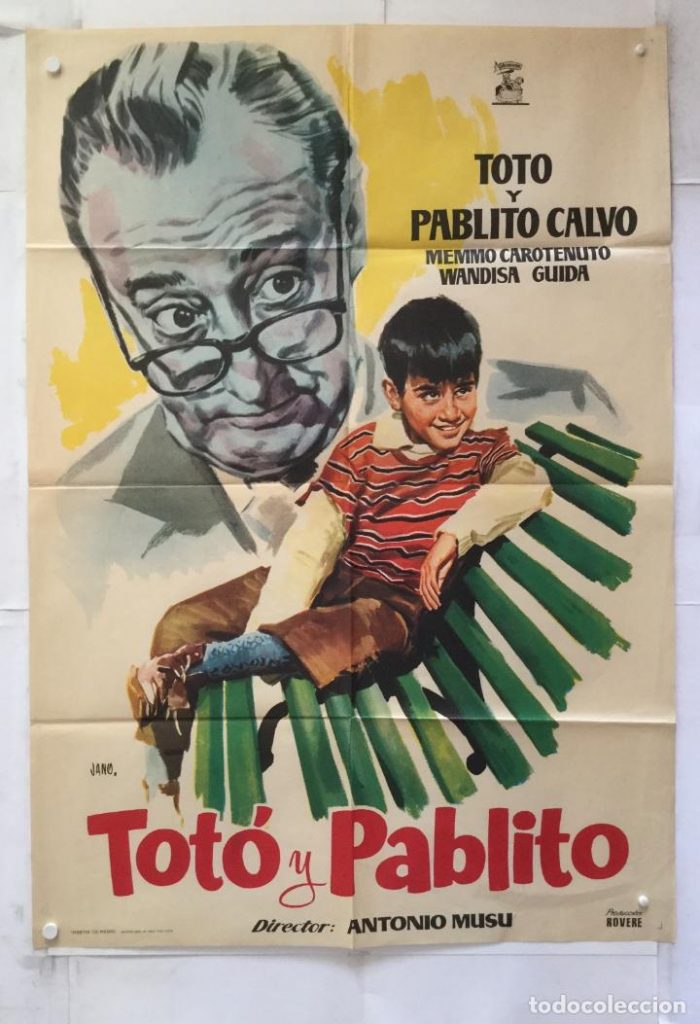
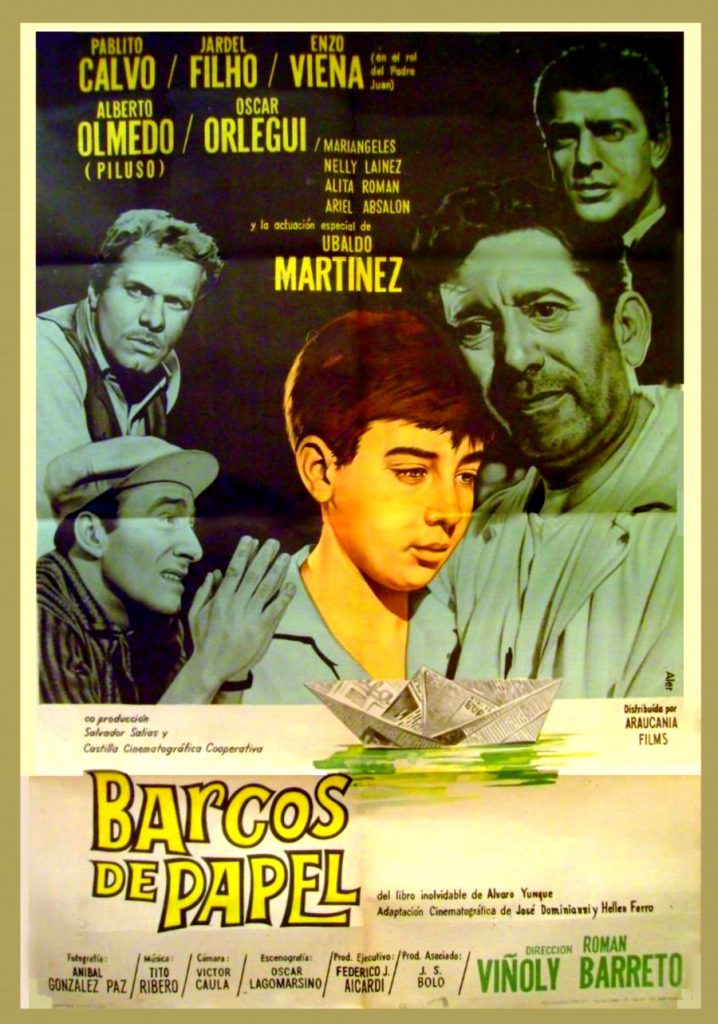
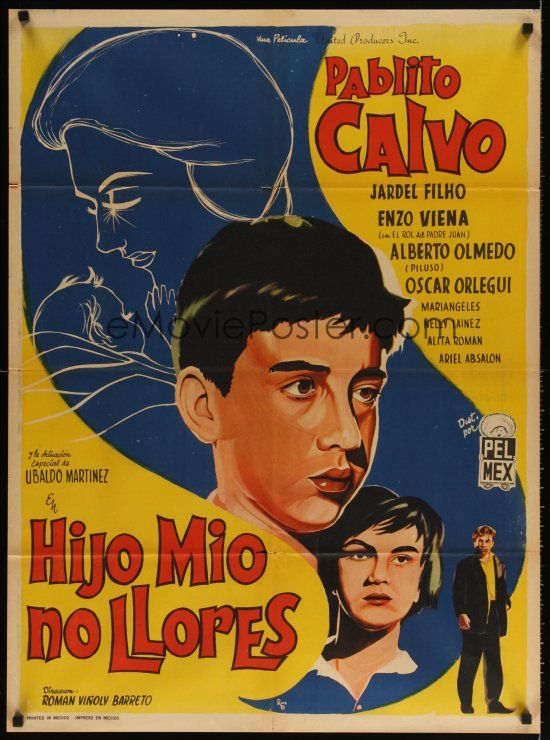
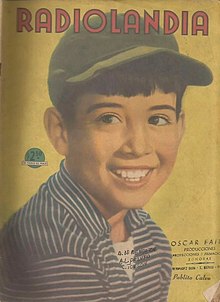
Pablito Calvo (1948–2000) was the face of Spanish cinema’s international “Golden Age” in the 1950s. While history often views child stars as fleeting curiosities, a critical analysis of Calvo reveals an actor who possessed a rare, innate “naturalism” that allowed directors like Ladislao Vajda to move away from the theatrical artifice of early Spanish film and toward a poignant, neo-realist style.
1. Career Arc: The “Miracle” Child of Spanish Cinema
-
The Discovery (1954): Out of hundreds of children auditioning for the role of a foundling raised by monks, Calvo was selected for his expressive, soulful eyes and an ability to remain “un-self-conscious” in front of the camera.
-
The Global Phenomenon (1955–1958): His debut in Marcelino, pan y vino became one of the most successful Spanish films in history, winning awards at Cannes and Berlin. Calvo became Spain’s first true international child star, nicknamed “The Miracle Boy.”
-
The Vajda Trilogy: He became the muse for Hungarian-Spanish director Ladislao Vajda, starring in a trilogy of films (Marcelino, Mi tío Jacinto, and Un ángel pasó por Brooklyn) that combined social realism with religious or magical fables.
-
The Transition and Retirement: As he entered adolescence, the “angelic” quality that defined his stardom began to fade. After a few films in Italy and a brief attempt at a musical career, Calvo made the conscious decision to leave the industry in the early 1960s, eventually becoming a successful industrial engineer.
2. Critical Analysis of Key Performances
Marcelino, pan y vino (1955) – The Soul of Innocence
As Marcelino, an orphan raised in a monastery who talks to a crucifix of Jesus.
-
Analysis: Calvo’s performance is defined by its lack of artifice. In an era where child acting was often “stagey” and over-rehearsed, Calvo brought a quiet, observational quality. He treated the supernatural elements of the story with a literal, matter-of-fact sincerity that made the film’s “miracle” feel grounded and believable.
-
Critique: Critics at Cannes were stunned by his minimalist technique. He didn’t “act” holiness; he simply embodied a child’s curiosity. The final scenes of the film rely entirely on Calvo’s ability to project a sense of transcendent peace, a feat that remains one of the most moving examples of child acting in world cinema.
Mi tío Jacinto (1956) – The Neo-Realist Partner
As Pepote, a boy living in a shanty town who tries to help his alcoholic, former-bullfighter uncle (Pablito’s adult foil, Antonio Vico).
-
Analysis: This film allowed Calvo to show a grittier, more pragmatic range. He played Pepote as the “adult” in the relationship, showing a weary intelligence and a fierce loyalty.
-
Critique: Film historians often compare this performance to the children in Italian Neo-realist masterpieces like Bicycle Thieves. Calvo utilized a reactive style, allowing the squalor of post-civil war Madrid to reflect in his expressions. It is arguably his most sophisticated dramatic work.
Un ángel pasó por Brooklyn (1958) – The International Pivot
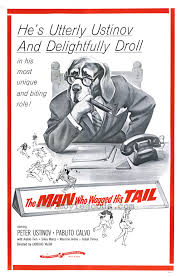
As Filipo, a young boy in a Brooklyn neighborhood who befriends a mean-spirited landlord (Peter Ustinov) who has been turned into a dog.
-
Analysis: Working alongside an actor of Peter Ustinov’s caliber, Calvo held his own by remaining the emotional anchor of the film.
-
Critique: While the film is a whimsical fable, Calvo’s performance added a layer of pathos. He represented the “conscience” of the story. Critics noted that even in a foreign (simulated New York) setting, Calvo’s universal appeal—a blend of vulnerability and “street-wise” charm—remained intact.
3. Style and Legacy: The “Gaze” of the Fifties
Pablito Calvo’s style was fundamentally visual rather than verbal.
| Attribute | Critical Impact |
| The “Translucent” Expression | He had an “open” face that seemed to have no filter between his thoughts and the audience. |
| Understated Delivery | Unlike the “Shirley Temple” model of high-energy performance, Calvo was remarkably still and quiet, which drew the audience into his world. |
| Symbolic Power | In post-war Spain, his characters often symbolized a “lost innocence” or a “hope for the future,” making him a potent national icon. |
The “Child Star” Paradigm
Critically, Calvo is cited as a success story of the “exit.” By retiring at 16, he avoided the tabloid-driven “fall from grace” that plagued many child stars. His legacy is preserved through the “Vajda-Calvo” partnership, which proved that Spanish cinema could produce works of high artistic merit and international commercial appeal by focusing on intimate, humanistic stories.
Critical Note: Pablito Calvo was not a “performer” in the traditional sense; he was a cinematic presence. He allowed directors to explore complex themes of faith, poverty, and redemption through the lens of a child who never seemed to be aware that he was being watched