


Wikipedia entry:
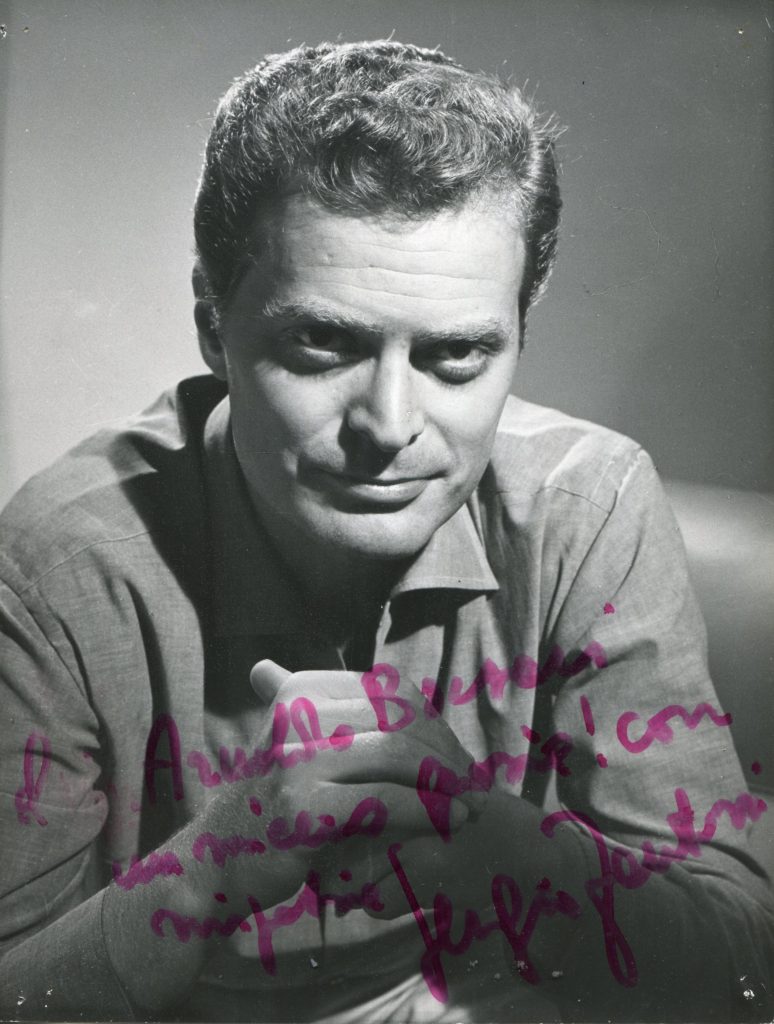
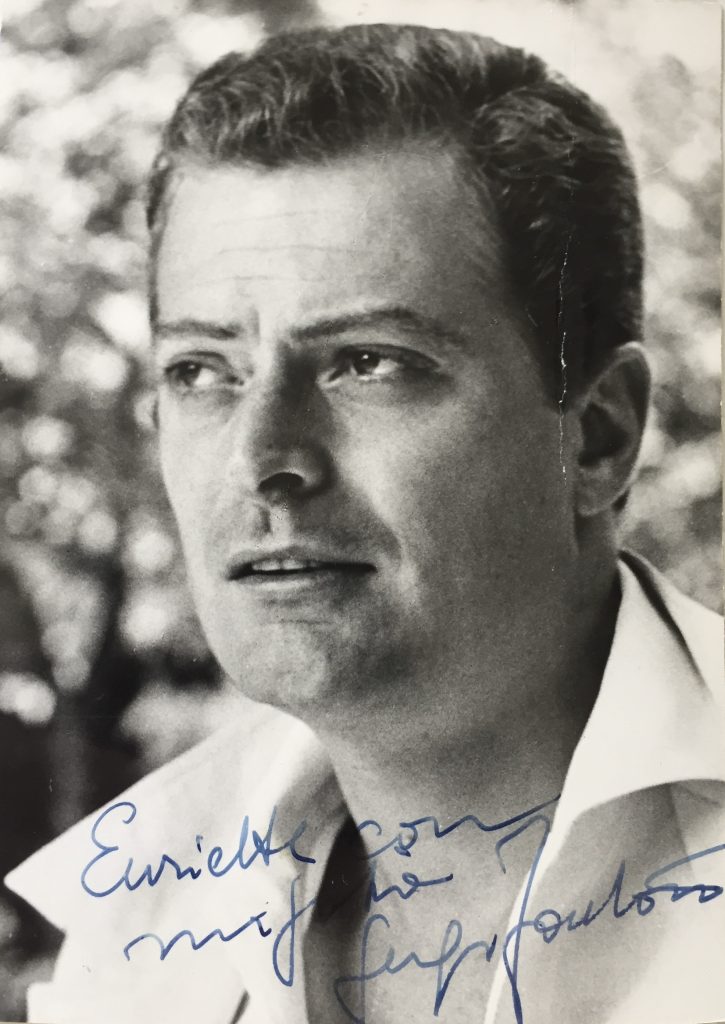
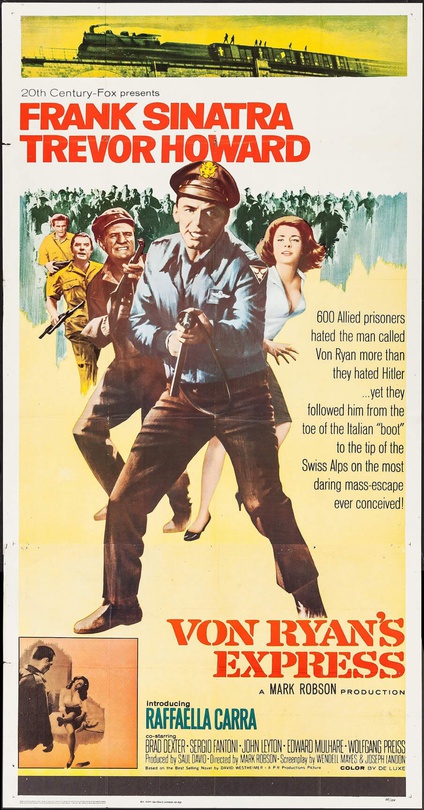
He was born in Rome, the son of actor Cesare Fantoni (1905–1963). In films from the late 1940s, he has worked mainly in his own country but made several appearances in American films in the 1960s, most notably opposite Frank Sinatra in the war film Von Ryan’s Express, made in 1965. In 1960 he played the villainous Haman in Esther and the King, starring Joan Collins and Richard Egan in the title roles. Among his TV roles, he appeared alongside Anglo-Italian actress Cherie Lunghi in the Channel 4 series The Manageress.
Obituary:
Sergio Fantoni – actor, dubbing actor, and director – would have turned 90 in August. He worked with the greatest directors, from Luchino Visconti to Blake Edwards, played in Hollywood, and got his fame from popular TV shows in the 1970s and 1980s like Anna Karenina, The Octopus and La coscienza di Zeno. His latest role was in TV series Il commissario Montalbano, in the episode “The Violin’s Voice.”
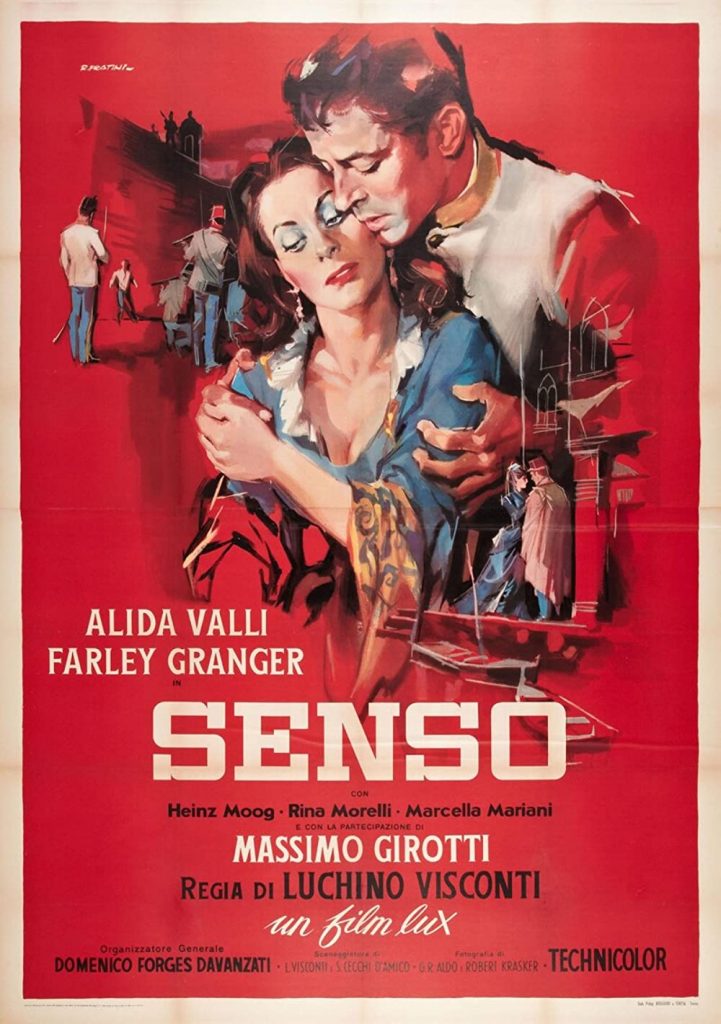
Born in Rome on 7 August 1930 from a family of artists, Fantoni first thought to become an engineer or an architect, but his passion for theatre was stronger. He started with some experimental theatre companies and in the 1970s, together with Luca Ronconi and his wife Valentina Fortunato, he founded one of the first independent theatre companies. On the big screen, he worked with directors such as Luchino Visconti (Senso), Francesco Maselli (The Dolphins with Claudia Cardinale), Giuliano Montaldo (Tiro al piccione and Sacco and Vanzetti).
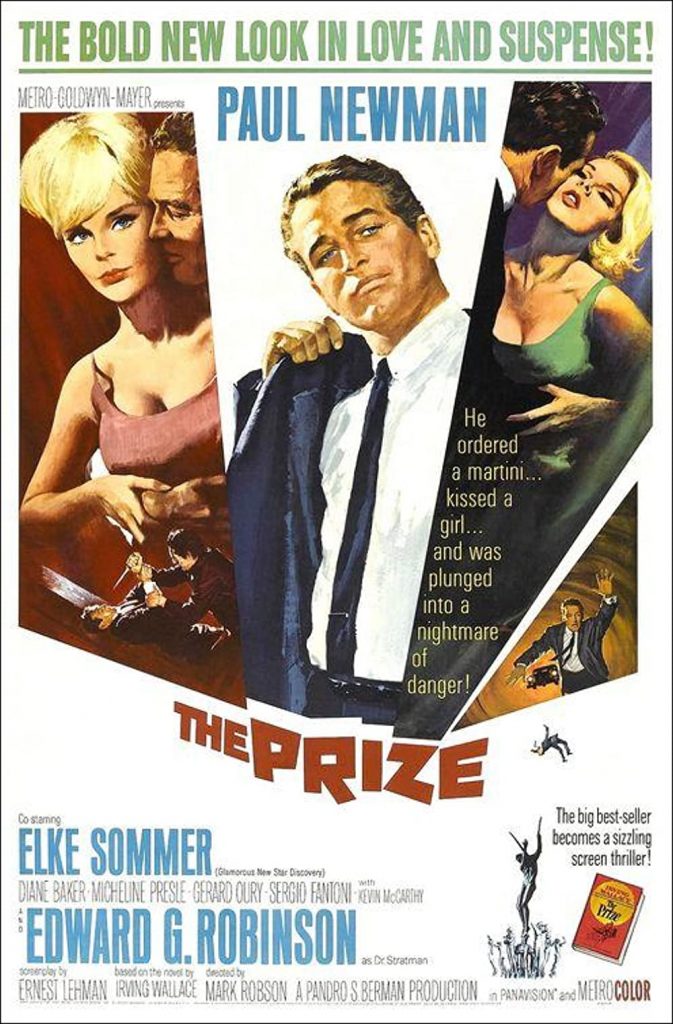
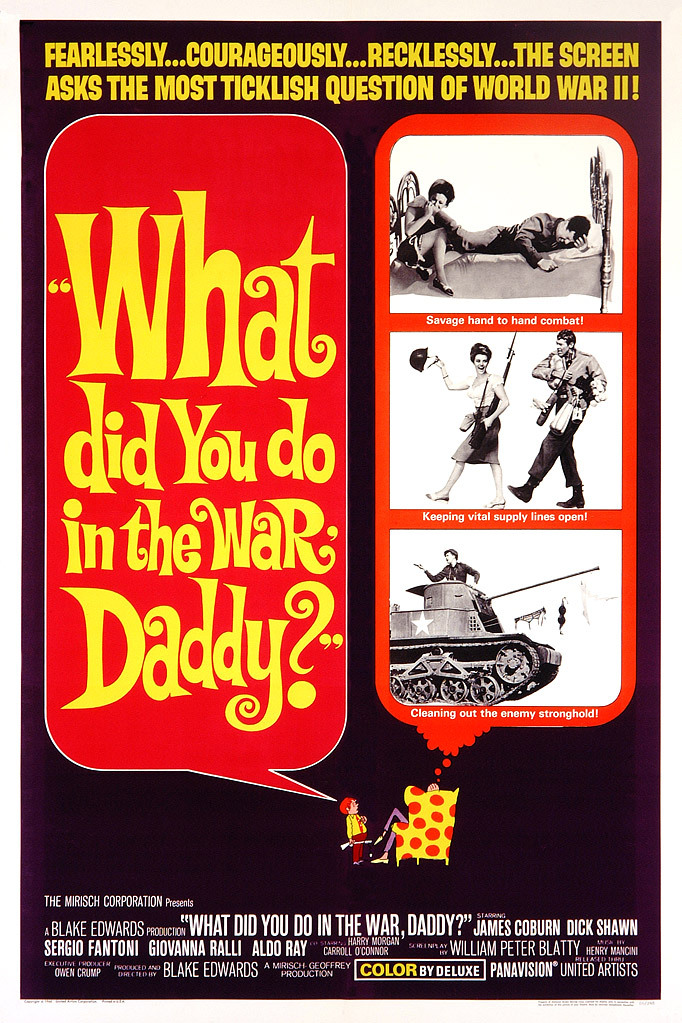
He worked in Hollywood in the early 1960s in film such as Mark Robson’s The Prize, Von Ryan’s Express with Frank Sinatra, and Blake Edward’s What Did You Do in the War, Daddy? He also played in Peter Greenaway’s The Belly of an Architect.
His full-frontal nudity in Delitto di Stato, aired on Rai 2 in 1982, caused a scandal.
As a dubbing actor, he was the voice of American stars such as Marlon Brando (Apocalypse Now), Henry Fonda, Rock Hudson, and Ben Kingsley.
After an operation to the larynx in 1997, he dedicated himself to theatre direction. With playwright and director Ivo Chiesa and colleague Bianca Toccafondi in 2022 he won the Lifetime Achievement Award entitled to Ennio Flaiano
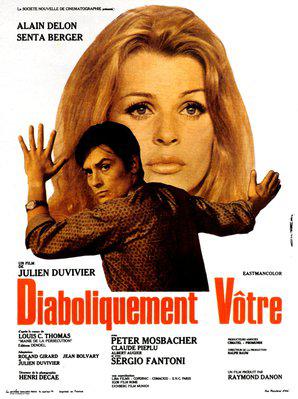
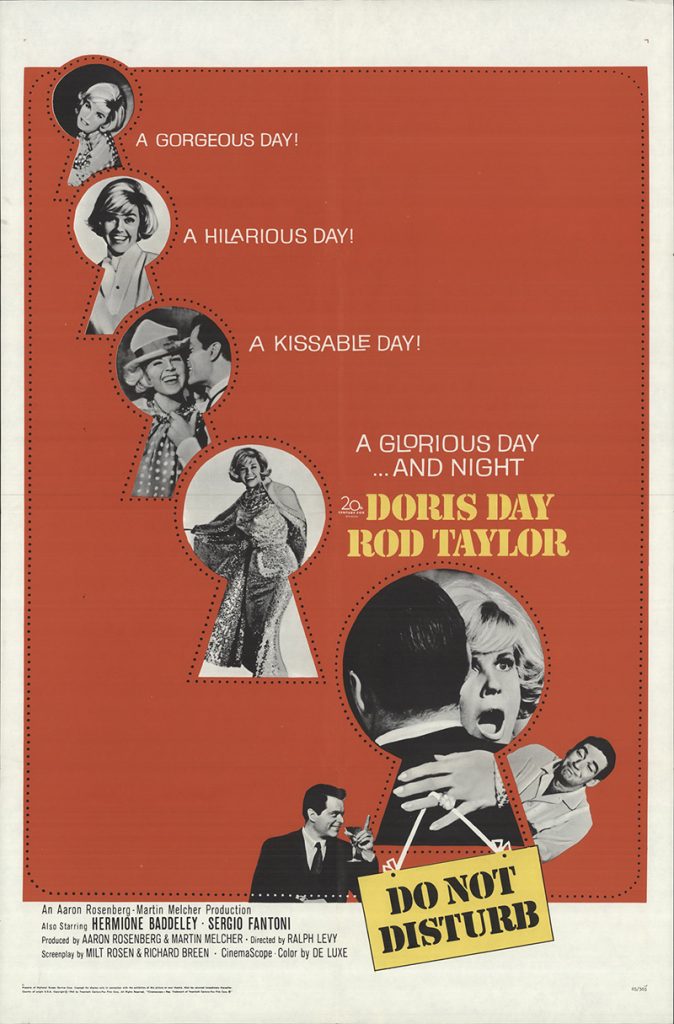
Sergio Fantoni died in Rome in 2020 at the age of 89.
While Paul Ford and Jerome Courtland represented specific American archetypes, Sergio Fantoni (1930–2020) was the quintessential European “polymath” actor. His career was defined by a rare fluidity, moving between the muscle-bound epics of Italian peplum (sword-and-sandal) cinema, high-stakes Hollywood war dramas, and a sophisticated stage career that eventually led him into directing.
Career Overview: The Continental Chameleon
Born into an acting dynasty—the son of Cesare Fantoni—Sergio began in the late 1940s, but his career is best understood through its three distinct “lives.”
-
The Golden Age of Cinecittà (1950s): Fantoni was a staple of the Italian film industry when Rome was known as “Hollywood on the Tiber.” He appeared in Luchino Visconti’s masterpiece Senso (1954) and became a recurring face in the mythological epics that dominated the era, such as Hercules Unchained(1959).
-
The Hollywood Export (1960s): His commanding screen presence and fluency in English made him one of the few Italian actors to successfully transition to major American productions. He held his own against titans like Frank Sinatra in Von Ryan’s Express (1965) and Rock Hudson in Hornets’ Nest (1970).
-
The Voice of Icons: In Italy, Fantoni was just as famous for his voice as his face. He was the definitive Italian “voice” (dubber) for legendary actors, most notably Marlon Brando in Apocalypse Now.
Critical Analysis: Authority, Ambiguity, and the “Stentorian” Presence
1. The Intellectual Soldier
In Hollywood, Fantoni was frequently cast as an officer or an aristocrat. Unlike the “blustering” authority of Paul Ford, Fantoni’s authority was cool, calculated, and deeply weary. * Analysis: In Von Ryan’s Express, his portrayal of Captain Oriani provides the moral ballast to the film. While Sinatra’s character is impulsive and “American” in his heroics, Fantoni plays Oriani with a heavy, Roman stoicism that suggests a man who has seen too much history to believe in easy victories.
2. The Peplum Subversion
In the 1950s peplum films (like The Giant of Marathon), Fantoni often played the “brain” to the “brawn” of stars like Steve Reeves.
-
Analysis: While the genre is often dismissed as kitsch, Fantoni brought a genuine Shakespearean gravity to these roles. He treated the often-thin dialogue with the same reverence he gave to the stage, which gave those early Italian epics a groundedness they otherwise lacked.
3. The Architect of Sound
Fantoni’s contribution to Italian cinema through dubbing cannot be overstated. In Italy, the “doppiaggio” is an art form, and Fantoni was its high priest.
-
Critical Insight: By providing the Italian voice for Brando’s Colonel Kurtz, Fantoni had to recreate one of the most eccentric performances in film history. Critics praised his ability to capture Brando’s “mumbled menace” while maintaining the clarity required for an Italian audience. This dual-life—being a leading man on screen and a phantom voice behind it—gave him a unique understanding of the “mechanics” of a performance.
4. Late Career Transition: The “Belly” of the Art
In his later years, Fantoni moved toward avant-garde and intellectual cinema, most notably in Peter Greenaway’s The Belly of an Architect (1987).
-
Analysis: In this film, he shifted away from the “handsome lead” persona into something more textured and cynical. His performance as Io Speckler showed a willingness to deconstruct his own image, playing a man whose elegance had curdled into a specific kind of European world-weariness.
Comparative Snapshot: Fantoni vs. The Archetypes
| Feature | Paul Ford | Jerome Courtland | Sergio Fantoni |
| Energy | Comedic Panic | Wholesome Sincerity | Stoic Gravity |
| Power Base | The Foil | The Producer | The Intellectual |
| Legacy | The “Befuddled” Boss | The Disney Architect | The Voice of the Greats |
Sergio Fantoni’s career was ultimately a bridge between the classic theatrical traditions of Europe and the commercial demands of global cinema. He was a “thinking man’s” actor who proved that one could be a star in two languages and two different disciplines (acting and dubbing) simultaneously