

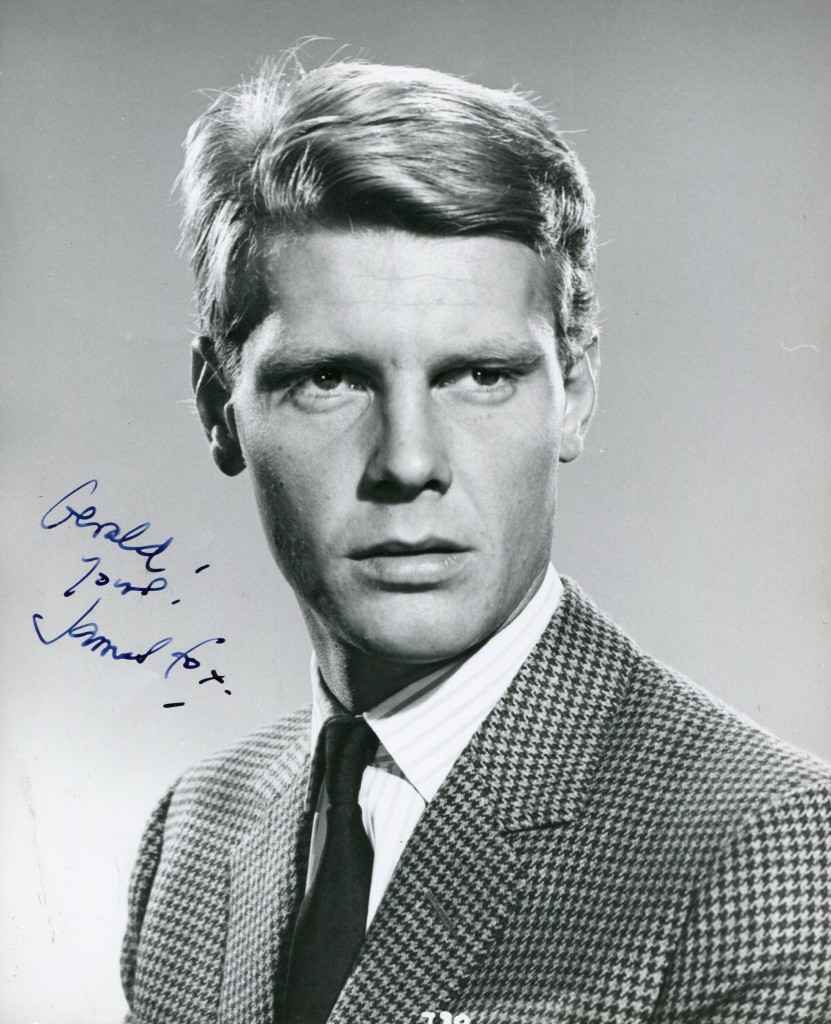
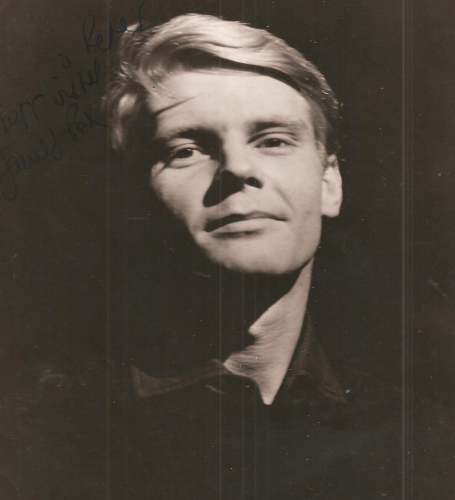
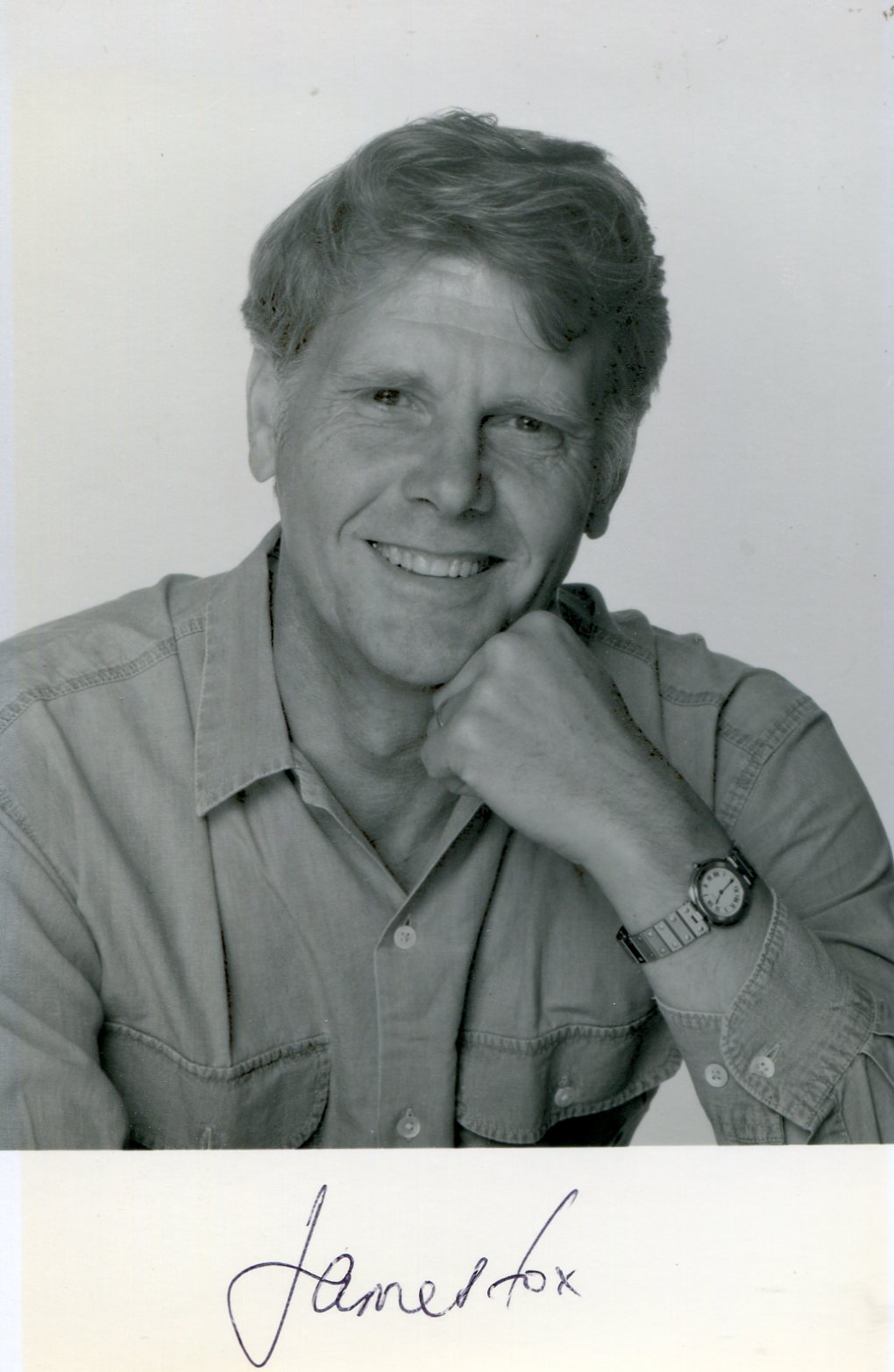
JAMES FOX (WIKIPEDIA)
James Fox is an English actor, from a well-known acting family. He appeared in several notable films of the 1960s and early 1970s, including The Servant, Thoroughly Modern Millie and Performance, before quitting the screen for several years to be an evangelical Christian. He has since appeared in a wide range of film and TV productions.
Fox was born in London, the son of theatrical agent Robin Fox and actress Angela Worthington. He is the brother of actor Edward Fox and the film producer Robert Fox. His maternal grandfather was playwright Frederick Lonsdale. Like several members of the Fox family, he attended Harrow School. After leaving Harrow Fox took a short service commission in the Coldstream Guards.
Fox first appeared on film in The Miniver Story in 1950. His other early film appearances were made under his birth name, William Fox.
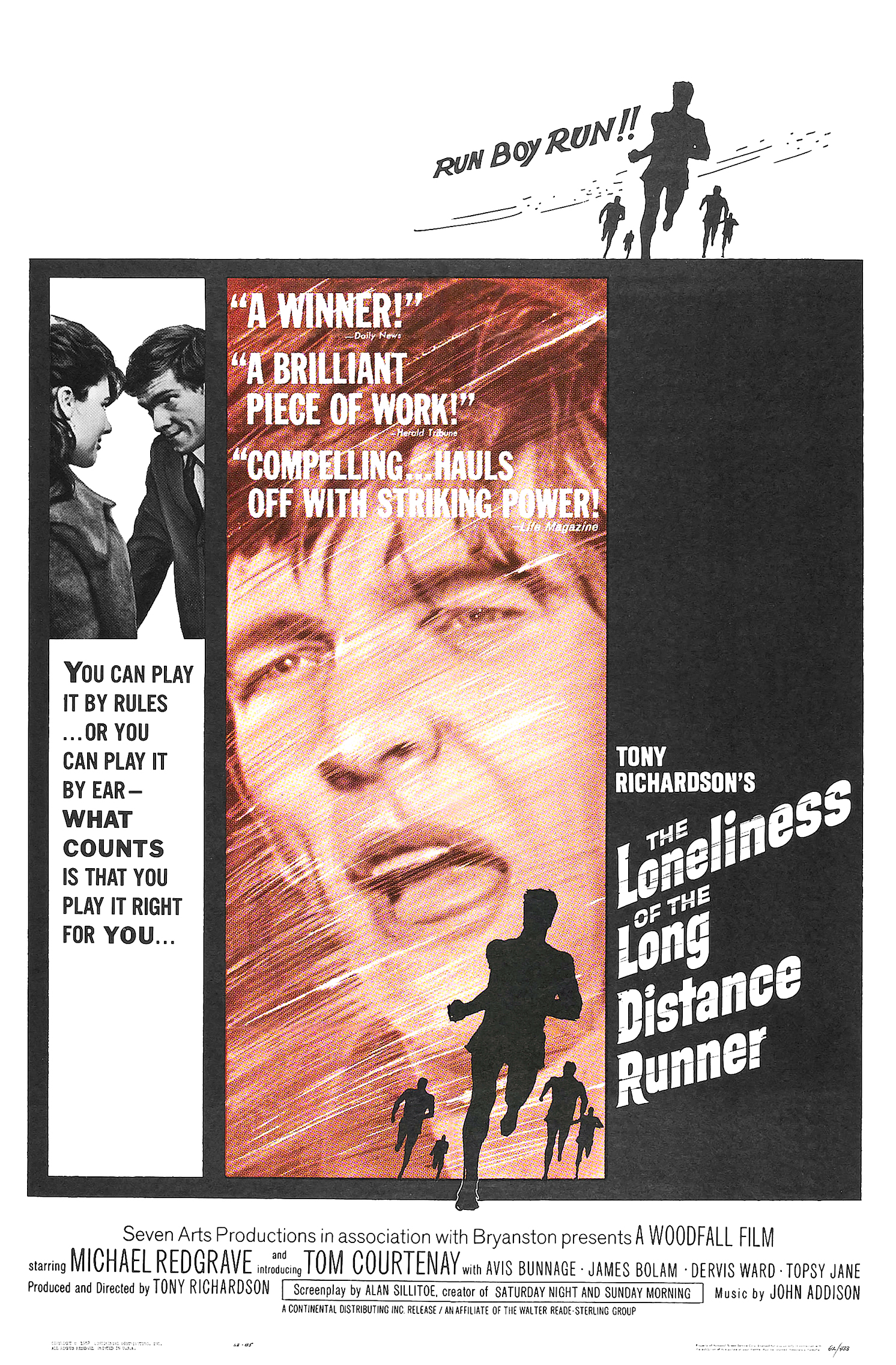
In 1962, Fox was working in a bank when Tony Richardson offered him a minor role in the film The Loneliness of the Long Distance Runner. Fox’s father attempted to forbid this, claiming that his son had no talent for acting and that it would disrupt his life for him to give up his job in the bank, nevertheless Fox took the part.
During the 1960s, Fox gained popularity. In 1964, he won a BAFTA Award for Most Promising Newcomer for his role in The Servant(1963).[2] His films included Those Magnificent Men in their Flying Machines (1965), King Rat (1965), The Chase (1966), Thoroughly Modern Millie (1967), Isadora (1968), and Performance (1970).
After finishing work on Performance (1970), Fox suspended his acting career. Released in 1970 and simply called Performance, the film, co-starring James Fox and Mick Jagger, was deemed so outrageous that critics at a preview screening walked out,
In a 2008 interview, he said: “It was just part of my journey…I think my journey was to spend a while away from acting. And I never lost contact
He became an evangelical Christian, working with the Navigators and devoting himself to the ministry. During this time, the only film in which Fox appeared was No Longer Alone (1978), the story of Joan Winmill Brown, a suicidal woman who was led to faith in Jesus Christ by Ruth Bell Graham.
After an absence from acting of several years, Fox appeared on TV in the Play for Today “Country” by Trevor Griffiths, a comedy drama set against the 1945 UK parliamentary elections. On film he starred in Stephen Poliakoff‘s Runners (1983), A Passage to India (1984), and Comrades (1986). He was notable as Anthony Blunt in the acclaimed BBC play by Alan Bennett, A Question of Attribution (1992). He also portrayed the character of Lord Holmes in Patriot Games (1992), as well as Colonel Ferguson in Farewell to the King and the Nazi-sympathising aristocrat Lord Darlington in The Remains of the Day (1993).
More recently he has appeared in the 2000 film Sexy Beast, the 2001 adaptation of The Lost World as Prof. Leo Summerlee, Agatha Christie’s Poirot – Death on the Nile (2004) as Colonel Race and Charlie and the Chocolate Factory (2005) playing Mr. Salt, Veruca Salt‘s father. He appeared in the Doctor Who audio drama Shada, and in 2007, he guest-starred in the British television crime series Waking the Dead. He also appeared opposite his son Laurence Fox in “Allegory of Love”, an episode in the third series of Lewis. He was part of the cast of Sherlock Holmes, as Sir Thomas, leading member of a freemason-like secret society.
In 2010, he filmed Cleanskin, a terrorist thriller directed by Hadi Hajaig,and in 2011 he played King George V in Madonna‘s film W.E.
He married Mary Elizabeth Piper in September of 1973, with whom he has five children: actors Laurence, Lydia, and sons Jack Fox, Robin and Thomas
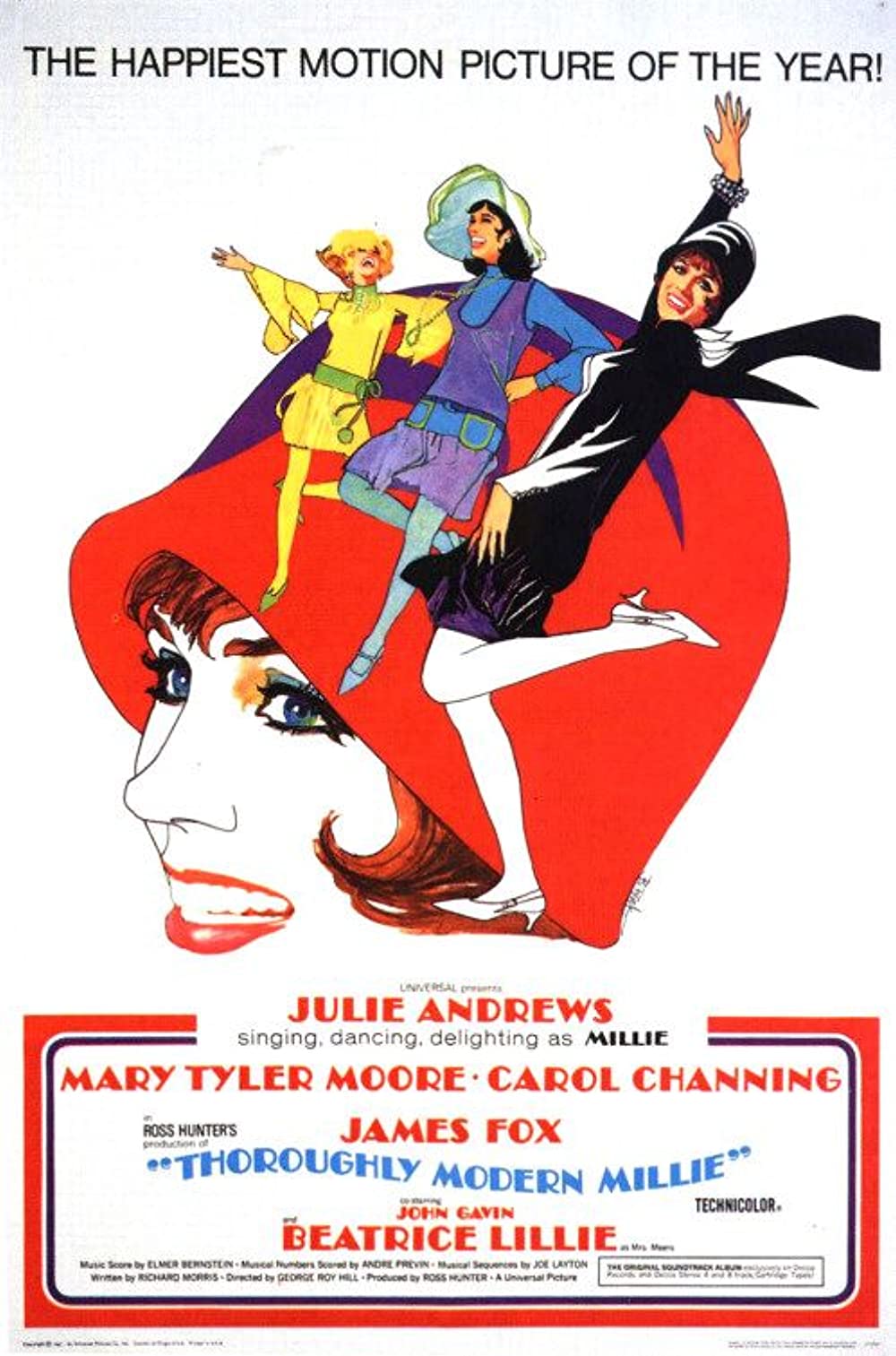
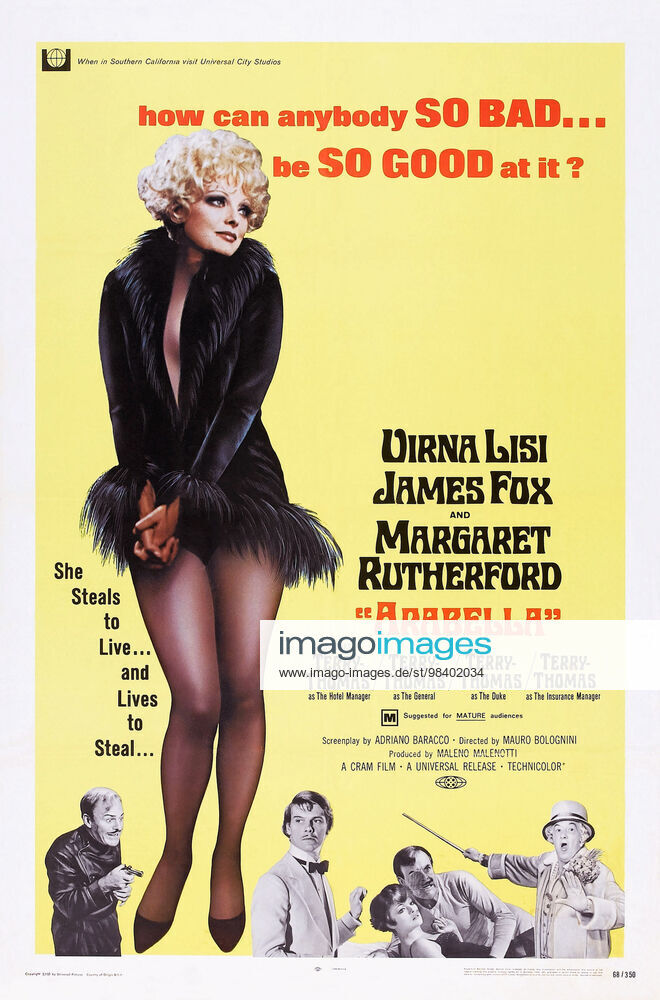
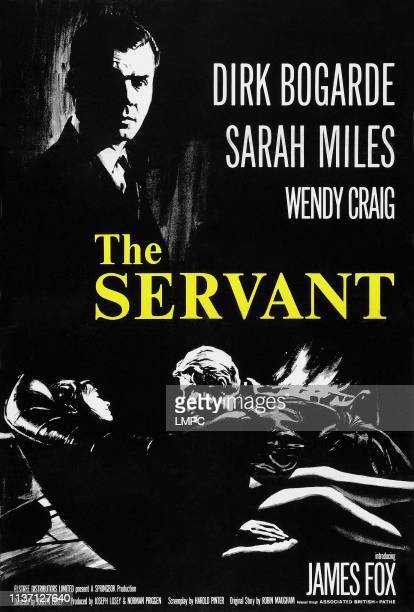
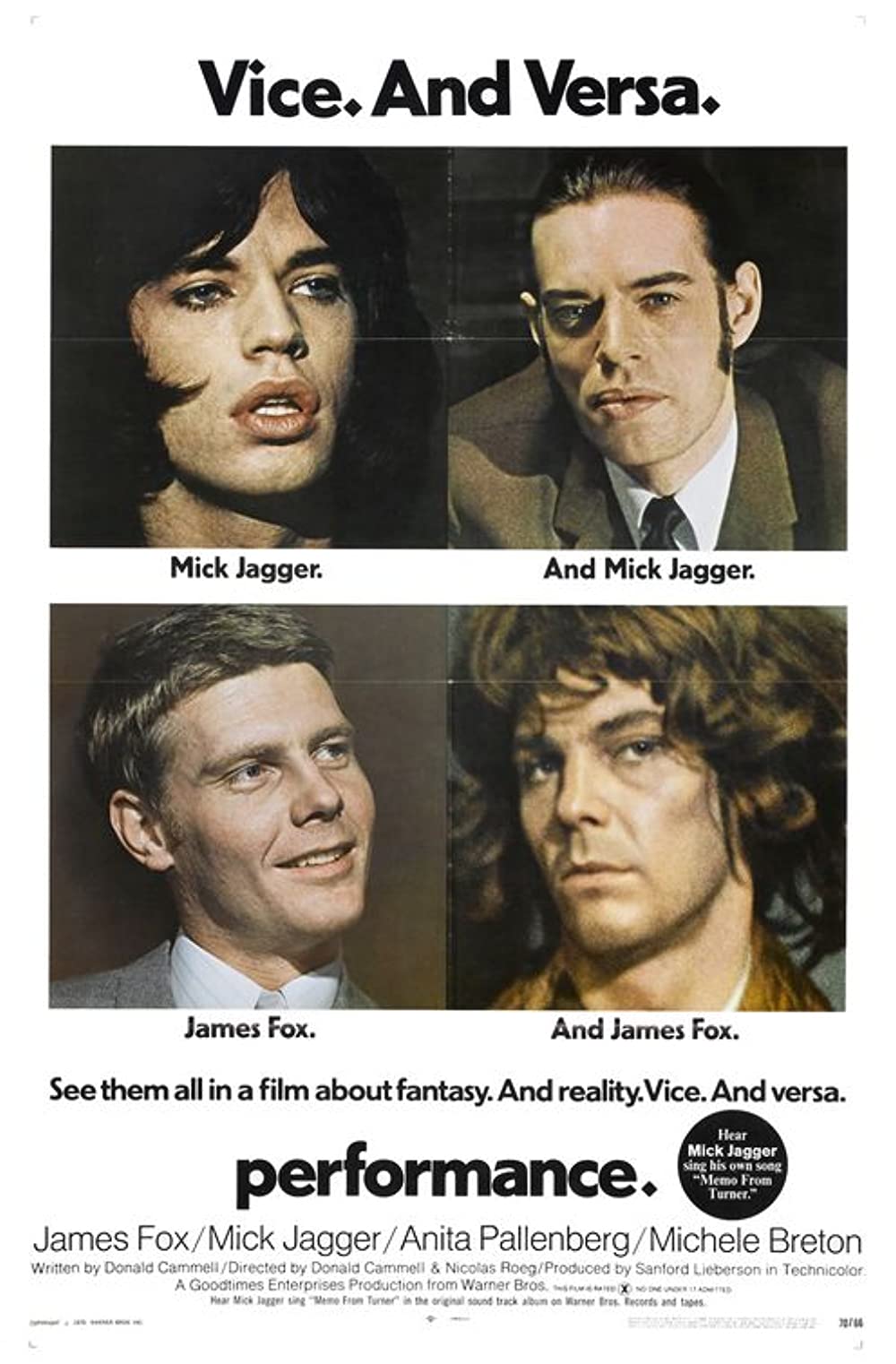
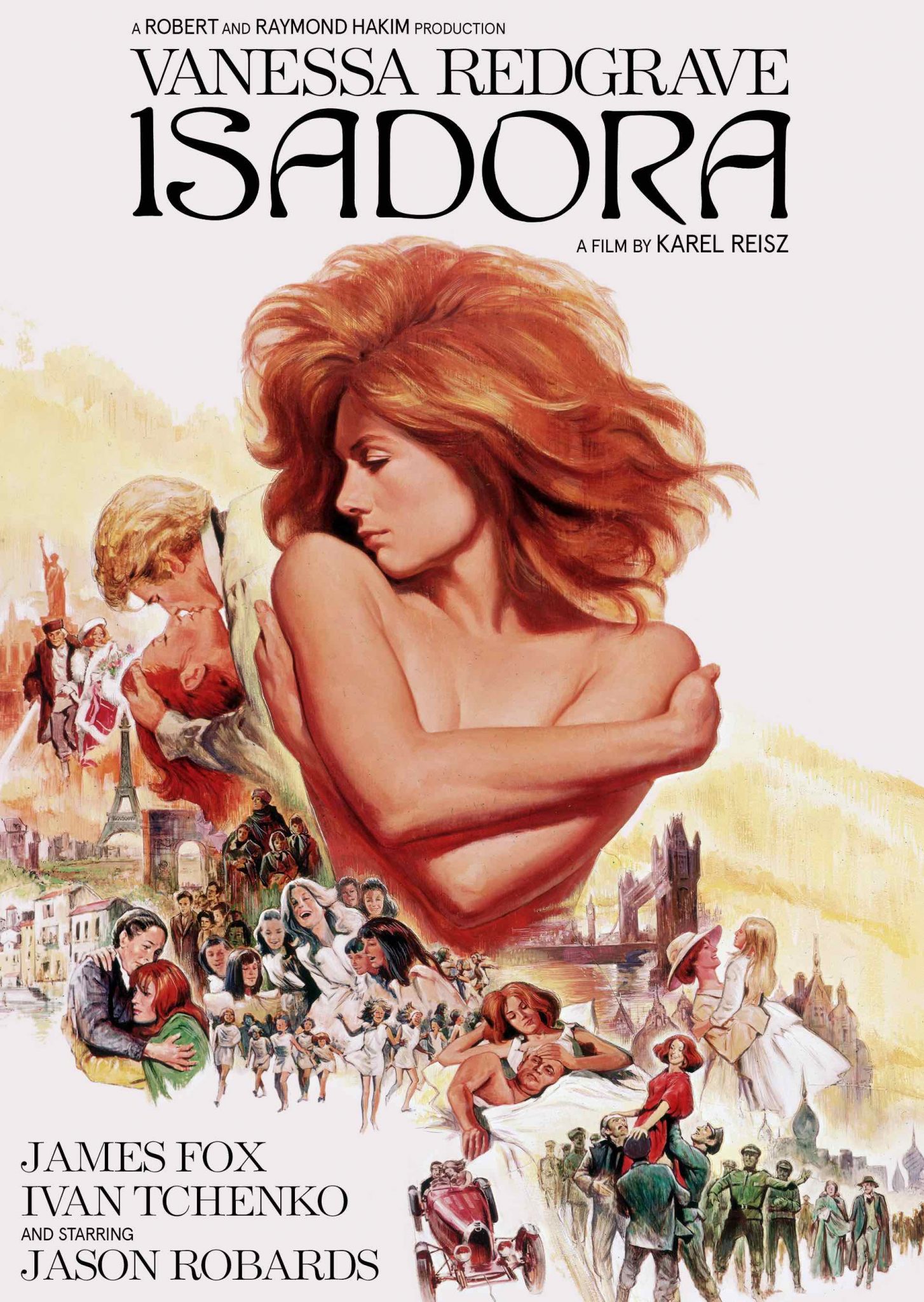
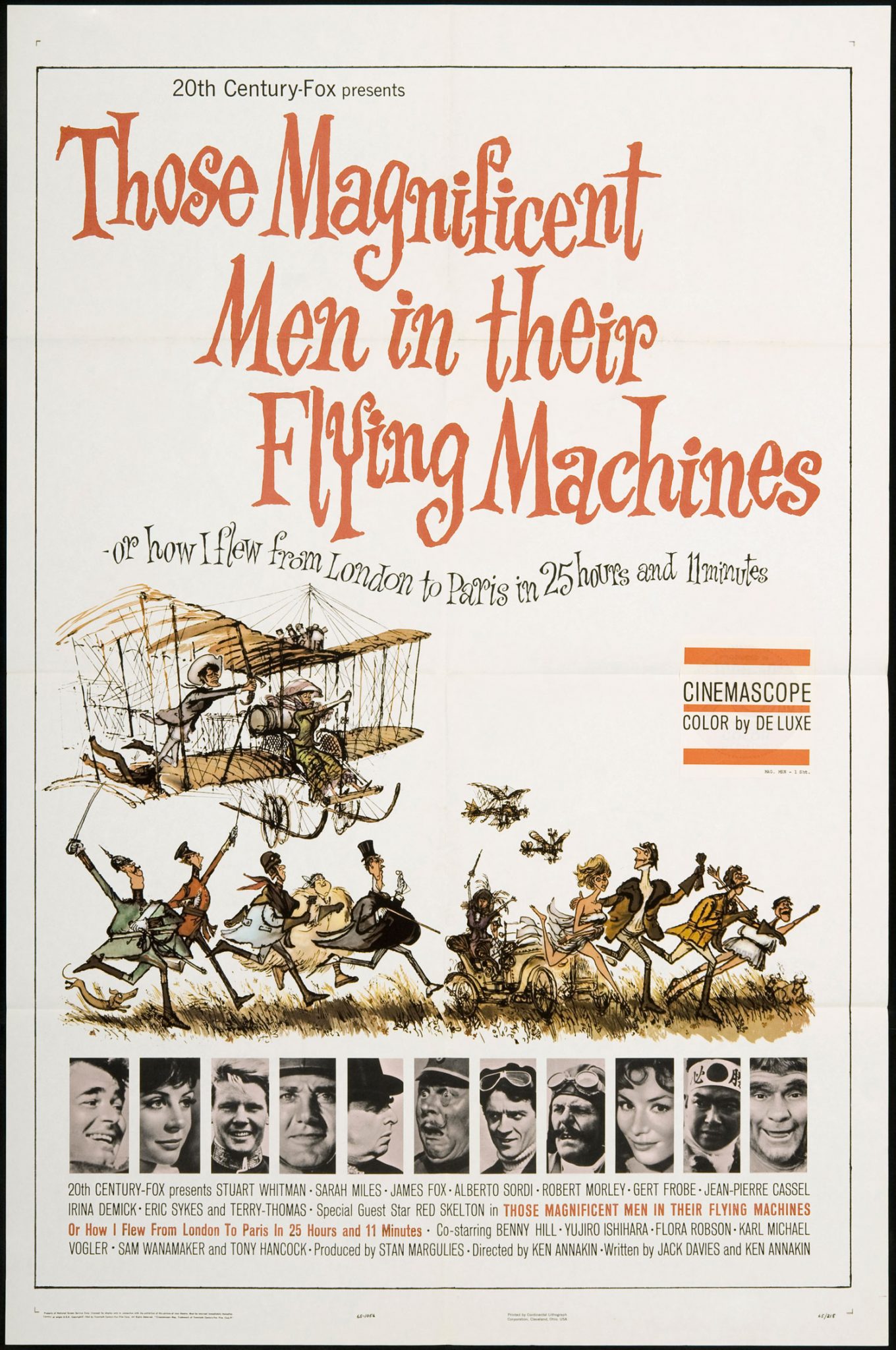
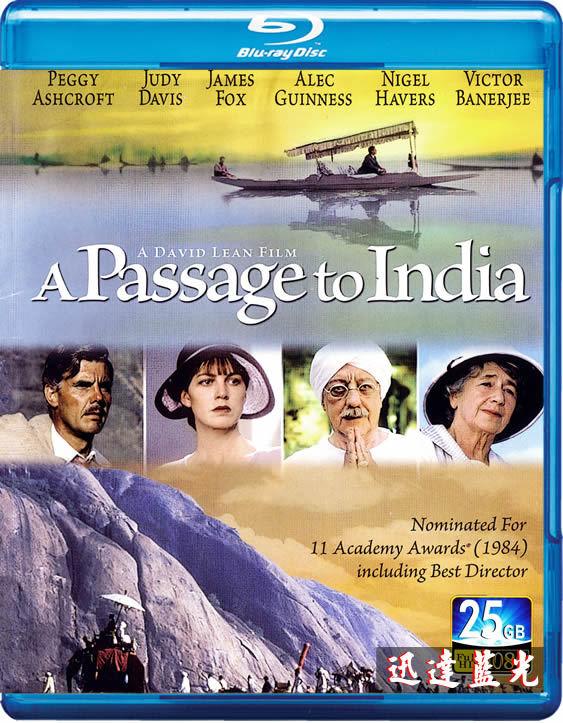
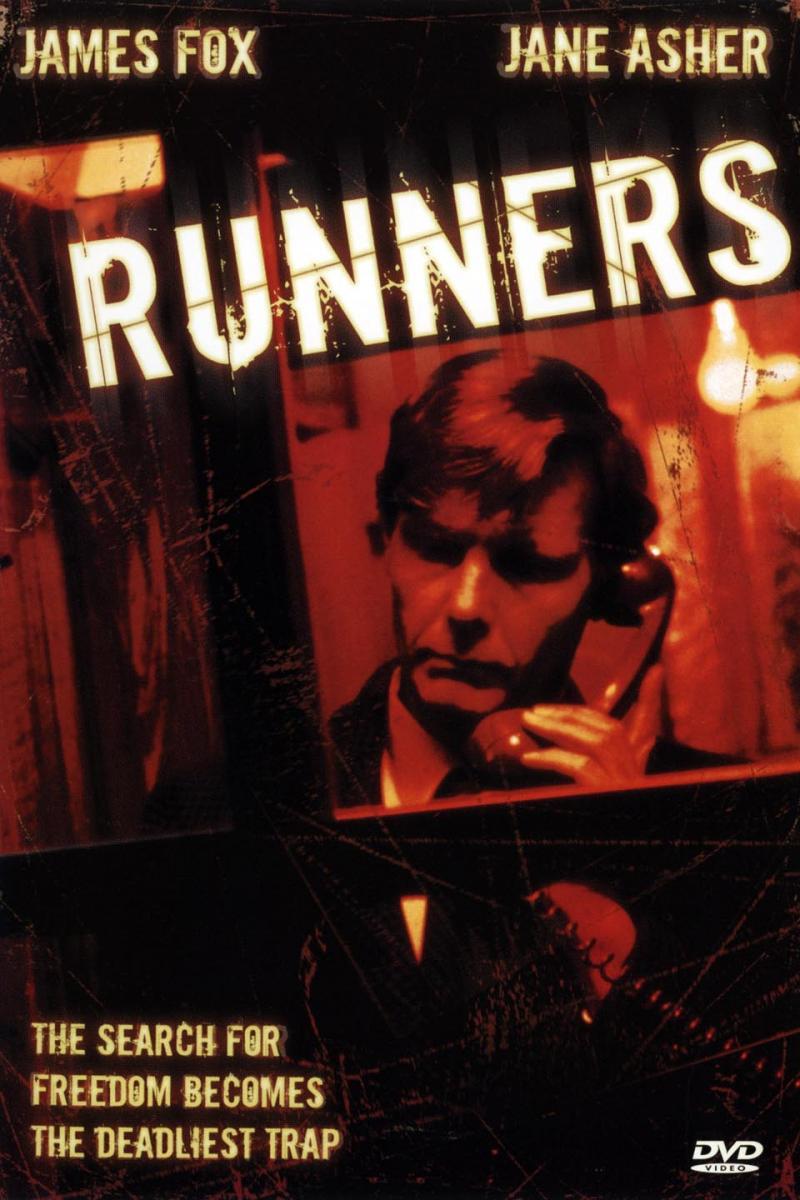

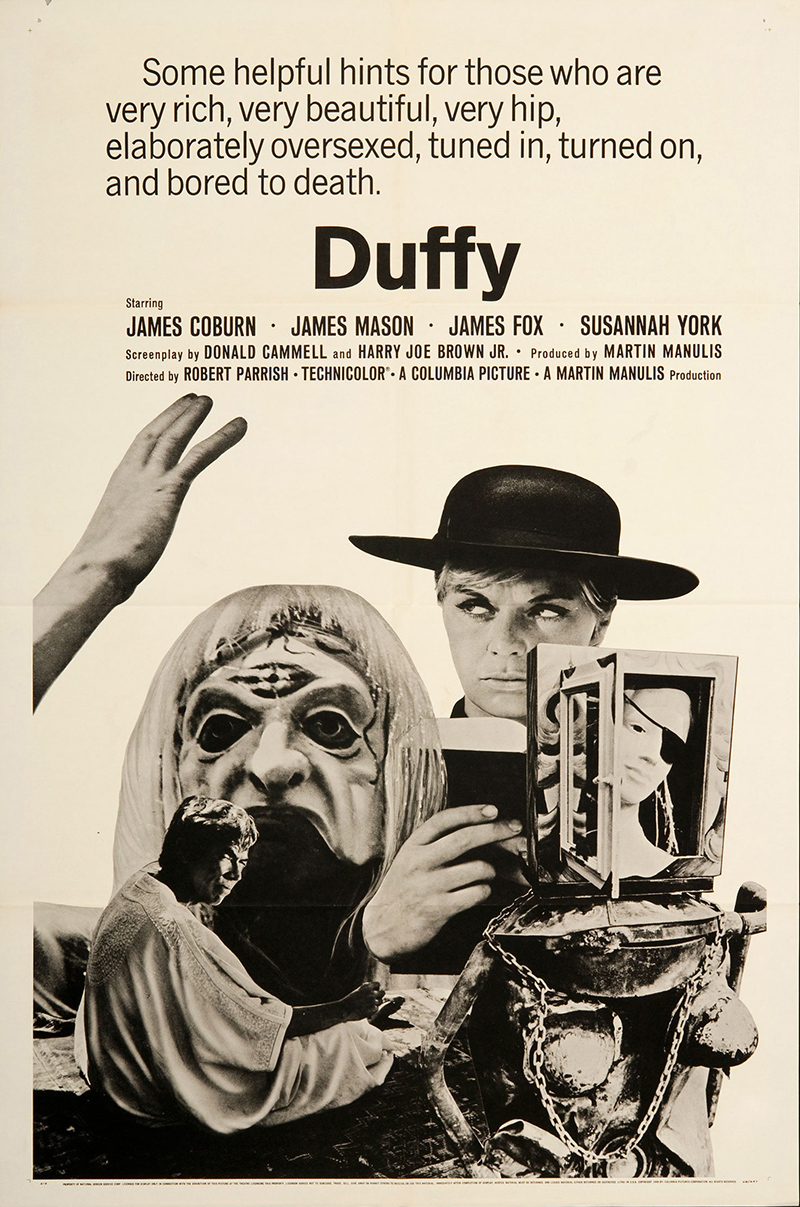
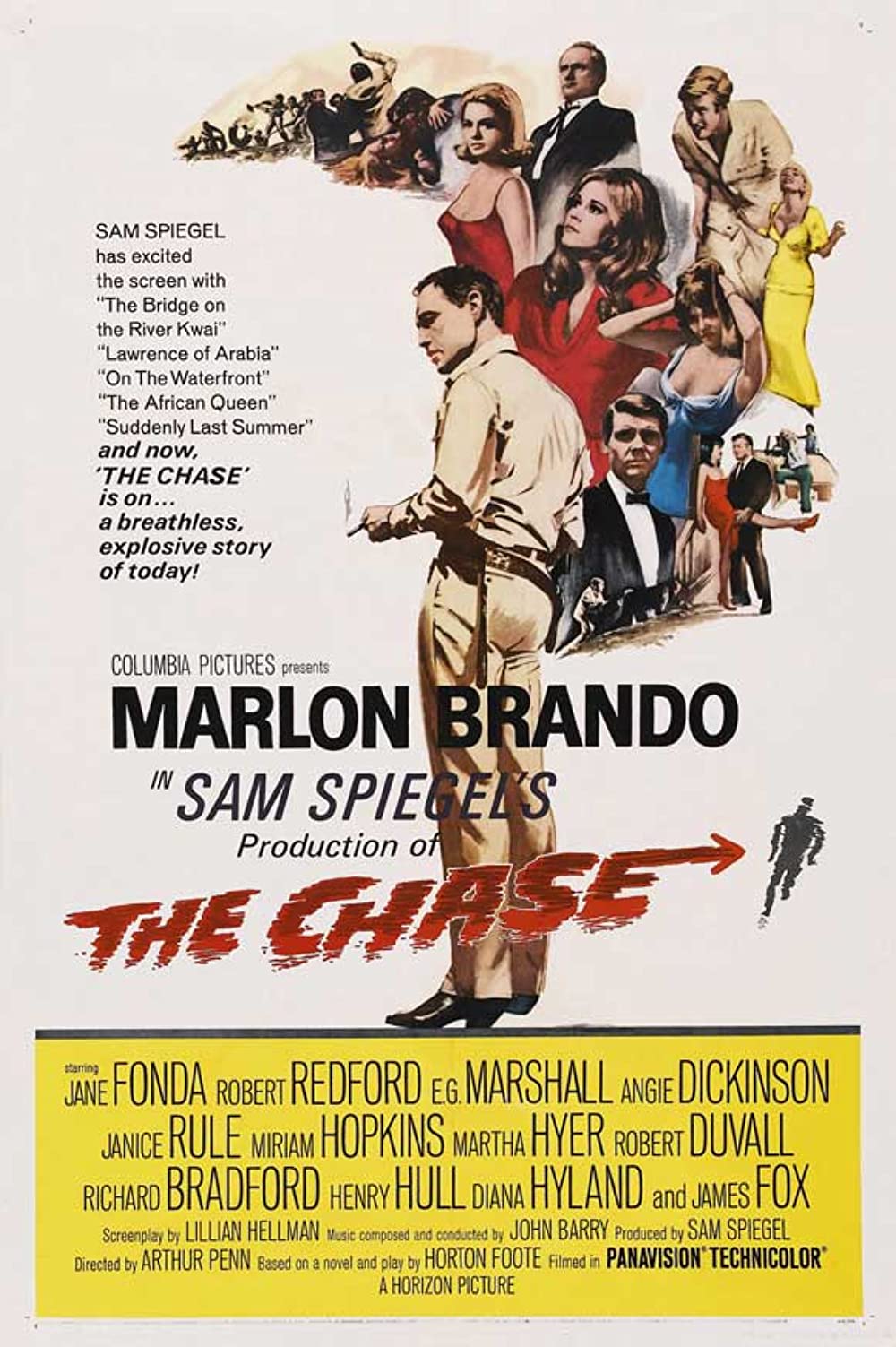
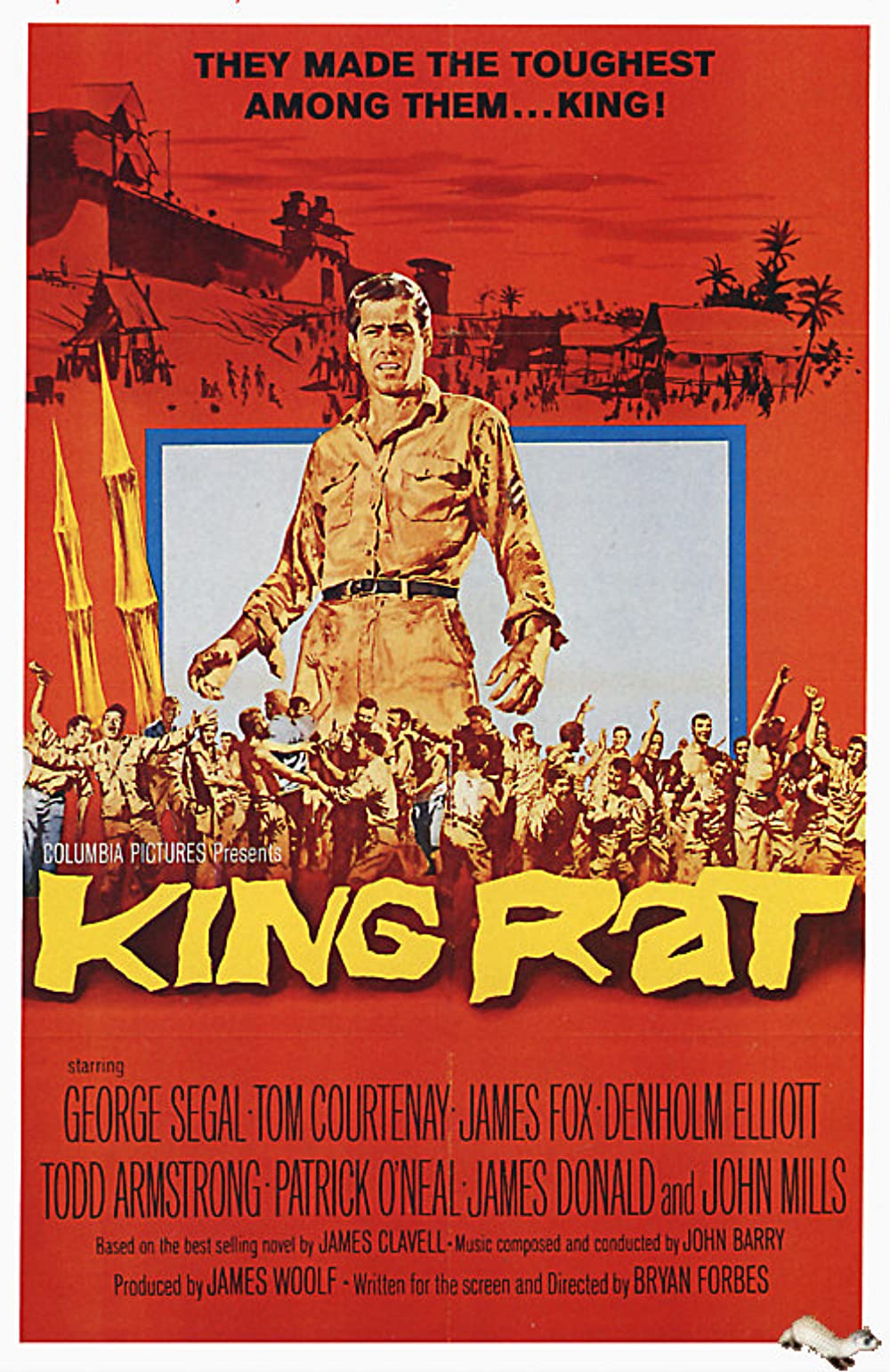
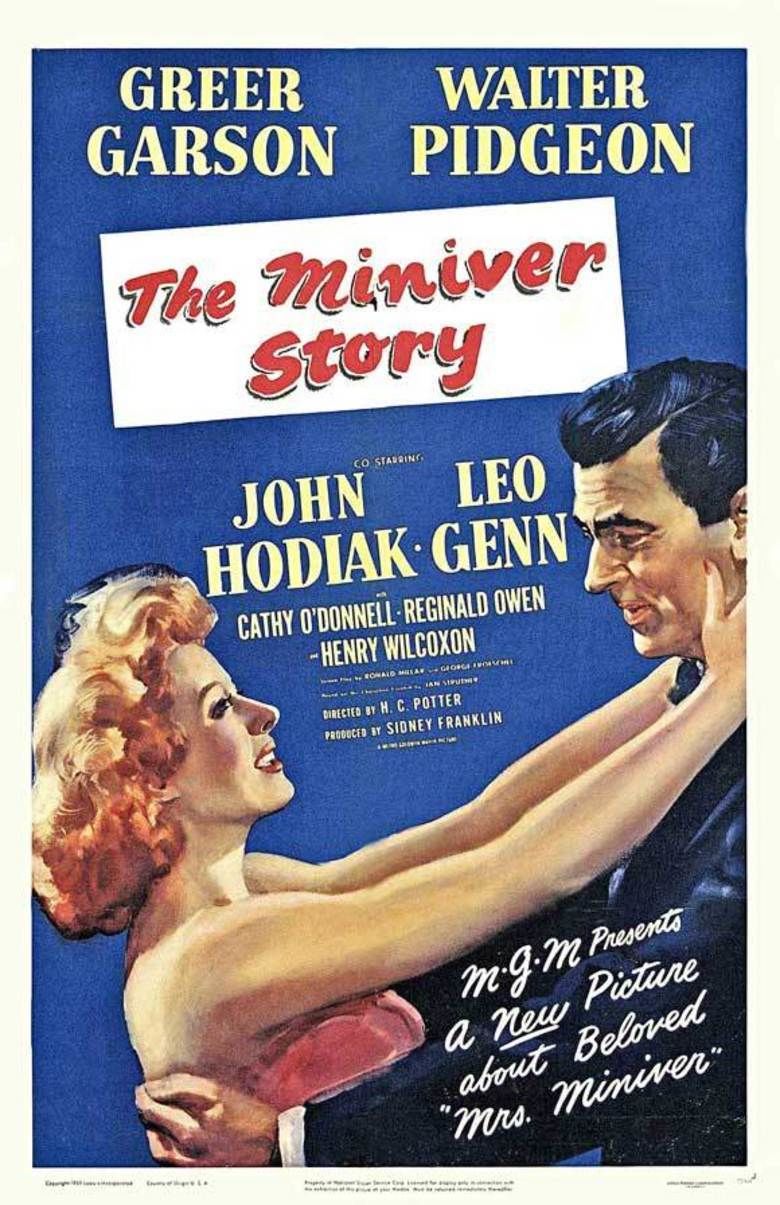
James Fox (born 1939) is a cornerstone of the British acting “dynasty,” a performer whose career is defined by a singular, ethereal refinement. While his brother Edward became the face of stoic military authority, James carved out a niche as the “Fragile Patrician”—an actor who specialized in playing upper-class men whose polished exteriors hid profound psychological or moral voids.
I. Career Overview: The Three Acts of Fox
1. The Swinging Sixties Icon (1962–1970)
After a successful run as a child actor (under his birth name, William Fox), James returned to the screen with a series of roles that defined the “Swinging London” zeitgeist.
The Masterpiece: In Joseph Losey’s The Servant (1963), Fox played Tony, a dissolute aristocrat who is systematically dismantled by his manipulative butler (Dirk Bogarde). His performance won him a BAFTA for Most Promising Newcomer.
The Versatile Lead: He balanced blockbuster comedy in Those Magnificent Men in Their Flying Machines (1965) with the stark, existential thriller Performance (1970).
2. The Spiritual Sabbatical (1970–1981)
The filming of Performance—a psychedelic blend of gangster violence and identity-swapping co-starring Mick Jagger—combined with the death of his father, led to a nervous breakdown.
The Exit: At the peak of his fame, Fox quit acting, became an evangelical Christian, and joined a missionary organization called The Navigators. For nearly a decade, he vanished from the industry, working in ministry and living a quiet, devotional life.
3. The Elder Statesman (1981–Present)
Fox returned to acting in the early 80s, transitioning seamlessly into one of Britain’s most respected character actors.
The Heritage Peak: He became a staple of high-end literary adaptations, most notably in A Passage to India (1984) and The Remains of the Day (1993).
Modern Renaissance: In the 21st century, he has embraced diverse roles, from the haughty Mr. Salt in Charlie and the Chocolate Factory (2005) to a high-ranking Freemason in Guy Ritchie’s Sherlock Holmes (2009).
II. Detailed Critical Analysis
1. The “Architecture of Vacuity”
Critically, Fox is celebrated for his ability to play “hollow men.”
Class as a Mask: In his 1960s work, Fox used his naturally refined features and “fair-haired” good looks to suggest an aristocrat whose privilege has left him without a soul. In The Servant, he doesn’t just play “lazy”; he plays a man who has no internal defense against corruption because he has never had to struggle.
The Remains of the Day: Decades later, he revisited this archetype as Lord Darlington. Critics praised how he played the character’s Nazi sympathies not as active evil, but as a kind of “gentlemanly naivety”—a dangerous form of upper-class blindness.
2. The Performance Transformation
His work in Performance is often cited as one of the most radical “on-screen disintegrations” in history.
Chas the Thug: Playing an East End gangster, Fox shed his “posh” persona entirely. He reportedly spent months boxing and hanging out with real London criminals to achieve a “hard-boiled” authenticity.
The Critical Impact: The film’s core theme—the blurring of identities between Fox’s gangster and Jagger’s rock star—mirrored Fox’s own life. Critics argue that Fox’s performance is so effective because he seems to be literally dissolving before the audience’s eyes, a meta-commentary on the fragility of the “Fox” persona.
3. The “Liberal Moralist”
Upon his return to acting, Fox found a new strength playing men of quiet, often pained, moral conviction.
Fielding in A Passage to India: In David Lean’s epic, Fox played Cyril Fielding, the schoolmaster caught between colonial duty and personal friendship. Critics noted that Fox’s real-life faith seemed to bring a “new gravity” to his work; he no longer played “vacuity,” but a man deeply concerned with doing the right thing in a broken system.
Subtle Authority: His late-career work is defined by “minimalist authority.” He can dominate a scene with a slight inclination of the head or a precisely clipped vowel, using his “poshness” as a tool of character study rather than just a costume.
Iconic Performance Comparison
| Character | Work | Year | Critical Achievement |
| Tony | The Servant | 1963 | Defined the “decadent aristocrat” of the 60s. |
| Chas Devlin | Performance | 1970 | A terrifying, immersive departure from his usual type. |
| Cyril Fielding | A Passage to India | 1984 | A nuanced study of colonial decency and isolation. |
| Lord Darlington | The Remains of the Day | 1993 | A haunting portrayal of the “banality of upper-class error.” |
| Sir Anthony Blunt | A Question of Attribution | 1991 | Captured the double-life of the famous “Spy in the Palace.” |
James Fox remains an actor of “shimmering reserve.” He is the master of the “unspoken thought,” a performer who proved that an actor can walk away from the spotlight at its brightest and return with a deeper, more resonant understanding of the human condition