

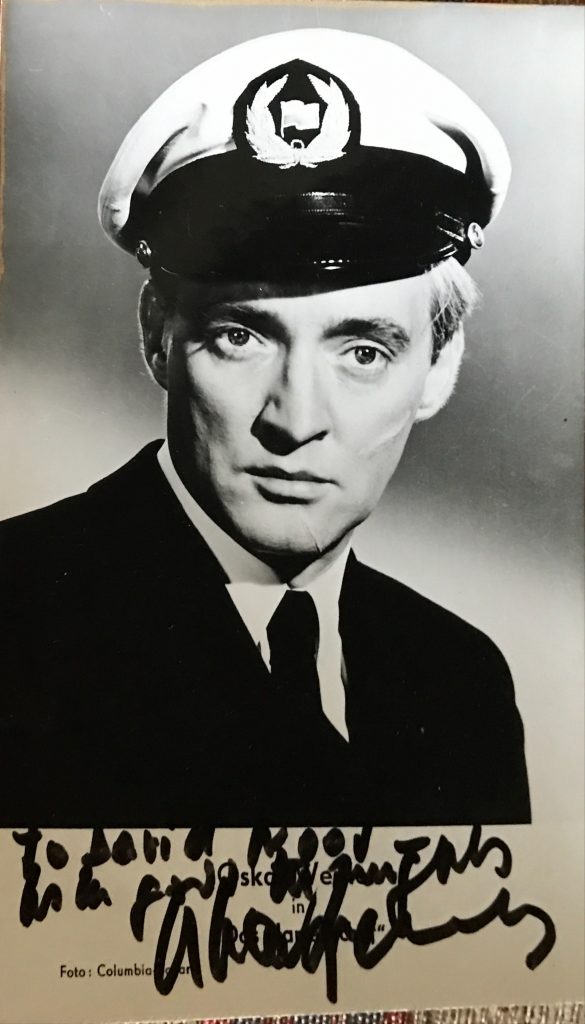
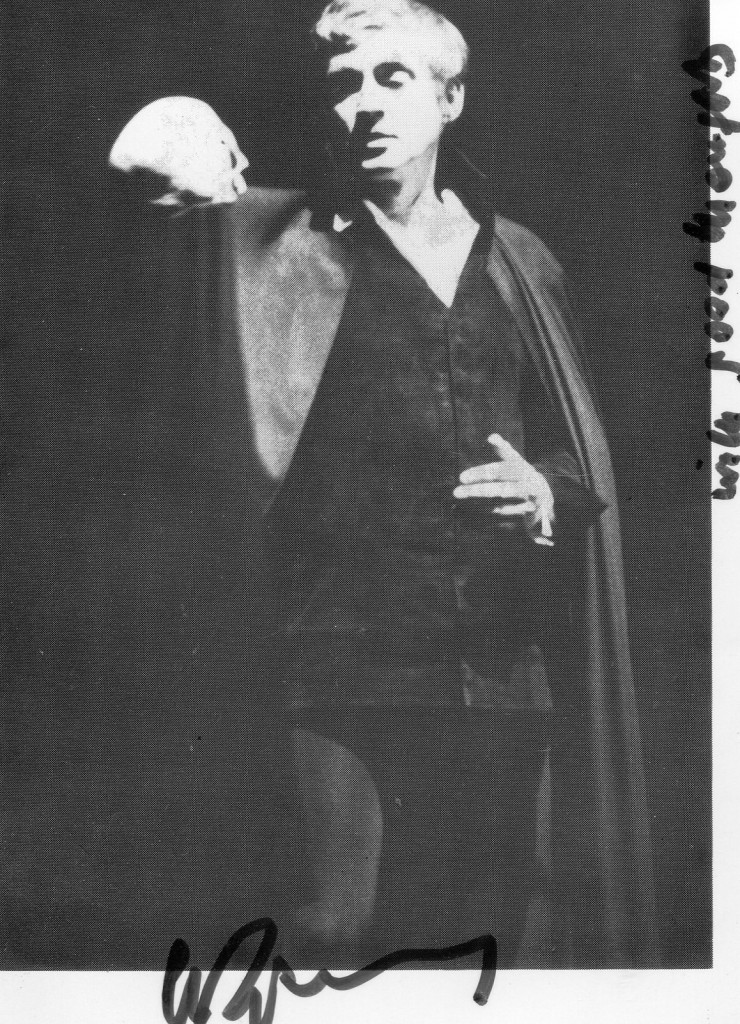
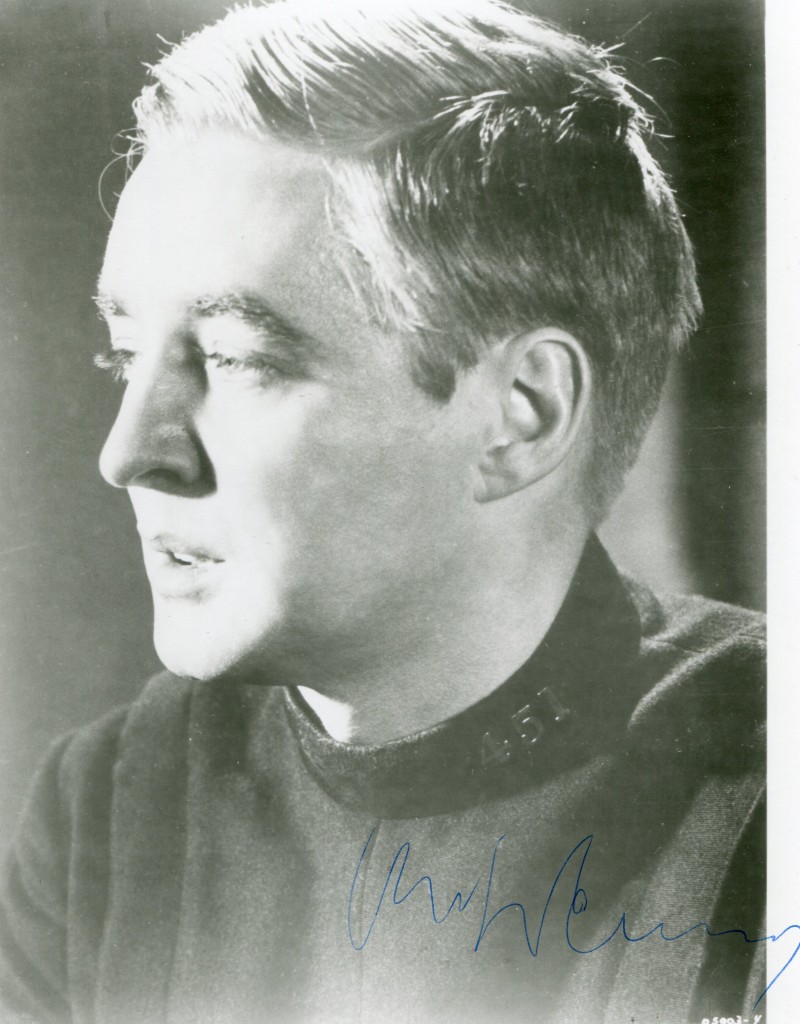


Oskar Werner (Wikipedia)
Oskar Werner was an Austrian stage and cinema actor whose prominent roles include two 1965 films, The Spy Who Came in from the Cold and Ship of Fools. Other notable films include Decision Before Dawn (1951), Jules and Jim(1962), Fahrenheit 451 (1966), The Shoes of the Fisherman (1968) and Voyage of the Damned (1976).
Werner accepted both stage and film roles throughout his career. He won a Golden Globe for Best Supporting Actor, and had been nominated several times for the Golden Globe, the Academy Award as well as the BAFTA Award.
Born in Vienna, Werner spent much of his childhood in the care of his grandmother, who entertained him with stories about the Burgtheater, the Austrian state theatre, where he was accepted at the age of 18 by Lothar Müthel. He was the youngest person to receive this recognition. He made his theatre debut using the stage name Oskar Werner in October 1941.
In December 1941, Werner was drafted into the Deutsche Wehrmacht. As a pacifist and staunch opponent of National Socialism, he was determined to avoid advancement in the military.He was assigned to peeling potatoes and cleaning latrines instead of being sent to the Eastern Front. In 1944, he secretly married actress Elisabeth Kallina [de], who was half Jewish.
They had a daughter Eleanore. That December, he deserted the Wehrmacht and fled with his wife and daughter to the Wienerwald (Vienna Woods), where they remained in hiding until the end of the war.[1] He would later remember, “The artillery fire was constant for two and a half days. The shells hit all around our little hut and it was shaking like a leaf … We knew that to go out there would be suicide, but it was better than to have to wait for execution.”
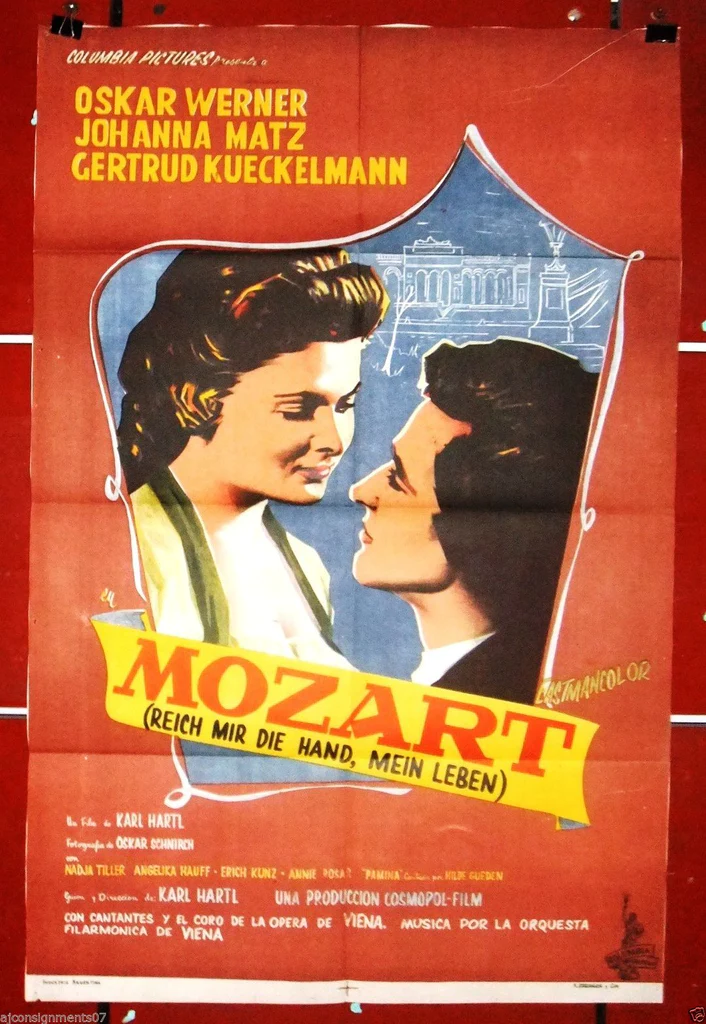
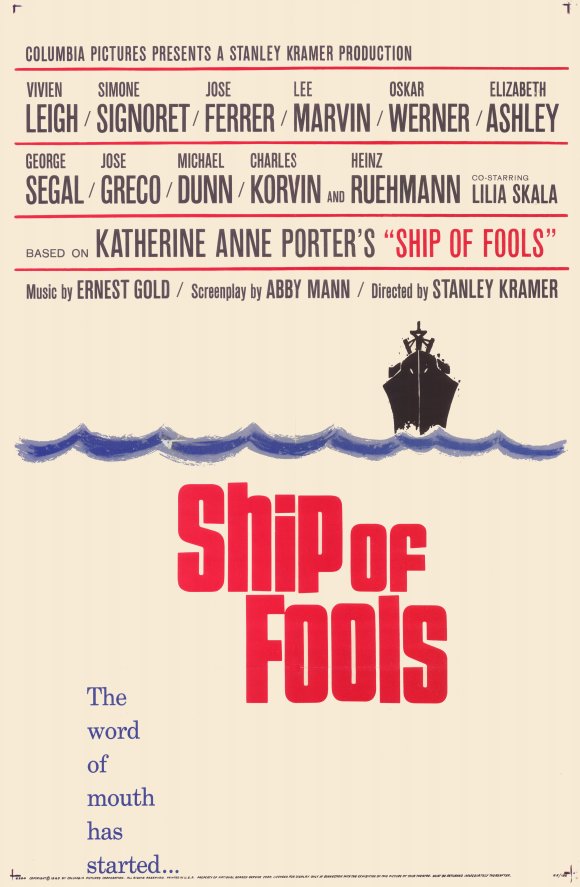
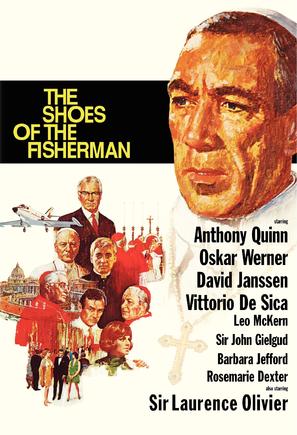
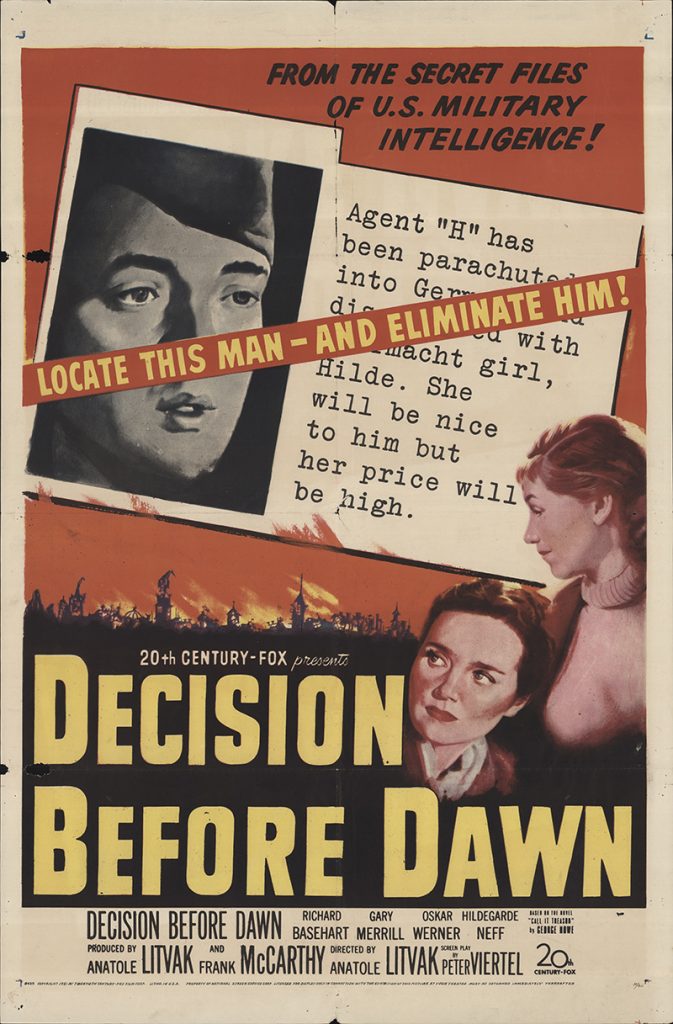
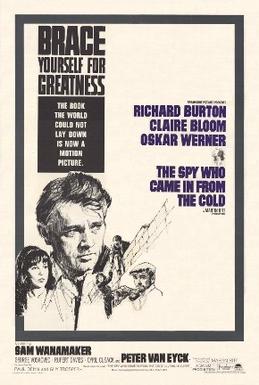
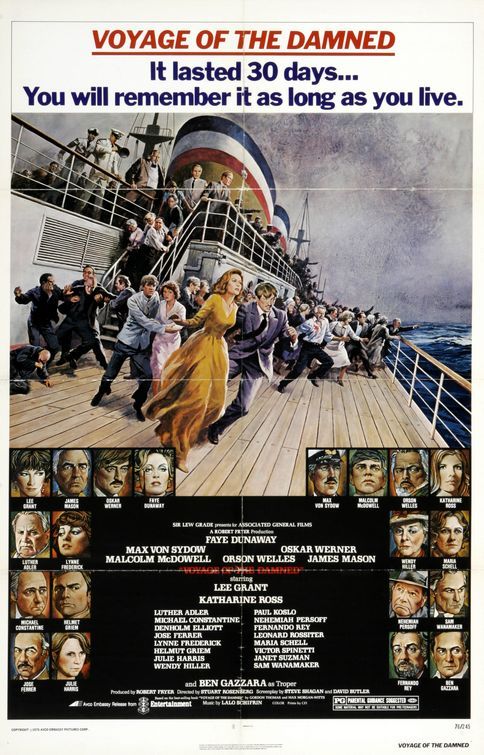
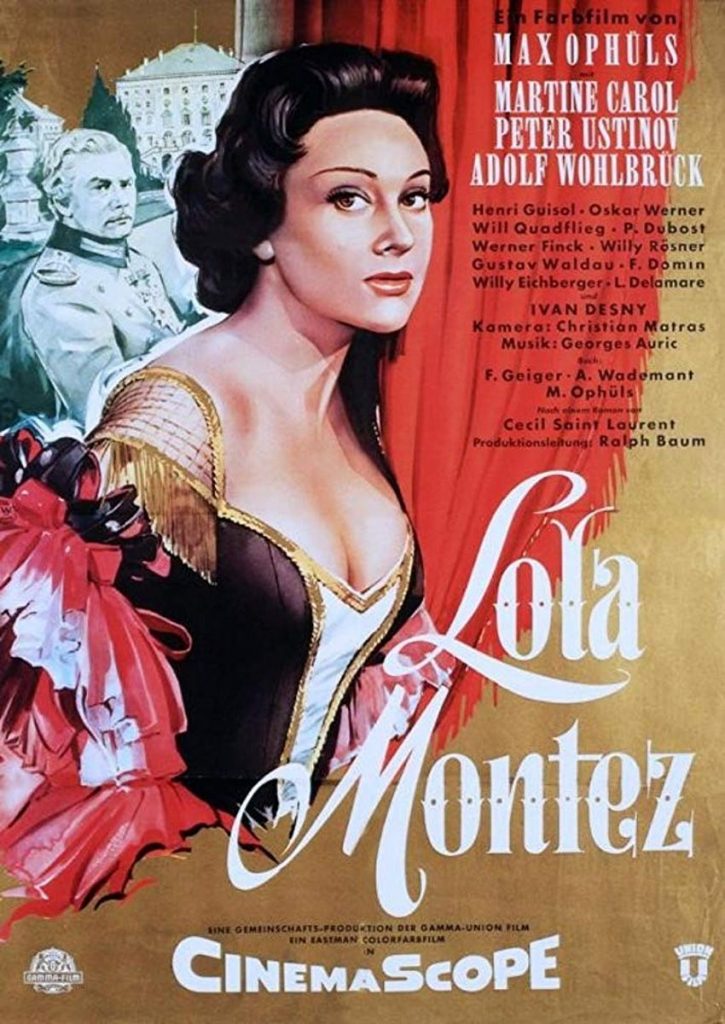
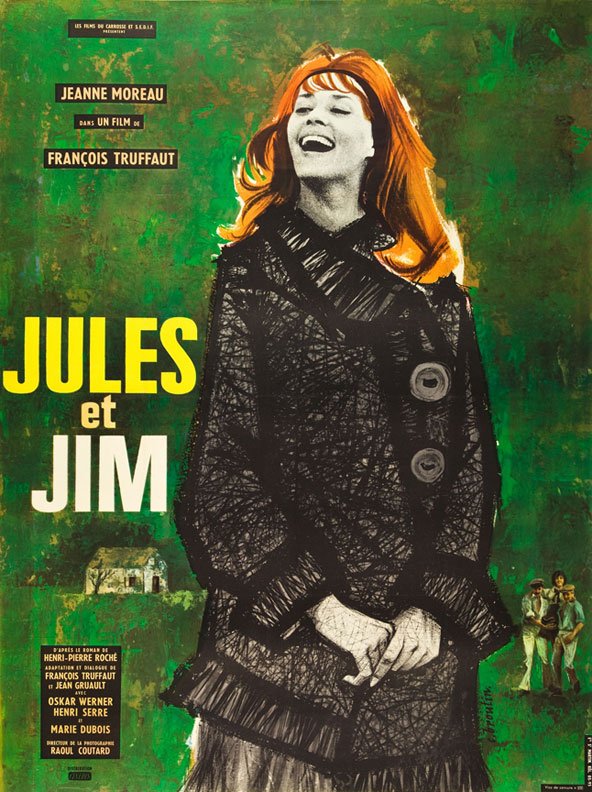
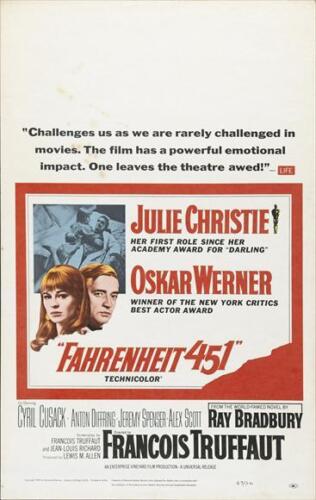
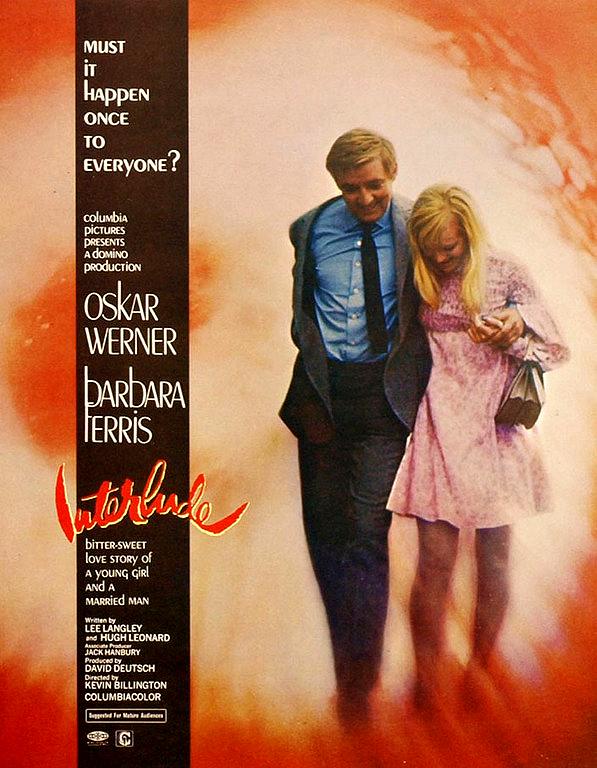
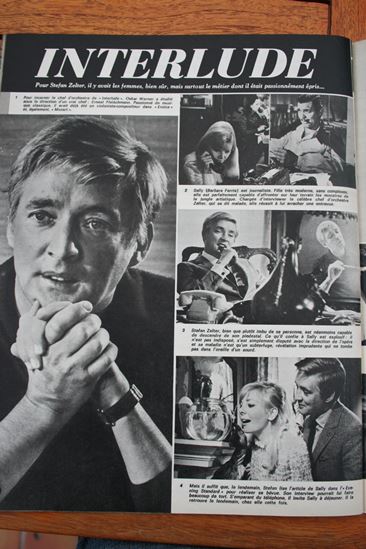
He returnedto the Burgtheater and acted in productions at the Raimund Theater and the Theater in der Josefstadt, frequently playing character roles. He made his film debut in Der Engel mit der Posaune, directed by Karl Hartl, in 1948.[1] The following year he portrayed Ludwig van Beethoven‘s nephew Karl in Eroica. In 1950, Werner journeyed to the United Kingdom to reprise the role he had played in Der Engel mit der Posaune in its English-language version The Angel with the Trumpet, directed by Anthony Bushell. He and his wife divorced at about this time but remained friends. He appeared in a few more German-Austrian films before going to Hollywood for a lead role in the 20th Century Fox war film Decision Before Dawn. When the subsequent roles promised by the studio failed to materialize, he returned to Europe and settled in Triesen, Liechtenstein in a home he designed and built with a friend. He returned to the stage and performed in Hamlet, Danton’s Death, Henry IV, Henry V, Torquato Tasso, and Becket. In 1954, he married Anne Power, the daughter of French actress Annabella and adopted daughter of Tyrone Power. After a period of inactivity in films, Werner appeared in five in 1955, including Mozart, in which he played the title role, and Lola Montès, directed by Max Ophüls. It was not until 1962, when he appeared in Jules and Jim, that he began to draw critical acclaim and international recognition. Werner’s portrayal of the philosophical Dr. Schumann in the 1965 film Ship of Fools won him the New York Film Critics Circle Award for Best Actor and nominations for the Academy Award for Best Actor, the Golden Globe Award for Best Actor – Motion Picture Drama, and the BAFTA Award for Best Foreign Actor. His portrayal of Fiedler in The Spy Who Came in from the Cold (1965) won him the Golden Globe Award for Best Supporting Actor – Motion Picture and his second BAFTA nomination. In 1966, he played a book-burning fireman Guy Montag who rebels against a controlled society in François Truffaut‘s Fahrenheit 451 by Ray Bradbury. He played an orchestra conductor in Interlude and a Vatican priest loosely based on Pierre Teilhard de Chardin in The Shoes of the Fisherman in 1968, the same year he divorced Power. In the early 1970s, Werner returned to the stage and spent time traveling in Israel, Italy, Malta, France, and the United States.[1] He appeared in the episode of Columbo titled “Playback” in 1975, and the following year made his final screen appearance in Voyage of the Damned, for which he received another Golden Globe nomination. Werner was an alcoholic, which was a deciding factor in the decline of his health and career. His last stage appearance was in a production of The Prince of Homburg in 1983, and he made his last public appearance at the Mozart Hall in Salzburg 10 days before his death. Death and burial On 22 October 1984, Werner cancelled a reading at the Hotel Europäischer Hof in Marburg an der Lahn, Germany, feeling ill. He was found dead of a heart attack the following morning. He is buried in Liechtenstein. He died within 48 hours of his former collaborator, director François Truffaut. |
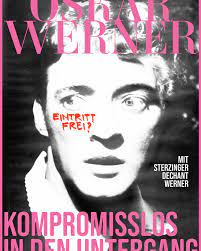

A Personal Reflection –
Oskar Werner, the intensely gifted Austrian actor whose haunted eyes, poetic sensibility and profound emotional intelligence made him one of international cinema’s most compelling performers of the 1960s, died on 23 October 1984 at the age of 61. Though his career was relatively brief, his performances in films such as Ship of Fools, Jules et Jim, and Fahrenheit 451 revealed an artist of extraordinary depth — a man whose own struggles with life’s complexities informed every character he brought to the screen.
He was born Oskar Josef Bschließmayer on 13 November 1922 in Vienna, into a working-class family struggling through the economic upheavals of post-World War I Austria. His father was a house painter, his mother a seamstress, and young Oskar found escape from poverty through books, music, and eventually the theatre. He left school at fourteen to work as a mechanic, but his artistic longings proved irresistible.
Werner’s entry into professional theatre came through persistence and raw talent. He haunted the stages of Vienna, eventually earning small roles and apprenticeships. His breakthrough came at the Burgtheater, Austria’s most prestigious dramatic institution, where his intensity and psychological acuity quickly marked him as exceptional. By the early 1950s he was recognised as one of Europe’s finest young actors.
His film career began modestly in Austrian and German productions, but his international breakthrough came with François Truffaut’s “Jules et Jim” (1962). As Jules, the gentle Austrian writer caught in a complex ménage à trois with his best friend Jim (Henri Serre) and the enigmatic Catherine (Jeanne Moreau), Werner delivered a performance of heartbreaking subtlety. His portrayal of a man torn between loyalty and love, friendship and desire, became one of the New Wave’s most celebrated characterisations.
The role revealed Werner’s singular gifts: an ability to suggest infinite inner turmoil beneath a composed exterior, and a capacity for making literary characters feel flesh-and-blood real. His Jules was simultaneously naive and wise, passionate and restrained — embodying the contradictions that made Truffaut’s film so enduringly fascinating.
Hollywood soon beckoned, and Werner appeared in several major American productions:
• “Ship of Fools” (1965) — Stanley Kramer’s ambitious drama, where Werner played Dr. Schumann, the ship’s physician suffering from a weak heart. His performance earned him an Academy Award nomination and established him as a serious dramatic actor in American cinema.
• “The Spy Who Came In from the Cold” (1965) — opposite Richard Burton, in John le Carré’s cold war masterpiece
• “Fahrenheit 451” (1966) — François Truffaut’s science-fiction drama, where he played Montag, the fireman who begins questioning his book-burning society
In Ship of Fools, Werner created one of his most memorable characters. As the ailing doctor who falls in love with Simone Signoret’s Spanish countess, he brought profound tenderness and dignity to a man confronting both mortality and unexpected passion. His performance was layered with complexity — medical professionalism masking emotional vulnerability, kindness shadowed by the knowledge of impending death.
Fahrenheit 451 allowed Werner to explore themes of intellectual awakening and moral responsibility that seemed particularly meaningful to him. His Montag’s transformation from compliant destroyer to passionate preserver of literature felt deeply personal, reflecting Werner’s own relationship with art and culture.
Yet despite his international success, Werner remained troubled by the demands of stardom. He was an intellectual who preferred books to publicity tours, a private man thrust into public scrutiny. His performances grew increasingly intense as he poured his own psychological struggles into his roles.
His later work included:
• “Interlude” (1968) — a romantic drama opposite Barbara Ferris
• “The Shoes of the Fisherman” (1968) — as a dedicated priest in Anthony Quinn’s papal drama
• Various European productions that allowed him greater artistic freedom
Throughout his career, Werner was known for his meticulous preparation and his insistence on authenticity. He researched his roles exhaustively, often learning new skills or immersing himself in unfamiliar worlds to achieve psychological truth. Directors valued his intelligence and his willingness to explore the darker aspects of human nature.
Off-screen, Werner led a complex personal life marked by several marriages and constant searching for meaning. He was deeply read in philosophy and literature, fluent in multiple languages, and possessed of a restless curiosity about life’s larger questions. Friends described him as brilliant but tortured, capable of great warmth but often consumed by inner demons.
His struggles with alcoholism and depression intensified in his later years, making it increasingly difficult for him to work consistently. He appeared occasionally in television productions and European films, but his best work was behind him.
When Oskar Werner died in 1984 in Marburg, West Germany, the international film community mourned the loss of one of its most gifted and complex artists. His death was attributed to a heart attack, the culmination of years of physical and emotional strain.
Werner’s legacy endures in the handful of films that showcase his extraordinary gifts. His performance in Jules et Jimalone would secure his place in cinema history, but his work in Ship of Fools and other films reveals an actor capable of bringing literature to vivid life on screen.
He represented European cinema at its most intellectually and emotionally sophisticated — an artist who understood that the greatest performances come from the deepest personal truths. His haunted, beautiful face and his ability to convey a lifetime of experience in a single glance make him unforgettable to those who discover his work.
Oskar Werner proved that true screen artistry requires not just talent but the courage to be vulnerable, to reveal oneself completely in service of the character and the story.