

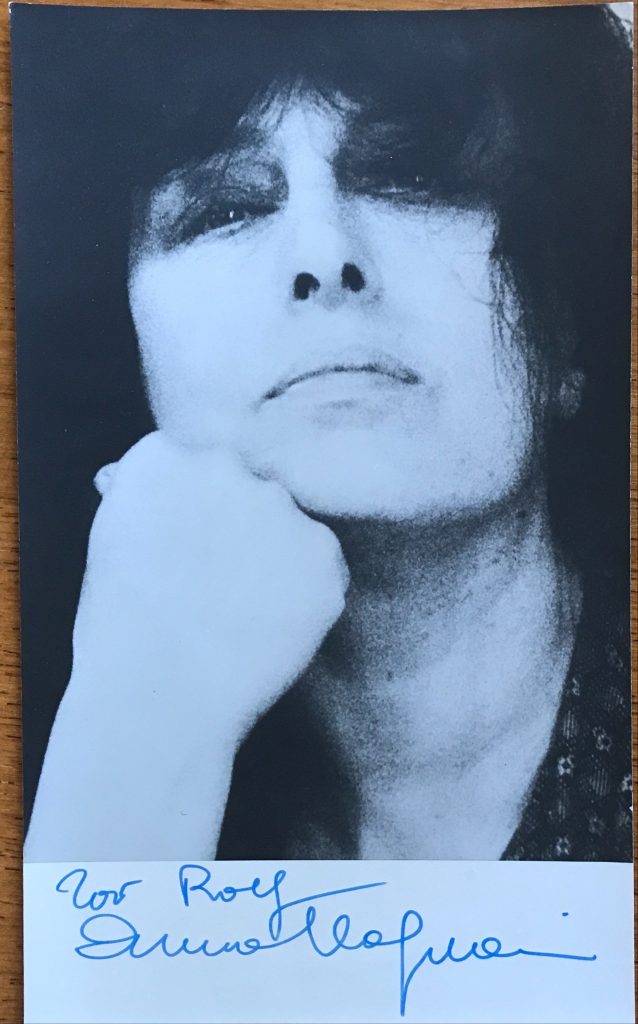
Anna Magnani tribute by David Thompson in “The Guardian” in 2002.
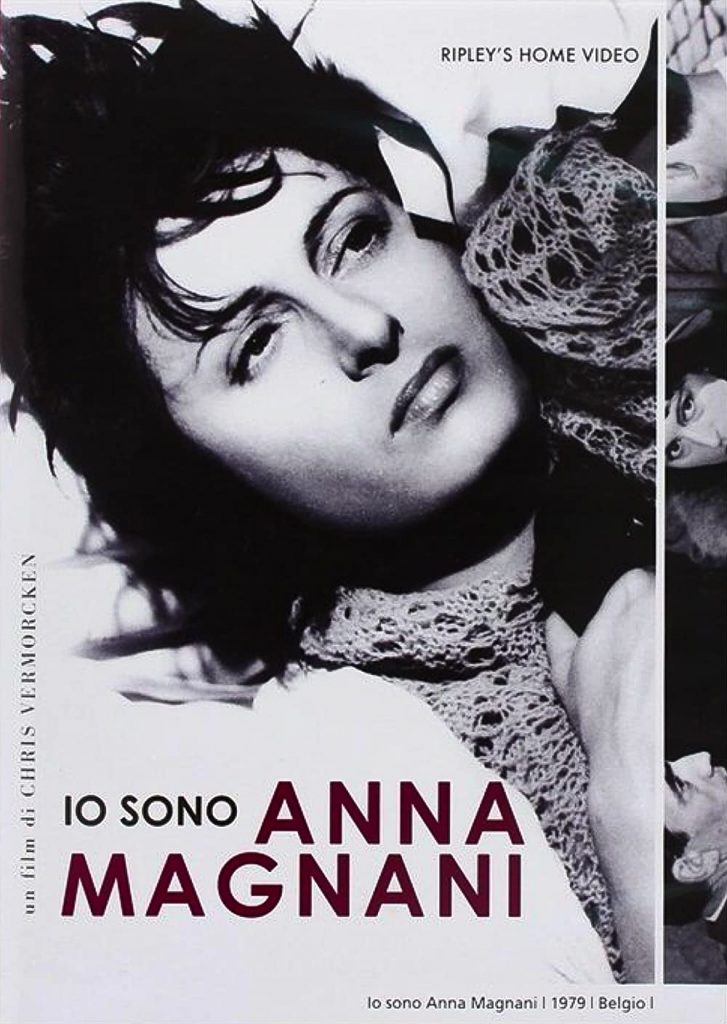
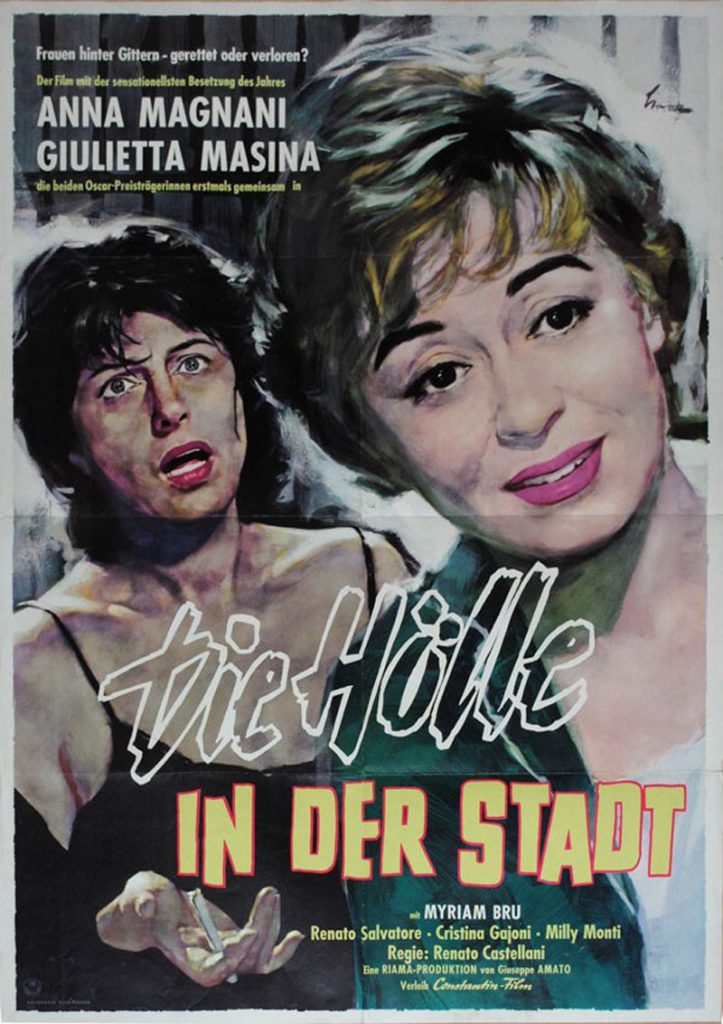
Some people in show business were afraid of Anna Magnani. The force that made her not just a great actress, but a sacred monster – her impulsive extremism – was also a cause of upheaval, and those “scenes” calculated to disrupt the orderly recording of designed scenes on to celluloid. To hire Magnani, to be with her in any enterprise, meant, sooner or later, being on the receiving end of her temper, and plates of hot pasta. Just think of the damage she might have done if she’d been unquestionably beautiful, along with everything else. Instead, it was the battle of her existence as an actress and a woman to make any man ignore her roughness, her ugliness even, and see her raw desire.
From the start, she was a rank outsider, the illegitimate child of an Italian mother and an Egyptian father, born in Rome in 1907 and raised in the direst poverty. As a teenager, she sang songs in tawdry nightclubs, courting her Arabic flavour. She spent most of the 1930s in music halls, working in small roles on the stage and trying to break into movies. She was violently attractive, but already known for her dangerous volatility. In 1936, she married the movie director Goffredo Alessandrini (born in Cairo to Italian parents), but then suffered the humiliation of having him declare her unsuited to the movies.
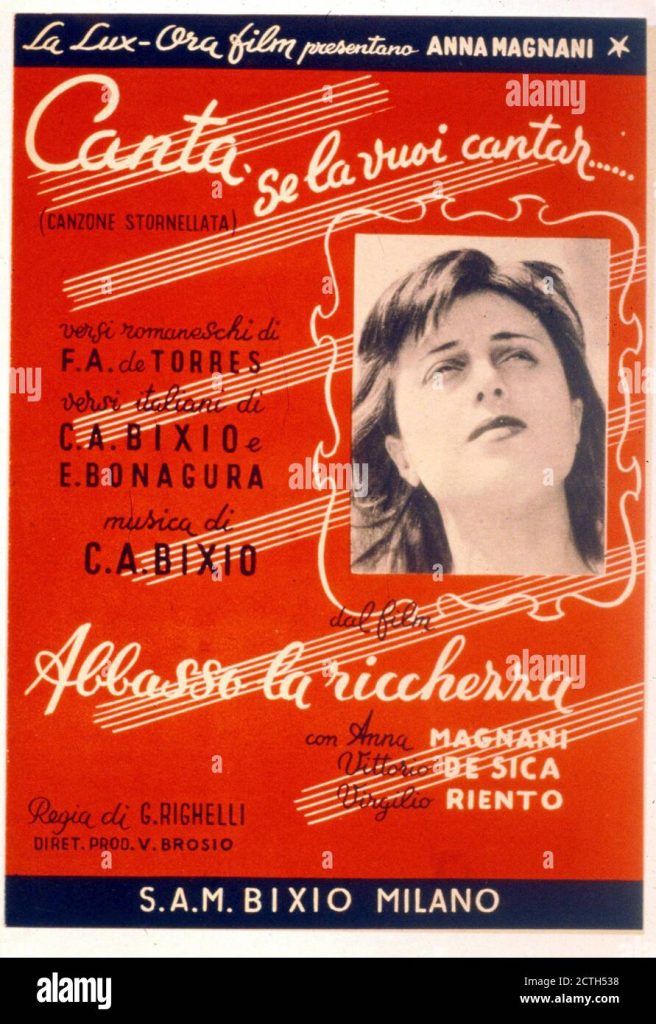
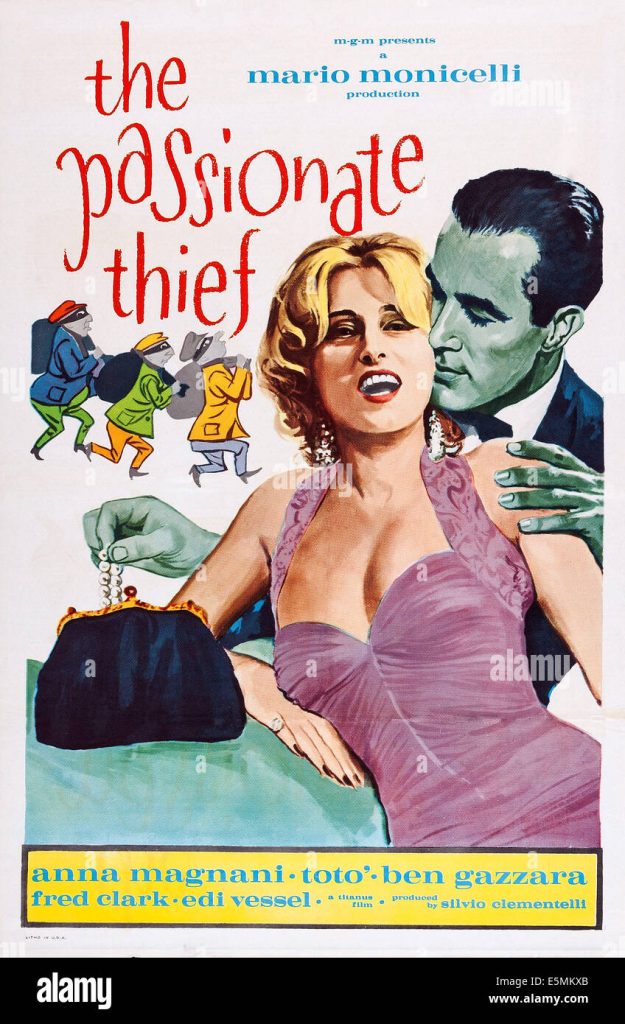
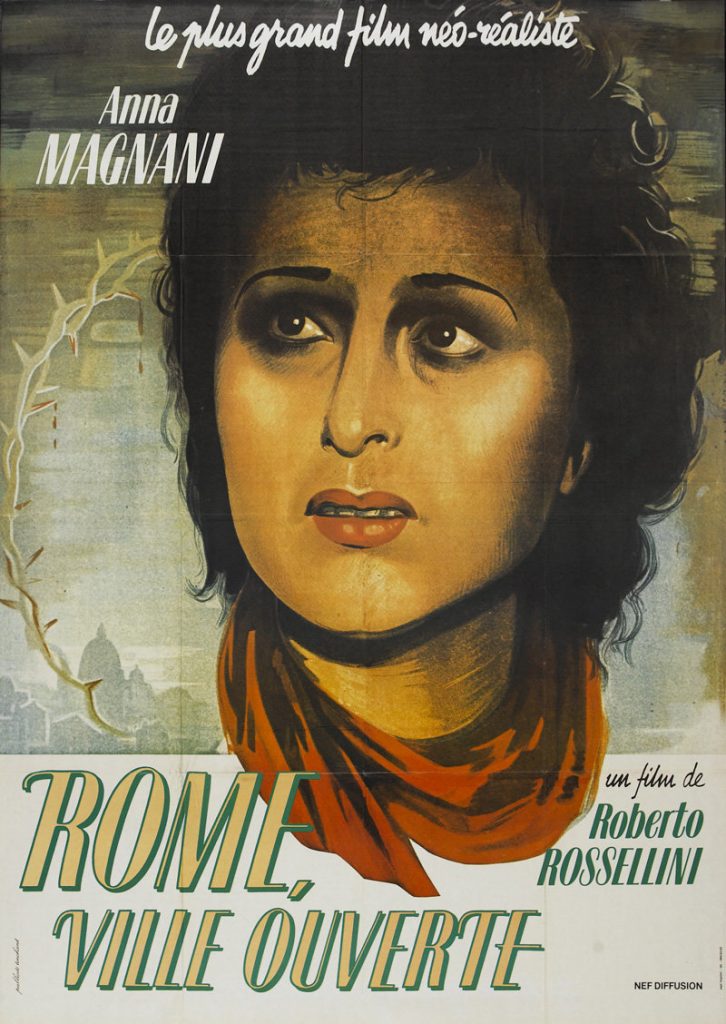
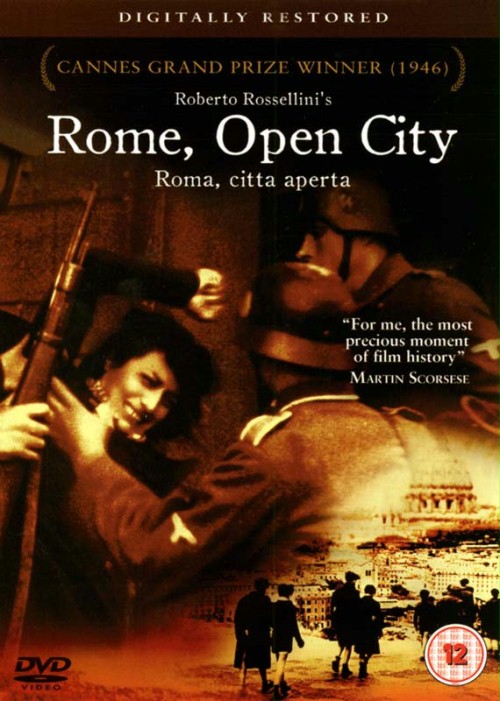
She had half a break with a good supporting role in Teresa Venerdi (1941), directed by the young Vittorio De Sica. But then she got into an affair with the actor Massimo Serato (10 years her junior), and was left with a child. It was only then, during the war, that her fortunes changed, when Roberto Rossellini cast her as the woman shot in the street by the Germans in Rome, Open City. She invested the small role with extraordinary urgency – and it was the film that thrust immediacy forward as a new brand of realism.
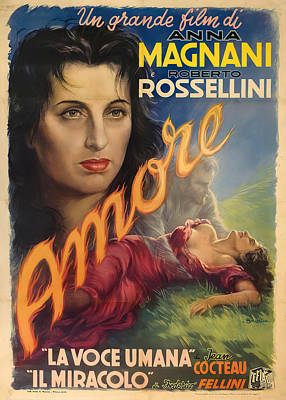
Rossellini fell in love with the person and the actress. He cast her in both parts of his film L’Amore (1948): she played the woman on the telephone in The Human Voice (by Cocteau) driven to desperation by a lover who is abandoning her; and she was the simple peasant woman, seduced by a scoundrel (played by Federico Fellini), who thinks she has been impregnated by an angel.
In those heady postwar years, she made several other films as a star. But she looked her 40 years, and she was apparently incapable of mastering English. This was of awkward relevance to Rossellini who, despite the fact that America treasured his realistic films, was eager to make box-office pictures for the English- speaking audience. And so he made contact with another great actress, Ingrid Bergman, who was weary of Hollywood fabrications and desperate to make something “truthful”.
The set-up between Magnani and Rossellini was seldom calm. He was married to another woman; he had children. She had her child, an invalid, in great need of care and attention. But the day came when rumours were feeding Magnani’s foreboding instincts. For a while she goaded Rossellini – was there something he needed to tell her? Only when he denied it repeatedly did Magnani empty the food over his head. The relationship was over, and Magnani would be replaced by the younger and more classically beautiful Bergman.
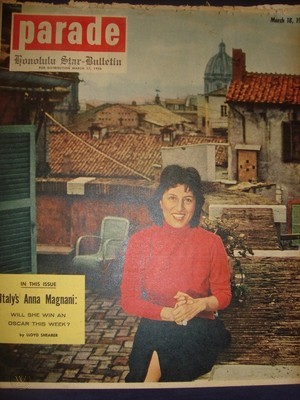
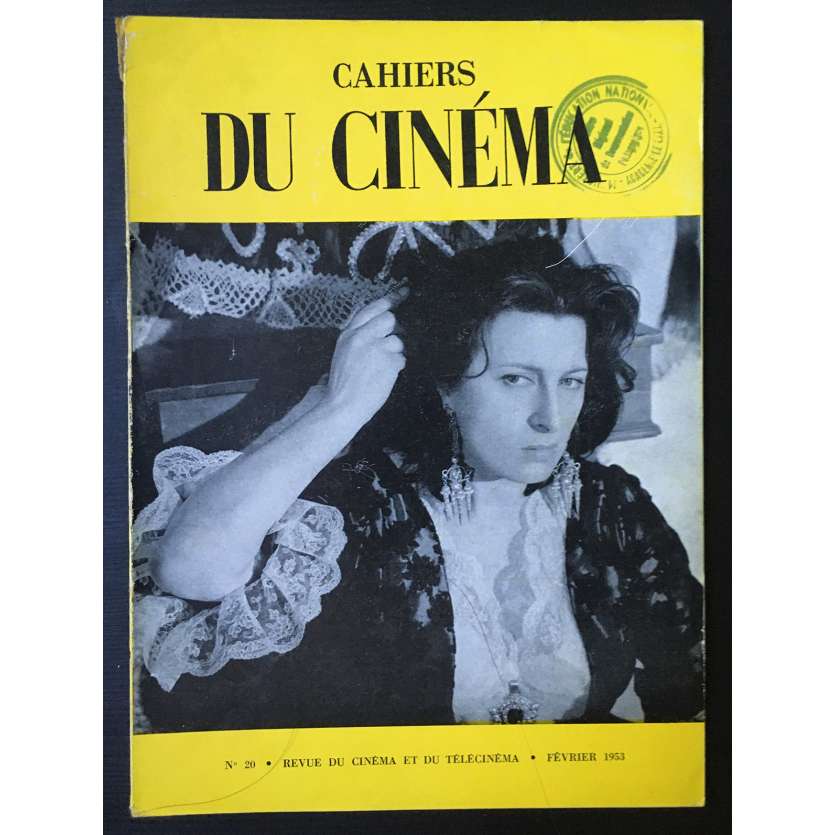
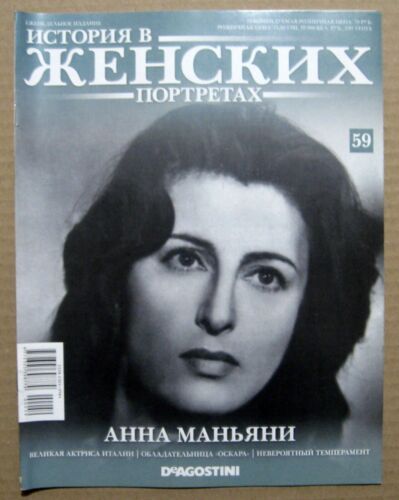
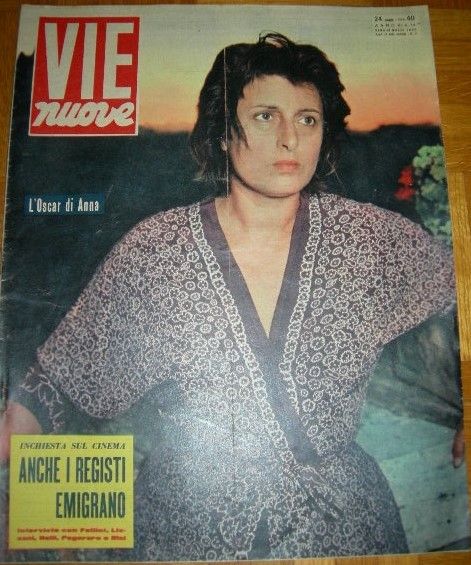
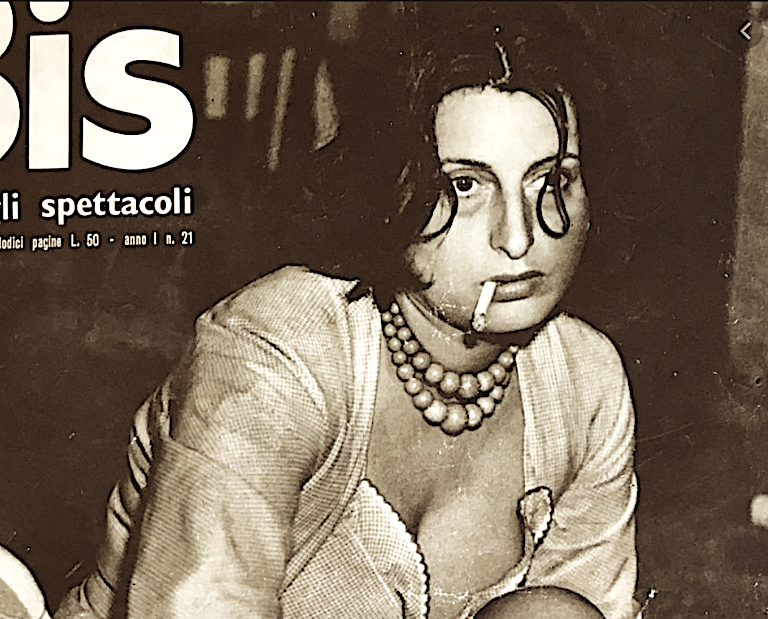
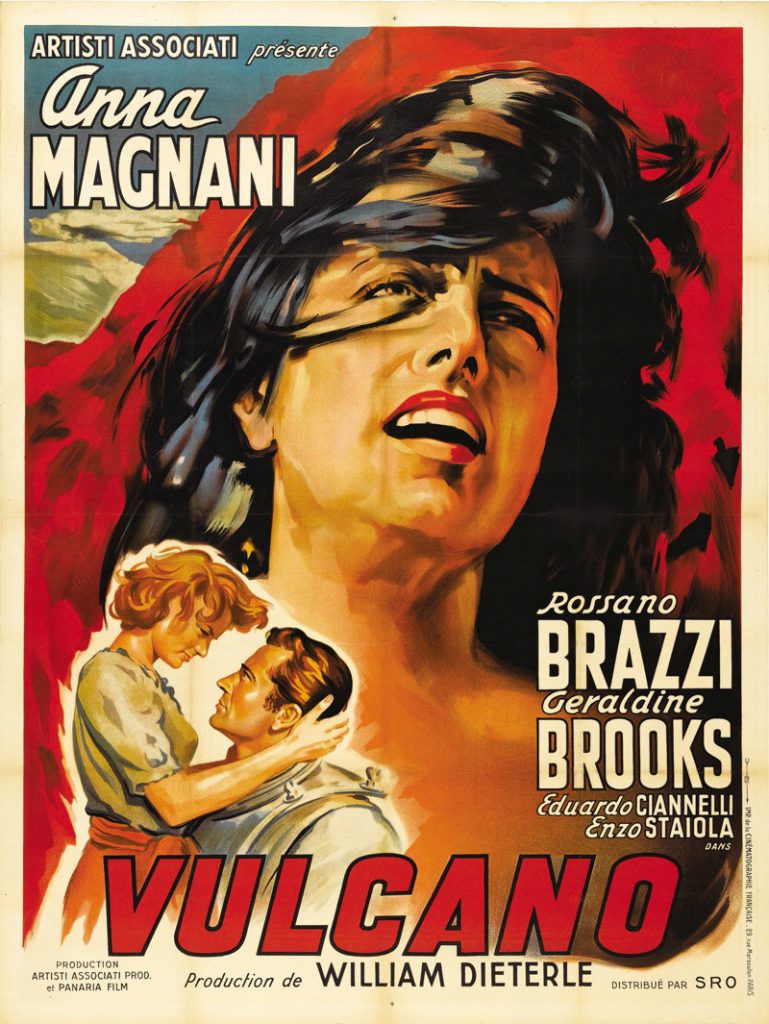
Many actresses might have yielded to fate and time. But Magnani became fiercer under challenge, and it was as if the Italian public fell more in love with her in the great scandal of the Rossellini-Bergman affair. When Rossellini and Bergman went off together to the volcanic island of Stromboli to make the first in a series of films about marriage, Magnani responded with her own eruptive picture, Volcano.
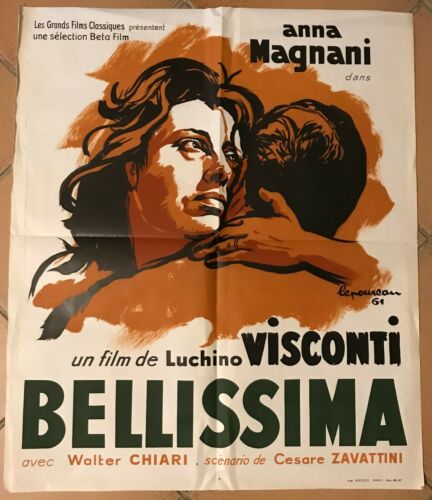
Then, in 1951, she found one of her greatest roles for director Luchino Visconti, playing a mother striving to get her plain daughter launched in movies. In that picture – Bellissima (1951) – Magnani abandoned all restraints, as a woman we would gladly strangle, but whose life force leaves us shocked. Of course, it’s the mother who needs to act, and it was Visconti’s grace to uncover a vulnerability in the excessiveness and to make the picture an international success. All of a sudden, roles were reversed: Bergman had opted for Italy – and increasing obscurity; but maybe Anna Magnani was ready for stardom.
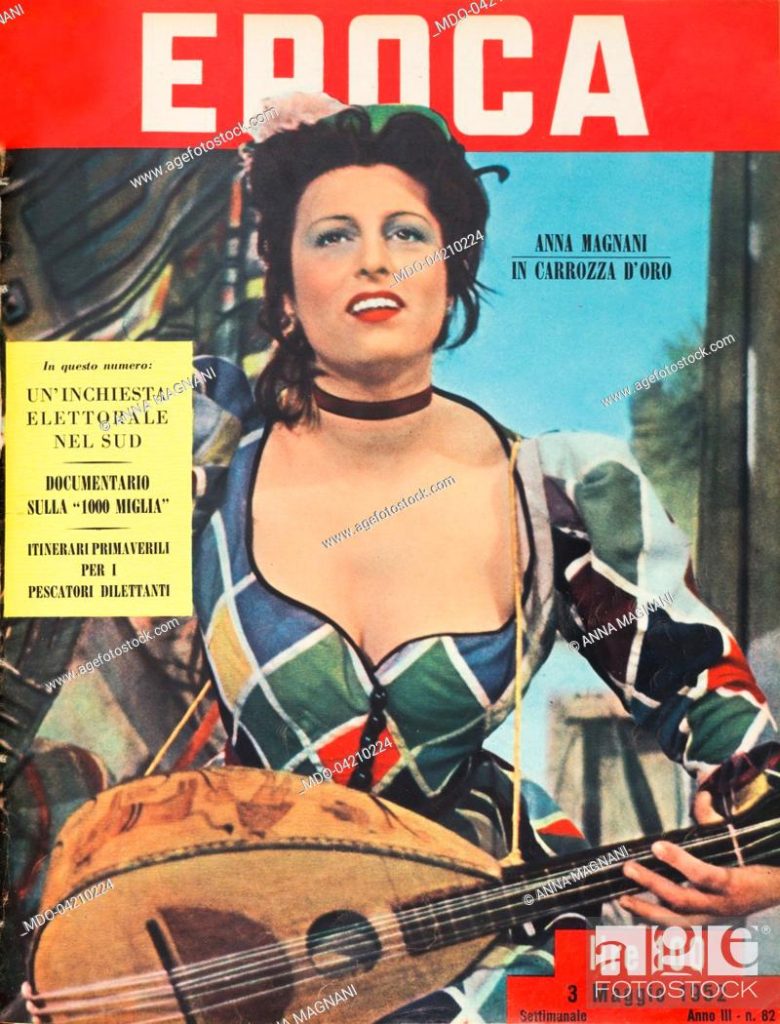
The French director Jean Renoir cast her as the central figure, another actress, loved by many men but most in love with performing, in The Golden Coach (1952). This is her subtlest work ever, full of irony and tenderness, but as Renoir explained, it was drawn out of chaos: “Another problem with Magnani was to persuade her to spend the night in bed and not in night-clubs. She turned up worn out, with bags under her eyes and incapable of remembering any of her lines. She would start by saying she couldn’t go on, that she looked foul, like an old beggar-woman; a string of excuses while she sat shivering in a huge mink cape chain-smoking. Within five minutes the bags vanished, her voice had cleared and she looked 10 years younger.”
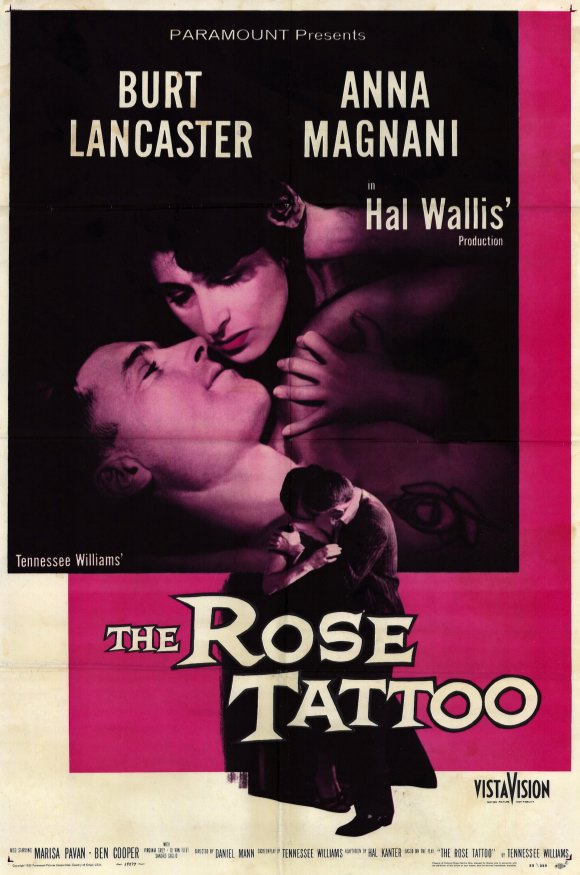
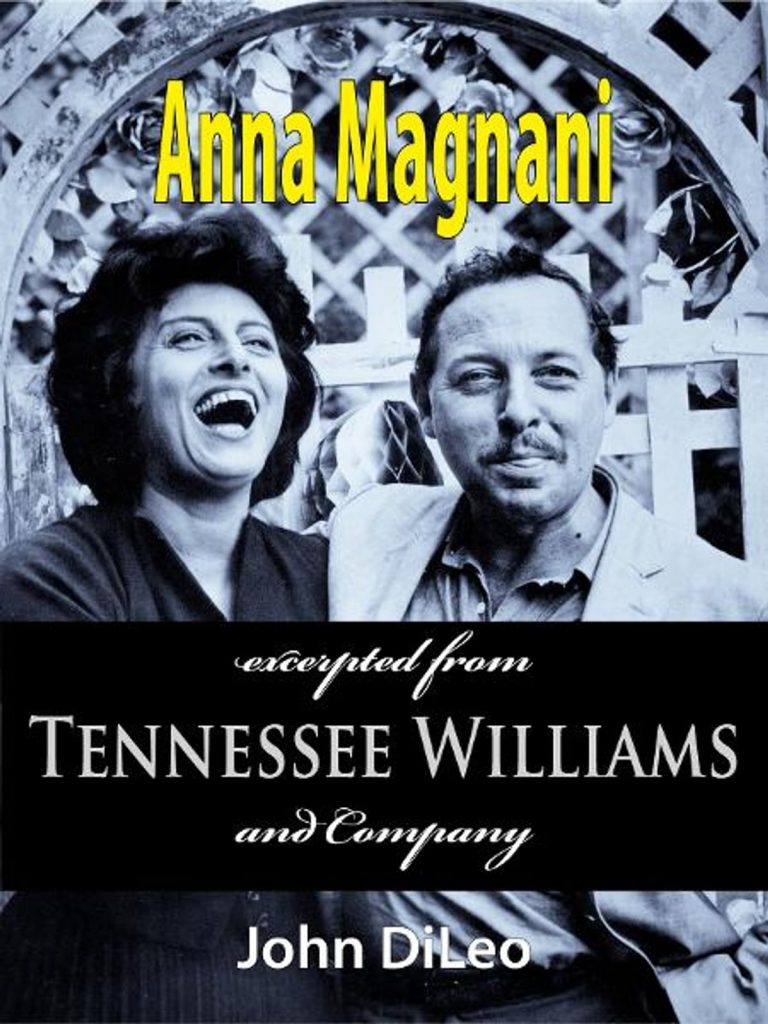
She was close to Tennessee Williams, who thought her the most unconventional woman he had ever known, and wrote The Rose Tattoo for her. She flirted with the part on stage, begged off because of her inadequate English and then agreed to the movie, co-starring with Burt Lancaster. They clashed like gongs. Lancaster claimed Magnani was directing him, upstaging him, and intimidating him by forgetting to bathe. Her rueful eyes widened, she assured the world she adored Burt. She took him off one night and did all that a woman could to reassure his ego. Then she told anyone ready to listen that he wasn’t much to speak of in that department.
She won the Oscar for The Rose Tattoo – and in hindsight it seems more an inevitable tribute than a just reward for acting. Williams had done the part for her in much the same spirit: let Anna be Magnani – let the Arab rule.
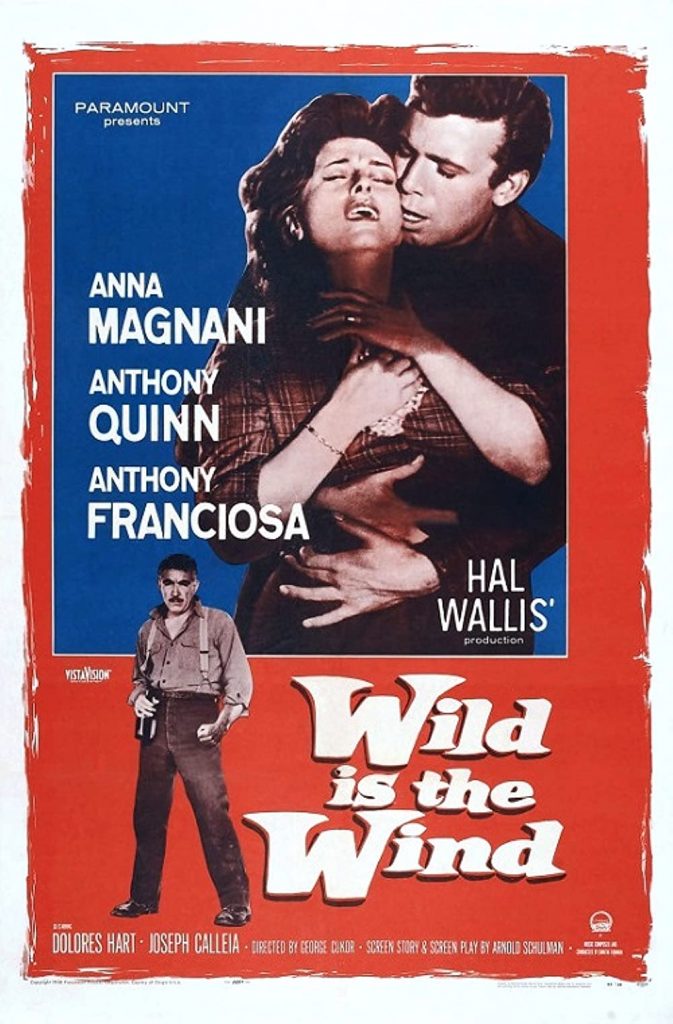
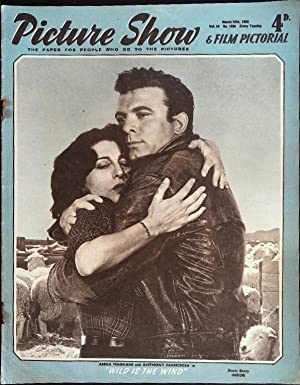
Success made her no easier. There was another American movie, Wild Is the Wind, shot in Nevada, where the unit motel rooms had walls freely decorated in pasta sauce. She insulted one co-star, Anthony Quinn, and ravished the other, Anthony Franciosa. Director George Cukor preferred never to talk about the experience afterwards.
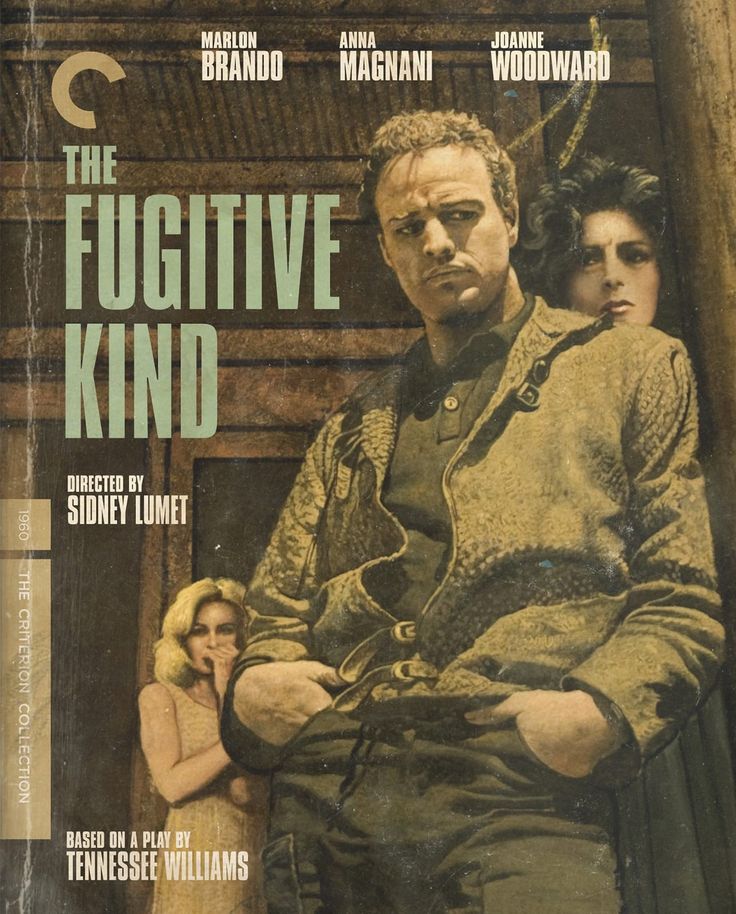
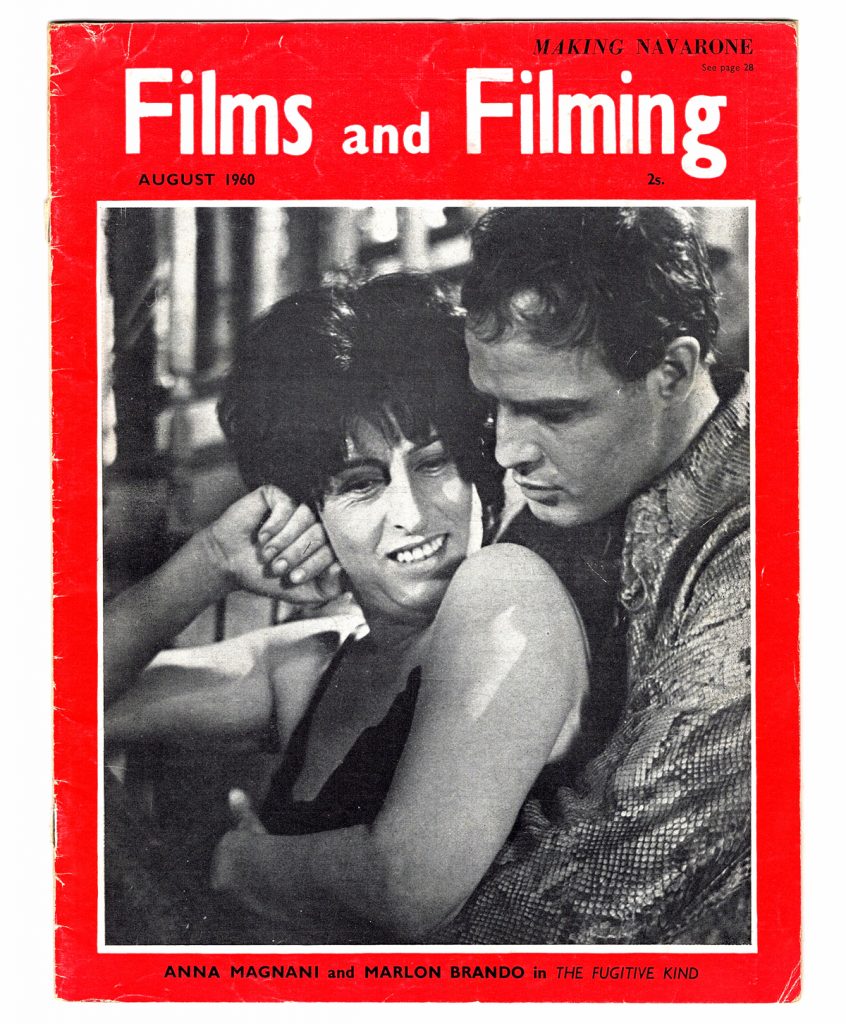
One grand venture was left: The Fugitive Kind, derived from another Tennessee Williams play, Orpheus Descending. It cast Magnani (then over 50) with Marlon Brando (17 years younger). Brando later wrote that Magnani attacked him physically. Building on a wild kiss, she put a bite on the actor. She was drawing him towards bed and he – poor lad – escaped only by pinching her nose until she freed him. One monster wrestling another.
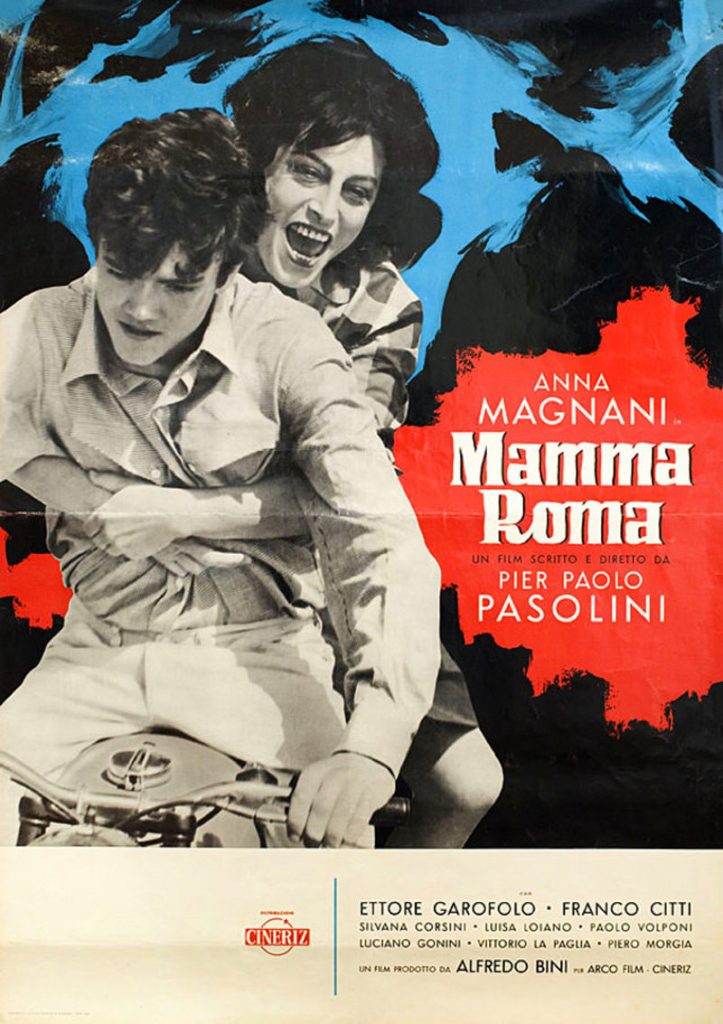
She went back to Italy and made Mamma Roma (as a prostitute looking to go respectable) for the young Pasolini. She died in 1973, with Rossellini a faithful bedside visitor. There were outpourings of grief from the ordinary people. They had always understood her courage and her terror. She was from the streets and below, and if the world was poorer without her, the performing arts were that bit safer.