

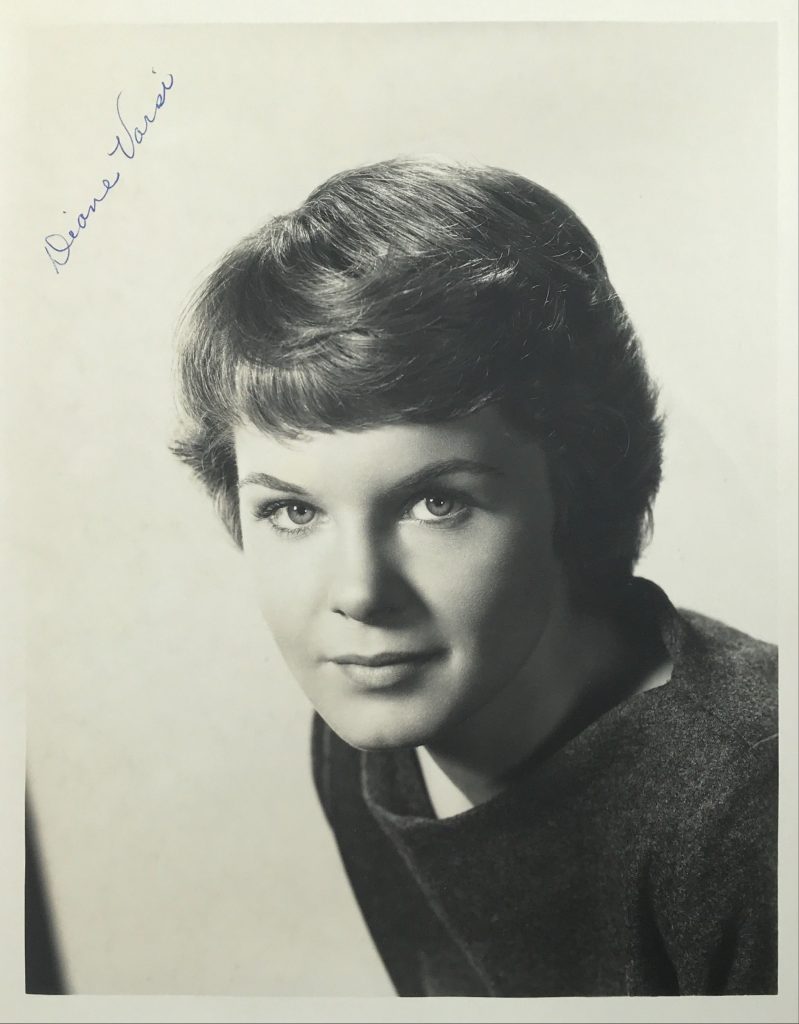
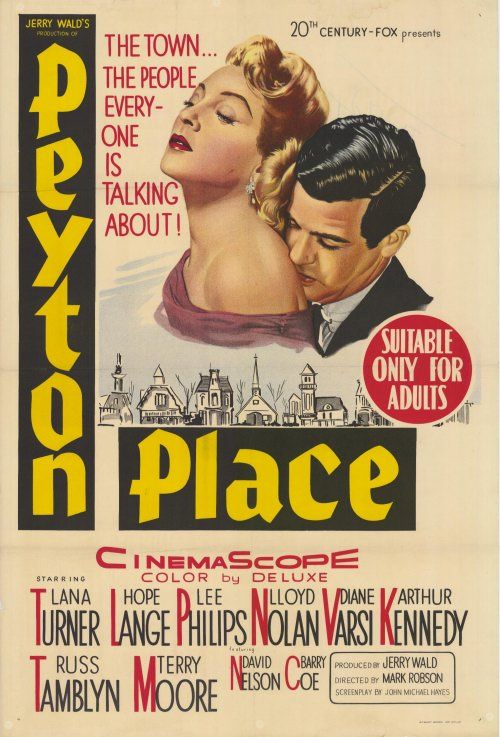
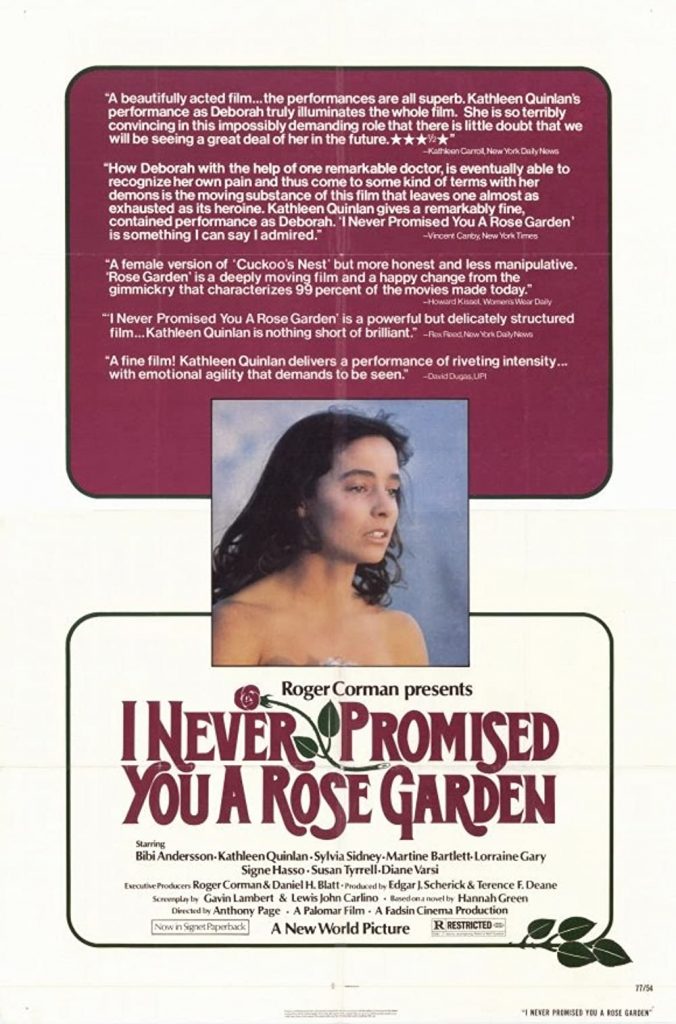
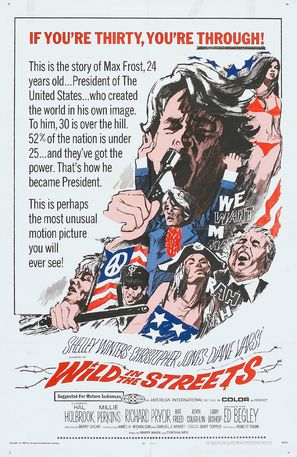
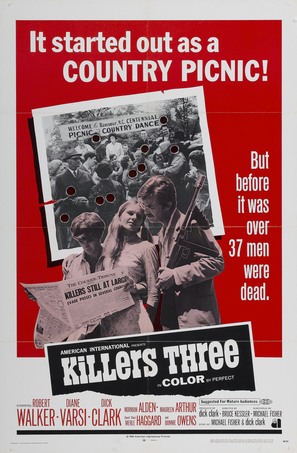
Diane Marie Antonia Varsi (February 23, 1938 – November 19, 1992) was an American film actress best known for her performances in Peyton Place – her film debut, for which she was nominated for an Academy Award – and the cult film Wild in the Streets. She left Hollywood in order to pursue personal and artistic aims, notably at Bennington College in Vermont, where she studied poetry with poet and translator Ben Belitt, among others.

Varsi was born in San Mateo, California, a suburb of San Francisco, the daughter of Beatrice (née DeMerchant) and Russell Varsi. Varsi unsuccessfully tried to become a model and a restaurant hostess in her teen years. While in high school, she was called an “oddball” by her classmates. She often played truant from school to visit San Francisco and was therefore labeled a “rebel”. She dropped out of school in her junior year at age 15, failing in all studies and saying: “I was bored. I didn’t like the social sides – the cliques.” Around the same time, she married an 18-year-old man. Their marriage was annulled before her son Shawn was born.
She joined the San Francisco ballet in the 1950s and initially planned to become a folk singer. She later hitchhiked to Los Angeles with a friend.
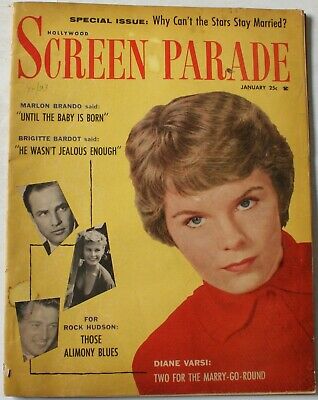
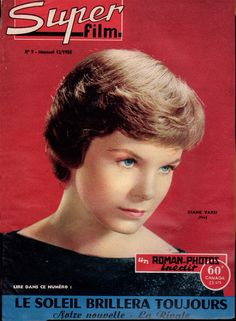
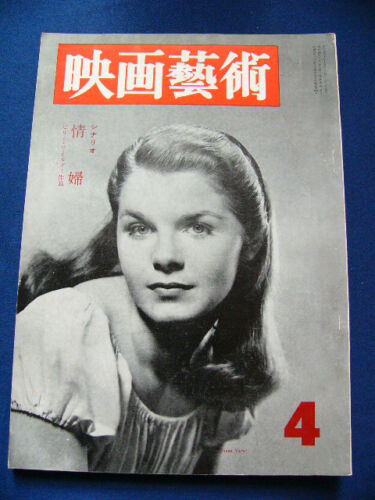
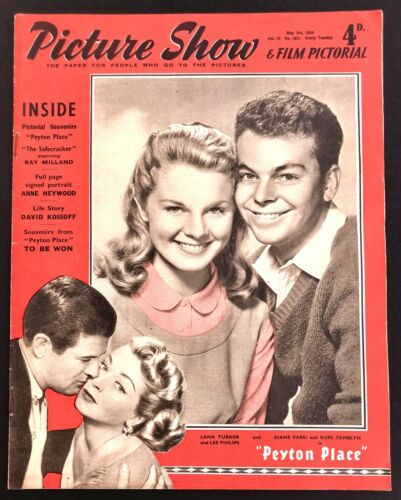
Despite having only experience as an actress in a stage production of Gigi, she made her screen debut at age 18 as Allison MacKenzie in Peyton Place (1957), receiving an Academy Award nomination for Best Supporting Actress for her performance. The following year, Varsi shared the Golden Globe Award for New Star Of The Year – Actress with Sandra Dee and Carolyn Jones. Several famous actresses were tested for the main role in the big-budget film, until the then-unknown Varsi was cast in May 1957. She was discovered by producer Buddy Adler, who immediately put her under contract at 20th Century Fox.
By the time she was cast, Varsi already had an agent and had been searching for film roles for a long while, without any luck. She made rounds at several studios, but according to the actress, they all thought she was suitable for character parts only. She was even dropped by her agent in 1956, because he saw no future in her career.
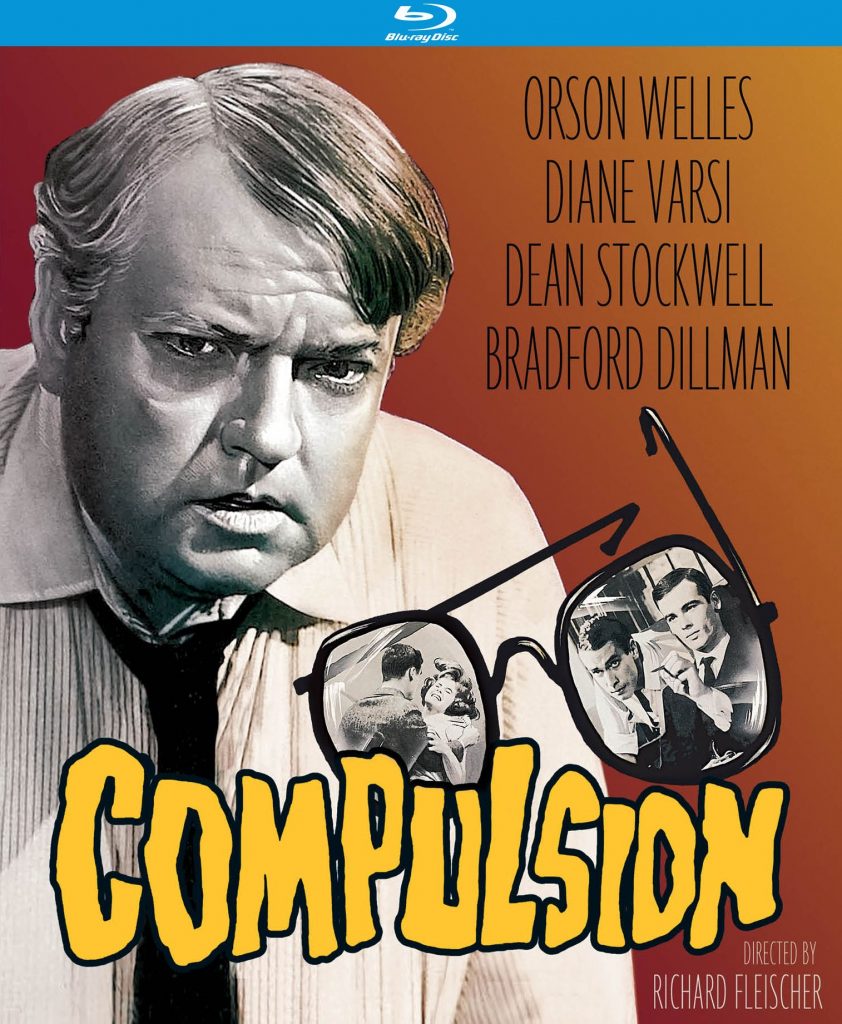
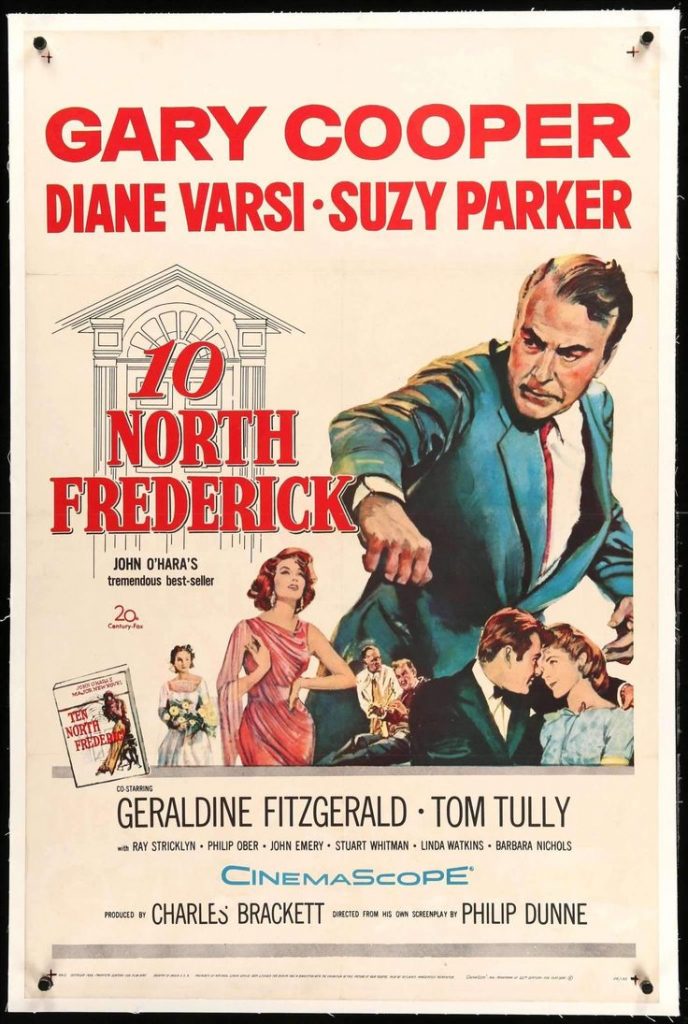
Even before Peyton Place was released, Adler cast Varsi opposite Don Murray in the western From Hell to Texas (1958). She appeared in the films Ten North Frederick (1958) and Compulsion (1959). While filming Ten North Frederick, Varsi suffered a nervous breakdown, collapsed and was hospitalized. She later said: “I’m still trying to find myself. It’s still hard for me to separate illusion from reality… I don’t know whether acting is the form of creativity best for me.”
Varsi rejected the role of Meg in the comedy film Holiday for Lovers in January 1959. On March 18, 1959, she suddenly left Hollywood, abandoning her contract. “I’m running away from destruction,” she explained,” saying it concerned other people as well. A week later, she elaborated, “Hollywood is too impressed with superficial cheapness.” Nevertheless, her contract with Fox did not expire until 1965. Her sudden walkout was for a long time rumoured to be a publicity stunt to promote the sequel to Peyton Place, Return to Peyton Place (1961), to which Varsi was a long time attached.
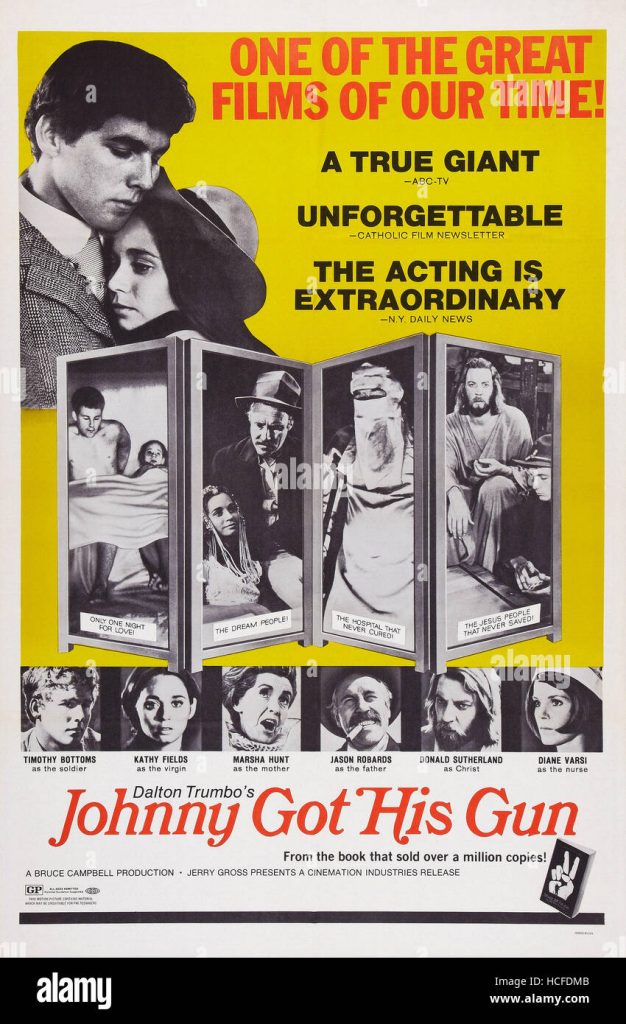
By walking out of her contract, Varsi’s inclusion in plans for several films were cancelled, including a starring role in The Best of Everything (1959).[13] After leaving Hollywood, Varsi participated in local San Francisco theater productions. At some point thereafter, she made her way to New York long enough to successfully audition for the Actors Studio, which she would attend at least briefly in 1965. Varsi returned to film acting in the late 1960s, but by this time she was no longer offered major roles and subsequently referred to the movies she made in this period as “cheap films of little merit”. Although producers were curious about her, she said, they would not hire her. Her later films include the influential cult film Wild in the Streets (1968); Johnny Got His Gun (1971), which Varsi described as her favorite; and an ABC Movie of the Week, entitled The People (1971). Of Johnny Got His Gun, the actress said: “This is the kind of thing I always wanted to do. It comes very late to me. It’s been a long time to wait.”[1] She was apprehensive about playing the role, saying: “I felt too inadequate to do [Johnny Got His Gun]. It’s so intense, the responsibility.”
While in Hollywood, Varsi was known for being unglamorous, wearing no make-up or expensive clothes. She avoided Hollywood parties and was quoted as saying: “I’d rather meet Aldous Huxley than Clark Gable.” Her fellow Fox actors remembered her as “a frightened, birdlike girl who was bewildered by her sudden success” and as “disillusioned by the way certain studio officials treated her”. She dated Russ Tamblyn, her co-star in Peyton Place, following that film’s release.
From November 26, 1956, to August 29, 1958, Varsi was married to James Dickson, whom she made her manager while working as an actress. She then married Michael Hausman on May 21, 1961; they had a daughter, Willo.
In 1968, while working on the set of Wild in the Streets, Varsi suffered extreme trauma to her cervical spine, which led to years of misdiagnosed pain and numerous surgeries. In 1977, she contracted Lyme disease and lived for five years with undiagnosed and unremitting meningitis that several times brought her close to death. Her Lyme disease was not diagnosed until 1989.
On November 19, 1992, in Los Angeles, Varsi died of respiratory failure and complications of Lyme disease at the age of 54. She is buried at Mount Tamalpais Cemetery in San Rafael, California.
From Wikipedia