

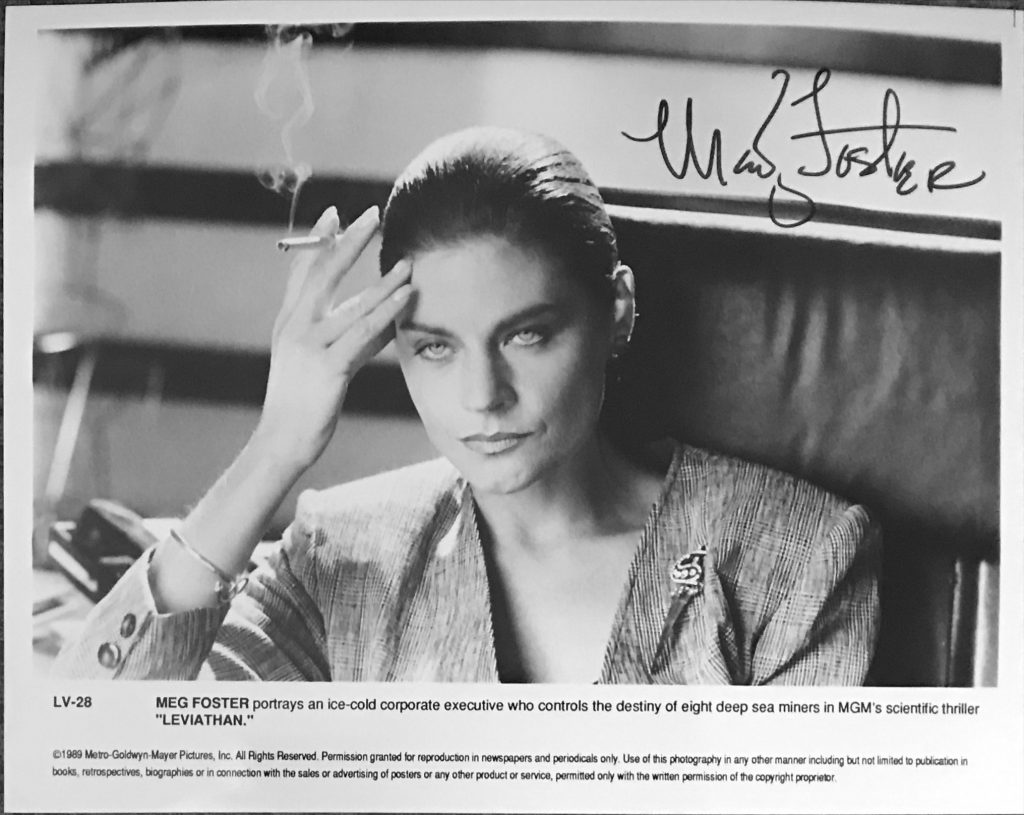
Meg Foster. Wikipedia


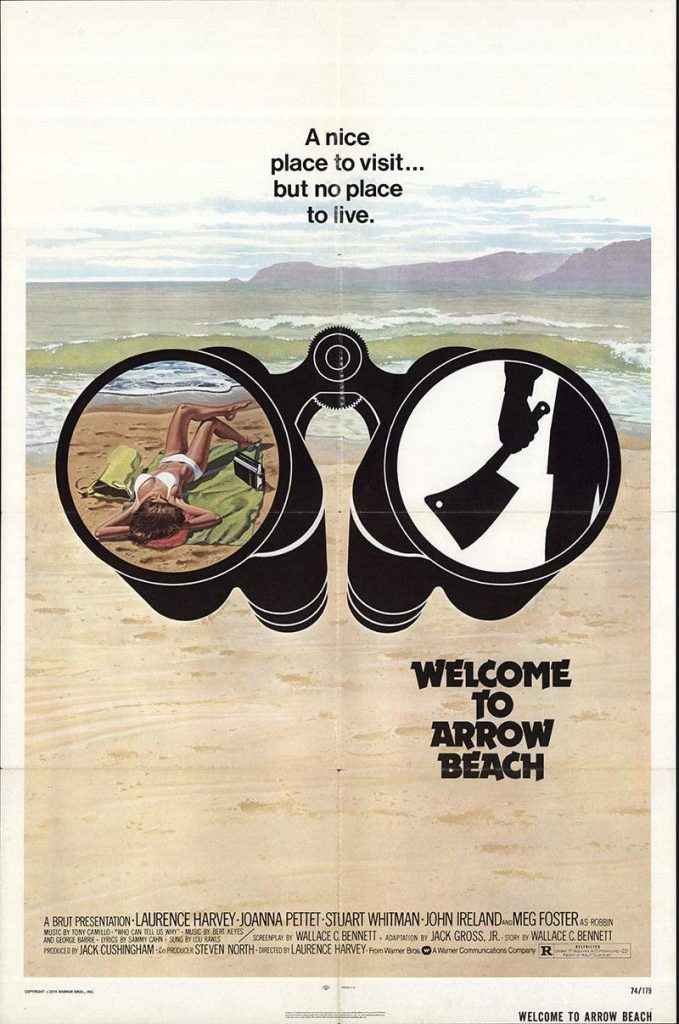
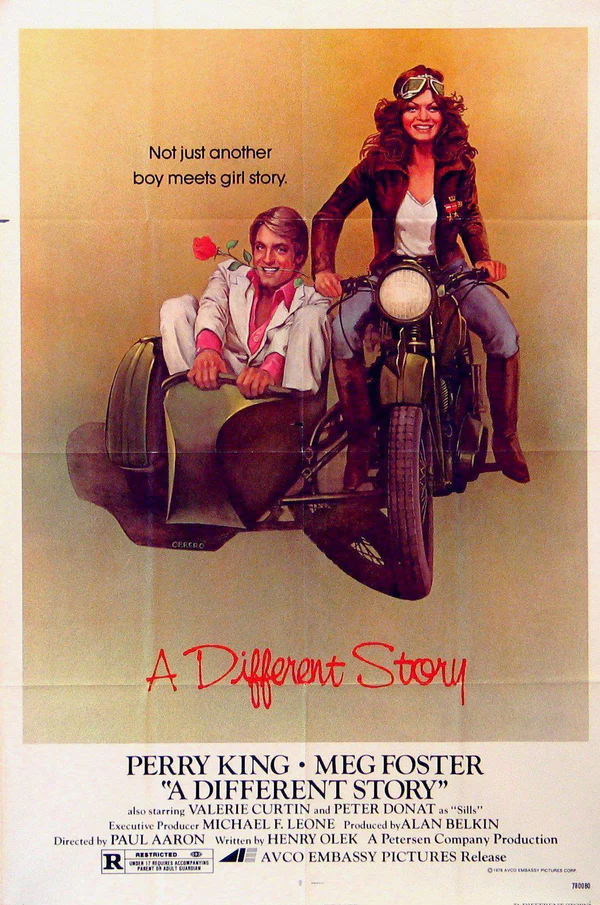
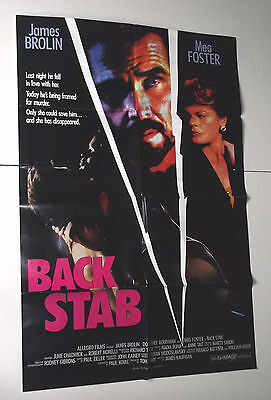
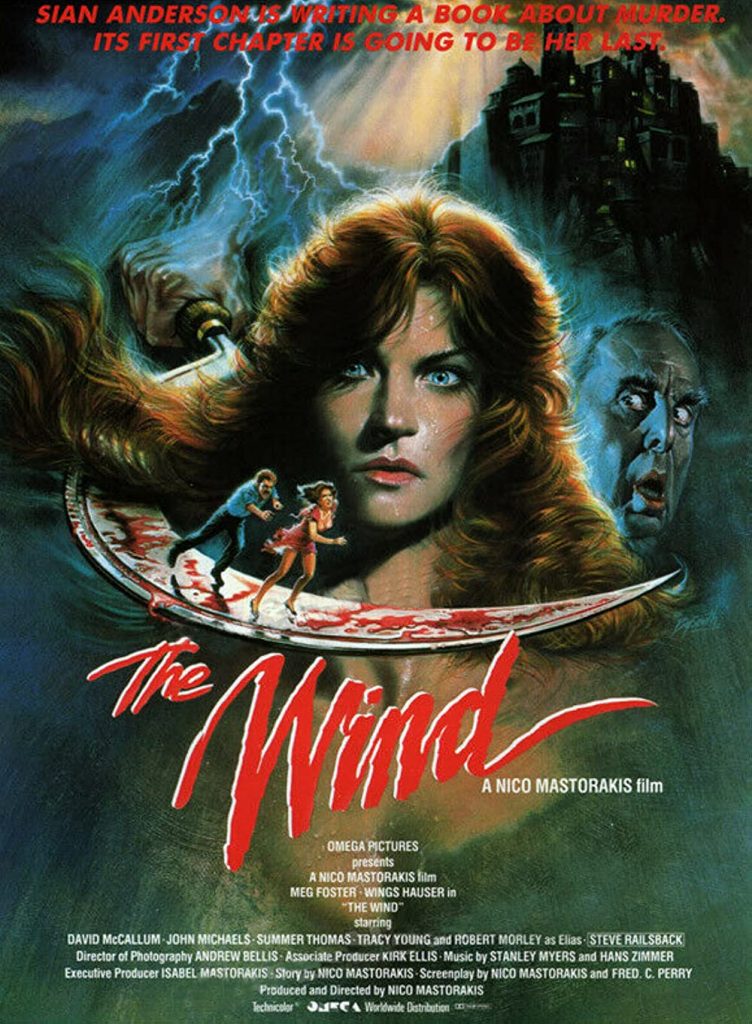
Foster was born in Reading, Pennsylvania, to David and Nancy (née Adamson) Foster, and grew up in Rowayton, Connecticut with four siblings: sisters Gray, Jan, and Nina, and brother Ian.[1][2][unreliable source?] [3] She studied acting at the Neighborhood Playhouse School of the Theatre in New York.[4]
In 1968, Foster acted in a Cornell Summer Theater production of John Brown’s Body. Later in 1968, she was in the off-Broadwayproduction of The Empire Builders.
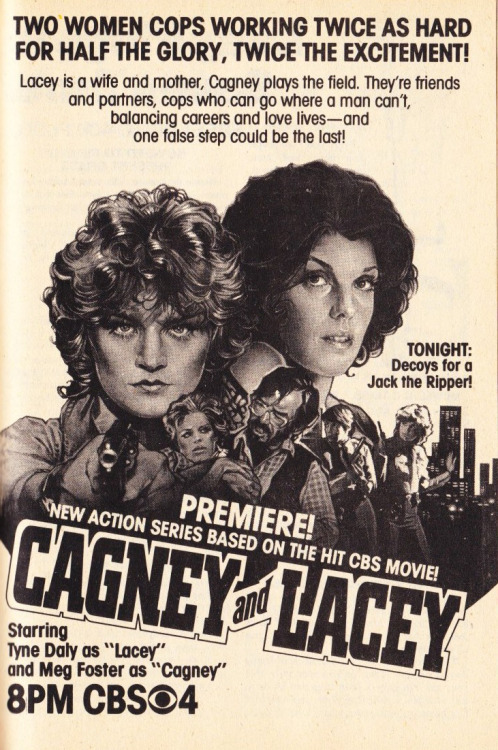
When Loretta Swit was unable to reprise her film role of Detective Christine Cagney in the Cagney & Lacey series, Foster took on the role for the short (six episodes) first season.
Foster worked throughout the 1970s, ’80s and ’90s. She guest-starred in numerous TV shows including two episodes of Hawaii Five-O (1973 and 1976), The Six Million Dollar Manseason two episode “Straight on ’til Morning” (1974), Three for the Road (1975), and the Star Trek: Deep Space Nine season four episode “The Muse” (1996).
Other TV shows include Bonanza, The Twilight Zone, Here Come the Brides, Storefront Lawyers, Barnaby Jones, Murder, She Wrote, Miami Vice, The Cosby Show, Quantum Leap, ER, and Xena: Warrior Princess. She was Hera in Hercules: The Legendary Journeys
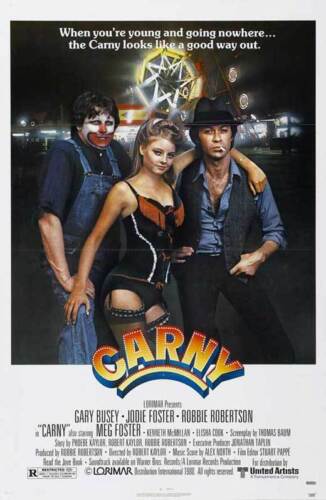
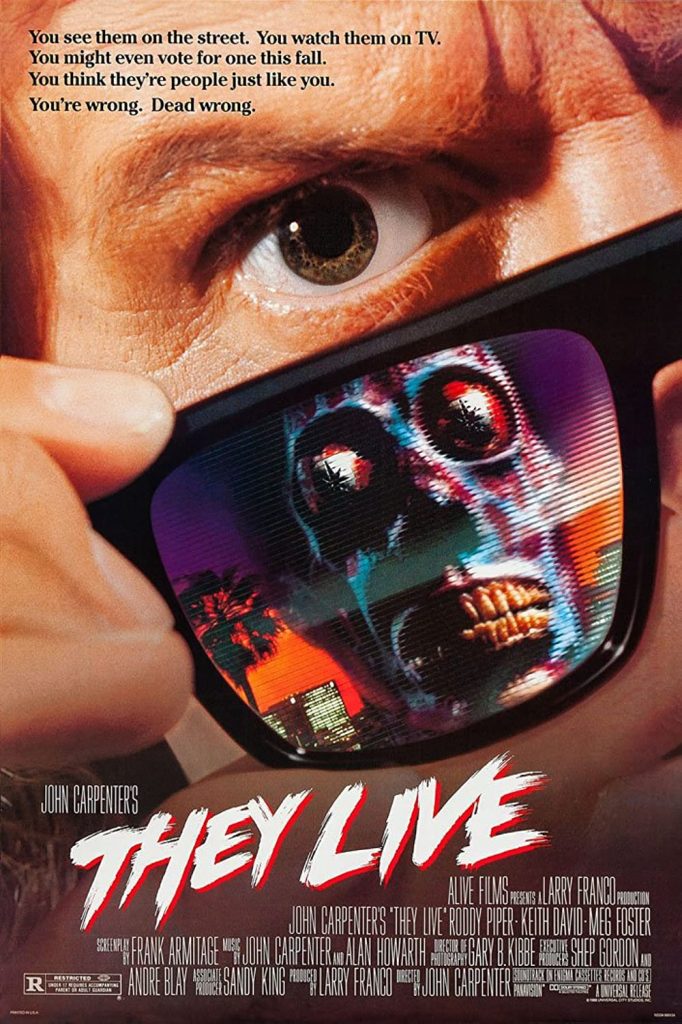
She also appeared in a number of memorable movie roles throughout the 80s, beginning with a small but memorable role as showgirl in a traveling carnival in Carny, starring Jodie Foster, Gary Busey, and Robbie Robertson; the villainous Evil-Lyn in the big-screen version of Masters of the Universe and Holly in the John Carpenter film They Live alongside “Rowdy” Roddy Piper.
She was nominated for a 1982 Genie Award for “Best Performance by a Foreign Actress” for the film Ticket to Heaven. Since the 1990s, Foster has acted mainly in stage productions, including King Lear and Barabbas.
Foster’s striking pale-blue eyes were dubbed “the eyes of 1979” by Mademoiselle magazine. In a newspaper interview that same year, she stated that her eyes, at least in her opinion, were not “so distinctive”. However, on some occasions film and television producers did have Foster wear contact lenses to lessen what they viewed as the distractive effects of her eyes during screen performances.[10]
Foster is divorced from Canadian actor Stephen McHattie. She has a son, Christopher.