

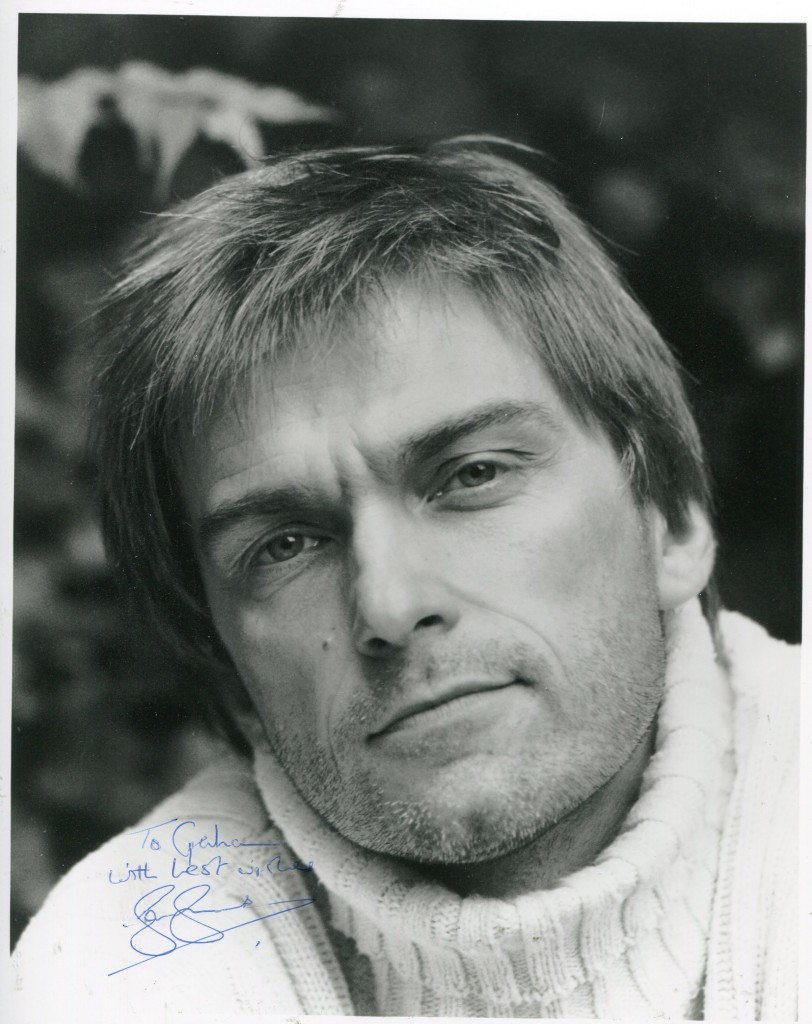
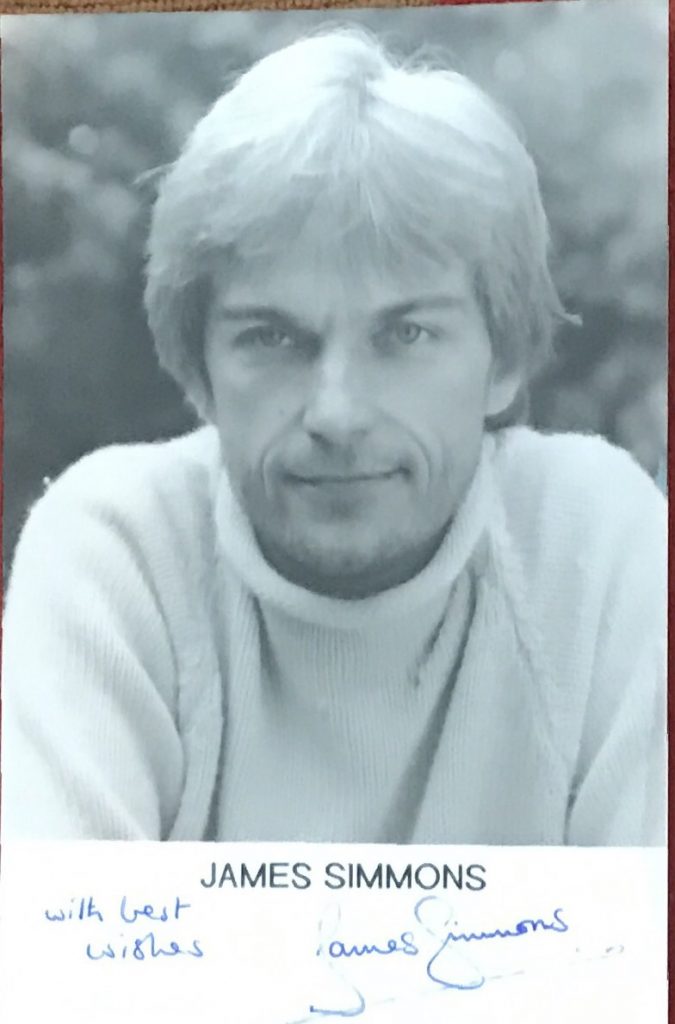
James Simmons is an actor, known for Henry V (1989), Les Misérables (2012) and The Confession (2010).

His 2002 obituary in “The Telegraph”:
Michael Elphick, the actor, who has died aged 55, made his name in the early 1980s playing a collection of villains for television; he went on to star in Boon, the popular television series about a motorcycle-riding “urban cowboy”, and recently appeared in EastEnders as the despicable Harry Slater.
Robust and ruggedly good-looking in his prime, Elphick always looked older than he was, and with his gruff Cockney accent and splendid lip-curling sneer he often played menacing hard men. However, he was cast against type in 1982 when he was given his first starring role in the television series Private Shultz. Elphick played an ineffectual petty criminal who attempts to dupe the Nazis out of their stolen art treasures.
Three years later he starred in Boon, playing the dim but decent eponymous hero, an ex-fireman who founds a motorcycle courier agency in Birmingham, then sets up a private detective agency, which later moves to Nottingham. The somewhat uninspiring setting and storylines were enlivened by Elphick’s superior acting, and the supporting cast, which included David Draker as Boon’s eternally optimistic business partner and Neil Morrissey as his dopey assistant, Rocky. “I never really expected it to be a success,” Elphick recalled, “the stories were about a very ordinary bloke.”
Boon was a hit, but by 1988 Elphick’s heavy drinking was having a damaging effect on filming and he made the first of many attempts to dry out. The series was re-commissioned and Elphick became one of the most familiar and respected actors on the small screen.
Last year he joined the cast of EastEnders as “Uncle Harry” Slater. Years of drinking had ravaged his looks, but he gave a convincingly sinister performance when it was revealed that Harry Slater had sexually abused his niece and was the father of her teenage daughter. When his character was eventually killed off, one tabloid newspaper squawked “the worst pervert in soap is heading for justice!
Uncle Harry was his last role, and Elphick was forced to leave the show when once again his drinking began to hamper his performance. “I’ve always been a terrible hedonist,” he confessed, “I get bored very easily.”
Michael Elphick was born on September 19 1946 at Chichester, Sussex, into a Catholic family and was educated at a local secondary school, where he excelled at rugby.
He left school at 15 and started work as a builder on the construction of the Chichester Festival Theatre. After becoming an apprentice electrician at the theatre he worked on several shows starring Laurence Olivier, Michael Redgrave and Sybil Thorndike. It was Olivier who encouraged him and recommended that he attend drama school. “He gave me two speeches to learn,” Elphick recalled, “and I got offered places at all the schools I auditioned for, including RADA, but I went to Central because that’s where Olivier went.”
On leaving Central, Elphick toured with repertory companies throughout the 1960s. Despite appearing most often as what he called “the Cockney thug”, his performances were often favourably noted in reviews. In 1967 he made his film debut in Dino de Laurentis’s Fraulein Doctor. Two years later he made his television debut in Roads to Freedom, in which one critic described him as “versatile but evil-looking”.
Throughout the 1970s, Elphick’s typecasting moved from mindless “heavies” to a selection of sinister, brooding roles. He starred in Arthur Hopcraft’s The Nearly Man (1972) and Holding On (1973), and his appearance in Granada Television’s This Year, Next Year (1977) captivated The Sunday Telegraph’s television critic, who described him as “barrel-chested, capaciously-bellied and, judging by his morning splosh in the water tank . . . well hung”.
Elphick’s big break came, however, when he appeared in Dennis Potter’s television drama Blue Remembered Hills (1979), in which adult actors portrayed children. He described his role as “still the bully but in short pants”.
The following year Elphick played Claudius in the Royal Court production of Hamlet. The play was distinguished by Jonathan Pryce’s contorted rendering of Hamlet’s “possession” by his father’s ghost and by the overt sexuality of Elphick’s Claudius. One critic claimed that it was “the first time I understood why Gertrude remarried so quickly”.
The success of Private Schultz led to appearances in almost every well known television series, including Auf Weidersehen Pet, The Sweeney, The Professionals and Smiley’s People. He starred opposite Angela Thorne in the stolid situation comedy Three Up Two Down and also appeared in films as diverse as Quadrophenia (1979), The Great Train Robbery (1979), Privates on Parade (1982), The Elephant Man (1980) and Gorky Park (1983). The latter was filmed in Helsinki, where Elphick justified his predilection for a bottle of vodka a day as the only way to keep warm.
His career was always dogged by his alcoholism, which, at times, he seemed to have beaten. But despite numerous drunken episodes and more than the occasional sexual indiscretion, Elphick was rarely out of work.
In Withnail and I (1988) he played a menacing poacher who kept an eel down his trousers, and in 1991 he appeared in Stanley and the Women on ITV, playing a battered old alcoholic.
Two years later he starred in Harry, a drama series about a hardened hack. “Elphick”, said The Daily Telegraph “is one of those actors who couldn’t give a bad performance if you put a lighted match between his toes and told him to ham it up.”
After the death of his long-term companion Julia Alexander in 1996, Elphick began drinking again in earnest. They had met as teenagers and he was shattered by the loss. But despite threatening suicide he rallied and returned to the stage in Loot.
One of his last roles was in 2000, when he appeared as Peggoty’s suitor, Barkis, in a BBC production of David Copperfield. Elphick put his gravelly voice to good use once more with the well known line: “Barkis is willin’ “.
He is survived by a daughter from his relationship with Julia Alexander.
The above “Telegraph” obituary can also be accessed online here.

“Wikipedia” entry:
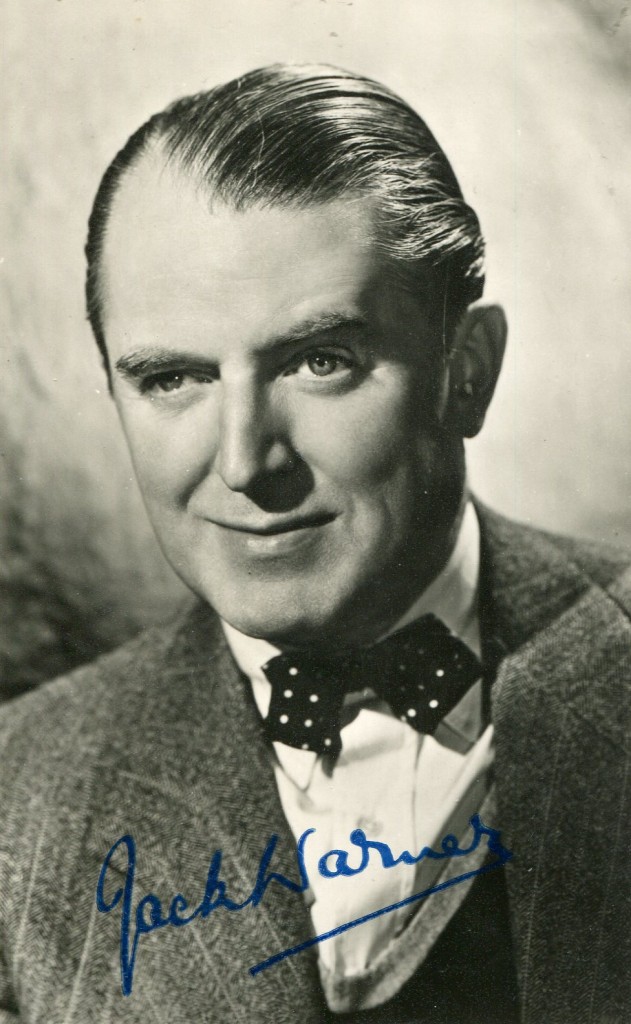
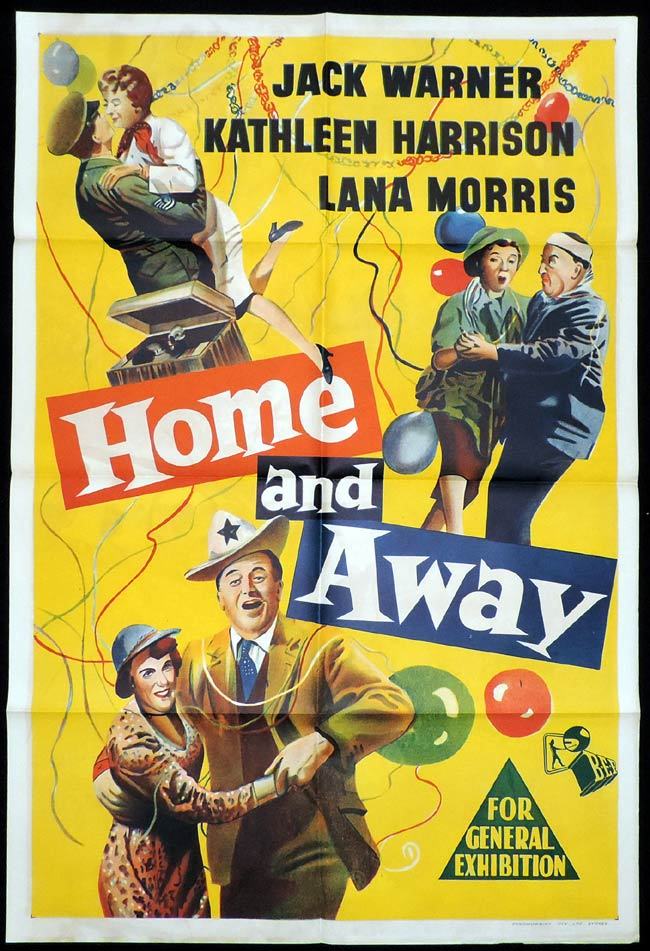
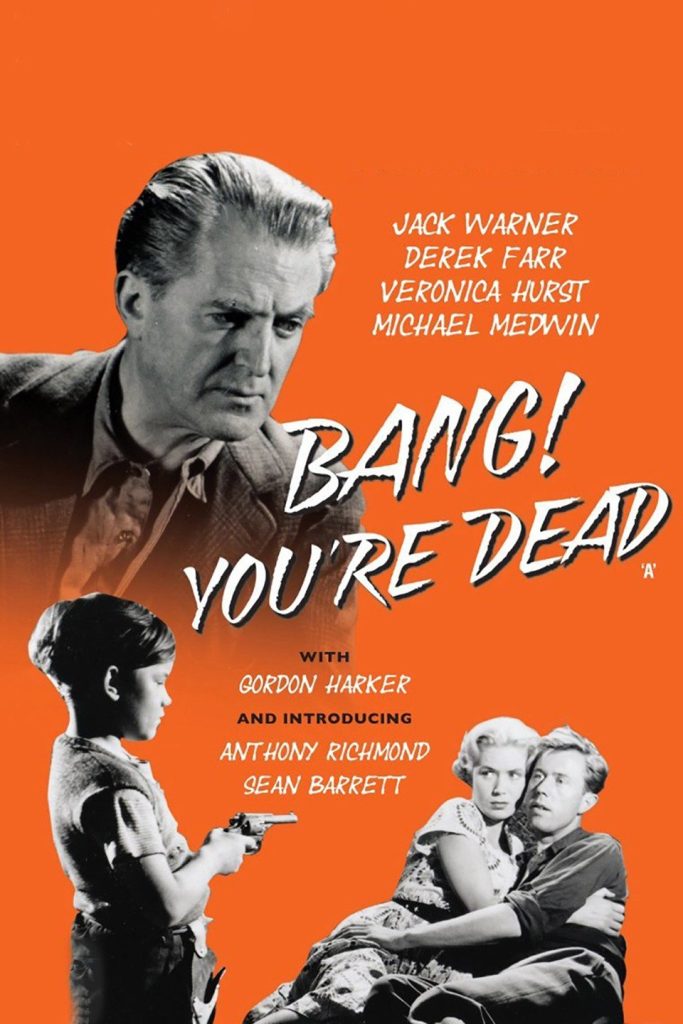
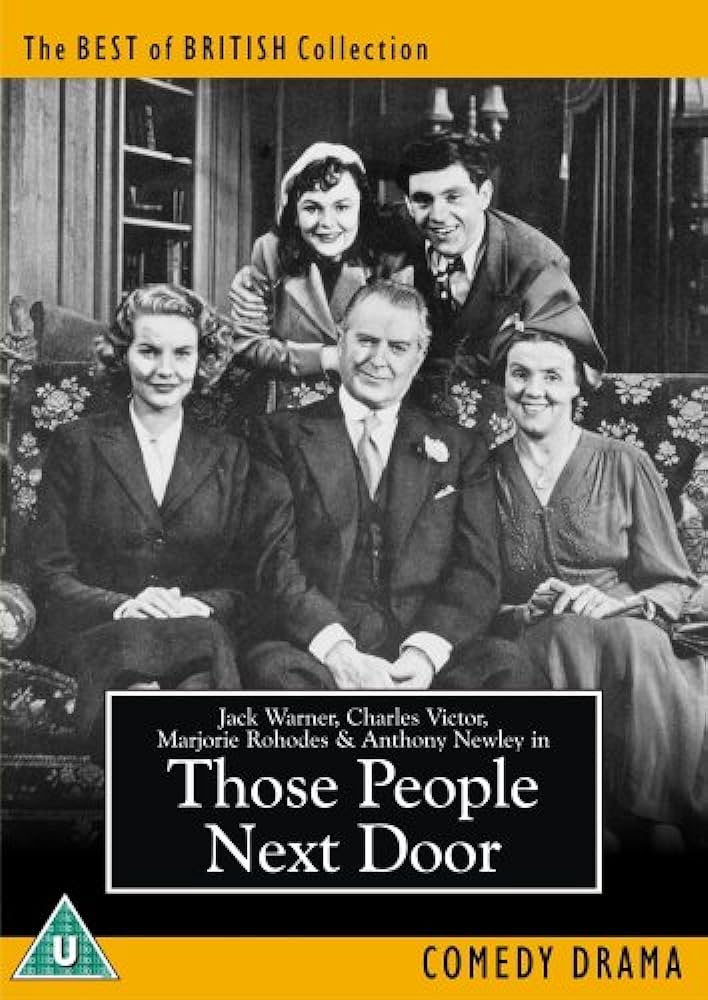
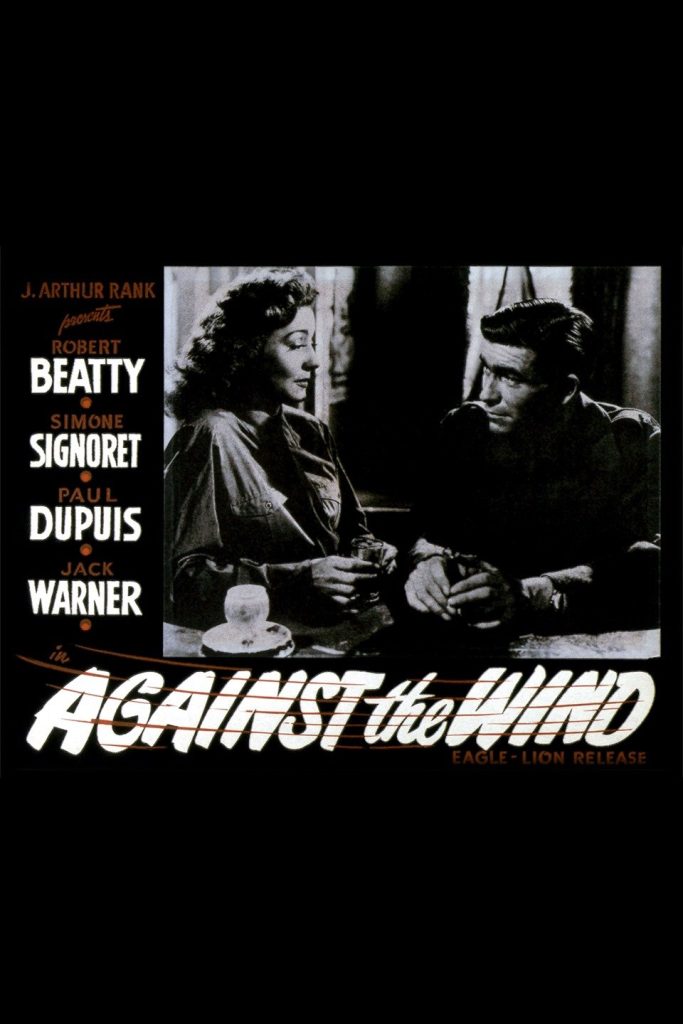
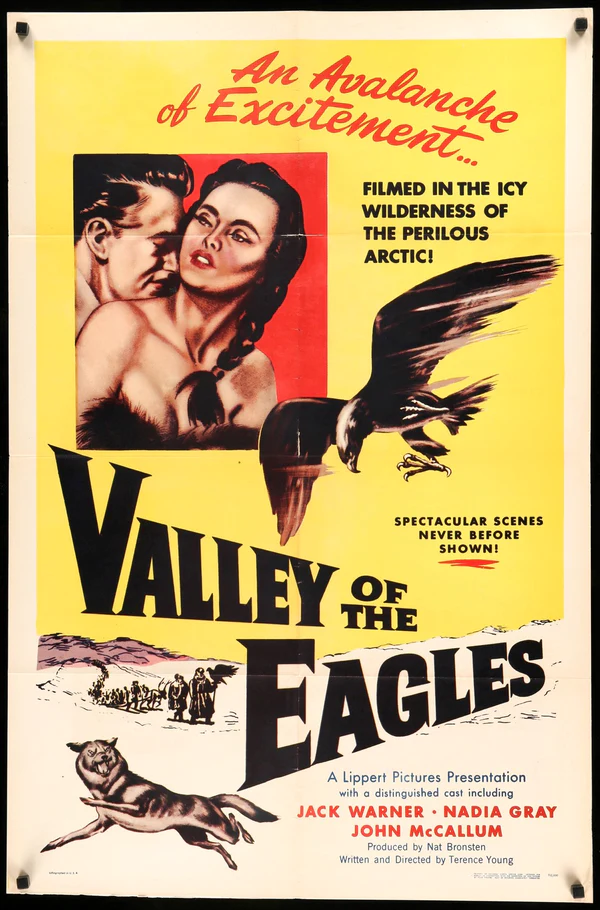
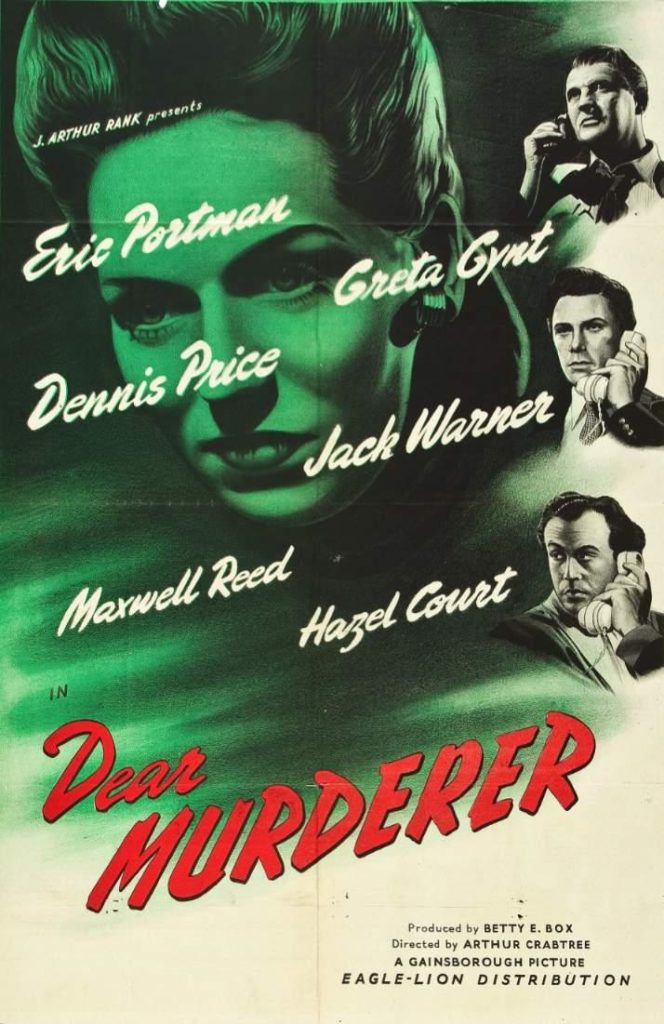
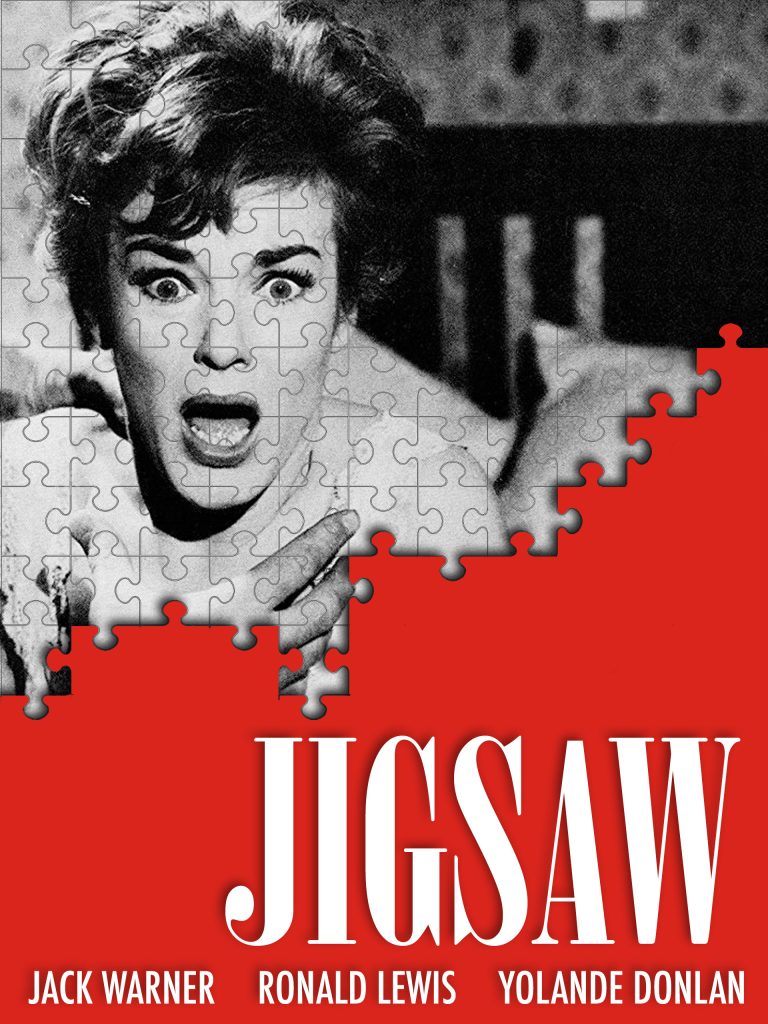
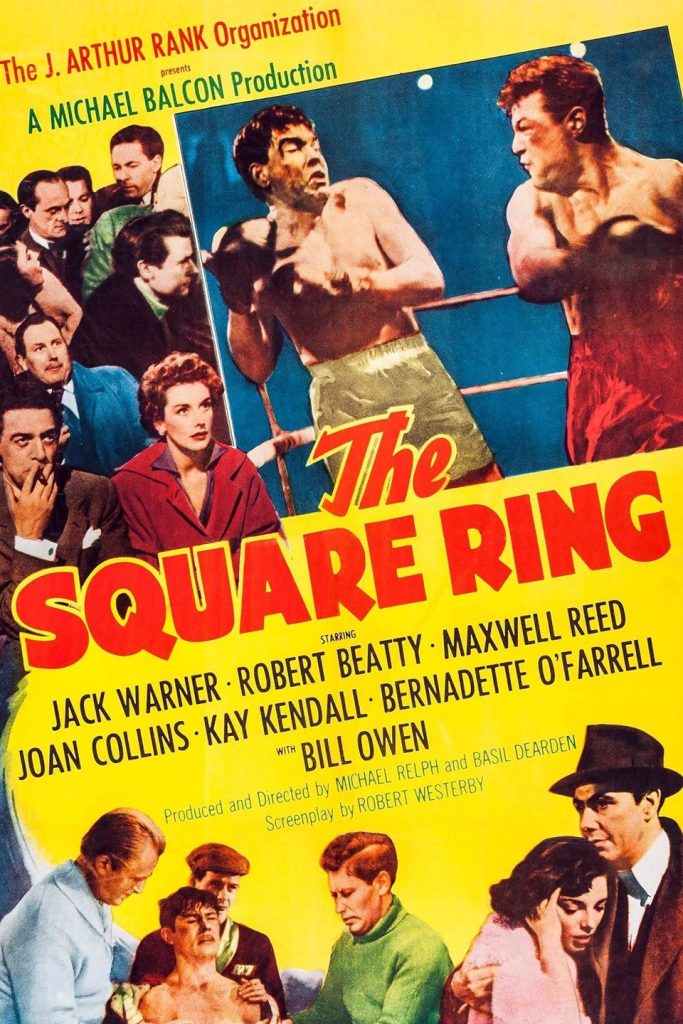
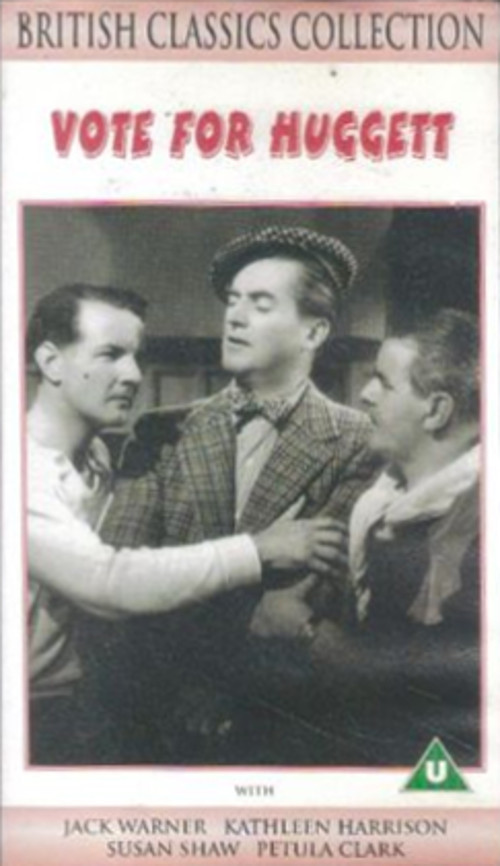
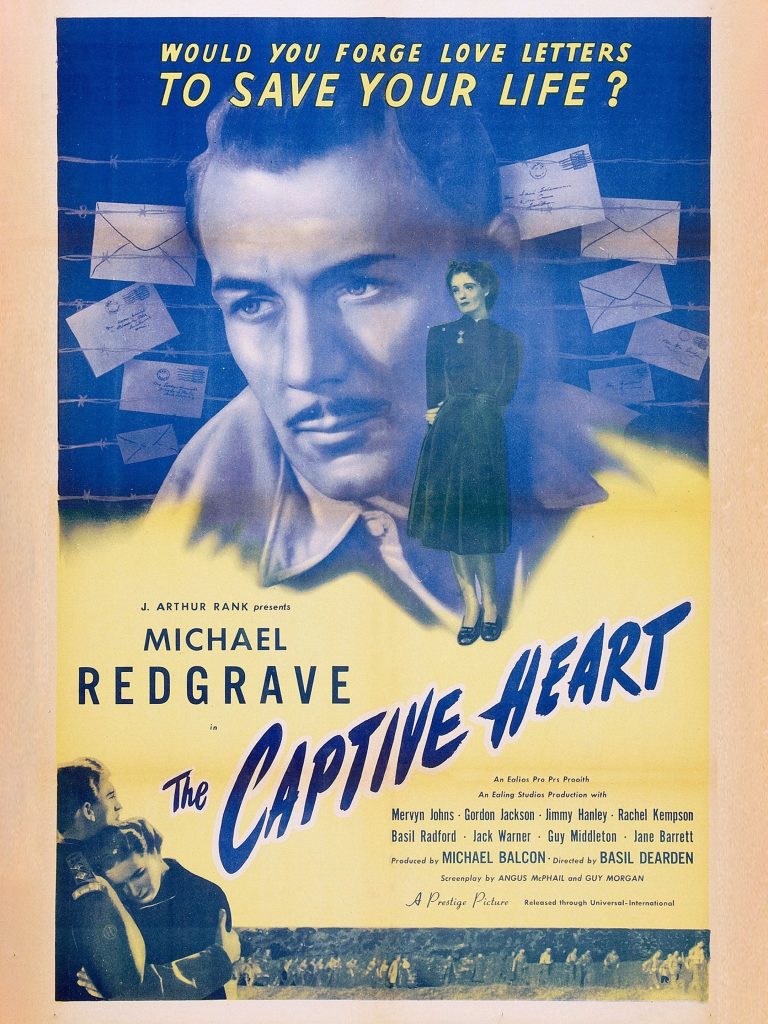
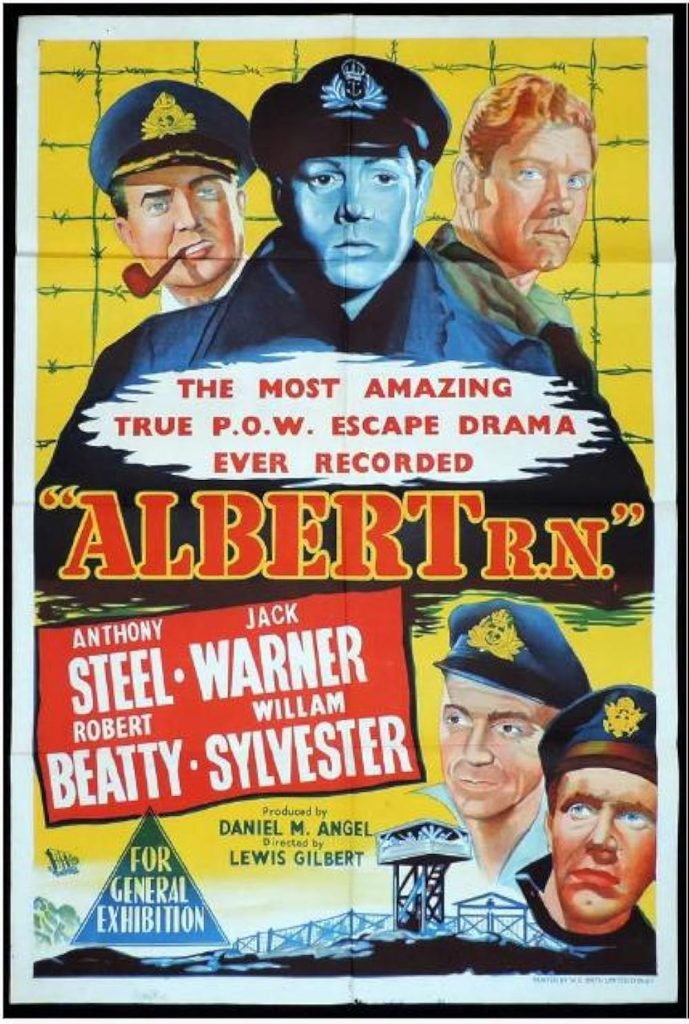
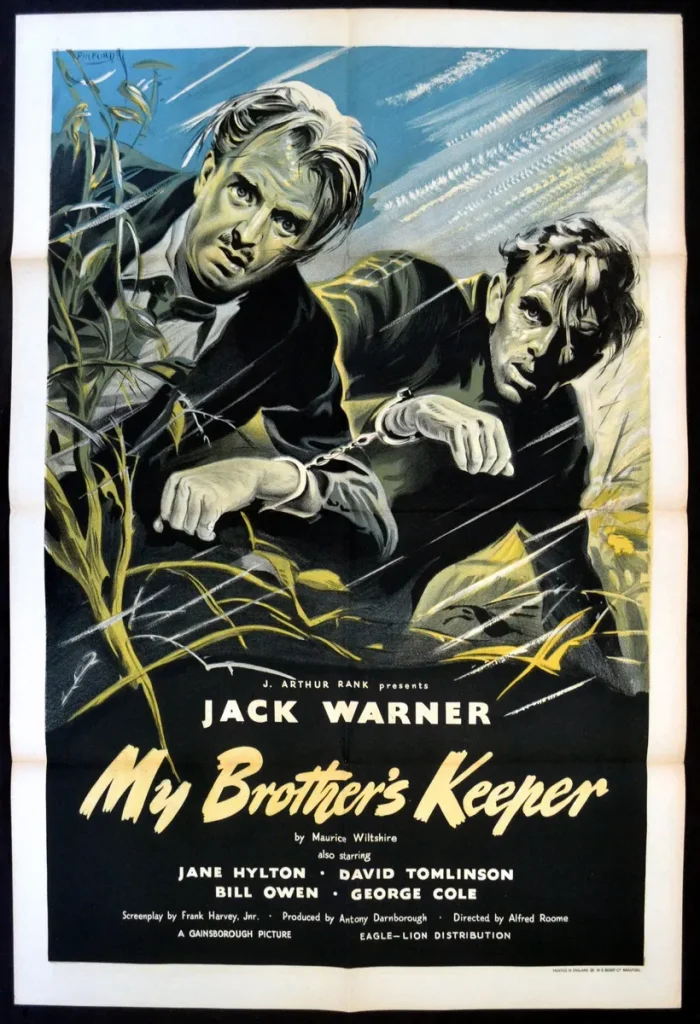
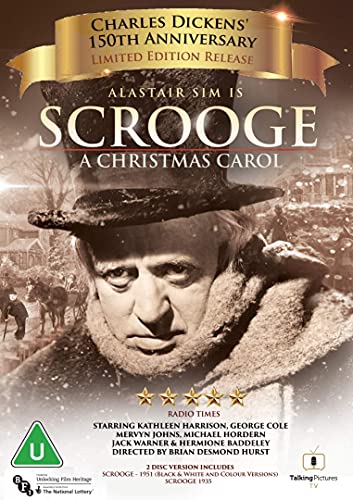
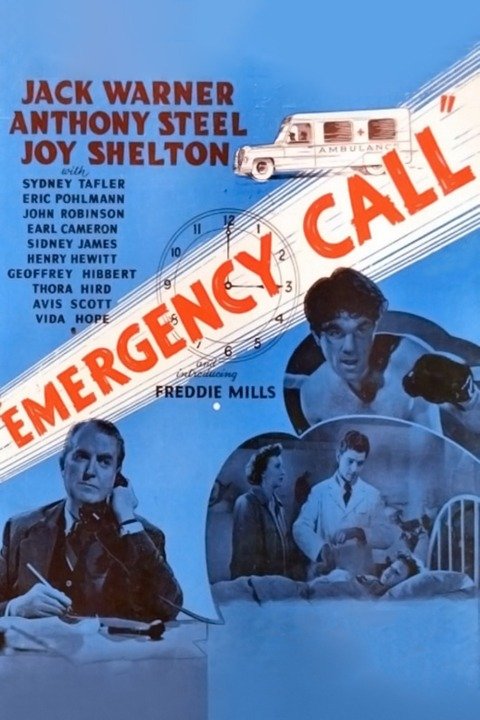
Jack Warner OBE (24 October 1895 – 24 May 1981) was an English film and television actor. He is closely associated with the role of PC George Dixon, which he played until the age of eighty; but was also for some years one of Great Britain’s most popular film stars.
Warner was born in London, his real name being Horace John Waters. His sisters Elsie and Doris Waters were well-known comediennes who usually performed as “Gert and Daisy“.
Warner attended the Coopers’ Company’s Grammar School for Boys in Mile End, while his sisters both attended the nearby sister school, Coborn School for Girls in Bow. The three children were choristers at St. Leonard’s Church, Bromley-by-Bow, and for a time, Warner was the choir’s soloist. During the First World War he served as a driver in the Royal Flying Corps .
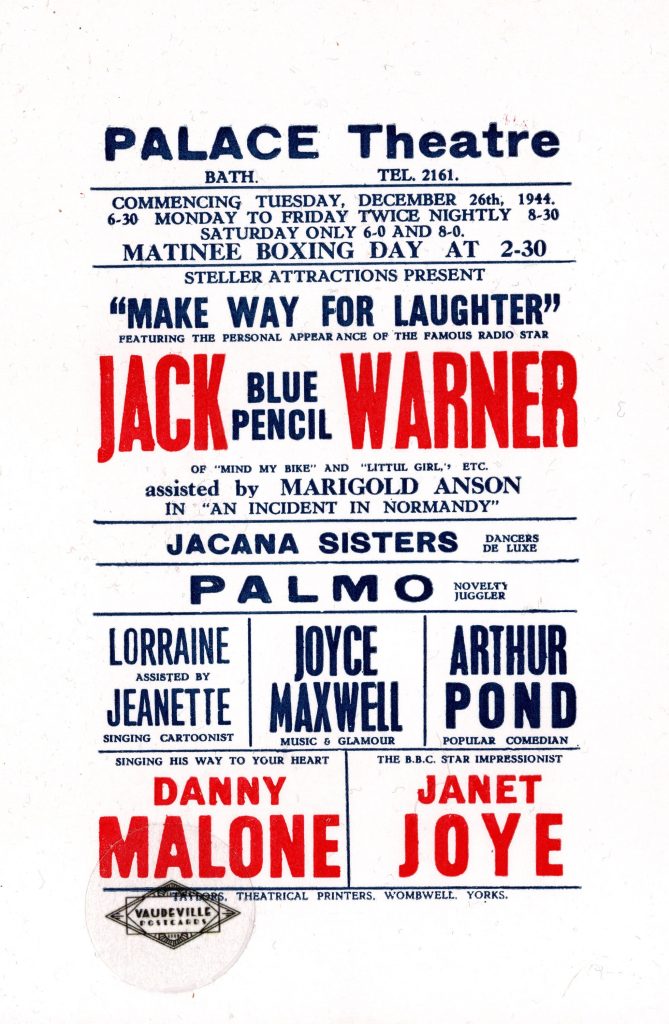
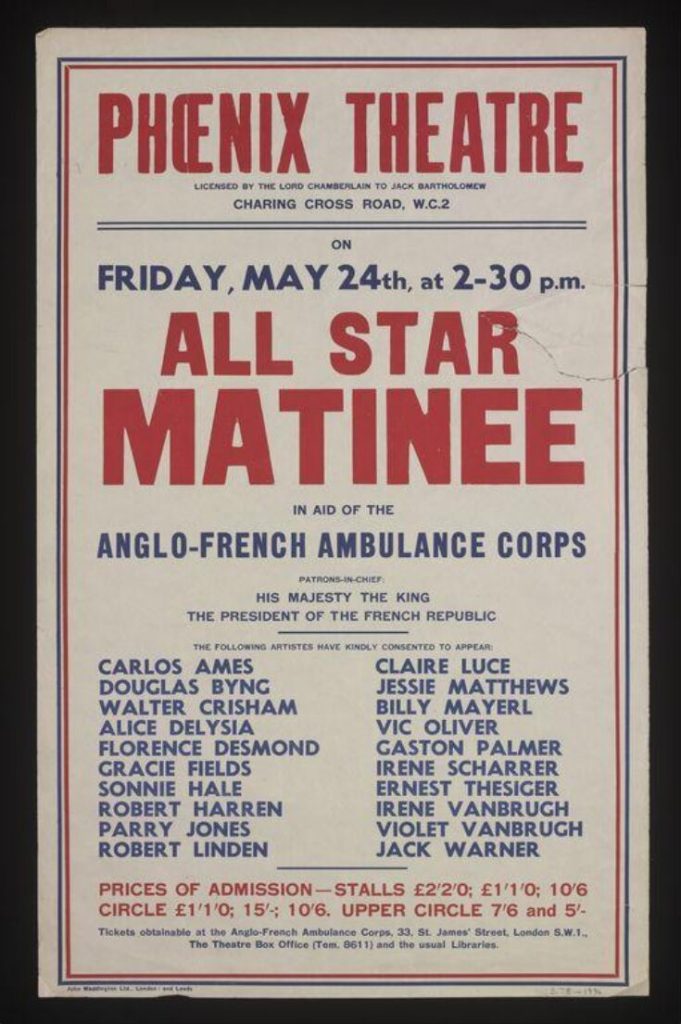
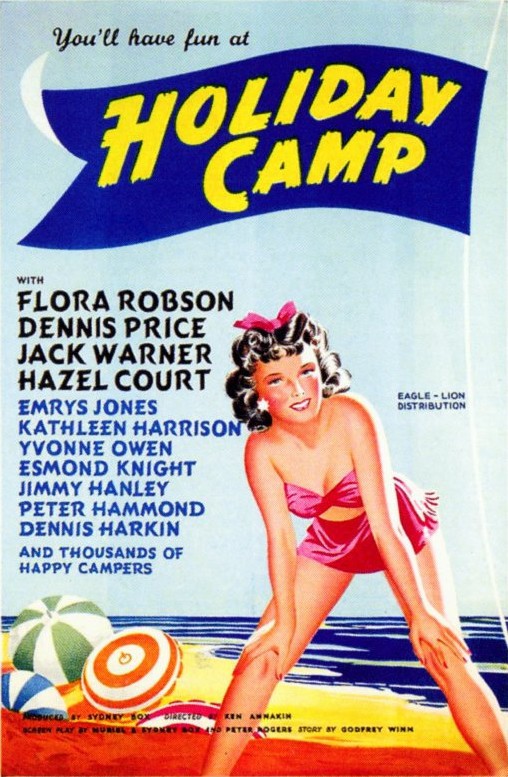
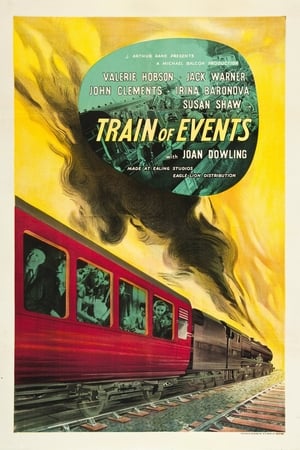
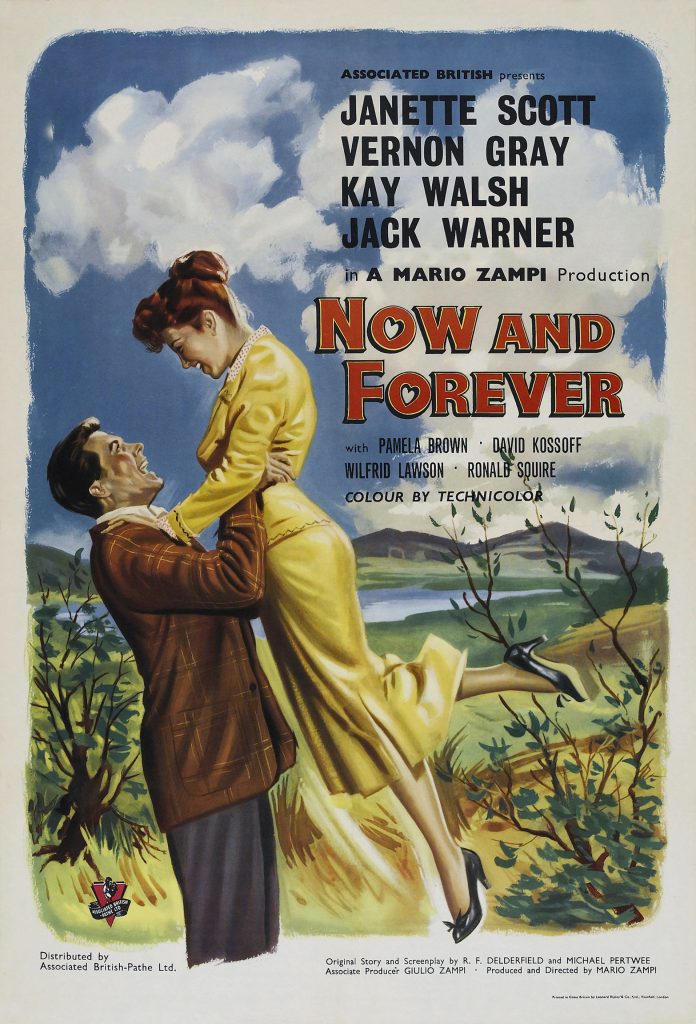
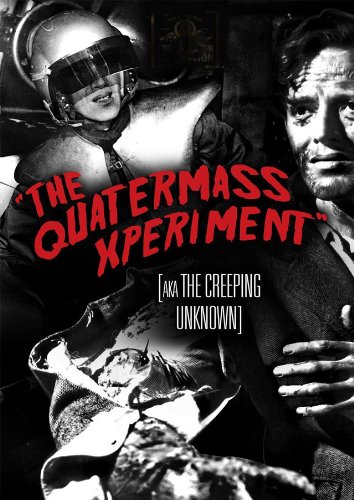
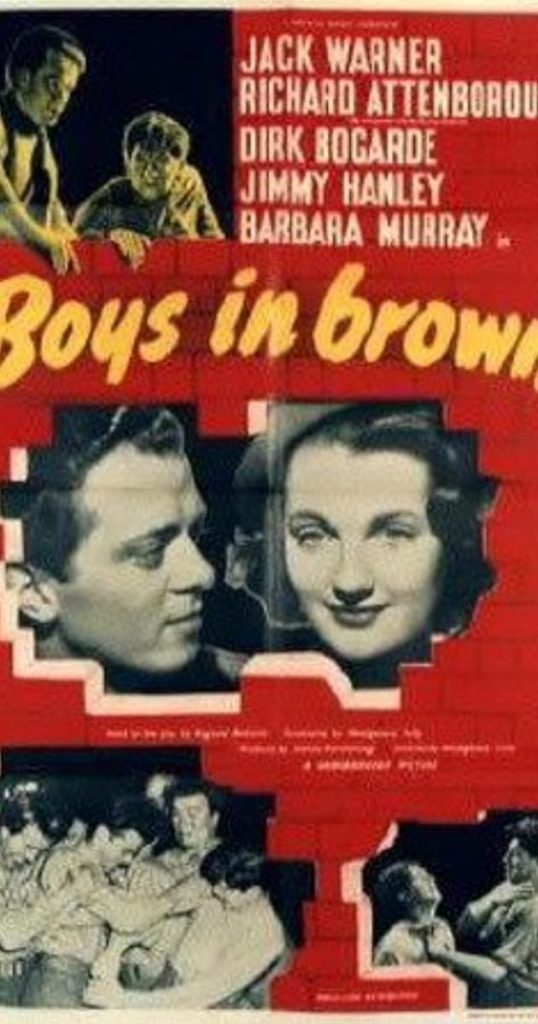
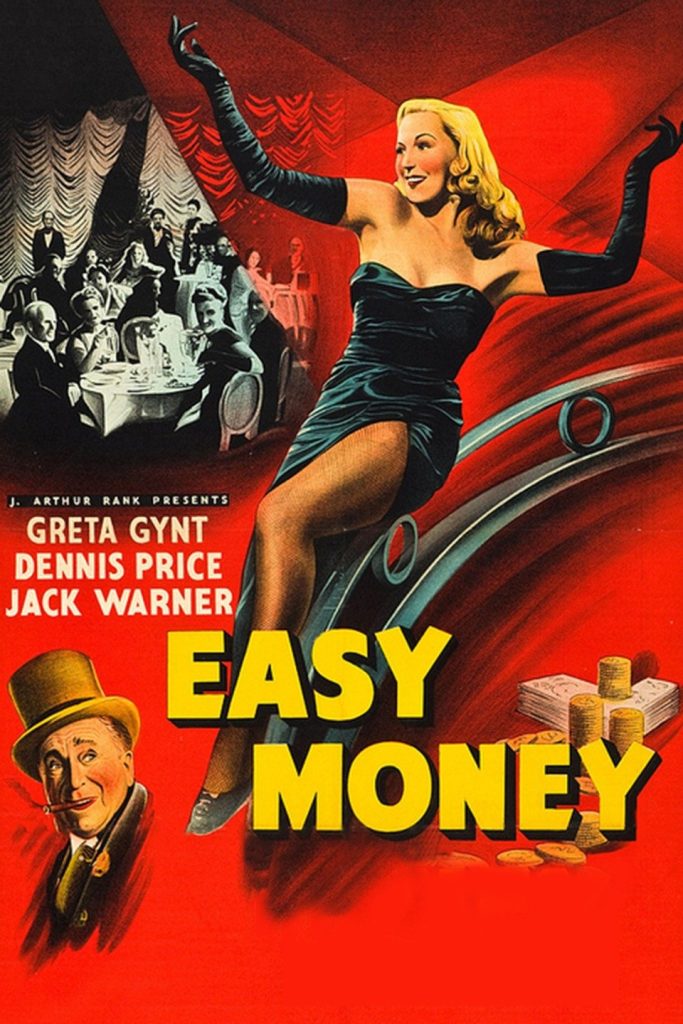
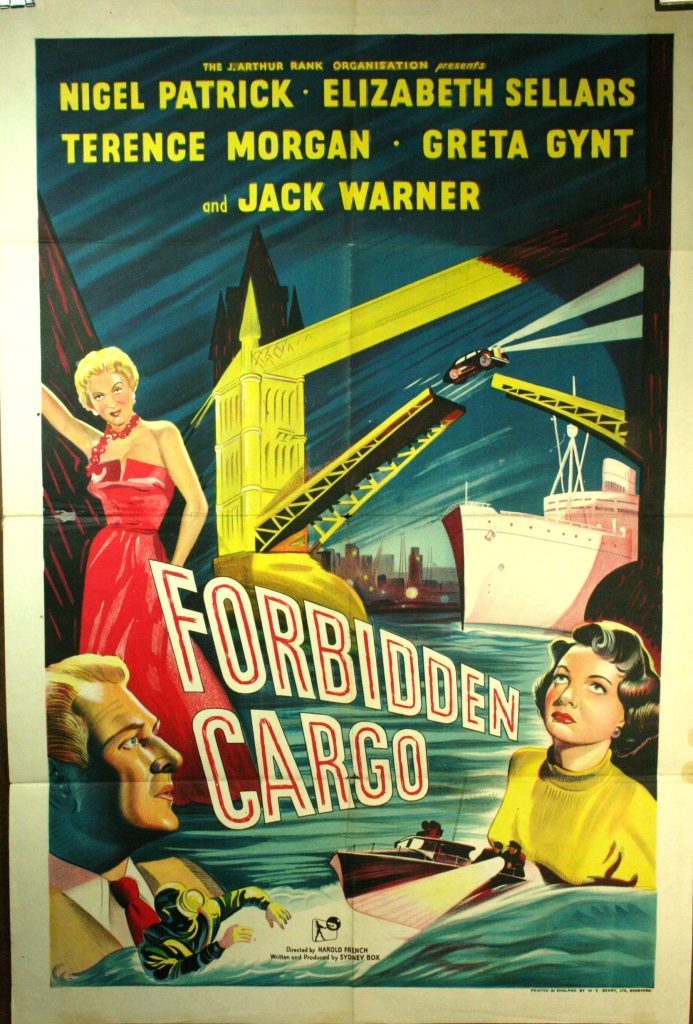
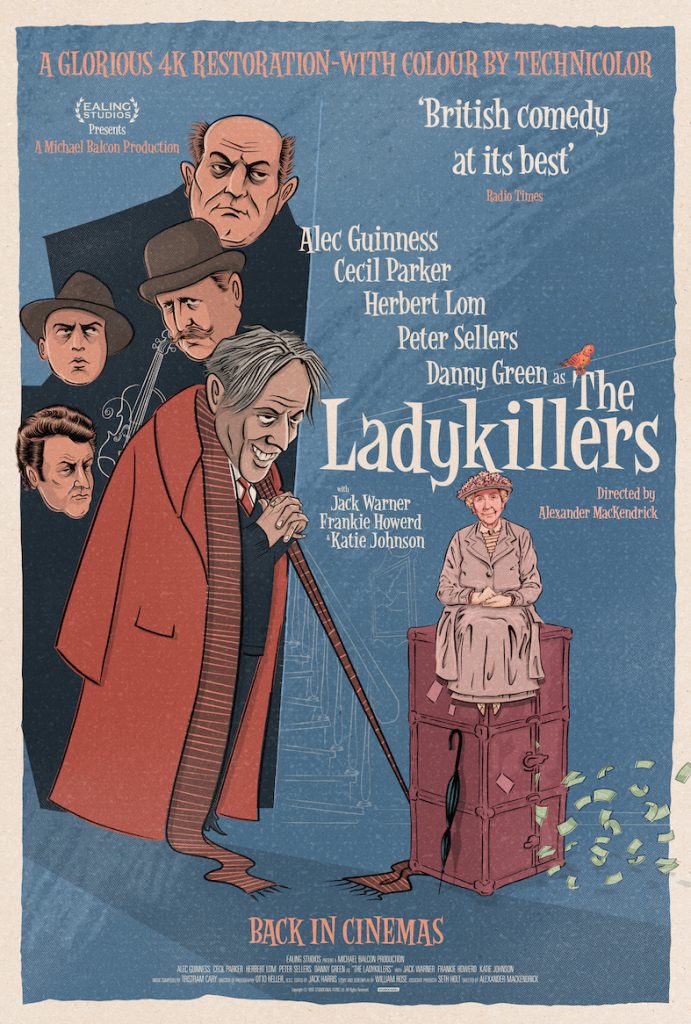
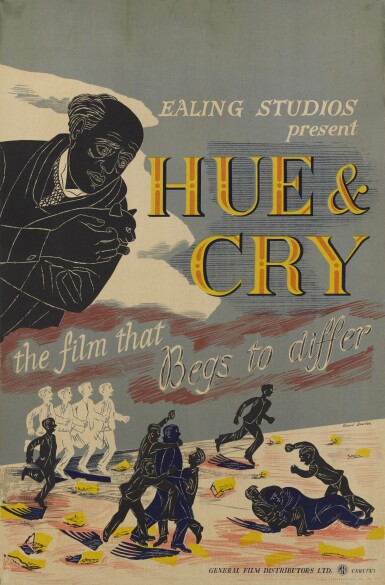
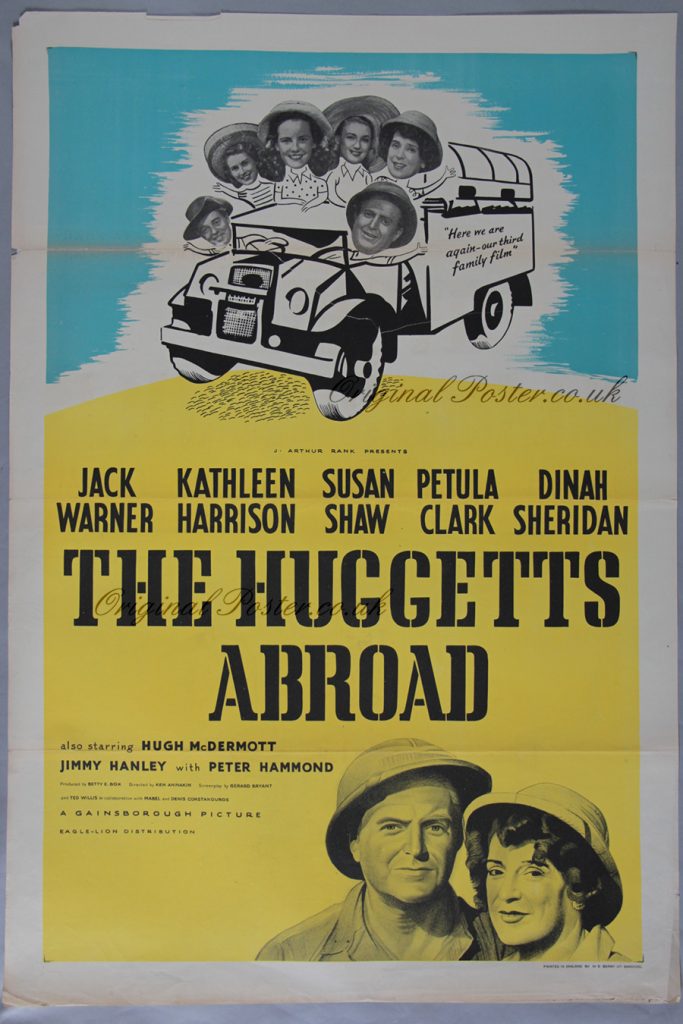
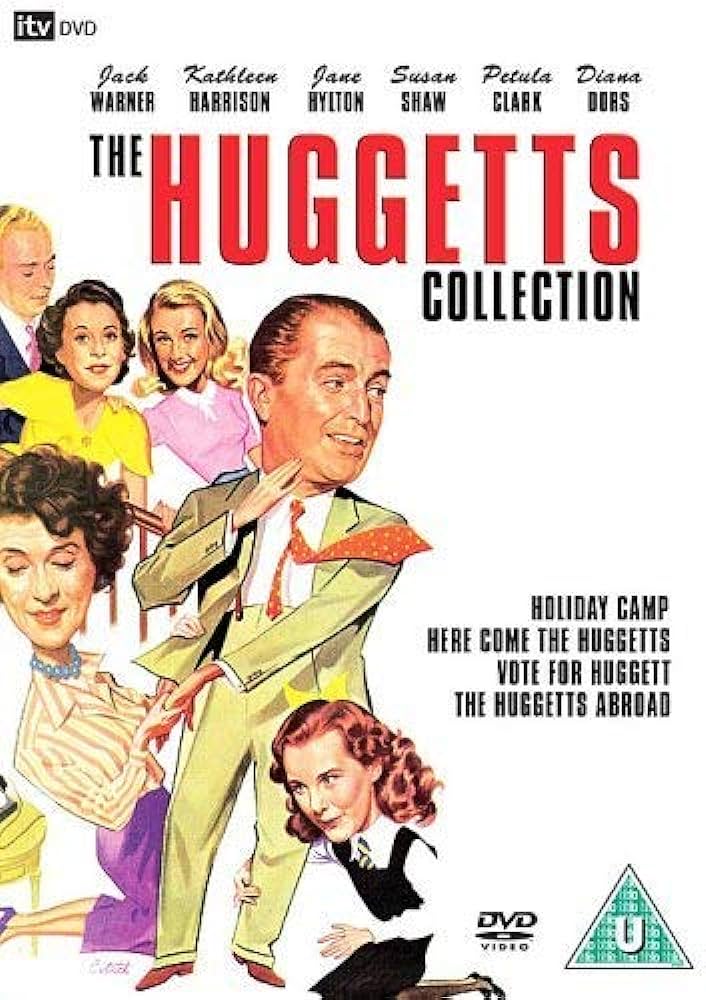
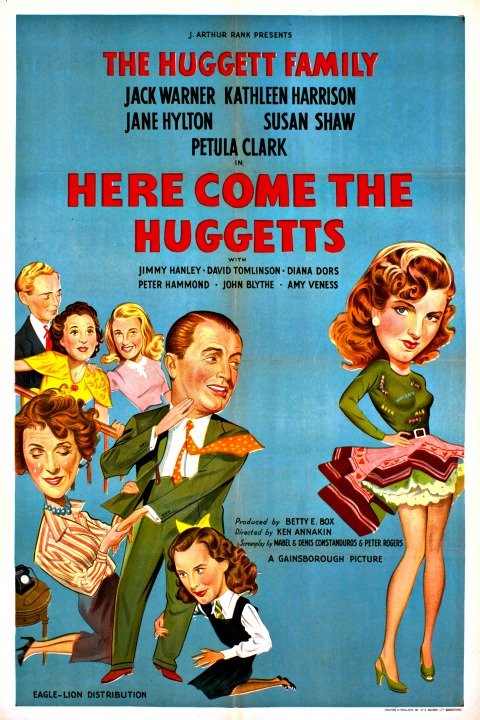
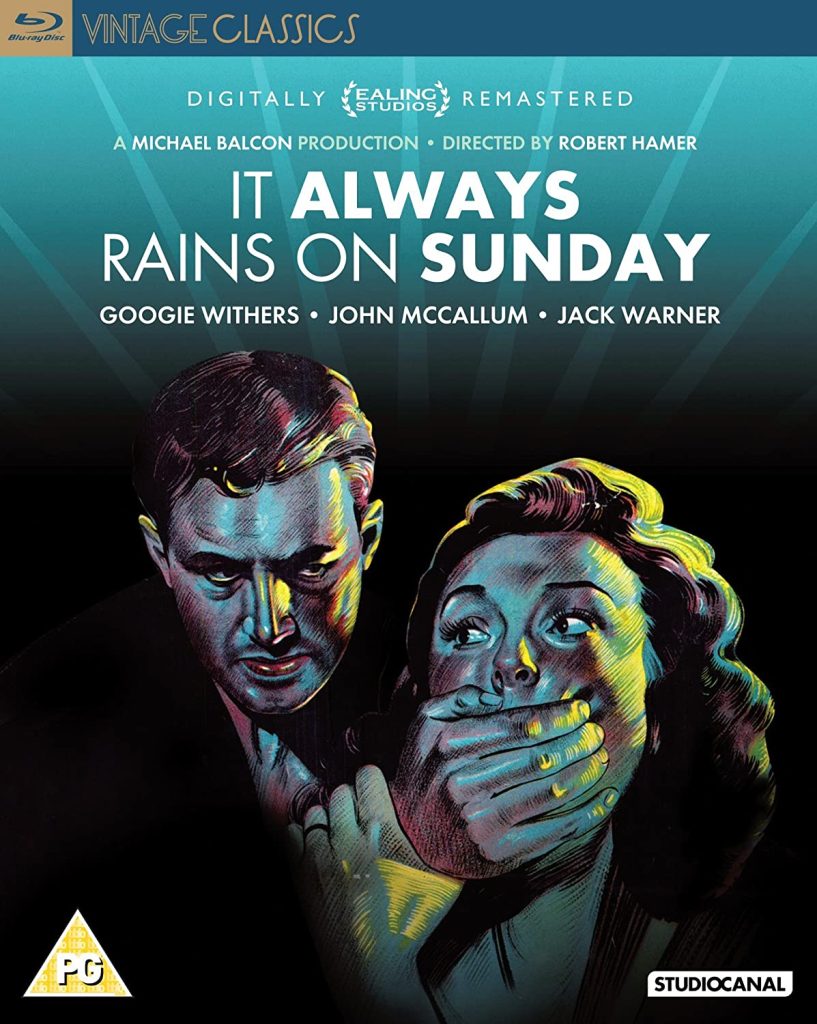
Warner first made his name in music hall and radio. By the early years of the Second World War, he was nationally known and starred in a BBC radio comedy show Garrison Theatre, invariably opening with, “A Monologue Entitled…”. He became known to cinema audiences as the patriarch in a trio of popular post-World War II family films beginning with Here Come the Huggetts. He also co-starred in the 1955 Hammer film version of The Quatermass Xperiment and as a police superintendent in the 1955 Ealing Studios black comedy The Ladykillers.
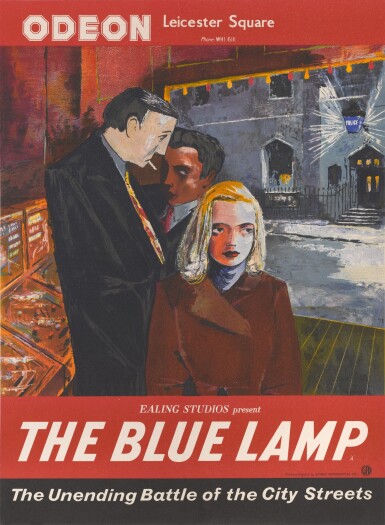
It was in 1949 that Warner first played the role for which he would be remembered, PC George Dixon, in the film The Blue Lamp. One observer predicted, “This film will make Jack the most famous policeman in Britain“.[ Although the police constable he played was shot dead in the film, the character was revived in 1955 for the BBC television series Dixon of Dock Green, which ran until 1976. In later years though, Warner and his long-past-retirement-age character were confined to a less prominent desk sergeant role. The series had a prime-time slot on Saturday evenings, and always opened with Dixon giving a little soliloquy to the camera, beginning with the words, “Good evening, all”. According to Warner’s autobiography, Jack of All Trades, Elizabeth II once visited the television studio where the series was made and told Warner “that she thought Dixon of Dock Green had become part of the British way of life”.[5]
Warner was appointed an Officer of the Order of the British Empire (OBE) in 1965. In 1973, he was made a Freeman of the City of London. Warner commented in his autobiography that the honour “entitles me to a set of 18th century rules for the conduct of life urging me to be sober and temperate”. Warner added, “Not too difficult with Dixon to keep an eye on me!”
He died of pneumonia in London in 1981, aged 85. The characterisation by Warner of Dixon was held in such high regard that officers from Paddington Green Police Station bore the coffin at his funeral.
Warner is buried in East London Cemetery.
The above “Wikipedia” entry can also be accessed online here.

Wikipedia entry:
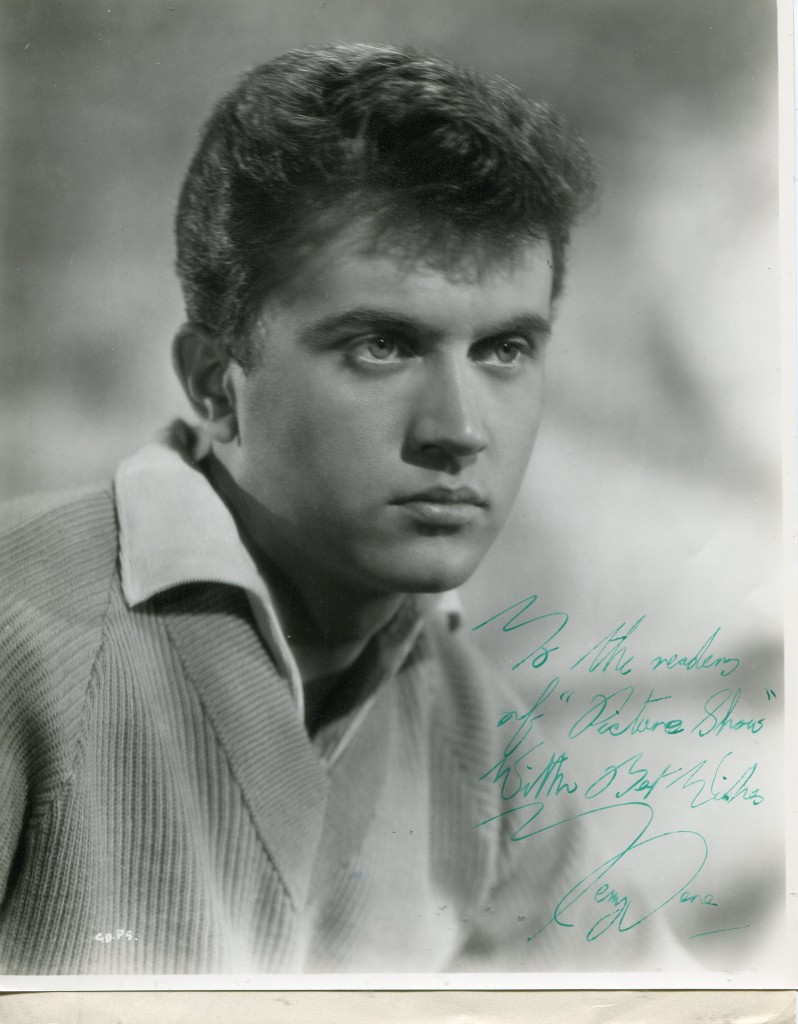
Terry Dene was born in Lancaster Street, Elephant & Castle, London in 1938, and was discovered by Paul Lincoln at the 2i’s Coffee Bar (the London club that helped launch Tommy Steele, Adam Faith and Cliff Richard) in Soho in the late 1950s.[2] Jack Good, producer of Six-Five Special, and Dick Rowe helped him obtain a recording contract with Decca.[2] At the time he was regarded as the British Elvis and recognised as one of the best voices of the rock and roll era of pre-Beatles Britain.[2] His first single “A White Sport Coat” in the first seven weeks sold in excess of 300,000 copies, together with “Stairway Of Love”, which remained in the chart for eight weeks, and his own version of “Start Movin'” at number 14, put his records in the Top 20 twice in the same year UK Singles Chart and secured his name in the Guinness Book of Records.[3] [1]
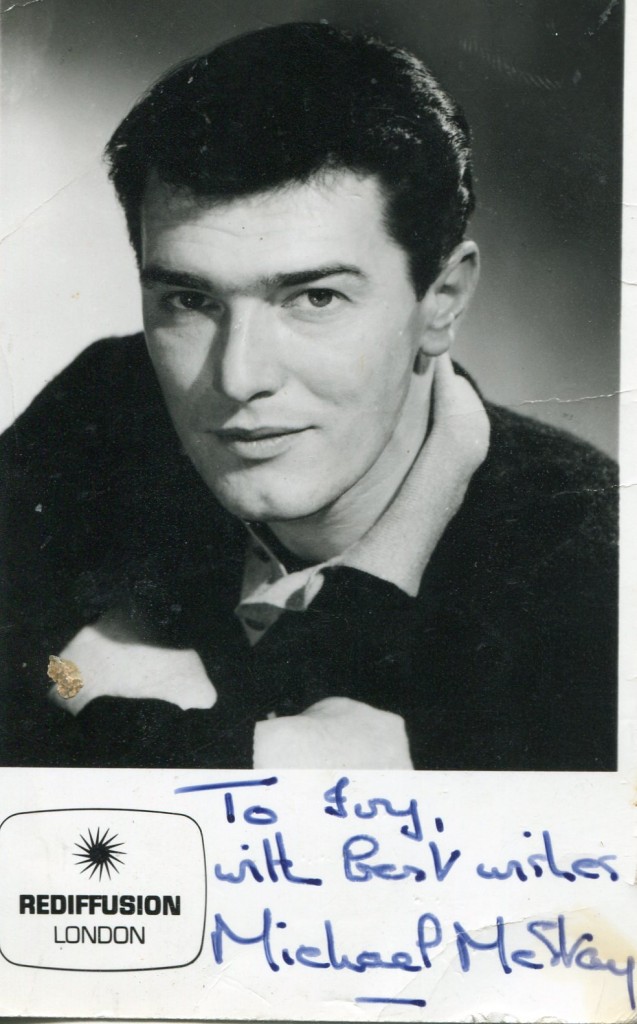
Michael McStay was born in 1933 in Essex, England. He is an actor and writer, known for No Hiding Place (1959), Le mari de l’ambassadeur (1990) and Jack & Sarah (1995).
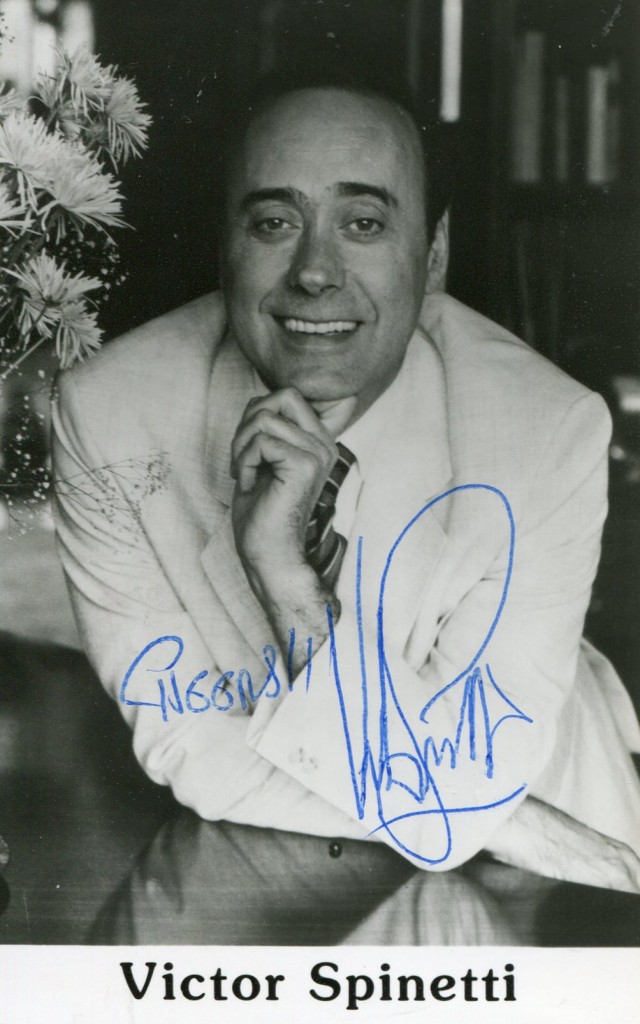
His 2012 “Guardian” obituary by Michael Coveney:
Victor Spinetti, who has died of cancer aged 82, was an outrageously talented Welsh actor and raconteur who made his name with Joan Littlewood’s Theatre Workshop and found fame and fortune as a friend and colleague of the Beatles, appearing in three of their five films, and with Richard Burton and Elizabeth Taylor in Franco Zeffirelli’s The Taming of the Shrew (1967).
It was while he was giving his brilliantly articulated and hilarious “turn” as the gobbledegook-shouting drill sergeant in Oh, What a Lovely War! in the West End in 1963 – he won a Tony for the performance when the show went to Broadway – that the Beatles visited him backstage and invited him to appear in A Hard Day’s Night (1964).
George Harrison later said that his mother would refuse to go and see the group’s films unless Spinetti was in them. These, and other tales of the stars, would be recounted by Spinetti himself in his one-man shows, and in the wonderful autobiography he wrote, Up Front (2006), with the help of another Littlewood associate, Peter Rankin.
“The people I miss most are all in the show,” Spinetti told me over lunch four years ago, “so I don’t miss them at all, really. It’s like a seance, and there they all are, Noël and Marlene, Frank, Joan and Tennessee. Tenn came to see me in a play that was a disaster. ‘Victor,’ he said, ‘I’ll see you in anything. But don’t be in this again.'”
Spinetti was the eldest of six children, born in the mining village of Cwm in the Ebbw Vale. His father, Giuseppe, who ran a fish and chip shop, was interned on the Isle of Man when the second world war broke out. Spinetti was educated at Monmouth school, then became embroiled in amateur dramatics and was discharged from his national service, and a TB ward, in 1948 with a pleural effusion. He then attended the Cardiff School of Music and Drama where he met his partner, the actor Graham Curnow (who died in 1997). They shared a house, and an openly non-monogamous life, thereafter.
Spinetti’s grounding in show business was both louche and demanding: a Welsh concert party, revues, variety theatres, US air force bases and hotel functions. He made his London debut in Expresso Bongo (1958) by Wolf Mankowitz and Julian More at the Saville theatre. Paul Scofield was the star in this satire on the entertainment industry, but a multitasking Spinetti made a comic mark as a Fleet Street editor, a parson, a psychiatrist and a head waiter.
He was more than ready for the swinging 60s, living a champagne lifestyle and dressing colourfully, even when he could not pay all the bills. And if that happened, he told me, he “spanked old gentlemen for money” so he could buy Christmas presents. “My dear old mother told me that, if she’d known at the time, she would have come along and given me a hand!”
Littlewood snapped him up at Stratford East, where his association, in a great company including Barbara Windsor, Harry H Corbett, Avis Bunnage, George A Cooper and Murray Melvin, stretched from 1959 to 1965. This was a golden age in British theatre, running in parallel with first stirrings at the Royal Shakespeare Company and the National theatre.
He appeared as Brain-Worm in Ben Jonson’s Every Man in His Humour, as an IRA officer in Brendan Behan’s The Hostage (which he also played in New York), and as Tosh in Frank Norman and Lionel Bart’s Fings Ain’t Wot They Used T’Be with Windsor before Lovely War took him back into the West End.
After his New York success and the first two Beatles films – Richard Lester’s Help! followed A Hard Day’s Night in 1965 – he played opposite Jack Klugman in Neil Simon’s The Odd Couple at the Queen’s in 1966 and then accepted an invitation from the critic Kenneth Tynan to co-write and direct John Lennon’s zany, poetic In His Own Write at the National (then based at the Old Vic) in 1968.
His career after this phenomenal start was erratic. He clocked up more than 30 films, including the third Beatles collaboration, Magical Mystery Tour (1967) for television, and Andrew Sinclair’s Under Milk Wood (1972) with the Burtons again, as well as Peter O’Toole, Siân Phillips and Vivien Merchant.
Spinetti was always in work but there was not much focus to it. He started directing musicals in the 1970s, taking charge of Hair in Amsterdam and Rome, and Jesus Christ Superstar in Paris. In 1980 he directed The Biograph Girl, a mediocre musical about the silent movie era at the Phoenix theatre, London, and shortly afterwards launched his one-man show of tart and funny reminiscences, A Very Private Diary, at the Edinburgh festival, but only on the fringe.
A season with the RSC at Stratford-upon-Avon in 1995 was not a happy experience (“we were called by page numbers and I didn’t know the names of the people I was on stage with”) but he delivered superb performances as Lord Foppington in John Vanbrugh’s The Relapse and as a composite of cardinals opposite David Troughton’s four-square Richard III.
Later film work included a nice cameo in Peter Medak’s The Krays (1990). On television he played in an early sitcom opposite Sid James, Two in Clover, but became even better known as a Mexican snack thief in adverts for McVitie’s Jaffa cakes. In the 1980s he was the voice of Texas Pete in the children’s series SuperTed, and 10 years ago played the “man of a thousand faces” in the popular children’s show Harry and the Wrinklies.
His last on-screen appearance was in a recent DVD of an independent film, Seth Swirsky’s Beatles Stories, issued to celebrate the 50th anniversary of the Beatles’ first recording session at Abbey Road. And on stage he last garnered acclaim as Einstein in Albert’s Boy at the Finborough theatre in Earl’s Court in 2005. There he was, taking an audience by surprise right to the end.
• Vittorio (Victor) Giorgio Andrea Spinetti, actor, born 2 September 1929; died 18 June 2012
• This article was amended on 22 June 2012. The original described Expresso Bongo as a satire on the newspaper industry.
The above “Guardian” obituary can also be accessed online here.