Brittish Actors

Collection of Classic Brittish Actors

Joan Hickson

Joan Hickson obituary in “The Independent”.

It was very gratifying to see Joan Hickson play the lead as Miss Marple in the acclaimed television series in 1984 at the age of 78.   She had been wonderful in many many supporting artis in British films since the 1930’s.   Highlights include “The Card” in 1952, “Value for Money”, “Doctor at Sea”, “The Man Who Never Was”, “Carry On Nurse” and “Theatre of Blood”.   She made twelve Miss Marple televison films the last being “The Mirror Cracked from Side to Side” in 1992 when she was 86.She died in 1998 at the age of 92.

The “Independent” obituary by Alexandra Younger & Tom Vallance:THE OLDEST actress ever to take the lead in a major television series, Joan Hickson was a sprightly 78 when she was chosen to play the role for which she will be best remembered, Agatha Christie’s spinster detective Miss Marple. It was the first of 12 murder mysteries in a television series that was to run for eight years, ending only when Hickson insisted on retiring at the age of 86.

Previous stars who played the veteran spinster sleuth included Helen Hayes, Angela Lansbury, and Margaret Rutherford (Hickson had a small role in Rutherford’s first Miss Marple film, Murder She Said in 1961), who first popularised the character of Miss Marple in the Sixties and brought the portrayal of eccentric old ladies to a fine art.

In 1962 Christie dedicated her novel The Mirror Cracked from Side to Side to Rutherford, “in admiration” – although after the author’s death, it was revealed in her husband, Sir Max Mallowan’s memoirs, that she believed Rutherford was totally miscast as Miss Marple. She was conceived as being a small delicate woman – said to be loosely based on Christie’s maiden aunt – far closer in appearance to the petite and birdlike Hickson, with her piercing, hooded ice-blue eyes, than the more corpulent Rutherford with the expressive face and “the chins”.

Regarded by many as the definitive Miss Marple and someone who “inhabited” the part, Hickson was described by fellow actors as “Justice in a hand- knitted cardigan”. However she was convinced that she was not right for the part of Jane Marple, “I thought I was the wrong shape, that Miss Marple would be much fluffier than me, much more wearing shawls and things. But I was persuaded and now, well – I can only do it my way.”

Marple creates order out of chaos, conducting her own private investigations at a polite distance from the official police murder inquiry. The tools of her trade are frequent cups of Earl Grey tea, her needle sharp eyes and her acute hearing, which enables her constantly to overhear crucial conversations from considerable distances.

Looking inconspicuous in tweed suits, neat felt hats, lace-up shoes and crocodile-skin handbags, Miss Marple’s manner is friendly and unobtrusive; she often punctuates other people’s sentences with “Oh how kind” and “Oh reaally”. By asking rhetorical questions she answers everyone else’s. In an uncertain world she radiates infallibility.

Hickson had been an actress since the age of 20 and her stage career in particular had been a distinguished one – she had won Broadway’s prestigious Tony Award – but it was the television series that made her a household name, though she would never acknowledge that she was famous. Refusing to go on the Wogan show, she stated, “I have never been a star, I’m just an old character bag.”

She was born in Kingsthorpe, Northamptonshire in 1906, and taken to her first pantomime, Cinderella, at the age of five. She knew at once what she wanted to do. “I was utterly entranced,” she said later, “and asked my parents to move as near to the theatre as possible. I knew immediately that the life I wanted was there.” Though her family did not encourage her early ambitions, she spent three years at Rada after leaving school. Her first stage appearance was as Lady Shoreham in a provincial tour of His Wife’s Children (1927). The next year she made her London debut at the Arts Theatre as the Maidservant in The Tragic Muse, following this with the role of Miss Mould in A Damsel in Distress (1928). She soon established a flair for comedy, and for playing middle-class housewifes, flustered maids and slightly dotty relations.

She made her screen debut in Trouble in Store (1933), a vehicle for the comedian James Finlayson in which store employees capture a team of burglars, the first of over 50 films in which she was featured. They included The Guinea Pig (1948, recreating a role she had played on stage), Seven Days to Noon (1950), The Card (1952), Doctor in the House (1954), Clockwise (1986), Happy Is The Bride (1957) and several of the “Carry On” series. Robert S. Baker, who produced the taut “B” thriller Deadly Nightshade (1953), recently stated, “It is notable for having Joan Hickson in it . . . of course such people were the bread and butter of the British film industry for years and years.”

On the set of Michael Winner’s The Wicked Lady (1983), Hickson celebrated 50 years in films, but it was the theatre that gave the actress her finest opportunities, with such roles as Mrs Read in The Guinea Pig (1946) and Emma Hamilton in Rain Before Seven (1949). In 1967 she had a major success in Peter Nichols’s disturbing black comedy about a couple raising a spastic daughter, A Day in the Death of Joe Egg.

Hickson made her Broadway debut in 1968 in the same play and repeated her role in the 1970 film version with Alan Bates and Janet Suzman. Another Peter Nichols play, Forget-Me-Not-Lane (1971) gave Hickson another major role which she played superbly, and in 1974 she joined the National Theatre Company. Her performance for them in Alan Ayckbourn’s Bedroom Farce won particular acclaim and when she went to Broadway with it she won the Tony Award as Best Supporting Actress, prompting the Guardian to comment that “This actress has long been undervalued in Britain”.

Hickson herself maintained that her roles became better as she grew older because “I was never really pretty, so for someone like myself it’s more useful to be a character actress than a leading actress . . . in television especially, they want real wrinkles.”

In 1946, Agatha Christie had written the actress a letter after seeing her during a West End production of Appointment with Fear in which Hickson acted the part of “a little spinster lady, saying, “I hope that one day you will play my dear Miss Marple.” Her wish was not carried out for another 38 years.

The Body in the Library (1984) was the first of the 12 Miss Marple mysteries in which Hickson starred for the BBC, and which were seen (and still are) in 32 different countries. Jean Simmons, who played alongside her in her final Miss Marple story The Mirror Crack’d (1991), called Hickson “a dear, sweet, soft lady with a sense of humour that you miss if you’re not paying attention”.

Hickson admired her alter ego enormously and once said of Miss Marple, “I think she’s a wonderful woman with a very clear outlook on life.” Of her screen character, she said, “Miss Marple believes in justice and has very high standards. There is nothing you could say or do that would shock her. “Amusingly vague and properly indiscreet” like Miss Marple, Hickson too enjoyed village life and was averse to change.

When Joan Hickson retired from the role, believing that she should stop while the programme was still at the peak of its popularity, she stated that she had no intention of retiring from acting altogether. “Retirement is fatal,” she recalled. “If you retire you go POP.”

Alexandra Younger

and Tom Vallance

Joan Hickson, actress: born Kingsthorpe, Northamptonshire 5 August 1906; married 1932 Dr Eric Butler (died 1967; one son, one daughter); died Colchester, Essex 17 October 1998.

To read the “Independent” Obituary on Joan Hickson, please click here.

TCM overview:

This British stage and occasional film actress made her stage debut in 1927, but it was not until the late 1980s that American audiences became most aware of Joan Hickson when she began playing Agatha Christie’s sleuth Miss Marple. She began in the role in 1984 for the BBC and retired for not only the role but from her acting career in 1992.

With her big blue eyes and pronounced cheek bones which can be adapted for sympathy or stern menace, Hickson made her London stage debut in “The Tragic Muse” (1928). It was nearly a decade before she first stepped before the cameras in “Love From a Stranger” (1937), based, as much of her future work would be, on an Agatha Christie story. Film work remained rather sporadic, however, until she began working for John and Roy Boulting in 1948 with “The Guinea Pig”. Hickson began playing small roles, often landladies or parents. She was the proprietor whose tenant was a German spy in “The Man Who Never Was” (1955) and the mother in “Carry On, Admiral” (1957). Hickson scored critical raves playing an uproariously funny drunken maid in “Upstairs and Downstairs” (1961) and also for playing a grandmotherly type in both the 1967 stage and 1972 film version of “A Day in the Death of Joe Egg” (The film was actually shot in 1970, but held for release for two years.) Hickson played the bookshop lady eyeing the young lovers in “Friends” (1971), and was Aunt Agatha to Faye Dunaway’s “The Wicked Lady” (1983). Her film continued well into the 90s, with roles as the haughty Duchess of Marlborough in “King of the Wind” (1990), and her final screen appearance in “Century” (1993).

Hickson had been a regular on several British TV series over the years. She was the receptionist in the anthology series “The Royalty” (BBC, 1957-58), set in a hotel. In “Our Man at St. Mark’s” (BBC, 1963-65), Hickson was the faithful housekeeper to a county vicar (played first by Leslie Stephens and later Donald Sinden). She continued to be active on TV after the age of 70, portraying Miss Havisham in 1982 BBC miniseries remake of “Great Expectations” followed by her turns as Miss Marple. Over the years, she also continued to make stage appearances, scoring a triumph on Broadway reprising her London stage role in the 1978 Broadway production of “Bedroom Farce”. Paired with fellow veteran Michael Gough, Hickson won a Tony Award for her performance.

The above TCM overview can also be accessed online here.

Reece Dinsdale

Reece Dinsdale was born in 1959 in Wakefield, West Yorkshire.   In 1984 he scored on television in the play “Winter Flight”.   He was also featrued that year in the film “A Private Function” with Michael Palin and Maggie Smith.   He was then cast as John Thaw’s son in the series “Home to Roost”.   In 1994 he won many critical plaudits for his leading role in the film “I.D”. a drama about football violence.   Recently he was Joe McIntyre in “Coronation Street”.   He is married to actress Zara Turner.

IMDB entry:
Dinsdale was born in Normanton West Yorkshire, England in 1959. He trained at the Guildhall School of Music and Drama in the late seventies and early eighties. This eventually led to him being cast as Albert in the Agatha Christie’s Partners in Crime(1983) series, making his first appearance in the episode The Secret Adversary (1983) in 1982. He continued in that role for two years. In 1984 director Mick Jackson writer Barry Hines cast him in their powerful nuclear war docudrama Threads (1984), as Jimmy Kemp, a soon to be father and husband to Karen Meagher‘s Ruth Beckett, who is killed when a nuclear bomb explodes over Sheffield, England. Interestingly that same year Dinsdale also starred in the Cold War drama Winter Flight (1984), in which he played a shy, introverted RAF man who falls in love with a feisty barmaid. Also in 1984 Dinsdale appeared in his first feature, the Maggie Smith comedy, A Private Function (1984). His largest role to date, however, came in 1985 as Matthew Willows when he co-starred withJohn Thaw in the British sitcom Home to Roost (1985). Dinsdale played Thaws unruly teen-aged son Matthew who comes to live with his estranged father after his mother put him out of the house. The core of the shows comedy came from constant clashing between Henry Willows (Thaw’s character), who resented his son for imposing on his bachelor solitude, and Matthew adolescent antics which clashed with his father’s conservatism. The show ran for five series between 1985 and 1990.

Dinsdale co-starred in many other British television shows and mini series in the nineties. From 1990-1992 he co-starred in Haggard (1990), a comedy set in the late 1700s. In 1995 he starred in the mini-series Bliss (1995), and more recently he has co-starred in the British series Born and Bred (2002), The Chase (2006), and Dalziel and Pascoe (1996). Film roles have included 1995’s _ID_, 1996’s _Hamlet_, in which he played Guilderstern alongside Kenneth Branagh as Hamlet, and 1998’s _So This Is Romance_.

Privately Dinsdale resides with his wife, British actress Zara Turner, in Yorkshire, England. The couple have two children, a daughter Elwy, and a son Luca. Dinsdale is also a great supporter of Huddersfield Town Football Club. He presented the video ‘Beyond the Touchline’ that went behind the scenes at Huddersfield’s former Leeds Road ground.

– IMDb Mini Biography By: garryq after Anon

The above IMDB entry can also be accessed online here.

Patrick Ryecart

Patrick Ryecart. Wikipedia.

Patrick Ryecart was born in 1952 in Leamington Spa.   He made his television debut in an episode of “The Goodies” in 1975.   He had a popular success with the mini-series “My Sob, My Song” from the novel by Howard Spring in 1979.His films include “Tai-pan” ,”Twentyone” and more recently “The King’s Speech”.

Patrick Ryecart
Patrick Ryecart

“Wikipedia” entry:

Ryecart was born in Warwickshire. His first West End appearance was in Bernard Shaw’s Candida at the Albery Theatre, playing the young poet Marchbanks opposite Deborah Kerr, directed by Michael Blakemore. Among a string of fine reviews Bernard Levin in the Sunday Times described his performance as “supernova” and that he had not seen “such a talent in embryo since the young Richard Burton”. Ryecart has continued working in theatre, television and film (his last film role Lord Wigram in “The Kings Speech”) with lead roles in the classics of Shaw, Sheridan, and Shakespeare to light comedies, TV situation comedy, thrillers and musicals. Among his notable credits in London are Jack Absolute in “The Rivals” with Michael Hordern as his father and Geraldine McKewan as Mrs Malaprop, and Lord Goring in Peter Hall’s “An Ideal Husband”. He has acted on many British television shows since the mid-seventies including LillieRomeo and JulietThe ProfessionalsMinderRumpole of the BaileyLovejoyComing Home and Holby City. In 1986 he appeared in the Doctor Who serial The Trial of a Time Lord in the Mindwarp segment. He was one of the lead characters in the BBC TV comedy series The High Life playing Captain Hilary Duff. He also appeared in the 1997 Agatha Christie’s Poirot episode, Dumb Witness., and for the BBC in My Son My Son. Also Dalziel & Pascoe episode and many mini series for the U.S.

Patrick Rycart
Patrick Rycart

His extensive theatre credits include The Beastly Beatitudes of Balthazar B by J P Donleavy in London’s West End which he also produced, first playing Balthazar to Simon Callow’s playing Beefy, ( who was later replaced by Billy Connolly ). Numerous tours include “Donkeys Years”, “Rebecca”, “Tunes of Glory” and “The Millionairess” opposite Raquel Welch. He also produced, at the Garrick Theatre London (and later redirected for tour and the Edinburgh Festival 2011) “Jus’ like That!” the highly successful affectionate tribute to the great Tommy Cooper, written by John Fisher.

He was married to English actress Marsha Fitzalan from 4 July 1977 until their divorce in 1995. She was the third daughter of the late 17th Duke of Norfolk and they met at drama school The Webber Douglas Academy. They have three grown up children: Mariella Celia (born 1982), Jemima Carrie (1984), (both married) and Frederick William Hamlet (1987). Ryecart lives in London.

The above “Wikipedia” entry can also be accessed online here.

Colin Campbell
Colin Campbell
Colin Campbell

Colin Campbell was born in 1937 in Twickenham, Middlesex.   His best known role was the lead in “The Leather Boys” in 1963.   He died in 2017.

Colin Campbell
Colin Campbell
Bruce Seton
Bruce Seton
Bruce Seton

Bruce Seton was born in 1909 in Simla, India.  He began his acting career in 1939 in the film “Blue Smoke”.   He is best known for his portryal of Inspector Fabian in the 1950’s British television series “Fabian of the Yard”.   He died in 1969.

IMDB entry:
Tall, serious-looking British character actor, formerly a graduate of Edinburgh Academy and Sandhurst. He was a member of the Black Watch, but resigned his commission in 1932 to join the chorus of the Drury Lane Theatre as a specialty dancer. He later turned to films, usually acting in small supporting roles in which he invariably projected an air of confidence and authority. He rejoined the British Army in 1939 for wartime service. His one noteworthy screen success after 1945 was as the titular star of Patrol Car (1954), playing real-life detective Robert Fabian. In 1963, upon the death of his brother, Sir Alexander Hay Seton, he became the eleventh Baronet of Abercorn. Along with other actors, Bruce Seton was one of the founder members of the Lord’s Taverners in 1950, Britain’s premier youth cricket and disability sports charity association.

– IMDb Mini Biography By: I.S.Mowis

The above IMDB entry can also be accessed online here.

John Gregson

John Gregson. IMDB

John Gregson
John Gregson

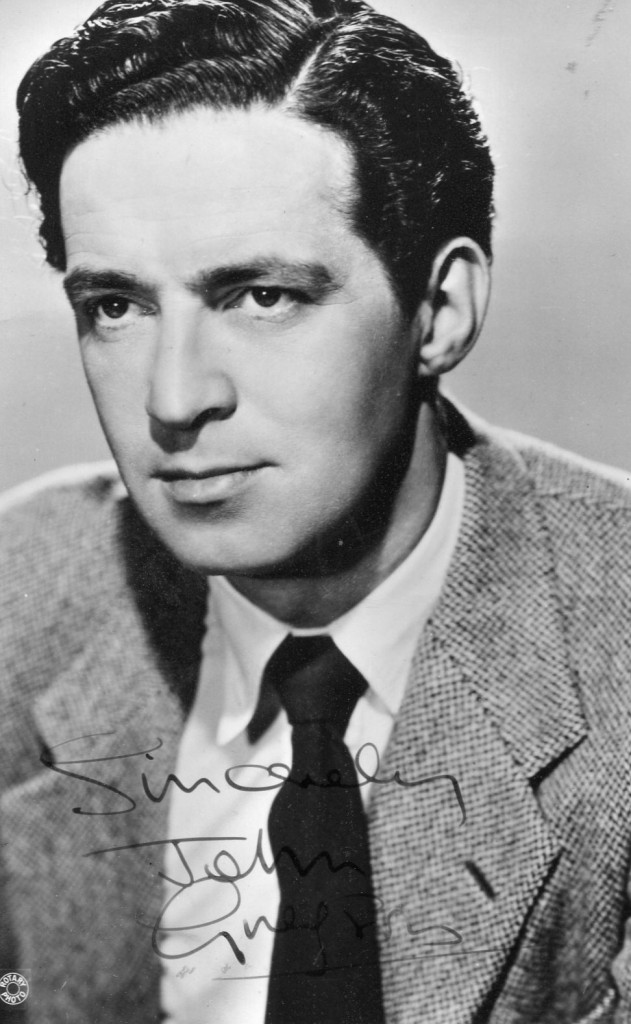
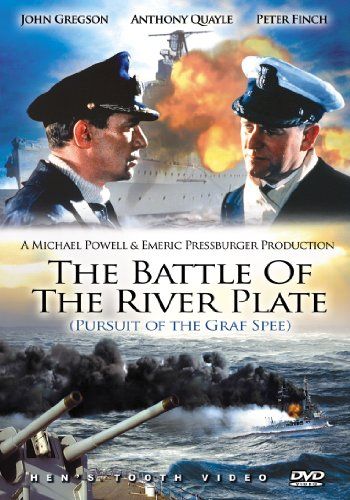
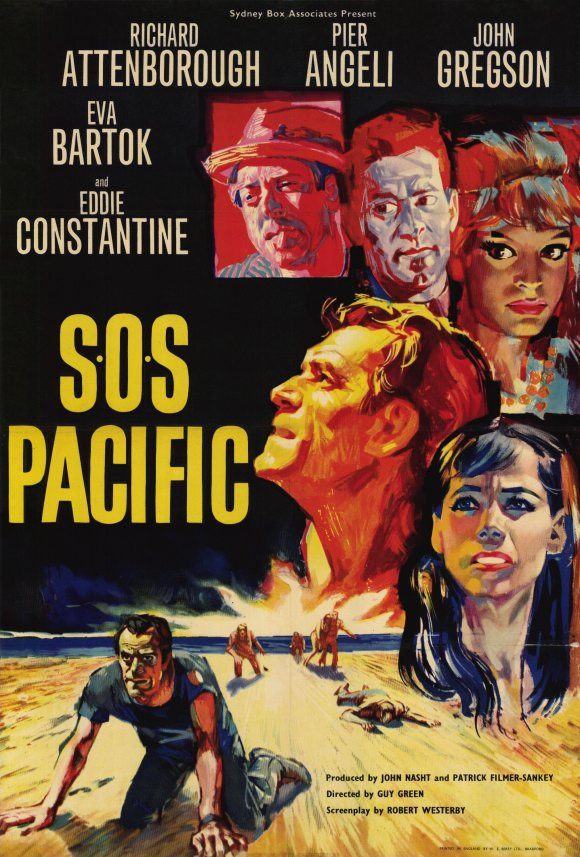
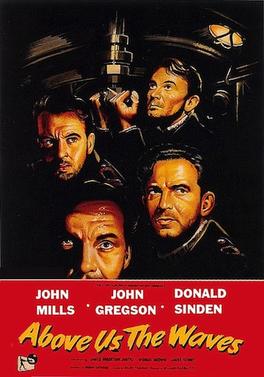
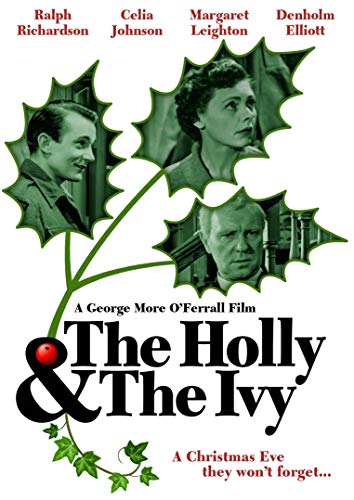
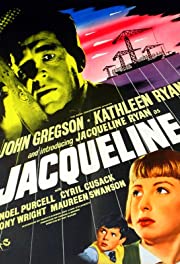
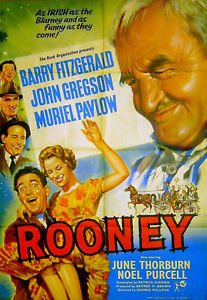
John Gregson was one of the most popular actors in British cinema in the 1950’s.   He was born in Liverpool in 1919.   His first film was “London Belongs to Me” in 1948.   His best known 1950’s films include “Treasure Island” in 1950, “The Lavender Hill Mob”, “The Holly and the Ivy”, “Genevieve”, “The Titfield Thunderbolt” and “Jacqueline”,  “Rooney”.   His leading role status waned in the 1960’s although he starred in a very popular television series “Gideon’s Day”.   He continued his career on television and would have developed into a popular character actor but sadly died of a heaart attack at the age of 55 leaving a widow and six children.

IMDB entry:

A former telephone engineer who dabbled in amateur dramatics, John Gregson served aboard a minesweeper with the Royal Navy during World War II. After demobilisation, he joined the Liverpool Old Vic, making his stage debut in ‘The Knight of the Burning Pestle’. Freshly married, he moved to London and acted alongside Robert Donat andMargaret Leighton in ‘A Sleeping Clergyman’ at the West End Criterion Theatre in 1947. During the same period, he was also cast in his first movie, the romantic period melodrama Saraband (1948), though his scenes ended up being cut. Undeterred, Gregson established himself as a popular favorite in subsequent Ealing comedies and later as a long term contractee with the Rank Organisation.

His screen personae tended to be men of integrity: regular guys who don’t necessarily finish on top, introspective, somewhat diffident, and often troubled.

His most fondly remembered role was that of vintage car enthusiast Alan McKim, in the idiosyncratic (and typically British) comedy Genevieve(1953). Ironically, while he is featured in almost every scene behind the wheel, Gregson couldn’t drive a car when filming began – and proved to be a slow learner.

For the remainder of the decade,he became somewhat typecast in traditional ‘stiff upper lip’ military roles.

As film opportunities began to diminish, he turned more and more towards television, enjoying his greatest popularity as titular star of the police drama series Gideon C.I.D. (1964).

Until his untimely death at the age of 55, Gregson alternated television work with acting on stage, as well as doing voice-overs and appearing in commercials for Hamlet cigars.

– IMDb Mini Biography By: I.S.MowisJohn Gregson was educated at St Francis Xavier School in Liverpool. He had a successful film and television career.

He played Commander Gideon of Gideon C.I.D. (1964) ) on television. He died from a heart attack aged 55 in January 1975, just one day before John Slater (Sergeant Stone of Z Cars (1962)). He left a widow and six children.

Stephanie Beacham
Stephanie Beecham
Stephanie Beecham

Although Stephanie Beecham has starred in movies, notably opposite Marlon Brando in “The Nightcomers” and Ava Gardner in “Tam Lin”, she is best known for her roles in some iconic television series.   She was born in Barnet in 1947.   She began her acting career with roles on television in “The Saint” with Roger Moore and “Jason King”.   Her major roles on TV were as Rose in the series “Tenko”, in “Connie” in 1985, in Hollywood in “The Colbys” and then back in the UK in “Bad Girls” with Amanda Barrie.   She has two daughters from her marriage to John McEnery.


TCM overview:

A British stage actress who migrated to the USA to play the bitchy Sable Coolly on “Dynasty II: The Cloys” (ABC, 1985-87), Stephanie Beacham has often been cast in roles that vary between nasty vixens and cool, take-charge women. The London native began her career on stage in Liverpool in 1964 where she was a founding member of the Everyman Theatre. She debuted there in “The Servant of Two Masters” and as the First Witch in “Macbeth”. By 1970, Beacham was working on the London stage in “The Basement” and later appeared opposite Ian McKellen in “Venice Preserved” (1985) and Jeremy Irons in “The Rover” (1988). She belatedly made her Broadway debut in 1996 in a production of Oscar Wilde’s “An Ideal Husband”.

Beacham debuted in films in 1969’s “The Games” as an Olympic hopeful opposite Michael Crawford. She subsequently appeared as a swinger alongside Ava Gardner in Roddy McDowell’s “The Devil’s Widow” (1971). More recently, she was a nemesis to Shelly Long in the pallid comedy “Troop Beverly Hills” (1989). Beacham has feared better on the small screen, She reprised her role as the bitch-goddess Sable on “Dynasty” for the 1988-89 season. She switched to comedy in the title role of “Sister Kate” (NBC, 1989-90), a nun more familiar with work in the high echelons of power now assigned to run an orphanage. Beacham had the recurring role of Luke Perry’s mother on Fox’s “Beverly Hills, 90210” and later played the very able Dr. Westphalen for two seasons (1993-95) on NBC’s “seaQuest DSV”.

 The above TCM overview can also be accessed online here.
John McEnery & Stephanie Beecham

Stephanie Beecham TCM Overview

Setephanie Beacham has starred in movies, notably opposite Marlon Brando in “The Nightcomers” and Ava Gardner in “Tam Lin”, she is best known for her roles in some iconic television series.   She was born in Barnet in 1947.  

She began her acting career with roles on television in “The Saint” with Roger Moore and “Jason King”.   Her major roles on TV were as Rose in the series “Tenko”, in “Connie” in 1985, in Hollywood in “The Colbys” and then back in the UK in “Bad Girls” with Amanda Barrie.   She has two daughters from her marriage to John McEnery.

TCM overview:

A British stage actress who migrated to the USA to play the bitchy Sable Coolly on “Dynasty II: The Cloys” (ABC, 1985-87), Stephanie Beacham has often been cast in roles that vary between nasty vixens and cool, take-charge women. The London native began her career on stage in Liverpool in 1964 where she was a founding member of the Everyman Theatre. She debuted there in “The Servant of Two Masters” and as the First Witch in “Macbeth”.

By 1970, Beacham was working on the London stage in “The Basement” and later appeared opposite Ian McKellen in “Venice Preserved” (1985) and Jeremy Irons in “The Rover” (1988). She belatedly made her Broadway debut in 1996 in a production of Oscar Wilde’s “An Ideal Husband”.

Stephanie Beecham & Louise Jameson

Beacham debuted in films in 1969’s “The Games” as an Olympic hopeful opposite Michael Crawford. She subsequently appeared as a swinger alongside Ava Gardner in Roddy McDowell’s “The Devil’s Widow” (1971). More recently, she was a nemesis to Shelly Long in the pallid comedy “Troop Beverly Hills” (1989).

Beacham has feared better on the small screen, She reprised her role as the bitch-goddess Sable on “Dynasty” for the 1988-89 season. She switched to comedy in the title role of “Sister Kate” (NBC, 1989-90), a nun more familiar with work in the high echelons of power now assigned to run an orphanage.

Beacham had the recurring role of Luke Perry’s mother on Fox’s “Beverly Hills, 90210” and later played the very able Dr. Westphalen for two seasons (1993-95) on NBC’s “seaQuest DSV”. The above TCM overview can also be accessed online here.
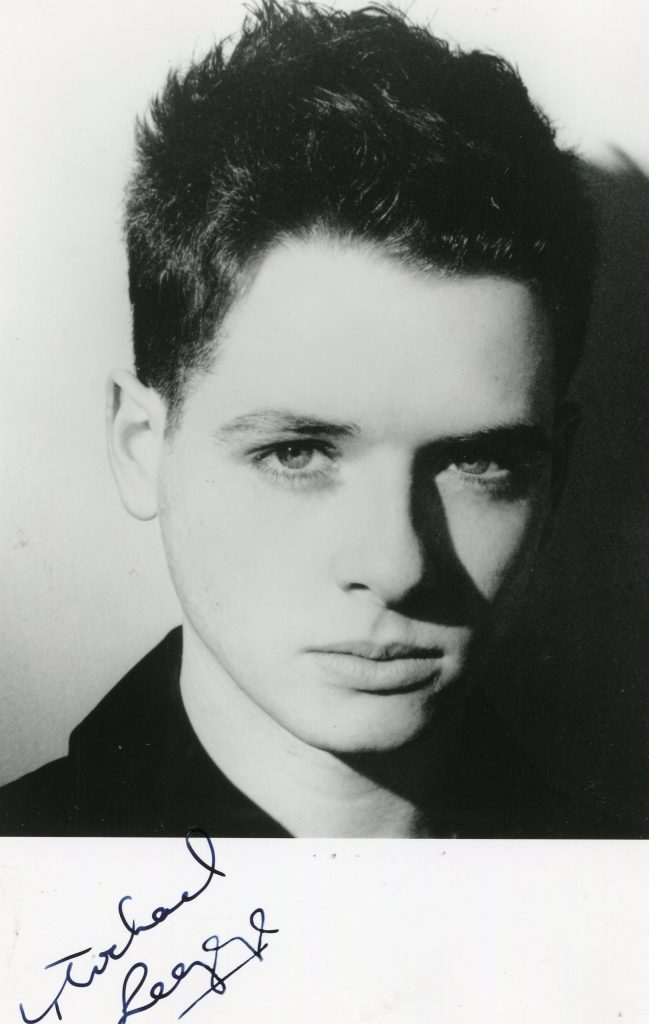
Michael Legge
Michael Legge
Michael Legge

Michael Legge. IMDB.

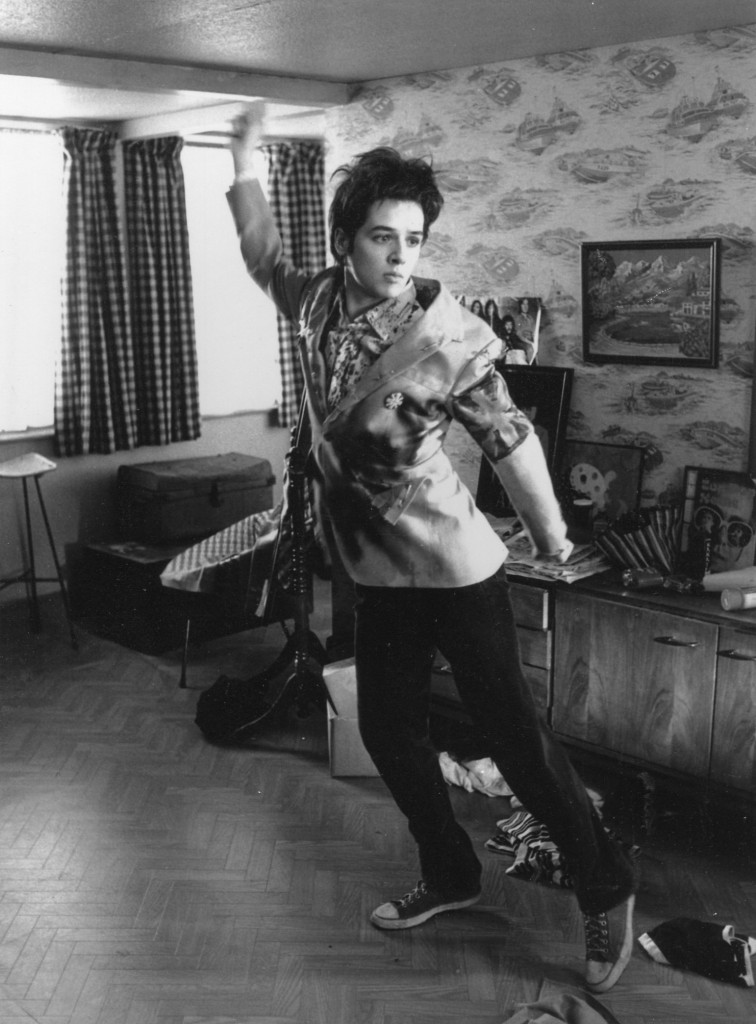
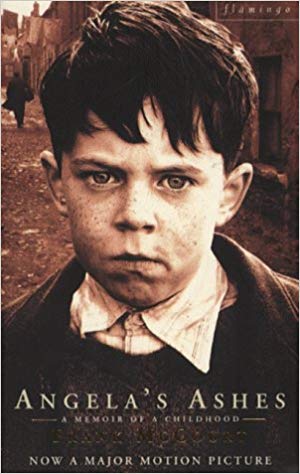
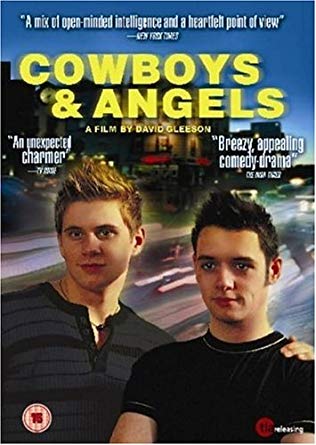
Michael Legge gave wonderful performances in two films associated with Limerick, “Angela’s Ashes”in 1999 and “Cowboys and Angels” in 2003.  

Michael Legge
Michael Legge

He was born in Newry, Co. Down in 1978.   Has also starred in the popular television series “Shameless”.

IMDB entry:

Michael Legge
Michael Legge

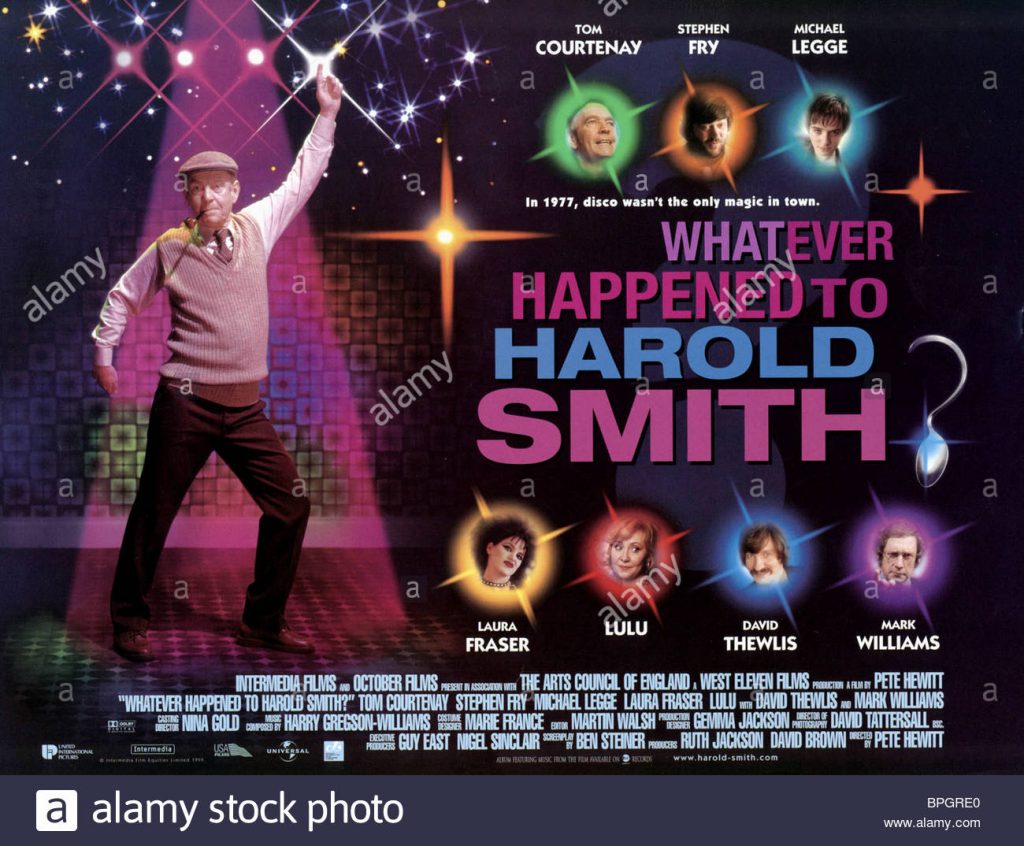
Michael Legge was born on December 11, 1978 in Newry, Co. Down, Northern Ireland. He is an actor and director, known for Angela’s Ashes (1999), Cowboys & Angels (2003) andWhatever Happened to Harold Smith? (1999).

  Lost close to thirty pounds to play Frank in Angela’s Ashes (1999).   While at school, he appeared in a variety of plays, both modern and classic. He is a ten-year veteran of theater in his Northern Ireland hometown.  

 Frank McCourt‘s novel “Angela’s Ashes” had been his mom’s, aunt’s, and grandmother’s favorite book. He appeared as Older Frank in the film version of the novel.  

Was encouraged to act at school by drama teacher Sean Hollywood, who was respected and renowned throughout Ireland for his talent-scouting of young actors in the Newry district. TCM Overview:

 Lanky, dark-haired, freckle-faced Michael Legge came to moviegoers’ attention as the older incarnation of narrator Frank McCourt in the “Angela’s Ashes” (1999), the film adaptation of McCourt’s Pulitzer-winning memoir. A native of Newry in Northern Ireland, Legge was already a veteran stage and TV performer when he won that role over some 15,000 aspirants.

As a child, he came to the attention of drama teacher Sean Hollywood who encouraged the youngster. Work in local theater followed as did a featured role in the 1996 British television drama “The Precious Blood”. 1999 proved to be a banner year for Legge as he landed pivotal roles in three features. In addition to his finely wrought portrayal of McCourt in “Angela’s Ashes”,

Michael Legge

he demonstrated his versatility as a teenager who discovers the hideaway of three feral youths during an unnamed conflict in the intense, Swedish-made “Straydogs” and displayed his comic gifts and natural charm as a disco-loving teen in 1977 Sheffield in “Whatever Happened to Harold Smith?”.The above TCM overview can also be accessed online here.

David Baxt
David Baxt
David Baxt

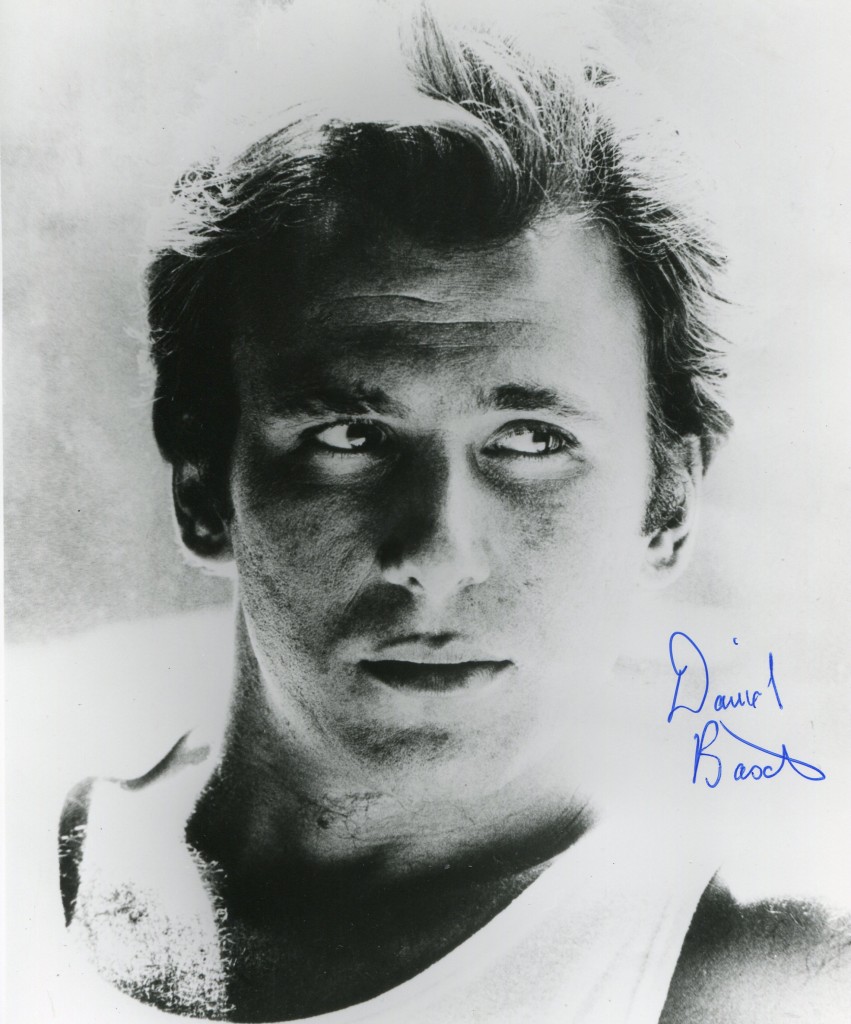
David Baxt  made his debut in”Twilight’s Last Gleaming” in 1977 which starred Burt Lancaster.   His other films include “Yanks” and “Silver Dream Racer”.