
Dodo Watts was a British actress who was born in 1910. She made her film debut in 1929 in “Auld Lang Syne”. Other movies included “The Middle Watch” and her final film in 1952, “Sing Along With Me”. She died in 1990.
Brittish Actors

Dodo Watts was a British actress who was born in 1910. She made her film debut in 1929 in “Auld Lang Syne”. Other movies included “The Middle Watch” and her final film in 1952, “Sing Along With Me”. She died in 1990.

Harry Fowler was a wonderful cheeky cheerful juvenile British character actor who enlivend many films of the 1940’s and 50’s.. He was born in Lambeth, London in 1926. He gave a wonberful performance in “Hue and Cry” in 1947. Other films ivclude “Angels One Five”, “I Believe in You” in 1952 losing Joan Collins to the very gloomy Laurence Harvey, “West of Suez” and “Laurence of Arabia”. Sadly Harry Fowler passed away in January 2012.
Brian Baxter’s “Guardian” obituary:
While working on the classic Ealing comedy Hue and Cry in 1947, the actor Harry Fowler, who has died aged 85, was given sage advice by one of his co-stars, Jack Warner: “Never turn anything down … stars come and go but as a character actor, you’ll work until you’re 90.”

Fowler took the suggestion and proved its near veracity. Between his 1942 debut as Ern in Those Kids from Town until television appearances more than 60 years later, he notched up scores of feature films and innumerable TV shows, including three years as Corporal “Flogger” Hoskins in The Army Game.
He never attained star status but created a gallery of sparky characters, including minor villains, servicemen, reporters and tradesmen enriched by an ever-present cheeky smile and an authentic cockney accent. He was Smudge or Smiley, Nipper or Knocker, Bert or ‘Orace, as part of an essential background – an everyman for every occasion.
It was Fowler’s authenticity that led to his break, as he explained to the film historian Brian McFarlane. Born in Lambeth, south London, as a “near illiterate newspaper boy” earning eight shillings a week, he was invited on to radio to tell of his life in wartime London. The broadcast was heard by film company executives who were looking for a Londoner to feature in a film about evacuees. He was screentested at Elstree studios and offered a monumental £5 a day to play opposite the only slightly less green George Cole.
Although he was later called up and served in the RAF, he appeared in the meantime in eight films, including Alberto Cavalcanti’s anti-fascist Went the Day Well? (1942), then again as an evacuee in The Demi-Paradise (1943). He was also in the modest semi-documentary Painted Boats in 1945, directed by Charles Crichton, whose next project was the timeless Hue and Cry.
Aged 21, Fowler was brilliantly cast below his years as the leader of a gang of south London kids who discover that their favourite blood-and-thunder magazine is being used by crooks to send coded messages about future robberies. The improbable story was enhanced by a memorable use of bombsites and fine performances, notably by Warner, cast against type as the villain, and a spooky Alastair Sim as the magazine’s duped author – plus the ebullient Fowler leading his gang and hundreds of boys and girls in the film’s rousing climax.
From then on Fowler worked steadily in the booming postwar film industry in films ranging from B-movies such as Top of the Form (1953) to The Longest Day and Lawrence of Arabia (both 1962). He regretted that British cinema seldom offered working-class characters “any intellectual horizons or heroic status”, although he was nudged towards this in the drama I Believe in You (1952).
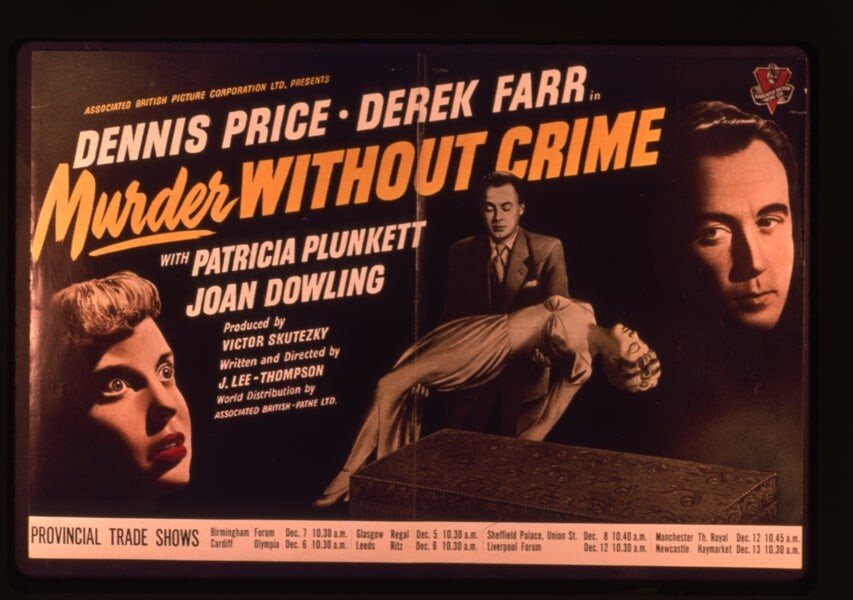
Taking Warner at his word, he took any role offered in long-forgotten films such as The Dark Man (1951), alongside bigger productions including the Boulting Brothers’ pseudo-documentary High Treason (1951). He appeared in Cavalcanti’s Champagne Charlie (1944) and For Them That Trespass (1949), along with Joan Dowling, who had featured in Hue and Cry. She and Fowler were married in 1951. She took her own life in 1954 after her career faltered.
His career, meanwhile, benefited from his role as a jaunty Sam Weller in The Pickwick Papers (1952), which, although regarded critically as inferior to the earlier Great Expectations and Oliver Twist, was still a commercial hit. He also enjoyed the plum role of Hooker in I Believe in You (1952). As an under-privileged youngster, victimised by his stepfather, he was at the centre of the film, which was concerned with the probation service. He was even allowed romantic interest with Joan Collins but lost out to a brasher Laurence Harvey.
During the same period Fowler could be seen in series such as Dixon of Dock Green and Z-Cars, but his big television break came with three years’ duty in Granada’s popular comedy The Army Game (1959-61) and later as Harry Danvers in the heaven-sent Our Man at St Mark’s (1965-66). These and later series including World’s End (1981) and Dead Ernest (1982) brought lucrative employment, as did commercials.
He still accepted cameo roles in films, including Doctor in Clover (1966), recalling the advice that “each appearance was an advertisement for the next”. He turned up as a milkman delivering to a home tyrannised by Bette Davis in Seth Holt’s fine chiller The Nanny (1965), drove a cab in Lucky Jim (1957), and featured in the film of George and Mildred (1980), as he had in the TV series.
In farce he played an amiable sidekick to Hugh Griffith in the cult Start the Revolution Without Me (1970) and was in the costume drama Prince and the Pauper (1977) and then Fanny Hill (1983), as a beggar. He was last seen in cinemas in Body Contact (1987) and the dismal Chicago Joe and the Showgirl (1990), but worked on in television, appearing in The Bill, Doctor Who, Casualty, In Sickness and in Health and other series, and featured on radio in reminiscences of VE Day and postwar British cinema.
Fowler also participated in two documentaries about Diana Dors, a friend since they worked together on the engaging Dance Hall (1950), and in films about Dick Emery and Sid James, in the Heroes of Comedy series, both 2002. He also appeared in The Impressionable Jon Culshaw in 2004, still advertising for the next role…
He was appointed MBE in 1970. His second wife, Kay, survives him.
• Henry James Fowler, actor, born 10 December 1926; died 4 January 2012
The above “Guardian” obituary can also be accessed online here

Fiona Fullerton was born in 1956 in Nigeria. In 1972 she starred as Alice in the film “Alice in Wonderland”. She starred in the nursing television series “Angels”. Her other movies include “Nicholas and Alexandra”, “The Human Factor” and “A View to a Kill”. Now retired from acting, she has become a property expert and has written several books on the subject.

IMDB entry:
The only child of Bernard and Pamela Fullerton, she was born in Kaduna, Nigeria on 10th October 1956. As a child she wanted to be a ballet dancer and at the age of 11 enrolled at the Elmhurst Ballet School in Surrey where she was spotted and signed to appear in the film ‘Run Wild, Run Free’ in 1969

. This was followed by ‘Nicholas and Alexandra’ and in 1972 the title role in ‘Alice’s Adventures in Wonderland’ which was her big break. In 1975 was one of the original leads in the BBC television hospital drama series ‘Angels’. The following year she married the actor Simon MacCorkindale, divorcing him in 1981. Her career seems to have gone quiet for a while until in 1985 she became a Bond Girl playing Pola Ivanova in ‘A View To A Kill’ then moved on to be one of the women involved with Nigel Havers in the mini series ‘The Charmer’.

As her career was progressing she met Neil Shakell, an old family friend again, fell in love and married in 1994 becoming step mother to Neil’s son James. A year later she gave birth to Lucy.

In 1996 answering a knock on her door she found herself facing a gunman and later discovered that the only reason he didn’t shoot her was because she had her baby in her arms. Having already become disillusioned with her career the incident made her want to escape the limelight.

She started buying, renovating and selling houses and found herself so successful at it that she now owns a company looking after property and an interior design consultancy. Having written a property advice column for two national newspapers for 10 years it encouraged her to write 3 property focused books. In addition to her film and television work she played two well known women on stage – Guinevere in Camelot opposite Richard Harris and Eliza Dolittle in Pygmalion
– IMDb Mini Biography By: tonyman5Mother of James Shackell and Lucy Shackell. Retired from acting after the birth of her children. She is now living in an old vicarage in Gloucestershire with her husband, Neil, and their two children. She now sells real estate and has published several books on the subject. [December 2006]The above IMDB entry can also be accessed online here.

Finlay Robertson is an upcoming young UK actor who was born in 1975. He made his acting debut in an episode of the television series “Peak Practice” in 1999. Films include “In A Day” in 2006 and “The Disappeared”. Has guest starred in many television series including “Taggert” and “Garrow’s Law”.
IMDB entry:
Finlay Robertson was born in the Netherlands to Scottish parents and grew up in the North West of England. After studying History at Cambridge University he performed in a play at the Edinburgh Fringe and was signed by an agent. Moving to London to pursue his career, he acted in several plays – including appearing naked onstage at The Royal Court in Jez Butterworth’s ‘The Night Heron’. Amongst his short film work, his feature credits include the lead in the independent films ‘In A Day’ and ‘The Story Of’. On television, he has played guest leads in several shows, as well as series regulars in ITV’s ‘Life Begins’, BBC3’s ‘How Not To Live Your Life’ and BBC1’s ‘The Body Farm’. He also wrote, directed and edited a short film, ‘Count Backwards From Ten’, and recently wrote and performed a one-person play, ‘Strong Arm’, which was taken to the Edinburgh Fringe by The Old Vic Theatre. He lives in North London with his wife and family.
– IMDb Mini Biography By: drnicktoms
The above IMDB entry can also be accessed online here.


Ewan McGregor was born in Scotland in 1971. He is the nephew of actor Dennis Lawson. McGregor first came to promincence with his performance in the film “Trainspotting” in 1996. He has since starred in “Moulin Rouge” with Nicole Kidman and as James Joyce in “Nora” opposite Susan Lynch. More recent movies include “Haywire”.
TCM overview:
In perhaps one of the fastest rises in Hollywood, actor Ewan McGregor emerged onto the scene six months shy of graduating drama school to star in his first miniseries. A mere two years later, he was the toast of the independent circuit with his brave performance in Danny Boyle’s highly regarded “Trainspotting” (1996), which propelled the young actor to stardom virtually overnight. Ever since his acclaimed portrait of a heroin addict struggling to put his drug days behind him, McGregor was a consistent presence in small features like “Emma” (1996) and “A Life Less Ordinary” (1997) as well as amazed fans and critics alike with his romantic leading man appeal and singing talent in the smash musical, “Moulin Rouge” (2001). Never shy to speak his mind, he routinely lambasted big budget Hollywood movies, only to find himself playing one of the most beloved characters in one of the most popular film franchise of all time. As Obi-Wan Kenobi in the three “Star Wars” prequels – “The Phantom Menace” (1999), “Attack of the Clones” (2002) and “Revenge of the Sith” (2005) – McGregor deftly channeled the character created by Sir Alec Guinness, while at the same time making it his own. Though he slipped a little with films like “The Island” (2005) and “Deception” (2008), McGregor nonetheless remained a viable performer capable of playing just about any role he wished.
Born on Mar. 31, 1971 in Crieff, Scotland, McGregor was raised by his father, James, and his mother, Carol, both of whom were teachers. But McGregor was not much of a student. In fact, he was demoted from math class to typing, eventually quitting school altogether when he was 16, but with the blessing from both his parents. After leaving Morrison’s Academy, where his father was the gym teacher, McGregor worked a series of odd jobs and attended Kirkcaldy College of Technology – later renamed Fife College – where he studied drama. He also worked with the Perth Repertory Theatre. Moving to London, he continued his dramatic studies at Guildhall School of Music and Drama, but left six months before graduating to star in his first major production, Dennis Potter’s six-part miniseries, “Lipstick on Your Collar” (Channel 4, 1993), in which he played a young, rock ‘n’ roll-loving British serviceman stationed in the War Office as a Russian translator. That same year, he starred as a 19th-century Frenchman who dreams of becoming another Napoleon, but is betrayed by the married woman who loves him, in the television miniseries “Scarlet & Black” (BBC2, 1993).
With two solid starring roles under his belt right off the bat, it was no surprise that McGregor soon made his feature film debut, appearing in director Bill Forsyth’s intriguing, but ultimately uneven “Being Human” (1994), starring Robin Williams as a man who searches for his family in various incarnations throughout human history. He forged a beneficial relationship with Danny Boyle, who directed McGregor in the acclaimed crime thriller “Shallow Grave” (1995). McGregor deftly played Alex Law, a cocky young journalist who becomes enmeshed in murder. A mere two years after turning professional, McGregor was vaulted into international stardom when he starred in “Trainspotting” (1996), Boyle’s kinetic and visceral comedic drama about young heroin addicts in Edinburgh. McGregor was superb in the leading role of Mark Renton, a charming junkie who tries to straighten up his act in London, only to get sucked back into old criminal behaviors with his longtime mates. The popularity of “Trainspotting,” both with critics and audiences, officially launched McGregor’s career, thanks in no small part to his harrowing and disarming performance, which earned him a London Film Critics Circle Award for Best British Actor.
Building on his success, McGregor landed more high profile feature roles, including playing the dashing Frank Churchill opposite Gwyneth Paltrow in “Emma” (1996), Douglas McGrath’s winning adaptation of the Jane Austen classic. McGregor next played a British expatriate used by a poet (Vivian Wu) as a writing pad in Peter Greenaway’s erotic “The Pillow Book” (1997). Displaying his romantic side opposite Tara Fitzgerald, McGregor was an unemployed mineworker performing in a brass band in the well-received comedy “Brassed Off” (1997). After an appearance as a burglar who comes up against a vampire in a 1996 episode of “Tales from the Crypt” (HBO, 1989-1996), McGregor reached mainstream American television viewers as a petty crook whose attempted robbery of a convenience store goes awry in an episode of “ER” (NBC, 1994-2009), which earned him an Emmy Award nomination for best guest-starring appearance. Reteaming with Boyle and writer John Hodge, the actor was cast as a recently fired janitor who seeks revenge on his employer by kidnapping the man’s daughter (Cameron Diaz), only to fall in love with the help of two angels (Holly Hunter and Delroy Lindo) in the quirky romantic fantasy, “A Life Less Ordinary” (1997).
McGregor continued to display his prodigious talents as a Dutchman who romances a mother (Greta Sacchi) and her daughter (Carmen Chaplin) in the period drama “A Serpent’s Kiss” (1997); as an innocent man who becomes the prime suspect in a murder in “Nightwatch” (1998); and as a glam-rock musician a la Iggy Pop in Todd Haynes’ “Velvet Goldmine” (1998) – a film in which he famously offered up full frontal nudity – something he would, in fact, become known for having little qualms about doing, in comparison to most working actors. The never bashful star rounded out the year with an uncharacteristic, but well-played role in “Little Voice” (1998), in which he played a painfully shy telephone installer who keeps carrier pigeons. In a rare stage appearance, McGregor starred in the London Comedy Theatre’s production of “Little Malcolm and His Struggle Against the Eunuchs” (1999). Though he has publicly decried the big-budget blockbuster on numerous occasions, McGregor made headlines and magazine covers when he landed the coveted role of a youthful Obi-Wan Kenobi in George Lucas’ highly anticipated “Star Wars: Episode I – The Phantom Menace” (1999). Though the film itself was a colossal artistic disappointment, faltering from the modern fairy tale feel of its predecessors that attracted the actor to the project in the first place, it nonetheless struck box-office gold and turned McGregor into a bona fide star.
After playing a man somewhat innocently stalking a woman (Ashley Judd) in the promising, but ultimately unsuccessful “Eye of the Beholder” (2000), McGregor was impressive in his portrayal of James Joyce in “Nora” (2000), a little-seen biopic of the legendary Irish author’s longtime love that was produced by Natural Nylon, a company McGregor formed with fellow actors Jude Law, Jonny Lee Miller, Sadie Frost and Sean Pertwee. The following year, he won raves and an entire new wave of fans – particularly of the female persuasion – as the star of Baz Luhrmann’s popular musical spectacular “Moulin Rouge!” (2001). An often over-the-top production, “Moulin Rouge!” benefited greatly from McGregor’s heartfelt turn as the talented, but naive writer who falls in love with a magnetic but doomed courtesan (Nicole Kidman). The film also offered the actor the opportunity to showcase his very capable singing voice, with several challenging numbers that led Luhrmann to claim that the actor “could be the Frank Sinatra of this new period.” That same year, McGregor was featured in Ridley Scott’s fact-based war film “Black Hawk Down” (2001), bringing strength and vulnerability – as well as an impressive American accent – to his role as a desk jockey soldier who sees his first combat in the 1993 Somalian humanitarian mission that turned into a devastating battle.
McGregor reprised the role of Obi-Wan Kenobi in Lucas’ anticipated but again, lackluster “Star Wars: Episode II – Attack of the Clones” (2002), which he followed with another singing and dancing role as the Rock Hudson-esqe swinging playboy Catcher Block opposite Renee Zellweger in “Down With Love” (2003), director Peyton Reed’s tribute to the fluffy Doris Day-Rock Hudson sex comedies of the 1960s. McGregor delivered a wonderfully dry and winking performance in the well-reviewed, but little-seen film. The actor closed out the year with a part in director Tim Burton’s bizarre fantasy, “Big Fish” (2003), playing the role of Young Ed Bloom in the fanciful, mythically embellished flashbacks, as related by Albert Finney as the older version of the same character. Now going back and forth between studio features and small independents with ease, McGregor appeared in the erotic noir thriller, “Young Adam” (2004), based on Alexander Trocchi’s Beat Generation novel. Mixed reviews trickled in for the bleak tale about an amoral drifter who descends into increasingly erratic behavior while carrying on with the wife (Tilda Swinton) of a co-worker (Peter Mullan).
After narrating the motorcycle racing documentary “Faster” (2004), McGregor provided the voice of Rodney Copperbottom, a genius inventor who finds himself out of work in “Robots” (2005), an animated sci-fi tale about a world entirely inhabited by robots. Once again, he reprised Obi-Wan for the third and final prequel “Star Wars: Episode III – Revenge of the Sith” (2005). Although he had publicly voiced disappointment in the earlier films, the actor dutifully fulfilled his role for the final outing and in the process turned in his best performance as the Jedi Knight, who discovers his apprentice (Hayden Christensen) has embraced the Dark Side. Ever the physical actor, McGregor also continued to demonstrate his commitment and facility with a weapon in the film’s extensive light saber battles. Meanwhile, prior to the release of “Episode III,” McGregor and friend Charley Boorman embarked on an across-the-globe motorcycle ride that spanned four months, 18 countries and over 20,000 miles. The result was “Long Way Down” (BBC2, 2007), a six-part television series documenting the extraordinary journey.
In June 2005, McGregor sang and danced on stage when he starred as Sky Masterson in a London production of “Guys and Dolls” at the West End’s Piccadilly Theatre alongside Jane Krakowski. The actor returned to the big screen for the sci-fi actioner “The Island” (2005) as Lincoln Six Echo, a man who lives in an orderly facility seemingly in a post-Apocalyptic world, hoping to win the right to relocate to the only remaining pure bio-zone on the planet, only to discover his world was a facade disguising a more sinister existence. “The Island” failed to score with audiences, as did “Stay” (2005), a murky psychological thriller that cast McGregor as a shrink with a suicidal patient (Ryan Gosling) who somehow begins invading his dreams and blurring the lines of their realities and individualities. After starring opposite Renée Zellweger in the period drama “Miss Potter” (2006), McGregor was part of the ensemble cast in the romantic comedy “Scenes of a Sexual Nature” (2006). He next starred in Woody Allen’s rare turn into dark crime thriller territory “Cassandra’s Dream” (2007) and followed with a starring turn opposite Hugh Jackman and Michelle Williams in the little-seen erotic thriller, “Deception” (2008).
Returning to blockbuster films, McGregor was the Camerlengo of the Catholic Church, who takes control of the Vatican after the mysterious death of the Pope in “Angels & Demons” (2009), which he followed with a turn as an investigative journalist who uncovers bizarre military experiments in “The Men Who Stare at Goats” (2009). Rounding out a busy year, McGregor was the sensitive cellmate of a convicted con man (Jim Carrey) who falls in love with him in the dark comedy “I Love You Phillip Morris” (2009), before playing aviation pioneer, Gene Vidal, who entered into business and allegedly an affair with Amelia Earhart (Hilary Swank) in the underrated biopic “Amelia” (2009). In Roman Polanski’s political thriller “The Ghost Writer” (2010), he was the titular unnamed ghost writer who is hired to write the memoirs of a British prime minister (Pierce Brosnan), only to become embroiled in a conspiracy that endangers his life. After that McGregor had a supporting turn in the lighter family film, “Nanny McPhee Returns” (2010), and went on to play the son of a man (Christopher Plummer) who comes out as a gay man following the death of his mother in the acclaimed drama, “Beginners” (2010). Following a turn opposite MMA fighter Gina Carano in Steven Soderbergh’s lean-and-mean spy thriller, “Haywire” (2011), McGregor was a man with Asperger’s syndrome who falls for Emily Blunt in “Salmon Fishing in the Yemen” (2012). The role in the latter garnered him a Golden Globe nod for Best Actor in a Comedy or Musical. He capped off the year with a gripping performance opposite Naomi Watts as a man literally ripped away from his family during the catastrophic 2004 Indian Ocean tsunami in the harrowing drama “The Impossible” (2012).
The above TCM overview can also be accessed online here.

Derek Jacobi was born in 1938 in London. Came to international prominence in 1976 for his powerful performance on television in the series “I, Claudius”. Although primarily a major actor on stage, he has starred in such films as “The Day of the Jackel” in 1973, “The Odessa File”, “Little Dorrit” and “Gosford Park”. Currently starring in the hit BBC series “Last Train To Halifax”.
Gary Brumburgh’s entry:
Preeminent British classical actor of the first post-Olivier generation, Derek Jacobi was knighted in 1994 for his services to the theatre, and, in fact, is only the second to enjoy the honor of holding TWO knighthoods, Danish and English (Olivier was the other). Modest and unassuming in nature, Jacobi’s firm place in theatre history centers around his fearless display of his characters’ more unappealingly aspects, their great flaws, eccentricities and, more often than not, their primal torment.
Jacobi was born in Leytonstone, London, England, the only child of Alfred George Jacobi, a department store manager, and Daisy Gertrude (Masters) Jacobi, a secretary. His paternal great-grandfather was German (from Hoxter, Germany). His interest in drama began while quite young. He made his debut at age six in the local library drama group production of “The Prince and the Swineherd” in which he appeared as both the title characters. In his teens he attended Leyton County High School and eventually joined the school’s drama club (“The Players of Leyton”).
Derek portrayed Hamlet at the English National Youth Theatre prior to receiving his high school diploma, and earned a scholarship to the University of Cambridge, where he initially studied history before focusing completely on the stage. A standout role as Edward II at Cambridge led to an invite by the Birmingham Repertory in 1960 following college graduation. He made an immediate impression wherein his Henry VIII (both in 1960) just happened to catch the interest of Olivier himself, who took him the talented actor under his wing. Derek became one of the eight founding members of Olivier’s National Theatre Company and gradually rose in stature with performances in “The Royal Hunt of the Sun,” “Othello” (as Cassio) and in “Hay Fever”, among others. He also made appearances at the Chichester Festival and the Old Vic.
It was Olivier who provided Derek his film debut, recreating his stage role of Cassio in Olivier’s acclaimed cinematic version of Othello (1965). Olivier subsequently cast Derek in his own filmed presentation of Chekhov’s Three Sisters (1970). On TV Derek was in celebrated company playing Don John in Much Ado About Nothing (1967) alongsideMaggie Smith and then-husband Robert Stephens; Derek had played the role earlier at the Chichester Festival in 1965. After eight eventful years at the National Theatre, which included such sterling roles as Touchstone in “As You Like It”, Jacobi left the company in 1971 in order to attract other mediums. He continued his dominance on stage as Ivanov, Richard III, Pericles and Orestes (in “Electra”), but his huge breakthrough would occur on TV. Coming into his own with quality support work in Man of Straw (1972), The Strauss Family (1972) and especially the series The Pallisers (1974) in which he played the ineffectual Lord Fawn, Derek’s magnificence was presented front and center in the epic BBC series I, Claudius (1976). His stammering, weak-minded Emperor Claudius was considered a work of genius and won, among other honors, the BAFTA award.
Although he was accomplished in The Day of the Jackal (1973) and The Odessa File(1974), films would place a distant third throughout his career. Stage and TV, however, would continue to illustrate his classical icon status. Derek took his Hamlet on a successful world tour throughout England, Egypt, Sweden, Australia, Japan and China; in some of the afore-mentioned countries he was the first actor to perform the role in English. TV audiences relished his performances as Richard II (1978) and, of courseHamlet, Prince of Denmark (1980).
After making his Broadway bow in “The Suicide” in 1980, Derek suffered from an alarming two-year spell of stage fright. He returned, however, and toured as part of the Royal Shakespeare Company (1982-1985) with award-winning results. During this period he collected Broadway’s Tony Award for his Benedick in “Much Ado about Nothing”; earned the coveted Olivier, Drama League and Helen Hayes awards for his Cyrano de Bergerac; and earned equal acclaim for his Prospero in “The Tempest” and Peer Gynt. In 1986, he finally made his West End debut in “Breaking the Code” for which he won another Helen Hayes trophy; the play was then brought to Broadway.
For the rest of the 80s and 90s, he laid stage claim to such historical figures as Lord Byron, Edmund Kean and Thomas Becket. On TV he found resounding success (and an Emmy nomination) as Adolf Hitler in Inside the Third Reich (1982), and finally took home the coveted Emmy opposite Anthony Hopkins in the WWII drama The Tenth Man (1988). He won a second Emmy in an unlikely fashion by spoofing his classical prowess on an episode of “Frasier” (his first guest performance on American TV), in which he played the unsubtle and resoundingly bad Shakespearean actor Jackson Hedley.
Kenneth Branagh was greatly influenced by mentor Jacobi and their own association would include Branagh’s films Henry V (1989), Dead Again (1991), and Hamlet (1996), the latter playing Claudius to Branagh’s Great Dane. Derek also directed Branagh in the actor’s Renaissance Theatre Company’s production of “Hamlet”. In the 1990s Derek returned to the Chichester Festival, this time as artistic director, and made a fine showing in the title role of Uncle Vanya (1996).
More heralded work of late includes a profound portrayal of the anguished titular painter in Love Is the Devil: Study for a Portrait of Francis Bacon (1998), and superb theatre performances as Friedrich Schiller‘s “Don Carlos” and in “A Voyage Round My Father” (2006).
He and his life-time companion of 27 years, actor Richard Clifford, filed as domestic partners in England in 2006. Clifford, a fine classical actor in his own right, has shared movie time with Jacobi in Little Dorrit (1988), Henry V (1989), and the TV version ofCyrano de Bergerac (1985).
– IMDb Mini Biography By: Gary Brumburgh / gr-home@pacbell.net

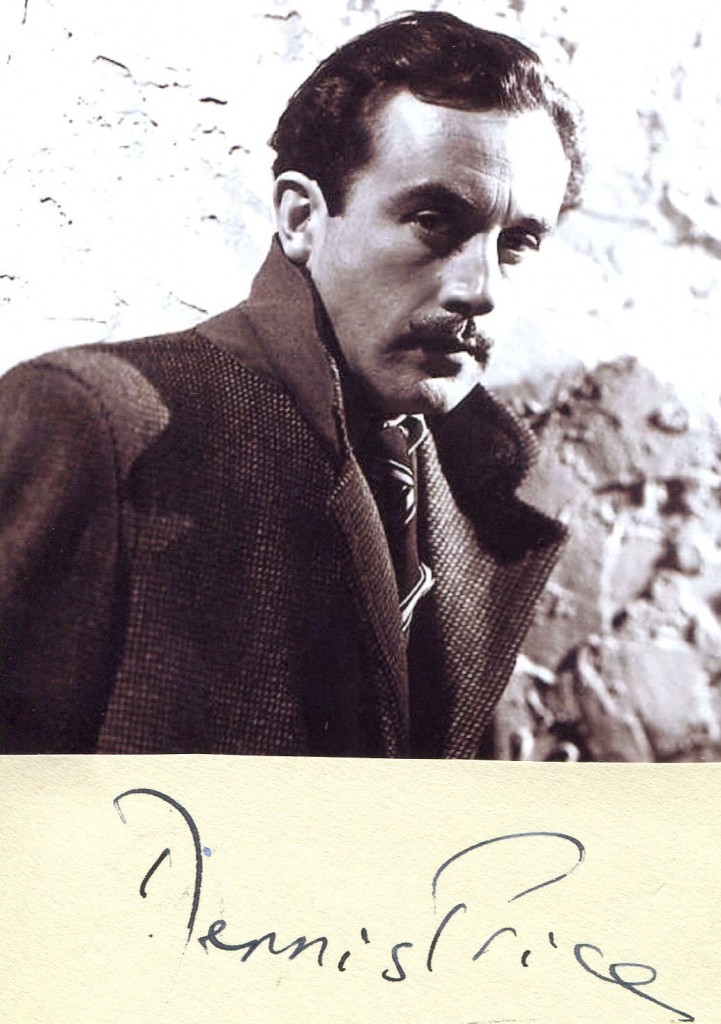
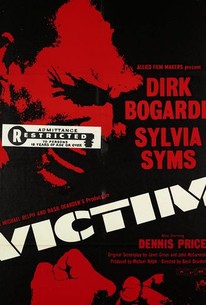
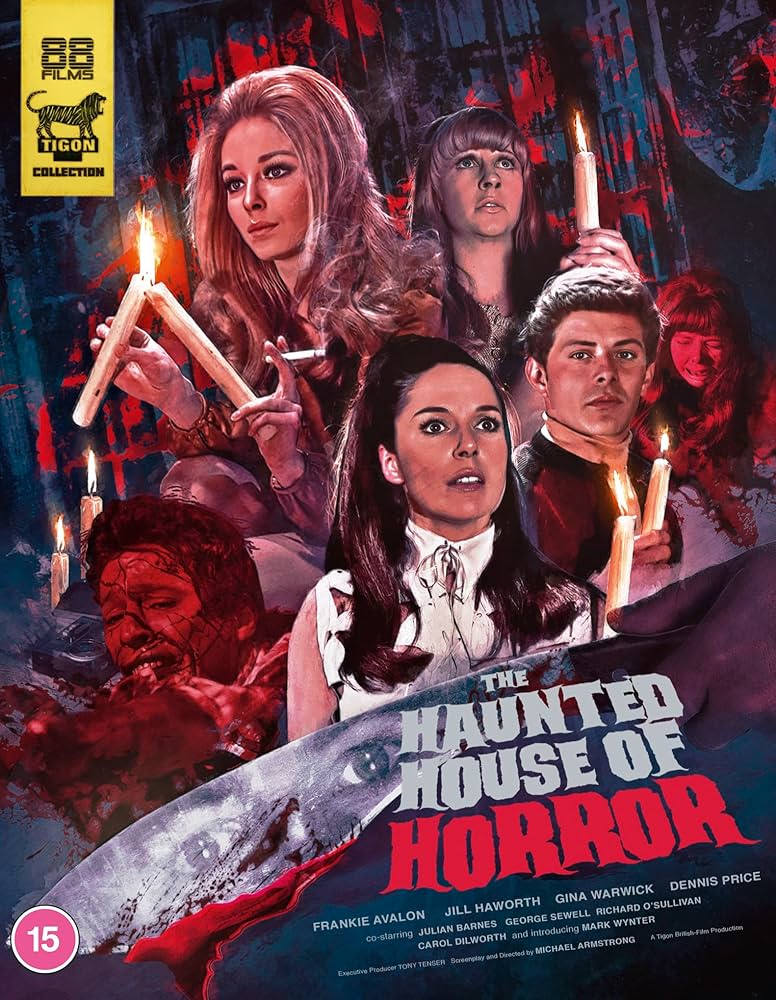
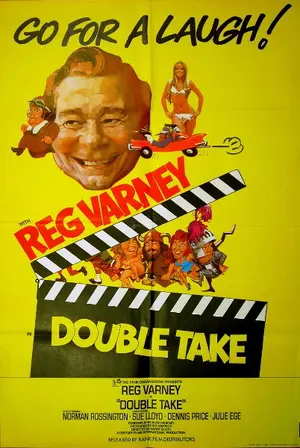
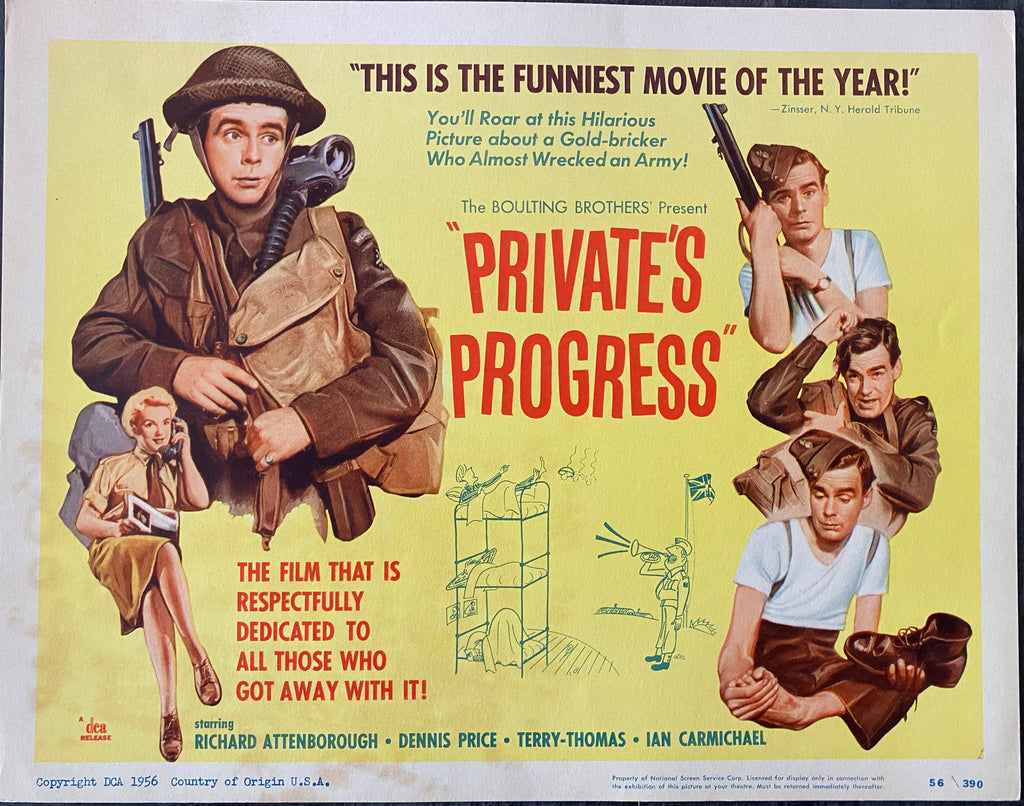
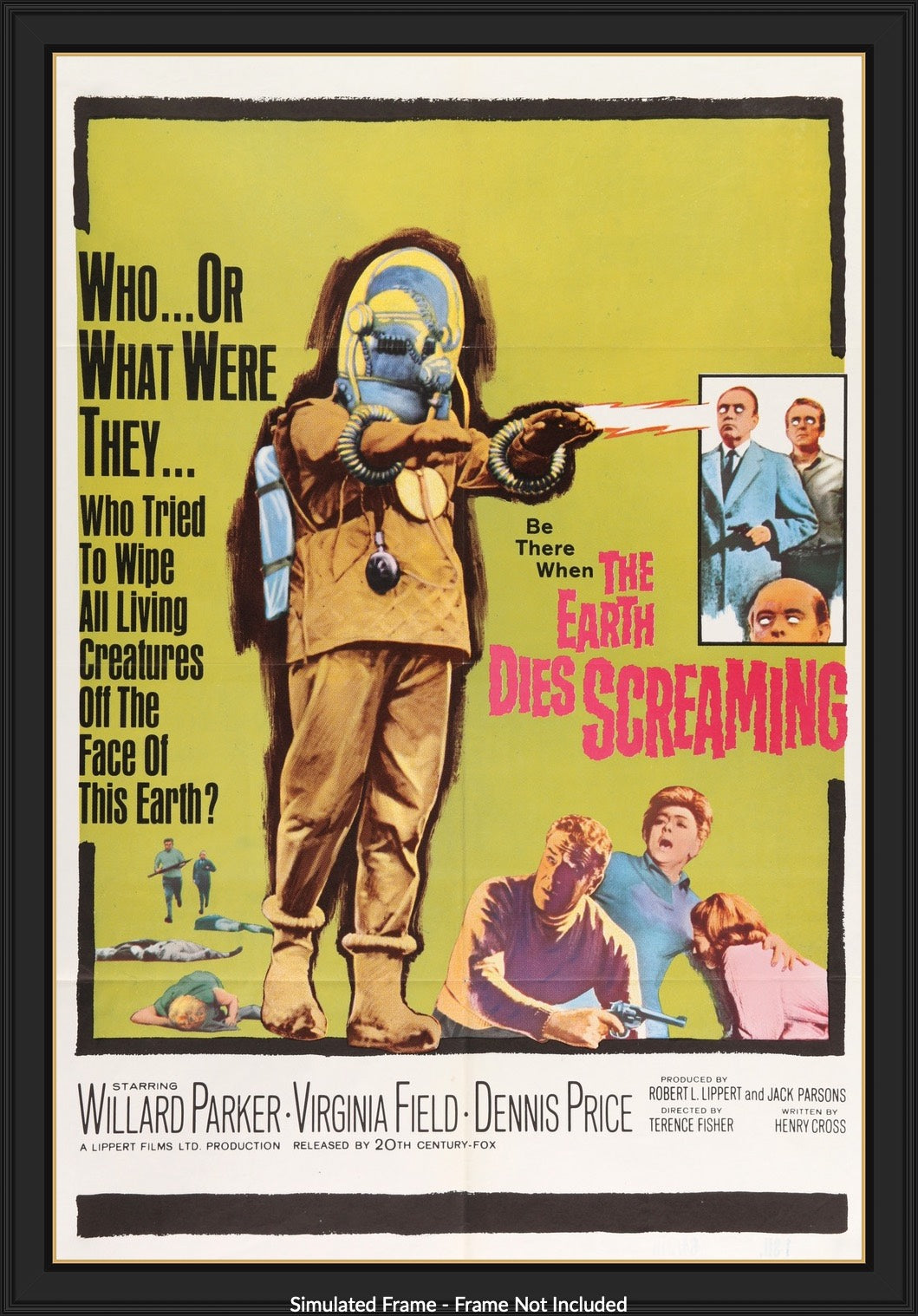
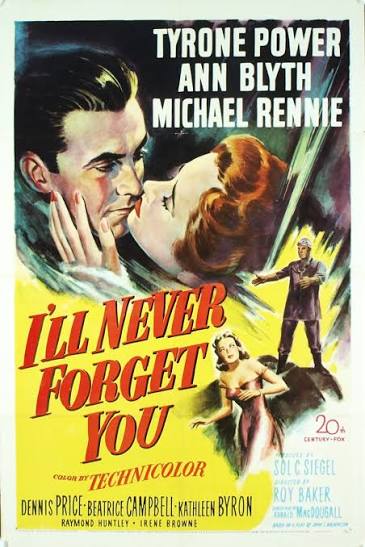
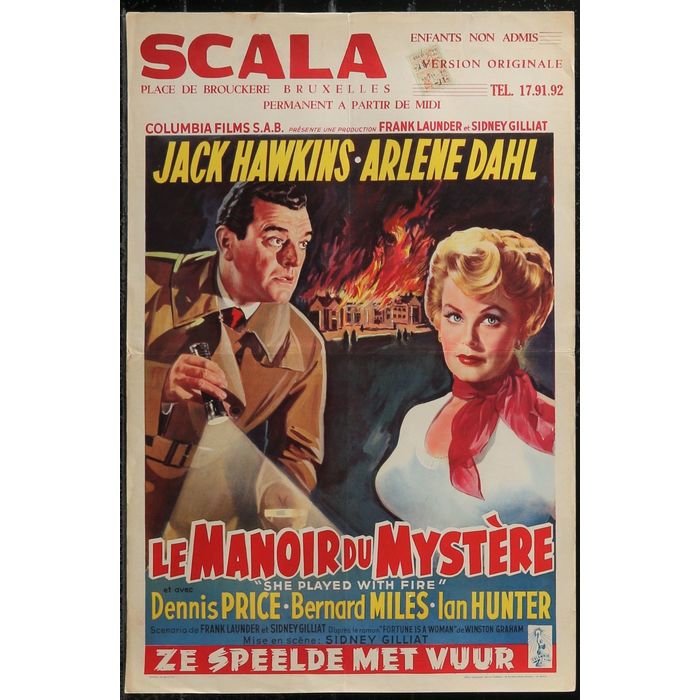
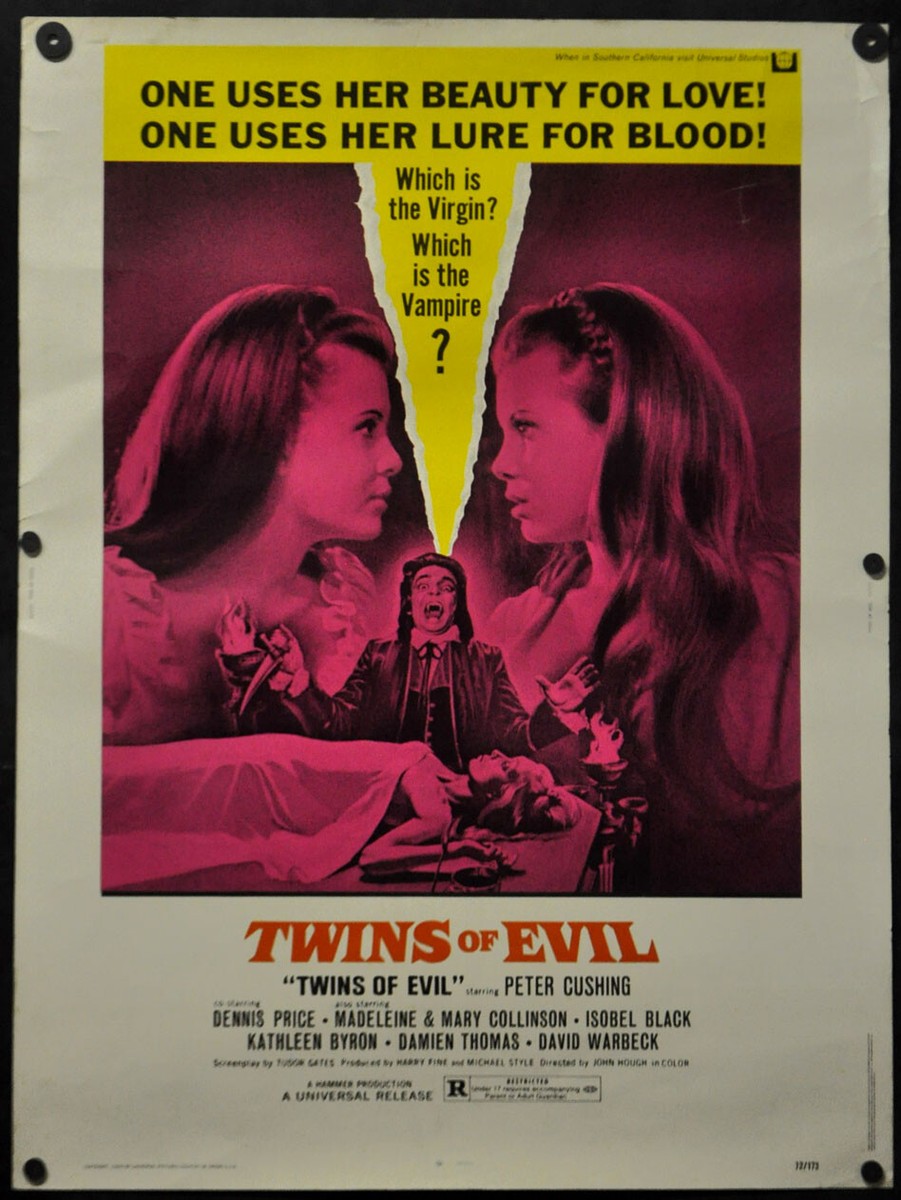
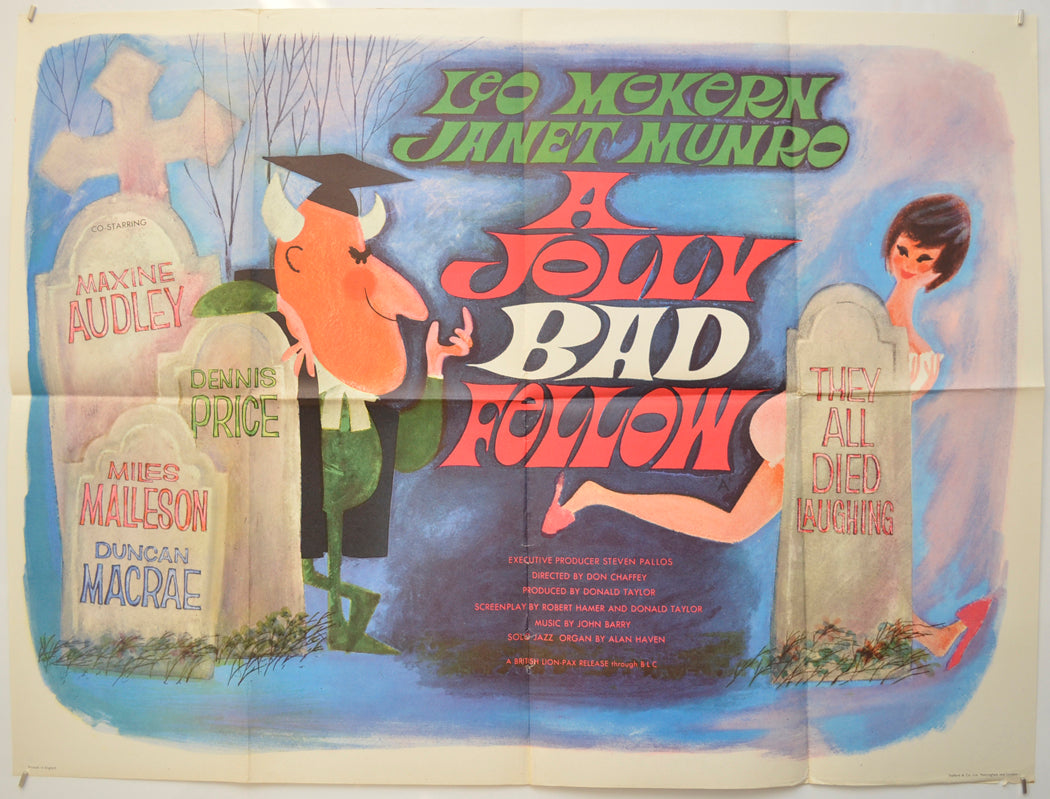
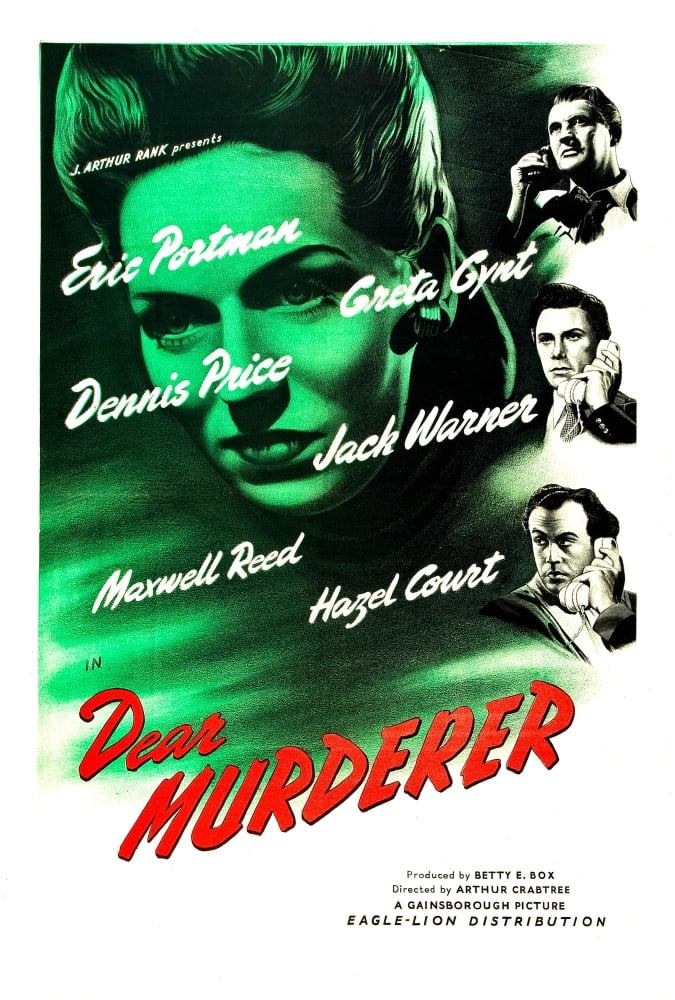
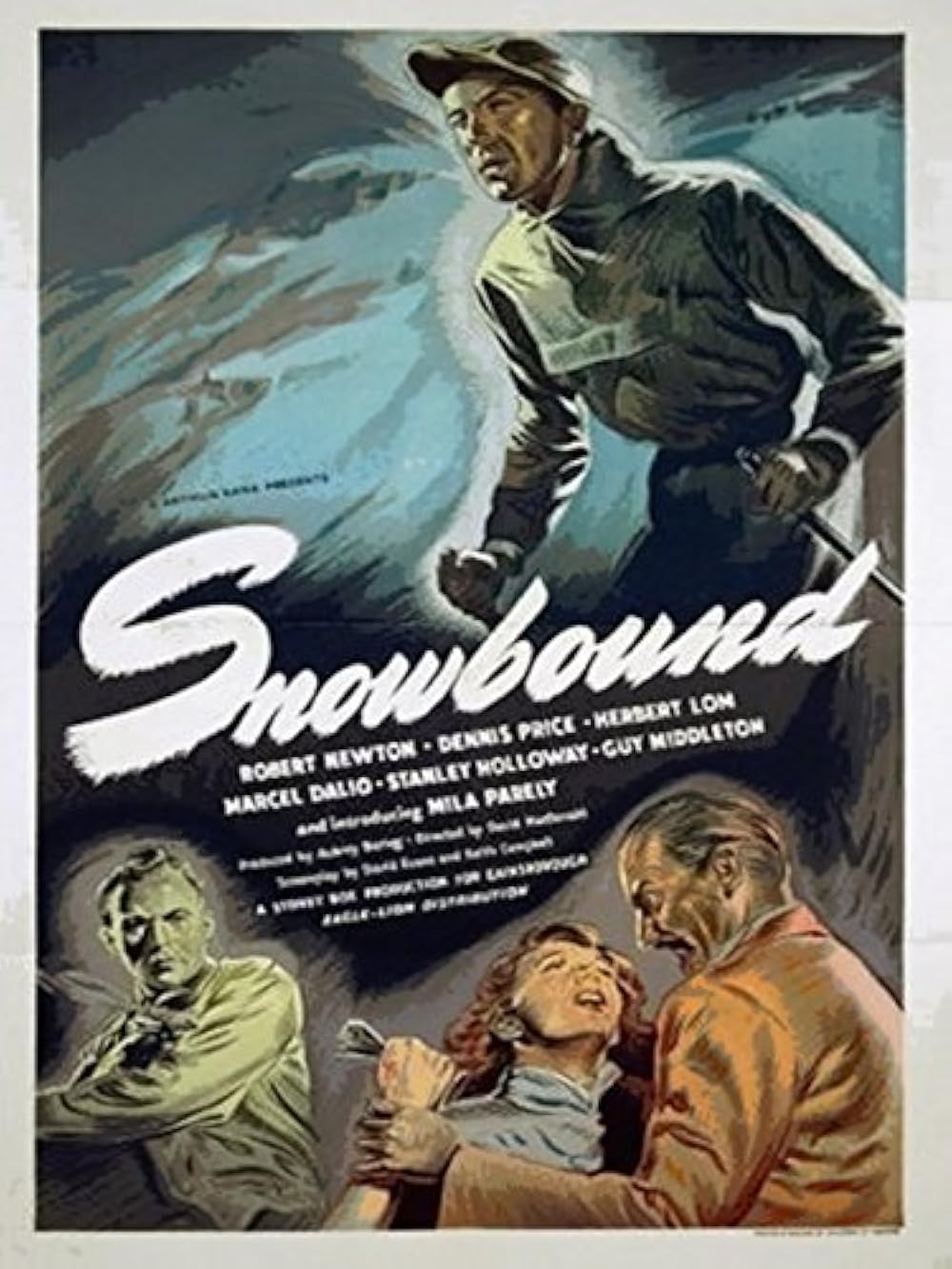
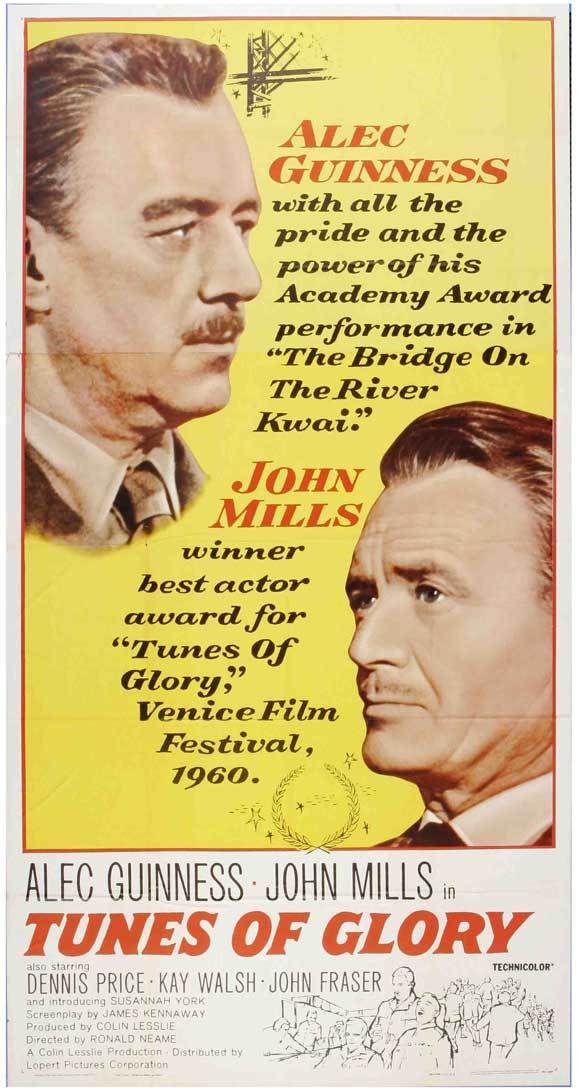
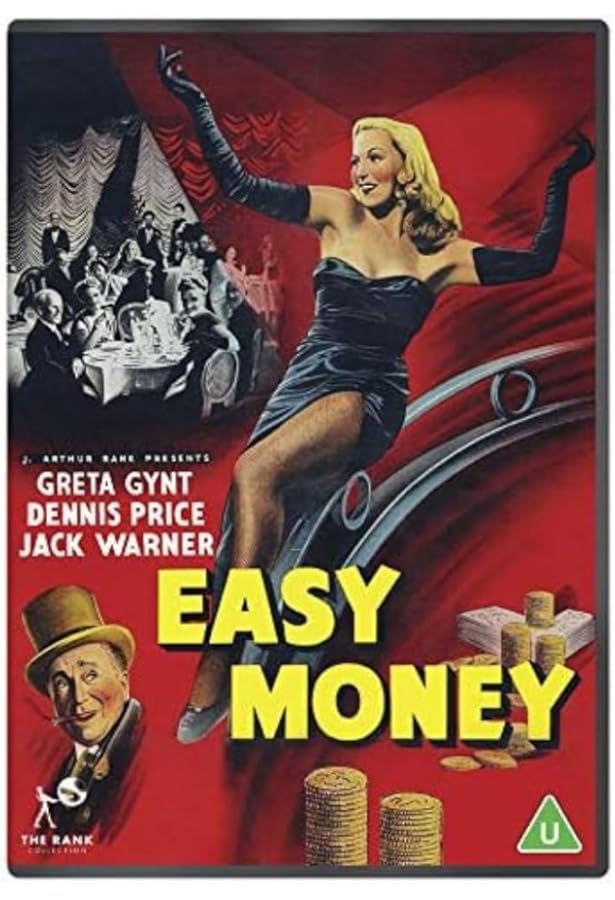
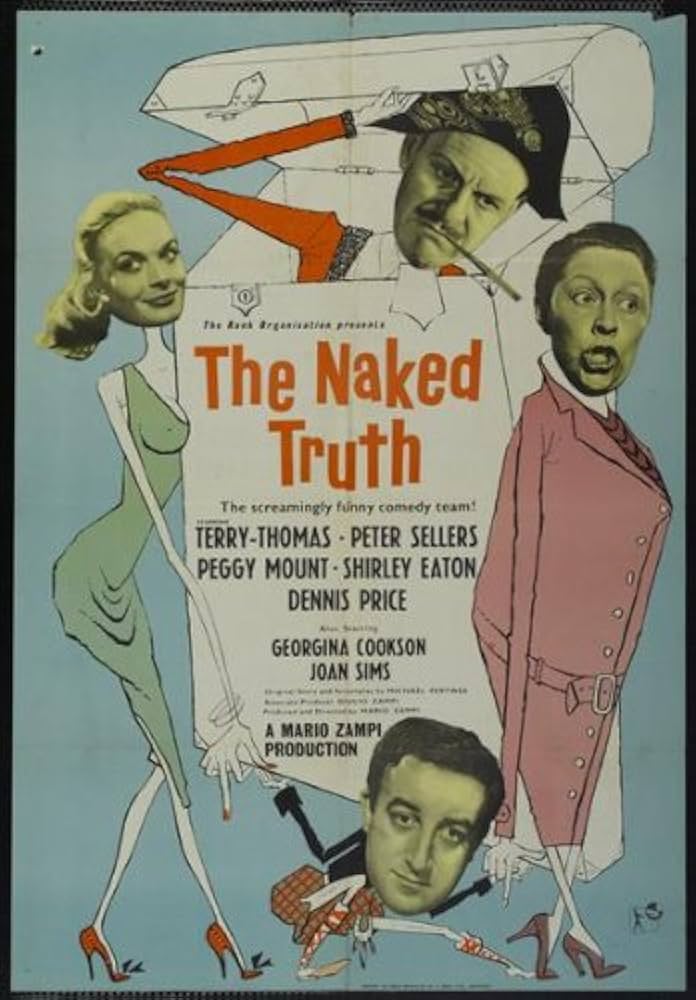
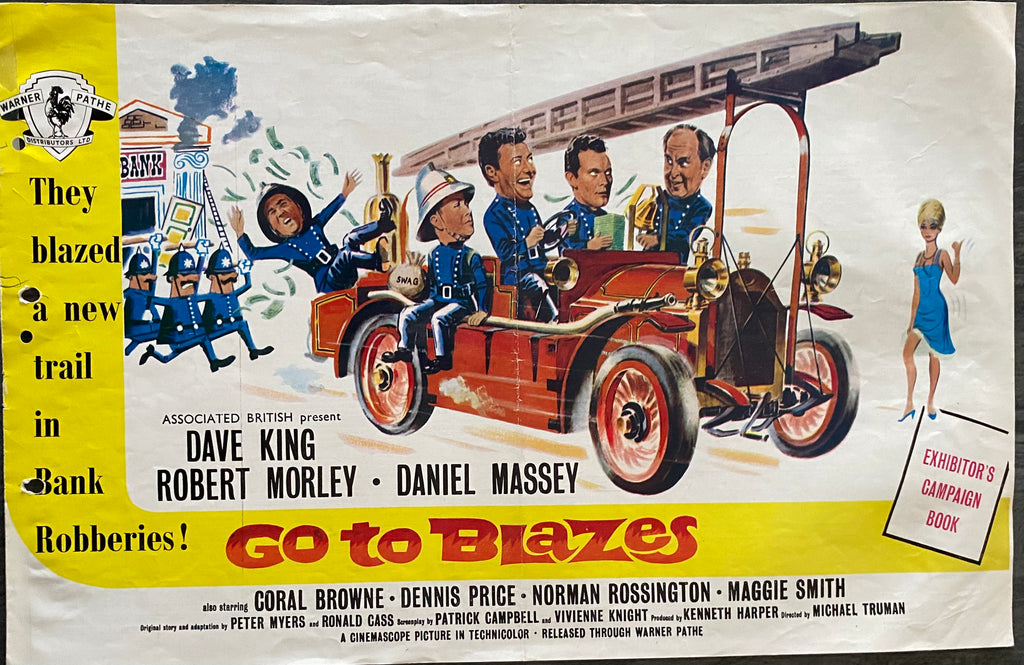
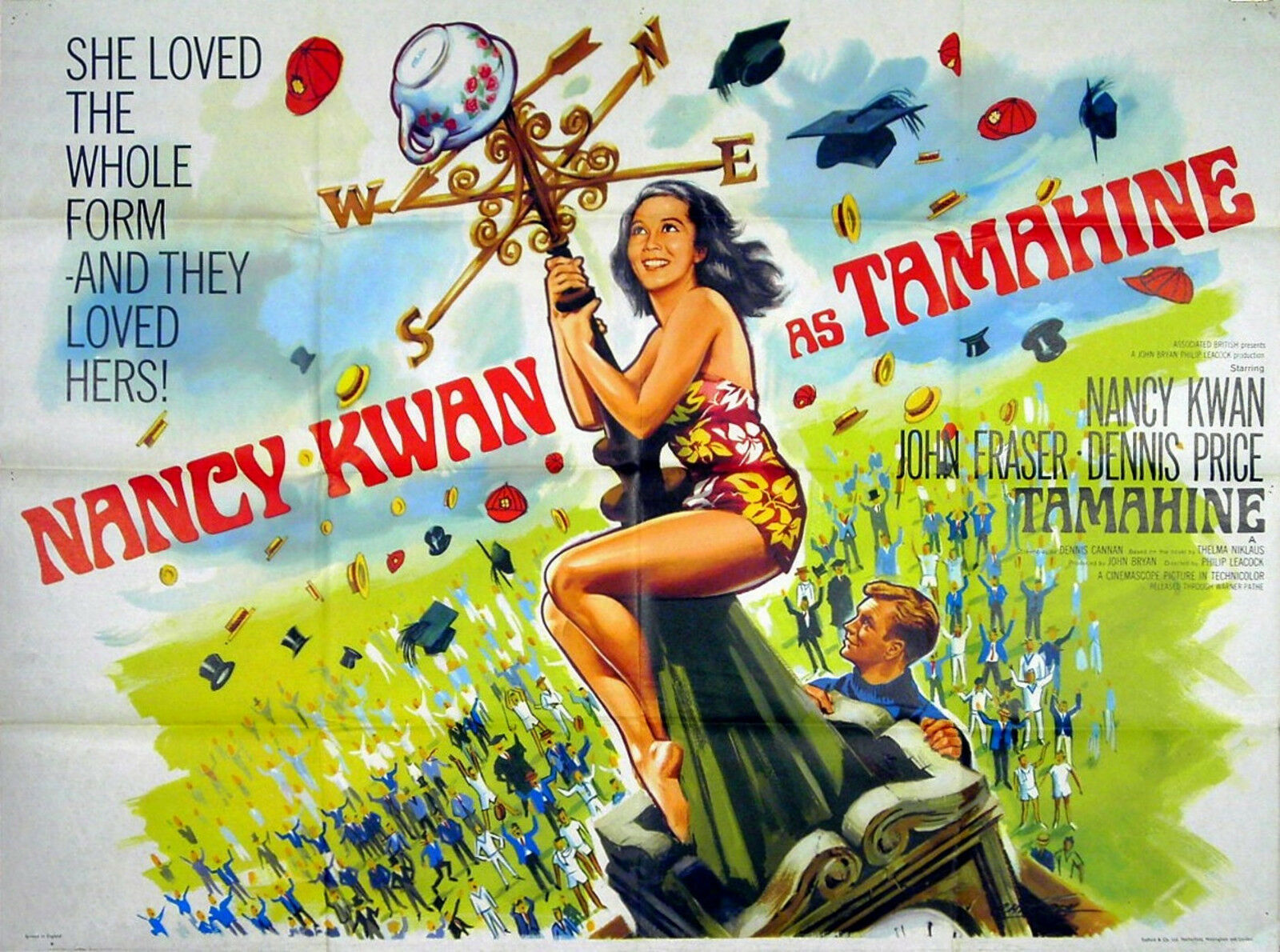
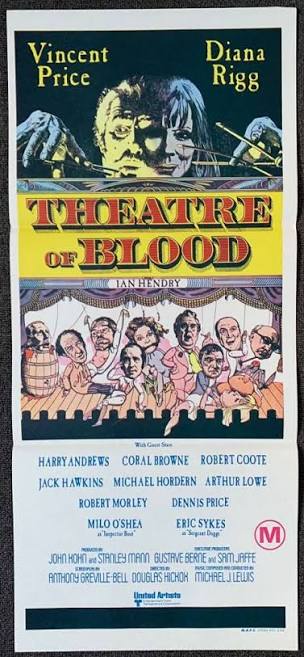
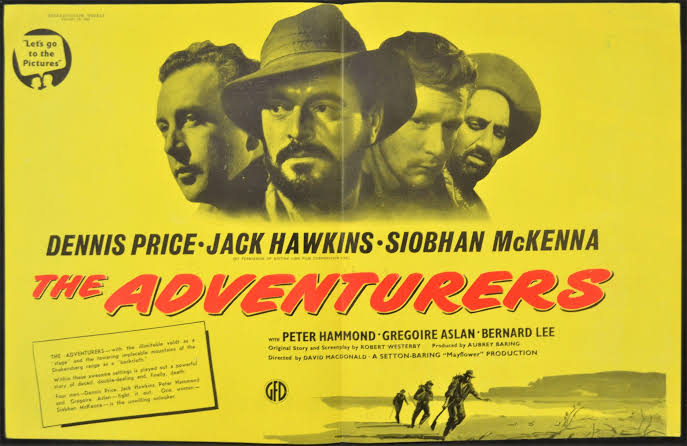
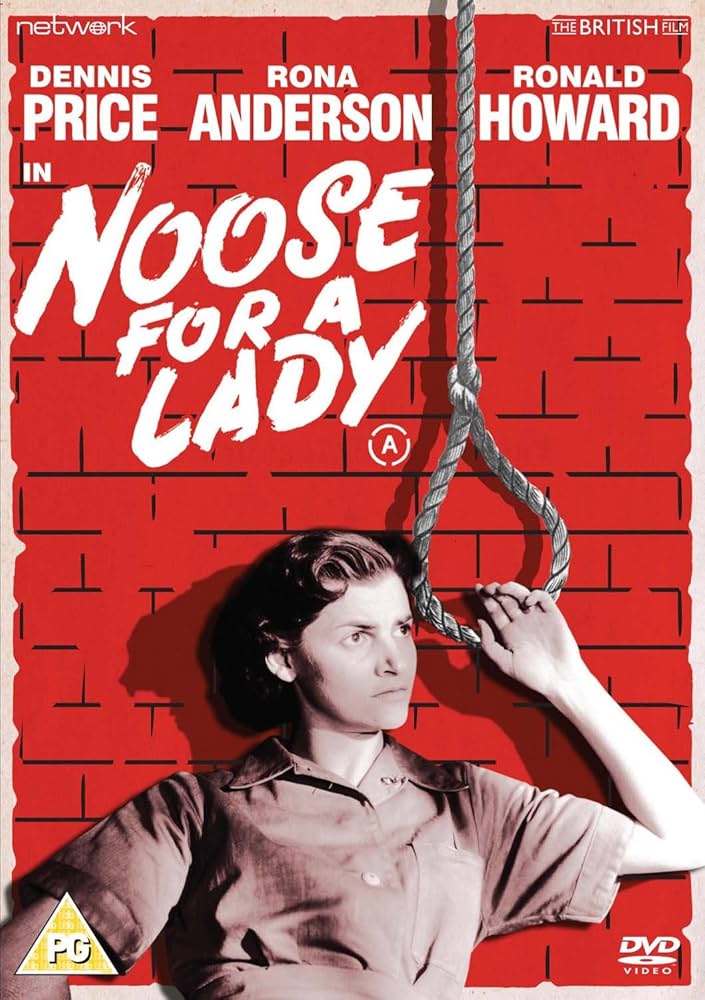
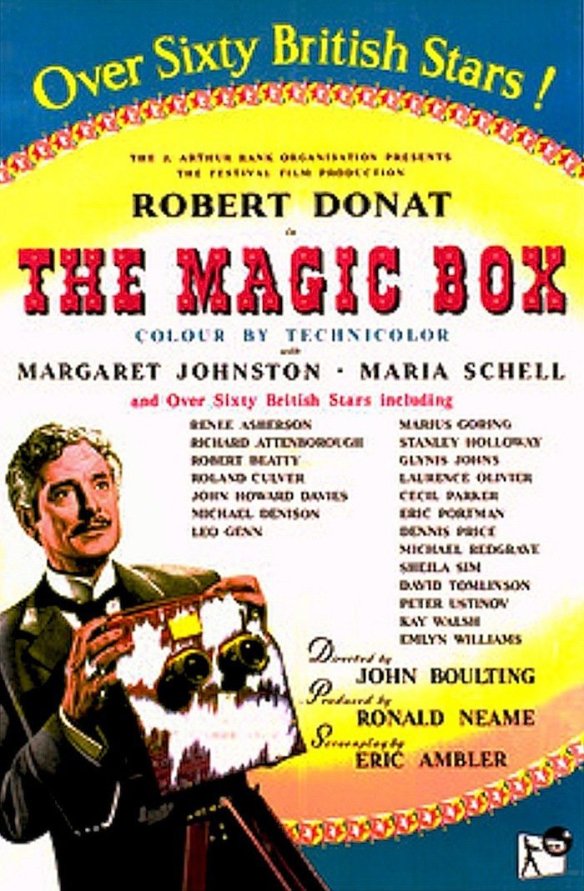
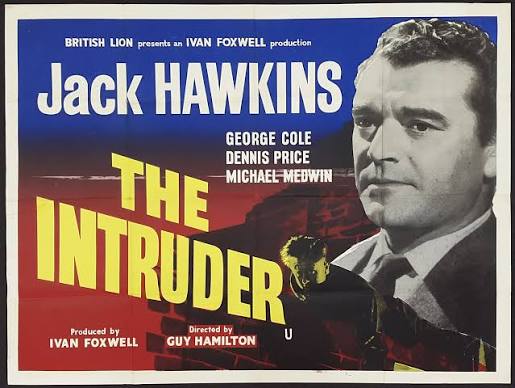
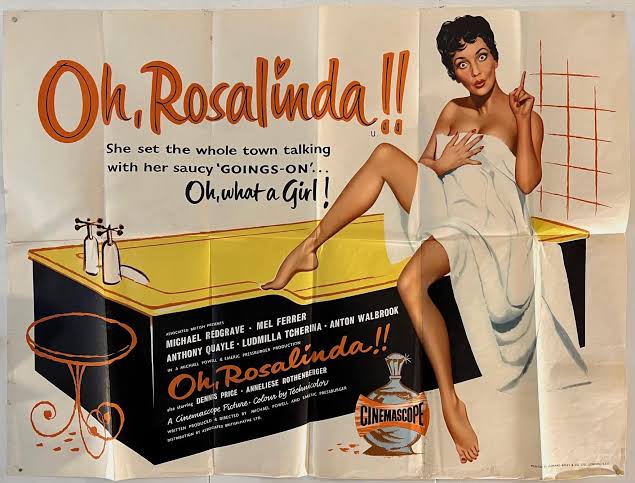
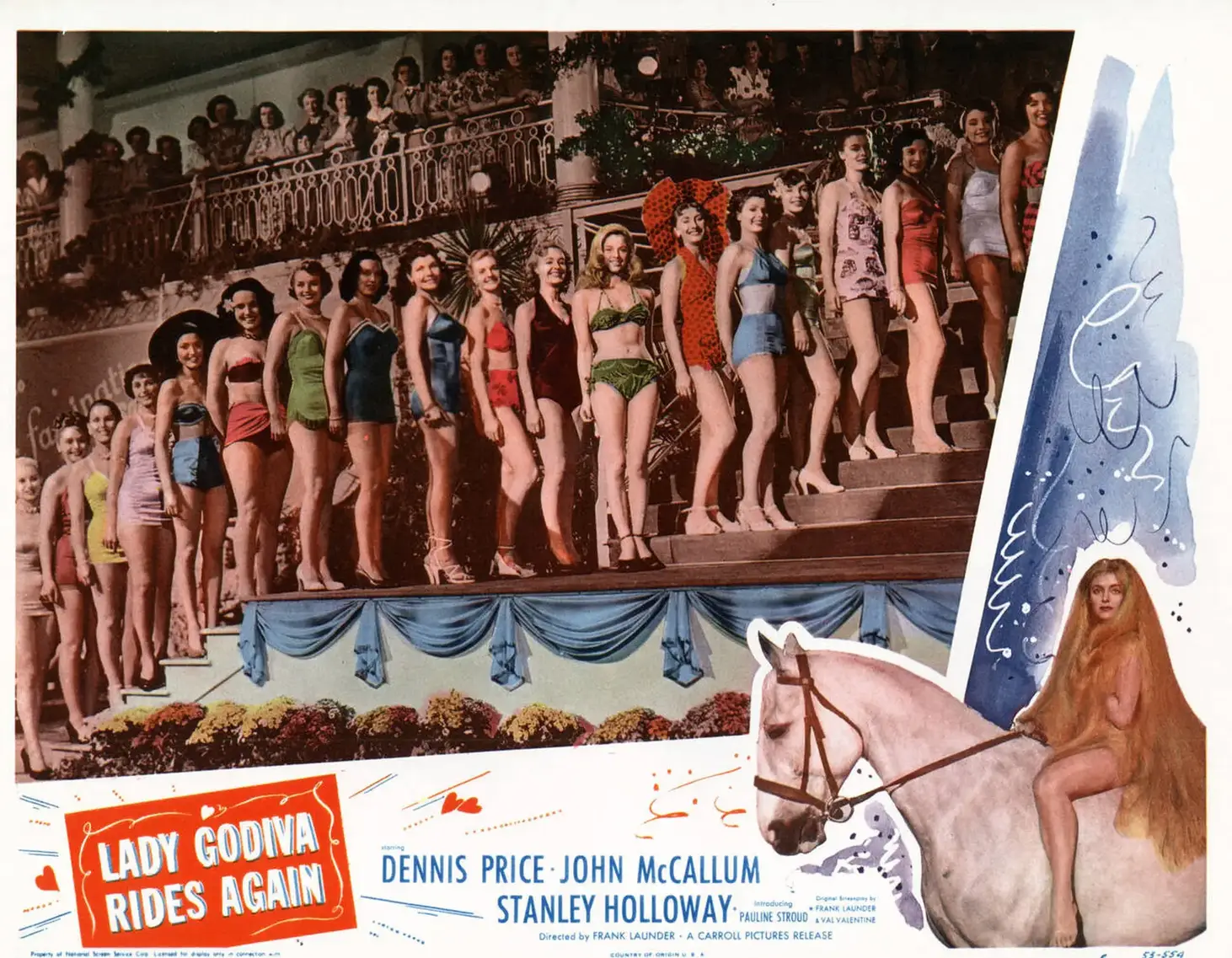
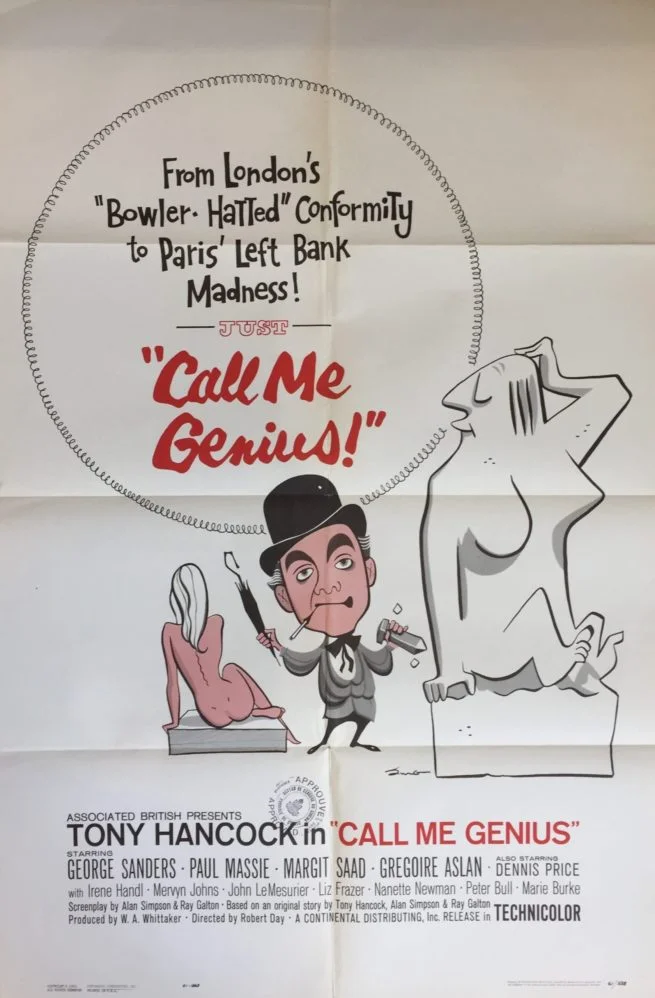
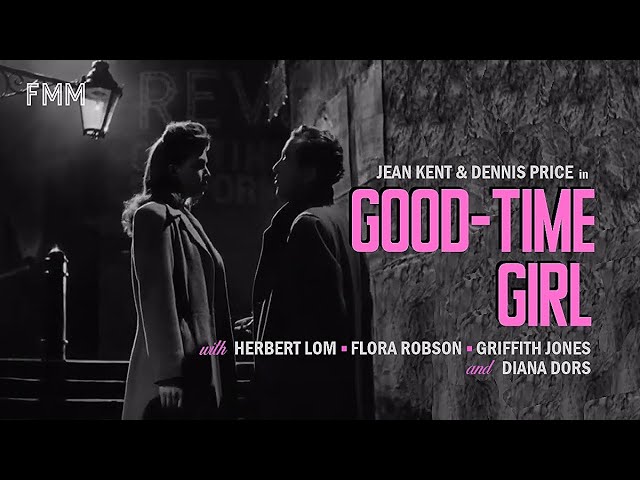
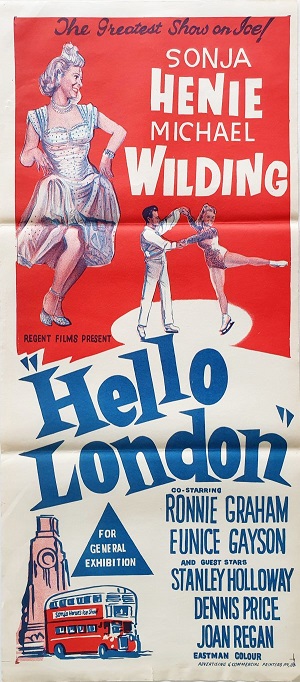
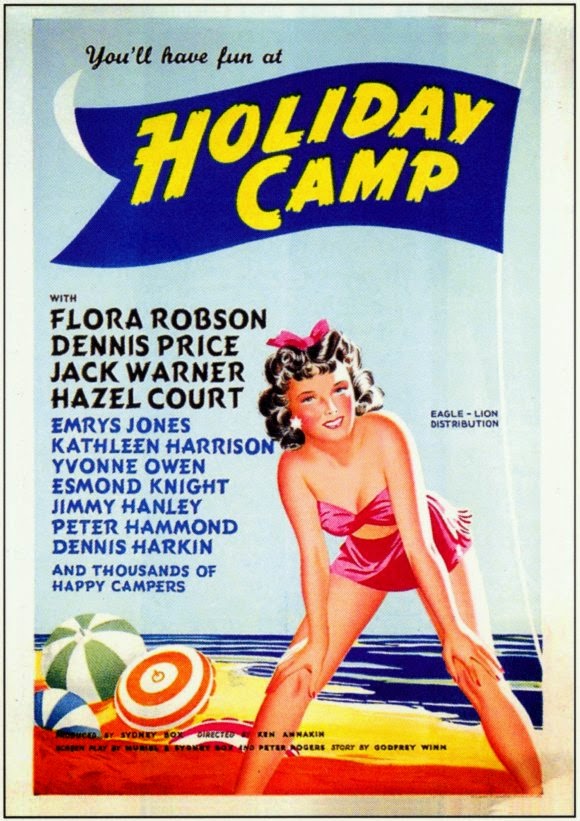
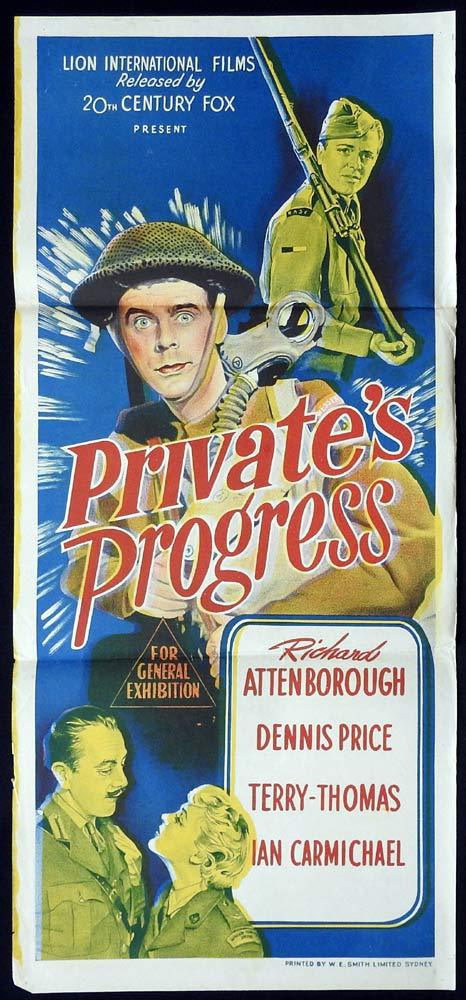
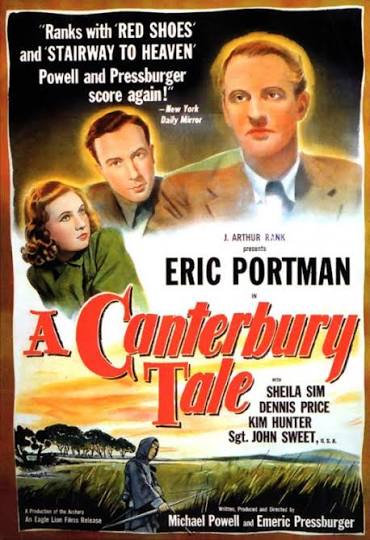
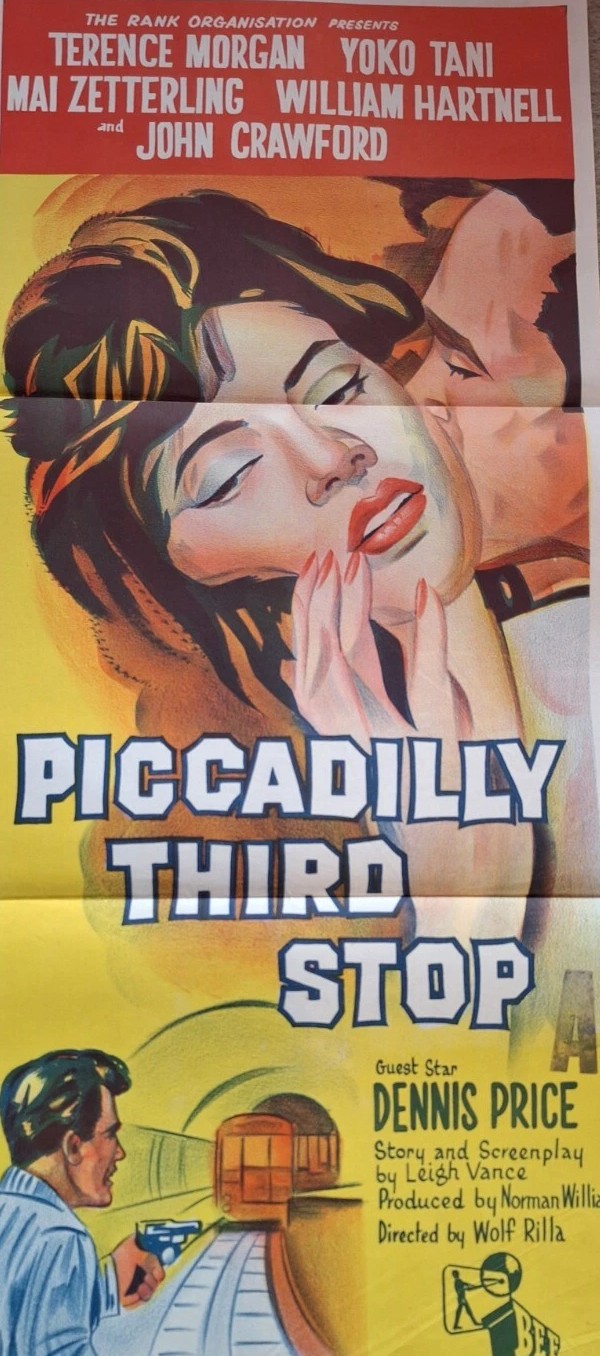
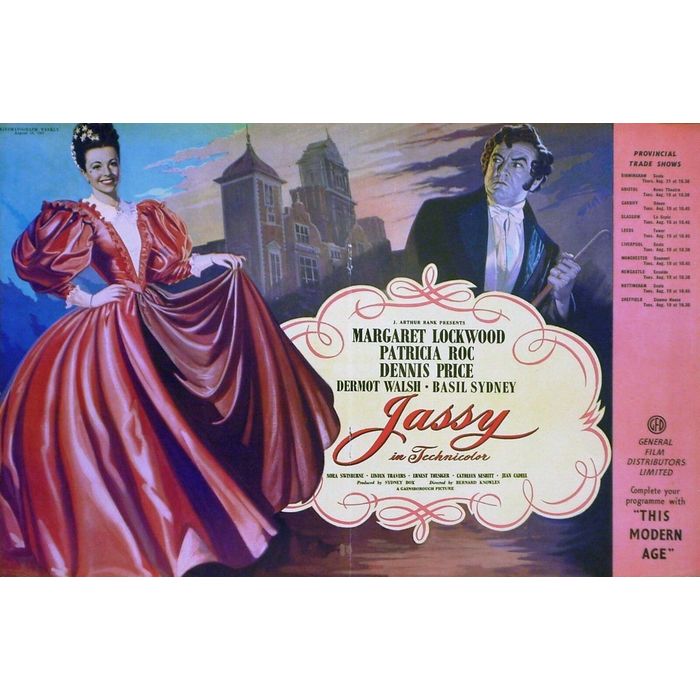
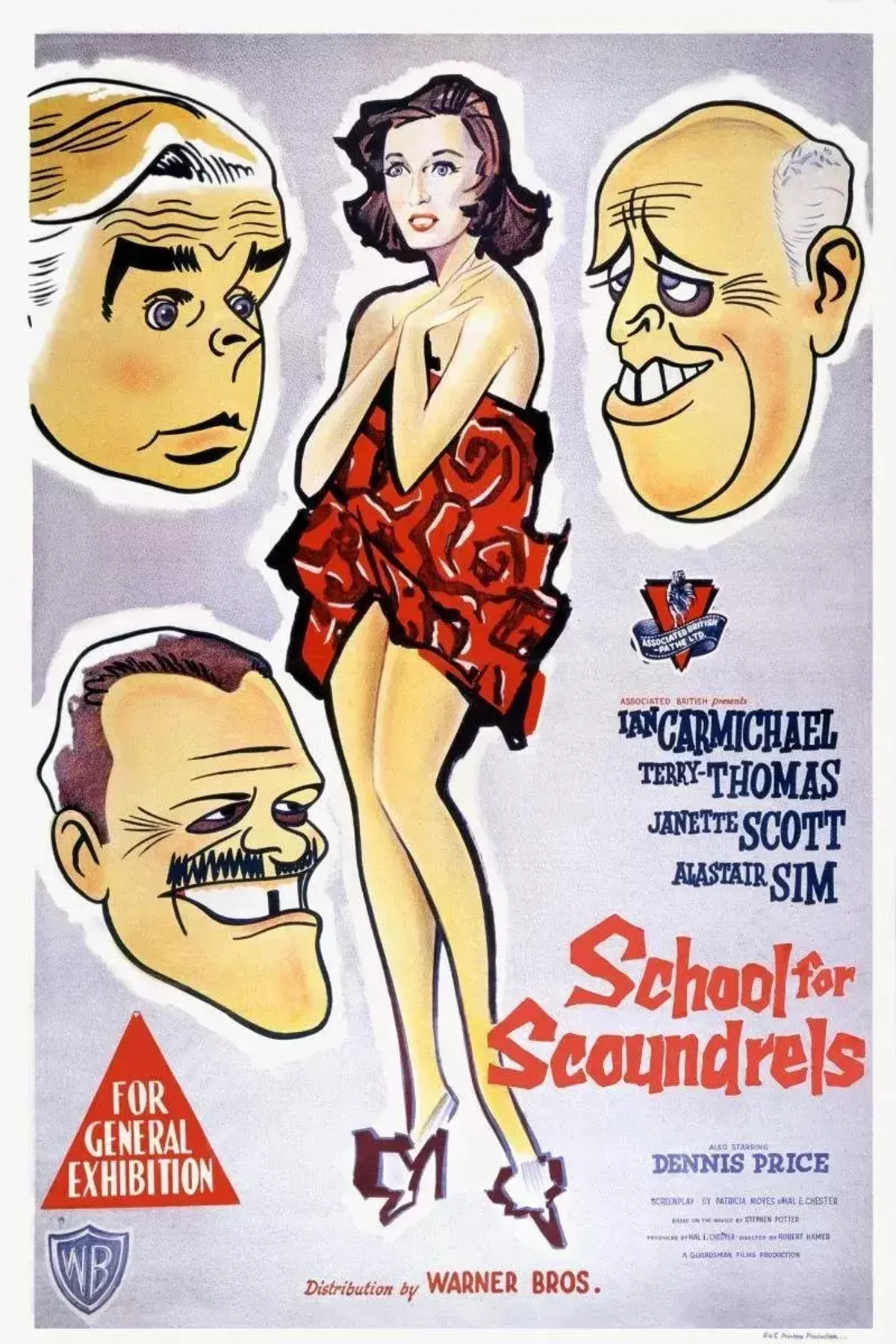
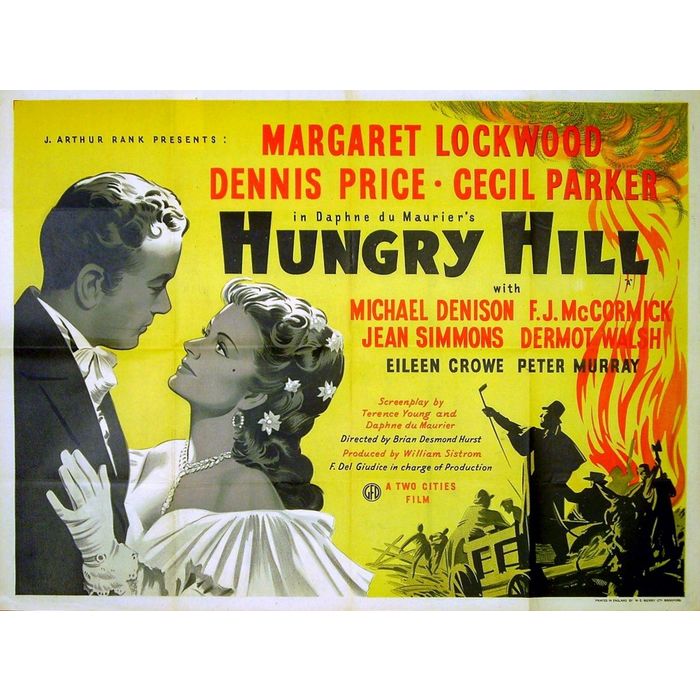
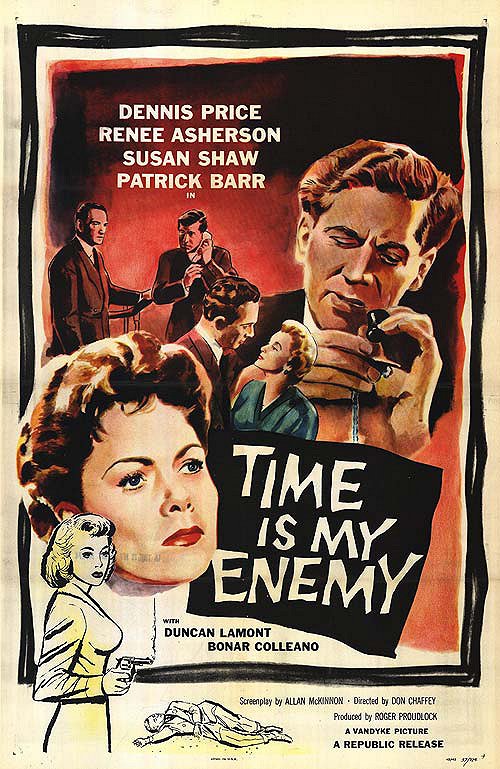
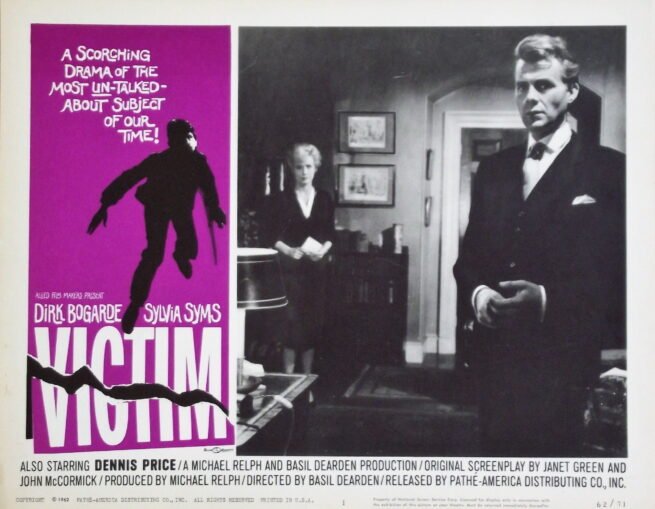
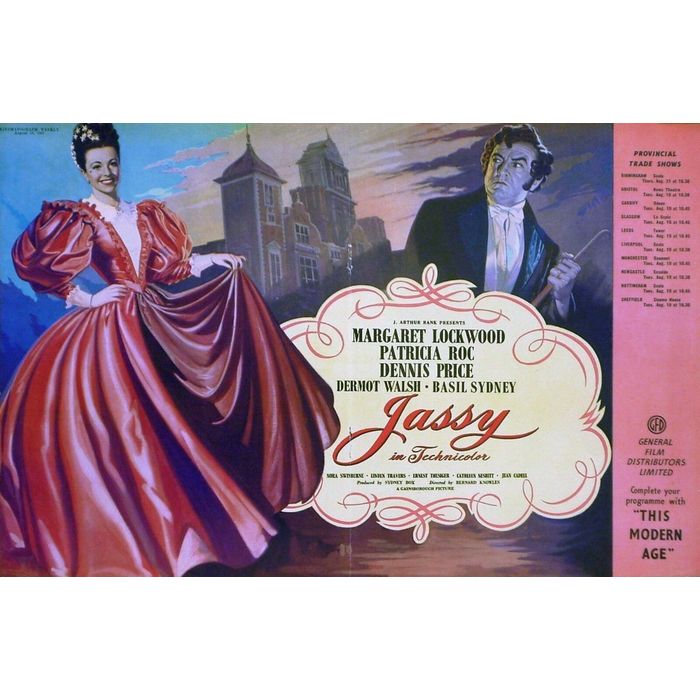
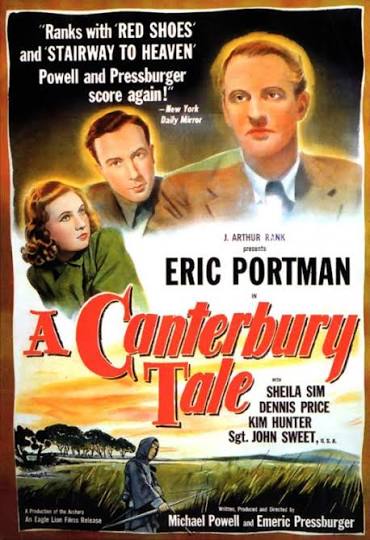
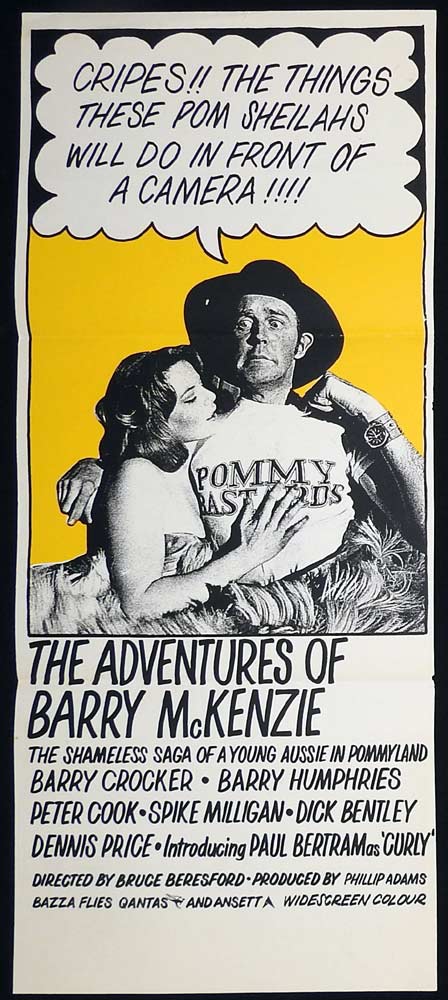
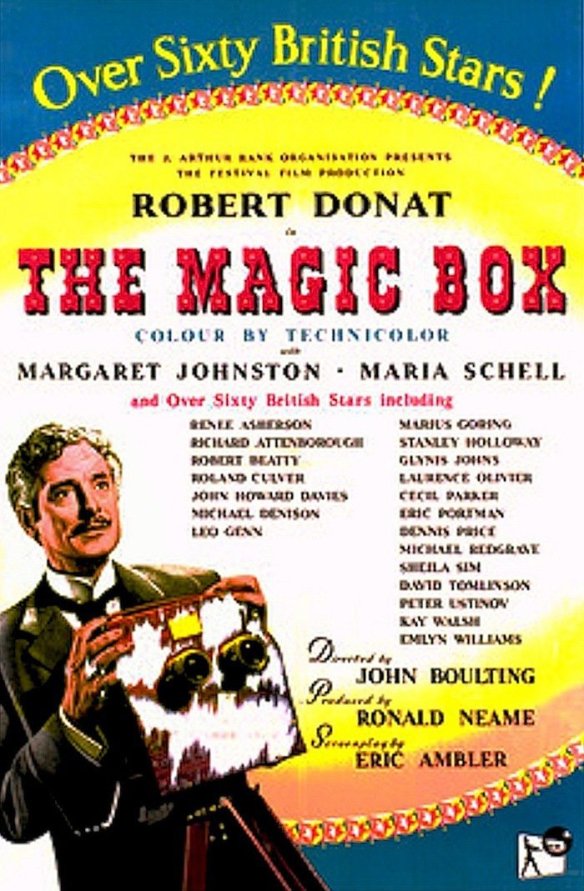
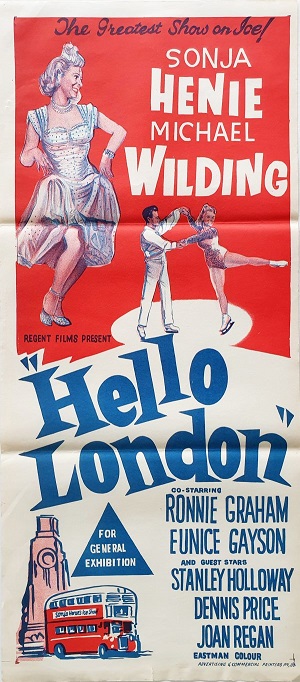
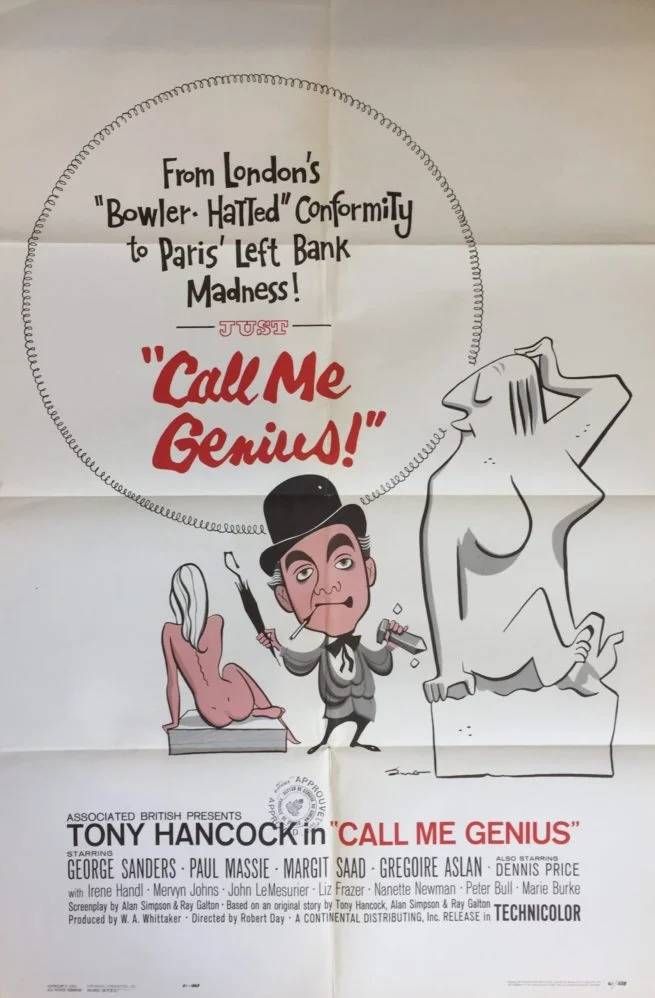
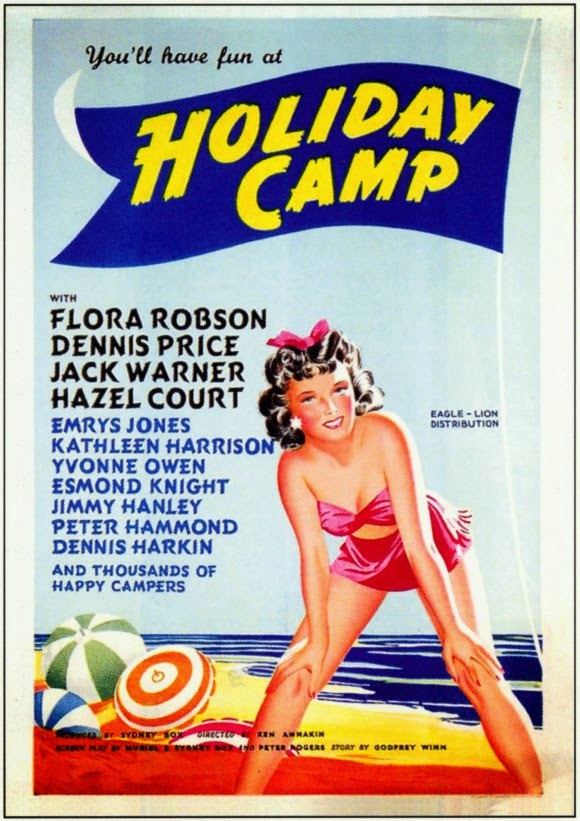
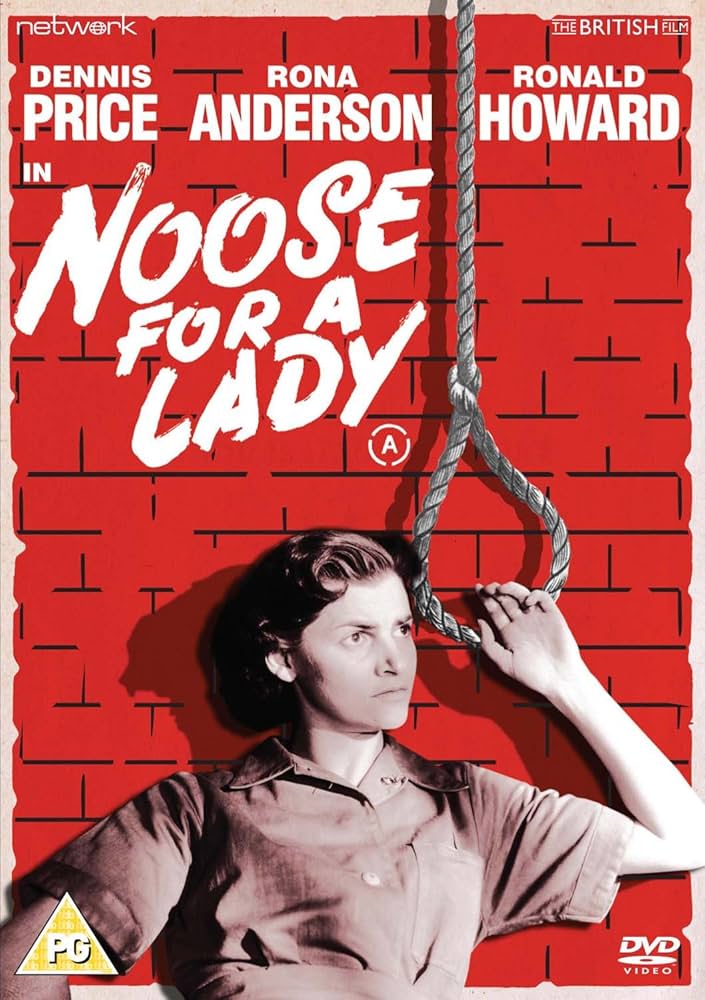
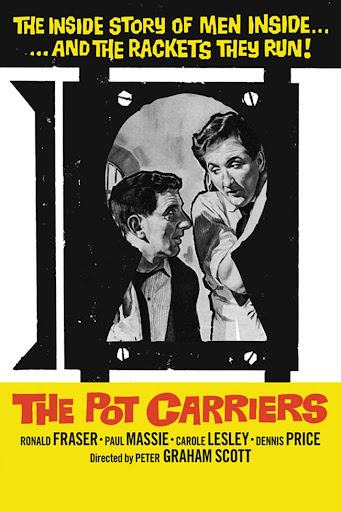
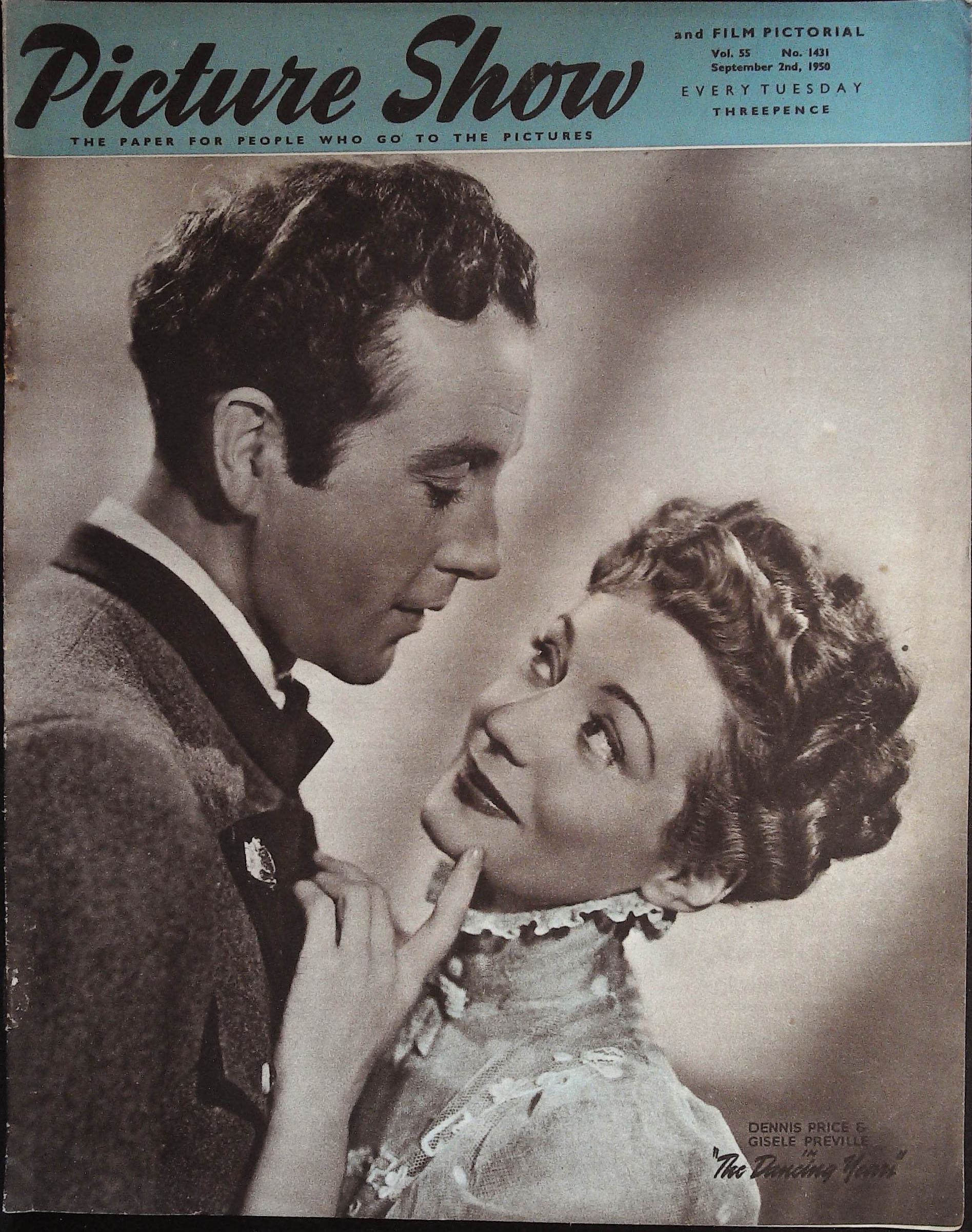
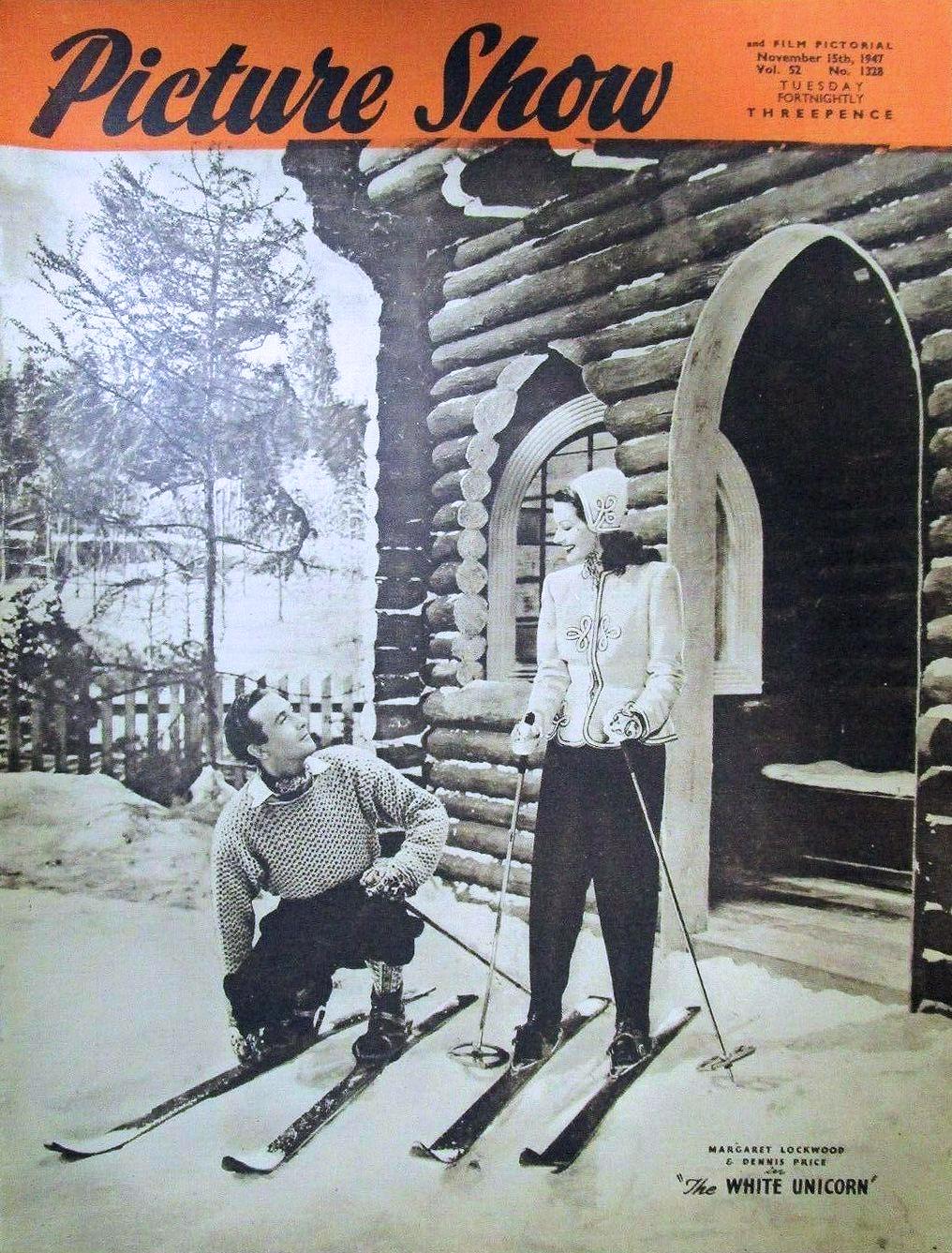
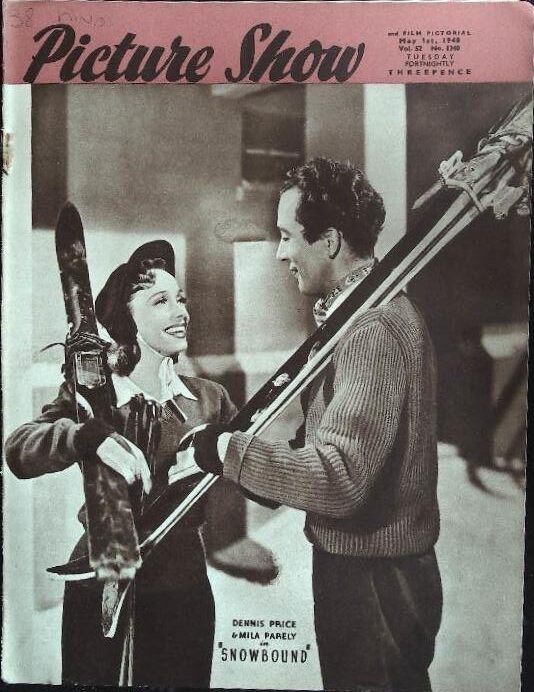
Dennis Price was a very popular British actor of the 1940’s and 50’s whose career deserves reappraisal. He was born in 1915 in Twyford, Berkshire to a military family. He made his stage debut in Croydon in 1937. His movies include “A Canterbury Tale” in 1944, “Hungary Hill” opposite Margaret Lockwood, “Kind Heart and Coronets”, “Tunes of Glory” and “Victim”. On television he starred with Ian Carmichael in the very popular “The World of Wooster” as the valet Jeeves. He died in 1973.
Gary Brumburgh’s entry:
This urbane, sourly handsome British actor was born to privilege and most of his roles would follow suit. Born Dennistoun John Franklyn Rose-Price in Berkshire in 1915, Dennis Price, the son of a brigadier-general, was expected to abide by his family wishes and make a career for himself in the army or the church. Instead he became an actor. First on stage (Oxford University Dramatic Society) where he debuted with John Gielgud in “Richard II” in 1937, he was further promoted in the theatre by Noel Coward.
After brief extra work, Price nabbed early star-making film roles in several overbaked Gainsborough mysteries/melodramas, including A Place of One’s Own (1945), The Magic Bow (1946) and Caravan (1946), but the one showcase role that could have led him to Hollywood, that of the title poet in The Bad Lord Byron (1949), proved a critical and commercial failure. He took this particularly hard and fell into severe depression. His fatally charming serial murderer in Kind Hearts and Coronets (1949), in which he does in nearly all of Alec Guinness‘ eight characters (Guiness plays eight different roles), is arguably his crowning achievement on celluloid.
By the 50s Price was suffering from severe alcoholism, which adversely affected his personal and professional career. A marriage to bit actress Joan Schofield in 1939 ended eleven years later, due to his substance abuse problem and homosexuality, the latter being a source of great internal anguish for him. They had two daughters.
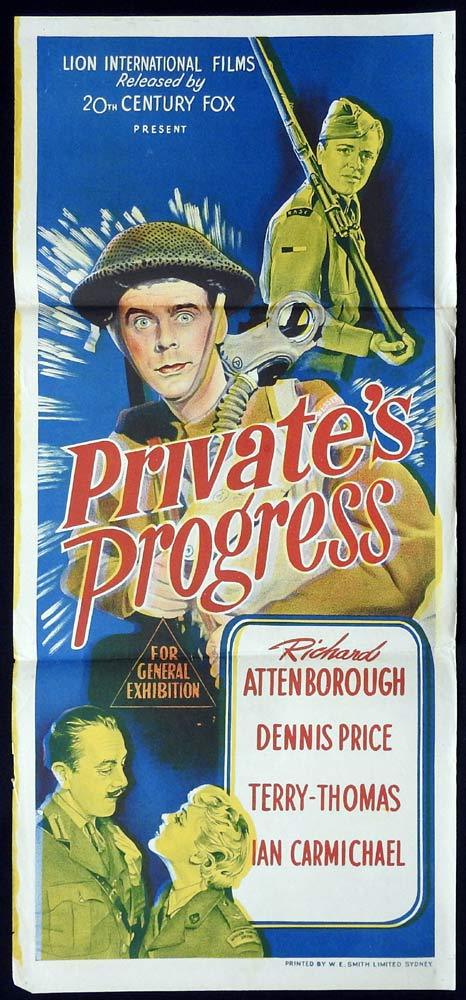
Price became less reliable and fell steeply in his ranking, moving into less quality “B” pictures. Eccentric comedy renewed his fading star a bit in such delightful farces asPrivate’s Progress (1956), I’m All Right Jack (1959) and School for Scoundrels (1960). TV also saved him for a time in the 60s with the successful series The World of Wooster(1965), in which he played the disdainful butler, Jeeves.
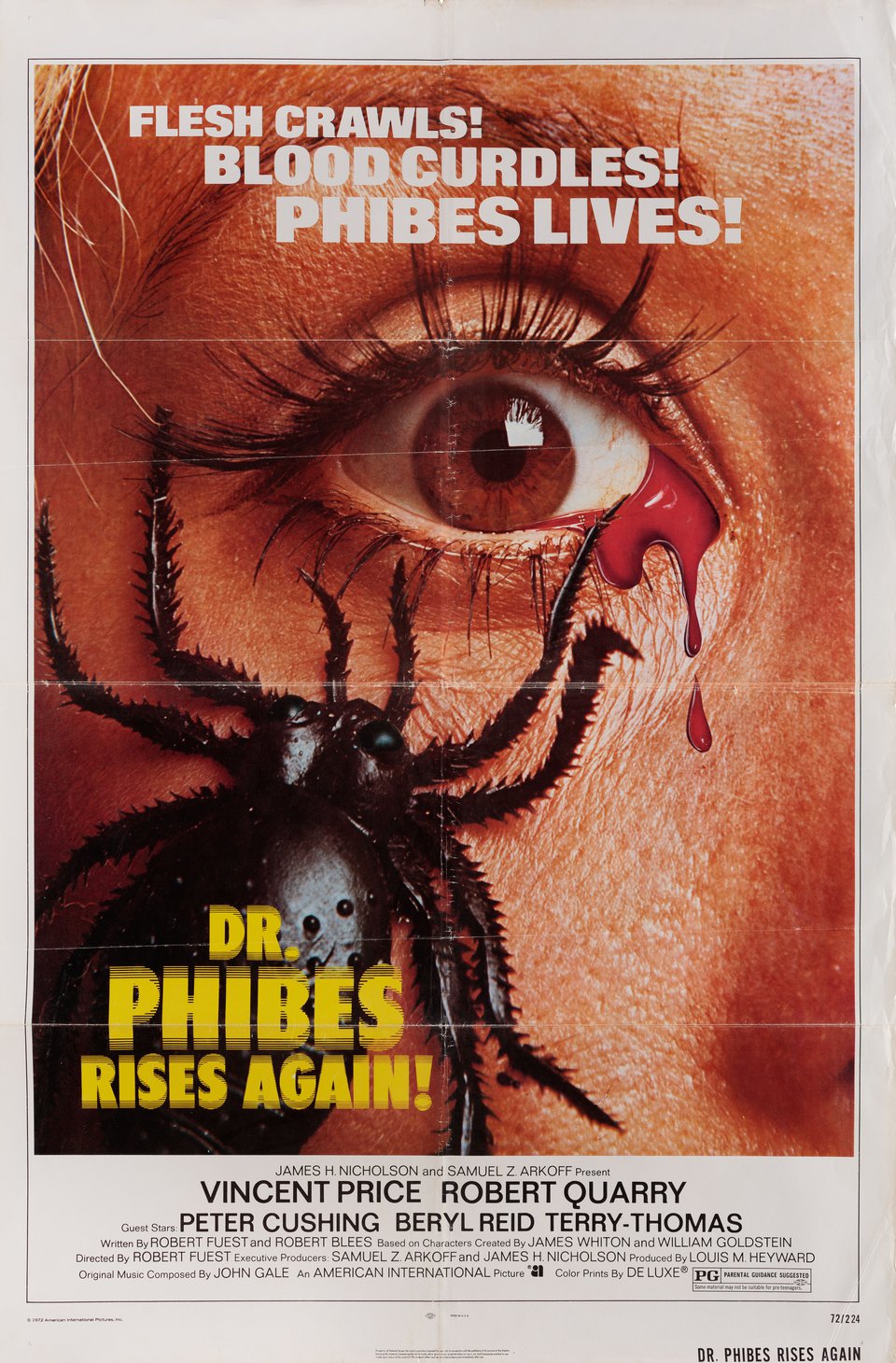
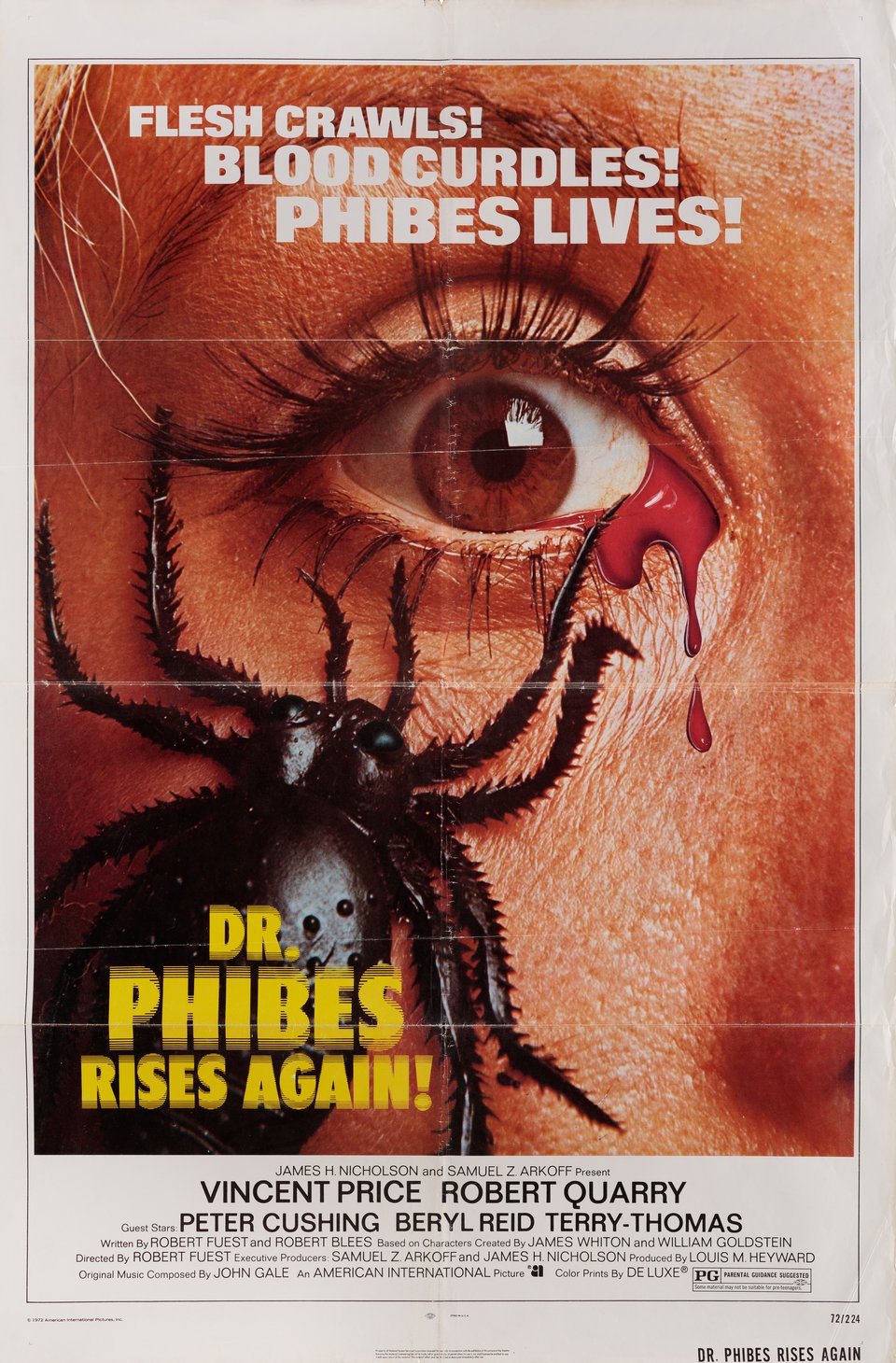
Bad times, however, resurfaced. He filed bankruptcy in 1967 and moved to the remote Channel Island of Sark for refuge. Many of his roles were reduced to glorified cameos and the necessity for cash relegated him to appearing in campy “Z” grade cheapfests, many helmed by the infamous writer/director Jesús Franco, a sort of Spanish version of Roger Corman. Vampyros Lesbos (1971) was just one of his dreadful entries. Price also played Dr. Frankenstein for Franco in Drácula contra Frankenstein (1972) [Dracula vs. Frankenstein] and the The Erotic Rites of Frankenstein (1972) [The Erotic Rites of Frankenstein]. Fully bloated and in delicate health, he died in 1973 at age 58 in a public ward from liver cirrhosis. A sad ending for one who of Britain’s more promising actors and film stars.
– IMDb Mini Biography By: Gary Brumburgh / gr-home@pacbell.net
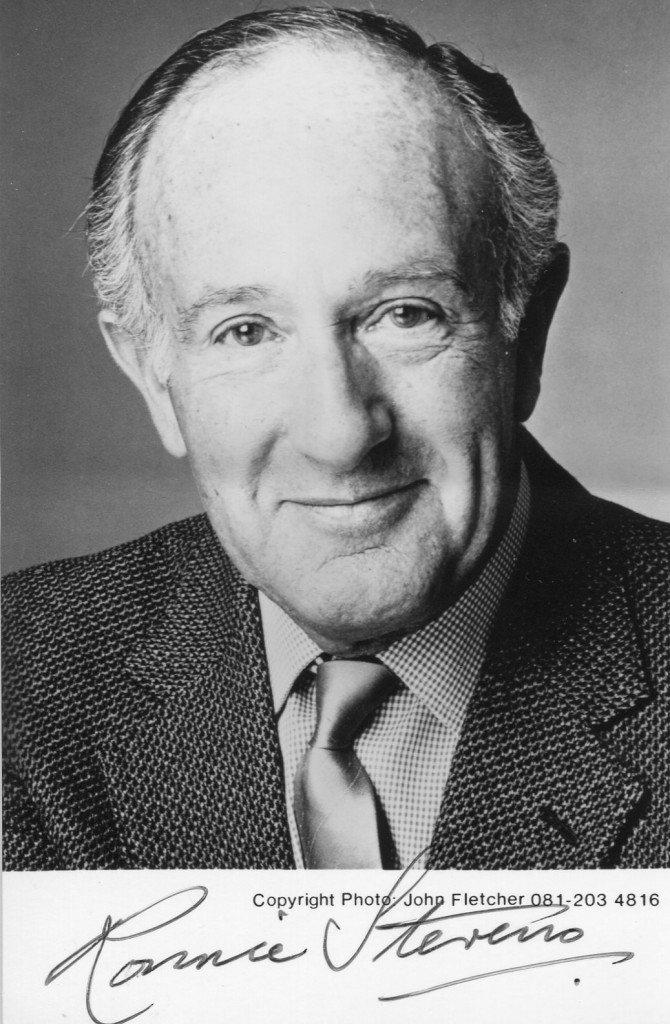

Ronnie Stevens was born in London in 1925. His film debut was in 1952 in “Top Secret”. Film Career highlights include “Doctor At Large in 1957, “On the Beat” in 1962 and his final movie “The Parent Trap” in 1998. He died in 2006.
“Guardian” obituary:
The following correction was printed in the Guardian’s Corrections and clarifications column, Friday November 17, 2006
The article below said in error that the actor Ronnie Stevens is survived by his two sons. His eldest son, Paul, died in 1990. He is survived by his youngest son, Guy, and grandson Jake. In addition, he died on November 11, not 12. Apologies to family and friends.
With his small build, dark features, nimble gait, bright eyes and saucy manner, Ronnie Stevens, who has died aged 81, was one of the busiest and most versatile character actors of his postwar generation. Whether in the last throes of West End revue, the heyday of subsidised touring classical companies, contemporary comedy, period musicals or traditional pantomime, he always looked in his element.Born in Peckham, south London, and educated at Peckham central school, he showed theatrical promise from the age of 12 in his personality and singing voice, notably as a crooner at Dulwich baths. Not that he was intended for the stage; when he won a scholarship to Camberwell School of Arts and Crafts, his parents expected him to become a commercial artist. But after four years’ service in the second world war, both in the RAF and the Royal Engineers, Stevens turned to his first love, the stage, and used his gratuity to train at Rada.
At 23, he landed a job in Peter Myers’ intimate revue, Ad Lib, at the tiny Chepstow Theatre Club, in Notting Hill, in 1948. Satirical revue was then in fashion, and for five years, in one London fringe show or another, he mocked well-known people, their manners and institutions. By today’s standards, it was insipid stuff, but the techniques of intimate revue – with its quick-change routines, variety of mood, timing and atmosphere – provided first-rate training.
Stevens reached the West End in 1953 joining such stalwarts as Cyril Ritchard, Diana Churchill and Ian Carmichael in Myers’ High Spirits (Hippodrome). A year later, virtually the same writing team came up with Intimacy at 8.30, at the Criterion, starring Joan Sims – with Stevens proving himself a good team member.
When the team came up with its third West End success, For Amusement Only (Apollo, 1956), Stevens showed himself a minor master of the genre, with its dependence on complicity between actors and audience. In such diverse 1960s shows as the Brechtian-type musical satire on modern youth, The Lily White Boys (with songs by Christopher Logue) at the Royal Court, or The Billy Barnes Review (Lyric, Hammersmith), he had numerous parts; and in that American musical, Rose Marie (Victoria Palace), he made a feature of the comedy role, Hard-Boiled Herman.
But although no one could put a finger on the reason – the song-and-dance ingredients of revue had reached television in That Was the Week That Was; and the four-man university show, Beyond the Fringe, was thriving without tunes or feminine charm – the writing was on the wall for traditional revue. Stevens’ last one reached the Savile in 1961 and felt old-fashioned. In a barn of a theatre, The Lord Chamberlain Regrets left most critics with regrets. The censor still had seven years of rule over the theatre, but the material lacked spite or wit.
Stevens had to turn legitimate. After Alan Ayckbourn’s early, frail experiment in mime humour, Mr Whatnot (Arts, 1964), in which he darted about in blazer and boater amid silent, stately home fun, he turned to Toby Robertson’s Prospect Theatre Company, set up to tour the classics – and prospered.
Whether it was an arch Sir Fopling Flutter in Etherege’s The Man of Mode (1965), a ruminant Feste in Twelfth Night (1968) or a nervous type in Feydeau’s The Birdwatcher, he was a valuable acquisition. In 1969 he moved for two seasons to the open-air theatre, Regent’s Park. Back with Prospect in 1971, he proved an affecting Fool to Timothy West’s King Lear (1971), which toured to the Edinburgh festival and Australia, before going to the West End (Aldwych, 1972). Later that year, he co-founded the Actors’ Company, a troupe designed to roam with the classics, headed (though wages and billing were impeccably egalitarian) by Ian McKellen.
Stevens’ credits included another Feydeau farce, Ruling the Roost, Ford’s tragedy ‘Tis Pity She’s a Whore, and the premiere of an Iris Murdoch play, Three Arrows, set in Japan. With Prospect, in 1973, he came into his own as Sparkish in The Country Wife, ending a global tour in the West End the following year as Gower in Pericles (Her Majesty’s).
At that time the regions showed more scope for a serious-minded actor than London. Hence Stevens’ move to Leeds Playhouse. After a stint at the Bristol Old Vic, he was back in north London, at St George’s Elizabethan Theatre – a converted church – in five or six Shakespeares in 1976 and 1977, and in 1978 back with Prospect at the Old Vic, the National Theatre having moved to the South Bank. This was the heyday of Stevens’ career as a classical actor.
Meanwhile, television beckoned increasingly. Apart from early appearances as the narrator in Oliver Postgate’s cartoon series, The Saga of Noggin the Nog, or as a teacher in AJ Wentworth, BA, and such programmes as Bresslaw and Friends, Stevens’ credits in the 1990s included guest appearances in Goodnight Sweetheart and As Time Goes By. He was also in many films from 1952. His wife, Ann Bristow, predeceased him; he is survived by their two sons.
· Ronnie Stevens, actor, born September 2 1925; died November 12 2006
The above “Guardian” obituary can also be accessed online here.

Ruth Wilson was born in 1982 in Ashford, Surrey. Her screen debut was in “SurburbanShootout”. She gave a stunning performance on television in the title role “Jane Eyre” opposite Toby Stephen’s ‘Mr Rochester’. In 2011 she was on the London stage in the title role “Anna Christie” opposite Jude Law.
TCM Overview:
British actress Ruth Wilson rose from obscurity to overnight stardom when she was selected to star in a 2006 U.K. television adaptation of “Jane Eyre,” which led to a lengthy run of award-winning successes on stage, as well as her leap to Hollywood filmmaking with “The Lone Ranger” (2012). Wilson’s performances delivered a confidence beyond her relatively young years that also masked a palpable vulnerability, a quality that drew rave reviews for her turn as Jane Eyre, as well as theatrical productions of “A Streetcar Named Desire” and “Anna Christie,” both of which netted her the esteemed Olivier Award in 2010 and 2012, respectively. Wilson won over international audiences with her riveting turn as a psychopathic researcher on “Luther” (BBC One, 2010- ) before making the leap to features in the 2012 film version of “Anna Karenina.” She subsequently made headlines when she was announced as the female lead in Gore Verbinski’s take on “The Lone Ranger” (2012), co-starring Johnny Depp. Wilson’s swift ascent to the top of her country’s theatrical scene, as well as her burgeoning film career, clearly indicated that movie stardom was in her future.
Born Jan. 13, 1982 in the Greater London town of Ashford, Surrey, Ruth Wilson was the youngest child and only girl among four siblings. After attending Notre Dame School and Esher College, she modeled for a brief period before studying history at the University of Nottingham. While there, she also performed in student dramas as part of the New Theatre, the university’s playhouse, and accompanied one production to the Edinburgh Festival Theatre. Acting soon became her primary focus, and after graduating from Nottingham in 2003, she studied her craft at London Academy of Music and Dramatic Art before graduating in 2005. Wilson earned her first screen credit that same year, playing the sexually voracious daughter of a female mob boss on the U.K. sitcom “Suburban Shootout” (Five, 2006-07).
Her breakthrough role came less than a year later when she was cast as Charlotte Brontë’s long-suffering heroine in a television adaptation of “Jane Eyre” (BBC One, 2006). Wilson received the lion’s share of critical applause for the well-regarded adaptation, as well as Golden Globe, BAFTA and Satellite Award nominations for Best Actress. With her career now firmly established, Wilson worked steadily in television, playing a young socialite whose life is upended by a sinister figure in director Stephen Poliakoff’s “Capturing Mary” (BBC Two, 2007) and a junior medical practitioner suffering from schizophrenia in “The Doctor Who Hears Voices” (Channel 4, 2008). She also received strong reviews for her theatrical work during this period, most notably for a 2007 production of Maxim Gorky’s “Philistines.”
More television work followed, including a supporting role as Jim Caveziel’s love interest in the 2009 miniseries remake of “The Prisoner” (ITV/AMC), but it was largely overshadowed by the accolades showered upon her for a 2010 production of “A Streetcar Named Desire.” Wilson received the 2010 Olivier Award for Best Supporting Actress for her sensitive turn as Stella DuBois, sister to playwright Tennessee Williams’ tragic heroine, Blanche (Rachel Weisz). Her stage success was quickly followed by an acclaimed turn as Ruth Morgan in “Luther.” A brilliant but amoral scientist who murdered her own parents, Morgan became an object of fascination for series star Idris Elba’s troubled detective, John Luther. For her performance, Wilson netted her second Satellite Award nomination.
Wilson concentrated largely on stage work for the remainder of 2010 and early 2011, starring in the Almeida Theatre’s adaptation of Ingmar Bergman’s film “Through a Glass Darkly” (1961), then moving back to the Donmar Warehouse, where she had performed “Streetcar” to play the title role in “Anna Christie.” She again captured top honors with her performance, winning the 2012 Olivier for Best Actress, as well as the esteem of the notoriously tough British theatrical critics’ community. That same year, she made her feature film debut with a supporting role in Joe Wright’s adaptation of “Anna Karenina” (2012), with Keira Knightley as Tolstoy’s iconic character. But that news was quickly overshadowed by the announcement that Wilson would play the romantic interest to Arnie Hammer’s Masked Man in “The Lone Ranger” (2012), the big screen revision of the venerable radio and television series, directed by Gore Verbinski and starring Johnny Depp as faithful Indian companion Tonto.
By Paul Gaita
The above TCM overview can also be accessed online here.
Anyone who knows me are aware that I am a bit of a movie buff. Over the past few years I have been collecting signed photographs of my favourite actors. Since I like movies so much there are many actors whose work I like.