Contemporary Actors

Collection of Contemporary Actors

Steven Waddington
Steven Waddington
Steven Waddington

Steven Waddington. TCM Overview.

Steven Waddington was born in 1968 in Leeds.   He made his movie debut in 1991 in Derek Jarman’s “Edward the 2nd”.   The following year he garnered very positive reveiws for his performance as the doomed major in “The Last of the Mohicans”.   His other movies include “Carrington”, “Prince of Jutland” and “Sleepy Hollow”.   Interview with Steven Waddington on “Loose Women” here.

TCM Overview:

Steven Waddington
Steven Waddington

Born and raised a steelworker’s son in Leeds, West Yorkshire, England, actor Steven Waddington enjoyed a long, if somewhat unsung career. After portraying the title lead in “Edward II” (1991), an adaptation of Christopher Marlowe’s play about Britain’s only acknowledged gay monarch – a conflict which eventually led to civil war – Waddington came to prominence with “The Last of the Mohicans” (1992). In Michael Mann’s historical adventure, Waddington played the persistent, but ultimately spurned suitor of the daughter (Madeline Stowe) of an English officer (Maurice Roeves) rescued in the woods by the adopted son of the Mohican, Chingachgook (Daniel Day-Lewis). He continued his period pieces trend with the dismal “1492: The Conquest of Paradise” (1992), before returning to a contemporary setting in “Don’t Get Me Started” (1993), playing the old friend of a former mob hit man (Trevor Eve) who is threatening to expose his criminal past on national television.

After an unceremonious role as a construction worker in the NBC movie, “Take Me Home Again” (1994), Waddington returned to the past with “Royal Deceit” (1994), Saxo Grammaticus’ 12th century chronicle about a young prince who sees his father and brother murdered by his uncle and feigns madness to exact revenge – the very story William Shakespeare based Hamlet on. In another period film, “Carrington” (1995), Waddington played a strapping young army officer who marries painter Dora Carrington (Emma Thompson), but attracts the attention of literary critic and author, Lytton Strachey (Jonathan Pryce). He next played a British SAS officer sent with a team to destroy SCUD missiles inside Iraq during Operation Desert Storm in “The One That Got Away” (A&E, 1996), before portraying the onetime cellmate of a leftist political activist (Robert Carlyle) who plans the robbery of a major London security firm in “Face” (1997). Another unceremonious role – this time as a cowboy in a bank in “Breakdown” (1998) – was followed by a meatier role as a ruthless explorer trying to find the lost city of Opar in “Tarzan and the Lost City” (1998).

Following a bit part in Tim Burton’s creepy “Sleepy Hollow” (1999), Waddington appeared in “The Parole Officer” (2001), playing a former boxer-turned-fisherman and only one of three convicts ever rehabilitated by a klutzy parole officer (Steve Coogan). Waddington was little more than window dressing in “The Hole” (2003), a straight-to-video thriller about four private school students who investigate a mysterious hole leading to an abandoned World War II bomb shelter.

He next played King Prasutagus in “Warrior Queen” (PBS, 2003), leader of a Celtic tribe on the British Isles in the 1st century A.D. who dies and leaves his queen (Alex Kingston) to defend his people against the Roman emperor Nero (Andrew Lee Potts). Waddington next portrayed Thomas Cromwell, 1st Earl of Essex and chief minister to King Henry VIII (Jonathan Rhys Meyers) in “The Tudors” (2007- ), Showtime’s lavish 10-part series depicting the brutal monarch in younger, thinner times, before he split with the Catholic Church. The above TCM overview can also be accessed online here.

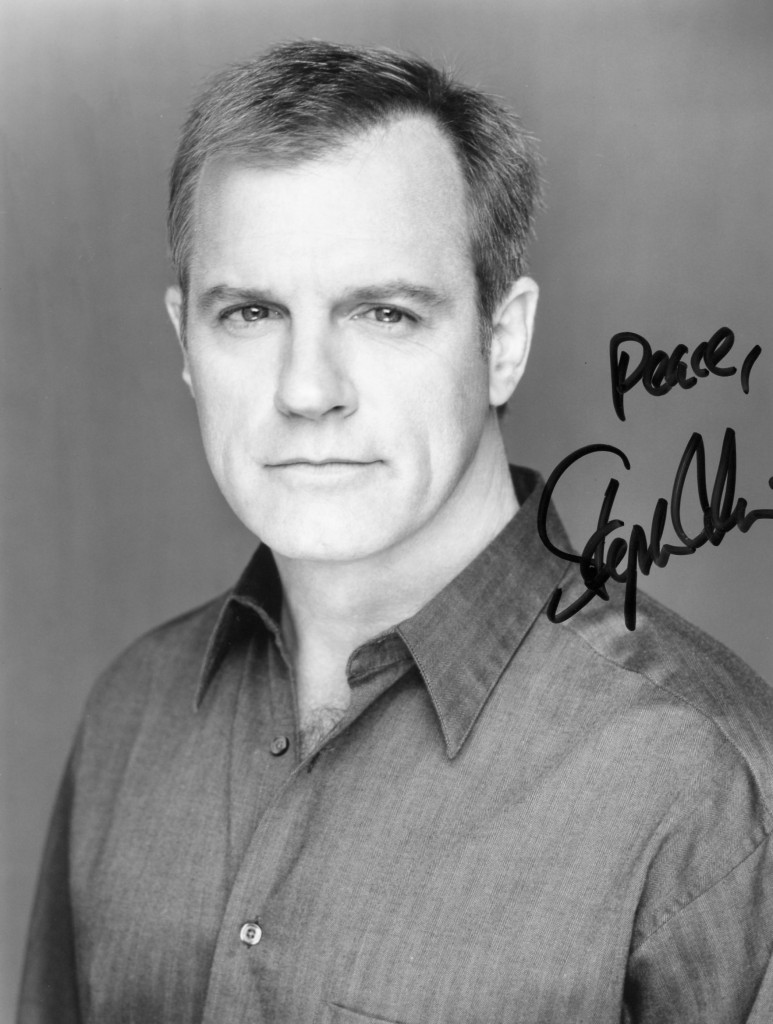
Stephen Collins
Stephen Collins
Stephen Collins

Stephen Collins was born in 1947 in Des Moines, Iowa.   He is best known for his leading role in the long running series “7th Heaven”.   His films include “Stella” and “The First Wive’s Club” in 1996.   He is a frequent performer on Broadway.

TCM Overview:

Actor and occasional singer Stephen Collins essayed numerous clean-cut, well-intentioned men with an adventurous or romantic side in countless television movies and features from the mid-1970s through the 21st century. Adept at both drama and breezy comedy, he was a natural go-to for the lead in numerous regular series, but had trouble finding one that took with audiences until he starred in “7th Heaven” (The WB/The CW, 1996-2007), a family-values drama which cast him as a savvy Protestant minister and head of a large brood that deals with complex life issues. The show’s popularity gave his career a solid boost, leading to more supporting roles in features like “Blood Diamond” (2006) and “Because I Said So” (2007), making Collins a versatile actor able to carry himself on screens both big and small.

Born Oct. 1, 1947 in Des Moines, IA, Collins was raised by his father Cyrus, an airline executive, and his mother, Madeline. After living in Peru for a spell, the family relocated to Hastings-on-Hudson, NY. Childhood shyness initially kept him from his two earliest passions – baseball and acting – but he managed to pull through to become a regular on both the diamond and the high school stage. Collins also played bass guitar in several bands during his years in high school and at Amherst College. But acting became his main passion at Amherst, where he caught the attention of legendary New York theater producer Joseph Papp while performing in a rock musical during his senior year. A conversation with Papp lead to an offer for a small role in a production of “Twelfth Night,” which launched Collins’ career as a professional actor. After graduating from Amherst cum laude in 1969, Collins quickly landed both supporting and lead roles in a variety of Broadway and off-Broadway productions before making his feature film debut in “All the President’s Men” (1976), playing Hugh W. Sloan Jr., former Nixon White House aide and main source for the investigation by Bob Woodward (Robert Redford) and Carl Bernstein (Dustin Hoffman) into the Watergate burglary.

Collins played his share of youthful romantic leads in his early film and television roles – he was a young William Holden in Billy Wilder’s flop “Fedora” (1978), then played Henry Fonda in flashbacks for “Summer Solstice’ (1981). He was also frequently cast as ramrod straight heroes in adventure-drama miniseries like “The Rhinemann Exchange” (NBC, 1977). But to gain widespread exposure, Collins had to wait until he was cast as Captain Willard Decker, interim commander of the U.S.S. Enterprise, in Robert Wise’s “Star Trek: The Motion Picture” (1979). Though his role had its share of dramatic heft – Decker falls for an alien crew member (Persis Khambatta) and eventually merges with her robotic double in the film’s climax – Collins was largely overshadowed by the cast of the original series and the expensive special effects.

Collins’ roles gained some significance in the early 1980s – he was Edith Wharton’s lover Morton Fullerton in the PBS special “Looking Back” (1981) and played married doctor Shirley Maclaine’s lover in the infidelity comedy “Loving Couples” (1980). In 1982, he was top-billed in “Tales of the Gold Monkey” (ABC, 1982-83), a cliffhanger-style adventure-drama conceived by producer Donald Bellisario to cash in on the popularity of “Raiders of the Lost Ark” (1981). Though a fine showcase for Collins’ comedy and drama skills, the series proved to be short-lived. He soon returned to regular rotation of miniseries and television movies, the best being “Inside the Third Reich” (ABC, 1982), a biopic of German architect Albert Speer (Rutger Hauer) with Collins playing Nazi recruiter Karl Hanke, as well as two miniseries, “Chiefs” (CBS, 1983) and “The Two Mrs. Grenvilles” (NBC, 1987). The latter, based on the book by Dominick Dunne, earned Collins an Emmy nomination for his portrayal of the ill-fated Billy Grenville, whose accidental shooting by his wife (Ann-Margret) blossoms into a sensational murder trial.

Collins returned to series work with “Tattinger’s” (NBC, 1988-89), an hour-long comedy-drama about a divorced couple (Collins and Blythe Danner) who run a posh New York restaurant. An unmitigated ratings disaster, the show was nevertheless revived by the network as a half-hour sitcom called “Nick and Hillary” (NBC, 1988-89), which proved even less popular than its predecessor. Collins gave episodic television another shot with “Working It Out” (NBC, 1989-91), a comedy about two divorced parents (Collins and Jane Curtin) who become romantically involved. Surviving less than two season, the series became another flop on Collins’ resume. Back to his bread and butter, Collins worked steadily in miniseries and made-for-TV-movies well into 1990s. He portrayed President John F. Kennedy in the Emmy-winning miniseries, “A Woman Named Jackie” (NBC, 1991), then played real-life attorney Dan Broderick, who was shot and killed by his wife (Meredith Baxter) in “A Woman Scorned: The Betty Broderick Story” (CBS, 1992). He followed with a turn as spurned suitor Ashley Wilkes in “Scarlett” (CBS, 1994), a splashy miniseries based on author Alexandra Ripley’s sequel to Gone With the Wind.

Collins enjoyed a recurring role as a doctor and boyfriend to Sela Ward on “Sisters” (NBC, 1991-95) before returning briefly to features as the estranged husband of Diane Keaton in the popular comedy, “The First Wives Club” (1996). That same year, Collins began his lengthy tenure as the Reverend Eric Camden on “7th Heaven,” which also marked his debut as director for three episodes. An exceptionally popular show on the fledgling network from its inception, the series held the record as the most watched series in The WB’s history. Key to its success was its adherence to upbeat, moral-driven stories, which tackled family issues with tons of advice and guidance from Camden and his wife (Catherine Hicks), who oversaw their children with a strict but loving hand. The lack of salacious material, and balance between heavy issues and light comedy, helped build a core audience that saw the Camden family undergo countless change during its decade-long stint on television. Countless cast members came and went over the years, including starlet Jessica Biel, who left the show under a firestorm of protest after posing semi-nude on the cover of Gearmagazine while still a minor. Collins led the charged with extremely vocal opposition to the layout.

The WB formally cancelled “7th Heaven” at the top of its game in 2005, but it was renewed unexpectedly by The CW for another season in 2006. Though a popular program for the new network, a reduced budget forced it to reduce the screen time of several regular cast members and a time slot change effectively cut its audience in half. The program was finally put to rest in 2007. But the persistent popularity of “7th Heaven” gave Collins’ career a well-deserved boost and allowed him to branch out into other high-profile projects. He had a supporting role as an ambassador in the 2006 drama “Blood Diamond,” and returned to light romantic comedy as Diane Keaton’s gentle suitor in the comedy “Because I Said So” (2007). Collins also spoofed his squeaky-clean image by playing the impossibly kindhearted and accomplished father to Glenn Howerton and Kaitlin Olsen’s scheming layabouts in “It’s Always Sunny in Philadelphia” (FX, 2005- ).

Married to actress Faye Grant of “V” (NBC, 1983) fame since 1986, Collins also recorded two albums of pop music, including a compilation of Ricky Nelson covers, and penned two novels, Eye Contact published in 1994, and Double Exposure published in 1998. Meanwhile, he penned the play “Super Sunday,” which was produced at the Williamstown Theatre Festival in 1988. In 2008, he returned to Broadway for the first time in over two decades to play the bumbling King Arthur in the Tony-winning “Spamalot.”

The above TCM overview can also be accessed online here.

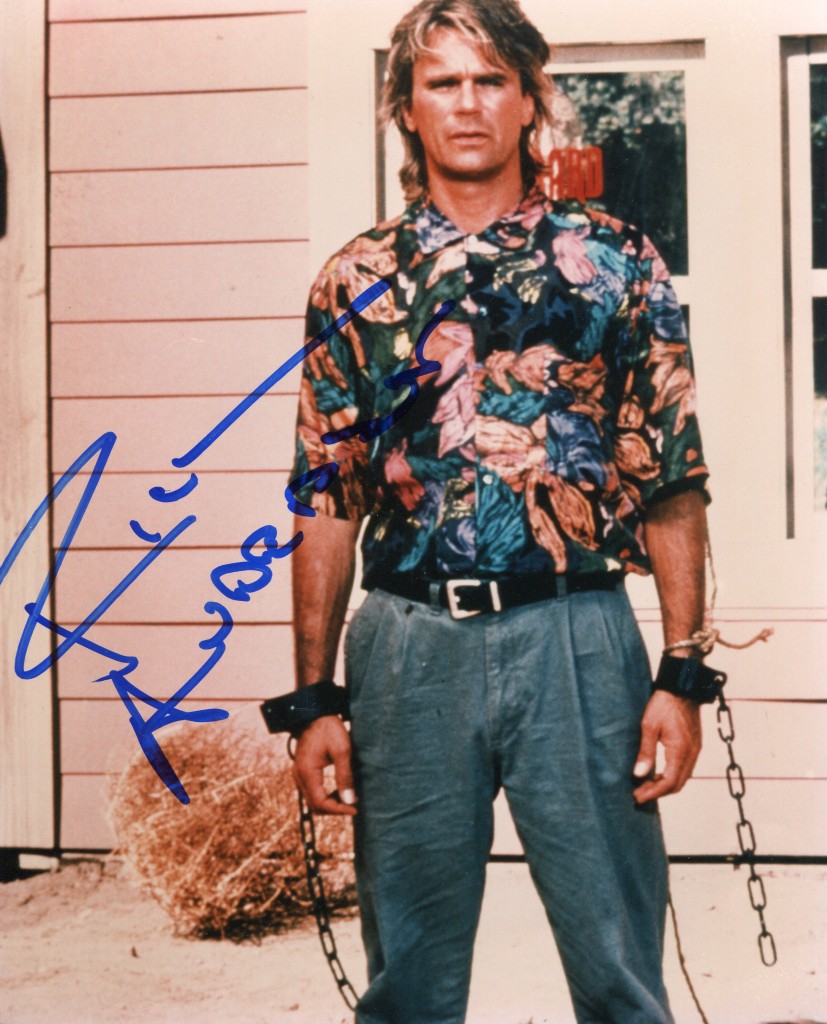
Richard Dean Anderson

Richard Dean Anderson was born iu Minnesota in 1950.   “MacGyver” on television gave him his big break.   The series ran from 1985 until  1992.   He then went on to star in “Stargate SG-1 which ran from 1997 until 2005.   His movies include “Young Doctors in Love”.

IMDB entry:

The future MacGyver (1985) and Stargate SG-1 (1997) star was born on January 23, 1950, in Minneapolis, Minnesota. His father, Stuart Anderson, was a teacher at a local high school and his mother, Jocelyn, was an artist who was talented in both sculpting and painting. He and his two younger brothers, Thomas John and James Stuart, grew up in a suburb of Minneapolis called Roseville. During his childhood and teenage years, he developed a love for sports, music (especially jazz) and acting.

Richard dreamed of becoming a professional hockey player as a teenager, a dream shared by his future Stargate SG-1 (1997) co-star Michael Shanks. However, this was not to be as, at age sixteen, he broke both of his arms in separate incidents, the second of which was so bad that he had to be hospitalized for three months. Although his dream became an impossibility, he never lost his love for the sport. Richard was very much a restless teenager, having had many adventures hitchhiking on the open road. This sense of adventure is most evident from his 5,641-mile bicycle trip from his home in Minnesota to Alaska. Though accompanied by several friends at the beginning of this trip, he traveled the last thirty-three days alone. This experience gave him a more centered sense of direction in his life.

After studying drama at St. Cloud State University and at Ohio University (without completing his degree), he briefly moved to New York before settling in Los Angeles, where he worked as a juggler and a street mime and in a Renaissance-style cabaret. He worked briefly in Marineland, where his jobs included holding fish in his mouth for killer whales to leap up and snatch. Subsequently, he appeared in plays and formed a rock band called “Rick Dean and the Dante” with his friend Carl Dante in which he sang and played the guitar.

His big break came in 1976, when he was cast in the popular daytime drama General Hospital (1963) as Dr. Jeff Webber. He continued to play the role for five years until he felt it was time to move on to prime-time drama. He made numerous guest appearances in series such as The Facts of Life (1979) and The Love Boat (1977) and was cast as the star in two CBS series, Seven Brides for Seven Brothers (1982) and Emerald Point N.A.S.(1983), but both lasted just one season.

His next big success came in 1985, when he won the role as the title character in the ABC adventure series MacGyver (1985). He was cast because the producers were impressed by the lack of pretension he showed at his audition. As he is nearsighted, it was necessary for him to wear his glasses for the reading. The series lasted seven seasons and ran for 139 episodes. It was hugely successful throughout its run and has continued to be popular all over the world. He reprised his role in two TV movies,MacGyver: Lost Treasure of Atlantis (1994) and MacGyver: Trail to Doomsday (1994), both produced by his own production company, Gekko Film Corp, which he co-founded with Michael Greenburg.

Having made a huge impression in Ordinary Heroes (1986) as a blinded Vietnam veteran struggling to rebuild his life in America, after “MacGyver” ended he moved on to TV movies such as In the Eyes of a Stranger (1992), Through the Eyes of a Killer (1992),Beyond Betrayal (1994), Past the Bleachers (1995) and Pandora’s Clock (1996). He was particularly impressive in Past the Bleachers (1995), in which he played a grieving father struggling to come to terms with his young son’s death.

He returned to series television in 1995, when he was cast as Ernest Pratt/Nicodemus Legend in Legend (1995), an adventure series that aired on UPN. He also served as executive producer of the series, in which one of his co-stars was his close friend John de Lancie. His character was a dime novelist (Pratt) who took on the persona of the protagonist in his novels (Legend). The series was primarily a comedy, a blend of the western and science fiction. It has also been Richard’s favorite role to date.

He found major success again when cast as Colonel (later Brigadier General) Jack O’Neill in Stargate SG-1 (1997), an adventure/science fiction series based on the blockbusterStargate (1994) starring Kurt Russell and James Spader. The series began filming in Vancouver on February 19, 1997, and premiered on Showtime on July 27, 1997 and on Fox Friday nights. The series has remained extremely successful since then, eventually resulting in the creation of a spin-off series, Stargate: Atlantis (2004), in 2004, and the now-canceled video game _Stargate SG-1: The Alliance (2005) (VG)_ in 2005. Both series have aired on the Sci-Fi Channel. He has also appeared, sporadically, in the latest spin-off series, SGU Stargate Universe (2009). Richard’s role in the SG-1 series was substantially reduced in its seventh and eighth seasons, which culminated in his departure from the series in 2005.

He has never married but has dated many women, including actresses Teri HatcherLara Flynn BoyleSela Ward and German ice-skater Katarina Witt. Since 1996, his partner has been Apryl A. Prose, who is the mother of his only child, Wylie Quinn Annarose Anderson, who was born on August 2, 1998. Like her father and grandfather (who passed away in 2003), she is fond of jazz. Because of his young daughter, he has temporarily taken a break from acting in order to spend time with her and help her develop. Richard has made it a point throughout his career to choose roles that demonstrate his versatility as an actor. Many of his characters, particularly MacGyver and O’Neill, are strong characters who, although tormented by personal tragedies such as the death of family members and friends, can continue on bravely and valiantly.

– IMDb Mini Biography By: Gus Fallon

The above IMDB entry can also be accessed online here.

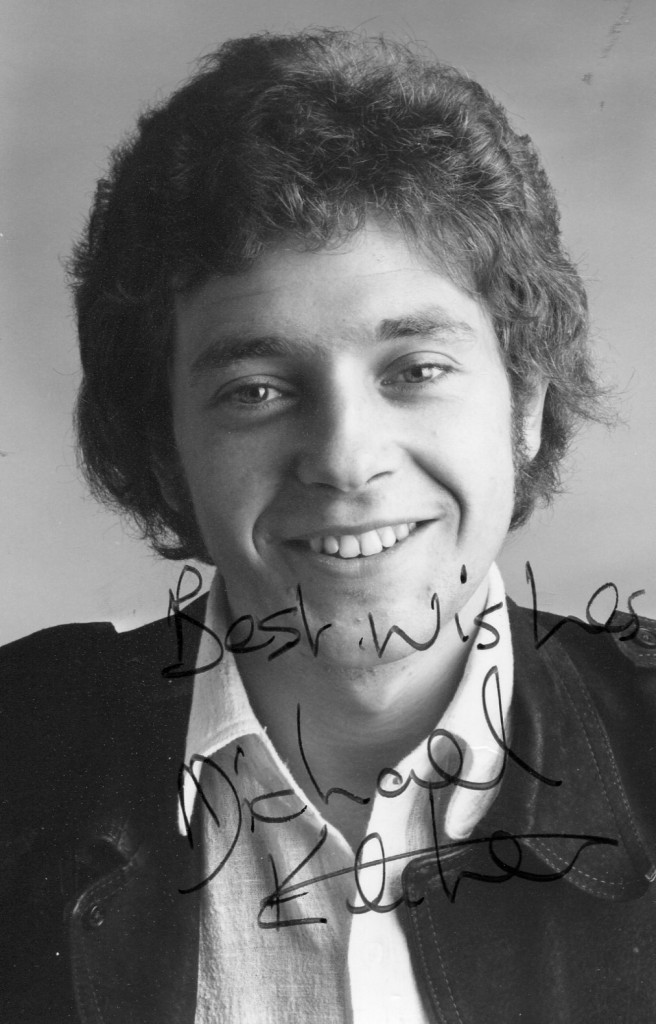
Michael Kitchen
Michael Kitchen
Michael Kitchen

Michael Kitchen. IMDB.

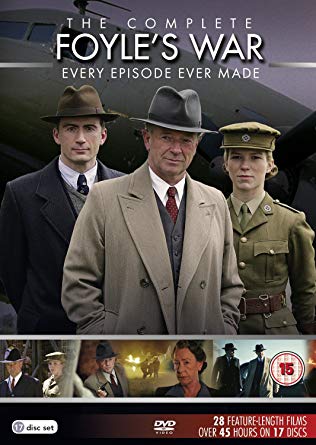
Michael Kitchen is perhaps best known for his portryal of Inspector Foyle in the long running television series “Foyle’s War” which is set during World War Two in Britain.   He was born in 1948 in Leicester.   He studied at RADA and has been a prolific presence in quality productions on television since 1973.   Among his TV credits are “Brimstone and Treacle” and “Caught On A Train” opposite Peggy Ashcroft.   His films include “Goldeneye” and “Out of Africa”.

Michael Kitchen
Michael Kitchen

IMDB entry:

Michael Kitchen was born on October 31, 1948 in Leicester, Leicestershire, England. He is an actor and producer, known for Out of Africa (1985), GoldenEye (1995) and The World Is Not Enough (1999). He has been married to Rowena Miller since 1988. They have two children.ociate Member of the Royal Academy of Dramatic Art.Graduated from RADA.On Foyle’s War (2002):

When the series first went out in the States, for example, at the front of each episode a rather eminent historian spent a couple of minutes on camera explaining how that episode related to the period of war it’s set in, what actual incidents have inspired it along with various things to look out for during the course of the programme. I think it’s a great shame something similar doesn’t happen when the series is screened in the UK. It undeniably adds another level and depth to the programme, not to mention the success this sort of prologue or introduction has had in the past – the Alfred Hitchcock series for example.

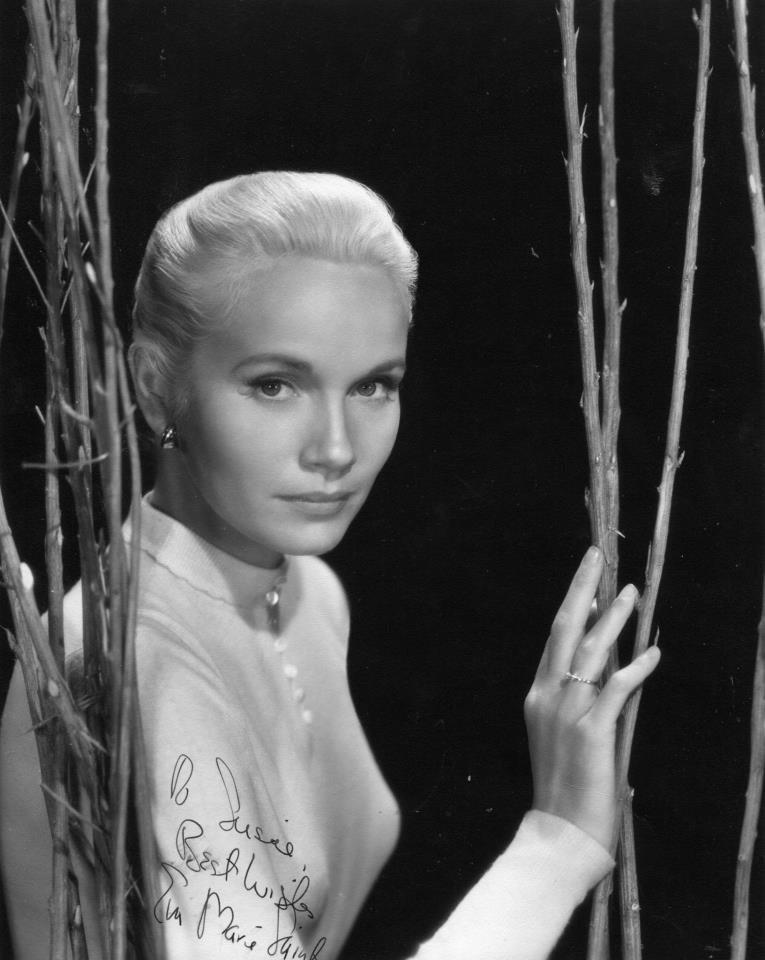
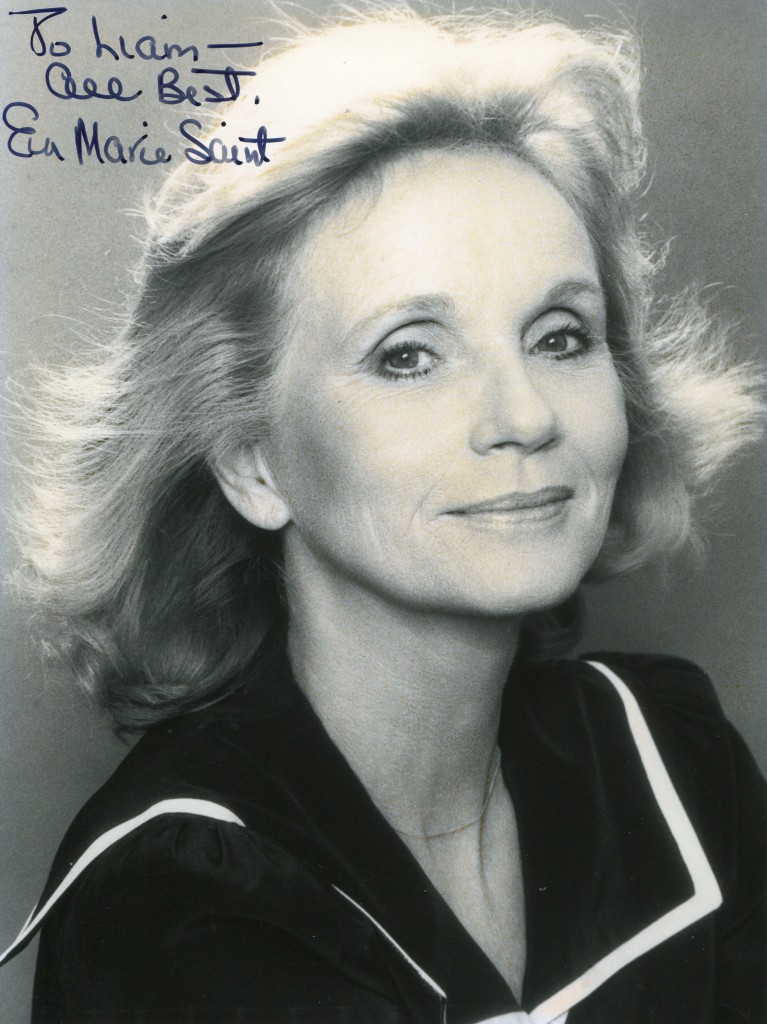
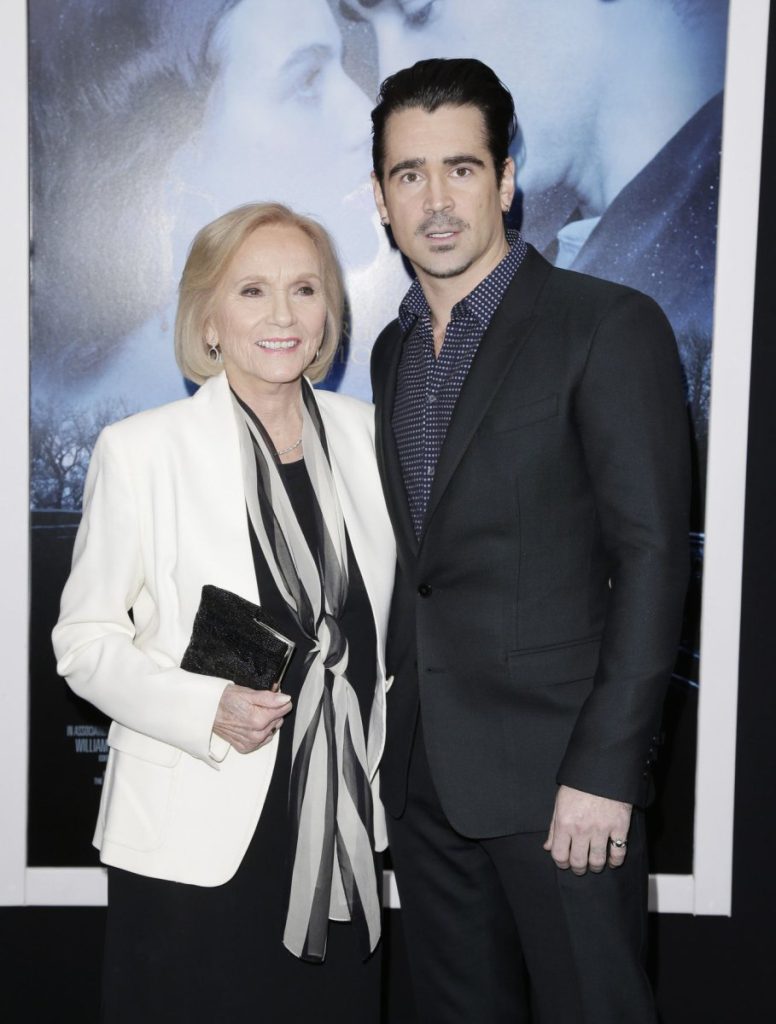
Eva Marie Saint
Eva Marie Saint
Eva Marie Saint

Eva Marie Saint. TCM Overview.

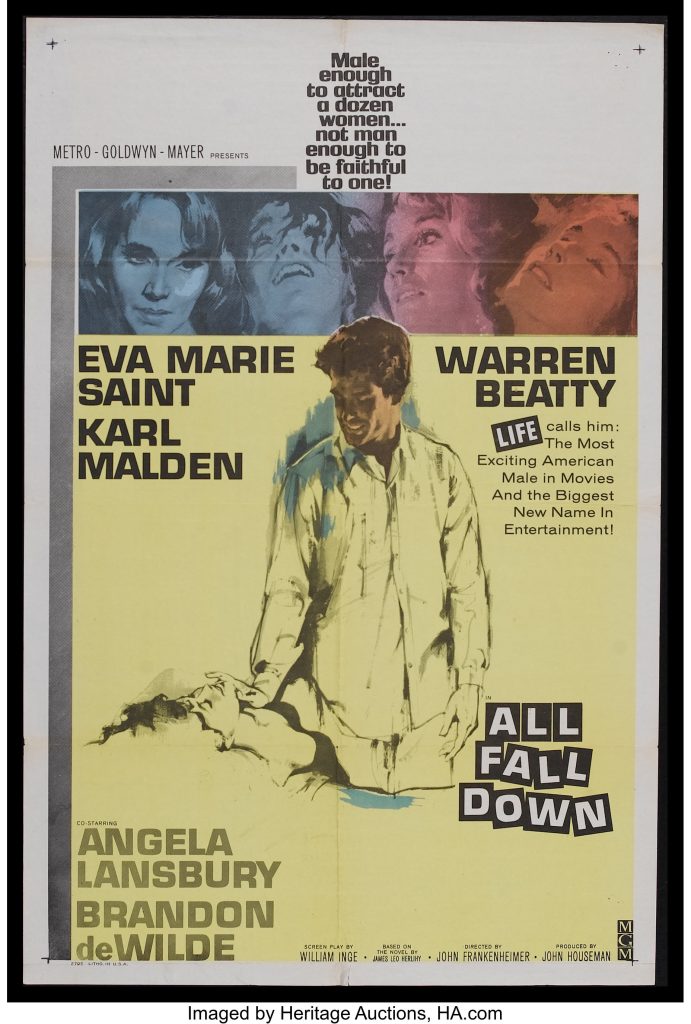
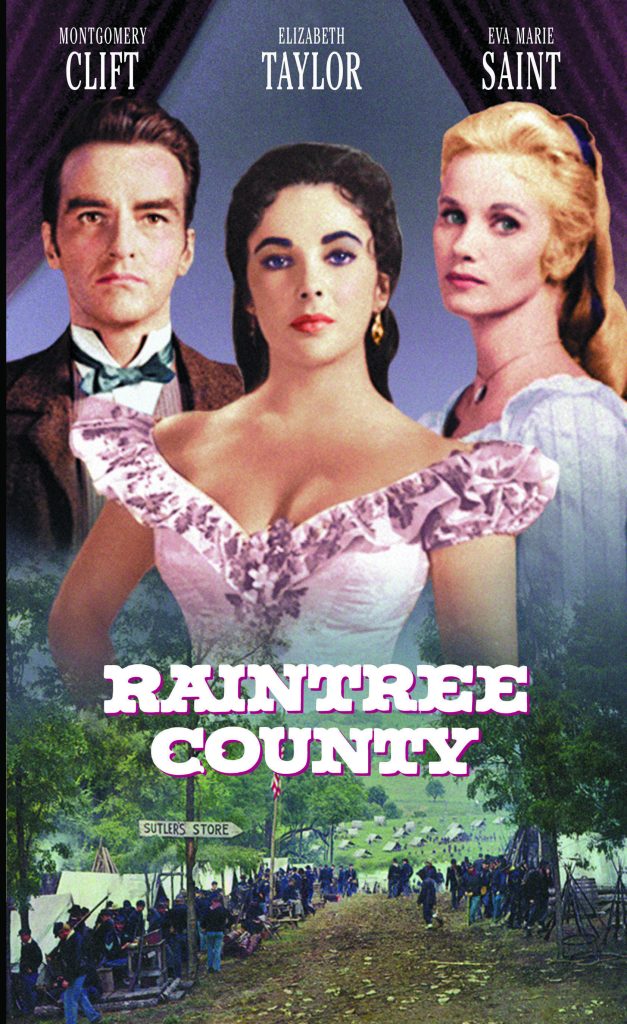
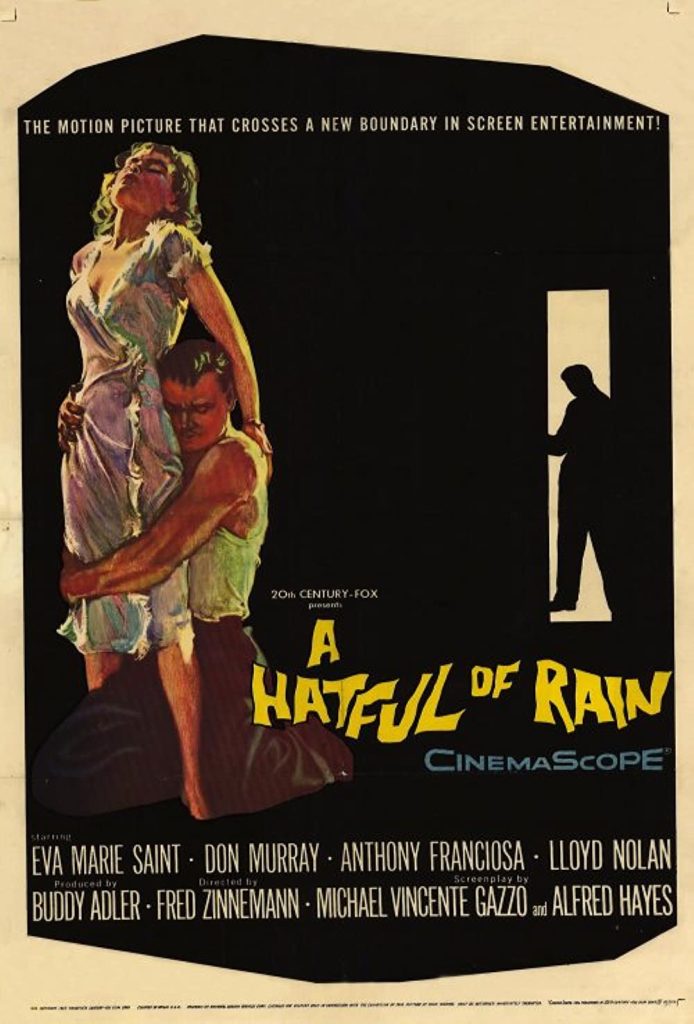
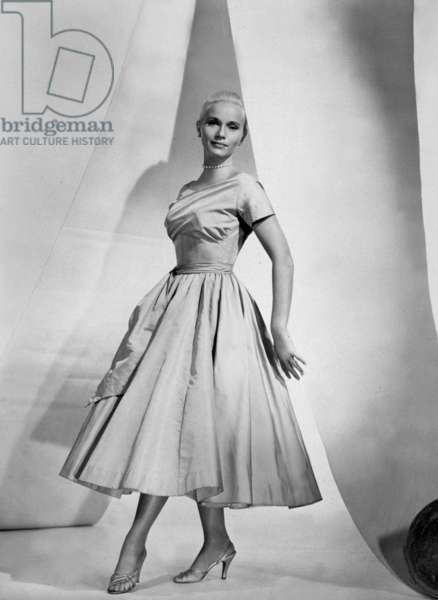
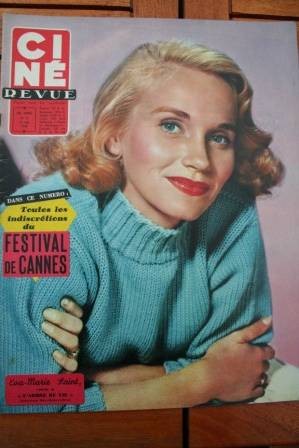
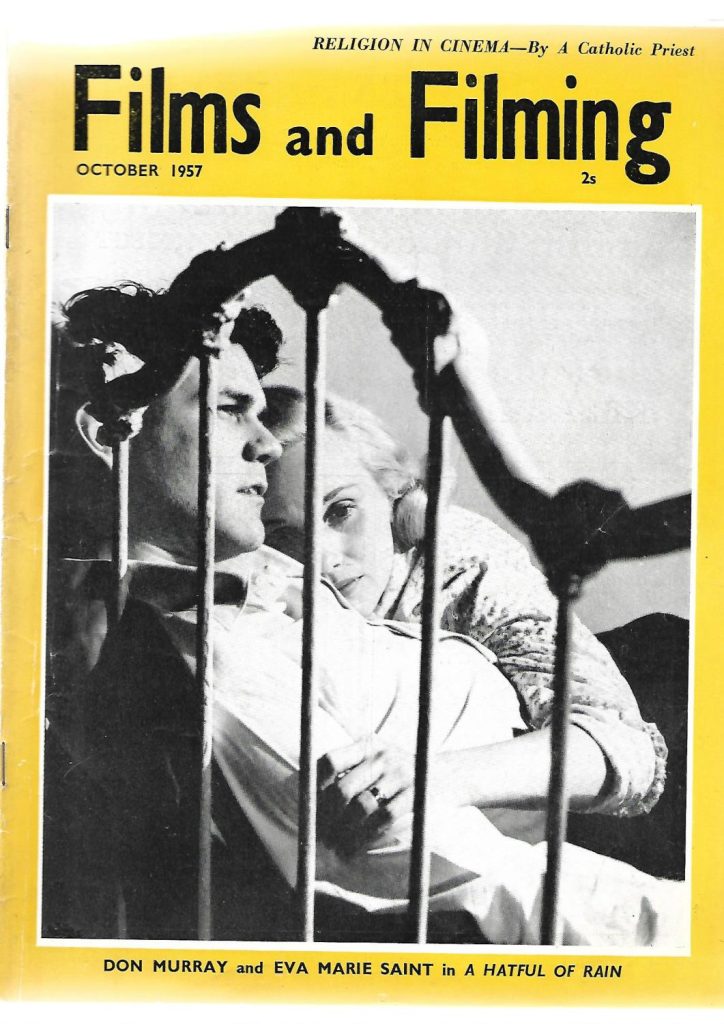
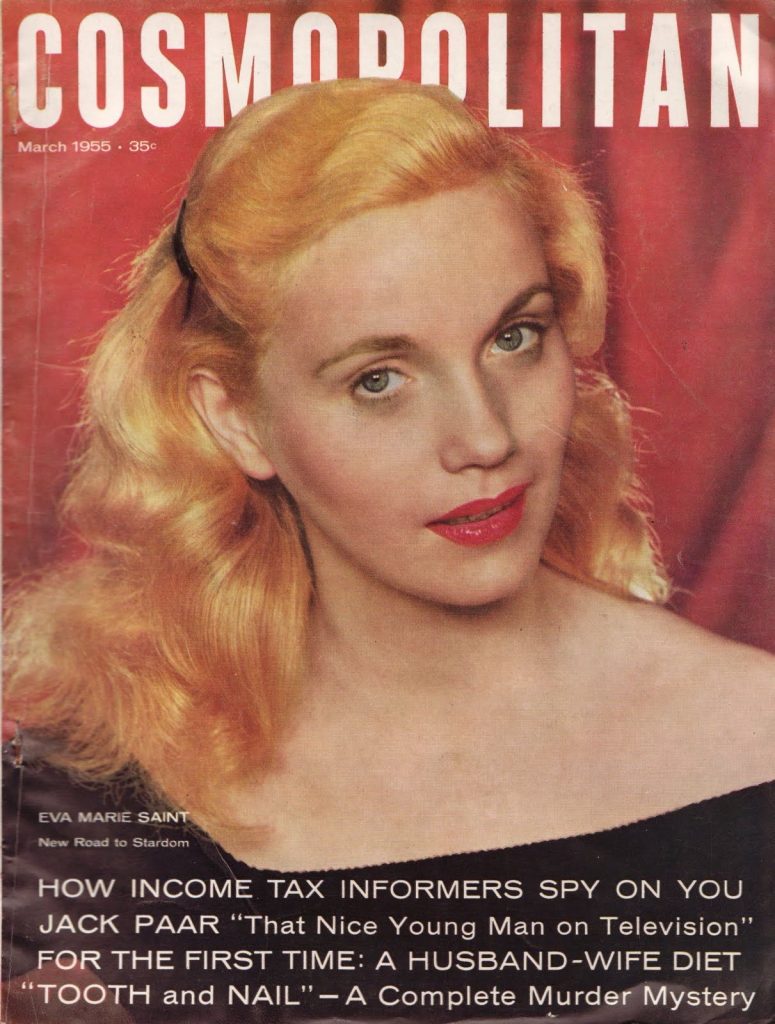
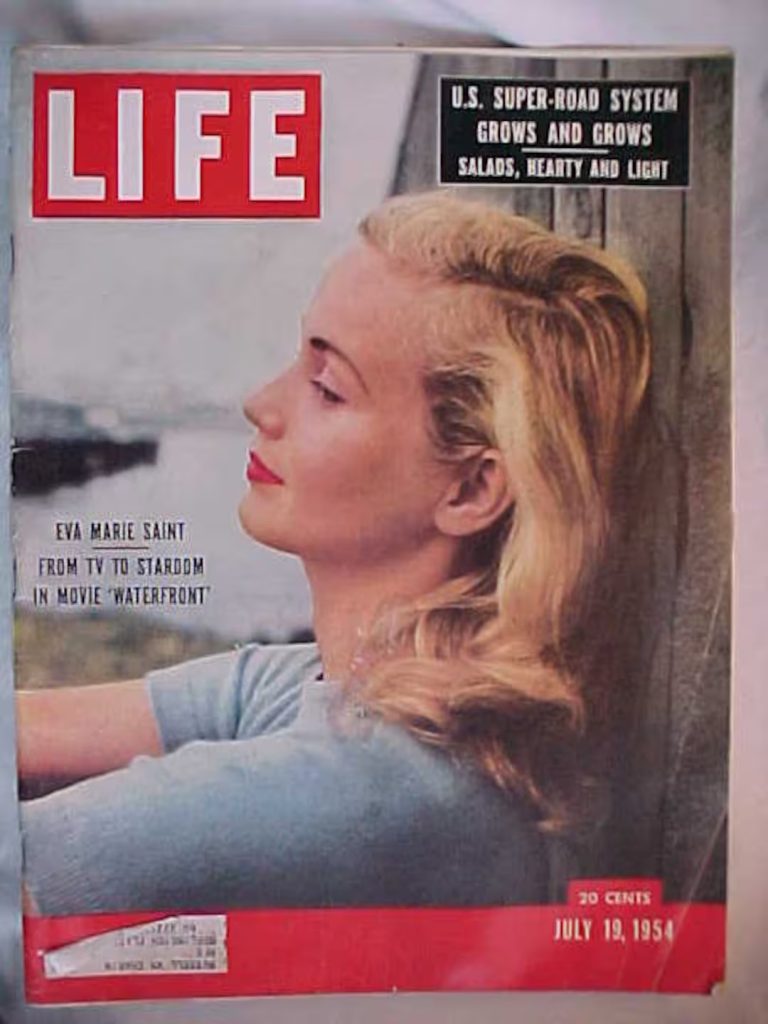
Eva Marie Saint was born in Newark, New Jersey in 1924.   She began her professional acting career in television drama and made her film debut as Edie Doyle in 1954 in “On the Waterfront” opposite Marlon Brando.   She won an Oscar for her performance.   Her other films include “Raintree County” opposite Montgomery Clift and “A Hatful of Rain” opposite Don Murray.   She gave a magnificent performance opposite Cary Grant as a cool Hitchcock blonde heroine in “North by Northwest” in 1959.   Her other major films include “Exodus” in 1960 opposite Paul Newman and “All Fal Down” in 1962 opposite Warren Beatty.   In 2005 she starred with Jessica Lange in “Don’t Come Knocking”.   Now nearly 95, it is good to see her still working.

TCM Overview:

Though her film appearances were sporadic at best – less than 20 movies between 1955 and 2006 – Academy Award winner Eva Marie Saint enjoyed revered status among her peers due to her emotionally complex performances in several iconic films. She was perhaps best known as the delicate object of affection for dock worker Marlon Brando in “On the Waterfront” (1951), which earned her an Oscar. She would play variations on the role in several subsequent features, including “A Hatful of Rain” (1957), though Alfred Hitchcock would tap her inner sexiness as a double agent opposite Cary Grant in “North by Northwest” (1959). Sadly, the majority of Saint’s films never rose to her skill level, so she found more substantive work on television, where she contributed greatly to such projects as “Fatal Vision” (1984) and “People Like Us” (1990). Her return to the big screen in “Superman Returns” (2006) reminded moviegoers not only of her timeless, ethereal beauty, but her acting chops, which – though rarely given their proper showcase – had been substantial enough to hold her own against the Brando’s and Grant’s of the world.

Eva Marie Saint
Eva Marie Saint

Born July 4, 1924 in Newark, NJ, Saint discovered acting as a student at Ohio’s Bowling Green State University, which would later pay tribute by naming a campus theater after her. Her first exposure to a national audience came via radio and television dramas in the 1940s, where she made a name for herself with sensitive portrayals of young women, most notably as Emily Webb opposite Paul Newman and Frank Sinatra in a production of “Our Town” for “Producers’ Showcase” (NBC, 1954-57) and “Middle of the Night” for “Philco TV Playhouse” (NBC, 1948-1955), which brought her a Emmy nomination in 1955. Saint also scored a professional triumph on Broadway opposite the legendary Lillian Gish in “The Trip to Bountiful,” which earned her a Drama Critics Award in 1953. Saint’s solid reputation among critics was becoming reinforced so often that she was referred to as “the Helen Hayes of television.”

Saint’s film debut was equally laudable. Director Elia Kazan cast her as Edie Doyle, the young sister of a murdered dockworker who captures the heart of rough dockhand Terry Malloy (Marlon Brando). A marvel of carefully modulated emotions, alternately delicate and fiery in her scenes with Brando, and especially in her confrontation with Karl Malden’s waterfront priest, Saint’s performance catapulted her to fame and earned her a Best Supporting Actress Oscar in 1954.

The success of her “Waterfront” performance elevated Saint to the forefront of Hollywood actresses, and for a period of five years, she could be counted upon to bring emotional depth and grace to serious dramas. She received a Golden Globe nomination in 1958 as the pregnant wife of Don Murray’s drug-addicted war veteran in “A Hatful of Rain,” and excelled as Montgomery Clift’s jilted sweetheart in Edward Dmytryk’s Civil War drama, “Raintree Country” (1957).

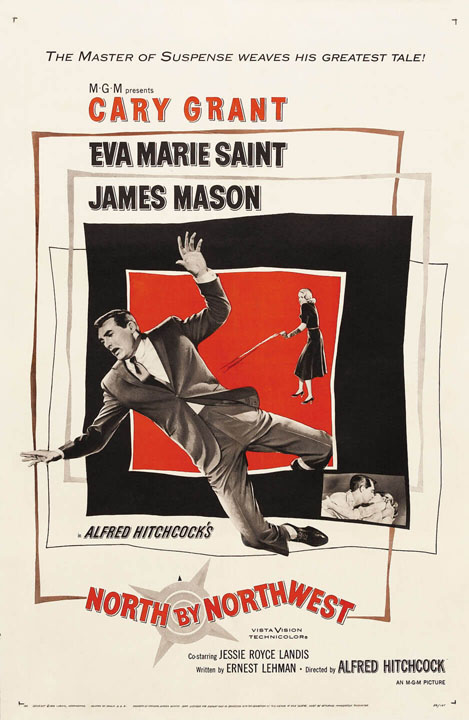
Both roles were squarely in the mold of her “Waterfront” character – lovelorn, seemingly fragile but possessed of a bottomless emotional reserve – but Alfred Hitchcock saw another side to the actress when he cast her in his espionage drama, “North by Northwest” (1959). The Hitchcock thriller – one of the director’s best loved – thrust Saint into entirely new territory as a coolly seductive spy who comes to the aid of but falls in love with advertising executive Cary Grant. The actress, who garnered considerable publicity for trimming her signature waist-length hair for the role, even indulged in several action sequences, most notably the famed showdown on Mount Rushmore that served as the film’s conclusion. While some pundits may have viewed the marriage of a dramatic actress like Saint with an action-thriller as an awkward match, the results were entirely pleasing, and Saint received some of the best reviews of her career for the performance.

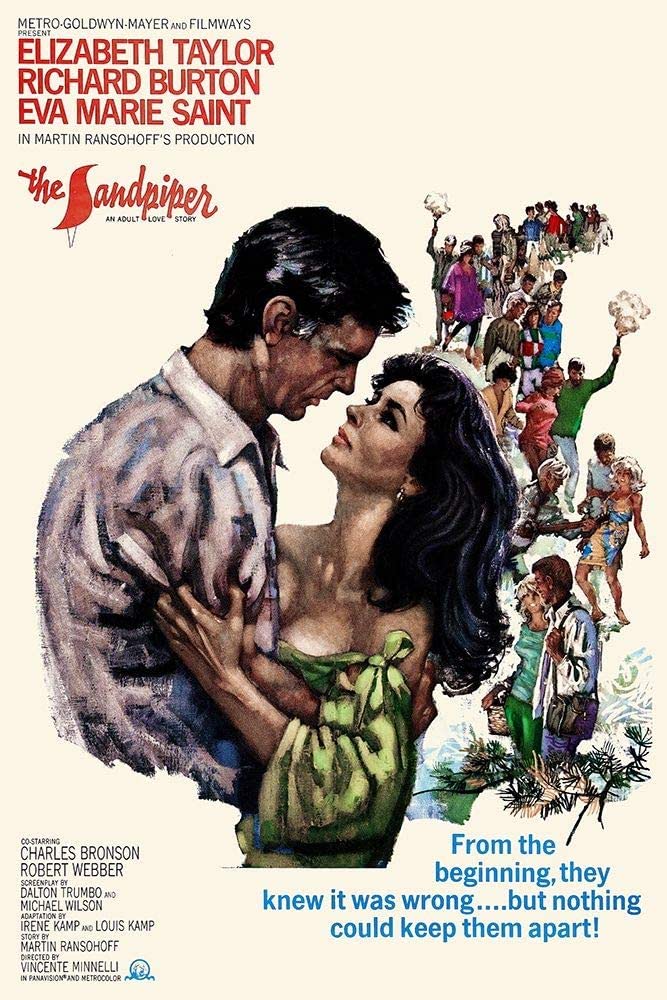
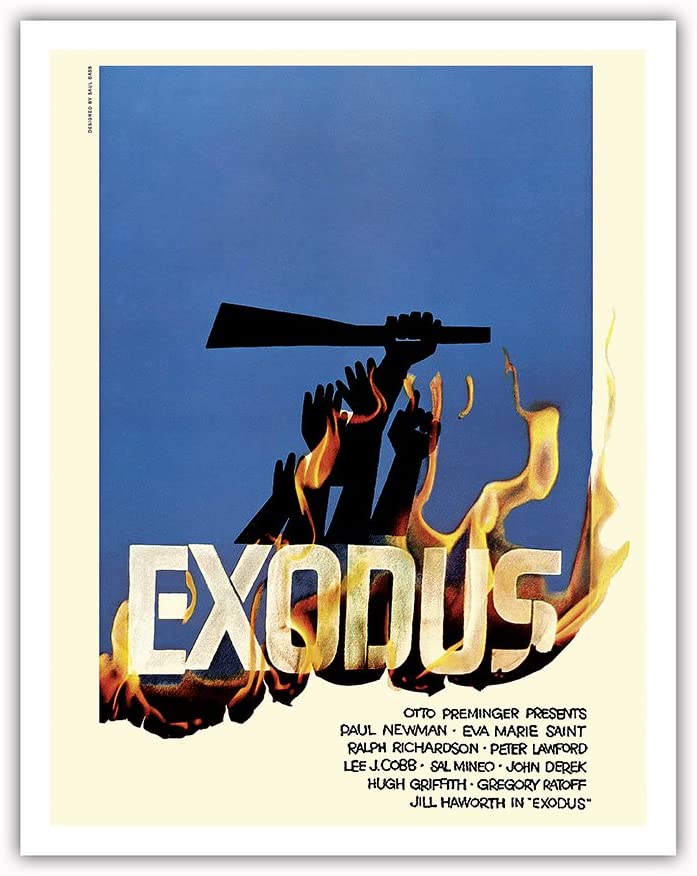
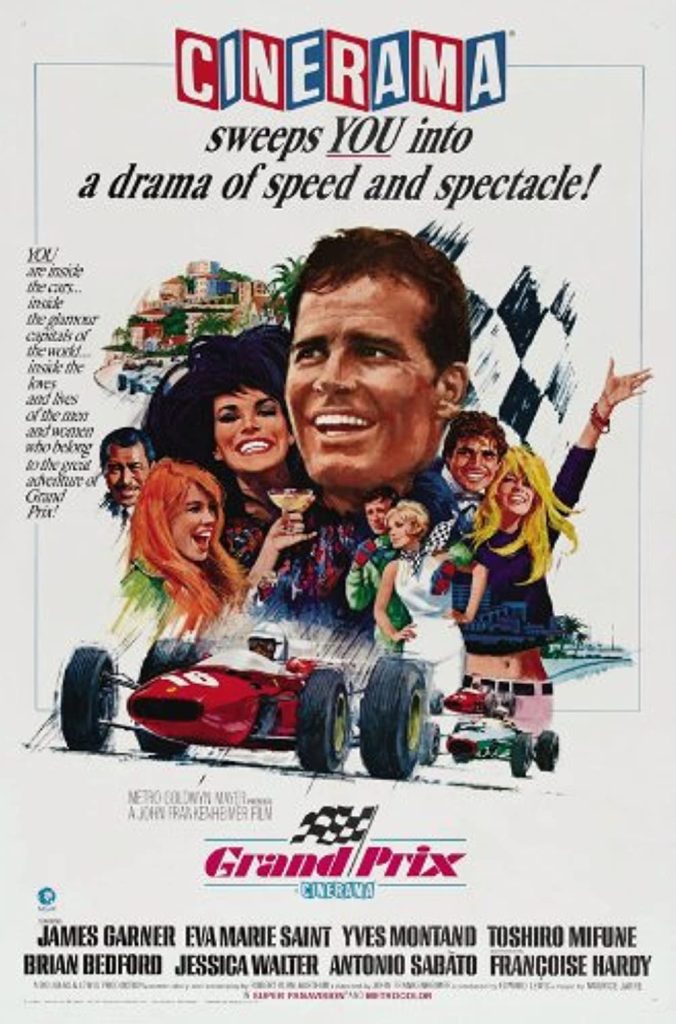
Though “Northwest” and her previous efforts had made Saint a star, by 1960 she was actively moving away from the Hollywood machine to spend more time with her husband, director Jeffrey Hayden, and their two children. As a result, her screen performances declined in number as the decade wore on. There were still several high-profile projects, most notably Otto Preminger’s “Exodus” (1960), which cast her as an American nurse who becomes involved in the founding of the state of Israel. Director John Frankenheimer used her in two very different pictures – the Southern drama “All Fall Down” (1962), which cast her as a pregnant girl destroyed by Warren Beatty’s wastrel, and the racing picture “Grand Prix” (1966). There were also supporting roles in “The Sandpiper” (1965) and “The Russians Are Coming! The Russians Are Coming!” (1966), but none were truly showcases for Saint’s talent. By the mid-1960s, she was appearing more frequently on television, which would regularly provide her with work for the next two decades.

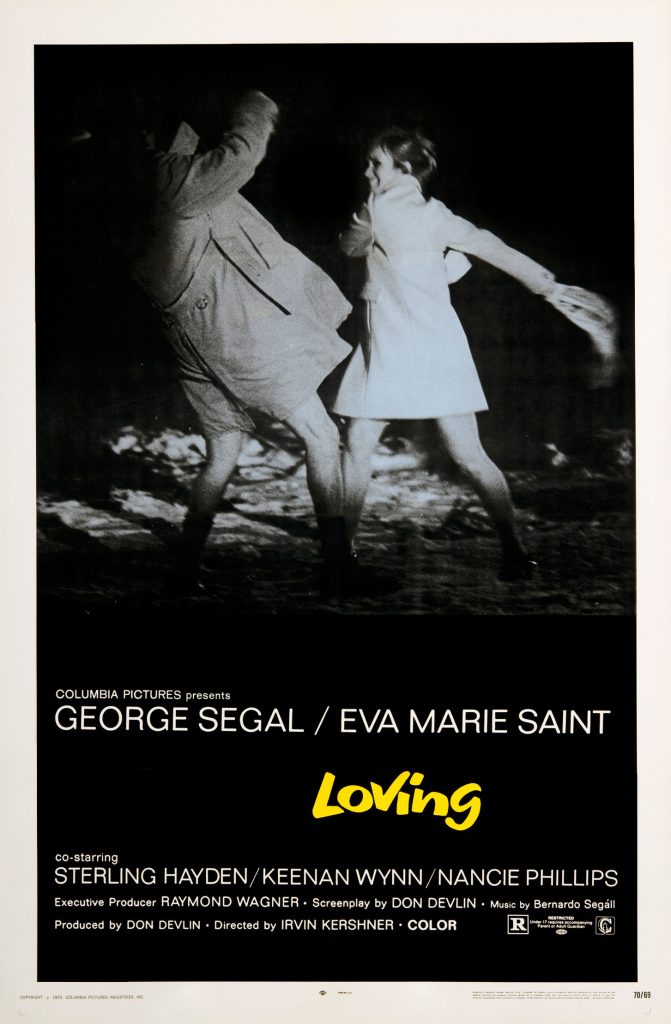
Saint made just two features in the 1970s, one of which – Irvin Kershner’s marital drama “Loving” (1970), which cast her as the harried wife of rudderless commercial artist George Segal – offered her one of the meatiest parts to come her way in decades. For the most part, she preferred the shorter commitment and more intimate stories of made-for- TV features. She brought immeasurable prestige to numerous productions, including “Taxi” (NBC, 1978), a two-person drama with Martin Sheen that brought her an Emmy nomination. Saint was also stellar in the POW drama “When Hell Was in Session” (NBC, 1979), as the mother of anorexic teen Jennifer Jason Leigh in “The Best Little Girl in the World” (ABC, 1981), and as the mother who fights to see justice for her slain daughter in “Fatal Vision” (NBC, 1984), which was based on the Jeffrey MacDonald murder trial.

Saint’s television schedule was remarkably active throughout the 1980s and 1990s. In addition to the aforementioned projects, she also appeared in the miniseries “A Year in the Life” (NBC, 1986), which hinged its dramatic arc on the death of her beloved family matriarch, and made several appearances as Cybill Shepherd’s mother on “Moonlighting” (ABC, 1985-89). In the middle of this flurry of work, she returned to moviemaking for the first time in over a decade as Tom Hanks’ mother in the Garry Marshall comedy “Nothing in Common” (1986). Critics applauded her return to features, but Saint was soon back on the small screen in numerous projects, including George C. Scott’s wife in “The Last Days of Patton” (CBS, 1986) and “People Like Us” (1990), an adaptation of a Dominick Dunne novel that won her an Emmy for Best Supporting Actress.

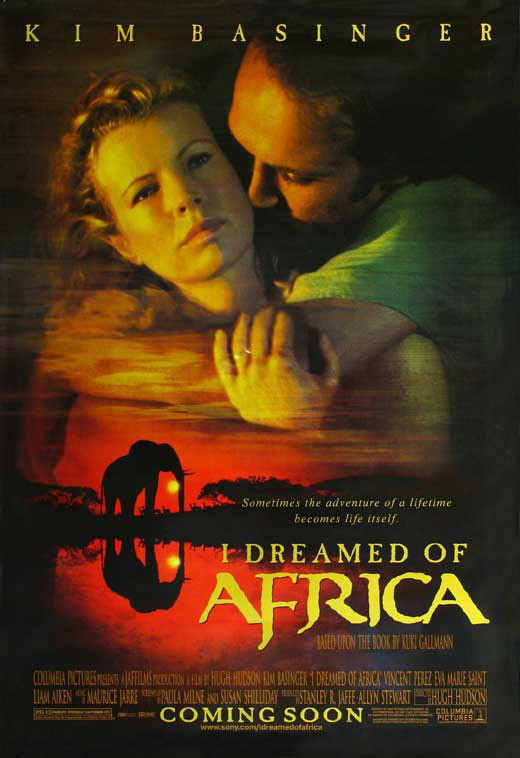
Saint began making inroads back to features in the late 1990s and early 2000s; most went largely unseen, like the Kim Basinger drama “I Dreamed of Africa” in 2000 and Wim Wenders’ “Don’t Come Knocking” (2005), which cast her as the mother of star and screenwriter Sam Shepard. However, “Superman Returns” (2006) afforded her one of her biggest film showcases ever as Martha Kent, the adoptive human mother of the Man of Steel. Saint displayed her enormous capacity for warmth in her scenes with newly-minted Superman, Brandon Routh, who experiences a crisis of conscience while attempting to revive his status as savior of Metropolis. The above TCM overview can also be accessed online here.

Chris Fountain
Chris Fountain
Chris Fountain

Chris Fountain was born in 1987 in Bradford, Yorkshire.   He came to national fame in the U.K. with his role in “Hollyoaks”.   He went on to play P.C. Paul Tait in the BBC drama “Five Days”.   He is currently on “Coronation Street” as Tommy Duckworth the cheeky lodger of Tyrone Dobbs.

Conor Mullen
Conor Mullen
Conor Mullen

Conor Mullen was born in 1962 in Dublin.   His many television credits include “Holby City”, “Single-handed”, “Rough Diamond”and “Proof”.   On film he has starred in “The Tiger’s Tail” and “Puckoon”.

Article by Ciara O’Dwyer in “Independent.ie”:

‘THE older you get, the more you think, Jesus, I better start being a bit more serious,” says Sutton-born actor Conor Mullen. “But then again, it has worked out fine for me so far. You always want to do better work and better paid work if you can get it, but you don’t want to spend your time constantly working towards something and missing everything along the way. I wouldn’t be terribly driven. For me, the more relaxed I am, the better I work anyway.”


He shouldn’t change a thing. Mullen is a marvellous actor. He has real presence, a wonderfully rich voice and he is believable in everything he does. And with his blue eyes, high cheekbones and blond hair, theSteve McQueen lookalike is very easy on the system too. I once travelled to London especially to see a production of a play in which he starred. It was Conor McPherson‘s brilliant This Lime Tree Bower at the Bush Theatre. (After a quiet run in Dublin at the Crypt Theatre, London audiences couldn’t get enough of it. And they were right.) It was well worth the trek.

That spell in the Bush proved to be very fruitful for Mullen. It was then that his extensive career in television dramas in the UK took off. Producers and agents spotted him and snapped him up. Soon they were offering him great work. A part in the television series Reckless, starring Francesca Annis, was followed by a stint in Soldier, Soldier. And on he soared. Many people may know him from his work in Holby City and Silent Witness.

A lot of the time, Mullen plays bad guys. At the moment, you can see him on your TV screen in Raw, where he plays Larry Deane.

“I’m usually a nasty piece of work,” says Mullen. “I play all the psychopaths. Type-cast again.” He laughs. He has a very easy way about him. It is refreshing to come across someone so calm and laid -back, especially in these frantic times.

When I meet him, he has just finished a day’s rehearsal for No Romance. (It is running in the Peacock until April 2.) Mullen plays the part of Michael, a frazzled man who travels down to West Cork with his PlayStation-addicted son, and plans to take his own mother up to Dublin and put her in a nursing home.

“He is a man under a severe amount of pressure and he doesn’t respond well to pressure,” says Mullen. “His marriage has fairly recently broken down acrimoniously. He’s trying to cultivate a relationship with his son and that’s not working out. (He tells him to get his head out of that f***ing PlayStation.) And he’s trying to put his mother into a nursing home because he’s worried that something is going to happen to her, but she doesn’t want to go. He’s trampling on her rights. The play deals with the question of when are you within your rights to take away somebody else’s rights?

“Michael is a very selfish individual. It’s all about what the situation means to him and how is he going to cope with it. He is falling apart. He’s so wired. It’s good fun because there are great lines in it. It’s so well written. Usually the best writing doesn’t feel like work. It’s the easiest to do.”

It has been a while since Mullen has been on our Dublin stages. Four years ago, he was at the Gate in Lady Windermere’s Fan and before that it was in the Peacock in Patrick Marber‘s Closer. “It’s about time that I got back out,” he says.

Whether people know it or not, Mullen infiltrates our lives. He does a lot of voice-over work, and in particular most people probably have daily contact with him as the voice of Eircom. It is his golden voice that you can hear when you pick up the phone to be told: “You have no new messages.”

“All actors are delighted to get a voice-over job,” he says. “You’ve got to have a few strings to your bow. If you decided that you’re only going to do theatre, the chances are you’re not going to be going from one play to the next. You wouldn’t be able to survive. Some people do character voices for cartoons and some do voice-overs, so you do whatever you can to keep going.”

There was a spell when it seemed there was only a handful of actors doing voice-overs, but Mullen says that it’s different these days. “The voice-over work is still going strong, but there’s a lot more people doing it now.”

All the same, his voice is beautifully resonant. What does he do to keep it so rich? “It’s just bad living,” he says.

Although he is serious about his work, the delightful thing about Mullen is that he doesn’t take himself too seriously. I’ve always had a soft spot for him, ever since he told me that he was great at staring out of a window and doing nothing. I interviewed him 10 years ago and he still looks very fresh faced; so glowing, that I presume he’s just back from a holiday. Not so. “It’s probably blood pressure,” he says.

The 49-year-old has hardly aged at all. It feels a bit odd to ask a man what he does to keep so youthful, but he does look incredibly well. U2’s Larry Mullen Jr is his cousin and he is another Dorian Gray. So, is this from the Mullen side of the family? “My father passed away last year. He was 85 and he looked great, but my mother will be reading this, so you better say that it’s from her side of the family.”

But what does he do? “No, I’m not doing facials and I haven’t had Botox.” Then he pulls a pious face. “Prayer. I have my faith and it stood to me.” There’s more laughter.

In some ways, Mullen is an accidental actor. He tried many lives for size before he made up his mind that he was going to have a bash at this acting lark. He grew up in Sutton, the third of six children. His mother was a keen theatre-goer and so the family were treated to trips to the Gaiety pantomime.

Both parents were pharmacists and they had a chemist shop in Terenure. Mullen confesses that he didn’t really apply himself when he was at school and then he was shocked when his Leaving Cert results were mediocre. University was not an option.

Instead, he did an Anco course in sales and, supplied with a car, he went on to work as a sales merchandiser for Guinness and later Wrigley chewing gum. Then his father offered him a job. (By that stage, he was selling medical supplies instead of working in the Terenure pharmacy.)

“I knew nothing about it,” says Mullen. “I was selling everything from mammary implants to TB drugs to blood filters. The products were very good. They spoke for themselves, apparently, because I didn’t know how to speak for them.”

When I ask how his love of theatre began, he is at a loss to pinpoint a specific event. He tells me that he just started going to see plays. Joe Dowling’s production of Death of a Salesman, starring Ray McAnally, had a lasting effect on him. It wasn’t long before he signed up for acting classes at the Brendan Smith Academy and shortly after that he headed to New York, to study acting at The Neighbourhood Playhouse for two years.

“I wanted to get away and it was a toss of a coin really,” he says. “It was going to be London, but London wasn’t far enough away. I wanted to be gone and to have a whole new world.”

New York fitted the bill. “I stayed with an old maiden aunt for a few weeks, then crashed on a couch and eventually I was living in Manhattan in a sublet. One of the first jobs I got was a lifeguard in a swimming pool in a 24-hour gym.”

Was he qualified? “Not at all. I told them that my certification was in the post. I could just about swim. I could splash around and tell people to get out of the water. I worked from 11 at night until seven in the morning. It was like something out of a David Lynch film, sitting by the pool at three in the morning with no one in it.”

He adds: “The thing about New York, and I’m sure that it’s still the same, from the moment you arrive, you feel part of it, because New York is whoever is there at that moment.”

Did he go wild while he was there? “I did go a bit feral all right.”

When he returned to Dublin, he started auditioning for roles. Eventually, theatre work came in. And along the way, he was approached to do some voice-over work.

These days, Mullen lives in Howth with his wife, the Scottish actress Fiona Bell, and their three-year-old daughter Cassie. (He has two daughters — Hannah and Georgia — from his first marriage.)

Does he feel ancient being a father second time around? “No. I don’t feel ancient anyway. I know it’s a cliche, but kids keep you young. Cassie is great. She’s at that age where she’s all chat and running around the place and coming up with mad ideas.

“Hannah is in college doing Communications and Georgia is still at school. But it’s nice with Cassie there — Hannah and Georgia are around more, playing with her.”

When Cassie was born, Mullen decided to take a bit of time off and stay at home. He had done six months of TV work in the UK, so life was good. But after his break, the phone didn’t ring.

“It was kind of like falling off a cliff,” he says. “It’s only in recent years when you’re too old to do anything else, you think, how am I going to pay the bills? I started getting worried and saying this is a tough job. It was always a tough job, but the last few years I’ve been out of work for longer periods than ever before.”

After a very quiet year, work picked up. He did Single-Handed, Raw and When Harvey Met Bob. Is it a worry with two actors in the house? “If you’re not working, you’re not paying the bills. It doesn’t matter who is working, as long as somebody is working. But mostly I’ve been fortunate,” he adds, then smiles.

And so it will continue. Conor Mullen will be just fine. He’s very good at what he does. Cream always rises to the top.

No Romance is showing at the Peacock Theatre until April 2, and is directed by Wayne Jordan. Tickets are priced from €13. For more information, visit www.abbeytheatre.ie or telephone (01) 878-87222

Sunday Indo Living

 The above “Independent.ie” article can also be accessed online here.

 
Robert De Niro
Robert De Niro
Robert De Niro

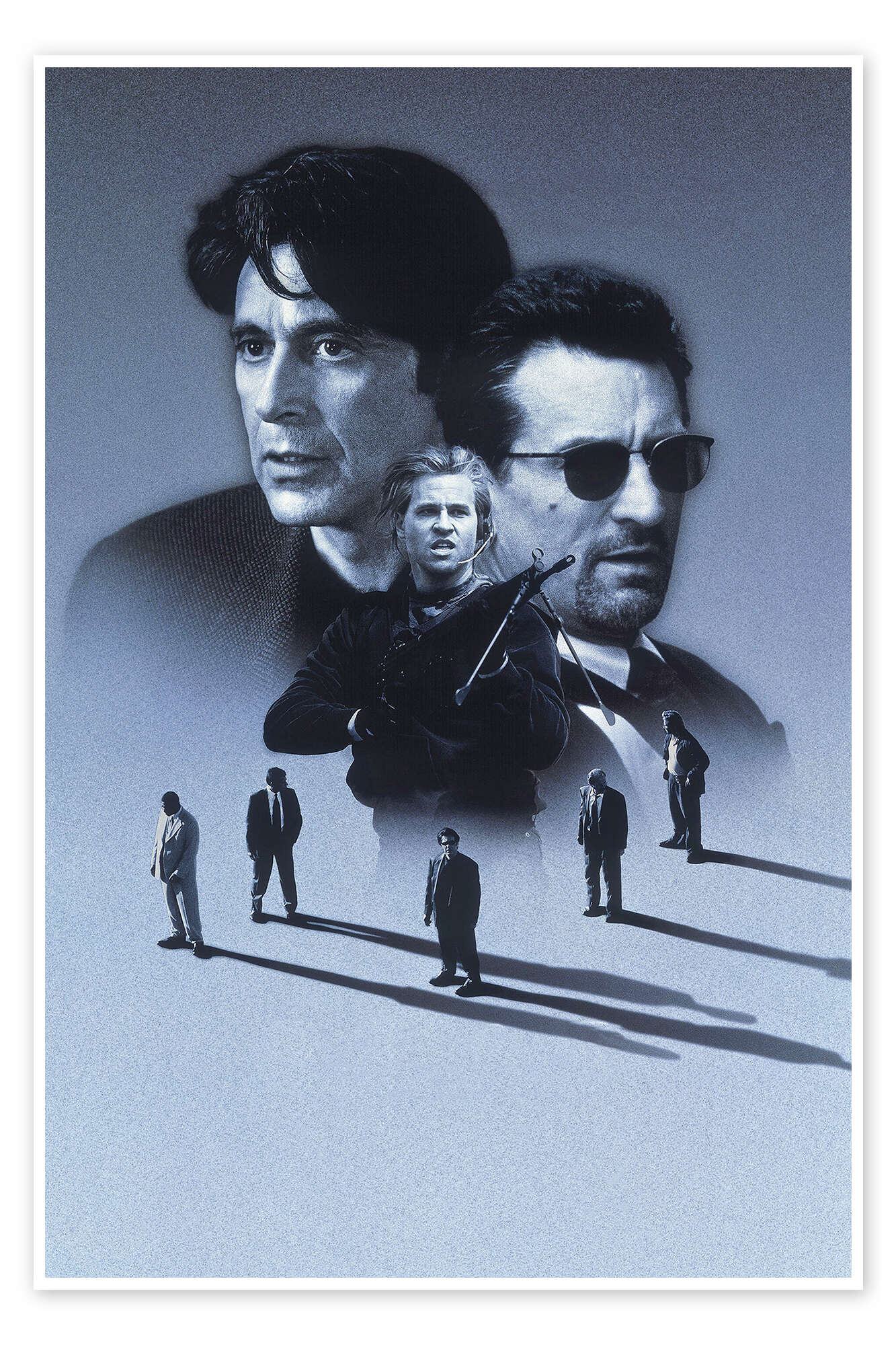
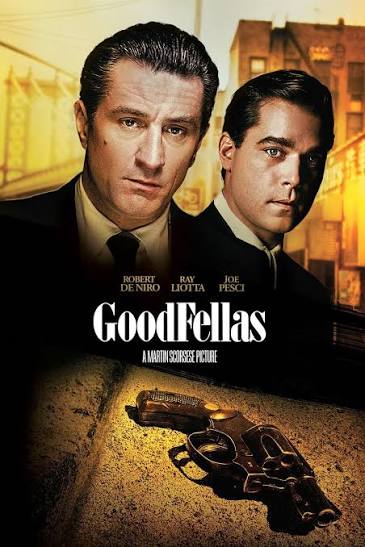
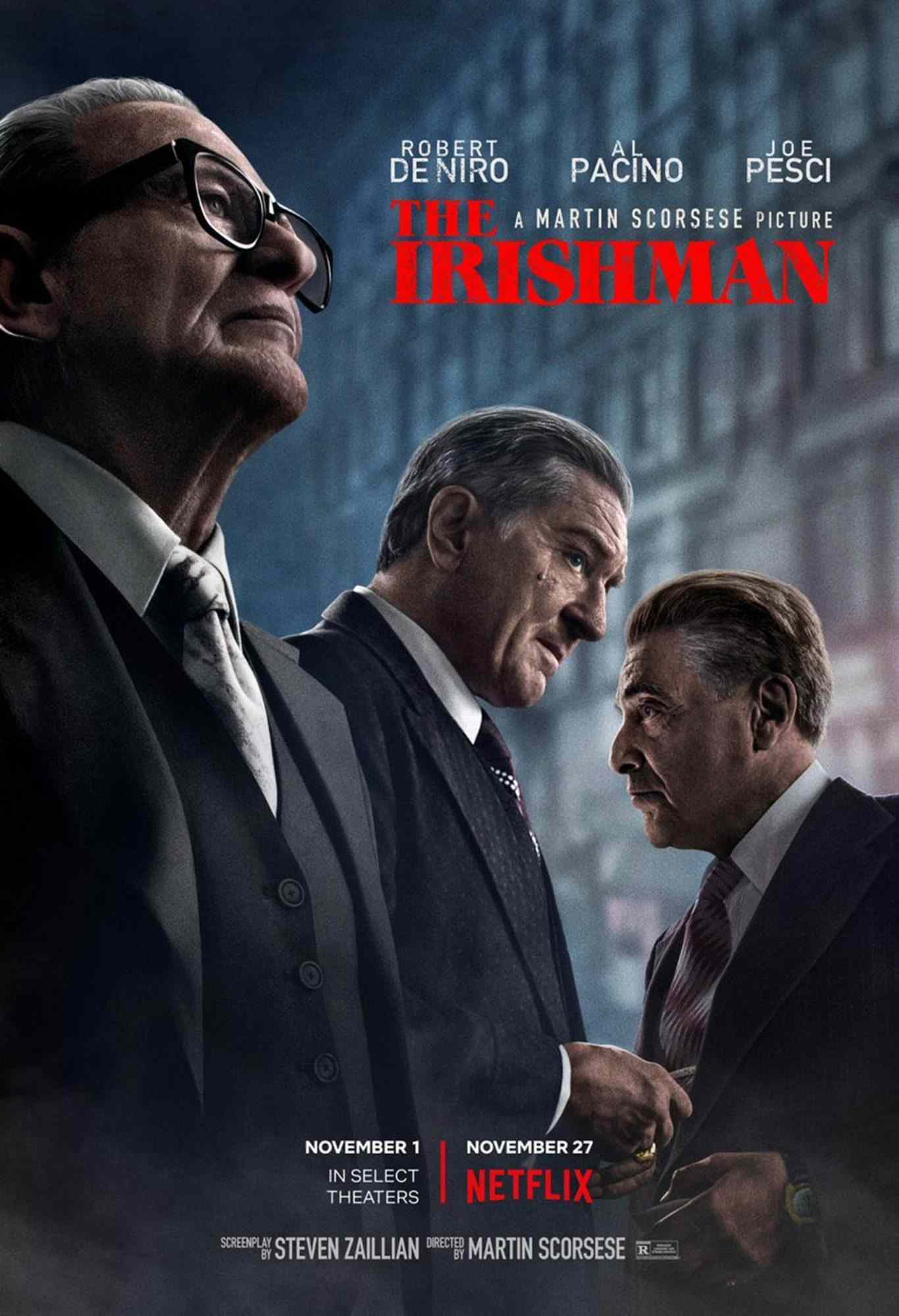
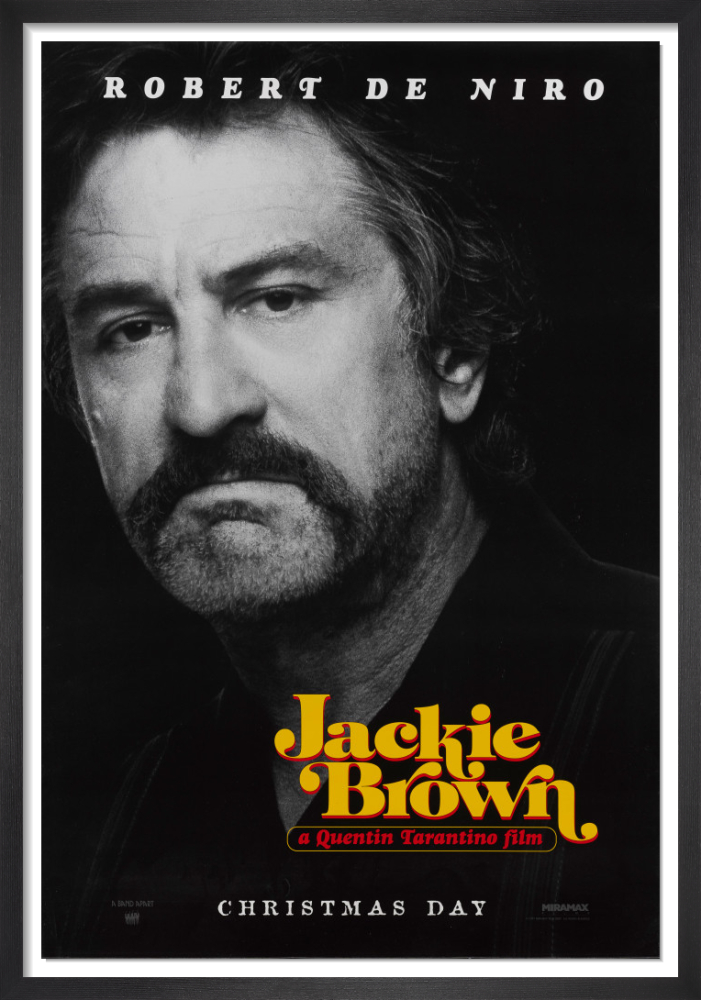
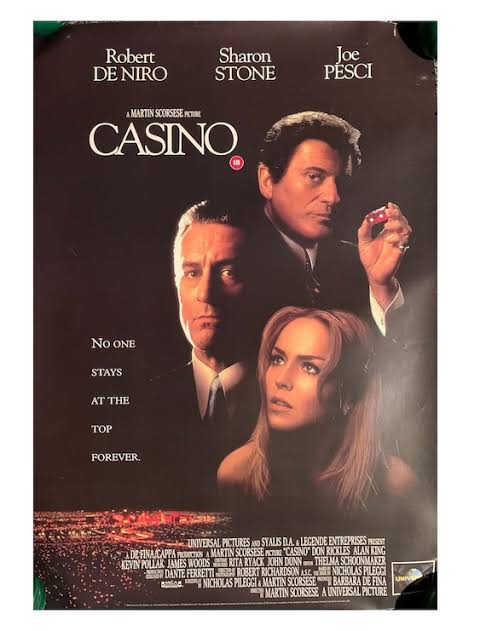
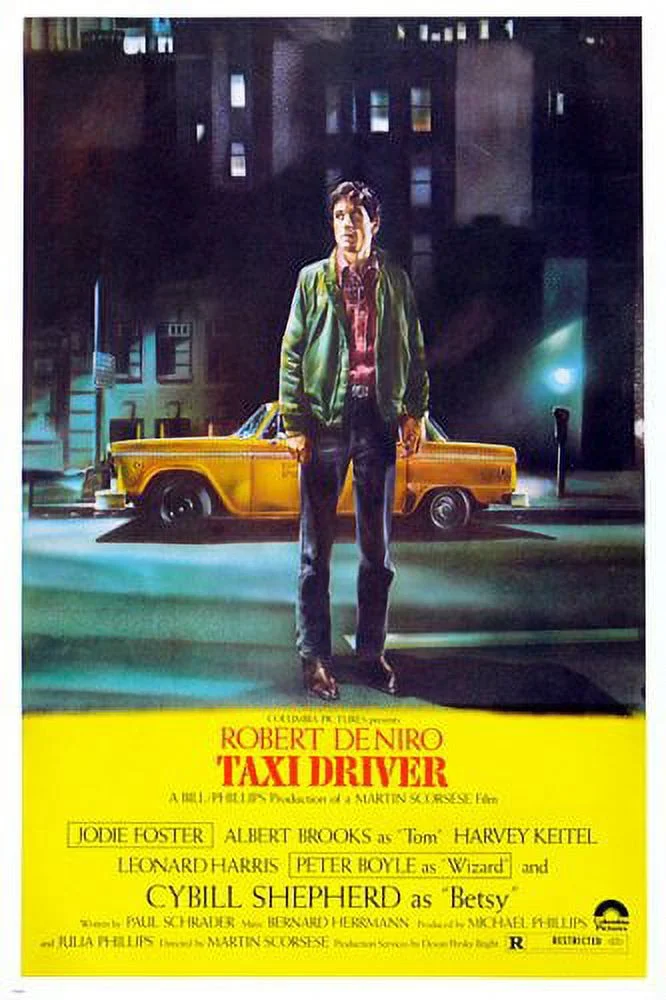
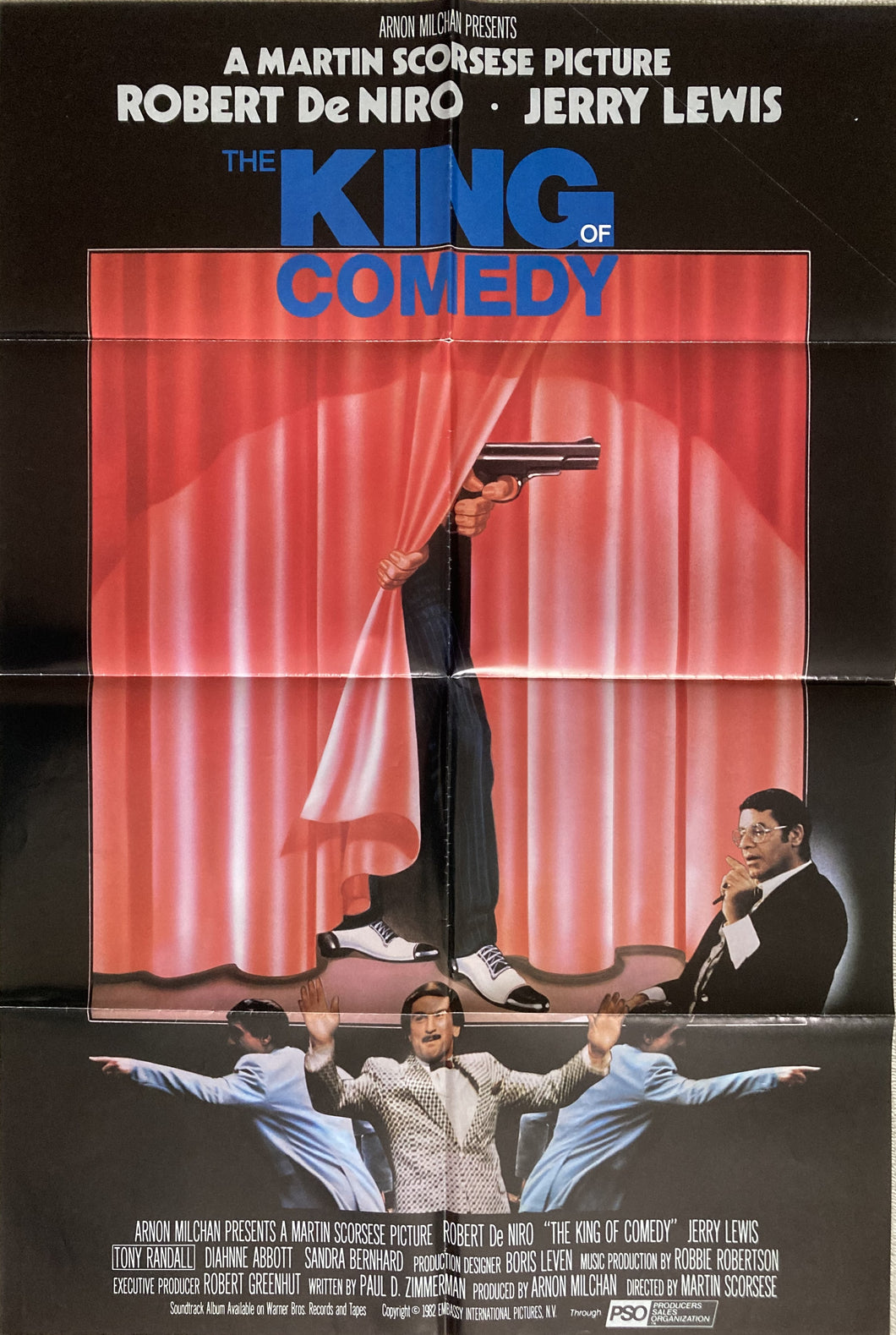
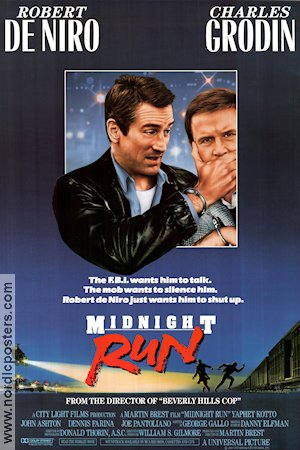
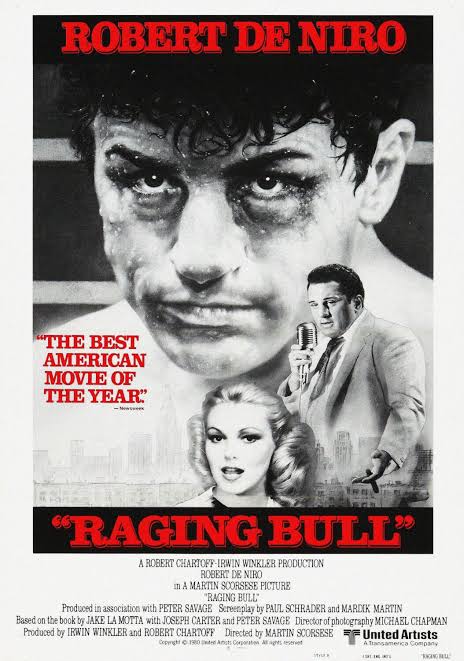
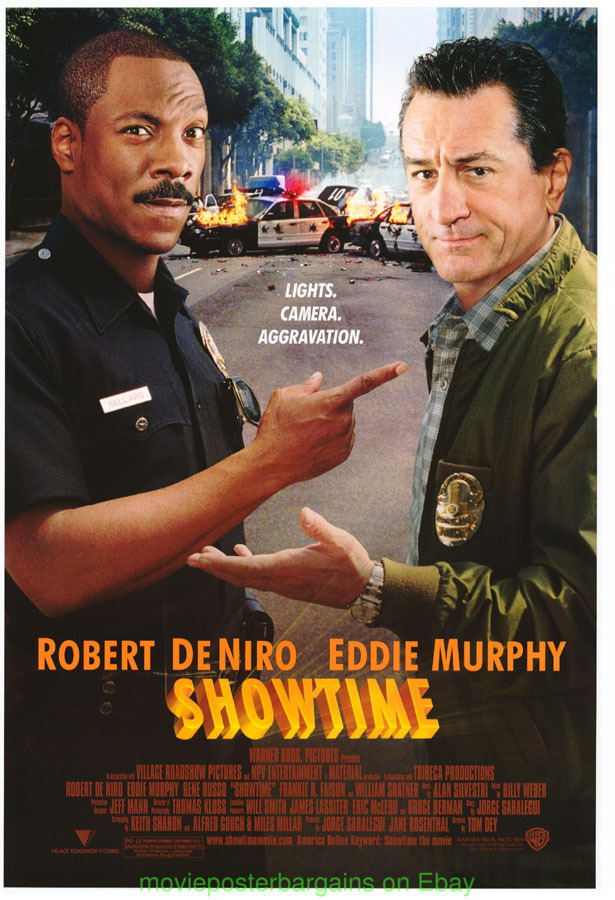
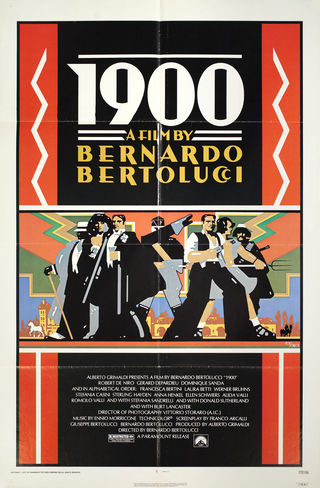
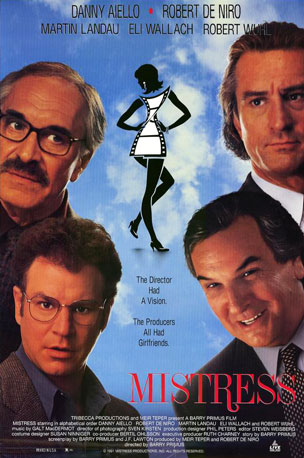
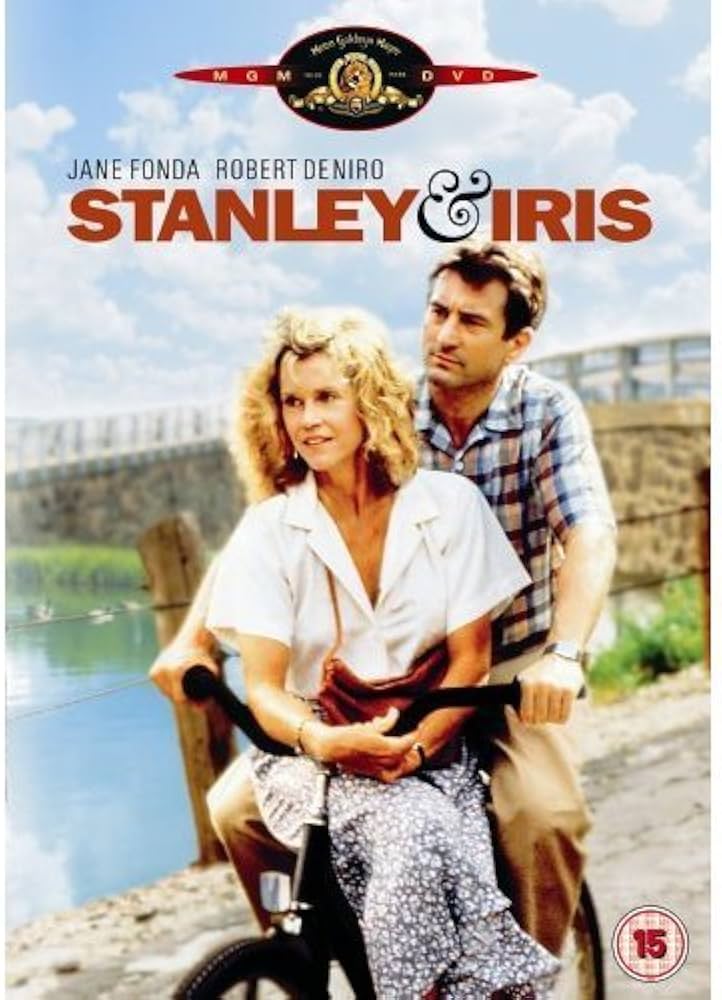
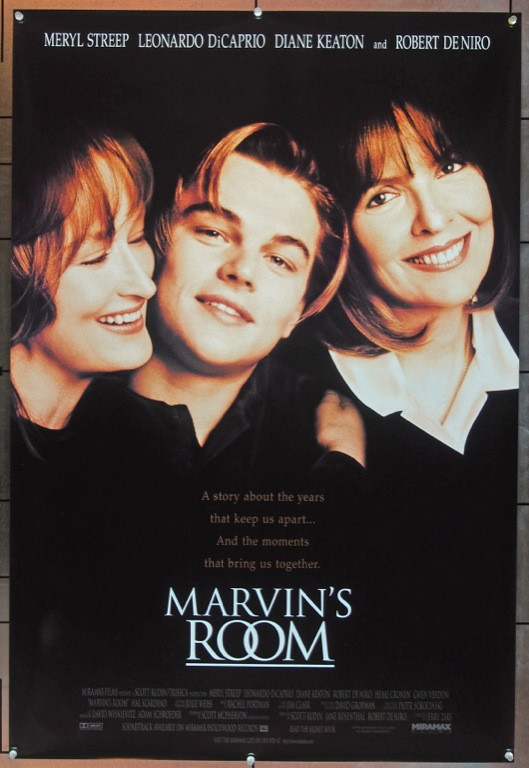
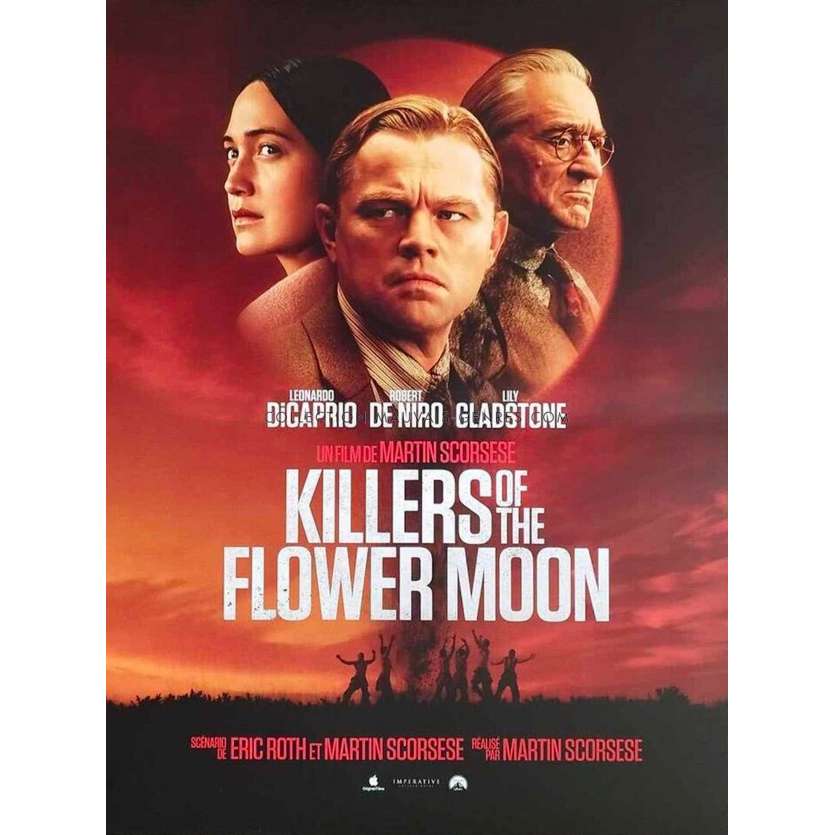
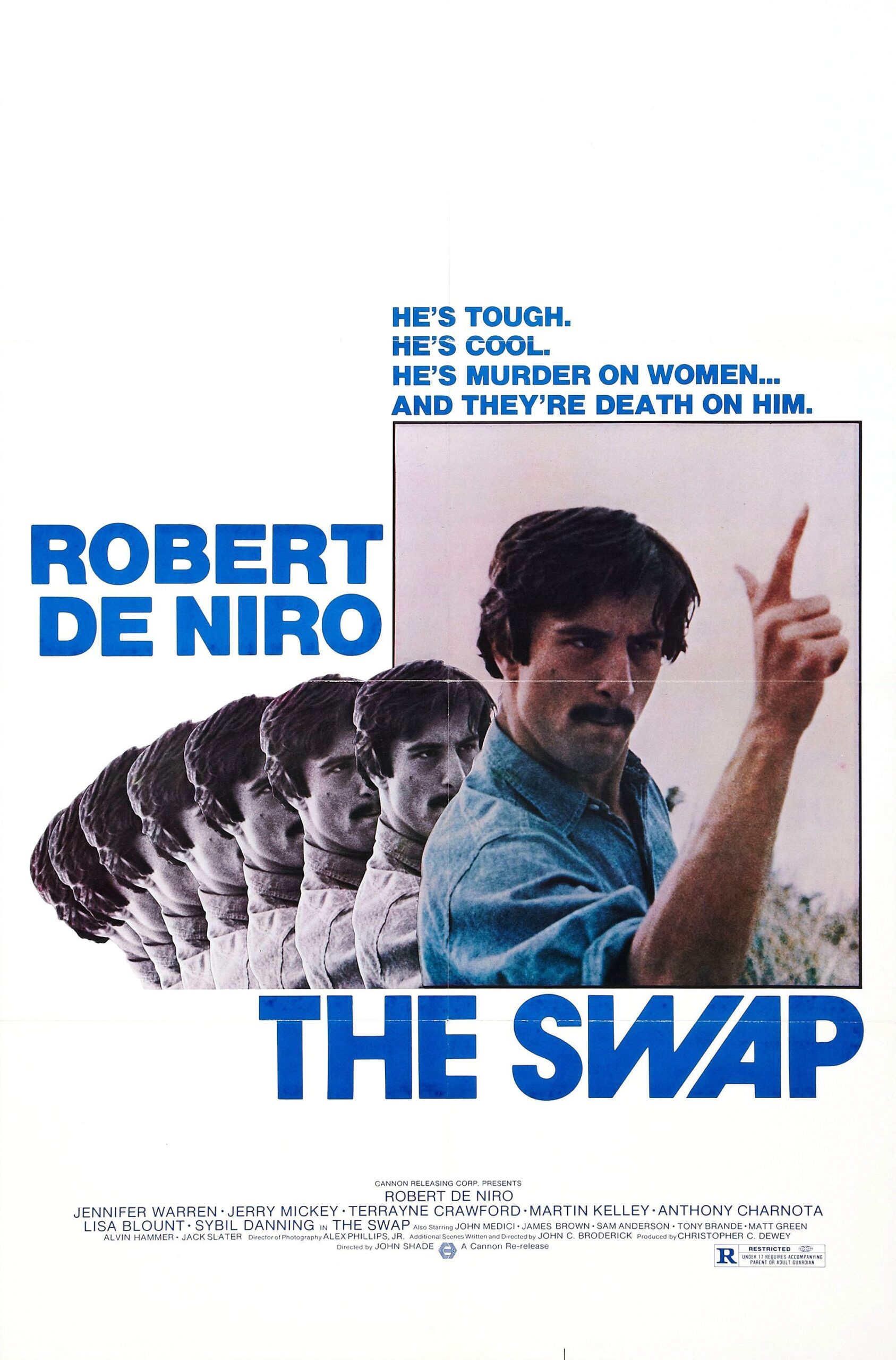
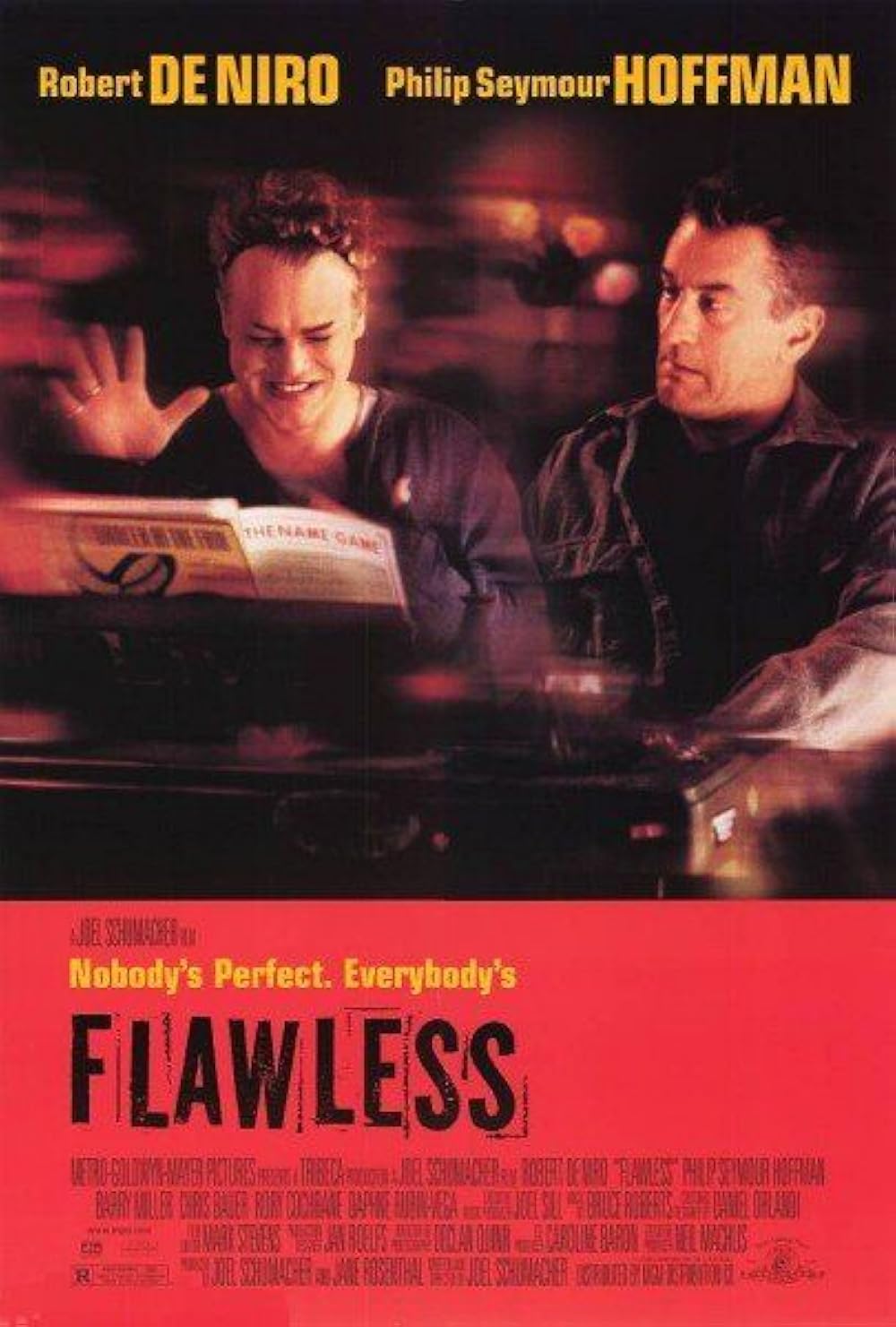
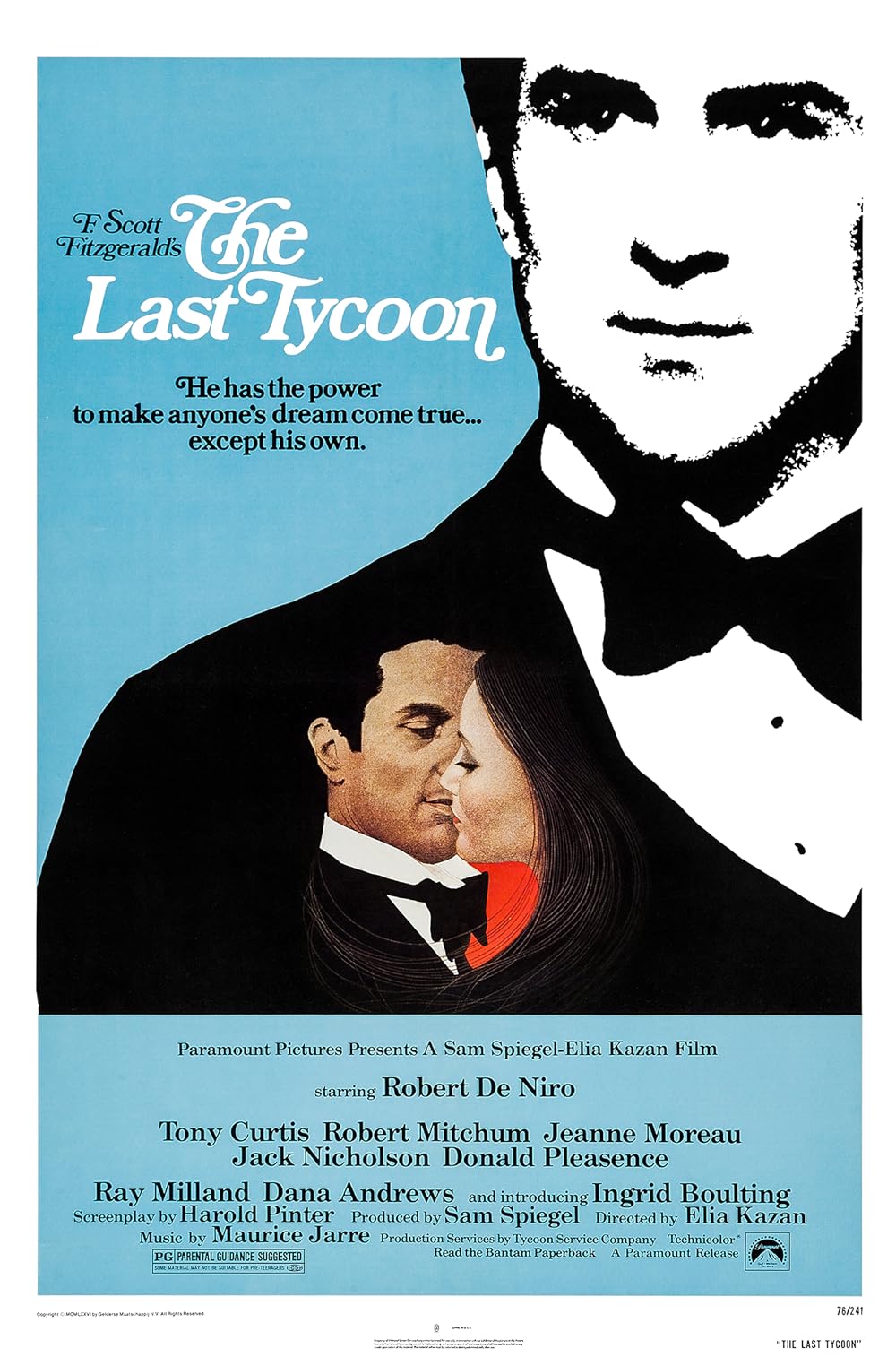
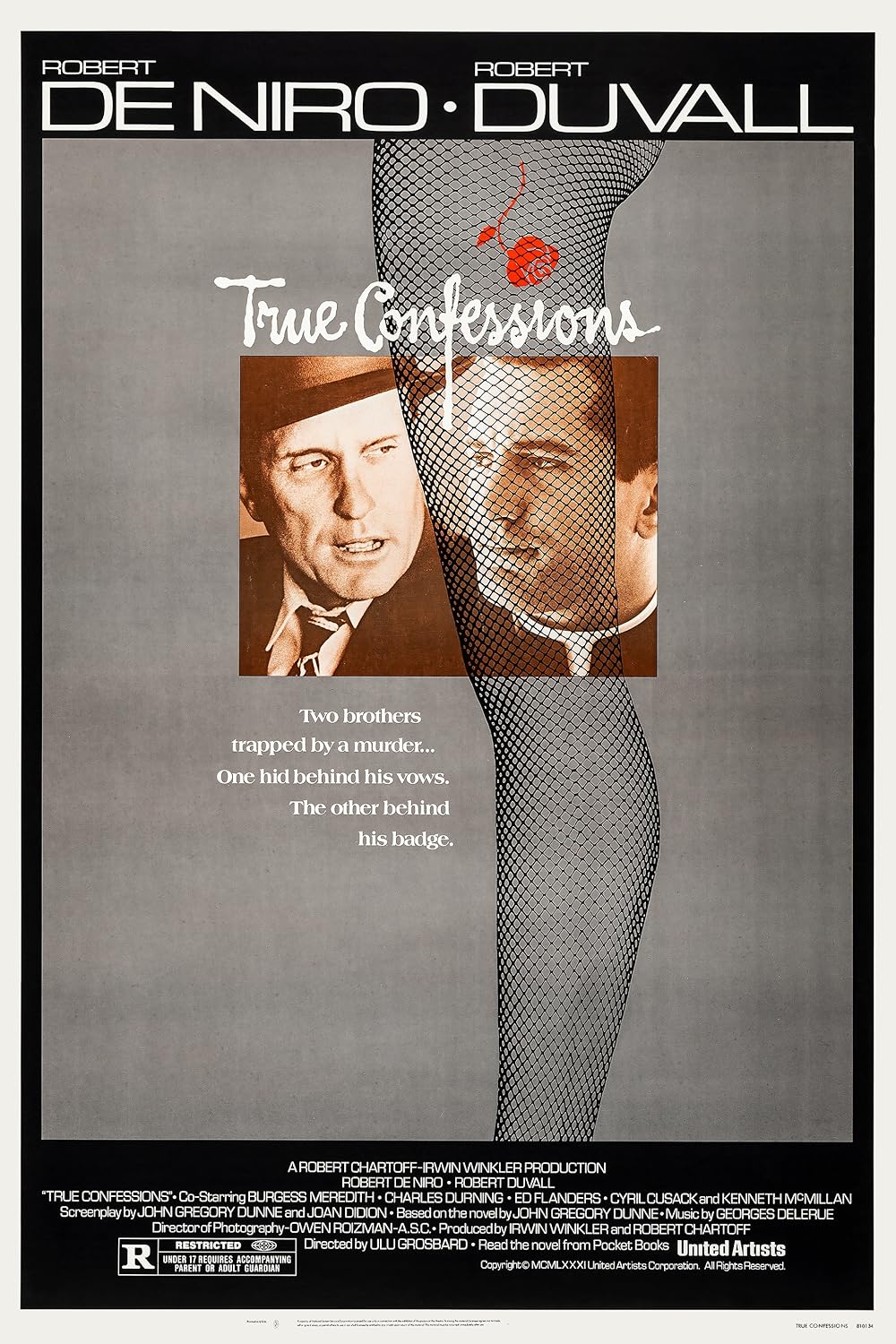
Robert De Niro is a true icon of the cinema and one of the very best of American actors.   He was born in 1943 in New York City.   He made his film debut at the age of 20 in 1963 in Brian De Palma’s “The Wedding” with Jill Clayburgh.   In 1973 he came to international acclaim for his performance in “Bang the Drum Slowly”.   The folowing year he won a major role in “TYhe Godfather Part 2” and won a best supporting actor for his performance.His other major films include “Mean Streets”, “Taxi Driver”, “Raging Bull (for which he won a Best Actor Oscar) ,”The King of Comedy”, “Goodfellas”, “Casino” and “Heat”

TCM overview:

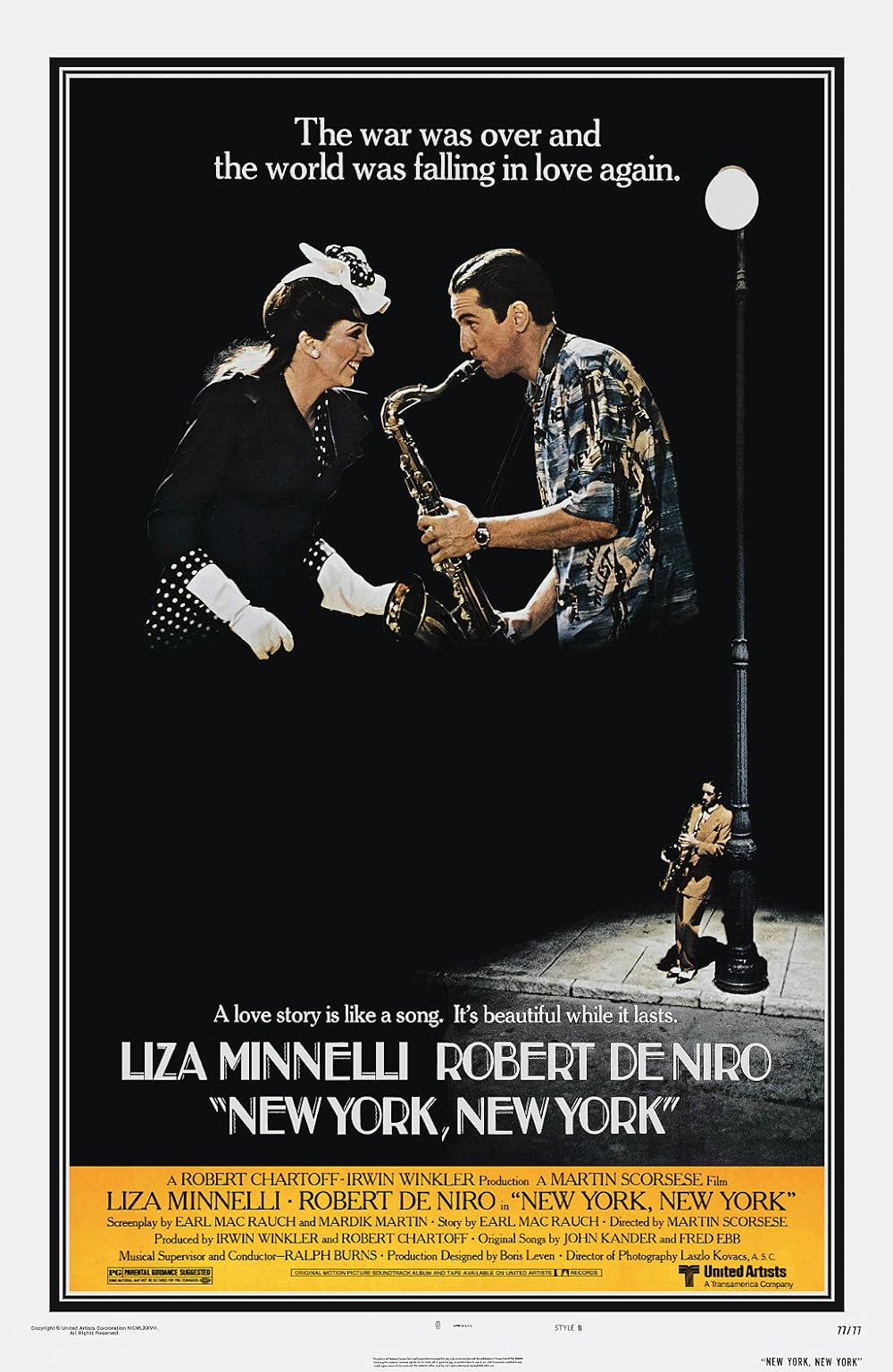
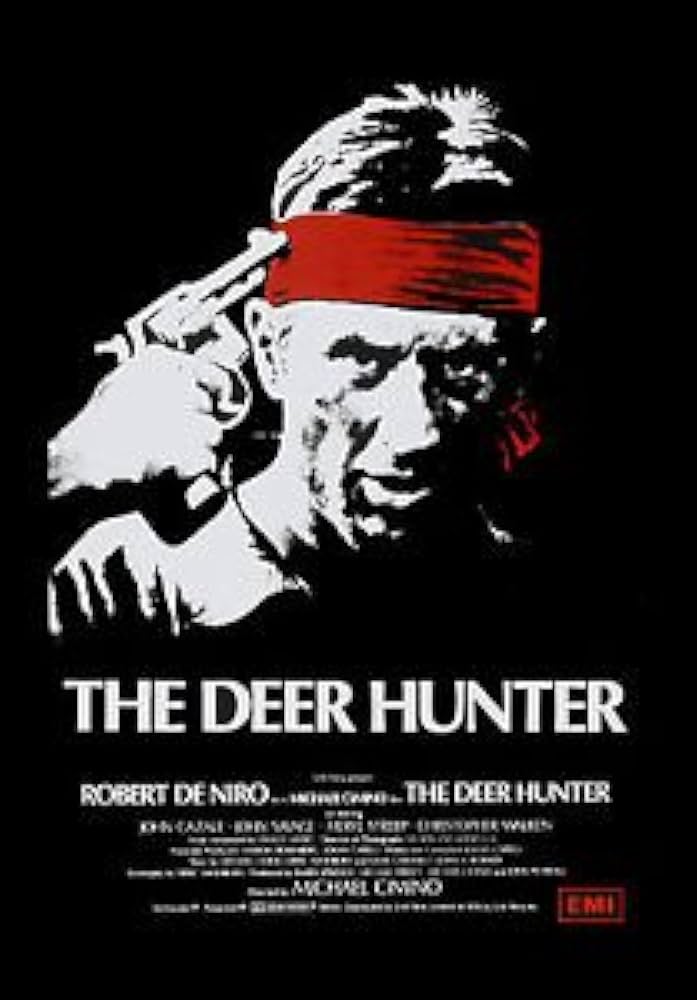
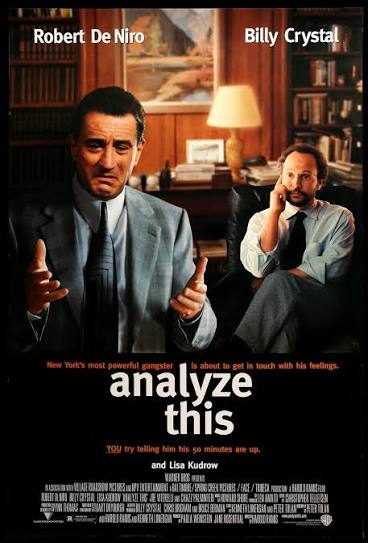
Often regarded as one of the greatest actors of all time, Robert De Niro was also one of the most enigmatic and remained famously tight-lipped about his personal life throughout his career. After gaining attention in “Bang the Drum Slowly” (1973), De Niro exploded onto the public’s consciousness as the reckless Johnny Boy in “Mean Streets” (1973), which commenced his partnership with Martin Scorsese, one of the greatest actor-director combos of all time. He earned his first Academy Award as a young Vito Corleone in “The Godfather Part II” (1974) and delivered his most iconic performance as would-be vigilante Travis Bickle in “Taxi Driver” (1976). De Niro offered a haunting turn as a Vietnam veteran in “The Deer Hunter” (1978), before gaining 60 pounds to play boxer Jake La Motta in “Raging Bull” (1980). From there, he delivered great performances in “The King of Comedy” (1983), “Once Upon a Time in America” (1984), “The Untouchables” (1987) and “Awakenings” (1990). He reunited with Scorsese for “Goodfellas” (1990) and “Casino” (1995), and starred opposite Al Pacino in “Heat” (1995), but took a surprising turn to comedy in “Analyze This” (1999) and “Meet the Parents” (2000), both commercial hits that opened him up to criticism that he had sold out. Despite calls that he was past his prime, there was never any doubt as to where De Niro stood in the history of acting – he was a towering figure with an amazing body of work unmatched by most actors of any generation.

The full TCM overview can be accessed here.

Zeljko Ivanek
Zeljko Ivanek
Zeljko Ivanek
Zeljko Ivanek

Zeljko Ivanek was born in Slovenia in 1957.   When he was three years old, his parents emigrated to the U.S.   His movie debut came in 1982 in “The Soldier”.   Another early film credit was “Mass Appeal” with Jack Lemmon.   He has had an extensive career on the stage and in television.   He was part of the cast of the long running HBO series “Oz”.

TCM overview:

Even though most people could not pronounce Zeljko Ivanek’s name, there was no denying he made an impression every time he appeared onscreen. Already an accomplished stage star, Ivanek appeared in several film and TV projects, often as conniving and evil men who wore three-piece suits. His performance as a smooth-talking Southern lawyer in “Damages” (FX, 2007- ) earned the Slovenian-born actor his first time Emmy Award nomination and win in 2008, where he went up against his co-star Ted Danson for Best Supporting Actor in a Drama Series.
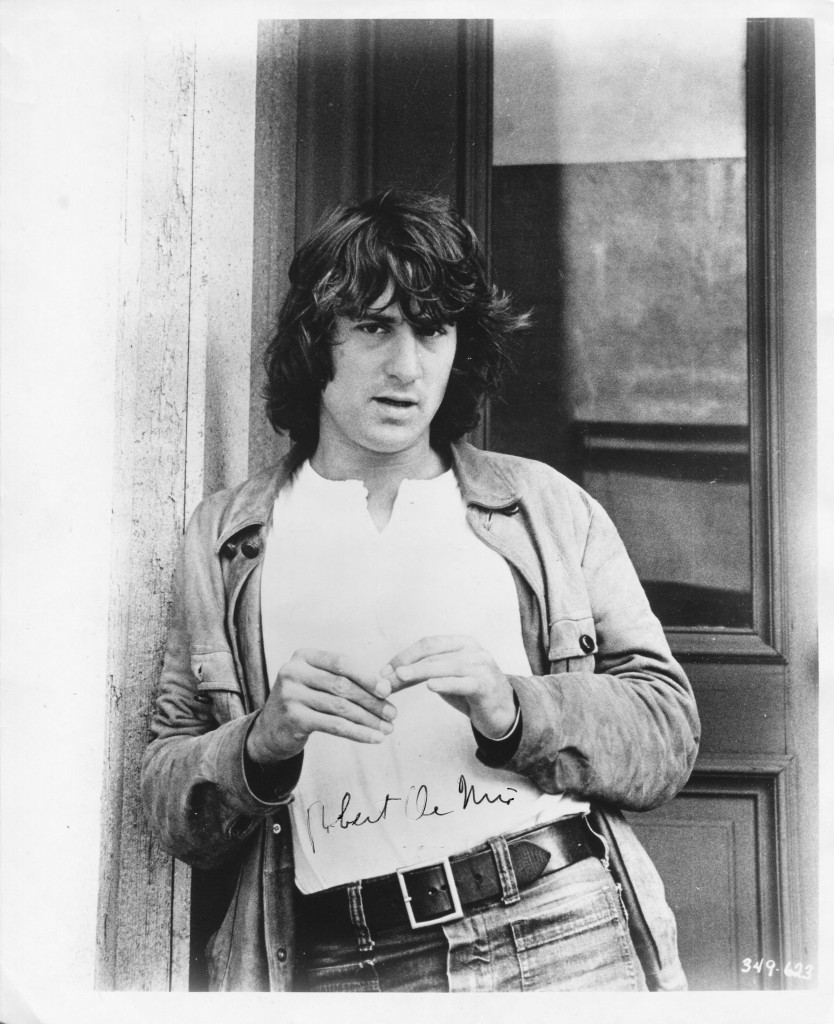
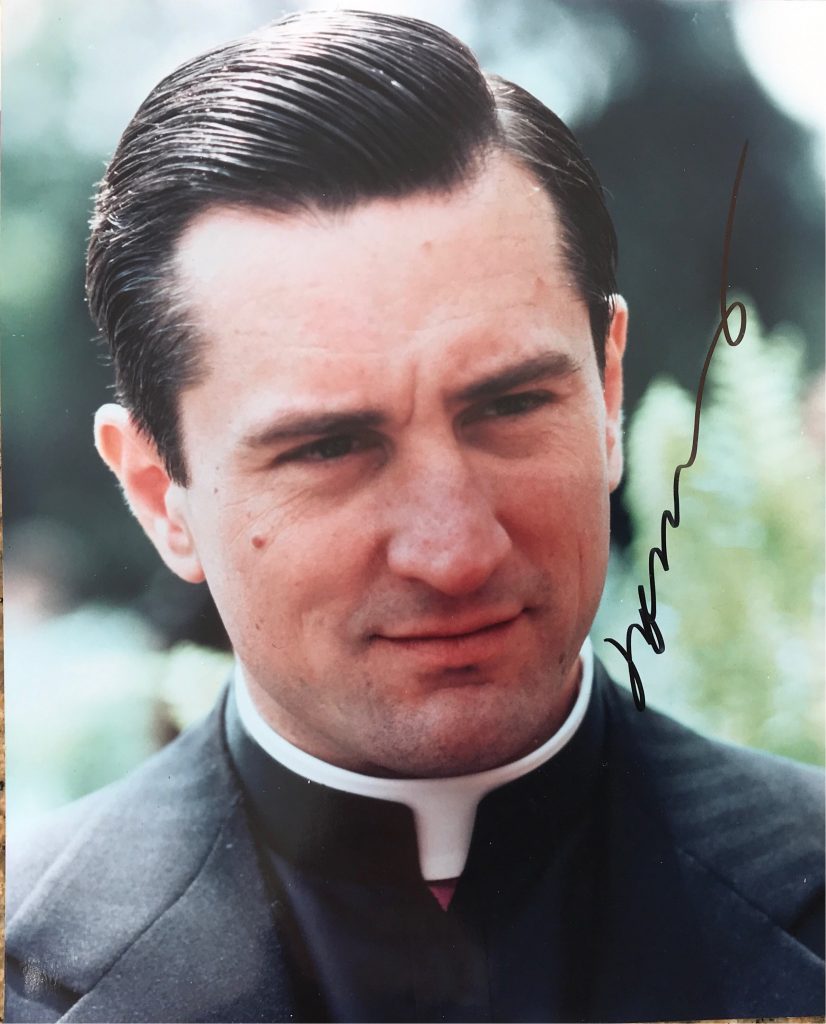
Zeljko Ivanek (pronounced Zhel-ko Ee-vah-nik) was born on Aug. 15, 1957 in Ljubljana, Slovenia (then a part of Yugoslavia). The actor was just three years old when his parents brought him to the United States in 1960. Ivanek graduated from Yale University in 1978 before attending the London Academy of Music and Dramatic Art. “I started in theater in New York, and it’s a smaller community, and it feels like you know the ins and outs more,” Ivanek said. His theater training paid off in 1981, when the actor won the Drama Desk Award for Outstanding Featured Actor in a Play, for a production of Caryl Churchill’s “Cloud Nine.” A year later, he originated the role of Hally in the Athol Fugard play, “Master Harold and the Boys.”
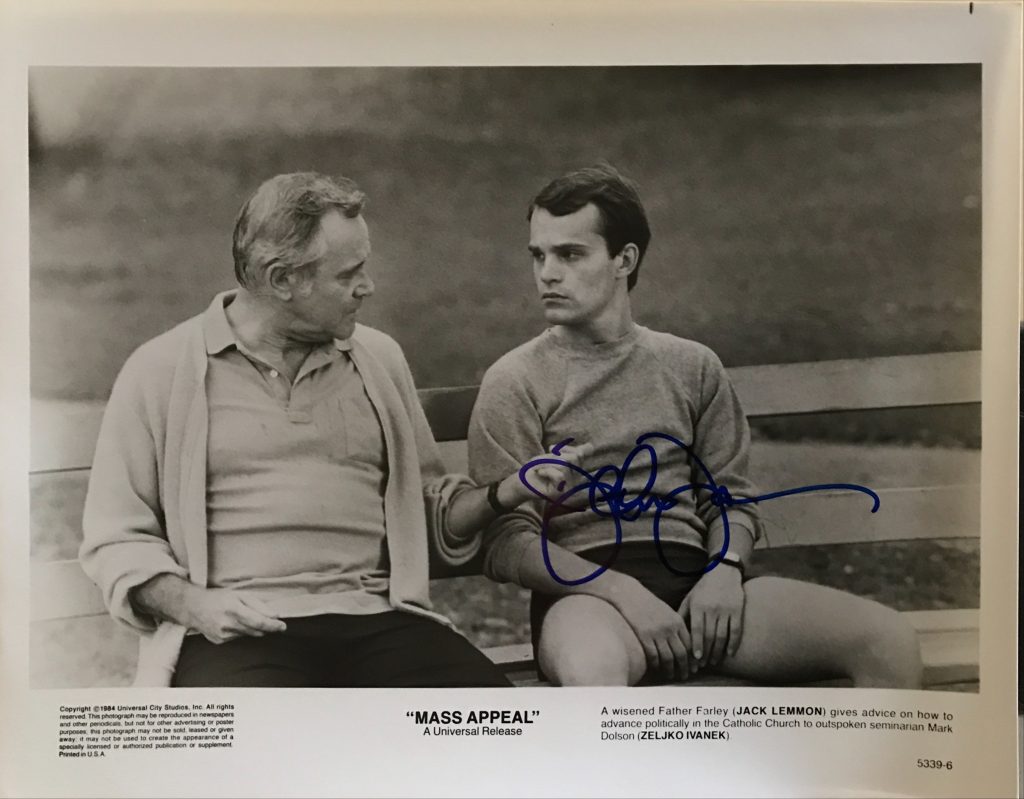
Broadway gave Ivanek an outlet to showcase his exceptional acting skills, even honoring him with multiple Tony Award nominations, including one for his performance in the original production of “Brighton Beach Memoirs” (1983). He also received critical praise – and more Tony nods – for “Two Shakespearean Actors” (1992) and for playing Captain Queeg in “The Caine Mutiny Court Martial” (2006). The marquee star never thought about changing his name, stating that even though it had been suggested, “it always seemed very peculiar to have my parents see me using a different name.”

Ivanek’s first feature film appearance was playing a hitchhiker in “Tex” (1982). Since that time, the actor’s roles got bigger and meatier, with unforgettable turns as Bobby Kennedy in “The Rat Pack” (1998), a District Attorney in Lars Von Trier’s heartbreaking “Dancer in the Dark” (2000), and a doctor in “Hannibal” (2001). Von Trier was so enthralled by the passion and depth Ivanek brought his characters that he cast the actor in two more films, “Dogville” (2003) and “Manderlay” (2005).

Perhaps even more than his stage and film appearances, Ivanek was mostly recognized for his extensive and impressive television resume. While still acting on Broadway, Ivanek joined the cast of the mystery soap series “The Edge of Night” (CBS, 1956-1975, ABC, 1975-1984) as Sammy Wheaton. He had supporting roles throughout the 1980s in shows like “St. Elsewhere” (NBC, 1982-88) and “L.A. Law” (NBC, 1986-1994) before landing a recurring role as prosecuting attorney Ed Danvers in “Homicide: Life on the Street” (NBC, 1993-99).

In 1998, Ivanek was cast as Astronaut Ken Mattingly in the Emmy and Golden Globe award-winning miniseries “From the Earth to the Moon” (HBO). He reprised his role of Ed Danvers for the 2000 film “Homicide, and two years later, Ivanek got cast in another recurring role – this time as Andre Drazen, the man who plotted to kill Senator David Palmer (Dennis Haysbert) and frame Jack Bauer ( Keifer Sutherland) in “24” (FOX, 2001- ).

Ivanek was not one to take on one acting job at a time. While acting in “24,” he also appeared on episodes of “The Practice” (ABC, 1997-2004), “The Twilight Zone” (UPN, 2002-03), and the gritty prison drama “Oz” (HBO, 1997-2003). In the latter, Ivanek played chillingly evil Governor James Devlin, the inmate-hated politician who advocated “No perks for prisoners.” The year 2007 proved to be a big year for the Slovenian star, playing FBI Agent Molina in the film “Live Free or Die Hard” with Bruce Willis, and getting cast as the charmingly manipulative Southern lawyer Ray Fiske in the FX series “Damages.”

Though his character ended up committing suicide in the first season of the show, Ivanek’s performance caught the attention of Emmy voters, who gave him the statue in 2008. Asked about the irony of getting nominated for a role he could not reprise, the actor said, “It was just such a great part that when it happened, it was a wonderful way to end it and put a cap on it. It was such a nice bow to tie it all up.” That same year, Ivanek portrayed Pennsylvania representative John Dickinson in the HBO miniseries “John Adams,” opposite Paul Giamatti and Laura Linney.

 The above TCM overview can also be accessed online here.