

Phillipa Bevans
Philippa Bevans was born on February 10, 1913 in London, England. She was an actress, known for The World of Henry Orient (1964), The Notorious Landlady (1962) and The Group (1966). She died on May 10, 1968 in New York City, New York, USA.
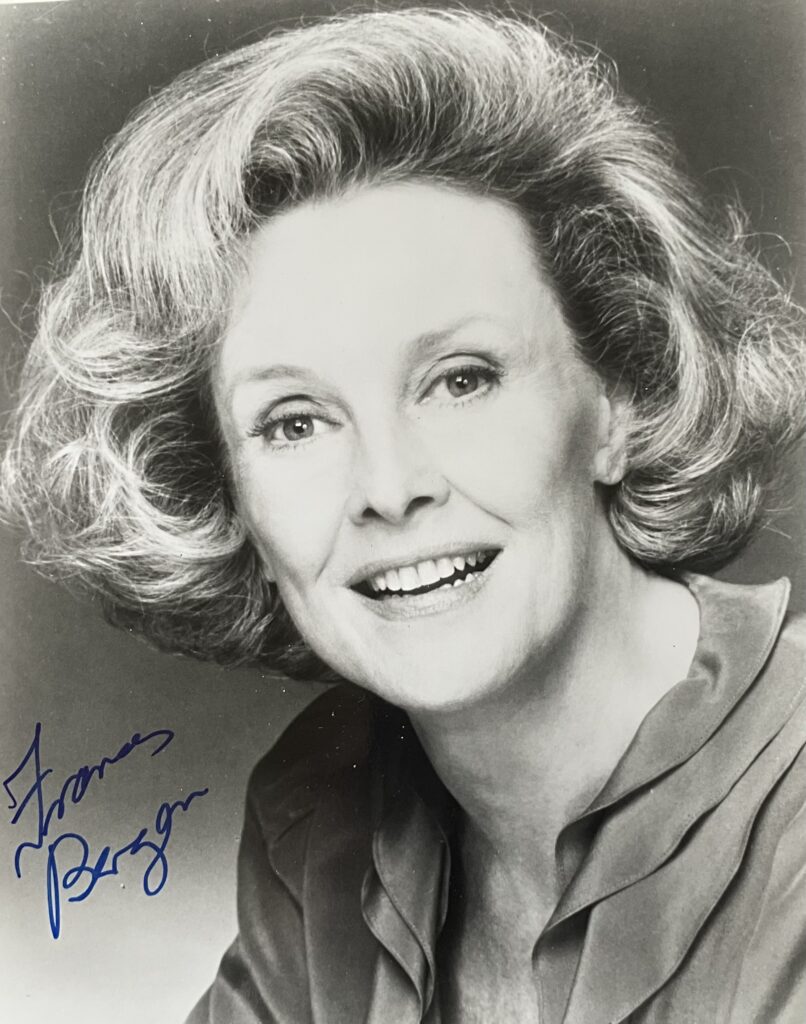
Frances Bergen
“New York Times” obituary from 2006:
LOS ANGELES, Oct. 7 (AP) — Frances Bergen, a model and actress who married the ventriloquist Edgar Bergen and was the mother of the actress Candice Bergen, died here on Monday. She was 84. Her death followed a prolonged illness, said Heidi Schaeffer, a publicist for Candice Bergen, said Tuesday. She declined to specify the illness.
Born Frances Westerman in Birmingham, Ala., she moved to Los Angeles with her mother after her father died of tuberculosis. When she was 19, she attended a recording of “The Edgar Bergen/Charlie McCarthy Show” and caught the attention of the star, then 39, who with his impish, top-hatted dummy Charlie, was host of radio’s highest-rated programs at the time. The two married after more than a year of courtship. She later started a successful modeling career and became the face of the Chesterfield Girl and Ipana Girl in advertisements. The birth of her first child, Candice, was headline news in 1946.
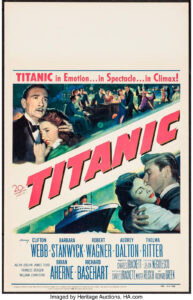
The Bergens had a son, Kris, born in 1962, who also survives, along with a granddaughter, Chloe Malle, Candice Bergen’s daughter with the filmmaker Louis Malle. Edgar Bergen died in 1978 at 75. Like her husband, Frances Bergen appeared in several movies, playing small roles in the 1953 rendition of “Titanic,” “American Gigolo” and “The Muppets Take Manhattan.” She also appeared on “Murphy Brown,” her daughter’s hit sitcom.
“Wikipedia” entry:
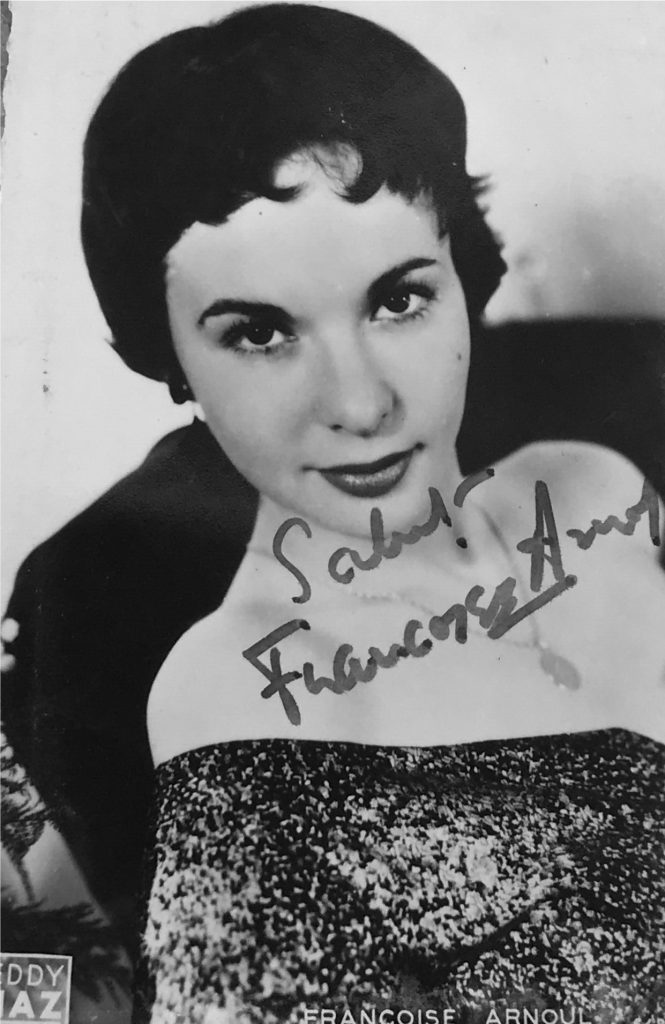
Françoise Arnoul (born 3 June 1931) is a French actress, who achieved popularity during the 1950s.
Born Françoise Annette Marie Mathilde Gautsch in Algeria as the daughter of stage actress Janine Henry and artillery general Charles Gautsch, she has two brothers. While her father continued military service in Morocco, the rest of family moved to Paris in 1945. After learning drama there, she was noticed by director Willy Rozier, who offered her a major role in the film L’Épave (1949).
Arnoul starred in such films as Henri Verneuil‘s Forbidden Fruit (1952), Jean Renoir‘s French Can-Can (1954), Des gens sans importance (1956) with Jean Gabin, Henri Decoin‘s La Chatte (1958), Le Chemin des écoliers (1959) with Bourvil, and Jean Cocteau‘s Testament of Orpheus (1960). Later in life, she moved into television, appearing in different TV movies and mini-series and also turning to character parts. She published her autobiography entitled Animal doué de bonheur in 1995. In 1956, Arnoul was married to publicity agent Georges Cravenne whom she had met two years previously, but they separated in 1960.[4] From 1964, she became the companion of French director/scriptwriter Bernard Paul, a relationship which lasted until his death in 1980.

1981 obituary from “The New York Times”:
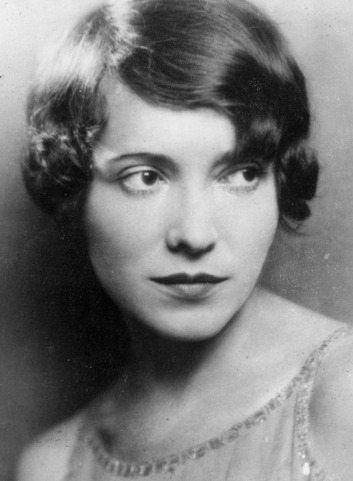
Adele Marie Astaire, the pixieish dancer who captivated audiences in New York and London in many musical comedies of the 1920’s with her brother and dance partner, Fred, died yesterday in Phoenix at the age of 83. Members of the family said she had suffered a stroke on Jan. 6 and never recovered consciousness.
Miss Astaire had been beset by illness in recent years, according to, Kingman Douglass Jr. of Chicago, her stepson. ”But she had enormous recuperative powers,” he said, ”and soon would be up and in Marine-type English telling what she thought of the world.”
Miss Astaire had lived in Phoenix since her second husband, Kingman Douglass, died in 1971. She had spent summers until two years ago in Ireland, at the castle she shared with her first husband, the late Lord Charles Cavendish. Appeared in ‘Funny Face’ The diminutive, dark-haired comedian starred in 11 musicals with her brother, who is two years her junior. Among the more memorable were ”Funny Face,” ”Lady, Be Good,” ”The Band Wagon,” ”For Goodness’ Sake” – retitled ”Stop Flirting” in London – and ”Apple Blossoms.”
Miss Astaire left show business in 1932 to become the wife of Lord Cavendish, the second son of the ninth Duke of Devonshire. Their romance was something of an international sensation, as she kept putting off accepting Lord Charles’s proposal until she had one final hit show. At the time of their engagement she was performing in Florenz Ziegfeld’s ”Smiles,” which received less than happy reviews when it opened in 1930. Although ”Smiles” was a dud, reviewers, such as Brooks Atkinson of The New York Times, singled out the Astaires for praise:
”Strictly speaking, the Astaires are dancers. But they have more than one string to their fiddle. With them, dancing is comedy of manners, very much in the current mode. Free of show-shop trickery, they plunge with spirit into the midst of the frolic. Once to the tune of ‘If I Were You, Love,’ with a squealing German band accompaniment, they give dancing all the mocking grace of improvisation with droll dance inflections and with comic changes of pace. Adele Astaire is also an impish comedian; she can give sad lines a gleam of infectious good-nature. Slender, agile and quickwitted, the Astaires are ideal for the American song-and-dance stage.” Left Stage and Her Brother
After ”The Band Wagon,” at the pinnacle of her career, she left the stage and her brother for Lismore Castle in County Waterford, Ireland, from which producers tried repeatedly to lure her. Mr. Astaire went on to greater fame on the screen with Ginger Rogers.
Fred said of his sister on her retirement, ”She was a great artist and inimitable, and the grandest sister anybody could have.” He had followed her into dancing. When he was 4 and she was 6, their parents sent him to her dance classes so he could keep her company, but he got interested.
The marriage of Lord and Lady Charles, though happy, was marked by tragedy. A daughter was born in 1933, and died the same day. Two years later, twin sons, who were born prematurely, died within hours of their births. She was to have no more children. Some time later, Lord Charles fell ill from a liver ailment that made him an invalid.
During World War II, at the urging of her husband, Miss Astaire worked at a famous Red Cross canteen in London, the Rainbow Corner, helping out at the information desk, dancing with G.I.’s and shopping and writing letters for them. To the letters she signed herself, ”Adele Astaire (Fred’s sister).” Married for Second Time
On March 23, 1944, Lord Charles died. Three years later, on April 28, 1947, Miss Astaire was married to Mr. Douglass, whom she had met at the Rainbow Corner. It was his second marriage. In 1950, he became assistant director of the Central Intelligence Agency, a post he held for two years before resuming his career in finance. He became a partner in Dillon Read & Company, retiring before his death in New York in 1971.
Adele Marie Austerlitz was born in Omaha, Neb., on Sept. 10, 1898, to Fredrick Austerlitz, a brewer from Vienna, and the former Ann Geilus, a native of Omaha. In 1904, the family moved to New York, where Adele and Fred, the only children, were enrolled in the Alviene School of Dance. Until then, they had been tutored by their mother.
The Astaires appeared in their first vaudeville show in New York in 1912, and had their first triumph on Broadway in 1917, with ”Over the Top” at the Winter Garden.
Besides her brother and stepson, Miss Astaire is survived by two other stepsons, Howard James Douglass of Chicago and William Angus Douglass of London.
Private services will be held in Phoenix and Beverly Hills, Calif.
“Independent” obituary from 2006:
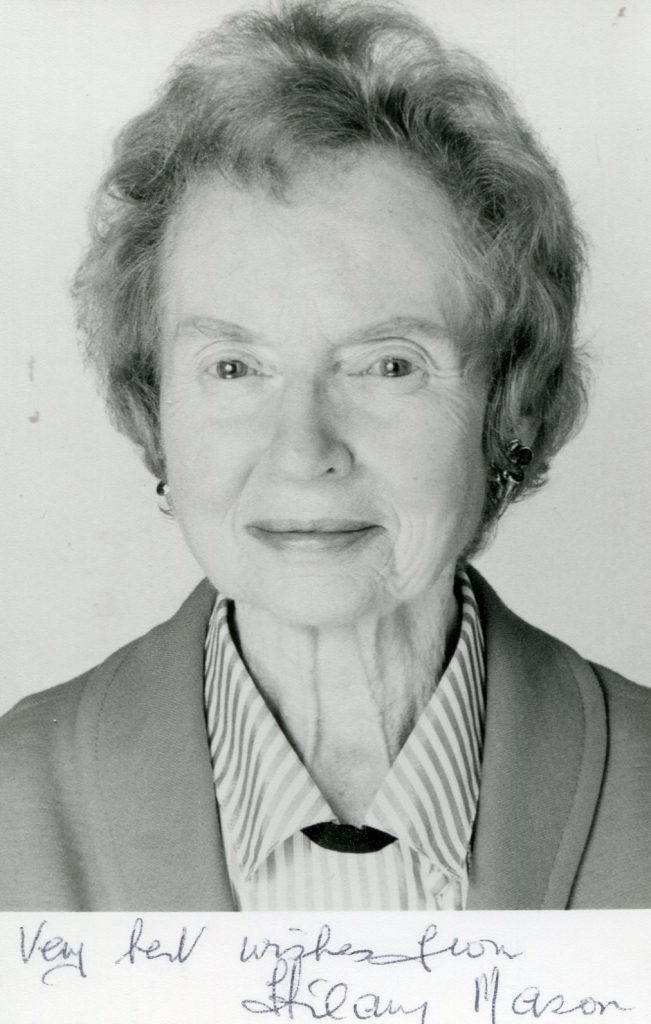
Hilary Lavender Mason, actress: born Birmingham 4 September 1917; married Roger Ostime; died Milton Keynes, Buckinghamshire 5 September 2006.
Although a prolific television character actress for almost half a century, Hilary Mason will be best remembered on screen as the blind, psychic Heather in the macabre supernatural thriller “Don’t Look Now”. The 1973 film starred Julie Christie and Donald Sutherland as John and Laura Baxter, a grieving couple holidaying in a wintry Venice after the death of their daughter, Christine, who was drowned in the garden pond while wearing a shiny, red mackintosh. When Laura meets the two spinster sisters in a restaurant toilet, she is shocked to be told that Heather has seen her daughter. “I’ve seen her and she wants you to know that she’s happy,” says the old woman: I’ve seen your little girl, sitting between you and your husband, and she was laughing. Yes, oh, yes, she’s with you, my dear, and she’s laughing. She’s wearing a shiny little mac. She’s laughing, she’s laughing – she’s happy as can be. Later, Laura attends a seance with the sisters and – when Heather gets what she claims to be a message from Christine – is disturbed to be told that her husband, John (Sutherland), is in danger. A sceptical John fails to heed the warning and in the final scenes of the film is murdered by a female dwarf in a red, hooded coat. Throughout this eerie film, based on a Daphne du Maurier short story, the director, Nicolas Roeg, leaves us unsure whether Mason’s chilling character really is a psychic or a con artist, particularly in a scene showing the sisters laughing after convincing Laura that they have contacted her daughter.
Born in Birmingham in 1917, Mason won a scholarship to the London School of Dramatic Art before gaining repertory theatre experience in Preston, Southport, York and Guildford. During the Second World War she performed with the troops entertainment organisation Ensa. Mason made her television début as Mrs Drummond in the drama series Thunder in the West (1957), and played Mrs Yapp in the Midlands-based local council serial Swizzlewick (1964) and Mrs Timothy in the soccer soap United! (1965-67), as well as taking two roles in Coronation Street. Following a bit-part as Mrs Ainsworth (1965), she was Derek Wilton’s mother (1976), who disapproved of her son’s relationship with the dithering Mavis Riley and insisted it must end – to no avail. Adept at character roles, Mason took eight different parts in Z Cars (1962-71) and another three in Dixon of Dock Green (1965, 1966, 1967), before playing Lady Boleyn in the acclaimed, six-part drama The Six Wives of Henry VIII (starring Keith Michell in the title role, 1970), Mrs Nickleby in Nicholas Nickleby (1977), Mrs Gummidge in David Copperfield (1986) and Mrs Fagge in Great Expectations (1989).
In comedy, she acted Mrs Booth, exasperated mother to the chalk-and-cheese twin brothers, in My Brother’s Keeper (1975-76) and Gladys (1990-94) in Maid Marian and Her Merry Men, the children’s series written by Tony Robinson – with Mason’s real-life husband, the actor Roger Ostime, taking the role of Gladys’s father in one episode. She also played Michael Palin’s mother in the Ripping Yarns episode “The Curse of the Claw” (1977). After her part in “Don’t Look Now”, Mason was cast in the horror films I Don’t Want To Be Born (acting Mrs Hyde, alongside Joan Collins as a stripper who gives birth to a “possessed” baby, 1975), Dolls (1987), Afraid of the Dark (1991) and Haunted (1995).
Anthony Hayward
The above “Independent” obituary can also be accessed online here.



IMDB Entry:
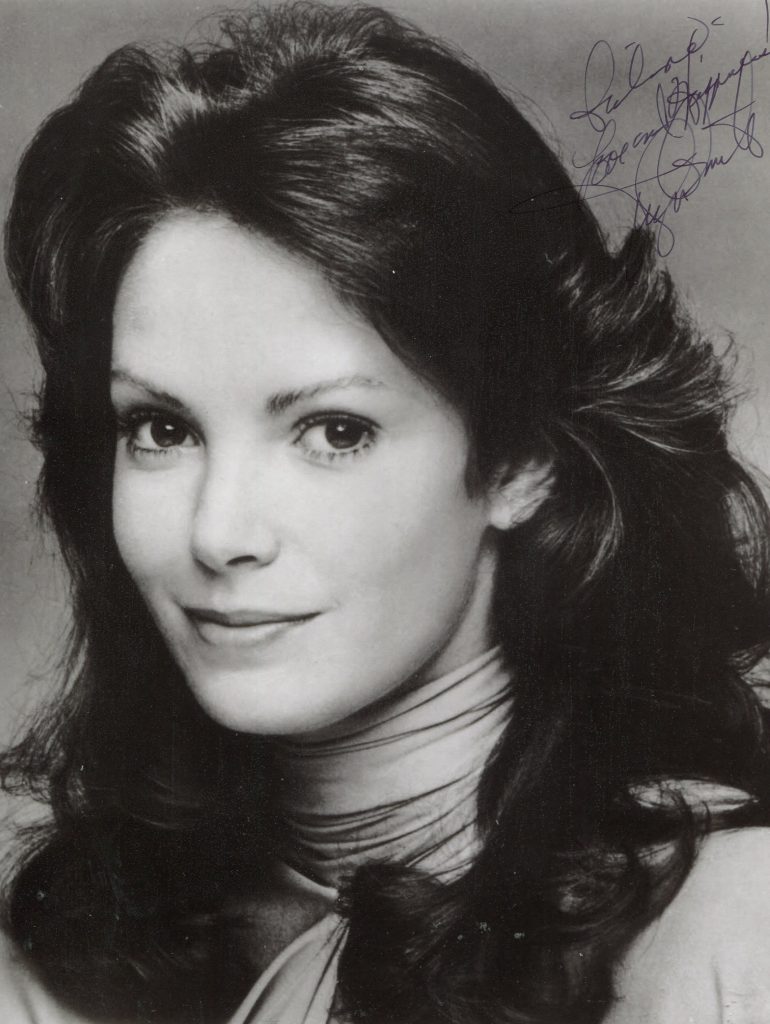
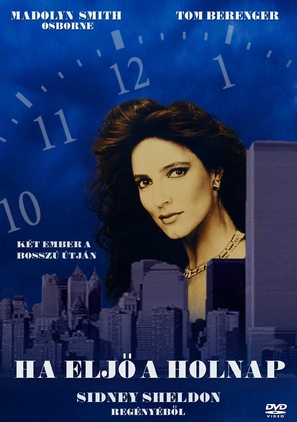
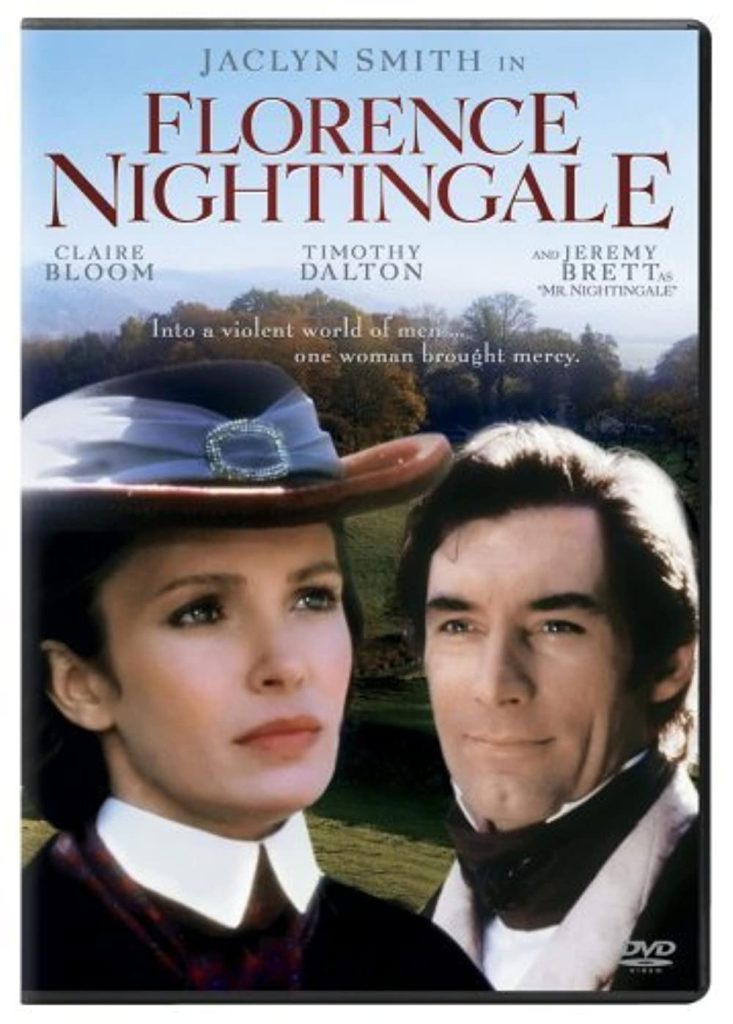
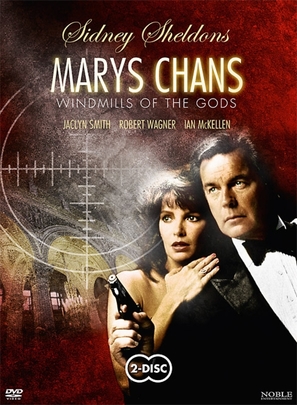
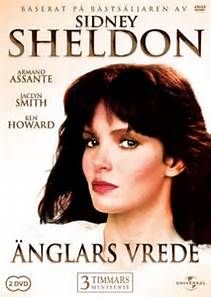
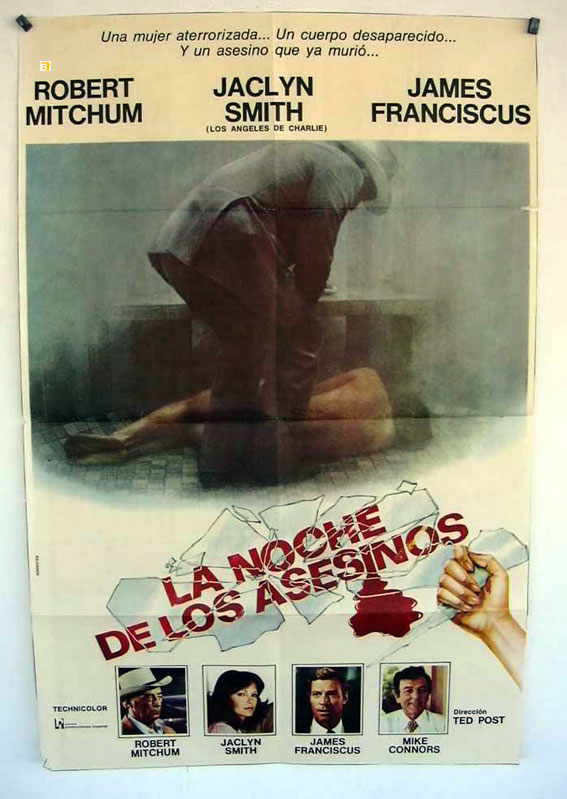
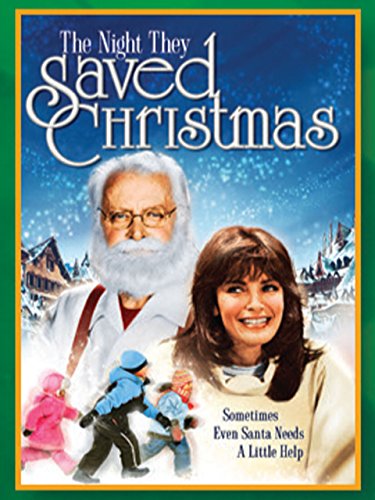
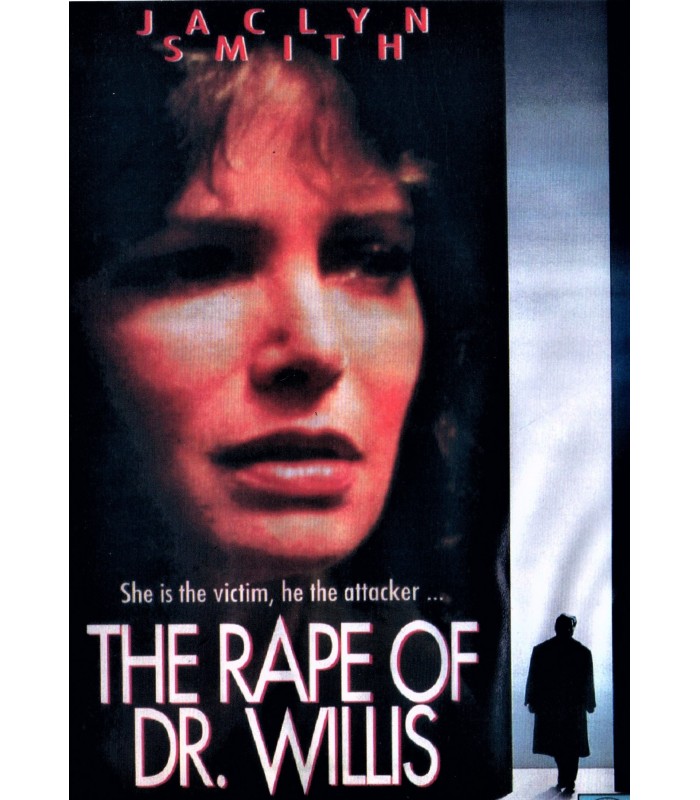
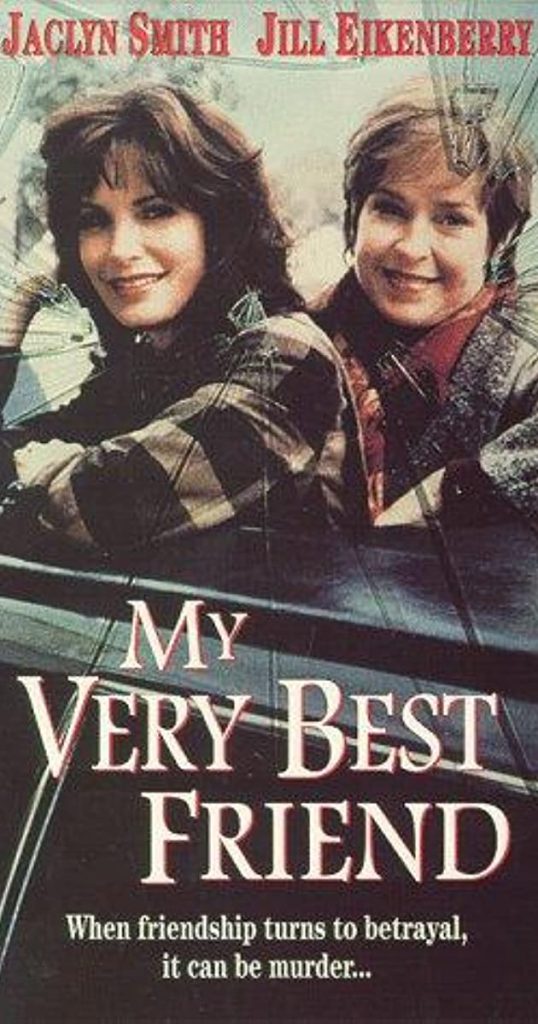
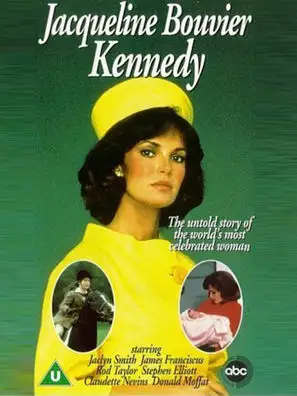
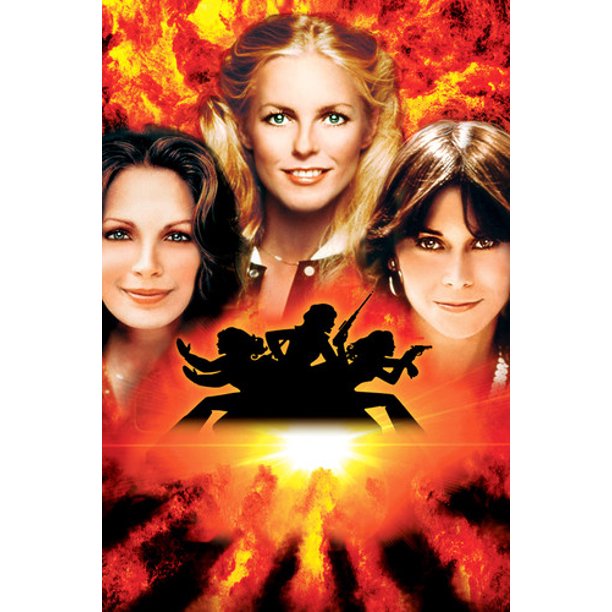
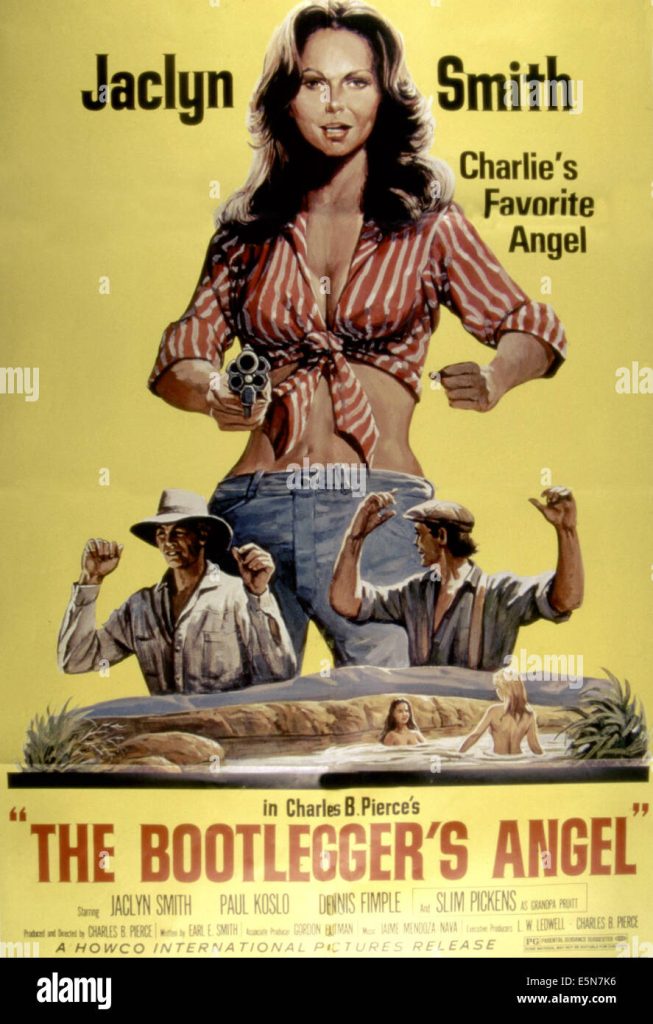
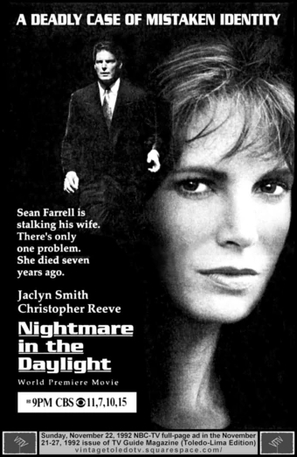
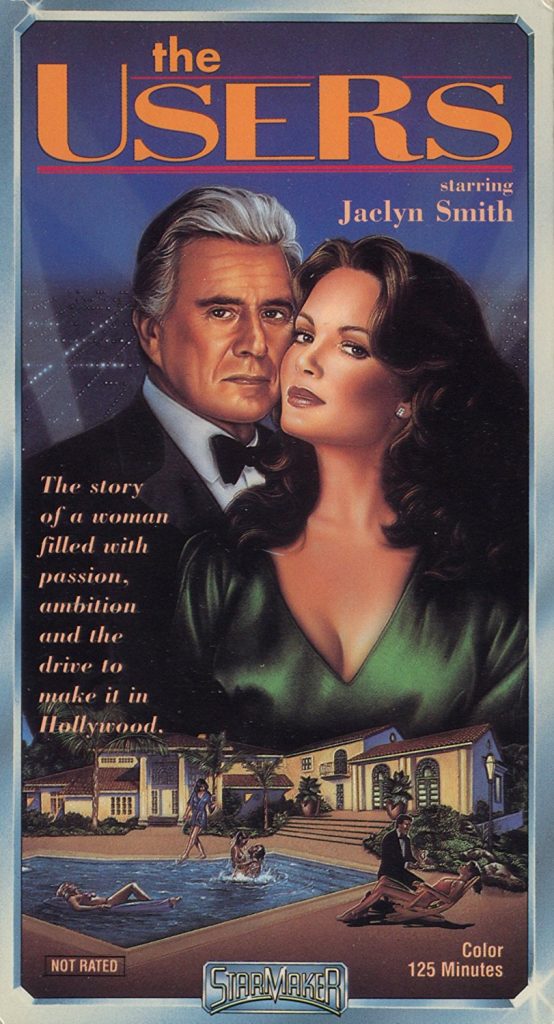
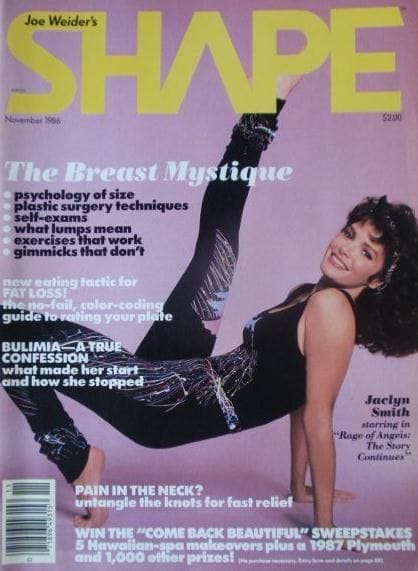
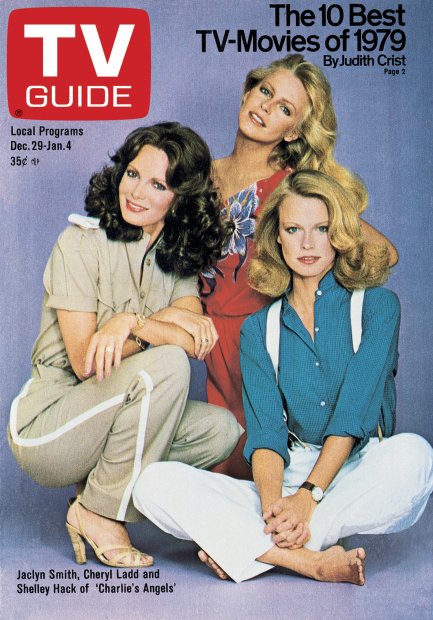
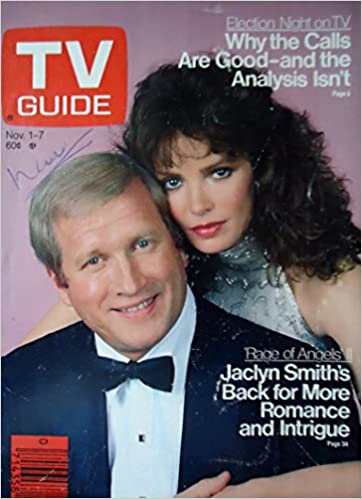
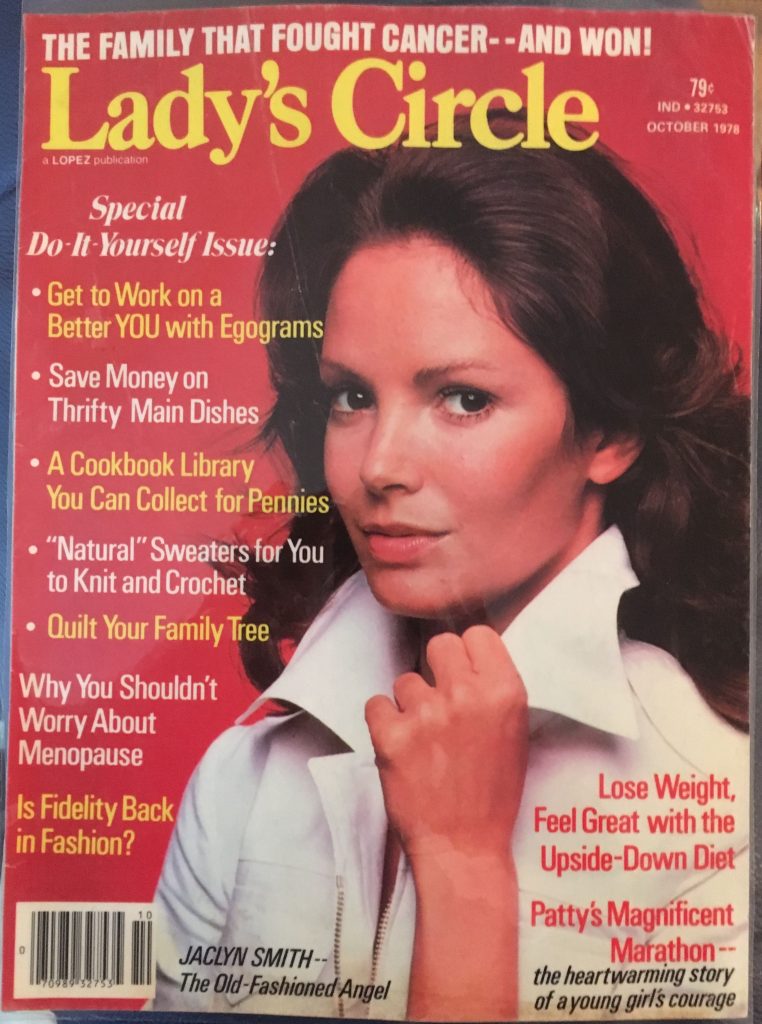
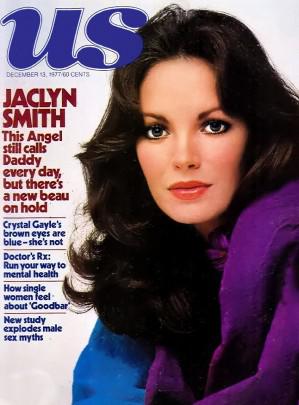
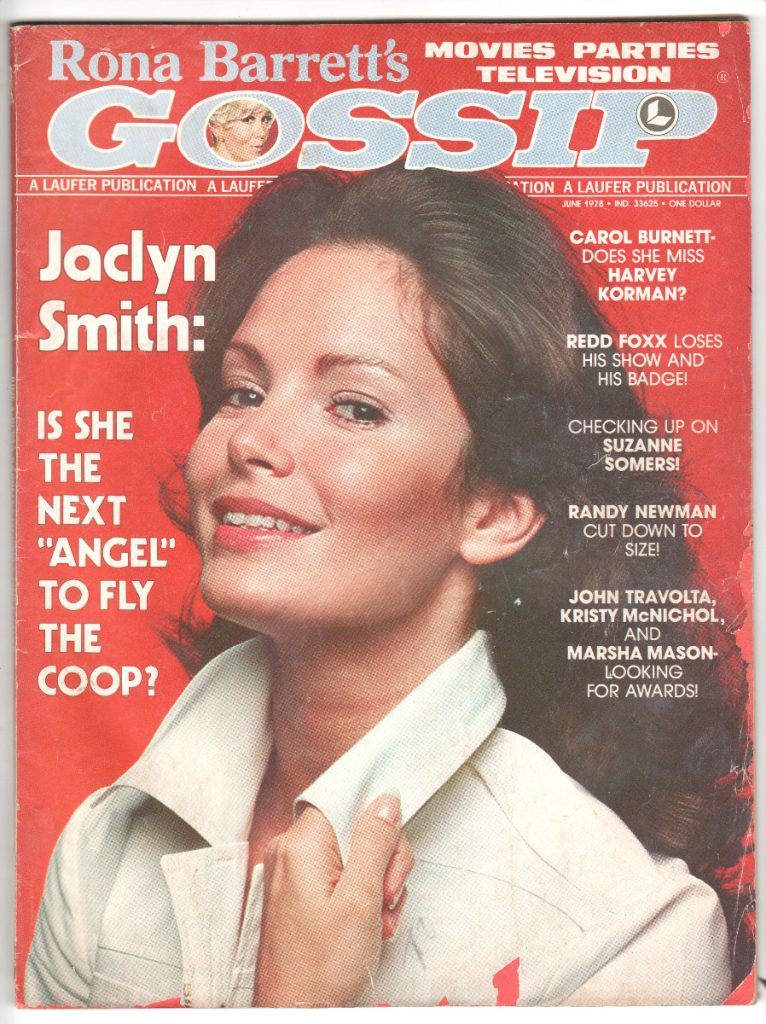
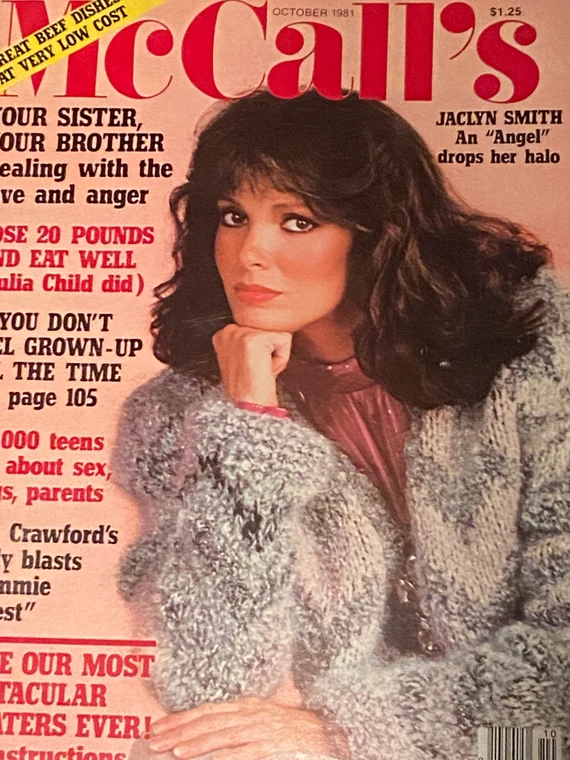
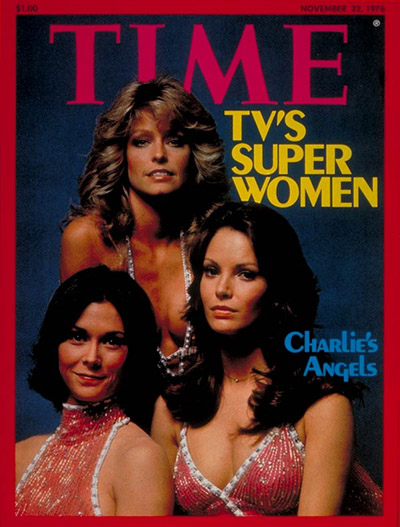
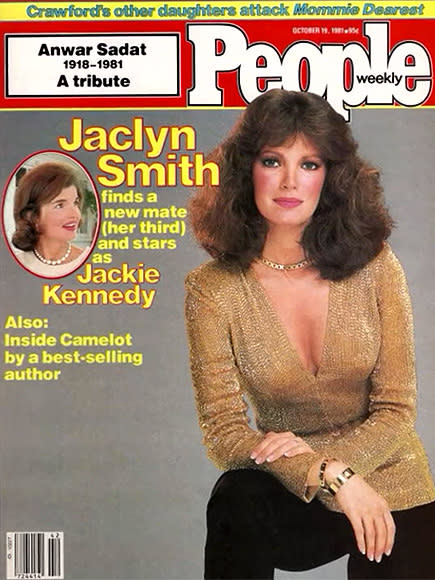
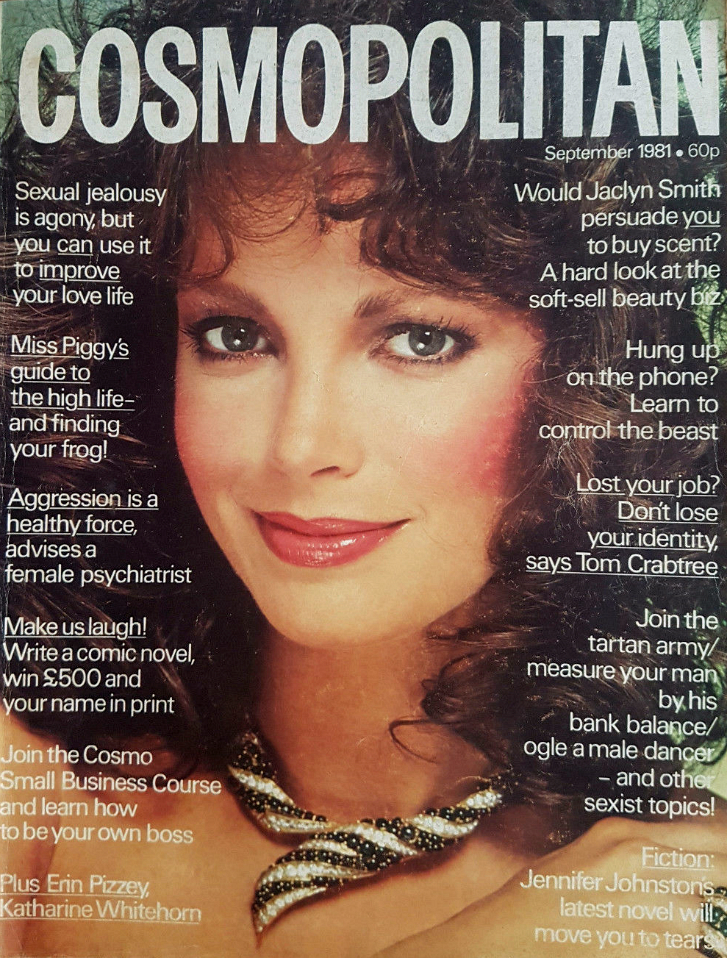
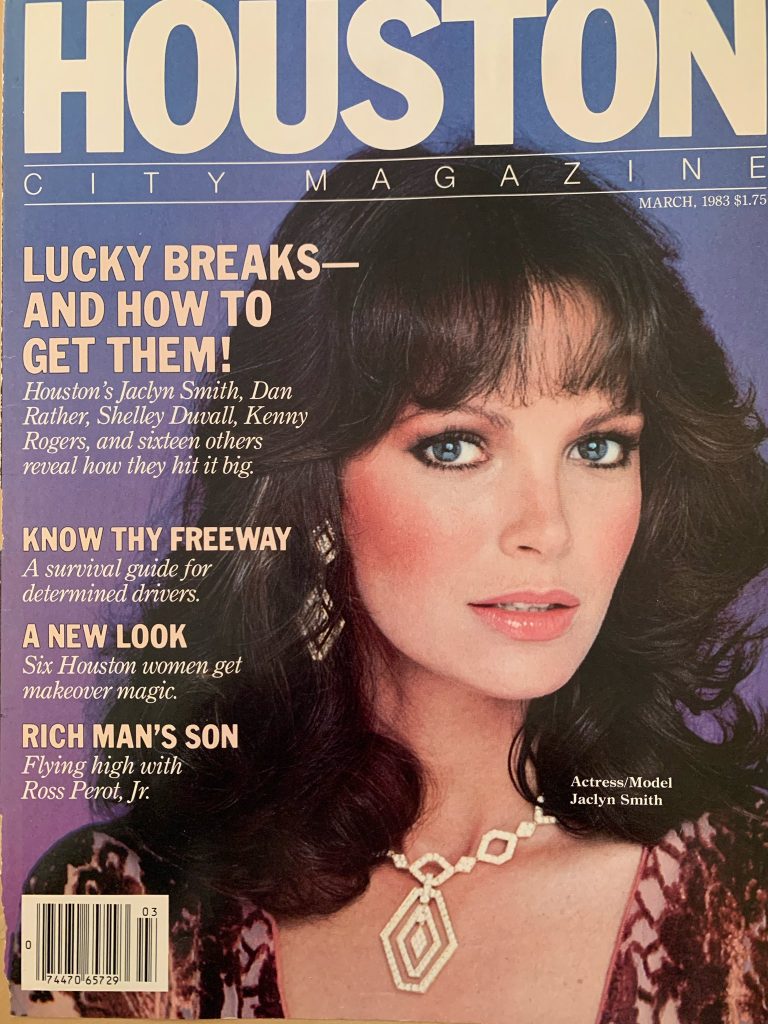
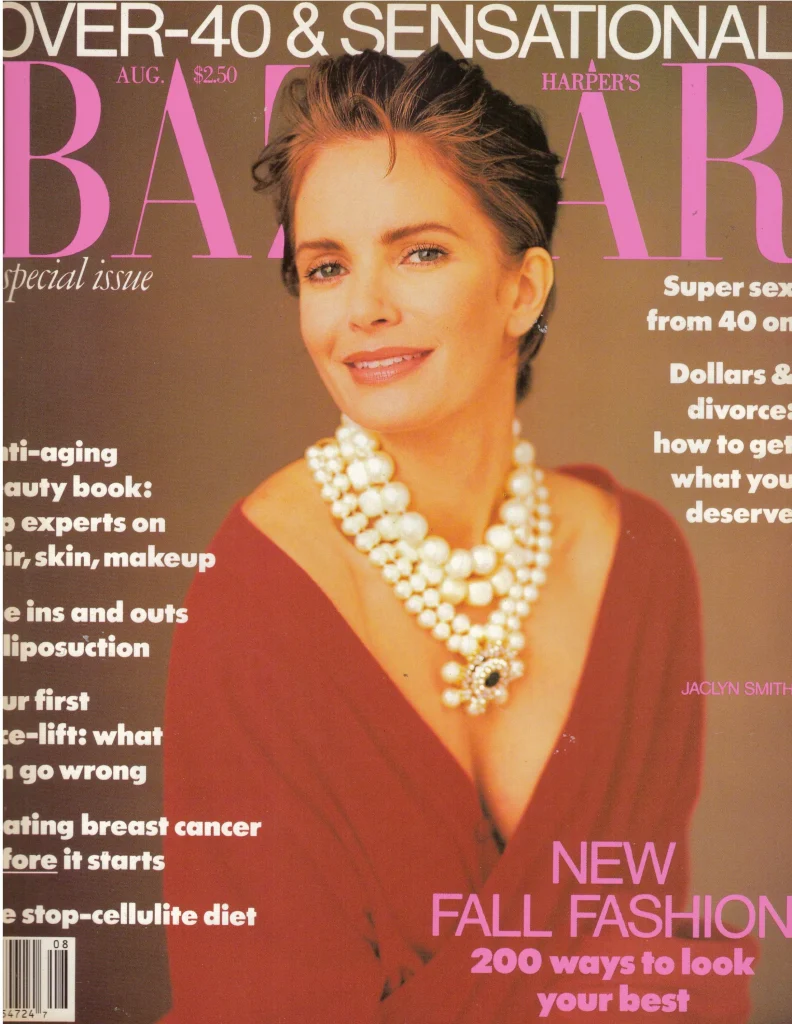
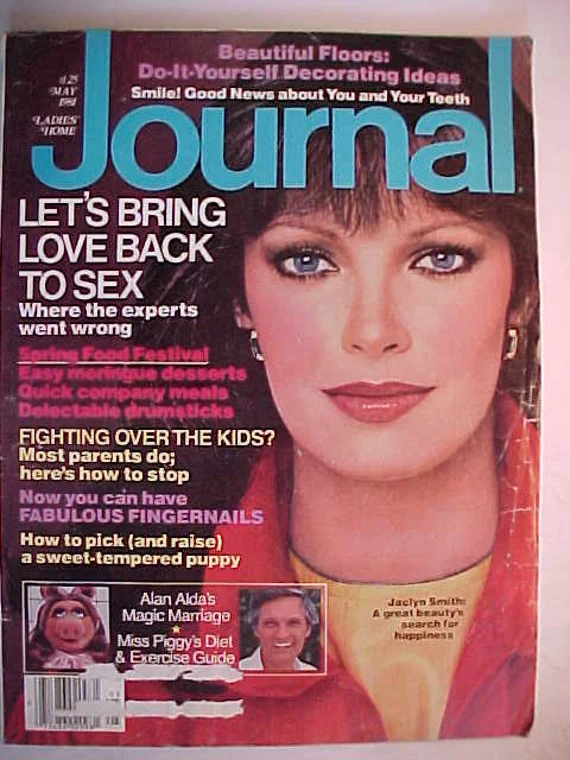
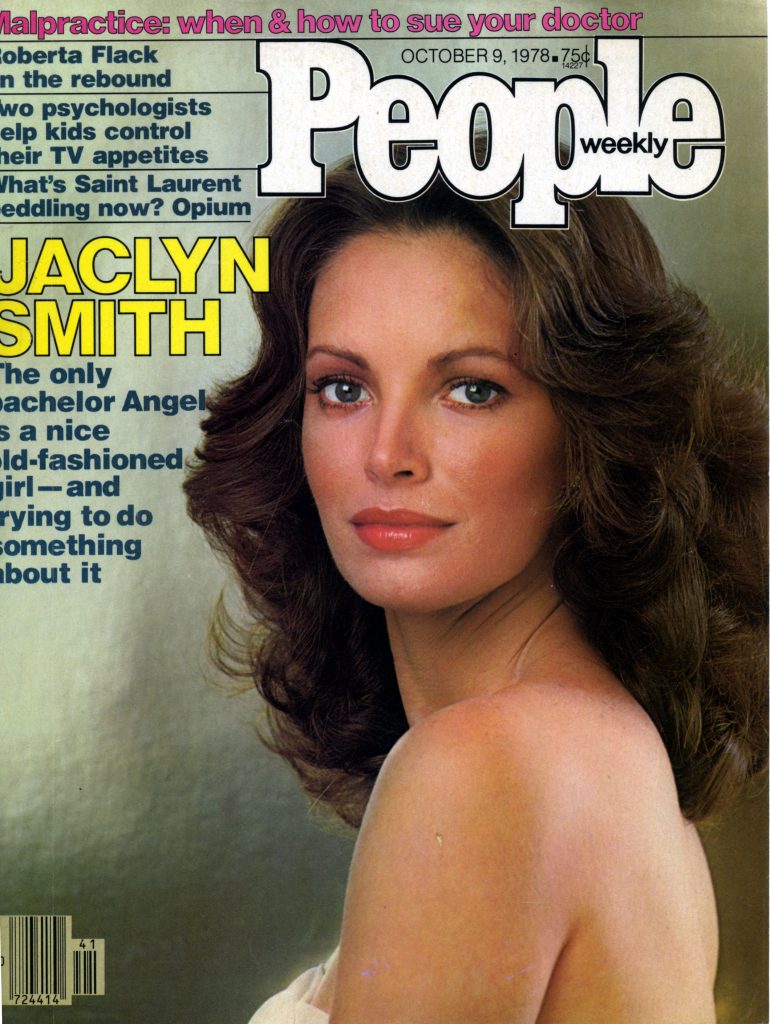
Jaclyn Smith was born Jaclyn Ellen Smith on October 26, 1945 in Houston, Texas. She graduated from high school and originally aspired to be a famous ballerina. In 1973, she landed a job as a Breck shampoo model. In 1976, she was offered a chance to star in a new pilot for a planned television series, entitled Charlie’s Angels (1976). The pilot was slick and the show was an instant hit when it debuted on September 22, 1976 on ABC. Smith has the distinct honor of being the only Angel *not* to leave the show in its entire five-season run (1976-1981). After Charlie’s Angels (1976), she went the TV-movie route and starred in such TV films as Jacqueline Bouvier Kennedy (1981) for which she received a Golden Globe nomination, and such miniseries as The Bourne Identity (1988), Rage of Angels (1983) and Windmills of the Gods (1988). She has had her own extremely successful clothing line at KMart since 1985, and is often a spokesperson. Her first two marriages to actors Roger Davis and Dennis Cole ended in divorce. She has two children from her third marriage to cinematographer Anthony B. Richmond (they divorced in 1989). Her fourth marriage is to her father’s physician Dr. Brad Allen. She married him in 1997 and they both created a skincare line.
– IMDb Mini Biography By: Bill Hatfield <hatfield@stgeorges.edu>



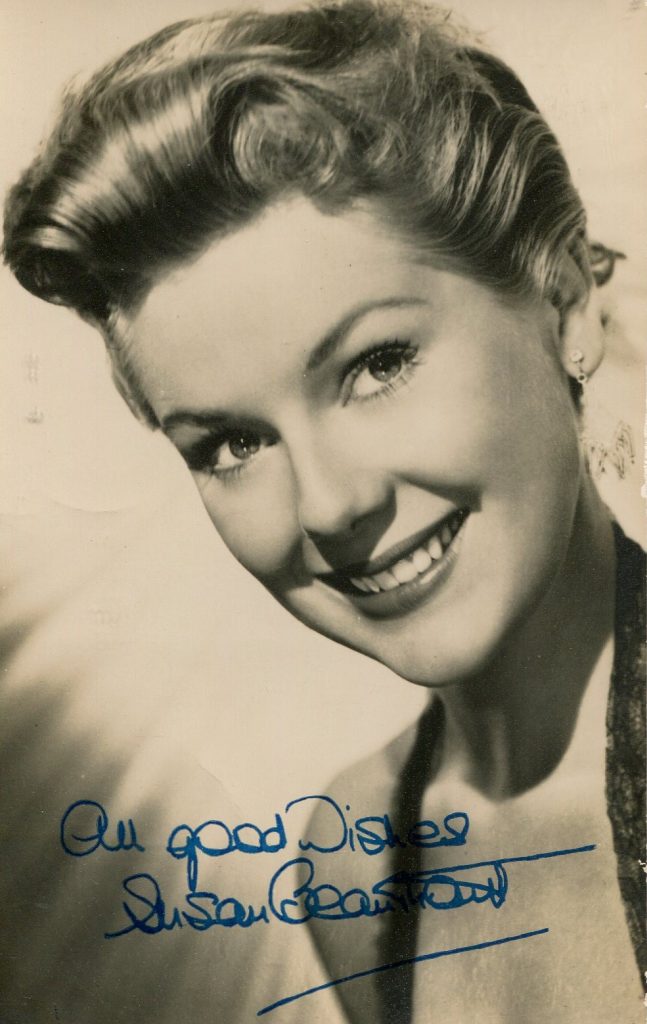
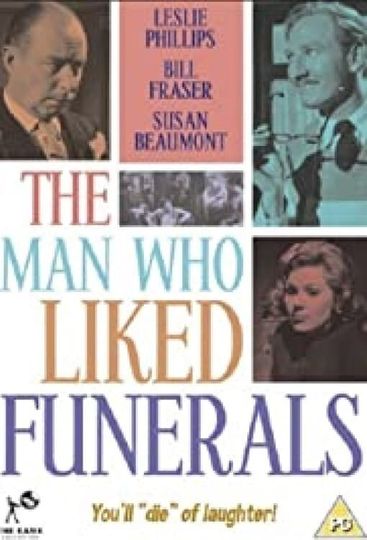
Susan Beaumont was born on February 26, 1936 in Balham, London, England as Susan Anna Black. She is an actress, known for Carry on Nurse (1959), The Man Who Liked Funerals (1959) and On the Run (1958).




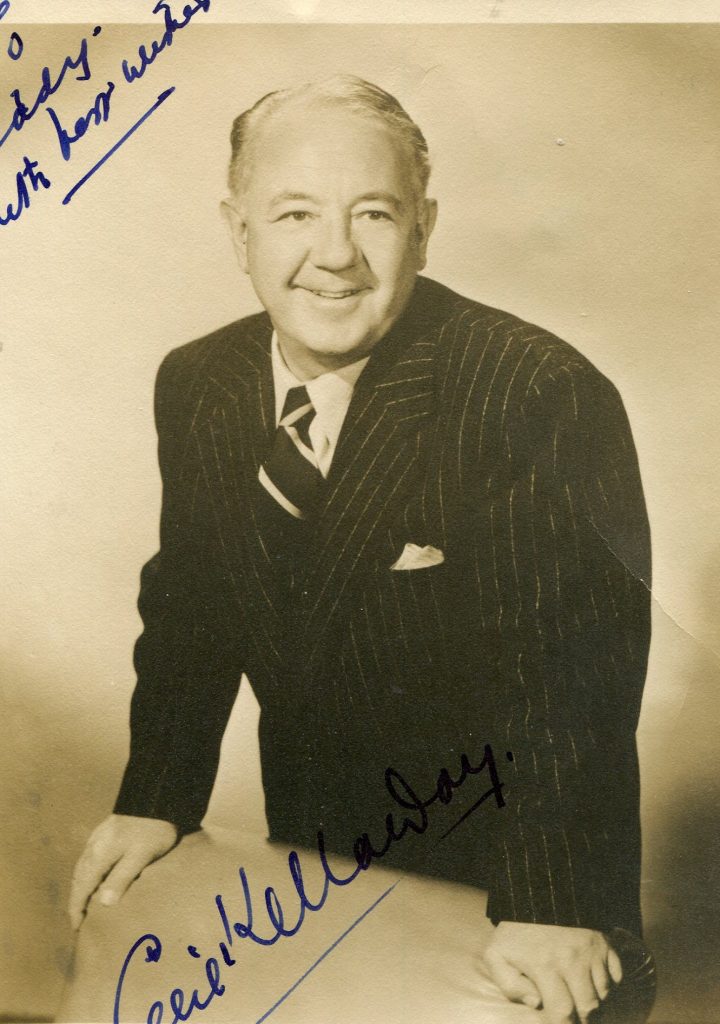
Cecil Kellaway (August 22, 1893 February 28, 1973), was born in Cape Town, South Africa, and was an Academy Award-nominated character actor active in Hollywood from the late 1930’s through the late 1960’s. Kellaway spent his early years as an actor, writer and director in Australia. He was discouraged during his initial trip to the US because he was getting only small gangster parts. He returned to Australia until William Wyler contacted him with a part in Wuthering Heights(1939). After that Kellaway remained in demand. Kellaway died in 1973, in Hollywood at age 79. He had received two Best Supporting Actor nominations in his career, for The Luck of the Irish and Guess Who’s Coming to Dinner. Other notable roles included that of Nick in The Postman Always Rings Twice (1946).
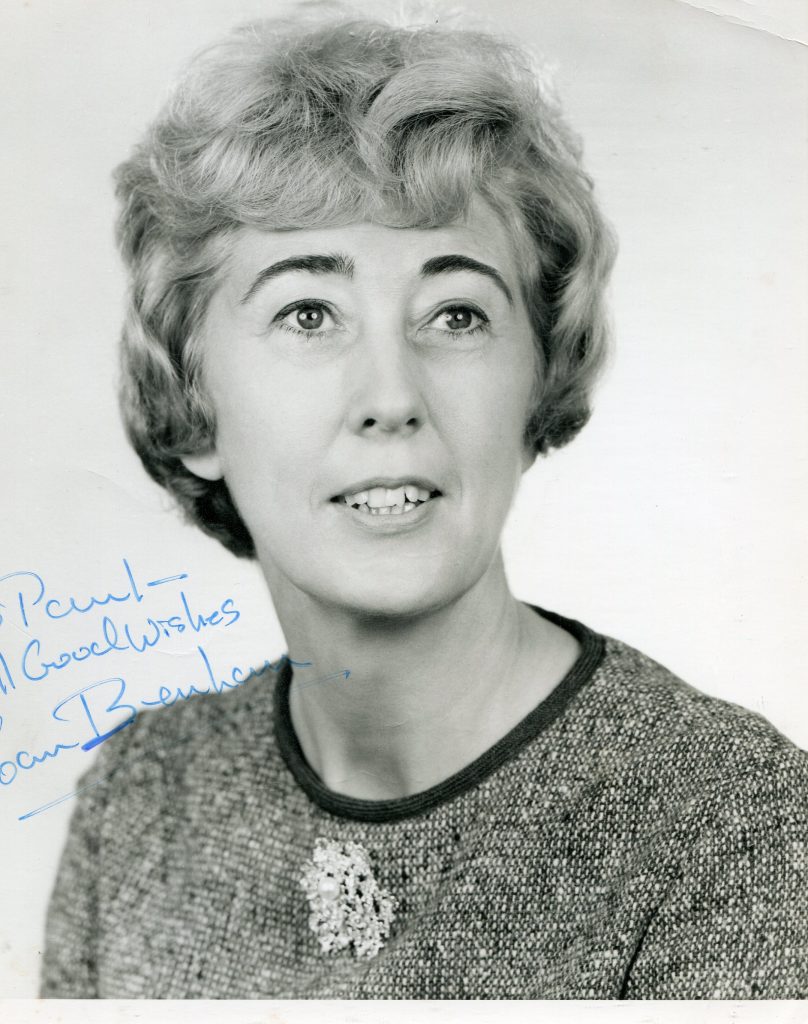
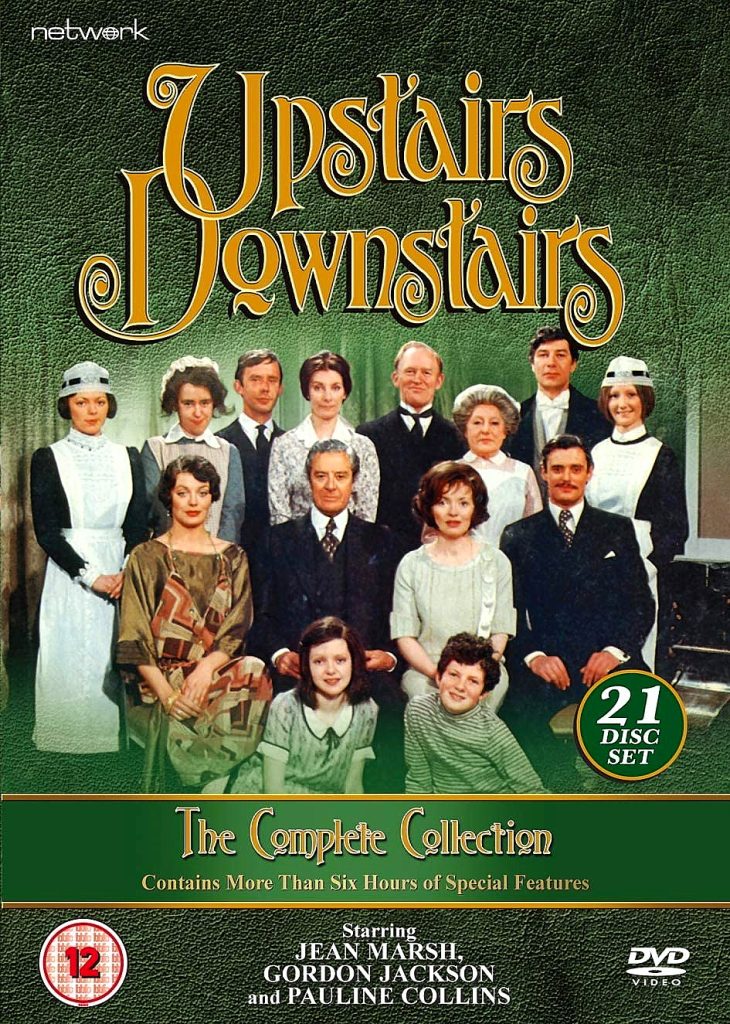
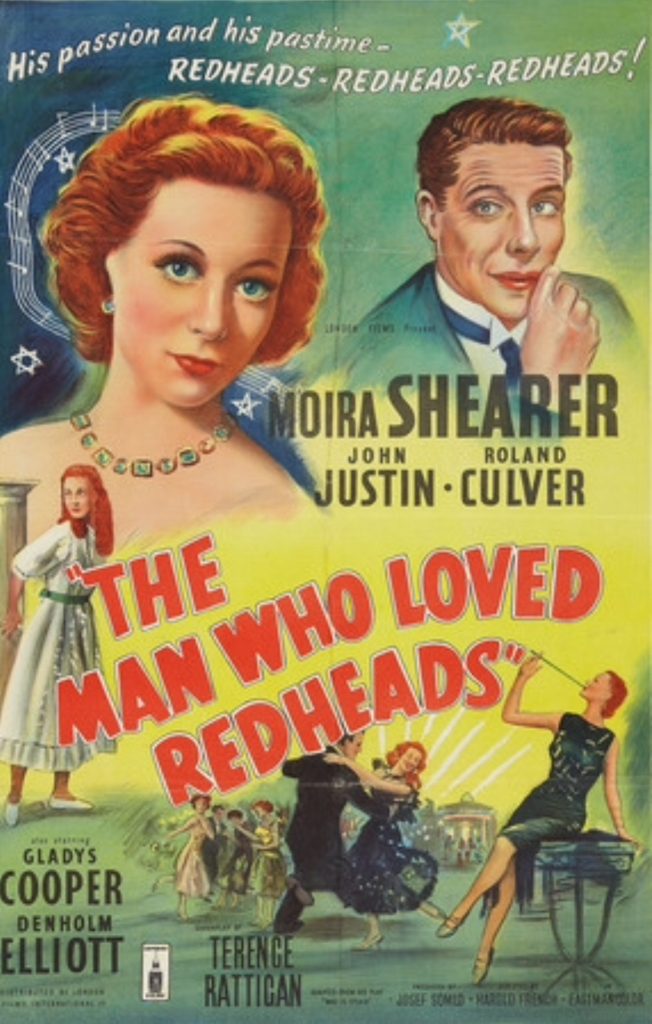
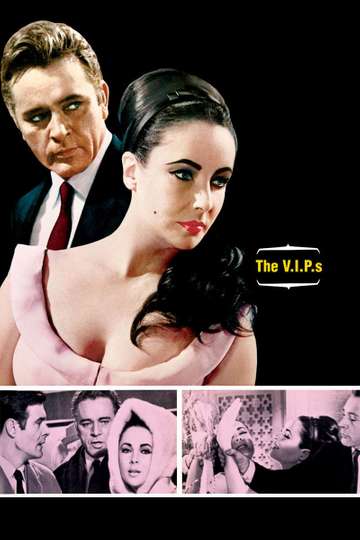
Joan Benham was born in 1918 in London. She is best known for her role as Lady Prudence Fairfax in ITV’s long running classic TV series “Upstairs, Downstairs”. Movie roles include “The Man Who Loved Redheads” and “The V.I.P.’s ” in 1963. She died in 1981.
WIkipedia: Joan Benham (17 May 1918 – 13 June 1981) was an English actress best known for her portrayal of Lady Prudence Fairfax in the ITVperiod drama series Upstairs, Downstairs.[ She was born in London and was the first cousin of Hollywood actress Olive Sturgess.
Although her career mostly centred on television, Benham began her career appearing on the West End stage in the 1940s and continued to appear on the London stage periodically throughout her career. She appeared on Broadway as Helena in the 1954 revival of William Shakespeare‘s A Midsummer Night’s Dream opposite Patrick Macnee as Demetrius.
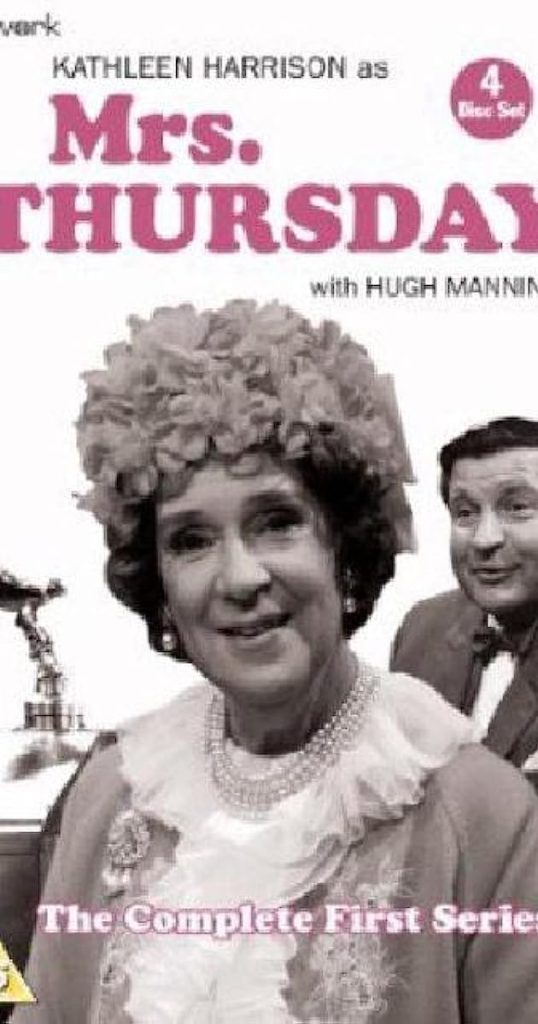
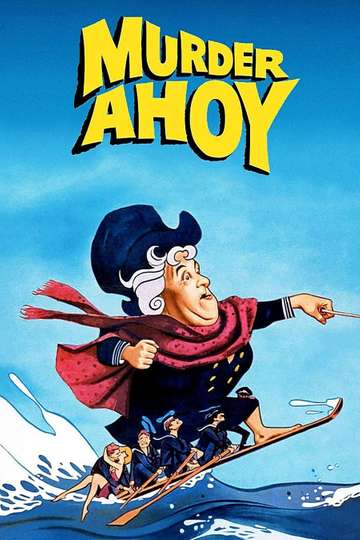
Joan Benham appeared in sixteen episodes of Upstairs, Downstairs, from the first to the last series, as a Bellamy family friend, Lady Prudence Fairfax. Other television programmes she appeared in include, Mrs Thursday, Doctor in the House, Doctor in Charge, Father Brown, The Duchess of Duke Street, Doctor on the Go, Just William and Take My Wife.[7] Her film credits include the Miss Marple movie Murder Ahoy! (1964), Ladies Who Do (1963), Perfect Friday (1970), and Carry On Emmannuelle (1978).
Her last role was as Melinda Spry in the sitcom Terry and June.[ This episode, The Lawnmower, was broadcast on 13 November 1981, exactly five months after the day she had died, in Westminster, London, aged 63