



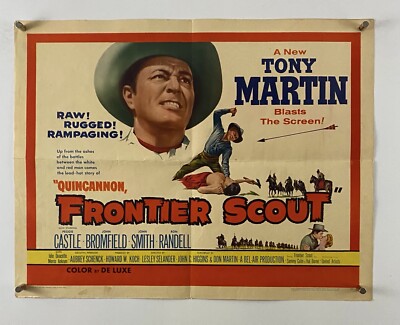
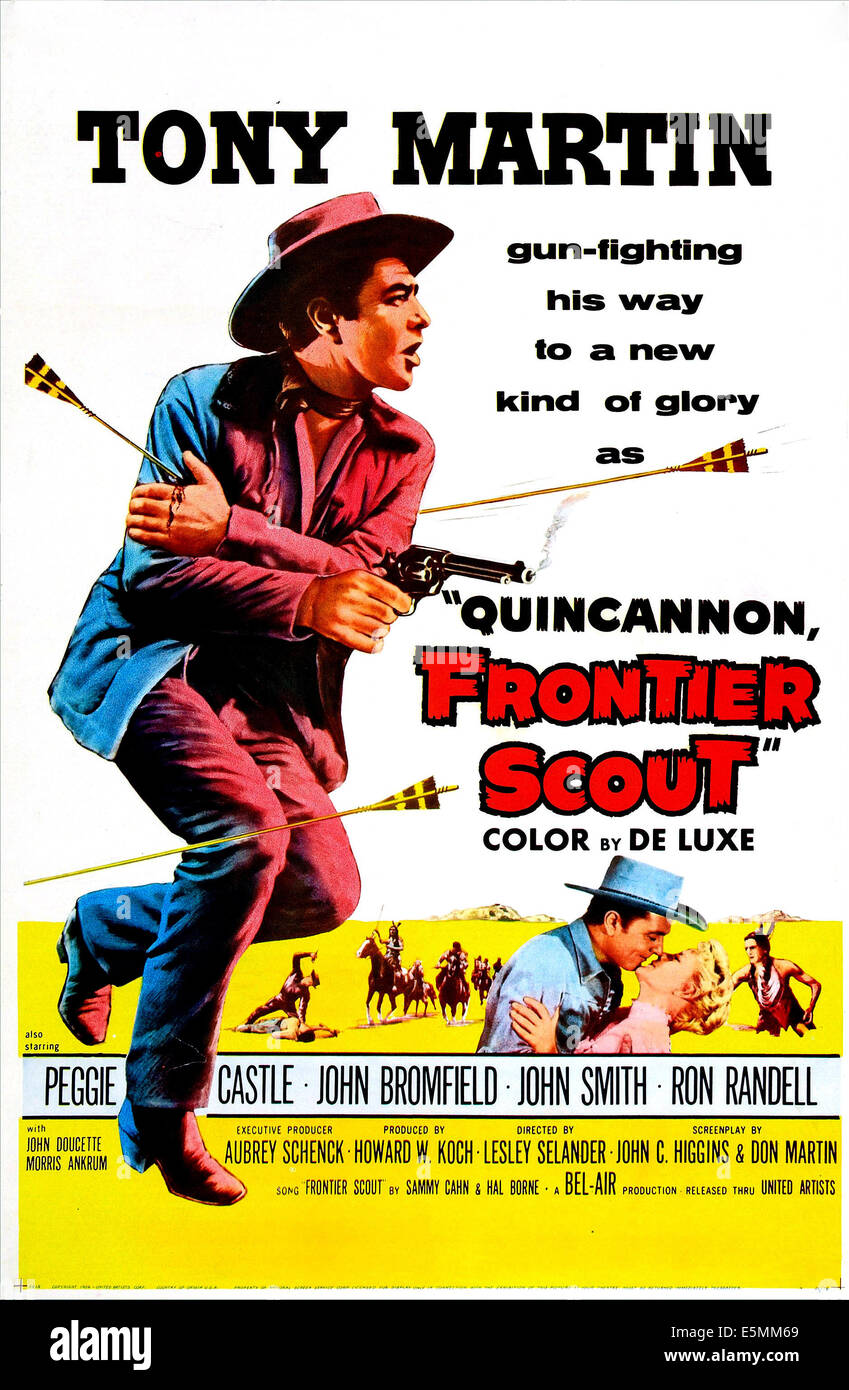
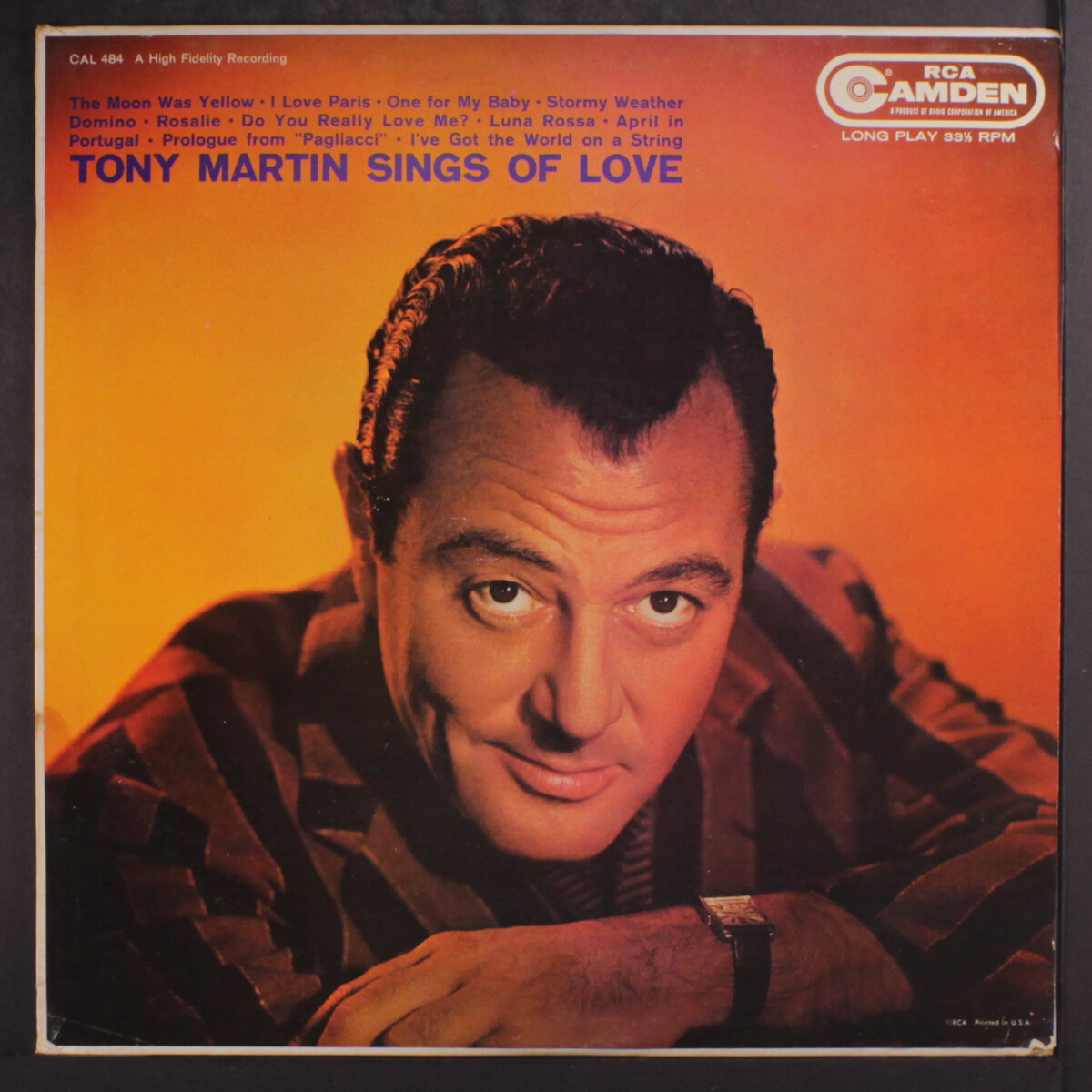
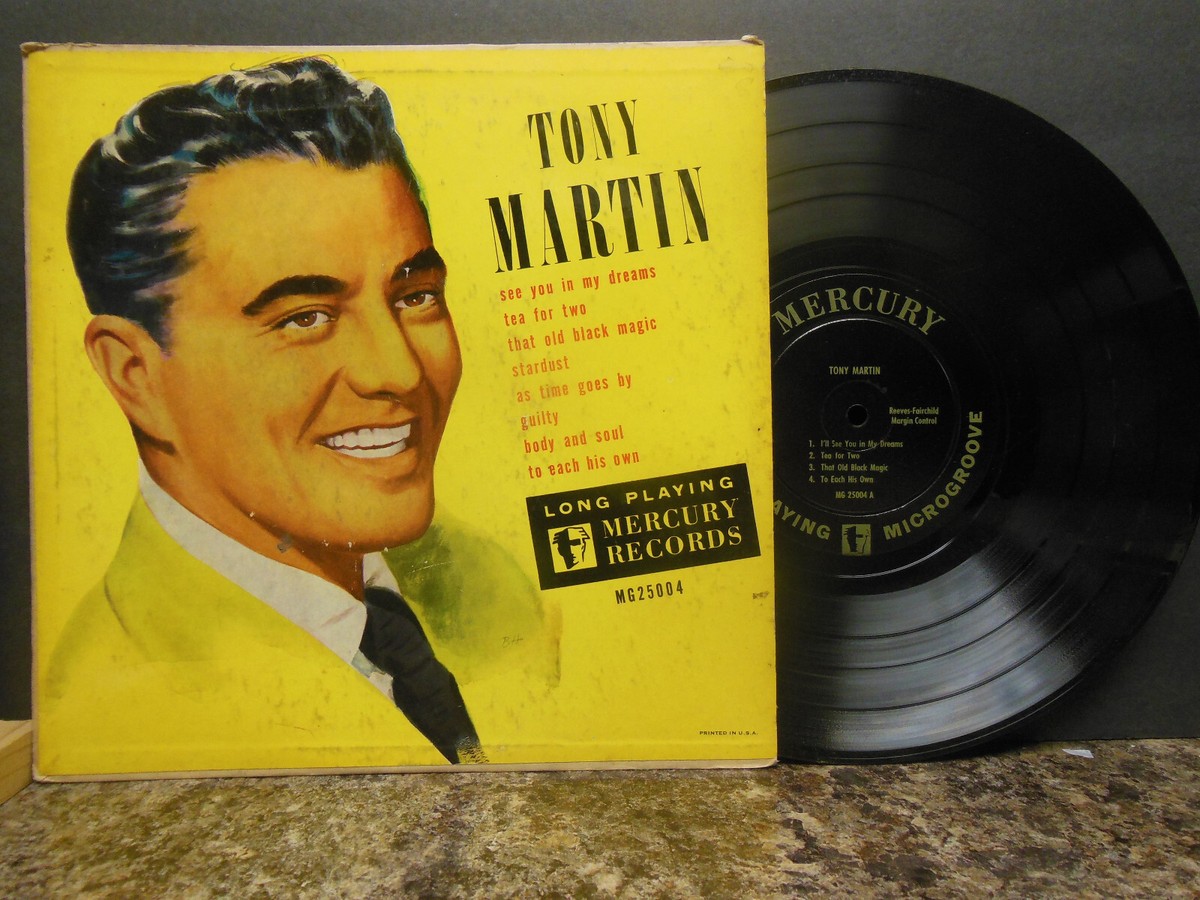
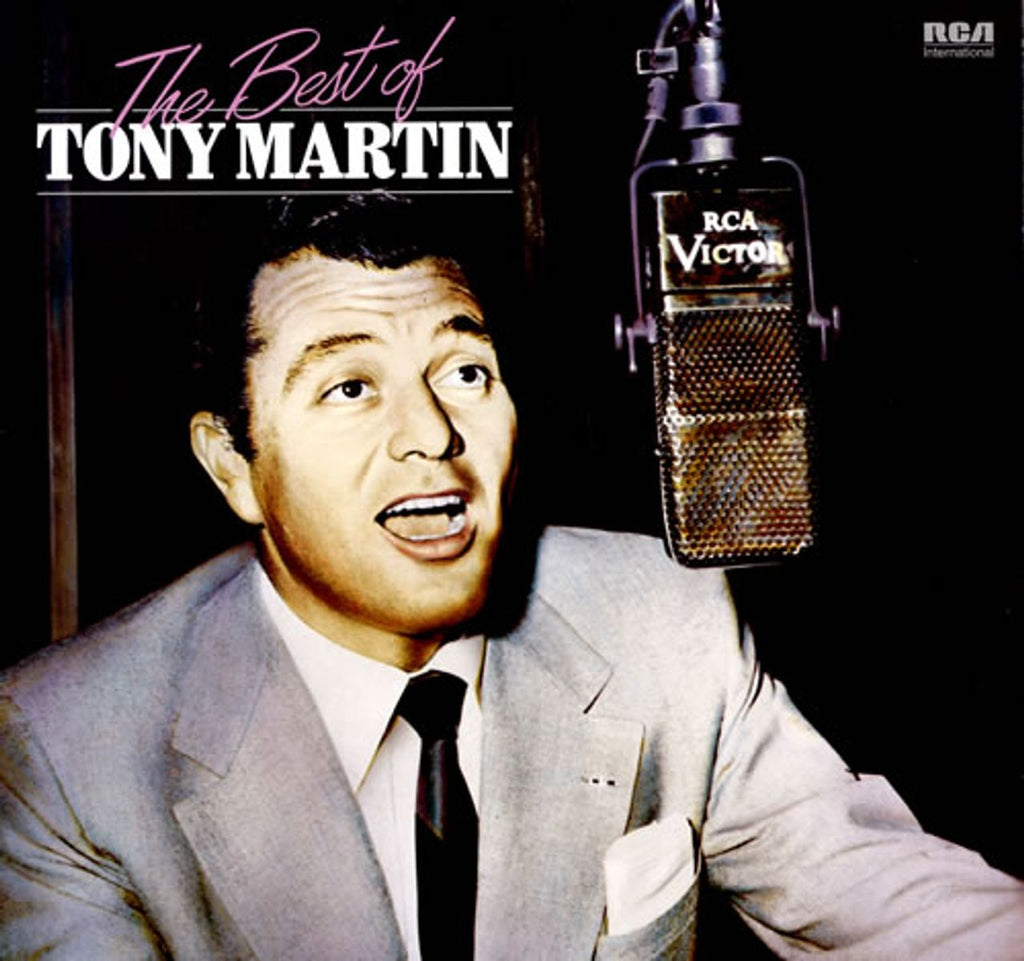
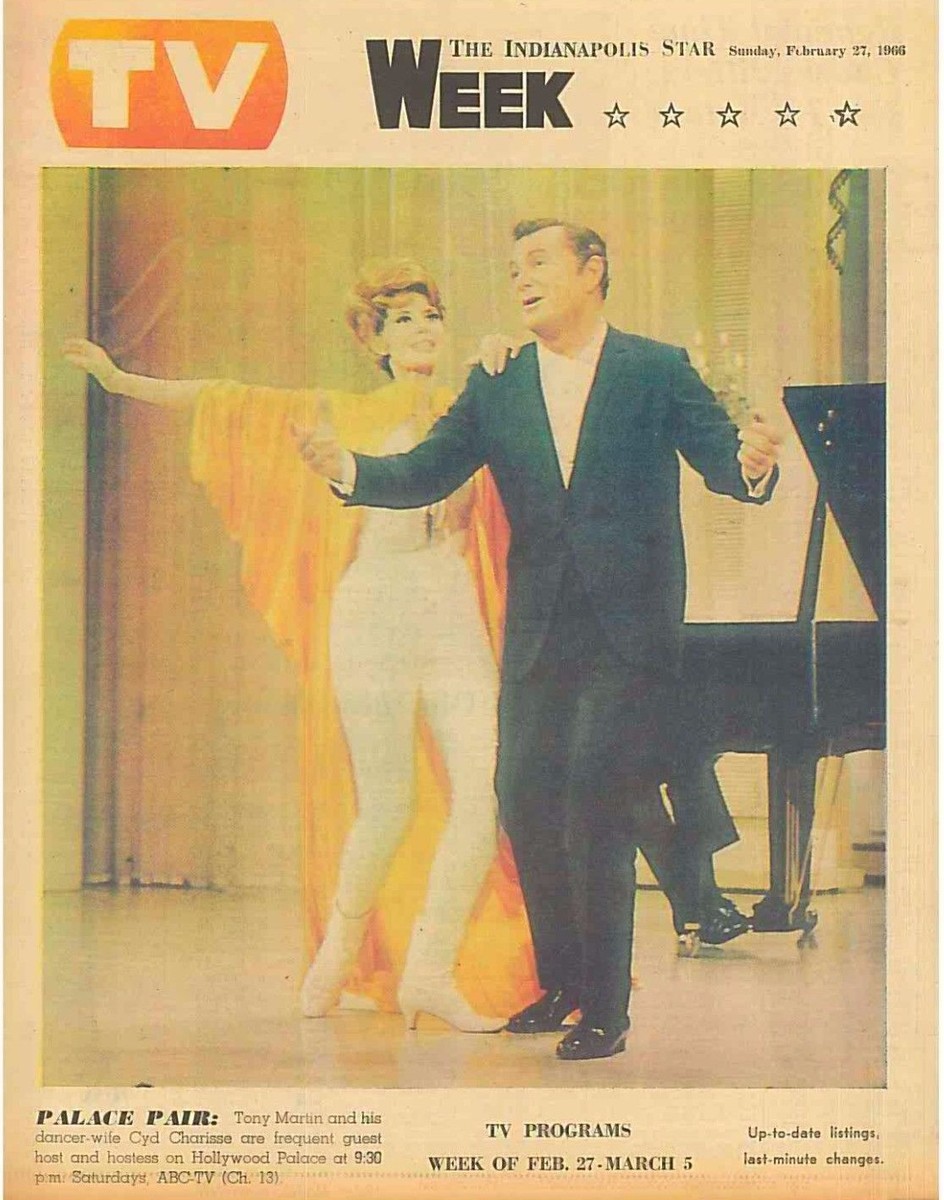
Tony Martin had a long career as a singer in the U.S. In the 1940’s and 50’s he also had success in Hollywood movies. He was born in 1913 in San Francisco and lived until he was 98. He was long married to Cyd Charisse. He died in 2012.
His “Guardian” obituary by Ronald Bergan:
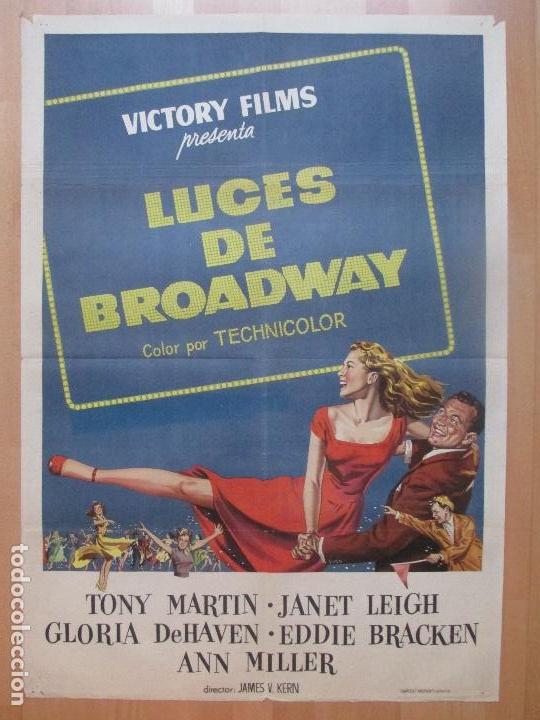
The American entertainer Tony Martin, who has died aged 98, was once described as a singing tuxedo. Although he was rather a stiff actor, he was handsome and charming, with a winning, dimpled smile. What mattered most, however, was his mellifluous baritone voice, which he used softly in ballads such as To Each His Own and I Get Ideas, and powerfully in Begin the Beguine and There’s No Tomorrow, all hit records in the 1940s and 50s.
He was one of the top crooners of the period with Vic Damone, Andy Williams and Dick Haymes, all of them just below Bing Crosby and Frank Sinatra in esteem and popularity. According to Mel Tormé: “Tony Martin was technically the greatest singer of them all, as well as being the classiest guy around, both as an entertainer and a person.”
He was born Al (Alvin) Morris in San Francisco into a Jewish family and brought up in Oakland. The young boy started singing at his mother’s sewing club. He switched to the saxophone when his voice changed, and quickly mastered that instrument and the clarinet, organised a band and began playing professionally.
One night a Hollywood agent heard him singing on a radio show, saw that he had the good looks to match his voice, and promised to get him to Hollywood on condition he change his name. He took “Tony” from a gambler in a story in Liberty Magazine and “Martin” from the bandleader Freddy Martin. When his father heard of the name change, he shouted: “Tony’s a name for a horse.”
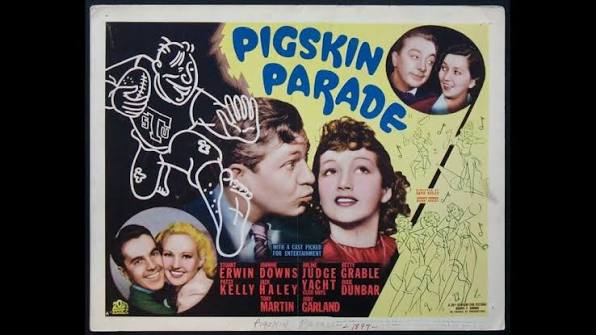
Martin’s first film was the Fred Astaire-Ginger Rogers musical Follow the Fleet (1936), in which he had a bit part as a sailor. A contract followed with 20th Century-Fox, where he met his first wife, Alice Faye, soon to be the studio’s leading musical star. Married in 1937 and divorced in 1940, they appeared in four films together, although Martin usually just had a number as a band vocalist. The first, Sing, Baby, Sing, brought him the Oscar-nominated number, When Did You Leave Heaven?, and in You Can’t Have Everything (1937), Faye was the star, while Martin, eighth-billed, sang The Loveliness of You.
In his first starring role, he was billed as Anthony Martin in Sing and Be Happy (1937), little more than a vehicle for what Variety called, characteristically, his “socko vocalisthenics”. He then played the romantic lead and straight man to the Ritz Brothers in Life Begins in College (later known as The Joy Parade, 1937) and Kentucky Moonshine (later Three Men and a Girl, 1938), and to Eddie Cantor in Ali Baba Goes To Town (1937). More satisfying to him was his co-starring with Rita Hayworth in Music in My Heart (1940), a modest Columbia musical.
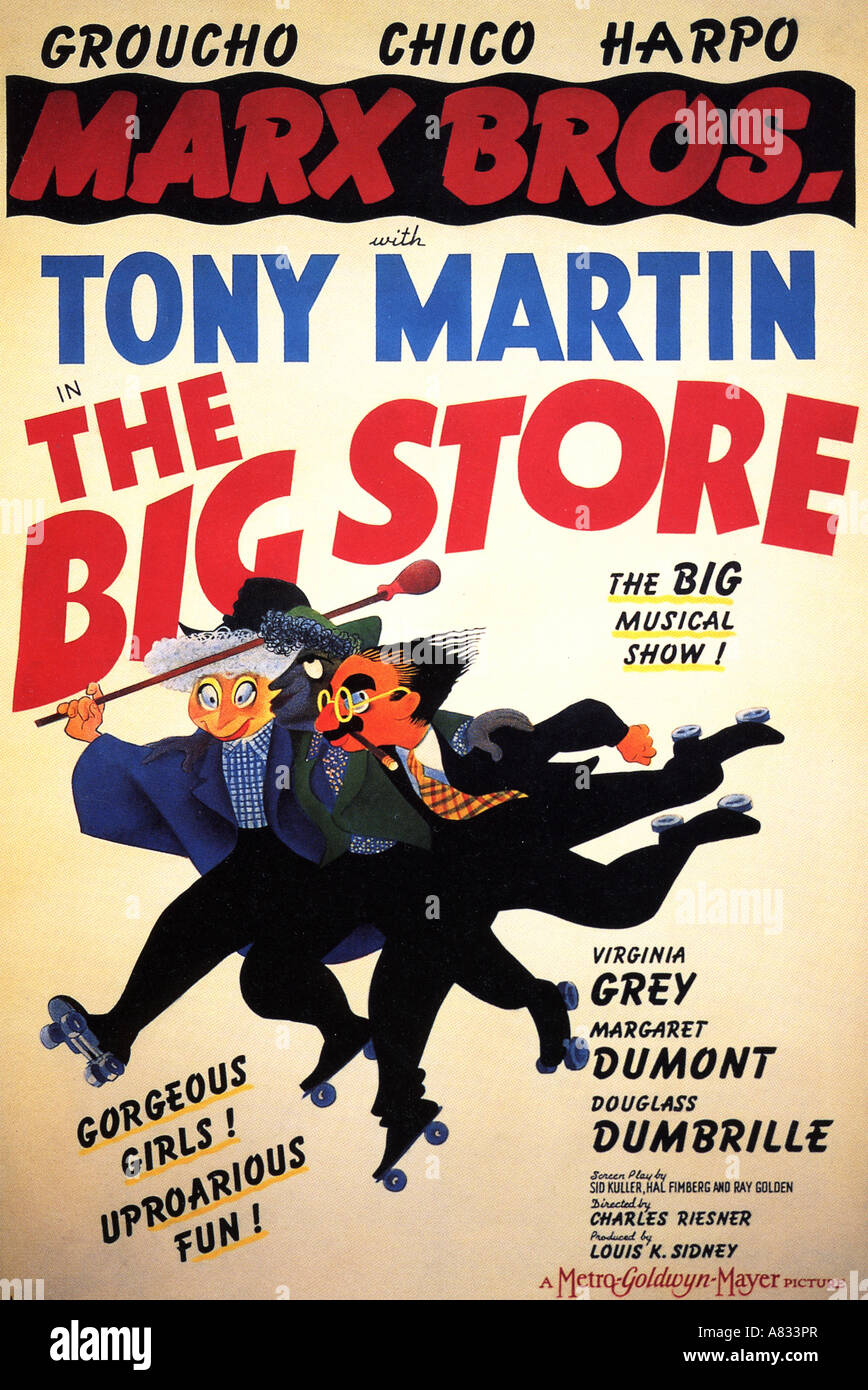
Martin’s most prestigious film was Ziegfeld Girl (1941) at MGM, in which he warbled You Stepped Out of a Dream to a statuesque Hedy Lamarr, and Caribbean Love Song. The Big Store (1941) is not considered the Marx Brothers’ funniest movie but, for most critics, the comic high spot, albeit unintentionally, was Martin’s heartfelt rendition of the bombasticTenement Symphony – “The sounds of the ghetto inspired the allegretto.”
In the second world war, Martin served briefly in the navy then switched to the army amid rumours that he had tried to buy a navy commission. The rumours persisted after the war, even though he served bravely in the Pacific, and was decorated with a Bronze Star. After the war, Martin returned to Hollywood and Casbah (1948) in which he was miscast as Pépé le Moko, jewel thief in hiding, previously played by Jean Gabin and Charles Boyer, though he did make full use of the tuneful Leo Robin-Harold Arlen songs.
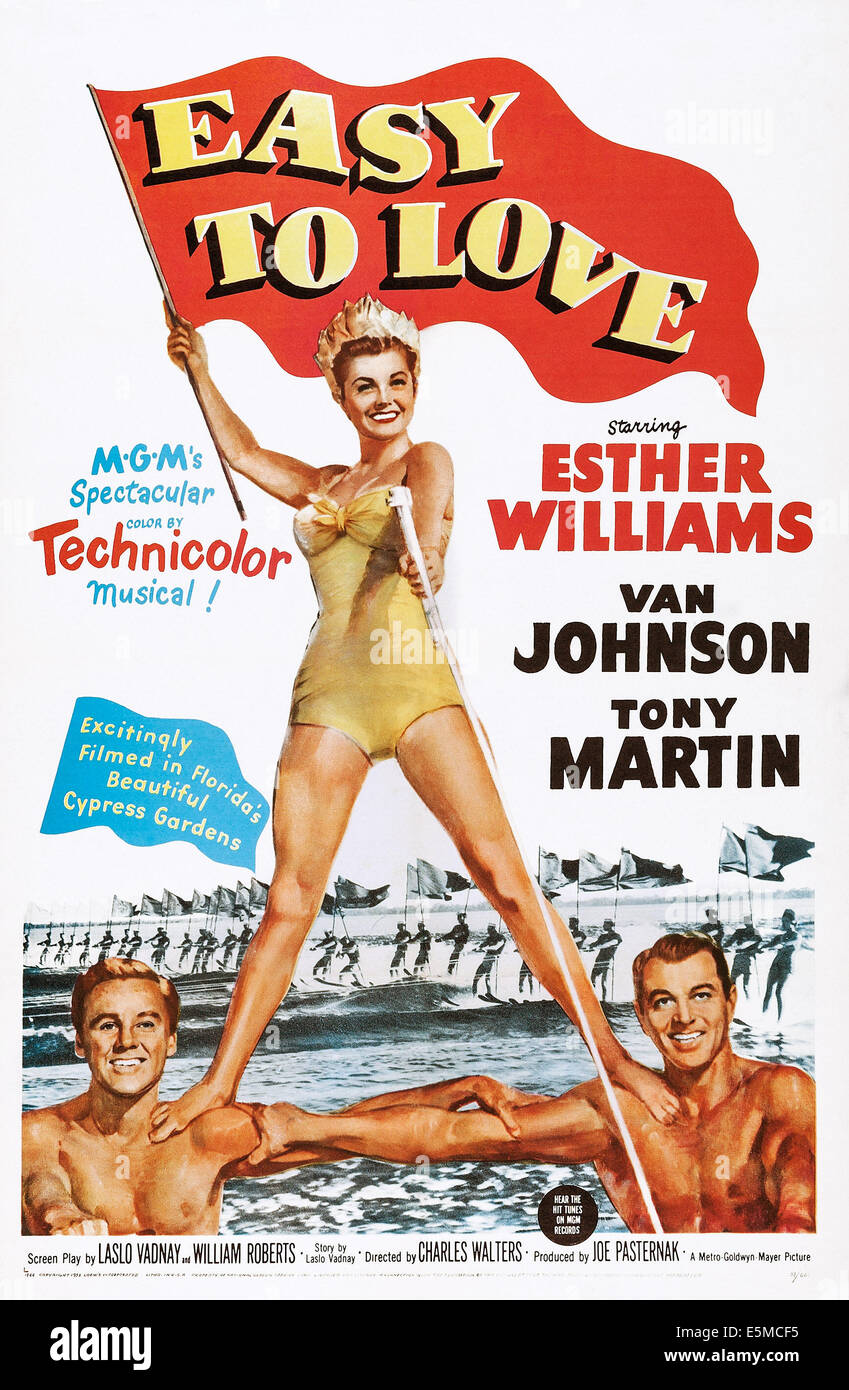
In Two Tickets to Broadway (1951), Martin bravely attempted the Prologue from Pagliacci, less ill-conceived than Sinatra’s version of Mozart’s La Ci Darèm La Mano in It Happened in Brooklyn a few years earlier. He was more at home as a smoothie romancing Esther Williams in Easy to Love (1953), in which he had the best number, That’s What a Rainy Day Is For. Other songs he delivered with panache were Lover Come Back to Me, in Deep in My Heart (1954), and More Than You Know, in Hit The Deck (1955).
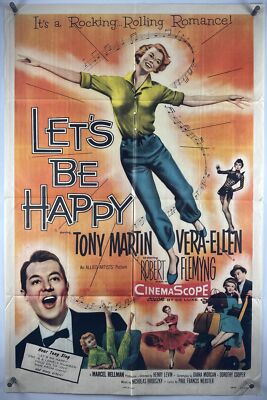
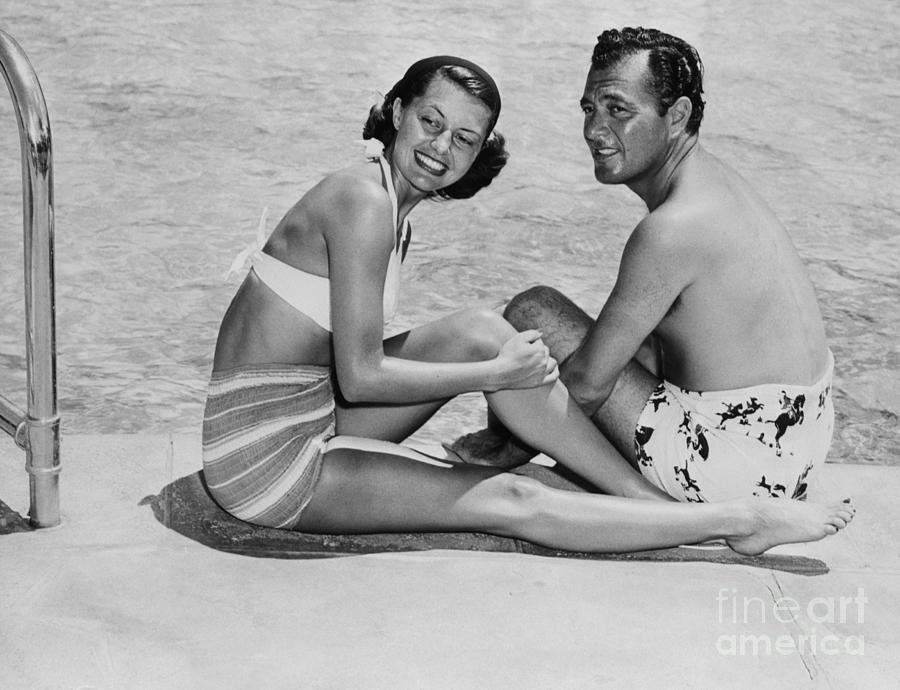
As the Hollywood musical declined, so did Martin’s film career – his last musical was the British-made Let’s Be Happy (1957), starring Vera-Ellen. He then began to concentrate on his cabaret shows around the US and abroad, sometimes appearing with his second wife, the leggy dancer Cyd Charisse, whom he married in 1948. They remained together for 60 years until her death in 2008. Martin reappeared on the big screen in 1982 in a German-made film, Dear Mr Wonderful, in which he genially took himself off as a Las Vegas nightclub singer. The voice had not changed much and the tuxedo still fitted him perfectly.
He is survived by Nico Charisse, his adopted son from Cyd Charisse’s first marriage. Tony Martin Jr, his son by Charisse, died last year.
• Tony Martin (Alvin Morris), actor and singer; born 25 December 1913; died 27 July 2012











Carole Shelley was born in 1939 in London. She made her Broadway debut in 1965 as one of the Pigeon sisters in the play “The Odd Couple”. She subsequently repeated the role on film with Jack Lemmon and Walter Matthau. She also played in the TV series with Tony Randall and Jack Klugman. She also featured in the film “Bewitched” with Nicole Kidman. Carole Shelley died in 2018.
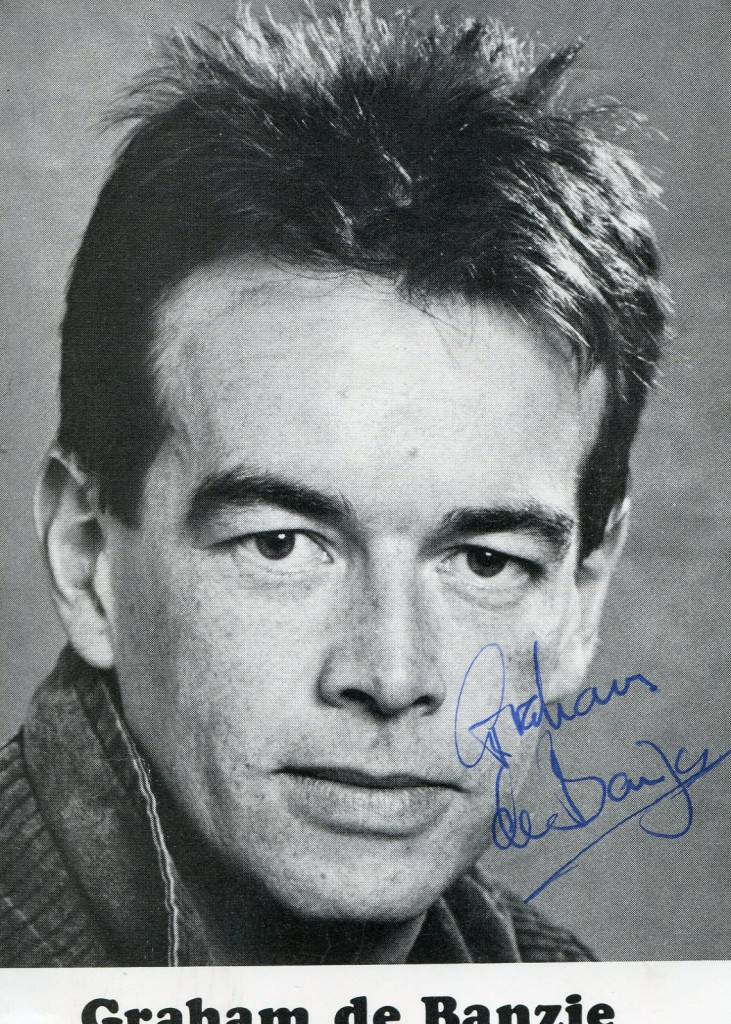
Graham De Banzie is an actor, known for Complicity (2000), A Shot at Glory (2000) andThe Planman (2003).

Deborah Findlay was born in 1947 in Surrey. She made her television debut in “Play for Today” in 1982. Films include “Truly, Madly, Deeply” in 1990 and “The House of Bernarda Alba” with Glenda Jackson. Went to the U.S. to make “Torchwood” in 2008 on US television and then starred with Judi Dench and Eileen Atkins in “Cranford” for the BBC.
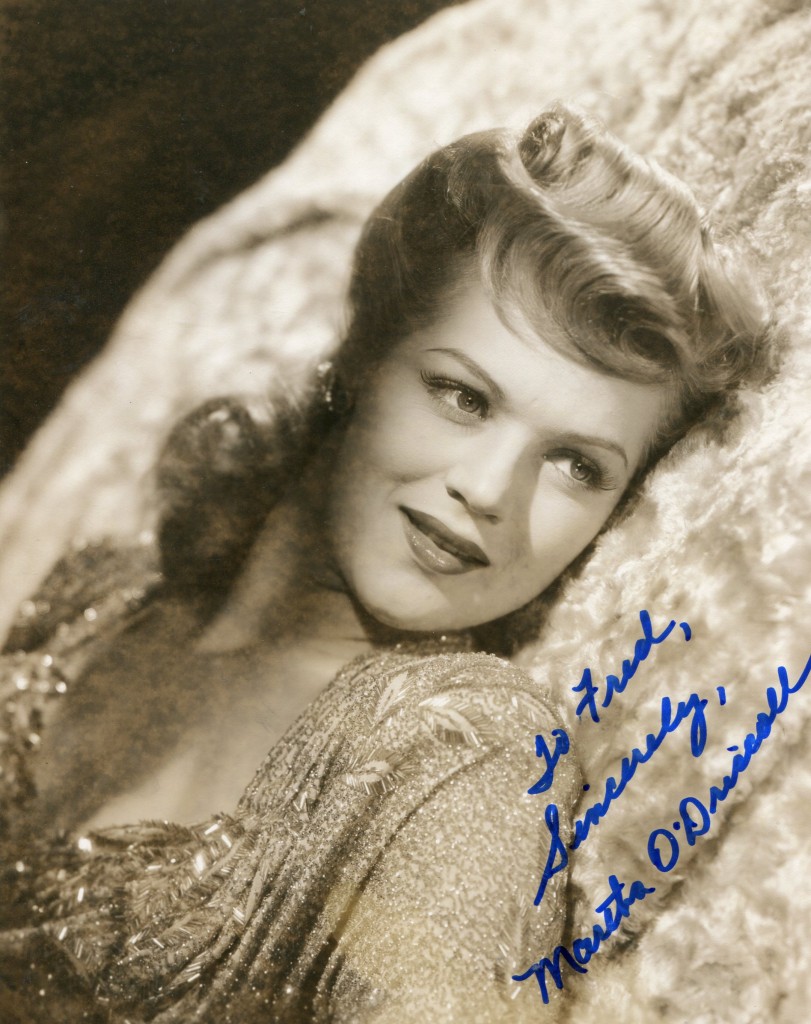


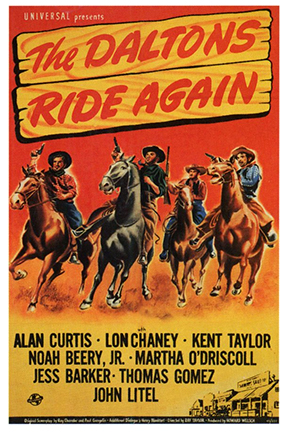


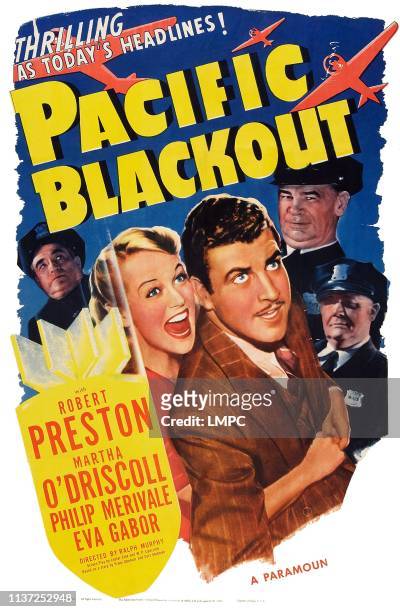


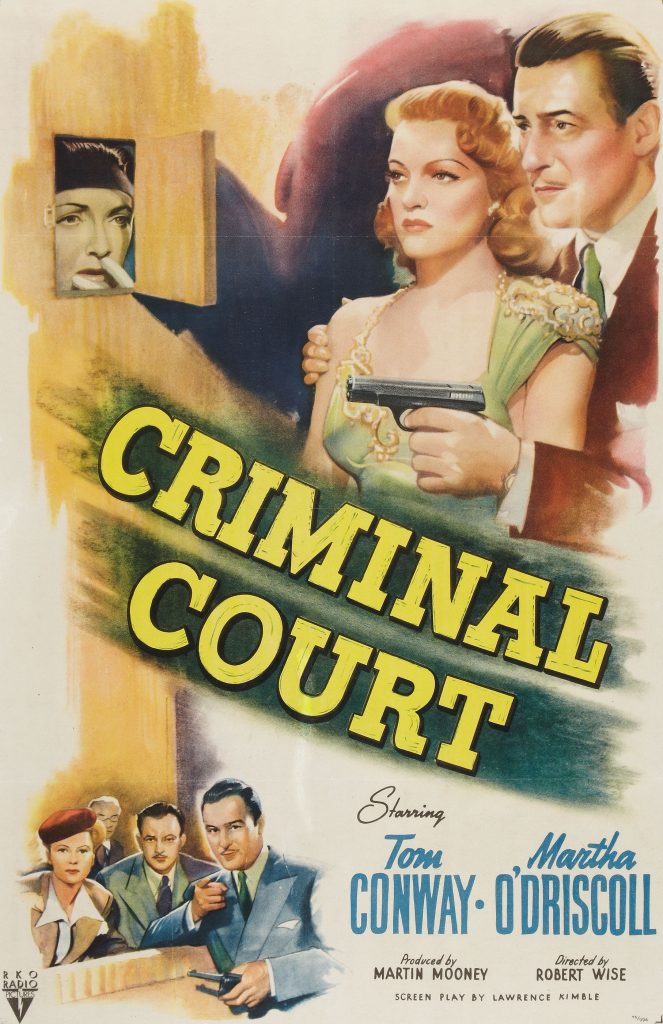

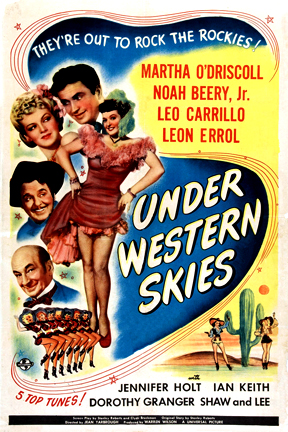


Martha O’Driscoll had a brief career in movies in Hollywood films of the 1940’s. Born in 1922 in Tulsa, she featured in such movies as “The Fallen Sparrow” with John Garfield and Maureen O’Hara in 1943 and “Young and Willing”. She retired early after her marriage. She died in 1998.
“The Independent” obituary:
Born in Tulsa, Oklahoma, in 1922, she was always a pretty girl and at the age of four was modelling children’s clothes. She had started dancing lessons from the age of three, when the family moved to Arizona in 1931. O’Driscoll began appearing in local pageants and plays. The choreographer Hermes Pan spotted her in a production at the Pheonix Little Theatre and suggested to O’Driscoll’s mother that Martha would have a good chance in movies.
They moved to Hollywood in 1935, but Pan was out of town, so they answered an advertisement for dancers and O’Driscoll was given a role in Collegiate (1935), a musical typical of its time in which a playboy inherits a college and, as the new Dean, insists that the students’ principal efforts should be directed toward learning how to sing and dance. Betty Grable had an early leading role in the film and it was also unusual in having its songwriters, Mack Gordon and Harry Revel, playing themselves as co-chairmen of the school’s music department, but otherwise it was unremarkable and O’Driscoll had little to do as a dancing co-ed.
She had other small dancing roles in Here Comes the Band (1935), The Big Broadcast of 1936 (1935) and The Great Ziegfeld (1936), an Oscar-winning success, in which she was spotted by a Universal talent scout who arranged for her to have a screen test, followed by a contract.
Her roles were initially small – in her first Universal film, a B thriller She’s Dangerous (1937), she was billed simply as “blonde girl” and in the Deanna Durbin vehicle Mad About Music (1937) she was billed as “pretty girl”. But her face soon became familiar to film fans because of the many endorsements she did, sanctioned by the studio. Her face appeared on such advertisements as Charm-Kurl Supreme Cold Wave and Max Factor Hollywood Face Powder.
Around this time O’Driscoll met William Lundigan, a former radio actor then making his way in films, and they started an affair that was to last for several years, though they never married.
Universal loaned O’Driscoll to MGM for parts in The Secret of Dr Kildare (1939) and Judge Hardy and Son (1940), but it was RKO who gave O’Driscoll her first two starring roles, as romantic interest to the cowboy Tim Holt in Wagon Train (1940), and notably as Daisy Mae in a transcription of Al Capp’s comic strip Li’l Abner (1940), an attempt to transfer Capp’s stylised county of Dogpatch to the screen which did not really come off, though O’Driscoll was captivating as the beauty desperately trying to win the husky Abner (Granville Owen) for a mate.
Paramount now became interested in the actress and acquired her contract, casting her first as a maid in Preston Sturges’s classic comedy The Lady Eve (1941). Reap the Wild Wind (1942), Cecil B. De Mille’s epic sea story, had two beautiful stars, Paulette Goddard and Susan Hayward, but O’Driscoll held her own as a Southern belle, her hair in long blond ringlets (it was her first film in colour), evincing polite disapproval when Goddard, as a Scarlett O’Hara-like heroine, shocks a society ball with an off-colour shanty.
O’Driscoll was then given the lead in an enjoyable B film, Pacific Blackout (1942), with Robert Preston as an innocent man convicted of murder who escapes during a blackout practice and uncovers enemy plans to destroy a US city during a mock air-raid. The actress followed this with a good role as a show- business hopeful in Paramount’s Young and Willing (1943), but then the studio let her return to Universal, who cast her in the Olson and Johnson comedy Crazy House (1943), then loaned her to RKO for Richard Wallace’s stylish thriller The Fallen Sparrow (1943).
Unhappy with the progress of her career, O’Driscoll tried to get out of her contract on the basis that she was under age when she signed it, and the studio was forced to sue her. They won the case, and some historians have surmised that the ensuing bitterness may have kept O’Driscoll in B pictures.
Hi Beautiful (1944) was one of five films in which she co-starred with Noah Beery Jnr, the others being Allergic to Love (1944), as a bride who gets hay-fever whenever she is near her husband, Under Western Skies (1945), a pleasant musical about a vaudeville troupe out west, The Daltons Ride Again (1945), as a publisher’s daughter in love with one of the notorious outlaw brothers, and Her Lucky Night (1945), in which she is told by a fortune-teller that she will meet the man of her life in a cinema, so she buys two tickets, throws one away and hopes for the best.
O’Driscoll also featured in House of Dracula (1945) and Week-end Pass (1945, as a socialite who runs away to join the WACS and meets a shipyard worker who has won a weekend off with pay). The B movie specialist Don Miller wrote of the latter: “It approached the surprise-hit status . . . Into its slender narrative director Jean Yarborough managed to cram not only several amusing situations but also 10 song numbers, all in 63 minutes.”
The following year she made her last Universal film, Blonde Alibi, receiving top billing as a girl who sets out to prove her lover (Tom Neal) innocent of murder. Her last film was Edgar G. Ulmer’s Carnegie Hall (1947), after which she retired.
In 1943 she had married a young Lieutenant-Commander in the US Navy, but divorced him 10 months later stating that her husband had no comprehension of the demands on her time made by the studio, while admitting herself that she had not fully understood her duties as the wife of an officer in wartime. The court stayed her divorce for the duration of the Second World War, and in July 1947, less than 48 hours after her decree was final, she married another naval officer, Arthur Appleton, who was also the heir to an industrial empire. On return to civilian life, he became president of his family’s electronics firm in Chicago. At their wedding, his bride announced that she was “definitely through with pictures, stage and all of that”, and so it was to be.
The happy marriage produced three sons and a daughter, all four college graduates pursuing careers away from show business, though the daughter was elected Dartmouth Winter Carnival Queen in 1971. After Appleton’s retirement the couple spent most of their time in their Miami beach house cruising on their yacht, or travelling abroad. They bred and raced thoroughbreds, and founded the Appleton Museum of Art in Ocala, Florida. O’Driscoll served for a time as president of the Women’s Board of the Chicago Boys’ Clubs as well as serving on the board of directors of various Appleton enterprises.
The actress became noted for her reluctance to talk about her past career, and, when interviewed by Richard Lamparski for his Whatever Happened To . . . radio and book series, she gave vague or non-committal replies to his questions and “gave the impression of being very ill at ease throughout the brief exchange”.
In 1987 she attended the annual reunion of Universal contractees, and one of her former colleagues stated afterwards, “It was like being with her sister or double. She remembered everything but as though it happened to someone else. The Martha O’Driscoll I knew doesn’t seem to exist any more. There’s only Mrs Arthur Appleton.” That is doubtless how the former actress wanted it to be. As she told the writer David Ragan some years ago, “My life has been very full since I left Hollywood.”
Tom Vallance
Martha O’Driscoll, actress: born Tulsa, Oklahoma 4 March 1922; married secondly 1947 Arthur Appleton (three sons, one daughter); died Miami, Florida 3 November 1998.
The “Independent” obituary by Tom Vallance can also be accessed here.
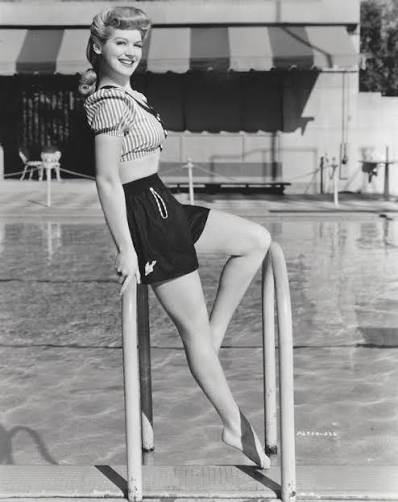
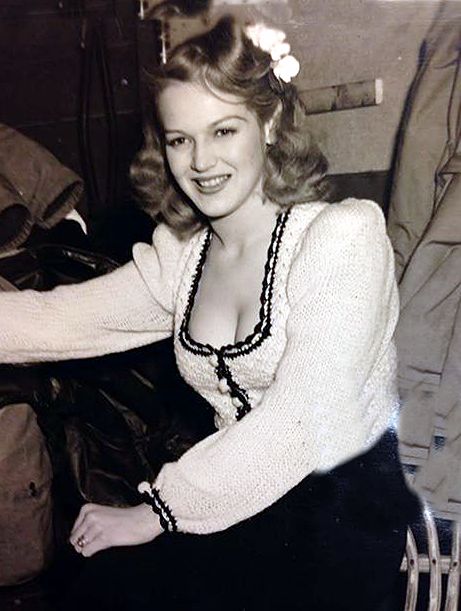
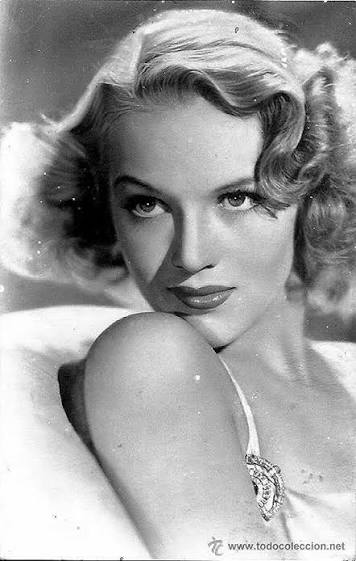
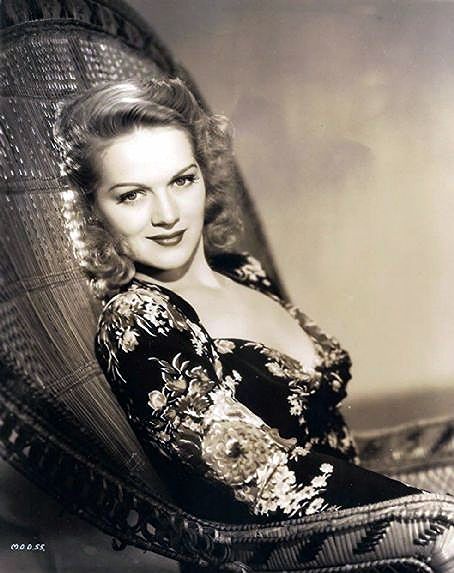
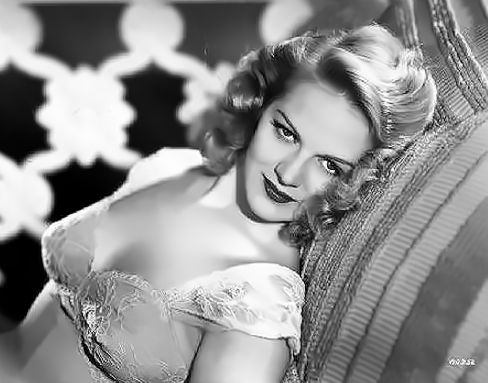
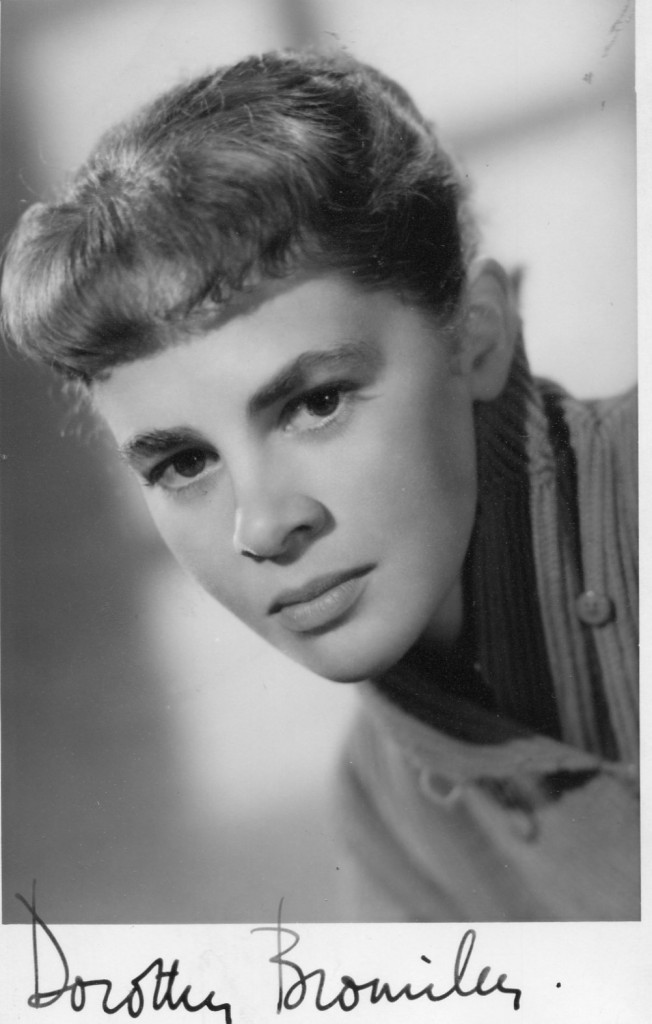
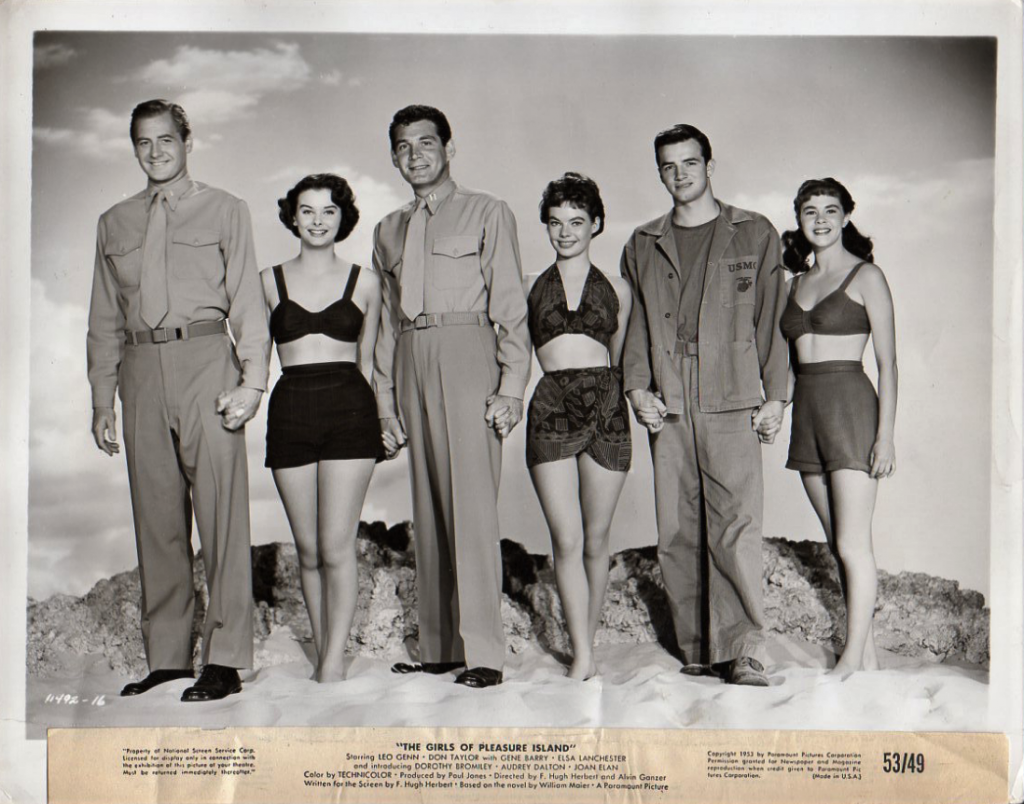
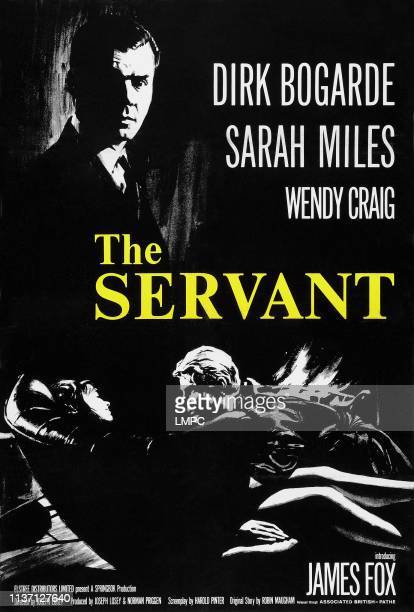
Dorothy Bromiley was born in 1930 in Manchester. In 1952 she, along with Joan Elan and Audrey Dalton won major parts in the movie”The Girls of Pleasure Island” which was made in Hollywood. Ms Bromiley did not stay in the U.S. but pursued her career in Britain. Among her other films are “It’s Great to be Young” with John Mills in 1956 and “The Servant” which was directed by her one time husband Joseph Losey. An interesting article on Dorothy Bromiley can be accessed here.
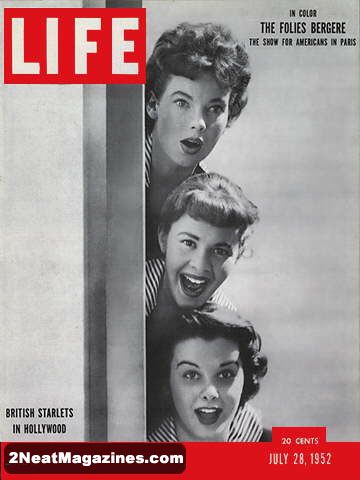
Dorothy Bromiley
Dorothy Bromiley Phelan (born 18 September 1930) is a British former film, stage and television actress and authority on historic domestic needlework.
Born in Manchester, Lancashire, the only child of Frank Bromiley and Ada Winifred (née Thornton). Bromiley played a role in a Hollywood film before returning to the UK where, in 1954, she started work as assistant stage manager at the Central Library Theatre, Manchester; followed by a West End stage role in The Wooden Dish directed by the exiled US film and theatre director Joseph Losey(who became Bromiley’s husband from 1956 to 1963). They have a son by this relationship, the actor Joshua Losey. Since 1963 Bromiley has lived with the Dublin-born actor and writer Brian Phelan (who appeared in the 1965 film Four in the Morning), they have a daughter, Kate.
Bromiley attended the Royal Academy of Dramatic Art.

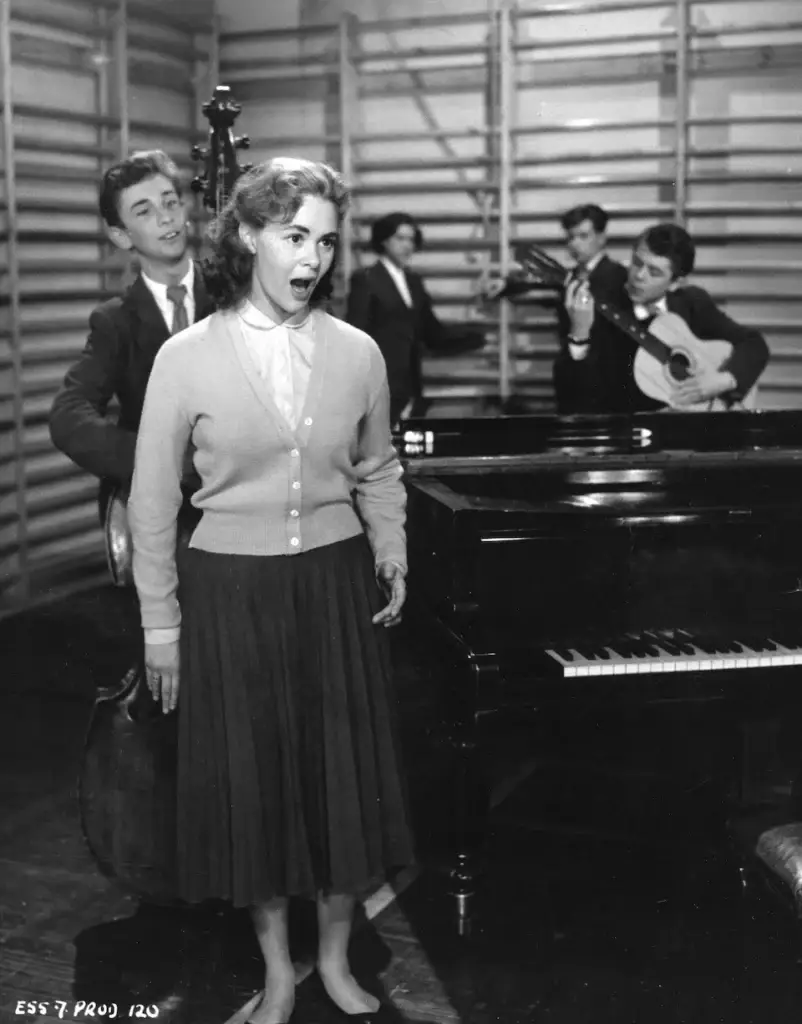
Bromiley successfully auditioned for the role of Gloria in the Hollywood film The Girls of Pleasure Island (Paramount, 1952). Her major roles in several British films include sixth former Paulette at Angel Hill Grammar School (aged 26 at the time) in It’s Great to Be Young (1956) in which Bromiley’s singing voice for the Paddy Roberts/ Lester Powell Ray Martin song “You are My First Love” was dubbed by Edna Savage (and by Ruby Murray in the pre-credits sequence), Rose in A Touch Of The Sun (1956) co-starring with Frankie Howerd, Sarah in Zoo Baby (1957) with Angela Baddeley, Small Hotel (1957), Angela in The Criminal (1960) and a minor role in The Servant (1963), the latter two directed by Losey.
Bromiley made her television drama debut as Pauline Kirby in “The Lady Asks For Help” (1956) an episode of Television Playhouse produced by Towers of London for ITV. This was followed by the role of Ann Fleming in “Heaven and Earth” (1957) part of the Douglas Fairbanks Presents series for ATV. Directed by Peter Brook, it also starred Paul Scofield and Richard Johnson, and was set on board a plane that develops engine trouble. Bromiley also had roles in such popular television series as The Adventures of Robin Hood (1956) as Lady Rowena (“Hubert” episode), Armchair Theatre (1957), Play of the Week (“Arsenic and Old Lace”) (1958), Saturday Playhouse (“The Shop at Sly Corner”) (1960), Z-Cars (1964), The Power Game (1966) and No Hiding Place (1965, 1966), and the television play Jemima and Johnny (1966). Her last television drama role was as Sarah Malory in Fathers and Families (BBC Television, 1977) directed by Christopher Morahan.

Dorothy Bromiley taught at the London Academy of Music and Dramatic Art (LAMDA) between 1966–72 and left to create The Common Stock Theatre Company, staging socially relevant theatre in colleges and non-traditional halls.

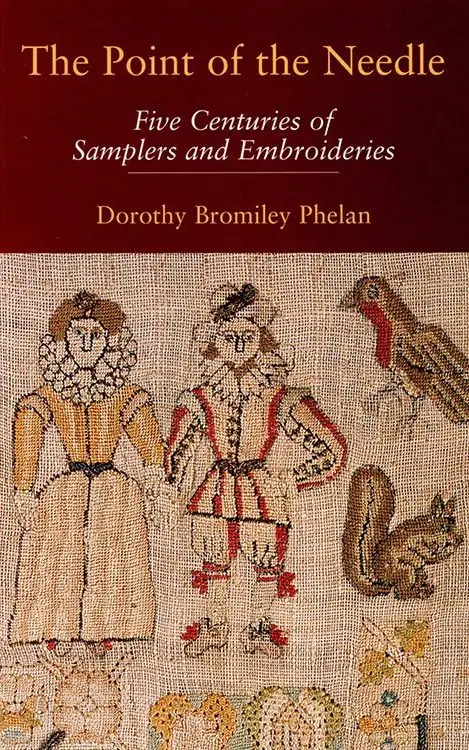
Retired from acting, Dorothy Bromiley lives in Dorset, and has developed an interest in 16th and 17th century amateur domestic needlework, writing on the subject, and curating two major exhibitions


Neil Dudgeon was born in 1961 in Doncaster.
Article in “MailOnline” here.
Midsomer Murders star Neil Dudgeon has a hunch – like all good policemen – as to why the everyday story of country folk killing each other makes ideal festive viewing.
As villagers drop like flies in more and more inventive ways, perhaps crushed to death by a wheel of cheese or poisoned by frogs, it apparently gives fans ideas.
‘Christmas is wonderful, but it can make you want to murder your nearest and dearest,’ laughs Neil, who plays DCI John Barnaby in the long-running show. ‘Then you see it all acted out on TV and you think, “If only I’d thought of that! If only we had a gargoyle, I could get on the roof now, get them in the garden and push the gargoyle off!”
This year’s festive offering The Christmas Haunting, which launches a new series of five episodes, sees a philandering furniture-maker fatally stabbed with an antique sword during a manor house’s ghost hunt
‘But seriously, the murders in Midsomer always have that slightly hilarious quality that allows people to enjoy them. People who live in London are afraid of things like being mugged on the way home from the Tube, but it’s very rarely reported on the news that a man in London has been crushed by a falling gargoyle or beaten to death with a round of Midsomer Blue cheese. They’re sort of safe murders, if you can have such a thing.’
This year’s festive offering The Christmas Haunting, which launches a new series of five episodes, sees a philandering furniture-maker fatally stabbed with an antique sword during a manor house’s ghost hunt.
Prime suspects? Well, Les Dennis heads the list of guest stars alongside Elizabeth Berrington, Mark Heap, James Murray, Emily Joyce and Hannah Tointon. Neil’s keeping the case-file close to his chest but is prepared to reveal, ‘There’s plenty of snow and it’s very festive. Sykes the dog is quite be-Christmased, as you would expect.’
And Neil gets another present too: a new right-hand man. DS Ben Jones (Jason Hughes) has been promoted and transferred away from the area, and his replacement, DS Charlie Nelson (Gwilym Lee), arrives on the eve of the festivities. Gwilym – who’s been in Inspector Lewis, Waterloo Road and Ashes To Ashes – admits it’s ‘a bit of a dream’ to land the part of the green tea-drinking health freak from the city. Already a Midsomer fan, the 29-year-old says, ‘It’s like the British Television Repertory Company. You see all these familiar faces around. It’s fantastic!’
Neil agrees, saying that working with some of British TV’s legendary stars is one of the highlights of the show for him. ‘I have a soft spot for the older actors I remember from watching television as a boy. June Whitfield and Bernard Cribbins are in one episode that features a couple of brilliant aeroplane-related fatalities. I can say no more.
Robert Bathurst is also in it – an old friend of mine who I first worked with years ago. Every time there was a cut in one scene Robert and I started pestering June with questions like, “So June, Tony Hancock, what was he really like?” We’d do another take and then we’d say, “June, June, what was Wilfred Pickles like?” It was just hilarious. Brilliant stuff. Bernard claims to be in his mid-80s but it’s like he’s in his mid-50s. He’s extremely funny and charming with it.’
The familiar faces in the Christmas Special had to suffer for their art though. The snowy scenes were filmed during the July heatwave when temperatures reached 31°C.
‘It was hilarious,’ laughs Neil. ‘We film through the summer months, so we were all saying, “Once we start the Christmas episode, we’re going to have to wear coats and scarves and say, “Brrrrrr!” but there’ll probably be a heatwave.’
And there was. ‘Every time we came out of a building we had to say, “Oh, it’s cold!” The director would say, “Yes, that looks great, apart from the fact you’re sweating too much. Can you try not to sweat or have the sun bouncing off your face?” It was a bit tricky.’
Gwilym adds, ‘But no matter how hot and sweaty we were, at least we weren’t in a Father Christmas outfit like Les Dennis. That was a bonus!’
The banter between Neil and Gwilym bodes well for the future. Les Dennis likened their chemistry to that of Captain Mainwaring and Sergeant Wilson in Dad’s Army. Quite a compliment from a man who knows his comedy. ‘The highest praise,’ nods Neil.
Midsomer Murders is now exported to 225 territories around the world, and it’s such a massive hit in Denmark – even bigger than The Killing – that they filmed its forthcoming 100th episode there and some of the stars of The Killing – Ann Eleonora Jorgensen, Marie Askehave and Nicolaj Kopernikus – make cameos alongside Borgen’s Birgitte Hjort Sorensen.
Were they mobbed when they arrived in Denmark? ‘It was like The Beatles arriving with the Pope in the back of the car!’ laughs Neil. ‘In a population of just five and a half million, they’ve sold around four million Midsomer Murders DVDs.
Something like 80 per cent of households have at least one DVD, and it airs in a primetime Saturday-night slot. Ann Jorgensen – who played the mother in series one of The Killing – said when she told her family, “I’m doing this thing called The Killing” nobody was very interested. As soon as she said, “I’m doing an episode of Midsomer Murders” they begged her, “Can you get us pictures?”
‘Everybody was tremendously excited. We’re really cool in Scandinavia. All the Danes thought it was thrilling to be in the show.’
With the death toll now standing at more than 300, and that landmark 100th episode airing in February, Midsomer Murders really is making a killing.
Katherine Hassell.
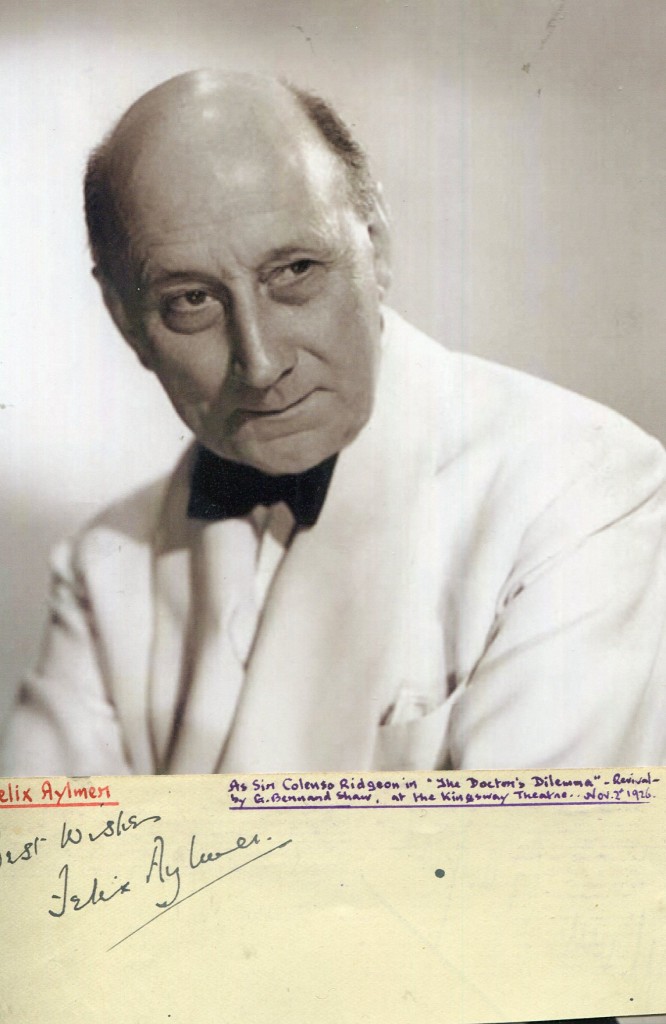
TCM overview:
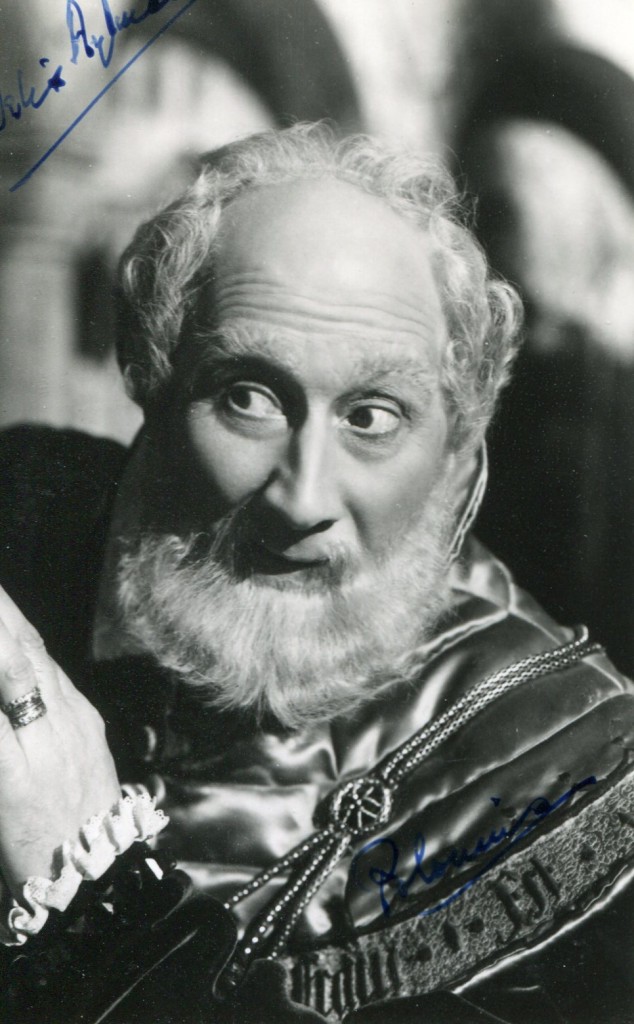
Accomplished stage performer, for many years president of the actors organization Equity, who entered film in the early 1930s and often played doddering clerics, bureaucrats or schoolteachers. Aylmer was twice cast as the Archbishop of Canterbury (in “Henry V” 1944 and “Becket” 1964) and played Polonius in Laurence Olivier’s film, “Hamlet” (1948). He was knighted in 1965.
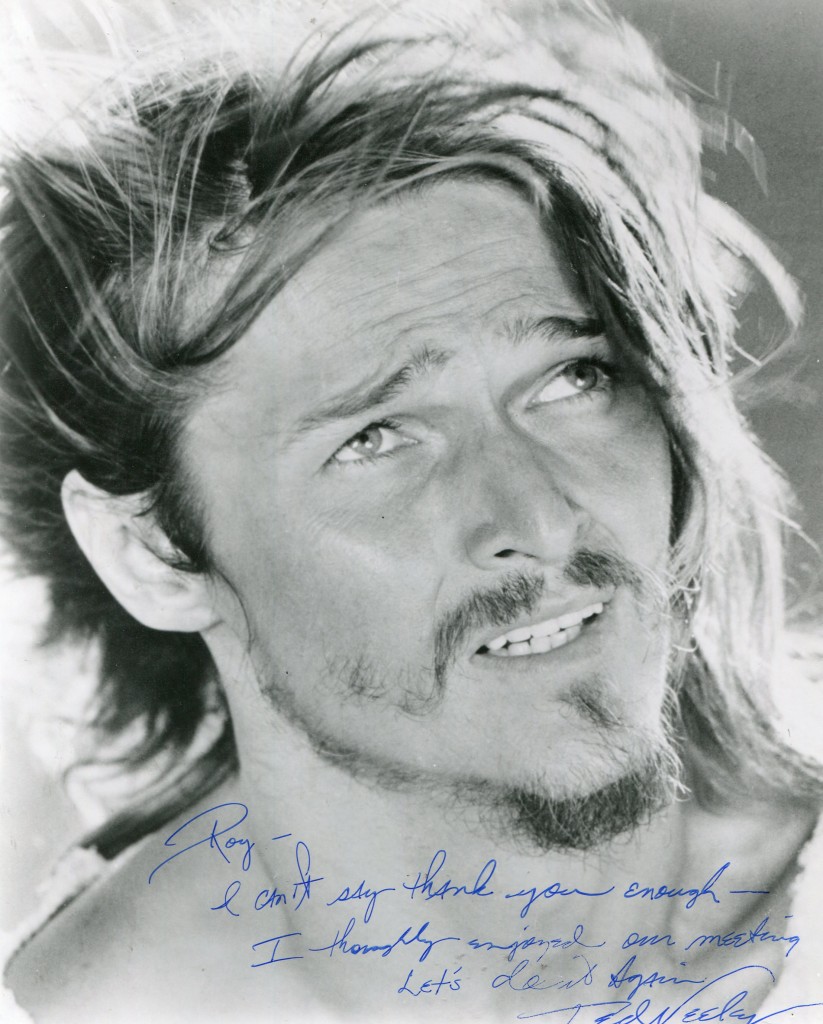
IMDB entry:
Ted Neeley was born on September 20, 1943 in Ranger, Texas, USA. He is an actor, known for Django Unchained (2012), Jesus Christ Superstar (1973) and Summer Camp Nightmare (1987).
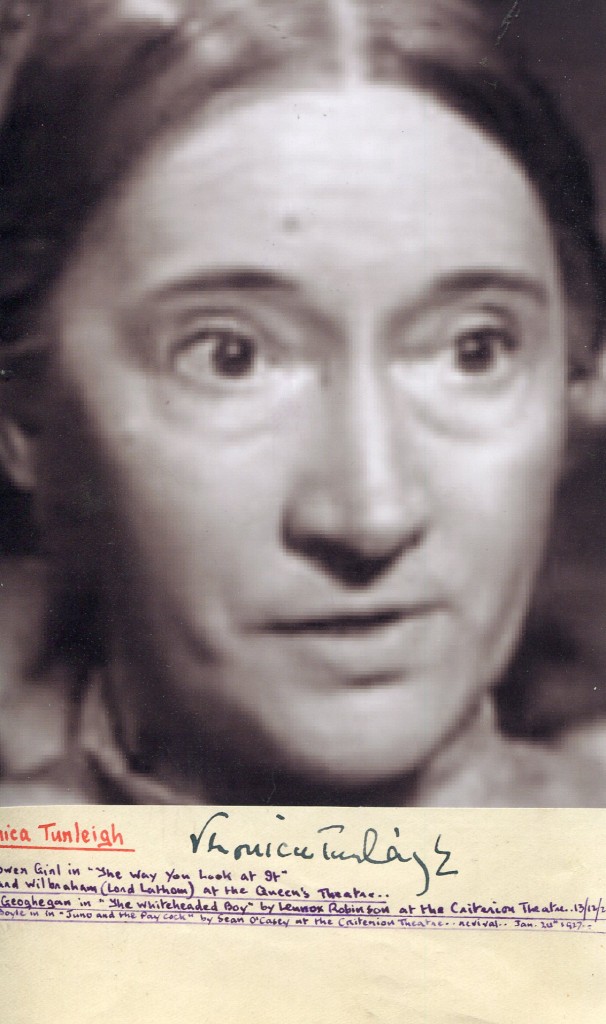
IMDB entry:
Veronica Turleigh was born on January 14, 1903 in County Donegal, Ireland as Bridget Veronica Turleigh. She was an actress, known for The Horse’s Mouth (1958), The Promoter (1952) and Smiling at Grief (1939). She was married to James Laver. She died on September 3, 1971 in England.