


April Olrich was born in 1933 in Zanzibar. She was featured in “Room At The Top”, “The Intelligence Men” and “The Skull”. She died in 2014.
“The Stage” obituary:
Although she trained as a classical ballerina, one of the favourite shows that April Olrich appeared in was the revue Wait a Minim!, which was staged at the Fortune in London from 1964 to 1966. Just before that, she appeared in a revival of the Rodgers and Hart musical The Boys from Syracuse, at Drury Lane alongside Denis Quilley and Bob Monkhouse.
The daughter of a communications expert, Olrich was born in Zanzibar, part of the east African state of Tanzania. She trained first in Argentina and later under George Balanchine in New York. In Paris, Margot Fonteyn joined private classes that Olrich attended.
When the Ballet Russes arrived in Covent Garden, Olrich was talent-spotted by the Royal Ballet founder Ninette de Valois, and joined its corps de ballet in 1949. She quickly became a soloist, dancing principal roles with the company for four years.
Wait a Minim! was a collection of original songs and international folk music. Olrich joined the American production in New York and won a Whitbread Anglo-American Theatre award. In San Francisco, she married her co-star from the show, Nigel Pegram.
Her cinema career embraced the adaptation of John Braine’s novel Room at the Top (1959), and the Morecambe and Wise flop The Intelligence Men (1965). On television, she was seen in Whodunnit? (1976), a game show in which panellists had to guess who had carried out dramatised murders, and Fresh Fields (1985), starring Julia McKenzie and Anton Rodgers.
April Olrich, who was born Edith April Oelrichs on July 17, 1933, died in London on April 15, at the age of 80.
The above “Stage” obituary can also be accessed online here.
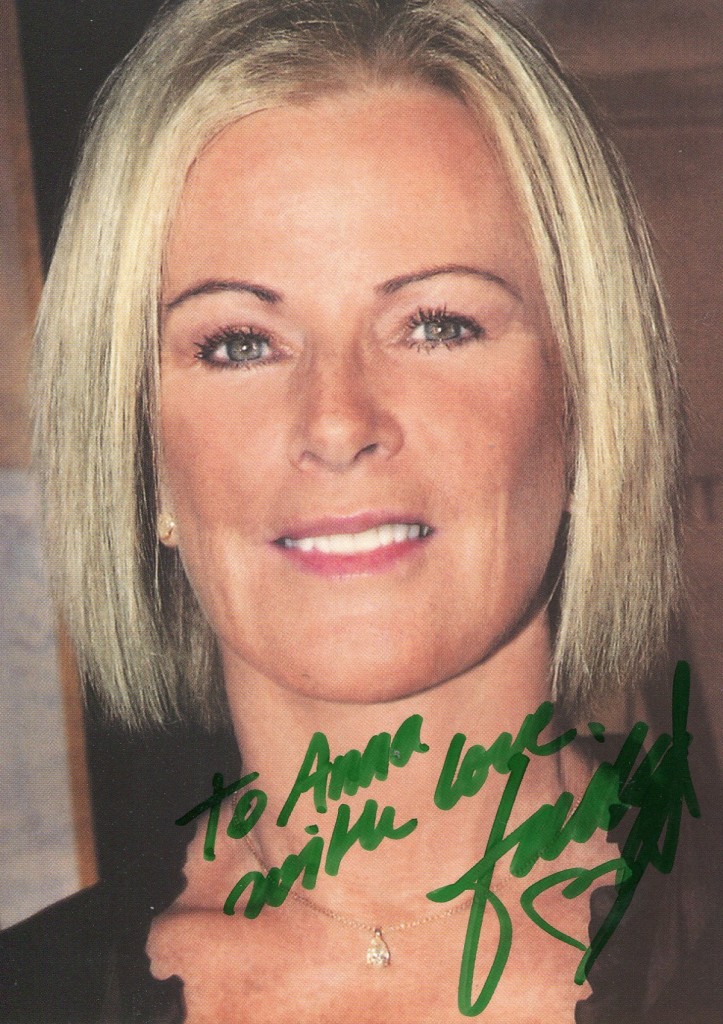
Frida Lyngstad was born in 1945 in Norway. She is part of the pop group Abba.
Extract from “Express” article: Out of all four of us, Frida had the most dramatic life. Her life is the classic rags-to-riches story,” he said last year. “I can just picture the scenes and the cliffhangers.”Her Serene Highness Princess Reuss, Countess of Plauen – to accord “the brunette one” from the Seventies’ most celebrated foursome her married titles – could hardly deny the truth of that statement.
As the illegitimate daughter of a Norwegian mother and a German soldier, conceived during the Nazi occupation of her homeland, she was lucky to escape incarceration in a mental institution. That was the fate which befell many innocent Norwegians who were the products of Heinrich Himmler’s Lebensborn programme which was designed to produce an Aryan master race. Frida avoided it thanks to the grandmother who whisked her to safety in Sweden.
Now wealthy thanks to her singing stardom and her marriage to a millionaire from a German royal house, she is a close friend of the Swedish royal family and spends her time doing international charity work. It was in that role that she apparently met Sir Alan West, as he then was, just after he had stepped down as Britain’s First Sea Lord, the professional head of the Royal Navy.
“I didn’t have many friends,” she has recalled. “I thought everything about me was wrong – that there was nothing about me that was worth loving.”
She knew that her father was German but she had been told he had drowned at sea. It was only in 1977, when the publicity surrounding Abba enabled one of her estranged German relatives to put two and two together, that she realised Haase was still alive. They had a reunion but ceased contact in 1983.
By that time she had been married and divorced twice. In 1963 she wed Ragnar Fredriksson, the bass player of her Swedish band the Anni-Frid Four. They had two children but she divorced him after she met keyboard player Benny Andersson (the bearded one from Abba). His composing partner Ulvaeus was engaged to a rising blonde singing star called Agnetha Faltskog and in 1970 a quartet was born called The Engaged Couples. That mutated to ABBA when their manager started referring to them by the initial letters of their names (although they needed first to negotiate with Sweden’s largest fish canning factory, also called Abba, which eventually wished them well and sent them a carton of tuna).
Soaring to success with victory in the 1973 Eurovision Song Contest, the clean-living foursome dominated the Seventies with their bubbly, white-jumpsuit schmaltz. They have sold more than 370 million records to date – winning a new popularity in the Nineties with their Abba Gold greatest hits album and the worldwide success of the spin-off musical Mamma Mia!
At the height of their fame, the engaged couples married but Frida and Benny were divorced in 1981, and after the break-up of Abba she left Sweden first for Britain and then for Switzerland, launching a solo career that failed to set the world on fire. Nowadays, she says her interest in music is “non-existent”.
In 1992, she married her long-time boyfriend, Prince Heinrich Ruzzo Reuss von Plauen, the part-Italian, part-Swedish head of a former German royal house, who was based in Switzerland. They had been living together in his castle at Fribourg, near Berne, since 1986. Educated in Sweden, the prince was a schoolfriend of King Carl Gustaf of Sweden, and he and Frida took to spending winter holidays with Carl Gustaf and his wife Queen Silvia. But the decade brought twin tragedies. In January 1998, Frida’s daughter Lise-Lotte was fatally injured in a car crash in the United States and less than two years later, in November 1999, Prince Ruzzo died of cancer after a six-month illness, aged just 49.
While her former bandmate Agnetha has become a recluse, hiding away on a thinly populated Swedish island, misfortune has not led Frida to shun the limelight. A grandmother and a staunch Green campaigner, she is a prominent supporter of the drug prevention charity Mentor and has attended charity functions such as one at London’s Natural History Museum last year, in the company of her friend Queen Silvia and Queen Noor of Jordan.
Frida, who now lives in the ultra-chic Swiss mountain resort of Zermatt.

Chesney Hawkes
Chesney Hawkes was born in 1971 in Windsor. His father Leonard was in the 60’s pop group The Tremeloes. In 1991 he had a huge hit with the song “My One and Only”. He starred in “Buddy’s Song” and “Prince Valiant”.
IMDB entry:
Chesney Hawkes born September 22, 1971 in Windsor, Berkshire, England Is the son of Len (Chip) Hawkes, the singer of The Tremeloes (known for their hit “Silence Is Golden”) and Carol Hawkes, who was a TV hostess and actress in the UK.
It was in early 1991 when Chesney, then 19, won the lead role in the film Buddy’s Song(1991) (also starring Roger Daltrey of The Who), and signed to sing the sound track but suddenly found himself one of the first teenagers in pop history ever to bag the Number One spot with a debut release. “The One And Only” stayed at the top for five weeks, going on to become one of the undisputed global teen anthems of 1991 as it crashed Top 10s world-wide, including the notoriously difficult markets of Japan and America. The song was also featured over the titles of the Michael J. Fox movie Doc Hollywood (1991).
Chesney and his band (featuring his brother Jodie on drums) rounded off 1991 with a sell-out tour, playing everything from small clubs to 10,000 seaters the length and breadth of Europe. Both fans and critics alike voted Chesney’s live show a spectacular success, with special honours going to the much remembered last night show at London’s Hammersmith Odeon. This triumphant concert was to signify the symbolic end of that particular stage of Chesney’s career. Chesney had out-grown the confines of teen idol-dom and was eagerly looking forward to the challenge of establishing himself as a song writer in his own right.
So after gaining more valuable live experience supporting Huey Lewis and Bryan Adams in Europe, Chesney removed himself from the glare of the public eye and spent time in his studio writing and rehearsing for his next album. The hard work paid off and the album “Get The Picture” was as spirited, diverse and uncompromising as anything delivered by self-styled street credible types in recent years.
For the next few years and no longer signed to his original record label, Chesney decided that, rather than respond to numerous offerings of pantomime, store openings and West End roles which, although lucrative, would have taken him away from the music, it was time for him to pay his musical dues, albeit in reverse given that he had a No. 1 record behind him. He formed a new band, “ebb”, and spent 1997 living and working in New York from which base he played a series of East and West coast gigs to great critical acclaim, always continuing to write and demo new material.
Since this time Chesney has worked with numerous talented writers and producers, amongst them Mark Goldenberg who co-wrote The Eel’s “Novocain For The Soul”, Adam Schlesinger of Fountains Of Wayne, Jesse Vellenswealla of The Gin Blossoms, and Counting Crows producer Marvin Etzioni. Other collaborators include Howard Jones, the Police’s Stuart Copland, Nik Kershaw & Bijou Phillips.
English band “Hepburn”, covered “Next Life”, which Chesney co-wrote with Phil Thornally. (Phil co-wrote “Torn”, a hit for Natalie Imbruglia). Caprice charted in March 2001 with “Once Around The Sun” which Chesney co-wrote with Eric Pressley and he has also collaborated with Tricky on his “Mission Accomplished” EP. Another of Chesney’s songs, “Almost You”, was in the film Jawbreaker (1999) starring Rose McGowen and Marilyn Mansun and “Missing You Already” was in the film The Night We Never Met (1993), starring Matthew Broderick.
During the latter half of 2000, and the beginning of 2001, Chesney has been recording a batch of new songs in London and in Los Angeles with producer Charlton Pettus. A number of tracks have been mixed by Neil Dorfsman who has worked with Sting, Dire Straits and Paul McCartney. A single, “Stay Away Baby Jane”, from these sessions was scheduled for release in summer 2001. The video has been filmed in LA with director Rory Rooney.
During April, Chesney has been performing at student venues (Nottingham, Leeds, Lincoln, Hull, Middlesbrough). Such has been the overwhelming response that the, initially mini, tour has now been extended to take in dates throughout May and early June. The teen audience that discovered him in 1991 has now grown up and are, now in their early twenties, thrilled to see Chesney back and performing at the height of his ability.
Chesney has combined touring with appearing on ‘Top Ten Teen Idols’ (Channel 4), Banzai (Channel 4) and ‘Question of Pop’ (BBC1). Interviews in The Sunday Express and The Telegraph have centred on his writing and the tour, and his current media profile (the above plus Heat, Loaded, ILR interviews and sharing a Sunday Express {not the above} centre spread with The Beatles and The Spice Girls) is being watched by the media itself with Ally Ross recently (July) congratulating Chesney on his ubiquity in his News of The World column.
At present, Chesney is working on his new album. He now lives in West London with wife Kristina and his son, Casey George Hawkes who was born on August 29, 2001.
– IMDb Mini Biography By: Anonymous
The above IMDB entry can also be accessed online here.
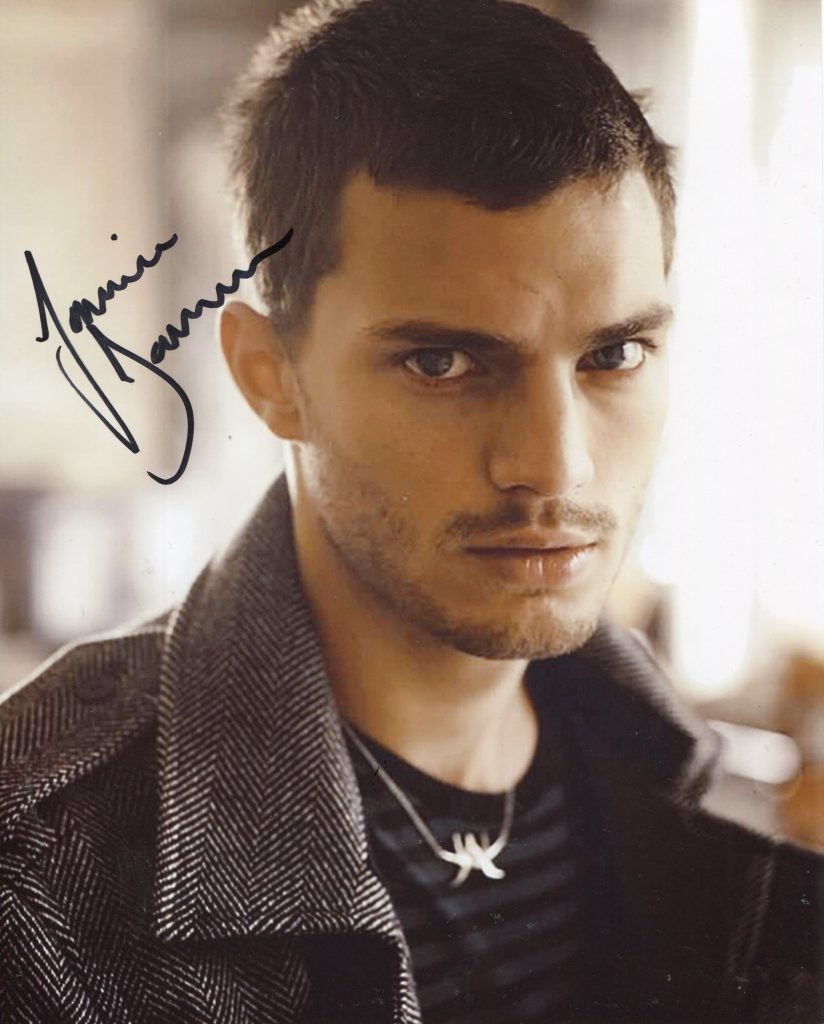
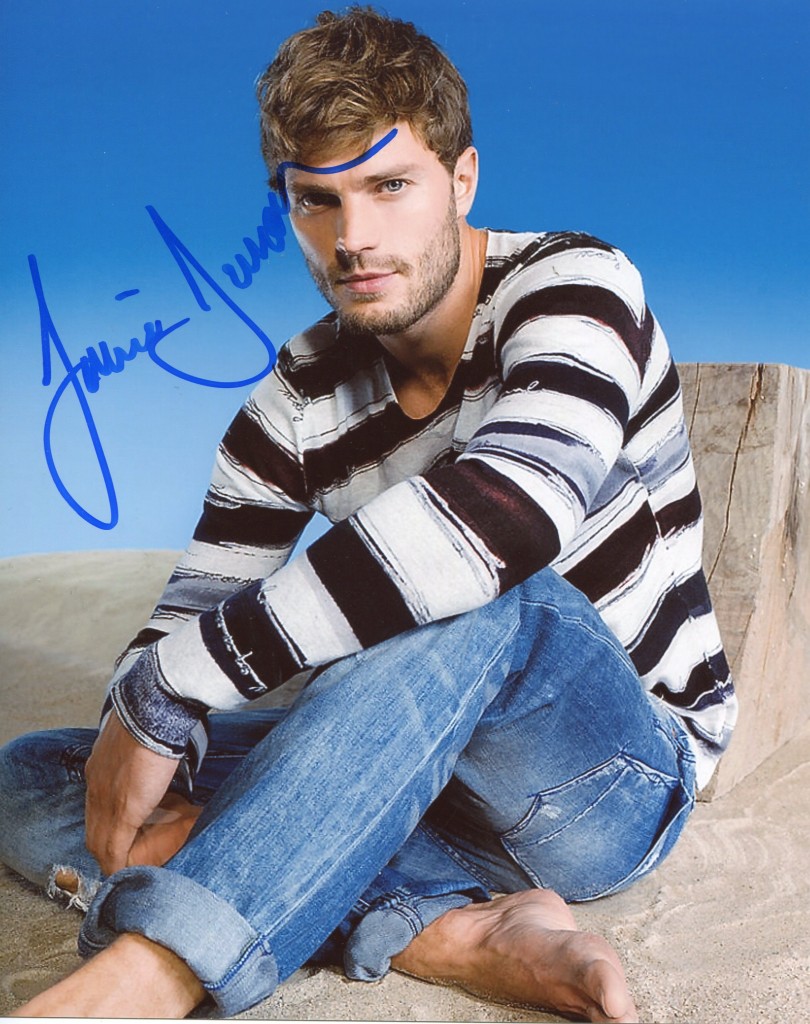
Jamie Dornan was born in 1982 in Belfast. He played ‘Sheriff Graham’ in the series “Once Upon A Time”. His movies include “Marie Antoinette” in 2006 and “Shadows in the Sun”.
TCM overview:
Largely unknown until 2013, actor Jamie Dornan was thrust into the spotlight when he was cast as the male lead in the major movie adaptation of the hit erotic novel Fifty Shades of Grey. A native of the Belfast area, the handsome Northern Irishman pursued acting after briefly attending university, while also working as a model and performing in a band called Sons of Jim. In 2008, Dornan found his first lead role in the horror movie “Beyond the Rave,” but he mostly remained under the radar until he was cast in the dual role of Sheriff Graham and the Huntsman on the fantastical TV series “Once Upon a Time” (ABC, 2011- ). While occasionally appearing on the hit show, he joined Gillian Anderson for the Belfast-set psychological drama “The Fall” (BBC, 2013- ). As word of the well-received series gradually expanded beyond the United Kingdom, his role as Christian Grey in “Fifty Shades of Grey” was announced, immediately making him a subject of intense international interest.
Born and raised just outside of Belfast, Dornan is the great-nephew of WWII-era actress Greer Garson, and he decided to follow her path, but not before stints as a model and musical artist. In addition to appearing in ad campaigns for high-end fashion companies such as Dior and Calvin Klein, Dornan played in the group Sons of Jim, which met with limited success before disbanding. Given his rugged yet regal looks, he found a fitting first screen role as Count Axel Fersen in Sofia Coppola’s bold historical drama “Marie Antoinette” (2006). Dornan’s initial headlining turn arrived in 2008 when he portrayed a British soldier sucked into supernatural events involving dance-obsessed creatures of the night in “Beyond the Rave.” Shifting gears considerably, he subsequently appeared in the pensive English drama “Shadows in the Sun” (2009), co-starring Ophelia Lovibond and veteran actress Jean Simmons.
In 2011, Dornan landed the part of Sheriff Graham and the Huntsman on the popular American show “Once Upon a Time,” giving him exposure to a much wider audience. On the fairytale-inspired series, his hunky law-enforcing character became torn between the scheming Regina (Lana Parrilla) and the virtuous Emma (Jennifer Morrison), showcasing his undeniable sex appeal. Outside of his “Once Upon a Time” appearances, Dornan signed on as a regular on the tense Northern Irish show “The Fall,” starring as Paul Spector, a charming serial killer attempting to elude the investigation of a determined police detective (Gillian Anderson). While enjoying the success of these two ongoing series, Dornan had an unexpected breakthrough-during the fall of 2013, it was announced that he would be replacing Charlie Hunnam as the cinematic version of Christian Grey, the bondage-loving businessman in E.L. James’ sensual novel Fifty Shades of Grey, which had proved to be a pop-culture phenomenon. One of the most highly anticipated Hollywood movies of 2014, “Fifty Shades of Grey” found Dornan working closely with actress Dakota Johnson, leading to much speculation about how the pair would fare as on-screen lovers drawn into a steamy and dramatic relationship.

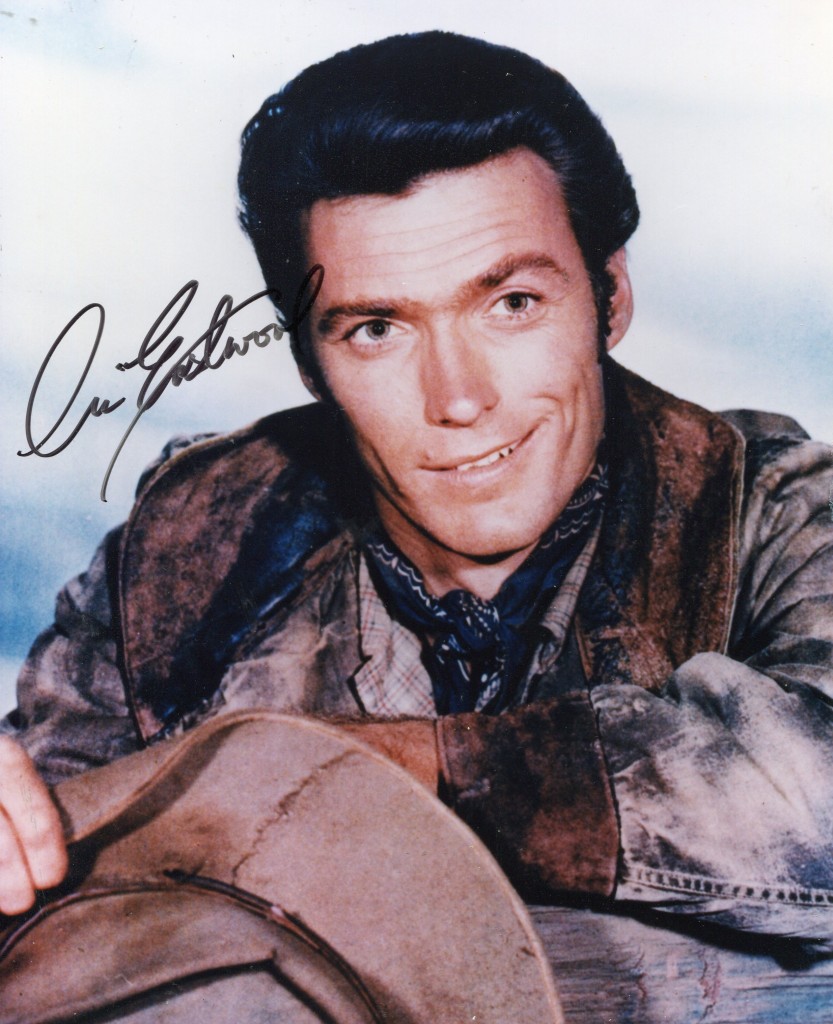
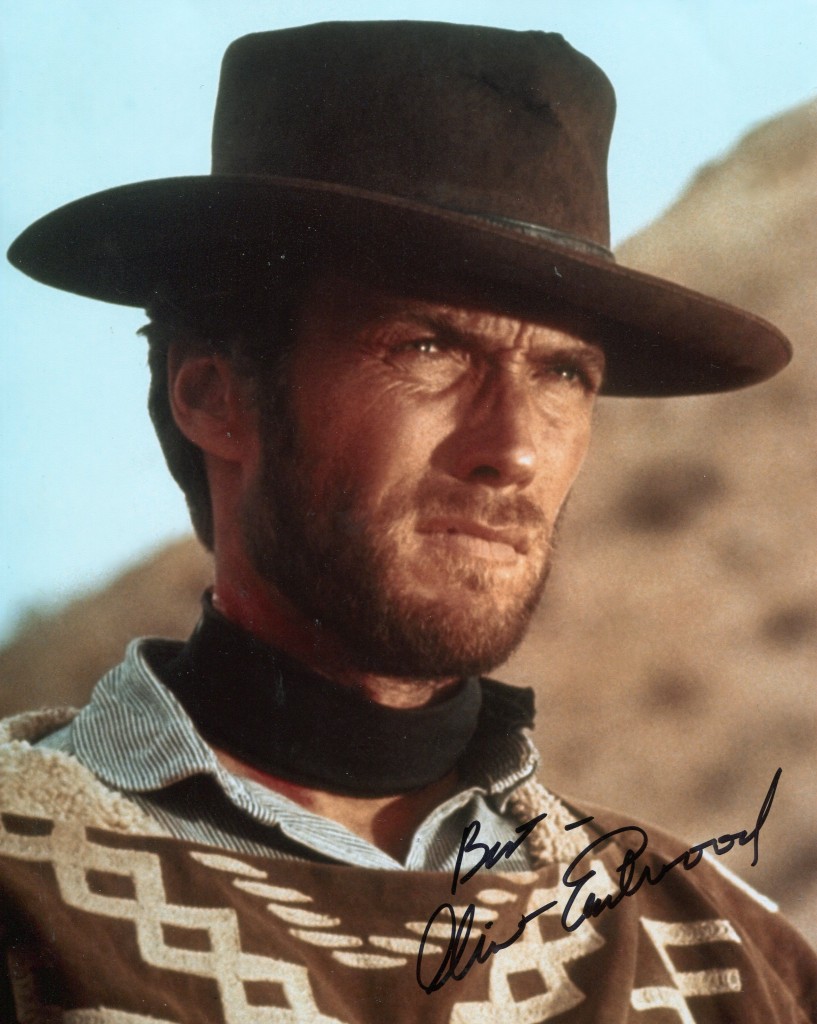
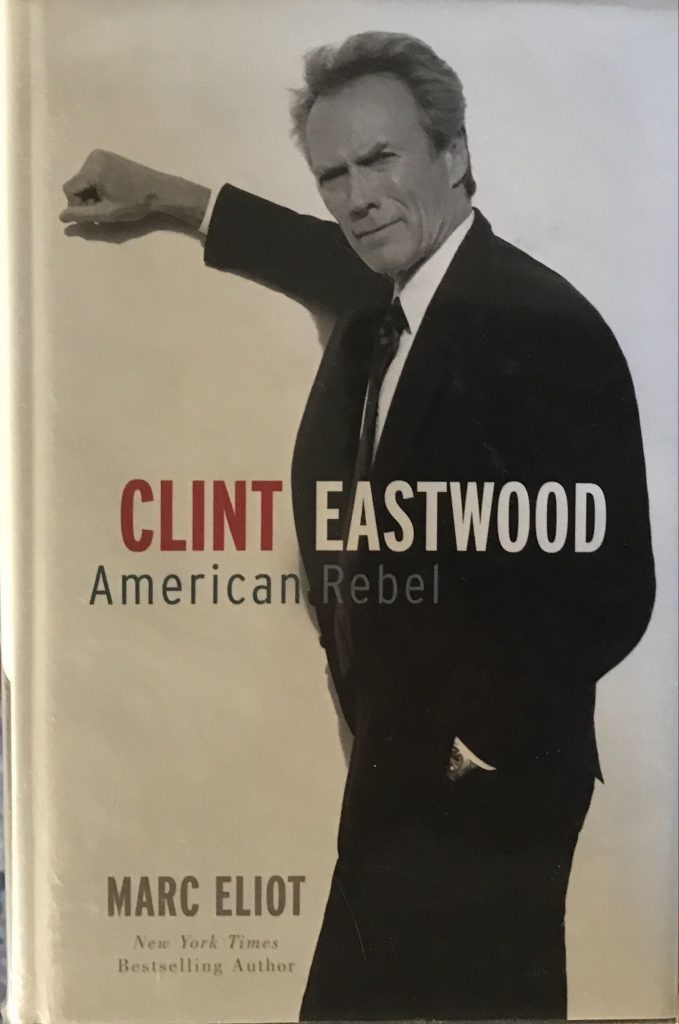
Eastwood is my very favourite actor. Born in San Francisco in 1930, the length of his career is amazing. From his debut in 1955 in “Revenge of the Creature” to 2012 and “Trouble With the Curve, he has consistently shone in the movies. I particularily like “A Fistful of Dollars”, “The Good, the Bad and the Ugly”, “Where Eagles Dare”, “Play Misty For Me”, “Dirty Harry”, “Thunderbolt and Lightfoot”, “The Bridges of Madison County” and “Gran Torino”. Long may he continue.
TCM Profile:
Survey the iconic leading men through every generation of Hollywood filmmaking, and you’d be hard-pressed to find one who has been as durably bankable as Clint Eastwood. Literal generations of devoted fans have been snared by the considerable charisma of the tall, athletic figure with the demeanor as leathery as his features, the less-is-more approach to his craft, and unforgettable portfolio of implacable cowboy and cop heroes. His star clout also enabled him to start a remarkable career behind the camera, and the years have seen him lend an ever-more assured directing touch to many personal projects as well as his more familiar genre efforts.
Clinton Eastwood, Jr. was born in San Francisco on May 31, 1930, to a steelworker father who kept the family transient through the era of the Depression as he searched for steady employment. The Eastwoods ultimately settled in Oakland, where Clint graduated high school in 1948. He spent the next several years of his life rather aimlessly, as he pursued a string of menial jobs from pumping gas to digging swimming pools to playing piano in honky-tonks. In 1950, he entered the U.S. Army, and served as a swimming instructor. Among his fellow servicemen stationed at Fort Ord were actors David Janssen and Martin Milner, who suggested that Clint consider Hollywood after his discharge.
Thereafter, Eastwood enrolled in Los Angeles City College as a business major on the GI Bill; he would never complete his studies. Marrying the former Maggie Johnson in 1953, Clint would finally get his foot in the door with Universal the following year. The studio signed the novice actor for $75 a week, and he logged his first screen time with small roles in Revenge of the Creature, Francis in the Navy and Tarantula (all 1955). Universal cut him loose after a year, but Eastwood persevered over the next few years, continuing to do odd jobs in between sporadic studio assignments.
His first big break came in 1959, when he successfully auditioned for the CBS Western series Rawhide. The show enjoyed a seven-year run, and his stint as cattle driver Rowdy Yates made his name with American TV fans. It was while Rawhide was on production hiatus in 1964 that Clint made a sojourn to Spain, piqued by a screenplay that transferred Kurosawa’s Yojimbo (1961) to the American West. His performance as the taciturn and deadly Man With No Name in Sergio Leone’s A Fistful of Dollars (1964) became a European smash hit. Leone would lure him back abroad to reprise the gritty character in For a Few Dollars More (1965) and The Good, the Bad and the Ugly (1966). Once the trilogy came to American screens in 1967, Eastwood enjoyed cinema superstardom in his homeland as well.
Now a hot commodity, Eastwood was swiftly adopted by Tinseltown as a contemporary cowboy hero, headlining sagebrush stories like Hang ‘Em High (1968) and Coogan’s Bluff (1968), the latter of which started his long-running and influential collaboration with director Don Siegel. He weathered the notorious disaster ofPaint Your Wagon (1969) to headline memorable Westerns and war movies like Where Eagles Dare (1968),Two Mules For Sister Sara (1969) and Kelly’s Heroes (1970).
1971 was a watershed year in Clint’s career in many respects. First, he made the film that he has long considered his personal favorite, Siegel’s unusual Gothic drama, set during the Civil War – The Beguiled(1971). Next, he got his distinguished directing career underway, and also played the lead role of a stalked disc jockey, in Play Misty For Me (1971). Finally, he put in his debut appearance as the Magnum-wielding maverick police lieutenant Harry Callahan in Siegel’s Dirty Harry (1971). The film made him a fixture in the crime action genre and paved the way for four more Callahan shoot-’em-ups (Magnum Force (1973); The Enforcer (1976); Sudden Impact (1983); The Dead Pool (1988)).
Eastwood’s touch continued to prove golden through the ’70s, whether he turned his attention to Westerns (The Outlaw Josey Wales(1976)), action/comedy (Every Which Way But Loose (1978)), or thriller (Escape From Alcatraz (1979)). By the mid-’80s, his marriage to Maggie had ended, and the environmentally conscious star was devoting attention to responsibilities like his two-year stint as mayor of Carmel, California. As the ’80s wound down, the director Eastwood continued to receive critical praise for personal projects such as Bird(1988) and White Hunter, Black Heart (1990), but his familiar star vehicles became less and less of a guaranteed draw.
The rumors of his professional demise were quickly squelched by the success of his revisionist westernUnforgiven (1992), which landed Oscars® for Best Picture and Best Director. He followed up solidly with the successful suspenser In the Line of Fire (1993) and the adult romance The Bridges of Madison County(1995). Into the new millennium, he doggedly continued to portray men of action in the twilight of their lives, even as the box office returns diminished (Absolute Power (1997); True Crime (1999); Blood Work (2002)).
Romantically linked to leading ladies Sondra Locke and Frances Fisher in the years since his divorce, Eastwood remarried in 1996 to news anchor Dina Ruiz. He has fathered seven children by five different women; he has given screen opportunities to his eldest, Kyle (Honkytonk Man (1982)) and Alison (Midnight in the Garden of Good and Evil (1997)). This past May, he squelched rumors of a sixth Harry Callahan movie, finally admitting his willingness to hang up the holsters at age 73. The Carmel cowboy hasn’t stopped exercising his creative chops, as evidenced by his adaptation of the novel Mystic River (2003) with Sean Penn, Tim Robbins and Kevin Bacon.
by Jay Steinberg
The above TCM Profile can also be accessed online here.
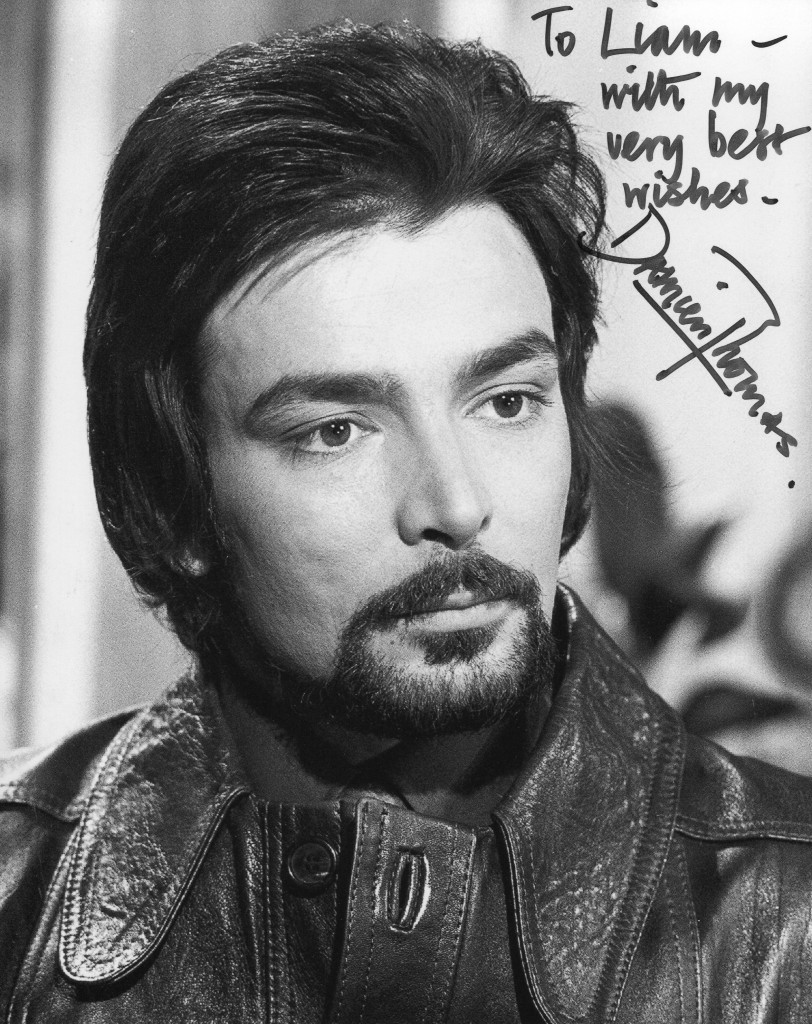
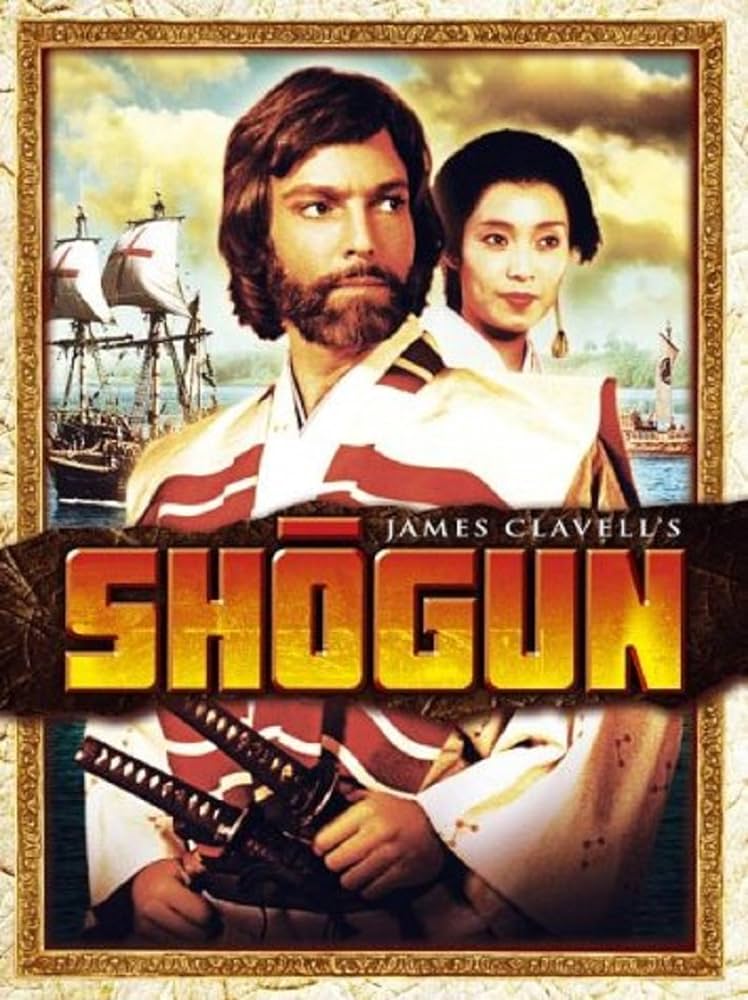
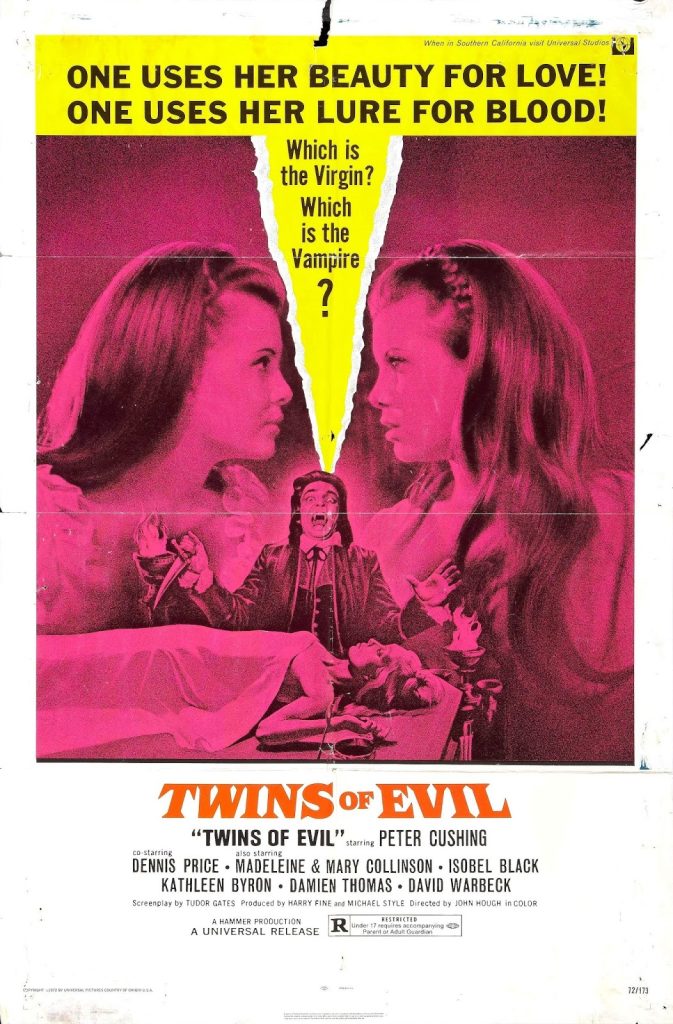
Damien Thomas was born in Egypt in 1942. He has featured in such movies as “Sinbad and the Eye of the Tiger”, “The Message” and “Twins of Evil”. On television he gained great personal notices for his performance in “Shogun”.
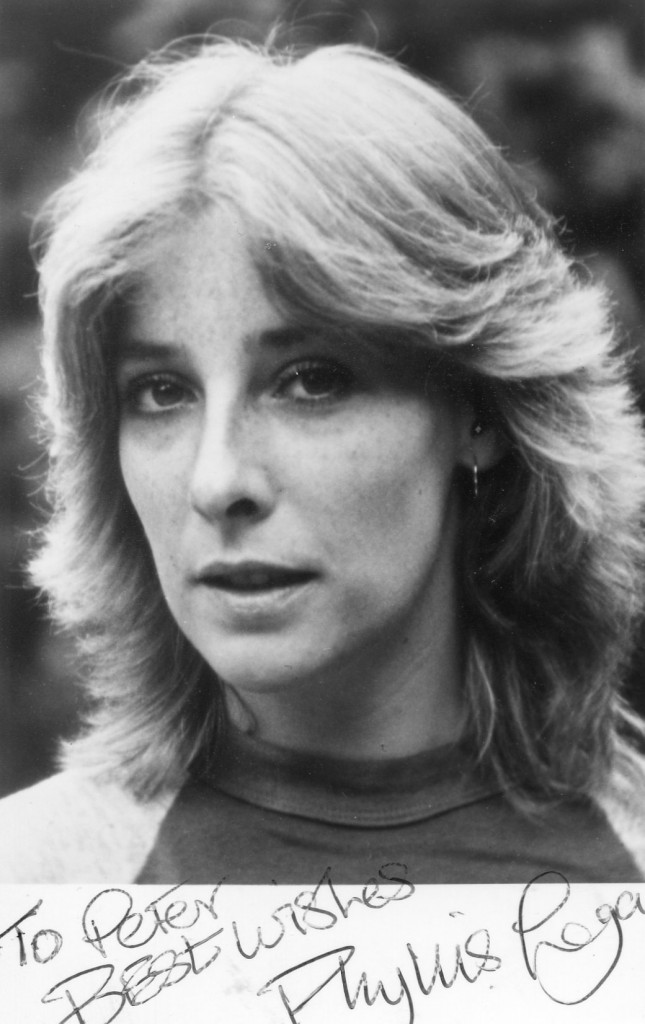


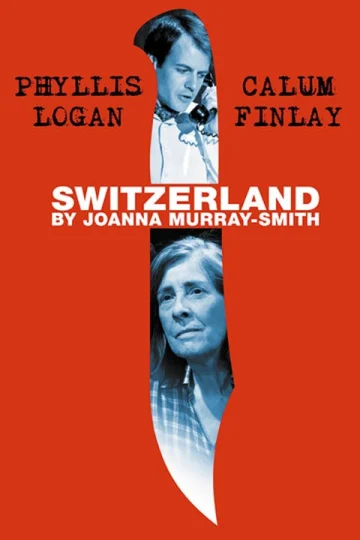
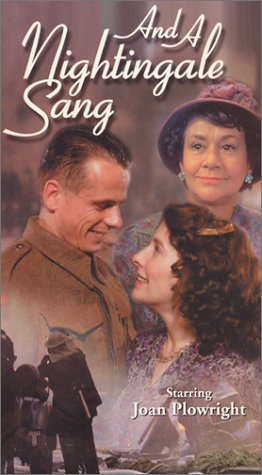


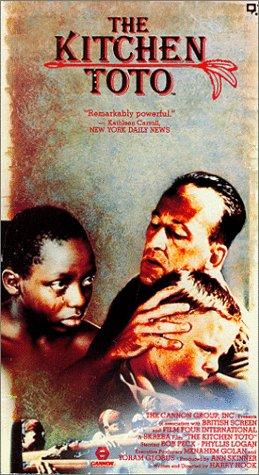


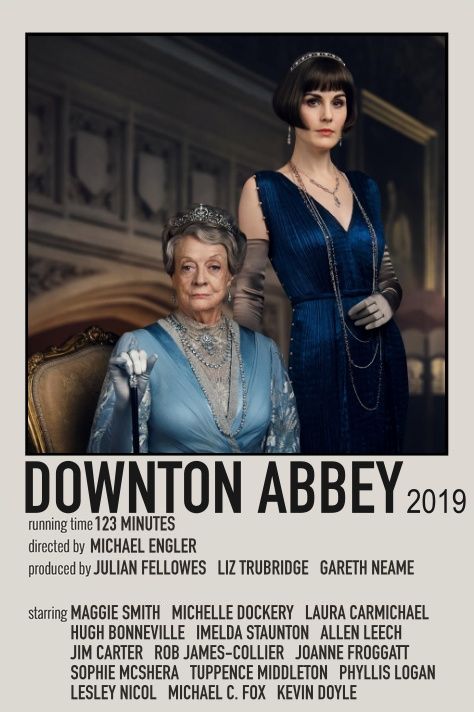
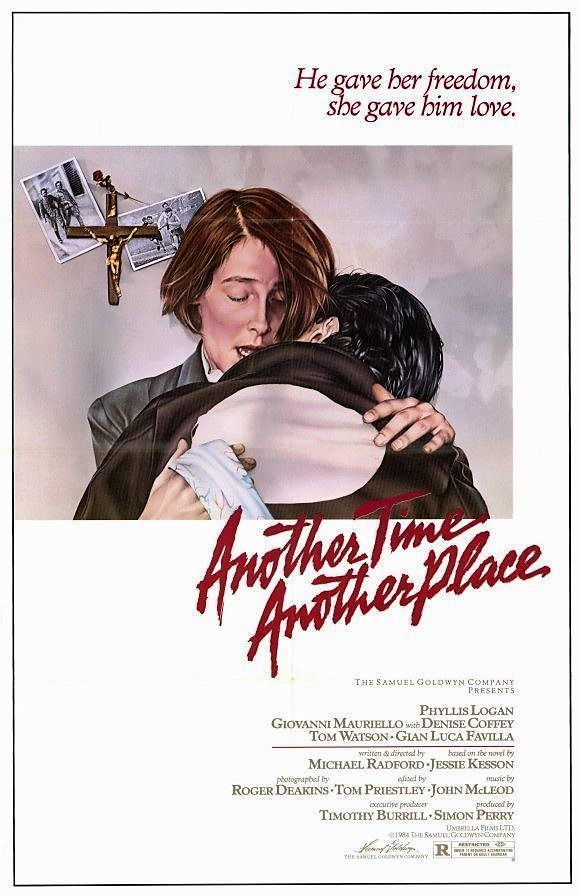
Phyllis Logan was born in Paisley, Scotland in 1956. In 1983 she won plaudits for her performance in “Another Time, Another Place”. She has also starred in “Lovejoy” and is currently kindly ‘Mrs Hughes’ in “Downton Hall”. Her movies include “The Kitchen Toto” and “The Chain”.
TCM overview:
Whether playing a young woman who enters a disastrous wartime love affair or a strict disciplinarian in-charge of an entire household, Phyllis Logan always imbued her characters with authenticity and verve. After launching her career on stage, the Scottish actress made the jump to British television with feature roles in made-for-TV movies and on drama series like “Play for Today” (BBC, 1970-1984) and “Shoestring” (BBC, 1979-1980). Logan finally broke out in the war drama “Another Time, Another Place” (1983), as a young housewife who falls in love with a prisoner of war; a role that earned her accolades, a string of guest roles, and provided her with the perceived gravitas to land parts on popular series like “Holby City” (BBC, 1999- ), “Hope & Glory” (BBC, 1999-2000), and “Lovejoy” (BBC, 1986-1994), as an aristocrat who helps out a rogue but loveable antiques dealer. But it was the actress’ compelling portrayal of the resolute but compassionate housekeeper Mrs. Hughes on the critically-acclaimed “Downton Abbey” (ITV; PBS, 2011- ), a period drama series that highlighted the class divide between the upper-class and their servants, that made Logan a household name and gained her a slew of fans around the world.
Phyllis Logan was born on Jan. 11, 1956 in Paisley, Scotland. A graduate of the Royal Scottish Academy of Music and Drama, she started gaining acting experience as a member of the Dundee Repertory Theatre. After touring around Scotland and performing at various theaters, Logan relocated to London, where she launched her onscreen acting career with featured roles in made-for-TV movies such as “The White Bird Passes” (1980), and on BBC dramas like “Play for Today” and “Shoestring.” Logan’s first big break was landing a lead role in the 1983 film ” Another Time, Another Place,” a drama set in 1943 Scotland during World War II, in which she played a young housewife who falls in love with an Italian P.O.W. who works on their farm. Her role in the hit feature gained Logan acting accolades, including the BAFTA Award for the Most Outstanding Newcomer to Film in 1984. She continued to make inroads with appearances in a variety of genre projects, including the horror films “The Doctor and the Devils” (1985) and “The Inquiry” (1986), and “The Kitchen Toto” (1987), a drama set in 1950 Kenya about a British policeman who takes in a murdered black priest’s son to live with him and employ him as a houseboy.
In 1989, Logan starred in the made-for-TV biopic “Goldeneye” (ITV), which chronicled the life of British author Ian Fleming; Logan portrayed his wife, Ann. Her career continued to flourish with appearances on popular shows like the comedy “Screen One” (BBC, 1985-2002) and “The Play on One” (BBC, 1988-1991), as well as providing the voice of a friendly sea monster in the animated fantasy film “Freddie as F.R.O.7.” (1992). While she kept busy with film roles, Logan continued her role on the hit series “Lovejoy,” a dramedy based on the novels of British crime writer John Grant, which chronicled the adventures of a rogue yet charming antiques dealer named Lovejoy (Ian McShane), who had an uncanny ability to spot rare treasures as well as clever fakes. On the series, Logan played Lady Jane Felsham, an aristocrat who enjoys helping Lovejoy out on his deals.
Television provided the versatile actress with a string of guest roles on BBC shows like”MI-5″ (Spooks, 2002-2011) and “Heartbeat” (1992-2009), as well as recurring parts on dramas such as “Holby City,” “Hope & Glory”, and “Silent Witness” (1996- ), about a team of forensic pathology experts and their investigations. In 2010, Logan appeared in the final storyline of the mystery program “A Touch of Frost” (ITV, 1992-2010), as Inspector Frost’s (David Jason) love interest who marries him at series’ end. That same year, Logan joined the cast of Julian Fellowes’ award-winning period drama “Downton Abbey,” which followed the aristocratic Crawley family and their servants. On the international smash series, Logan played Mrs. Hughes, the head housekeeper who ran her female staff with a no-nonsense attitude. While she was a strict disciplinarian, Logan’s character was not without compassion, and she often found herself helping out fellow servants when they were in distress.
By Candy Cuenco

Niamh McGrady hails from the North of Ireland. She currently is playing ‘Nurse Mary-Claire Carter’ in the British TV series “Holby City”. Other work includes “Best: His Mother’s Son”. In 2008 she was on Broadway with Patrick Stewart in “Macbeth”.
Interview in “Belfast Telegraph” here.

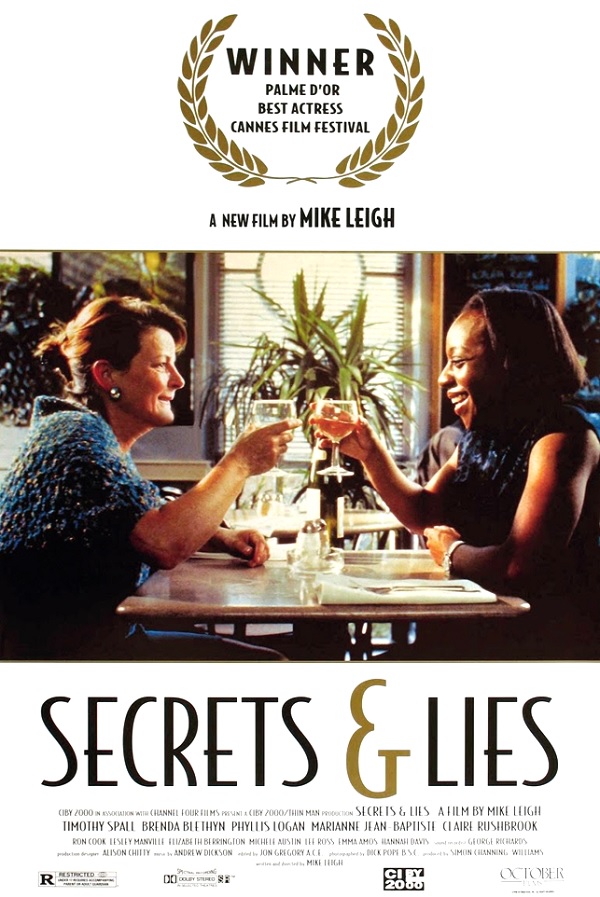
Brenda Blethyn was born in 1946 in Ramsgate, Kent. She did not come into professional acting until her early thirties. However she soon gained a high profile reputation for her stage workj. She went on to star in the many films directed by Mike Leigh including “Secrets and Lies”. She made “A River Runs Through It” in the U.S. where she played Brad Pitt’s mother. She is currently starring in the very popular detective series “Vera” on British television, set in the North East of the UK.
TCM overview:
After decades of acclaimed performances on stage and British television, Brenda Blethyn expanded her audience to include international theatergoers during the 1990s. With her spry and feisty manner, she showed a flair for comedy with her acclaimed starring roles in “Little Voice” (1998), “Saving Grace” (2000) and several British sitcoms. But ultimately the stage veteran revealed herself to be one of her country’s most versatile character actors, bringing a down-to-earth accessibility to ubiquitous costume dramas like “Pride & Prejudice” (2005) as well as offering many portraits of contemporary women struggling to define themselves in “Secrets and Lies” (1996) and “Lovely and Amazing” (2001). Much in-demand in her native country and by filmmakers from the U.S. to Australia, Blethyn could always be counted to add her humorous touch to characters undergoing the most difficult of personal situations.
Born Brenda Anne Bottle on February 20, 1946, Blethyn was raised the youngest of nine in a working class home in Ramsgate, a seaside resort town in Kent, England. She attended Thanet Technical College in Kent and spent the following 10 years in an administrative career, while continuing to nurture her interest in acting by appearing in regional theatrical productions. The dissolution of her early marriage led her to reassess her life and enroll in the Guildford School of Acting. In a remarkably short period of time, she was performing with the Royal National Theater. Her many credits there included “Troilus and Cressida” in 1976 and “Mysteries” in 1979; in 1980, the newcomer hit movie screens in Mike Leigh’s “Grown-Ups” (1980). She earned her first critical acclaim in 1981 for “Steaming” at the Comedy Theater, for which she took home London Critics Circle and Society of West End Theatre Awards for Best Supporting Actress. The following year, she played in “The Double Dealer” at the Royal National Theatre and the modest number of guest TV spots she had already accrued led to a leading role as the long-suffering girlfriend of an unlucky man (Simon Callow) in the sitcom, “Chance in a Million” (Channel 4, 1984-86).
During the 1980s, Blethyn made countless British television appearances, ranging from BBC productions including “King Lear,” to the mystery miniseries “Death of an Expert Witness” (1985) to the NBC two-part TV movie “Poor Little Rich Girl: The Barbara Hutton Story” (1987). Her ongoing stage work included “A Doll’s House” and “Born Yesterday” at the Royal Exchange Theatre, and “The Benefactors,” which earned the actress an Olivier Award nomination. In 1989 Blethyn was well-cast as a single mum who vows to achieve a list of goals she made for herself as a teen – before her 40th birthday – in the sitcom, “The Labours of Erica.” Her first film role came the following year in Nicolas Roeg’s childhood fantasy, “The Witches” (1990). Blethyn continued to break new ground with her first American stage performance in the off-Broadway production of Alan Ayckbourn’s “Absent Friends” in 1991.
Blethyn earned a Theater World Award for Outstanding New Talent for “Absent Friends” and went on to make her first dent in Hollywood playing a minister’s wife and the mother of two very different sons (Brad Pitt and Craig Sheffer) in the Depression era film, “A River Runs Through It” (1992). While appearing in the leading role in the British miniseries “The Buddha of Suburbia” (1993) and scoring a British Comedy Award for Best TV Comedy Actress for “Outside Edge” (1994-95), Blethyn stayed close to the stage in productions with the Royal Shakespeare Company and the Royal Theater Exchange in Manchester. Her career reached new heights in 1996 when she re-teamed with Mike Leigh for “Secrets & Lies” (1996), starring as a working class woman rediscovered by the black daughter she gave up for adoption at birth. Blethyn was both amusing and pitiable in a role that earned numerous accolades. For her tender mix of emotions and the talent she showed for improvisation in the film, she earned an Oscar nomination and Golden Globe and BAFTA wins, as well as the Best Actress Award at the Cannes Film Festival.
Her international victory raised Blethyn’s profile significantly, and she landed back-to-back features for the next several years, first joining Julie Walters to play sisters-in-law and best pals who make a trip to Las Vegas in “Girls Night” (1997). Next she gave a tremendously moving portrait of a woman who has never fully recovered from the death of her child in the Australian produced “In the Winter Dark” (1998). And another Academy Award nomination was forthcoming for Blethyn’s turn as a blowzy, boozy, talkative widow raising a troubled daughter (Jane Horrocks) with a remarkable gift for vocal mimicry in “Little Voice” (1998). Blethyn gave an excellent portrayal of Louella Parsons in “RKO 281” (1999), the acclaimed HBO original about the making of Orson Welles’ masterpiece, “Citizen Kane” (1941). Back to proving she could carry a film lead with charm, humor and pluck, Blethyn offered a deft comic turn as a refined widow forced by financial straits into growing a bumper crop of marijuana in the surprise art house hit “Saving Grace” (2000), for which she earned another round of Golden Globe and BAFTA nominations.
The following year, Blethyn garnered her first Emmy nomination for her affecting portrayal of Auguste Van Pels in the acclaimed ABC miniseries, “Anne Frank.” Her next string of films were little-seen, with the possible exception of Nicole Holofcener’s modest indie hit “Lovely and Amazing” (2001), a smart female ensemble in which Blethyn anchored as the matriarch of a family of women (Catherine Keener, Emily Mortimer, Raven Goodwin). After lending her voice to the Nickelodeon animated feature “The Wild Thornberry’s Movie” (2002), she appeared in the dark psychological drama, “Sonny” (2002), directed by first-timer Nicholas Cage. Often criticized for overplaying a working-class British accent, Blethyn affected an American tone in playing the mother of Pumpkin Romanoff (Hank Harris) in the satirical look at fraternity life in Southern California, “Pumpkin” (2002).
In a third box office flop, Blethyn was cast as the showtune-singing mother of Bobby Darin in Kevin Spacey’s labor-of-love, “Beyond the Sea” (2004). She fared better when she hit Broadway that year in Marsha Norman’s Pulitzer Prize-winning play “‘Night Mother,” starring opposite Edie Falco as the mother of a woman who has decided to commit suicide. In 2005, Blethyn starred in the Scottish film production “On a Clear Day” (2005), playing the wife of a laid-off Glasgow shipbuilder who takes the family’s finances into her own hands and secretly trains to start her own career. From this modest art house film, Blethyn hit mainstream movie theaters in a lively adaptation of Jane Austen’s “Pride & Prejudice” (2005), where her performance as Mrs. Bennett, the forever-nattering matriarch constantly trying to marry off her daughters to save the family’s future, was a comedic gem. The timeless classic went on to earn over $120 million at the box office, securing Blethyn’s place as one of the most versatile British actresses around, equally appealing in costume dramas or as cheeky working class mums.
Further stretching her range, Blethyn starred as a raucous Australian comedienne in “Clubland” (2007), and was nominated for an American Film Institute Award while the film was popular at the Australian Film Institute Awards that year. Blethyn followed up with a small supporting role in the blockbuster drama “Atonement” (2007). Blethyn took a break from her non-stop film shooting schedule over the next couple of years, guesting on American TV as the neurotic mother of Julia Louis-Dreyfus’ character on “The New Adventures of Old Christine” (CBS, 2006- ) and earning another Emmy nomination for a guest spot on “Law & Order: SVU” (NBC, 1999- ) as a woman who helps seek justice for an abused neighbor.

Clive Wood was born in 1957 in Herfordshire. He played ‘Little John’ in the early 1980’s British TV series “Robin of Sherwood”. He has also acted in “Casualty” and “Holby City”. His film work includes “Alien 3” and “The Darkest Light”.
IMDB entry:
Clive Mantle was born in Barnet, London. He was a chorister in St. John’s choir, Cambridge for four years, and a member of the National Youth Theatre for five years, appearing in a total of eleven productions. He trained at R.A.D.A. and has worked steadily in films, plays and television. He is best known for playing Little John in Robin Of Sherwood and Mike Barratt in Casualty and Holby City.
– IMDb Mini Biography By: Christine Haire <ChrisRHood@aol.com>